February 3 – Feed the Birds Day

celebrate-picture-books-picture-book-review-I-am-henry-finch-cover

About the Holiday

As the snow piles up and the harsh weather of winter sets in, it’s harder and harder for our feathered friends to find food. Today’s holiday reminds us that we should hang feeders with seed and suet to help birds stay healthy during these cold months.

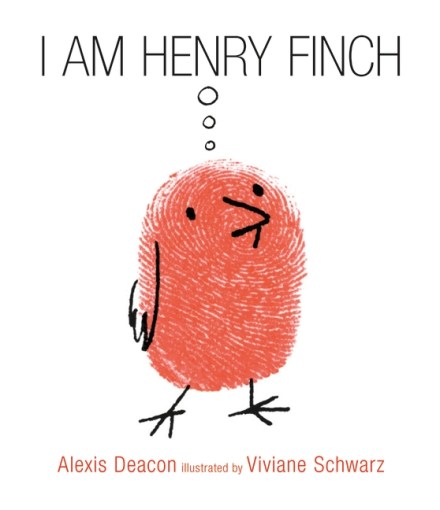
I Am Henry Finch

Written by Alexis Deacon | Illustrated by Viviane Schwarz


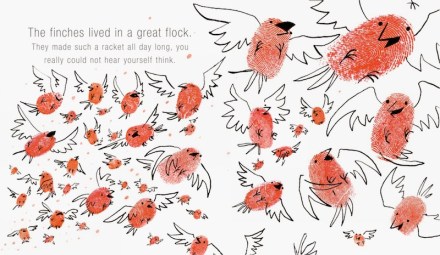
The finches were a talkative bunch. In the morning the flock traded “good mornings”: “‘Good morning, Aziz Finch!’ ‘Good morning, George Finch!’ ‘Good morning, Tiffy Finch!’ ‘Good morning, Henry Finch!’” In the afternoon, they wished each other “Good afternoon!” Evening brought wishes of “Good evening!” And “at night, they said GOOD NIGHT.” The next day the round robin salutations began again. They were only interrupted when the Beast came.
celebrate-picture-books-picture-book-review-I-am-henry-finch-flock

Image copyright Viviane Schwarz, text copyright Alexis Deacon. Courtesy of vivianesxhwarz.blogspot.com

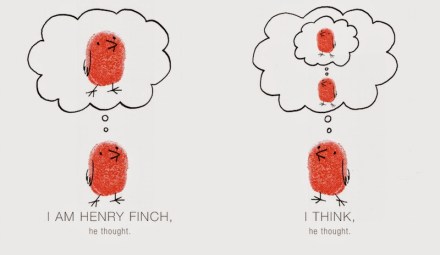
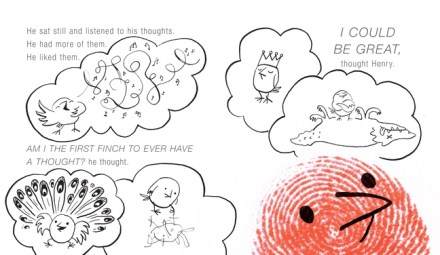
“Then they would all shout, THE BEAST, THE BEAST! And fly as fast as they could to the top of the nearest tree, where they would sit and shout until the Beast moved on.” It remained this way until one night “a little finch woke up in the dark and quiet. He had a thought, and he heard it. I AM HENRY FINCH, he thought.” He considered this thought as well as many others. He wondered if other finches had thoughts like his. He imagined himself defeating the Beast. “I COULD BE GREAT, thought Henry.”

The next morning the Beast did come. Henry envisioned himself standing atop the vanquished Beast and decided now “was the time for greatness.” Screaming his name, he flew directly at his foe…and was…swallowed. Inside the belly of the Beast, Henry had disparaging thoughts. “YOU ARE A FOOL, HENRY FINCH, he thought.” He regretted becoming the beast’s dinner. His troubled mind raced ahead through what would happen to him in the Beast’s digestion process, and yet he continued to think.
celebrate-picture-books-picture-book-review-I-am-henry-finch-I-think

Image copyright Viviane Schwarz, text copyright Alexis Deacon. Courtesy of vivianesxhwarz.blogspot.com

He pondered, “WHO AM I?”and concluded that even if he wasn’t Henry Finch, he was something. “I AM,” he decided, and then he considered the cyclical nature of…well…nature. “IT IS,” he realized. He listened to the grumbling, gurgling sounds inside the Beast. He could “even hear the thoughts of Beast.” It was on the hunt for any “crawling, swimming, flying, walking” creature it could find to feed his family. Henry had had enough. “NO!” he thought. The Beast heard Henry’s thought, and the next one and the next one that told the Beast that all creatures have families and that from now on the Beast would eat only plants because they “have parts to spare.”

Yes, the Beast determined, “I WILL EAT PLANTS,” and when Henry told the Beast to open his mouth wide, the Beast complied. Out popped Henry much to the surprise and delight of the other finches. Henry told them everything that had happened. When he was finished, a small finch piped up, “I HAVE HAD A THOUGHT. GOOD-BYE, EVERYONE. I WILL COME BACK.” She flew off guided by her vision of landing atop a mountain. One by one, every finch envisioned its own great deed and flew away to achieve it, promising to return. And Henry? Gazing up at them as they disappeared into the sky, “he smiled a finch smile. GREAT! thought Henry.”
celebrate-picture-books-picture-book-review-I-am-henry-finch-could-be-great

Image copyright Viviane Schwarz, text copyright Alexis Deacon. Courtesy of candlewick.com

Alexis Deacon’s unique tale is sure to raise plenty of giggles and “Oh, no’s!” followed by more giggles and finally cheers as Henry comes to terms with his greatness and despite his diminutive size vanquishes the Beast. Like René Descartes before him, Henry comes to the conclusion that “I think, therefore I am,” and with pluck and self-confidence decides that his existence warrants attention and respect. Deacon’s inspirational story is perfectly aimed at his young audience who are just beginning to “have thoughts” about who they are, who they want to be, and what they want to do. Henry’s wavering and uncertainty are presented with honesty and humor that will resonate with kids, and his final victory is a joy.
celebrate-picture-books-picture-book-review-I-am-henry-finch-wake-up

Image copyright Viviane Schwarz, text copyright Alexis Deacon. Courtesy of vivianesxhwarz.blogspot.com

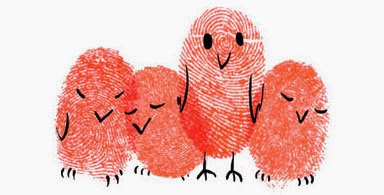
Viviane Schwarz could not have hit upon a more ideal way to depict Henry and the other finches than in the red fingerprints that determine their individuality. With only a few changes to his sketched-in features, adorable Henry becomes sweet, fearful, resolute, courageous, and of course thoughtful. The blue Beast with its mold-green tongue dominates the pages when it appears and dwarfs the tiny birds and other creatures it slurps up. When Henry is eaten and slides through the Beast’s digestive system, the pages turn appropriately black until Henry decides that “NO!” he is not going to become dinner today. A two-page spread of the life cycle for birds, insects, snakes, rats, plants, and even the Beast is a beauty.

I Am Henry Finch is a book that stirs emotions and stimulates discussion, and Henry—like another literary Finch who refused to accept the status quo—is a terrific hero to add to any home bookshelf.

Ages 5 – 8

Candlewick, 2015 | ISBN 978-0763678128

You can connect with Alexis Deacon on his blog “A Place to Call Home.”

You’ll find more about Viviane Schwarz, her books, and her Cat and Bag web comic as well as videos, worksheets, and other goodies on her website.

Feed the Birds Day Activity
cpb-bird-feeder-i

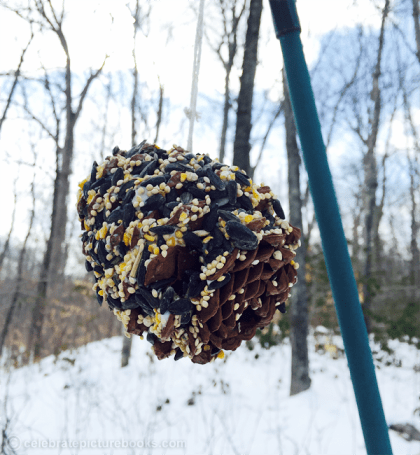
Pining for Seeds Pinecone Birdfeeder


Pinecone birdfeeders are quick to make and great for your backyard fliers. The combination of peanut butter, lard, or vegetable shortening and a quality seed mixture provide birds with the fat and nutrition they need to stay warm and healthy during the winter.

Supplies

  • Pinecones
  • Peanut butter, vegetable shortening, or lard
  • Birdseed
  • String
  • Knife or wooden spreader
  • Spoon

Directions

  1. Tie a long length of string around the middle of the pinecone
  2. Spread the peanut butter, vegetable shortening, or lard on the pinecone
  3. Sprinkle a thick coating of birdseed on the pinecone, pressing it into the covering so it will stick
  4. Tie the pinecone feeder onto a tree branch or other structure
  5. Watch the birds enjoy their meal!

Picture Book Review

January 31 – It’s National Storytelling Week

celebrate-picture-books-picture-book-review-one-day-the-end-cover

About the Holiday

Are you a raconteur? Do you love to weave a tale so intricate and intriguing that your listeners are on the edge of their seats? Or are you the one leaning forward, all ears, feeling the tingling thrill of that story? Either way—this day is for you! The Society for Storytelling instituted National Storytelling Week 17 years ago to promote the oral traditions of this art in England and Wales. Since then it has become an international event. So take some time to tell or listen to a story—or even write one of your own!

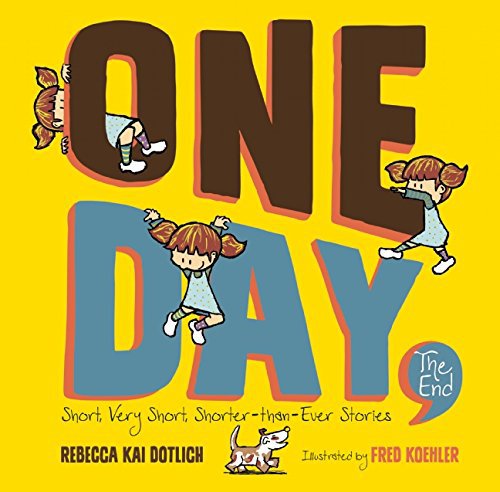
One Day, The End: Short, Very Short, Shorter-than-Ever Stories

Written by Rebecca Kai Dotlich | Illustrated by Fred Koehler


Hey! I have a fantastic story to tell you! Ya gotta minute? Ok! See… “One day I went to school. I came home. The End” What do you mean, “Is that it?” Don’t you get it?  So many things happened—funny, messy, worrisome, happy. It was an amazing day! I didn’t say that? But it’s all right there! Where? In the middle. In the pictures!

celebrate-picture-books-picture-book-review-one-day-the-end-took-a-bath

Image copyright Fred Koehler, text copyright, Rebecca Kai Dotlich. Courtesy of Boyds Mills Press

On other days the little girl who so creatively told about her day at school becomes a detective to find her lost dog who’s gone off to chase a squirrel, invents ingenious ways to hide from her brother, and creates something awesome for her mom. She also runs away from home, but of course comes back, and shadows her cat to a surprising discovery. On yet another day mistakes, mishaps, and frustrations just make her feel like stomping. And on still another day she  relents to a much-needed bath…and shares it with her dog!

What does she do after all these adventures? She wants to write a book about them…and she does!

Rebecca Kai Dotlich’s One Day…The End is such an ingenious concept that readers will keep turning the pages just to see what clever idea comes next. Each story consists of a first sentence that introduces a plot and the last line that wraps it up. Sure Dotlich could have fleshed out the characters, detailed the setting, added dialogue, and symbolized a theme, but sometimes pictures are worth a thousand words, and this is where Fred Koehler comes in.

celebrate-picture-books-picture-book-review-one-day-the-end-stomping

Image copyright Fred Koehler, text copyright, Rebecca Kai Dotlich. Courtesy of Boyds Mills Press

Koehler takes these kid-centric tales and fills in the exploding science experiments, ice-cream trucks, accidental oopsies, distractions, clues, and more that make up each day’s adventure. With humor and an eye for real-kid emotions and actions (the little girl pours glue from the bottle held above her head), Koehler creates a unique plot for each story.

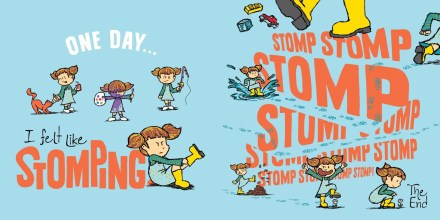
In “One day I felt like stomping” the little girl doesn’t stomp for no reason: her cat eats her pizza lunch, she splatters herself with purple paint, and her fishing pole breaks. She just feels like…! The word STOMP grows bigger across the page and even gets stomped on itself as the girl vents her frustration in a puddle, on a pile of leaves, and—almost—on a flower. But seeing the daisy saves her day and she saves the daisy. Haven’t we all been there?

celebrate-picture-books-picture-book-review-one-day-the-end-wanted-to-write-a-book

Image copyright Fred Koehler, text copyright, Rebecca Kai Dotlich. Courtesy of Boyds Mills Press

One Day…The End is a joy to share with kids and would make a great addition to home bookshelves. They’ll love to spend time pointing out the humorous details and depth of story each page holds, and may even like to “tell” the story as they read. This book would be a fantastic jumping off point for kids wanting to write their own stories or for teachers wanting to demonstrate the elements of active, detailed story writing. As Dotlich says on the first page: “For every story there is a beginning and an end, but what happens in between makes all the difference.”

Ages 4 – 8

Boyds Mills Press, 2015 | ISBN 978-1620914519

Discover all of the amazing books by Rebecca Kai Dotlich, plus lots more, on her website!

Learn more about Fred Koehler and his work and get freebies – including a One Day, The End coloring page – on his website!

Tell a Story Day Activity

celebrate-picture-books-picture-book-review-story-maze

Story Maze


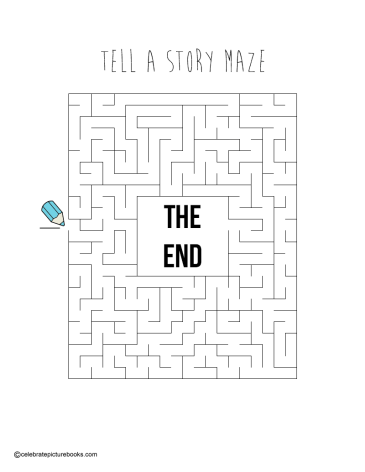
This puzzle may look like a regular maze, but there’s a secret to it! Within this maze is any story you’d like to make up. Why do you go left instead of right? Are you avoiding a zombie or a rainy shower? Why do you go up instead of down? Is it because you can you float? What lurks in that dead end you’ve entered? There are as many cool stories as you can imagine right in those little pathways. And when you find your way to The End, you’ll have written a story! Print the Story Maze and the Solution here!

picture book review

January 24 – It’s National Hobby Month

celebrate-picture-books-picture-book-review-more-igami-cover

About the Holiday

The idea of hobbies—something useful, purposeful, and fun done in one’s spare time—has been around at least since 1676 when Sir Matthew Hale wrote in Contemplations Moral and Divine that “Almost everyone hath some hobby horse or other wherein he prides himself.” Later, in the mid-1800s when work ceased to consume every hour of the day, and people had more time for leisure pursuits, hobbies became more popular. Today, it may be interesting to consider that many of our current hobbies—knitting, sewing, woodworking, candle making, etc.—were once the work of our ancestors. To celebrate this month’s holiday, try a new activity—it may turn into a favorite!

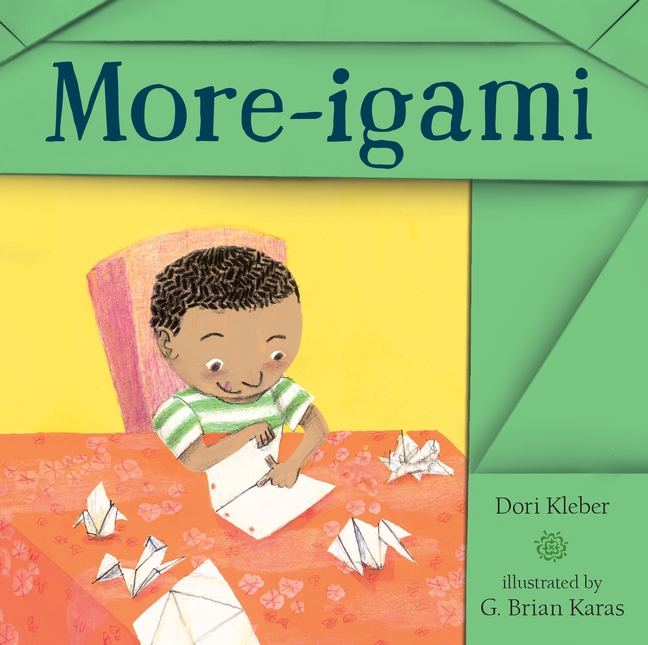
More-igami

Written by Dori Kleber | Illustrated by G. Brian Karas


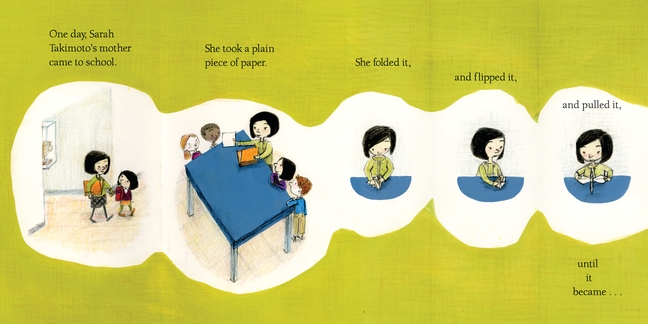
Joey was a little boy with a particular fascination. He was captivated by all things folded. At home he had a collection of “old road maps,” the bellows on an accordion made it his favorite instrument, and he even tucked himself into a foldaway bed at night. One day Joey witnessed the most amazing thing at school. Sarah Takimoto’s mother came to his class, and—right before the students’ eyes—folded, flipped, and pulled a plain white piece of paper “until it became…a crane.”

celebrate-picture-books-picture-book-review-more-igami-mrs-takimoto

Image copyright G. Brian Karas, text copyright Dori Kleber. Courtesy of Candlewick Press

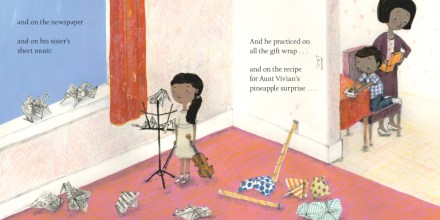
“Joey’s eyes popped. His jaw dropped. Mrs. Takimoto called it origami.” Joey was smitten. “‘I want to make origami,’” Joey told Sarah’s mother. “‘Will you teach me?’” Mrs. Takimoto  answered that while she could teach him the right folds, it would take practice and patience to become an origami master. Joey raced home that afternoon and began folding. When he ran out of notebook paper and construction paper, he used his homework…the newspaper…his sister’s sheet music…gift wrap… even “Aunt Vivian’s pineapple surprise” recipe card. But when he folded up all thirty-eight dollars in his mom’s purse, she put her foot down.

“Joey drooped.” His cranes were still coming out wrinkled and crooked, and he’d never be able to become an origami master without practicing. To soothe his disappointment, he headed next door to Muy Mexicana for some fajitas. Right away Mr. Lopez noticed Joey’s disgruntlement. When Joey explained that everyone was losing patience with him, Mr. Lopez said, “‘Many artists are misunderstood, amigo.’ Especially when they are just learning.’” Mr. Lopez went into the kitchen, and when he came out with the sizzling fajitas, he was delighted to see a napkin pyramid sitting on the table.

celebrate-picture-books-picture-book-review-more-igami-folding-sheet-music

Image copyright G. Brian Karas, text copyright Dori Kleber. Courtesy of Candlewick Press

Joey apologized, but Mr. Lopez thought it made the table look fancy. In fact, he liked it so much that he had Joey fold every napkin on every table. After that, Joey went to Muy Mexicana each day following school and folded the napkins into decorative shapes. One day he made fans, the next candlesticks, and the day after that, crowns. He patiently worked until each one was perfect.

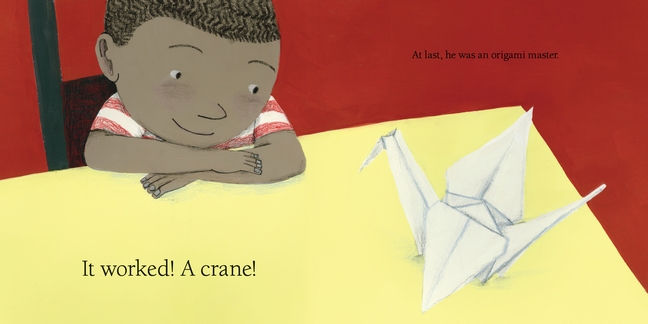
Finally, he felt ready to attempt his original challenge. “He took a crisp napkin. He folded. He flipped. He pulled.” When he was finished, a perfect crane sat in front of him. Just then a girl with a paper fan walked in. Her eyes widened as they zeroed in on Joey’s crane. Joey offered to show her how to make it, but warned, “‘It takes practice—and lots of patience!’”

celebrate-picture-books-picture-book-review-more-igami-crane

Image copyright G. Brian Karas, text copyright Dori Kleber. Courtesy of Candlewick Press

Dori Kleber’s unique multicultural story of a little boy who finds the perfect creative outlet for his singular interest will captivate kids who are just beginning to try their own hands at favorite hobbies, schoolwork, or other pursuits. With humor and honest depictions of Joey’s frustration and persistence, Kleber shows readers that practice and patience really do pay off. As Joey meets another folding enthusiast, kids will see that there are always others with whom to share favorite pastimes.

Opening More-igami to the first page where Joey sits gazing lovingly at a taco with a folded napkin next to his plate, readers will know they are in for something special. As always, G. Brian Karas’s characters are enthusiastic, encouraging, and adorable. Readers will empathize with Joey as they watch him folding and folding, and giggle at the many, many practice cranes that litter his home, even perching atop his sister’s music stand and appearing in his mom’s purse.

Karas makes full creative use of the origami theme in his clever page designs and illustrations, beginning with the square shape of the book itself and the origami paper-styled endpapers. Vivid, solid-color background pages are divided diagonally, vertically, or horizontally with subtle changes in hue or nearly invisible lines. In depictions of Joey’s school, home, and favorite restaurant, diagonals, angles, and sharp edges predominate: tables and floors create triangles on the page; windows, walls, and doors divide pages into shapes associated with the steps of origami’s folded creations; and floor tiles, the sidewalk, and even Joey’s shirt portray grid lines. The color schemes of each page, inspired by the patterns and shades of origami paper, are dazzling and unite the varied aspects of this special book.

For any child undertaking a new activity or venture, More-igami is a charming and encouraging companion on the way to proficiency—one that would make a wonderful home library addition.

Ages 4 – 8

Candlewick Press, 2016 | ISBN 978-0763668198

To learn more about Dori Kleber and her writing, visit her website!

G. Brian Karas has a whole gallery of illustrations, books, information, and “what nots” on his website!

National Hobby Month Activity

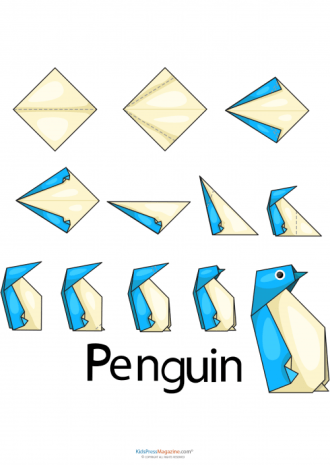
celebrate-picture-books-picture-book-review-origami-penguin-template

Origami Pets


Origami is a fun hobby that can grow in complexity as you gain skill. Here are two templates to get you started! All you need is a square piece of paper and—if you’d like to decorate your piece—some markers or colored pencils.

Puppy Template | Penguin Template

Picture Book Review

January 13 – It’s National Soup Month

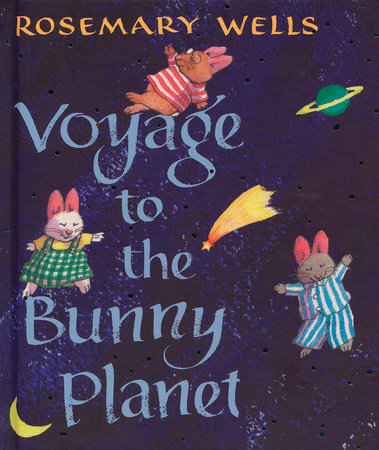
celebrate-picture-books-picture-book-review-voyage-to-the-bunny-planet-cover

About the Holiday

Winter weather is made for soup…or…is soup made for winter weather? Either way, soup offers the warm, comforting, stick-to-your ribs meal that just seems so right as the temperatures dip. Today, grab a can or cook up a batch of your favorite soup and add a hearty loaf of sourdough or artisanal bread and have a feast!

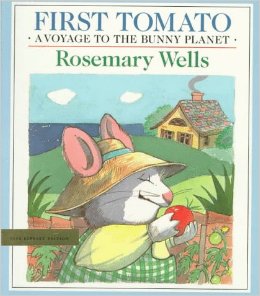
celebrate-picture-books-picture-book-review-first-tomato-cover

First Tomato: A Voyage to the Bunny Planet

By Rosemary Wells


The day is new—only 7:00 a.m. —and already Claire is having a tough time.  At breakfast she “ate only three spoons of cornflakes” before the bowl was knocked to the floor. While walking to school, Claire’s feet were soaked by snow, and “by eleven in the morning, math had been going on for two hours.” The cafeteria was serving baloney sandwiches—blecchh!—and at recess “Claire was the only girl not able to do a cartwheel.” At the end of school, all Claire wanted to do was go home, but she was left waiting…and waiting…and waiting at the bus stop.

celebrate-picture-books-picture-book-review-voyage-to-the-bunny-planet-tomato-soup-baloney-sandwich

Image copyright Rosemary Wells, courtesy rosemarywells.com

After all the slights and disappointments, “Claire needs a visit to the Bunny Planet.” She closes her eyes and floats away…. “Far beyond the moon and stars, / Twenty light-years south of Mars, / Spins the gentle Bunny Planet / And the Bunny Queen is Janet.”

Janet ushers Claire into “the day that should have been.” Wafting on the warm winds Claire hears her mother’s voice: “pick me some runner beans and sugar snap peas. / Find a ripe tomato and bring it to me, please.” So early in the season, Claire finds only one red, ripe tomato on the vine. It “smells of rain and steamy earth and hot June sun” that tempts her to taste it, but she puts in her basket and gives it to her mother.

celebrate-picture-books-picture-book-review-voyage-to-the-bunny-planet-tomato-soup-baloney-shelling-peas

Image copyright Rosemary Wells, courtesy rosemarywells.com

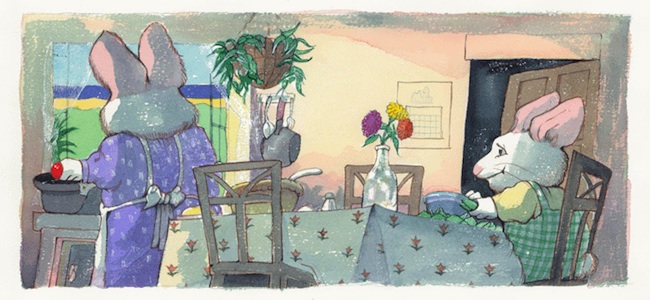
As her mother cooks, Claire sits at the cozy kitchen table shelling the peas. Soon, Claire’s mother brings her a steamy bowl of soup, and as they gaze at each other in understanding, Clair hears her “mother calling when the summer winds blow, / ‘I’ve made you First Tomato soup because I love you so.’”

Finally the bus arrives to take Claire home. During the ride she spies the Bunny Planet “near the evening star” and realizes that it was there all the time.

Today I chose a favorite book from when my own kids were little. One of three Voyage to the Bunny Planet books, Rosemary Wells’ First Tomato never failed to bring a little lump to my throat as I read it to my son and daughter (and even reading it again for this review, I felt the same catch in my heart).

In the difficulties that Claire suffers during the school day, kids will recognize the predicaments they also experience, and as Claire visits the Bunny Planet they’ll understand that solace is always close by. Claire’s sweet face and vintage dress as well as the lush details of the settings make each square illustration a masterpiece of expression and emotion. Wells’ beautiful turns of phrase and lyrical lines soothe the disquiet of real life with the balm of a parent’s or caregiver’s love, making First Tomato a wonderful book to share again and again.

All three Voyage to the Bunny Planet books—including The Island Light and Moss Pillows, two more enchanting and touching quiet-time reads—are available in a single-volume gift edition.

Ages 3 – 7

Viking Books for Young Readers, 2008 | ISBN 978-0670011032

To discover more about Rosemary Wells and her books, plus videos, games, coloring pages, information for parents and educators, and more, visit her website!

National Soup Month Activity

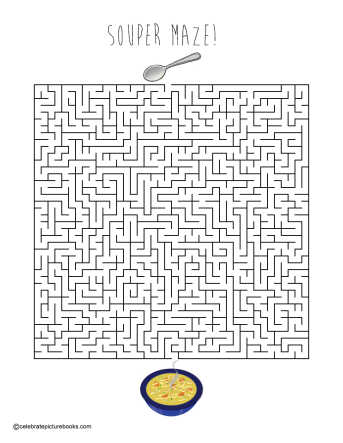
celebrate-picture-books-picture-book-review-souper-maze

Souper Maze!


You can’t eat soup without a spoon! Can you help the spoon get through the maze to the bowl in this printable Souper Maze? Here’s the Solution!

Picture Book Review

January 3 – Festival of Sleep Day

celebrate-picture-books-picture-book-review-henry-and-leo-cover

About the Holiday

After all the celebrating, we’re finally ready for some down time – and when I say down time, I mean sleep! That feeling of sinking into a deep slumber and waking refreshed the next morning is so comforting. And the opportunity to sleep in – or sleep all day? That’s luxury! To take full advantage of today’s holiday, jump in bed, pull up the covers and…Zzzzzzzzzz…

Henry & Leo

By Pamela Zagarenski


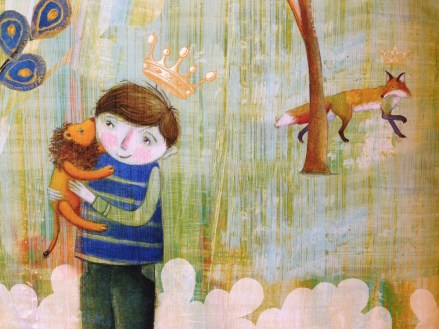
Ever since Henry was two, he and his stuffed lion, Leo, have been inseparable. “Perhaps it was his glass button eyes, which made him look as if he knew secret things” that made him so special and unlike Henry’s other toys. One Saturday Henry’s parents suggested a hike in the Nearby Woods. Henry was excited because he knew Leo would love the outing. Henry’s sister thought this idea was foolish, after all Leo wasn’t real, she said, and couldn’t love anything.

Henry didn’t care what his sister thought, and as they walked through the forest, he “could tell that Leo loved hearing the birds and finding the woodland animals as much as he did.” When evening began to fall, the family headed home, Henry riding on his father’s shoulders. At home, Henry discovered that Leo was missing. They looked everywhere, but Leo could not be found.

celebrate-picture-books-picture-book-review-henry-and-leo-henry-loves-leo

Image copyright Pamela Zagarenski, courtesy of Houghton, Mifflin Harcourt

Papa promised that they would resume the hunt in the morning, but Henry worried. He knew Leo would want to be home with him tonight, and asked that a light be left on for him. Henry’s mother suggested that since Leo was only real in Henry’s imagination that he “‘imagine Leo tucked into a safe place.’” In the morning, she said, they would return to the Nearby Woods and find him.

In the darkness of his room, clutching a stuffed rabbit and fox, with a toy bear nearby, Henry thinks about Leo. He “knows that his family just didn’t understand what it truly meant to be real.” But Henry and Leo were best friends. They cared for each other. “That’s real.”

Meanwhile, in the Nearby Woods, a bear, a rabbit, and a fox discover Leo sitting at the base of a tree. With a twig, Leo sketches a house in the dirt, washed white in the gleam of the full moon. The rabbit produces a compass as the fox consults the stars. The foursome takes off down the path, watched over by owls and other night creatures. As the trip grows longer, Leo rides on the bear’s back. At last they reach the edge of the forest, and in the distance Leo points to a house bathed white in the moonlight.

celebrate-picture-books-picture-book-review-henry-and-leo-leo-loves-henry

Image copyright Pamela Zagarenski, courtesy of Houghton, Mifflin Harcourt

With the dawning sun Henry and his family take up the search again. Suddenly, Henry spies Leo near the front door. “‘Leo!’” he shouts. His family sighs in relief, but his sister and father are both perplexed. They know they had “‘looked in that very spot last night.’” As Henry hugs Leo tightly, he whispers “‘You found home! I love you, Leo.’” And Leo whispers back, “‘I love you, too, Henry.’”

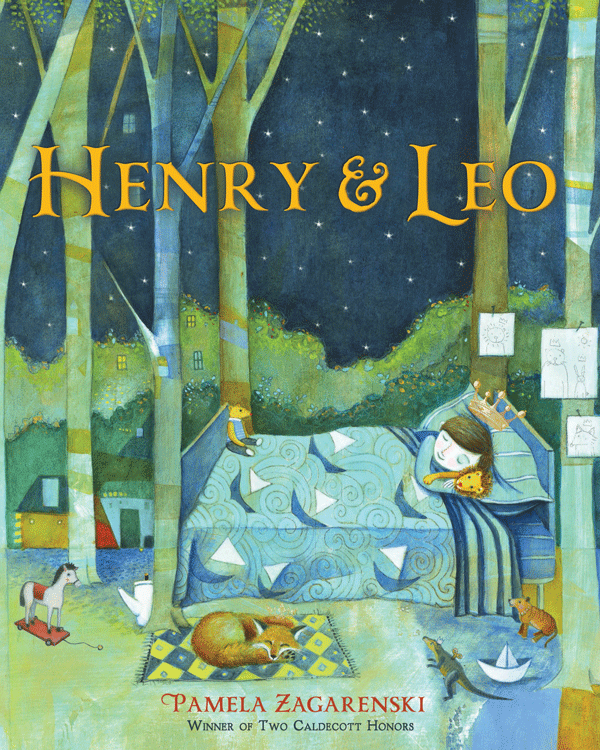
With her signature grace and lyricism. Pamela Zagarenski infuses her lost-toy story with the mystical imagination of childhood. As the title suggests, she presents the experience from both Henry’s and Leo’s perspectives, echoing the wonderful ability of young children to fully embrace and transfer their emotions, giving—and accepting—love from animate and inanimate objects equally. Zagarenski’s illustrations are glorious, with the richness of royalty—a motif that is carried through in the crowns that hover above and settle on the heads of Henry, his family, other toys, and the woodland animals. Children may enjoy discussing and interpreting the different crowns. The middle spreads of nighttime in the forest are wordless, allowing the animals to communicate in their own way and in a way children believe. Young readers will appreciate the gentle suspense and be satisfied with the correctness of Henry’s prediction as Leo finds his way home. Fans of Zagarenski’s work will notice familiar images, such as teapots, tea cups, and paper sailboats, scattered among the pages.

The beauty of Zagarenski’s art and her stardust magic of imagination make Henry & Leo an excellent choice for bedtime and quiet time reading, and would be an often-asked-for addition to children’s bookshelves.

Ages 4 – 7

Houghton, Mifflin Harcourt, 2016 | ISBN 978-0544648111

Festival of Sleep Day Activity

CPB - Pillowcase

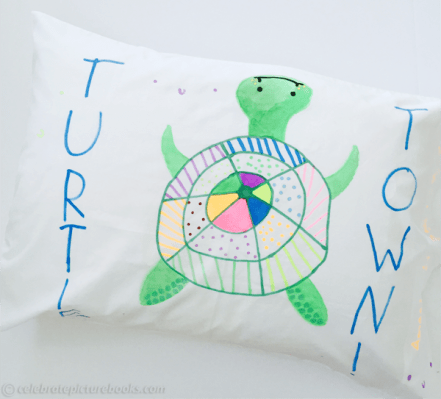
Hand-painted Pillow Case


Designing your own pillow case is a fun and easy craft to do with kids. When finished the pillow case can be used for sleeping, can be stuffed with fiber fill and sewn to create a decorative pillow, or can make a storage bag for toys or other objects.

Supplies

  • 1 pillow case
  • Fabric paint or fabric markers in several colors
  • Fiber fill or foam pillow (optional)
  • Thread and needle (optional)

Directions

  1. Design an image for the pillow case
  2. With the fabric paint or markers create the design, let dry

To Make a Decorative Pillow

  1. Fill the pillow case with fiber fill or foam pillow
  2. Sew the open end closed with the thread and needle

Picture Book Review
January 2 – Motivation and Inspiration Day

celebrate-picture-books-picture-book-review-radiant-child-cover

About the Holiday

While Motivation and Inspiration Day was instituted in reaction to the 9/11 attacks, the holiday’s influence and meaning has grown and now includes world-wide participation. Falling on the second day of the year, it encourages us to reflect on our lives—where we are and where we want to go. Take some time to consider what motivates and inspires you and follow those inner and external voices to help you achieve your dreams.

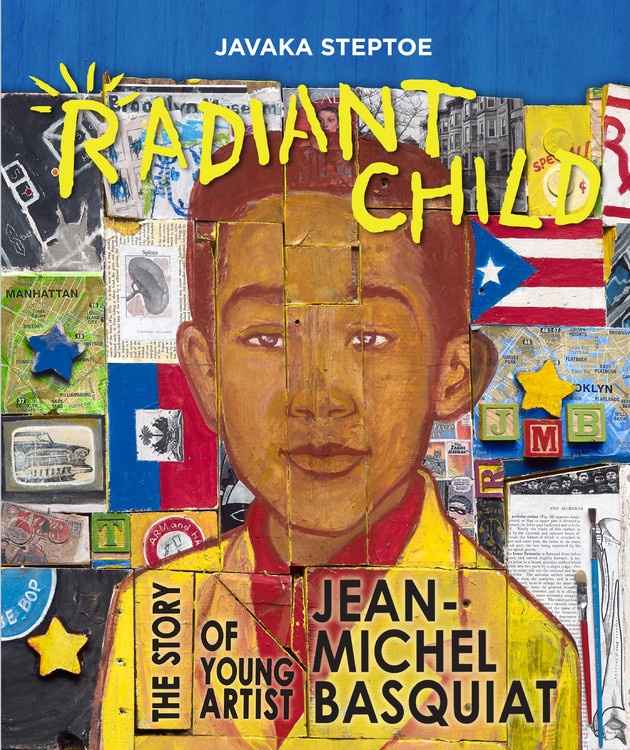
Radiant Child: The Story of Young Artist Jean-Michel Basquiat

By Javaka Steptoe


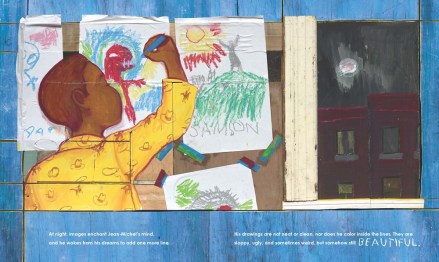
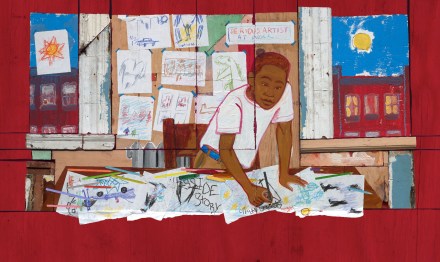
“Somewhere in Brooklyn, between hearts that thump, double Dutch, and hopscotch / and salty mouths that slurp sweet ice, a little boy dreams of being a famous artist.” All day Jean-Michel sits surrounded by colored pencils and “a storm of papers” and draws. As he sleeps his dreams swirl with images. When he wakes he adds to his drawings, scribbling away. What he creates is “sloppy, ugly, and sometimes weird, but somehow still beautiful.”

celebrate-picture-books-picture-book-review-radiant-child-beautiful-art

Image and text copyright Javaka Steptoe, courtesy of Little, Brown Books for Young People

Jean-Michel’s talent comes from his Puerto Rican mother, who has a natural sense of style and design and who always makes time to draw with her son, lying on the floor next to him. She takes Jean-Michel to art museums and theaters and reads poetry to him, but she also shows him the art of the city—its sounds, sights, style, and “patchwork” colors. Jean-Michel loves to visit the museum and read about the artwork and the artists. From these stories he “learns what it means to be a famous artist.”

When Jean-Michel is seriously injured in a car accident, his world seems scary and confusing. He mother gives him an anatomy book, which he memorizes. It erases his fears and becomes influential in his work. After returning home his life changes when his mother suffers a breakdown and can no longer live at home. “He tries drawing the terrible out of his blues, but things are not the same.” Jean-Michel visits his mother when he can, “always bringing his artwork to show, telling her that one day it will be in a museum, ‘when I am a famous artist.’”

celebrate-picture-books-picture-book-review-radiant-child-drawing

Image and text copyright Javaka Steptoe, courtesy of Little, Brown Books for Young People

As a teenager, Jean-Michel follows his dream, moving from Brooklyn to New York City. There he stays with friends, painting, creating collages, and writing poems on paper strewn about him. At night he paints on city walls, trash cans, and other urban canvases. His art, signed ‘Samoo,’ attracts attention. People wonder, “‘Who is Samoo?’”

Soon his art can be found in art galleries and hanging in the homes of the people who buy his work. Jean-Michel continues to create, listening to “a sound track that is all his own.” Through talent, inspiration, and his mother’s loving influence, Jean-Michel Basquiat conquered the art world, becoming a king among artists, and fulfilling his desire to be a famous artist.

An extensive Author’s Note about Jean-Michel Basquait’s life, including his struggles with addiction and his death in 1988, the motifs and symbolism in his work that now is displayed in museums around the world and sells for millions of dollars, and a personal comment on the impact Basquait’s art had on the author follow the text.

celebrate-picture-books-picture-book-review-radiant-child-studio

Image and text copyright Javaka Steptoe, courtesy of Little, Brown Books for Young People

Javaka Steptoe’s compelling biography of this complex, brilliant artist who people called “radiant, wild, a genius child” beautifully brings to life the inspirations and motivations that fueled his unique and intense talent. Steptoe delivers the story in staccato and flowing sentences, using consonance, assonance, repetition, the rhythms of a poet. Taking the reader from Jean-Michel’s childhood to adulthood to show how maintaining his focused determination, self-confidence, and persistence over many years led to his ultimately becoming a famous artist demonstrates that success is not a matter of luck, but of belief in oneself despite obstacles. Steptoe sensitively addresses the serious injury Basquiat suffered, his mother’s mental illness and Basquiat’s continued love for her, and his unsettled teenage years to complete this far-reaching life story.

celebrate-picture-books-picture-book-review-radiant-child-boxing-image

Image and text copyright Javaka Steptoe, courtesy of Little, Brown Books for Young People

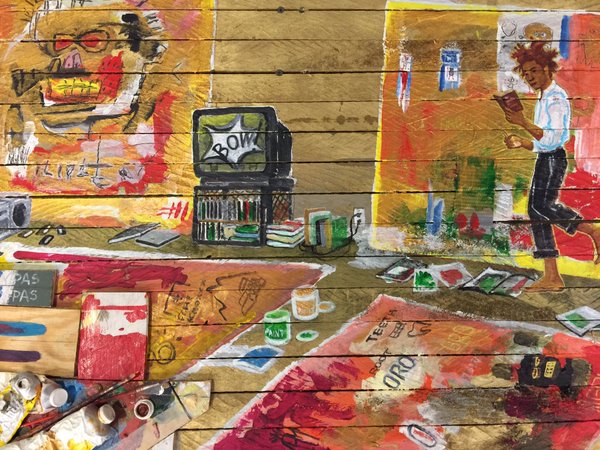
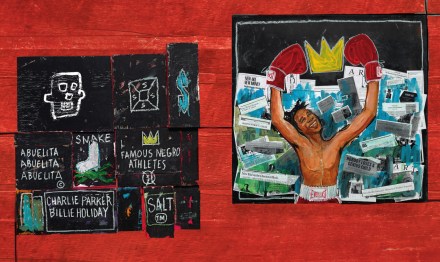
Steptoe’s mixed-media paintings were created on found wood from neighborhoods across New York City. While Steptoe does not reproduce any of Basquiat’s work, he states that readers will find “original pieces that were inspired by him and my interpretations of his paintings and designs.” As befitting his subject, Steptoe offers pages that burst with vibrant color and intricate details and beat with the pulse of the city, the people, the dreams, and the imagination that Basquiat transcribed onto paper, walls, and canvas. Part collage, part fine art, Steptoe’s illustrations will fascinate children and entice them to linger to take in all the emotion and meaning in each. The final spread, a crowd scene made up of photographs, sets Basquiat in the midst of people whom he and his art continue to inspire.

Radiant Child: The Story of Young Artist Jean-Michel Basquiat offers children an inspirational model of creativity, compassion, and confidence no matter where their talents lie. The book is an excellent choice for school, public, and home libraries.

Ages 6 – 10

Little, Brown Books for Young Readers, 2016 | ISBN 978-0316213882

Learn more about Javaka Steptoe, his books, art exhibitions, and life on his website!

Motivation and Inspiration Day Activity

celebrate-picture-books-picture-book-review-motivation-and-inspiration-day-craft

Found-Item Crafts


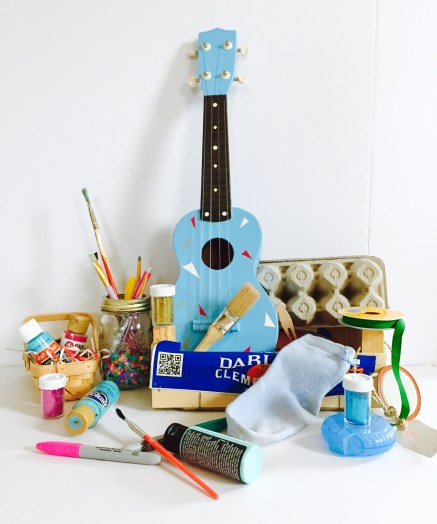
Each person finds motivation and inspiration in different things, places, and people. Today, try to create something new from the materials around you. Boxes, bottles, wire, magazines, cloth, wood, sponges—almost anything—can be transformed with some imagination. With those old socks, corks, flower pots, candle stubs, bits of ribbon, clementine crate, paint, glitter, beads, and more, you can make something useful, a decoration for your room, or even a gift for a friend!

Picture Book Review
December 21 – Winter Solstice

celebrate-picture-books-picture-book-review-if-snowflakes-tasted-like-fruitcake-cover

About the Holiday

At exactly 5:44 a.m. today winter arrives in the Northern Hemisphere. This also means that today offers those living there the least amount of sunshine—only 9 hours, 15 minutes, and 6 seconds. While the earth’s tilt in relation to the sun at this time of year brings cold and snowy weather to the World’s northern half, the Southern Hemisphere is basking in longer days and warm temperatures. For those of us just beginning to enjoy another winter’s chill, the onset of snow brings special beauty, outdoor adventure, and the fun explored in today’s book!

If Snowflakes Tasted Like Fruitcake

By Stacey Previn

Snowflakes gently fluttering down from a gray winter sky seem to tease “catch me if you can!” Perhaps it’s their similarity to coconut shavings or confectioners’ sugar sifted over a delicious cake that inspires us to stick our tongues out to taste those little white flakes. But what do they really taste like? And what if they tasted like other yummy foods? Stacey Previn explores that idea, starting with a winter favorite—“If snowflakes tasted like sugar plums…they’d be dancing in my head.” Or perhaps they are better for breakfast—“If snowflakes tasted like oatmeal…they would get me out of bed.”

celebrate-picture-books-picture-book-review-if-snowflakes-tasted-like-fruitcake-sugar-plums

Image and text copyright Stacey Previn, courtesy of simonandschuster.com

Maybe snowflakes would be better in a mug—“If snowflakes tasted like cocoa…they would warm me to my toes” Or if they came in whipped cream dollops, “they would tickle me on my nose.” Imagine “if snowflakes tasted like apples…” you could “bake them in a pie.” And “if snowflakes tasted like peppermint…” we’d “wish more fell from the sky.”

celebrate-picture-books-picture-book-review-if-snowflakes-tasted-like-fruitcake-oatmeal

Image and text copyright Stacey Previn, courtesy of simonandschuster.com

Sometimes snowflakes twinkle like diamonds, but what if they were as shiny as gumdrops? Or imagine if they were as warm and soothing as noodle soup. Still, there is that title question: what “if snowflakes tasted like fruitcake?” Well, then, I’m afraid we “would give them all away.” So what is that special flavor that makes us stick out our tongues? “Winter,” of course!

celebrate-picture-books-picture-book-review-if-snowflakes-tasted-like-fruitcake-winter

Image and text copyright Stacey Previn, courtesy of simonandschuster.com

Stacey Previn offers up a whimsical, culinary menu of various taste sensations that might entice readers to eat up winter’s delicate, white morsels, including those above as well as honey, figs, chestnuts, gingerbread, popcorn, and marshmallows. Accompanying each verse are richly colored and wood-grain-textured folk-art illustrations that enhance the homey nature of the book. From verse to verse, a red-snowsuited child, joyful to wake to falling snow, imagines shaking snowflakes from tree branches, building a snowman and a snow choir, roasting snowflakes in a pan, catching snowflakes in a spoon, a net, a ladle, and more.

Kids who love playing in the snow—and for whom snowflakes are a delicacy—will delight in curling up with cup of hot chocolate and enjoying the sweet ideas and fanciful humor in this cozy wintertime book. Its sure to inspire kids to think up their own taste comparisons.

Ages 3 – 8

little bee books, 2016 | ISBN 978-1499801804

Discover more about Stacey Previn and her books on her website!

Winter Solstice Activity

celebrate-picture-books-picture-book-review-mind-jar

Snowy Day Mind Jar

You can capture the beauty of a glittering snowfall in this easy craft—that also makes a special gift for a friend!

Supplies

  • Small to medium mason jar or other decorative jar with a tight lid
  • White glitter glue,
  • Light blue glitter glue,
  • Fine white and/or blue glitter
  • Large white and/or blue glitter
  • Warm water

Directions

1.For every 1/2 cup of warm water add:

  • 1 1/2 teaspoons white glitter glue
  • 1/2 teaspoon blue glitter glue
  • 2 teaspoons fine glitter glue
  • 1/2 teaspoon large glitter

2. Close lid tight

3. Shake

4. As glue dissolves, the liquid will become clearer and the glitter will remain suspended in it

Picture Book Review