Today’s picture books are amazing! Offering inspiration, characters that really speak to kids, moments to laugh out loud or reflect, glimpses into history, revelations in science, and much of the best art currently being produced, picture books defy their slim appearance with content that can change young lives. Reading a wide variety of books to children from birth on up is one of the most rewarding activities you can do. Make choosing the books to read a family affair! Kids love picking out their own books and sharing cozy and fun story times with you!
I’d like to thank Hippo Park and Astra Publishing House along with Deborah Sloan for sharing a copy of A Bear, a Bee, and a Honey Tree with me for review consideration. All opinions on the book are my own.
A Bear, a Bee, and a Honey Tree
Written by Daniel Bernstrom | Illustrated by Brandon James Scott
A bear in his den and a bee in his hive are waking up on a sunny morning. The bee is a “busy bee, a honey bee,” darting back and forth from a flower to the honey tree. The bear is “a hungry bear, a honey bear,” and he knows just where to find some breakfast. The bear’s rummaging through the branches does not go unnoticed by the bee, so the hungry bear becomes “a sneaky busy honey bear.” And when his paw breaks into the golden hive, the “fretful bee” becomes “a very angry fuzzy bee.”
Image copyright Brandon James Scott, 2022, text copyright Daniel Bernstrom, 2022. Courtesy of Hippo Park Books.
The bear and bee face off, but what is that new rumbling sound? He should know bees never live alone, and soon the bear is on the run from “a million fuzzy buzzing bees.” The swarming bees search everywhere, but they cannot find the “hiding bear.” As the sun goes down, the bees return to their hive, while “a hungry grumbly honey bear” waits out the night in his den, already planning tomorrow morning’s breakfast run.
Image copyright Brandon James Scott, 2022, text copyright Daniel Bernstrom, 2022. Courtesy of Hippo Park Books.
Like a twirling, whirling dance that starts with one measured step…and then another…and another until it bursts into a freewheeling, rollicking reel, Daniel Bernstrom’s story is an exhilarating romp. Suspense mounts page by page with wonderfully rhythmic rhymes that flow unencumbered by punctuation that would slow or stop the brilliantly escalating action. With just thirty-five words, Bernstrom has also created a story that pre-readers can chime in on as adults point to the bee, bear, tree, and other illustrations while beginning readers will find that the rhyming clues, repetition, alliteration, and sight words that carry the story give them confidence in their growing skills.
Brandon James Scott’s dynamic illustrations fling kids into the action as a happy bee makes its winding way from honey tree to flower to flower and back while a bear – tongue out, eyes glued to the prize – scrambles into the tree’s canopy to raid the hive. Who to root for will bring on plenty of giggles as the bee’s and the bear’s expressive faces tell kids all they need to know about these two rivals. The beehive glows like the gold it is to each of these characters, and the swarm is a densely packed storm cloud of protection. As the disappointed bear trudges back to his den, kids’ allegiance may shift, but his next-morning covert operations reveal he really hasn’t learned his lesson. Young readers will love ferreting out the bear among the tree branches and tall grasses and will laugh out loud as he tries to hurry away through a deep wildflower field.
A Bear, A Bee, and a Honey Tree will be all the buzz for home story times both for adults – who will have a rollicking good time reading aloud – and kids – who will want to hear it again and again. The book will be a hit for classroom reading and would make a terrific addition to public library preschool programs. A Bear, A Bee, and a Honey Tree is a must for any children’s book collection.
Ages 3 – 7
Hippo Park, 2022 | ISBN 978-1662640087
Want a laugh? Hippo Park has you covered with this cover animation!
About the Author
Daniel Bernstrom is a poet and the author of 6 picture books, including One Day in teh Eucalyptus, Eucalyptus Tree and Big Papa and the Time Machine, a Minnesota Book Award winner. Daniel lives in Worthington, Minnesota, with his wife and 5 adorable children. You can learn more about him and his books at danielbernstrom.com.
About the Illustrator
By day Brandon is a Creative Director working in animation and by night he illustrates picture books. For over a decade Brandon has worked on a range of hit animated entertainment including his own creation, the award-winning series, Justin Time. He loves to make art that brings adventure, levity, heart, and curiosity for the fantastic and whimsical world around us and in our dreams. A born and raised Canadian, he currently lives with his family in Toronto. You can view a gallery of Brandon’s artwork, animation, books, and more on his website.
Picture Book Month Activity
A Bear, A Bee, and A Honey Tree Activity Booklet
Hippo Park has designed a fantastic 4-page activity booklet that kids will have fun with while learning about letter sounds, adjectives, and nouns with a little drawing creativity thrown in. You can download it from the Hippo Park website and here:
I’m excited to be a stop on the book tour for Josh Funk and Edwardian Taylor’s latest, It’s Not the Three Little Pigs. November is the perfect time to celebrate this fourth book in the It’s Not a Fairy Tale series as this month we celebrate Picture Book Month, Family Stories Month, and Family Literacy Month. And today is National Author’s Day, a day that one character in today’s book will definitely be interested in! You’ll see!
Thanks to Two Lions and Barbara Fisch at Blue Slip Media for sharing a copy of It’s Not the Three Little Pigs with me for review consideration. All opinions about the book are my own.
It’s Not the Three Little Pigs
Written by Josh Funk | Illustrated by Edwardian Taylor
“Once upon a time, a little pig family lived in a little pig house.” You know how this story goes, right? And even though one of the pigs objects to being called “little,” it still has their mom sending her three sons “out into the world to seek their fortune.” Sure, the young pigs don’t know what this means, but the roving, and apparently insightful, narrator explains the realities of life – that they need to find their own place to live and get a job. It seems these three aren’t entirely clueless, though, as Alan wants to be a builder, Alfred has his sights set on winning an Oscar, and Alvin… well, two out of three isn’t bad… dreams of being a pumpkin.
Wait! Alan, Alfred, and Alvin have a sister?! (Who knew?) And she wants to be a storyteller. The narrator is surprised to meet this interloper, but offers to let her tag along. Alison is an enterprising pig and jumps at the chance to help tell the story. And so she begins: “It was a dark and stormy night. The three intrepid pigs began their quest to the magical land of—”
Image copyright Edwardian Taylor, 2022, text copyright Josh Funk, 2022. Courtesy of Two Lions.
But the narrator, the real storyteller here, rejects this version of events and sets Alison straight: she can add bits here and there, but she can’t tell the whole story. So the pigs go their separate ways, and … finally … we’ve come to the part you know, where the first little pig builds a house of straw. But what do you think of these days when you hear the word “straw?’ Yeah, that’s what Alan thought too, so he designed a beautiful, sturdy cottage from plastic drinking straws he found littering the environment.
The narrator wants to stick to the original story, though, and builds the haystack straw house himself—even, as Alan points out it “isn’t structurally sound at” and “there’s no bathroom.” He finishes it just a moment before the wolf comes knocking at his door with the familiar “Little pig, little pig, let me come in.” Unsuspecting Alan’s ready to invite him in until the narrator warns him about the wolf’s true intentions and tells him he’s supposed to say “Not by the hair of my chinny chin chin.” Alison finds this rejoinder completely ridiculous, and by the time she’s done schooling Alan on the reasons, the wolf has disappeared.
Image copyright Edwardian Taylor, 2022, text copyright Josh Funk, 2022. Courtesy of Two Lions.
Hearing that the wolf is no doubt on his way to Alfred’s house, Alan and Alison hop into a hot-air balloon and take off. They find Alfred on a stage made of sticks, singing, dancing, and acting. Seems a stage is as far as his building inclinations will take him, so Alan gets to work again, and, before the wolf even appears on the road, he’s constructed a topnotch cabin. When the wolf does come nosing around, Alfred, the consummate professional actor, follows the script and says the “chinny chin chin” line, but he can’t figure out how the wolf is going to blow the house down without magic or fairies or anything this fairytale is supposed to have. In fact, Alison finds this whole story boring and repetitive and without any kind of coherent lesson.
But now it’s time to rush off again to save Alvin, who they find living next door to Cinderella’s castle in a pumpkin house, magicked into existence by Cindy’s fairy godmother. At last, the wolf catches up to them. But who wins out in the end: the retro-loving narrator? Alison and her quest for magic and fairies? Or readers who get to ham it up with some very familiar friends?
Image copyright Edwardian Taylor, 2022, text copyright Josh Funk, 2022. Courtesy of Two Lions.
In a welcome return to fairytale land, Josh Funk brings mayhem and a modern touch to the traditional The Three Little Pigs by adding a welcome fourth little pig who updates the story while pointing out the nonsensical silliness of the original with opinionated asides and giddy improvements that will have kids huffing and puffing with laughter. Funk’s freewheeling imagination conjures up an alternative countryside universe full of fun gadgets that move he story along at jetpack speed. Snappy dialogue full of wit and personality make It’s Not the Three Little Pigs a rollicking read aloud, and older kids may enjoy taking Alfred’s lead and turning the whole tale into a play. As with the other stories in the series, Funk ends his fable embracing friendship, cooperation, and just plain magical fun.
Edwardian Taylor imbues Alan, Alfred, and Alvin with just the right mix of cluelessness and competency to bring out all the comedy in Funk’s writing, while Alison exhibits enough confidence for all of them. Kids will love giggling and poring over Alan’s blueprints for his house designs, which Taylor has loaded with puns, hilarious comments on the materials used, and references to other fairytales. Small details add even more humor and interest to the vibrant, action-packed pages, and dialogue color-coded to each character’s outfit makes it easy for readers to follow who’s saying what. Fans of the It’s Not a Fairy Tale series know that a true showstopper awaits them on the final spread, and here, as the stars twinkle, kids will be hooked on picking out old friends who have come to celebrate these four little pigs.
Whether your child is a fan of the It’s Not a Fairy Tale series or just discovering it, It’s Not the Three Little Pigs is a hilarious fractured fairy and parody that both kids and adults will want on their home bookshelves and is a must addition to school and public library collections. The book would also be a hit for writing workshops as well as lessons on fairytales and analyzing and comparing literature.
Ages 4 – 8
Two Lions, 2022 | ISBN 978-1542032438
About the Author
Like the characters in his books, Josh Funk doesn’t like being told how stories should go―so he writes his own. He is the author of a bunch of picture books, including My Pet Feet, illustrated by Billy Yong; the popular Lady Pancake & Sir French Toast series, illustrated by Brendan Kearney; How to Code a Sandcastle, illustrated by Sara Palacios; and Lost in the Library: A Story of Patience & Fortitude, illustrated by Stevie Lewis. He lives in New England with his wife and children. Learn more about him at www.joshfunkbooks.com and follow him on Facebook: Josh Funk Books | Instagram: @joshfunkbooks | Twitter: @joshfunkbooks.
About the Illustrator
Edwardian Taylor is the illustrator of multiple children’s books, including Hey, You’re Not Santa!, written by Ethan T. Berlin; Goldibooks and the Wee Bear, written by Troy Wilson; the Toy Academy chapter books, written by Brian Lynch; and the It’s Not a Fairy Tale books, written by Josh Funk, among other titles. He lives in Texas with his partner and their three dogs. Learn more about him at www.edwardiantaylor.com and follow him on Tumblr, Instagram, and Twitter @edwardiantaylor.
It’s Not the Three Little Pigs Book Birthday Activity
Spool Pig and Piglets
Ham it up with your own pig and piglets that are easy to make with this fun craft!
Trace the ears onto the fleece or felt and cut them out
Paint the spool with the pink paint
Let spool dry
Glue the ears to the spool, letting them stick up over the rim of the spool
Wrap yarn in straight layers around spool until the body of the pig is a little bigger than the end of the spool, which will be the face
Cut yarn off skein and glue the end to the body
To make the nose, glue the button over the hole in the middle of the spool
Mark the eyes and mouth with a marker
To make the tail for the large pig, cut a 4-inch long piece of yarn. Tie a triple knot in the yarn (or a knot big enough to fill the hole in the spool). Then tie a single knot about 1/2 inch below the first knot. Insert the large knot into the spool’s hole at the back of the pig. Trim the yarn behind the second knot as needed.
To make the tail for the piglets, tie a single knot in the yarn and another single knot about 1/4 inch below the first. Insert one of the single knots into the hole. Trim yarn behind the second knot as needed.
You can find It’s Not the Three Little Pigs at these booksellers
National Eat Better, Eat Together Month encourages families to gather around the table for at least one meal a day. According to the Academy of Nutrition and Dietetics the benefits of eating together are wide ranging and can include better grades, better health, and fewer behavioral problems. Studies also show that when families get together for a meal, they tend to make more balanced food choices. This important uninterrupted time together allows each member of the family to share stories about their day or talk about issues that concern them, building stronger bonds.
Tiny Spoon Vs. Little Fork
Written by Constance Lombardo | Illustrated by Dan Abdo & Jason Patterson
The alarm clock on the kitchen wall “Bringgg! Bringgg! Bringggs” waking the baby’s spoon and fork, who pop out of their respective drawers, each raring to start the day. But it seems that these two have never met. “Wait a minute! Who are you?” they say in unison. Turns out Tiny Spoon and Little Fork both have the same job – to feed the baby. Tiny Spoon and Little Fork start to get into it—how Spoon has been there from the beginning and how much Baby loves to slurp, but now Fork reveals, Baby “wants to BITE! And CHOMP!” But time’s ticking away and Spoon and Fork have to get to the table.
Image copyright Dan Abdo and Jason Patterson, 2022, text copyright Constance Lombardo, 2022. Courtesy of Hippo Park Books.
They make the daring leap only to continue their brew-ha-ha. Tiny Spoon has lots of great attributes and comes from sturdy stock, as proven by the photo album of “prominent spoons” like Aunt Soup Spoon, Daddy Serving Spoon, Cousin Teaspoon, and Grandpa Scoop. But Little Fork’s not impressed and opens up a photo app to demonstrate some bonafides in Uncle Salad Fork, Mama Carving Fork, Cousin Dinner Fork, and Great Grandma Tuning Fork, who had quite a voice. Tiny Spoon counters with an indisputable fact—”I was there FIRST time Baby ate solid food.”—and regales Little Fork with the fond memory of that day, Vroom, Vroom airplane noises and all.
Image copyright Dan Abdo and Jason Patterson, 2022, text copyright Constance Lombardo, 2022. Courtesy of Hippo Park Books.
“BORING!” Little Fork says. “I’d like to see you try and twirl spaghetti.” Tiny Spoon volleys, but their pointed (and well-rounded) one-upmanship is interrupted by the “Thump! Thump! Thump! of Baby, who squeals “SPOOD!” and “FROK” as soon as she sees them. And, as she reaches out towards them, the promise of an answer is at hand. Instead, though, both Tiny Spoon and Little Fork are in hand, while Stuffed Bunny is in the other!
Baby raises her arms! This is not eating posture… this is… “WHEEEEEEEEEEE!… NOT fun” to Spoon while “it’s a little fun” for Fork. Through the air Spoon, Fork, and Stuffed Bunny fly, landing with a bump on the floor just as the alarmed Clock warns that Baby’s hungry. This is dire. How will Tiny Spoon and Little Fork get where they are so needed? They try shimmying, climbing, even having Bunny toss them. up, but they clatter back to earth every time.
Image copyright Dan Abdo and Jason Patterson, 2022, text copyright Constance Lombardo, 2022. Courtesy of Hippo Park Books.
But Baby’s needs are more important than ranking themselves, and Spoon and Fork find a clever way to work together and propel them to the table top, where Baby reacts with glee and surprise and immediately snatches them—one in each tiny fist—so that Tiny Spoon can scoop up oatmeal and Little Fork can grab the scrambled eggs. And Baby? She can “nom nom nom nom nom…”
Happily food-encrusted and content with a good meal satisfactorily relayed, Tiny Spoon and Little Fork congratulate each other. They don’t have much time to relax, though, as Baby snatches them up again and they take another airborne trip across the kitchen to…could it be?…the dishwasher!
Image copyright Dan Abdo and Jason Patterson, 2022, text copyright Constance Lombardo, 2022. Courtesy of Hippo Park Books.
Constance Lombardo’s madcap romp will have kids laughing out loud as Tiny Spoon and Little Fork try to outdo each other and claim the title of Baby’s favorite utensil. The comical repartee between Spoon and Fork lends itself to dramatic readings that kids will love chiming in on. As Tiny Spoon and Little Fork realize that their responsibility to feed Baby transcends their competition, they work together to ensure Baby’s needs are met, providing a humorous lesson on teamwork and friendship.
Dan and Jason know just what kids think is funny, and they bring all their talent for visual silliness to this rollicking story. Tiny Spoon and Little Fork’s expressive faces that accentuate the competition between them, Clock’s frantic Bringggg-ing, hand waving and alert that “BABY WANTS BREAKFAST NOW!” and baby’s boisterous actions will make any child or older sibling laugh out loud. The vivid, comics-style illustrations, dramatic text, and non-stop action will have kids shouting “again, Again, AGAIN!” for these two tiny superheroes.
A rollicking story that’s pure fun for lively story times, Tiny Spoon vs. Little Fork is highly recommended. The book would be an often-asked-for favorite on home bookshelves and is sure to be in constant rotation at school and public libraries. If you’re looking for a gift for any child and especially an older sibling, you can’t go wrong with this book!
Ages 4 – 8
Hippo Park Books, 2022 | ISBN 978-1662640063
About the Author
Constance Lombardo is the author/illustrator of four books, including the three books in the Mr. Puffball series and the picture book, Everybody Says Meow, which was a 2020 Anna Dewdney Read Together Award Honor Book. Her passion for classic movies and classic comedy shines through in her work. She lives in Asheville, North Carolina. You can learn more about her books on her website and connect with her on Instagram and Twitter.
About the Illustrators
For the past 10 years, award-winning duo Dan Abdo and Jason Patterson have developed numerous animated campaigns, network TV and web series, and critically acclaimed commercial work. Their extensive portfolio has garnered them industry-wide recognition, while their humorous sensibility and diverse skill set has landed them jobs for top global brands. Dan and Jason have set up properties at Twentieth Century Fox, Disney, and Nickelodeon as well as a feature animated film through Paramount Pictures. The well-versed storytellers have developed original content for a wide variety of platforms, including print (Nickelodeon Comics, The New Yorker), theater (Pilobolus), and digital. Learn more about their work on their website. Follow them on Facebook and Instagram.
National Eat Better, Eat Together Month Activity
Tiny Spoon vs. Little Fork Printable Placemat
What’s breakfast, lunch, and dinner – or a snack – without a placemat? Messy! And what’s a placemat without fun puzzles to do? Boring! With this printable placemat from Hippo Park, you can spend mealtime with Tiny Spoon, Little Fork, and all their friends! Choose from full-color and black-and-white placemats here:
I’d like to thank The Children’s Book Review and Amy Nielander for sharing a digital copy of My Name Is Not Ed Tug with me.
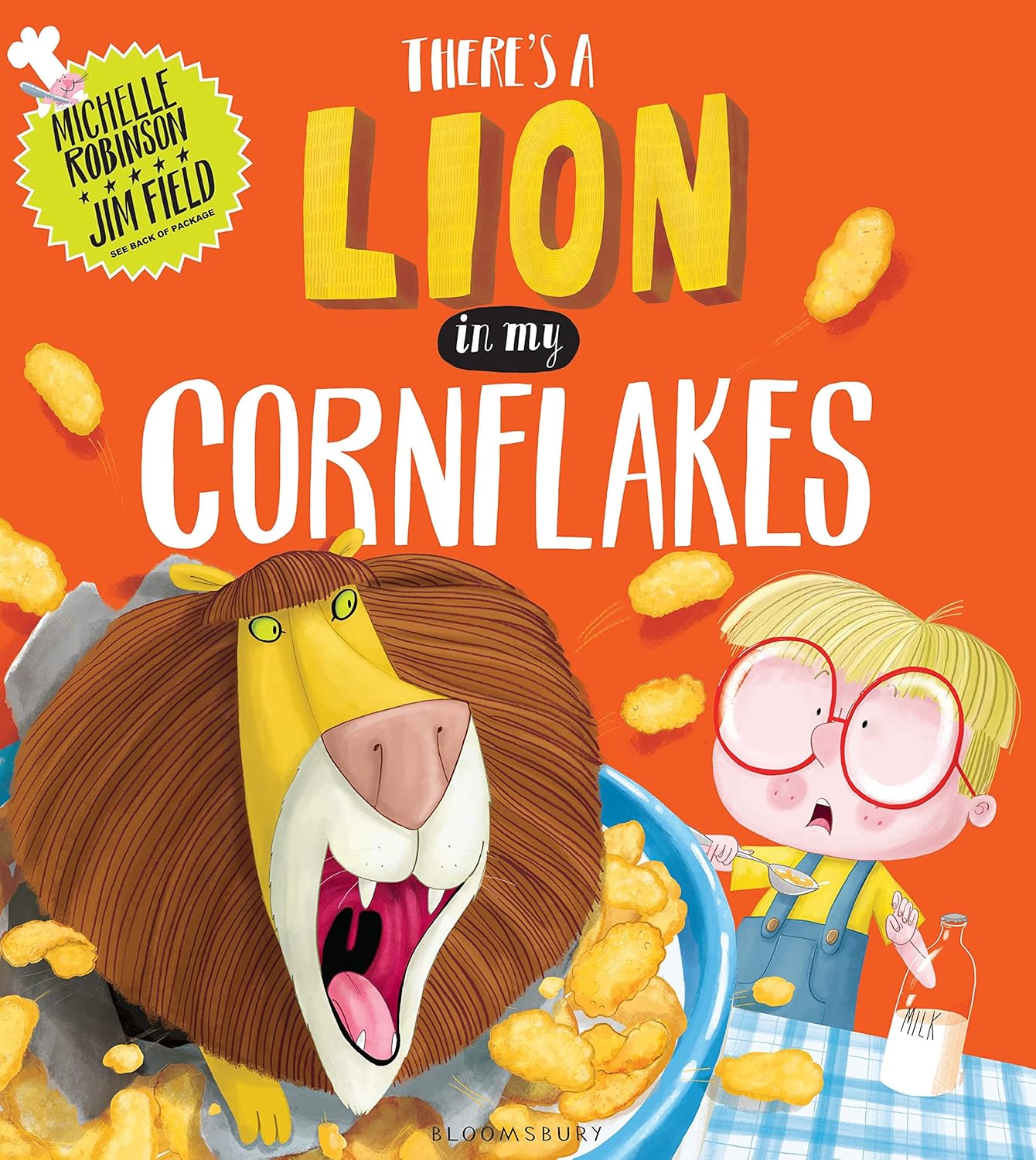
My Name Is Not Ed Tug
By Amy Nielander
Edimorwhitimormiligimmus Tug knew where he came from and just where he fit into his family. After all, “he was named after his Grandpa Edimor,” who helped him learn how to spell his name with a tall tower of blocks; “his Great Uncle Whitimor,” who taught him how to play the accordion; his Aunt Mili,” who ran a butterfly farm; “and his Granny Gimmus,” who filled his tummy with warm, homemade soup.” Anyone hearing his name might think it was gibberish, but Edimorwhitimormiligimmus thought “it was perfect.”
Copyright Amy Nielander, 2022, courtesy of West Margin Press.
School, of course, was a challenge since the other kids had a hard time spelling or even remembering his name. And his teacher, Ms. Mell, found that her mouth grew “quite tired” just trying to pronounce it. But one Monday, Ms. Mell announced that a new student, Ty, would be joining their class. Mrs. Mell had made name tags for each student to make it easier for Ty to remember their names, and she slapped one on Edimorwhitimormiligimmus’s shirt. When he looked, Edimorwhitimormiligimmus saw that the tag simply read “Ed.” He gazed at the tag with sadness. “Edimorwhitimormiligimmus Tug was shocked. He was perplexed. He felt like his heart had been stung by a giant bee. Twice.”
Copyright Amy Nielander, 2022, courtesy of West Margin Press.
After school, Edimorwhitimormiligimmus went straight to his room and stayed there, thinking. When he emerged, he had a plan (and a very perfectly sized name tag taped to his sweater). The next day, he approached Ty, who was playing with puzzle blocks. He stood proudly, displaying his sweater, and introduced himself—his whole self. He slowly said each part of his name and, miraculously, Ty repeated it. Edimorwhitimormiligimmus “was so happy his curls bounced.” Then as he and Ty constructed a tall bridge with the blocks, he explained how he and his Grandpa Edimor “love to build things together”—and had even invented those blocks.
Copyright Amy Nielander, 2022, courtesy of West Margin Press.
At lunch he did the same thing with the kids at his table, and they also repeated his name. To explain how important his Uncle Whitimor was to him, Edimorwhitimormiligimmus, he played his uncle’s favorite song on the accordion. When the class went out for recess, he told more kids about his Aunt Mili and pointed out, and they too learned his name.
On Tuesday, Mrs. Mell was out sick, and Edimorwhitimormiligimmus saw an opportunity to be kind and explain about his name. He and Ty delivered a steaming pot of Granny Gimmus’s soup to her doorstep and told her all about cooking with his granny. “The delicious soup warmed her heart.” Edimorwhitimormiligimmus’s plan worked. Now everyone, including Ms. Mell, knew—and used—Edimorwhitimormiligimmus’s full name.
Copyright Amy Nielander, 2022, courtesy of West Margin Press.
The experience prompted Edimorwhitimormiligimmus to come up with a new plan, a project to ensure all of his friends knew their names were just as perfect for them as Edimorwhitimormiligimmus was for him. And he and his classmates got started with the gift they made for Tyvantennyson to give him at his birthday party.
Copyright Amy Nielander, 2022, courtesy of West Margin Press.
Amy Nielander’s heartwarming and affirming story will captivate kids from the first recitation of “Edimorwhitimormiligimmus Tug”—a name that initially elicits giggles but soon rolls smoothly off the tongue. As they learn how each piece of Edimorwhitimormiligimmus’s name reflects not only the family member he’s named for but also the special things they do together, readers will empathize with the pride he feels in his name and his disappointment when they can’t get it right.
While Nielander’s clever story revolves around one child’s name, there are many other important lessons for both kids and adults woven throughout. Children will understand that their names, personalities, heritage, talents, and dreams are perfect for them just the way they are. For adults, Ms. Mell’s dismissive mangling and shortening of Edimorwhitimormiligimmus’s name to “make it easier for all of us” reminds us that every child deserves to be really seen and accepted for who and everything they are.
Nielander’s illustrations are full of warmth and love, charm and humor as she introduces the unique talents of each member of Edimorwhitimormiligimmus’s inclusive and close-knit family. As Edimorwhitimormiligimmus puts his plan to teach each classmate and Ms. Mell his name into action, the children’s sweet faces and palpable excitement are infectious and will draw readers into this universal hug of a story. The surprise reveal of Ty’s full name and the collective gift the class makes him—with the promise of the same for each child—will delight readers and is sure to spur them to create name signs for themselves.
An engaging, multi-layered story about acceptance, self-esteem, family, and friendship, My Name is Not Ed Tug is a story kids will want to hear again and again. The book is highly recommended for home bookshelves and is a must for classroom, school, and public libraries.
Ages 4 – 8
West Margin Press, 2022 | ISBN 978-1513134871
Discover more about Amy Nielander, her books, and her art on her website.
Take a peek at the book trailer for My Name Is Not Ed Tug!
You can purchase My Name Is Not Ed Tug at these booksellers
Readers might say that every month is National Book Month, but October is especially set aside to highlight books and the love of reading. Fall is a book bonanza as publishers release new books in all categories, and the holiday gift-giving season beckons. Books, of course, make superb gifts for all ages! So whether you’re looking for a new or new-to-you book to read right now or new titles to give to the family and friends who will be on your list, this month is a perfect time to check out your local bookstore to see what wonderful books are on the shelves! This month is also a great time to discover books that get kids excited about history, science, and technology in a whole new way – like today’s book!
Thanks to Cicada Books for sharing a digital copy of Professor Wooford McPaw’s History of Astonomy with me for review consideration. All opinions on the book are my own.
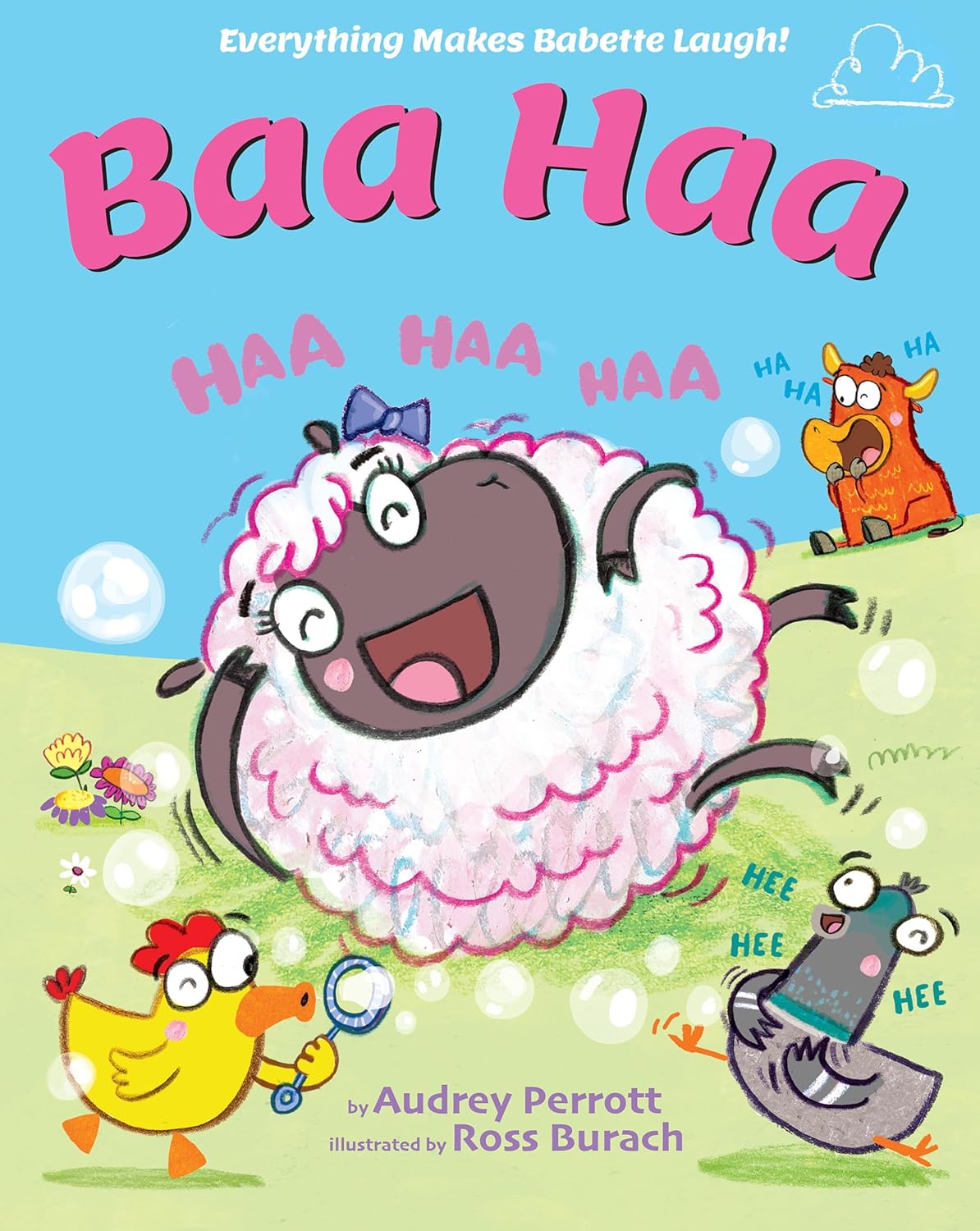
Professor Wooford McPaw’s History of Astronomy
By Elliot Kruszynski
The study of astronomy harkens back to the earliest days of scientific discovery, when “civilizations in Mesopotamia, Persia, China, India and Greece all examined the night sky. With only the naked eye, they mapped out the stars and used the information they gathered to create calendars, navigate great distances and keep time.” So begins this comprehensive, detailed, and even humorous compendium of our skies, scientists and thinkers, equipment, and a look to the future.
Professor Wooford McPaw and his telescope sidekick, Teley, takes kids back to 3000 BC, when religious leaders determined the longest day of the year by tracking the sun’s progress through the arches and columns erected at Stonehenge, and speeds forward to 1000 BC, when people connected the stars, creating the constellations and stories about them.
Copyright Elliot Kruszynski, 2022, courtesy of Cicada Books.
Kids then meet Aristotle and learn about his theories on the placement of the earth, the four elements, and the role of the gods in the universe. Then they discover the conflict between the teachings of Claudius Ptolemy around 140 AD and the discoveries of Nicolaus Copernicus in the 16th century, who left it to future scientists to explore his theory that that the earth revolved around the sun (and not the other way around). And what happened to those scientists? Well, children learn about Galileo Galilei, who, in addition to inventing the telescope, spent a good part of his life under house arrest for saying the earth and the planets did indeed revolve around the sun.
Copyright Elliot Kruszynski, 2022, courtesy of Cicada Books.
Professor Wooford introduces readers to Isaac Newton, whose “findings, along with the improvement of telescope technology, changed the way that humans (and for some dogs) looked at our planet.” What kind of telescope technology is the Prof talking about? He gives kids a run down from Galileo’s invention in 1609 to a switch from glass lenses to mirrors in the 1700s to today’s Hubble Space Telescope and James Webb Space Telescope. Here’s Teley explaining about lenses:
“Early telescopes, like the one Galileo invented, focused light using pieces of curved glass called lenses. The bigger the lens, the more powerful the telescope. They were called refracting telescopes. However the glass had to be a precise shape, with not even the tiniest scratch or flaw, otherwise the telescope wouldn’t work properly. It was very difficult to manufacture huge, perfect glass lenses. Also, they were very heavy and had a tendency to break.” Teley goes on to explain that it was Isaac Newton who “had the bright idea to swap the pesky glass lenses with mirrors,” which are much easier to make and are thinner and lighter, allowing telescopes to “be huge and super-powerful without weighing a ton.”
Copyright Elliot Kruszynski, 2022, courtesy of Cicada Books.
Albert Einstein travels back through time to explain his “mind bending and space bending” Theory of Relativity in terms that readers can understand. Then kids are launched into space—the space race, that is—where they learn about the advancements and setbacks of the Russian and American from 1957 to 1969, when the first moon walk occurred, as well as a weely … I mean … really unusual tradition among space-going astronauts.
Copyright Elliot Kruszynski, 2022, courtesy of Cicada Books.
Children get info on different kinds of space probes from rovers to orbiters to interplanetary probes before blasting off into our solar system to find out about the planets (even little Pluto gets a cameo. But where is Earth and all of our other planets located? Professor McPaw explains: “Earth is located in a galaxy called the Milky Way. At its center is a supermassive black hole called Sagittarius A*, which contains as much mass as four million suns.” The prof goes on to teach kids about the three different shapes of galaxies, what dwarf galaxies are, how bigger galaxies cannibalize smaller galaxies, and where the term galaxy comes from.
Copyright Elliot Kruszynski, 2022, courtesy of Cicada Books.
Professor Wooford McPaw and Teley also impart the same fascinating in-depth facts about stars, black holes, and dark matter. And what’s a trip into space without a ride on the International Space Station? Well, readers won’t find out because they get to explore the ISS and learn how the astronauts experience 16 sunrises and sunsets a day, sleep strapped to a wall, and develop “chicken leg syndrome” from not using their legs as much as their upper body in the no-gravity conditions.
By this time, kids are probably wondering about whether there’s life in other parts of the solar system or beyond as well as what the future might hold for astronomers, astrophysicists, other scientists, and even themselves. But are readers going to be abandoned in space? Not at all! Professor Wooford has thoughtfully included a Race to Earth “board game” on the last two-page spread that will get all astronauts … I mean readers … back home in time for dinner.
Copyright Elliot Kruszynski, 2022, courtesy of Cicada Books.
Elliot Kruszynski’s Professor Wooford McPaw’s History of Astonomy is just the kind of book that both kids who already love space and those who don’t yet know they do will devour, either bit-by-bit or all in one sitting. With affable hosts who give excellent easy-to-understand explanations, historical characters who add funny asides, and a quick-paced graphic-novel format, (title) will spark readers’ interest in learning all about the past, present, and future of astronomy. The book would make a perfect gift and very welcome addition to any home library. Educators and homeschoolers will find it a go-to text for introducing many scientific topics and an engaging way to heighten student’s eagerness for further research. School and public library librarians will find Professor Wooford McPaw’s History of Astonomy to be a favorite to recommend and to have on their shelves.
Ages 6 – 10 and up
Cicada Books, 2022 | ISBN 978-1800660236
To view a portfolio of work by Elliot Kruszynski and connect with him on Instagram, visit his website.
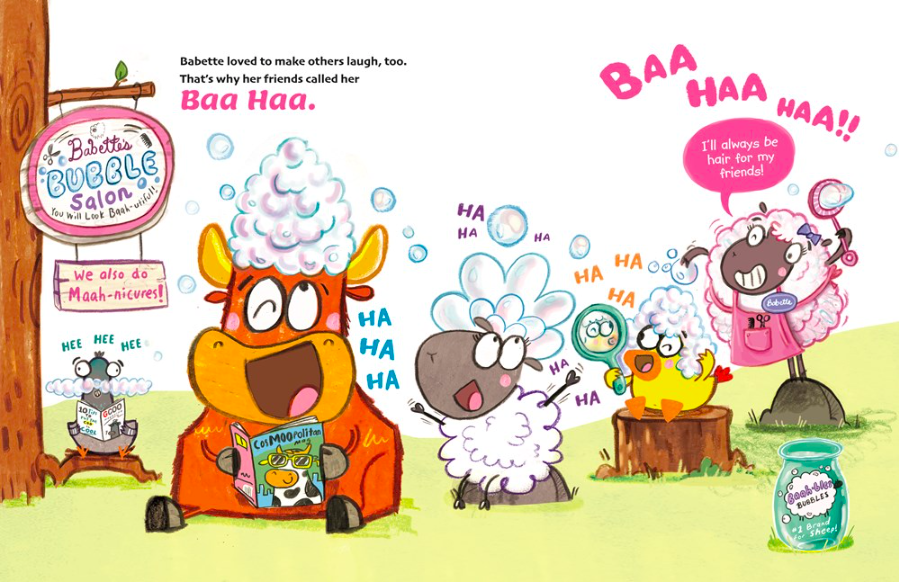
National Book Month Activity
Out of This World Tic-Tac-Toe Game
You can launch your own Tic-Tac-Toe Game with this set you make yourself! With just a couple of egg cartons, some crayons, and a printable game board, you’ll be off to the moon for some space-age fun! Opposing players can be designated by rockets and capsules. Each player will need 5 playing pieces.
Trim the bottoms of each form so they stand steadily, leaving the arched corners intact
Pencil in a circular window on one side near the top of the cone
Color the rocket body any colors you like, going around the window and stopping where the arched corners begin
With the marker color the arched corners of the form to make legs
On the cardboard between the legs, color flames for blast off
To Make the Capsule
Cut the egg cups from an egg carton
Color the sides silver, leaving the curved section uncolored. (If your egg cup has no pre-pressed curve on the sides of the cup, draw one on each side.)
Color the curved section yellow to make windows
With the marker, dot “rivets” across the capsule
Print the Moon Game Board and play!
You can find Professor Wooford McPaw’s History of Astronomy at these booksellers
Thank you to Hippo Park and Deborah Sloan for sharing a copy of How to Draw a Happy Cat with me for review consideration. All opinions on the book are my own.
How to Draw a Happy Cat
Written by Ethan T. Berlin | Illustrated by Jimbo Matison
As the book opens, an unseen art teacher enthusiastically instructs kids in creating a cat. And not just any cat, but one that will be smiling at the end: “Learning how to draw a happy cat is fun and easy!” The narrator lays out clear instructions and gives an example of how the initial shape and each new addition should look. By the end of the first page spread, kids have a striped yellow cat with eyes, nose, and violet ears but no…mouth. On the page turn, the narrator prompts kids to add a smile. But wait! That smile doesn’t last long. On the next page she’s frowning. “What do you think she wants?” the instructor asks.
Image copyright Jimbo Matison, 2022, text copyright Ethan T. Berlin, 2022. Courtesy of Hippo Park.
The narrator makes some suggestions: “…a cool T-shirt, …a stuffy,” and “Oh, I know—a skateboard!” These items too are sketched out as examples. And, yeah! The cat is “totally happy now!” This happy cat has some moves on the skateboard too. Her wide smile just shows how happy she is. Even the unicorn on her T-shirt is grinning. But the stuffy? He’s looking a little glum and it brings down the whole vibe. Happy Cat is no longer happy.
Image copyright Jimbo Matison, 2022, text copyright Ethan T. Berlin, 2022. Courtesy of Hippo Park.
The instructor seems to know what’s needed and suggests readers “draw her some friends! And a ramp!” Now that’s more like it! A four-legged alien-type guy, a chicken, and a dog make very happy friends. So they’re soaring into the air off the ramp on their skateboards and… Oh no! You know—what goes up must come down. Suddenly, Cat is afraid. Down, down they begin to fall. What can readers do?
Quick as you can say “airplane,” readers can help a winged and propellered rescue appear. Phew! Now they’re all happy again. Turns out, though, that skateboarding on a plane whips up quite an appetite, and now Cat is hungry. How can readers help? Well, wouldn’t a slice of pizza taste delicious? Kids learn how to draw a pizzeria and a cheesy slice, but delivery? That could be a problem.
Image copyright Jimbo Matison, 2022, text copyright Ethan T. Berlin, 2022. Courtesy of Hippo Park.
Cat has an idea, and while it works… it kinda, also…doesn’t. Now Cat and her friends are falling once again. Luckily readers are right there to remedy the situation, and all turns out great. So great that Cat and her friends want to celebrate. They can’t do it without decorations, music, entertainment, and some really cool hats, though, so it’s up to readers to create the most awesome party ever to “draw a happy cat!”
Image copyright Jimbo Matison, 2022, text copyright Ethan T. Berlin, 2022. Courtesy of Hippo Park.
Starting out with a straightforward drawing lesson, Ethan T. Berlin and Jimbo Matison soon raise the stakes for readers by putting them in charge of pleasing this mercurial cat. Berlin’s enthusiastic narrator makes helpful suggestions throughout the story that prompt kids to use their natural creativity to make Cat happy while Matison actually teaches them how an artist or cartoonist puts together shapes to draw a vast array of characters, objects, moods, and action.
On top of this, Berlin’s rollercoaster story will have kids giggling on every page, and well-placed questions get them thinking about how happiness can turn to sadness or dissatisfaction (for Cat as well as themselves) in the blink of an eye (or the turn of a page) and how those moments can be turned around or amended. The story’s last line gives readers an opportunity to start all over again—or, now that they’ve got the skills, even come up with their own story to write and illustrate.
Matison’s cartoon characters (sometimes charmingly colored outside the lines) are energetic and optimistic, reveling in new playthings, friends, and experiences. Kids will love watching for Chicken’s reactions, one funny placement of a pizza slice, and a few mishaps that foreshadow the book’s cyclical ending. Colorful type highlights strong emotions, especially when Cat is happy.
Sure to make kids laugh and get excited about writing and drawing as well as providing an organic way to talk about emotions and ways to create your own happiness, How to Draw a Happy Cat makes a terrific addition to home bookshelves as a favorite story time read and go-to book for impromptu drawing fun. The book is highly recommended for school and public library collections, where it will certainly enjoy frequent rotation and its multiple layers inspire participatory programs.
Ages 4 – 8
Hippo Park, 2022 | ISBN 978-1662640049
Discover more about Ethan T. Berlin and his books, TV shows, and other funny stuff on his website.
To learn more about Jimbo Matison, his books, design work, and TV shows, visit his website.
Laugh—or commiserate—along with this How to Draw a Happy Cat book trailer!
How to Draw a Happy Cat Book Birthday Activity
Pizza Party Board Game and Drawing Kit
Can you make Cat and her friends happy by getting them to the pizza party? Just pick your character, draw numbers to move around the board—and have some fun on the way! Play the game with your friends and then learn how to draw a happy chicken by downloading the How to Draw a Happy Cat Activity Kit from Hippo Park!
Today, I’m celebrating the book birthday of Come On In: There’s a Party in this Book! with two holidays – Read a New Book Month and Friendship Month. I also have amazing interviews with author Jamie Michalak and illustrator Sabine Timm that really dive into the creation of this unique book. So, come on in!
Thanks go to Hippo Park and Deborah Sloan for sharing a copy of Come On In: There’s a Party in this Book! with me for review consideration. All opinions on the book are my own.
Come On In: There’s a Party in this Book!
Written by Jamie Michalak | Illustrated by Sabine Timm
Kids first meet the sweet lemon (yes, an adorably sweet lemon) at the center of this story peeking out from a cutout in the cover. The narrator, having revealed that “there’ a party in this book,” now invites Lemon to find it: “Come on, Lemon! Let’s go look.” So, a little uncertainly, Lemon knocks at a red door with a mouse door knocker. Once inside, Lemon, readers, and the narrator meet a jaunty cast of characters—suspender shorts atop three pillows, a paint-tube mouse on a bed, a curious sock on the top of a bunkbed, and a little pink-and-green house on more pillows.
image copyright Sabine Timm, 2022, text copyright Jamie Malachek, 2022. Courtesy of Hippo Park.
The scene sets Lemon and crew wondering… “Is this a mouse party? A pants, sock, and house party?” And the answer? “No! This is a game where we can’t touch the floor.” Ah! So the narrator says, “Lemon, keep looking. Try the next door.” Lemon tries another house, but there’s no party there either—just some fashionable cats and fruit.
image copyright Sabine Timm, 2022, text copyright Jamie Malachek, 2022. Courtesy of Hippo Park.
Hmmm… Lemon is getting a little discouraged. But the narrator gives Lemon a nudge, saying “This book is not done.” Although Lemon meets a group of friends at the beach, they’re not partying, just hanging out together. Lemon meets some pigeons and enters a kitchen, where a bear, a bunny, and a little toast dog made of bread are baking up treats. But there’s no party! Finally, “…Lemon’s back home. Does the book end right here, with her sad and alone?”
image copyright Sabine Timm, 2022, text copyright Jamie Malachek, 2022. Courtesy of Hippo Park.
But then Lemon has an idea! An idea that needs readers’ help to succeed! Lemon (and readers) are going to host the party for everyone they’ve met! There’s going to be cake and candy, decorations and games. “This is a big and a small, / have a ball party. / Hooray for new friends at the / come one and all party!” And what about readers? Everyone shouts, “Come on in!”
image copyright Sabine Timm, 2022, text copyright Jamie Malachek, 2022. Courtesy of Hippo Park.
Kids can’t help but get excited about joining Lemon in searching for the party promised on the cover. Jamie Michalak’s enthusiastic, inclusive storytelling speaks directly to them from the very first words as she exclaims “What?! There’s a party in this book?” As Lemon goes from door to door and page to page, readers follow, carried along on Michalak’s buoyant rhythm and rhymes that surprise—coming at the ends of lines but also sometimes in the middle, which keeps each page fresh and fun.
When Lemon returns home after not finding the party and hits upon the idea of being the one to host it, the promise that “there’s a party inside” is fulfilled in an unexpected way. An interactive page gets readers involved in the party preparations and will make them feel both included and empowered to invite others to their own party—or just to make new friends.
Sabine Timm’s illustrations, created with found objects, burst with childlike imagination and endearing personalities. Each page is a showstopper that kids and adults will want to explore together to soak up all the details. And you don’t have to stop there! Each character—from Lemon to the yarn cat and clothespin rabbit to the paintbrush dog and soccer-loving log boy (see Sabine’s answer to question 2 in her interview below)—offers up an opportunity for readers to have fun creating their backstories, imagining what they’re doing when Lemon first encounters them, and guessing what their favorite part of the party is. But wait! The party isn’t over yet! The front and back endpapers, full of tiny objects from the story, give families a super search-and-find game to do together.
Full of humor, whimsy, imagination, and the joys of inclusive friendship. Come On In: There’s a Party in this Book! will quickly become a family favorite to read again and again. The book would make a terrific gift and one you’ll want in your home, school, or public library collection.
Ages 4 – 8
Hippo Park, 2022 | ISBN 978-1662640001
Meet Jamie Michalak
Jamie Michalak is a children’s book writer, who loves toast, dogs, and toast shaped like dogs. She is the author of Come On In: There’s a Party in this Book! illustrated by Sabine Timm. Jamie’s other titles include the multiple starred reviewed Niki Nakayama: A Chef’s Tale in 13 Bites, co-written with Debbi Michiko Florence and illustrated by Yuko Kato-Jones; Dakota Crumb: Tiny Treasure Hunter, illustrated by Kelly Murphy; the Frank and Bean early reader series, illustrated by Bob Kolar, and the Joe and Sparky early readers series, illustrated by Frank Remkiewicz. She lives with her family in Rhode Island.
This story feels so fresh—whimsical, comical, and surprising. I’d love to have you talk about how your story came to be and your writing process for it.
Thank you! Long ago, I jotted down the title and idea for this story—an interactive picture book with a different party on every page that the reader was invited to join. But I never wrote it. Several years later, my agent, Victoria Wells Arms, told me that editor Jill Davis was looking for a manuscript for artist Sabine Timm. So I checked out Sabine’s irresistible art on Instagram.
I instantly fell in love with her characters and wanted to write a story that included as many of them as possible. That’s when my old idea for COME ON IN; THERE’S A PARTY IN THIS BOOK! came to mind. I wrote the story and threw a party for Sabine’s characters—cats wearing boots and fruits dressed in suits, pigeons named Fred, and dogs made of bread. As it turns out, this party was just waiting for the right guests to get it started!
The idea of anthropomorphizing everyday objects is so interesting, especially as it’s a practice universal to adults and kids. As a storyteller, do you think this is just part of human nature or do we learn it in childhood?
That’s a fascinating question! I’m not sure. But I do love how children and children book creators are always turning inanimate objects into characters. A hot dog and baked bean can be new friends who form a band called The Chili Dogs. Or the salt and pepper shakers might face off in a talent competition before dinner arrives. Life is more interesting when you use your imagination.
The story lends itself so well to the “search and find” fun of Sabine’s illustrations. Was this also part of your intention as you crafted the story?
It wasn’t, but you’re right! I discovered all of the seek-and-find elements, just like readers will, when I first saw Sabine’s illustrations. There are so many whimsical details that I spot new ones with every read.
Every page is so creatively put together, but do you have a favorite spread in the book?
The cats wearing boots spread is one of my favorites from any picture book ever. How did Sabine create a cat from a small ball of yarn and sassy plastic doll boots? I mean … the BEST!
What would you like kids to take away from the story?
Everyone is invited to this book’s party—and that’s what makes the last spreads, starring all of the characters, the most joyful of all. I hope that readers take away that parties are more fun when no one is left out.
Do you have any special events or other marketing planned that you’d like to tell readers about?
Here’s a video “Welcome to Sabine Timm’s Studio” that introduces readers to Sabine Timm and Lemon. Then Sabine gives a tutorial on how they can make a character of their own. a link to a video “Welcome to Sabine Timm’s Studio – the illustrator of COME ON IN.”
And here’s a short bit of animation showing closeups of the objects that make up the book cover.
I’m excited about several books coming out next year. The first is a picture book about a tiny treasure hunt set in a Parisian bookshop: DAKOTA CRUMB AND THE SECRET BOOKSHOP illustrated by Kelly Murphy (Candlewick Press). It’s the follow-up to DAKOTA CRUMB: TINY TREASURE HUNTER about an Indiana Jones-ish mouse. The third Frank and Bean early reader, FRANK AND BEAN: THE STINKY FEET MONSTER, illustrated by Bob Kolar (Candlewick Press), is a hilarious take on Bigfoot. And two Chicken Soup for the Soul for Kids books—THE SUNSHINE GARDEN, illustrated by Jenna Nahyun Chung, and PLAYDATE (WITH BEAR TOO?), illustrated by Katie Mazeika—will be released from Charlesbridge.
Thanks, Jamie, for taking time to chat with me todat! Finding new book of yours is always a reason to celebrate!
Meet Sabine Timm
Sabine Timm calls herself an artist, creator, beach-trash collector, flea-market lover, and photographer. She draws, paints, assembles and shares her work nonstop on Instagram. She lives in Dusseldorf Germany, but has fans from around the globe.
Hi Sabine! I’m so thrilled to have a chance to talk with you about your incredible illustrations! As your 168K Instagram followers would, I’m sure, agree, your adorable creations are not only awe-inspiring but always bring a smile.Can you tell readers how you got started doing this kind of art?
It’s hard to say when I started making art like this. I always had a big interest in playing with found objects. When I was a child, I collected various things from nature. Shreds, sticks, seeds, buttons I’ve found on the streets etc.
I always loved the fairytales of Hans Christian Andersen and I was very much inspired by the hidden life of things in his stories. Many years later when I became a mother myself we had holidays at the sea and me and my son made a beach walk. We found a lot of funny things…a broken flip-flop, a red-checked French-fries bag, sandblasted wood sticks, small rope pieces, bottle caps, shells, feathers, and stuff like this.
Together we started playing, and we made characters from this found trash. We transformed trash to treasures…through our eyes and visions the things got a second life. I was deeply fascinated by these experiences, and I continued in arranging and photographing characters like this.
Image courtesy of Sabine Timm
When you look at an object, do you immediately see its potential to become something else? I’m thinking of the sofa you made from crackers that appeared on your Instagram page recently.
When I work with found or everyday objects there two options. Sometimes the objects themselves are attractive (colour, shape, size) and while looking at these things I get an inspiration. For example, the Swedish bread that became an upholstered sofa.
Image courtesy of Sabine Timm
The other option is that I have the plan of creating a special character and I go around in my home or in my studio and look around for something that works.
I always try to look at the things around me with the eyes of a child. Forgetting about function and use, I enjoy playing and arranging.
For example the little tree trunk character from the book….I found the miniature soccer shoes at the flea market and I came back to my studio where I had a box with collected objects from nature. I immediately had the idea of a little tree trunk boy who loves playing soccer!
Image courtesy of Sabine Timm
Come On In! is your debut picture book. What were your first impressions when you read Jamie’s manuscript?
I was totally thrilled!!! All my characters united in such a wonderful story! When I read the lovely text for the first time I could hardly believe that Jamie has never been in my studio.
She pictured everything so detailed and gripping. Jamie wrote a charming story of cohesion and team spirit. I love the rhymes and the imaginative language.
I’m so happy to have in Jamie an author who empathizes so much with my characters. Come on In! invites everyone to have a great time together, and I was inspired from the first moment!
Your scenes in Come On In! are beyond adorable. Can you share a little bit about your process in creating them?
So let’s go into my studio . . .
Image courtesy of Sabine Timm
Here I will show you something about my working process. In the very first beginnings of this book, I started with sketches and scribbles to get an idea of the story and the characters.
When I want to build and arrange a scene, I usually start with the characters! When they “come to life“ I start playing and letting them interact with each other. I take a lot of test photos to see how it works.
Next step is building the background or finding the location. In the case of a cardboard background I recycle used boxes and cut them into the right size. I cut out windows and build doors and in the end I paint.
When I just have to find a nice location, I pack all my utensils and my camera. I never go out before checking the weather forecast (no rain and wind, please)!
For example, the scenery with the pigeons is arranged on my studio rooftop even though I had built a nice cardboard roof, but it didn’t work as I imagined. I changed my plans and placed all the pigeons on the real rooftop…this was an authentic and perfect place for a crazy party with sunflower seed snacks and drinks and music! Adding these kind of items is like the icing on the cake!
Image courtesy of Sabine Timm
Did you have a favorite part of the story to create an assemblage for? What made it stand out for you?
It’s hard to make a decision…each assemblage is unique and special.
Creating the characters of fruits and bread was a great fun. Working with edible materials is particularly appealing to me—it is easy to get and you can eat it up when the work is done. (I have to say…sometimes I can’t eat them when they are looking at me so sweetly.)
For the kitchen scene, I was so happy that I could use my lovely vintage furnishings I’d collected for my photo arrangements years before.
I found the perfect buns and cakes to assemble the characters—Mr. Bear looked like a fantastic pastry chef and little bunny girl in her crunchy dress was so photogenic! Very same with the fruits-in-suits scene—in the beginning there is just a bag with fruits and vegetables, and after a few hours you have a gallery of fruity friends!
Image courtesy of Sabine Timm
What are you hoping to inspire in readers with your illustrations?
I hope I can inspire the readers to realise that the best thing in life is coming together, having a good time, respecting each other, and celebrating the uniqueness of each being.
Lemon takes the initiative, and I hope she will empower the readers to do the same.
What would you like for children to take away from your illustrations in this book?
Children are so creative, and I would like for my illustrations to encourage them to play with anything they find around at home, in nature. or wherever. They don’t need to buy new and expensive Playmobil or Lego figures…just a lemon can become a friend.
Image courtesy of Sabine Timm
Thanks, Sabine, for sharing so much of your creative process and all of these images! I’m sure readers are excited to read the book—and to stretch their creativity! I wish you all the best with Come On In: There’s a Party in this Book!
You can find Come On In: There’s a Party in this Book! at these booksellers