September 4 – National Wildlife Day

celebrate-picture-books-picture-book-review-swimming-with-sharks-cover

About the Holiday

National Wildlife Day, founded in 2005, serves to bring awareness to the number of endangered animals that need to be preserved and rescued each year. The holiday also acknowledges the zoos, outstanding animal sanctuaries, and other global organizations for everything they do to help preserve this planet’s animals and educate the public about conservation – especially the children, who are our future conservationists and animal’s caretakers.


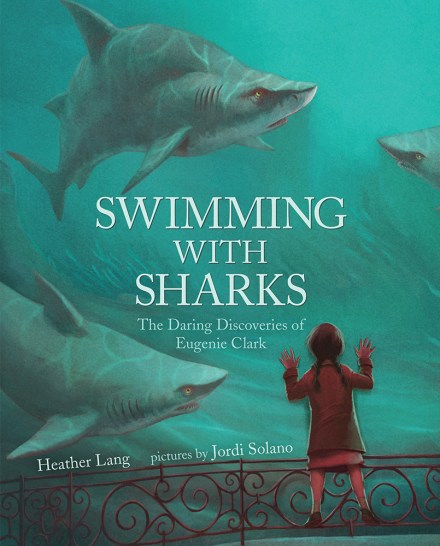
Swimming with Sharks: The Daring Discoveries of Eugenie Clark

Written by Heather Lang | Illustrated by Jordi Solano


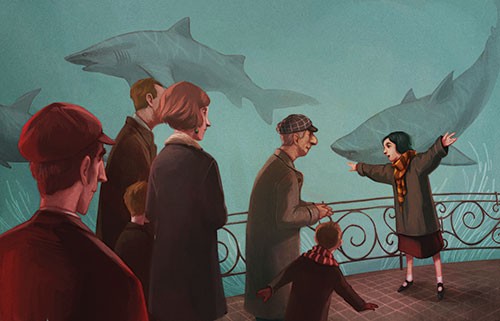
When young Eugenie Clark pressed her face against the aquarium window at the sharks swimming by, she did not see “piercing eyes…rows of sharp teeth…vicious, bloodthirsty killers.” Instead she saw “sleek, graceful fish” and dreamed of being inside the tank to swim among them. She loved to spend Saturdays at the New York Aquarium sharing her knowledge of fish with visitors. She wished there was more information available about sharks and hoped for a day when she could learn more about them.
celebrate-picture-books-picture-book-review-swimming-with-sharks-at-aquarium

Image copyright Jordi Solano, 2016, courtesy of plumpuddingillustration.com

At home her mother bought Genie her own little fish tank, and soon the whole apartment was full of fish and reptiles. Genie kept careful notes on her pets as she tried to answer her many questions. William Beebe, a famous scientist who studied fish, was Genie’s hero. She too wished to explore the ocean like he did. But this was the 1930s and not many people “dared to study the depths of the sea, and none were women.” Eugenie’s mother suggested she study typing and try to become Beebe’s secretary. The life of a secretary was not what Genie had in mind.

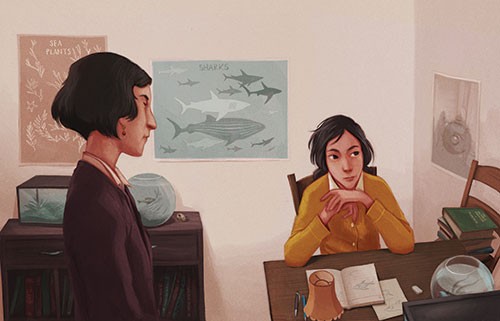
Eugenie received a Master’s Degree in zoology, and when a well-known ichthyologist offered her a job as his research assistant and an opportunity to take oceanography classes, she moved to California. There she collected fish and water samples. The beauty of the underwater world astonished her. In the lab she was able to dissect a swell shark to learn “how and why it puffs up.” But Genie wanted to dive deeper—to swim with sharks.
celebrate-picture-books-picture-book-review-swimming-with-sharks-studying

Image copyright Jordi Solano, 2016, courtesy of plumpuddingillustration.com

One day, Genie’s professor allowed her to try helmet diving. Wearing the heavy metal helmet, Genie was able to descend into the cold, murky deep where kelp forests waved with the current. “In 1949 the US Navy hired Genie to study poisonous fish in the South Seas. As she collected fish, she came face to face with a shark. The shark swam closer and closer then suddenly dove and disappeared out of sight. Genie was thrilled by the encounter.

In 1955 Eugenie moved to Florida and opened the Cape Haze Marine Laboratory, becoming the first to study sharks in their natural environment. The more she studied sharks, the more she realized that they were intelligent creatures, not stupid “eating machines” as most people thought. She wondered if sharks could be trained.

Eugenie set up an experiment in which a shark needed to press a white board to receive a reward a short swim away. Soon, the female shark of the pair realized that if the male shark pressed the board, she could swim to retrieve the reward. The pair remembered the exercise even after a ten-week break. Soon, scientists from around the world wanted to work with Genie. 

celebrate-picture-books-picture-book-review-swimming-with-sharks-swimming-under-water

Image copyright Jordi Solano, 2016, courtesy of plumpuddingillustration.com

Word reached her about “‘sleeping sharks,’” off the coast of Mexico. Instead of swimming around, these sharks stayed on the ocean floor. Eugenie was determined to learn how they breathed without moving. She dived deep into their territory, finding a requiem shark in an ocean cave. Here, she was face-to-face with one of the most feared fish in the sea. Genie swallowed any worry and watched as the fish opened and closed its mouth, providing itself with oxygen as a remora fish cleaned its gills.

Genie took water samples and completed other tests that revealed astonishing facts about the ocean caves and the habits of sharks. But while Genie was learning the facts about these mysterious sea creatures, most people still feared them and considered them with suspicion and superstition. As time went by, Genie began seeing fewer and fewer sharks on her dives. They were being killed out of fear, for their fins, and because people thought it would make beaches safer.

celebrate-picture-books-picture-book-review-swimming-with-sharks-sunset

Image copyright Jordi Solano, 2016, courtesy of plumpuddingillustration.com

Genie began talking about her research, and people listened. “Dr. Eugenie Clark had become one of the most respected fish scientists in the world.” She taught people that there is always more to learn and “always more surprises.”

An extensive Author’s Note about the life and work of Eugenie Clark as well as more information on sharks follows the text.

Heather Lang delves into the life’s work of a woman who fearlessly challenged herself and the prevailing science to increase our knowledge of sharks and change people’s perspective on these beautiful creatures. Readers will love Lang’s comprehensive storytelling—beginning with young Genie’s fascination with fish and the sea—that reveals the pivotal events which led to her discoveries. Fascinating anecdotes from Eugenie’s research and personal encounters with sharks will enthrall children, and the idea that there is much more to discover will resonated with young scientists in the making.

celebrate-picture-books-picture-book-review-swimming-with-sharks-looking-at-shark

Image copyright Jordi Solano, 2016, courtesy of plumpuddingillustration.com

Jordi Solano takes readers to the depths of the ocean in his sea-green, atmospheric illustrations that beautifully mirror the world of sharks. Textured and layered images of marine plants and a variety of creatures give children an up-close view of Eugenie Clark’s work and the fish she encountered on her dives. Each type of shark is magnificently and realistically drawn, giving kids an idea of coloring, size, movement, and more. Children will also see Eugenie’s research facilities and the equipment she used in her studies.

For anyone interested in marine science, history, biographies, or the environment in general, Swimming with Sharks: The Daring Discoveries of Eugenie Clark is a can’t-miss book.

Ages 5 – 9

Albert Whitman & Company, 2016 | ISBN 978-0807521878

Discover more about Heather Lang and her books on her website!

View a gallery of artwork by Jordi Solano on Plum Pudding Illustration!

National Wildlife Day Activity

celebrate-picture-books-picture-book-review-fascinating-sharks-word-scramble

Fascinating Sharks Word Scramble


Read the clues and unscramble the names of 14 types of sharks in this printable Fascinating Sharks Word Scramble! Here’s the Solution!
celebrate-picture-books-picture-book-review-swimming-with-sharks-cover

You can find Swimming with Sharks at these booksellers

Amazon | Barnes & Noble | Books-a-Million | IndieBound

Picture Book Review

September 2 – It’s National Save a Tiger Month

celebrate-picture-books-picture-book-review-a-tiger-tail-cover

About the Holiday

National Save a Tiger Month promotes awareness of the dangers facing the world’s wild tiger population. With only 4,000 still in existence, the tiger is threatened with extinction unless people work together to protect them. Many factors have led to the tiger’s decline, including habitat destruction, climate change, and poaching. Environmental and other groups, such as the World Wildlife Federation, the International Fund for Animal Welfare, and the Smithsonian Institution are working towards a solution.

A Tiger Tail (Or What Happened to Anya on Her First Day of School)

By Mike Boldt


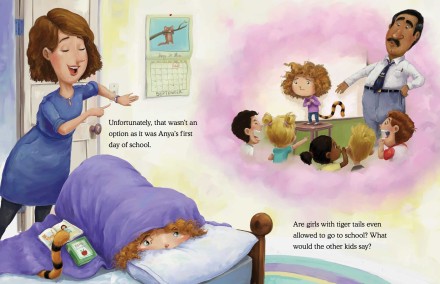
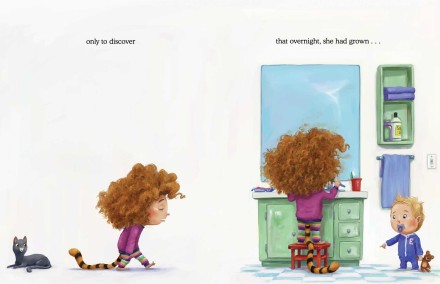
Even before the story properly begins, Anya discovers something incredible and incredibly disturbing. Overnight she has grown a tiger tail—not a pony tail or pigtails, but an honest-to-goodness black-and-orange-striped tiger tail! All she wants is to stay in bed, but unfortunately that’s not possible because it’s Anya’s first day of school.

celebrate-picture-books-picture-book-review-a-tiger-tail-interior-imagining-school

Image copyright Mike Boldt, courtesy of simonandschuster.com

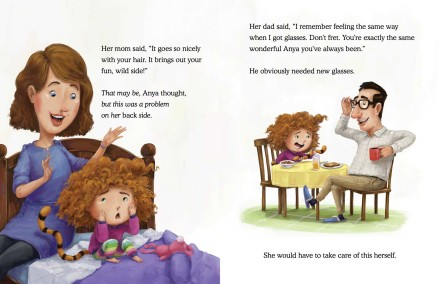
Anya wonders if “girls with tiger tails are even allowed to go to school” and what the other kids will say. Her mom thinks it’s wonderful. The tail goes so nicely with Anya’s red hair and brings out her “fun, wild side.” But Anya’s only worried about her back side! Her dad likens her predicament to when he got glasses and tells her she’s still “exactly the same wonderful Anya you’ve always been.”

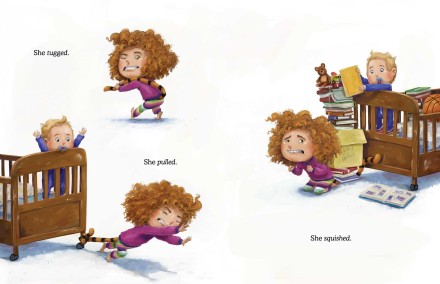
Anya figures she’s on her own with her problem. She tries tugging on her tail, pulling on it, and squishing it, but it remains firmly attached. Perhaps the right outfit from her closet—or all of them together—could hide her tail, but that solution had its own problems. There was just one last thing to do—panic! “‘Calm down,’” says her mom. “‘You’ll make yourself sick.’” Ah-ha! There’s a good idea! Anya thinks as she goes back to bed with tissues and feeling for a fever.

celebrate-picture-books-picture-book-review-a-tiger-tail-interior-parents

Image copyright Mike Boldt, courtesy of simonandschuster.com

Anya’s mom thinks her antics are so funny and that the kids will love her sense of humor, then she shoos her off so she doesn’t miss the bus. Ah-ha! There’s another good idea! Anya hides in the bushes, but her dad discovers her and considers it a “special treat” to drive her to school.

Walking up the sidewalk to the school’s front door, Anya realizes that she has only one option—running away to join the circus. How bad could that be? But as Anya daydreams about eating popcorn for dinner and swinging from a trapeze, she misses her chance to escape. The school bus pulls up to the door and all the kids pile out. “Anya was doomed.” But she watches all the kids race past her without a glance and doesn’t see the boy headed straight for her who also doesn’t see her. CRASH! Their impact sends them tumbling to the ground amid fluttering papers and flying books, shoes, and backpacks. Even the boy’s baseball cap pops off! Anya stares and then smiles. Standing straight up from the boy’s head are two long rabbit ears.

celebrate-picture-books-picture-book-review-a-tiger-tail-interior-art-grown-tail

Image copyright Mike Boldt, courtesy of simonandschuster.com

“‘Hi, my name is Ben,’” the boy says as he holds out Anya’s shoe. “‘I’m Anya,’” Anya replies. Joe takes his hat from Anya and bounds up the steps. “‘Come on, Anya! We don’t want to be late on the first day.’” Anya follows, and when she sees her class she knows she’ll fit right in.

Mike Boldt whimsically captures the first-day jitters—of school or any new experience—that can result in an explosion of self-consciousness, doubt, and fear. Boldt’s little girl with a wild cloud of red hair is a loveable, plucky heroine as she takes matters into her own hands when the adults around her seem oblivious to her plight. Boldt’s vivacious illustrations burst with energy and emotion that kids will recognize and respond to. Boldt depicts children so honestly, from their crinkled nose abhorrence to their enthusiastic smiles, and the adults, with their clueless dialogue and quirky expressions, are rendered through a child’s eyes.

celebrate-picture-books-picture-book-review-a-tiger-tail-interior-art-grown-tail

Image copyright Mike Boldt, courtesy of simonandschuster.com

Readers will laugh at Anya’s panicked face and her multi-layered getup designed to hide the tail that is still obvious through its ribbon wrapping. The crash meeting between Anya and Ben provides delightful surprise and insight, and the final spread of the classroom is inspired. Not only do most of the kids have unique traits, but the teacher also displays rabbit teeth as everyone poses for a class picture.

A Tiger Tail (Or What Happened to Anya on Her First Day of School) offers comfort and understanding as it reminds readers that everyone is an individual, and that one of humankind’s strongest and most common bonds is our diversity. A Tiger Tail should be embraced by every classroom and will make an often-asked-for addition to any child’s library.

Ages 4 – 8

Simon & Schuster Books for Young Readers, 2016 | ISBN 978-1481448857

Learn more about Mike Boldt and his books and view a portfolio of his artwork on his website!

Pounce on this awesome book trailer for A Tiger Tail!

National Save a Tiger Month Activity

celebrate-picture-books-picture-book-review-tiger-find-the-differences

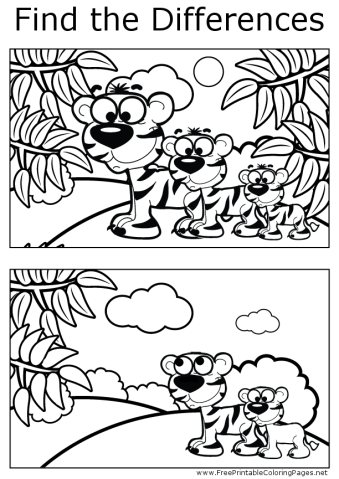
Tricky Tigers Find the Differences and Coloring Page


These two picture of tigers in the jungle have some differences—just like Anya and her classmates. Can you find all eleven changes? Have fun searching and coloring this printable Tricky Tigers Page!

Picture Book Review

August 27 – Just Because Day

celebrate-picture-books-picture-book-review-animals-hide-and-sneak-cover

About the Holiday

With a full calendar of days dedicated to specific topics, causes, holidays, animals, food, places, and emotions, someone thought it would be a good idea to leave one day up to you, and today is it! So if you have a special occasion; a favorite animal; a unique knick-knack; a best-loved book, poem, song, or art piece; or if you just want an excuse to throw a party, celebrate it today!

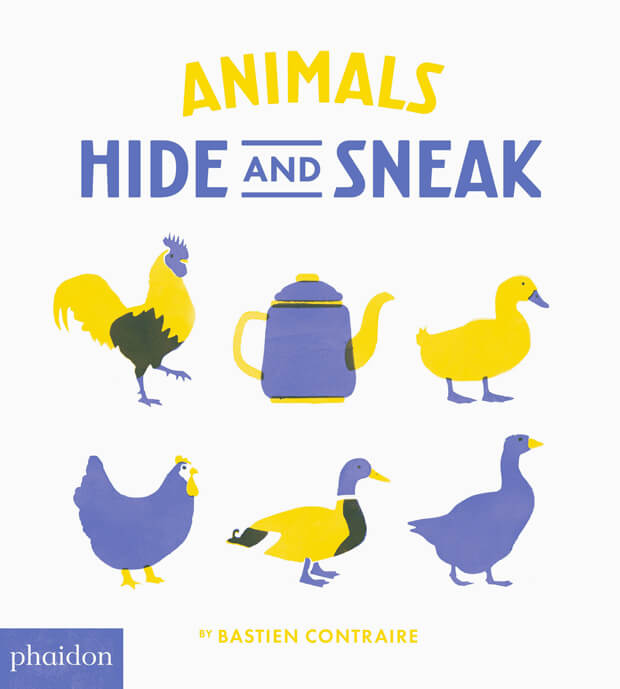
Animals Hide and Sneak

By Bastien Contraire


Just because things are grouped together, it doesn’t mean they’re the same! In his clever discovery books, Bastien Contraire takes advantage of people’s visual flexibility to offer a book full of puzzles that charm and surprise. In his newest book—a board book for little ones—he uses his striking tri-colored imagery to invite readers to really think about what they are seeing.

celebrate-picture-books-picture-book-review-animals-hide-and-sneak-cows

Image copyright Bastien Contraire, 2017, courtesy of Phaidon Press.

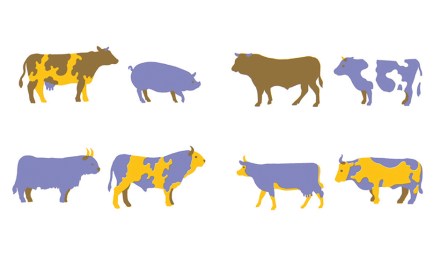
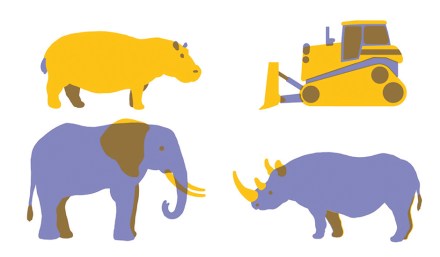
Once readers spot the look-alike, they’re enticed to consider the connection between it and the others on the two-page spreads. Opening to the second spread, eight horses of different sizes, mane length, and coloring face off on either side of the split. So, which one is different? Ah! There’s a little rocking horse among them! Children will love talking about what makes it the visitor to the ranch.

celebrate-picture-books-picture-book-review-animals-hide-and-sneak-snakes

Image copyright Bastien Contraire, 2017, courtesy of Phaidon Press.

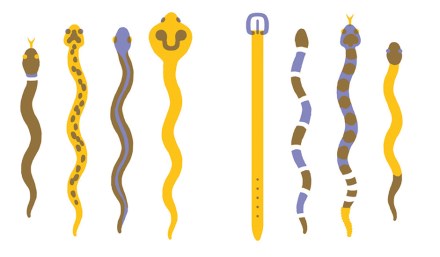
The pretty butterflies, with their yellow, violet, and brown markings and frilled wings almost hide the hibiscus flower in their midst. With its fancy petals and thin, center style it seems to fit right in. But isn’t there more of a connection? Young readers will happily tell you!  Turn the page and—Yikes!—you’ll find eight wiggly snakes all in a row. Wait a minute, though…one of the snakes is kind of stiff, and is that a buckle for a head? Those dots aren’t markings—they’re holes! And it’s not a snake at all—it’s a belt! So what’s the similarity? Kids and adults can take turns on that one.

celebrate-picture-books-picture-book-review-animals-hide-and-sneak-big-movers

Image copyright Bastien Contraire, 2017, courtesy of Phaidon Press.

Here’s one that’s clever and a pun! A bird crane, a construction crane, a flamingo, and a bird crane. So which one is really the odd-one-out? This one will give readers lots to discuss! Next up is a puzzle you can really sink your teeth into—a group of big cats and one walrus! Also included in the pages are heavy movers, farmyard fowl, dogs, barnyard animals, sheep, tropical birds, and some silly monkeys.

The answers to the puzzles are given in the back of the book.

Bastien Contraire’s stylish stencil prints are eye-catching and cheery. The range of images allows young readers to engage with the book in many different ways from categorizing to shape recognition to counting to logical thought and to just plain fun.

Animals Hide and Sneak is an amusing and entertaining book to enjoy at home “just whenever” and to pack along for playground visits, picnics, waiting times, or other outside adventures. 

Ages 1 – 4

Phaidon Press, 2017 | ISBN 978-0714874227

Learn more about Bastien Contraire and his work on his website!

Just Because Day Activity

celebrate-picture-books-picture-book-review-frog-matching-puzzle

Hop Along Matching Game 


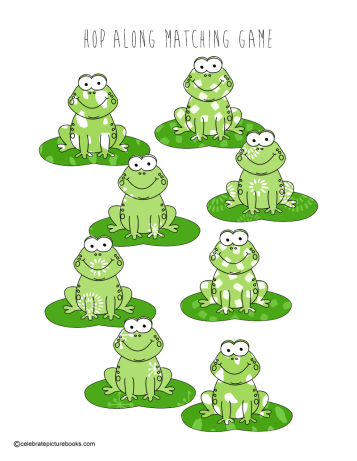
Just because they wanted to, these crazy frogs have gotten mixed up! Can you find the matching pairs in this Hop Along Matching Game?

Picture Book Review

August 19 – World Honey Bee Day

celebrate-picture-books-picture-book-review-bee-a-peek-through-picture-book-cover

About the Holiday

Established in 1990 by American beekeepers and once known as Honey Bee Awareness Day, this holiday has grown to world-wide stature. The importance of honey bees to sustainable farming cannot be overstated. In recent years the mysterious depletion of bee colonies has threatened not only the population of these beneficial insects but also the industries that rely on them. There are many ways to celebrate! If you have a yard or garden, plant bee-attracting plants such as lavender or marjoram, have a cup of tea—with honey, of course, or consider donating to the preservation of bees.

Bee: A Peek-Through Picture Book

By Britta Teckentrup


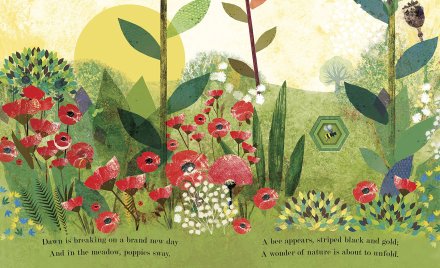
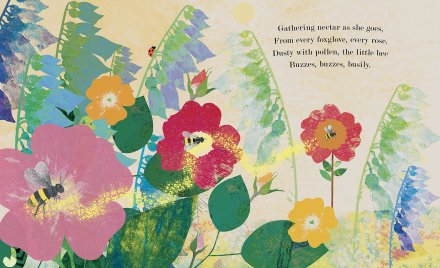
As the sun comes up over the meadow of poppies, a bee gets ready for her day. She flits through the forest, blending her quiet buzz with the songs of the birds in the trees. “As she travels here and there, / A gentle humming fills the air.” With no map to guide her, the bee knows exactly what route to take to visit each colorful flower. “Gathering nectar as she goes, / From every foxglove, every rose, / Dusty with pollen, the little bee / Buzzes, buzzes, busily.”

celebrate-picture-books-picture-book-review-bee-a-peek-through-picture-book-dawn

Copyright Britta Teckentrup, 2017, courtesy of Random House Books for Young Readers

The flowers attract the little bee with their sweet perfume, and with the sun as her compass, she finds them all. As she flies from flower to flower, tree to tree, she picks up and leaves bits of pollen that will create more blossoms.  But when she looks out over the field, the bee sees more flowers than she could ever hope to visit. The bee hurries back to her hive to tell the others about the smorgasbord waiting for them.

celebrate-picture-books-picture-book-review-bee-a-peek-through-picture-book-stream

Copyright Britta Teckentrup, 2017, courtesy of Random House Books for Young Readers

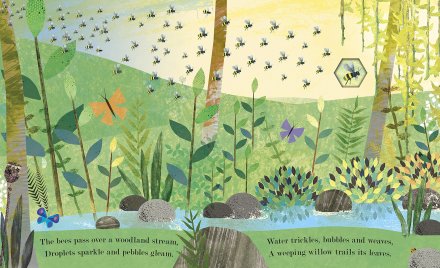
In droves they leave the hive, gliding over a pond, navigating an orchard, and continuing on. “The bees pass over a woodland stream. / Droplets sparkle and pebbles gleam. / Water trickles, bubbles, and weaves. / A weeping willow trails its leaves.” As the bees stop here and there along the way, they give life to new flowers and plants, expanding the wildflower meadow that is home to so many creatures.

celebrate-picture-books-picture-book-review-bee-a-peek-through-picture-book-nectar

Copyright Britta Teckentrup, 2017, courtesy of Random House Books for Young Readers

Readers can see that Britta Teckentrup’s beautiful tribute to bees is something special before they even open the book. On the cover, a sunset-hued flower stretches into the blue sky. Through its die-cut center, children can see the complexity of the flower and, in its very middle, a honey bee harvesting nectar. Teckentrup’s lyrical story of a bee’s day is complemented by gorgeous illustrations of the vibrant wildflowers that call to the little bee. Each page is rendered in a breathtaking palette that surrounds young readers with the mysteries of the natural world—and in the center is the bee, going about her job as squirrels scamper, deer silently look on, and butterflies flutter nearby.

Children will adore following the bee—and later, more and more bees—through open windows to the final two-page spread of a meadow in full bloom. All along the journey, the bee has made friends with woodland, pond, and orchard creatures, and young readers will delight in finding each of them hidden in this glorious field.

Ages 3 – 7

Doubleday Books for Young Readers, 2017 | ISBN 978-1524715267

Discover more about Britta Techentrup, her books, and artwork on her website!

World Honey Bee Day Activity

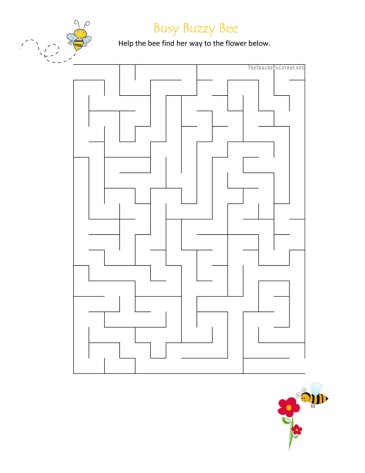
CPB---Busy-Buzzy-Bee-Maze

Busy Buzzy Bee Maze


Can you help the little bee find her way through this printable Busy Buzzy Bee Maze? Here’s the Solution!

Picture Book Review
August 11 – It’s National Sandwich Month

celebrate-picture-books-picture-book-review-sam's-sandwich-cover (2)

About the Holiday

Most people are familiar with the story of how the Earl of Sandwich created the first sandwich and parlayed his invention to world-wide stature as it became part of nearly everyone’s daily routine. And it all got started during a card game in the British town of Sondwic, which became Sandwic, and finally Sandwice—which means “Market town on sandy soil.” Seems the Earl got hungry but didn’t want to get his cards stained with greasy fingerprints, so he ordered his meat between slices of bread, and a new culinary star was born. Celebrate this month’s holiday by trying some of the many types of sandwiches made popular in various regions of the country and areas around the world!

Sam’s Sandwich

By David Pelham


With a gleam in his eye, Sam entreats his sister to grab the bread and butter to make a sandwich. Starving and eager to “raid the pantry,” Sam’s sis urges her brother to slather on the butter. “‘Don’t worry, Sis.’” Sam smirks. “‘You’ll never / eat a tastier sandwich…ever!” But perhaps Sam’s eyes glint a little too much. While Samantha celebrates the crispy greenness of the lettuce leaves, “as a tasty little filler, / Sam popped in a… [caterpillar].”

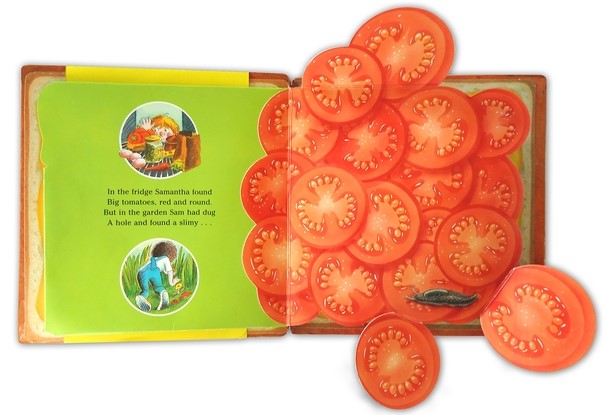
Next Samantha adds “big tomatoes, red and round, / while in the garden Sam had dug / a hole and found a slimy…” (What do you think? Yes—“slug”). Another layer sports cheese and ants, topped with watercress and a creepy fly. Cucumber makes any sandwich yummy, but Sam’s wiggly worm? That’s kind of crummy.

Watching the sandwich grow, Samantha can hard wait to dig in: “‘Add some hard-boiled eggs as well.’ / Samantha drooled and cracked a shell. / But Sam had seen a silver trail / that led him to a crunchy…” (shall we say it together?—“snail”). A spider rests in the pile of salami, and in the tier of onion rings, Sam gets creative, plopping down a small tadpole.

celebrate-picture-books-picture-book-review-sam's-sandwich-tomatoes

Copyright David Pelham, 2015, courtesy of candlewick.com

Samantha pronounces the sandwich finished, and with a flourish sauces it up with a squirt of ketchup. “But Sam still felt that it might need / a creepy-crawly… [centipede].” Even though Samantha is licking her lips, she remembers the beloved sibling who helped her build such sustenance. As she reached “toward the plate and grabbed the bread, / “‘Would you like some, Sam?’ she said.”

Magnanimous to the end, Sam begs off: “‘I’m full. I’m stuffed. I really am. / so you can have it all,’” said Sam.”

This edition, published for the 25th anniversary of David Pelham’s classic book of sibling trickery, is pure fun and eye-poppingly realistic. Opening the thick “bread” cover reveals layer after layer of sandwich fixin’s on the right hand side. The bright images of tomatoes, boiled eggs, lettuce, cucumbers, and the rest of the ingredients look good enough to eat—until readers fold out the edges to discover Sam’s special additions. The rhyming text is ingenious and sly, begging kids to shout out the name of the creature Sam has sprinkled into Samantha’s lunch.

Guaranteed to make kids laugh, Sam’s Sandwich is a terrific addition to a child’s bookshelf for home story times and take-along reading.

Ages 3 – 8

Candlewick, 2015 | ISBN 978-0763678081

Check out what lurks between the bread in this Sam’s Sandwich book trailer!

National Sandwich Month Activity 

celebrate-picture-books-picture-book-review-sandwich-scramble-puzzle

Scrumptious Sandwiches Word Scramble 


Sandwiches are fun to build and delicious to eat! The only hard part is trying to figure out which kind to have. Maybe this list will help! Print this Scrumptious Sandwiches Puzzle and unscramble the names to pick your favorite. Here’s the Solution!

Picture Book Review

Picture Book Review

August 7 – National Lighthouse Day

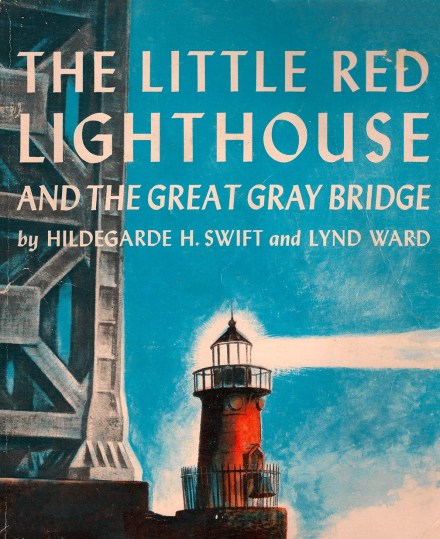
celebrate-picture-books-picture-book-review-the-little-red-lighthouse-and-the-great-gray-bridge-cover

About the Holiday

Lighthouses have been protecting ships at sea since earliest times. From fires to gas lamps to electric lights, these warning signals have alerted sailors to reefs, heavy fog, and other dangerous conditions. Once operated by keepers who lived in or near the lighthouse, these beautiful structures are now mostly run automatically. Their color, iconic shapes, and intriguing lore make lighthouses a favorite site along the shoreline. If you live near the water, celebrate today by visiting a local lighthouse museum. If you are more landlocked, do a little research or read a good book about lighthouses.

The Little Red Lighthouse and the Great Gray Bridge

Written by Hildegarde H. Swift | Illustrated by Lynd Ward


The little lighthouse “was round and fat and red. It was fat and red and jolly. And it was VERY, VERY PROUD.” It stood between New York and the Hudson River, which carried boats of all kinds as it rolled on and on, looking for the sea. As the boats passed the little lighthouse, they talked to it. The big steamer had a deep booming voice while the narrow canoe spoke with a gentle whisper, and the tugboat always gave a cheery hello. The lighthouse did not answer during the day, but at night “a man came to tend the little red lighthouse.”
celebrate-picture-books-picture-book-review-the-little-red-lighthouse-and-the-great-gray-bridge-tugboat

Copyright Lynd Ward, 1942. Courtesy of Houghton, Mifflin Harcourt Books for Young Readers.

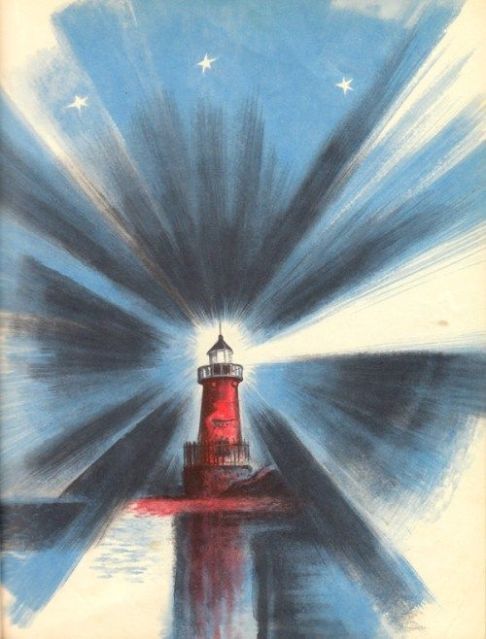
He opened the side door with a key from his jangling ring and “climbed its steep and winding stairs, up, up, up, to the very top. He took off the thick white cap that let it sleep by day.” He turned on the gas, and in a few minutes the lighthouse began to speak. “Flash! Flash! Flash! Look out! Watch me! Danger, danger, danger! Watch my rocks!” It felt very proud, knowing that the boats needed it to stay safe.

celebrate-picture-books-picture-book-review-the-little-red-lighthouse-and-the-great-gray-bridge-lighthouse

Copyright Lynd Ward, 1042. Courtesy of Houghton, Mifflin Harcourt Books for Young Readers.

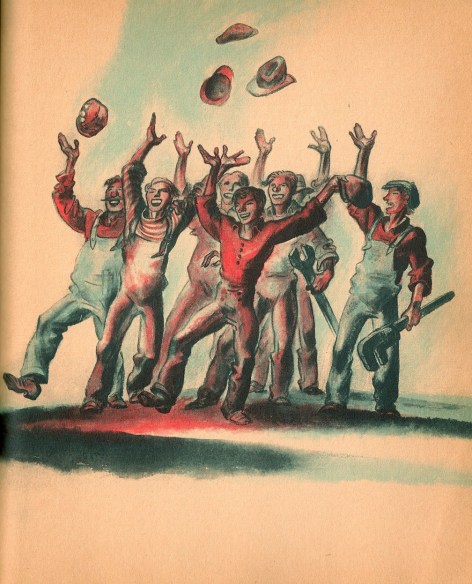
When a heavy fog descended, the keeper came and wound a big clock inside the lighthouse. The clock ran an iron bell that rang to warn the sailors who couldn’t see the lighthouse flashing. With two voices, the lighthouse felt even more proud. “I AM MASTER OF THE RIVER” it decided. But one day construction workers arrived. They dug and dug and then began building enormous girders that reached high into the sky. Then the men attached thin silver cables to the structure. When the cables were in place, the men celebrated. The little lighthouse didn’t know what was happening.

celebrate-picture-books-picture-book-review-the-little-red-lighthouse-and-the-great-gray-bridge-workmen

Copyright Lynd Ward, 1042. Courtesy of Houghton, Mifflin Harcourt Books for Young Readers.

At night, the lighthouse continued to speak with its flashing and ringing voices. During the day, it watched as the huge gray thing grew larger and larger. It was wonderful and powerful, thought the lighthouse. Soon the bridge spanned the Hudson River from shore to shore. “It made the little red lighthouse feel very, very small.”

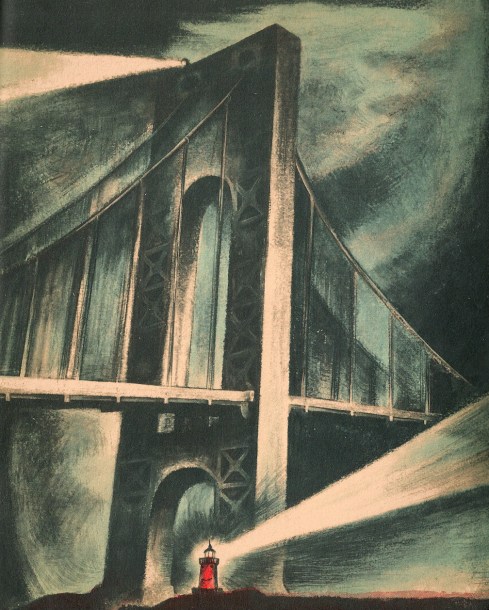
Then one night a great, bright light shown from the top of one of the bridge’s towers. “Flash! Turn! Flash!” it said in a loud voice. The lighthouse thought it was not needed anymore. Its light was so little while the bridge’s was so big. The lighthouse worried that the keeper would forget to turn its light on or that it would even be torn down. That night as it got darker and darker, the keeper did not come. The lighthouse felt strange.

celebrate-picture-books-picture-book-review-the-little-red-lighthouse-and-the-great-gray-bridge-storm

Copyright Lynd Ward, 1942. Courtesy of Houghton, Mifflin Harcourt Books for Young Readers.

That night a storm roiled the sea. It threatened the boats, and though they looked for the little red lighthouse, they couldn’t find it. There was no bell, and the fog was so thick the bridge light couldn’t shine through. The tug hit the rocks and was smashed. The bridge called down to the lighthouse, “‘Little brother, where is your light?’” The lighthouse was surprised. It told the bridge that it thought it wasn’t needed anymore. But the bridge explained that its light was to alert airplanes, not the ships far below it. “‘You are still master of the river,’” the bridge said. “‘Quick, let your light shine again.’”

But the lighthouse couldn’t turn itself on. It was afraid that the keeper would never come again, and that this was the end for it. Suddenly, the lighthouse heard jangling keys and running steps. It was the keeper hurrying to turn on the light. “‘This will never happen again,’” the man said. Now the lighthouse realized that is was needed. It sent its beam out into the dark night, and soon its bell began to toll too. The lighthouse was glad and even thought it knew it was little, it was “still VERY, VERY PROUD.”

celebrate-picture-books-picture-book-review-the-little-red-lighthouse-and-the-great-gray-bridge-both-shining

Copyright Lynd Ward, 1942, Courtesy of Houghton, Mifflin, Harcourt Books for Young Readers.

Hildegarde H. Swift’s classic story of the Hudson River lighthouse will enchant readers. The little red lighthouse makes a charming narrator for its tale that teaches kids about the importance of lighthouses while also showing them that even though one may be little, they can still have a profound effect on those around them. The pride and worries of the lighthouse will resonate with young readers, and they will cheer when the light is turned back on and the lighthouse regains its proper place. Swift’s lyrical language will keep children riveted to this fictionalized account of a historical event.

Lynd Ward’s evocative illustrations, rendered in red, blue, black, and white, are both strong and whimsical and seem as fresh today as they were when the book was first published. Features on the ships, lighthouse, and bridge make organic faces, personalizing these characters for children, while Ward’s depiction of the storm as a specter grasping at ships is striking and emphasizes the importance of the lighthouse.

The Little Red Lighthouse and the Great Gray Bridge is a multi-layered story for all readers. Children interested in lighthouses, bridges, boats, and construction will be especially drawn to this book.

Ages 4 – 7

HMH Books for Young Readers, 2002 | ISBN 978-0152045715 (hardcover); 978-0152045739 (paperback)

National Lighthouse Day Activity

celebrate-picture-books-picture-book-review-shining-lighhouse-maze

Shining Lighthouse Maze


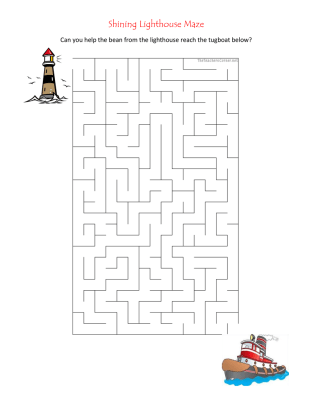
Lighthouses protect ships from rocks, fog, and other dangers. Can you help the beam from the lighthouse reach the tugboat that is approaching in this printable Shining Lighthouse Maze? Here’s the Solution.

August 3 – It’s Back to School Month

celebrate-picture-books-picture-book-review-school's-first-day-of-school-cover

About the Holiday

I know, I know…you’re not ready to go back to school yet! But all over the country, teachers, administrators, parents, and…yes, kids…are preparing for the day when school opens again for another year. Now’s the time to pick that folder that’s just right, find a new backpack, buy some new clothes, and decide that this year is going to be the best year yet! And as today’s book shows—even school is getting ready for school!

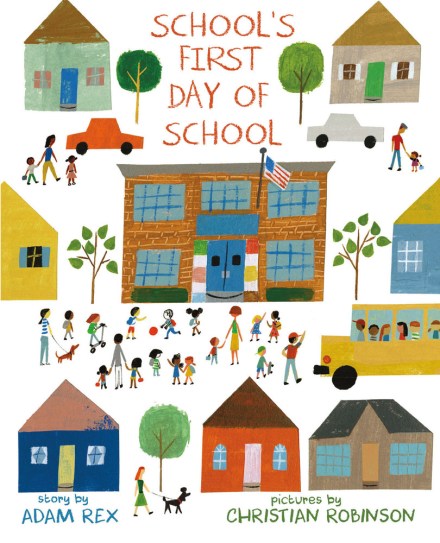
School’s First Day of School

Written by Adam Rex | Illustrated by Christian Robinson


During the summer an empty lot was cleared and leveled. Bricks were brought in and stacked in neat order to become a school. A sign reading Frederick Douglass Elementary was placed above the door. “’That’s a good name for me,’ thought the school.” On most days Janitor came to the empty school to buff floors, wash windows, and spruce up the classrooms for opening day. The school liked the peaceful days with Janitor.

celebrate-picture-books-picture-book-review-school's-first-day-of-school-janitor

Image copyright Christian Robinson, 2016, text copyright Adam Rex, 2016. Courtesy of us.macmillan.com.

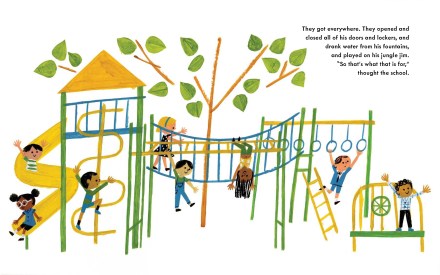
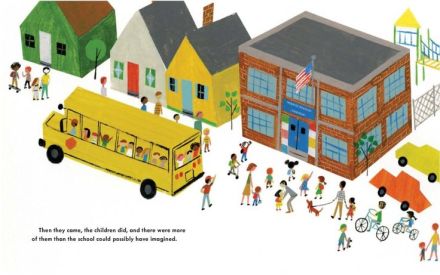
It wouldn’t always be this way, though, Janitor told the school. Soon teachers and all kinds of children would arrive, wanting to play and learn. The school didn’t think he liked the sound of that, but Janitor reassured him. Still, the school was wary. On the first day, kids poured off buses and jumped out of cars. They ran through his halls, sat in all the rooms, and opened and closed his doors and lockers. They even scrambled around the jungle-jim.

celebrate-picture-books-picture-book-review-school's-first-day-of-school-jungle-jim

Image copyright Christian Robinson, 2016, text copyright Adam Rex, 2016. Courtesy of us.macmillan.com.

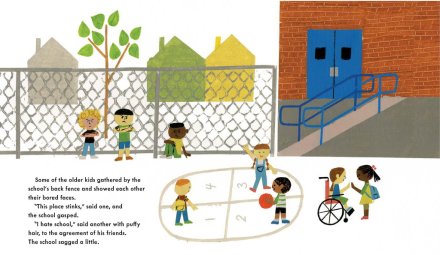
Then the school heard some older kids talking on the playground. “‘This place stinks,’ said one, and the school gasped. ‘I hate school,’ said another with puffy hair to the agreement of his friends. The school sagged a little.” There was even one little girl with freckles who didn’t want to come into the school at all and had to be carried in. “‘I must be awful,’ the school whispered to himself.” That afternoon when the puffy-haired kid took a drink from the fountain, the school “squirted him in the face. Then he felt bad about it.”

celebrate-picture-books-picture-book-review-school's-first-day-of-school-kids-arriving

Image copyright Christian Robinson, 2016, text copyright Adam Rex, 2016. Courtesy of us.macmillan.com.

In one kindergarten room, the kids were sitting on one of the school’s rugs. When the teacher asked each student to say their name, they all did, except for the freckled girl. “‘I don’t like school,’” she said to herself, and the school thought, “‘Maybe it doesn’t like you either.’” At last, the ruckus died down, and the school felt a little more peaceful. But then, suddenly, his fire alarm rang and all the children had to leave. They all “walked to the other side of the field and stared at him. He was so embarrassed.” When the kids finally came back in, he held his doors open and said, “‘Sorry. Sorry’” to each one—even the girl with freckles.

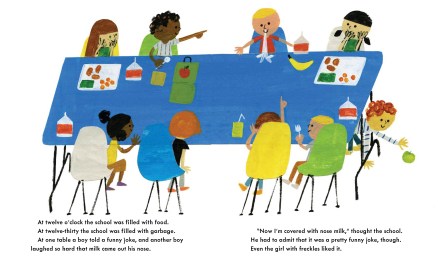
celebrate-picture-books-picture-book-review-school's-first-day-of-school-lunch

Image copyright Christian Robinson, 2016, text copyright Adam Rex, 2016. Courtesy of us.macmillan.com.

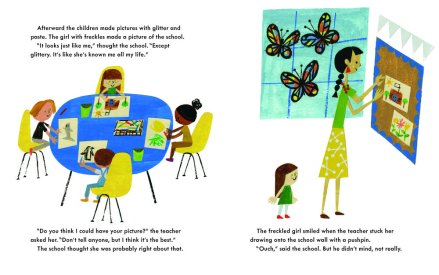
At noon the students ate lunch. At one table a boy told a joke that made another boy blow milk out his nose. While the school thought this a bit icky, he did have to admit it was a pretty funny joke. “Even the girl with freckles liked it.” Back in the kindergarten room, the kids learned about shapes and then drew pictures. The freckled girl drew a picture of the school. The school was impressed. It looked just like him. The teacher even hung the picture on the bulletin board.

celebrate-picture-books-picture-book-review-school's-first-day-of-school-girl's-picture

Image copyright Christian Robinson, 2016, text copyright Adam Rex, 2016. Courtesy of us.macmillan.com.

At 3:30 after the kids had gone home, the janitor returned. The school told him all about the day; about the mistaken fire alarm, and the joke, and the little girl’s picture. Janitor told the school that it sounded as if he’d had a big day. The school was surprised. “‘Do you think you could invite everyone to come back tomorrow? Especially that little freckled girl.’” The janitor thought he could do that. Later, when the work was all done, Janitor and the school watched the sun set together. The school admitted that at first he had thought he was the janitor’s house. He guessed that another building was his house. Yes, the janitor said, “‘but you get to be a school. That’s lucky.’ And the school thought he was probably right about that.”

celebrate-picture-books-picture-book-review-school's-first-day-of-school-older-kids

Image copyright Christian Robinson, 2016, text copyright Adam Rex, 2016. Courtesy of us.macmillan.com.

Adam Rex performs a pretty neat trick in personifying a new school building on his first day of school. By infusing the school building with the same emotions as children, Rex lets kids see how their comments, actions, fears, nerves, and successes look from the outside and allows them to embrace their own feelings and empathize with others. Happy with the comfortable camaraderie and routines of life with Janitior, Frederick Douglass Elementary is wary of changes that the first day of school will bring. Like any child leaving home for the first time, the school is a little shocked, uncertain, shy, and thoughtful. And to add a bit of humor, Rex gives the school a small attitude of schoolyard justice. The ending rings true while flipping the idea that teachers live at school and revealing that school is a lucky thing all around.

Christian Robinson captures the heart of the story with his simply drawn yet expressive kids, who smile, scowl, laugh, play, and make friends. The homes and school building are equally emotive, with doors and steps that register happiness or thoughtfulness as the day progresses. Robinson’s bright, distinctive color palette and diverse school population invite readers in to find friends and enjoy a first or another year of school.

School’s First Day of School is a fantastic book to share with kids as the school year approaches and during the first days or when going to school gets tough. The book would be a charming addition to classrooms and home libraries.

Check out more books, art, and other fun stuff by Adam Rex on his website!

Discover more about Christian Robinson, his books, and his artwork on his website!

Back to School Month Activity

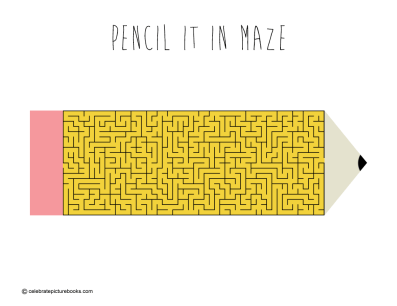
celebrate-picture-books-picture-book-review-pencil-maze

Pencil It In Maze


School and pencils go together like, , , kids and a fun puzzle! Find your way through this printable Pencil It In Maze!

Picture Book Review