August 25 – It’s American Artist Appreciation Month

celebrate-picture-books-picture-book-review-radiant-child-cover

About the Holiday

This month we honor the artists of the past and those currently creating work that represents, reflects, and translates the world we live in. There are as many ways of making art as there are artists, so take some time this month to visit an art museum or gallery, to look online or read a book and discover life in a whole new way.

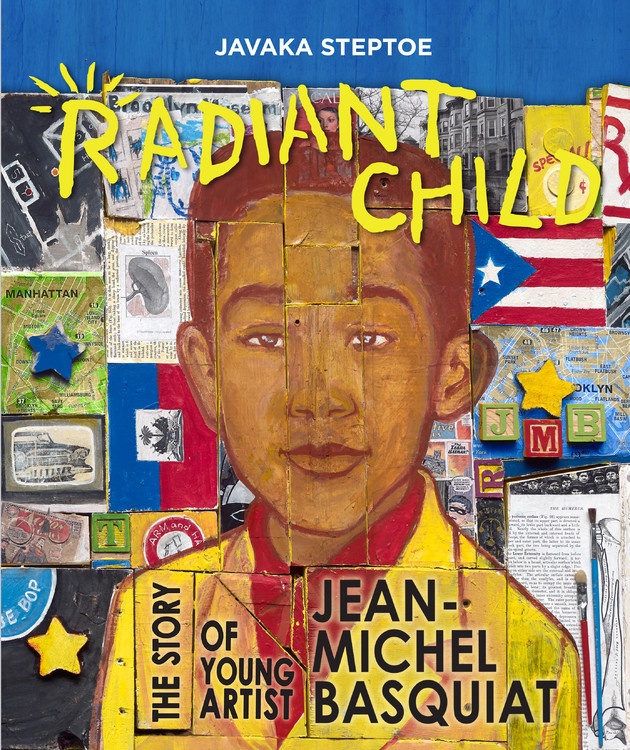
Radiant Child: The Story of Young Artist Jean-Michel Basquiat

By Javaka Steptoe


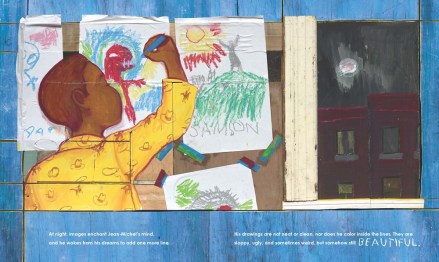
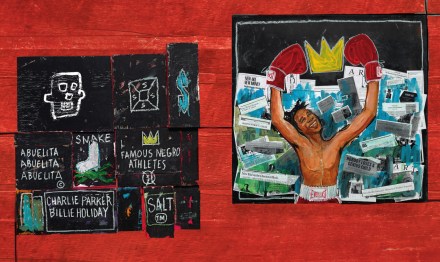
“Somewhere in Brooklyn, between hearts that thump, double Dutch, and hopscotch / and salty mouths that slurp sweet ice, a little boy dreams of being a famous artist.” All day Jean-Michel sits surrounded by colored pencils and “a storm of papers” and draws. As he sleeps his dreams swirl with images. When he wakes he adds to his drawings, scribbling away. What he creates is “sloppy, ugly, and sometimes weird, but somehow still beautiful.”

celebrate-picture-books-picture-book-review-radiant-child-beautiful-art

Image and text copyright Javaka Steptoe, courtesy of Little, Brown Books for Young People

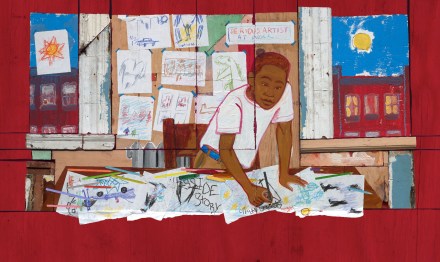
Jean-Michel’s talent comes from his Puerto Rican mother, who has a natural sense of style and design and who always makes time to draw with her son, lying on the floor next to him. She takes Jean-Michel to art museums and theaters and reads poetry to him, but she also shows him the art of the city—its sounds, sights, style, and “patchwork” colors. Jean-Michel loves to visit the museum and read about the artwork and the artists. From these stories he “learns what it means to be a famous artist.”

When Jean-Michel is seriously injured in a car accident, his world seems scary and confusing. His mother gives him an anatomy book, which he memorizes. It erases his fears and becomes influential in his work. After returning home, his life changes when his mother suffers a breakdown and can no longer live at home. “He tries drawing the terrible out of his blues, but things are not the same.” Jean-Michel visits his mother when he can, “always bringing his artwork to show, telling her that one day it will be in a museum, ‘when I am a famous artist.’”

celebrate-picture-books-picture-book-review-radiant-child-drawing

Image and text copyright Javaka Steptoe, courtesy of Little, Brown Books for Young People

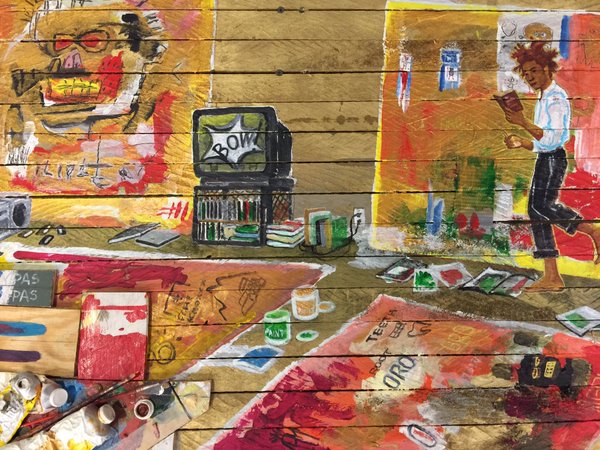
As a teenager, Jean-Michel follows his dream, moving from Brooklyn to New York City. There he stays with friends, painting, creating collages, and writing poems on paper strewn about him. At night he paints on city walls, trash cans, and other urban canvases. His art, signed ‘Samoo,’ attracts attention. People wonder: “‘Who is Samoo?’”

Soon his art can be found in art galleries and hanging in the homes of the people who buy his work. Jean-Michel continues to create, listening to “a sound track that is all his own.” Through talent, inspiration, and his mother’s loving influence, Jean-Michel Basquiat conquered the art world, becoming a king among artists, and fulfilling his desire to be a famous artist.

An extensive Author’s Note about Jean-Michel Basquait’s life, including his struggles with addiction and his death in 1988; the motifs and symbolism in his work; and a personal comment on the impact Basquait’s art had on the author, follow the text.

celebrate-picture-books-picture-book-review-radiant-child-studio

Image and text copyright Javaka Steptoe, courtesy of Little, Brown Books for Young People

Javaka Steptoe’s compelling biography of this complex, brilliant artist who people called “radiant, wild, a genius child” beautifully brings to life the inspirations and motivations that fueled his unique and intense talent. Steptoe delivers the story in staccato and flowing sentences, using consonance, assonance, and repetition—the rhythms of a poet. He shows how Basquiat maintained his focused determination, self-confidence, and persistence from childhood into adulthood. This perseverance reveals to readers that success is not a matter of luck, but of belief in oneself despite obstacles. Steptoe sensitively addresses the serious injury Basquiat suffered, his mother’s mental illness and Basquiat’s continued love for her, and his unsettled teenage years to complete this far-reaching life story.

celebrate-picture-books-picture-book-review-radiant-child-boxing-image

Image and text copyright Javaka Steptoe, courtesy of Little, Brown Books for Young People

Steptoe’s mixed-media paintings were created on found wood from neighborhoods across New York City. While Steptoe does not reproduce any of Basquiat’s work, he states that readers will find “original pieces that were inspired by him and my interpretations of his paintings and designs.” As befitting his subject, Steptoe offers pages that burst with vibrant color and intricate details and beat with the pulse of the city, the people, the dreams, and the imagination that Basquiat transcribed onto paper, walls, and canvas. Part collage, part fine art, Steptoe’s illustrations will fascinate children and entice them to linger and take in the emotion and meaning in each. The final spread, a crowd scene made up of photographs, sets Basquiat in the midst of people whom he and his art continue to inspire.

Radiant Child: The Story of Young Artist Jean-Michel Basquiat offers children an inspirational model of creativity, compassion, and confidence no matter where their talents lie. The book is an excellent choice for school, public, and home libraries.

Ages 6 – 10

Little, Brown Books for Young Readers, 2016 | ISBN 978-0316213882

Learn more about Javaka Steptoe, his books, art exhibitions, and life on his website!

American Artist Appreciation Day Activity

celebrate-picture-books-picture-book-review-motivation-and-inspiration-day-craft

Make Art from Found Objects


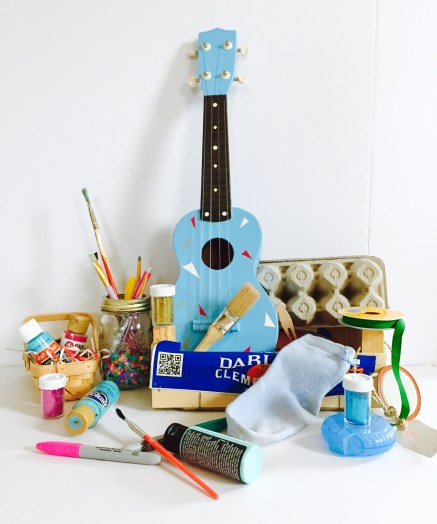
Each person finds inspiration in different things, places, and people. Today, try to create something new from the materials around you. Boxes, bottles, wire, magazines, cloth, wood, sponges—almost anything—can be transformed with some imagination. With those old socks, corks, flower pots, candle stubs, bits of ribbon, clementine crate, paint, glitter, beads, and more, you can make something useful, a decoration for your room, or even a gift for a friend!

Picture Book Review
August 21 – Poet’s Day

celebrate-picture-books-picture-book-review-a-river-of-words-cover

About the Holiday

Today we celebrate poets—both those who are professionally published and those who compose poetry in their secret hearts. Poets bring clarity and new perspectives to life—like a little pinprick of light in a dark room. Whether you like long, epic poems, short, evocative verse, humorous poetry, or poetry set to music, take the opportunity today to enjoy some poetry—or write a bit of your own.

A River of Words: The Story of William Carlos Williams

Written by Jen Bryant | Illustrated by Melissa Sweet


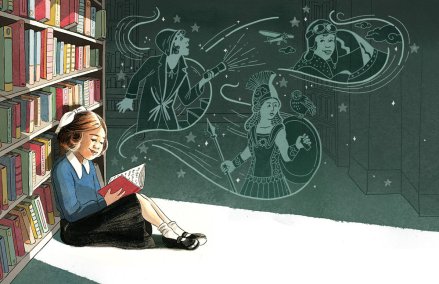
Willie Williams was just like the other boys in his neighborhood—well, almost. When the other boys went home after a day of playing, Willie took off for the woods and fields behind his house. “As he walked through the high grasses and along the soft dirt paths, Willie watched everything.” He liked to sit next to the Passaic River and listen to the rhythm of the water as it “went slipping and sliding over the smooth rocks, then poured in a torrent over the falls, then quieted again below.”

celebrate-picture-books-picture-book-review-a-river-of-words-high-school

Image copyright Melissa Sweet, 2008, courtesy of Eerdmans Books for Young Readers.

But as Willie grew older, he didn’t have time for these leisurely pursuits. In high school, he was on the track team, attended lots of classes, and had even more homework. His was a rushed and hurried life. Except for in English class. There, when his teacher read poetry, he was taken back to the flow of the river. Each line created pictures in Willie’s mind.

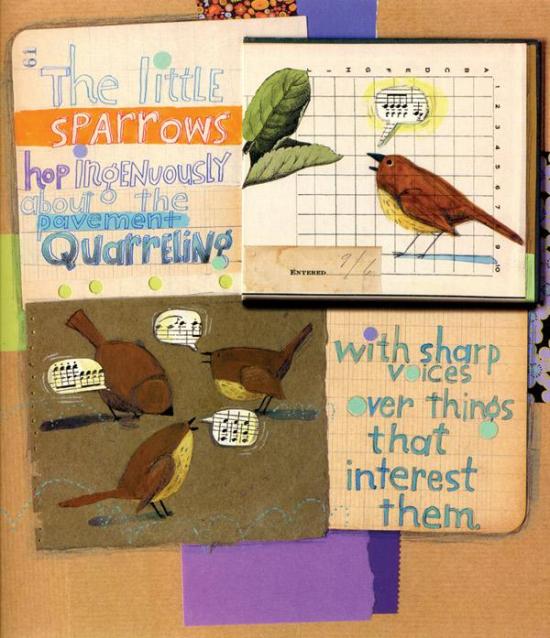
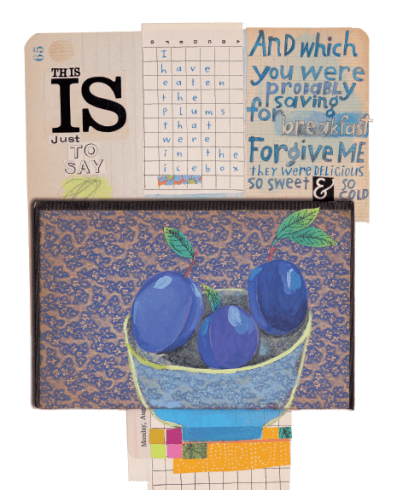
One night, Willie began writing his own poems. He copied the English poets he had learned about in school, using structured beats and rhyming endings. But soon these rules began to frustrate Willie; they didn’t give him the freedom to fully express his thoughts. He wanted to write about what he saw nearby, the things he was familiar with. Things, he said, like “plums, wheelbarrows, and weeds, / fire engines, children, and trees— / things I see when I walk down my street / or look out my window.”

celebrate-picture-books-picture-book-review-a-river-of-words-sparrows

Image copyright Melissa Sweet, 2008, courtesy of Eerdmans Books for Young Readers.

Willie began writing poems the way they came to him, with their own shape and sound. Writing this way made Willie feel free, and he filled notebook after notebook with poems. While Willie wished he could make a living as a poet, writing did not pay much, and he needed to be self-sufficient. Willie’s uncle had been a doctor, and Willie liked the idea of healing people. He wondered, though, if he could be a doctor and still write poetry.

When Willie graduated from high school, he went off to the university to study medicine. There he met the writers Ezra Pound and Hilda Doolittle and the artist Charles Demuth. Spending time with his new friends made his difficult studying easier. After college, Willie returned to his home town of Rutherford and opened his practice. He had so many patients that some people said he was “the busiest man in town.”

celebrate-picture-books-picture-book-review-a-river-of-words-attic-room

Image copyright Melissa Sweet, 2008, courtesy of Eerdmans Books for Young Readers.

No matter how busy he was, however, he found time to write. Sometimes he jotted lines and ideas on his prescription pads. Then, after his long days at work, Willie climbed to his attic room where he studied the notes he’d made and wrote poems late into the night.

A Timeline, Author’s Note, and Illustrators Note about William Carlos Williams follow the text. The endpapers present a selection of Williams’ poetry.

A River of Words is an inspirational book for children who have creative ideas of their own and would make an excellent addition to classroom and home libraries.

From the title through to the end of her lyrical biography, Jen Bryant captures the flow of William Carlos Williams’ creative and scientific life, which was as purposeful and free as the river that inspired him. Young readers and would-be writers will find much encouragement and insight in Bryant’s story, which reveals that talent and day-to-day life not only can co-exist but can enrich each other. By showing how Williams broke free from the structures of the poetry he copied, Bryant also motivates children to find their own voice.

celebrate-picture-books-picture-book-review-a-river-of-words-plums

Image copyright Melissa Sweet, 2008, courtesy of Eerdmans Books for Young Readers.

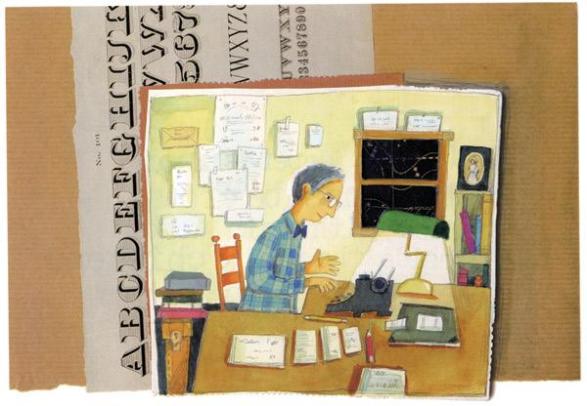
Melissa Sweet lends her distinctive collage style of illustration to this story, bringing to life the lines of and natural world reflected in Williams’ poetry. The busy-ness and business of Williams’ days are depicted in vibrant images of winding streets, classrooms, offices, and the outside world where he composed his uniquely revealing poems.

Ages 6 and up

Eerdmans Books for Young Readers, 2008 | ISBN 978-0802853028

Learn more about Jen Bryant and her books on her website!

Discover more about Melissa Sweet, her books, and her art on her website!

Poet’s Day Activity

celebrate-picture-books-picture-book-review-grow-a-poem-craft

Grow Your Own Poem


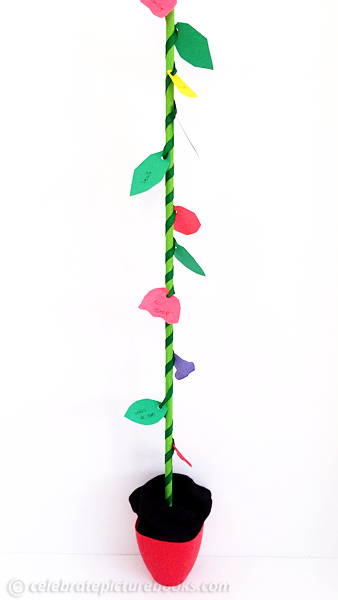
A poem often grows in your imagination like a beautiful plant—starting from the seed of an idea, breaking through your consciousness, and growing and blooming into full form. With this craft you can create a unique poem that is also a piece of art!

Supplies

  • Printable Leaves Template
  • Printable Flower Template
  • Wooden dowel, 36-inch-long, ½-inch diameter, available in craft or hardware stores
  • Green ribbon, 48 inches long
  • Green craft paint
  • Green paper for printing leaves (white paper if children would like to color the leaves)
  • Colored paper for printing flowers (white paper if children would like to color the flowers)
  • Flower pot or box
  • Oasis, clay, or dirt
  • Hole punch
  • Glue
  • Markers or pens for writing words
  • Crayons or colored pencils if children are to color leaves and flowers

Directions

  1. Paint the dowel green, let dry
  2. Print the leaves and flower templates
  3. Cut out the leaves and flowers
  4. Punch a hole in the bottom of the leaves or flowers
  5. Write words, phrases, or full sentences of your poem on the leaf and flower templates
  6. String the leaves and flowers onto the green ribbon (if you want the poem to read from top to bottom string the words onto the ribbon in order from first to last)
  7. Attach the ribbon to the bottom of the pole with glue or tape
  8. Wrap the ribbon around the pole, leaving spaces between the ribbon
  9. Move the leaves and flowers so they stick out from the pole or look the way you want them to.
  10. Put oasis or clay in the flower pot or box
  11. Stick your poem pole in the pot
  12. Display your poem!

Picture Book Review
July 28 – It’s National Culinary Arts Month

celebrate-picture-books-picture-book-review-roy-choi-and-the-street-food-remix-cover

About the Holiday

This month is set aside to honor the chefs, bakers, and cooks who create delicious meals and treats for hungry diners. Many of today’s culinary artists are involved in using organic and locally sourced foods, reducing waste, and bringing fresh foods and eating establishments to underserved communities. Through their knowledge, talents, experimentation, and love of offering good food for body and soul, those involved in the culinary arts make the world a better place for all. 

Chef Roy Choi and the Street Food Remix

Written by Jacqueline Briggs Martin and June Jo Lee | Illustrated by Man One


“Chef Roy Choi can chop an onion in an instant, carve a mouse out of a mushroom. He’s cooked in fancy restaurants, for rock stars and royalty. But he’d rather cook on a truck.” Roy considers himself a “‘street cook,’” and he creates food with love and care—and especially sohn-maash—for anyone who stops by. What’s sohn-maash? “It is the love and cooking talent that Korean mothers and grandmothers mix into their handmade foods.”

When Roy was two his family moved from Seoul, Korea to Los Angeles, California. His mother made kimchi that was so delicious friends bought it from the trunk of her car. Eventually, Roy’s parents “opened a restaurant—Silver Garden.” Roy loved exploring the various ethnic foods in his neighborhood, but always liked his mom’s food the best.

celebrate-picture-books-picture-book-review-roy-choi-and-the-street-food-locols

Image copyright Man One, 2017, text copyright Jacqueline Briggs Martin and June Jo Lee, 2017. Courtesy of readerstoeaters.com.

Roy loved hanging out in the bustling kitchen of the Silver Garden. And when 3:00 rolled around “everyone gathered at booth #1 for Dumpling Time.” While they filled dumpling wrappers, they told stories, shared news, and laughed. “Family together, making food. Roy’s best good time.” In time his neighborhood changed, and the Silver Garden closed. His parents then opened a jewelry store, and the family moved to the suburbs. But Roy was not happy. He wasn’t like the other kids in the neighborhood.

After he graduated, Roy was at a loss; he didn’t know what he wanted to do. No matter what, though, he always went home, “where his mom helped him get strong with kimchi, rice, tofu, stew.” One day as Roy watched a cooking show, he realized his heart was in the kitchen. He went to cooking school and learned about recipes and preparing food. When he graduated, he got jobs in fancy restaurants where he cooked for a thousand diners a night and ran the kitchen crew. He knew that this was where he belonged.

celebrate-picture-books-picture-book-review-roy-choi-and-the-street-food-remix

Image copyright Man One, 2017, text copyright Jacqueline Briggs Martin and June Jo Lee, 2017. Courtesy of readerstoeaters.com.

“Roy was a success—until he wasn’t.” There came a time when he couldn’t keep up with the frantic pace, couldn’t remember recipes. He lost his job. A friend suggested they open a food truck together—putting Korean barbecue in a taco. Roy jumped at the idea of remixing “the tastes he loved on the streets that were his home. He used mad chef’s skills to build flavor and cooked with care, with sohn-maash.” They called their truck Kogi BBQ, and they hit the road, looking for hungry customers.

At first the idea of a Korean taco didn’t fly, but once people tried them, they lined up to buy them. “Roy saw that Kogi food was like good music, bringing people together and making smiles. Strangers talked and laughed as they waited in line—Koreans with Latinos, kids with elders, taggers with geeks.”

celebrate-picture-books-picture-book-review-roy-choi-and-the-street-food-remix-watts

Image copyright Man One, 2017, text copyright Jacqueline Briggs Martin and June Jo Lee, 2017. Courtesy of readerstoeaters.com.

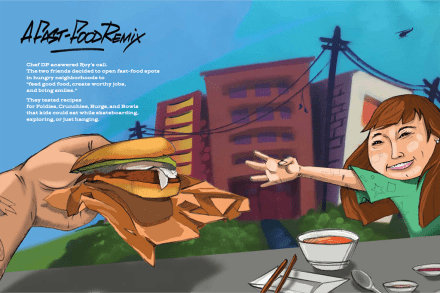
Roy felt at home in his truck, and his Kogi tacos made him famous. He opened cafes in older neighborhoods, and called his chef friends, saying “Let’s feed those we aren’t reaching.” Chef DP joined up. Together they opened fast-food places for kids and others skateboarding, playing, or just hanging out.

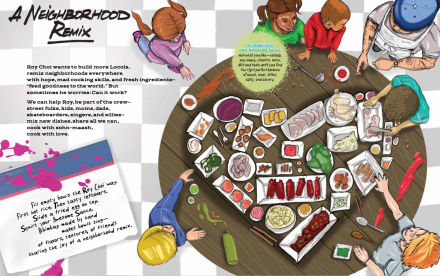
In the Watts neighborhood of Los Angeles, across the street from an elementary school, they opened Locol. The two chefs wondered if people would “care about soulful fast food.” But he needn’t have worried. Before the doors even opened, a line formed down the street and around the corner. Now, Roy wants to bring the remixed flavors of Locol to other neighborhoods. He dreams of “‘feeding goodness to the world’” and says you can do that too. All it takes is to “cook with sohn-maash, cook with love.”

celebrate-picture-books-picture-book-review-roy-choi-and-the-street-food-remix-neighborhood

Image copyright Man One, 2017, text copyright Jacqueline Briggs Martin and June Jo Lee, 2017. Courtesy of readerstoeaters.com.

Extensive Authors’ and Illustrator’s Notes offering more information about Roy Choi, his work, and the making of the book follow the text.

For kids who love cooking—and eating—Jacqueline Briggs Martin and June Jo Lee have written a compelling biography of one of the culinary world’s stars. Beginning with Roy Choi’s childhood, Martin and Lee show young readers the family and social events that influenced not only his choice of career but his dedication to underserved neighborhoods. Scattered throughout the pages are poems that read like recipes and satisfy like comfort food. Full of care and love, the story will encourage readers to follow their heart, try out different ideas, and find the mission that’s important to them.

Graffiti artist and illustrator Man One infuses Roy Choi and the Street Food Remix with the vibrancy of the Los Angeles neighborhoods that nurtured Choi’s talent. Readers get to gather with the family during dumpling time and see the vast array of ingredients enveloped in the tasty wrappers, watch Choi finesse a lamb dish in his fancy restaurant, and feel the vibe as he remixes tacos with a Korean tang. Along the way, kids also meet the customers from all walks of life who line up to experience Choi’s food.

Ages 5 – 12

Readers to Eaters, 2017 | ISBN 978-0983661597

Discover more about Jacqueline Briggs Martin and her books on her website.

You can read more about June Jo Lee on the Readers to Eaters website.

View a gallery of art, murals, prints, and more by Man One on his website.

National Culinary Arts Month Activity

celebrate-picture-books-picture-book-review-lemon-and-chocolate-cookies

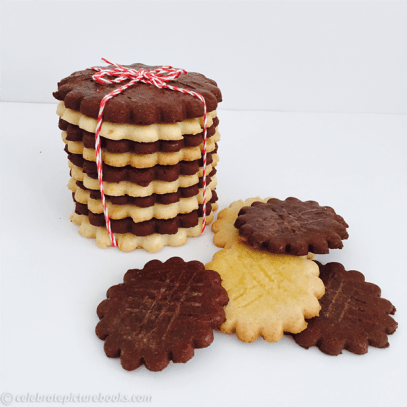
French Butter Cookies – Lemon and Chocolate


Whip up a batch of these delicious cookies to eat yourself or share with others! There are two distinct flavors to satisfy any palate!

Ingredients for Lemon Cookies

  • 10 tablespoons unsalted butter (room temperature)
  • 1/2 cup sugar
  • 1 large egg
  • 1 1/4 teaspoons vanilla extract
  • 2 cups flour
  • 1/2 teaspoon baking powder
  • 1/4 teaspoon salt
  • 2 teaspoons lemon zest (or to taste)

For Chocolate Cookies

  • 10 tablespoons unsalted butter (room temperature)
  • 1/2 cup sugar
  • 1 large egg
  • 1 1/4 teaspoons vanilla extract
  • 1 ½ cups flour
  • ½ cup cocoa powder
  • ½ teaspoon cinnamon
  • ¼ teaspoon ground ginger
  • 1/2 teaspoon baking powder
  • 1/4 teaspoon salt

For Egg Wash

  • 1 egg
  • 1 tablespoon water

Directions

  1. In a bowl beat butter and sugar until light and fluffy
  2. Add the egg and vanilla extract and beat until blended
  3. Add the flour, baking powder and salt and beat just until incorporated. Do not over mix the dough. **For Chocolate Cookies use 1 ½ cups flour and add cocoa powder, cinnamon, and ground ginger before mixing.**
  4. Transfer the dough to a lightly floured work surface, knead the dough a few times to bring it together, and then divide the dough in half.
  5. Wrap each half in plastic wrap and refrigerate for at least one hour or until firm
  6. Preheat oven to 350 degrees F (177 degrees C) and place rack in the center of the oven.
  7. Line two baking sheets with parchment paper and set aside.
  8. Remove one portion of the dough from the refrigerator and place on a lightly floured work surface. Roll out the dough until it is 1/4 inch (1 cm) thick.
  9. Using a lightly floured 2 inch (5 cm) round, fluted cookie cutter (or other cookie cutter of your choice), cut out the cookies and place them on the prepared baking sheet.
  10. Put the baking sheet of cut-out cookies in the refrigerator for about 15 -20 minutes to chill the dough.
  11. Meanwhile, in a small bowl, whisk the egg with the water for the egg wash. Remove the cookies from the refrigerator and brush the tops with the egg wash.
  12. Then, with the tines of a fork or a toothpick, make a crisscross pattern on the top of each cookie.
  13. Bake cookies for about 12-14 minutes or until golden brown around the edges.
  14. Cool cookies on wire rack.

Picture Book Review
July 18 – It’s Park and Recreation Month

celebrate-picture-books-picture-book-review-pedal-power-cover

About the Holiday

We’ve hit mid-summer, and maybe you’re looking for something to do. This month’s holiday encourages people to get out and enjoy some exercise and fun in parks, at home, at the gym, in the pool, on tennis courts, or wherever you like to play. Biking is another wonderful activity that adults and kids can share, whether you live in a small town or the city.

Pedal Power: How One Community Became the Bicycle Capital of the World

By Allan Drummond


If you were to visit the city of Amsterdam in the Netherlands, you’d be amazed at the number of bicyclists sharing the roads with cars and trucks. In fact, if you could count all of the bicycles going here, there, and everywhere, you’d see that “bikes rule the road.” It wasn’t always like this. Back in the 1970s cars were still king, making the roads unsafe for cyclists.

celebrate-picture-books-picture-book-review-pedal-power-bikes

Copyright Allan Drummond, 2017, courtesy of us.macmillan.com

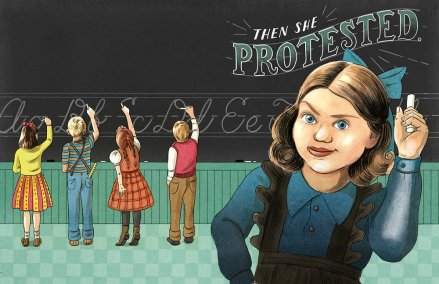
But then “young moms like Maartje Rutten and her friends—and their children” decided to make a change. They called their friends, who called their friends, and word started to get around that roads should be shared by all. People in Amsterdam and all over the Netherlands started protesting. “At first the demonstrations were great fun. People even held parties in the middle of the road.” People sang songs, made human chains across streets, and talked to the media.

Then a tragedy made people look at the issue more seriously. A little girl riding her bike to school was killed by a car. Her father was a newspaper reporter, and he wrote a story revealing that just in that year alone five hundred children had been killed on the roads and “many of them were riding bikes.” This situation made people angry. More and more citizens joined the protests.

celebrate-picture-books-picture-book-review-pedal-power-protests

Copyright Allan Drummond, 2017, courtesy of us.macmillan.com

At the same time, gas prices were rising and fuel was becoming scarce. The government even banned cars from the roads on Sundays. “That gave Maartje an incredible idea.” She gathered her friends and told them her plan: they would ride their bikes through the new tunnel that was strictly for cars. Many people were wary but they came anyway, and on a quiet Sunday they pedaled through the darkness.

As they neared the mouth of the tunnel, they could see the police waiting for them. Some of the riders wanted to turn around and go back, but Maartje pushed on and they followed. When they reached the end, the cops told them they had broken the law. The cyclists were taken to the police station. There, they were given lemonade and cookies. Maartje even “noticed that the policemen were smiling just a little bit. Maybe all of this protesting is working, she thought.”

celebrate-picture-books-picture-book-review-pedal-power-more-protests

Copyright Allan Drummond, 2017, courtesy of us.macmillan.com

She was right! After that Maartje and her friends thought of other ways cars and bikes could share the roads. “They proposed special bike lanes on busy routes, traffic bumps and curves in the roads to slow down vehicles, and new laws giving bikes the right-of-way over cars.” Finally, it all came together. Now Amsterdam is known as the bike capitol of the world. Their ideas, including bike lanes, bike sharing, and new laws, are used in countries all over the globe.

Biking offers so much more than just less-crowded streets. It provides exercise, a quiet form of transportation, and a pollution-free way to get around. And, of course, bikes don’t require fuel to go. If you visit Amsterdam, you might even see Maartje riding around town on her bike. “Now that’s pedal power!”

An Author’s Note about how Pedal Power came to be and about the past and future of city biking follows the text.

celebrate-picture-books-picture-book-review-pedal-power-Amsterdam-today

Copyright Allan Drummond, 2017, courtesy of us.macmillan.com

Allan Drummond’s city bike-ography is an interesting look at the revolution and evolution of bike-friendly roads in Amsterdam and other large cities. By following the story of Maartje Rutten and how she transformed the mindset of both local drivers and government officials, Drummond allows young readers to see how one person can make lasting changes that benefit all.

Drummond’s colorful and clearly depicted illustrations take children into the heart of Amsterdam—and Amsterdam traffic—to understand the problem and join in the protests. As Maartje and her friends ride through the dark tunnel to face the police, readers will wait in suspense to learn how this peaceful demonstration played out.

Pedal Power would be a great addition to Social Studies units and an engaging read for kids interested in biking, history, and environmental issues.

Ages 4 – 8

Farrar, Straus and Giroux, 2017 | ISBN 978-0374305277

Discover more about Allan Drummond, his books, and his art on his website!

Park and Recreation Month Activity

celebrate-picture-books-picture-book-review-bicycle-coloring-page-2

Everything on a Bicycle Coloring Page


Riding a bicycle is a fast, fun way to exercise, do shopping, and spend time with friends. This printable Everything on a Bicycle Coloring Page combines them all and then some! Grab your colored pencils, crayons, or markers and give it a go!

Picture Book Review

July 7 – Tell the Truth Day

celebrate-picture-books-picture-book-review-Kate-Warne-pinkerton-detective-cover

About the Holiday

Today’s holiday envisions a day when there is no dishonesty or deception of any kind and encourages people to clear the air if there are hard feelings or to tell truths, even if they’re hard. If there is an honest statement you need to say, today may be the perfect opportunity to discuss it.

Kate Warne: Pinkerton Detective

Written by Marissa Moss | Illustrated by April Chu


As Kate read the newspaper advertisement from the Pinkerton Agency for the third time, she knew that this was the job for her. It said: “Wanted: Detective. Must be observant, determined, fearless, and willing to travel.” But in 1856 no one would hire a single woman, so Kate decided to present herself as a widow.

Kate had been raised by her father, a printer. Books had always been her companions, and she knew how to make up a story—even the story of her life. “So Kate Carter became Kate Warne…exactly the kind of person you’d want to hire as a detective.” As soon as she walked through the door, Allan Pinkerton began writing down his impressions of Kate. He thought she was a client seeking help. From her manner and appearance, he knew he would take her case—whatever it was.

But when Kate told him she was applying for a job, he told her he “had no need for a washerwoman or cook.” Kate told him she was there to apply for the detective position. Pinkerton had reservations. The dangerous work was “not at all the sort of thing a woman could do,” he said. But Kate disagreed. She told him that she would be able to go into places his male detectives could not and could be the confidant of women witnesses. Pinkerton told her he would think it over.

celebrate-picture-books-picture-book-review-Kate-Warne-pinkerton-detective-applying-for-job

Image copyright April Chu, text copyright Marissa Moss. Courtesy of Creston Books.

The next day Kate was at the office as soon as it opened. “Today, you’ve made some history,” Pinkerton told her, “You’re now the first woman detective in the country.” He handed her a file marked The Adams Express Case. As she read the case, Kate felt a thrill of excitement. “The Adams Express Company transported money and valuables for businesses all over the South, by rail, steamboat, and stagecoach.” Valuables were well protected by locks that couldn’t be picked.

But $40,000 had disappeared. One suspect stood out from the rest—Nathan Maroney, the manager of the Montgomery office where the packages had come from. He had been the last person to lock up the carrying pouch before the messenger, Mr. Chase, transported it to Atlanta, where it was found to be empty. Maroney was arrested, but there was little hard evidence—only a slit in the pouch that had not been there before Maroney was accused.

Kate considered the problem then remembered the sleight of hand tricks huskers used to fool people. She figured out how Maroney had stolen the money, but they needed more evidence and a confession. While a male agent pretended to be a fellow thief named “John White” in the same jail cell as Maroney, Kate befriended Maroney’s wife, Belle, pretending to be Madame Imbert. While Belle didn’t confess to the theft, she did ask her new friend for advice on where to hide valuables. Kate told her she hid her valuables in the basement or buried them in the garden.

celebrate-picture-books-picture-book-review-Kate-Warne-pinkerton-detective-train

Image copyright April Chu, text copyright Marissa Moss. Courtesy of Creston Books.

When Belle left town to visit her husband in jail, Kate took the opportunity to do some snooping at her house. Just as Kate found a freshly dug mound behind crates and barrels in the basement, she heard Belle returning home. She hurriedly put everything back in place and rushed upstairs. Belle was suspicious of the dust on Kate’s dress, and Kate knew she and the other agents had to act fast. She alerted another agent who crawled through the basement window while Belle slept. He tidied up the basement, and the next morning when Belle checked her hiding place, everything was in order. She could still trust her friend she thought.

The Pinkerton Agency plan was going like clockwork. Inside the jail cell, Maroney put his faith—and his money—in the detective’s hands. Maroney wrote to Belle, telling her that John White was going to help them. He instructed her to give John White all the money he had stolen. White was going to plant some of it on Mr. Chase, use some of it to bribe a judge to find Maroney not guilty at trial, and keep the rest for Maroney to collect later. At first, Belle didn’t trust John White, but one sentence from her friend “Madame Imbert” eased her mind and she went along with her husband’s plan.

As the ingenious plan was hatched and carried out, Kate made sure that all the money was secure. The money made its way to the Pinkerton agent “Mr. White” with Belle and Maroney none the wiser. As Maroney’s trial proceeded, and he heard Mr. White called as the first witness, Maroney suddenly changed his plea from “not guilty” to “guilty.” “The reputation of the Pinkerton agency was made. So was Kate Warne’s.”

Kate became one of the agency’s most valuable detectives. She was even put in charge of a women’s division and hired many more women who became “some of Pinkerton’s strongest agents.” But Kate Warne, the first woman detective in America, would always be considered the best.

celebrate-picture-books-picture-book-review-Kate-Warne-pinkerton-detective-belle

Image copyright April Chu, text copyright Marissa Moss. Courtesy of Creston Books.

An Author’s Note explaining more about the Pinkerton Detective Agency and the first woman detective follow the text.

Children who love mysteries will be enthralled with this true tale of the first woman detective in America and her explosive first assignment. Marissa Moss’s suspenseful, compelling storytelling and excellent pacing reveal the facts of the case, Kate’s insightful reasoning, and the clever ruses the agents used in outsmarting and capturing the thief. Moss infuses the story with the feeling of the time period and a sense of pride in this little-known piece of women’s history.

April Chu’s detailed period drawings take kids to the mid-1800s to follow Kate Warne as she solves her first case. Depictions of Kate’s father’s printing press, the dirt roads traversed by horse-drawn wagons and carriages, the Adams Express locked pouches and secure rail car will excite history and mystery buffs. The full cast of characters are clearly portrayed, allowing young readers to become detectives themselves as they see the action through Kate’s eyes. The dramatic finale to the case will have children on the edge of their seats whether they are hearing the story aloud or reading it themselves.

Kate Warne: Pinkerton Detective is a thrilling picture book introduction to both biographies and mysteries for children. It offers a unique look at the contributions of strong women in history and is an excellent selection for school, public, and home libraries.

Ages 5 – 13

Creston Books, 2017 | ISBN 978-1939547330

Visit with Marissa Moss on her website to discover more about her, her books, and loads of fun activities!

View a gallery of artwork by April Chu on her website!

Tell the Truth Day Activity

celebrate-picture-books-picture-book-review-mysterious-mystery-word-search

Mysterious Mystery Word Search Puzzle


Do a little sleuthing to find the twenty mystery-related words in this printable Mysterious Mystery Word Search Puzzle! Here’s the Solution!

Picture Book Review

July 3 – International Plastic Bag Free Day

celebrate-picture-books-picture-book-review-one-plastic-bag-cover

About the Holiday

Plastic bags are everywhere! Used by supermarkets, department stores, discount stores, and just about anywhere goods are sold, plastic bags are a take-home-then-throw-away item that never quite goes away. These bags may seem lightweight, but they do heavy damage to the environment, taking hundreds of years to fully decompose. Many shops encourage patrons to bring their own bags and offer cloth and paper bags as well. These are great alternatives that benefit the earth. Today’s holiday was established to promote awareness around the world to the dangers of plastic bags and spur people to use reusable containers.

One Plastic Bag: Isatou Ceesay and the Recycling Women of the Gambia

Written by Miranda Paul | Illustrated by Elizabeth Zunon


In Njau, Gambia Isatou walks home carrying a basket of fruit on her head. As raindrops begin to fall, the basket shields her, but suddenly the basket tips and falls. The fruit inside tumble to the ground. The basket is in shreds; how will Isatou carry her load? “Something silky dances past her eyes, softening her anger. It moves like a flag, flapping in the wind, and settles under a tamarind tree.” Isatou picks it up and finds that it can hold things. She gathers her fruit and puts them in the bag. She leaves her basket behind, “knowing it will crumble and mix back in with the dirt.”

celebrate-picture-books-picture-book-review-one-plastic-bag-basket

Image copyright Elizabeth Zunon , text copyright Miranda Paul. Courtesy of Millbrook Press.

At home Grandmother Mbombeh has a dinner of spicy rice and fish ready. When Isatou tells her about the broken basket and shows her the bag, Grandmother frowns. She has seen more in the city. Now, Isatou notices plastic bags everywhere. They are as colorful as a rainbow. As Isatou swings her bag full of papers, the handle breaks, sending the papers inside flying. She finds another plastic bag lying nearby and transfers her papers. She leaves the torn bag in the dirt as everyone else does.

celebrate-picture-books-picture-book-review-one-plastic-bag-papers

Image copyright Elizabeth Zunon, text copyright Miranda Paul. Courtesy of Millbrook Press.

As she passes the spot day after day, she spies her old black bag. It has been joined by others, and the pile grows bigger and bigger. Isatou chooses another path to take and forgets about the bags. “Years pass and Isatou grows into a woman. She barely notices the ugliness growing around her…until the ugliness finds its way to her. One day when coming to Grandmother’s house, she hears one of her goats crying. It’s tied up and there is no sign of her Grandmother’s other goats.

celebrate-picture-books-picture-book-review-one-plastic-bag-Isatou-grown

Image copyright Elizabeth Zunon, text copyright Miranda Paul. Courtesy of Millbrook Press.

Inside, the butcher is talking to Grandmother Mbombeh. He says that the goats have eaten the plastic bags they find lying around. The bags get twisted around their insides, killing the goats. Three of Grandmother’s goats and many more in the village have died. Something must be done. Isatou goes to the road piled with bags. Insects, rotting food, and dirty water mingle with the bags. Goats “forage through the trash for food.”

Isatou retrieves bag after bag from the pile. She and other women wash the bags. While they dry Isatou asks her sister to teach her how to crochet. Isatou has an idea. From a broomstick she carves crochet needles. Then she and her friends cut the bags into strips of thread. The women teach themselves how to crochet with the plastic thread. The work is slow, and some villagers laugh at them. Long into the nights the women continue crocheting by candlelight.

celebrate-picture-books-picture-book-review-one-plastic-bag-purses

Image copyright Elizabeth Zunon , text copyright Miranda Paul. Courtesy of Millbrook Press.

At last a day comes when the women can show what they have been working on. “Fingers sore and blistered, Isatou hauls the recycled purses to the city.” People laugh at her until “one woman lays dalasi coins on the table. She chooses a purse and shows it to one friend. The two. Then ten. Soon everyone wants one!” Later that day Isatou puts the money she has made into her own zippered purse. She can’t wait to show Grandmother that she has earned enough to buy a goat. The trash pile is smaller now. Isatou is determined that one day it will be gone. “And one day…it was.”

An Author’s Note provides more details about this true story as well as a Wolof language glossary and pronunciation guide.

Miranda Paul tells this true story of ingenuity and hope with honesty and evocative language. Young readers will learn how one woman’s concern for her community and courage in the face of opposition changed the lives of the people in her village. Paul’s descriptive text interspersed with native Wolof words allows children to discover details about the customs and daily lives of the citizens of Gambia. Paul’s use of the present tense, makes this a universal story that shows the continuing need for answers to ongoing environmental problems. Isatou’s creative solution to a world-wide problem may spur young readers to develop helpful ideas of their own.

Through her collage illustrations, Elizabeth Zunon brings the vibrant colors and patterns of Africa to readers. The textured papers she uses add depth and details to the women’s clothing, homes, foliage, and the plastic bags that Isotau and her friends transform. Children sit in on the candlelit nighttime crocheting sessions and view the beautiful, finished purses—each one unique.

Ages 6 – 9

Millbrook Press, 2015 | ISBN 978-1467716086

Discover more about Miranda Paul and her books and find resources, videos, photos, and more on her website!

Learn more about Elizabeth Zunon and her books and view a portfolio of her artwork on her website!

International Plastic Bag Free Day Activity

celebrate-picture-books-picture-book-review-book-bag-craft

Books to Love, Books to Read Reusable Book Bag


True booklovers can’t go anywhere without a book (or two or three) to read along the way. With this easy craft you can turn a cloth bag into a kid-size book bag!

Supplies

  • Printable Templates: Books to Read Template | Books to Love Template
  • Small cloth bag, available from craft or sewing stores—Recyclable Idea: I used the bag that sheet sets now come in
  • Cloth trim or strong ribbon, available from craft or sewing stores—Recyclable Idea: I used the cloth handles from shopping bags provided from some clothing stores
  • Scraps of different colored and patterned cloth. Or use quilting squares, available at craft and sewing stores
  • Pen or pencil for tracing letters onto cloth
  • Scissors
  • Small sharp scissors (or cuticle scissors) for cutting out the center of the letters
  • Fabric glue
  • Thread (optional)
  • Needle (optional)

celebrate-picture-books-picture-book-review-books-bag-craft

Directions

  1. Print the sayings and cut out the letters
  2. Trace letters onto different kinds of cloth
  3. Cut out cloth letters
  4. Iron cloth bag if necessary
  5. Attach words “Books to Read” to one side of bag with fabric glue
  6. Attach words “Books to Love” to other side of bag with fabric glue
  7. Cut cloth trim or ribbon to desired length to create handles
  8. Glue (or sew) handles onto the inside edge of bag

Picture Book Review

June 29 – International Mud Day

celebrate-picture-books-picture-book-review-miracle-mud-cover

About the Holiday

Today’s holiday was established in 2009 when the students of Bold Park Community School in Wembley, Western Australia teamed with the boys of the Nepalese Panchkhal Orphanage to “celebrate the visceral and primal connection we all share with Earth and the outdoors.” Since that day, schools, families, and early childhood education centers have worked to remind us that we all need to take time to play in the mud sometimes and reconnect with what makes us human. In 2015, the day was expanded to include the entire month of June to allow us to decompress from the high-tech, high-pressure world we live in and to connect with others.

Miracle Mud: Lena Blackburne and the Secret Mud that Changed Baseball

Written by David A. Kelly | Illustrated by Oliver Dominguez


“Lena Blackburne wanted to be a famous baseball player.” Unfortunately, he wasn’t one of the greats. In fact starting in 1910, Lena moved around from team to team, playing a variety of positions. He made appearances at every base and played shortstop; he even had a go as pitcher. But he wasn’t a star at any of these positions. He was never going to make it to the Hall of Fame.

celebrate-picture-books-picture-book-review-miracle-mud-striking-out

Image copyright Oliver Dominguez, coiurtesy of oliver-dominguez.com

After he retired from playing, Lena became a coach. One day the umpire came to him with a complaint about the soggy baseballs. They were too hard to throw and too hard to see. Besides that, when they were hit, they didn’t soar very far. The problem was that new baseballs had a slick sheen to them, “so players soaked them in dirty water. It got rid of the shine. But it also made the balls soggy and soft.”

celebrate-picture-books-picture-book-review-miracle-mud-soggy-baseballs

Image copyright Oliver Dominguez, coiurtesy of oliver-dominguez.com

Players tried other methods to get rid of the shine, but they had drawbacks too. Shoe polish just turned the balls black, and “spit and tobacco juice…made the balls stink.” Lena Blackburne sat down and considered the problem. The answer came to him in a most unusual place—an old fishing hole where Lena liked to go when he was off the road and home.

celebrate-picture-books-picture-book-review-miracle-mud-spitting

Image copyright Oliver Dominguez, coiurtesy of oliver-dominguez.com

While fishing one day, he happened to step into some dark brown mud. It sucked at his boot, and as Lena pulled his foot out he had an idea. The mud was “smooth and creamy like chocolate pudding. But it felt gritty.” At the ballpark, Lena rubbed the mud on the balls. When the mud dried, it was easy to wipe off. The mud left the balls with a good finish—not soggy, black, or smelly. At the next game, “the pitcher threw muddy fastballs, curveballs, changeups, and sinkers. The batters hit muddy singles, doubles, triples, and home runs.”

celebrate-picture-books-picture-book-review-miracle-mud-thinking

Image copyright Oliver Dominguez, coiurtesy of oliver-dominguez.com

Lena returned to the fishing hole and dug up more mud. He put it into containers and began selling it. Teams all over the league bought Lena Blackburne’s Baseball Rubbing Mud. Lena’s famous mud is still used today and is officially the “only thing that’s allowed on major-league balls.” Lena Blackburne always dreamed of being in the Baseball Hall of Fame. While he didn’t make it there as a player, he is remembered for his contributions to the game he loved in a special exhibit for Lena Blackburne’s Baseball Rubbing Mud.

celebrate-picture-books-picture-book-review-miracle-mud-winning

Image copyright Oliver Dominguez, coiurtesy of oliver-dominguez.com

An Author’s Note including more about Lena Blackburne, his baseball statistics, and his special mud follow the text.

Kids who love baseball will be intrigued by David A. Kelly’s unique take on the game. By exploring a small detail that had large effects on the quality of play, Kelly presents a picture book mystery with a surprise ending for younger readers. Kelly’s inclusion of Blackburne’s disappointments shows children that each person’s unique contributions are often found in expected ways.

celebrate-picture-books-picture-book-review-miracle-mud-baseballs

Image copyright Oliver Dominguez, coiurtesy of oliver-dominguez.com

Kids get a front row seat at the baseball stadium in Oliver Dominguez’s stunning illustrations. As Lena swings and misses, readers can almost hear the smack of the ball in the catcher’s glove and the ump yelling, “Steee-rrriike!”  When Lena Blackburne becomes a coach and ponders the problem of the soggy baseballs, kids will enjoy seeing baseballs bobbing in a wooden bucket of water, laugh to see a player spitting on a new baseball, and wonder what idea has Lena so wide-eyed at the fishing hole. Baseball lovers will want to linger over the up-close views of players preparing for a game and celebrating their win.

Ages 6 – 10

Millbrook Press, 2013 | ISBN 978-0761380924

Find out more about David A. Kelly, his ballpark mysteries, and his other books on his website!

View a gallery of artwork and videos by Oliver Dominguez on his website!
International Mud Day Activity

celebrate-picture-books-picture-book-review-kinetic-sand-craft

Make Your Own Sensory Sand


While this sensory sand may not be exactly mud, it’s sure as much fun to play with!

Supplies

  • 1 cup sand
  • ½ tablespoon cornstarch
  • 1 teaspoon dish soap
  • Water as needed – about ¾ cup
  • Bin or bowl for mixing dry ingredients
  • Bowl for mixing dish soap and water

Directions

  1. In the bin combine the sand and cornstarch and mix well
  2. In the bowl combine the dish soap and water until the water is bubbly
  3. Slowly add the water mixture to the dry ingredients, mixing and adding water little-by-little until the desired consistency is reached. The grain of the sand will determine how much water is needed.
  4. The sand can be formed with cookie cutters, molds, hands, etc. and is strong enough to stack.

Picture Book Review