March 17 – It’s National Women’s History Month

celebrate-picture-books-picture-book-review-Kate-Warne-pinkerton-detective-cover

About the Holiday

National Women’s History Month is all about celebrating women who broke barriers with their intelligence, creativity, courage, persistence, and unwavering confidence in their abilities. In every discipline, women brought new perspectives, experiences, and talents to make an impact and undeniable, unforgettable contributions that made the world better. Today’s book highlights a true original whose success is no mystery

Kate Warne: Pinkerton Detective

Written by Marissa Moss | Illustrated by April Chu


As Kate read the newspaper advertisement from the Pinkerton Agency for the third time, she knew that this was the job for her. It said: “Wanted: Detective. Must be observant, determined, fearless, and willing to travel.” But in 1856 no one would hire a single woman, so Kate decided to present herself as a widow.

Kate had been raised by her father, a printer. Books had always been her companions, and she knew how to make up a story—even the story of her life. “So Kate Carter became Kate Warne…exactly the kind of person you’d want to hire as a detective.” As soon as she walked through the door, Allan Pinkerton began writing down his impressions of Kate. He thought she was a client seeking help. From her manner and appearance, he knew he would take her case—whatever it was.

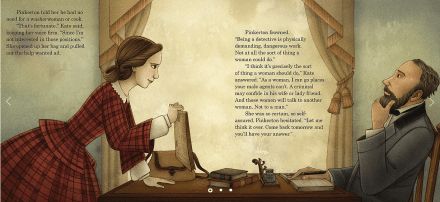
But when Kate told him she was applying for a job, he told her he “had no need for a washerwoman or cook.” Kate told him she was there to apply for the detective position. Pinkerton had reservations. The dangerous work was “not at all the sort of thing a woman could do,” he said. But Kate disagreed. She told him that she would be able to go into places his male detectives could not and could be the confidant of women witnesses. Pinkerton told her he would think it over.
celebrate-picture-books-picture-book-review-Kate-Warne-pinkerton-detective-applying-for-job

Image copyright April Chu, text copyright Marissa Moss. Courtesy of Creston Books.

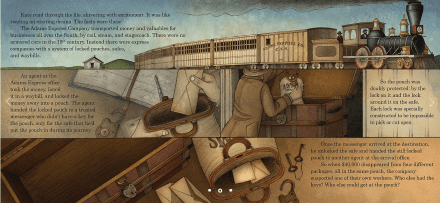
The next day Kate was at the office as soon as it opened. “Today, you’ve made some history,” Pinkerton told her, “You’re now the first woman detective in the country.” He handed her a file marked The Adams Express Case. As she read the case, Kate felt a thrill of excitement. “The Adams Express Company transported money and valuables for businesses all over the South, by rail, steamboat, and stagecoach.” Valuables were well protected by locks that couldn’t be picked.

But $40,000 had disappeared. One suspect stood out from the rest—Nathan Maroney, the manager of the Montgomery office where the packages had come from. He had been the last person to lock up the carrying pouch before the messenger, Mr. Chase, transported it to Atlanta, where it was found to be empty. Maroney was arrested, but there was little hard evidence—only a slit in the pouch that had not been there before Maroney was accused.

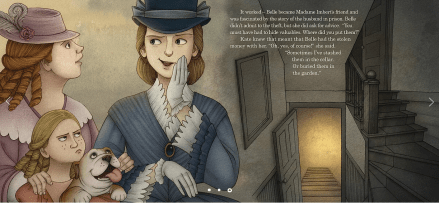
Kate considered the problem then remembered the sleight of hand tricks huskers used to fool people. She figured out how Maroney had stolen the money, but they needed more evidence and a confession. While a male agent pretended to be a fellow thief named “John White” in the same jail cell as Maroney, Kate befriended Maroney’s wife, Belle, pretending to be Madame Imbert. While Belle didn’t confess to the theft, she did ask her new friend for advice on where to hide valuables. Kate told her she hid her valuables in the basement or buried them in the garden.
celebrate-picture-books-picture-book-review-Kate-Warne-pinkerton-detective-train

Image copyright April Chu, text copyright Marissa Moss. Courtesy of Creston Books.

When Belle left town to visit her husband in jail, Kate took the opportunity to do some snooping at her house. Just as Kate found a freshly dug mound behind crates and barrels in the basement, she heard Belle returning home. She hurriedly put everything back in place and rushed upstairs. Belle was suspicious of the dust on Kate’s dress, and Kate knew she and the other agents had to act fast. She alerted another agent who crawled through the basement window while Belle slept. He tidied up the basement, and the next morning when Belle checked her hiding place, everything was in order. She could still trust her friend she thought.

The Pinkerton Agency plan was going like clockwork. Inside the jail cell, Maroney put his faith—and his money—in the detective’s hands. Maroney wrote to Belle, telling her that John White was going to help them. He instructed her to give John White all the money he had stolen. White was going to plant some of it on Mr. Chase, use some of it to bribe a judge to find Maroney not guilty at trial, and keep the rest for Maroney to collect later. At first, Belle didn’t trust John White, but one sentence from her friend “Madame Imbert” eased her mind and she went along with her husband’s plan.

As the ingenious plan was hatched and carried out, Kate made sure that all the money was secure. The money made its way to the Pinkerton agent “Mr. White” with Belle and Maroney none the wiser. As Maroney’s trial proceeded, and he heard Mr. White called as the first witness, Maroney suddenly changed his plea from “not guilty” to “guilty.” “The reputation of the Pinkerton agency was made. So was Kate Warne’s.”

Kate became one of the agency’s most valuable detectives. She was even put in charge of a women’s division and hired many more women who became “some of Pinkerton’s strongest agents.” But Kate Warne, the first woman detective in America, would always be considered the best.
celebrate-picture-books-picture-book-review-Kate-Warne-pinkerton-detective-belle

Image copyright April Chu, text copyright Marissa Moss. Courtesy of Creston Books.

An Author’s Note explaining more about the Pinkerton Detective Agency and the first woman detective follow the text.

Children who love mysteries will be enthralled with this true tale of the first woman detective in America and her explosive first assignment. Marissa Moss’s suspenseful, compelling storytelling and excellent pacing reveal the facts of the case, Kate’s insightful reasoning, and the clever ruses the agents used in outsmarting and capturing the thief. Moss infuses the story with the feeling of the time period and a sense of pride in this little-known piece of women’s history.

April Chu’s detailed period drawings take kids to the mid-1800s to follow Kate Warne as she solves her first case. Depictions of Kate’s father’s printing press, the dirt roads traversed by horse-drawn wagons and carriages, the Adams Express locked pouches and secure rail car will excite history and mystery buffs. The full cast of characters are clearly portrayed, allowing young readers to become detectives themselves as they see the action through Kate’s eyes. The dramatic finale to the case will have children on the edge of their seats whether they are hearing the story aloud or reading it themselves.

Kate Warne: Pinkerton Detective is a thrilling picture book introduction to both biographies and mysteries for children. It offers a unique look at the contributions of strong women in history and is an excellent selection for school, public, and home libraries.

Ages 5 – 13

Creston Books, 2017 | ISBN 978-1939547330

Visit with Marissa Moss on her website to discover more about her, her books, and loads of fun activities!

View a gallery of artwork by April Chu on her website!

National Women’s History Month Activity
celebrate-picture-books-picture-book-review-mysterious-mystery-word-search

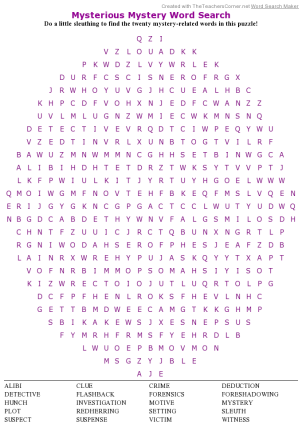
Mysterious Mystery Word Search Puzzle


Do a little sleuthing to find the twenty mystery-related words in this printable Mysterious Mystery Word Search Puzzle! Here’s the Solution!

Picture Book Review

March 16 – World Sleep Day

celebrate-picture-books-picture-book-review-my-bed-cover

About the Holiday

Getting a good night’s sleep is one of the best things you can do for yourself. But a long, deep sleep can be so elusive. Today’s holiday was established to spotlight the issues of sleep problems and offer the latest findings in medication and management options. A restful night’s sleep often begins with a pre-bedtime routine that’s relaxing and prepares you for sleep. Children also benefit from nighttime routines. One of the best is bedtime storytime!

My Bed

By Anita Bijsterbosch


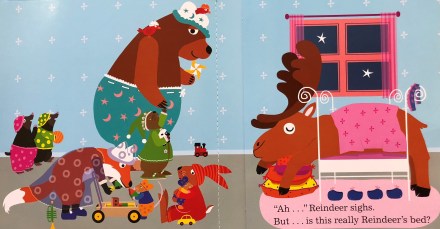
The sky is dark and the stars are out. Reindeer, Bear, Hare, Fox, Bunny, Mouse and Mouse, and Mole and Mole have been playing, but their eyes are getting droopy. It’s time for everyone to sleep. “‘Time to go to bed!’ Reindeer says.” She makes her way to the little white bed with the pink blanket, takes off her blue slippers, and begins to snooze. But her head, propped up with pillows, hangs off one end, and his back legs hang off the other. It makes you wonder: “…is this really Reindeer’s bed?”

celebrate-picture-books-picture-book-review-my-bed-raccoon's-bed

Copyright Anita Bijsterbosch, 2018, courtesy of Clavis Publishing.

“No! This is Raccoon’s bed.” Raccoon hangs her pink hat on the bedpost and tucks her pink slippers next to the bed. Then she climbs under the pink blanket and goes to sleep. “Good night, Raccoon.” Reindeer says. Now Reindeer remembers! She sleeps in the top bed of the red bunk bed. She climbs in and pulls up the green blanket with yellow dots and the pink blanket with light pink dots. But they’re so small they don’t cover her at all.

But this isn’t Reindeer’s bed either. The top bunk is Mole’s, and after she hangs her pink hat with the light pink dots on the bedpost and pulls up the pink blanket, she’s fast asleep. The bottom bunk is Mole’s, who hangs her green and yellow hat on the opposite bedpost, pulls up the green and yellow blanket and drifts off to dreamland. Reindeer puts her slippers back on and goes in search of her bed once again.

celebrate-picture-books-picture-book-review-my-bed-car-bed

Copyright Anita Bijsterbosch, 2018, courtesy of Clavis Publishing.

It doesn’t take long before she finds one blue and one orange hammock hanging from the ceiling. “‘This is my bed, Reindeer says. ‘Just look at how nicely I’m hanging here!’” She puts a slipper on each of the four train cars on the little track and shuts her eyes. She had just begun to doze, however, when Mouse, wearing a blue hat and slippers, and Mouse, wearing an orange hat and slippers, came over to take back their beds. “‘Good night, Mouse and Mouse.” Reindeer says.

celebrate-picture-books-picture-book-review-my-bed-hare

Copyright Anita Bijsterbosch, 2018, courtesy of Clavis Publishing.

Next, Reindeer tries the blue canopy bed, but that is Fox’s bed. The little green car bed is cozy, but that one belongs to Hare, and the tiny daybed is much too small for Reindeer but fits Bunny just right. Finally, Reindeer finds a beautiful wrought-iron bed with a blanket as wide as the night sky and a soft pillow. “‘Aha!’ Reindeer calls. ‘This is my lovely bed. I fit in it perfectly!’” Unfortunately for Reindeer, “Bear fits in this bed too.”

celebrate-picture-books-picture-book-review-my-bed-fox's-bed

Copyright Anita Bijsterbosch, 2018, courtesy of Clavis Publishing.

Reindeer puts her slippers on again and keeps looking. At last she spies a nice green bed with an antler decoration on the footboard. But something isn’t quite right. “‘Look!’” Reindeer says. ‘I found the perfect bed for me. But Owl is asleep in my bed.’” Suddenly, Owl wakes up, jumps out from underneath the covers and puts on her hat. “‘Hoot!’ Owl hoots. ‘I sleep during the day. Now it is your turn.’”

Reindeer snuggles in with a “‘Thank you for keeping my bed warm’” to Owl. “Then she falls fast asleep.” As Owl flies by each window, she sees everyone snoozing soundly. “Good night, everyone. We all sleep best in our own bed.”

celebrate-picture-books-picture-book-review-my-bed-owl

Copyright Anita Bijsterbosch, 2018, courtesy of Clavis Publishing.

Anita Bijsterbosch adorable game-within-a-book makes bedtime fun while encouraging little ones to sleep in their own bed. Each page is cleverly designed as clues in the animals’ clothing colors and patterns match up with beds and blankets. Young readers will love hunting for these hints as well as noticing who is missing from the page before they open the gate fold to discover the answer.  Bijsterbosch’s vibrant and cheery pages also give adults plenty to talk about with children, including putting toys away before bedtime, use of nightlights, counting, colors, and even a little science about nocturnal animals. Kids will giggle as Reindeer scrunches herself into tiny beds and smile at the camaraderie of this group of friends. The emphasized phrasing of “my bed” reinforces the idea that everyone has their own most comfortable bed to sleep in.

My Bed would make a terrific gift and an excellent addition to home bookshelves for little ones transitioning to a “big kid bed” or just for bedtime or nap time story time.

Ages 2 – 6

Clavis, 2018 | ISBN 978-1605373874

Clavis sent me a copy of My Bed to check out. All opinions are my own.

Discover more about Anita Bijsterbosch her books and her art on her website

World Sleep Day Activity

celebrate-picture-books-picture-book-review-five-monkeys-jumping-on-bed-coloring-page

Bedtime Fun Coloring Page


These little monkeys are monkeying around before going to sleep. You can have fun coloring them before you go to sleep!

Bedtime Fun Coloring Page

Picture Book Review

March 15 – It’s National Craft Month

celebrate-picture-books-picture-book-review-sister-day-cover

About the Holiday

Does just walking through the door of Michael’s or A.C. Moore make your heart beat faster? Do your cabinets overflow with bottles of paint, glitter, ribbon, lace, and empty bottles and boxes? If so, then March is the month for you! This month we celebrate the creative energy and unique perspectives that result in beautiful, one-of-a-kind decor or clothing, fun group projects for kids and adults, and successful home-based businesses. Homemade love is also one of the best ways to show friends or family members how you feel—as you’ll see in today’s book. There are so  many reasons and ways to indulge your love of all things crafty this month—so what are you waiting for?!  

Sister Day!

Written by Lisa Mantchev | Illustrated by Sonia Sánchez


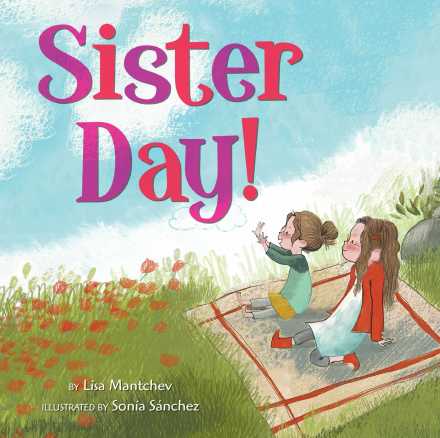
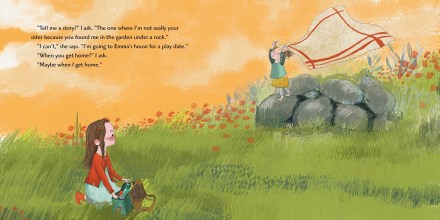
As Lizzie and her big sister, Jane, sit on a quilt watching the clouds, Lizzie tells how she loves that Jane has “the best imagination” and “can make up all kinds of things in her very own head.” Lizzie wants to play dress up, but Jane says, “not now.” How about telling a story? Jane can’t do that either because she’s going to her friend Emma’s house soon. “‘Maybe when you get home?’” Lizzie asks. “‘Maybe,’” says Jane.

celebrate-picture-books-picture-book-review-sister-day-picnic

Image copyright Sonia Sánchez, 2017, text copyright Lisa Mantchev, 2017. Courtesy of simonandschuster.com.

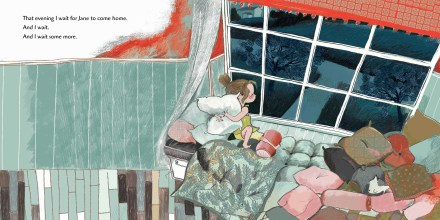
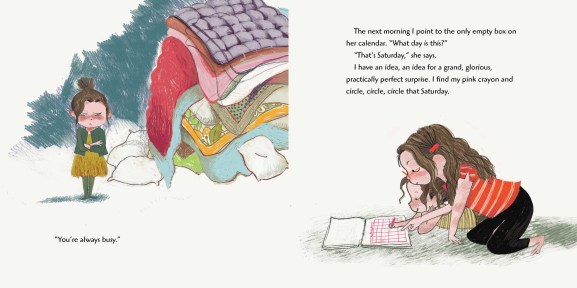
Jane is gone all day. Night falls and still Jane isn’t home. Lizzie waits in the window seat and watches and watches. Finally, Jane is home! Lizzie shows her the fort she made using all the blankets. It will be perfect for telling stories under, but now Jane has to do her homework. “‘You’re always busy.’” Lizzie says. The next day the sisters look at the calendar. It’s almost full except for one Saturday. Suddenly, Lizzie has an idea for a wonderful surprise. She takes the pink crayon and “circles, circles, circles that Saturday.”

celebrate-picture-books-picture-book-review-sister-day-waiting

Image copyright Sonia Sánchez, 2017, text copyright Lisa Mantchev, 2017. Courtesy of simonandschuster.com.

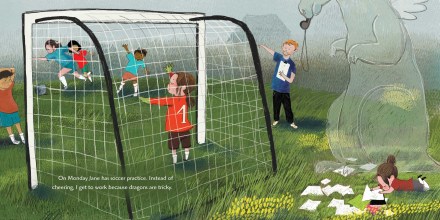
On Monday while Jane has soccer practice, Lizzie works on a dragon referee. On Tuesday instead of copying Jane’s jumps and twirls at ballet, Lizzie puts “tutus on sugarplum fairies.” On Wednesday during Jane’s piano lesson, Lizzie tunes up her imaginary orchestra. Thursday is karate day, and while Jane does her moves, Lizzie “sneaks, sneaks, sneaks to a quiet corner to finish up [her] surprise.” On Friday Jane goes to Emma’s again after school, and Lizzie gets help from Mom baking Jane’s favorite treat.

celebrate-picture-books-picture-book-review-sister-day-soccer

Image copyright Sonia Sánchez, 2017, text copyright Lisa Mantchev, 2017. Courtesy of simonandschuster.com.

Early Saturday morning, Lizzie grabs her sketchbook, her scissors, and some tape. It takes an hour and the whole roll of tape to make the surprise. Then Lizzie goes to Jane’s room. She knocks on the door. When there’s no answer, Lizzie opens the door. Jane’s room is empty. Lizzie runs “downstairs, yelling, ‘Mom, have you seen Jane?’” When Lizzie enters the kitchen, she finds Jane “wearing a T-shirt covered in glittery glue.” She made them at Emma’s house, Jane says as she hands one to Lizzie. 

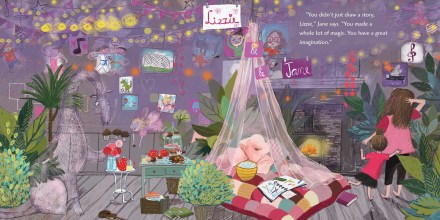
Lizzie puts it on and pulls Jane into the living room. Pictures and decorations cover the walls, and delicious cupcakes and drinks are on the table. “‘Surprise! I wrote you a story!’” Lizzie says. “‘Happy Sister Day!’” As Jane looks around, she tells Lizzie, “‘You didn’t just draw a story, Lizzie. You made a whole lot of magic.’” Lizzie hugs her big sister. “‘It runs in the family,’” she says.

celebrate-picture-books-picture-book-review-sister-day-surprise

Image copyright Sonia Sánchez, 2017, text copyright Lisa Mantchev, 2017. Courtesy of simonandschuster.com.

Lisa Mantchev captures the happiness and disappointments of sibling relationships in her sweet story. In today’s busy family life, sisters—and brothers—don’t always get to spend as much time together as they might like. Mantchev reveals, however, that close bonds remain in the heart. Young readers will be enchanted by this loving sister duo and the surprise ending that shows a shared understanding and devotion between them. Sister Day! may inspire families to hold special sister and or brother days to let siblings connect and develop their unique relationship.

celebrate-picture-books-picture-book-review-sister-day-calendar

Image copyright Sonia Sánchez, 2017, text copyright Lisa Mantchev, 2017. Courtesy of simonandschuster.com.

In her beautiful, light illustrations, Sonia Sánchez replicates the positive, happy relationship between Lizzie and Jane. As each day brings a new activity for Jane, readers will recognize the reality of a younger sibling waiting for the older one to finish. As Lizzie uses this time to draw her story, children will see that even though Lizzie and Jane aren’t together, they are thinking of each other. Lizzie’s imagination is creatively shown through transparent fantasy creatures who keep Lizzie company during Jane’s absence. Sánchez’s lovely color palette and delicate, detailed drawings invite children to spend time with these best-friend sisters.

Sister Day! would make a wonderful gift and a charming addition to sisters’ home libraries

Ages 4 – 8

Simon & Schuster/Paula Wiseman Books, 2017 | ISBN 978-1481437950

Discover more about Lisa Mantchev and her books for children, young adults, and adults on her website!

National Craft Month Activity

celebrate-picture-books-picture-book-review-heart-jar

I Love You Jar


Show your friends or family members how much they mean to you with this jar full of love!

Supplies

  • Small to medium size decorative jar or a recycled jar
  • Red felt or heavy paper
  • Scissors

Directions

  1. Cut enough small hearts from the red felt or paper to fill the jar one-half to three-fourths full
  2. Fill the jar with the hearts
  3. Give it to your friend, sister, brother, mom, dad—anyone you love—and watch them smile!

Picture Book Review

March 14 – Moth-er Day and Interview with Author Karlin Gray

celebrate-picture-books-picture-book-review-an-extraordinary-ordinary-moth-cover

About the Holiday

Did you know that some moths are even more beautiful than butterflies? It’s true! Adorned in vibrant oranges, greens, blues, and reds and with patterns more intricate than the finest fabrics, moths are some of nature’s loveliest creatures. With spring right around the corner, moths will once again be emerging in woods, fields, and gardens, so today take a little time to celebrate these often overlooked insects and learn more about them and their habitats.

Sleeping Bear Press sent me a copy of An Extraordinary Ordinary Moth to check out. All opinions are my own. 

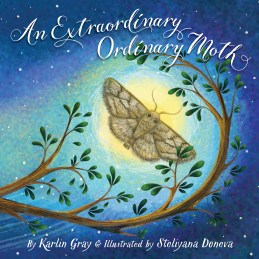
An Extraordinary Ordinary Moth

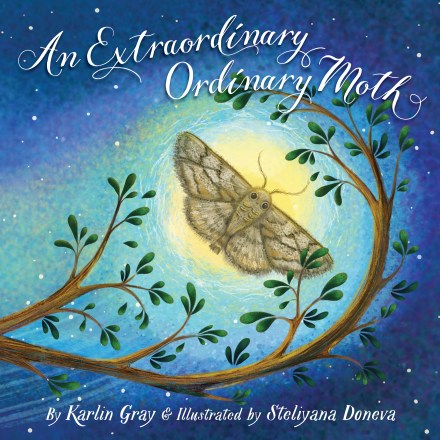
Written by Karlin Gray | Illustrated by Steliyana Doneva


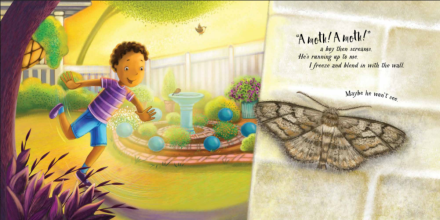
As a grayish-brown moth flits among the leaves framed by the full moon, he says, “I’m an ordinary moth, / as you can plainly see. / A dusty, grayish, dull insect— / nothing-special me.”  He compares himself to the Luna Moth “who floats in graceful green” and to the Spider Moth who’s “so cool at Halloween!” He’s nothing like the Hummingbird Moth who mimics its namesake bird, and he can’t hide like the Wood Nymph Moth that looks like “birdy dung.” He’s much smaller than the Atlas Moth and not as pretty as a butterfly. While all of these are special—extraordinary even—this little guy thinks he is just “a dusty, grayish moth— / very ordinary.”

celebrate-picture-books-picture-book-review-an-extraordinary-ordinary-moth-luna

Image copyright Steliyana Doneva, 2018, text copyright Karlin Gray, 2018. Courtesy of Sleeping Bear Press.

But then a little boy runs through the yard shouting “‘A moth! A moth!’” The moth freezes against a wall, afraid and unsure and hoping to hide. But when the moth sees the excitement in the boy’s eyes, he moves “toward his joyful light.” He lands in the boy’s hands, uncertain still if he’ll be shooed away. And sure enough, the boy’s sister screams, “‘Ew, a bug!’” When she knocks her brother’s hand away, the moth flies off.

celebrate-picture-books-picture-book-review-an-extraordinary-ordinary-moth-hiding

Image copyright Steliyana Doneva, 2018, text copyright Karlin Gray, 2018. Courtesy of Sleeping Bear Press.

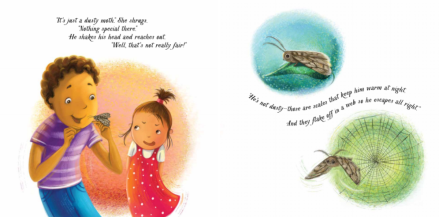
The moth hears the boy tell his sister, “‘Hey, it’s an insect—not a bug— / and my favorite kind!’” then he sees the boy trailing him “all through the yard. / with her two steps behind.” She thinks the moth is nothing special, but her brother disagrees. And as the moth alights on his finger, he shows her why. What looks like dust are really “‘scales that keep him warm at night. / And they flake off in a web so he escapes all right.’”

celebrate-picture-books-picture-book-review-an-extraordinary-ordinary-moth-web

Image copyright Steliyana Doneva, 2018, text copyright Karlin Gray, 2018. Courtesy of Sleeping Bear Press.

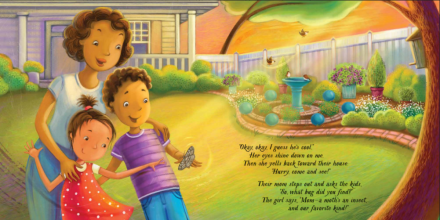
The little girl’s a bit more interested but thinks his color is “kind of blah.” The boy explains that the moth is the color of tree bark and can camouflage himself during the day while he sleeps. Then at night he’s ready to fly, guided by moonlight and the scents he smells through his antennae. Now the little girl thinks the moth is pretty cool. She calls their mom to come and see, and when Mom wants to know what bug they found, “the girl says, ‘Mom—a moth’s an insect, / and out favorite kind!’”

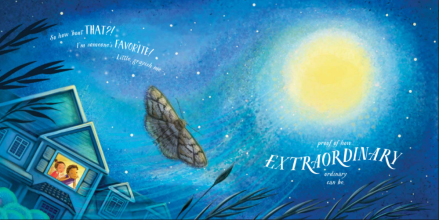
Hearing that, the moth soars in the moonlight with a new self image—“So how ‘bout THAT?! / I’m someone’s FAVORITE! / Little grayish me— / proof of how / EXTRAORDINARY / ordinary can be.”

celebrate-picture-books-picture-book-review-an-extraordinary-ordinary-moth-mom

Image copyright Steliyana Doneva, 2018, text copyright Karlin Gray, 2018. Courtesy of Sleeping Bear Press.

Ten Extraordinary Facts about Moths, as well as an activity for constructing a moth observation box follow the text.

Through her vivacious rhymes, Karlin Gray elevates the “ordinary” back-porch moth to star status with fascinating facts that will lure kids to discover more. The conversational verses echo a sweet sibling relationship while the moth, overhearing them, begins to appreciate himself. The bookending of the children’s story with the moth’s thoughts—first comparing himself to other moths and later realizing his own merits—will encourage readers to think about the nature of nature and about the importance of positive interactions with others. Told from the moth’s point of view, the story also has a deeper meaning, reminding readers that, like this moth, people also have special talents  that make them exceptional. Taking extra time to really learn about another’s unique qualities and to get to know them is exciting and has benefits for all.  

celebrate-picture-books-picture-book-review-an-extraordinary-ordinary-moth-moonlight

Image copyright Steliyana Doneva, 2018, text copyright Karlin Gray, 2018. Courtesy of Sleeping Bear Press.

Steliyana Doneva’s gorgeous illustrations of moths and butterflies will dazzle insect-loving kids and convert the more squeamish. Doneva captures each delicate marking and texture of the little grayish moth as it flits in the light and camouflages itself on the wall and tree. The moth is also well spotlighted against Doneva’s vibrant backyard oasis where the little boy and his sister discover him. Nighttime scenes sparkle with starlight, and the full moon brings out the rich blues of an evening sky. The boy’s enthusiasm for moths and nature is infectious and will captivate young readers, enticing them to look closer at the world around them.

An Extraordinary Ordinary Moth is a beautiful, eye-opening book that would spur further discovery for nature and science lovers at home and in science or STEM classrooms.

Ages 4 – 8

Sleeping Bear Press, 2018 | ISBN 978-1-58536-372-8

Discover more about Karlin Gray and her books on her website.

View a portfolio of work by Steliyana Doneva and learn more about her on her website.

Download and have fun with these An Extraordinary Ordinary Moth Activity Sheets!

An Extraordinary Ordinary Moth Matching | An Extraordinary Ordinary Moth Fill in the Blank

Moth-er Day Activity

celebrate-picture-books-picture-book-review-tree-branch-with-white-cocoons

Beautiful Moths Game


Moths go through many stages of metamorphosis—from egg to caterpillar to cocoon— before they finally emerge as a moth. In this game, help six moths emerge from their cocoons to win!

Supplies

celebrate-picture-books-picture-book-review-moth-cards

Directions

  1. Print a Tree Branch Game Board and set of Moth Cards for each player
  2. Print one Moth Playing Die
  3. Choose a player to go first
  4. The first player rolls the die and places the matching moth card on one of the cocoons on the Tree Branch Game Board
  5. Play then moves to the player on the left
  6. Players continue to roll the die and place moths on each cocoon
  7. If a player rolls a moth that they already have placed on their game board, they pass the die to the next player and wait for their next turn.
  8. The player who fills their Tree Branch with moths first is the winner

Meet Karlin Gray

celebrate-picture-books-picture-book-review-interview-with-karlin-gray-headshot

Today I’m excited to talk with Karlin Gray about how moths became extraordinary in her eyes, what types of characters she’s drawn to, and what might be the best holiday in the world

Did you like to write as a child? How did you get started writing books for children?

Yes, I did like to write as a child. When I was little, I would retell stories like Alice in Wonderland, changing the names and some details. Someone must have explained ‘plagiarism’ to me and, eventually, I learned to write my own stories.

I started writing picture books when my son was a toddler (about seven years ago). I joined a local writing center where I workshopped all three of my contracted books, including AN EXTRAORDINARY ORDINARY MOTH.

Before you began working in the publishing field and writing for children, you worked for newspapers. Can you talk a little about that experience? What did you like most about it? Has it influenced your work for children?

After college, my first two jobs were graphic design positions at weekly newspapers in Northern Virginia and D.C. I loved learning about the publishing process—how words and images were selected, designed, printed, and distributed. It’s a fast-paced, exhausting business. But those jobs taught me to work on a deadline which helps me as a children’s book writer, for sure!

What inspired you to write about moths?

My son. When he was three, he announced that the moth was his favorite insect. I imagined that moth was having a bad day—comparing himself to “cooler” moths like the Luna moth or Spider moth—and then overheard my son’s statement. It’s a nice reminder that sometimes it takes just one kind comment to improve someone’s day.

What do you think makes the “ordinary” extraordinary?

Perspective. My son saw something special in a creature that I never really considered. But his interest piqued my interest, so I did some research. That led me to learning several amazing things about moths. Now, instead of shooing them away, I celebrate moths in An Extraordinary Ordinary Moth.

What was your process in writing An Extraordinary Ordinary Moth?

Once the first line popped into my head—“I’m an ordinary moth, as you can plainly see…”—the story was set in rhyme. Usually, I research then write a story. But here, I did my research as I wrote the manuscript. The first draft took a couple days and was MESSY. I workshopped the manuscript on and off for two years, tightening the story, rhyme, and meter. I eliminated a whole stanza where the ordinary moth compares itself to other moths like the poodle moth. Trust me, it wasn’t easy cutting out the poodle moth! But, like they say, sometimes you have to kill your darlings.

Do you have a favorite place to write? If so, can you describe it a little? Do you have a favorite thing on your desk or in your writing space?

In my house I have an office but I don’t do much writing there. I usually move from the dining table to the kitchen table to the outside table when it’s warm.

In an earlier interview, you mentioned that you had “stories about presidents, magicians, explorers, athletes, mermaids, monsters, scarecrows, cats, mice, and one sad moth” in your desk drawer. What types of characters—or personalities—attract your creative interest? Do you have a preference for nonfiction? If so, why?

Oh yeah, I guess I’ll have to change that since the “sad moth” is out of the drawer and on the cover of a book. I’m a sucker for characters whose “flaws” are really their strengths, and I love a good finding-your-tribe story. Both nonfiction and fiction stories appeal to me but I enjoy the challenge of taking a true story and translating it into a picture book—selecting a character and timeframe, finding dialogue and active details, setting the tone and style, and staying true to the facts as well as the heart of the story.

In your website biography you have links to “things you like.” These are amazing and range from The American Mural Project to Storyline Online to the Landfill Harmonic. Can you talk about what draws you to these types of projects? Why do you think they are important not only for those directly involved in them, but for all kids—and adults?

Those two projects have a lot of heart. I met Ellen—she is a tiny person who has a big personality and a HUGE dream. The fact that one person had a goal to make the biggest indoor art installation is worthy of a book right there! And the Landfill Harmonic group—kids making music with trash!—was made into a book, Ada’s Violin by Susan Hood. I think both of those stories appeal to kids because it shows them that there are no limitations in art.

What’s the best part about writing for kids?

So many things…but probably the best is when kids tell me that they want to be a writer when they grow up. My response is always: “If I could do it, you can do it.”

You share your books at school and bookstore events. Do you have any anecdote from an event you’d like to share?

Twice a month I volunteer at a nearby school where I read books selected by the teacher. When I read my first book NADIA to the kids, the first graders had a hard time believing that I was the author. They knew me as someone who visited every other week and read a book from their shelves. They didn’t know me as a writer so that was a fun surprise for them.

What’s up next for you?

My next picture book is a biography of Serena Williams—SERENA: THE LITTLEST SISTER—and will be published in early 2019.

What is your favorite holiday and why?

Probably New Year’s Eve. We can see the town fireworks from our back deck so we invite a few families over for a casual get-together. It’s a nice way to end the year and the kids love staying up past midnight.

And, until your email, I didn’t know there was a Moth-er Day. (Not to be confused with Mother’s Day.) Very cool. The moth is also celebrated during National Moth Week in July: http://nationalmothweek.org

Do you have any anecdote from a holiday that you’d like to share?

When I was 10-14 years old, I lived in Japan because my dad worked with the military. I remember feeling sorry for Japanese kids because they didn’t celebrate holidays like Christmas or Halloween. But once I discovered that they had an even better holiday—Children’s Day!!—then I just felt sorry for myself.

Thanks so much for this great chat, Karlin! I wish you all the best with An Extraordinary Ordinary Moth and all of your books!

celebrate-picture-books-picture-book-review-an-extraordinary-ordinary-moth-cover

You can find An Extraordinary Ordinary Moth at these booksellers:

Amazon | Barnes & Noble | Books-a-Million | IndieBound | Sleeping Bear Press

You can connect with Karlin Gray on

Facebook | Pinterest | Twitter

Picture Book Review
March 13 – Good Samaritan Day and Interview with Margie Markarian

celebrate-picture-books-picture-book-review-the-princess-and-the-cafe-on-the-moat-cover

About the Holiday

A Good Samaritan is someone who sees someone in need of help or kindness and generously offers assistance or a smile. Today, people are encouraged to spend a little extra time to look around and notice those moments when someone could use an extra hand and go to their aid. You never know when a small gesture can have far-reaching effects. Children are particularly good at noticing those who need help or cheering up. You can foster their natural kindness by supporting their ideas and actions for helping their community—just like the little girl’s in today’s book!

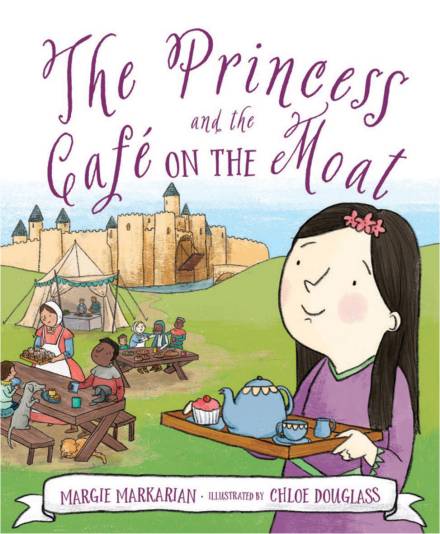
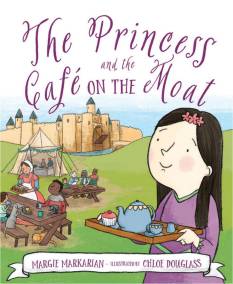
The Princess and the Café on the Moat

Written by Margie Markarian | Illustrated by Chloe Douglass


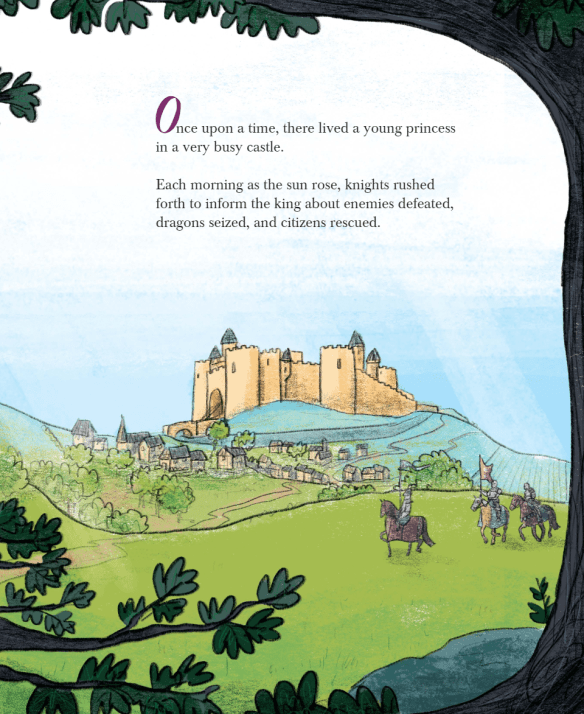
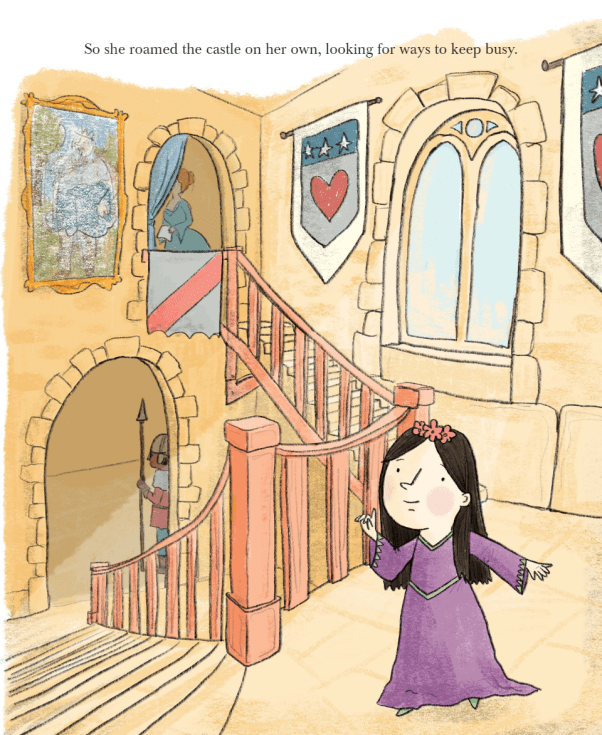
There once was a little princess who lived in a very busy castle. Every morning knights brought news of “enemies defeated, dragons seized, and citizens rescued.” Upstairs, ladies-in-waiting were given their duties for “silks to sew, invitations to ink, and chandeliers to shine.” The princess wanted a special job too, but her voice was never heard above the din, so she went in search of something to occupy her time.

celebrate-picture-books-picture-book-review-the-princess-and-the-cafe-on-the-moat-kingdom

Image copyright Chloe Douglass, 2018, text copyright Margie Markarian, 2018. Courtesy of Sleeping Bear Press.

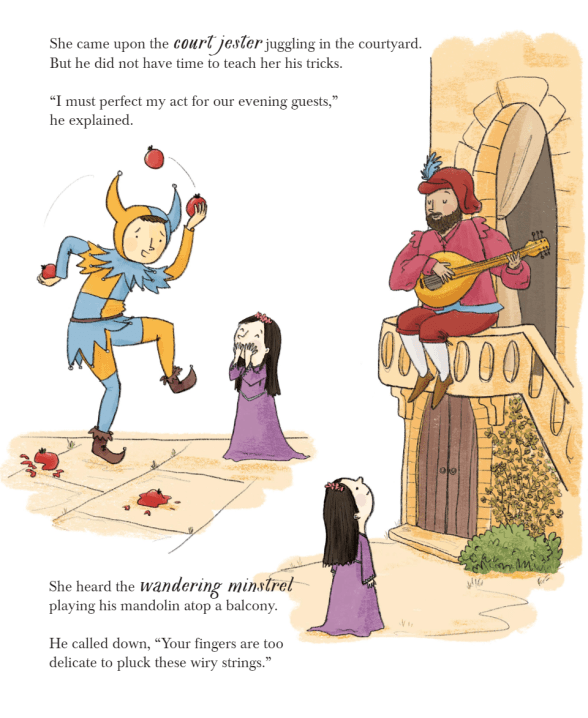
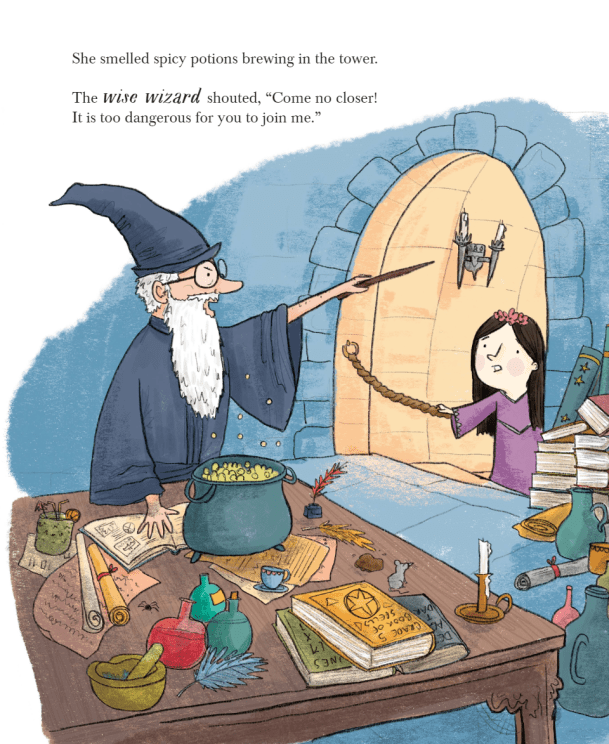
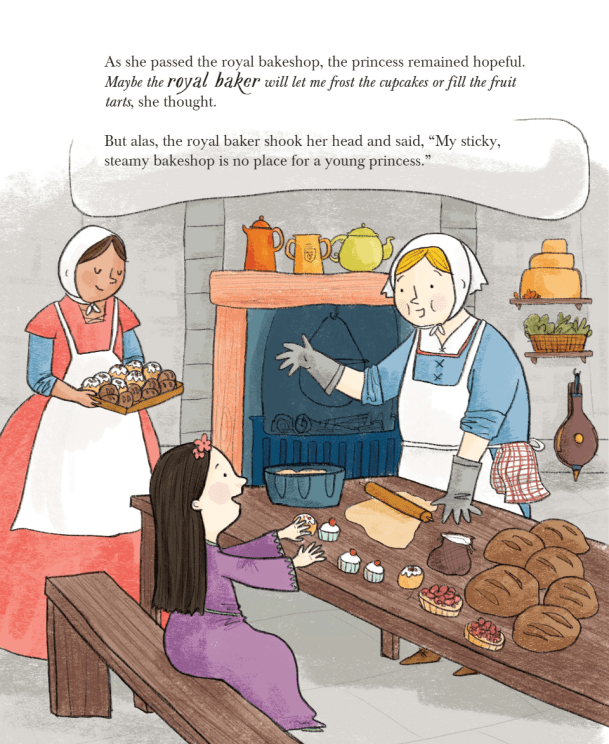
When she met the court jester, he told her he was too busy learning a routine for the evening’s guests to teach her how to juggle. The wandering minstrel who was playing his mandolin told her, “‘Your fingers are too delicate to pluck these wiry strings.’” And the wise wizard banished her from the tower because his potions were too dangerous. Even the royal baker thought her kitchen was no place for a princess. “The princess’s kind heart and eager spirit were not easily discouraged.” As she wandered past the front gate, she wondered if there were people beyond it who could use her help. Just then the drawbridge descended, and when the guard turned away for a moment, the princess crept by him and ran outside.

celebrate-picture-books-picture-book-review-the-princess-and-the-cafe-on-the-moat-wizard

Image copyright Chloe Douglass, 2018, text copyright Margie Markarian, 2018. Courtesy of Sleeping Bear Press.

Right outside the castle, she met a “sad old man holding a scrolled parchment.” She approached him and asked why he was so sad. He told her that he had a letter from his far-away son, but because of his weak eyesight, he couldn’t read it. “‘I have time to read your letter and sit awhile,’ said the princess, happy to have found a task so quickly.” Next, she met a worried widow with five children coming down the path. The princess asked why they looked so tired.

celebrate-picture-books-picture-book-review-the-princess-and-the-cafe-on-the-moat-minstrel

Image copyright Chloe Douglass, 2018, text copyright Margie Markarian, 2018. Courtesy of Sleeping Bear Press.

The woman told her that she had no one to watch her children as she traveled the long way to the village market. The princess happily offered to watch the woman’s children. Soon, “a brave squire limped by the palace where the princess, the old man, and the widow’s children were telling stories and playing games.” When the princess asked the squire what pained him, he told her “‘I gashed by knee in a skirmish many miles ago but have not stopped to tend to it.’” The princess quickly cleaned and bandaged the squire’s knee so he could continue on to the castle.

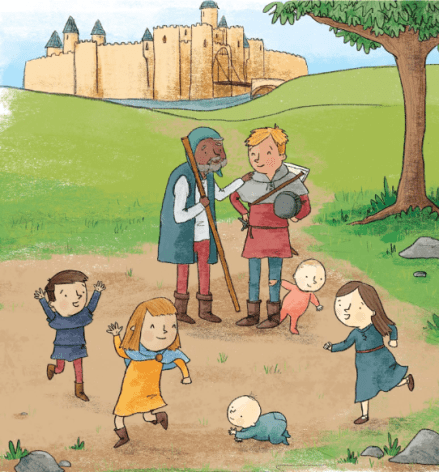
Back at the castle, though, everything was in an uproar as the king and queen and staff hunted everywhere for the princess. Through a window the king suddenly heard laughter and singing. When the king looked out, he saw that the sound was coming from the princess. Everyone in the castle paraded out through the drawbridge to join the princess and her friends.

celebrate-picture-books-picture-book-review-the-princess-and-the-cafe-on-the-moat-kitchen

Image copyright Chloe Douglass, 2018, text copyright Margie Markarian, 2018. Courtesy of Sleeping Bear Press.

The princess ran to her mother and father and told them about all the things she had done for the old man, the widow, and the squire. The king and queen “were proud to have such a kindhearted daughter.” The king suggested that they “all celebrate together with treats and refreshments.” From that day on in the afternoon, the drawbridge was dropped and tables and chairs set up. Then the “princess welcomed townspeople and travelers from far and wide to her café on the moat.”

Here, the court jester practiced his juggling, the minstrel shared his music, the wizard made drinks, and the baker created delicious treats. The old man and the widow with her children often came by to meet new friends and relax. And the brave squire enjoyed refreshments while he guarded the castle. The café on the moat welcomed everyone, and “indeed, they all lived happily and busily ever after.”

celebrate-picture-books-picture-book-review-the-princess-and-the-cafe-on-the-moat-back-cover

Image copyright Chloe Douglass, 2018, text copyright Margie Markarian, 2018. Courtesy of Sleeping Bear Press.

An Afterword about fairy tales and a kindness activity for children follow the story.

Margie Markarian’s sweet story is an enchanting fairy tale for today’s socially conscious and active kids. Instead of needing rescue, this princess looks for opportunities to help others. When she’s turned away inside the castle, she leaves the comfort of home and reaches out to her community, an idea that children will embrace. Through her cheerful storytelling, Markarian also shows readers that in their talents and kind hearts they already have what it takes to make a difference to others. As the princess opens her café on the moat, children will see that the adults also find ways to support her efforts. Markarian’s language is charmingly “medieval,” making the story fun to read aloud while inspiring listeners.

celebrate-picture-books-picture-book-review-the-princess-and-the-cafe-on-the-moat-inside-castle

Image copyright Chloe Douglass, 2018, text copyright Margie Markarian, 2018. Courtesy of Sleeping Bear Press.

Chloe Douglass’s adorable princess is a terrific role model for young readers. Her eagerness to help and positive spirit are evident in her smiles and persistent requests for a job to do. When she ventures out of the castle, she displays obvious empathy for the people she meets, and children will recognize her joy at being able to brighten the townspeople’s day. Despite their busy days, the king and queen are happy and supportive of their daughter. Children will love the bright and detailed images of the castle and town, where the crest of love rules.

The Princess and the Café on the Moat is a charming flip on the traditional fairy tale—one that children will want to hear again and again. It would make a great spring gift and an enriching addition to home and classroom bookshelves.

Ages 5 – 8

Sleeping Bear Press, 2018 | ISBN 978-1585363971

To discover more about Margie Markarian and her picture book and to find fun activities, visit her website. 

Learn more about Chloe Douglass, her books, and her art on her website.

Meet Author Margie Markarian

celebrate-picture-books-picture-book-review-margie-markarian

I was thrilled to talk with Margie Markarian about her new book, the allure of fairy tales, her amazing interactive storytimes, and so much more!

What inspired you to write The Princess and the Café on the Moat?

I wanted to spread a message about being kind, sharing talents, and building a sense of community.  I was inspired, in part, by the idea that kids need and welcome a sense of responsibility, purpose, and belonging just as much as adults. I was also inspired by the idea that children innately have ways of contributing and making a difference. The young princess in the Princess and the Café on the Moat knows this and finds a way to make a difference that ends up bringing the whole kingdom together.

Was there a certain reason you chose the classic fairy tale setting?

Well, I love fairy tales. Children love fairy tales. I felt the traditional fairy tale format would work but that I could modernize it with a café. Also, in a fairy tale, there’s usually a message being played out. I thought my message would play out more subtly and more sweetly as a fairy tale than as a story that takes place in the present day. When I introduce the book to an audience, I call it “a tale for our time from once upon a time.”

I love the can-do attitude and the kindness of the princess. Was there also a reason you chose this character?

I thought a young princess in a very busy castle would create an element of wonder for readers. After all, why would a princess who lives in a castle full of such colorful characters want to dash across a drawbridge to the other side of the moat? Kids often ask me why I called her the “young princess” versus a specific name. It’s because I want all children to be able to see themselves in her, for her to be relatable.

None of the grown-up characters have specific names either. The king and queen represent supportive, loving parents, who are proud of their daughter, even though they are “busy” at the beginning of the story. That’s just how life is sometimes. And it’s the queen who takes the king’s idea of a one-time celebration to the next level of opening a café on the moat with daily hours. It’s a hat’s off to strong women and wise mothers.

What was one of your favorite books when you were a child?

The Tall Book of Nursery Tales. It was a book I took out time and time again from the library. It stood out on the shelf because it was taller than all the other books and it had vibrant illustrations. I had a huge fascination with that fairy tale book in particular, as well as myths, fables, and folk tales from around the world.

celebrate-picture-books-picture-book-review-margie-markarian-and-class

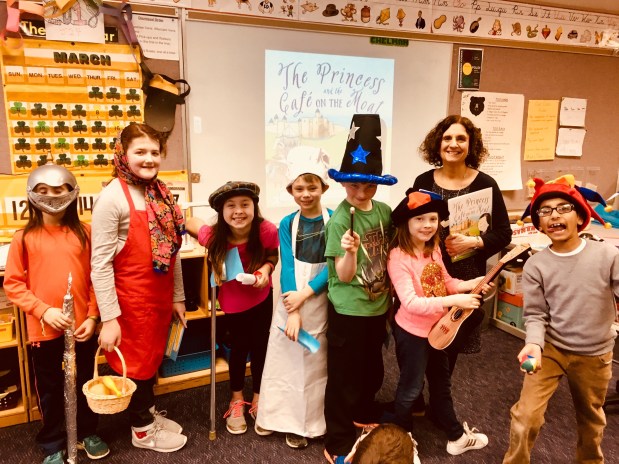
Third-graders in classroom J24 at Jefferson Elementary School in Franklin, MA and teacher Evan Chelman enjoyed a Princess and the Café on the Moat Reader’s Theater visit with Margie Markarian.

What is the best part about being a children’s author or working in the children’s book field?

The best part is when I get to read to children. They so quickly relate to the story and offer examples or ideas on good deeds they can perform like the princess: “Oh I can read this to the kids I babysit!” or “I always read birthday cards to my grandfather.” In the classroom, I present the story Reader’s Theater style. I ask the teacher to pick seven kids to take on the parts of the characters the princess encounters. Each child has one or two lines at most. They really get into it. I distribute hats and props and they have fun getting into character—the jester juggling the balls, the minstrel plucking the mandolin, the wizard waving the magic wand, the royal baker shaking her head no. Seeing their faces light up, their enthusiasm, and their reactions is wonderful.

Kids in the audience participate, too. I tell them that fairy tales are famous for events that take place in a series of three and invite them to be on the lookout for the ones I included in the story. They’re very responsive to that. Some kids quickly connect my book to a fairy tale they already know. All of the activity and conversation makes them curious about reading, about characters, about the story. And that’s the magic and joy of being an author—sharing the book and getting kids excited and involved.

Could you talk a little about the writing workshops you held for children to produce the Boston Globe Fun Pages?  What a great opportunity that was, especially for kids who are interested in a writing career!

When my daughter was in 2nd grade, her teacher welcomed parental involvement in the classroom. At that time the Boston Globe newspaper published a weekly supplement called the Fun Pages. Children in classrooms at different schools wrote each edition. My daughter’s teacher tapped me to help a group of her students write an issue. There were about five articles in an issue, usually revolving around a theme. We picked our town’s annual 4th of July Festival as a theme and we worked on it for eight weeks.

I did another edition of the Fun Pages with my son’s 4th grade class. We had a chocolate factory in town then so our theme revolved around chocolate. We toured the factory, interviewed the owners, and researched stories about chocolate. I guided the writing and reporting, while also sharing tips on what it takes to be an editor and writer. Any time you can excite kids about the process of writing, it’s a great thing. There’s nothing better than hands-on experiential learning. When it came time to distribute one of the issues, I even dressed up as a news carrier and delivered the papers to the kids in their classroom.

Do you have an anecdote from any event at a bookstore or school that you’d like to share?

As I was signing books at a recent event, a little boy noticed me writing my name, and he asked, “How do you write so fast?” For a moment I thought he was talking about the writing of the book itself, but then I realized he was talking about when I signed my name. He was five and just learning to write. Learning to physically write your name is a big deal when you’re five! It was so sweet, and funny, and naturally inquisitive.

celebrate-picture-books-picture-book-review-margie-markarian-and-cake

If you were going to bake something for the Café on the Moat, what would it be?

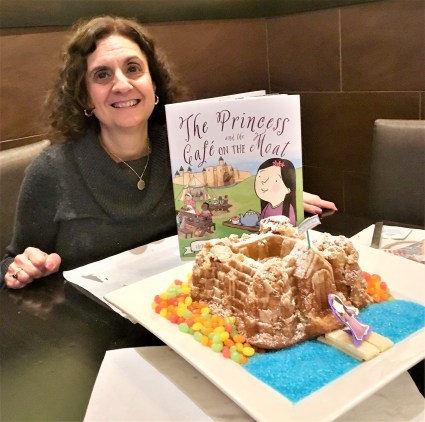
Probably gingerbread boys and girls! I bake them at the holidays! Or, gingerbread people shaped like the characters in my book. They could live in the castle cake (with a moat of blue-sugar-sprinkles and jellybeans!) that my brother-in-law baked for the launch of The Princess and the Café on the Moat.

Do you have a favorite place where you like to write? Could you describe it a little?

Even though I have a home office, I enjoy working in cafés because there’s a buzz. I like being a part of the bustle as much as the princess does!  I find the sense of community invigorating. Cafés are where people come together now. A lot of The Princess and the Café on the Moat was written at the bagel café in my hometown. I’ll probably write my next book at the muffin café in the next town over. I spend a lot of time there now.

What is your favorite holiday?

Thanksgiving. It’s special because it’s a holiday that brings people together. No presents required. I like that it’s simply a time to reconnect with family and friends over a meal and give thanks.

celebrate-picture-books-picture-book-review-the-princess-and-the-cafe-on-the-moat-cover

You can find The Princess and the Café on the Moat at these booksellers:

Amazon | An Unlikely Story | Barnes & Noble | Books-a-Million | IndieBound | Sleeping Bear Press

You can connect with Margie Markarian on:

Her Website | FaceBook | Twitter

Good Samaritan Day Activity

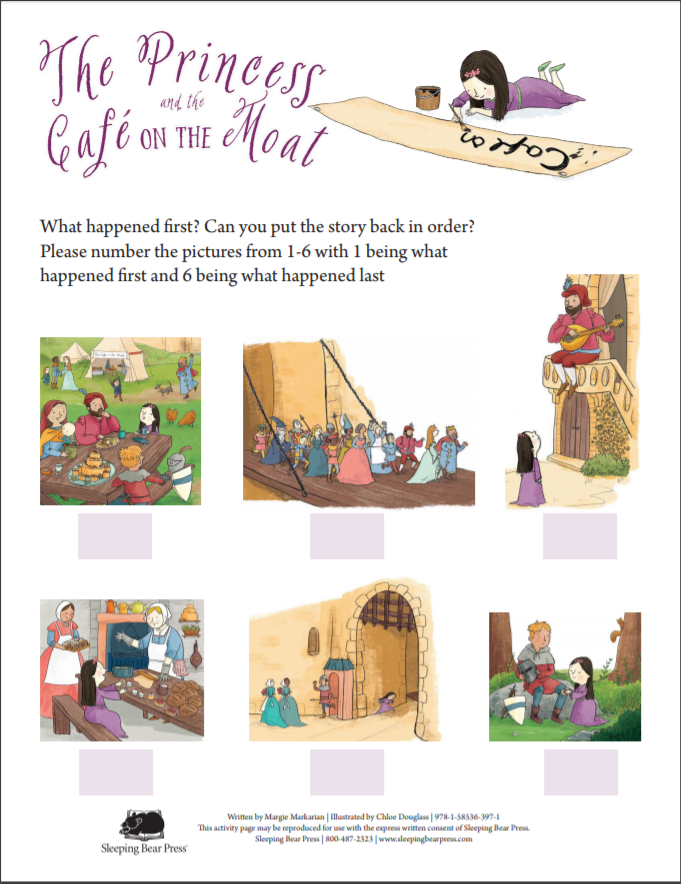
celebrate-picture-books-picture-book-review-the-princess-and-the-cafe-on-the-moat-number sequence-page

The Princess and the Café on the Moat Activities


It’s fun spending the day with the princess in the castle and out in the community helping people! Here are four activity pages to take you there!

The Princess and the Café Coloring Page |Castle Matching PageStory Sequencing Page Write a Fairy Tale Page


Picture Book Review
March 12 – It’s Spiritual Wellness Month

celebrate-picture-books-picture-book-review-the-berenstain-bears-and-the-easter-story-cover

About the Holiday

The definition of spiritual wellness is unique to each person. When you think deep down about what gives your life purpose, meaning, and happiness, what do you find? This month encourages people to discover if their beliefs, activities, work, family relationships and friendships are all in harmony. It’s also important to take care of you, by taking time to reflect each day and to plan fun and relaxing activities. Springtime and Easter are opportunities for renewal, making March a great time to consider your spiritual wellness.

Zonderkidz sent me a copy of today’s book to check out. All opinions are my own. 

The Berenstain Bears and the Easter Story

Written by Jan and Mike Berenstain


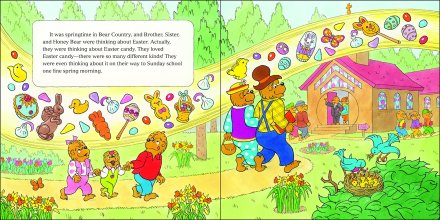
On the way to Sunday school one spring morning, the warm sun was shining, daffodils were blooming, and birds were feeding their babies, but all Brother, Sister, and Honey Bear could think about was Easter candy. As they entered their classroom, Brother said his favorite Easter candy was chocolate bunnies, Sister said hers was marshmallow chicks, and Honey Bear cried “‘Jelly beans!’” Then Missus Ursula revealed that her favorite was black jelly beans, but also that Easter is about more than candy.

Brother and Sister said they knew that. Easter was about “‘stuff in the Bible,’” Brother told Missus Ursula. “‘Yeah,’ agreed Sister. ‘Bible stuff.’” And Honey Bear added, “‘Stuff!’” Missus Ursula thought the cubs’ understanding could use a little more rounding out, so she took them into the next classroom, where the older bear cubs were putting on a play.

celebrate-picture-books-picture-book-review-the-berenstain-bears-and-the-easter-story-candy

Copyright Jan and Mike Berenstain, 2012, courtesy of Zondervan.

The stage was set with props of palm trees, rocks, and buildings from the Holy Land, and cubs were dressed in costumes. One of the performers began telling the Easter story. “‘Long ago, in the Holy Land, there was a man named Jesus. He traveled the countryside teaching about God and what God wanted for his people.’” The narrator went on to tell about Jesus’s miracles and how “‘he could do these wonderful things because he was the Son of God.’”

Because many people listened to Jesus and followed him, government officials and others were angry. They didn’t believe he was the Son of God and were afraid that Jesus wanted to become the king. One day Jesus rode into the city of Jerusalem on a donkey and crowds greeted him with shouts of “‘Hosanna!’” The leaders of Jerusalem believed Jesus was becoming too powerful.

One night while Jesus was praying in a garden, “‘soldiers were sent to arrest him. They took him away to prison.’” Later, he was questioned by a “‘wicked judge…who wanted to show everyone that Jesus was not a king.’” Then “‘he ordered for Jesus to be put to death by hanging on a wooden cross.’” On the day Jesus died, the skies became black and the wind howled. Everyone was afraid.

After Jesus died, he was taken by his friends and put in a tomb. A huge stone was rolled in front of the entrance. For two days Jesus lay in the tomb. “‘On the morning of the third day after Jesus died, some women who knew Jesus came to weep at his tomb.’” When they got there, they saw that the stone had been rolled away. Jesus was no longer in the tomb. “‘An angel told the women not to be afraid. He told them that Jesus was alive once more.’”

celebrate-picture-books-picture-book-review-the-berenstain-bears-and-the-easter-story-missus-ursula

Copyright Jan and Mike Berenstain, 2012, courtesy of Zondervan.

In the days and weeks after Jesus rose, he visited his friends. “‘They were amazed and fell down and worshiped him. Jesus told them they should spread the good news about what had happened.’” After visiting with his friends, “‘Jesus rose up to heaven to be with God, his Father.’” Following the play, the cubs understood that Easter is about more than candy. But “‘does this mean we shouldn’t eat any Easter candy?’” Brother asked.

“‘Certainly not!’ laughed Missus Ursula’” and confessed that she’d miss her jelly beans too. But she reminded the cubs that after they got their Easter baskets, they go to church to celebrate the real meaning of Easter. “‘Hooray!’ the cubs said. ‘And Hosanna!’ added Missus Ursula. ‘He is risen!’”

A page of colorful stickers depicting images from the story are included, and discussion questions and fun activities related to the book follow the text and may inspire kids to put on a play of their own.

Since the early 1960s, the Berenstain Bears have been delighting readers with their shenanigans, wit, and always-close family relationships. In The Berenstain Bears and the Easter Story, part of the Living Lights series, these beloved characters talk about and reveal to children the deeper meaning of Easter, with a focus on Jesus’s resurrection. The straightforward telling of the Easter story through a Sunday school play is welcome for parents, caregivers, and other adults who are looking for a book to share and a way to talk about both the religious and the fun aspects of this holiday with children. The dialogue-rich structure also lends a personal touch to any reading, letting the adult sound as if they are telling the story themselves.

The illustrations of Bear Country are bathed in the warm glow of spring as the sun rises over the Bear’s tidy treehouse home. Brother’s, Sister’s, and Honey Bear’s dreams of candy will enchant little ones as will the familiar scene of walking into church on Easter morning. Depictions of the play are vibrant and detailed but with a homey and childlike feeling to the props and acting.

For adults looking for a traditional, Bible-centered telling of the Easter story with engaging  characters that children will respond to, The Berenstain Bears and the Easter Story is a superb choice for home and church libraries.

Ages 4 – 7

Zonderkidz, 2012 | ISBN 978-0310720874

To learn more about Bear Country and all of The Berenstain Bears books as well as to find fun activities visit the Berenstain Bears’ website.

You can follow the Berenstain Bears on:

Facebook | Instagram | Twitter

Spiritual Wellness Month Activity

celebrate-picture-books-picture-book-review-sweet-bunny-candy-jar

Sweet Bunny Candy Jar


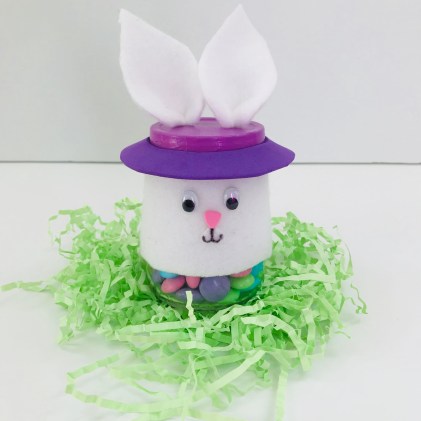
A little bit of candy makes Easter or any spring day sweeter! With this Sweet Bunny Candy Jar, you can give a child, a friend, or even yourself a special treat that will make you hoppy!

Supplies

  • Printable Hat Rim and Bunny Ears Template
  • Baby food jar (I used a Beech-Nut Naturals jar)
  • White fleece, 8 ½ inches by 11 inches
  • 1 piece of purple foam (Or any color you’d like to make the hat)
  • Small piece of pink foam or felt for nose
  • Googly eyes (I used oval)
  • Medium pom-pom
  • Multi-surface paint, purple (or whatever color you’d like to make the hat)
  • Fabric glue (I used Fabric-Tac)
  • Black ultra-fine or fine tip permanent marker
  • Large nail or ice pick
  • Hammer
  • Scissors

IMG-2614

Directions

  1. Remove label from baby food jar
  2. Clean and dry jar and lid
  3. Trace the hat rim template onto the purple foam
  4. Cut out the rim of the hat and remove the center
  5. Trace the ears template onto the white fleece and cut out

To Make the Body and Face

  1. Cut a 2-inch wide by 7-inch long strip of white fleece
  2. Glue the strip of fleece to the jar under the lip and leaving about ½ inch of glass showing at the bottom
  3. Glue on the googly eyes
  4. Cut a little nose from the pink foam and glue to the face
  5. Make the mouth with the permanent marker on a little piece of fleece, cut out and glue under the nose

To Make the Hat

  1. Paint the lid with the purple paint. Let dry.
  2. With the nail or ice pick and hammer, make a hole on either side of the lid to insert the ears. You can make the hole a little bigger with a phillips head screwdriver
  3. Flip the lid over and hammer the edges of the hole flat
  4. Trace the hat rim template onto the purple foam

To Insert the Ears

  1. Pinch the end of one ear together and push it through one hole in the lid.
  2. Pull it through the hole a bit to form the ear
  3. Repeat with the other ear

Finish the Bunny

  1. Add the foam rim to the lid
  2. Glue the pom-pom to the back of the jar for the tail
  3. Add M&Ms, jelly beans, or other small candy

Picture Book Review
 

March 11 – Worship of Tools Day

celebrate-picture-books-picture-book-review-whose-tools-cover

About the Holiday

What would we do without tools? Handheld and big machinery devices help us create buildings, artwork, crafts, and furniture; cook delectable meals; tend the garden; and keep our vehicles and homes in tip-top shape. Even animals use sticks, rocks, and their own paws as tools to get food and build homes. To celebrate today’s holiday make sure your tools are all in order and working, or if you’ve had your eye on a new tool, treat yourself!

Whose Tools?

Written by Toni Buzzeo | Illustrated by Jim Datz


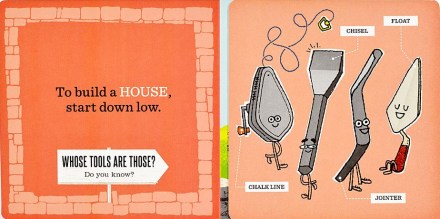
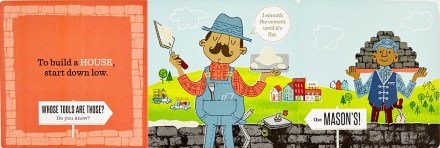
There’s a lot of building going on! Where to start? Well, that depends…. “To build a house, start down low” and use these tools: the chalk line, the chisel, the jointer, and the float. “Whose tools are those? The mason’s!” What does he use them for? He’ll tell you himself: “I smooth the cement until it’s flat.” Where do windows go? Way up high! Here are the hammer, the level, the square, and the saw. Can you guess who uses those tools? They belong to the carpenter! He’s cutting the frame where the windows will go.

celebrate-picture-books-picture-book-review-whose-tools-foundation

Image copyright Jim Datz, 2015, text copyright Toni Buzzeo, 2015. Courtesy of Harry N. Abrams Books for Young Readers.

It’s important that a house stays dry in rain and snow. What tools help with that? The utility knife, the snips, the nail gun, and the ladder. “Whose tools are those? Do you know?” They’re the roofer’s! What does she do with them? She climbs to the top of the house and nails “the shingles in straight rows.” A house can’t be dark, so the workers will “add some lights that softly glow.” They’ll use a screwdriver, a drill, a linesman pliers, and a wire stripper. Who are they? They’re the electricians! One electrician is busy stringing “the wire from switches to lights.”

celebrate-picture-books-picture-book-review-whose-tools-mason

Image copyright Jim Datz, 2015, text copyright Toni Buzzeo, 2015. Courtesy of Harry N. Abrams Books for Young Readers.

A house needs water too! What kinds of tools are used for that? An adjustable wrench, a pipe cutter, pipe tape, and a pipe wrench. And who uses these tools? The plumber! He turns “the pipe elbows until they’re tight” so there are no leaks! The house is almost finished, and now “on all four walls bright colors flow.” What tools are used to make such a pretty house? A brush, a roller, a roller tray, and masking tape. And who uses them? The painter! Right now she’s putting another coat of green paint on the wall. “The house is still not finished, though. Who’s come to build?” Surprise! “It’s you!”

celebrate-picture-books-picture-book-review-whose-tools-roof

Image copyright Jim Datz, 2015, text copyright Toni Buzzeo, 2015. Courtesy of Harry N. Abrams Books for Young Readers.

Children are naturally curious about the tools, utensils, and machinery they see adults using. Toni Buzzeo’s delightful board book introduction to twenty-four tools for the youngest readers will capture their interest and imagination with fun prompts and a house-construction project in process. Buzzeo’s enthusiastic language and guess-who format invites multiple readings during which little ones are sure to memorize the names of all the tools and recognize them in the “real world” when they see them.

celebrate-picture-books-picture-book-review-whose-tools-roof-fold-out

Image copyright Jim Datz, 2015, text copyright Toni Buzzeo, 2015. Courtesy of Harry N. Abrams Books for Young Readers.

Through Jim Datz’s cheery illustrations, kids watch as a cozy house comes together from foundation to finished as they learn the shape of each tool and see some being used. Questions are introduced on the left-hand page while the particular tools, drawn with sweet, smiling faces, are named on the right. This page opens to a double spread in which both men and women workers are busily and happily plying their trade. The final image will bring a giggle from kids as they discover that the house being built is actually a house of blocks being carefully constructed by a little girl and boy.

Whose Tools? would make a welcome baby gift and a fun addition to home and preschool libraries for little tool lovers.

Ages 2 – 4

Harry N. Abrams, 2015 | ISBN 978-1419714313

Discover more about Toni Buzzeo and her books on her website.

To view a portfolio of artwork by Jim Datz, visit his website

Worship of Tools Day Activity

Tool-Box-Coloring-Page-[www.getcoloringpages.com]

Terrific Tools! Coloring Pages


Tools are terrific when you need to fix something old or build something new! Have fun coloring these tools and their toolbox!

Saw | Wrench | Toolbox
Picture Book Review