February 7 – Girls and Women in Sports Day

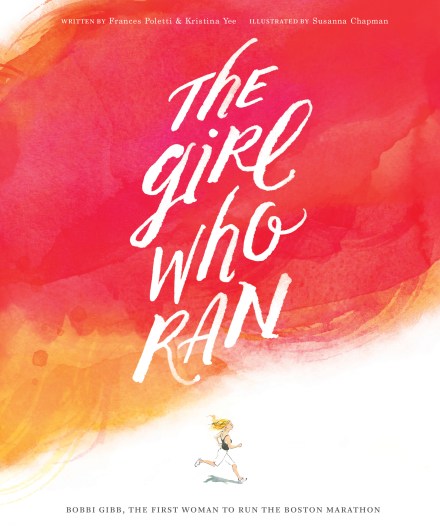
celebrate-picture-books-picture-book-review-the-girl-who-ran-cover

About the Holiday

Celebrating its 32nd anniversary, National Girls and Women in Sports Day honors all of the girls and women involved in sports at all levels and highlights their extraordinary achievements. It also raises awareness of the positive influence sports can have on those who participate. This year’s theme is “Play Fair, Play IX,” providing a reminder of Title IX, which “ensures that all students receive educational opportunities free from discrimination based on sex.” While programs have expanded for female athletes since the inception of Title IX, many schools still do not provide equal opportunities for girls to participate in the sport of their choice. To learn more about National Girls and Women in Sports Day, find resources, and perhaps get involved yourself, visit ngwsd.org.

The Girl Who Ran: Bobbi Gibb, the First Woman to Run the Boston Marathon

Written by Frances Poletti and Kristina Yee | Illustrated by Susanna Chapman


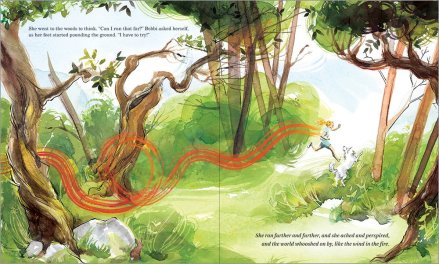
“Bobbi loved to run. Into the woods, over the hills, through fields and by streams, Bobbi’s feet flew across the earth.” When Bobbi was little, she and her friends ran and played together. But as they grew older, her friends found other pursuits while Bobbi still loved to run. She took to the fields with her dogs, “going higher and higher, / just her and the sound of the wind in the fire.”

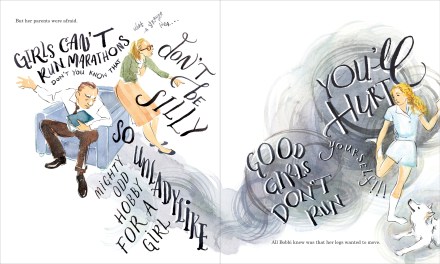
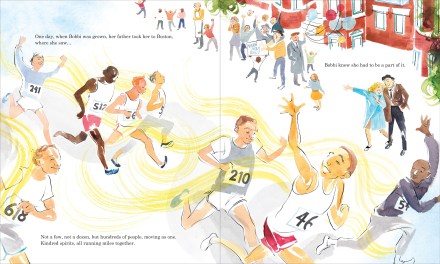
When Bobbi was grown, her father took her to watch the Boston Marathon. She loved the camaraderie of “hundreds of people moving as one. Kindred spirits, all running miles together.” Immediately, she wanted to participate too. When Bobbi told her parents that she wanted to run in the marathon, however, they thought her idea was strange. They told her she would hurt herself and that it was unladylike.
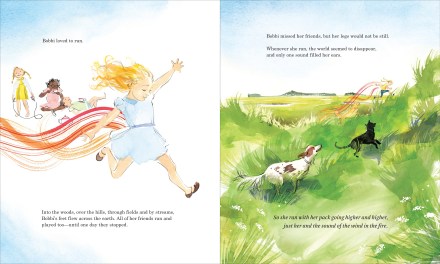
celebrate-picture-books-picture-book-review-the-girl-who-ran-young-bobbi

Image copyright Susanna Chapman, 2017, text copyright, Frances Poletti and Kristina Yee, 2017. Courtesy of Compendium.

But Bobbie wanted to run. She didn’t know if she could run that far but was determined to try. She trained in the woods, running “further and further, and she ached and perspired, / and the world whooshed on by, like the wind in the fire.” Because she knew her parents disapproved, Bobbi set out on her own across country to train. Every day she ran in a new place—“lush forests in Ohio and Indiana, vast plains in Nebraska and Kansas, majestic mountains in Wyoming and Montana.” She even ran with wild horses out west and up steep Rocky Mountain trails. At night she camped, “tired and happy.”

All of her training seemed for nothing, however, when Bobbi received a letter rejecting her application for the Boston Marathon. The letter said that women were incapable of running marathons, that it was against the rules for a woman to run, and that the rules had been written to protect women from injury. Bobbi was not deterred, however. She went back home and told her parents what she wanted to do. Her father thought she was crazy to attempt it.
celebrate-picture-books-picture-book-review-the-girl-who-ran-woods

Image copyright Susanna Chapman, 2017, text copyright, Frances Poletti and Kristina Yee, 2017. Courtesy of Compendium.

Bobbi knew that the only way she could run would be “to blend in with the men.” Dressed in men’s shorts and a baggy hooded sweatshirt to hide her hair and wearing men’s running shoes (running shoes were not made for women), Bobbi was ready to go. Her father refused to drive her to the race, though. He stormed out of the house, and drove away. Bobbi thought her dream was dashed until her mom came to her room, car keys in hand, and said, “‘Let’s go.”

Hiding in the bushes at the starting line, she sprang out and joined the pack of runners with the bang of the starting pistol. “So she ran with the pack, going higher and higher, / the world whooshing by, like the wind in the fire.” As she ran, she realized that the men around her had seen through her disguise. Bobbi was worried, but the men were supportive. “‘Hey! Are you running the whole way?’ one asked.” She told him she hoped to, but in that sweatshirt, she was getting hotter and hotter. She was afraid that if she took it off, she’d be thrown out of the race.
celebrate-picture-books-picture-book-review-the-girl-who-ran-parents-afraid

Image copyright Susanna Chapman, 2017, text copyright, Frances Poletti and Kristina Yee, 2017. Courtesy of Compendium.

The men around her said they wouldn’t let that happen, so Bobbi took off the sweatshirt. “Word spread quickly throughout the course. A girl was running! They couldn’t believe it!” All along the route, the crowd cheered and encouraged her. Hearing the roar motivated Bobbi to ignore the hard ground and her stiff shoes and face the last steep hill. “Closing her eyes, she imagined she was back in Montana running up the mountains, the soft earth under her feet.”

Her feet were blistered and she was parched with thirst, but she crossed the finish line—ahead of nearly half of the men. Photographers, reporters, and radio presenters swarmed around her to hear her history-making story. From that day on “hearts and minds were forever changed.”
celebrate-picture-books-picture-book-review-the-girl-who-ran-young-Boston-marathon-all-men

Image copyright Susanna Chapman, 2017, text copyright, Frances Poletti and Kristina Yee, 2017. Courtesy of Compendium.

The story of Bobbi Gibbs is one that every girl and boy should know, and Frances Poletti and Kristina Yee’s excellent biography will have readers awe-struck by how she changed the way the world viewed women and their capabilities. A pioneer for women’s rights in every way—from her traveling the country alone to rejecting the prevailing ideas to competing on her own terms—Bobbi Gibbs is an inspiration for achievers everywhere. Poletti and Yee’s conversational storytelling is both lyrical and honest, not stinting on the obstacles Bobbi had to overcome, including race officials, her own parents, and even the fact that running shoes weren’t made for women.

As the marathon approaches, readers will be enthralled by the building suspense. They’ll feel Bobbi’s determination, her disappointment, and her fear that she will be discovered and thrown out of the race, and will cheer along with the crowd at her victory.

celebrate-picture-books-picture-book-review-the-girl-who-ran-crowds

Image copyright Susanna Chapman, 2017, text copyright, Frances Poletti and Kristina Yee, 2017. Courtesy of Compendium.

Susanna Chapman’s gorgeous illustrations are infused with Bobbi’s boundless energy and spirit as she soars over grassy dunes with her dogs at her heels, zips through shady woods, and runs alongside wild horses in the shadow of the Rockies all the while trailing a red swish, representative of the fire within her. The turmoil surrounding Bobbi’s desire to run the Boston Marathon is depicted in words of rebuke, recrimination, and rejection printed in large, emphatic typefaces that swirl around her like a tornado.

The inclusion of the image of Bobbi’s mother with the car keys in hand on the morning of the race is a welcome reminder of the many unknown women of earlier generations who  contributed to the fight for women’s equality. A beautiful double gate-fold illustration of Bobbi crossing the finish line to cheering crowds and the waiting media puts the focus fully on Bobbi and the fire that spurred her on.

An Afterword tells more about Bobbi Gibb, and a timeline of seminal events in the Boston Marathon from 1896 to today, is a fascinating must-read.

The Girl Who Ran is an inspirational biography and revealing history from the not-so-distant past that offers encouragement and triumph. It would be a wonderful addition to home, school, and public libraries.

I received a copy of The Girl Who Ran from Compendium to check out. All opinions are my own.

Ages 8 – 12

Compendium, 2017 | ISBN 978-1943200474

Discover more about Kristina Yee, her books, and her films on her website

Learn more about Susanna Chapman, her books, and her art on her website

Girls and Women in Sports Day Activity
celebrate-picture-books-picture-book-review-pioneering-women-in-sports-puzzle

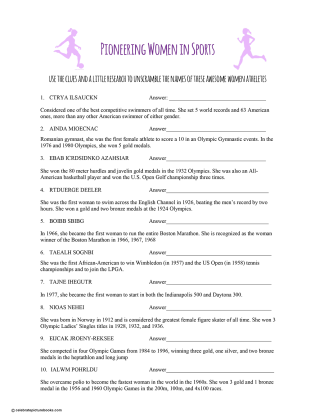
Pioneering Women in Sports Word Scramble Puzzle


In every sport there have been women who have overcome barriers, incredible odds, set records, and inspired others. Using the clues and a little research, can you unscramble the names of these twelve awesome athletes?

Pioneering Women in Sports Word ScramblePioneering Women in Sports Word Scramble Solution

Picture Book Review

February 6 – It’s Children’s Authors and Illustrators Week

celebrate-picture-books-picture-book-review-mr-goat's-valentine-cover

About the Holiday

During this week we celebrate all of the authors and illustrators who create books for young readers. Through sophisticated, funny, poignant, mysterious, compelling, and sweet stories, authors and illustrators show children their world through fiction and nonfiction illustrated with paintings, digital art, photography, and more inventive mediums. During this week, children’s authors and illustrators visit classrooms, hold special events at bookstores and libraries, and, of course, keep writing and drawing! To celebrate, see if there are any events planned in your area and be sure to read plenty of books by your favorite authors and illustrators.

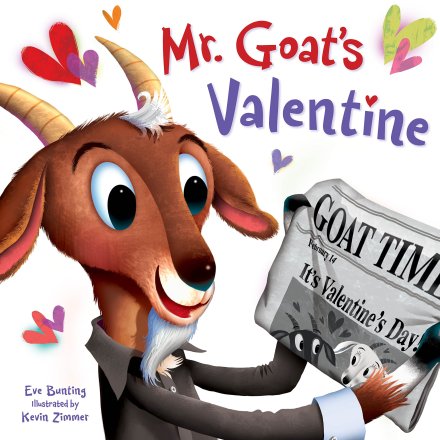
Mr. Goat’s Valentine

Written by Eve Bunting | Illustrated by Kevin Zimmer


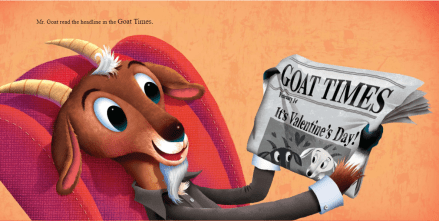
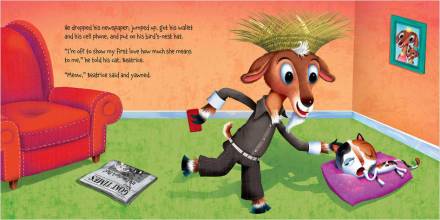
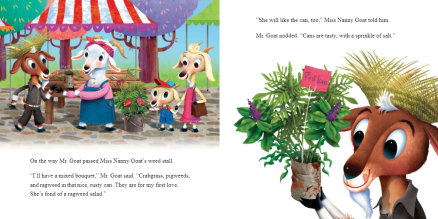
When Mr. Goat read in the newspaper that it was Valentine’s Day, he jumped up, grabbed his phone and favorite hat, and headed out, determined to show his first love how much she meant to him. On the way he stopped off at Miss Nanny Goat’s weed stall and bought a “mixed bouquet” of “crabgrass, pigweeds, and ragweed” beautifully arranged in a “nice, rusty can.” Mr. Goat knew his first love liked ragweed salad, and Miss Nanny Goat assured him that she would like the can too. Mr. Goat agreed. There was nothing like a rusty can with a pinch of salt.

celebrate-picture-books-picture-book-review-mr-goats-valentine-newspaper

Image copyright Kevin Zimmer, 2018, text copyright Eve Bunting, 2018. Courtesy of Sleeping Bear Press.

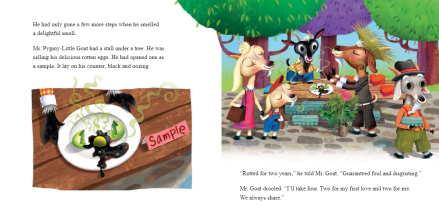
The aroma from Mr. Pygmy-Little Goat’s stand enticed Mr. Goat to stop and look over his treats. The sample rotten egg looked so yummy—black and oozing on the plate—that Mr. Goat bought four. They have been “rotted for two years” and are “guaranteed foul and disgusting,” Mr. Pygmy-Little Goat boasted as he placed the four eggs carefully into a red, heart-shaped box and tied it up with a red ribbon. Not only would the eggs make the perfect dinner, the red bow would be a delicious dessert.

celebrate-picture-books-picture-book-review-mr-goat's-valentine-head's-out

Image copyright Kevin Zimmer, 2018, text copyright Eve Bunting, 2018. Courtesy of Sleeping Bear Press.

Mr. Goat walked on, passing up the fruit and vegetable stand with its fresh oranges, apples, and pears, but made time to talk to Miss Skunk when she approached him with her Eau de Skunk perfume cart. As she spritzed Mr. Goat with a sample of her special perfume, she reminded him that a Valentine’s card would be just right for his first love.

celebrate-picture-books-picture-book-review-mr-goats-valentine-bouquet

Image copyright Kevin Zimmer, 2018, text copyright Eve Bunting, 2018. Courtesy of Sleeping Bear Press.

Mr. Goat continued on with just the faintest alluring reek and thought about what Miss Skunk had said. He didn’t have a card, but, he decided he could “‘compose and song and serenade her.’” It didn’t take long for Mr. Goat to write his ditty. He hurried on to his first love’s house. Standing at the door, he “burst into song. When I was a little kid / It didn’t matter what I did. / If I climbed too high and fell / You’d kiss the hurt and make it well. / You have loved me from the start / I love you with all my heart!”

Suddenly, the door opened, and Mr. Goat’s first love smiled at him. Mr. Goat handed her the bouquet and red box and exclaimed, “‘Happy Valentine’s Day, Mother!’”

celebrate-picture-books-picture-book-review-mr-goats-valentine-eggs

Image copyright Kevin Zimmer, 2018, text copyright Eve Bunting, 2018. Courtesy of Sleeping Bear Press.

Eve Bunting’s exceptional flair for engaging children is on full display in her funny, ewww-ful tribute to Valentine’s Day. The hearts of little ones swell with love around this holiday, and Bunting taps into their enthusiasm to get just the right gift for Mom. Readers will laugh at what might seem unusual gifts while also appreciating Mr. Goat’s thoughtfulness. Young children may wonder who Mr. Goat’s “first love” is as he shops from stall to stall, but as he makes up his song, most will figure it out and be happy to be in on the twist ending.

Kevin Zimmer’s cheery digital art showcases the sweet emotions that Mr. Goat has for his first love. His eyes grow wide at the delectable weed bouquet and rotten eggs, he contemplates the perfect words for his song, and smiles adorably when his mom opens the door. The less-than-fresh take on the idea of a Farmers Market will delight kids familiar with these types of stands. The other goats out shopping on this Valentine’s Day are equally as cute as Mr. Goat and provide camaraderie among this community that likes things a little bit rotten. As the door opens in the final spread, revealing Mr. Goat’s first love, children will be happy to know that the love between parent and child continues even when a “kid” is no longer a kid.

Mr. Goat’s Valentine is a sweet, original story for Valentine’s Day and throughout the year that is perfect for humorous home, classroom, and library story times.

Ages 5 – 7

Sleeping Bear Press, 2018 | ISBN 978-1585369447

Learn more about Kevin Zimmer and his art on his website.

Children’s Authors and Illustrators Week Activity

celebrate-picture-books-picture-book-review-I-love-to-read-bookmarks

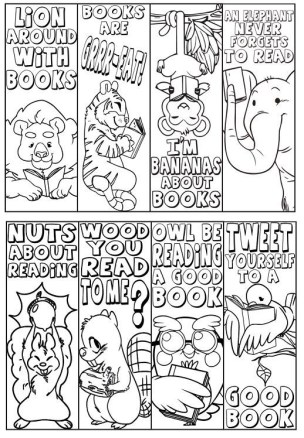
I Love to Read! Bookmarks


Is reading one of your first loves? Then grab some markers or crayons and celebrate by coloring and using these fun printable I Love to Read! Bookmarks!

Picture Book Review
February 5 – National Weddings Month

celebrate-picture-books-picture-book-review-green-pants-cover

About the Holiday

With Valentine’s Day on the 14th, February is known as a month of love. Add to that its designation as National Weddings Month, and you might say February is the most romantic month of the year. While more people get married during the summer months, February has a few distinctions that set it apart. As you might imagine, Valentine’s Day is one of the most popular days to get married, but did you know that many people with a hearty sense of humor choose February 29th —in those leap years when it occurs! Couples planning a wedding often start during February. It takes time to make all the arrangements, find a venue, and pick out just the right clothes to wear—as you’ll see in today’s book!

Green Pants

By Kenneth Kraegal


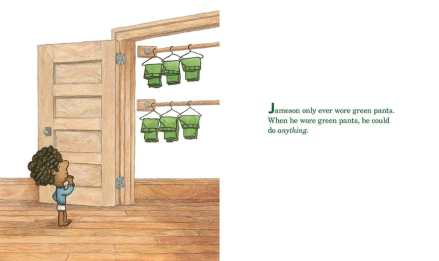
Jameson loved green pants—in fact, they were the only kinds of pants he wore. “When he wore green pants, he could do anything.” He flew to the basketball hoop for spectacular dunks; made Olympic gold-medal-deserving dives; and he could dance.” Sometimes Jameson’s mom and dad gave him different colored pants to wear, but somehow they ended up hanging from trees or flying from flagpoles, or even clothing neighborhood dogs.

celebrate-picture-books-picture-book-review-green-pants-closet

Copyright Kenneth Kraegel, 2017, courtesy of kennethkraegel.com

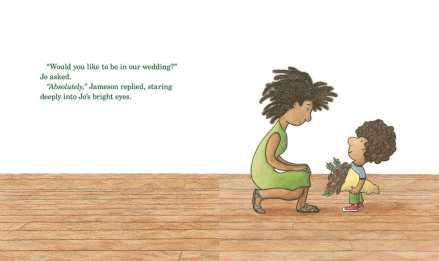
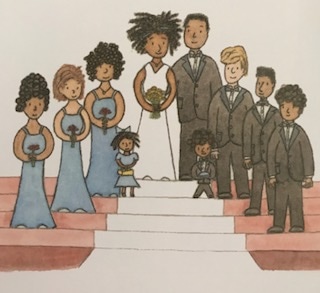
One day Jameson’s cousin Armando and his fiancée Jo dropped by with a very important question. Jameson loved Jo. She “had the nicest smile Jameson had ever seen, and her eyes seemed to sparkle like the autumn sun shining upon a running river.” And when she asked if Jameson would like to be in their wedding, Jameson said, “‘Absolutely.’” Later, Jameson’s mom sat him down and explained the requirements: lots of standing, smiling nicely for photographs, using his best manners. “‘No problem,’” Jameson replied. “‘And one more thing,’ his mother said slowly. ‘You will have to wear a tuxedo.’” That sounded okay to Jameson too, until he learned the pants would be black. Jameson gasped.

celebrate-picture-books-picture-book-review-green-pants-asked-to-be-in-wedding

Copyright Kenneth Kraegel, 2017, courtesy of candlewick.com

At the tuxedo fitting, Jameson tried on pair after pair of black pants, but none were as handsome as his own green pants. His mother put down her foot, though. If he wanted to be in the wedding, he had to wear black pants. On the day of the wedding, Jameson still didn’t know what to do. Even moments before the ceremony was to begin, Jameson had not made up his mind. His mother kissed him on the forehead and left him to figure it out.

“Jameson sank in despair. ‘But how? HOW? How do I make such a decision? AAAAAAAAAAARGH!!!’” At that moment Jo poked her head out the door. “Her hair played happily in the sunny breeze, her eyes shone like the summer stars, and her smile warmed his very soul. ‘Hey,, Jameson! I’m so glad you’re here! I’ll see you inside!’” she said and then she was gone. Suddenly, Jameson’s decision was made.

celebrate-picture-books-picture-book-review-green-pants-wedding-picture

Copyright Kenneth Kraegel, 2017, courtesy of kennethkraegel.com

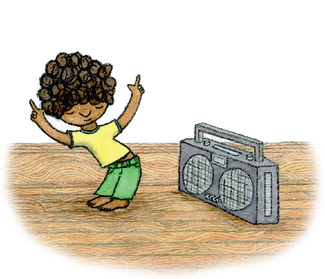
Following the bridesmaids down the aisle, Jameson looked “quite dashing in his tuxedo!” He remembered all of his mother’s words, too. He stood still, smiled for the camera, and used his best manners. But then the music began. With a leap, a flip, and a whoosh, Jameson’s black pants came off to reveal his green pants underneath, “and Jameson danced like no one has ever danced before.”

Kenneth Kraegel’s at-once funny and sweet story of obsessive love will resonate with young readers and adults as well. Kids often go through stages where one outfit, food, drink, or activity becomes synonymous with their identity and only that thing will fit the bill. Kraegel’s straightforward and tender storytelling wonderfully portrays opportunities for Jameson’s independent thought while showing how love overcame and became personal preference when it mattered. The dialogue among the characters rings true and is inspirational modeling. Jameson’s ultimate solution to his dilemma is all-kid and will make his reading peers nod in appreciation.

celebrate-picture-books-picture-book-review-green-pants-dancing

Copyright Kenneth Kraegel, 2017, courtesy of kennethkraegel.com

Jameson, with a shock of curly hair and his ever-present green pants, is an adorable protagonist. Ready with a smile for Jo or when accomplishing daring feats, he also registers amusing alarm at the idea of wearing black pants. Children will laugh to see where Jamison’s non-green pants end up and will empathize with his agonizing indecision—and they may just want to try some of his pretty sweet dance moves too!

Ages 3 – 8 (great as a read-aloud for younger kids and also as an independent book for early and transitional readers)

Candlewick, 2017 | ISBN 978-0763688400

You’ll find books, art, coloring pages, and more by Kenneth Kraegel on his website!

Dance with Green Pants in this toe-tapping book trailer!

National Weddings Month Activity

celebrate-picture-books-picture-book-review-love-maze

Love,,,and Cake!


Weddings are all about love…and then comes the cake! So get your pencil and do this printable LOVE maze, then grab your crayons or markers and decorate the layers of this wedding cake just the way you’d like it.

LOVE Maze | Wedding Cake Coloring Page


Picture Book Review
February 4 – National Sweater Day

celebrate-picture-books-picture-book-review-extra-yarn-cover

About the Holiday

Do you live in a place where winter means cold temperatures, snow, and sleet? Then you know how much comfort a cozy sweater can provide! But have you ever thought that sweaters can lower your heat bill? Today’s holiday reminds us that when we put on a sweater, we can turn down the thermostat, saving on fuel, which is beneficial for the environment. Knowing that you’re making a difference as you pull on your favorite sweater and lower that thermostat (even one degree can make a big difference) will make you feel warm inside and out!

Extra Yarn

Written by Mac Barnett | Illustrated by Jon Klassen


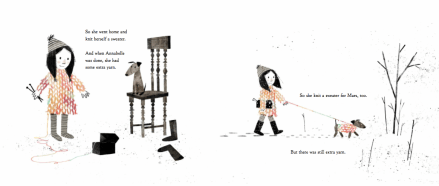
In the dulled world of winter, “Annabelle found a box filled with yarn of every color.” With it she knit herself a sweater, and because she had not run out of yarn, she knit a sweater for her dog, Mars, too. Afterwards, the two went for a walk, and Annabelle carried her box of yarn with her. They happened on Nate and his dog—dreary smudges against the monochrome landscape. “‘You two look ridiculous,’” Nate taunted. “‘You’re just jealous,’ said Annabelle.” Nate denied it, but after Annabelle knit him and his dog their own sweaters, they discovered she was right.

celebrate-picture-books-picture-book-review-extra-yarn-annabelle-knits-sweater

Image copyright Jon Klassen, 2012, text copyright Mac Barnett, 2012. Courtesy of harpercollinschildrens.com

These four sweaters hardly put a dent in the yarn in the box, so Annabelle took it to school. There, the kids in their dark, winter clothes couldn’t stop staring at and whispering about Annabelle. Their teacher, Mr. Norman, shouted for quiet. “‘Annabelle, that sweater of yours is a terrible distraction. I cannot teach with everyone turning around to look at you!’” Annabelle knew just what to do. The class—and even Mr. Norman—looked brighter with their new sweaters. “And when she was done, Annabelle still had extra yarn.”

celebrate-picture-books-picture-book-review-extra-yarn-mr-crabtree

Image copyright Jon Klassen, 2012, text copyright Mac Barnett, 2012. Courtesy of harpercollinschildrens.com

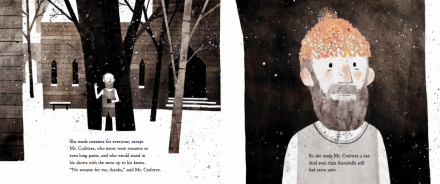
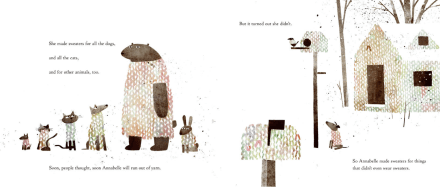
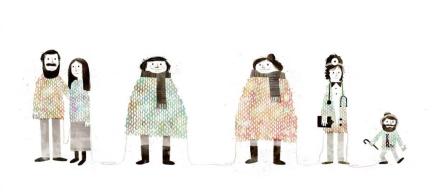
She began knitting sweaters for everyone in town. Mr. Crabtree was the only exception. Since he wore shorts and a t-shirt in even the snowiest weather, Annabelle knit him a cap to keep his bald head warm. When all the people were snug, Annabelle fashioned sweaters for all the animals—from the tiniest birds to the biggest bears. “Soon, people thought, soon Annabelle will run out of yarn. But she didn’t. So Annabelle made sweaters for things that didn’t even wear sweaters.” Suddenly, the town was no longer drab and lifeless.

celebrate-picture-books-picture-book-review-extra-yarn-annabelle-knits-animals-sweaters

Image copyright Jon Klassen, 2012, text copyright Mac Barnett, 2012. Courtesy of harpercollinschildrens.com


Word spread about Annabelle and her endless box of yarn. People came from all over to meet her and see her sweaters. The news even reached a clotheshorse of an archduke, who sailed his ship into port and demanded to see Annabelle. He offered her one million dollars for her box of yarn, but Annabelle turned him down. He raised his offer to two million, but Annabelle shook her head. “‘Ten million!’ shouted the archduke. ‘Take it or leave it!’” “‘Leave it,’ said Annabelle. ‘I won’t sell the yarn.’”

That night the archduke sent robbers to steal Annabelle’s box of yarn, and when they had it, the archduke sailed away under the dark cover of night. In his shadowy castle, the shady archduke opened the box. It was empty. In a fit of rage, he flung the box out the window into the sea, cursing Annabelle with eternal unhappiness. But the box found its way onto an ice floe, and it rode the current back to Annabelle, who was forever after happy.

celebrate-picture-books-picture-book-review-extra-yarn-archduke

Image copyright Jon Klassen, 2012, courtesy of harpercollinschildrens.com

Mac Barnett’s extraordinary story of a box of yarn and a little girl that keeps giving despite teasing, challenges, and attempts to strip her of her gift is an uplifting reminder that even the simplest of gestures can create profound change. With the lilt of a fairy tale but the anchors of reality, Barnett’s tale offers a universal lesson that children and adults can use their individual talents to improve their own lives and those of others. The title of the book may be Extra Yarn, but the question remains: is it the yarn or Annabelle who is special? The final scene proves that goodness and kindness always win out and will find its way back to the giver.

Jon Klassen’s brown, stolid town seems poised to suck readers in to its close, silent emptiness until Annabelle discovers the box of yarn and knits herself a rainbow to wear. With Mars similarly outfitted, they return to the somber outside. Annabelle, at first the only bright spot in the town and school, quickly transforms her classmates and neighbors into colorful individuals with sweaters as unique as they are. After the homes, buildings, mailboxes, and birdhouses acquire their own cozies, the town looks open and inviting. Once the archduke arrives on the scene, the pages turn dusky and gray, but there is one point of light: in the black, nighttime sea the little box floats on an icy raft that shines in the full moonlight.

celebrate-picture-books-picture-book-review-extra-yarn-townspeople

Image copyright Jon Klassen, 2012, courtesy of macbarnett.com

Klassen adds plenty of visual humor here too, as when Mars tangles his yarn leash around a grove of trees, and the archduke demonstrates a penchant for monogramming all of his possessions. Kids will be delighted to see some of their favorite Klassen characters so dandily dressed, and the images of the students and townspeople connected by a leading thread of yarn may help them see that Annabelle not only knit them sweaters but made them a much closer-knit community as well.

Ages 3 – 8

Balzar + Bray, HarperCollins Childrens, 2012 | ISBN 978-0061953385

Want to see what other books Mac Barnett has written? Visit his website and find out!

You can find a gallery of picture books and other artwork by Jon Klassen on tumblr!

National Sweater Day Activity

celebrate-picture-books-picture-book-review-sweater-coloring-page

Design Your Own Sweater


If you could design your own sweater, what would it look like? Would it have stripes? Polka dots? A picture of a puppy, kitten, train, truck, or the logo of your favorite sports team? Use this printable Design Your Own Sweater template and have a bit of fashionable fun!

Picture Book Reviews

February 3 – It’s Library Lovers Month

celebrate-picture-books-picture-book-review-madeline-finn-and-the-library-dog-cover

About the Holiday

Book lovers love the library! The stacks of books, the reading tables, the stacks of books, the quiet study nooks, and…did I mention the stacks of books? Spending time at the library—whether in story time, perusing the shelves, or reading in a comfortable chair—is a fun way to wile away a morning or afternoon. To celebrate this month, check out the special events at your library, and take an extra moment while checking out your books to thank your librarian!

Madeline Finn and the Library Dog

Written by Lisa Papp


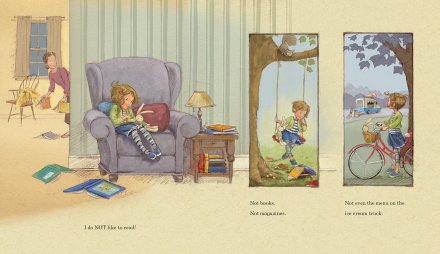
Madeline does not like to read—anything. “Not books. Not magazines. Not even the menu on the ice-cream truck.” Madeline especially doesn’t like to read out loud. At school the teacher tells her to keep trying, but the words often don’t make sense, sentences get stuck in her mouth “like peanut butter,” and other kids laugh when she gets things wrong.

celebrate-picture-books-picture-book-review-madeline-finn-and-the-library-dog-does-not-like-to-read

Copyright Lisa Papp, 2016, courtesy of Peachtree Publishing.

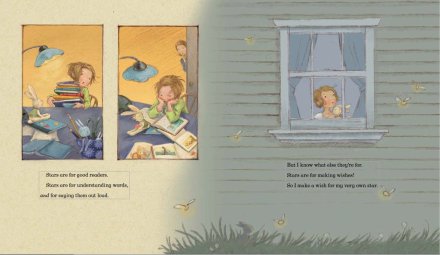
Madeline would love to get a star sticker or even a smiley face for reading, but she only ever gets “Keep Trying” stickers. “Stars are for good readers, Stars are for understanding words, and for reading them out loud.” But Madeline knows that stars are also for making wishes, so she wishes for her very own star. All week Madeline waits for her star, but by Friday she still doesn’t have one.

celebrate-picture-books-picture-book-review-madeline-finn-and-the-library-dog-wishes

Copyright Lisa Papp, 2016, courtesy of Peachtree Publishing.

On Saturday Madeline’s mother takes her to the library, where Madeline reminds the librarian that she doesn’t like to read. Mrs. Dimple tells her that today they have something she might enjoy. The librarian asks her, “‘Madeline Finn, would you like to read to a dog?’” Madeline looks into the reading room to see kids and all kinds of dogs—big and small—on the reading rug.

celebrate-picture-books-picture-book-review-madeline-finn-and-the-library-dog-reading-rug

Copyright Lisa Papp, 2016, courtesy of Peachtree Publishing.

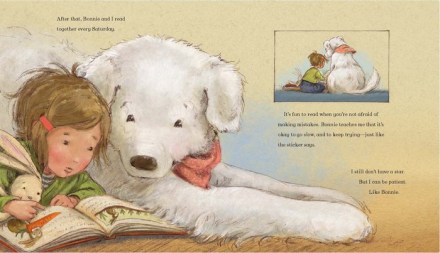
Mrs. Dimple introduces Madeline to Bonnie and tells her that Bonnie is a very good listener. Madeline thinks “Bonnie is beautiful. Like a big, snowy polar bear.” Madeline chooses a book and begins to read. At first the letters get “mixed up, and the words don’t sound right.” Madeline looks at Bonnie and Bonnie gently looks back at her. She doesn’t giggle like the kids at school, and Madeline feels better. She begins again. When Madeline gets stuck on another word, Bonnie doesn’t mind. She just puts her paws in Madeline’s lap and waits until she figures it out. After that, Madeline and Bonnie “read together every Saturday. It’s fun to read when you’re not afraid of making mistakes,” Madeline thinks.

celebrate-picture-books-picture-book-review-madeline-finn-and-the-library-dog-meets-bonnie

Copyright Lisa Papp, 2016, courtesy of Peachtree Publishing.

Bonnie teaches Madeline to be patient—even about getting a star sticker. Pretty soon it’s time to read aloud at school again. Madeline goes to the library on Saturday to practice with Bonnie, but neither she nor Mrs. Dimple are there. Back at home, Madeline worries. But her mom tells her that Bonnie was just busy and that she will do fine at school. She suggests, “Just pretend that you’re reading to Bonnie.”

celebrate-picture-books-picture-book-review-madeline-finn-and-the-library-dog-reading-with-bonnie

Copyright Lisa Papp, 2016, courtesy of Peachtree Publishing.

On Monday, Madeline is nervous as she gets up to read. “The first sentence goes pretty well,” but in the next Madeline makes a mistake, and then another. She hears someone giggle. Madeline takes a deep breath and pretends that Bonnie is next to her. Before she knows it, she’s at the bottom of the page. Madeline looks “at her teacher, and she has a big smile on her face.”

celebrate-picture-books-picture-book-review-madeline-finn-and-the-library-dog-reading-in-class

Copyright Lisa Papp, 2016, courtesy of Peachtree Publishing.

Holding her star in her hand, Madeline exclaims, “I did it! I got my star!” On Saturday, Madeline shows Mrs. Dimple her star. She’s excited for Madeline then tells her that Bonnie has a surprise for her too. Mrs. Dimple opens the door to the reading room and asks, “Madeline Finn, would you like to read to Bonnie–and her puppies? Yes, please!” Madeline says. “Nice and loud.”

celebrate-picture-books-picture-book-review-madeline-finn-and-the-library-dog-puppies

Copyright Lisa Papp, 2016, courtesy of Peachtree Publishing.

Madeline Finn and the Library Dog is a gentle and uplifting story for all children—whether they are reluctant or avid readers. Lisa Papp’s moving portrayal of a little girl struggling to read, keep up with her classmates, and attain a gold star is filled with honesty and heartfelt emotion. Papp’s pacing is excellent, demonstrating Madeline’s ongoing efforts, and Bonnie’s absence right before reading day allows for Madeline to find within herself the courage and confidence to read in front of her class. Papp’s story is a good reminder that a nonjudgmental environment is best for anyone trying to learn a new skill.

Papp’s soft-hued illustrations beautifully represent her story with realistic portrayals of the kids at school, Madeline’s frustrations at “messing up” words and sentences, and Madeline’s hopeful nature and perseverance to achieve reading success. The calm, quiet tone to Papp’s illustrations echo the acceptance that Bonnie offers to Madeline. Kids will love the sweet reading therapy dogs and are sure to pick out the one they would most enjoy reading to.

Madeline Finn and the Library Dog is an encouraging story for reluctant or struggling readers at home and a thoughtful addition to classroom libraries.

Ages 5 – 8

Peachtree Publishing, 2016 | ISBN 978-1561459100

Discover more about Lisa Papp and her books on her website

Library Lovers Month Activity

celebrate-picture-books-picture-book-review-dog-bookmark

Reading Buddy Bookmark


Puppy’s make great reading companions! With this printable Reading Buddy Bookmark you’ll always have a friend to read with!

Picture Book Review

February 2 – It’s National Women Inventors Month

celebrate-picture-books-picture-book-review-the-girl-who-thought-in-pictures-cover

About the Holiday

This month we celebrate all the women, past and present, who have changed the world for the better with their inventions and innovations! Every day, women are working in all industries researching and creating the next products, services, medicines, machinery, games, and some things we can’t even imagine yet that will revolutionize the way we live. Who are these women? They might be your friends, neighbors, sisters, daughters—or maybe even you! To celebrate this month, read up on amazing women inventors, and, if you have a big idea, work to get it noticed and on the market!

The Girl Who Thought in Pictures: The Story of Dr. Temple Grandin

Written by Julia Finley Mosca | Illustrated by Daniel Rieley


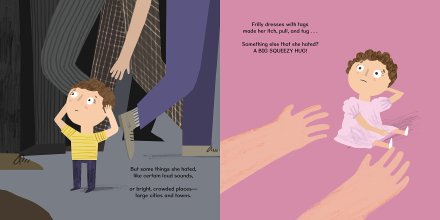
If you feel different and sometimes discouraged, the story of Temple Grandin may help you see that everyone has a talent and their own place in the world. Temple was born in Boston and “unique from the start, / an unusual girl, / she loved spinning in circles / and watching things twirl.” Loud sounds, big crowds, bright lights, and scratchy clothes disturbed her. And she did not like to get a “big squeezy hug.”

celebrate-picture-books-picture-book-review-the-girl-who-thought-in-pictures-too-loud

Image copyright Daniel Rieley, 2017, text copyright Julia Finley Mosca, 2017. Courtesy of The Innovation Press.

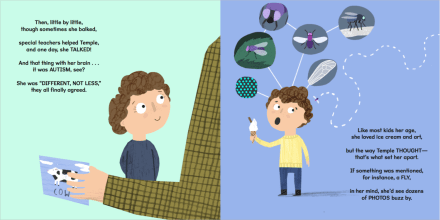
When she became overloaded with stress and frustration, Temple was known to “kick, holler, bang, shrieeeeek! Yet, still, by age three, not one word did she speak.” People told Temple’s parents that she’d never be normal and to send her away, but her mother would not hear of it. With a lot of work, special teachers helped Temple learn to talk. “And that thing with her brain… / it was AUTISM, see? / She was ‘different not less,’ / they all finally agreed.”

celebrate-picture-books-picture-book-review-the-girl-who-thought-in-pictures-doctor

Image copyright Daniel Rieley, 2017, text copyright Julia Finley Mosca, 2017. Courtesy of The Innovation Press.

While Temple was like her peers in many ways, she interacted with words differently. “If something was mentioned, / for instance, a fly, / in her mind, she’d see dozens / of PHOTOS buzz by.” Her different view point made it hard for her at school. The other kids chased her and teased her for the way that she acted and for “…saying things / over and over. / and over… / and over… / AND over.” When she had finally had enough, “she threw a book at a kid / and was kicked out of school!” No one understood Temple and Temple couldn’t understand them.

celebrate-picture-books-picture-book-review-the-girl-who-thought-in-pictures-fly

Image copyright Daniel Rieley, 2017, text copyright Julia Finley Mosca, 2017. Courtesy of The Innovation Press.

Her mother then sent her to visit her aunt, who lived on a ranch out west. Here, among the animals, Temple felt better. Her favorites were the cows, so silent and sweet. “At a NEW school that fall, / Temple found more support / said a teacher who taught her: / ‘You’ll never fall short.” That teacher was right, and at engineering and science she felt right at home.

Her first invention—made from memory—was “a machine / like she’d seen on some farms, / an INVENTION that hugged her / with boards, and not arms.” In this device she felt snug and calm, just like the cows. As she began to succeed, Temple came to see that her attention to detail was a benefit, and she began to feel special. Then she learned about farms where the cows were not treated kindly and resolved to change that.

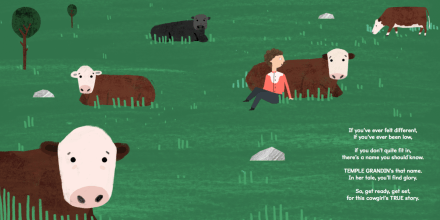
celebrate-picture-books-picture-book-review-the-girl-who-thought-in-pictures-cows

Image copyright Daniel Rieley, 2017, text copyright Julia Finley Mosca, 2017. Courtesy of The Innovation Press.

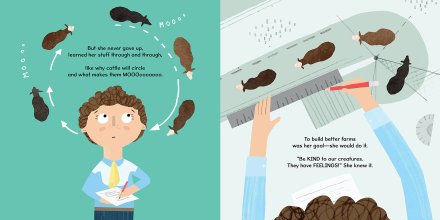
She went on to college and became an expert on farms, earning three degrees. Telling people about her ideas for farming improvements was sometimes scary because they ignored her and, well…weren’t very sweet. But she didn’t give up. She learned more about cattle, like why they circle and moo. “To build better farms / was her goal—she would do it. / ‘Be KIND to our creatures. / They have FEELINGS!’ She knew it.”

It took time, but people began to see that Temple was right, and farm after farm implemented her ideas. She won awards for this work and other ideas, a movie was made about her life, and she now travels the world telling her story and teaching: “‘Each person is special– / so UNIQUE are our minds. / This world needs YOUR ideas. / It takes brains of ALL kinds!”

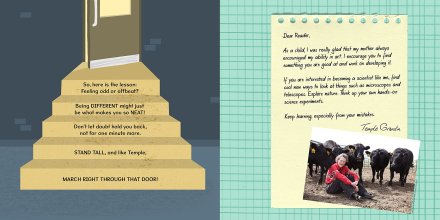
celebrate-picture-books-picture-book-review-the-girl-who-thought-in-pictures-letter

Image copyright Daniel Rieley, 2017, text copyright Julia Finley Mosca, 2017. Courtesy of The Innovation Press.

A letter from Temple Grandin to young readers, extensive information about Temple and tidbits from her interview with the author, a timeline of her life, and resources follow the text.

Julia Finley Mosca’s insightful biography of Temple Grandin offers inspiration and encouragement to children at those times when life seems difficult or if they feel misunderstood. Childhood can be filled with moments—both small and large, short or long—when comfort and reassurance are needed. Mosca’s rhyming verses make Temple’s story accessible to a wide age range of readers while providing an inclusive way to show how autism creates a different way of experiencing the world. Temple’s supportive teachers are role models for all educators. Temple Grandin’s fascinating life demonstrates that there is a niche for everyone and that through understanding, perseverance, and acceptance, all children can go far.

celebrate-picture-books-picture-book-review-the-girl-who-thought-in-pictures-cows-in-field

Image copyright Daniel Rieley, 2017, text copyright Julia Finley Mosca, 2017. Courtesy of The Innovation Press.

Daniel Rieley’s cartoon-style illustrations will resonate with readers as Temple takes in everything she sees with wide-open eyes and interprets it in her own way—even before she can speak. The separation between Temple and the other students at her first school is poignantly communicated in a two-page spread in which pointing hands and a lobbed ball of paper appear from the left-hand margin and Temple reads alone on the far side of the right-hand page. Temple’s ability to think in pictures is demonstrated throughout the book with inset images. Readers see some of the farming practices Temple wanted to change, her original drawings, and the resulting equipment now used on farms to improve the conditions of the animals raised there.

The Girl Who Thought in Pictures: The Story of Dr. Temple Grandin is a moving and motivational story for all children and is a must for school and public libraries.

Ages 5 – 10

The Innovation Press, 2017 | ISBN  978-1943147304

Discover more about Julia Finley Mosca and her Amazing Scientists series on the Amazing Scientists website.

Learn more about Daniel Rieley, his books, and his art on his website.

National Women Inventors Month Activity

celebrate-picture-books-picture-book-review-women-in-stem-coloring-book

Historical Women in STEM Coloring Book


From civil engineering to chemistry and botany from radio waves to computer programming, the five women in this coloring book changed science and the world. Enjoy coloring the pages and learning about these amazing women in this printable: Historical Women in STEM Coloring Book

Picture Book Review

February 1 – World Read Aloud Day

celebrate-picture-books-picture-book-review-read-the-book-lemmings-cover

About the Holiday

Sponsored by global non-profit LitWorld and Scholastic, World Read Aloud Day encourages reading aloud to children not only today but every day. Reading aloud to children from birth is one of the best ways to promote language development, improve literacy, and enjoy bonding time together. Millions of people celebrate today’s holiday all across the United States and in more than one hundred countries around the world. Special events are held in schools, libraries, bookstores, homes, and communities, and authors and illustrators hold readings and visit classrooms. To learn more about World Read Aloud Day  and to find stickers, bookmarks, posters, and a reading crown to decorate, visit LitWorld.

Read the Book, Lemmings!

Written by Ame Dyckman | Illustrated by Zachariah Ohora


On the whale ship S. S. Cliff, first mate Foxy quietly reads a book about lemmings. “‘Huh!’ he said. ‘Says here, lemmings don’t jump off cliffs.’” But even though Foxy emphasizes the word “don’t” the lemmings sitting on the railing only hear the word “jump.” “‘Jump? I’ll jump!’ said a lemming. ‘Me too!’ said a second. ‘Ditto!’ said a third.” And with a long Geronamoooooo! the three lemmings jumped overboard.

celebrate-picture-books-picture-book-review-read-the-book-lemmings-geronimo

Image copyright Zachariah Ohora, 2017, text copyright Ame Dyckman, 2017. Courtesy of Little Brown Books for Young Readers.

Polar Bear Captain PB, engrossed in his newspaper, had just one thing to say. “‘Huh…I guess they didn’t read the book.’” Foxy looked over the side and heard the first lemming shout out “‘Wet! Very wet!’” “‘Me too!’ called the second. ‘Ditto!’ called the third” With a sigh, Foxy took Captain PB’s bucket (with a stern warning not to let the lemmings eat his fish) and hauled the lemmings out of the sea.

On deck, Foxy gave each lemming a name and a hat “so he could scold them properly.” The first jumper was, appropriately, named Jumper; the second was called Me Too; and the third was named Ditto. Foxy held up the book about lemmings and said, “‘Read the book, lemmings!’” The lemmings seemed surprised by what they saw, and Foxy was glad they understood. But did they? Not so much. As soon as Foxy mentioned the word “jump,” it was “Geronimoooo” all over again.

Captain PB was pretty sure they hadn’t read the book. “‘Help! I need help!’ called Jumper. ‘Me too!’ called Me Too. ‘Ditto!’ called Ditto.” Captain PB handed over his bucket with the now lemming-flavored fish, and Foxy once more retrieved Jumper, Me Too, and Ditto from the ocean. He gave them a harsh talking to and was just about to say the fateful word again when he stopped himself and told them to just read the book themselves.

celebrate-picture-books-picture-book-review-read-the-book-lemmings-foxy

Image copyright Zachariah Ohora, 2017, text copyright Ame Dyckman, 2017. Courtesy of Little Brown Books for Young Readers.

“‘Ahhhhh!’” said the lemmings as they went off with the book. Captain PB was impressed. “‘Good thing you didn’t say jump,’” he told Foxy. Six ears perked up, and….” Geronimooooo!” The three lemmings were sinking fast, so Foxy did what any good first mate would. “Cannonball!” he yelled as he dove into the water. Foxy rescued the lemmings and flopped back on deck.

“‘Saved! I’m saved!’ said Jumper. ‘Me too!’ said Me Too. Ditto opened his mouth. ‘I love you!’” Foxy blinked and said “‘Thank you.’” Still, he wanted to know why the lemmings hadn’t read the book. “‘Can’t! Can’t read!’ said Jumper. ‘Me neither,’ said Me Too. ‘I can burp the alphabet,’ said Ditto.” Captain PB thought this was a good start.

For the rest of the day, Foxy practiced reading with the lemmings until they had it down: “Lemmings… don’t jump…off cliffs.” Foxy was satisfied and went back to reading his book. But the captain could not find his newspaper until…. The paper airplane zoomed by with three lemmings on board, shouting, “‘We fly!.’”

celebrate-picture-books-picture-book-review-read-the-book-lemmings-saved

Image copyright Zachariah Ohora, 2017, text copyright Ame Dyckman, 2017. Courtesy of Little Brown Books for Young Readers.

Ame Dyckman’s laugh-out-loud story is pure genius, filled with personality and characters that make Read the Book, Lemmings! a perfect book for dramatic and spirited read-aloud story times. The sweet, reactive lemmings offer plenty of hilarity and opportunities for kids to chime in, while Foxy and Captain PB are terrific foils for the frolicking lemmings and their foibles. The nod to literacy is given a light touch that is sure to resonate with young readers, and which in the end reveals a truth worth repeating: with the ability to read, anyone can soar.

Zachariah Ohora’s little balls of fluff are as adorable as they come. Who can fault them for having so much fun following their instincts as they jump overboard with a gusty “Geronimoooo!”? Clever details, such as a whale as a fishing trawler and the life ring sporting the name S. S. Cliff, are inspired. Readers will love the graphic novel elements that make it easy to follow the dialog and the expressive characters who, as Ditto reveals, love each other.

Read the Book, Lemmings! is highly recommended and would be an often-asked-for addition to home, classroom, and library shelves. The book would also make a much-appreciated gift.

Ages 5 – 8

Little Brown Books for Young Readers, 2017 | ISBN 978-0316343480

Discover more about Ame Dyckman and her books on her website.

Learn more about Zachariah Ohora and his books and view a portfolio of his work on his website.

Jump right into watching this Read the Book, Lemmings! book trailer

World Read Aloud Day Activity

celebrate-picture-books-picture-book-review-chocolate-chip-mug-cookie-from-genius-kitchen

Chocolate Chip Mug Cake


There’s really only one activity that is just right for today! So, why not make some hot chocolate or a chocolate chip mug cookie and settle in for a night of reading together? Here’s a recipe for a delicious mug cookie from geniuskitchen.com

Ingredients

  • 2 tablespoons butter
  • 2 tablespoons milk (2% works well)
  • ½ teaspoon vanilla
  • 3 tablespoons light brown sugar
  • 4 tablespoons flour
  • 1 pinch of salt
  • 2 (or more) tablespoons of dark chocolate chips (I use milk chocolate, the amount used may depend on the size of the chips)

Directions

  1. Place butter and milk in a mug and microwave for 30 seconds or until butter melts
  2. Stir in brown sugar
  3. Stir in vanilla and salt
  4. Add flour and stir until smooth
  5. Stir in 2 tablespoons chocolate chips
  6. Add more chocolate chips on top if desired
  7. Bake in microwave oven on High for about 1 minute to 1 minute 30 seconds, depending on the consistency you like
  8. Can top with ice cream, if desired.

celebrate-picture-books-picture-book-review-read-the-book-lemmings-cover

You can find Read the Book, Lemmings! at these booksellers

Amazon | Barnes & Noble | Books-a-Million | IndieBound

Picture Book Review