August 29 – Happiness Happens Month

About the Holiday

Happiness Happens Month reminds us that happiness doesn’t have to be something we plan for or spend money on. In fact paying attention to those little moments during each day, going on spontaneous outings with friends or family, or taking time to do a favorite activity may be all you need to feel happier every day! With summer coming to a close and school starting again, it’s a great time to reflect on the fun you’ve had over the past months and all the memories that are about to be made as another year of activities, education, new friendships, and excitement unfolds. Happiness really does come to you if you look for it and let it happen!

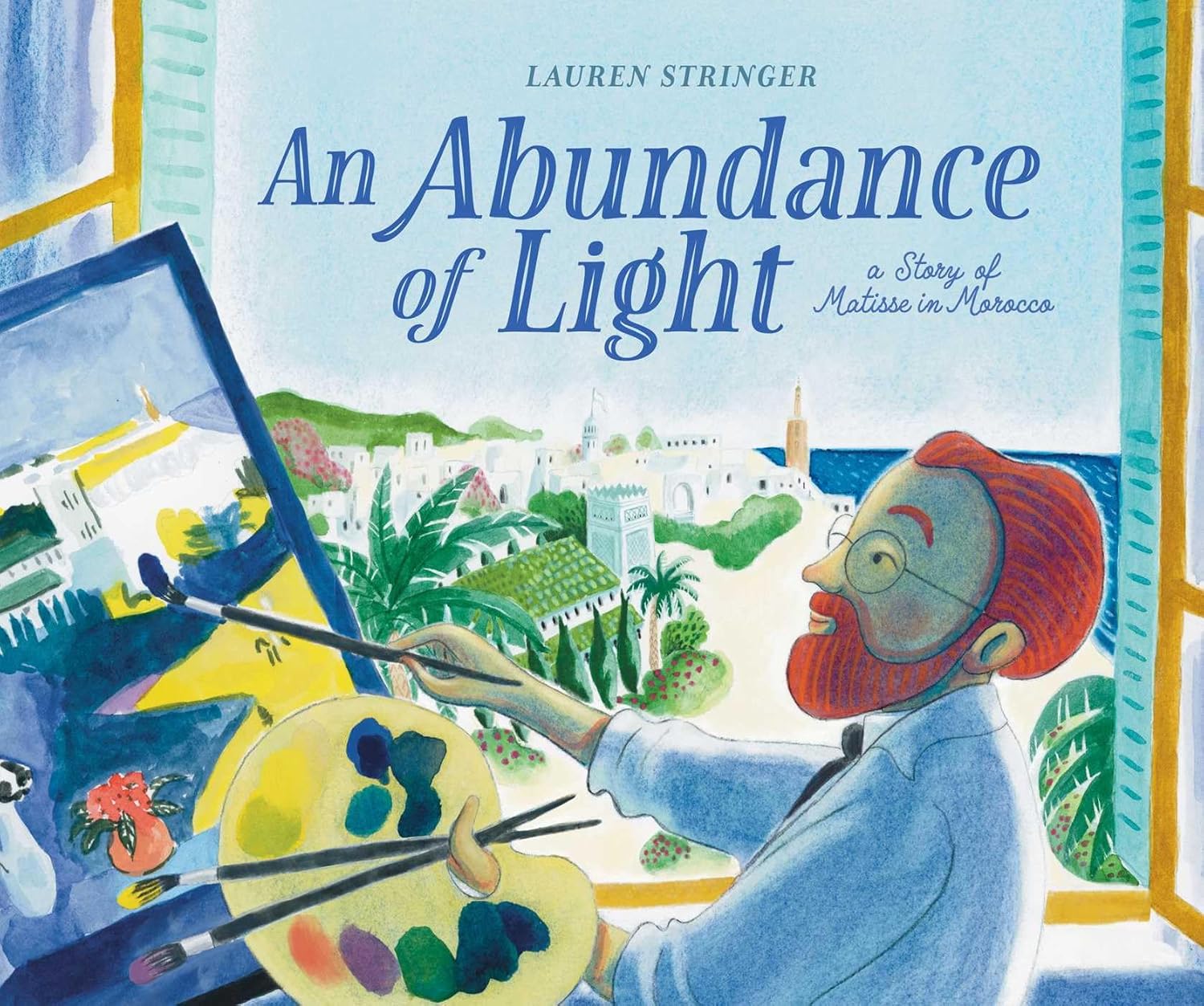
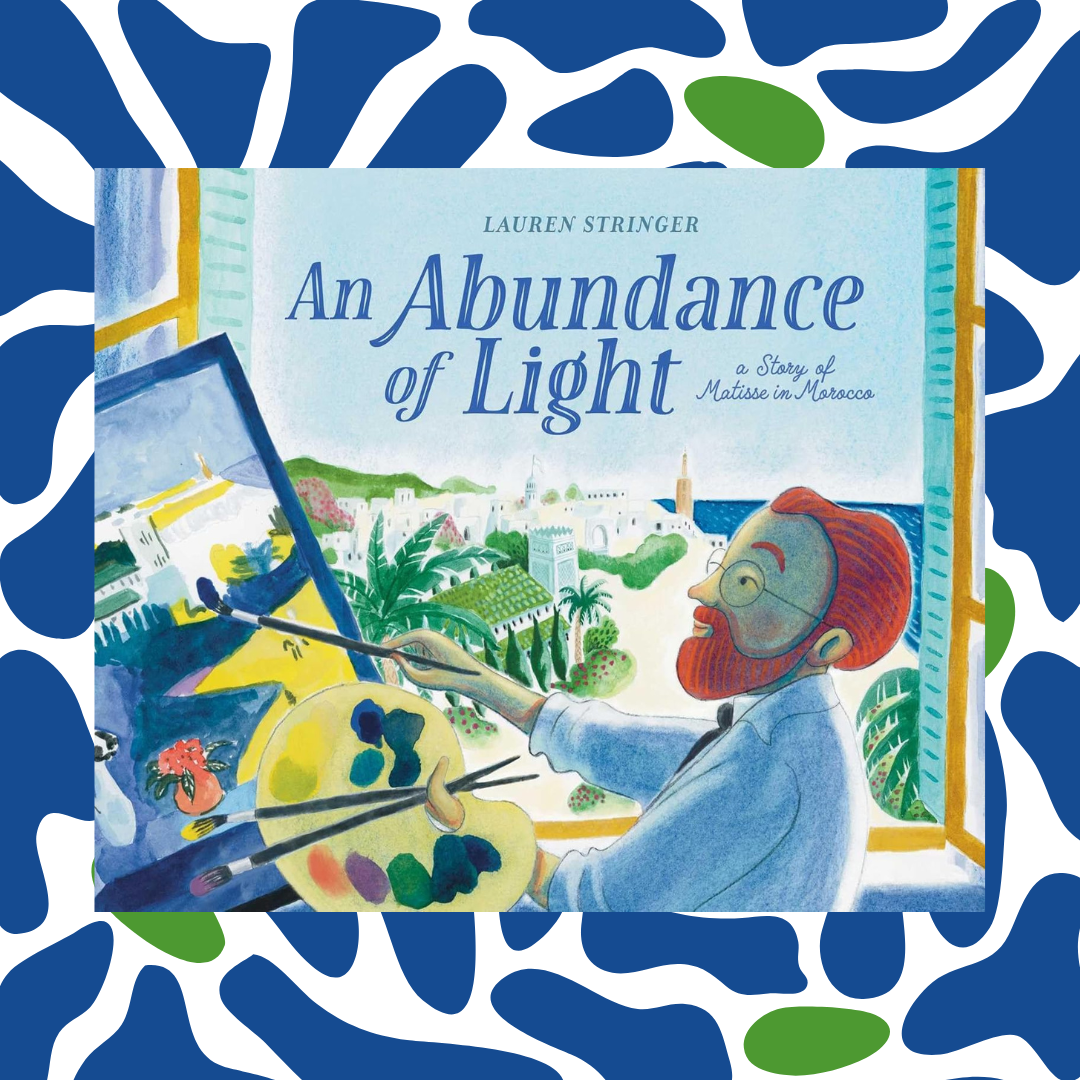
An Abundance of Light: a Story of Matisse in Morocco

By Lauren Stringer


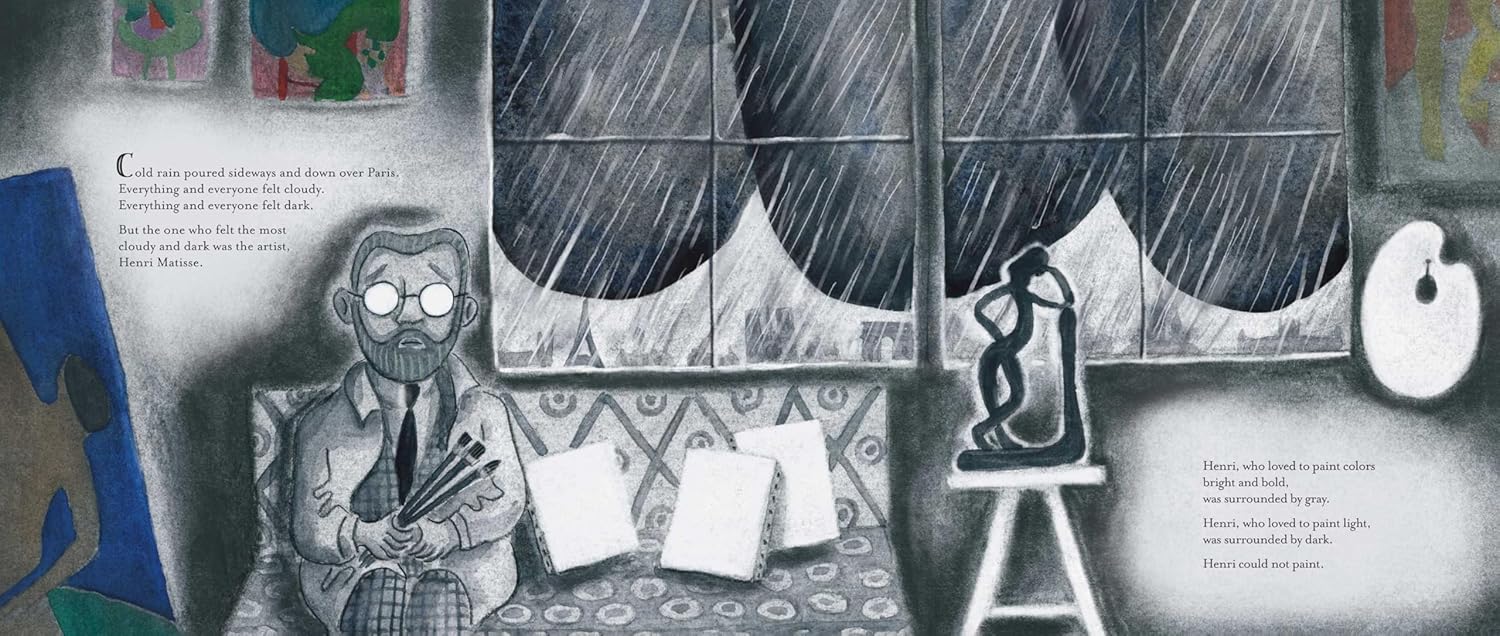
As Paris endured a cold and rainy season, Henri Matisse suffered. How could he paint light and colors when he was surrounded by gray? His friend Albert Marquet suggested he visit Tangier, Morocco, “where the Atlantic Ocean meets the Mediterranean Sea.” There, he said, “the sunlight was abundant!” Henri packed up all of his supplies and made the trip. But it seemed Henri had brought the rainy weather with him. He tried to paint colorful irises and a basket of oranges and lemons, but he still felt gloomy and trapped.

Text and illustration © 2025 by Lauren Stringer. Courtesy of Beach Lane Books.

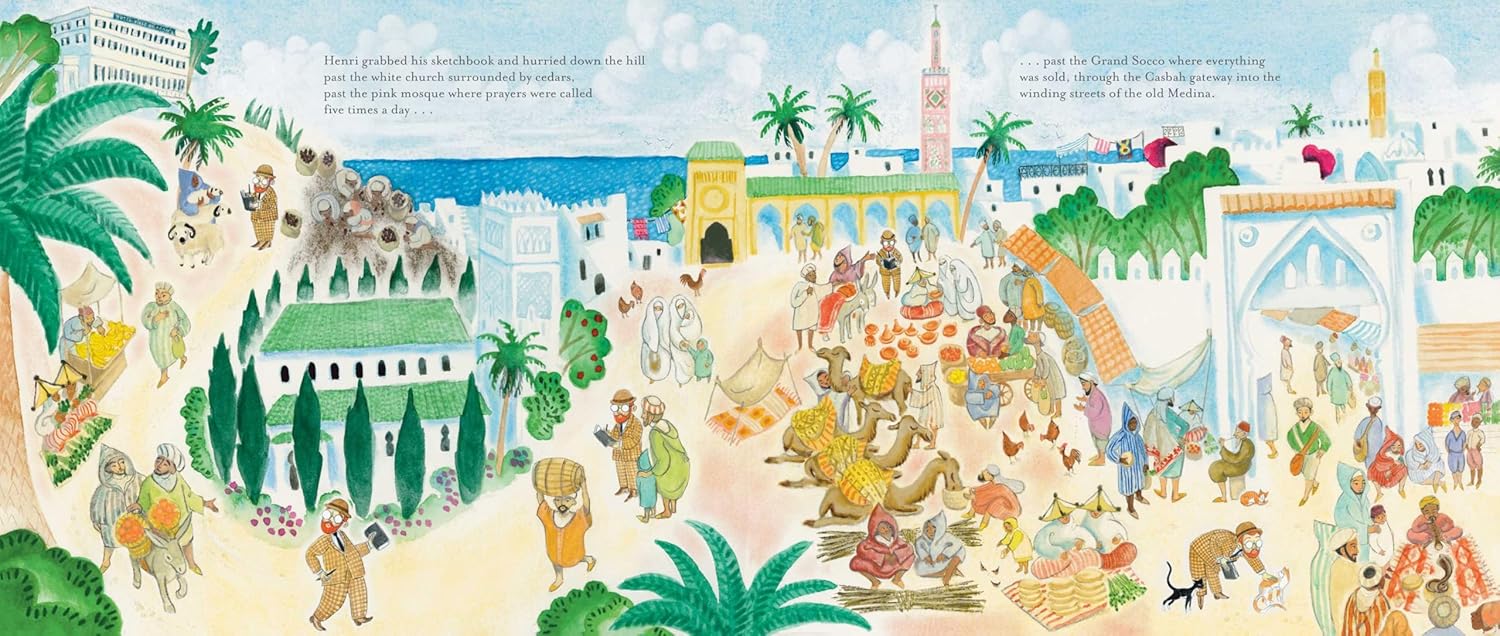
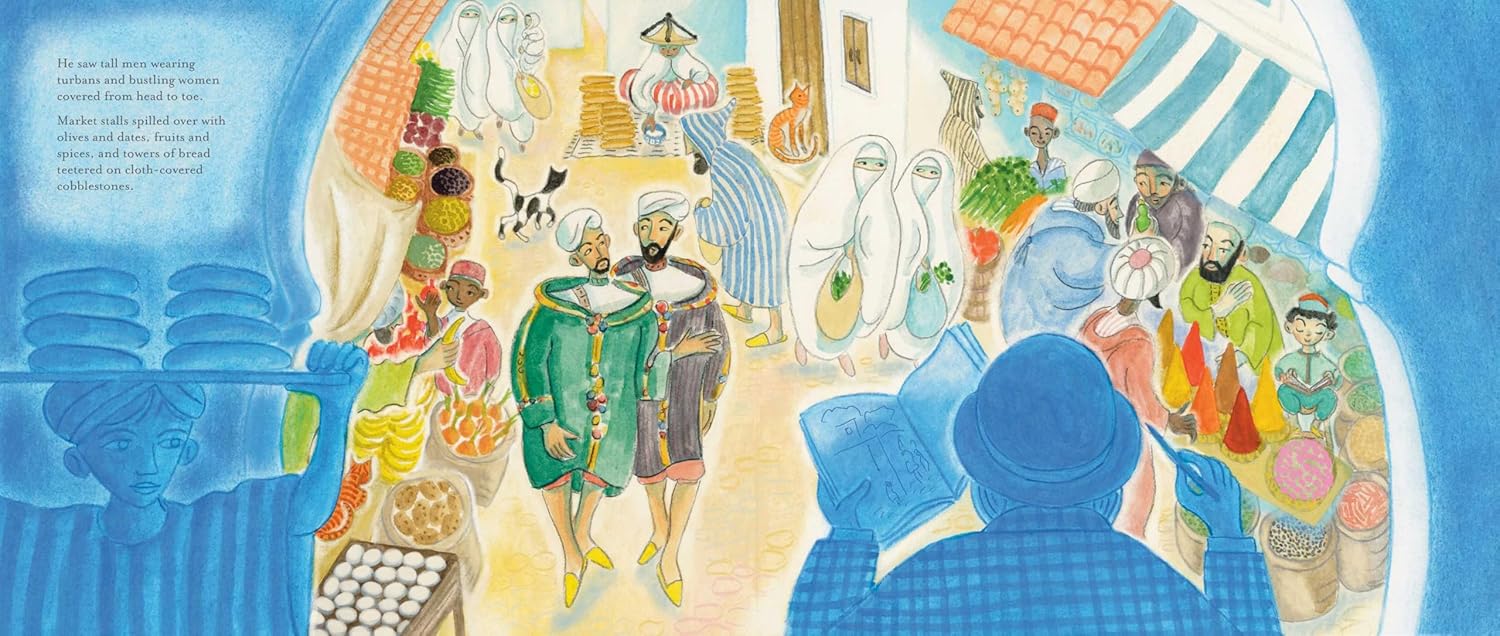
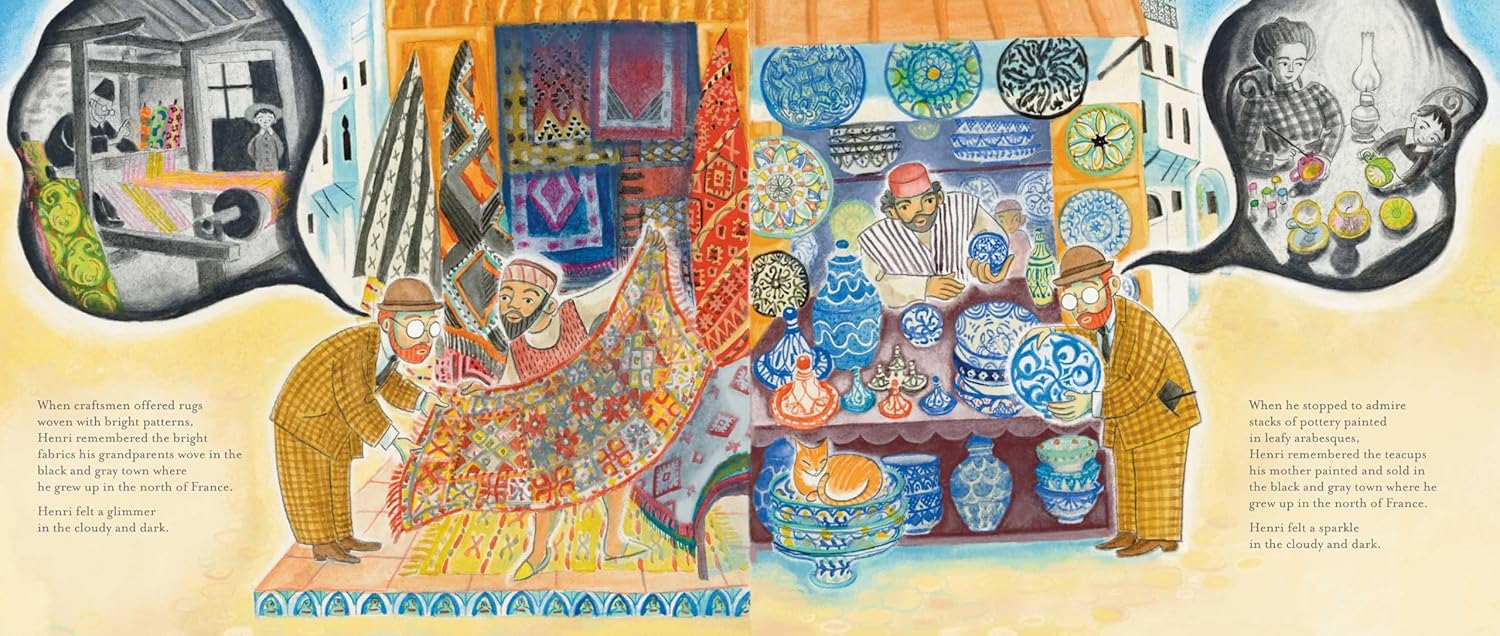
Then one night while Henri slept, the rain stopped. In the morning he woke to ” . . . an abundance of light. A luminous light. A dazzling light.” Henri took his sketchbook and hurried into town, where color shimmered from the pink mosque to the vibrant Grand Socco market to the Casbah gateway to old Medina. Everywhere he looked he saw the vividness of life. Brightly patterned rugs and painted pottery reminded him of the art his grandparents and mother created in their drab town. “Henri felt a glimmer in the cloudy and dark.”

Text and illustration © 2025 by Lauren Stringer. Courtesy of Beach Lane Books.

Henri found a large garden to paint in and began painting the lavender branches, green acanthus, blue periwinkles and “pink-tomato sky” he saw. Despite his “bright and bold” colors, he still felt something cloudy and dark. Then one day, following the music of fiddles, flutes, and drums that filled the air. Henri found a cafe, “where men in long robes gazed at goldfish in round bowls.” Henri was mesmerized by the reds and golds of the fish as well.

Text and illustration © 2025 by Lauren Stringer. Courtesy of Beach Lane Books.

When Henri left the cafe, “he saw an abundance of shadows.” In fact, the dark shadows accentuated the light. Finally, he understood that light and color and dark could work together. In his new paintings he surrounded his colorful subjects with colorful shadows. He interpreted light itself into brilliant color. And in a painting completed from his hotel window, Henri painted shadows of such a dark blue that he realized “he could paint light and color, even in the dark.” At home when Henri displayed his paintings in a gallery in Paris, they were a sensation. Now, whenever the skies turned gloomy and rainy, Henri remembered the abundance of light in Morocco and painted.

Back matter includes a short biography about Henri Matisse’s childhood, a discussion of Matisse and his time in Tangier, and a note from the Lauren Stringer about her trip to Tangier that inspired her story. She also includes an illustrated glossary of terms found in the book.

Text and illustration © 2025 by Lauren Stringer. Courtesy of Beach Lane Books.

Celebrated author, picture book illustrator, and painter Lauren Stringer immerses young children in a particular time in Henri Matisse’s life and reveals how he overcame obstacles to create some of this best-known paintings. His struggles and search for enlightenment are simply and honestly portrayed, lending to his eureka moment deep joy and surprise. The enthusiastic reception for these paintings, Matisse’s newly discovered ability to find light and color even during dark days, and the lessons his artistic parents demonstrated are all reminders that light shines from within.

Stringer’s striking pastel, charcoal, gouache, and digital media illustrations entice readers to join Henri Matisse on his journeys both internal and artistic. Her realistic depictions of Matisse’s circle of famous friends, and the sights of Tangier will entice readers to learn more. As Henri breaks out of his artist’s block, Stringer portrays him with a sprightliness of step, a perceptive eye, and a deft touch with the brush. Readers will be especially fascinated by the side-by-side models and paintings that reveal how Matisse transposed reality to canvas.

An Abundance of Light is a must addition to school and public libraries collections and is highly recommended for art-loving and artistic children. The book would also make an impactful resource for art classrooms and creative projects.

Ages 4 – 8 

Beach Lane Books, 2025 | ISBN 978-1534493629 

About the Author/Illustrator

Lauren Stringer has illustrated many celebrated picture books, including Deer Dancer by Mary Lyn Ray; The Princess and Her Panther by Wendy Orr; Scarecrow and Snow, both written by Cynthia Rylant; as well as her own Winter Is the Warmest Season, When Stravinsky Met NijinskyThe Dark Was Done, and An Abundance of Light. She lives with her family in Minneapolis, Minnesota. Visit her at LaurenStringer.com.

Happiness Happens Month Activity

CPB - Happiness typography

Happiness Is… Game


Happiness is all around you! Grab one or more friends to play a game that reveals what things make you happy. 

  1. Like the “Geography” game: the first player names something that makes them happy, the next player must think of something that starts with the last letter of the word the previous player said. The game continues with each player continuing the pattern. Players drop out as they cannot think of a word. The last player left is the winner.

You can purchase An Abundance of Light from these booksellers

Amazon | Barnes & Noble | Bookshop (discounted books and support for your local independent bookstore)

Picture Book Review

November 8 – National STEM/STEAM Day

celebrate-picture-books-picture-book-review-santiago-saw-things-differently-cover

About the Holiday

November 8th is National STEM/STEAM Day. This holiday was founded in 2015, and the date was partially chosen for its secret play on words: “NOV 8” can be read as (in)novate! On this day, we highlight the importance of science, technology, engineering, art, and math in education and society at large. This holiday is also meant to uplift voices and perspectives that are often given less representation in STEAM careers and fields of study.

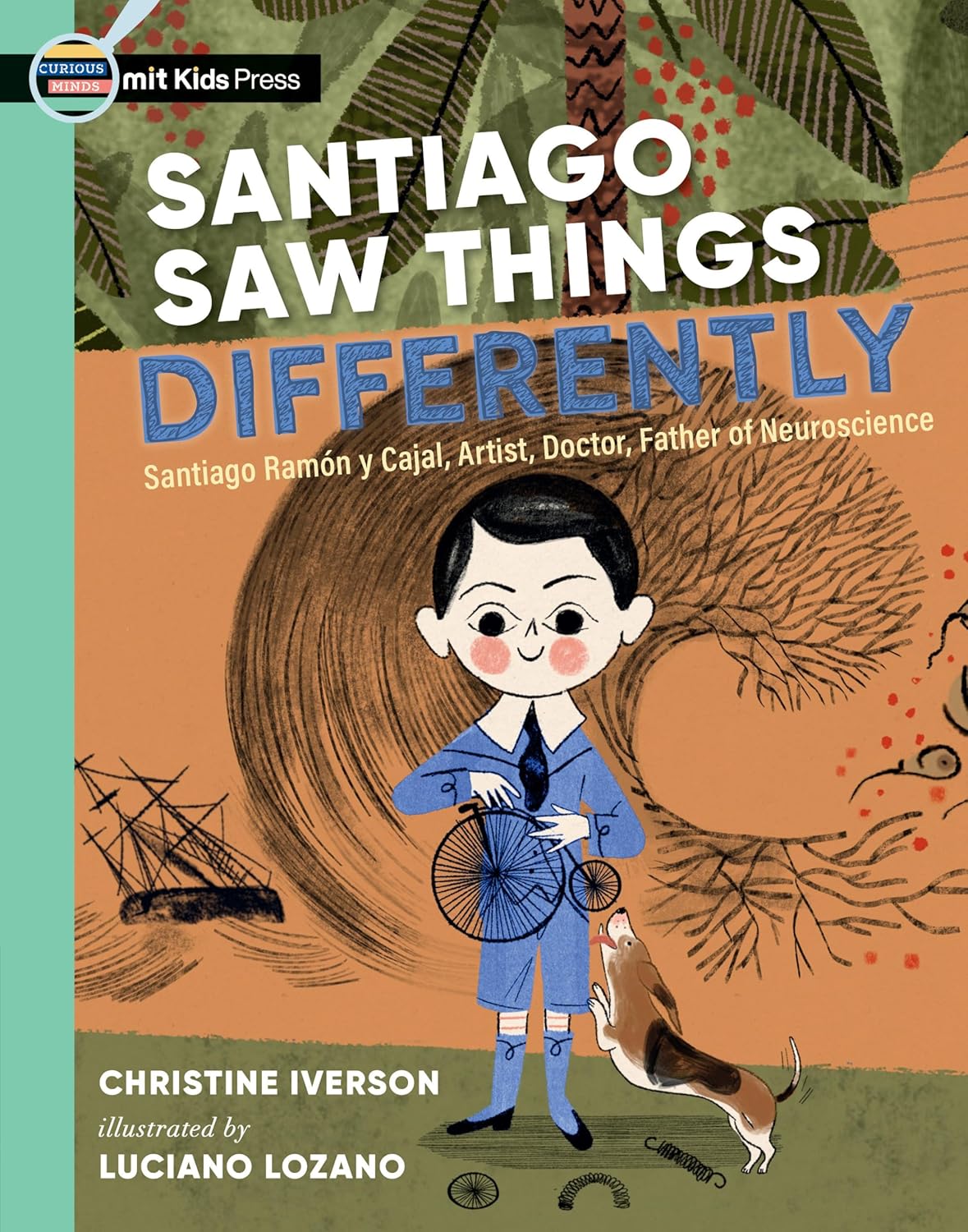
On this National STEM/STEAM Day we review a biography of Santiago Ramón y Cajal, Father of Neuroscience. Despite many people discouraging him along his journey Ramón y Cajal found ways to merge his love for art and observation with his scientific background to create new and important discoveries. 

Reviewed by Dorothy Levine

Santiago Saw Things Differently: Santiago Ramón y Cajal, Artist, Doctor, Father of Neuroscience

Written by Christine Iverson | Illustrated by Luciano Lozano


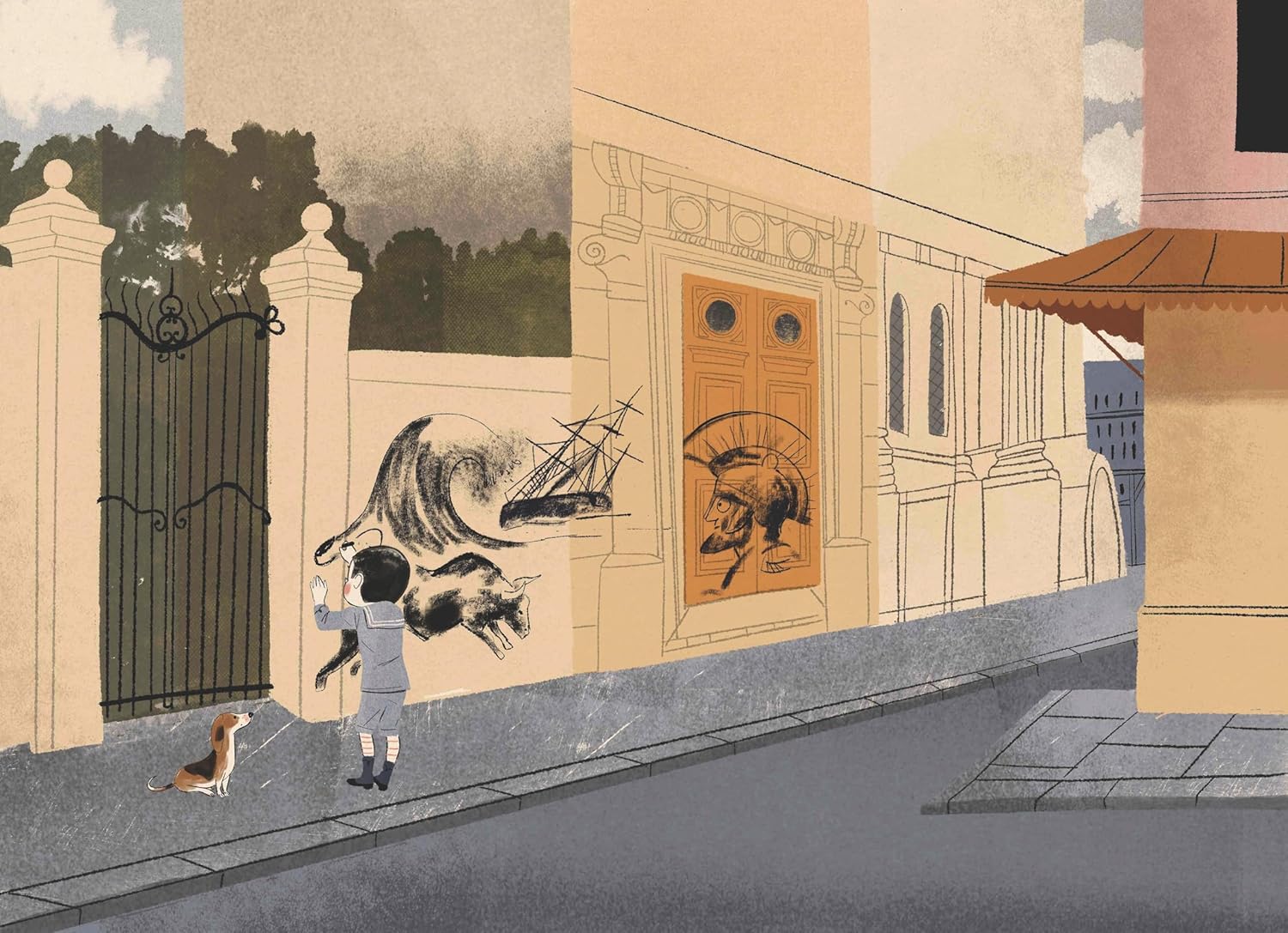
Santiago always had a passion for creating and exploring. As a child in Spain, he spent time creating music and inventing toys with any scraps he could find, drawing elaborate charcoal scenes across neighbors’ walls and racing around his grandfather’s loom shop. There, as “he twirled and tangled woolen thread…. Dust sparked and soared in a kaleidoscope of motion.” Unfortunately, not everybody understood the magic of his creations. Neighbors, and particularly Santiago’s father, believed Santiago’s public displays of art were more bothersome than intriguing. 

celebrate-picture-books-picture-book-review-santiago-saw-things-differently-drawing-on-wall

Image copyright Luciano Lozano, 2024, text copyright Christine Iverson, 2024. Courtesy of MIT Kids Press.

As Santiago’s father ushered him through many different schools, aiming to leave room for no “distractions” from study, Santiago held on to his artistic practice and passion for exploring the natural world in secret. When once admonished for drawing on the margins of his paper, Santiago was forced to spend time in his school’s dark basement. But, in a stroke of luck, “The room was lit by a wisp of light leaking through an old shutter—just enough for drawing.” Another time, stuck in a classroom with no paper, Santiago used his pencil to unlock the door. 

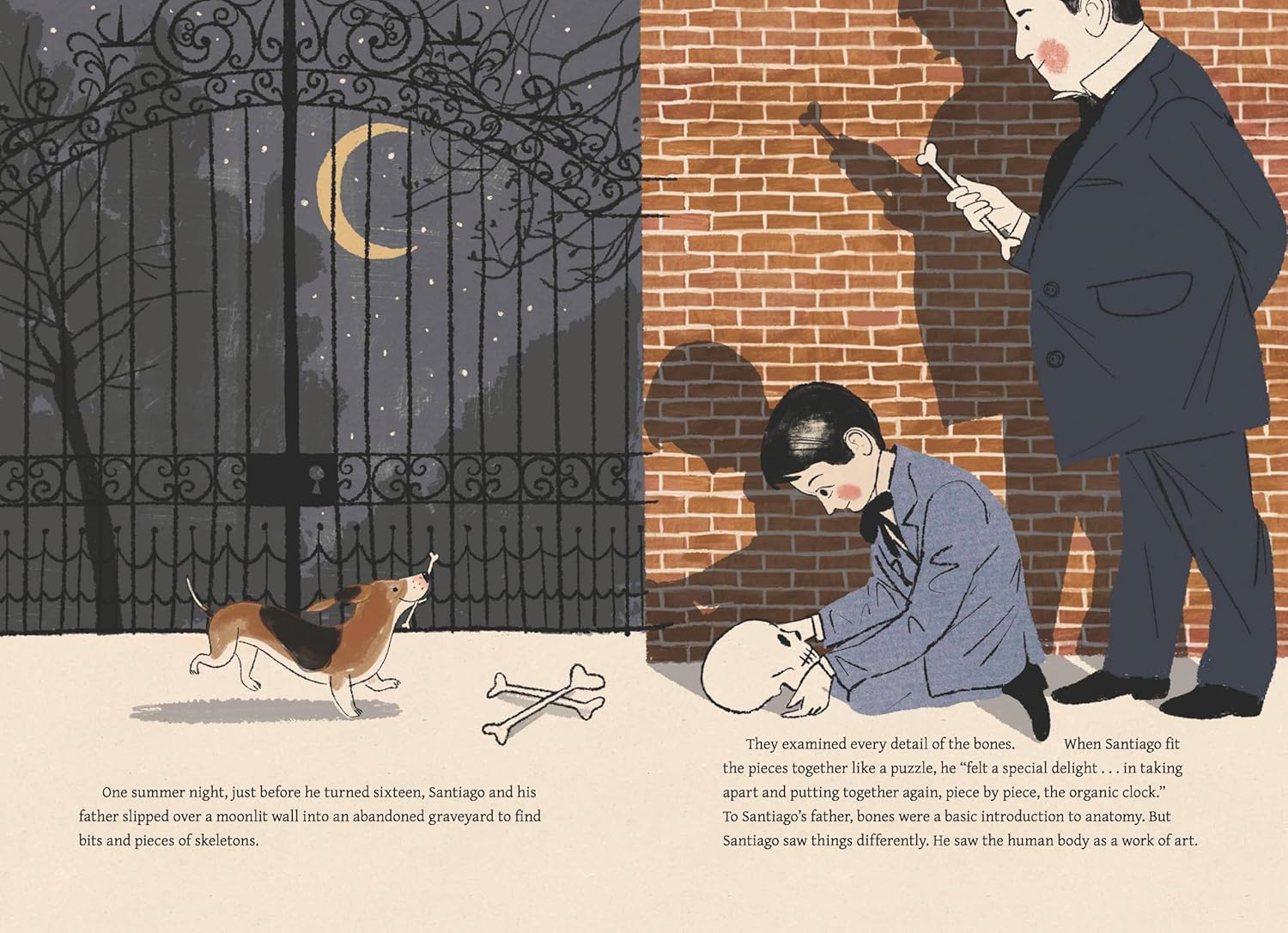
As he grew up, Santiago developed a specific fascination for the human body. At medical school, Santiago observed the way blood vessels in our bodies mirror the canals of the Ebro River near his university. “He saw the human body as a work of art,” a work that replicates in nature and is connected more broadly to the world at large.

celebrate-picture-books-picture-book-review-santiago-saw-things-differently-graveyard

Image copyright Luciano Lozano, 2024, text copyright Christine Iverson, 2024. Courtesy of MIT Kids Press.

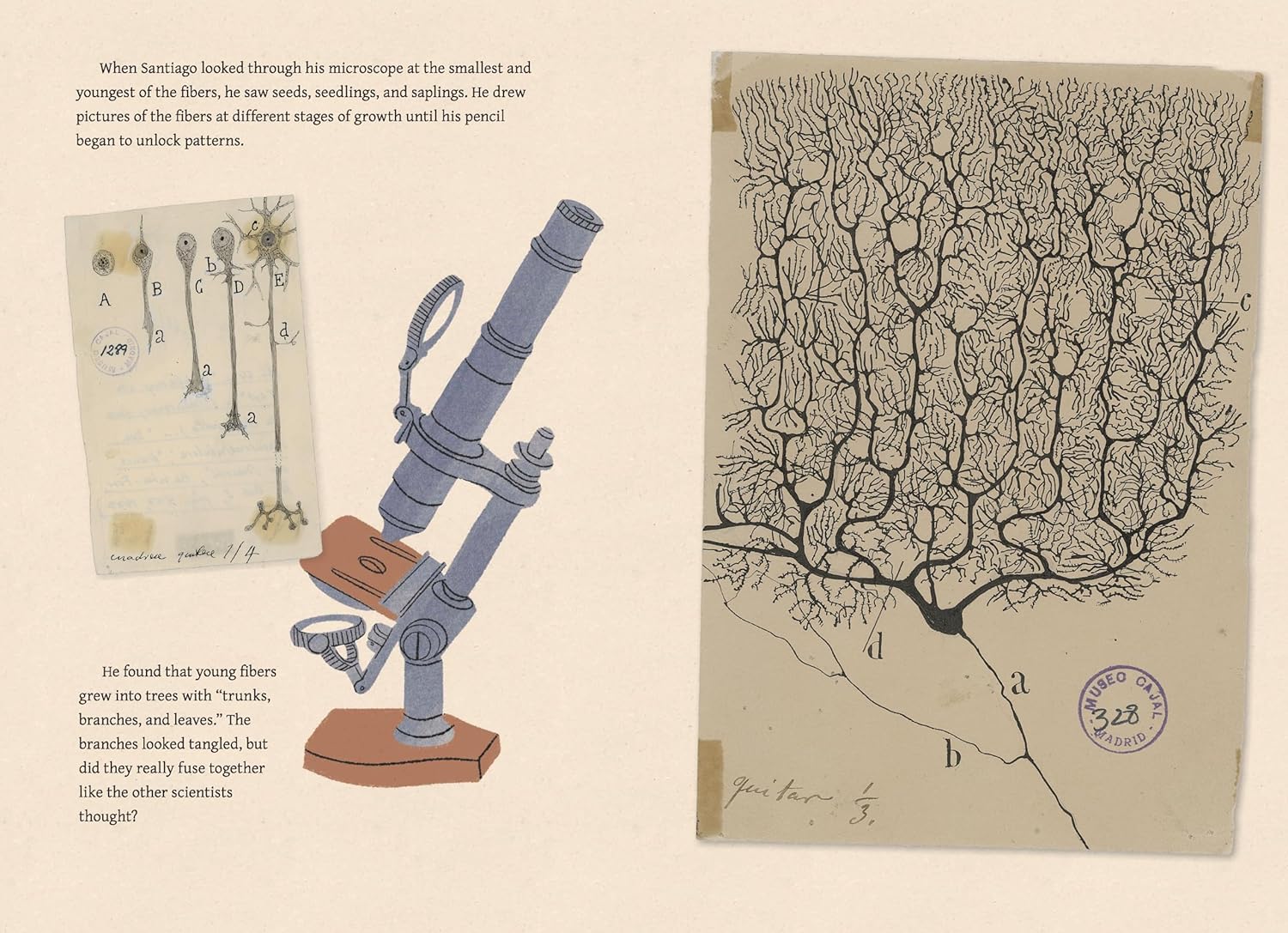
Years later, when scientists were focused on working out how the tiny connectors (or nerve fibers) in our brains worked, Santiago was able to use his microscope and drawing skills to sort out that the fibers spread in a similar fashion to the young trees he had spent so much of his time drawing and observing. With the help of ink stains, study, and lots of drawings of his observations, Santiago drew new conclusions about neurons and cells that helped scientists across the globe to understand the human brain better. 

All because “Santiago saw things differently” he was able to unlock new ways of understanding the brain, gaining him a Nobel prize and the eventual title of the Father of Neuroscience. 

celebrate-picture-books-picture-book-review-santiago-saw-things-differently-microscope-view

Image copyright Luciano Lozano, 2024, text copyright Christine Iverson, 2024. Courtesy of MIT Kids Press.

Iverson writes a detailed lyrical account of the life of Santiago Ramón y Cajal that is accessible for a wide range of readers. For interested older audiences, the book includes extensive back matter on the Anatomy of a Neuron, more biographical information on Santiago Ramón y Cajal and an explanation of the science behind one scene in the story. 

Interwoven with quotes and images from Ramón y Cajal’s original works are Lozano’s masterful swirling illustrations of Santiago and his environment as they both grow and change. Throughout the story, Lozano inserts details for readers to observe and make their own discoveries, such as the dog who follows Santiago throughout his childhood. Lozano illustrates the story mainly in blushing pinks, sky blues and light-yellow browns with accented vibrant greens and darker colors signifying location changes and key turning points in the story. There is a subtle humor helping to lighten the darker parts of Santiago’s life. The tale closes with the image of Santiago face-to-face with a cartoon-like human skeleton (filled with neurons) smiling back at him.

Santiago Sees Things Differently is a celebratory account of innovation, perseverance and appreciation for the often-interdisciplinary nature of outside-of-the-box thinkers. The title page opens with a poignant quote from Santiago Ramón y Cajal himself, encouraging “young investigators” to keep exploring the vast unknown of the natural world and to remember that what is left undiscovered is always larger than what has been already found. Santiago Sees Things Differently provides readers with the empowering knowledge that new perspectives are necessary for new discovery. And that while difference is often looked down upon, it is, often, in fact a superpower. 

(This book is available in both Spanish and English versions)

Ages 5 – 9

MIT Kids Press, 2024 | ISBN 978-1536238334

About the Author

Christine Iverson is a physical therapist with a strong interest in neural pathways. She holds a BS in history from the United States Military Academy at West Point, a doctoral degree in physical therapy from Baylor University, and an M.Ed. with a focus in children’s literature from Pennsylvania State University. She lives in Alexandria, Virginia. Visit her at christineiversonwrites. com.

About the Illustrator

Luciano Lozano is a Spanish author, illustrator, and graphic artist. He is the creator of several picture books, including Mayhem at the Museum: A Book in Pictures, and the illustrator of many others, including I (Don’t) Like Snakes by Nicola Davies. He lives in Spain. Visit him at lucianolozano.com.

STEM/STEAM Day Activities

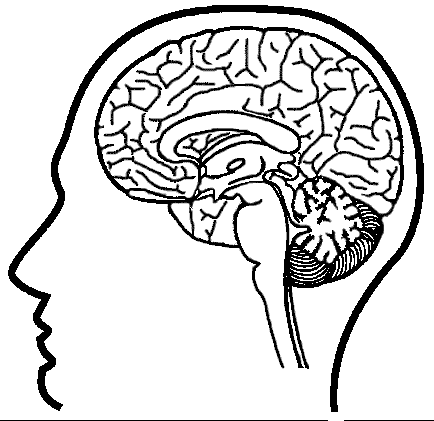
celebrate-picture-books-brain-coloring-page


Neuroscience Coloring Pages

Follow Santiago’s footsteps by coloring pictures of different parts of the brain and scientific tools used in the story with these coloring pages from the University of Washington. You’ll also find brain games, plus loads of printable puzzles, worksheets, bookmarks, and even treasure hunts here too! (Coloring pages available in English and Spanish!)


Build a Hands-on Model of a Neuron

Have fun and learn about neurons by making a model! You can use almost any kind of material you like—clay, perler beads, bread dough, or even candy—to make it. So put on your thinking cap and get creative! You’ll find lots of ideas on this page from The University of Washington’s Neuroscience for Kids Page.

celebrate-picture-books-picture-book-review-santiago-saw-things-differently-cover

You can purchase Santiago Saw Things Differently at these booksellers

Amazon | Barnes & Noble | Bookshop (to support your local independent bookstore)

May 18 – International Museum Day

celebrate-picture-books-picture-book-review-the-ultimate-art-museum-cover

About the Holiday

International Museum day was created in 1977 by the International Council of Museums to raise awareness that “museums are an important means of cultural exchange, enrichment of cultures and development of mutual understanding, cooperation and peace among peoples.” The theme for this year is “The Power of Museums.” Museums are not just repositories of the past. They are vital and active members of the communities they serve and as such can be leaders in tackling some of society’s biggest issues. This year the International Council of Museums aimsto “explore the potential of museums to bring about positive change in their communities through three lenses: the power of achieving sustainability, the power of innovating digitalization and accessibility, and the power of community building through education. To learn more about these initiatives, visit the ICOM website. Celebrate International Museum Day by visiting a museum near you – or visit many world-famous museums through today’s book.

The Ultimate Art Museum

By Ferren Gipson

A blurb on the cover of this astounding book sums up the lofty goals it achieves: “40,000 years of the world’s most amazing art in one dream museum!” Indeed, once readers open the cover and accept the “ticket” offered, they can peruse the museum map that lays out the three wings, 18 galleries, and 128 rooms, plus a cafe and garden, that await them. An note from author Ferren Gipson introduces readers to the range of ways art can influence and reflect their times and the people who lived during different eras.

Gipson’s conversational style follows visitors to this unique museum from page to page, prompting them to look, consider, understand, and make connections. On some pages, a question or comment marked by an eye sends readers to another gallery or room to compare artworks, subjects, or themes across time and cultures. Some of these give a page number to consult, while others allow readers to study a room or gallery to find the artwork referred to.

celebrate-picture-books-picture-book-review-the-ultimate-art-museum-galleries

Copyright Ferren Gipson, 2021, courtesy of Phaidon.

Wing 1, appropriately, presents “treasures from the world’s earliest civilizations and the earliest art ever made.” Here, children and adults will find cave art; figurines carved from ivory, bone, and stone; treasures from ancient empires, carved reliefs, the painted, sculpted, and gilded wonders of ancient Egypt, Greece, and Rome. The intricate art of the Byzantine, early Islamic, and Medieval worlds demonstrate important aspects of these cultures as do works from ancient East Asia well as South and Southeast Asia. Readers then cross the Atlantic Ocean to discover the pottery, sculptures, and fabrics created by Native societies of North and South America. Each artwork is accompanied by a paragraph that will draw children in with clear, concise, and fascinating descriptions of the artwork, what it means, and, sometimes, even secrets that it holds.

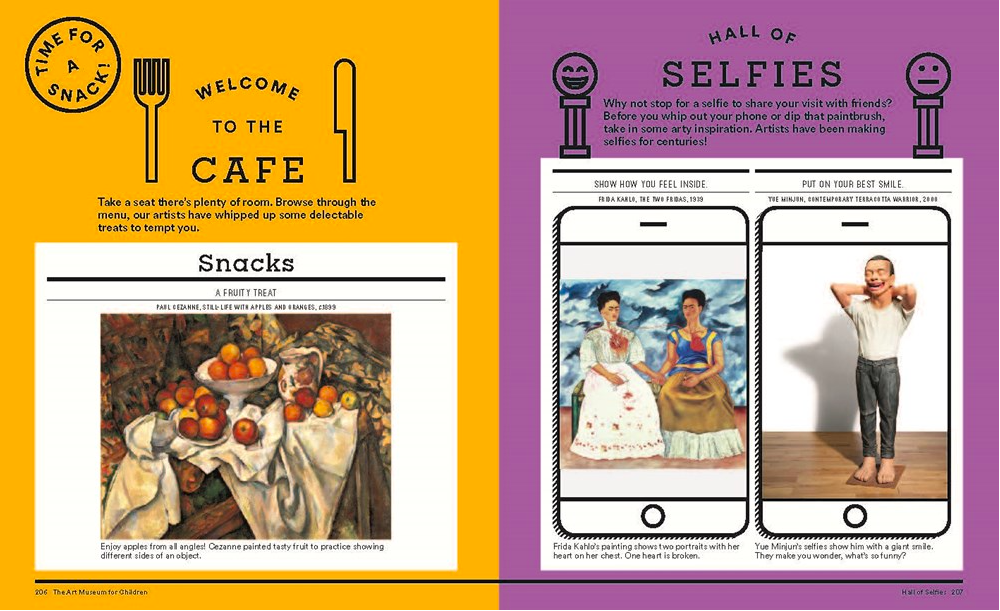
Time for a break? Turn the page and enter the Café, where the “menu,” consisting of “Snacks, Mains, and Dessert” offers delectable choices depicted in paintings and sculpture. Refreshed, readers can step into Wing 2, where the galleries hold treasures from the 1200s to the 1800s created in Asia, including book illustrations, a palepai cloth, a puppet, scholar paintings, porceline, folding screens, carpets, and even the Taj Mahal.

The Renaissance comes to Europe with an impressive display of curiosity and learning that resulted in many changes to society and art. “Artists came up with better ways to mix oil paints and began to paint on canvas for the first time. And what scientists learned about the human body helped them paint and sculpt people who looked very real.” The subjects of artworks expanded too to include “portraits, mythology, and everyday life.” Dragon lovers can take up the challenge to compare two dragons – one created by an Italian master and the other found on a Chinese vase from the Yuan Dynasty.
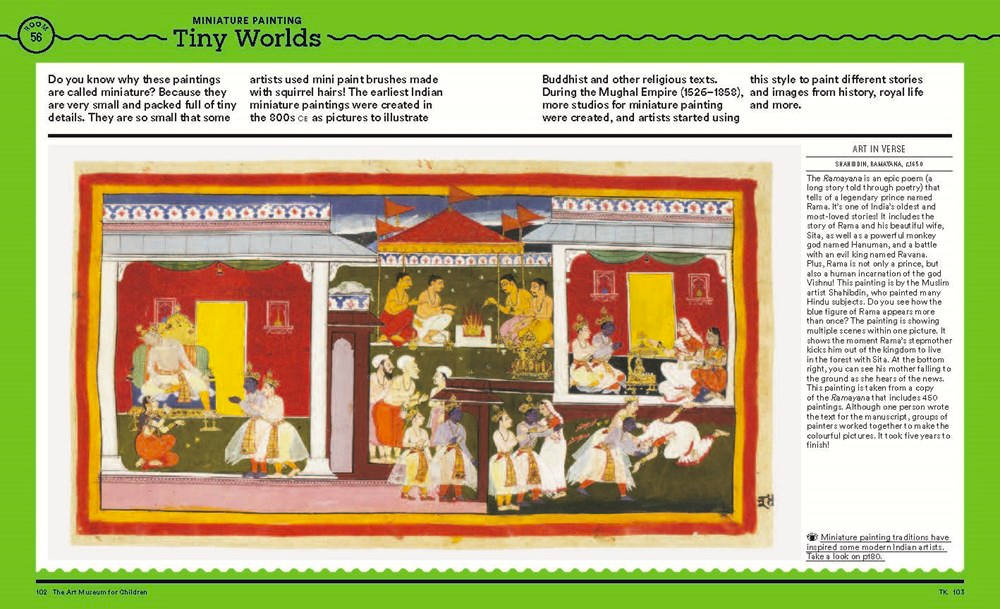
celebrate-picture-books-picture-book-review-the-ultimate-art-museum-miniatures

Copyright Ferren Gipson, 2021, courtesy of Phaidon.

From 1600 – 1850, dramatic and lifelike paintings became popular. Dark shadows and highlighted areas gave paintings an atmospheric feel that invited viewers to look closely. In one of Diego Velázquez’s famous Las Meninas painting, all of the people portrayed seem to be looking out from the canvas at you. But who are they really looking at? The answer can be found reflected in a mirror on the back wall. In addition to realistic family and town life, landscapes also became popular during this time.

Moving to another room, readers will find that the art of the Pacific Islands is distinctively different in its depictions of “images of gods, spirits, and ancestors of the people who lived there.” Those works created from stone and wood have survived through the ages while “others, such as objects made from delicate spider webs or flowers, have disappeared.” Art from the continent of Africa is up next. With its many unique kingdoms and communities, Africa has produced unique artworks that “celebrate leaders and tell the stories of Africa’s great empires and civilizations.” Clay, wood, metal, ivory, and cloth have been used to “create art with spiritual and practical purposes.”

Ah! Time for a walk through the garden. Which path will you take? The one past Georgia O’Keefe’s “Red Poppy” or one where you can see a moth and a caterpillar on the branch of a citrus tree? Perhaps you’d like to stroll through a hurricane with a tiger on your trail with Henri Rousseau’s “Tiger in a Tropical Storm (Surprised)” or maybe you’d like a fragrant walk through Gustav Klimt’s “Flower Garden.”
 
celebrate-picture-books-picture-book-review-the-ultimate-art-museum-neo-classical

Copyright Ferren Gipson, 2021, courtesy of Phaidon.

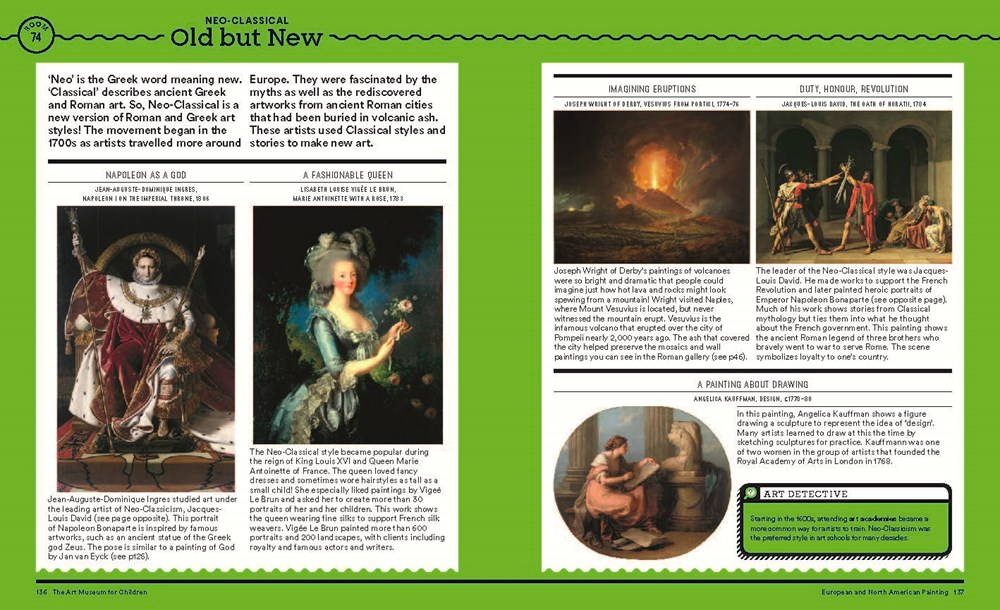
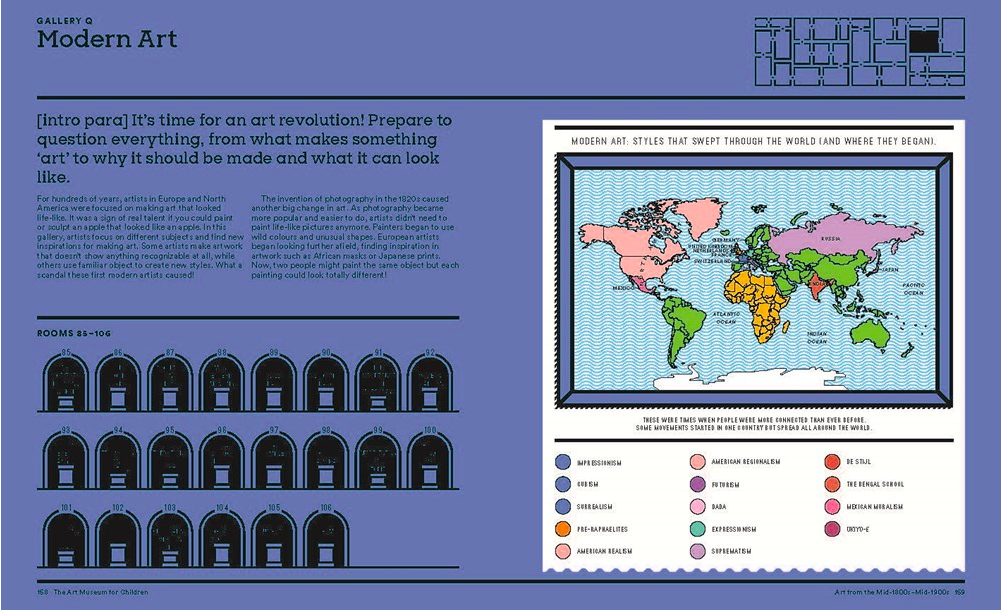
Wing 3 takes readers to modern times, when “almost anything is possible in art!” In this wing, visitors will see “art that does not have a set purpose.” Instead, the artists represented here “created works that were experimental and personal. They used unusual materials and tried exciting techniques.” In these rooms, readers will encounter the Impressionists, who were interested in capturing a moment in time,  and Post-Impressionists, who experimented with color, techniques, and subject matter. Readers will no doubt recognize paintings by Mary Cassatt, Vincent Van Gogh, and Georges Seurat.

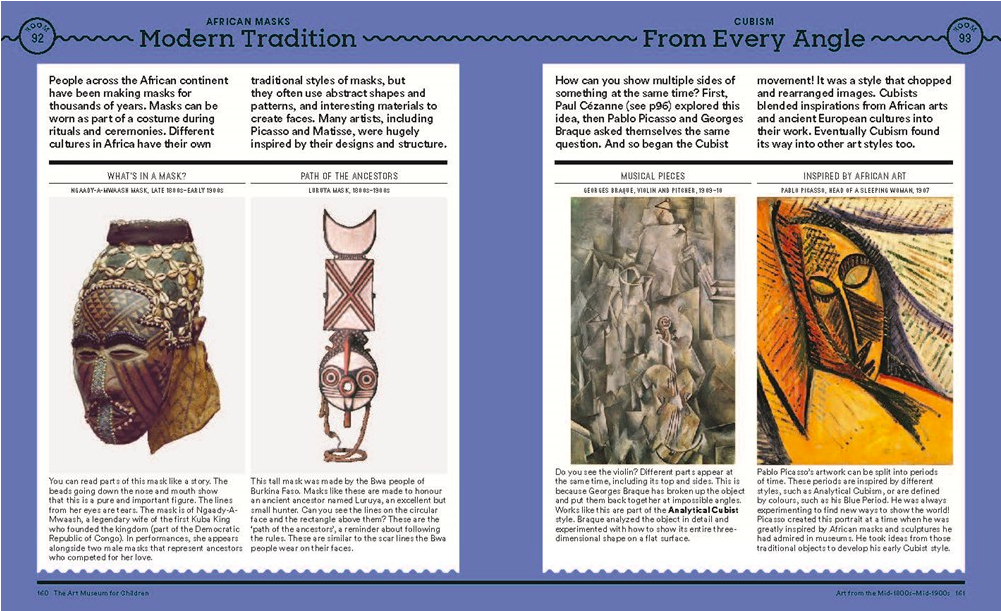
American realist painters took city scenes, sports events, tender moments between family members, and many other topics. The Cubist period began when some artists experimented in showing their subject from a variety of angles at one time. Paul Cézanne, Pablo Picasso, and Georges Braque are just a few of the famous artists who “chopped up and rearranged images” to make a new style of art.
celebrate-picture-books-picture-book-review-the-ultimate-art-museum-map

Copyright Ferren Gipson, 2021, courtesy of Phaidon.

Visitors will also learn about the Dada movement, Expressionism, and American Regionalism. Photography took center stage as cameras became lighter and easier to use. The art of the Harlem Renaissance by Black Americans is reflected in a painting of Harriet Tubman by William H. Johnson, a bronze bust of a boy by Augusta Savage, and a quilt by Harriet Powers – one of only two that still exist.

After visiting a room of modern works from India and Mexico, readers enter the dizzying world of the Surrealists. Surrealism “shows real objects but in a completely fantastical way. It explores how dreams, imaginations, and the inner workings of the mind can be shown in art.” A train emerging from the “tunnel” of a fireplace, a fur teacup, saucer, and spoon, and Salvador Dali’s “drooping” clocks are a few of the works you’ll find here.
celebrate-picture-books-picture-book-review-the-ultimate-art-museum-cubism

Copyright Ferren Gipson, 2021, courtesy of Phaidon.

In Wing 3, readers will also learn about Collages, Abstract Expressionism, Minimalism, Conceptual art, and Op art that boggle the eyes and mind with their optical illusions. Pop art, Installations, contemporary sculptures large and small as well as Alexander Calder’s mobiles and artwork created from light stand side-by-side with Christo and Jeanne-Claude’s outdoor wrapping installations, Aboriginal Australian art, Feminist art, Chicanx art, performance art, video art, contemporary art, and so much more. If you’re a fan of selfies, you’ll want to stop at the Hall of Selfies and see how four artists anticipated and/or reflect this very modern art form.

Helpful maps accompany each wing and gallery change to show readers where the art in that gallery comes from or its influence. A smaller map inset often orients readers to where the region represented is situated in the world at large.

Back matter includes an Author’s Note, a map of 54 major museums around the world, a glossary of terms found in the text, and an index.
celebrate-picture-books-picture-book-review-the-ultimate-art-museum-selfies

Copyright Ferren Gipson, 2021, courtesy of Phaidon.

Ferren Gipson is the “cool” docent every visitor wants as their tour leader on a trip to a museum. Full of enthusiasm for art and its impact, gifted with a wealth of knowledge, and quick with a fun fact, a humorous aside, or an intriguing nugget of perspective, Gipson will wow kids and adults alike with her love of all kinds of art. Open The Ultimate Art Museum to any page and readers will immediately be absorbed by whatever style of art or time in history they’ve hit upon and will eagerly wander from gallery to gallery, room to room, page to page to learn more.

The Ultimate Art Museum has applications for strong cross-curricular study for teachers and homeschoolers, expertly connecting history, art, changing societies, and more visually and textually. Gipson’s entertaining and thorough treatment of her topic will get kids excited about visiting museums of all kinds, and arm-chair travelers will wile away many happy hours wandering its pages. 

The Ultimate Art Museum is a must for classrooms and school and public libraries and would be a much-loved addition to home bookshelves or coffee tables.  

Ages 8 and up

Phaidon, 2021 | ISBN 978-1838663780

Discover more about Ferren Gipson, her books, work, and podcast “Art Matters” on her website.

International Museum Day Activity
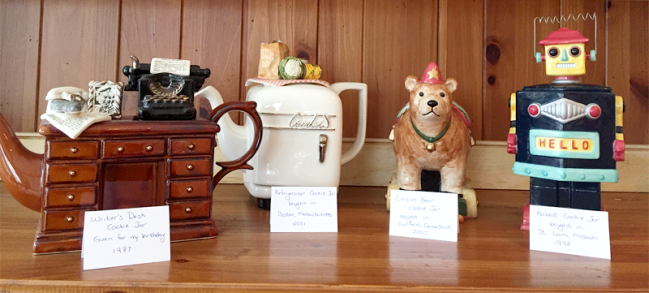
CPB - Cookie Jar Museum (2)

Create a Museum Exhibit

Every item has a story. Maybe there’s a funny anecdote behind that knick-knack on your shelf. Perhaps your favorite serving dish holds sentimental value. How about your child’s best-loved toy or a drawing or craft they’ve made? A fun and educational way for kids to learn family stories and interact with their own history is to create a museum exhibit of objects in your home.

For teachers this can be a fun classroom activity that incorporates writing, art, and speaking as well as categorizing skills. Students can use objects in the classroom or bring items from home to set up museum exhibits. This activity can be done as a whole-class project or by smaller groups, who then present their exhibit to the rest of the class.

Supplies

  • A number of household or classroom items
  • Paper or index cards
  • Markers
  • A table, shelf, or other area for display

Directions

  1. To get started help children gather a number of items from around the house to be the subjects of their exhibit. An exhibit can have a theme, such as Grandma’s China or Travel Souvenirs, or it can contain random items of your child’s choice, such as toys, plants, tools, even the furniture they see and use every day.
  2. Using the paper or cards and markers, children can create labels for their exhibit items. Older children will be able to write the labels themselves; younger children may need adult help.
  3. Spend a little time relating the story behind each object: where it came from, how long you’ve had it, when and how it was used in the past, and include any funny or touching memories attached to the item. Or let your child’s imagination run free, and let them create histories for the objects.
  4. When the labels are finished, arrange the items on a table, shelf, or in a room, and let your child lead family members or classmates on a tour. You can even share the exhibit with family and friends on social media.
  5. If extended family members live in your area, this is a wonderful way for your child to interact with them and learn about their heritage.

celebrate-picture-books-picture-book-review-the-ultimate-art-museum-cover

You can find The Ultimate Art Museum at these booksellers

Amazon | Barnes & Noble | Books-a-Million

To support your local independent bookstore, order from

Bookshop | IndieBound

Picture Book Review

September 15 – International Dot Day

celebrate-picture-books-picture-book-review-yayoi-kusama-covered-everything-cover

About the Holiday

On September 15, 2009 teacher Terry Shay introduced his class to Peter H. Reynold’s The Dot. From that one event grew a national and then an international celebration of creativity and the freedom to make art with your heart. All around the world, school children and adults are inspired on this day to make their mark and celebrate creativity, courage, and collaboration. Internationally renowned artist Yayoi Kusama, who became famous for her dot paintings and is the subject of today’s book – continues to live this philosophy every day.

For more information on International Dot Day visit the International Dot Day website. There you can  download posters, coloring pages, postcards, badges, and other resources and register to view a livestream event from the Metropolitan Museum of Art starting at 10:00 a.m. PT.

Yayoi Kusama Covered Everything in Dots and Wasn’t Sorry

By Fausto Gilberti


Yayoi Kusama, with her big, round curious eyes and dotted top gazes out at the reader as she introduces herself. She’d like to tell them her story, she says. She begins with her birth in “Matsumoto, a historic city in Japan with a beautiful castle.” Even as a child, she reveals, she loved to draw and would escape into the meadow to capture in her sketchbook the things she saw around her, the things “that other people didn’t.”

celebrate-picture-books-picture-book-review-yayoi-kusama-covered-everything-mirrored-rooms

Copyright Fausto Gilberti, 2020, courtesy of Phaidon.

When she grew up, she moved to New York with dreams of becoming a famous artist. When her money ran out, she gathered scraps of food that had been thrown away at the market and used them to make soup. At home in her apartment, Yayoi painted “hundreds and hundreds of dots onto large canvases.” Often the canvases couldn’t contain all the dots and they ran onto her walls and even her clothes. “But I wasn’t sorry,” she explains. “Each dot was part of thousands of others—they made me feel like I was a single dot that was part of our infinite universe.”

celebrate-picture-books-picture-book-review-yayoi-kusama-covered-everything-clothes

Copyright Fausto Gilberti, 2020, courtesy of Phaidon.

Even though, Yayoi created lots of paintings, she was still poor. One day Georgia O’Keefe, answering a letter from Yayoi asking for help in selling her paintings, came to visit. She introduced Yayoi “to her art dealer, who immediately bought one of my paintings.” After that, Yayoi painted more pictures and had a successful solo exhibition in New York. More exhibitions followed, and Yayoi’s work expanded. She began making soft cushioned shapes that she used to cover…well…almost everything.

celebrate-picture-books-picture-book-review-yayoi-kusama-covered-everything-snow

Copyright Fausto Gilberti, 2020, courtesy of Phaidon.

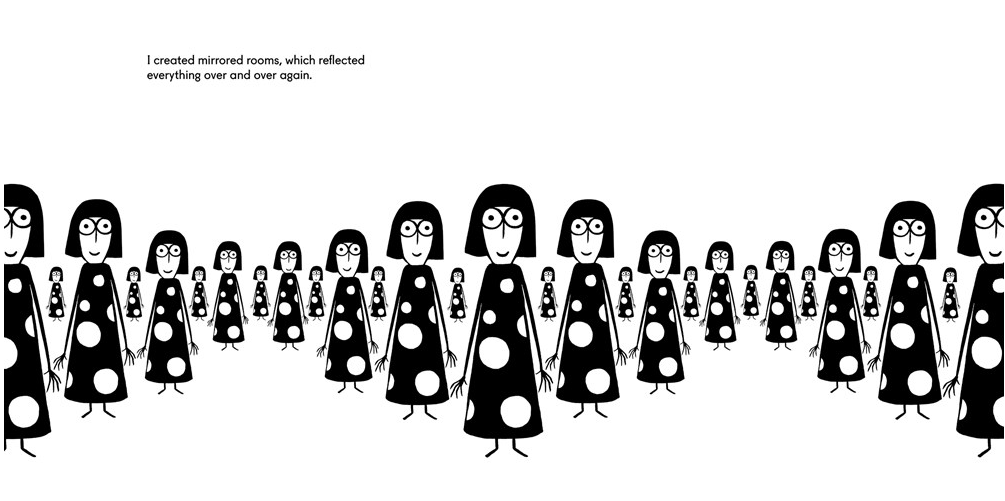
Yayoi even experimented with pasta, lighted balls, and mirrored rooms. And then she did something daring: She held “‘happenings,’” where she turned people’s bodies into canvases for her art. This brought her more recognition, and she decided that she wanted to “change the world for the better.” With her unique vision, she protested against the Vietnam war and was arrested. Following her release, she began experimenting even more, with clothing styles that brought people together—one dress fit twenty-five people at once!

celebrate-picture-books-picture-book-review-yayoi-kusama-covered-everything-japan

Copyright Fausto Gilberti, 2020, courtesy of Phaidon.

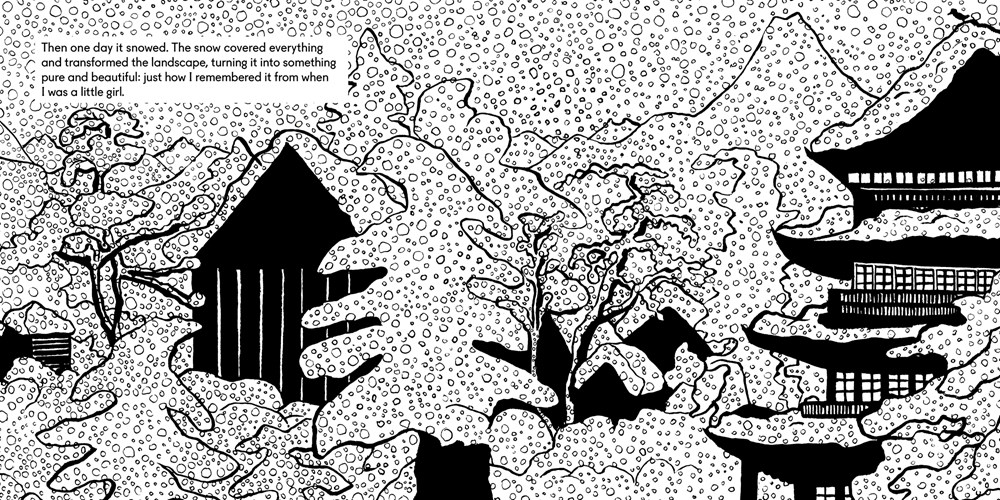
Then Yayoi became sick. She stopped creating and moved back to Japan to recover. But much had changed in the years she had been away. Development and pollution had destroyed the nature she once loved. A snowy day, however, restored her desire to do art, and she began writing. When she was better, Yayoi decided to stay in Japan. “I still work nonstop, making paintings, writing books, and designing clothes and other objects” like pumpkins covered in dots, she says. Her artwork can be found in galleries and museums around the world—her dream from so long ago came true.

More about Yayoi Kusama’s life as well as a stirring photograph of one of her art installations—All the Eternal Love I Have for the Pumpkins—follows the text.

celebrate-picture-books-picture-book-review-yayoi-kusama-covered-everything-pumpkins

Copyright Fausto Gilberti, 2020, courtesy of Phaidon.

Fausto Gilbert’s captivating biography of contemporary artist Yayoi Kusama will enchant young readers and creators of all kinds. Writing from Yayoi’s perspective, Gilberti hits a perfect tone, allowing children to hear Yayoi’s confidence in herself and her work while also discovering the lean times she experienced and how she reached out for help. Gilberti illuminates the timelessness of Yayoi’s singular creative vision, and its meaning will be embraced by today’s aware and activist children. Her final whimsical revelation about her pumpkin artwork will resonate with imaginative kids, exciting them to believe their own dreams of success are within reach.

Gilberti’s quirky black and white illustrations, later punctuated with Yayoi’s signature red hair, will charm kids and are particularly affective in drawing a portrait of this unique artist. Readers will marvel anew with every page and will especially love the twenty-five-person dress and the idea of Yayoi’s “happenings,” which could prompt a fun bath-time art activity for at-home learning. The book will also motivate kids to learn more about Yayoi Kusama’s work online and to create their own art with abandon.

Inspiring and liberating, Yayoi Kusama Covered Everything in Dots and Wasn’t Sorry is a must for creative kids at home, in the classroom, and at public libraries.

Ages 4 – 7 

Phaidon, 2020 | ISBN 978-1838660802

To learn more about Fausto Gilberti, his books, and his art.

International Dot Day Activity

celebrate-picture-books-picture-book-review-dots-coloring-page

Decorate the Dots Coloring Page


How would you color these dots? Grab your favorite paints, markers, or crayons and let your imagination fly with this printable Decorate the Dots Coloring Page.

celebrate-picture-books-picture-book-review-yayoi-kusama-covered-everything-cover

You can find Yayoi Kusama Covered Everything in Dots and Wasn’t Sorry at these booksellers

Amazon | Barnes & Noble | Books-a-Million

To support your local independent bookstore, order from

Bookshop | IndieBound

Picture Book Review
January 31 – Inspire Your Heart with Art Day

celebrate-picture-books-picture-book-review-nature's-friend-cover-2

About the Holiday

Today we celebrate the feeling you get inside when you create or experience art. Art can inspire, gladden, sadden, anger, teach, and compel action. It can also provide joy and inspiration when you need it most. Celebrate today’s holiday by visiting a museum, bookstore, library, concert, or gallery.

Nature’s Friend: The Gwen Frostic Story

Written by Lindsey McDivitt | Illustrated by Eileen Ryan Ewen


“Gwen followed her brothers and sisters everywhere, like a small fawn follows its herd.” Even though an illness in babyhood had left her hands and one foot weak and her speech slurred, Gwen grew up confident that she could do anything. Born in 1906, Gwen, as a child with disabilities, would normally have stayed home instead of attending school. But her mother had been a teacher, so she sent her to school and “pushed her to learn.”

celebrate-picture-books-picture-book-review-nature's-friend-the-gwen-frostic-story-young-gwen

Image copyright Eileen Ryan Ewen, 2018, text copyright Lindsey McDivitt, 2018. Courtesy of Sleeping Bear Press.

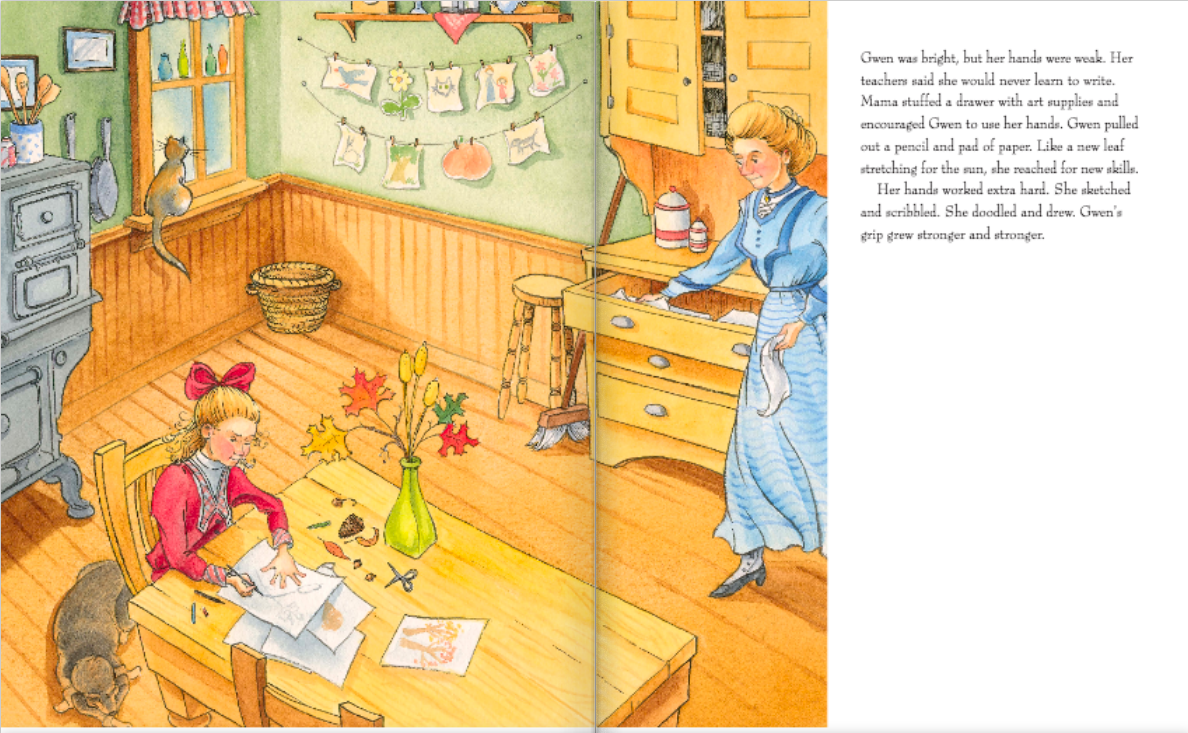
The other kids giggled and whispered behind her back, and while she wanted to hide, she instead “gathered up knowledge like a bird builds a nest.” Her teachers thought she would never be able to write. To strengthen her hands, her mother encouraged her to draw, keeping a drawer full of supplies within reach. As Gwen sketched, her grip grew firmer.”

While making friends was difficult, Gwen found companionship in nature. She loved to spend time outdoors watching the unfurling ferns and frogs that “lapped up bugs with long, quick tongues.” From nature, Gwen learned, “‘all things are vital to the universe…all are equal…and at one…different.’”

celebrate-picture-books-picture-book-review-nature's-friend-the-gwen-frostic-story-school

Image copyright Eileen Ryan Ewen, 2018, text copyright Lindsey McDivitt, 2018. Courtesy of Sleeping Bear Press.

A move to Detroit when she was twelve introduced Gwen to the buildings and people of a big city. In high school, Gwen, now stronger, took mechanical drawing and shop class. Later, in art school, Gwen was introduced to linoleum, in which she carved intricate images for printmaking. Gwen’s dream was to be an artist, but she also knew she needed to earn money to pay expenses.

She started a business making objects from hammered metal. Word of her art spread quickly. It was bought by leading Detroit families, and Gwen was invited to exhibit her art at the 1939 World’s Fair in New York. When World War II broke out, Gwen went to work building bombers. She even designed tools for building the planes. Contributing to the war effort was important, but Gwen still “longed to create art.” She bought a printing press and opened “Presscraft Papers stationery company.”

celebrate-picture-books-picture-book-review-nature's-friend-the-gwen-frostic-story-gwen-in-nature

Image copyright Eileen Ryan Ewen, 2018, text copyright Lindsey McDivitt, 2018. Courtesy of Sleeping Bear Press.

Gwen began to miss the nature she loved so much, so she packed up and moved back to Michigan. There, “she walked deep into the wetlands” and began carving linoleum blocks, recreating nature as she saw it. “She wanted others to see nature as she did, to recognize the value of plants, trees, and animals.” She made prints from her linoleum blocks and created greeting cards on her press. Her beautiful artwork reminded people of nature’s bounty at a time when the environment was threatened with pollution. People came from all over to her shop in the Michigan woods to buy her art that spoke to them: “‘Love this earth, / Love it’s waters… / Care enough to keep it clear.’”

An Author’s Note reveals more about Gwen Frostic’s life and provides a sketching craft for readers.

celebrate-picture-books-picture-book-review-nature's-friend-the-gwen-frostic-story-drawing

Image copyright Eileen Ryan Ewen, 2018, text copyright Lindsey McDivitt, 2018. Courtesy of Sleeping Bear Press.

Lindsey McDivitt’s superb biography of Gwen Frostic—an artist, inspiration, and pioneer for career women and the disabled—introduces children to a woman who, through persistence and confidence, lived life on her own terms. McDivitt’s lyrical prose infuses the story with the poetry of nature that Gwen internalized and translated into the art that people continue to admire and seek out. McDivitt’s thorough storytelling and excellent pacing allow for a full understanding of Gwen Frostic’s achievements. Young readers will be fascinated by the life work of this talented and determined artist.

Screen Shot 2018-08-21 at 6.54.39 PM

Eileen Ryan Ewen captures Gwen Frostic’s strength of character, can-do attitude, and love of nature in her stunning artwork. Full-page illustrations follow Gwen from her beloved Michigan woodlands to Detroit to art school and through her life as an artist and business woman. Images of Gwen carving a linoleum block, sketching designs for new tools as she sits next to a fighter plane and the woman installing rivets, working an old printing press, and greeting visitors at her shop broaden readers’ understanding of the times and Gwen’s work.

An exceptional picture book that provides encouragement and inspiration, Nature’s Friend: The Gwen Frostic Story is a must for classroom libraries and would make a positive impact on young readers as part of their home library.

Ages 6 – 10

Sleeping Bear Press, 2018 | ISBN 978-1585364053

Discover more about Lindsey McDivitt and her books on her website.

To learn more about Eileen Ryan Ewen, her art, and her books, visit her website.

American Artist Appreciation Month

celebrate-picture-books-picture-book-review-nature-coloring-page

Nature Coloring Pages


If you love nature like Gwen Frostic did, you’ll enjoy these printable Nature Coloring Pages.

Meadow Coloring PageOcean Coloring Page

celebrate-picture-books-picture-book-review-nature's-friend-cover-2

You can find Nature’s Friend: The Gwen Frostic Story at these booksellers

Amazon | Barnes & Noble | Books-a-Million | IndieBound

Picture Book Review


December 16 – Celebrating Read a New Book Month with Art

celebrate-picture-books-picture-book-review-art-this-way-cover

About the Holiday

Discovering new books about a favorite subject or one that presents a topic in a new and interactive way is one of the joys of reading. Today and tomorrow, I am featuring two new books that engage kids in the study of art in interactive and exciting ways. Getting to see the world in unique and creative ways is one of the purposes of art, and these books get readers thinking about the whys and hows of some of the world’s influential artists.

Art this Way

By Tamara Shopsin and Jason Fulford


As children—who are naturally creative—know, art is not static but interactive and thought-producing. In Art This Way, author-artists Tamara Shopsin and Jason Fulford invite readers to “see like artists” by introducing them to twelve works of art in the collection of the Whitney Museum of American Art. The eye-catching cover with a cut-out window that frames Carmen Herrera’s Black and White screen print—a black-and-white-striped optical illusion—that, as children discover when they open the cover, looks the same upside down.

celebrate-picture-books-picture-book-review-art-this-way-women-and-dog

Copyright Tamara Shopsin and Jason Fulford, 2019. Courtesy of Phaidon.

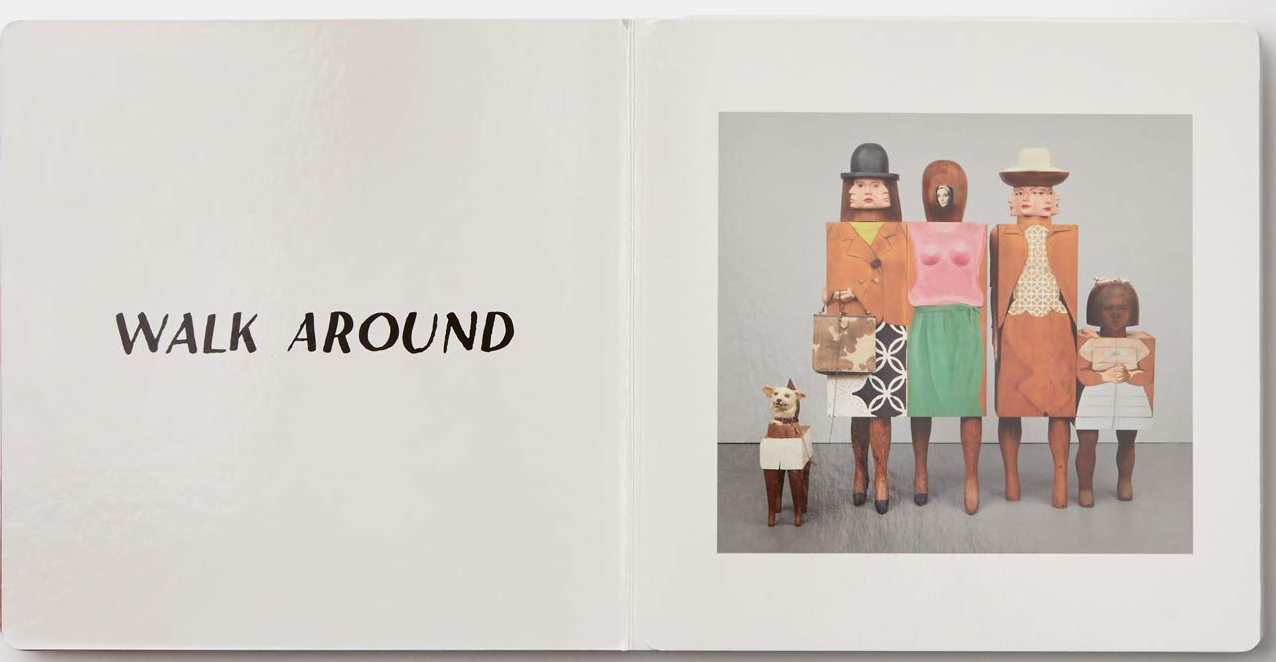
One photograph of Marisol’s sculpture Women and Dog—in which “each of the women is a self-portrait of the artist—can’t fully represent this piece, so readers are presented with three. These fold-out images allow children to “walk around” the sculpture to see the intriguing (and humorous) back and get an up-close view of one of the women’s head, which appears to be looking in all directions.

celebrate-picture-books-picture-book-review-art-this-way-look-up-open

Copyright Tamara Shopsin and Jason Fulford, 2019. Courtesy of Phaidon.

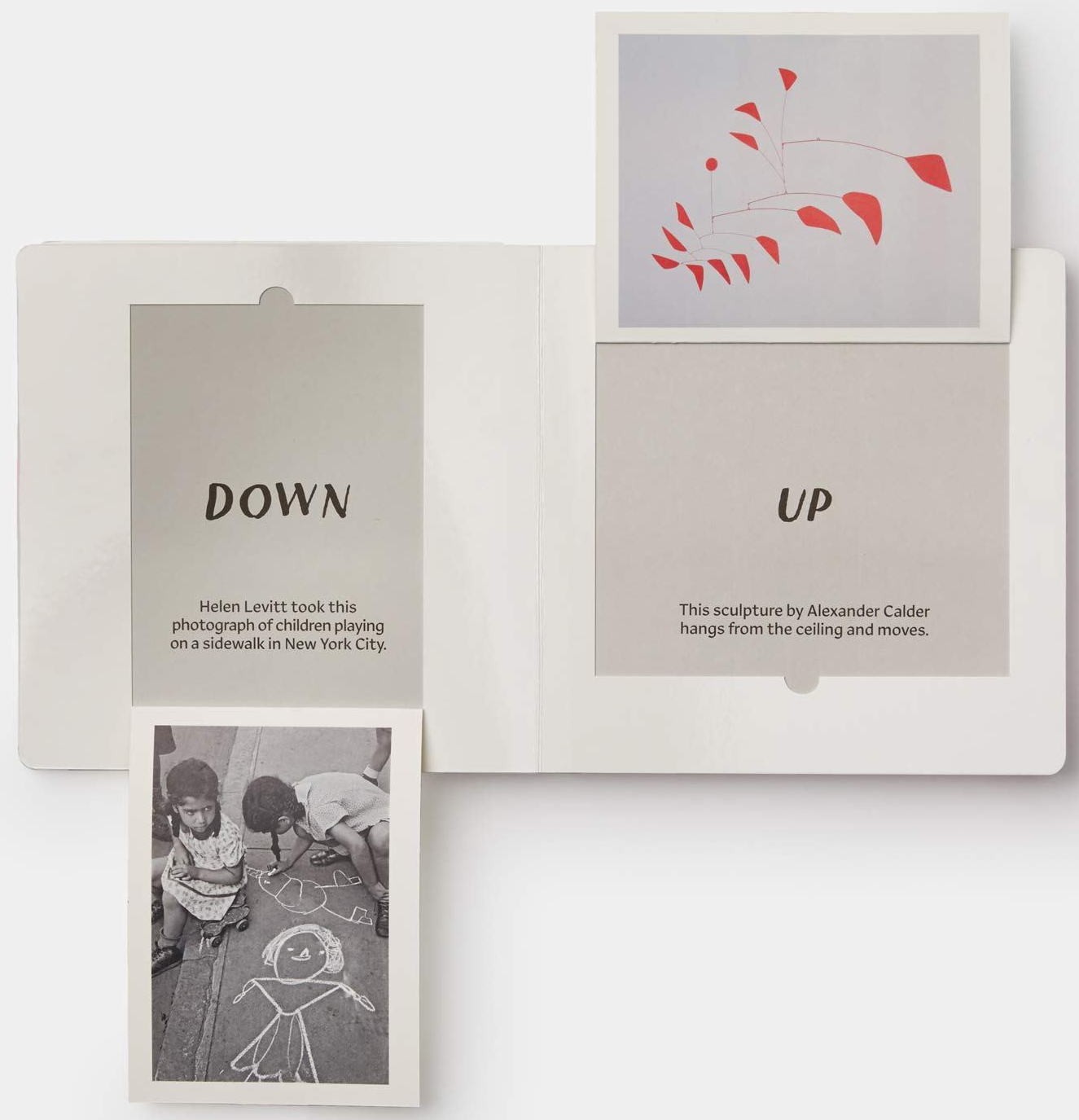
Five screen prints from Andy Warhol’s portfolio Flowers demonstrate the impact of identical images of flowers rendered in different colors. Folding out the pages puts these paintings side-by-side so that kids can choose their favorite or discuss the differences. Sometimes art isn’t at eye level, but below our feet or above our heads. Two doors—one that opens down and one that opens up—reveal two such examples. A photograph by Helen Levitt of children creating chalk drawings on a sidewalk and a whimsical mobile by Alexander Calder will captivate readers.

celebrate-picture-books-picture-book-review-art-this-way-look-close

Copyright Tamara Shopsin and Jason Fulford, 2019. Courtesy of Phaidon.

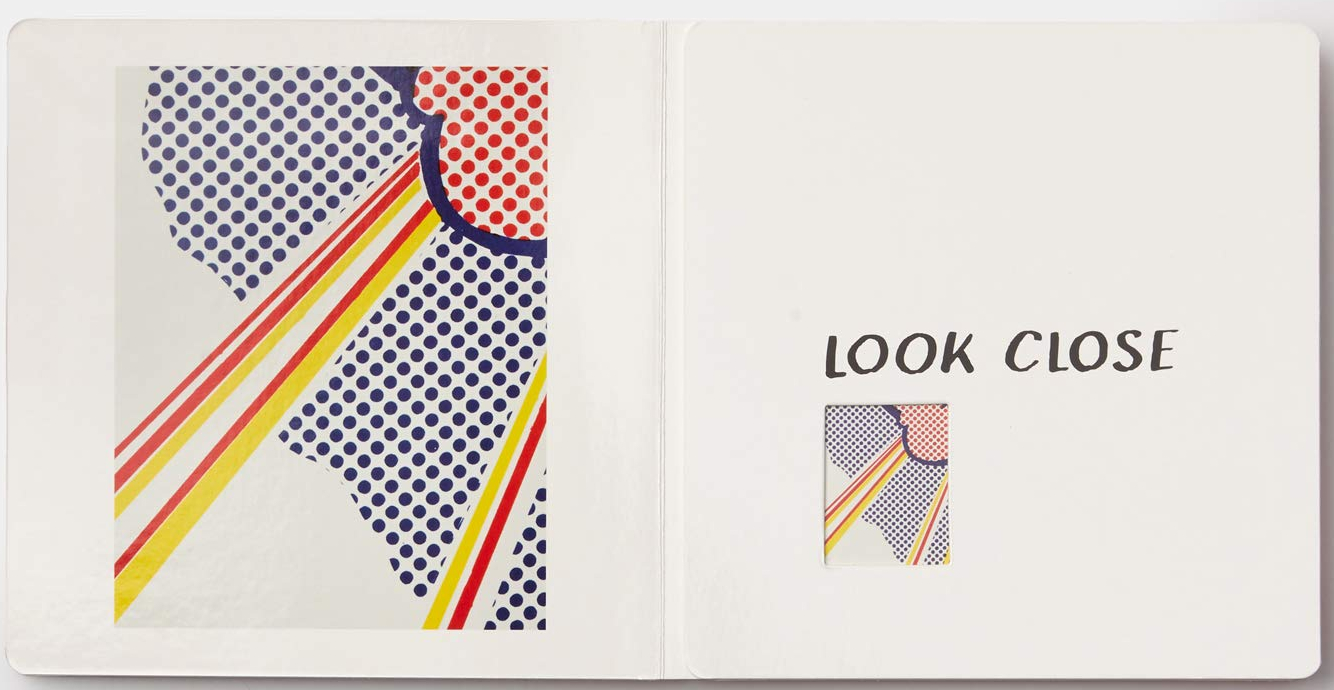
Lovers of comics and graphic novels will be drawn to the close-up and far-away views of an explosion by Roy Lichtenstein, which is composed of solid-color blasts and rays amidst clouds of red and blue dots. Cindy Sherman showed the personal side of art with photographs of “herself pretending to be different characters.” Kids get to try out their own artistic side with the mirror that beckons them to “look in” and try on the round glasses for size. Finally, one of the wrapped objects that have made Christo well-known around the world awaits readers, enticing them to guess what might be inside.

celebrate-picture-books-picture-book-review-art-this-way-look-far-away

Copyright Tamara Shopsin and Jason Fulford, 2019. Courtesy of Phaidon.

Each of the works of art presented here have been well-chosen by Tamar Shopsin and Jason Fulford to encourage young readers to discover art not only in museums but all around them and to explore their own creativity. Each page invites readers to talk about the piece and to try their hand at using it to inspire a piece of their own.

A wonderful and fun way to introduce youngest readers to the joys of creativity, Art This Way makes a unique addition to home, classroom, and public library board book collections.

Ages 2 – 4

Phaidon, 2019 | ISBN 978-071487721

To find a portfolio of work by Tamara Shopsin and in collaboration with her husband Jason Fulford, visit her website.

Celebrating New Book Month with Art Activity

celebrate-picture-books-picture-book-review-motivation-and-inspiration-day-craft

Make Art from Found Objects


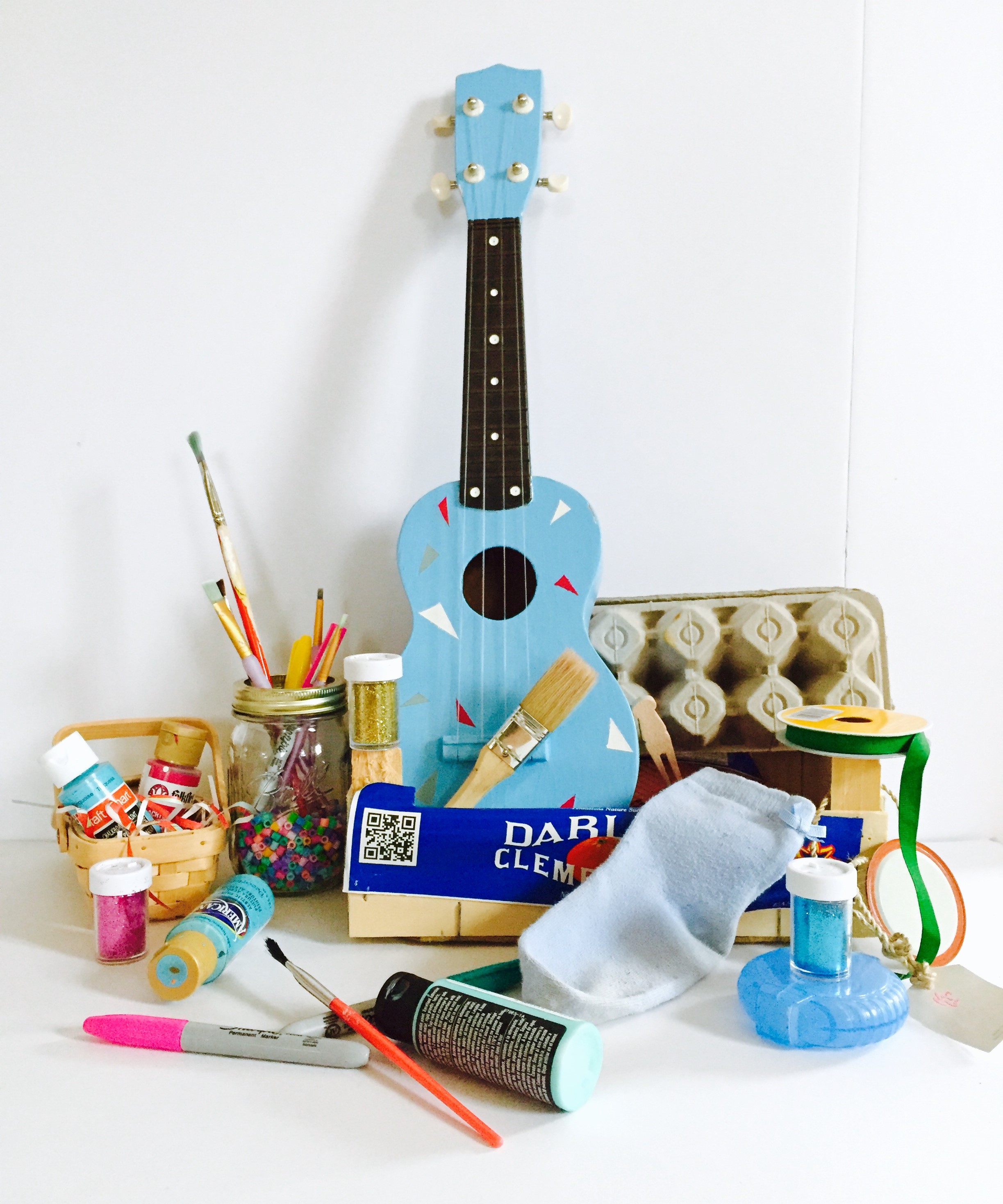
Each person finds inspiration in different things, places, and people. Today, try to create something new from the materials around you. Boxes, bottles, wire, magazines, cloth, wood, sponges—almost anything—can be transformed with some imagination. With those old socks, corks, flower pots, candle stubs, bits of ribbon, clementine crate, paint, glitter, beads, and more, you can make something useful, a decoration for your room, or even a gift for a friend!

celebrate-picture-books-picture-book-review-art-this-way-cover

You can find Art This Way at these booksellers

Amazon | Barnes & Noble | Books-a-Million | IndieBound

Picture Book Review
July 25 – It’s World Watercolor Month

celebrate-picture-books-picture-book-review-painting-pepette

About the Holiday

World Watercolor Month was begun in 2016 by Charlie O’Shields, the creator of Doodlewash®, host of the Sketching Stuff podcast, and a social artist movement dedicated to promoting and connecting watercolor artists from all over the world. The holiday also raises awareness of the importance of art and creativity to the world. Everyone from amateurs to professionals are welcome to participate—and if you’ve never painted with watercolors before, now’s a great time to try! If you want to find prompts to inspire your work and other ways to enjoy the month and take your love of watercolor painting into next month and beyond, visit Doodlewash.

Painting Pepette

Written by Linda Ravin Lodding | Illustrated by Claire Fletcher

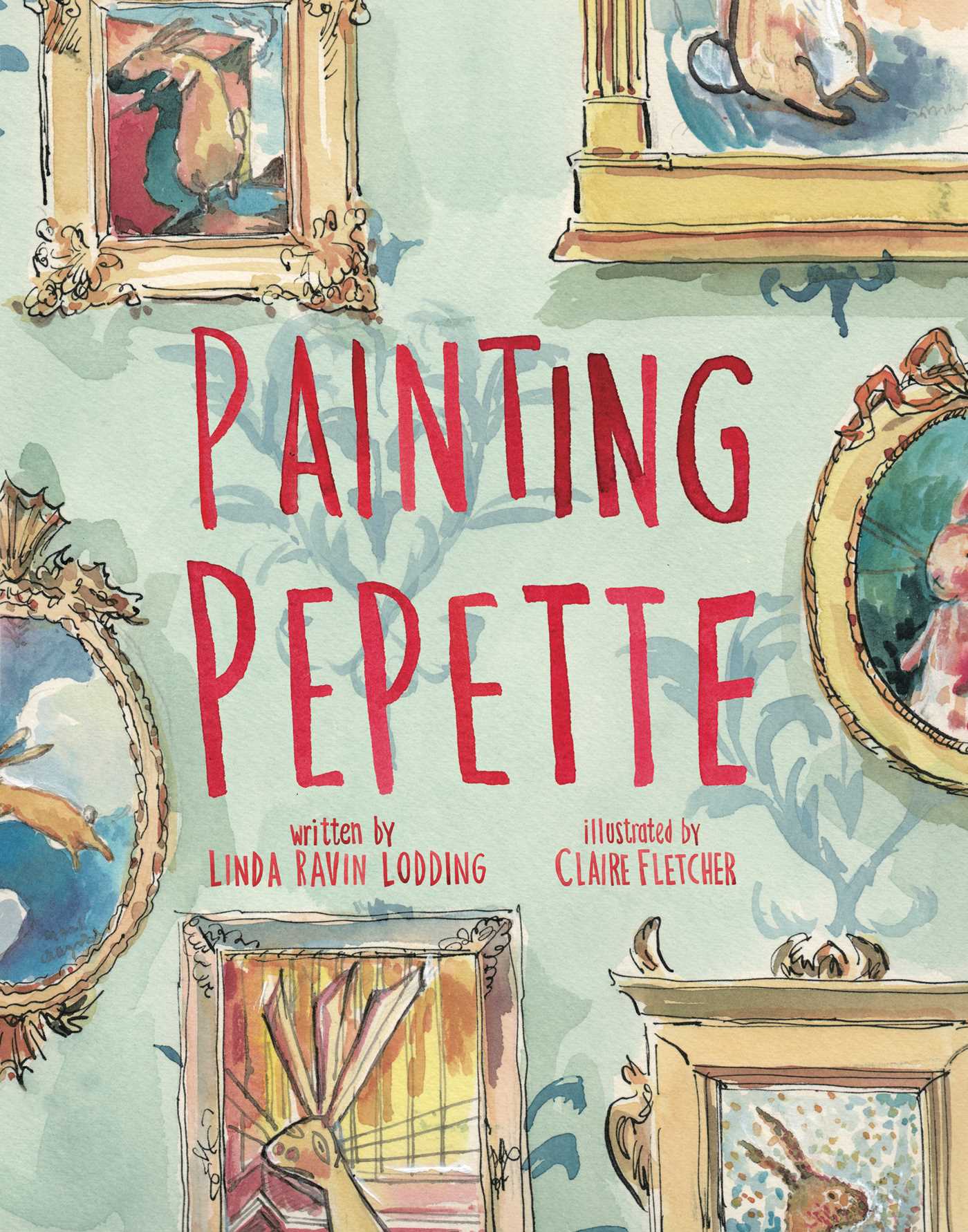
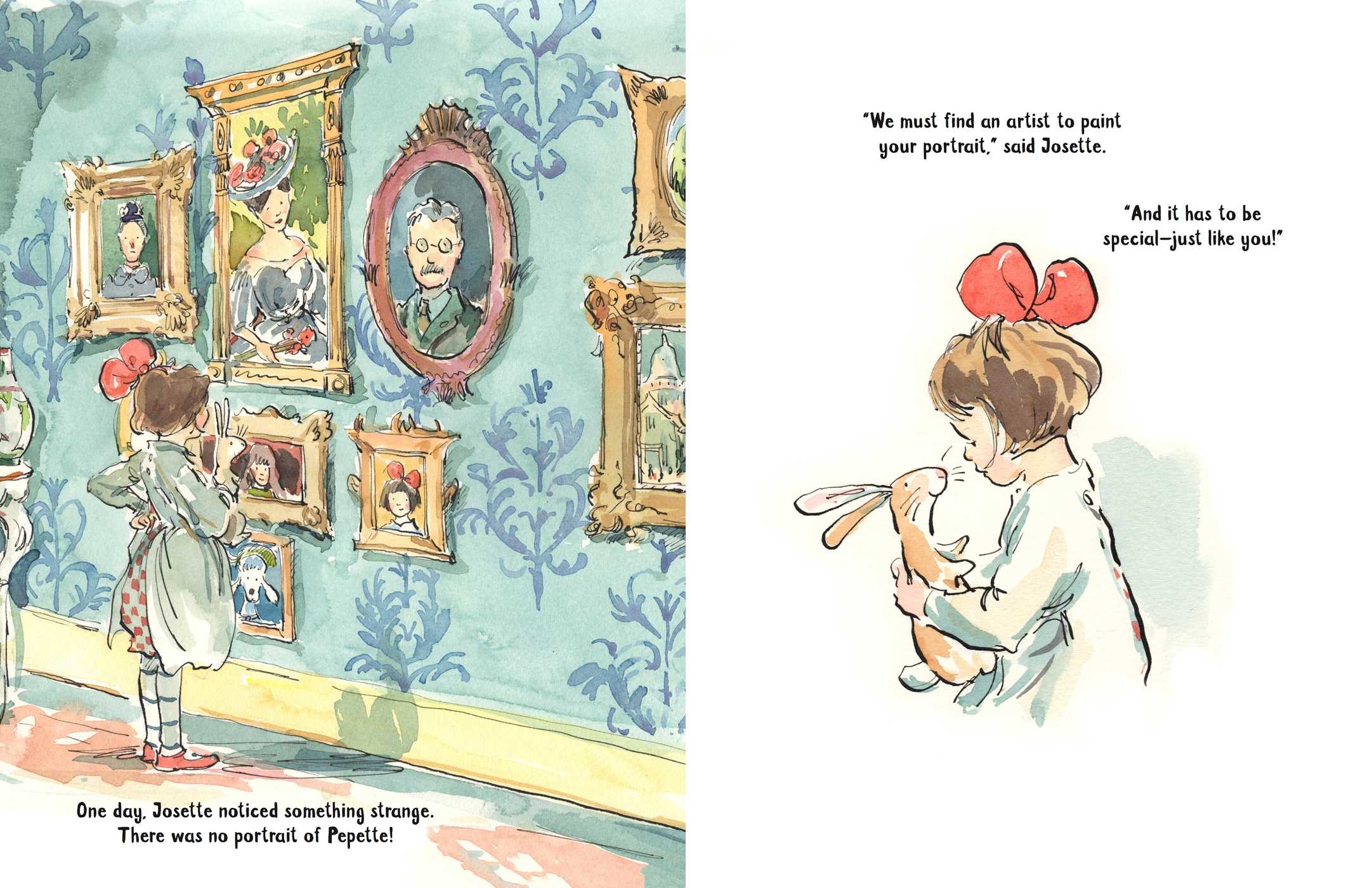
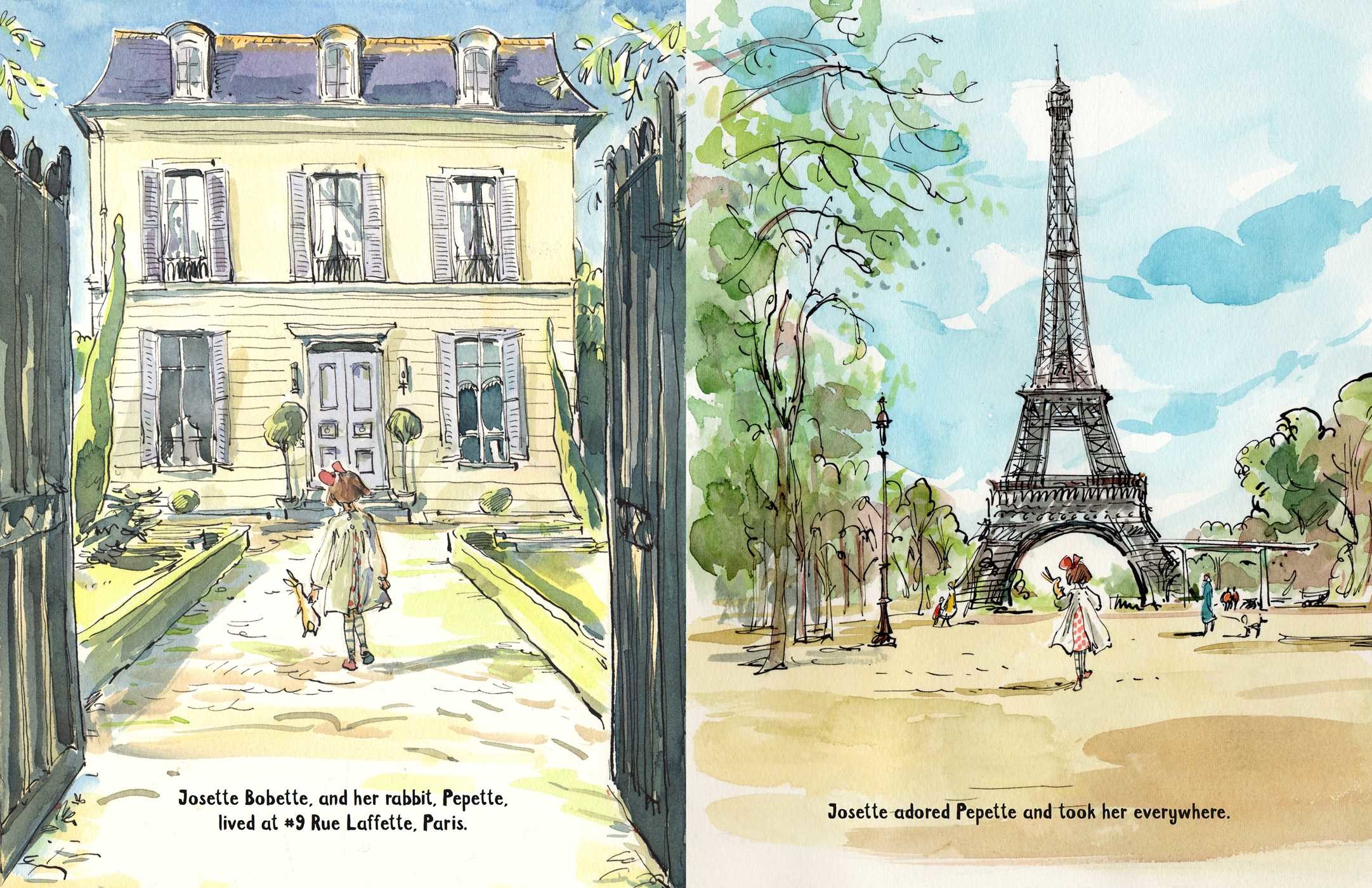
If you were to peek in the great room window of the grand yellow house at #9 Rue Laffette in Paris, you would most likely see Josette Bobette and her beloved stuffed rabbit Pepette cuddled together on the comfortable seat. It was their favorite place. Looking past them you would see that on the walls hung portraits of the family—Josette’s mother was there as well as grand-mère and grand-père, the three Bobette sisters, and even their schnoodle Frizette.

celebrate-picture-books-picture-book-review-painting-pepette-great-room

Image copyright Claire Fletcher, 2016, text copyright Linda Ravin Lodding, 2016. Courtesy of simonandschuster.com

“One day Josette noticed something strange. There was no portrait of Pepette!” Josette at once determined to find an artist to paint a special portrait of her best friend. The pair head out to Montmartre, where all of the best artists set up their easels to paint and sell their work. It didn’t take long for a man in a striped shirt to stop them.

“‘Those ears!’” he cried. “‘Never have I seen such majestic ears. I must paint this rabbit’s portrait!’” Pepette blushed at such an effusive compliment, and Josette exclaimed, “‘Magnifique!’” It appeared that Josette had found just the artist to create Pepette’s portrait. The painter waved his brush with a flourish, “declared his painting a ‘masterpiece,’” and held it up for inspection. Josette gazed at a Pepette with two noses and three ears. Diplomatically, she proclaimed the picture “‘nice’” but not quite Pepette. Her best friend agreed.

celebrate-picture-books-picture-book-review-painting-pepette-pepette-with-bunny

Image copyright Claire Fletcher, 2016, text copyright Linda Ravin Lodding, 2016. Courtesy of simonandschuster.com

Just then a man with a thin, curved handlebar mustache spied the pair. Admiring Pepette’s whiskers, the artist begged to capture “‘the very essence of her rabbitness!’” He immediately set to work, and in no time a most unusual portrait emerged. Pepette seemed to melt from atop a tall red wall. Josette considered it—and her reaction—carefully. “‘It’s imaginative,’” she said. “‘But you’ve painted Pepette quite, well, droopy.’” Pepette agreed.

As Josette and Pepette enjoyed a Parisian snack on the curb of Montmartre, a rakish young man happened along. He was arrested by Pepette’s nose, which he likened to “‘a faint star twinkling in a misty, velvet night.’” Josette had a good feeling about this artist and followed him across the square to his easel. Pepette posed on a red tufted stool as the artist painted a rabbit soaring through the clouds. He proclaimed the finished portrait “‘one of my best works’” as he displayed it to the crowd. Josette liked the clouds but told the painter that Pepette is afraid of heights and not fond of flying. Pepette agreed.

celebrate-picture-books-picture-book-review-painting-pepette-pepette-at-home-and-in-paris

Image copyright Claire Fletcher, 2016, text copyright Linda Ravin Lodding, 2016. Courtesy of simonandschuster.com

By now Pepette was the most sought-after model in Paris, and another artist rushed up, captivated by her beauty. The balding man in a dapper suit and round spectacles peered at Pepette. “‘What a colorful lady—balloon blue, pansy pink, and radish red!’” Although a little suspicious of his vision, Josette allowed him to paint Pepette. “‘Ta da!’” the man exclaimed, revealing the magic of his brush. Josette studied the canvas with its vibrant dots, dashes, and splashes. While she admired the colors, she reminded the artist that Pepette isn’t pink. “‘Ah, yes,’” nodded the painter. “‘But through art we can see the world any way we want.’”

With the sun setting low in the sky, Josette politely said thank-you and goodbye to the artists. She and Pepette had enjoyed their day, but it was time to go home. Curled up once more on the window seat, Josette sighed. She had so hoped to have the perfect portrait of Pepette—one that showed her velvety grey listening ears, her heart-shaped nose, and her soft arms that give tight hugs. Suddenly, Josette had an idea! After gathering all of her art supplies, she created the perfect likeness—one as special as Pepette herself!

celebrate-picture-books-picture-book-review-painting-pepette-pepette-at-montmartre

Image copyright Claire Fletcher, 2016, text copyright Linda Ravin Lodding, 2016. Courtesy of simonandschuster.com

An author’s note on the last page describes the creative atmosphere of 1920s Paris, home to writers, artists, musicians, and fashion designers, that gives a frame to her story. The artists that Josette meets are inspired by Pablo Picasso, Salvador Dalí, Marc Chagall, and Henri Matisse.

In Painting Pepette Linda Ravin Lodding has written a multi-layered story of love, friendship, and unique vision. Through the sweet relationship between Josette and Pepette and with a sprinkling of humorous self-congratulation by the artists, Lodding nudges readers to appreciate that while art can reveal and obscure, reflect or transcend reality, ultimately the success of a piece—complex or simple—lies within the viewer’s heart. Children will also see that their creative endeavors, undertaken with love, are just as meaningful and appreciated as those of professional artists. Lodding’s lyrical language trips off the tongue and is a joy to read—as if readers are following Josette as she skips happily through Paris.

Claire Fletcher’s striking pen-and-ink and watercolor illustrations pay delicate homage to cityscapes of a bygone Paris. Adorable Josette and her enchanting rabbit are the perfect tour guides through crowded Montmartre and this introduction to art history. Soft tones of yellow, rose, and green illuminate the apartments and cafes of the square, where colorful shoppers and artists mingle. Fletcher’s renderings of Pepette’s various portraits will not only make kids giggle, but entice them to learn more about each artistic style. The final endpapers reveal that the four fine-art portraits now hang in the Muse of Paris, while readers already know that Josette’s perfectly perfect portrait of her well-loved friend has taken its rightful place on the wall in the Bobette’s great room!

Painting Pepette is a beautiful addition to any child’s bookshelf and a lovely way for teachers to initiate a discussion of art history and get kids excited about artists and different art styles.

Ages 4 – 9

little bee books, 2016 | ISBN 978-1499801361

Follow Josette through Paris as she searches for just the right artist to paint a portrait of her best friend Pepette and comes to a surprising discovery in this beautiful Painting Pepette book trailer:

Discover more books by author Linda Ravin Lodding on her website.

Illustrator Clair Fletcher invites you to find more of her artwork by visiting her online gallery.

National Watercolor Month Activities

celebrate-picture-books-picture-book-review-painting-pepette-activity-guide

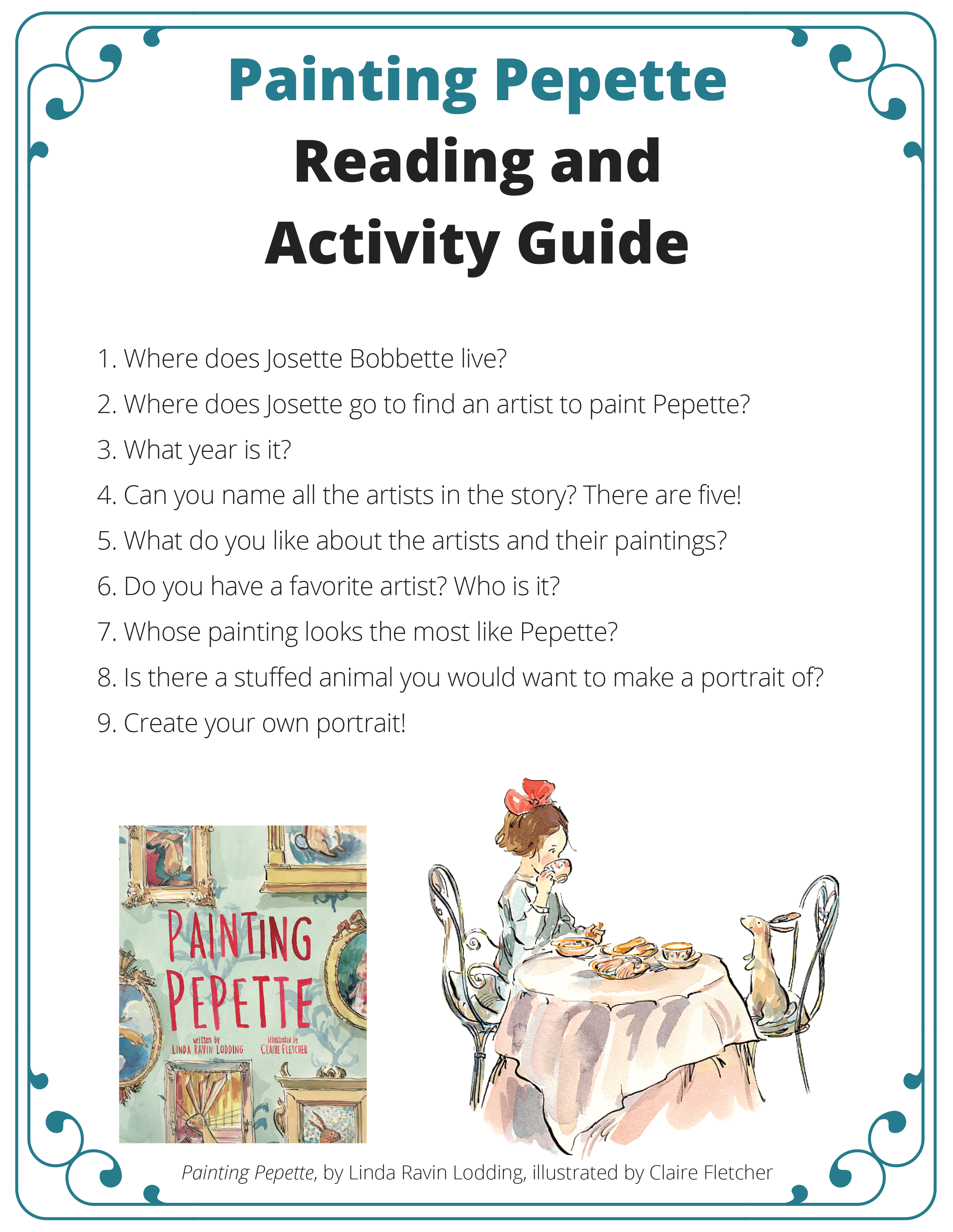
Painting Pepette Reading and Activity Guide

little bee books has created an interactive activity so you can continue to explore Josette’s world and your own artistic talent! Just click here—Painting Pepette Reading and Activity Guide—to start having fun!

Stuck on You Magnets or Picture Hanger

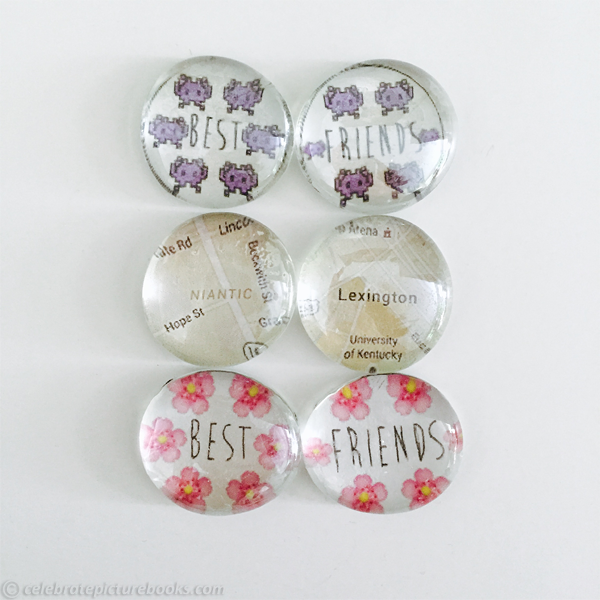
Creativity is meant to be shared! Here’s an easy craft that you can make to give to your friends whether they live close by or far away. These magnets can used by themselves or to hold a picture-hanging wire. Use inside jokes, favorite characters, or shared experiences to make these  crafts personal!

celebrate-picture-books-picture-book-review-friends-magnets-craft

For Magnets

Supplies

  • To get you started, here are two printable Best Friends Templates! Template 1 Template 2
  • Poster board
  • Large, 1 ½-inch clear glass stones (decorative fillers), available in craft stores
  • Markers or colored pencils OR find images online to print out
  • Medium to large flexible magnets, available in craft stores
  • Super glue
  • Toothpicks
  • Scissors

Directions

  • Place the glass stone on the poster board and trace around it
  • Draw your design in the circle on the poster board
  • Cut out the circle
  • With the toothpick, apply glue around the very edge of the design side of the circle
  • Attach the circle to the flat side of the stone, let dry
  • Trim the cardboard circle if needed
  • Attach the magnet to the back of the cardboard with glue

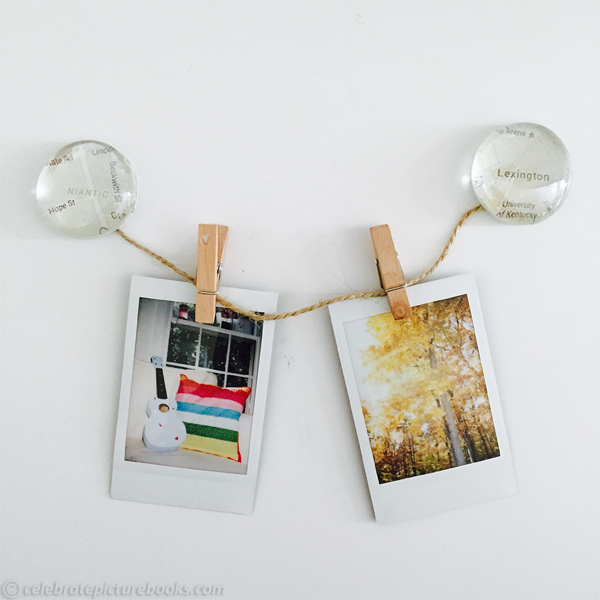
celebrate-picture-books-picture-book-review-friends-picture-hanger-craft

For Map Picture Holder

Supplies

  • Use a mapping program to find a map of your town and your friend’s town
  • Poster board
  • Large, 1 ½-inch clear glass stones (decorative fillers), available in craft stores
  • Twine
  • Super Glue
  • Toothpicks
  • Scissors
  • Heavy duty mounting squares

Directions

  1. Find maps of your and your friend’s towns
  2. Zoom in so the name of your and your friend’s towns are displayed well. You will be using about a 1-inch area around the towns’ names.
  3. Take a screen shot of the maps
  4. Print the maps
  5. Place the glass stone on the map and trace around it
  6. Place the glass stone on the poster board and trace around it
  7. Cut out the circles on the map and poster board
  8. With the toothpick, glue the map to the poster board, let dry
  9. With the toothpick, apply glue around the very edge of the map side of the circle
  10. Attach the circle to the flat side of the glass stone, let dry
  11. Trim the cardboard circle if needed
  12. Repeat with the other map
  13. Attach a length of twine to the back of each glass stone
  14. Attach heavy duty mounting squares to the back of each glass stone
  15. Attach stones to the wall and hang pictures on the twine

celebrate-picture-books-picture-book-review-painting-pepette

You can find Painting Pepette at these booksellers

Amazon | Barnes & Noble | Books-a-Million | IndieBound

Picture Book Review