March 5 – It’s Save Your Vision Month

celebrate-picture-books-picture-book-review-douglas-you-need-glasses

About the Holiday

During the month of March people are encouraged to think about their eye health. This year the American Optometric Association is promoting awareness of digital eyestrain and the issues of extended exposure to blue light. According to 2016 AOA Eye-Q survey data, the average American spends seven hours per day using digital devices. Overexposure to the blue light emitted by smartphones, tablets and other technology can cause vision damage, sleep problems, and more. If you or your children don’t get regular eye exams, consider making an appointment this month.

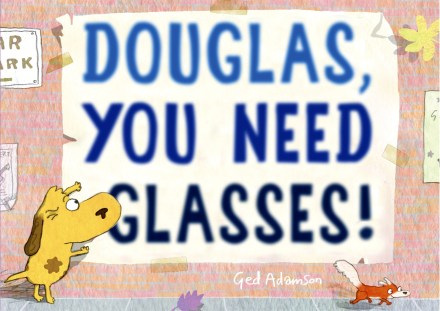
Douglas, You Need Glasses!

By Ged Adamson


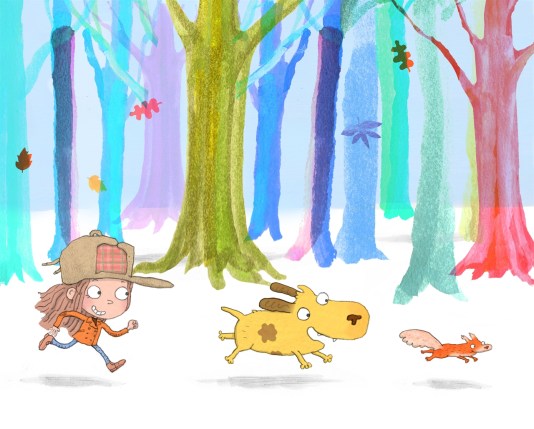
Something may be amiss with Douglas. When Nancy and her playful pooch go out to chase squirrels, Douglas takes after a falling leaf while the squirrel escapes up a tree. It’s not the first time this has happened, either. You see, Douglas is a bit nearsighted. Sometimes he mistakes the stair post for Nancy, and his difficulty gets in the way of things (well, mostly Douglas gets in the way of things).

celebrate-picture-books-picture-book-review-douglas-you-need-glasses-watching-tv

Image and text copyright Ged Adamson, courtesy of Schwartz & Wade

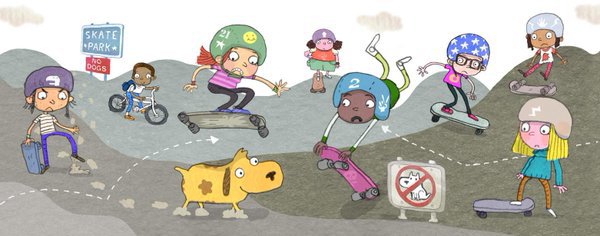
He also misses important signs—like the one that would have prevented him from tracking wet cement all over the skate park, where there are NO DOGS allowed—and he’s always causing something of a ruckus. Sometimes he even enters the wrong house! But when a game of fetch nearly creates a buuzzzz of disaster, Nancy decides something must be done.
celebrate-picture-books-picture-book-review-douglas-you-need-glasses-skate-park

Image and text copyright Ged Adamson, courtesy of Schwartz & Wade

She takes Douglas to the eye doctor where he reads a most dog-friendly eye chart and discovers that he needs glasses. He peruses the shelves of Dog Glasses and puts some on. Each one makes him feel different. In one pair he’s a rock star; in another a scholar; and in yet another a hippy. He tries them all until he finds the perfect pair!

celebrate-picture-books-picture-book-review-douglas-you-need-glasses-eye-doctor

Image and text copyright Ged Adamson, courtesy of Schwartz & Wade

On the way home he sees the world in a whole new way. “‘Wow! Everything looks amazing!’” Douglas says. And it is!

Ged Adamson’s funny look at a dog with an all-too-human malady will make kids laugh from the first page to the last. Earnest Douglas, going about his doggy days under a bit of a skewed perspective, is so endearing that readers will immediately take him to heart even as they giggle at his exploits.
celebrate-picture-books-picture-book-review-douglas-you-need-glasses-chasing-squirrel

Image and text copyright Ged Adamson, courtesy of Schwartz & Wade

Adamson’s vibrant multi-hued trees, colorfully clothed kids, and vivid backgrounds with stylish, sketched-in details give the book a fresh, jaunty appeal for a lively, fun story time. Kids facing the prospect of wearing glasses will also find much to give them reassurance and confidence in this book. Douglas, You Need Glasses! is a great addition to any child’s bookshelf!

Ages 3 – 8

Schwartz & Wade, Random House Kids, 2016 | ISBN 978-0553522433

Visit Ged Adamson’s Website to learn more about him and his books!

Save Your Vision Month Activity

celebrate-picture-books-picture-book-review-spool-puppy-craft

Spool Puppy


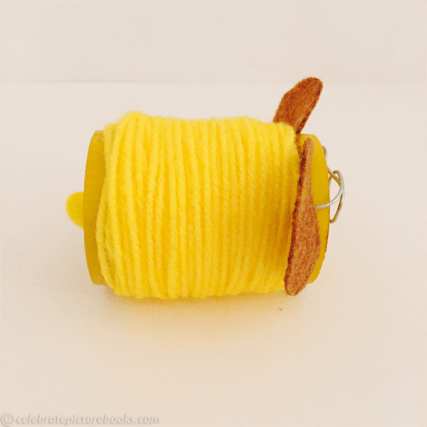
No matter where you go and whether you have a real dog or not, you can take this little guy along with you. And just as you would pick out your favorite from an animal shelter, you can make this puppy look any way you’d like!

Supplies

  • Printable Ears and Nose Template
  • 2-inch round wooden spool, available at craft stores
  • 1 skein of yarn in the color you choose. Yardage needed will depend on the thickness of the yarn.
  • Felt
  • Thin gauge wire
  • Craft paint
  • Paint brush
  • Fabric or strong glue
  • Dowel or pencil to wrap wire around to make glasses

celebrate-picture-books-picture-book-review-spool-puppy-craft

Directions

  1. Paint the dowel the color you want your dog to be, let dry
  2. Trace the ears on the felt and cut out (or draw your own ears)
  3. Trace the nose on the felt and cut out
  4. When the spool is dry glue the ears to the body of the spool, allowing the ears to stick up from the top of the spool
  5. Wind the yarn around the spool back and forth until the dog’s body is the size you’d like
  6. Glue the yarn in place with fabric or strong glue

To make the face

  1. Glue the nose over the hole on one end of the spool
  2. Draw the mouth and tongue under the nose with a marker
  3. You will draw the eyes on after the glasses are in place

To make the glasses

  1. Wind the wire around a ½-inch dowel, thick pencil, or rounded handle to make two circles.
  2. Leave about two inches on either side of the circles for the ear pieces of the glasses.
  3. Adjust the size of the circles to fit the spool as glasses.
  4. Put the glasses on the face of the spool, tucking the ear pieces into the yarn on each side
  5. Draw eyes in the center of the glasses

To make the tail

  1. Cut a small square of felt and stuff the edges into the hole on the other end of the spool
  2. You can make the tail as long as you like
celebrate-picture-books-picture-book-review-spool-puppy-craft

Picture Book Review

March 4 – National Grammar Day

celebrate-picture-books-picture-book-review-little-white-fish-is-so-happy-cover

About the Holiday

I must confess that today’s holiday is one of my favorites. Even as a kid I howled at the unintentional ridiculousness misplaced punctuation and poor editing created and absolutely loved diagramming sentences (I know, right?!). While the rules of grammar in any language may sometimes seem confusing and unnecessary, they help structure the language so what you write and say makes sense and exactly states your meaning. National Grammar Day was established in 2008 by author Martha Brockenbrough, the founder of the Society for the Promotion of Good Grammar.

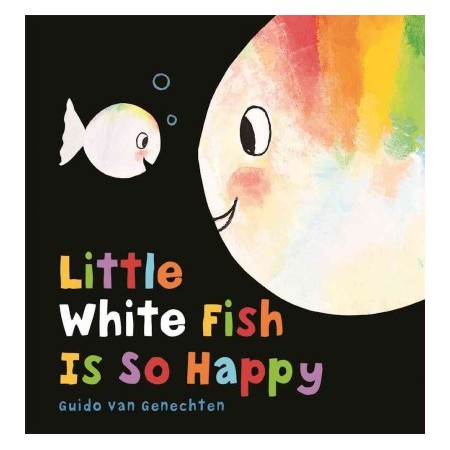
Little White Fish Is So Happy

By Guido Van Genechten


Little White Fish has been swimming on his own, but is so happy that his “mom is coming to get him.” Before he leaves, however, he wants to say “goodbye” to his many friends. “Bye-bye, snail in the shell,” he burbles. The “frog on the rock” also receives a happy “goodbye.” Little seahorse is playing under a leaf, but Little White Fish spies him.

Crab waves from behind a stone as Little White Fish swims by, and goldfish smiles at him from his spot “between the reeds.” As Little White Fish sends his friends a final farewell, they all stand “next to each other” to see him off. The best part of going home for Little White Fish, though, may be getting to swim “in front of” his mom!

In Little White Fish Is So Happy, young grammarians are introduced to a few of the most common prepositions, with clear visuals to reinforce their meaning. Bold type prompts adult readers to emphasize the prepositions and to expand on the idea by pointing out how the words apply to each particular sea creature. The endearing relationship among these friends will charm young children as the idea of being away from home is presented in an upbeat way that encourages independence while also reassuring little ones of parents’ love and attention.

celebrate-picture-books-picture-book-review-well-done-little-white-fish-cover

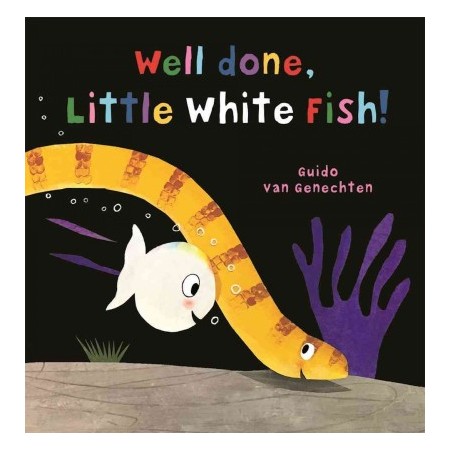
Well Done, Little White Fish

By Guido Van Genechten


Little White Fish is visiting his friends. First up is crab who is “can cut sea grass with his claws.” This is a pretty cool talent, and Little White Fish wonders what he can do. Turtle is strong enough to carry a rock on his shell, and “sea urchin easily does seven somersaults in a row. And Little White Fish? What can he do?”

Wow! Little jellyfish “can light up the dark.” Little White Fish is astonished; he knows he can’t do that. Starfish is like a ballet dancer when she stands on one leg. “Little White Fish doesn’t even have legs….” Little White Fish knows he must watch out for Octopus when he spits out ink, and he likes playing over and under with sea snake when he makes “a beautiful arch.

And Little White Fish? He “can swim really well, even backwards and upside down!” Now it’s time for his friends to be amazed, and as Little White Fish swims around his group of friends, they all cheer and applaud his special talent.

Well Done, Little White Fish explores individuality as the small fish watches each of his friends demonstrate their talents. At first everyone seems to be cleverer, stronger, and more agile than he is, but when Little White Fish displays his swimming skills, he learns that he too is unique. Bold text points out each creature’s special ability and can also serve as a gentle lesson about verbs. Van Genechten’s adorable sea creatures, with their ready smiles and buoyant enthusiasm, will delight young children as they learn facts about nature while embracing these characters.

Guido Van Genechten’s Little White Fish books, including Little White Fish, Little White Fish Has a Party, and Little White Fish Has Many Friends, make a sweet series for the youngest readers. The spare text is lively and cheerful and makes use of the type of repetition that little ones respond to. The bold, multicolored and multilayered illustrations set on a black background are eye-catching. Small children will love the smiling sea creatures and the playful relationship among the friends.

Ages 2 – 5

Clavis Publishing, 2017

Little White Fish Is So Happy | ISBN 978-1605373263

Well Done, Little White Fish | ISBN 978-1605373270

Grammar Day Activity

Active Words Playtime


It can be fun to teach grammar by playing! Prepositions such as up, down, under, in, on, through, over, and out can provide opportunities for active fun inside or outside. A playground is a perfect place to demonstrate prepositions to kids while they climb, slide, crawl, and swing on the equipment.

Inside, all you might need is a large box or a homemade pillow fort to build your child’s vocabulary. Kids will love jumping up, crouching down, getting in the box or fort, getting out of the box or fort. Pillows or an open-ended box make a great tunnel to crawl through. You and your child can even make up a story to go along with the actions.

That old perennial favorite Simon Says is another great way to play with grammar, so get creative…and enjoy grammar!

Picture Book Review

March 3 – World Wildlife Day

celebrate-picture-books-picture-book-review-lotus-and-feathers-cover

About the Holiday

In December of 2013 the United Nations General Assembly proclaimed March 3rd as World Wildlife Day to promote awareness of our environment and the dangers to it. This year’s theme is “Listen to the Young Voices.” Nearly one-quarter of the world’s population is between the ages of 10 and 24. With a crucial stake in the preservation of the world’s animals and plants and their habitats, more and more young people are getting involved in the preservation of the environment. Today, find a way to get involved in your community or donate to a wildlife cause. A clean, healthy, and protective environment benefits all.

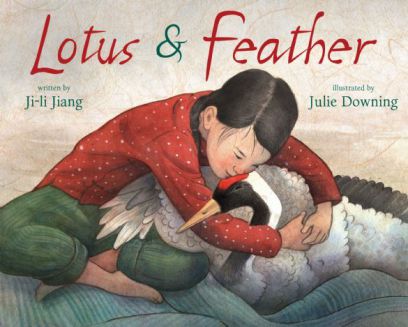
Lotus & Feather

Written by Ji-li Jiang | Illustrated by Julie Downing

Lotus was lonely since her winter illness had left her without a voice. The children at school “treated her like a strange creature,” and she was left without playmates or someone to keep her company on the walk home. She lived with her grandfather who made reed baskets and found solace when he took her to ride in his boat on the nearby lake. As he poled the boat through the still water, Lotus’ grandfather sadly pointed out how the lake had changed. No longer did the lotus flowers, fish, birds, or animals thrive. Instead, the landscape had “‘been ruined by greedy fishermen and hunters, and by ignorant people who took over the land where animals once lived.’”

celebrate-picture-books-picture-book-review-lotus-and-feather-lotus-meets-feathers

Image copyright Julie Downing, courtesy of Disney Hyperion

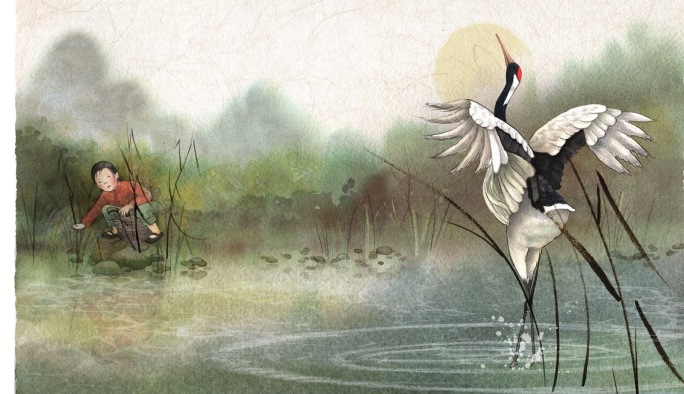
One morning while Lotus was out collecting reeds for her grandfather she spied a rare crane. It’s wide white “wings were edged with black feathers, like lace on a dress”…and “its head was crowned with a red top like a dazzling ruby.” As she watched a gunshot rang out. Unable to alert the hunter by shouting, Lotus banged on her bucket, frightening him away. Lotus rushed toward the wounded bird, picked it up and carefully brought it home to Grandpa.

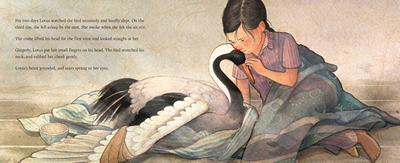
Grandpa tended to the crane’s injury and fed him rice soup while Lotus stroked the soft head. For two days, Lotus hardly slept as she took care of the crane. On the third day she fell asleep next to the crane, waking when he stirred and nestled her cheek. “Lotus’s heart pounded, and tears sprang to her eyes.” Lotus named the crane Feather. As it grew stronger she gathered food for it, and on the day Feather took his first steps, “Lotus jumped and swirled and hugged Grandpa blissfully.”

celebrate-picture-books-picture-book-review-lotus-and-feather-lotus-comforts-feather

Image copyright Julie Downing, courtesy of Disney Hyperion

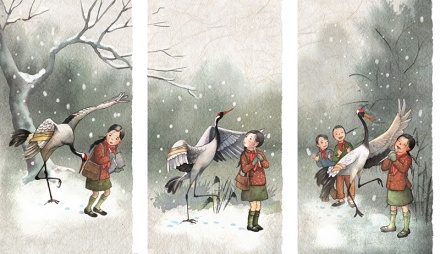
Soon Feather was following Lotus everywhere—even to school. After class Lotus would blow her whistle and Feather would come running and dance as Lotus played. The other children joined in, dancing and playing along every day. One night Lotus heard Feather crowing and woke to find that the village was flooded. Poling his boat through the streets, Grandpa shouted, Lotus banged her pail, and Feather crowed to alert the neighbors. “Over three hundred villagers were saved. Feather was the hero.” He became famous, and people wanted to hear his story again and again.

celebrate-picture-books-picture-book-review-lotus-and-feather-lotus-dancing

Image copyright Julie Downing, courtesy of Disney Hyperion

When Spring arrived Feather was still too weak to fly but he looked longingly at the birds migrating north. Lotus was frightened that her friend might want to leave them, but she “knew she would never separate him from his home and family.” One day Feather spread his wings and leaped into the air. Lotus realized that he had healed and knew it was time for him to leave. Grandpa and Lotus took Feather to the lake. Grandpa tossed Feather into the air, but he returned again and again. Grandpa gave Feather to Lotus. Lotus hugged Feather one more time and threw him into the sky.  

celebrate-picture-books-picture-book-review-lotus-and-feather-lotus-lets-feather-go

Image copyright Julie Downing, courtesy of Disney Hyperion

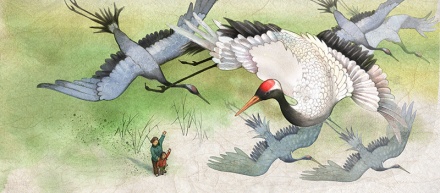
Holding back tears, Lotus watched as “Feather flapped his big wings and soared north, disappearing into the horizon.” Lotus and the other children missed Feather. They gathered together listening to Lotus play her whistle, imagining that Feather could hear them. One autumn morning, Lotus heard a familiar crow and rushed outside. There stood Feather with his family. Then Lotus gasped. The sky was filled with hundreds of cranes coming to the lake. Lotus blew her whistle, and the notes, “accompanied by the birds’ singing, echoed far, far away in the golden sky.”

celebrate-picture-books-picture-book-review-lotus-and-feather-lotus-waves-goodbye

Image copyright Julie Downing, courtesy of Disney Hyperion

Ji-li-Jiang’s tender story resonates on every page with love and friendship. The relationship revealed in Jiang’s tale exists not only between Lotus and Feather, but between readers and their environment. Beautifully interwoven throughout the plot, the idea of responsibility between friends, to the earth, and to ourselves makes Lotus & Feather a compelling book to read and discuss. Through lyrical passages and detailed storytelling, Jiang develops a deep, emotional bond between Lotus and Feather that readers will respond to. The heartwarming connection between Lotus and her grandfather brings comforting and another level of family commitment to the story.

Julie Downing’s stunning illustrations allow readers to walk, sit, worry, and cheer with Lotus as she finds and cares for Feather. Her sadness is palpable as she walks home from school past a group of classmates playing ball; in the corner of the dark lake, children will find bottles, cans, and other debris floating among the reeds; and Feather makes his debut with a graceful ballet. Readers will love watching the progression of Feather’s healing and Lotus’ reintegration into her circle of friends and will applaud when Feather and his family and friends return to the lake.

Lotus & Feather is a multi-layered story that will captivate readers. It is a must for public and school libraries and would make a beautiful addition to home libraries as well.

Ages 5 – 9

Disney Hyperion, 2016 | ISBN 978-1423127543

Discover more about Ji-li Jiang and her books on her website!

View a portfolio of artwork as well as other books by Julie Downing on her website!

World Wildlife Day Activity

celebrate-picture-books-picture-book-review-world-wildlife-day-word-scramble

Endangered Species Word Scramble

Can you find the names of 15 animals in this printable Endangered Species Word Scramble? Here’s the Solution.

Picture Book Review

March 2 – Read Across America Day

celebrate-picture-books-picture-book-review-the-unexpected-love-story-of-alfred-fiddleducling-cover

About the Holiday

Today marks the 20th anniversary of Read Across America Day, which is sponsored by the National Education Association and promotes the joy and discovery that reading provides. Not only is reading fun, studies show that reading to a child from birth improves literacy and language development and leads to a lifelong love for books. Today, visit your local bookstore or library and find some new books to share—or grab some favorites off your shelf and enjoy them again!

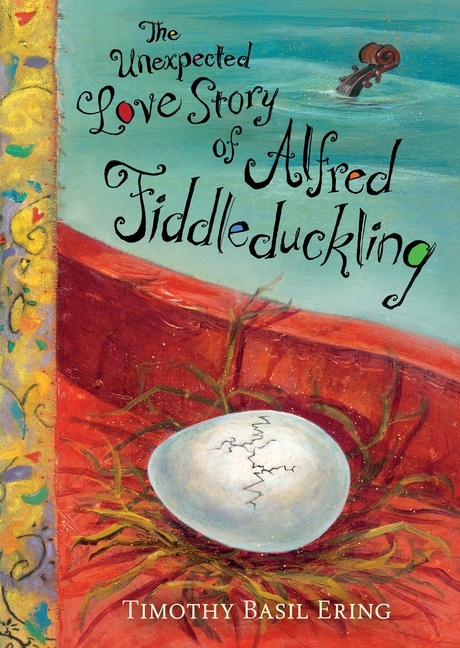
The Unexpected Love Story of Alfred Fiddleduckling

By Timothy Basil Ering


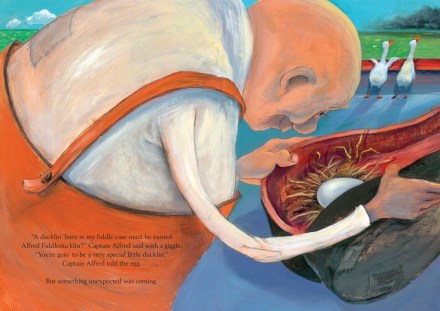
Captain Alfred was sailing home with his boat filled with ducks for his farm. “Nestled safe inside his fiddle case” was one nearly ready-to-hatch egg—a surprise present for his wife. Captain Alfred already had a name picked out for the little one—Alfred Fiddleduckling—and he knew this baby would be very special. But suddenly a “mighty gale whipped the seas into a raging fury” and tossed the little boat and its occupants to and fro. When the storm had blown itself out, a thick, impenetrable fog descended over the ocean.

celebrate-picture-books-picture-book-review-the-unexpected-love-story-of-alfred-fiddleducling-egg

Image and text copyright Timothy Basil Ering, courtesy of Candlewick Press

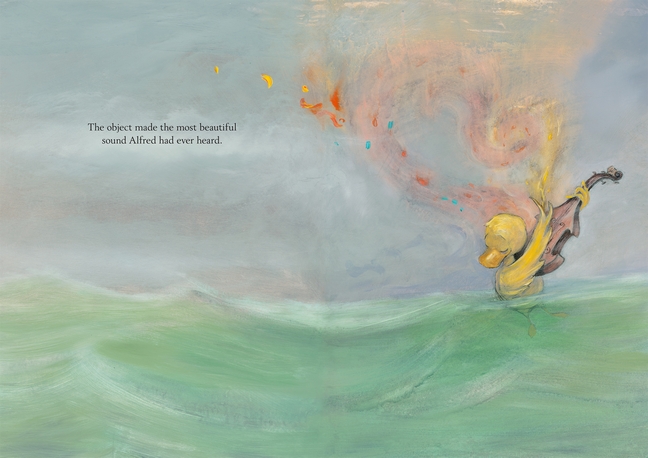
From the porch of a small cottage on the shore’s edge, a woman looked out to sea as “tears of worry dropped from her cheeks, into the mist.” Baby Alfred, however, unaware of these events and hidden by the fog, hatched as the fiddle case floated on the now-calm water. The little duckling looked around and saw something in the water nearby. He paddled out to it and even though it took no notice of him, Alfred “embraced the object with all of his heart.” He “caressed it so that it would not feel as lonely as he did ” and was surprised to hear a most beautiful and unexpected sound.

Alfred immediately fell in love—and imagined that his love was reciprocated. The two drifted along, buoyed by the waves until Alfred’s feet touched ground in a spooky swamp. In a moment, however, the comforting music began again. The sounds, so unexpected in this mist-shrouded swamp, reached the ears of “a beast that was lurking in the tall grasses.” The Beast bounded in the direction of the sound and found Alfred and his love. With drool dripping from its jaws, the beast came closer. Alfred shook, and in his fear “his music became fast and wild!”

celebrate-picture-books-picture-book-review-the-unexpected-love-story-of-alfred-fiddleducling-finds-fiddle

Image and text copyright Timothy Basil Ering, courtesy of Candlewick Press

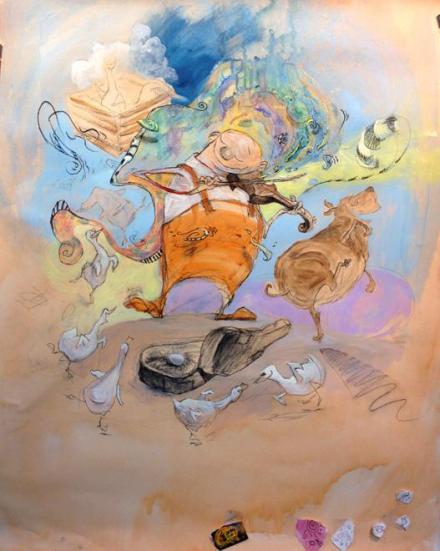
The beast stood on his hind two legs, rising high and menacing above tiny Alfred and…began to dance. The dog had missed his master’s fiddle playing and he now found a best friend in Alfred. The two trekked through the swamp, searching for home and becoming cold, wet, and helpless as the hours stretched on. The fiddle quivered with music that was as sad and helpless as the two wanderers.

But someone heard those quiet strains—the woman on the porch of the little cottage. “She ran through the fog, straight toward the sound of Alfred’s fiddle. She wrapped her arms around her dog and marveled at the special duckling and his music. “‘Don’t ever stop playing your wonderful music,’” she told Alfred. Alfred played with abandon, pouring out all the happiness in his heart. Out on the sea a raft of ducks and one very surprised captain heard the music…and you can guess what happened next!

celebrate-picture-books-picture-book-review-the-unexpected-love-story-of-alfred-fiddleducling-captain-plays-fiddle

Image copyright Timothy Basil Ering, courtesy of Candlewick Press

Timothy Basil Ering’s wonderfully unique tale of a ship-wrecked duckling and a fiddle who together make beautiful music that reunites a family is captivating. The story holds just the right amount of surprise, suspense, and heart to keep young children riveted to what happens next. Ering’s lyrical phrasing is music to readers’ ears and conveys the various melodies—sweet, quivering, poignant, tempestuous, and finally joyful—that carry the story from one event to another.

Ering’s full-bleed illustrations begin with bright vibrancy that gives way to gauzy grays as the fog rolls in. Despite the weather or ominous surroundings, Alfred remains a bright spot, his yellow fuzz and the multi-colored notes a glowing beacon in the dark. Little readers will love following the confetti notes of Alfred’s playing and guessing the next twist in the plot. The star of the story, plucky little Alfred, is a cutie as  with empathy he embraces the fiddle and bravely ventures through sea and swamp to find home.

The Unexpected Love Story of Alfred Fiddleduckling is joyful, mysterious, and humorous tribute to friendship, love, and the unexpected that would make a great gift and an often-read addition to children’s home libraries.

Ages 2 – 6

Candlewick Press, 2017 | ISBN 978-0763664329

Read Across America Day Activity

celebrate-picture-books-picture-book-review-mug-cookie

Snuggle-in Mug Cookie Treat


Snuggling up and reading is made even better with a quick and tasty treat! Make this warm mug cookie that takes only minutes to put together and then settle in for some favorite or new stories! Here’s a delicious recipe from Food.com for you to try!

Ingredients

  • 2 Tablespoons butter
  • 2 Tablespoons milk
  • ½ Teaspoon vanilla extract
  • 3 Tablespoons brown sugar
  • 4 Tablespoons flour
  • 2 Tablespoons dark or milk chocolate chips
  • 1 Pinch salt

Directions

  1. Place butter and milk in a microwavable mug. Microwave for 30 seconds to melt the butter and warm the milk.
  2. Stir in the brown sugar and vanilla extract.
  3. Mix in flour, chocolate chips, and salt.
  4. Microwave for about 1 minute on High. (Cooking time is based on the texture of cookie you like)
  5. Cool for 5 minutes before serving
  6. Add toppings such as ice cream, whipped cream, or hot fudge or chocolate sauce

Picture Book Review

March 1 – Horse Protection Day

celebrate-picture-books-picture-book-review-tony-cover

About the Holiday

Established in 2005 by pet lifestyle expert and animal behaviorist/advocate Colleen Page, Horse Protection Day raises awareness of horses that are treated cruelly or are unwanted and abandoned or euthanized. Horses are loving pets and work animals with a proud history of crucial participation in the building and farming of our nation and others. To honor today’s holiday, consider donating to the cause of protecting horses or—if you have the land and means—to adopting a homeless horse.

Tony

Written by Ed Galing | Illustrated by Erin E. Stead


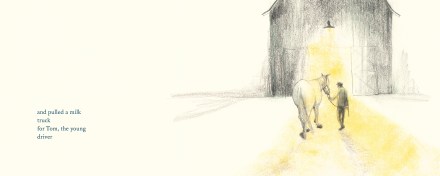
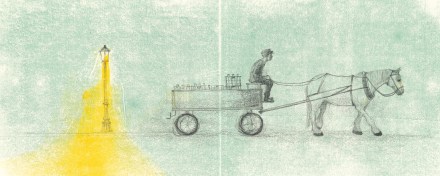
Tony “was such a wonderful horse.” Every morning, long before the sun came up, Tom would hitch him to the wagon and they would deliver milk, butter, and eggs to customers around town. “Tony was all white, large, sturdy, with wide gentle eyes and a ton of love….” While Tom jumped out of the wagon and carefully carried the products to waiting doorsteps, Tony stood silently by.

celebrate-picture-books-picture-book-review-tony-going-to-barn

Image copyright Erin E. Stead, courtesy of us.macmillan.com

At one house the lights were always already burning even though it was only 3:00 a.m. The occupant of the house would come out and gently pat Tony, whose eyes shone as he bowed his head to receive the daily affection. Before moving on to the next house, Tom and the narrator always exchanged pleasantries. “Wouldn’t miss Tony for the world,” the customer would respond, adding compliments for Tony. 

These kind words made Tom smile as he seated himself once again in the wagon, and while the narrator watched them continue down the street, he “knew that Tony did a little dance.”

celebrate-picture-books-picture-book-review-tony-pulling-wagon

Image copyright Erin E. Stead, courtesy of us.macmillan.com

Ed Galing’s touching memoir to a special horse and a daily routine that brought camaraderie and comfort to the story’s narrator reminds readers that happiness can be found in the simplest of actions, and profound love in the connections between people and animals. Implicit in this minimalist snapshot of a short, early morning meeting are all the mornings—perhaps years-worth—carried out in exactly the same fashion that have forged the bond between Tony and the narrator.

Underlining the story is the basis for this bond—the affection and respect the narrator gives Tony and receives in return. It is perhaps not too much of a stretch to imagine a young child similarly encouraged by such compliments. The early morning setting (also prime time for many babies) lends a dreamy mystery to the tale—who is the narrator, why are they up so early, and how old are they? (certain illustrations give intriguing clues)—that children will enjoy imagining and discussing.

celebrate-picture-books-picture-book-review-tony-houses

Image copyright Erin E. Stead, courtesy of us.macmillan.com

Erin E. Stead’s pencil-drawn illustrations, beautifully introduced by a page of vellum that sets the tone, are quiet, peaceful vignettes of Tony as he hitches up in the morning and takes Tom on his rounds. Bathed only in the glow of the light over the barn, a street light, or the light from the narrator’s open door, Tony makes his way through the dim streets with graceful dignity. Tony is gorgeously and expressively drawn.

As he waits outside the narrator’s house, Tony’s head is turned toward the doorway in expectation, and again as he pulls away from the curb, he gives one last look back. Children will love seeing the way milk and other farm products were once delivered and will respond to the gauzy sage and amber backdrop that makes Tony a perfect quiet time or bedtime book.

Tony is gentle, heartwarming triumph and a wonderful book to spur family-history stories. It would be a welcome addition to any child’s bookshelf.   

Ages 3 – 6

Roaring Brook Press, 2017 | ISBN 978-1626723085

Learn more about Erin E. Stead and view a gallery of her illustration work on her website!

National Horse Protection Day

celebrate-picture-books-picture-book-review-horse-coloring-page

Horse Coloring Page


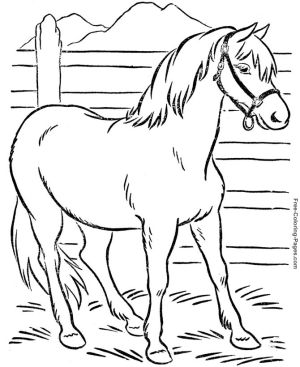
Horses are such beautiful creatures! Enjoy this printable Horse Coloring Page!

Picture Book Review

February 28 – National Women Inventors Month

celebrate-picture-books-picture-book-review-look-up-henrietta-leavitt-cover

About the Holiday

This month we celebrate women inventors, both past and present, who have changed our lives and the world for the better through their intelligence, creativity, unique vision, and perseverance.

Look Up! Henrietta Leavitt, Pioneering Woman Astronomer

Written by Robert Burleigh | Illustrated by Raúl Colón       


Henrietta Leavitt loves the stars. Every night she sits on the front porch and asks herself what were—in the early 1900s—unanswerable questions. How high is the sky? How far away are the stars? She traces the form of the Big Dipper to the North Star and feels that the stars are trying to tell her something.

celebrate-picture-books-picture-book-review-look-up-henrietta-leavitt-student

Image copyright Raúl Colón, text copyright Robert Berleigh. Courtesy of simonandschuster.com

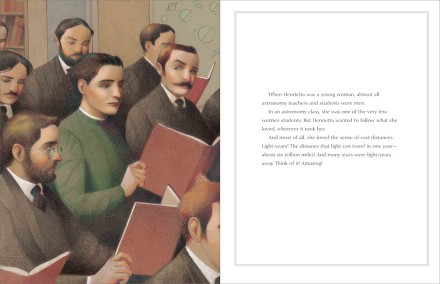
As a young woman she takes an astronomy class—one of the few women to do so. She learns about light years, planets, and the vast distances that fascinate her. After graduation she takes a job at an observatory, and while it houses a large telescope to study the sky, Henrietta is not allowed to use it. She and the other woman who work at the observatory are only there to record, measure, and calculate data, not to have new ideas.

celebrate-picture-books-picture-book-review-look-up-henrietta-leavitt-studies-star-map

Image copyright Raúl Colón, courtesy of Simon & Schuster

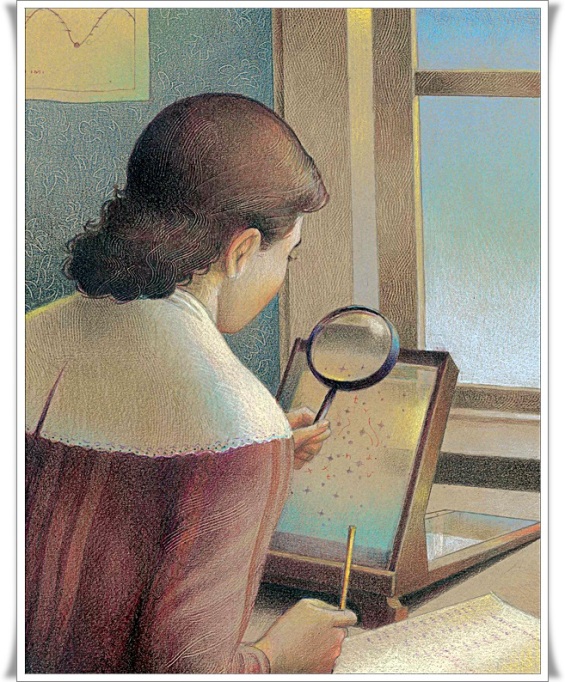
But in doing her job, Henrietta begins to notice a pattern in the brightness of certain stars. She discovers new “blinking” stars. Taking careful measurements, Henrietta finds that a star with a slower “blink” time—the time it takes for a star to go from dim to bright, or from off to on—contains more light power than stars with faster blink times. But what does this mean? After more study she realizes that the blink time can determine the true brightness of any blinking star, even those far, far away.

celebrate-picture-books-picture-book-review-look-up-henrietta-leavitt-makes-notes

Image copyright Raúl Colón, courtesy of Simon & Schuster

Henrietta has made a breakthrough in astronomy! By knowing the true brightness of a star, astronomers can figure out the star’s distance from Earth. Henrietta publishes her star chart in a magazine, and it helps other astronomers measure first the Milky Way and then galaxies they didn’t even know existed! Henrietta is an astronomer–one who advances her beloved science! Even as she grows older Henrietta continues to look to the sky, to ask questions and dream.

More information about Henrietta Leavitt and her discoveries, Internet and print resources on astronomy and other women astronomers, a glossary, and more are provided on the final pages.

celebrate-picture-books-picture-book-review-look-up-henrietta-leavitt-sees-stars-in-sleep

Instead of first presenting Henrietta Leavitt as an adult already working as an astronomer, Robert Burleigh chooses to introduce her as a child, when all she had were questions and dreams about the sky and the stars. It’s a fitting emphasis for a picture book aimed at children who themselves are only just discovering the questions that will guide their lives.  Burleigh’s style is simple and straightforward, revealing pertinent facts about the working conditions of a woman scientist in the early 1900s, but emphasizing Henrietta’s internal contemplations that led to her important discoveries. It’s good for children to see that one does not always need to be the “astronaut” rocketing to the Space Station to contribute— the life of the mind is just as noble and needed a pursuit.

Raúl Colón’s watercolor and ink illustrations echo the theme of dreams and contemplation with soft muted colors and antique, sepia tones. Brightness on the pages comes from the points of light that fill the skies and Henrietta’s mind. As a child and young woman, Henrietta sits and stands in the glow of the stars and, one can imagine, her own thoughts.

Ages 4 – 8

Simon & Schuster, 2013 | ISBN 978-1416958192

Discover more about Robert Burleigh and his many, many books in the categories of science, art, poetry, adventure, sports, and more for children and adults on his website!

National Women Inventors Month Activity

CPB - Star Coloring Page

Be the Star You Want to Be Coloring Page


Everyone has “stars in their eyes”—dreams and hopes for what they will accomplish in life. Decorate this printable Be the Star You Want to Be coloring page to show what’s in your imagination and in your heart.

February 27 – International Polar Bear Day

celebrate-picture-books-picture-book-review-little-polar-bear-cover

About the Holiday

Today we celebrate polar bears, the largest member of the bear family and a critical part of the Arctic ecosystem. These beautiful creatures spend much of their time at the edge of ice packs, from which they hunt for food. Their excellent sense of smell allows them to sense food up to a mile (1.6 km) away. Increasingly polar bears are under threat from changes in climate which are shrinking their habitat and affecting their quality of life. In honor of today’s holiday take time to research polar bears and consider donating to a cause for their protection.

Little Polar Bear

By Hans de Beer

At last little Lars is old enough to go hunting with his father, and they head out into the white, frozen expanse to find the perfect fishing spot. While Lars watched from the edge of an ice pack, his dad disappeared underwater for so long that Lars began to worry. When he finally surfaced, however, he brought with him a large fish for dinner. After dinner it was time to sleep. Lars’ father showed him how to build a wall of snow to lie behind that would protect him from the wind.

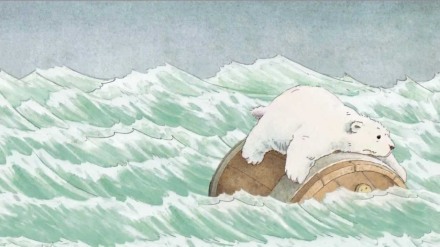
During the night as Lars and his father slept, the ice cracked between them, sending Lars floating away by himself. When Lars woke in the morning, he discovered that he was alone and that the warm sun was melting his ice floe little by little. Just as the ice threatened to disappear entirely, a barrel floated by and Lars crawled on top of it. “Then a storm began to rage. As Lars clung to his bobbing barrel he missed his father and his pile of snow more and more.”

celebrate-picture-books-picture-book-review-little-polar-bear-lars-and-father

Image copyright Hans de Beer, courtesy of NorthSouth Books

By the time the storm subsided Lars was far from home. He found himself in a place with no snow or ice; instead “almost everything was green and the sun was very warm.” Lars left the barrel and padded onto the sandy beach. The hot sand burned Lars’ paws, and he ran to the nearby river to cool them. “But just as he was about to plunge in, a very big, tan animal sprung out of the water.” Frightened, Lars ran away, but the hippopotamus followed him and introduced himself. Henry had never seen a white bear, and Lars had never seen a tan animal.

Lars told Henry about his trip and how he wanted to find father. Henry didn’t know how to help, but he figured that Marcus the eagle would know what to do. With Lars on his back Henry started the long journey across the river, through the jungle, and over the mountains. On the way, Lars loved seeing all the different colors, creatures, and vegetation. He climbed trees, met a chameleon, and sniffed at a butterfly. When they came to the mountains, Henry had trouble climbing, but Lars scampered ahead and showed him where to step.

celebrate-picture-books-picture-book-review-little-polar-bear-lars-on-barrel

Image copyright Hans de Beer, courtesy of NorthSouth Books

Finally, Henry couldn’t go any farther. He and Lars found a place to rest for the night. The view of the water made Lars homesick, but Henry reassured him. The next day, high on the mountain, Lars and Henry found Marcus. “The eagle looked at Lars and then said, ‘Well, well, a polar bear in the tropics! You’re a long way from home aren’t you, young man?’”

Marcus explained that he could indeed help Lars get home, but they would need the assistance of Samson. In the morning a gray whale swam near shore, and Lars climbed on his back. While Henry was happy that Lars could find his way home, he was also sad to see him go. He and Lars said goodbye to each other. As Henry looked on, Samson and Lars swam out into the open ocean with Marcus flying “along a bit to set them on their way.”

After Samson had swum a long distance, icy cliffs once again appeared on the horizon. As they drew closer, Lars spotted his father standing at the edge of the ice scanning the sea. Lars called out to him, and Lars’ father couldn’t believe his eyes. In thanks for bringing back his son, Lars’s father caught a big fish and gave it to Samson. Lars and his father started toward home, and as they walked “Lars talked about all of the amazing things he had seen.” His father was astonished. “‘You didn’t meet anyone who was white?’” he asked. “‘Nobody, except a chameleon,’ said Lars, ‘but that doesn’t count.’” Lars laughed, but his dad couldn’t understand the joke.

celebrate-picture-books-picture-book-review-little-polar-bear-lars-and-henry

Image copyright Hans de Beer, courtesy of NorthSouth Books

Hans de Beer’s sweet, adventurous little polar bear has been long beloved by young readers who have followed his journeys and escapades through many books. This favorite introduction to Lars, his father, and the North Pole was reissued in 2016 and is as timely now as when it was first published. De Beer’s straightforward story of a young bear suddenly taken away from home, surviving by instinct, and discovering new places, friends, and ideas, is at once exciting and comforting. As Lars finds himself in unfamiliar territory populated with animals and creatures he’s never seen before, he doesn’t shy away from the experience, but embraces the diversity of what he sees just as the tropical animals accept him. The kindness and camaraderie shared among the animals is a universal lesson for all.

Little ones love de Beer’s expressive animals and the caring interactions between them. Kids will laugh when Henry pops out of the river to say “boo!” and giggle to see Lars and the chameleon sticking out their tongues together. The soft pastel palette invites kids to linger over the pages and experience both the frozen tundra and lush jungle with the same awe as Lars. Readers will cheer when Lars is reunited with his father, but will also look forward to traveling with their new friend again in his other adventures.

Ages 3 – 8

NorthSouth Books, 2016 (Hardcover) | ISBN 978-0735842649

International Polar Bear Day Activity

CPB - Polar Bear scarf

CPB - Polar Bear Banner

Polar Bear Scarf or Banner

Polar bears aren’t cold in the winter—and neither should you be! Here are directions and printable templates for making a cute scarf to keep you warm, or—if you’d rather—a banner to warm up your room.

Supplies

  • Printable Polar Bear and Igloo Template
  • 1 Strip of blue fleece 4 ½ feet long x 7 inches wide for the scarf
  • 1 Piece of blue scrapbooking paper for a banner
  • Pieces of white, black, blue, and purple fleece or scrapbooking paper to make the polar bear, igloo, snowflakes, and ice floes.
  • String or twine for banner
  • Scissors
  • Fabric or paper glue

Directions for Scarf

To make the fringe at each end of the scarf

  1. Make 7 cuts about 4 inches long
  2. Tie a knot at the top of each fringe section

To make the pieces for the scarf or banner

  1. Trace the polar bear and igloo sections from the Printable Template onto white fleece and cut out
  2. Trace the two ice floes onto blue fleece and cut out
  3. Trace the door of the igloo onto blue fleece and cut out
  4. Trace the polar bear’s scarf onto purple (or any color) fleece and cut out
  5. Cut out round snowflakes
  6. Cut out a small circle from black fleece for the Polar Bear’s nose

On one end of the scarf

  1. Glue the smaller ice floe on one end of the scarf
  2. Tie the bear’s scarf around its neck before gluing the bear to the scarf
  3. Glue the polar bear onto the scarf with its feet on the ice floe
  4. Glue on the polar bear’s nose
  5. Make a small dot for the polar bear’s eye with a marker
  6. Glue snowflakes above polar bear

On the other end of the scarf

  1. Glue the bigger ice floe to the scarf
  2. Glue the three pieces of the large igloo to the scarf, leaving a little space between sections
  3. Glue the small white door of the igloo on top of the last two igloo sections
  4. Glue the small blue door onto the white door
  5. Glue snowflakes above the igloo

Directions for Banner

  1. Cut a point at the bottom of your banner
  2. Follow the directions above to trace the pieces of the polar bear and igloo from the printable template onto scrapbooking paper
  3. Follow the directions above to glue the pieces of the polar bear and igloo to your banner
  4. Attach string or twine to back of banner to make a hanger

Picture Book Review