November 26 – It’s Historic Bridge Awareness Month

celebrate-picture-books-picture-book-review-a-book-of-bridges-here-to-there-and-me-to-you-cover

About the Holiday

This month we celebrate the bridges across the world who have stood the test of time as they connect roads, highways, and even walking paths over expanses of water or other gaps to convey travelers from one side to the other. Many old bridges are in danger of destruction through neglect or rebuilding. The founders of this month’s holiday ask that these structures be preserved for their beauty and history. There is another kind of bridge that also needs careful tending—as seen in today’s book! 

A Book of Bridges: Here to There and Me to You

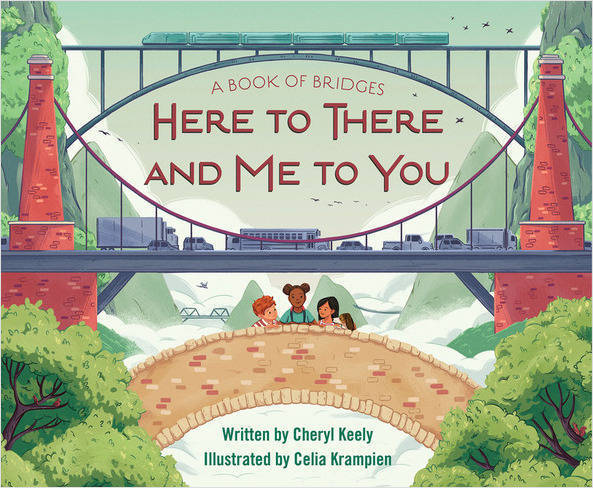
Written by Cheryl Keely | Illustrated by Celia Krampien


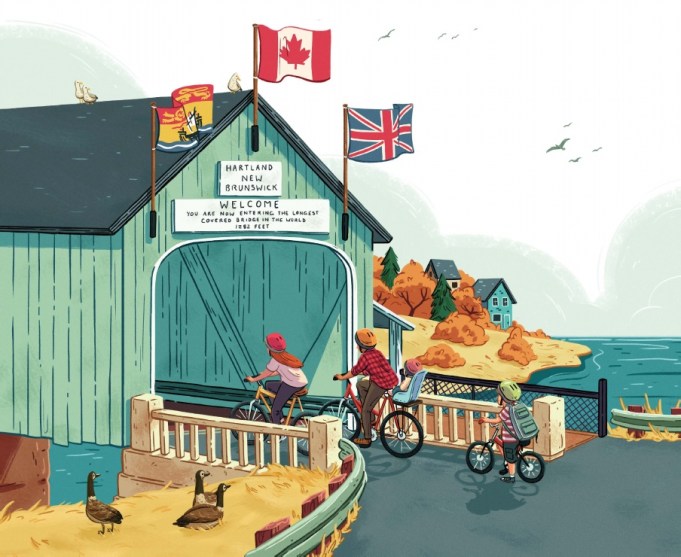
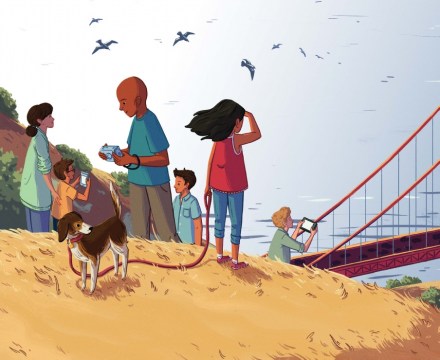
“Bridges do more than connect one place to another. They bring the whole world together.” There are so many types of bridges—each just right for their place or function. Some of the most charming bridges are wooden-covered, like Canada’s Hartland-to-Somerville span in New Brunswick, which is the longest covered bridge in the world at 1282 feet (as long as 32 school buses end to end). Some are colorful like the Golden Gate Bridge in San Francisco, California, which is distinctively orange, a beautiful beacon against the blue sky and sea.

celebrate-picture-books-picture-book-review-here-to-there-and-me-to-you-bridges-connect

Image copyright Celia Krampien, 2017, courtesy of sleepingbearpress.com

In London the bridge isn’t really falling down even though that makes for a fun game! The London Bridge, which crosses the River Thames, was the first stone multi-arch bridge built in Britain.” Over the years the bridge has been renovated many times, and it’s now made of concrete and steel. Drawbridges might be the coolest kind of bridge! It’s fun to watch them split in the middle and rise up, up, up before coming back down after a ship passes. These bridges “date to medieval times when knights in armor—and dragons?!—fought for their castles.”

celebrate-picture-books-picture-book-review-here-to-there-and-me-to-you-golden-gate-bridge

Image copyright Celia Krampien, 2017, courtesy of sleepingbearpress.com

Sometimes bridges don’t have to be fancy to work. Some “bridges can be as simple as a few stones placed across a shallow stream” that give crossers a place to step all along the way. This is known as a clapper bridge. People aren’t the only ones who use bridges either. Places that are home to roaming wildlife—like Banff National Park in Canada—build bridges so animals “such as bears, wolves, moose, and lynx” can cross roads and highways safely.

Trains can also “use bridges to clickity-clack along, carrying people to people. Family together again.” But what if you want to travel from country to country? There are even bridges for that, and they make “a big world seem smaller.” While these types of bridges are strong and sturdy, there are other spans made only of rope and boards that are “rickety, ratchety, swinging and swaying their way to beautiful hid away places.”
celebrate-picture-books-picture-book-review-here-to-there-and-me-to-you-covered-bridge

Image copyright Celia Krampien, 2017, courtesy of sleepingbearpress.com

People can become bridges too! Just try bending backward to touch the ground. Or if you don’t like feeling upside down, there is a simple way that “isn’t so grand. It connects me to you and you to me…through the simple holding of hands.”

Cheryl Keely’s enchanting tour of some of the world’s most beautiful and unusual bridges is sure to engage readers who love architecture, travel, and transportation—or who just have the wanderlust. Keely’s story, punctuated with facts and trivia about different types of bridges, is a lyrical frame for her theme of interconnectedness and friendship, making this a book that resonates on many levels and is a treat to dip into again and again.
celebrate-picture-books-picture-book-review-here-to-there-and-me-to-you-edge-of-golden-gate-bridge

Image copyright Celia Krampien, 2017, courtesy of sleepingbearpress.com

Celia Krampien’s charming artwork takes readers to the towns and cities, the shores and cliffs that host the world’s bridges. Her realistic depictions show the grandeur of the majestic spans millions of people use every day as well as the rustic simplicity of rope and clapper bridges. Kids will love picking out details of the scenery surrounding each structure as well as recognizing familiar settings they have learned about or, perhaps, traveled to.

A Book of Bridges: Here to There and Me to You is a fresh, uplifting story that will appeal to fiction as well as nonfiction lovers. In addition to being a great addition to any story time, the book has many cross-curricular applications for classrooms and libraries, and would be a welcome find on any bookshelf.

Ages 5 – 8

Sleeping Bear Press, 2017 | ISBN 978-1585369966

To learn more about Cheryl Keely and her work as well as to find a fun bridge game, visit her website!

Find a portfolio of illustration by Celia Krampien on her website!

Historic Bridge Awareness Month Activity
celebrate-picture-books-picture-book-review-spaghetti-box-bridge-craft

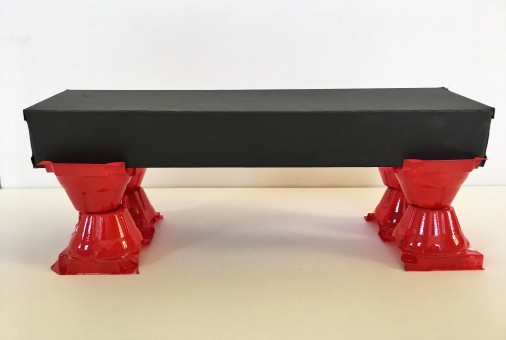
Build a Remarkable Recycled Bridge


You don’t need fancy blocks and construction materials to build a bridge! Little ones will be fascinated to put together a bridge made out of items you already have at home or that may even be slated for the recycle bin. Spaghetti boxes make great roadways, and cut-up egg cartons can be used as supports.

Want to build a whole town? Cereal boxes and pasta boxes make skyscrapers, apartment buildings, fire stations, and more. Need a farm silo? Grab a peanut butter jar or aluminum can. You can use them as is or—if your kids are sticklers for a little more detail—add a little paint! So look around, use your imagination, and get creative!

Picture Book Review

November 25 – Shopping Reminder Day

celebrate-picture-books-picture-book-review-fancy-party-gowns-cover

About the Holiday

Of course there are reminders everywhere we look that it’s time to do that kind of shopping. But today’s holiday encourages people to count the days until their gift-giving day or days and plan accordingly. Today is also Small Business Saturday, so if you’re out there doing some shopping, consider spending some of that holiday budget at your local shops. Festive events and parties are also often on the calendar during this month and are just perfect for the beautiful creations found in today’s book!

Fancy Party Gowns: The Story of Fashion Designer Ann Cole Lowe

Written by Deborah Blumenthal | Illustrated by Laura Freeman


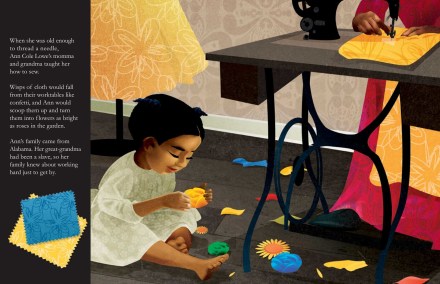
From the time that Ann Cole Lowe was old enough to thread a needle, she loved to sew. While her momma and grandma worked at their sewing machines, making dresses for the socialites of Alabama, Ann sat nearby turning “the wisps of cloth” that fell to the floor into “flowers as bright as roses in the garden.” Even at a young age Ann understood that “doing what you love could set your spirit soaring.”

celebrate-picture-books-picture-book-review-fancy-party-gowns-ann-as-child

Image copyright Laura Freeman, text copyright Deborah Blumenthal, courtesy of simonandschuster.com

When Ann was only sixteen years old, her momma died. Not only did her mother’s death leave Ann bereft, it left her in charge of the business, and many women were waiting for gowns, most importantly the Alabama governor’s wife. “Ann thought about what she could do, not what she couldn’t change.” She sat down and finished the dresses. “Then she stood up and ran the business.”

celebrate-picture-books-picture-book-review-fancy-party-gowns-design-school

Image copyright Laura Freeman, text copyright Deborah Blumenthal, courtesy of simonandschuster.com

In 1916 a woman in Florida hired her to sew dresses. She also sent Ann to design school in New York. Because she was African American, however, Ann was required to study in a separate classroom by herself. Ann was not deterred. She continued to make unique gowns and dresses, and her client list grew. Finally, Ann had saved enough money to open a salon of her own in Manhattan. Sometimes she didn’t have enough money to pay all the bills, but she persisted. Her life was about “what she could do, not what she couldn’t change.”

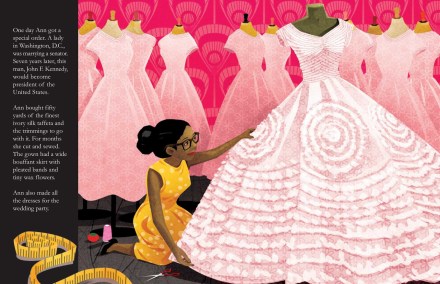
One day Ann received an order for a wedding dress from a woman who was marrying a United States senator. The woman’s name was Jacqueline Bouvier and the man was John F. Kennedy, a future president of the U.S. Ann bought 50 yards of ivory silk taffeta and designed a beautiful dress with a bouffant skirt and pleated bands decorated with tiny wax flowers. She also made the dresses for Jacqueline’s attendants.

celebrate-picture-books-picture-book-review-fancy-party-gowns-wedding-dress

Image copyright Laura Freeman, text copyright Deborah Blumenthal, courtesy of simonandschuster.com

Then ten days before the wedding, Ann walked into her workroom and discovered that a water pipe had burst, flooding the dresses, material, everything. Ten of the sixteen gowns Ann had sewn were destroyed. “Ann though about what she could do, not what she couldn’t change.” She ordered new fabric, hired more seamstresses, and went to work. On this job she lost money instead of making it, but none of that mattered. In eight days all of the dresses were ready.

When Ann delivered the gowns to the mansion in Newport, Rhode Island, the butler who answered the door told her workers needed to use the back entrance. Ann replied that “if she had to enter through the back door, the bride and bridesmaids wouldn’t be wearing her dresses for the wedding.” The front door swung open. On the day of the wedding—September 12, 1953—the whole world “Oohed” and “Aahed” over Jacqueline Bouvier Kennedy’s gorgeous gown and her bridesmaids’ dresses, but not many people thought about or knew the name of the woman who had created them. “Why? Because Ann Cole Lowe was African American. And life wasn’t fair.”

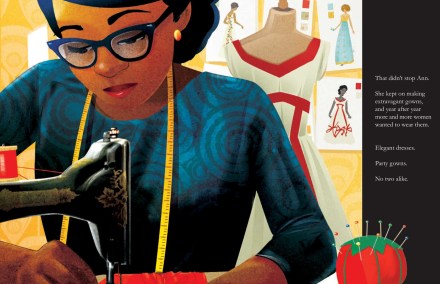
celebrate-picture-books-picture-book-review-fancy-party-gowns-sewing

Image copyright Laura Freeman, text copyright Deborah Blumenthal, courtesy of simonandschuster.com

Ann continued to design and sew party dresses and evening gowns for the women of high society. She “didn’t make fine clothes to get rich or famous,” however, but, as she once said, “‘To prove that a Negro can become a major dress designer.’” In 1961 Ann finally gained public recognition for her work when she was named “Official Couturiere” in honor of the 33 ball gowns she created for an elegant ball in Omaha, Nebraska. She proudly accepted her award as the fashion world applauded.

An Author’s Note explaining more about Ann Cole Lowe’s life and work follows the text.

celebrate-picture-books-picture-book-review-fancy-party-gowns-recognized

Image copyright Laura Freeman, text copyright Deborah Blumenthal, courtesy of simonandschuster.com

With straightforward storytelling adorned with lyrical passages, Deborah Blumenthal reveals Ann Cole Lowe’s lifelong love of fashion design, her struggles, and her ultimate acclaim. Lowe’s natural talent, single focus, self-confidence, courage, and persistence come through as she overcomes obstacles and prejudice to become the first African American couture designer. Children interested in fashion and history will find much to spark their curiosity and desire to know more about the woman and her times. Blumenthal’s repetition of Lowe’s philosophy to think about what she could do instead of what she couldn’t change will inspire readers to push past difficulties and find solutions.

Laura Freeman’s full-bleed illustrations are as bold and vivacious as Ann Cole Lowe herself. Beginning with the endpapers, which are scattered with drawings of Lowe’s one-of-a-kind gowns, Freeman takes readers on a tour of the workrooms and salons stocked with the fabrics that gave form to Lowe’s creativity. While the backgrounds are typically brilliantly colored and patterned, twice Freeman places Lowe on a completely white page—after her mother has recently died and she is left alone to finish dresses and when she is segregated from the other students in design school. These pages make a moving and effective statement. Children fascinated by fashion will love seeing the beautifully depicted gowns, and may be stirred to create styles of their own.

Ages 4 – 8

little bee books, 2017 | ISBN 978-1499802399

To learn more about Deborah Blumenthal and her books for children, young adults, and adults, visit her website!

Discover a gallery of illustration work by Laura Freeman on her website!

Shopping Reminder Day Activity

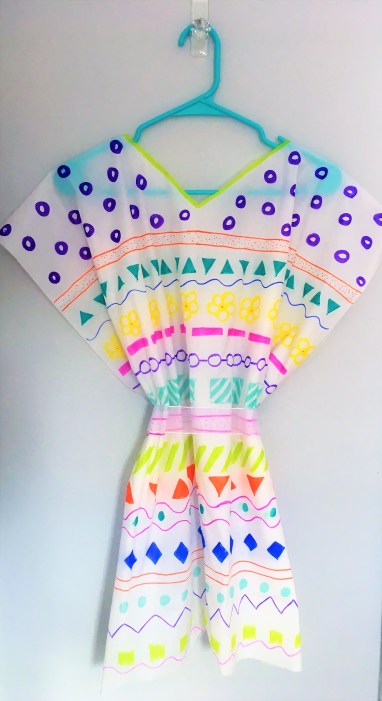
celebrate-picture-books-picture-book-review-tablecloth-dress


Create Your Own Party Dress 


With this easy craft you can make a  fun sheath dress for playing dress-up. It’s also a great party activity! All you need is a plastic or paper party table cloth, Sharpies, and your imagination!

Supplies

  • 1 plastic party tablecloth (1 cloth will most likely make 4 dresses)
  • Sharpies or other permanent markers
  • Ribbon, scarf, crepe paper garland, or other material for a belt
  • Scissor
  • Newspaper, old sheeting or other material to protect the floor

Directions

  1. With the table cloth folded along one edge, cut a rectangle the appropriate size for the child
  2. In the middle of the folded edge cut a V-shaped or rounded opening for the child’s head. Begin with a small opening and enlarge it as needed
  3. Lay the dress on newspaper or other material to protect the floor
  4. Draw and color shapes, lines, figures, or other designs on the dress
  5. Slip on over a shirt and pants or leggings
  6.  Add a belt with a ribbon, scarf, piece of crepe paper garland, or other material

Picture Book Review

November 24 – National Day of Listening

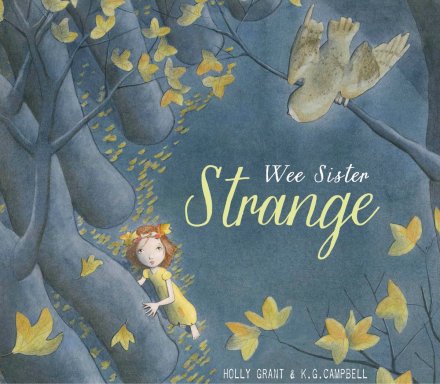
celebrate-picture-books-picture-book-review-wee-sister-strange-cover

About the Holiday

The day after Thanksgiving was chosen by StoryCorps for family and friends to tell and record their unique and collective stories for themselves and future generations. The mission of StoryCorps is to “preserve and share humanity’s stories in order to build connections between people and create a more just and compassionate world.” StoryCorps even provides an online archive of individual and family stories that enrich our culture for anyone to listen to. Whether you share your stories with others or record them for your own family, remember that every story counts and should be heard. To learn more about StoryCorps, hear fascinating stories, or upload your own, visit StoryCorps.

Wee Sister Strange

Written by Holly Grant | Illustrated by K. G. Campbell


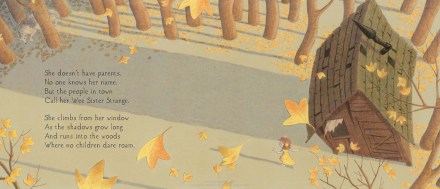
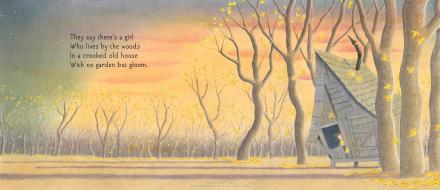
“They say there’s a girl / Who lives by the woods / In a crooked old house / With no garden but gloom.” Because she has no parents or even a name of her own, the townspeople “call her Wee Sister Strange.” During daylight she stays to herself, but as evening approaches she climbs out of the window and goes into the dangerous woods. She delights in the darkness, and “drinks up the moon / like a cat drinking cream.”

celebrate-picture-books-picture-book-review-wee-sister-strange-leaving-house

Image copyright K. G. Campbell, 2017, text copyright Holly Grant, 2017. Courtesy of Schwartz & Wade.

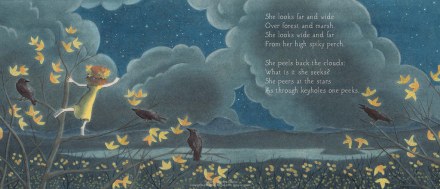
She talks with the owls and rides a “fierce bear” through “groves golden-leafed.” But when the wild wolves catch her scent, she climbs into high branches as they “prowl down below.” From her high perch she scans the wide world and “peels back the clouds… / As through keyholes one peeks.”

celebrate-picture-books-picture-book-review-wee-sister-strange-peeling-back-clouds

Image copyright K. G. Campbell, 2017, text copyright Holly Grant, 2017. Courtesy of Schwartz & Wade.

She’s searching for something she just cannot find, so she “dives into the bog. Here, way down below, she continues to look amid the odd creatures, and she checks “every snail / As a mermaid counts pearls.” But even here she does not see what she’s looking for. She climbs out on the bank into thorny, twisting vines and in the distance sees a bright light.

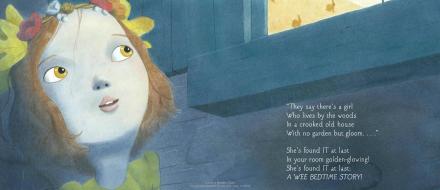
celebrate-picture-books-picture-book-review-wee-sister-strange-listening

Image copyright K. G. Campbell, 2017, text copyright Holly Grant, 2017. Courtesy of Schwartz & Wade.

She tiptoes closer and finds a little stone house “with one window aglow.” She peeks in through the pane and sees “you in your bed / With this book ‘neath your nose.” She listens where the window is open a crack and hears a murmur: “‘They say there’s a girl / Who lives by the woods…’” The girl’s eyes light up bright; her search is now ended. She’s found what she sought: “A wee bedtime story!”

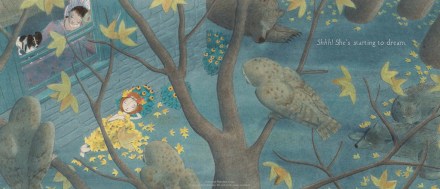
“Her ears gobble the rhymes! / They sop up the poem-crumbs!” Sister grows sleepy and next to the house, she blankets herself with golden leaves as her eyes close and she starts to dream.

celebrate-picture-books-picture-book-review-wee-sister-strange-sleeping

Image copyright K. G. Campbell, 2017, text copyright Holly Grant, 2017. Courtesy of Schwartz & Wade.

Holly Grant’s Wee Sister Strange is a magical story of such mystery and beauty that it opens a world of unbounded imagination as the plot plays out. Combining just the right balance of realism and fantasy, Grant’s wonder-full tale allows each reader the freedom to interpret her poem in their own way.  When Sister at last finds the house and hears her own story echoed back to her, her restless yearning is satisfied, suggesting that our life stories are what make us knowable to ourselves and others. As the little girl of color and her mother share the bedtime story of the girl in the woods, Sister’s given name helps us understand that we are all sisters (or brothers) through our collective stories. Grant’s gorgeous language and original metaphors are further causes for celebrating this glowing, dreamy modern fable.

celebrate-picture-books-picture-book-review-wee-sister-strange-house

Image copyright K. G. Campbell, 2017, text copyright Holly Grant, 2017. Courtesy of Schwartz & Wade.

In K. G. Campbell’s luminescent watercolor-and-colored-pencil illustrations, Wee Sister Strange is as delicate and glowing as the autumn leaves, as buoyant as the bog creatures, and as human as the little girl in the house. On her nightly hunts, she traverses landscapes that are recognizable yet are also the terrain of dreams. Children will find much to discuss in the similarities and differences in the two girls’ homes as well as the identity of  Wee Sister Strange. Campbell’s paintings beautifully convey the cyclical nature of this tale that offers the comfort of knowing that our stories unite us while keeping the wolves at bay.

Embodying the mystical elements that children love best in a bedtime story, Wee Sister Strange is an inventive marvel that should find a home on any child’s bookshelf.

Ages 4 – 8

Schwartz & Wade, 2017 | ISBN 978-0553508796

To learn more about K. G. Campbell, his books, and his art, visit his website

National Day of Listening Activity

celebrate-picture-books-picture-book-review-stars-border-template

Tell Your Story Page


Everyone has their own story to tell! Use this printable Tell Your Story Page to write an original story or a story from your life. Then tell your story at bedtime!

Picture Book Review
November 23 – Thanksgiving Day

celebrate-picture-books-picture-book-review-thankful-eileen-spinelli-cover

About the Holiday

While holidays exist all around the world to give thanks for our many blessings, today’s celebration commemorates the traditional American Thanksgiving Day. Its roots go back to 1621 when 50 Pilgrims gathered with 90 members of the Wampanoag tribe to celebrate the settlers’ surviving the first year in their adopted country. The fourth Thursday in November was not officially recognized as a national holiday until 1863, when President Abraham Lincoln, convinced by the letters and appeals by Sarah Josepha Hale (writer of the song “Mary Had a Little Lamb”), signed the proclamation.

During the Great Depression, president Franklin Roosevelt moved the holiday to the third Thursday in the month, hoping to jump-start the gift-buying season and thus help the struggling economy. That idea never caught on, though, and the Thanksgiving was moved back to its original calendar spot. To lean more fascinating facts about Thanksgiving, visit allParenting.

Thankful

Written by Eileen Spinelli | Illustrated by Archie Preston


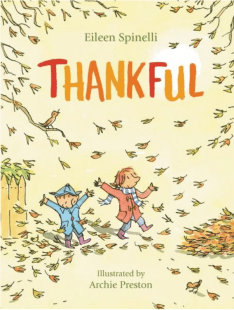
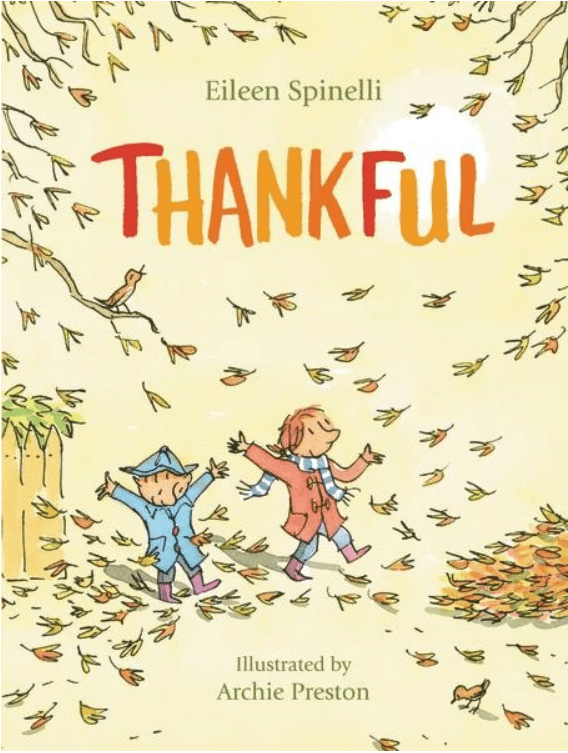
When Thanksgiving Day dawns we contemplate the things we are thankful for. Our thoughts often go to the large, all-encompassing ideas: we’re thankful for our families, our friends, our jobs. But Eileen Spinelli points out those smaller, concrete, more personal things that make us happy or make life better in immeasurable ways. To begin, “The waitress is thankful for comfortable shoes. The reporter is thankful for interesting news.”

celebrate-picture-books-picture-book-review-thankful-eileen-spinelli-story-time

Image copyright Archie Preston, 2015, courtesy of Zonderkidz.

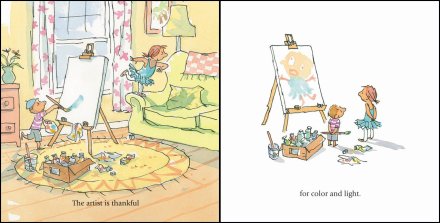
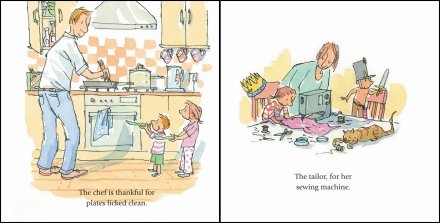
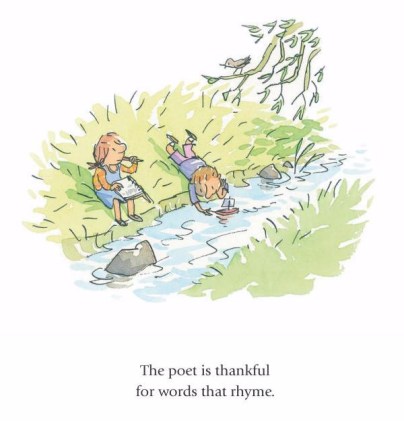
Gardeners are happy when their crops begin to grow, and firemen are glad when the fire goes out. “The poet is thankful for words that rhyme. The children for morning story time.” Without color and light, the artist could not paint, doctors give thanks “when their patients get well,” and travelers are thankful when they find a nice place to stay. Dancers give thanks for music that inspires them, and tailors for their sewing machines.

celebrate-picture-books-picture-book-review-thankful-eileen-spinelli-story-artist

Image copyright Archie Preston, 2015, courtesy of Zonderkidz.

Chefs are happy when diners clean their plates, the honey maker for the busy bees, and the sailor for his “sturdy boat.” “The birder is thankful to list a new bird. The pastor is thankful for God’s loving word.” Crafters? Well, they’re “thankful for glitter and glue.” And the reader, the listener? They’re “ever so thankful for you!”

celebrate-picture-books-picture-book-review-thankful-eileen-spinelli-chef-and-sewing-machine

Image copyright Archie Preston, 2015, courtesy of Zonderkidz.

Eileen Spinelli’s endearing story of thanks for all of the objects, ideas, actions, and feelings that make every person unique and each situation just a little bit better is a heartfelt reminder of life’s joys for Thanksgiving Day and every day of the year. Her easy-flowing, rhyming verses depict a wide range of particular moments and broader experiences—each of which make the world a richer place. The final pages reveal what every little reader wants to hear and share—the mutual love between parent and child.

celebrate-picture-books-picture-book-review-thankful-eileen-spinelli-poet

Image copyright Archie Preston, 2015, courtesy of Zonderkidz.

Archie Preston accompanies each couplet with a humorous illustration starring two adorable siblings playing out each scenario. Preston’s colorful, detailed line drawings show all the industrious, playful, and thoughtful togetherness that makes children and adult readers thankful for every day.

Ages 4 – 8

Zonderkidz, 2015 |ISBN 978-0310000884 (Hardcover); 978-0310761402 (Board Book, 2017)

Discover more about Eileen Spinelli and her many books on her website.

Thanksgiving Activity

celebrate-picture-books-picture-book-review-Thanksgiving-leaves-falling-coloring-page

Thanksgiving Tree Activity Page


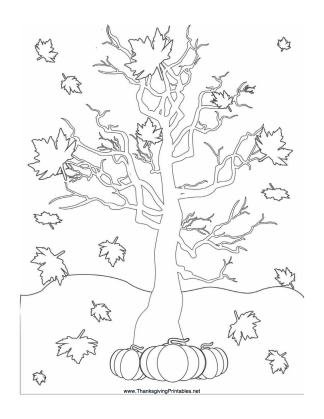
There are so many things to be thankful for! Fill in the leaves on this printable Thanksgiving Tree Activity Page with the things you’re thankful for then color the page!

celebrate-picture-books-picture-book-review-thankful-eileen-spinelli-cover

You can find Thankful at these booksellers

Amazon | Barnes & Noble | Books-a-Million | IndieBound

Picture Book Review

November 22 – Go for a Ride Day

celebrate-picture-books-picture-book-review-molly-and-mae-cover

About the Holiday

Today’s holiday celebrates the joy of going for a ride to explore the unknown, revisit a favorite place, or spend time with friends or family. Whether you choose to go by bike, car, train, or plane, getting away can broaden your horizons and provide a much-needed dose of relaxation. November 22, coming close to the holiday season and commemorating several vehicle-related patents, is the perfect opportunity to go for that ride you’ve been wanting to take. Children, especially, love the excitement of and benefit from the new experience of travel.

Molly & Mae: A Friendship Journey

Written by Danny Parker | Illustrated by Freya Blackwood


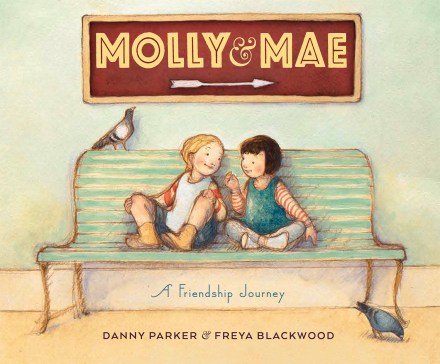
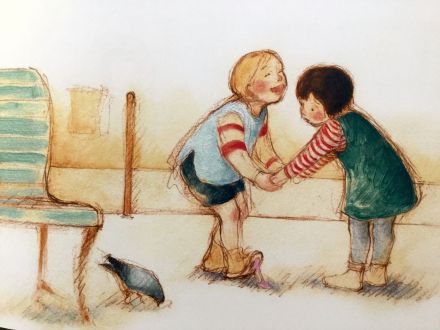
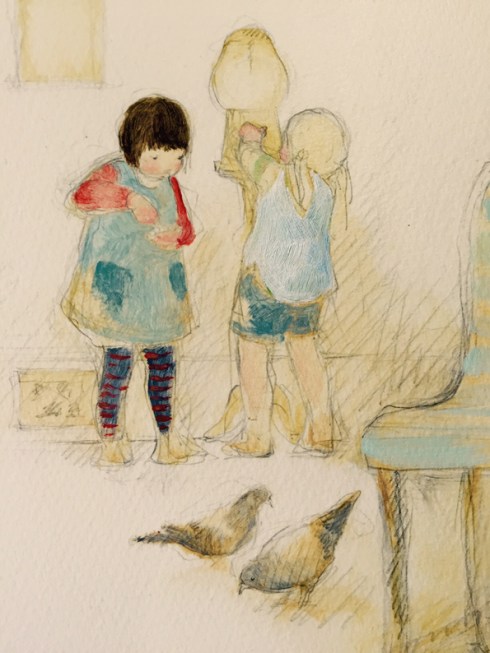
Waiting on the platform at the little train station, “Molly found Mae beneath a bench” then “Mae found Molly in the newspaper shop.” They spent their coins in the bubblegum machine and sat on a bench blowing big pink bubbles. “After that, Molly and Mae were stuck.” To pass the time they took pictures in the photo booth, walked a tightrope line on the floor, twirled like ballerinas, shared sherbet and secrets, and vowed to be friends forever.

celebrate-picture-books-picture-book-review-molly-and-mae-gum-stuck

Image copyright Freya Blackwood, 2017, courtesy of HMH Books for Young Readers.

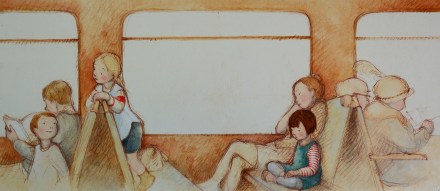
On the train they played with their dolls, got hungry, bounced on the seats and hung from the backs, skipped up the aisle, crawled under the seats, lounged in the seats, and played I Spy. But then Molly and Mae had an argument. Molly thought her younger friend was “silly,” and “Mae was tired of being bossed around.” They sat in silence watching the rain splatter the windows and the gray, misty world pass by.

celebrate-picture-books-picture-book-review-molly-and-mae-after-the-argument

Image copyright Freya Blackwood, 2017, courtesy of HMH Books for Young Readers.

“Drawing on the glass, Molly and Mae missed each other.” Molly glanced at Mae and snuck under the seat and peeked at Mae. “Then she took the words she should have said and started to build a bridge.” Mae apologized and explained too “until the bridge was strong enough to hold them both.” As the train traveled on, the sky cleared and the girls saw hills, lakes, and bridges and zipped through dark tunnels. At night they watched the twinkling stars as the train passed through crossings in small towns until it reached their destination. Molly and Mae packed up their things and jumped onto the platform holding hands. Then they left the station together.

celebrate-picture-books-picture-book-review-Molly-and-Mae-train-car-interior

Image copyright Freya Blackwood, 2017, courtesy of HMH Books for Young Readers.

Danny Parker wonderfully captures the capacity for children to form deeply felt friendships that may only last a day or, under the right circumstances, can last a lifetime. As Molly and Mae bond over their common boredom in waiting for the train, they enjoy common jokes, treats, and games. But as the day wears on, they become short with each other, and their friendship is threatened. Molly’s willingness to apologize, and Mae’s eager reciprocation are welcome examples of how to mend hurt feelings. Parker’s simple, yet lyrical storytelling allows children to read between the lines and fill in their own similar experiences that makes Molly and Mae a beautiful universal story about the journey of life.

celebrate-picture-books-picture-book-review-molly-and-mae-gumball-machine

Image copyright Freya Blackwood, 2017, courtesy of HMH Books for Young Readers.

Freya Blackwood’s lovely illustrations give readers so much to see and talk about as Molly and Mae meet and spend the day together in the station and on the train. Rendered in quiet sepia tones, the images of the train station and the interior of the train cars could depict any trains anywhere in the world. The girls, in their colorful clothing and horsing around with the excitement of the journey and a new-found playmate, are the focal point of each spread. When their argument occurs, the pastel green fields and blue sky out the windows turn grey as rain pours down.

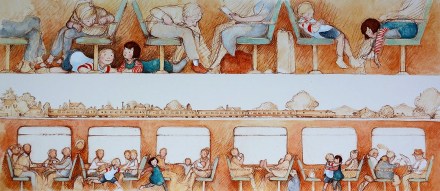
As Molly and Mae find words to rebuild their friendship, the train traverses a stone bridge, and as the girls make up, the sky once again turns sunny. Clever split pages give cut-away views of the train’s interior on top and bottom while the progress of the trip is shown in the middle, and the rectangular shape of the book allows for long two-page spreads that mirror the length of the train and also, perhaps, the long future friendship to come.

Molly and Mae: A Friendship Journey is a gorgeous quiet book for reflective children. With its detailed illustrations, it is also a wonderful book to share before a train trip or to take along on the journey.

Ages 4 – 7

HMH Books for Young Readers, 2017 | ISBN 978-1328715432

Discover more about Danny Parker and his books on his website

To learn more about Freya Blackwood, her art, and her books, visit her website

Go for a Ride Day Activity

Let's Go for a Ride!-v6Hb1

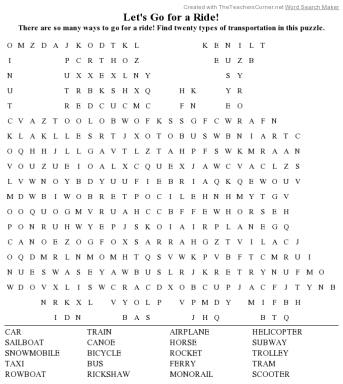
Let’s Go for a Ride! Word Search Puzzle


There are so many ways to go for a ride! Find the twenty types of transportation in this printable Let’s Go for a Ride! Word Search Puzzle. Here’s the Solution.

Picture Book Review

November 21 – National Entrepreneurs’ Day

celebrate-picture-books-picture-book-review-norton-and-alpha-cover

About the Holiday

Instituted in 2010, today’s holiday celebrates the entrepreneurial spirit that is alive and well in so many people and that helps advance knowledge and technology, solve problems, and make life better. The third Tuesday of November has been set aside to honor those thinkers and inventors of the past as well as to encourage those now working to see their ideas come to fruition. With their supple minds and unique way of looking at the world, children are natural entrepreneurs, as today’s book shows!

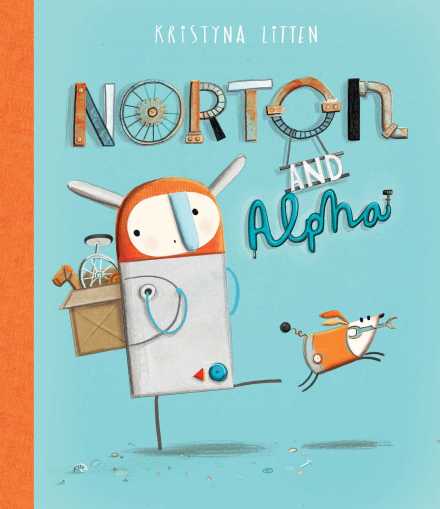
Norton and Alpha

By Kristyna Litten


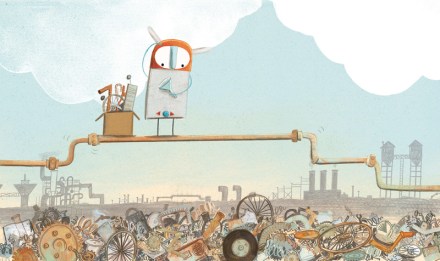
Norton was a very particular kind of collector. He loved finding the kinds of things most people threw away. “Battered wheels, rusty cogs, broken springs…and best of all were the things Norton didn’t have a name for.” Nearly everywhere he went, Norton found useful things. He took them all home and “made the most amazing inventions.”

celebrate-picture-books-picture-book-review-norton-and-alpha-lab

Copyright Kristyna Litten, 2017, courtesy of Sterling Children’s Books.

One day Norton found a little springy thing that he added “to his latest project.” It was the perfect final touch, and Norton named his invention Alpha. Alpha accompanied Norton on all of his hunts, following “his little robot nose down unknown paths.” He was small enough to get into all those places Norton couldn’t reach—ones where amazing items lurked.

celebrate-picture-books-picture-book-review-norton-and-alpha-collecting-things

Copyright Kristyna Litten, 2017, courtesy of Sterling Children’s Books.

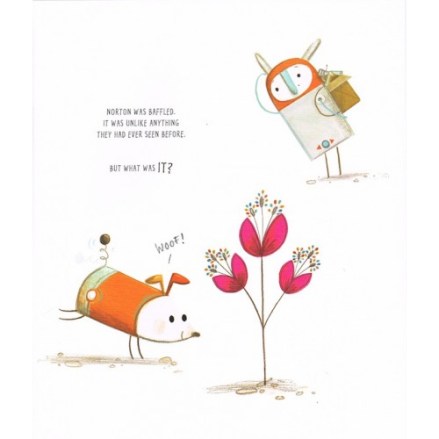
One day “Alpha’s nose felt slightly odd. It tickled and tingled and led him to something very unusual.” Norton had no idea what it was, but he took it along home. In his workshop he tested it in all of his usual ways, but this object didn’t react in any way familiar. In fact, the longer Norton had it, the less useful it appeared to be until Norton finally threw it out the window. As it fell it scattered bits of itself all over the ground.

celebrate-picture-books-picture-book-review-norton-and-alpha-finding-flower

Copyright Kristyna Litten, 2017, courtesy of Sterling Children’s Books.

As Norton and Alpha cleaned up, “they found a little round something their mysterious discovery had left behind.” Norton placed it in a jar just in case. The next day rain kept Norton and Alpha indoors, and the next day after that it was too hot to go out. Friday turned out to be just right, so Norton “oiled their joints and got everything ready for a long day’s collecting.”

celebrate-picture-books-picture-book-review-norton-and-alpha-flower-thrown-out

Copyright Kristyna Litten, 2017, courtesy of Sterling Children’s Books.

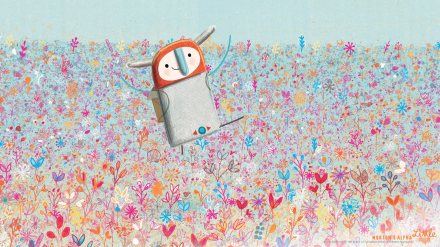
When they opened the doors they were greeted by the most beautiful, colorful sight. Norton and Alpha ran and played in the field and collected samples of all “the blue, pink, and orange things.” At home Norton didn’t experiment on them or even try to figure out what they were. Instead, he just used them to decorate his shelves, pipes, boxes, and bins because they “made him smile.”

celebrate-picture-books-picture-book-review-norton-and-alpha-playing-in-field

Copyright Kristyna Litten, 2017, courtesy of Sterling Children’s Books.

Kristyna Litten’s inventive story of a little robot who loves to tinker and collect odd objects and his constant companion, Alpha, will charm children who are always intrigued by the unknown and ready to incorporate found objects into their world. The idea that industrious efforts can coexist with the simple enjoyment of the earth’s beauty may inspire kids and adults to also appreciate those special “found moments” that can bring much happiness to life.

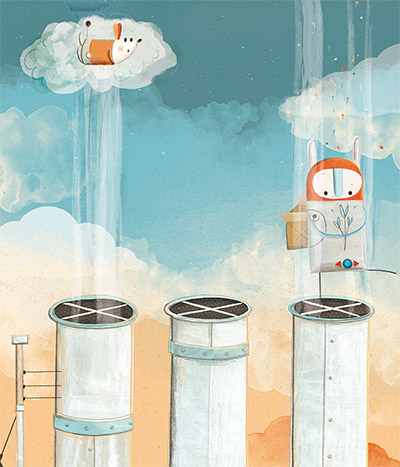
celebrate-picture-books-picture-book-review-norton-and-alpha-going-down-pipe

Copyright Kristyna Litten, 2017, courtesy of Sterling Children’s Books.

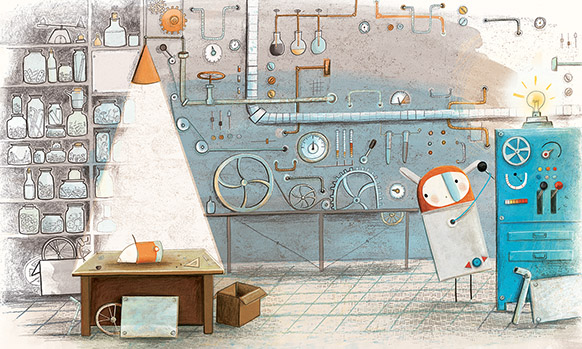
Litten’s Norton and Alpha are adorable friends, inviting little readers into their lab, where kids will love lingering over the gears, dials, machines, and shelves stacked with recognizable springs, tacks, nails, washers, hooks, hinges and other items. Readers will “Ooh!” and “Ahh!” when Norton and Alpha open their doors—accomplished through a marvelous double gate-fold spread—and the once-bleak landscape has been transformed into a gorgeous field by the flowers Norton has helped to grow. Children will also enjoy following what happens to the little seed Norton has saved as it is watered by an undetected leak in a nearby bottle and germinated on that very hot day.

With its cute illustrations and inspiring story, Norton and Alpha would be a much-asked-for book on any child’s home bookshelf and a terrific lead-in to inventive classroom playtimes or units.

Ages 4 and up

Sterling Children’s Books, 2017 | ISBN 978-1454924999

Discover more about Kristyna Litten, her art, and her books on her blog.

National Entrepreneur’s Day Activity

celebrate-picture-books-picture-book-review-inventor's-box

Inventor’s Box


For young inventors or tinkerers, having bits and pieces and some tools to work with all stored in one place encourages creative thinking. Filling the drawers of a tool case, a tool box, or a tackle box with items like springs, brads, wheels, hinges, plastic piping, pieces of wood, glue, tape, and simple tools can spark a child’s imagination. Take your child along to the craft or hardware store and choose items together!

Picture Book Review
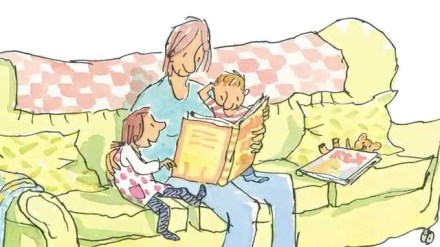
November 20 – It’s Human-Animal Relationship Awareness Week

celebrate-picture-books-picture-book-review-children-make-terrible-pets-cover

About the Holiday

Animals and humans coexist on Earth in so many amazing ways. Our pets are beloved family members, we interact and care for the birds, squirrels, chipmunks, and other backyard animals that we see every day, and we are mindful of and should be caretakers of the wild animals that inhabit the plains, mountains, and seas of our planet. Human-Animal Relationship Awareness Week was established by the Animals & Society Institute, which “helps improve and expand knowledge about human-animal relationships in order to create safer and more compassionate communities for all.” Over this week people are encouraged to think about companion animals, assistance animals, animals in shelters, and the safety and well-being of the animals in our care. To celebrate, spend more time with your pet and consider donating to your local animal shelter or wildlife organization.

Children Make Terrible Pets

By Peter Brown


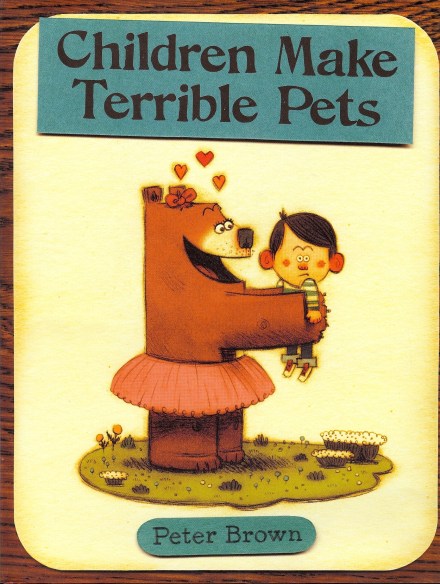
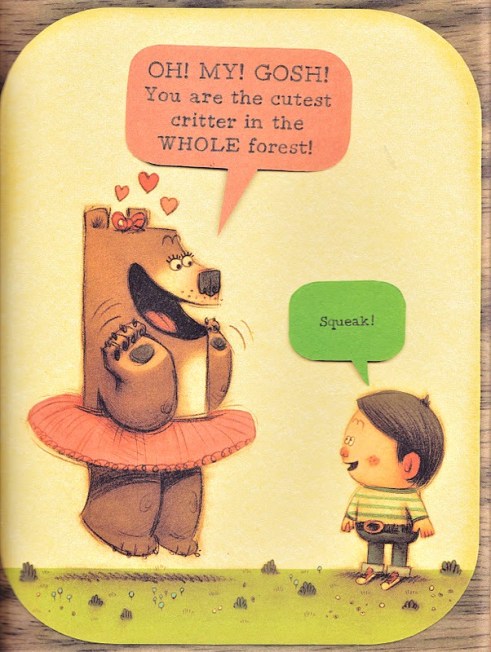
One day Lucy Beatrice Bear was practicing ballet when she smelled someone nearby. She ordered whoever it was to come out. “Squeak,” said the little boy. When he emerged from his hiding place and Lucy got a good look at him, she was delighted. “OH. MY. GOSH! You are the cutest critter in the WHOLE forest!” she exclaimed. “Squeak,” said the boy.

celebrate-picture-books-picture-book-review-children-make-terrible-pets-meets-squeaker (2)

Copyright Peter Brown, 2010, courtesy of Little Brown Books for Young People.

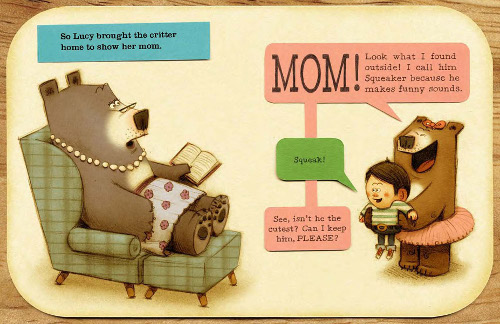
Lucy picked him up and raced home. She burst in where her mom was reading and held him up. “Look what I found outside! I call him Squeaker because he makes funny sounds.” She begged her mom to let her keep him. Lucy’s mom scolded her daughter for bringing a child into the house, reminding her, “Don’t you know children make terrible pets?” But Lucy pleaded and showed her mom how cute he was and assured her that he would be no trouble.

celebrate-picture-books-picture-book-review-children-make-terrible-pets-can-I-keep-him

Copyright Peter Brown, 2010, courtesy of Little Brown Books for Young People.

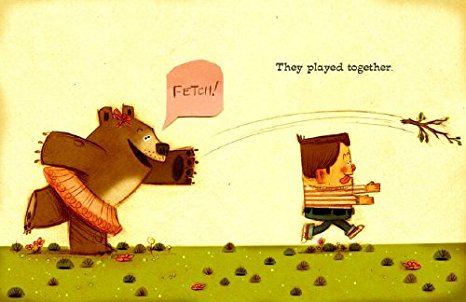
Finally, Lucy’s mom relented—but with one stipulation: Lucy had to take care of him herself. Lucy agreed and told her mom that she’d see that this child would be “the best -+pet EVER.” Lucy and Squeaker did everything together, but while they had fun playing, eating, and napping together, having Squeaker as a pet wasn’t all a bed of roses. For one thing, he was hard to litter box train. He also ran wild and tore up the furniture, tracked in mud, threw food, and even swung from the chandelier.
celebrate-picture-books-picture-book-review-children-make-terrible-pets-playing-together

Copyright Peter Brown, 2010, courtesy of Little Brown Books for Young People.

Then suddenly, Squeaker disappeared. Lucy searched everywhere, but just as she was about to give up, “her sensitive nose caught a whiff of her Squeaker.” Lucy followed her nose all through the forest until she finally found him. But as Lucy watched Squeaker having a picnic lunch with three other humans outside a house, “Squeaker didn’t seem like a pet anymore.” Sadly, Lucy said goodbye to Squeaker and headed back home. On the way she thought about how much she would miss him but decided it was all for the best.
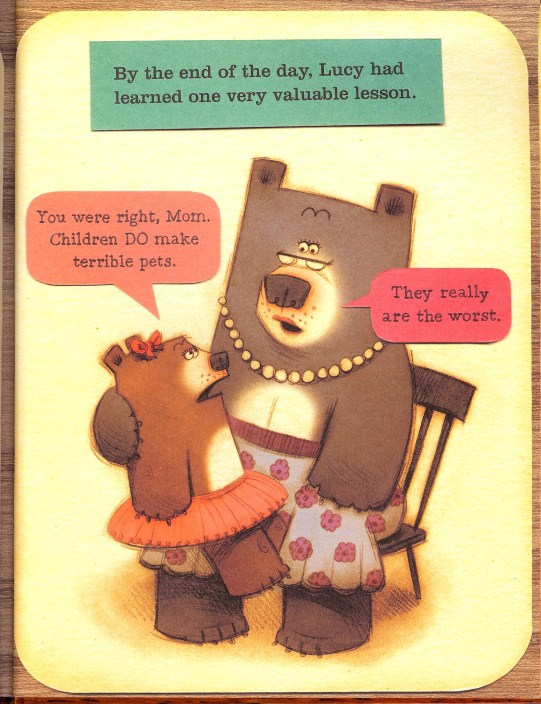
When she got home, she told her mom all about it and had to agree that her mom had been right. “Children do make terrible pets,” she said. But she knew the elephant she found would be just perfect….

celebrate-picture-books-picture-book-review-children-make-terrible-pets-Lucy-agrees-with-mom

Copyright Peter Brown, 2010, courtesy of Little Brown Books for Young People.

Peter Brown’s flip-flop of the “Mom-can-I-keep-him” story will have all readers laughing along—pet owners because they know what a new animal in the house can do, adults because they know what shenanigans little ones can get up to, and kids because…well, the story’s so funny. Brown’s dialog between Lucy and her mother perfectly reflects children’s unbridled zeal when they really, really want something and a parent’s wariness of giving in to a request. On the final page as Lucy finds another pet to love, kids share the knowledge of their own boundless capacity for enthusiasm.

Brown’s illustrations delight with the uninhibited zest kids have for adventures as well as their ability to move on from a disappointment to something new. Lucy’s eager expressions will make kids giggle and adults smile knowingly. Squeaker’s silent acquiescence to being adopted by Lucy and his wild behavior humorously depict children’s readiness for pretend play.

Ages 4 – 7

Little Brown Books for Young Readers, 2010 | ISBN 978-0316015486

You can learn more about Peter Brown, his books, and his art as well as find coloring pages and activity sheets on his website.

Human-Animal Relationship Awareness Week Activity

celebrate-picture-books-picture-book-review-matching-animal-matching-game

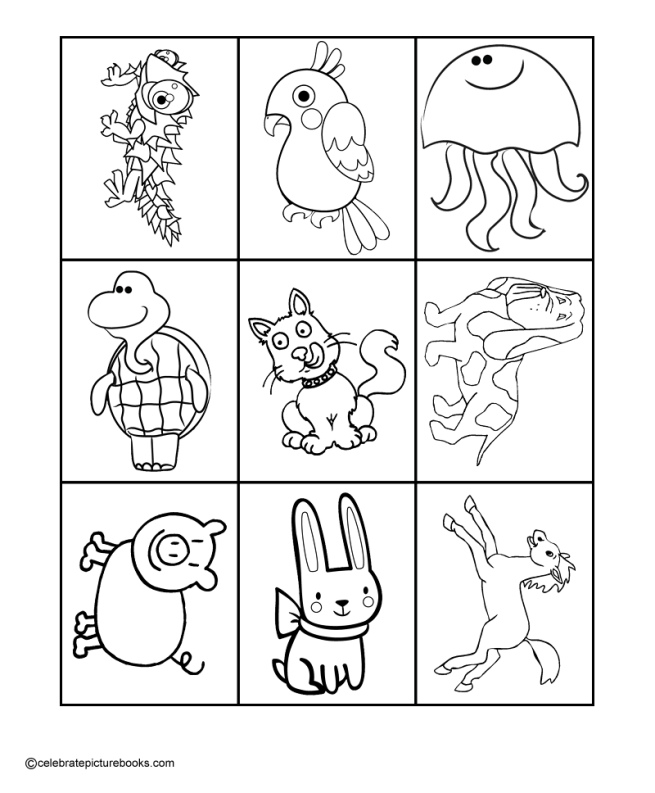
Animal Matching Game


There are so many animals to love! Play this fun matching game to find pairs of favorite animals!

Supplies

Directions

  1. Print two sheets of the Animal Matching Cards for each player
  2. Color the cards (optional)
  3. Cut the cards apart
  4. Scramble the cards and lay them out face-side down
  5. Choosing one card at a time, turn one face up and then another.
  6. If the two cards match leave them face up
  7. If the two cards do not match lay them face down and try again.
  8. As you find matching pairs, leave the cards face up until all the pairs have been found.
  9. If playing against other players, the first to match all their animal cards is the winner

Picture Book Review