January 3 – Festival of Sleep Day

celebrate-picture-books-picture-book-review-henry-and-leo-cover

About the Holiday

After all the celebrating, we’re finally ready for some down time – and when I say down time, I mean sleep! That feeling of sinking into a deep slumber and waking refreshed the next morning is so comforting. And the opportunity to sleep in – or sleep all day? That’s luxury! To take full advantage of today’s holiday, jump in bed, pull up the covers and…Zzzzzzzzzz…

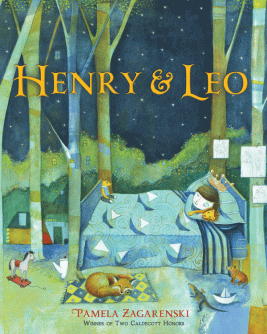
Henry & Leo

By Pamela Zagarenski


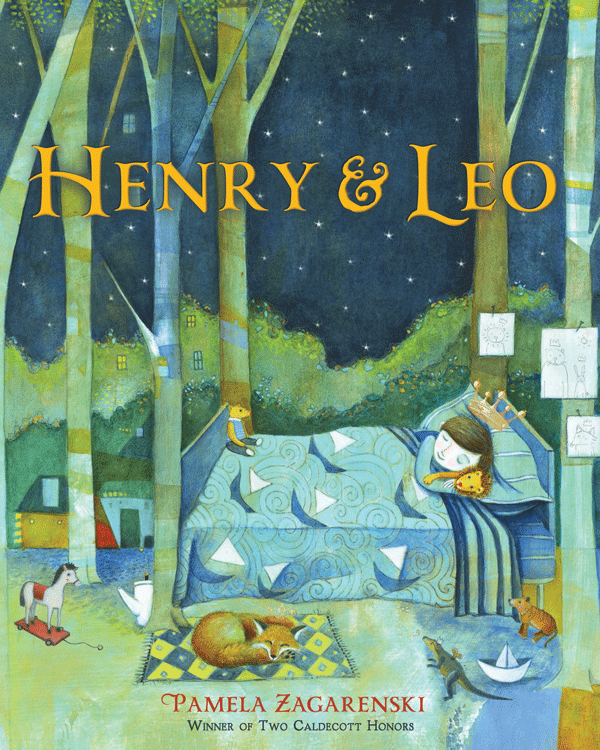
Ever since Henry was two, he and his stuffed lion, Leo, have been inseparable. “Perhaps it was his glass button eyes, which made him look as if he knew secret things” that made him so special and unlike Henry’s other toys. One Saturday Henry’s parents suggested a hike in the Nearby Woods. Henry was excited because he knew Leo would love the outing. Henry’s sister thought this idea was foolish, after all Leo wasn’t real, she said, and couldn’t love anything.

Henry didn’t care what his sister thought, and as they walked through the forest, he “could tell that Leo loved hearing the birds and finding the woodland animals as much as he did.” When evening began to fall, the family headed home, Henry riding on his father’s shoulders. At home, Henry discovered that Leo was missing. They looked everywhere, but Leo could not be found.
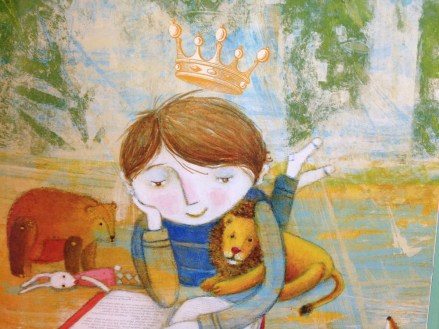
celebrate-picture-books-picture-book-review-henry-and-leo-henry-loves-leo

Image copyright Pamela Zagarenski, courtesy of Houghton, Mifflin Harcourt

Papa promised that they would resume the hunt in the morning, but Henry worried. He knew Leo would want to be home with him tonight, and asked that a light be left on for him. Henry’s mother suggested that since Leo was only real in Henry’s imagination that he “‘imagine Leo tucked into a safe place.’” In the morning, she said, they would return to the Nearby Woods and find him.

In the darkness of his room, clutching a stuffed rabbit and fox, with a toy bear nearby, Henry thinks about Leo. He “knows that his family just didn’t understand what it truly meant to be real.” But Henry and Leo were best friends. They cared for each other. “That’s real.”

Meanwhile, in the Nearby Woods, a bear, a rabbit, and a fox discover Leo sitting at the base of a tree. With a twig, Leo sketches a house in the dirt, washed white in the gleam of the full moon. The rabbit produces a compass as the fox consults the stars. The foursome takes off down the path, watched over by owls and other night creatures. As the trip grows longer, Leo rides on the bear’s back. At last they reach the edge of the forest, and in the distance Leo points to a house bathed white in the moonlight.
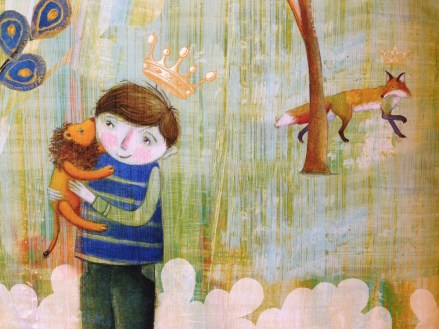
celebrate-picture-books-picture-book-review-henry-and-leo-leo-loves-henry

Image copyright Pamela Zagarenski, courtesy of Houghton, Mifflin Harcourt

With the dawning sun Henry and his family take up the search again. Suddenly, Henry spies Leo near the front door. “‘Leo!’” he shouts. His family sighs in relief, but his sister and father are both perplexed. They know they had “‘looked in that very spot last night.’” As Henry hugs Leo tightly, he whispers “‘You found home! I love you, Leo.’” And Leo whispers back, “‘I love you, too, Henry.’”

With her signature grace and lyricism. Pamela Zagarenski infuses her lost-toy story with the mystical imagination of childhood. As the title suggests, she presents the experience from both Henry’s and Leo’s perspectives, echoing the wonderful ability of young children to fully embrace and transfer their emotions, giving—and accepting—love from animate and inanimate objects equally. Zagarenski’s illustrations are glorious, with the richness of royalty—a motif that is carried through in the crowns that hover above and settle on the heads of Henry, his family, other toys, and the woodland animals. Children may enjoy discussing and interpreting the different crowns. The middle spreads of nighttime in the forest are wordless, allowing the animals to communicate in their own way and in a way children believe. Young readers will appreciate the gentle suspense and be satisfied with the correctness of Henry’s prediction as Leo finds his way home. Fans of Zagarenski’s work will notice familiar images, such as teapots, tea cups, and paper sailboats, scattered among the pages.

The beauty of Zagarenski’s art and her stardust magic of imagination make Henry & Leo an excellent choice for bedtime and quiet time reading, and would be an often-asked-for addition to children’s bookshelves.

Ages 4 – 7

Houghton, Mifflin Harcourt, 2016 | ISBN 978-0544648111

To learn more about Pamela Zagarenski, her books, and her art, visit her website.

Festival of Sleep Day Activity
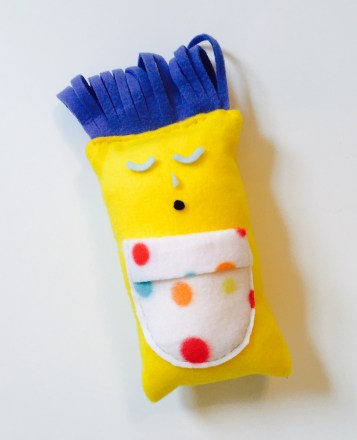
celebrate-picture-books-picture-book-review-snuggle-buddy-craft

Snuggle Buddy Craft


It’s easy to make your own snuggle buddy with a few pieces of fleece, some fiber fill, and a needle and thread or fabric glue. The great thing about creating your own friend is you can personalize your pal anyway you want!

Supplies

  • 1 8-inch by 11-inch piece of fleece in the color or your choice for the body (or scraps if you have some from an earlier project). A larger piece of fleece can be used to make a larger buddy
  • 1 5-inch by 8-inch piece of fleece in the color or your choice for the hair (or scraps if you have some from an earlier project)
  • 1 small piece of fleece or other material for a pocket, clothes, or blanket
  • Small scraps of fleece or other material for the face
  • Fiber Fill
  • Thread and sewing needle OR fabric glue
  • Scissors

Directions

To Make the Body

  1. Fold the large piece of fleece in half lengthwise and sew along the open side and along the bottom. Alternatively, if using a larger size piece of fleece, fold upward and sew or glue the two sides closed.
  2. Turn the form inside out

To Make the Hair

  1. Cut a piece of fleece as wide as your buddy and about 7 – 8 inches long
  2. Fold the fleece lengthwise
  3. Insert both ends of the fleece into the opening at the top of the body
  4. Sew or glue the opening shut, securing the hair
  5. Cut strips about ¼-inch wide from the top of the hair to close to where the hair is sown into the body

To Make a Pocket or Clothes

  1. Cut a piece of fleece in the shape of a pocket, shirt, pants, diaper, or blanket
  2. Sew or glue the pocket or clothes to the buddy

To Make the Face

  1. Cut eyes, a nose, and a mouth in whatever way you would like your buddy to look. 
  2. Sew or glue the face to the buddy

celebrate-picture-books-picture-book-review-henry-and-leo-cover

You can find Henry & Leo at these booksellers

Amazon | Barnes & Noble | Books-a-Million | IndieBound

Picture Book Review


January 2 – It’s National Sunday Supper Month

celebrate-picture-books-picture-book-review-nothing-wee-about-me-coverAbout the Holiday

Isabelle Lessing began the Sunday Supper Movement in 2012 after her oldest child left home to attend college and she realized that the time spent around the family table would be something she missed most. Isabelle reached out to other food bloggers to share their experiences and recipes, and the Sunday Supper Movement was born. If you’d like to revive this tradition, which was once a staple of family life, you’ll find recipes and ideas on the Sunday Supper website.

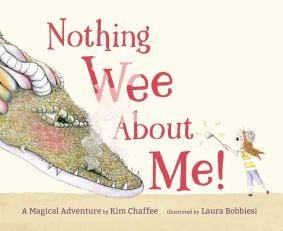
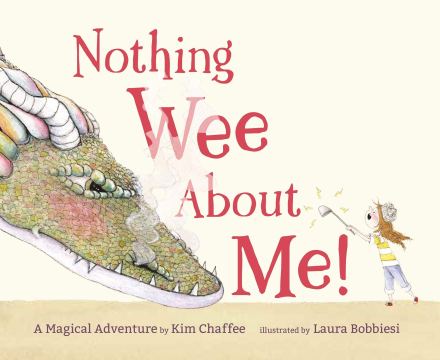
Nothing Wee About Me! A Magical Adventure

Written by Kim Chaffee | Illustrated by Laura Bobbiesi


It was time for Sunday Supper at Grandma’s again. Liesel ran past her brother and up the front walk into Grandma’s kitchen, where she began to search through the spoons, spatulas, and other baking utensils. Grandma held the large soup ladle aloft and asked, “‘Looking for this?’” When Liesel cheered, Grandma said, “‘Dear Liesel, you’re just like me when I was a wee girl.’” But Liesel let her know that there was nothing wee about her.

Grandma warned Liesel that the old ladle didn’t work quite as well as it used to and made her promise to “be back in time for Sunday soup.’” Liesel raised the ladle above her head and made a wish. Immediately, she was in a little submarine, her ladle-scope trained on an island where a rumbling volcano threatened the pretty castle and the villagers. Liesel hurried toward the island to warn its inhabitants.

When she landed on shore, she was met by a lion pirate who took in her wee size and sneered while informing her that the island belonged to him. In turn, she informed him that the volcano was about to blow and—in her loudest voice—that “‘THERE’S NOTHING WEE ABOUT ME!’” Then she brandished her “ladle-hook” hand at him and sent him running. Then she rushed through the town announcing the danger through her ladle-megaphone.

She came to the castle and knocked loudly on the door. But then she spied, crouched over the tallest tower and with its wings outstretched, a fire-breathing dragon who was keeping the prince prisoner. The dragon was not afraid of such a “wee girl,” but Liesel swung her “ladle-sword” at the dragon and ordered it to let the prince go. Surprised by Liesel’s bravery, the dragon relented.

But were they too late to get to the rescue boat? Lava was already streaming from the volcano as the earth shook. Once more, Liesel raised the ladle and made a wish. Immediately, Liesel found herself holding a stick with a marshmallow attached. She told the ladle that the volcano was “‘not a campfire’” and that this was “‘no time for s’mores.’” The prince, thought a snack sounded good, though.

Liesel made another wish and found herself holding a plunger; another wish presented her with a golf club. Liesel had to admit that Grandma had been right about the ladle being broken, but she tried one more time. When she opened her eyes, she was holding a fishing pole. The prince couldn’t see how that would help, but Liesel knew just what to do. She sent her line flying, “hooked the largest coconut she could find,” and…saved the day.

While Liesel wished she and the prince could stay on the island, she knew Grandma was waiting. At dinner, Liesel slurped up her whole bowl of soup and asked for another. As Grandma ladled up another serving of Sunday soup, she remarked that she’d never seen Liesel eat so much. “‘That must have been some adventure today!’” she said and then worried that perhaps it had been too dangerous. But Liesel reassured her grandma that there was “‘Nothing this WEE girl couldn’t handle.’”

Kim Chaffee’s enchanting and action-packed story is a celebration of imagination and the way that simple toys or objects can spark children to discover their own creativity. With evocative verbs, suspenseful encounters, rich dialog, and a sprinkling of humor, Chaffee creates a charming page-turner that’s sure to thrill readers. Kid-power, girl-power, and themes of family and tradition as well as a sweet and loving intergenerational relationship between the children and their grandmother make this a multi-layered story that kids will love. Liesel’s mantra “There’s nothing wee about me” is sure to become a rallying cry for readers.

Laura Bobbiesi’s watercolor and ink illustrations are filled with captivating details that revel in the joys of simpler times and hint at some of the adventures to come. As Liesel and her brother run to meet Grandma, Liesel wears a paper hat while her brother sports the gold crown and red cape of a prince, and the seagull that greets their little dinghy wears an eyepatch. The plump submarine, golden-maned pirate, and rainbow-scaled dragon are whimsical while highlighting the ingenuity of young minds at play. Subtle hints incorporated in the text and accompanying images may spur some readers to join in on the adventure and guess how Liesel will solve the problem of the volcano.

An inventive story with lots of heart, Nothing Wee About Me! A Magical Adventure would make a fun addition to home, classroom, and public library collections for story times that stir children’s imaginations.

Ages 4 – 8

Page Street Kids, 2019 | ISBN 978-1624146923

Discover more about Kim Chaffee and her books on her website.

To learn more about Laura Bobbiesi and see a portfolio of her work visit her website.

National Sunday Supper Month Activity

celebrate-picture-books-picture-book-review-souper-maze

Souper Maze!


Soup makes a souper meal for Sunday Suppers, but you can’t eat it without a spoon! Can you help the spoon get through the maze to the bowl in this printable maze?

Souper Maze Puzzle | Souper Maze Solution

celebrate-picture-books-picture-book-review-nothing-wee-about-me-cover

You can find Nothing Wee About Me! A Magical Adventure at these booksellers

Amazon | Barnes & Noble | Books-a-Million | IndieBound

Picture Book Review
December 31 – National No Interruptions Day

celebrate-picture-books-picture-book-review-patience-miyuki-cover

About the Holiday

If you yearn for a nice long stretch of peace and quiet in which to work, think, or play without the barrage of sounds, images, and other interruptions that make up modern life, then today’s holiday is for you. So how do you go about celebrating? Turn off your phone, TV, and music, tell your friends and family you’re taking a “me” day, and find a spot where you can shut the door and just…ahhhh…. For those on the other side of that door who want attention or need help, the day may require a bit of patience. But they might find that they appreciate a little quiet time too—just like the little girl in today’s book.

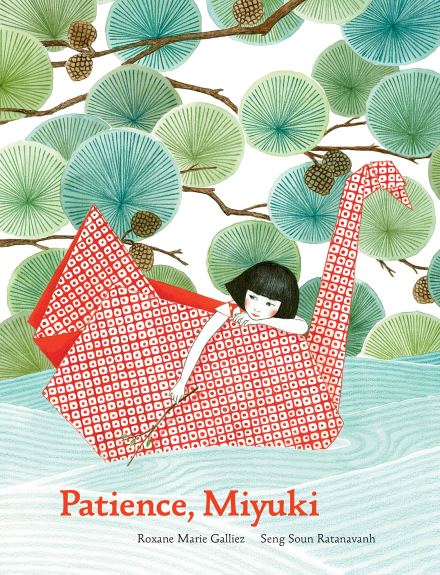
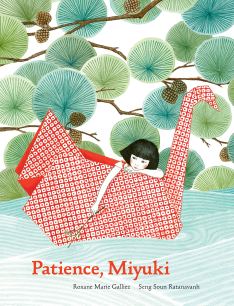
Patience, Miyuki

Written by Roxane Marie Galliez | Illustrated by Seng Soun Ratanavanh


“Blue earth, orange moon, Spring was all dressed up and ready for her first day of the year.” Up with the dawn, Miyuki was ready too. She rushed to her grandfather’s house eager to rouse him to watch the “last moonbeams of winter” and enjoy the first full day of spring. But Grandfather urged patience. He wanted to soak up the sunshine through his window. The day would still be there in an hour, he told her.

celebrate-picture-books-picture-book-review-patience-miyuki-flowers

Image copyright Seng Soun Ratanavanh, 2019, courtesy of Princeton Architectural Press.

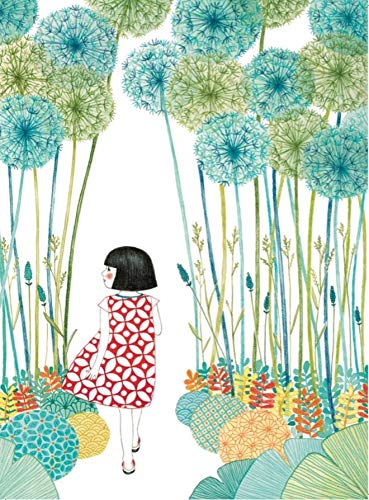
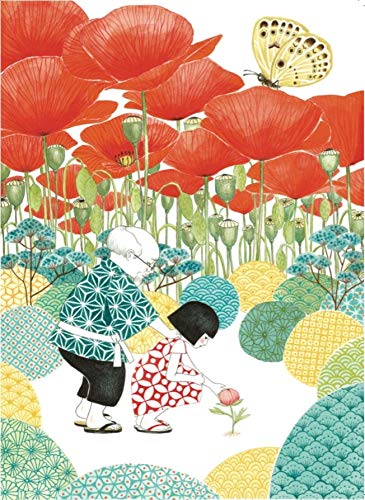
When her grandfather joined her, the two walked through the garden, greeting each tree, flower, and blade of grass. In the middle of the garden was a little flower still asleep. Miyuki called for it to wake up, but Grandfather said, “‘Be patient, Miyuki. This little flower is not ready to open. It is precious and delicate and needs the purest and finest water…’”

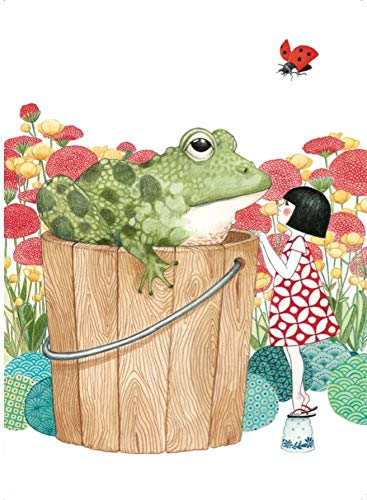
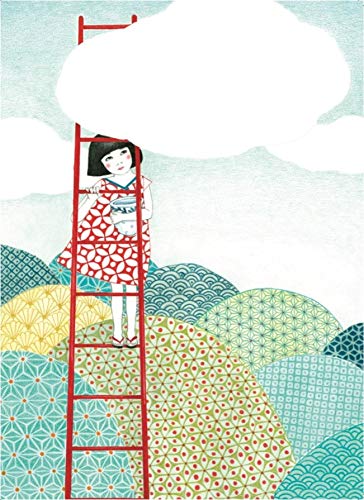
Determined to wake the little flower, Miyuki hurried away to the well. But when she raised the bucket, it was filled not with water, but with a frog. She pleaded with the well to give her water, but the well answered that she must wait for it to rain again. “But Miyuki did not want to wait.” Next, she tried approaching the clouds, but the ones full of water were too far away, a perfect little cloud did not want to give up its water, and the ones that did were too slow in filling up her little porcelain bucket.

celebrate-picture-books-picture-book-review-patience-miyuki-poppies

Image copyright Seng Soun Ratanavanh, 2019, courtesy of Princeton Architectural Press.

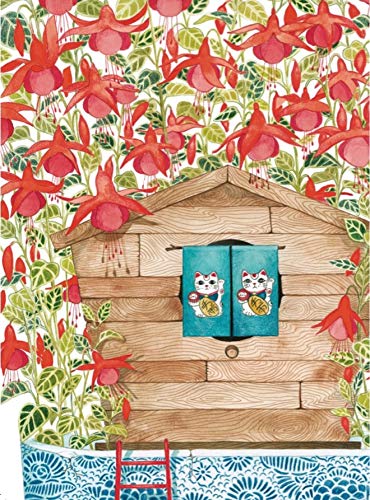
The first day of Spring was half over and still Miyuki had not gathered water for the little flower. She walked and walked until she came to a waterfall. When Miyuki asked for its purest water, the waterfall told her she would have to wait for night, when the water lessened and she could cross over to the lake beyond. But Miyuki did not want to wait. As Miyuki walked on, she spied a house covered in flowers and a boy watering his garden. She approached and asked for some of his purest water. In exchange, he wanted to know who she was and to hear her story.

celebrate-picture-books-picture-book-review-patience-miyuki-frog

Image copyright Seng Soun Ratanavanh, 2019, courtesy of Princeton Architectural Press.

The boy filled her bucket and Miyuki ran home. On the way, though, she tripped and fell. Her bucket shattered and the water spilled out. By now it was nearly evening. Miyuki had missed almost the entire day, and she still had no water for her flower. Just then she heard the river’s song. The river asked her what she was doing so far from home at that hour. It offered to show her the way and give her some of its water. The trip lulled her to sleep, and when she reached home, Grandfather put her to bed.

celebrate-picture-books-picture-book-review-patience-miyuki-cloud

Image copyright Seng Soun Ratanavanh, 2019, courtesy of Princeton Architectural Press.

When she woke, it was the second day of spring. Today, Grandfather was waiting for her in the garden. When Miyuki saw that the flower had not opened, “Two of the purest tears ran down her cheeks.” But Grandfather said, “‘Be patient, my little girl. Neither flowers no anyone in the world deserves to be watered by tears. Yesterday…you missed the first day of spring. Come, sit close to me, watch, and wait for once.’” Miyuki sat next to her grandfather and watched as he smelled a fragrant flower. Then he tipped a leaf and a few pure dewdrops fell onto the little flower. Slowly, the flower’s petals opened. It greeted Miyuki and apologized for being late, explaining, “‘I’ve been dreaming of Spring.’”

celebrate-picture-books-picture-book-review-patience-miyuki-bird-house

Image copyright Seng Soun Ratanavanh, 2019, courtesy of Princeton Architectural Press.

Roxane Marie Galliez’s gentle story encompasses two emotions that often spar within one mind: the desire to hurry, hurry, hurry and pack every moment with action or adventure and the longing to relax, observe, and really enjoy the peace of our own thoughts—or no thoughts at all. Miyuki wants to savor every moment of the first day of spring, but she spends the entire day rushing around to find water for the little flower who has her own time table. At last, lost and too tired to stay awake, Miyuki is put to bed by her grandfather only to wake the next morning ready to repeat her frantic pace. Only when Grandfather convinces her to sit and watch, can Miyuki appreciate the dawning sun, the fragrant flowers, and the fact that what she was searching for was right at hand all the time. In Miyuki, readers will recognize the strong feelings children often have when they want others to join in on their activities or viewpoints. Galliez reminds them that patience and paying attention to others’ needs can be a rewarding and a gift as well.

celebrate-picture-books-picture-book-review-patience-miyuki-bird

Seng Soun Ratanavanh’s striking illustrations combine dream-like scenes, surprising perspectives, and familiar elements of Japanese culture, including Kokeshi dolls, lucky cats, and origami, to draw readers into the story. Miyuki, smaller than a wren, tiny next to the well’s wooden bucket and the frog it catches, and able to ride in an origami swan boat, is a child of nature as is the boy who lives in a birdhouse and shares his gardening water. As Miyuki, with Grandfather’s hand on her shoulder, crouches down to wake the little flower, readers can see how small it is; that it is still new, growing, and learning. This touching image embodies the multi-layered themes of the story: the dual natures of children still new, growing, and learning with multigenerational support.

Lush and fantastical, yet rooted in mindfulness Patience, Miyuki is a visual feast that would quickly become a favorite for home, school, and public library collections.

Ages 5 – 8

Princeton Architectural Press, 2019 | ISBN 978-1616898434

Discover more about Roxane Marie Galliez and her books on her website.

To learn more about Seng Soun Ratanavanh and see a portfolio of her work, visit her website.

National No Interruptions Day Activity

celebrate-picture-books-picture-book-review-be-quiet-posterPlease Bee Quiet Poster


Sometimes you just need a little time to yourself. When that happens put this cute printable poster on your door and get bzzzzzzzzy on your own projects. 

Please Bee Quiet Poster

celebrate-picture-books-picture-book-review-patience-miyuki-cover

You can find Patience, Miyuki at these booksellers

Amazon | Barnes & Noble | Books-a-Million | IndieBound

Picture Book Review


December 24 – Christmas Eve

celebrate-picture-books-picture-book-review-santa-bruce-cover

About the Holiday
Christmas Day is tomorrow! Are you ready—tree decorated, all gifts bought or made and wrapped, cookies baked? If not, don’t stress! Somehow, it all comes together. And on Christmas morning when you see those little eyes light up and you get to spend the day with family and/or friends, all the last-minute preparations are worth it—as you’ll see in today’s book.

Disney-Hyperion sent me a copy of Santa Bruce to check out. All opinions are my own. 

Santa Bruce

By Ryan T. Higgins


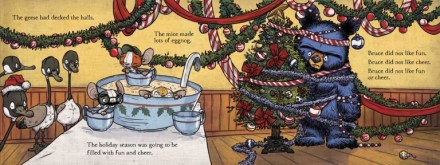
If you know Bruce, you probably won’t be surprised to learn that he “did not like the holidays.” In fact, before he had kids (and mice), he used to sleep right through them. But this year his family wanted that picture-perfect Christmas together. This meant “no migrating! No hibernating!” Whether Bruce liked it or not, “the holiday season was going to be filled with fun and cheer.”

So the geese decorated, and the mice made eggnog. And Bruce? He was not happy. He was awake and he was cold. And because he was awake and cold, he was shoveling the walk in his red long underwear. And that’s when a raccoon made an erroneous conclusion, and Bruce was the victim of “a case of mistaken identity.” Again.

celebrate-picture-books-picture-book-review-santa-bruce-red-suit

Copyright Ryan T. Higgins, 2018, courtesy of Disney-Hyperion.

It didn’t matter that Bruce tried to set the record straight. The little raccoon scampered off to tell his friends. Soon, Bruce’s house was full of animals wanting to talk to Santa. Every young forest critter took their turn sitting on Santa’s…I mean Bruce’s…lap to tell him what they wanted for Christmas, and no sooner had they all gone home then their parents showed up to “thank Bruce for his Christmas spirit. Then, before Bruce could even say “bah humbug,” Thistle announced that Santa Bruce would “deliver presents to all of your kids tonight.”

What was Bruce’s reaction? He headed for bed. When the mice protested, Bruce reminded them that he didn’t have a sleigh. The mice easily fixed that with a wagon and a sled. How about reindeer?, Bruce countered. Well, what else are geese for? Okay, Bruce conceded, but what about the presents? The mice had that covered too.

And so it was that on that magical night that Santa Bruce made the rounds to all the good little forest critters (and even to the “grown up Bunny who still lives with his parents”). As morning dawned and Santa Bruce trudged back home, happy tykes were waking up to a beautifully wrapped present. What was it? You’ll have to join the holiday feast and see!

celebrate-picture-books-picture-book-review-santa-bruce-party

Copyright Ryan T. Higgins, 2018, courtesy of Disney-Hyperion.

In this new holiday favorite, Ryan T. Higgins’ woebegone Bruce is just trying to make his kids (and those mice) happy when another case of mistaken identity turns his winter topsy-turvey. Bruce’s tetchy responses as he loses control of his fate and becomes Santa Bruce as well as the silly asides and persuasive pleas from the mice will have kids in stitches. Sly references to holiday songs, Christmas clichés, and even a spring holiday add to the zany hubbub, and the little ones’ Christmas wishes will make adult readers chuckle.

Higgins’ unibrowed bear wears his signature scowl with aplomb—not even cracking the wee-est smile as a houseful of tiny, adorable hopefuls cheer and shout for “SANTA!” As usual, the mice are jubilantly unconcerned with Bruce’s feelings, giving him, in turn, thumbs up and innocent eyes as they cajole Bruce into creating their vision of the perfect holiday. The guileless geese are just happy to be along for the ride, and the forest children are sweetly excited to get their special present.

Santa Bruce has laughter, generosity, and togetherness all wrapped into one—and isn’t that what the holidays are all about? A must buy for home holiday and anytime reading.

Ages 2 – 7

Disney-Hyperion, 2018 | ISBN 978-1484782903

Discover more about Ryan T. Higgins, his books, and his art on his website.

Christmas Eve Activity

celebrate-picture-books-picture-book-review-mini-book-craft-cover

Mini Accordion Book


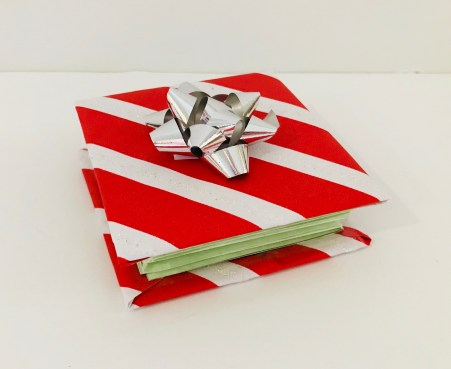
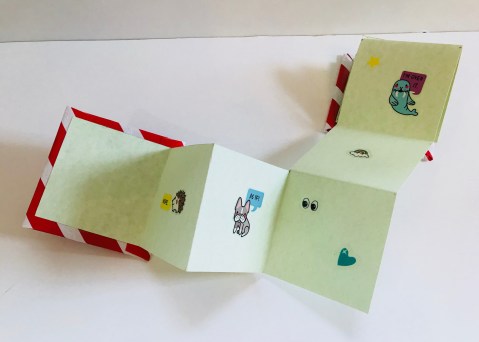
With this craft you can make a little book for your own writing, pictures, or stickers. With a holiday-themed cover, you can use it as an advent calendar or holiday wish list. This little book would also make a fun gift to make for your friends.

Supplies

  • 12-inch by 12-inch sheet of scrapbooking paper – single or double sided
  • Decorative scrapbooking paper, wrapping paper, or a page of the child’s own writing or drawing
  • Cardboard
  • Stickers, pictures
  • Scissors
  • Glue
  • Ruler
  • Pencil

celebrate-picture-books-picture-book-review-mini-book-pages

Directions

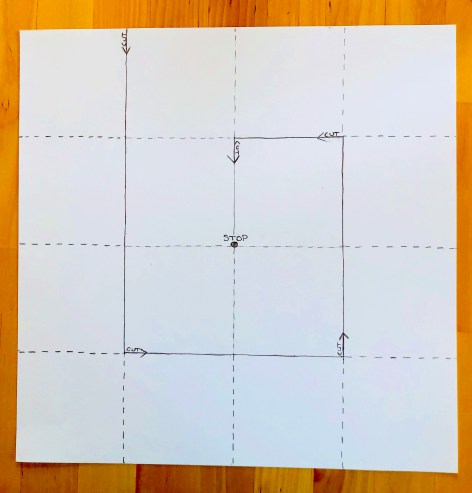
  1. Draw a 3-inch border around the edge of the 12-inch by 12-inch sheet of scrapbooking paper. This will make a 6-inch square in the center of the paper
  2. Draw a line from the top of the paper to meet the left edge of the 6-inch square. The line will be 3 inches from the left side of the paper.
  3. Draw a 3-inch line from the top center of the 6-inch square to the center of the square

IMG_7695

To Cut the Paper

  1. Beginning with the line at the top of the piece of paper, cut down the left edge of the 6-inch square.
  2. Cut across the bottom of the square.
  3. Cut up the right side of the square
  4. Cut across the top of the square to the line in the center.
  5. Cut down the 3-inch center line to the middle of the square

To Fold the Pages

  1. Draw light or dotted lines every 3 inches along the strip of paper
  2. Starting at the top of the strip, fold the paper on the lines accordion style.
  3. Make the first fold by folding the first 3-inch section down towards you.
  4. Fold the second 3-inch section back away from you
  5. Continue folding the 3-inch sections down and back until the strip is entirely folded

To Make the Cover

  1. Cut two 3 ½ -inch squares from the cardboard
  2. Cut two 4 ½-inch squares of from the decorative paper, wrapping paper, or child’s writing or drawing
  3. Cover the cardboard with the paper, folding the excess paper over the edges and securing with glue

To Assemble the Book

  1. With the strip of paper completely folded, glue one cover to the top 3-inch square
  2. Glue the second cover to the end 3-inch square

Fill the book with writing, drawings, stickers, whatever!

celebrate-picture-books-picture-book-review-santa-bruce-cover

You can find Santa Bruce at these Booksellers

Amazon | Barnes & Noble | Books-a-Million | IndieBound

Picture Book Review

December 22 – Hanukkah Begins

celebrate-picture-books-picture-book-review-story-of-hanukkah-cover

About the Holiday
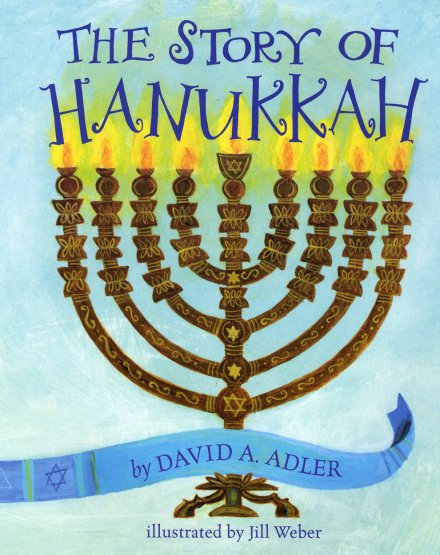
Hanukkah is the eight-day Jewish wintertime “festival of lights” that commemorates the rededication of the Holy Temple in Jerusalem in the 2nd century BCE. Special prayers, oil-based foods, and gifts are also part of this looked-forward to holiday. Today’s reviewed book reveals the history and traditions of Hanukkah. If you are celebrating Hanukkah this week—many wishes for a meaningful and enjoyable holiday!

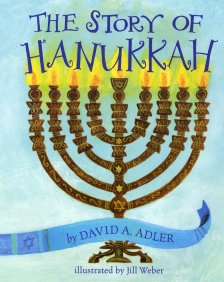
The Story of Hanukkah

Written by David A. Adler | Illustrated by Jill Weber


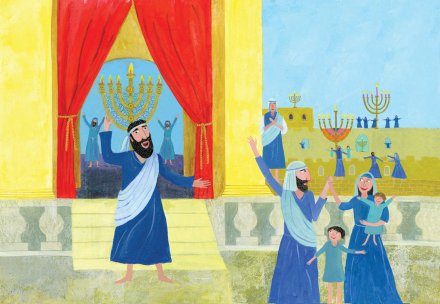
The story of Hanukkah began many centuries ago when Israel was known as Judea and the Jews living there worked as farmers and shepherds. Holidays were spent at the beautiful Temple, where the gates were covered in gold and silver. and a light—the ner tamid—always burned. While the Jews did not rule their land, they lived in peace. “Then a Greek, Antiochus IV became king. He tore down the walls of Jerusalem. Thousands were killed. Anyone who lit Sabbath candles, studied Jewish law, or refused to bow to Greek idols was put to death.”

When Antiochus’s army came to the town of Modiin, “they demanded that Mattathias, an old priest, worship one of their gods.” He refused and with his five sons and other followers ran into the hills. The soldiers chased them, but were attacked by “brave Jews hiding behind large rocks and inside caves….” When Mattathias died his son Judah became the group’s leader. He was known as the Maccabee, or “the hammer,” and the people who fought with him were called Maccabees.

celebrate-picture-books-picture-book-review-the-story-of-hanukkah-battle

Image copyright Jill Weber, courtesy of Holiday House Publishing

Antiochus did not give up easily. He sent his soldiers back on horses and even armored elephants. They carried swords and bows and arrows and were well-trained fighters. But despite the fact that there were 600 soldiers for every one Maccabee, the Maccabees defeated the mighty army. “Judah then led the Maccabees to Jerusalem. The Maccabees cried when they saw the Temple ruined and filled with garbage.” They went to work to restore the Temple to its former beauty.

Finally, the Temple was rebuilt and it came time to light the ner tamid. When the people looked for oil to fuel the light, however, all they found was a single jar with only enough oil to burn for one day. They lit the ner tamidm and although supplied with only a meager amount of oil, it burned for eight days—enough time for more oil to be prepared. “On the twenty-fifth day of the Hebrew month of Kislev, the Temple again became the ‘House of God.’”

celebrate-picture-books-picture-book-review-the-story-of-hanukkah-celebrating-restored-temple

Image copyright Jill Weber, courtesy of Holiday House Publishing

Judah told his people that “every year on that date an eight-day holiday would begin.” The holiday would be called Hanukkah, meaning “dedication.” Today, Jews all over the world celebrate Hanukkah. Every night they light one more candle on the menorah. They sing special songs, eat latkes (potato pancakes) and sufganiyot (jelly doughnuts), and exchange gifts. Children also enjoy playing a game with a four-sided top called a dreidel. On each side of the dreidel “is a different Hebrew letter—the first letters of the Hebrew sentence Nes gadol hayah sham, which means ‘A great miracle happened there.’” “Hanukkah celebrates one of the first fights for religious freedom.”

With his exceptional storytelling skills, David A. Adler reveals the history of Hanukkah to children. In simple, yet compelling sentences, Adler clearly depicts the faith of the Jews and the dangers they faced from Antiochus and his army. Children will marvel over the astounding defeat of Antiochus’s soldiers at the hands of the Maccabees and be filled with awe as the Temple is rebuilt and the small amount of oil sustains the flame in the ner tamid for eight days. Children unfamiliar with Hanukkah celebrations will discover the meanings behind the traditional foods, dreidel game, and lighting of the Menorah in clear language full of the pride and emotions Jewish families feel during the holiday.

In her bright acrylic paintings Jill Weber brings to life the story of the Jews and the Maccabees, allowing children to fully experience the environment and perils of the time period. Her patchwork fields tended by farmers and shepherds give way to the majesty of the Temple with its central altar and glowing eternal flame. Weber’s battle scenes are particularly effective in presenting the destruction, fear, and final victory experienced by the Jews. Readers will be cheered by the joy depicted in the faces of the people celebrating the restoration of the Temple and the excitement of families observing Hanukkah today.

A recipe for Latkes as well as instructions on how to play Dreidel follow the text

The Story of Hanukkah is a wonderful introduction to the holiday for children learning their own heritage or for children discovering the traditions of friends, family, and others.

Ages 5 – 8

Holiday House, 2012 | ISBN 978-0823425471 (Paperback) | ISBN 978-0823440320 (Board Book)

To view more of the many, many books by David A. Adler, visit his website!

Discover a gallery of book illustration and other design work by Jill Weber on her website!

Hanukkah Activity

celebrate-picture-books-picture-book-hanukkah-word-search

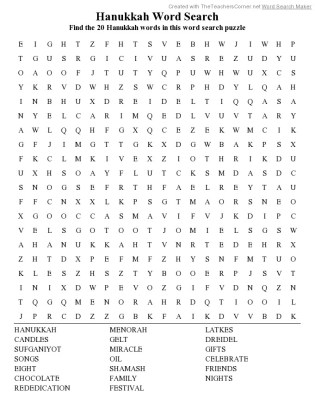
Festival of Lights Word Search


Find 20 words related to Hanukkah celebrations in this printable Festival of Lights Word Search puzzle. Here’s the Solution.

celebrate-picture-books-picture-book-review-story-of-hanukkah-cover

You can find The Story of Hanukkah at these booksellers

Amazon | Barnes & Noble | Books-a-Million | IndieBound


Picture Book Review

December 17 – Celebrating Read a New Book Month with Art

celebrate-picture-books-picture-book-review-frank-lloyd-wright-cover

About the Holiday
Today, I’m featuring another interactive book that will get young readers excited about learning more about art—or in this case—architecture. A great book can help kids find role models from the past or today that they can connect with philosophically and creatively. A book that touches on, validates, and encourages a child’s talent or dream is a gift that lasts a lifetime.

Meet the Architect! Frank Lloyd Wright

By Patricia Geis


Artists can be endlessly fascinating not only for their work but for their lives, which influence where they get their ideas, how they create each piece, and what made them an artist in the first place. In Meet the Architect! Frank Lloyd Wright, readers get an opportunity to discover the backstory, the influences, the three architectural rules, the clients, and, of course, the buildings of this master architect, whose mother predicted his profession before he was even born and “surrounded his crib with drawings of cathedrals.” This deep dive into Frank Lloyd Wright’s life is accomplished not only through text, but with little fold-outs that are themselves illustrated booklets, 3D popups, illustrated panels that extent the pages, tabs, a portfolio of postcards, and more.

celebrate-picture-books-picture-book-review-frank-lloyd-wright-getting-started

Copyright Patricia Geis, 2019, courtesy of Princeton Architectural Press.

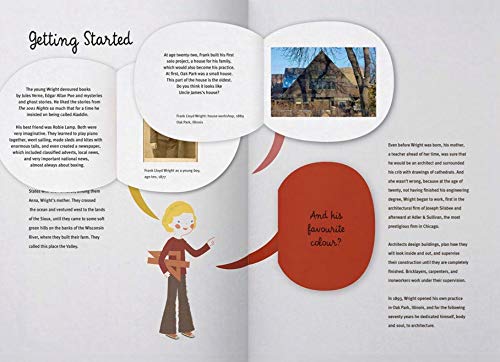
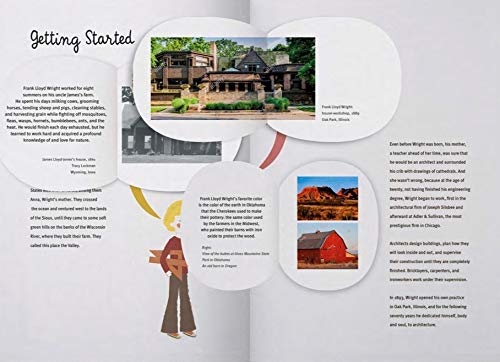
But let’s get started! Young readers may wonder what Frank was like as a kid. Learning that his grandfather, Richard Lloyd Jones, a Welsh milliner who made “‘black cone-shaped hats that ended in a point, worn as much by witches when they flew on their broomsticks as by other Welshmen,” will only whet their appetite to know more, and they won’t be disappointed. In addition to the text that briefly outlines Wright’s ancestry and earliest work experiences and defines what an architect is, a child asks a few questions.

celebrate-picture-books-picture-book-review-frank-lloyd-wright-getting-started-2

Copyright Patricia Geis, 2019, courtesy of Princeton Architectural Press.

The first speech bubble asks, “How was he as a kid?” Readers open it up to see a photograph of Frank at age 10 accompanying a description of the books he read, the activities he and his best friend did, the newspaper he created, and even why “he called himself Aladdin” for a while. Readers next meet him at 16 in a photo of his very large extended family, and they also get to see his Uncle James’ house where he spent eight summers working on the farm. The exterior photo of the house Wright made for his family. Two other speech bubbles introduce children to the house Wright designed and built for his family and a discussion of his favorite color, complete with full-color photographs.

celebrate-picture-books-picture-book-review-frank-lloyd-wright-getting-started-3

Copyright Patricia Geis, 2019, courtesy of Princeton Architectural Press.

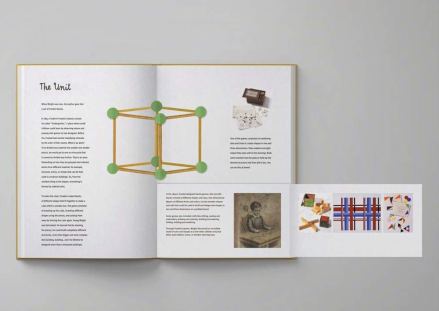
No artist is created in a vacuum, so author Patricia Geis includes a discussion of Friedrich Froebel, the creator of kindergarten and designer of twenty games that engaged children in geometry, creating dimensional shapes, building, and crafts and were influential in Wright’s development as well as in that of many well-known “artists, philosophers, and architects who would invent the abstract language of modern art.” A popup on the page replicates one of Froebel’s games.

celebrate-picture-books-picture-book-review-frank-lloyd-wright-the-unit-2

Copyright Patricia Geis, 2019, courtesy of Princeton Architectural Press.

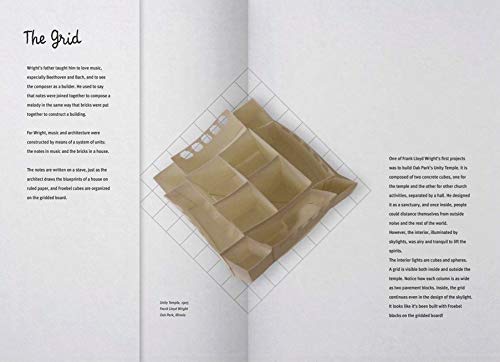
Wright’s father was also influential in his son’s education. He taught him to love music and “see the composer as a builder. For Wright, music and architecture were constructed by means of a system of units: the notes in music and the bricks in a house.” Just as notes are written on a staff, an architectural drawing is created on a grid. A detailed popup of Unity Temple built in 1908 in Oak Park, Illinois demonstrates how the building is positioned on a grid while a fold-out panel presents images of a floor plan, a cross section, a perspective drawing, and two photographs—one of the exterior and one of the interior of this beautiful temple.

celebrate-picture-books-picture-book-review-frank-lloyd-wright-the-unit

Copyright Patricia Geis, 2019, courtesy of Princeton Architectural Press.

Wright is well-known for setting his buildings in harmony with their surroundings. In her chapter “The Landscape,” Geis explains that Wright believed all buildings should adhere to “‘organic architecture,’” which meant they should “be in harmony with the landscape, respect the materials of construction, and respond to the need of the client.” She goes on to talk about Taliesin, the house, studio, and farm where he opened a school of architecture in 1932,, and Taliesin West in Arizona. These two landmarks are presented first with small framed photos (which cleverly mirror pictures on an art gallery wall) that open up to show how the buildings blend in with the environment and second with foldouts that include interior and exterior photographs as well as accompanying text.

celebrate-picture-books-picture-book-review-frank-lloyd-wright-the-grid

Copyright Patricia Geis, 2019, courtesy of Princeton Architectural Press.

Fallingwater, built in 1936, is one of Wright’s most famous designs, and with the pull of a tab, readers can transform the waterfall that hosts this house into the showstopper it became. More photographs and text present Wright’s philosophy about the house and land as well as the level of detail that went into building it—even to his choice to paint “the upper part the same color as the underside of a rhododendron leaf.”

celebrate-picture-books-picture-book-review-frank-lloyd-wright-the-grid-2

Copyright Patricia Geis, 2019, courtesy of Princeton Architectural Press.

“Wright believed that every house should fit its inhabitants, like a made-to-measure suit.” To see just how he accomplished creating one-of-a-kind houses, readers can flip through a portfolio of five postcards, each of which presents a color photograph of the exterior of the house on the front and a description and interior photographs on the back. Visitors to the Guggenheim Museum in New York have experienced how Wright brought “the forms of nature to the city.” Shaped with the spiral of a snail’s shell, the museum showcases the art collection of Solomon r. Guggenheim, who bought “the works of such avant-garde artists as Kandinsky, Klee, Picasso, and Mondrian. Perhaps Wright’s connection with some of these artists through their common adoption of Froebel’s games early in their development is one reason the museum and the art work so well together.

A natural teacher, Wright would no doubt invite readers of this book to do some architectural exploration of their own, and so Geis has included sheets of card stock blocks, shapes, cubes to build, and other elements as well as a grid for children to play with.

celebrate-picture-books-picture-book-review-frank-lloyd-wright-postcards

Copyright Patricia Geis, 2019, courtesy of Princeton Architectural Press.

Patricia Geis is an engaging and compelling tour guide on this absorbing survey of Frank Lloyd Wright’s life that spanned from 1867 to 1959 taking in Reconstruction, “the Industrial Revolution, the coming of electricity, two world wars, and the invention of television.” Her clear and straightforward storytelling draws readers in with intriguing details, information about his childhood, and sprinkled-in direct appeals for them to look closer at or notice something in the photographs. Geis does an excellent job of connecting Wright’s early influences to his later work and his architectural philosophies to his finished projects. Each two-page spread creates a chapter of sorts, making it easy for kids and adults to dip into the book as they wish or to read it all in one sitting. Charming illustrations of wanna-be architects on various pages invite kids along on this beautiful and beautifully done journey of discovery.

A stunning book that any child—or adult—would cherish, Meet the Architect! Frank Lloyd Wright is highly recommended for anyone interested in architecture or any of the arts. I would also encourage readers to check out the other books in this series, including Meet the Artist! books about Henri Matisse, Pablo Picasso, Alexander Calder, Vincent van Gogh, and Leonardo da Vinci. If you are looking for a unique gift for a teacher or someone on your list, you can’t go wrong with this book.

Ages 7 – 12 and up

Princeton Architectural Press, 2019 | ISBN 978-1616895938

You can learn more about Patricia Geis, her books, and her art here.

celebrate-picture-books-picture-book-review-frank-lloyd-wright-cover

You can find Meet the Architect! Frank Lloyd Wright at these booksellers

Amazon | Barnes & Noble | Books-a-Million | IndieBound

Picture Book Review

December 16 – Celebrating Read a New Book Month with Art

celebrate-picture-books-picture-book-review-art-this-way-cover

About the Holiday

Discovering new books about a favorite subject or one that presents a topic in a new and interactive way is one of the joys of reading. Today and tomorrow, I am featuring two new books that engage kids in the study of art in interactive and exciting ways. Getting to see the world in unique and creative ways is one of the purposes of art, and these books get readers thinking about the whys and hows of some of the world’s influential artists.

Art this Way
By Tamara Shopsin and Jason Fulford
 

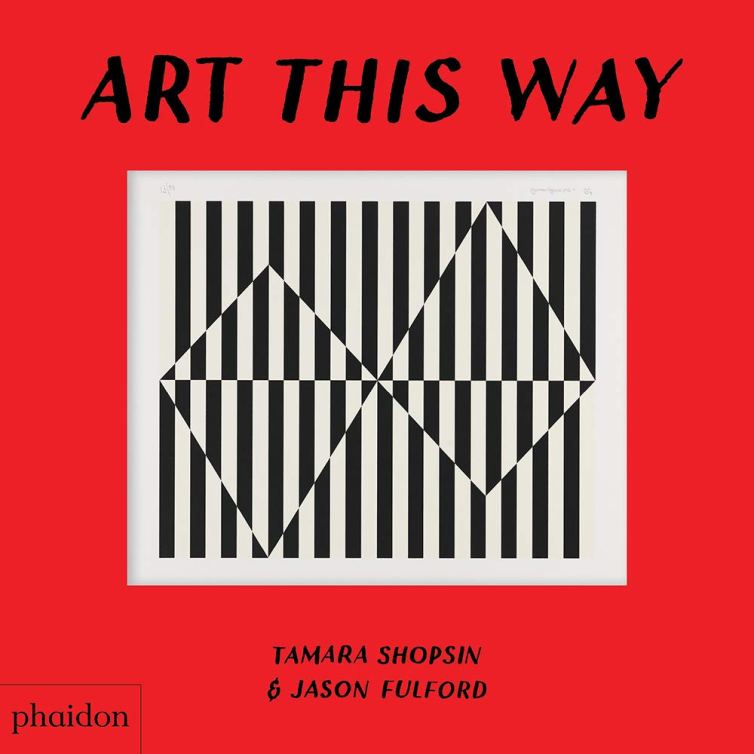
As children—who are naturally creative—know, art is not static but interactive and thought-producing. In Art This Way, author-artists Tamara Shopsin and Jason Fulford invite readers to “see like artists” by introducing them to twelve works of art in the collection of the Whitney Museum of American Art. The eye-catching cover with a cut-out window that frames Carmen Herrera’s Black and White screen print—a black-and-white-striped optical illusion—that, as children discover when they open the cover, looks the same upside down.

celebrate-picture-books-picture-book-review-art-this-way-women-and-dog

Copyright Tamara Shopsin and Jason Fulford, 2019. Courtesy of Phaidon.

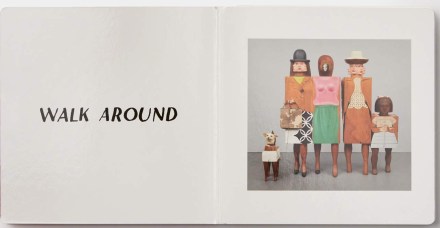
One photograph of Marisol’s sculpture Women and Dog—in which “each of the women is a self-portrait of the artist—can’t fully represent this piece, so readers are presented with three. These fold-out images allow children to “walk around” the sculpture to see the intriguing (and humorous) back and get an up-close view of one of the women’s head, which appears to be looking in all directions.

celebrate-picture-books-picture-book-review-art-this-way-look-up-open

Copyright Tamara Shopsin and Jason Fulford, 2019. Courtesy of Phaidon.

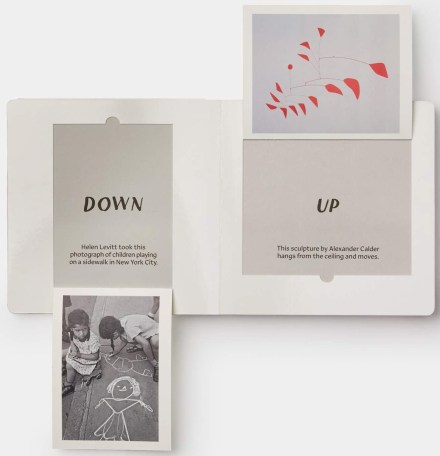
Five screen prints from Andy Warhol’s portfolio Flowers demonstrate the impact of identical images of flowers rendered in different colors. Folding out the pages puts these paintings side-by-side so that kids can choose their favorite or discuss the differences. Sometimes art isn’t at eye level, but below our feet or above our heads. Two doors—one that opens down and one that opens up—reveal two such examples. A photograph by Helen Levitt of children creating chalk drawings on a sidewalk and a whimsical mobile by Alexander Calder will captivate readers.

celebrate-picture-books-picture-book-review-art-this-way-look-close

Copyright Tamara Shopsin and Jason Fulford, 2019. Courtesy of Phaidon.

Lovers of comics and graphic novels will be drawn to the close-up and far-away views of an explosion by Roy Lichtenstein, which is composed of solid-color blasts and rays amidst clouds of red and blue dots. Cindy Sherman showed the personal side of art with photographs of “herself pretending to be different characters.” Kids get to try out their own artistic side with the mirror that beckons them to “look in” and try on the round glasses for size. Finally, one of the wrapped objects that have made Christo well-known around the world awaits readers, enticing them to guess what might be inside.

celebrate-picture-books-picture-book-review-art-this-way-look-far-away

Copyright Tamara Shopsin and Jason Fulford, 2019. Courtesy of Phaidon.

Each of the works of art presented here have been well-chosen by Tamar Shopsin and Jason Fulford to encourage young readers to discover art not only in museums but all around them and to explore their own creativity. Each page invites readers to talk about the piece and to try their hand at using it to inspire a piece of their own.

A wonderful and fun way to introduce youngest readers to the joys of creativity, Art This Way makes a unique addition to home, classroom, and public library board book collections.

Ages 2 – 4

Phaidon, 2019 | ISBN 978-071487721

To find a portfolio of work by Tamara Shopsin and in collaboration with her husband Jason Fulford, visit her website.

Celebrating New Book Month with Art Activity

celebrate-picture-books-picture-book-review-motivation-and-inspiration-day-craft

Make Art from Found Objects


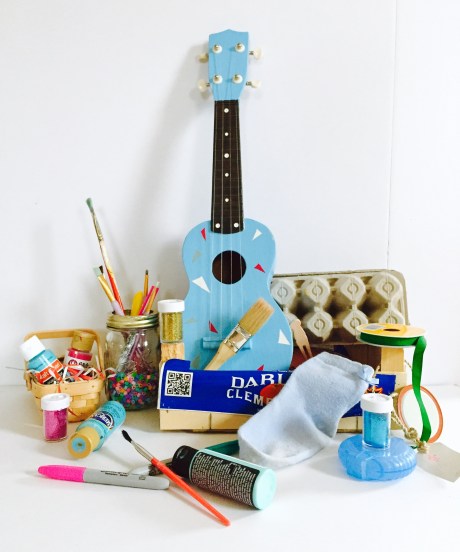
Each person finds inspiration in different things, places, and people. Today, try to create something new from the materials around you. Boxes, bottles, wire, magazines, cloth, wood, sponges—almost anything—can be transformed with some imagination. With those old socks, corks, flower pots, candle stubs, bits of ribbon, clementine crate, paint, glitter, beads, and more, you can make something useful, a decoration for your room, or even a gift for a friend!

celebrate-picture-books-picture-book-review-art-this-way-cover

You can find Art This Way at these booksellers

Amazon | Barnes & Noble | Books-a-Million | IndieBound

Picture Book Review