April 30 – National Month of Hope

About the Holiday

Founded in 1991, National Month of Hope encourages people to bring hope to those in need both emotionally and physically. Reaching out to let a family member or friend know you’re there for them no matter what they need, volunteering to help out in the community or on a personal level, and simply sharing a smile with those around you are all ways to show others you care. 

Thanks to Harry N. Abrams for sharing a copy of this book with me!

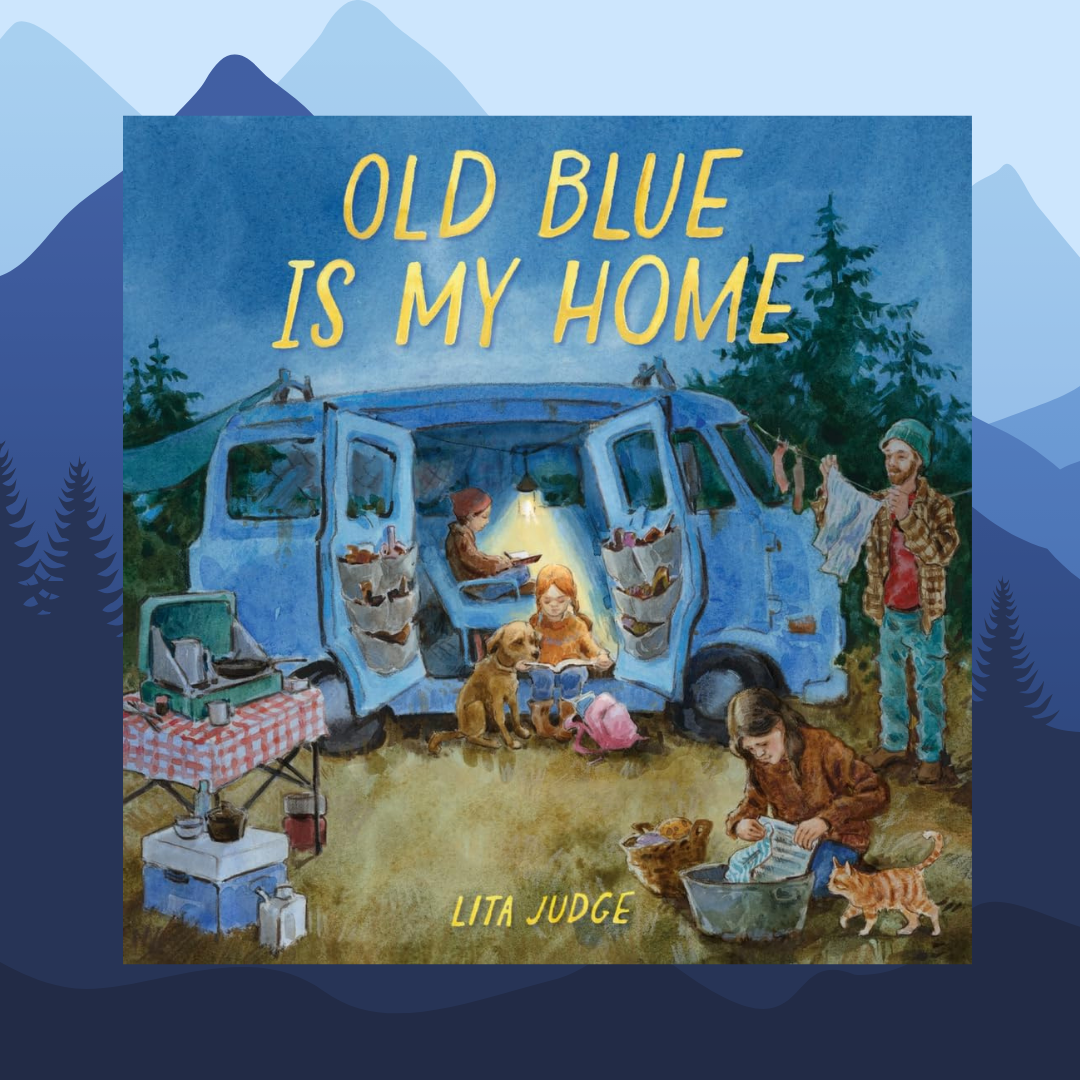
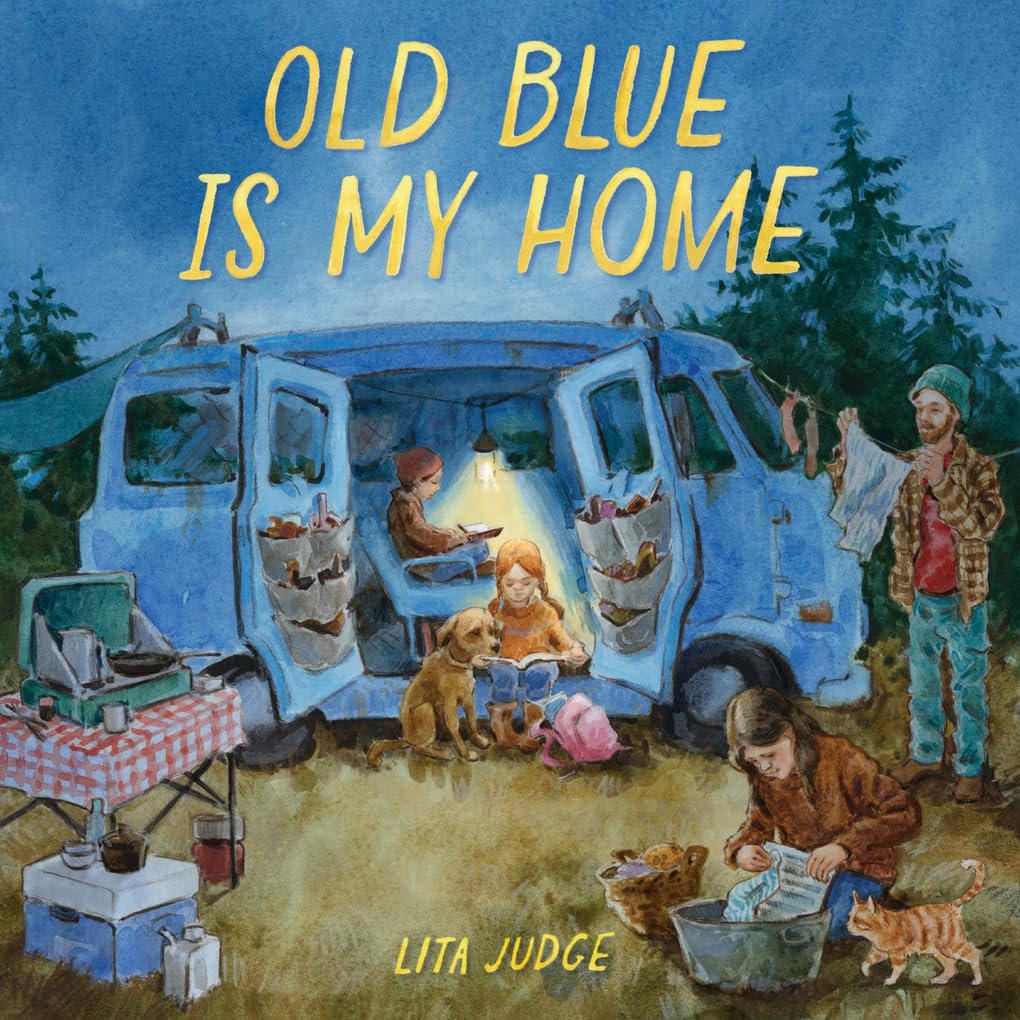
Old Blue Is My Home

By Lita Judge


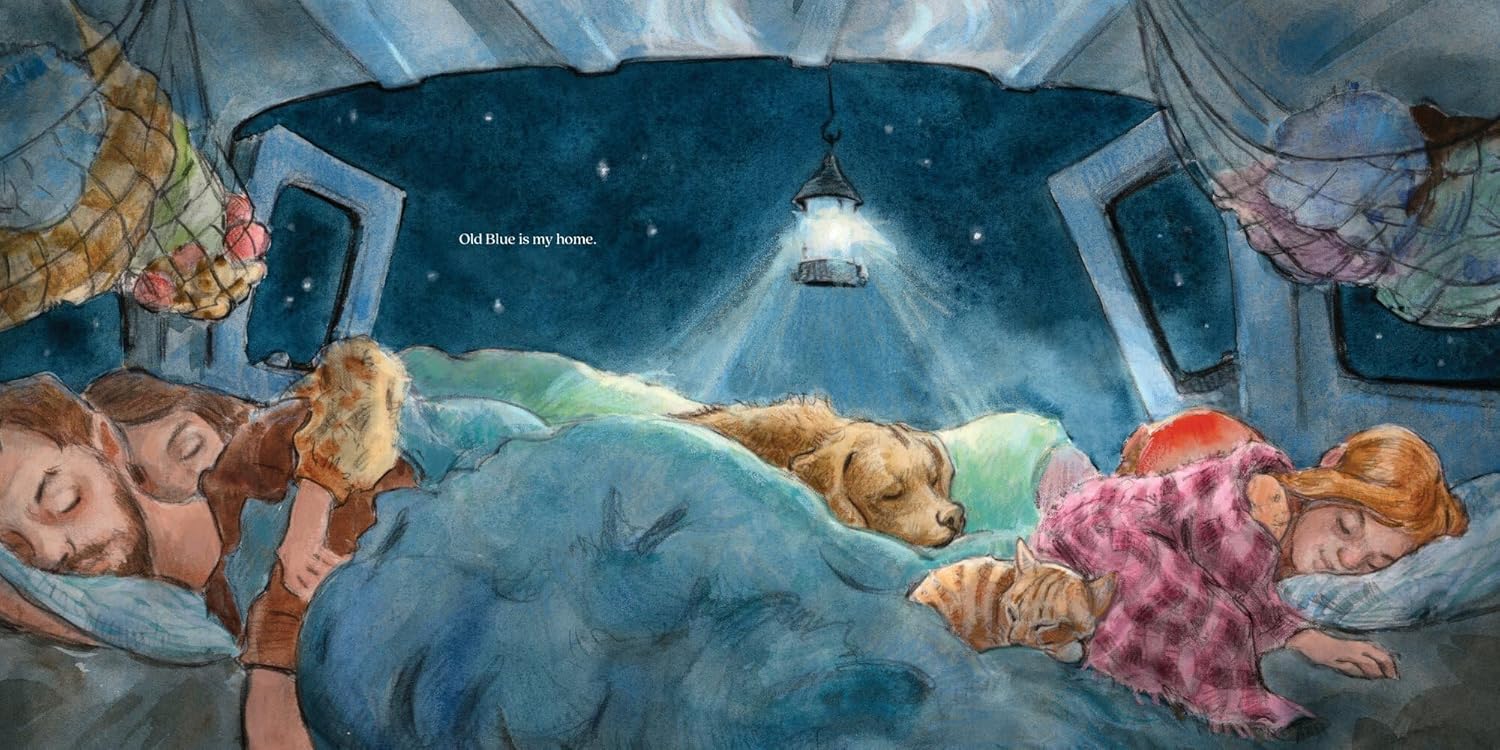
The young narrator introduces readers to Old Blue, her family’s faded and rusty-in-spots van, as they wait in traffic, stating that this beloved vehicle reliably transports them wherever they need to go, from town to the mountains and especially to out-of-the-way places where her family can “sit under the stars and eat warm soup before going to sleep.” Tucked in all together, the girl reveals, “Old Blue is my home.”

In the morning, Dad cooks breakfast on their camp stove, while she takes a shower courtesy of a plastic bag full of water hung from a tree. Inside Old Blue, there are nooks and crannies for all that they need, including a “cozy library” full of her “favorite books.” Rain or shine, she says, “Old Blue is my home.” Still, there are times when she yearns for permanence and community. “Sometimes,” she says, “living in Old Blue makes me feel like I’m from everywhere and belong nowhere.”

Text and illustration © 2025 by Lita Judge. Courtesy of Harry N. Abrams.

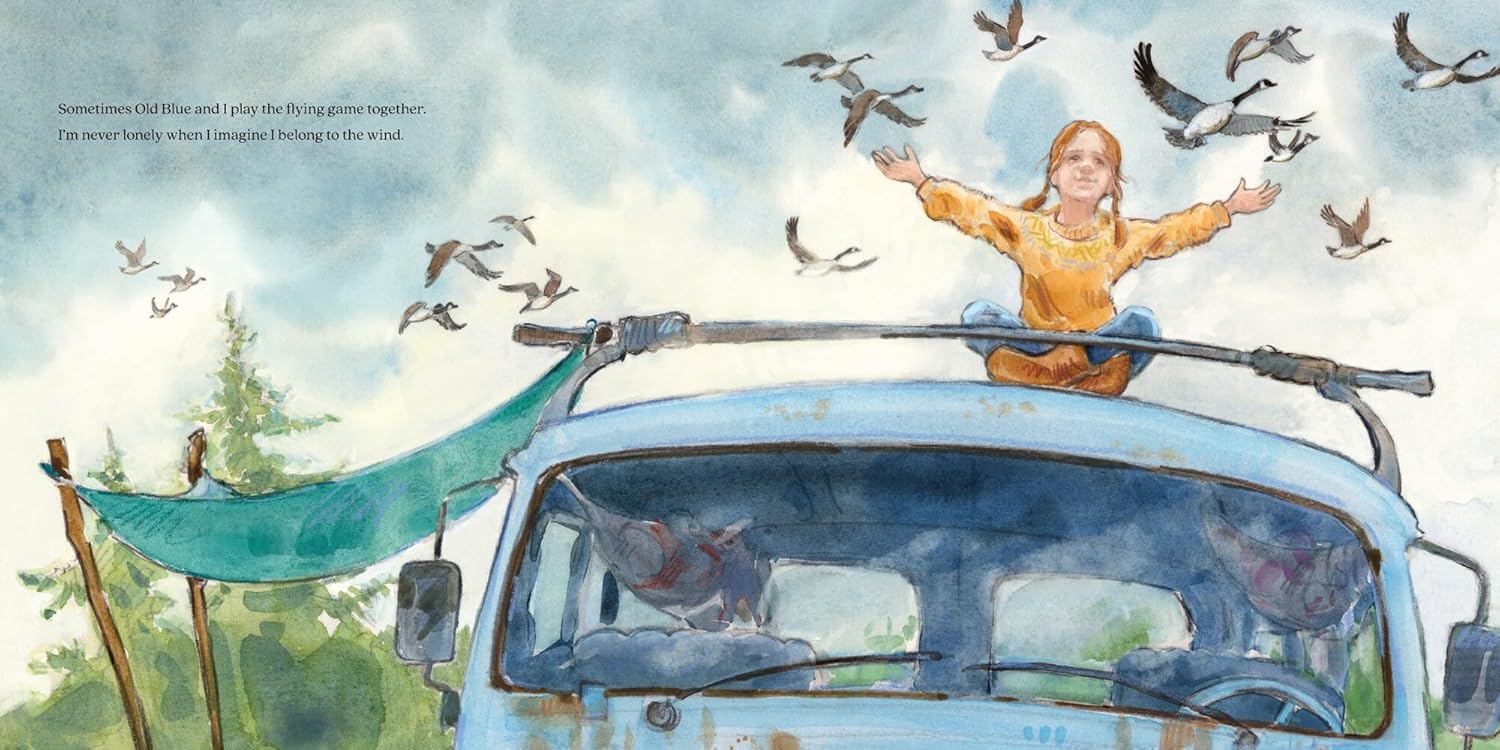
Going to school is especially difficult as kids shun her unconventional living conditions and don’t include her. When she feels this sadness, she finds comfort and assurance cuddling with her mom and peace in nature. While the family hopes for a “forever home,” the girl appreciates everything Old Blue provides. Old Blue is her home.

Following the story, Lita Judge talks about her own childhood experience living a “nomadic existence in Alaska, Nevada, Utah, Oregon, California, and Wisconsin” as her family moved frequently, following her “father’s work in remote areas” that “led to housing insecurity.” She also describes the “rich relationship with nature” her upbringing fostered as well as the toll it took on her feelings of security, serenity, and community. Judge finally reveals how her imagination helped her cope while also fueling her desire to connect through her creative talents. Judge includes a discussion adults can share with their children that defines various types of Housing Insecurity and its risks, and encourages readers to offer help through their local organizations.

Text and illustration © 2025 by Lita Judge. Courtesy of Harry N. Abrams.

While sharing her personal experience while growing up, Lita Judge’s moving tribute to her beloved non-traditional home connects all children through their common feelings, dreams, and close family ties. The narrator’s honest storytelling is compelling and heartfelt and will draw readers in, inspiring empathy and a better understanding of what many children face every day. Her repetition of “Old Blue is my home” can spark thoughtful consideration of what qualities actually make any dwelling a “home” rather than just a place to live in. 

Judge’s rich watercolor and colored pencil illustrations are infused with warmth, love, and togetherness. Children will relish the realistic portrayals of the family’s lifestyle and their facial expressions as well as the meticulous images of the van’s interior spaces that embrace the family’s necessary supplies, childhood comforts, and cherished pets.

Offering empathy and understanding for those experiencing housing insecurity as well as a touching look at family bonds, Old Blue Is My Home is a must addition to school and public libraries and home collections.

Ages 4 – 8

Harry N. Abrams, 2025 | ISBN 978-1419771521

About the Author/Illustrator

Lita Judge is the award-winning author-illustrator of many children’s books, including Dogs: A History of Our Best FriendsThe Wisdom of TreesBorn in the WildFlight SchoolRed Sled, and her illustrated young adult novel, Mary’s Monster, as well as the illustrator of Forty Winks: A Bedtime Adventure, written by Kelly DiPucchio. She lives with her husband, three cats, and a parrot in New Hampshire.

You can purchase Old Blue Is My Home from these booksellers

Amazon | Barnes & Noble | Bookshop

Picture Book Review

April 25 – Disability Book Week

About the Holiday

Disability Book Week encourages individuals all over the world to become more inclusive with what they read by reading a book that features characters with disabilities. It’s easy to participate! Individuals and families can pick up a disability-inclusive book to read. Libraries, schools, and bookstores can create a display of inclusive books. Hosting an author, illustrator, or disabled community member to do a reading is also a great idea. Other ways to help are to leave a review of books you’ve read and to talk about disability inclusion with your family or others. These ideas can all go a long way in raising awareness of how we think about disabilities and interact with people who are disabled.

To learn more about Disability Book Week and find lists of books for kids, teens, and adults as well as resources such as display signs to download, visit disabilitybookweek.org.

Thanks go to Beach Lane Books and Barb Fisch at Blue Slip Media for sharing a copy of this book with me.

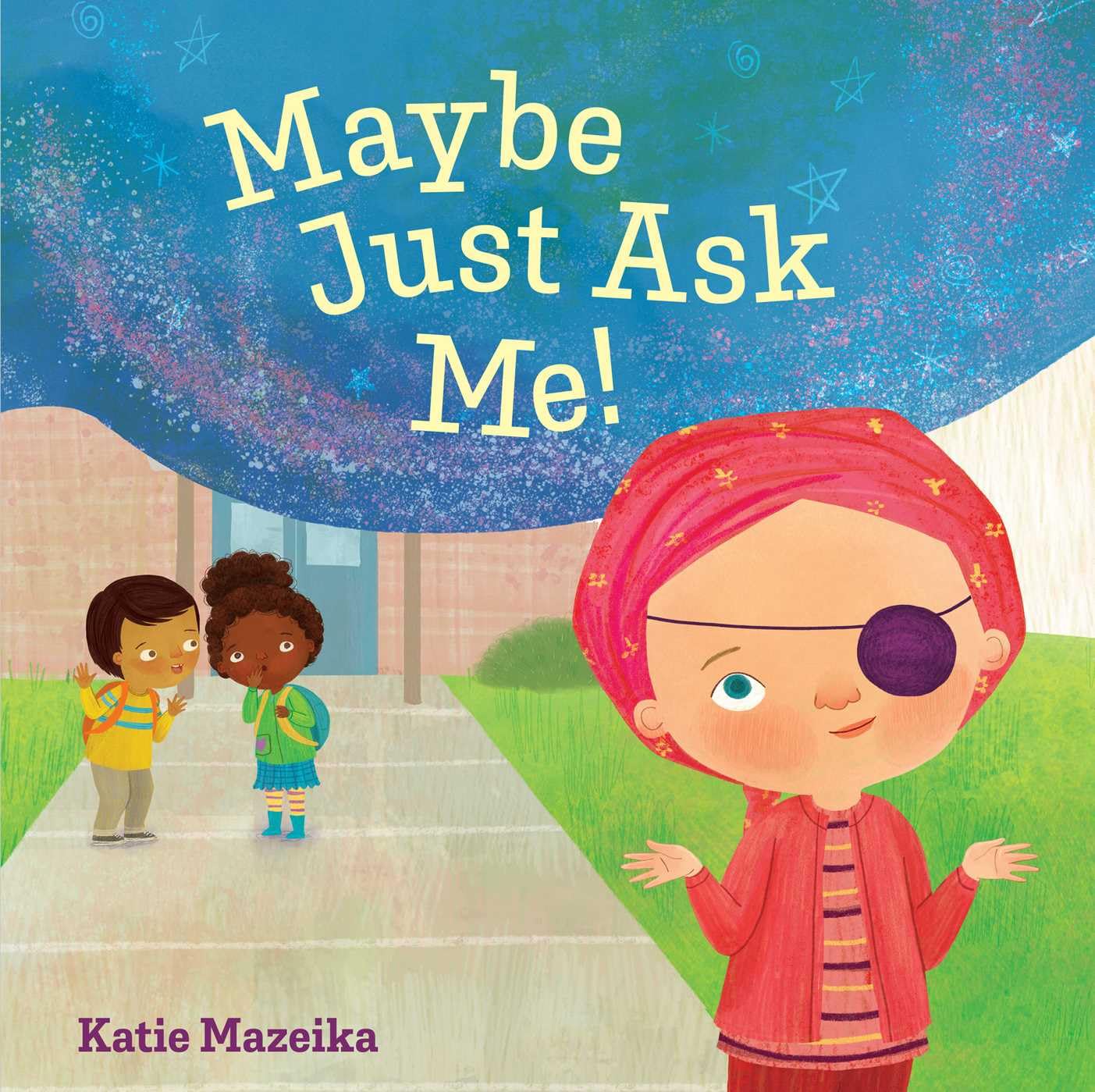
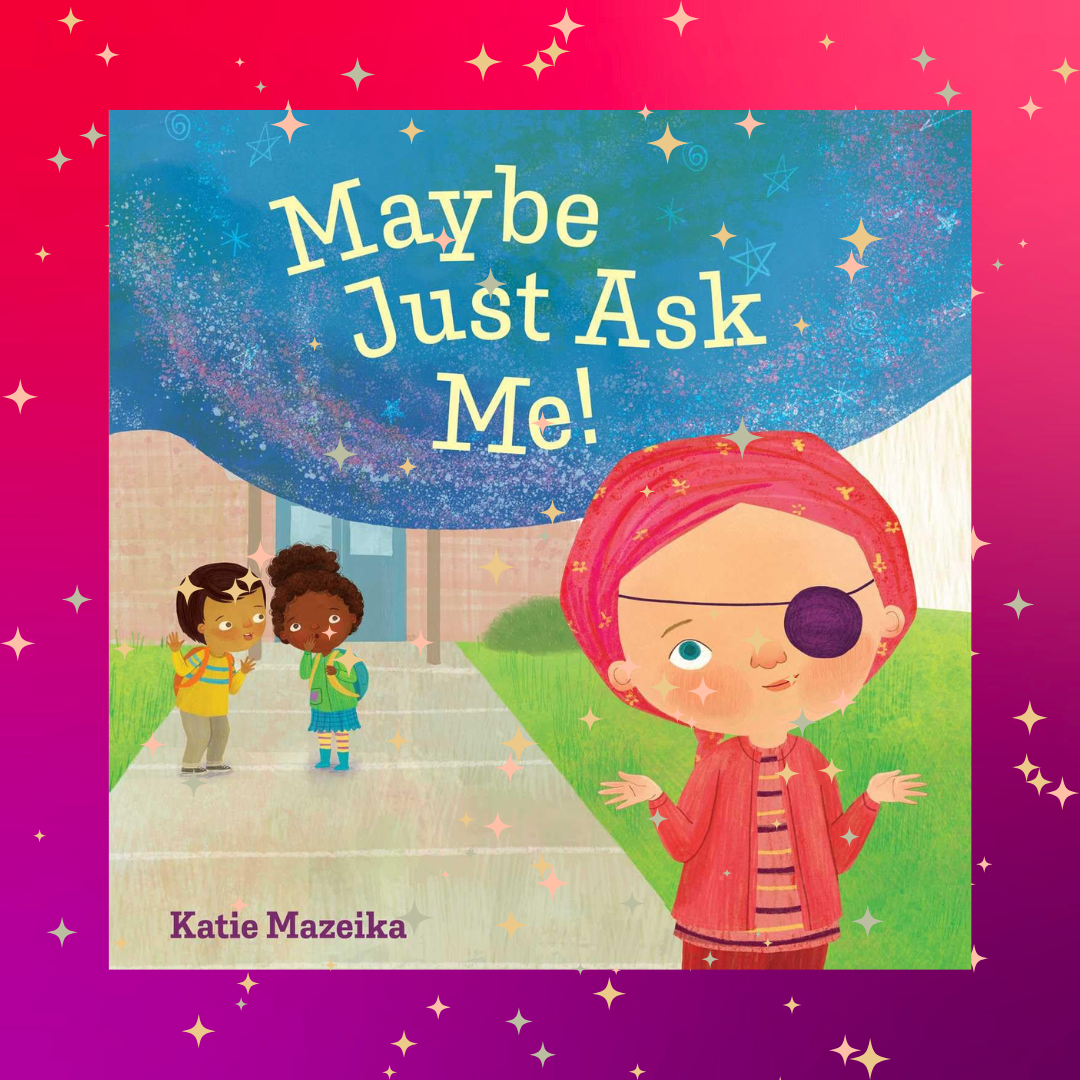
Maybe Just Ask Me!

By Katie Mazeika


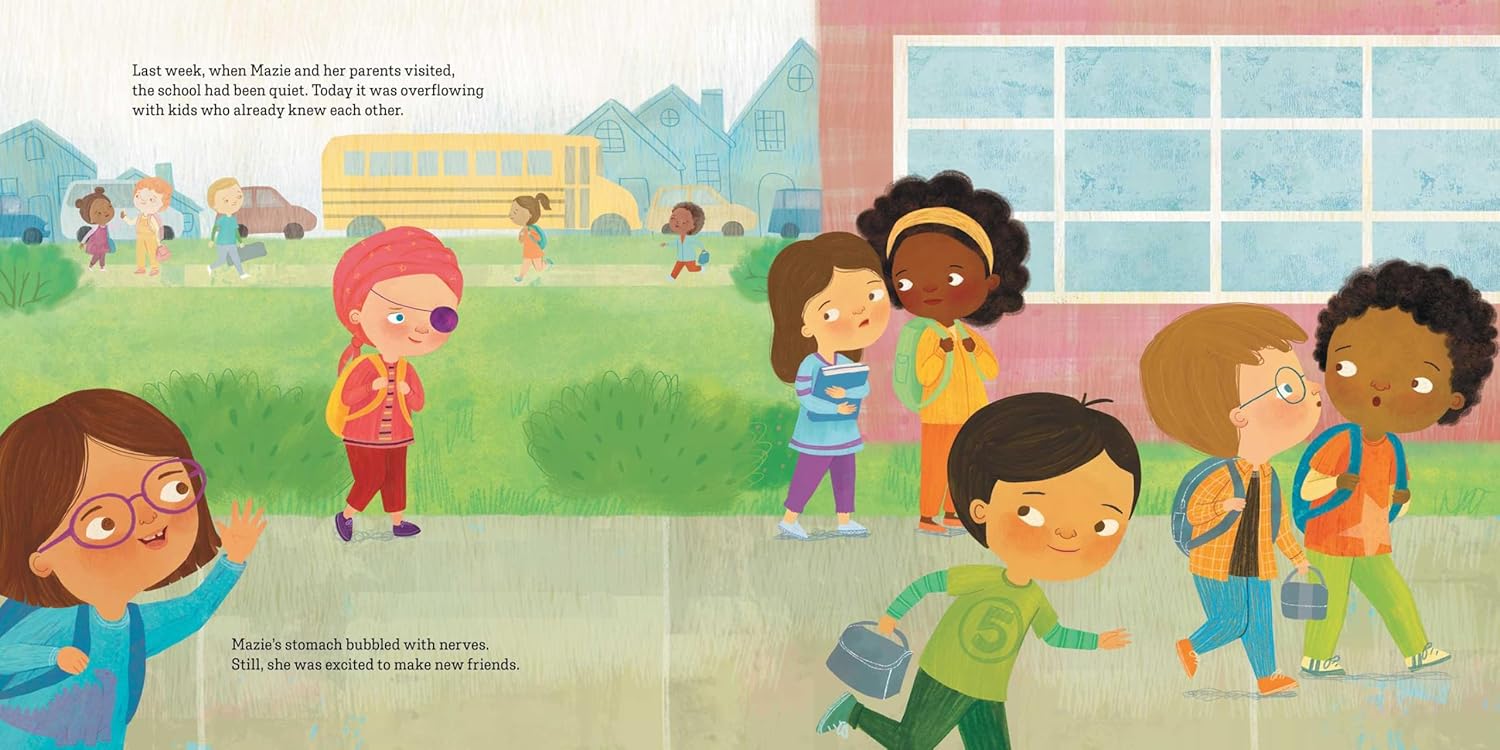
Mazie was starting at a new school, so she “put on her favorite scarf and wore her prettiest eye patch.” As she waved goodbye to her mom and walked into the building with other students, she was happy she’d be able to make new friends. But when she stood in front of her class to introduce herself, the kids’ questioning faces sent her hurrying back to her seat.

Text and illustration © 2025 by Katie Mazeika. Courtesy of Beach Lane Books.

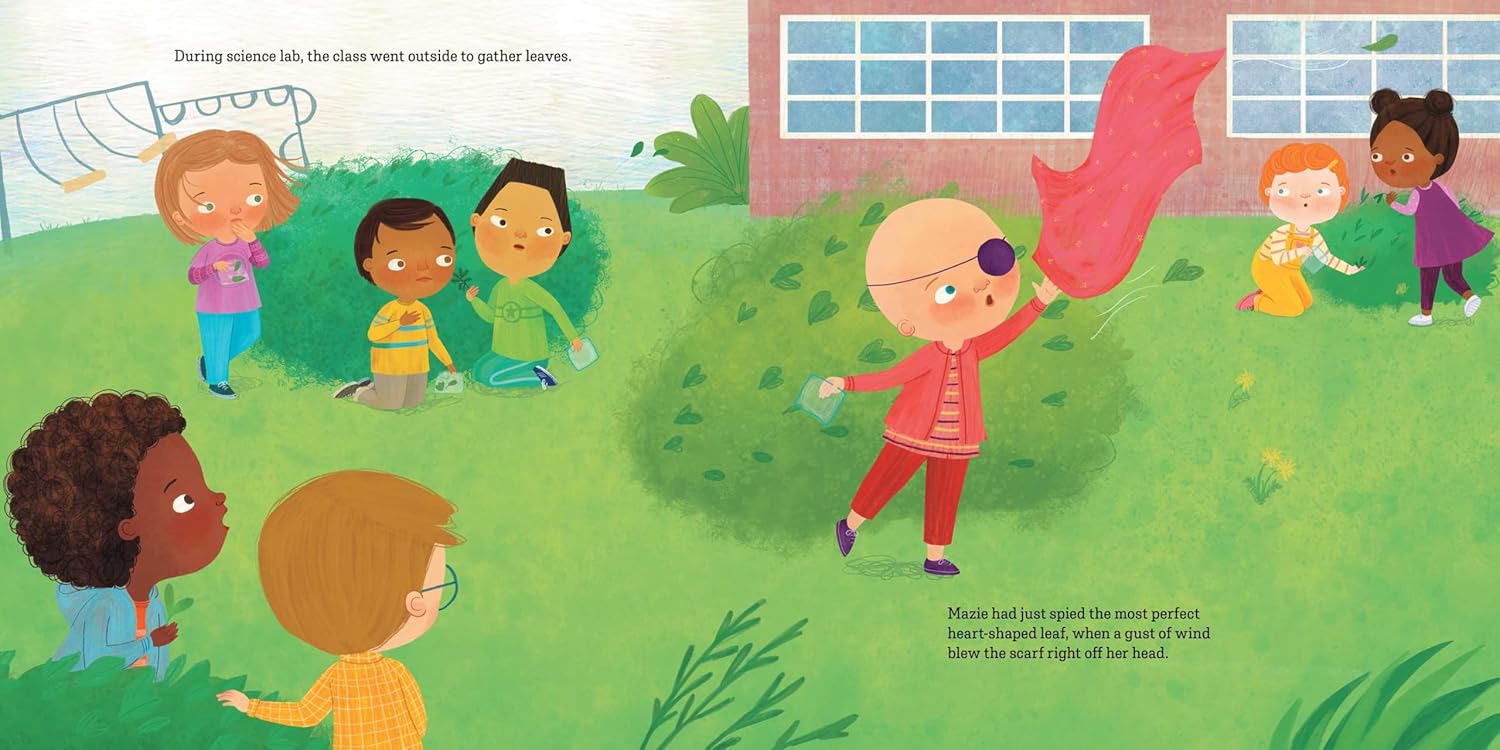
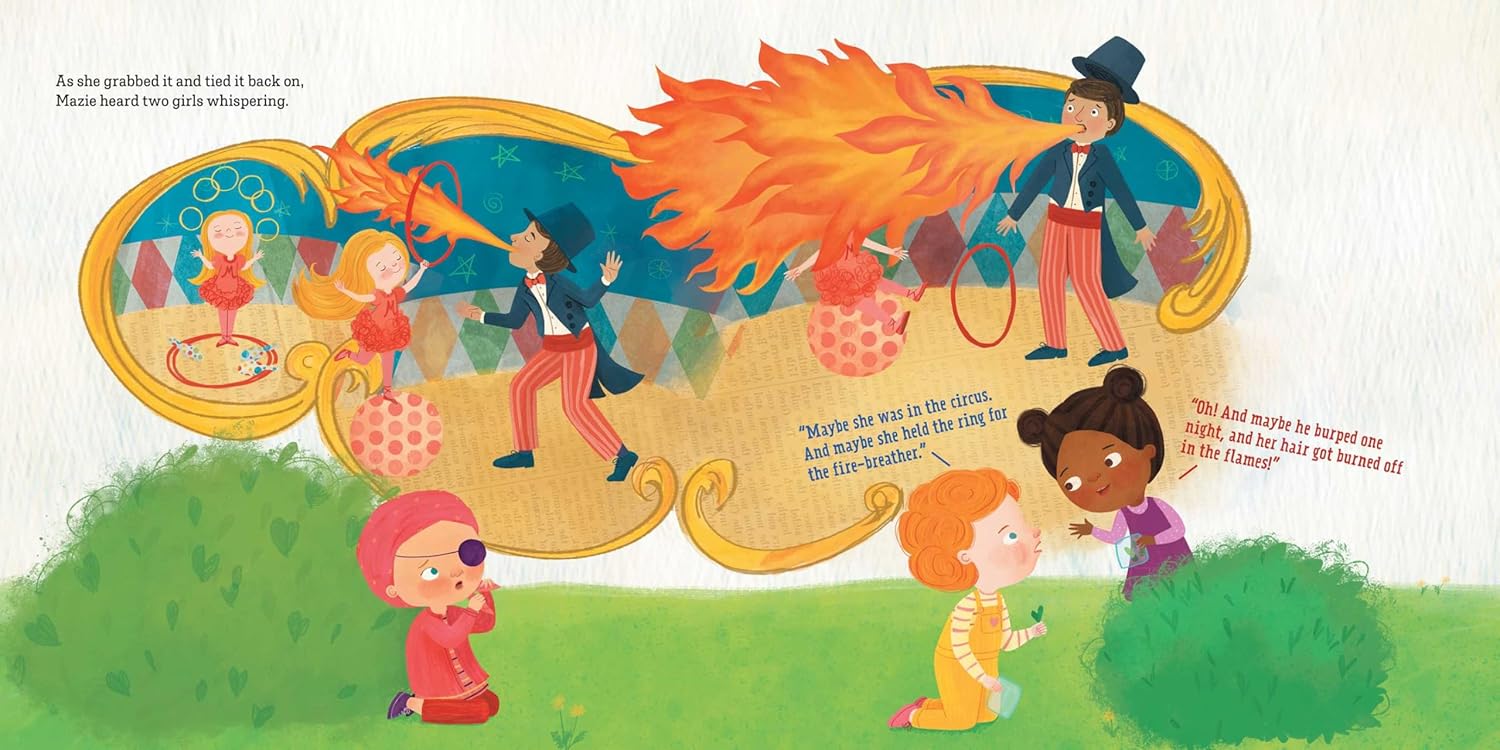
During a science lesson outside, the wind caught Mazie’s scarf and sent it flying, exposing her bald head. While she tied it back on, she heard two of her classmates concocting a fantastical story as to how she’d lost her hair involving a circus and a fire-breathing performer. Before Mazie could say hi, they ran off. Mazie remembered that her dad “had said it might take a few tries.”

So while in line to wash her hands, Mazie tried again, but the boys in front of her were excitedly discussing the possibility that maybe Mazie had joined a “‘pirate crew, and that’s why she wears an eye patch.'” When they finally saw Mazie, they were embarrassed and wouldn’t look at her. At lunch, Mazie felt intimidated to break into the already-established group, especially because they were debating the pirate and circus ideas while creating yet another outlandish story. In fact, everyone had their own theories about what had happened to Mazie. 

Text and illustration © 2025 by Katie Mazeika. Courtesy of Beach Lane Bo

Mazie began to think that no one would ever talk to her, but then she “remembered what she had learned last year” about being brave and not losing hope. So when the class went to the gym for P.E., she talked to the teacher then blew her whistle. When the kids all stopped to look, Mazie took to the bleachers to announce that she’d heard their stories and while she was “as daring as any circus girl” and “fiercer than a pirate,” if they really wanted to know the truth then “‘Maybe just ask me!'”

And the kids did want to know. They sat around her on the bleachers as she told them she’d been sick but that they had “‘never lost hope.'” Her classmates listened and realized that while their ideas had been way off, their new friend Mazie was “pretty brave. And a very good storyteller, too.”

Back matter includes Katie Mazeika’s own story of her experience with cancer at age three, during which she lost her right eye, as well as a discussion encouraging people to ask questions and engage in conversations with those with disabilities that show interest, concern, and kindness. Mazeika says, “. . . when we pretend not to see people with disabilities, we make them feel invisible” and “curiosity, with kindness, should always be allowed.” She also includes a list of how people can be supportive of those with disabilities.

Text and illustration © 2025 by Katie Mazeika. Courtesy of Beach Lane Bo

In her heartfelt autobiographical story about her childhood experience with cancer, Katie Mazeika reveals to readers that not only is it okay to ask someone about their disability, it is welcomed. As Mazie’s classmates in her new school make up elaborate scenarios to explain her bald head and eye patch instead of asking what happened, they unwittingly isolate her from the group. When Mazie is finally able to make her voice heard, however, both Mazie and the class discover that honest dialogue paves the way to long-lasting friendships.

Mazeika’s colorful, textured illustrations are infused with emotion, imagination, and gentle humor that make the story immediately accessible to children. Young readers will feel empathy for Mazie as she bravely walks into a new school, knowing most eyes are on her, and becomes flustered at the front of the puzzled class. Mazeika depicts the kids’ theories in vibrantly detailed scenes, while also showing the impact they have on Mazie. When Mazie gets the chance to tell the real story, her battle with cancer is portrayed in a simple but powerful illustration of her and her doctor facing and dispelling a fire-breathing dragon. The final spread of Mazie surrounded by her new friends is uplifting.

Emphasizing hope, bravery, and empathy Maybe Just Ask Me! is a unique story and a must addition to all school and public library collections, pediatrician offices, and hospital gift shops.

Ages 4 – 8

Beach Lane Books, 2025 | ISBN 978-1665949897

Katie Mazeika is an author and illustrator with a BFA from the Columbus College of Art and Design. When she isn’t in the studio, she likes to spend time at the theater, in her garden, or getting lost in a good book. She is the creator of picture book biographies including Annette Feels Free and Beulah Has a Hunch!. She lives in Ohio with her family and two dogs. To learn more, and download a free curriculum guide, visit her website at katiemazeika.com. You can also find her on Instagram, Facebook, and Bluesky.

Disability Book Week Activity

Text and illustration © 2025 by Katie Mazeika. Courtesy of Beach Lane Books.


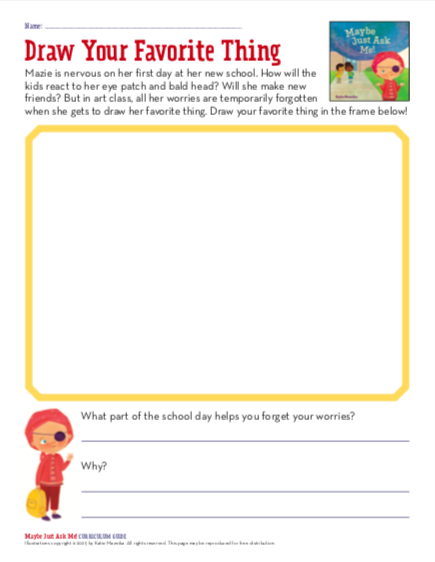
Maybe Just Ask Me! Favorite Thing Activity


This Curriculum Guide for Maybe Just Ask Me! is full of ideas and activities for teachers, librarians and families to interact with the book and engage in some thoughtful drawing and writing about their own lives as well.

You can connect with Beach Lane/Simon & Schuster Kids on Facebook and on their website @simonkids

You can find Blue Slip Media on Bluesky, Facebook, and Instagram. To learn more visit their website @blue_slip_media 
 

You can purchase Maybe Just Ask Me! from these booksellers

Amazon | Barnes & Noble | Bookshop (discounted books and support for your local independent bookstore.

Picture Book Review

April 23 – National Picnic Day

About the Holiday

It’s said that food always tastes better when eaten outdoors. If you’re having warm early spring weather today, why not test that theory, by packing a basket or cooler and heading out to your favorite outdoor spot! Whether simple or elegant, enjoyed alone or with family or friends, a picnic can be just the respite you need from the routine workweek. The word “picnic” probably gets its origins from the French language, specifically from the word pique-nique: (to pick) + (small thing or trifle). It’s thought that picnics became popular in France after the French Revolution in the mid 1800s and the idea then spread around the world. If you just can’t get away or the weather isn’t cooperating, the month of June hosts National Picnic Day with International Picnic Day celebrated on June 18.

Thank you to Tundra Books for sharing a copy of this book with me!

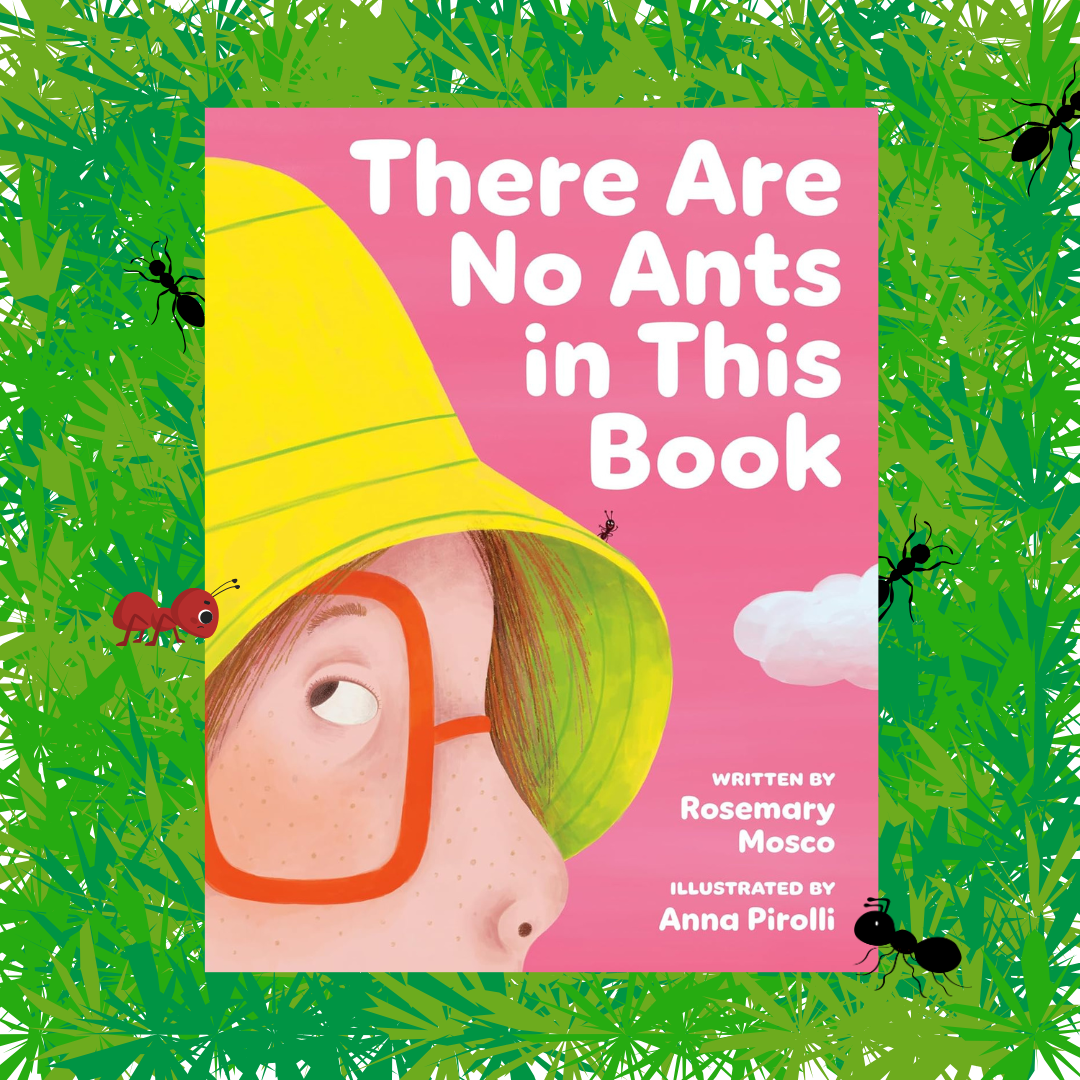
There Are No Ants in This Book

Written by Rosemary Mosco | Illustrated by Anna Pirolli


A child, picnic basket and tote in hand peeks in from the top-left corner of the first page to find a green field just perfect for a picnic. The child is pretty confident they won’t be disturbed by pesky pests purloining food because it says right on the cover that “there are no ants in this book.” But just as the cake is being placed on the blanket, word comes from nearby: “Wrong! There’s one!” Turns out that acorn lying only inches from the picnic cloth is actually the abode of an acorn ant.

Illustration © 2025 by Anna Pirolli, text © 2025 by Rosemary Mosco. Courtesy of Tundra Books.

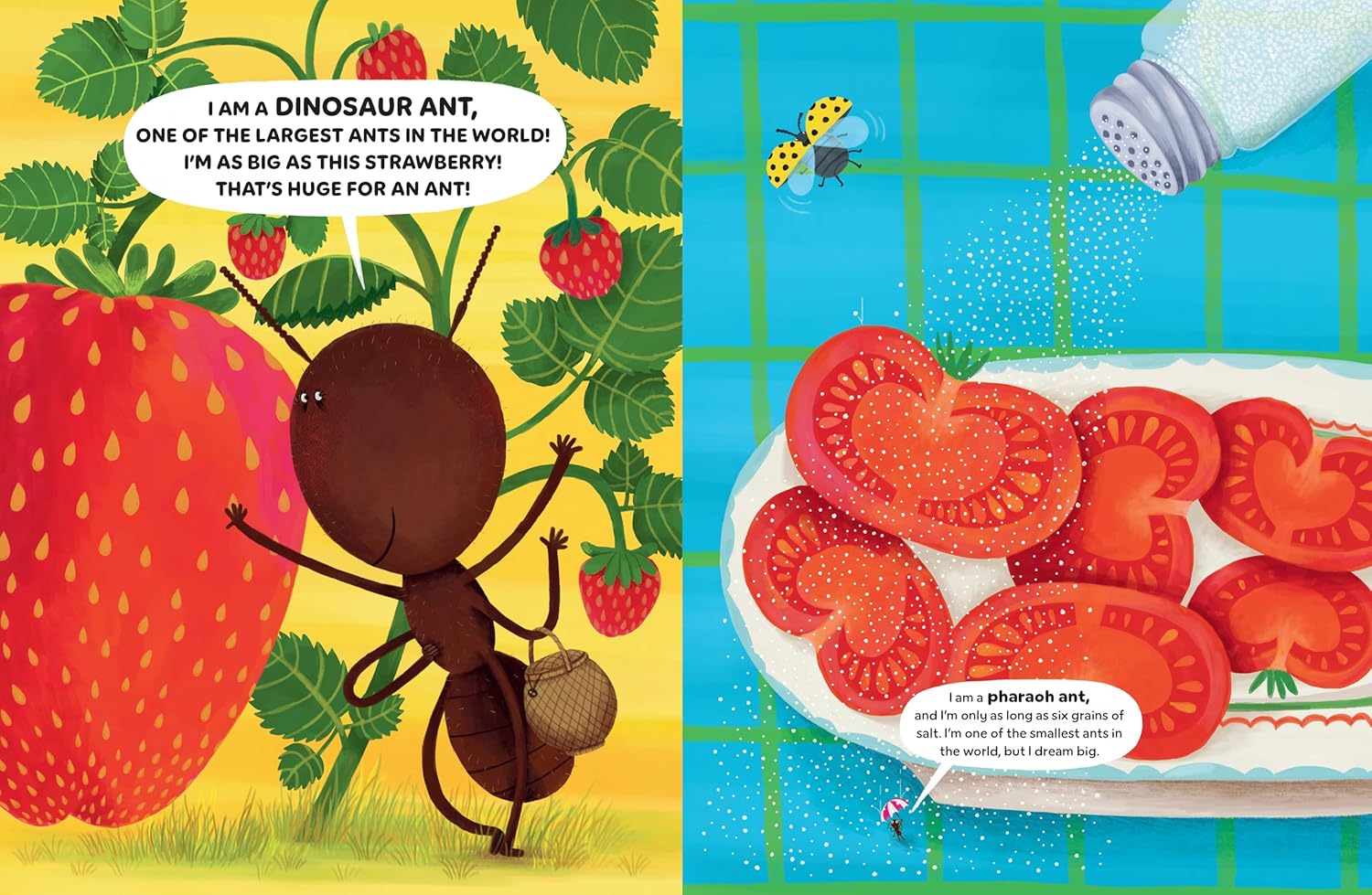
The child can make an exception for just one ant, but then, out of the clear blue sky, comes “Two!” and “Three!” These two reveal that they are opposites of a sort. Number “two” is “one of the largest ants in the world” and as big as a strawberry. Number “three” is the smallest—”as long as six grains of salt.”

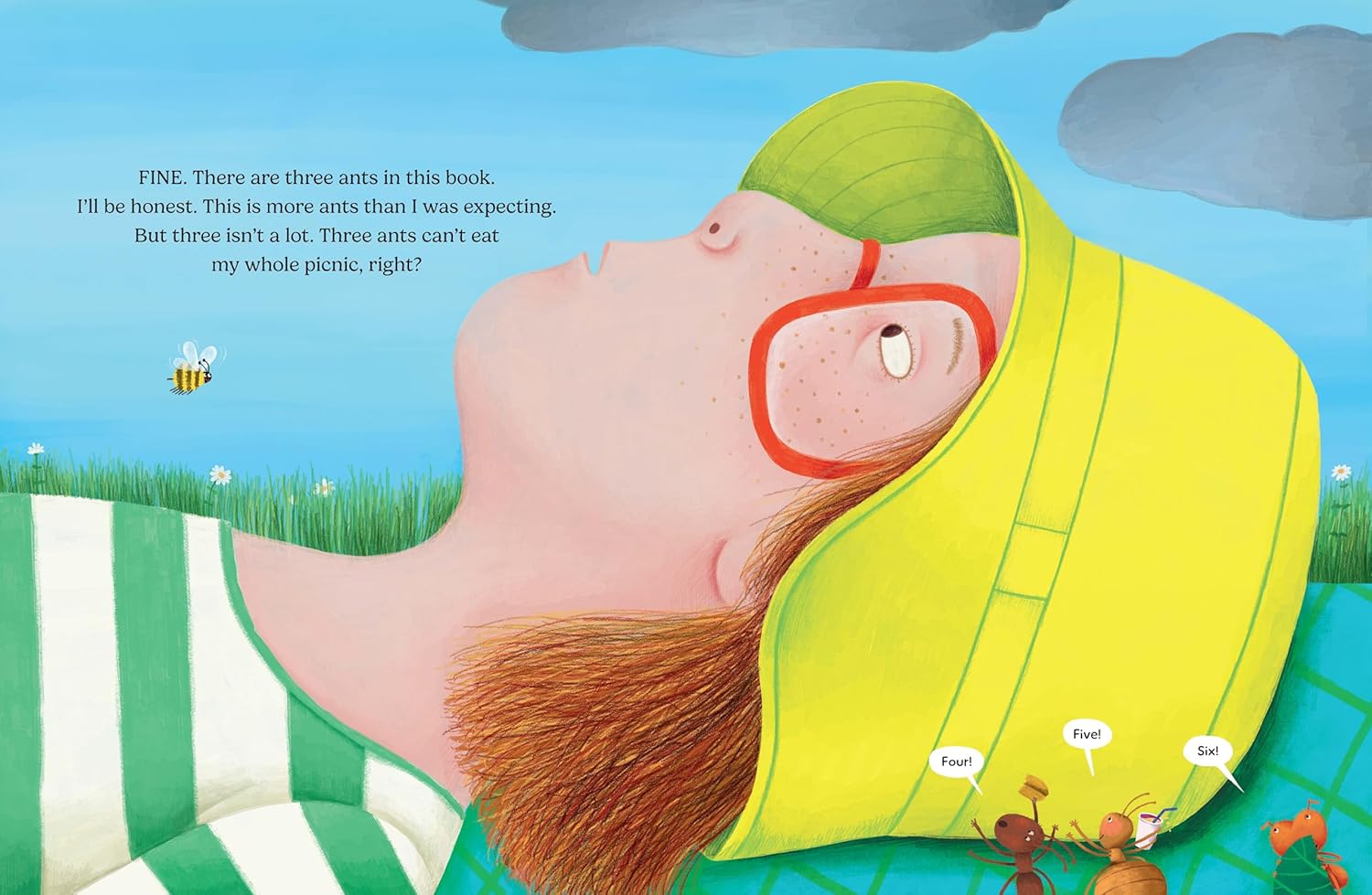
The child is just wrapping their head around this book having “. . . more ants than I was expecting” and figuring “three ants can’t eat my whole picnic, right?” when three more show up, including a honeypot ant that explains, “I fill my big round butt with sweet sugar water . . . in case my family gets hungry” then declares, “I am a walking refrigerator.

Illustration © 2025 by Anna Pirolli, text © 2025 by Rosemary Mosco. Courtesy of Tundra Books.

Kinda freaked out to meet these six interlopers, the child goes into full “ARRRGH!” mode when four more ants drop by. And who can blame them? The book had such promise at the beginning. But now . . . Yeah. Butt! Two of these new ants have positively particular posterior powers! One lives in trees and uses their butt as a kind of nature-made Siri to guide them home, and the other, an acrobat ant, explains “If someone scares me, I stick my butt high up in the air and wave it around.” The third is a clever crafter, and the fourth uses his head (literally) to defend his home.

The child is “shocked.” “Stunned.” Delighted! And invites these ants as well as their “humungous families” to the picnic. But all these tiny pounding feet attract the attention of an anteater. The child, though, does some quick thinking and then points out that the title of the book clearly states, “there are no ants in this book,” which sends the anteater packing. And now? It’s time for the perfect picnic!

Back matter presents realistic illustrations of each of the ten ants found in the book with a bite-sized paragraph revealing what part of the world the ant is native too as well as more about the feature that makes it unique.

Illustration © 2025 by Anna Pirolli, text © 2025 by Rosemary Mosco. Courtesy of Tundra Books.

In her funny and fast-paced tribute to ants, Rosemary Mosco proves that even the smallest creatures have enormous appeal. As each ant makes an appearance to proudly describe its distinct capability or feature, Mosco’s conversational, easy-to-digest writing style makes it simple for kids to remember the prominent details. Kids will also identify with the narrator, who humorously cycles from certainty in the promise of the title to disillusionment to acceptance to all-out appreciation for these tiny critters. 

Vibrant and loaded with personality, Anna Pirolli’s cartoon, graphic-style illustrations use perspective, natural surroundings, and emotive facial expressions to immerse kids in this rollicking educational experience.

If you like a dose of laughter with your science, There Are No Ants in This Book is the ant-idote you’ve been looking for. A perfect addition to any classroom, homeschool, or science educator’s collection, the book will also be an often-asked-for favorite for home story times.

Ages 4 – 8

Tundra Books, 2024 | ISBN 978-1774881163

About the Author

Rosemary Mosco makes books and cartoons that connect people with the natural world. Her nature comics won the National Cartoonist Society’s award for Best Online Short Form Comic and were the subject of an award-winning museum exhibit. She co-wrote the New York Times bestseller The Atlas Obscura Explorer’s Guide for the World’s Most Adventurous Kid, and is the author of the picture books Butterflies Are Pretty . . . Gross! and Flowers Are Pretty . . . Weird! illustrated by Jacob Souva, as well as five other science books. She speaks at birding festivals and looks for cool critters under every rock she can find. Rosemary lives in Massachusetts.

About the Illustrator

Anna Pirolli was born in Genoa and moved to Milan to study illustration at the European Institute of Design. She has worked as a freelance illustrator and art director for companies such as Mondadori, Pearson, Vogue, MTV, Kinder Ferrero, Nickelodeon, Disney and others, following the creative process from concept to creation. She’s also a visiting professor at the Accademia di Brera, where she teaches design applied to the arts. Anna has illustrated the picture books I Hate My Cats: A Love Story by Davide Cali and Anonymouse by Vikki VanSickle, which won the Dilys Evans Founder’s Award at the 2021 Society of Illustrators Original Art Show.

National Picnic Day Activity

A Perfect Day for a Picnic! Maze


Can you lead the ants to the picnic in this printable A Perfect Day for a Picnic! maze?

You can purchase There Are No Ants in This Book from these booksellers

Amazon | Barnes & Noble | Bookshop (discounted books and support for your local independent bookstore)

Picture Book Review

April 22 – Earth Day

About the Holiday

By 1970 awareness was growing worldwide about the damage that industrialization, pollution, and pesticides were causing people and the environment. On April 22, 1970—the date of the first Earth Day—millions of people demonstrated for change. In response, in July of 1970, Republican President Richard Nixon and the U.S. Congress created the Environmental Protection Agency. Between 1970 and 1973 they also enacted laws such as the Clean Air Act, the Clean Water Act, and the Endangered Species Act and more. Earth Day is now celebrated around the globe as a day for political action and civic participation.

Today, it’s more important than ever for citizens to participate in protecting the environment and speaking up against the policies of the current Republican president and administration so they do not reverse the progress and advancements we’ve made. This year the theme of Earth Day is Our Power, Our Planet and calls for people to unite around renewable energy. To learn more about this year’s theme, and discover ways that you and your kids can make a difference, visit earthday.org

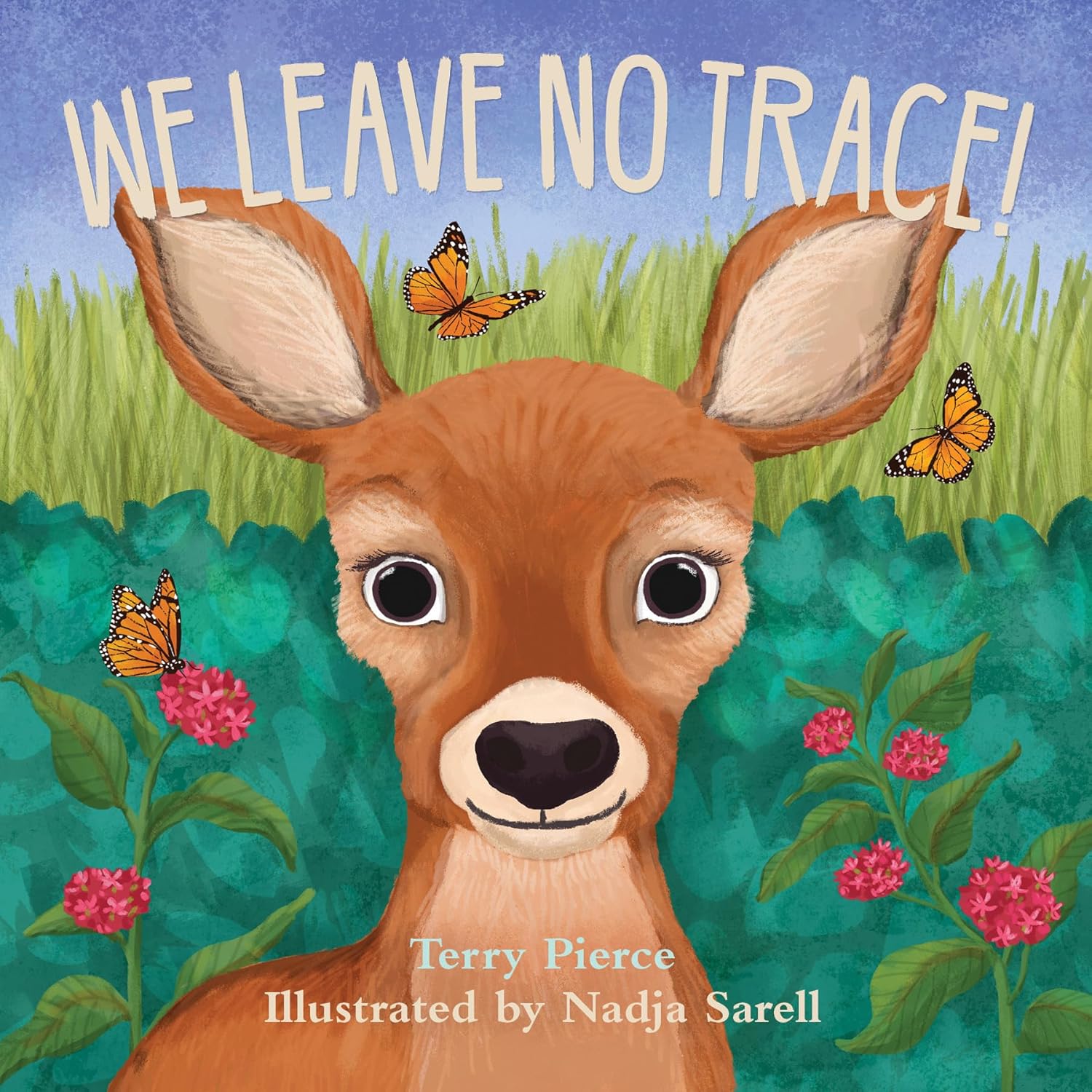
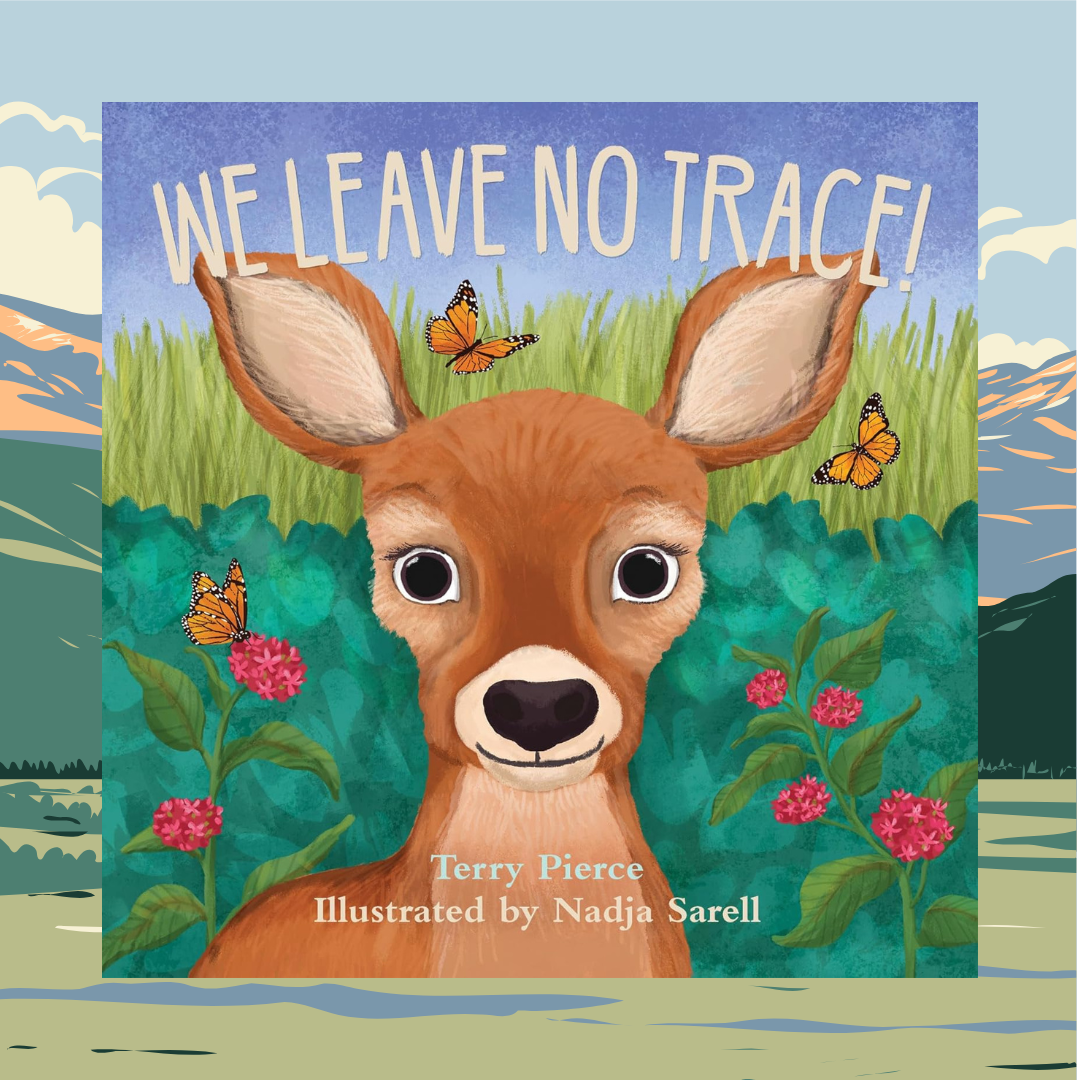
Thanks go to Terry Pierce and the Yosemite Conservancy for sending me a copy of We Leave No Trace! for review.

We Leave No Trace!

Written by Terri Pierce | Illustrated by Nadja Sarell


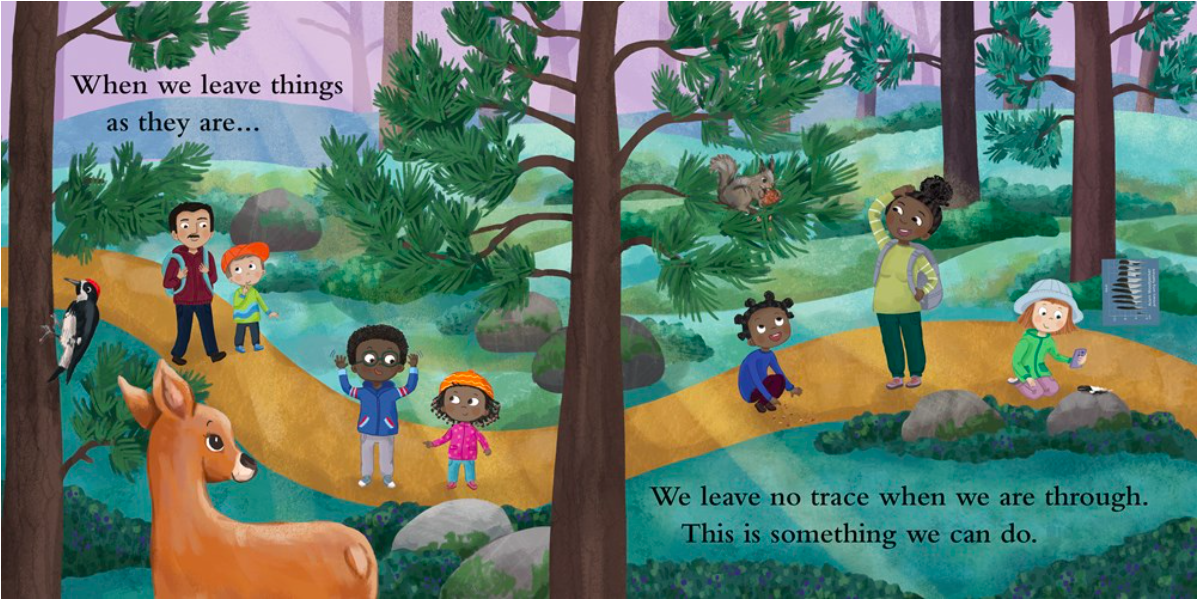
In her gentle invitation for the youngest children and their families to enjoy the outdoors while also treating its flora and fauna with kindness, Terry Pierce models the “leave no trace” principles that ensure harmony between people and nature. Pierce touches on such ideas as not collecting natural “souvenirs,” maintaining a small footprint, and always throwing away trash in verses that encourage adults and children to talk about how they, particularly, can be good stewards of the earth as they hike, camp, picnic, or just enjoy a walk together.

Illustration © 2025 by Nadja Sarell, text © 2025 by Terry Pierce. Courtesy of Yosemite Conservancy.

While each page spread introduces a different way that kids can pitch in to help nature, Pierce has also included a repeated rhyming couplet that reinforces a child’s pride in supporting a cleaner, healthier environment for all while also having fun. This lively phrase can turn any read-aloud story time into an enjoyable interactive read-along for little ones. 

Kids will love hiking through Nadja Sarell’s vibrant landscapes that transports them to a mountain-side lake where various nature-lovers are boating, picnicking, and walking all within sight of a doe and her fawn and a bird that’s flying in low for its closeup; a forested trail in which a girl, instead of taking home a woodpecker’s feather, is snapping a picture of it; a park where ducks swim among lily pads as kids look on from a stone bridge while others play nearby; and more lovely locales. Each page spread also offers lots of opportunities for young readers to point out animals and other elements of nature as well as kid-favorite treats and activities.

We Leave No Trace! is a delightful adventure through nature that provides youngest children with easy and mindful reminders of how they can protect the environment now and for the future. Jaunty rhymes, repeated phrasing, and vivid illustrations that welcome discussion and interaction make this board book perfect for taking along on trips to playgrounds, parks, and other outdoor spots and a top choice for home and library collections.

Ages Baby – 3

Yosemite Conservancy, 2025 | ISBN 978-1951179373

About the Author

Terry Pierce is the author of more than twenty-five books for children, including We Leave No Trace!, Hello Meadow!, and Eat Up Bear! (Yosemite Conservancy), Love Can Come in Many Ways (Chronicle), Soccer Time! (Random House), Mama Loves You So (Little Simon) and My Busy Green Garden (Tilbury House). She is an outdoor enthusiast, enjoying backpacking, hiking, and rock climbing near her home in Mammoth Lakes, California.

About the Illustrator

Nadja Sarell is an illustrator living in Helsinki, Finland. She is the illustrator of We Leave No Trace!, Eat Up Bear! and Hello, Meadow! (Yosemite Conservancy), the Frankie Sparks, Third Grade Inventor series (Aladdin), and The One and Only Wolfgang (Zonderkidz). Nadja graduated with MA in dance from Theatre Academy Helsinki and graduated from North Wales School of Art and Design with BA in illustration for children’s publishing in 2004. Since then she has worked as a freelance illustrator in Finland and abroad. She loves to teach art, illustration, and dance for both children and adults.

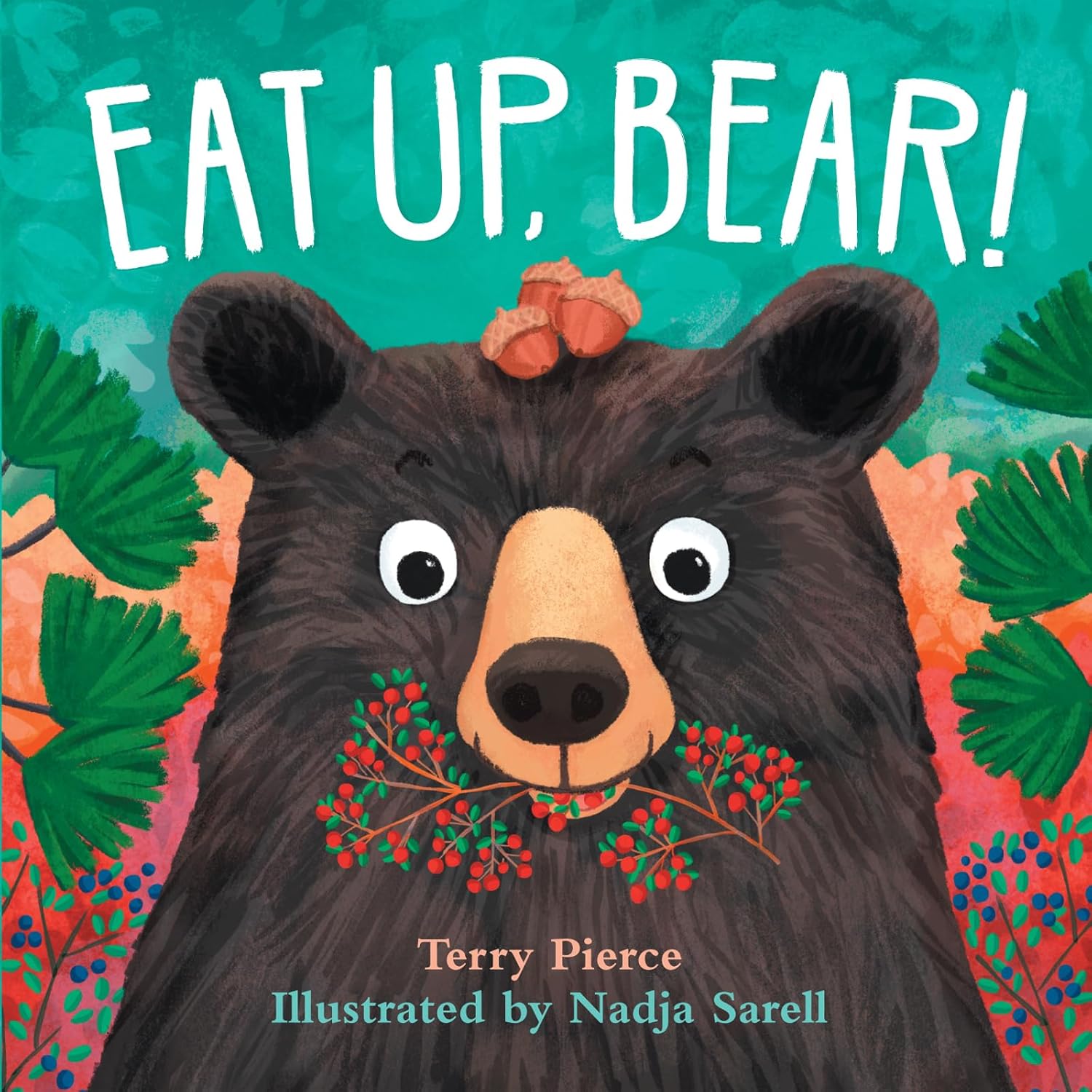
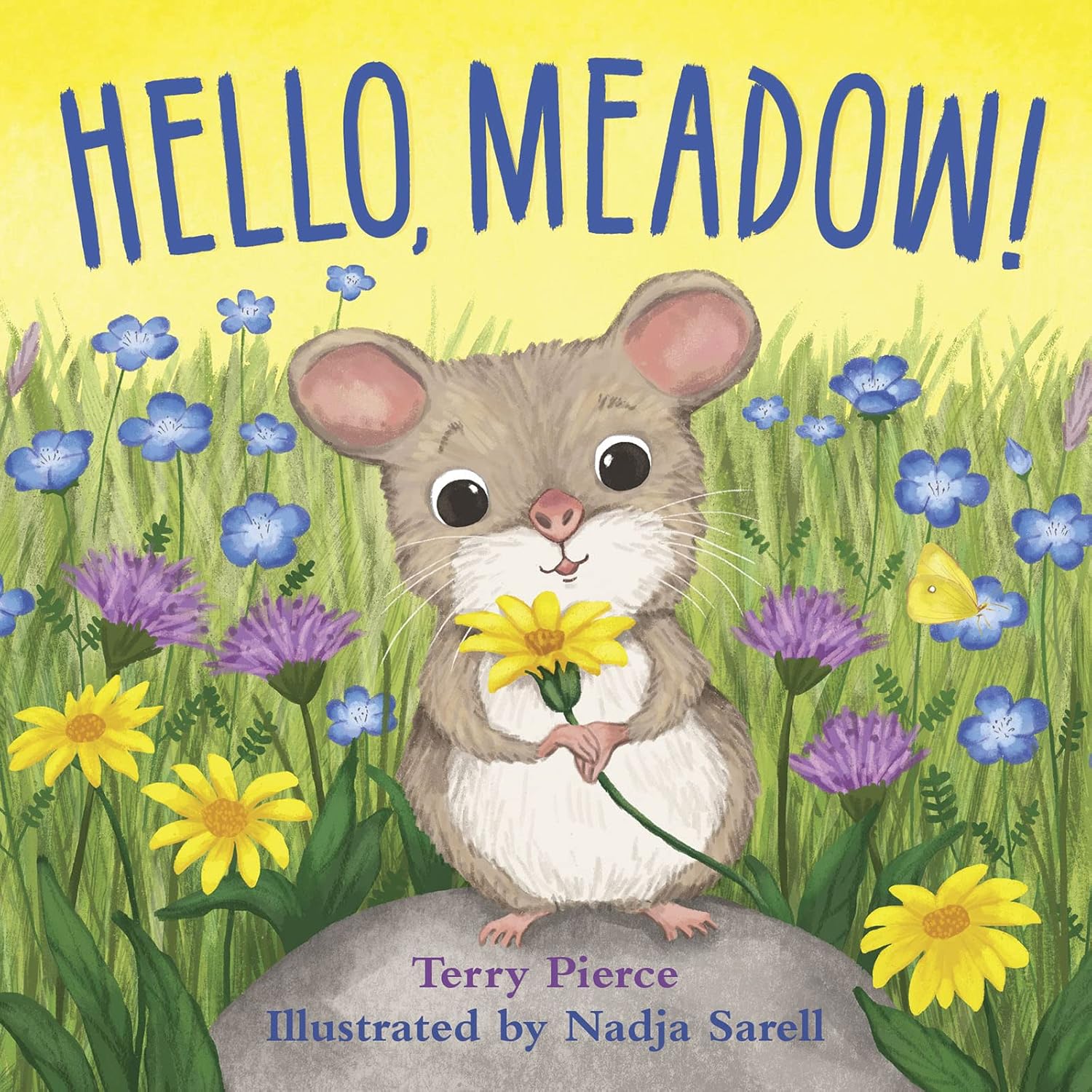
We Leave No Trace! joins these two previous books in the Yosemite Conservancy’s “stewardship” board book series by Terry Pierce and Nadja Sarell

Eat Up, Bear!

Curious, hungry black bears just want to eat! Juicy berries, crunchy nuts, tender grubs, sticky honey—that’s good bear food. But if little park visitors and their families don’t watch out, their food will be bear food, too! The bouncy rhyming text and vibrant pictures in this board book show how people of all ages can help keep bears safe and thriving. Perfect for first-time and seasoned campers alike.

Hello, Meadow!

Grassy, flower-filled meadows are really pretty! It’s oh-so tempting to hike and skip right through them. But meadows are actually fragile, and human footsteps and picnics can cause them harm—then they cannot do their important work of providing a habitat for creatures and plants, filtering water, and even storing carbon. The lively text and beautiful illustrations in this sturdy board book show little nature lovers how to easily protect meadows while enjoying one of Earth’s loveliest features.

Earth Day Activity

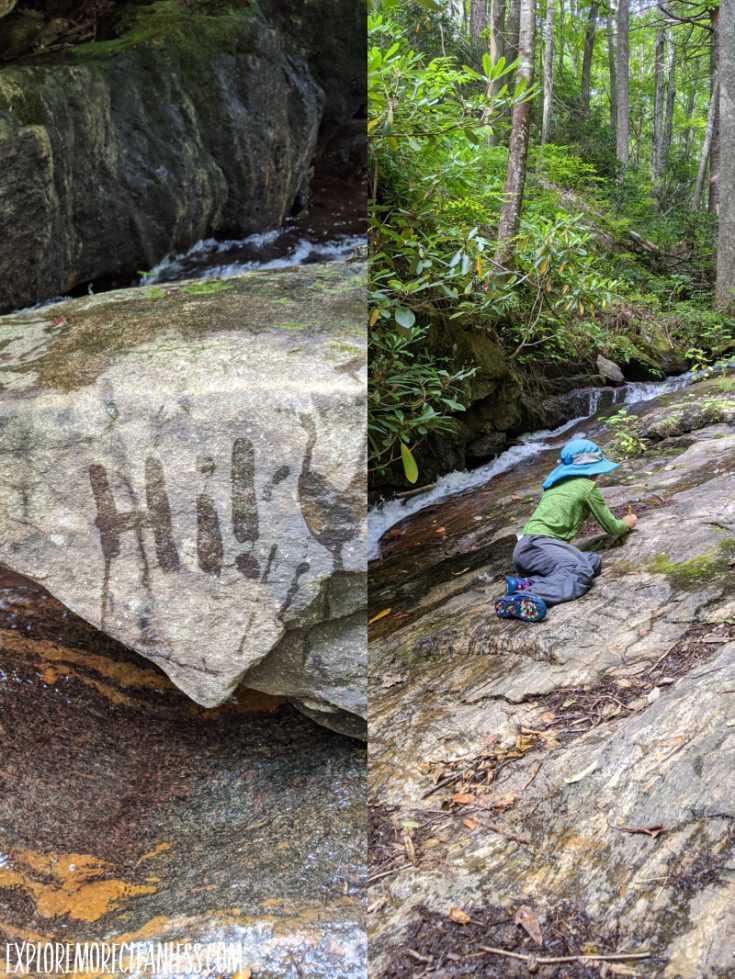
Image courtesy of Explore More, Clean Less

Paint with Water


It’s fun to get creative with activities you can do outdoors that will leave no trace. Painting with water on boulders or river rocks or on areas of paved park trails or playground sidewalks with paint brushes or your fingers lets you explore your artistic side while being gentle with nature. You can find many more ways for kids to learn about and interact with the environment at Explore More, Clean Less!

You can purchase We Leave No Trace! from these booksellers

Yosemite Conservancy | Amazon | Barnes & Noble | Bookshop

Picture Book Review

April 16 – National Stress Awareness Month

About the Holiday

Stress Awareness Month has been held every April since 1992, when it was founded by the Health Resource Network. The holiday aims to help people identify the stress factors in their own life as well as to assess how all members of their family are handling various pressures. The goal is for everyone—either individually or together—to look for ways to manage their feelings while adding positive changes to their life. Talking about pressures with kids and doing simple activities with them can often help lessen the load. Sharing today’s book is a wonderful place to start!

A Cup of Quiet

Written by Nikki Grimes | Illustrated by Cathy Ann Johnson

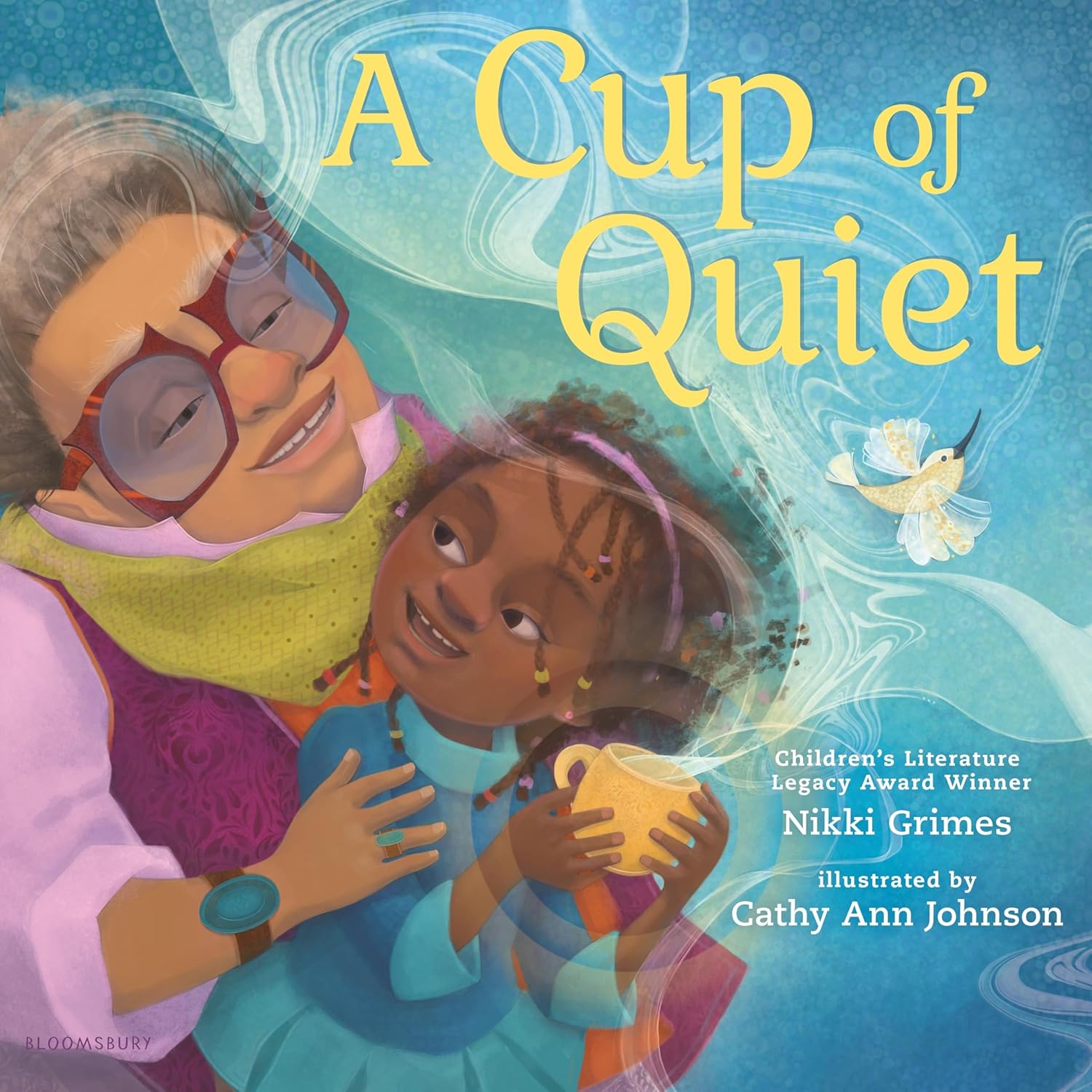
“You ever hear of smiles?” The young narrator’s talking about the two-week “summer camp” she gets to spend with her grandmother every June. In that breathless excitement of children, she reveals the visits give her and her Grandma time to “stitch sock puppets and put on shows, bake Martian Cake that tastes like banana bread and play tea party in the garden with my dolls.” But today, they’re acting out a story—that is until Grandpa’s hammering and loud music become just too much.
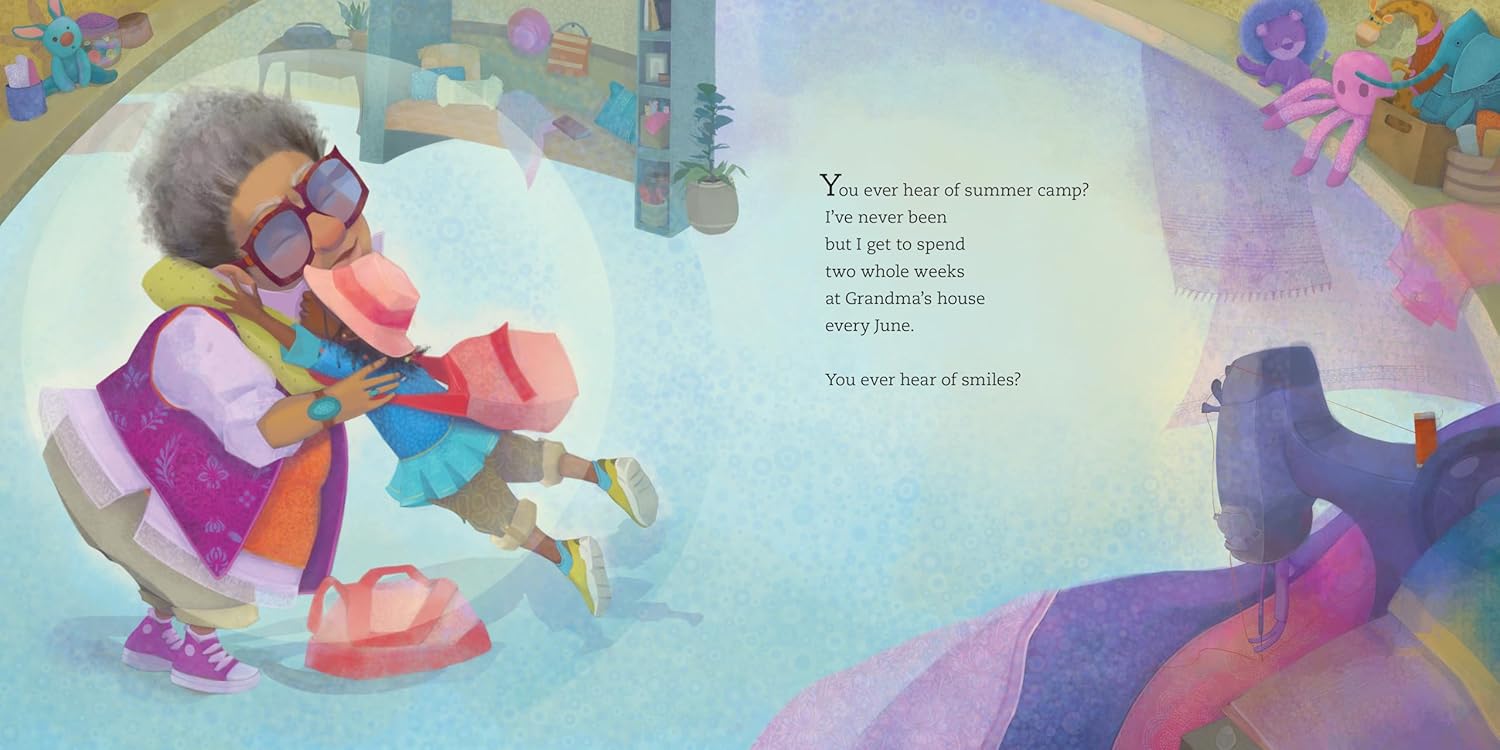
Illustration © 2025 by Cathy Ann Johnson, text © 2025 by Nikki Grimes. Courtesy of Bloomsbury Children’s Books.

Grandma flops into her chair with an “Ugh!” and tells her granddaughter she’s “thirsty for a cup of quiet.” This elicits a giggle and a bit of disbelief, but Grandma’s done with the noise and leads her granddaughter outside to the porch swing. But the city outside their house is just as noisy as Grandpa inside. A trip to the backyard garden is needed. Here, Grandma may be happy, but the narrator is getting fidgety.
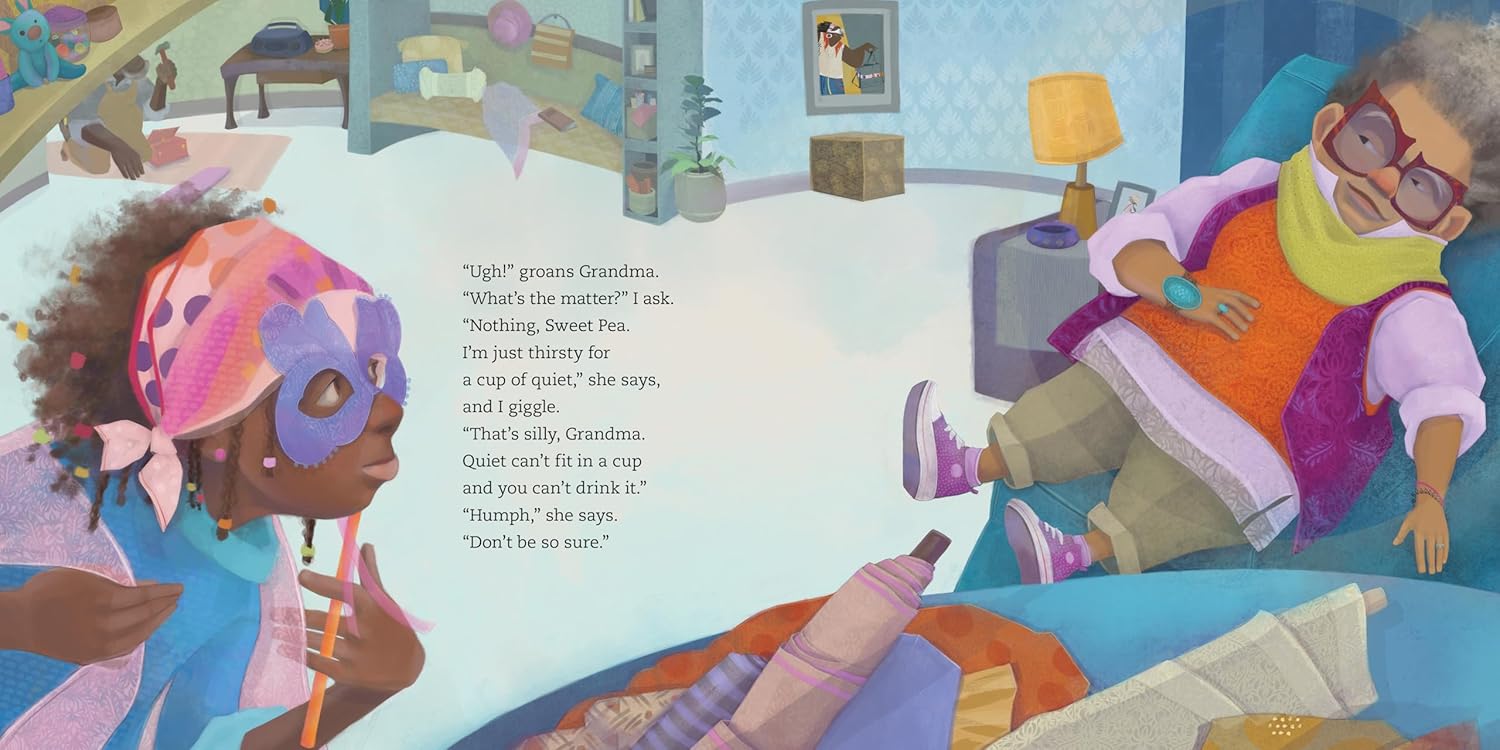
Illustration © 2025 by Cathy Ann Johnson, text © 2025 by Nikki Grimes. Courtesy of Bloomsbury Children’s Books.

Grandma gives her the side-eye and then hands her “an invisible cup” with instructions to “‘walk around the garden and fill this up with any sounds you hear.'” Up for this imaginative challenge, the girl first visits the rose bushes, where a bee is working and “snap[s] up a handful of his buzzing and drop[s] it in the cup.” On the ground below she sees a lizard and “spoon[s] up” the sound of its “scuttling across a dried leaf.” She begins paying more attention to the nature around her and listening harder to fill her cup.
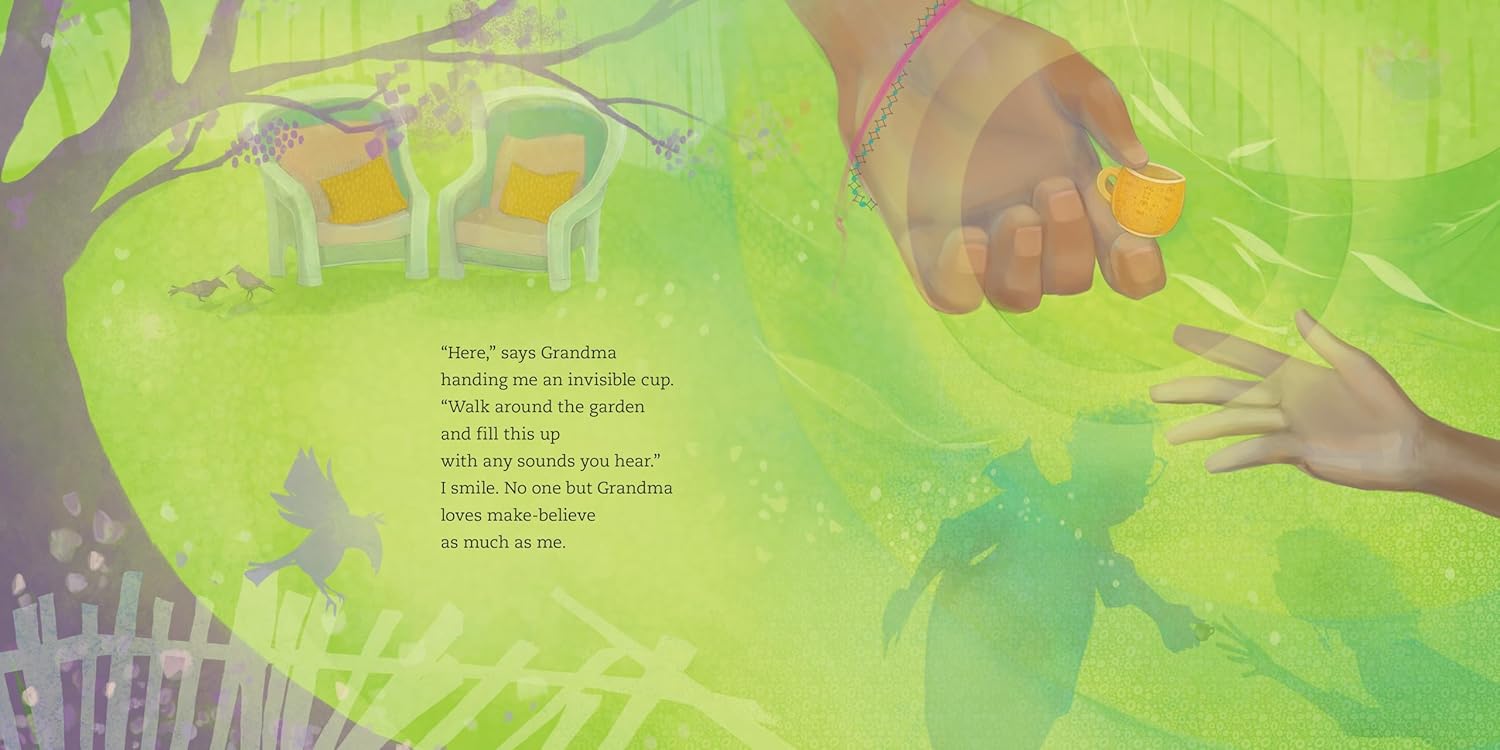
Illustration © 2025 by Cathy Ann Johnson, text © 2025 by Nikki Grimes. Courtesy of Bloomsbury Children’s Books.

A sudden thunderclap precipitates a downpour, but before she runs inside with Grandma, the narrator adds the first pings of raindrops on the roof to her nearly full cup. After drying off and changing, it’s finally time to enjoy a long sip from that make-believe cup. Ahhhh! So “‘refreshing!'” Her granddaughter thinks so too. Still, she has an observation: “‘… your quiet is awfully noisy!'” Grandma smiles and says, “‘I know, but Nature’s noise is peaceful, and I love that.'” Her granddaughter agrees—”You ever hear of perfect?”
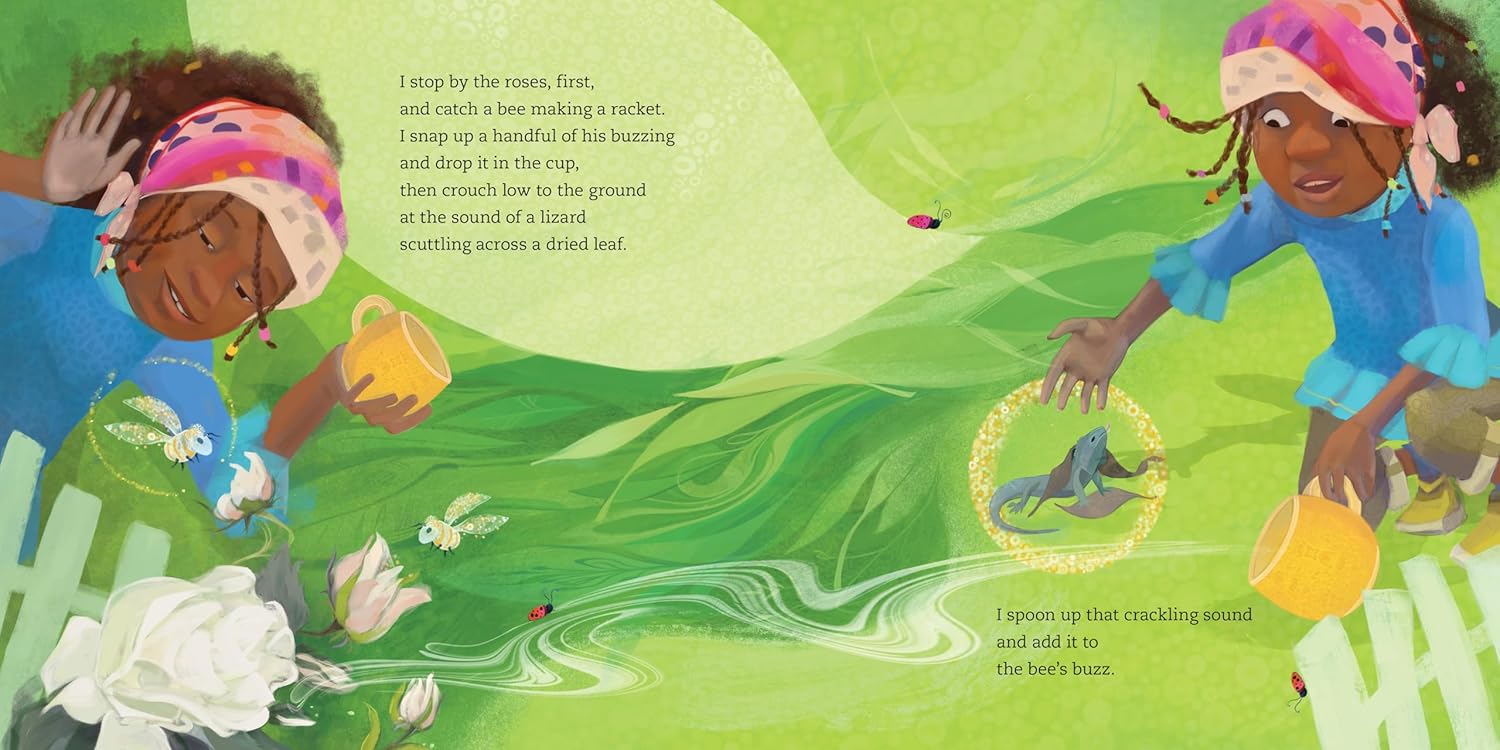
Illustration © 2025 by Cathy Ann Johnson, text © 2025 by Nikki Grimes. Courtesy of Bloomsbury Children’s Books.

Nikki Grimes invites readers to join in with a grandmother and granddaughter for a day of “summer camp” where love abounds. The easy banter between the two and affectionate gestures—such as Grandma’s playful tug on her granddaughter’s braid and the jump-into-her-arms hug the girl gives her grandma—immediately envelope both child and adult readers in this pair’s warm relationship. Grimes’ inventive call to interact with nature and find comfort there will have kids carrying their own imaginary cups to fill and spark other creative games and activities no matter where they live. 

Cathy Ann Johnson’s collage-style, mixed-media illustrations sweep readers into the creative and close-knit atmosphere of Grandma’s house during a week-long visit by her granddaughter. The vibrancy of the pair’s connection is shown through the colorful textures of the fabrics they use for crafting. The allure and importance of nature is likewise emphasized through the vivid greens and swirling motion in the grandmother’s back garden as well as the shimmering beauty of the creatures from which the girl collects sounds. The grandmother and granddaughter’s close bond is evident through their hugs, the way they sit close together (even touching hands while sitting in separate garden chairs), and the care Grandma provides after the rainstorm. The grandmother’s expressions are amusing in their honesty, and the look of wonder in the granddaughter’s eyes is inspirational.

Lyrical, playful, and full of love, A Cup of Quiet is a warm hug of a read aloud that adults and kids will love sharing again and again. The book is a must addition to school library, public library, and home collections.

Ages 3 – 7

Bloomsbury Children’s Books, 2025 | ISBN 978-1547610730

A Talk with Nikki Grimes
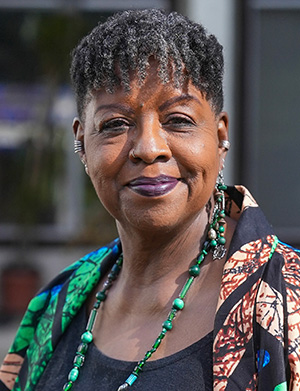
Photo Credit Marchel Hill

New York Times bestselling author Nikki Grimes was inducted into the Black Authors Hall of Fame in 2023. Her honors include the CSK Virginia Hamilton Lifetime Achievement Award, the ALAN Award for significant contributions to young adult literature, the Children’s Literature Legacy Medal, and the NCTE Award for Excellence in Poetry for Children. Author of the Coretta Scott King Award-winner Bronx Masquerade, and five Coretta Scott King Author Honors, she won the Printz Honor and Sibert Honofor her memoir Ordinary Hazards. Her latest titles include Garvey’s Choice:The Graphic Novel, a School Library Journal 2023 Best Book; Lullaby for the King, one of Book Riot’s 25 Best Christmas Books of All Time; and A Walk in the Woods, recipient of 8 starred reviews, and 11 Best Book listings for 2023, including the New York Times, NPR, and Smithsonian Magazine. Ms. Grimes lives in Corona, California. You can visit her at nikkigrimes.com.

Today, I’m honored to be talking with Nikki Grimes about the inspiration behind A Cup of Quiet, how she develops her characters, the joys and challenges of writing for multiple age groups, and much more!

A Cup of Quiet is a perfect book for adults and children to share, not only for outside noise but for times when life gets overwhelming.  Tell us about the inspiration for this story and a little about its journey to publication.

There’s a certain quality of quiet in nature that I’ve always found soothing. I need silence for my work because it allows me to concentrate fully when I write. But nature’s quiet is different. It’s rich with sound, but most of it requires you to pay close attention. To pick up the whir of a hummingbird’s wings, you have to be still, and you have to strain to hear it. The stillness that’s required is soothing, and the sounds you become attuned to are a healing balm. I wanted to write a story that celebrated those sounds, and the beauty of that kind of quiet.

In the early stages of the book, I’d go out to my garden and listen carefully, and I’d make mental notes of all that I heard that day. I’d jot everything down until I had a good list of sounds to play with.

My main character lived in the city and didn’t spend much time out in nature there, though she occasionally went to the park. But every summer, she’d travel out of the city for long visits with her grandmother who had a garden, and whose house was surrounded by trees, and greenery.

The story grew from there, and I knew immediately that I wanted Bloomsbury to publish the book, and I also knew intuitively who I wanted to illustrate—namely Cathy Ann Johnson. This teaming has proven to be perfect, all around.

If I had a cup to fill with quiet today, I’d add my cat’s little sleepy, dreamy purrs, the whoosh of cars passing my house, the rustle of squirrels in the trees, and a drop of water from my bubbling teapot. What would you put in your cup of quiet today?

I would put a bee’s buzz, the wind rustling leaves of a tree, the whir of a hummingbird’s wings—all the sounds I chose for A Cup of Quiet. Those are some of the sounds I listen for, and pay attention to, whenever I immerse myself in nature.

Cathy Ann Johnson’s mixed-media illustrations are a wonder of color, motion, humor, and the love between grandmother and granddaughter. What was your first impression when you saw her illustrations? Do you have a favorite spread?  Why is it a favorite?

First, I was over the moon for the grandmother! She had energy, and spunk, and style. I loved her!  And I loved her colors. Then, as I saw the book’s interiors, I was absolutely thrilled! Cathy Ann’s images, and their movements, were as lyrical as my own words. Our partnership on the page was the proverbial match made in heaven. I would be loath to choose a favorite spread.  Each one has its own magic.

A Cup of Quiet starts out “You ever hear of summer camp?”—a disarming introduction to the child narrator that’s so true to the way kids approach conversation. The dialogue in all of your work sings in this way with the kind of honesty, humor, emotion, and depth that makes your characters seem almost physically with the reader.  I’m curious about your process in developing your characters and stories.

My characters begin with a voice. I’ll hear a scrap of dialogue in my head—nothing extensive, just a few lines. The inspiration might come from the catalog of voices I’ve stored in memory over a lifetime of listening to people around me, or it might be the voice of a particular person in my life whose voice is special or one that has simply stayed with me for a long time. Either way, the voice feels familiar. I’ll jot down that scrap of dialogue as reference, then I’ll begin developing a character sketch and that character’s backstory. I never know how much or little of the backstory I’ll use, but that information guides me as I write. To nail the voice, I have to pay close attention. I climb into the character’s skin and look at the world from his or her perspective and write from that place, attuning myself to that character’s age, birth place, geographical region, quirks, fears—all of it guides me as I make decisions about what that character will say, how they’ll respond to various stimuli that shows up in the plot. If I step wrong, the character will bristle and call me out on it, almost audibly. “Do not put those words in my mouth! I would never say that!” or “I don’t speak like that!” It’s kind of eerie, actually. Characters can be very bossy!

You write books for all ages, from picture books to middle-grade to young adult. Can you talk a bit about the joys and challenges of each? What is one message you want readers in each age category to take away from your books? 

Each age format comes with its own set of limitations, constrictions, and also its own range of possibilities. I love mixing it up. Writing for different age groups keeps me on my toes. The picture book gives you very little room to develop character and plot, while, say, a young adult novel gives you so much unlimited space that you run the risk of overwriting, and of getting lost in the weeds of your plot, or tangled in the layers of your story. Being consistent with your tense or bookending your story in a way that is controlled and satisfying and that feels organic, is much more challenging in the long form of middle grade or YA storytelling.

Language choices are tricky, and different with each age group as well. You walk the line between accessibility and sophistication, between simplicity and complexity. The same variance is true of the emotional components appropriate for each age group as well. For those reasons, I think it’s wise to focus on one genre at a time until you work through the quirks of that genre and figure out a process that works for you. Then, by all means, go on and experiment with the next! It’s tough work, but I like that. For me, easy is boring!

As for your question about messages, I don’t write messages. I write stories. And a well-written story offers a number of ideas a reader might take away. It all depends on the particular reader. We bring ourselves to the page, as readers. Our own experiences, personalities, and what we need at a particular point in time, color what we see, what we notice, and what we ultimately take from a story. Of course, as the creator, I have a certain idea, or theme, I intend to weave into my story—and, by the way, it’s hard to know whether or not I’ve always succeeded—but I don’t worry about whether the reader will pick up on the specific note I had in mind. What matters to me is that, somewhere in the many layers of my story, readers find something valuable with which they resonate. Quite often, the things they find come as a surprise to me, but that’s okay. So long as they walk away with something of value to them, that’s all I can ask for.

While I read through your website, your generosity in sharing so much of your life really stood out.  I’m sure young readers and writers would love to know about when you first began writing and how you were recognized for your talent, having your first public reading when you were 13.  Could you share a little of our writing background with us?  What advice would you give to children and young adults who love to write and want to pursue it?

As I reference in my memoir Ordinary Hazards, and elsewhere, I started writing in earnest when I was six years old, and I did so because I would have burst, otherwise. I was so filled with the emotional and mental poison of anger, and pain, and confusion. I was desperate to get my feelings out, somehow. So, I began to pour those feelings onto a page. That’s how my writing began, but as I reached my teens, the idea of possibly pursuing writing as a career took root. I was encouraged by my father, by my sister, by the friends I dared share my poetry with, and later, by a couple of teachers.  At the same time, though, I also had peers who laughed me off the block for daring to dream of such a thing at all. But I decided early on to surround myself with other young people who nurtured dreams and goals of their own. Everyone else, I cut out of my circle. I refused to absorb the negativity of naysayers.

I encourage young people who have a heart for writing to read voraciously, and to read across genres.  Every genre has something to teach you, and the quality of your writing reflects the quality, variety, and breadth of your reading. So read, read, read.  

Next, write, write, write because writing is a muscle. You have to exercise that muscle if you want to become strong. There is no shortcut to excellence. And if you’re not going to pursue excellence, why even bother? Excellence is what your readers deserve. Remember: the world doesn’t need mediocrity, no matter what field you choose to pursue.

In addition to your many awards over the years, you received the Children’s Literature Legacy Award in 2017 and the Coretta Scott King-Virginia Hamilton Award for Lifetime Achievement Award in 2022. In 2023 you were inducted into the Black Authors Hall of Fame.  What does this recognition mean to you?

Recognition is affirmation, and who doesn’t appreciate that?  But an artist should never be satisfied to sit on their laurels. I use this recognition as fuel to keep pushing forward, to continue to stretch myself as an artist to try genres I’ve never attempted before, to explore forms of poetry I find challenging. Doing so keeps me alive, and grown, and excited about the work I’ve been doing professionally, now, for nearly 50 years. That way, even as I get old, my work never does!

What books of yours can readers look forward to next?

I have a new Dyamonde Daniel chapter book coming out in June.  It’s titled Loser, and it’s about healthy and unhealthy competition, and where to draw the line, especially when you’re competing with your best friend.

I also have a new picture book on the horizon, titled Stronger Than, a collaboration with Choctaw author, Stacy Wells and illustrated by E. B. Lewis, who I’ve worked with before. In this story, a Black Choctaw boy discovers the history of one ancestor who survived the Trail of Tears, and another ancestor who survived the Tulsa Race Massacre. Through their stories, he learns that he comes from stronger stock than he knew, and this knowledge helps him overcome one of his worst fears. I’m excited about both books, for very different reasons.

There are a few more books in production, as well, but it’s too soon to talk about those.

Is there a question I didn’t ask that you wish I had?  What would your answer be?

No. I think I’m about talked-out, for the moment!  This has been fun, though. And I hope you and the young readers in your life enjoy A Cup of Quiet.

Thank you so much, Nikki! It’s been terrific chatting with you! I wish you a wonderful spring and summer of nature’s refreshing quiet.
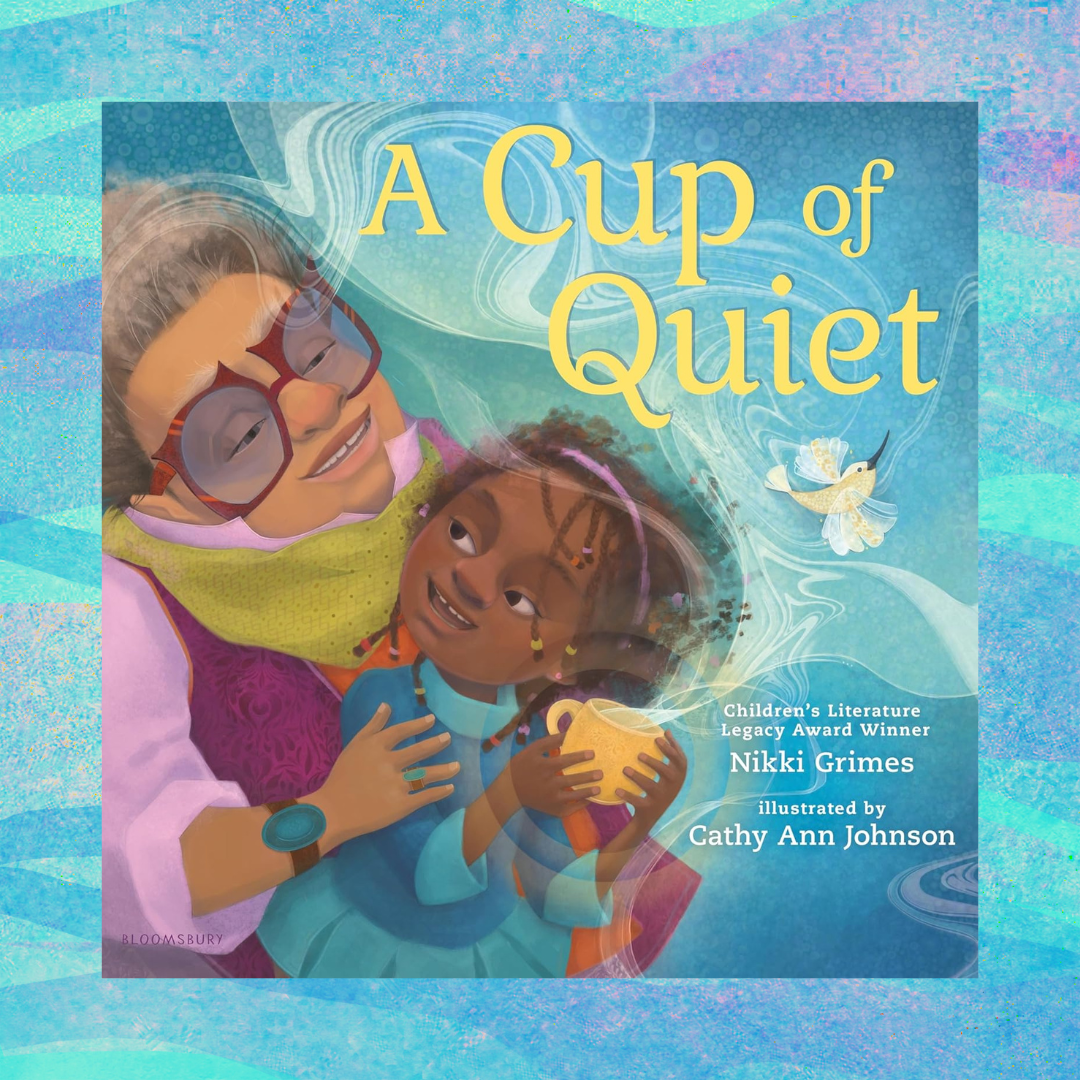
You can purchase A Cup of Quiet from these booksellers

Amazon | Barnes & Noble | Bookshop (discounted books and support for your local independent bookstore)

Picture Book Review

April 11 – National Humor Month

About the Holiday

There may be no more infectious sound than the giggle or guffaw of a good laugh. Laughter is therapeutic and can make tough times a little easier. Established in 1976 by comedian and author Larry Wilde, National Humor Month celebrates all things funny and raises awareness of the benefits of laughter and joy. The health benefits of an optimistic outlook are well documented, and lightheartedness also improves communication skills and boosts morale. Kids, it seems, are born with the ability to see and appreciate the silliness and fun in life. Today’s book is sure to keep your kids giggling!

Thanks go to Flamingo Books for sharing a copy of It Started with a P with me!

Review by Dorothy Levine

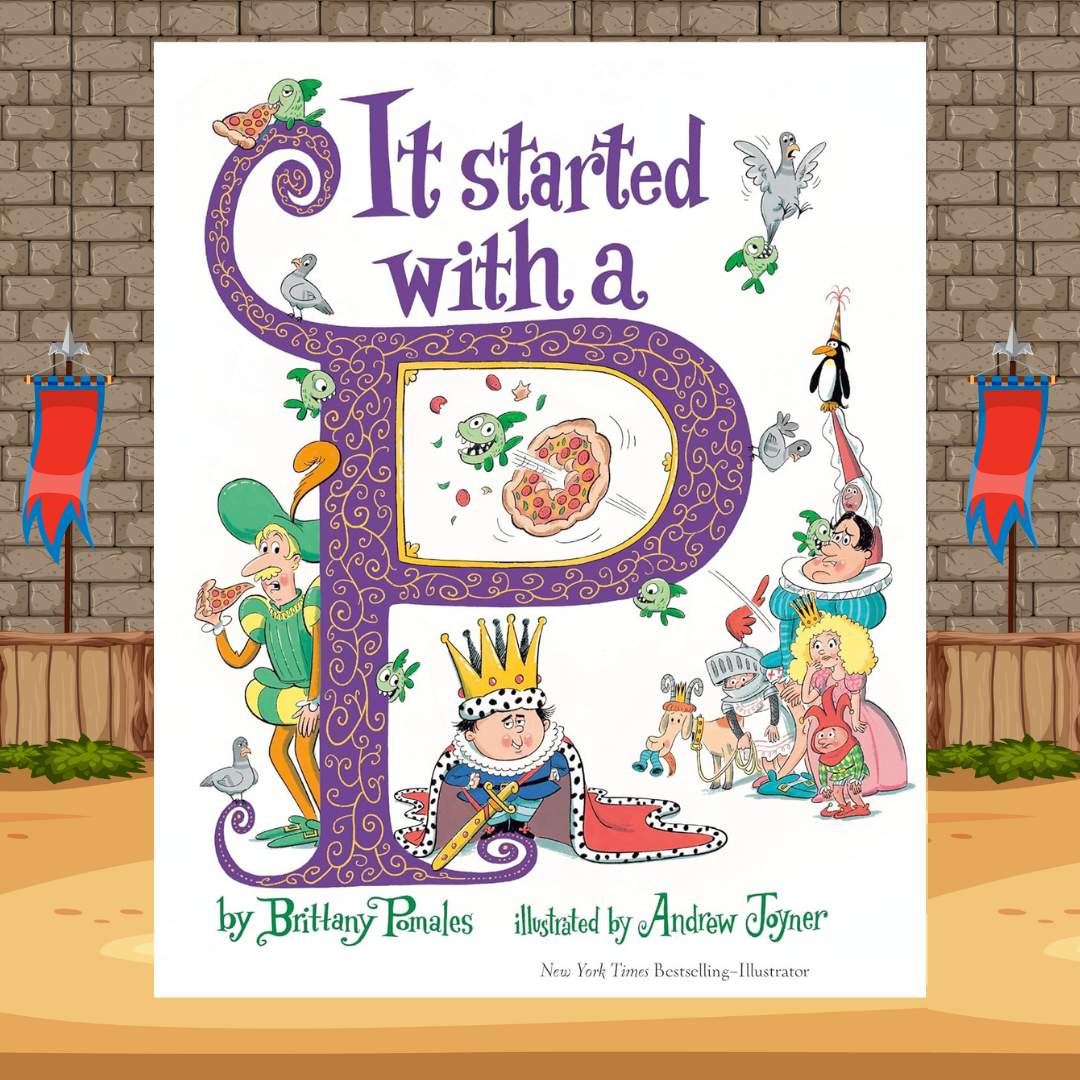
It Started with a P

Written by Brittany Pomales | Illustrated by Andrew Joyner


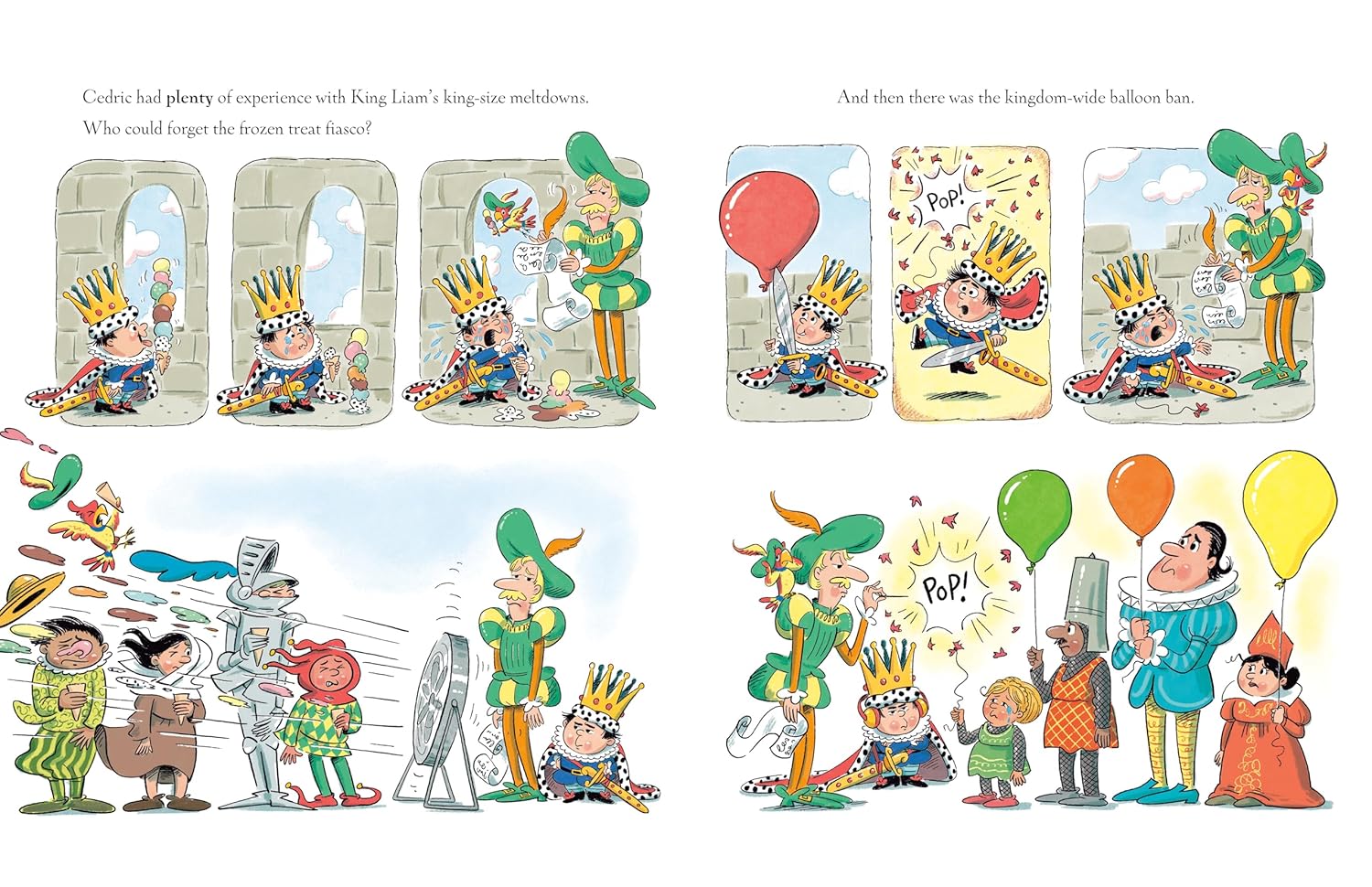
When King Liam awakens from a petrifying dream, he protests that a problem starting with the letter P will properly ruin his party. But what was it? King Liam is positively puzzled, so he proclaims, “Everything that starts with the letter P must go.” Thus, his royal advisor Cedric proceeds to “purge the palace of Ps,” pitching pepperoni pizzas from the window, propelling pigeons from the parapet and pronouncing all pants (long, short, old, new, smarty, scaredy, fancy, and even his own) prime lunch for Percival the goat.

Illustration © 2025 by Andrew Joyner, text © 2025 by Brittany Pomales. Courtesy of Flamingo Books.

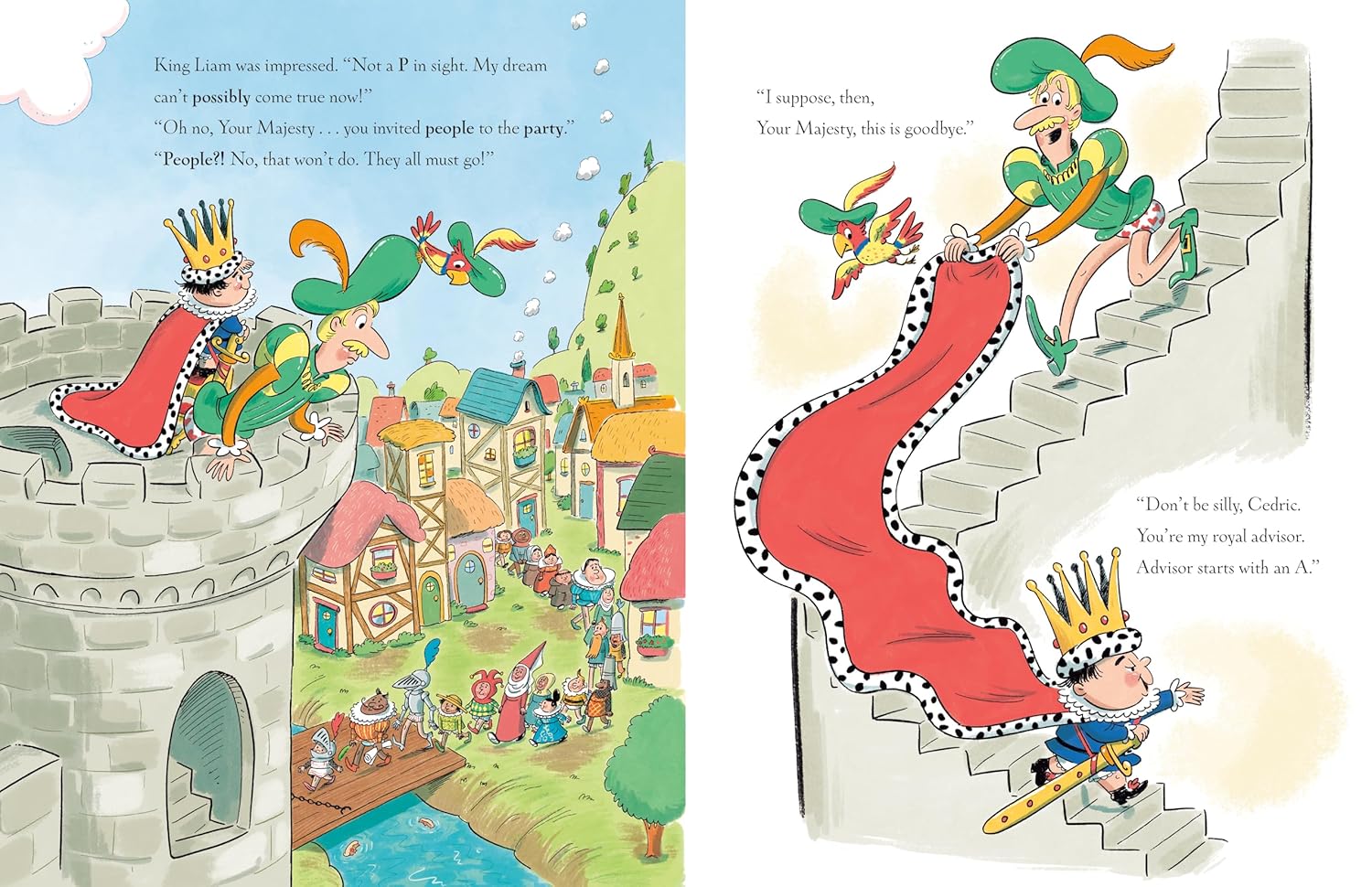
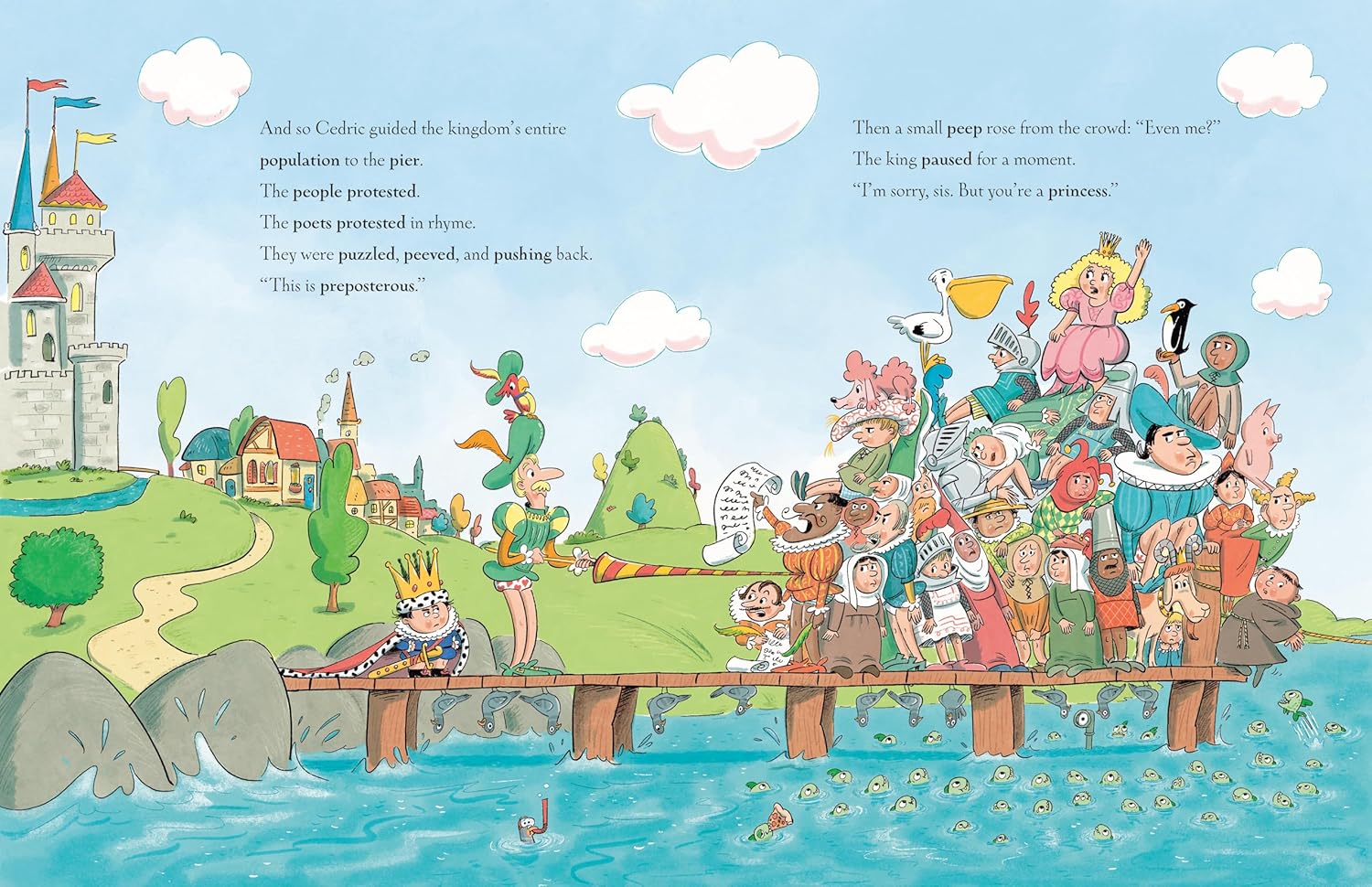
Everything is going according to plan when poof—people begin to arrive. “People?! No, that won’t do,” King Liam proclaims, and everyone is hastily pushed off the pier into paddle boats. Finally, it seems the palace is P-free. Or so it seems . . . until the king pops up from his seat crying, “Palace!” and realizes there’s one more P from which to flee.

Illustration © 2025 by Andrew Joyner, text © 2025 by Brittany Pomales. Courtesy of Flamingo Books.

The king packs and paddles away to a deserted island where there are “No pals. No presents. No party.” Plopped down on his own, King Liam has some time to ponder. It isn’t long before he remembers (and realizes he has become) the P from his dream—a party pooper! He decides it’s time to prove he can pivot from his party-pooping, plundering patterns; there is still time to prepare a pretty playful and peaceful party for all.

With the help of a princess, some piranhas, and his previous party guests, King Liam’s party is once again popping, or puffing one might say, as he blows out the candles on his birthday cake. And when one little candle flame just won’t perish . . . what does he do? Prepare to laugh and groan as the king predictably prompts another rash proceeding that will make you want to say “pfffff!”

Illustration © 2025 by Andrew Joyner, text © 2025 by Brittany Pomales. Courtesy of Flamingo Books.

It Started with a P punctuates a problem-solving tale with perfect alliteration and perfunctory placed humor. Brittany Pomales packs in the P’s along with a story that will have children and adults laughing aloud. The story playfully pokes at rash decisions that one may feel inclined to make when faced with big emotions and shows the silly consequences of post-tantrum decisions.

Andrew Joyner’s illustrations pack a punch with color, and P-named details for readers to point out (even ones not included in the text). In some scenes the story is portrayed simply through the pictures—like when we see a frame-by-frame recollection of the King’s past “King-size” meltdowns. Red and yellow seethe from the king as he preposterously shouts, and the parrot and royal assistant match with their feathered green-and-orange looks. The silliness of the drawings adds another layer to an already humorous tale.

Ages 4 – 8

Flamingo Books, 2025 | ISBN 978-0593690833

About the Author

Brittany Pomales wrote this book. Unless you didn’t find it funny; in that case, someone else wrote it. When she isn’t writing books, Brittany is often playing with, singing to, or reading to her daughter along with her husband and dog in their Arizona home. She has celebrated over thirty birthdays. Thankfully, none have resulted in a celebration crisis—yet!

About the Illustrator

Andrew Joyner is the illustrator of the #1 New York Times bestseller Dr. Seuss’s Horse Museum as well as Duck and Hippo in the Rainstorm by Jonathan London and Roar for Reading by Beth Ferry. He is also the author and illustrator of The Pink Hat and Stand Up! Speak Up!. He lives with his family on the Fleurieu Peninsula in South Australia.

National Humor Month Activities

Plenty of P Activities


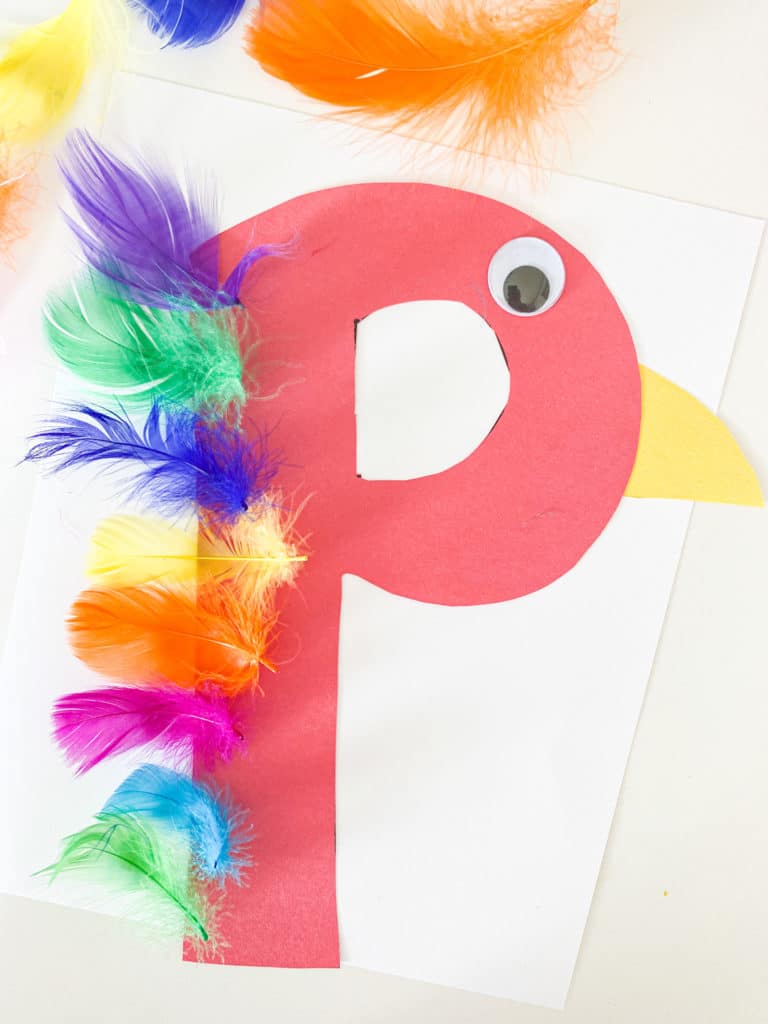
Prepare and paint a P-shaped Parrot Picture with instructions from ABCDee Learning and peruse their page for more P-themed craft activities!

You can purchase It Started with a P at these booksellers

Amazon | Barnes & Noble | Bookshop (discounted books and support for your local, independent bookstore)

Picture Book Review
April 10 – National Wildlife Week

About the Holiday

National Wildlife Week, dating back to 1938, is the National Wildlife Federation’s longest-running education program. The celebration was designed to connect budding conservationists of all ages to the awesome wonders of wildlife. Each year, we pick a theme and provide fun educational materials and activities for educators and caregivers to use with kids. This year’s theme is Keep an Eye on the Wild. Conservationists and animal lovers are keeping a lookout for wildlife in the most unexpected places as we learn how we can keep their habitats safe and live in harmony with our incredible wild neighbors. Whether you keep your eyes out for the wildlife living near you with a “critter cam” or by walking around and paying attention to your backyard, neighborhood, and wider area, being aware of the creatures around you can help them survive for generations to come. To learn more about National Wildlife Week and find fun activities aimed at connecting kids with wildlife, visit the National Wildlife Week Kids Page!

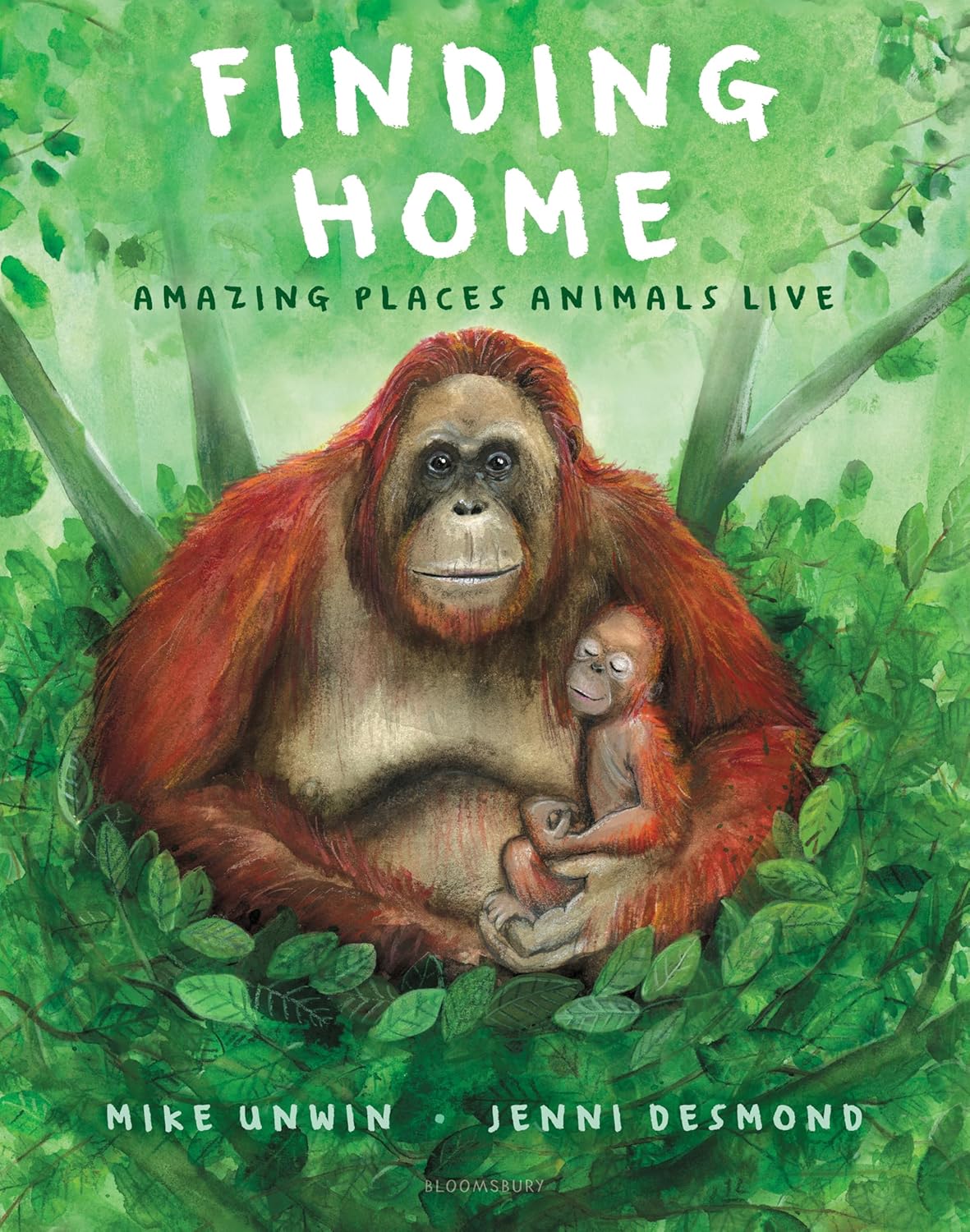
Finding Home: Amazing Places Animals Live

Written by Mike Unwin | Illustrated by Jenni Desmond


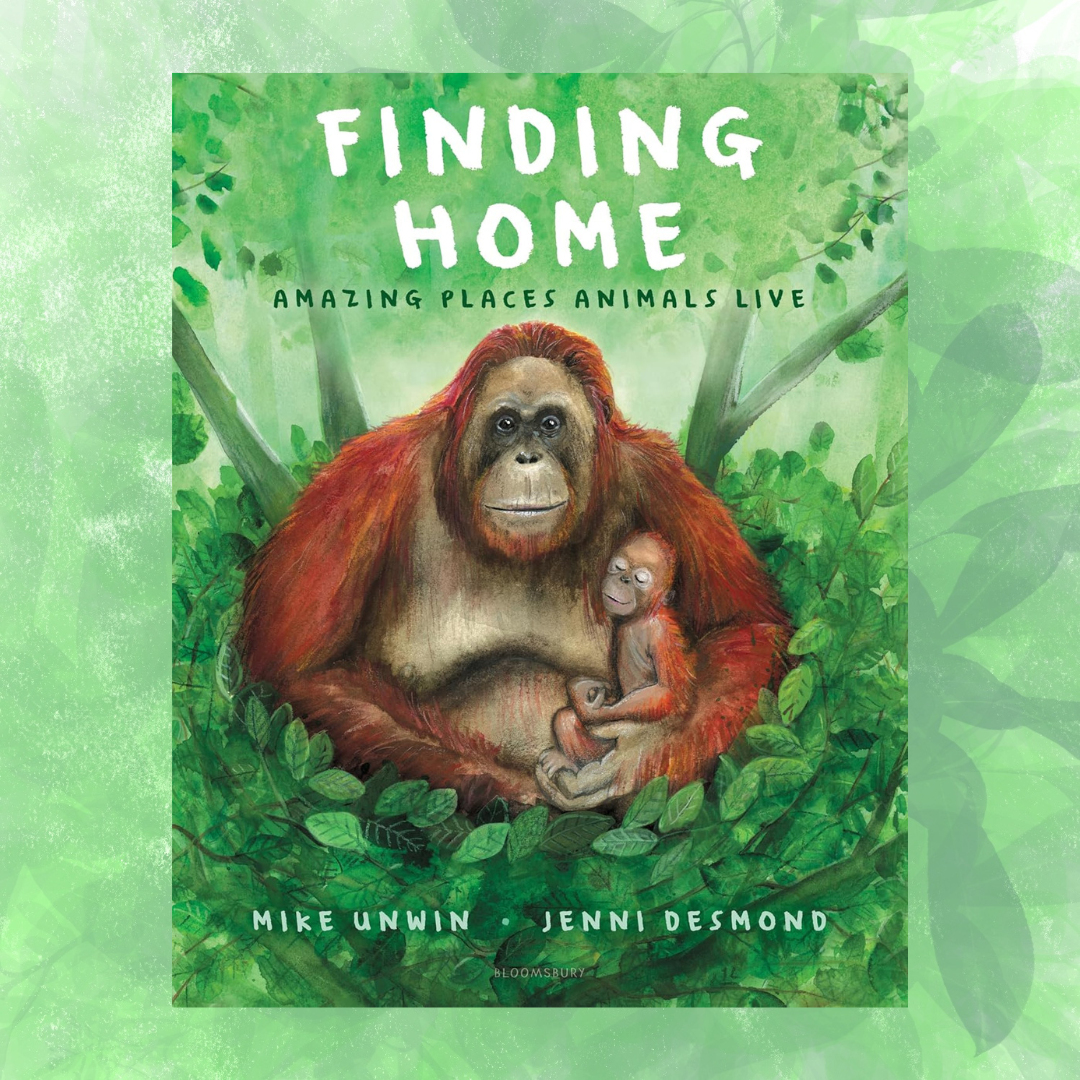
Finding Home begins: “Our planet is home to a mind-boggling number of different animals: at least 6,500 species of mammal, 10,000 species of reptile, 11,000 species of bird, and literally millions of insects. Every single one has its own home.” Just think of it! As your eye sweeps across any vista; as you walk across your yard, local playground, or favorite park, beach, or mountain trail, an untold number of creatures’ homes are within sight or underfoot. We know their names: Den. Nest. Burrow. Taxi (wait, what?). You’ll see, because in their astounding and gorgeous book, Mike Unwin and Jenni Desmond reveal that there is no such thing as a generic animal home.

Illustration © 2025 by Jenni Desmond, text © 2025 by Mike Unwin. Courtesy of Bloomsbury Children’s Books.

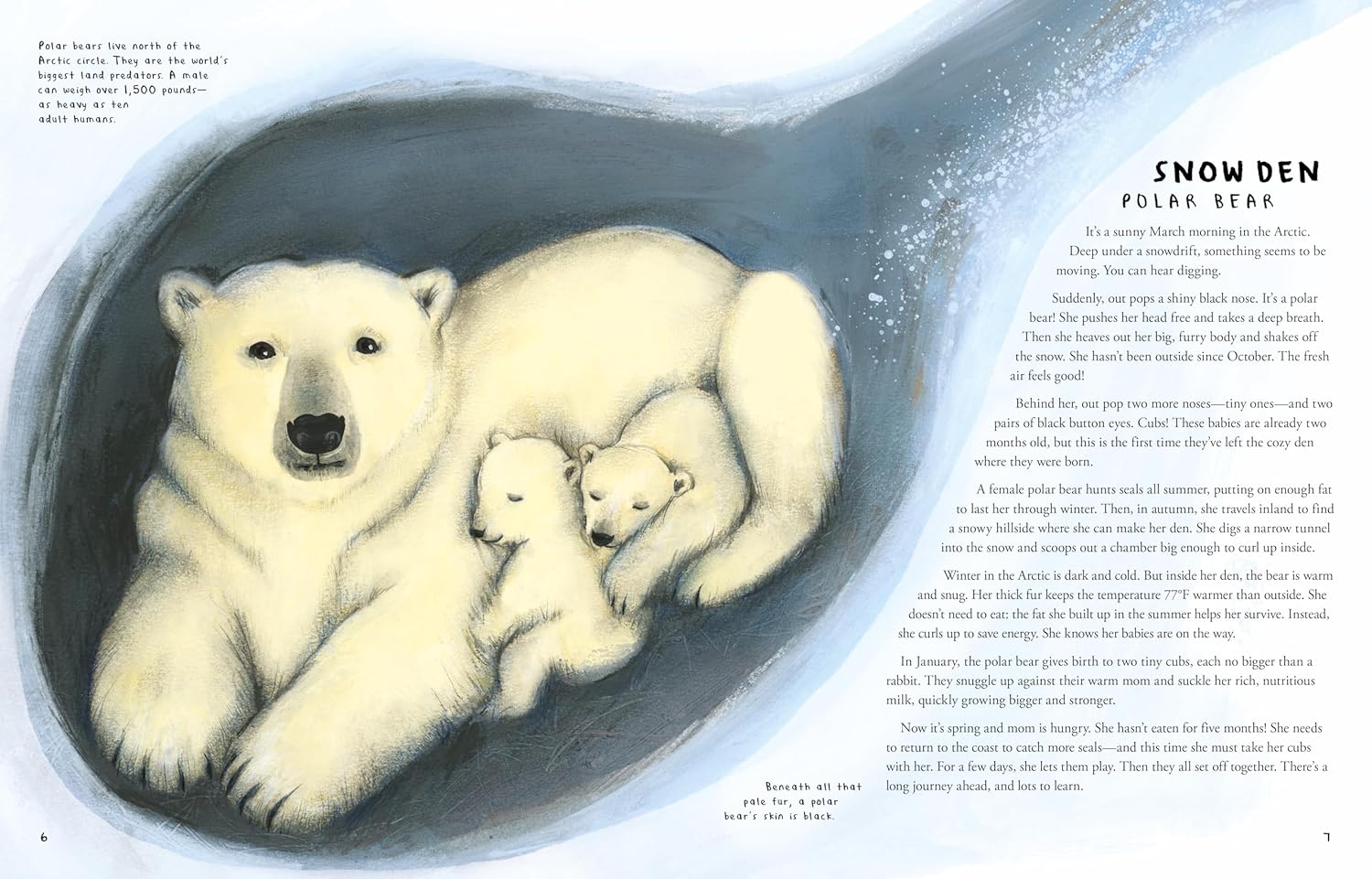
Take “den,” for instance—a polar bear’s snow den. Unwin and Desmond take you right inside this winter home, where a mother polar bear and her two cubs (born here in the cold of January) welcome you. As you squeeze inside, don’t worry about being cold. The polar bear’s “thick fur keeps the temperature 77°F warmer than outside.” 

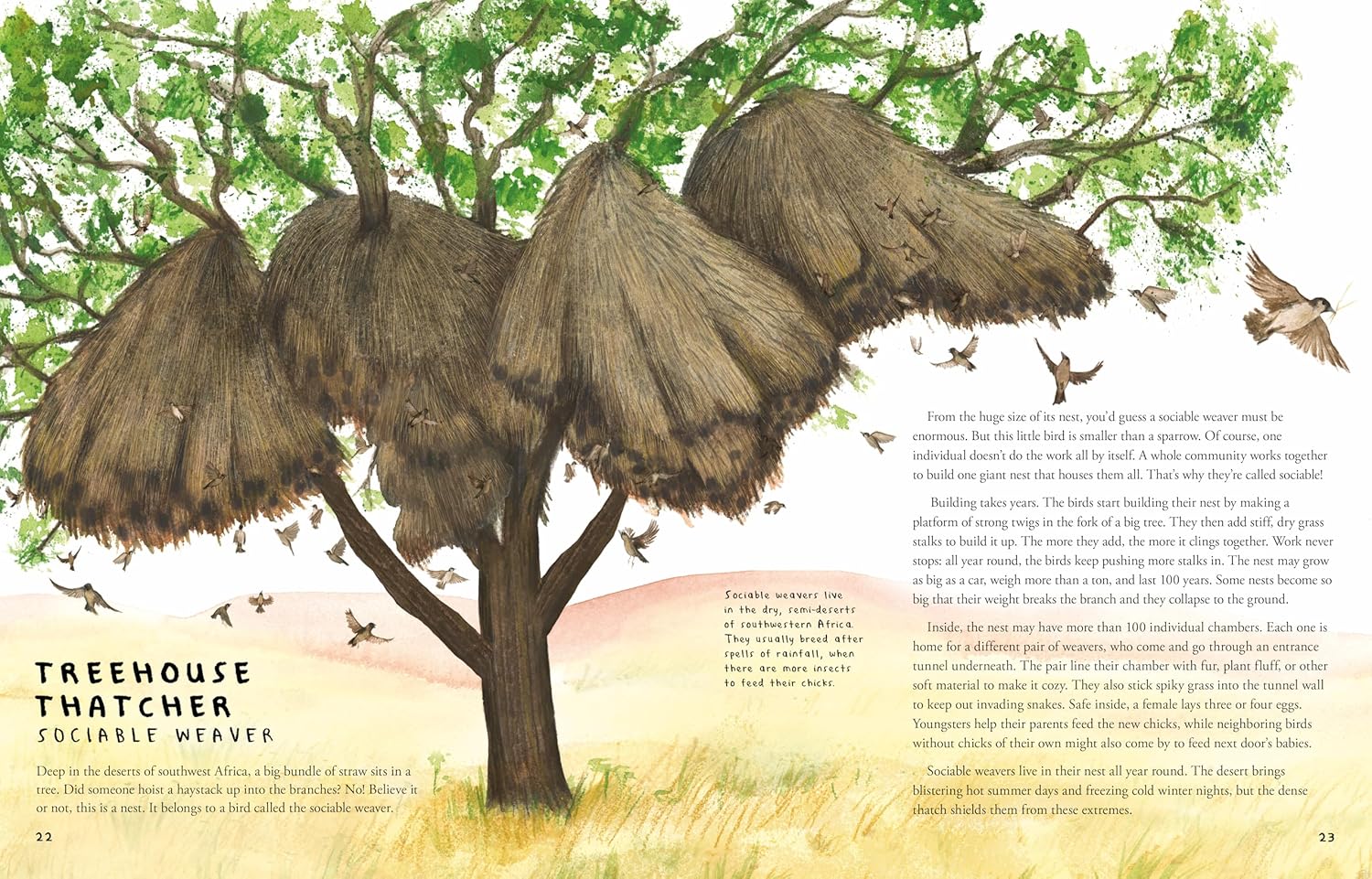
Next up is “nest.” These are bowls made from twigs, straw, and fluff and, sometimes, found objects like bits of paper or cloth, right? Well, yes—for some birds. But you won’t believe your eyes when you see what appears to be several haystacks lodged within a tree’s branches. This nest, constructed by a whole community of birds smaller than sparrows, can “grow as big as a car, weigh more than a ton, and last 100 years.” Like humans’ apartment buildings, the bird pairs that inhabit this nest look out for each other and help their neighbors. Kids will also be amazed by another type of bird that literally sews leaves together with “plant fiber and spider silk” to create their soft, deep nests.

Illustration © 2025 by Jenni Desmond, text © 2025 by Mike Unwin. Courtesy of Bloomsbury Children’s Books.

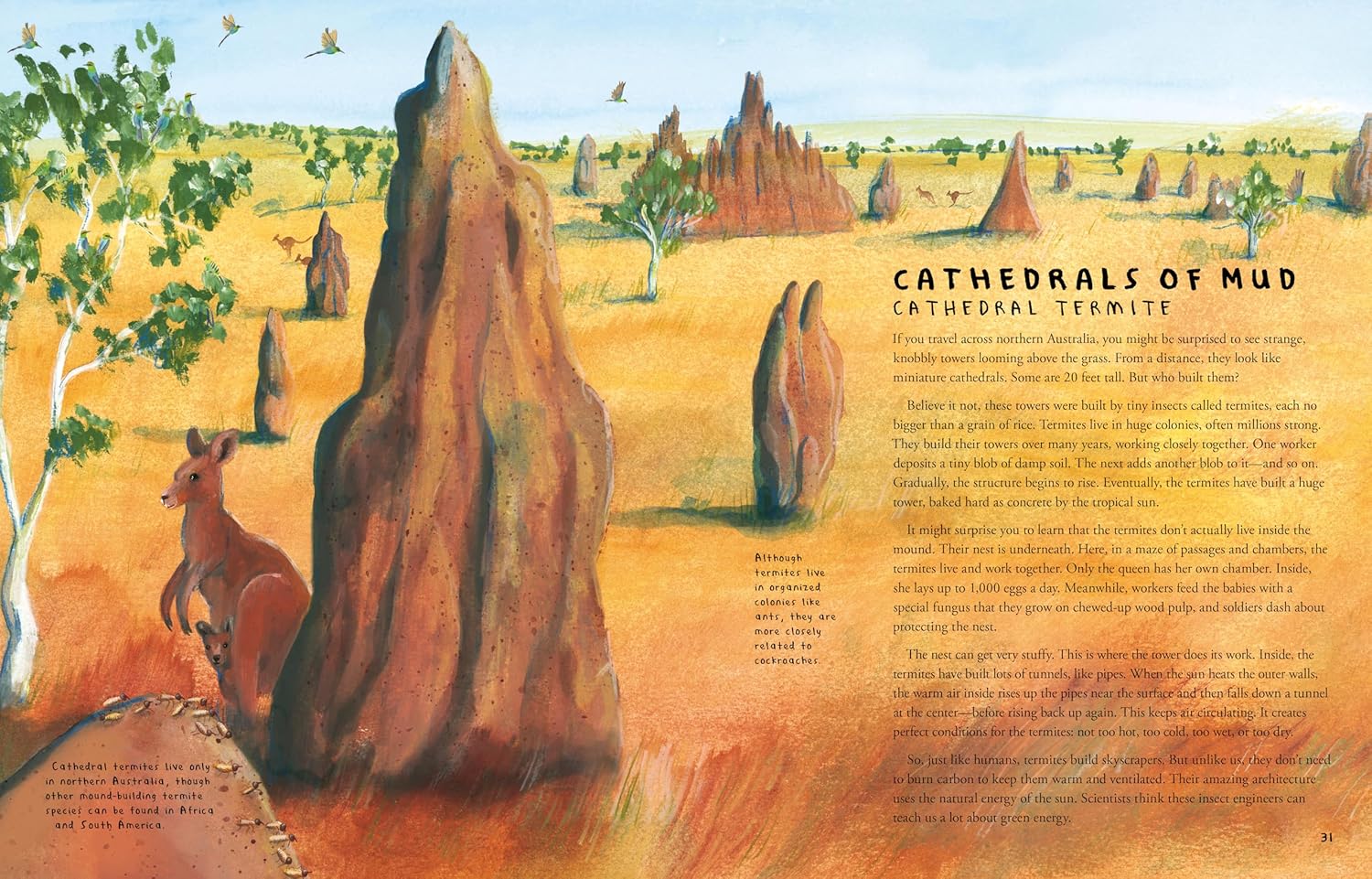
And how about “burrows?” Yep, Unwin and Desmond showcase a couple of pretty spectacular burrows too. Take the aardvark’s home. You won’t see an aardvark during the day. While the sun is up, they stay below ground, sleeping and tending to their young. It’s only after sunset that these unusual, ant-eating animals (including two-week-old babies) make an appearance topside. This is when they do what they do best: sniff out anthills and termite mounds, dig them up, and have dinner. It takes a hearty meal to satisfy an aardvark: “One aardvark can eat an amazing 50,000 ants and termites in a single night!”

Now, about that “taxi.” Children will be wowed by two, very different types of animals who prefer moving from one area to another by hitching a ride on another creature, from whom they can get food and other necessities of life while helping their hosts as well. Of course, the variety of animal homes don’t stop at these four. Every page transports readers to a different part of the globe to witness creatures of the air, sea, and land living in the home of their choice.

Unwin ends this fascinating travelogue with a map showing different ways some of the animals in the book tend to the environment, protecting it and keeping it growing for themselves and humans. He also includes a caution, reminding readers that “all these habitats . . . fit together like jigsaw pieces to make up planet Earth. And just like a jigsaw needs all its pieces, a healthy planet needs all its animals and their habitats.” Sadly, humans have not been good stewards of Earth’s bounty. “Today, scientists and conservationists are working hard to put things right.” But everyone is needed to make sure our environment is cared for the way we care for our own families. “Only then will planet Earth truly be home, sweet home.”

Illustration © 2025 by Jenni Desmond, text © 2025 by Mike Unwin. Courtesy of Bloomsbury Children’s Books.

Mike Unwin draws readers in with engaging storytelling that allows kids to easily understand how each animal goes about building their home and why it’s perfect for their lifestyle. Children also learn just as much about the animals as the homes they build, giving them deep and well-rounded knowledge of some of the most unusual birds, fish, mammals, and insects on our planet and how many of them benefit humankind. Unwin’s phrasing, vocabulary and conversational lilt make Finding Home a highly satisfying nonfiction read aloud for younger kids. Independent readers will eagerly dip into the book again and again to meet these intriguing creatures.

With the impact of a museum exhibit, Jenni Desmond’s rich, full-bleed illustrations will take your breath away with their stunning realism and personality. Some animals peek out at the reader, while others busily go about their work oblivious to outside interest. From grassy hillsides to treetop canopies to sunny Africa and the snowy Himalayas, Desmond takes readers on an around the world tour like no other.

Gorgeous, educational, and nature nonfiction at its best, Finding Home: Amazing Places Animals Live is a must for all classroom, school, and public libraries as well as for nature- and animal-loving kids and families.

Ages 5 – 8+

Bloomsbury Children’s Books, 2025 | ISBN 978-1547615100

About the Author

Mike Unwin has written more than 30 books for both adults and children, including the Encyclopedia of Birds and Migration. He is also a regular contributor to publications such as BBC Wildlife and RSPB Nature’s Home. In 2013 Mike was voted UK Travel Writer of the Year by the British Guild of Travel Writers. Follow Mike on Instagram @mikeunwin.wildtravel.

About the Illustrator

Jenni Desmond is the illustrator of more than 20 books, including MigrationThe Wolves of Yellowstone, and The Blue Whale. Her books have been translated into over a dozen languages. In 2016 she was made a Maurice Sendak Fellow and her book The Polar Bear became a New York Times Best Illustrated Children’s Book of the Year. When Jenni is not in her studio, you’ll find her cooking, cycling and looking for adventure. Visit her at jennidesmond.com and follow her on Instagram @jennidesmond.
National Wildlife Week Activity

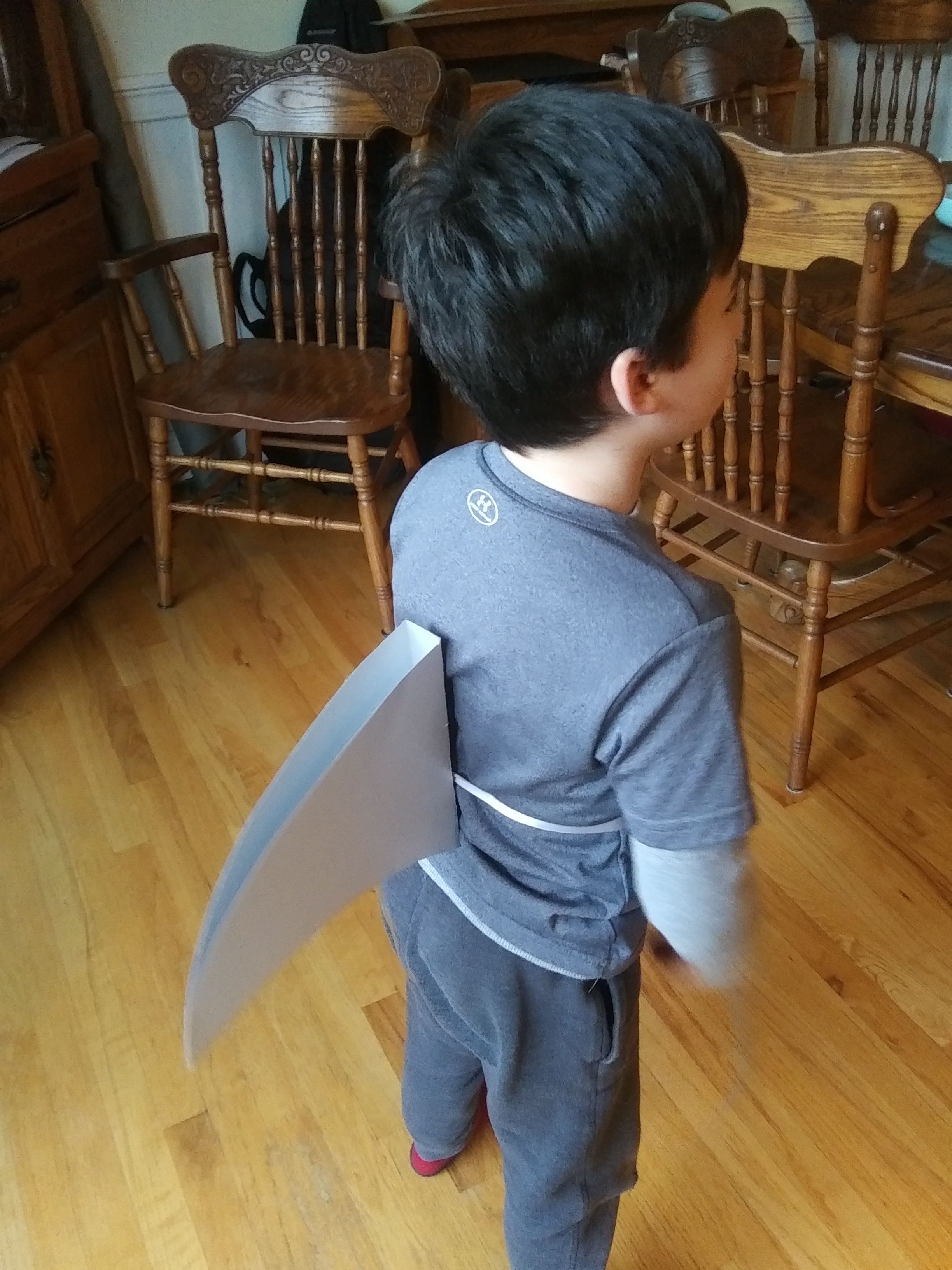
celebrate-picture-books-picture-book-review-shark-fin-craft

Fintastic Shark Fun


Sharks are awesome creatures and even feature as a home to another animal in today’s book! Follow the directions below and to make your own shark fin. 

Supplies

  • 2 pieces of 8.5 x 11 gray cardstock paper
  • Ribbon
  • Tape
  • Scissors
  • Pencil

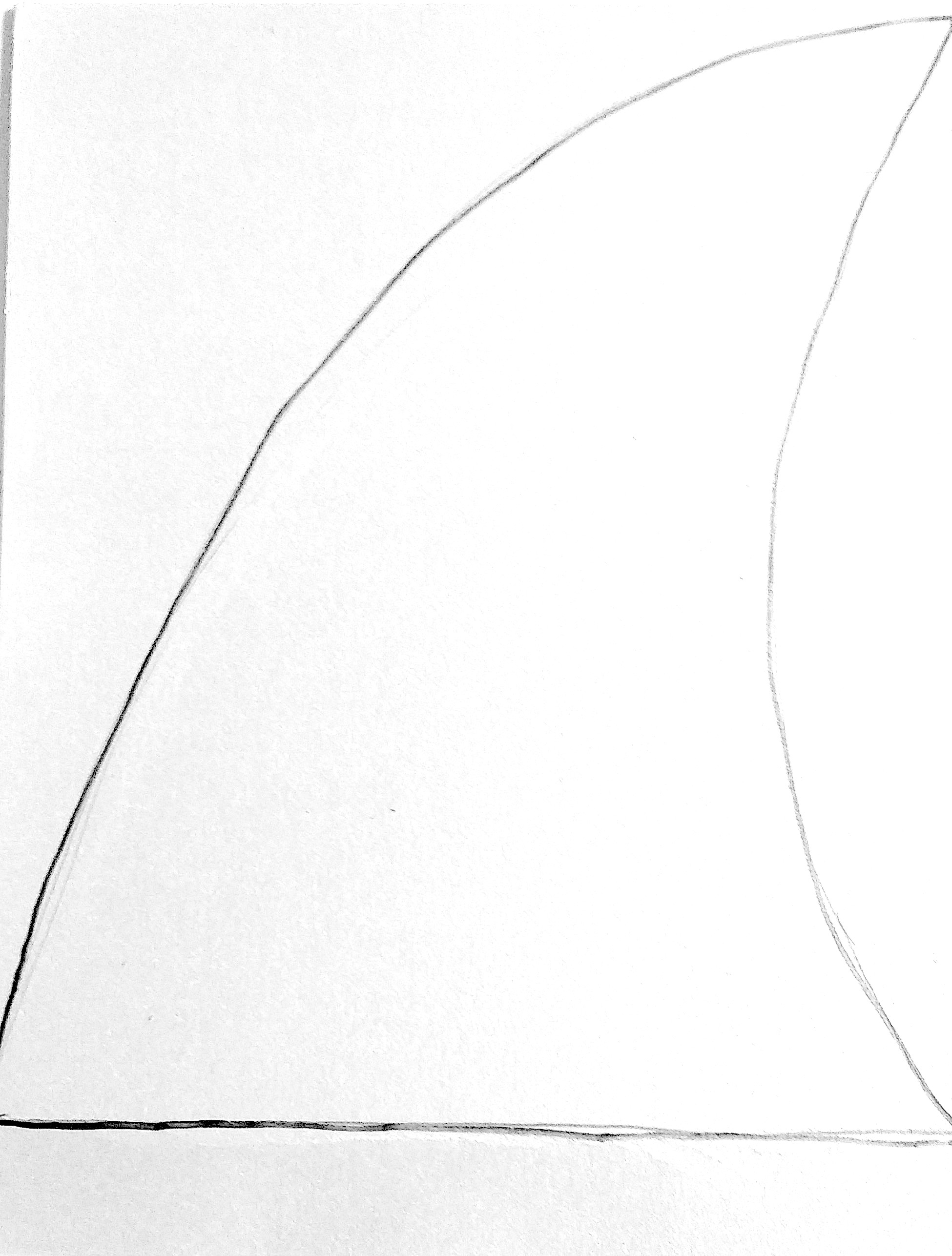
fin outline white

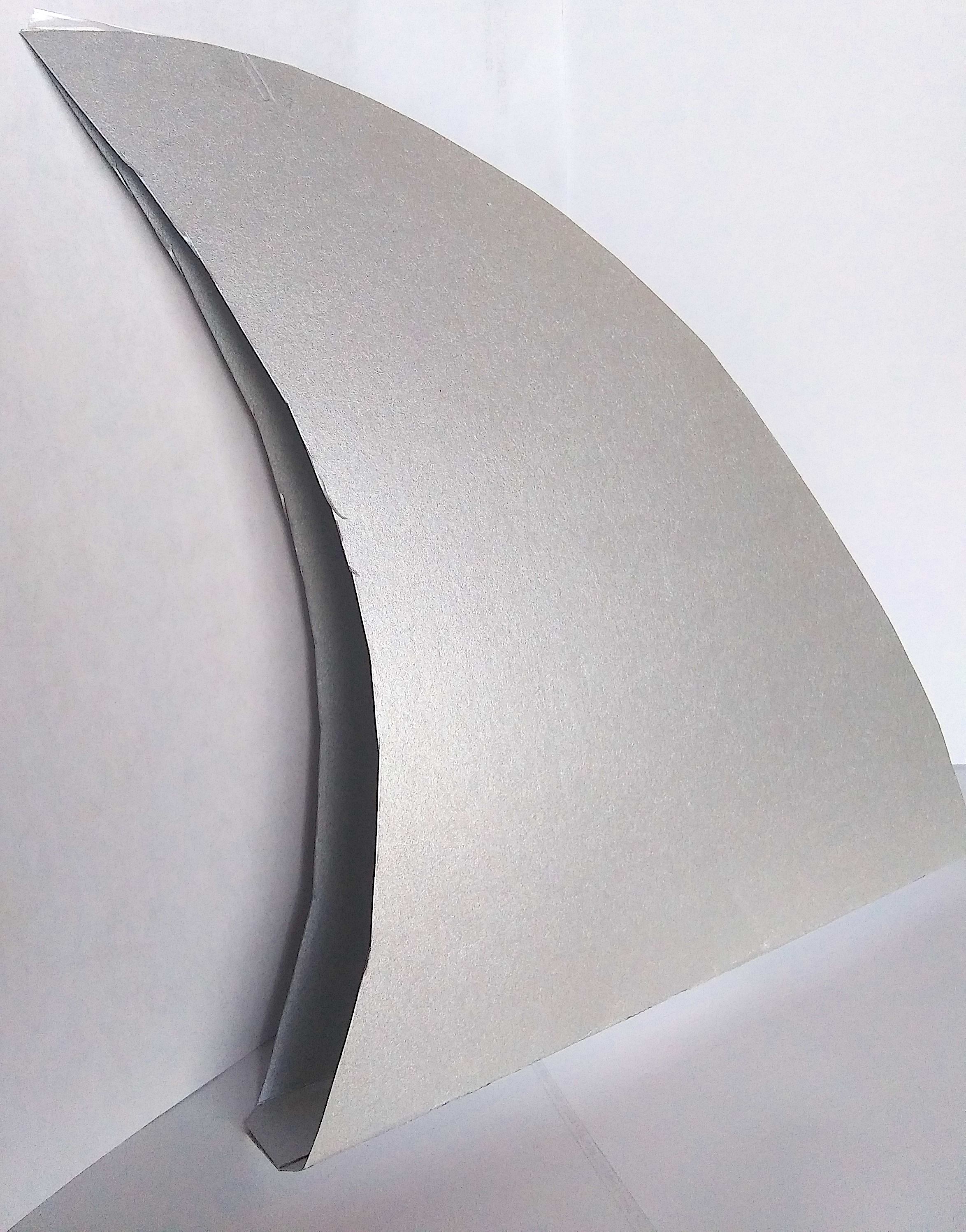
celebrate-picture-books-picture-book-review-shark-fin

Directions

  1. Tape the top of the two pieces of paper together
  2. Fold them back together
  3. Measure an inch up from the bottom of the papers (the un-taped side) and trace a straight line across both papers
  4. Trace a shark fin outline onto your paper. The shark outline should stop an inch above the bottom
  5. Cut out the fin on both pieces of paper. If you should cut through the tape, re-tape the tops together
  6. Fold along the lines of both papers so the folds face towards each other.
  7. Tape the folds so the fin becomes a triangle
  8. Cut two slits parallel to the folded lines
  9. Thread ribbon through slits

You can purchase Finding Home: Amazing Places Animals Live from these booksellers

Amazon | Barnes & Noble | Bookshop (discounted books and support for your local independent bookstore)

Picture Book Review