February 16 – Innovation Day

celebrate-picture-books-picture-book-review-maxine-and-the-greatest-garden-ever-cover

About the Holiday

Today we celebrate all those people who look at a problem and design a solution, or who just ask, “What if…?” and search for answers. The holiday was established by the Science History Institute in conjunction with the Society of Chemical Industry to help bring attention to those people who were not only producing technology, but were also pushing the envelope on what was possible. Each year, these two organizations coordinate to host Innovation Day. This year, restrictions and life-changing alterations needed to combat COVID-19, have sparked innovations both large and small at home, for business, at schools, and for medical researchers. Creative individuals have kept us entertained, given us hope, and kept things going even in the most difficult of times. To celebrate today, put on your thinking cap, look around you, and do something new, novel, and completely unexpected. Who knows…you may be the next great inventor!

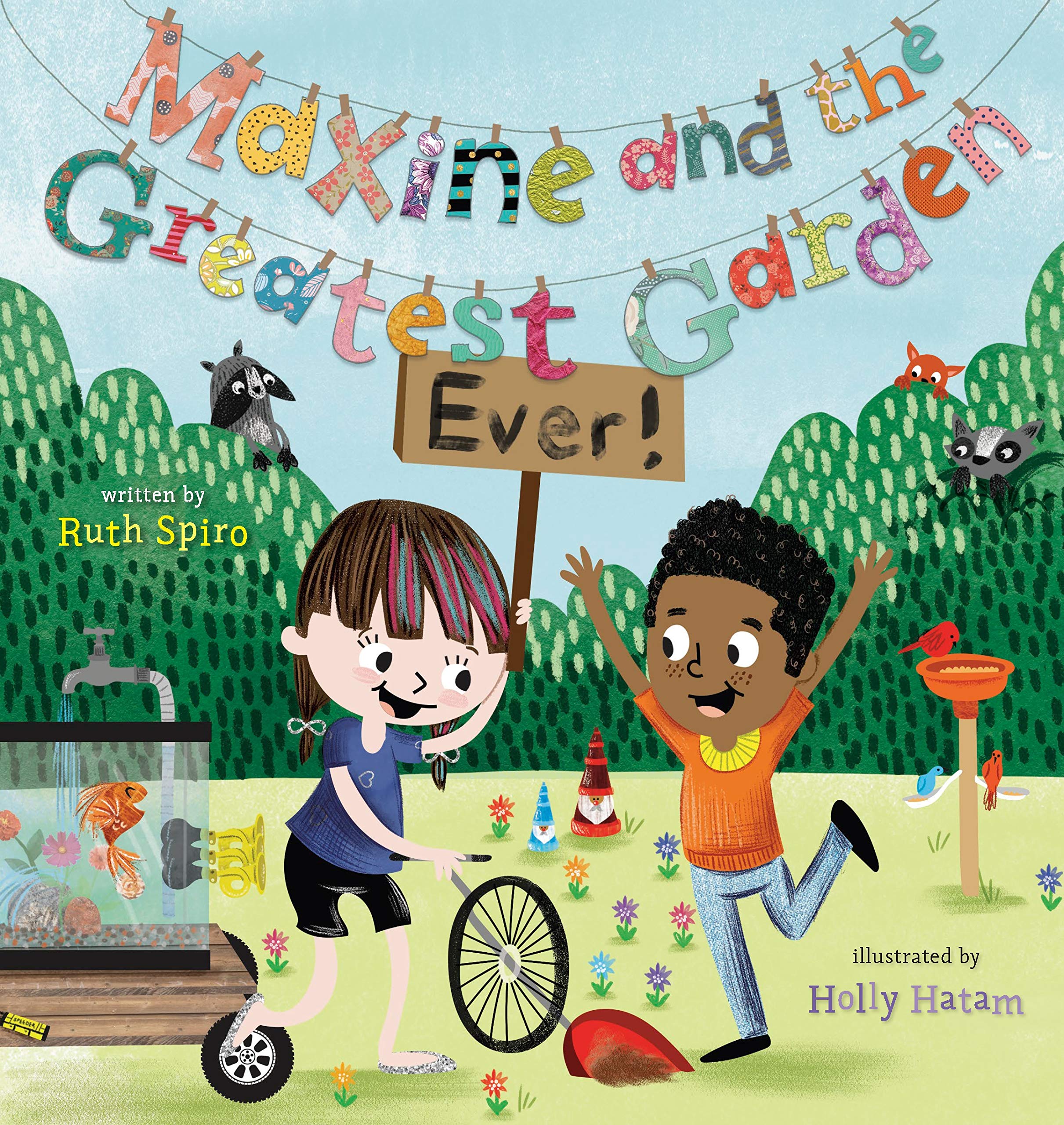
Maxine and the Greatest Garden Ever!

Written by Ruth Spiro | Illustrated by Holly Hatam


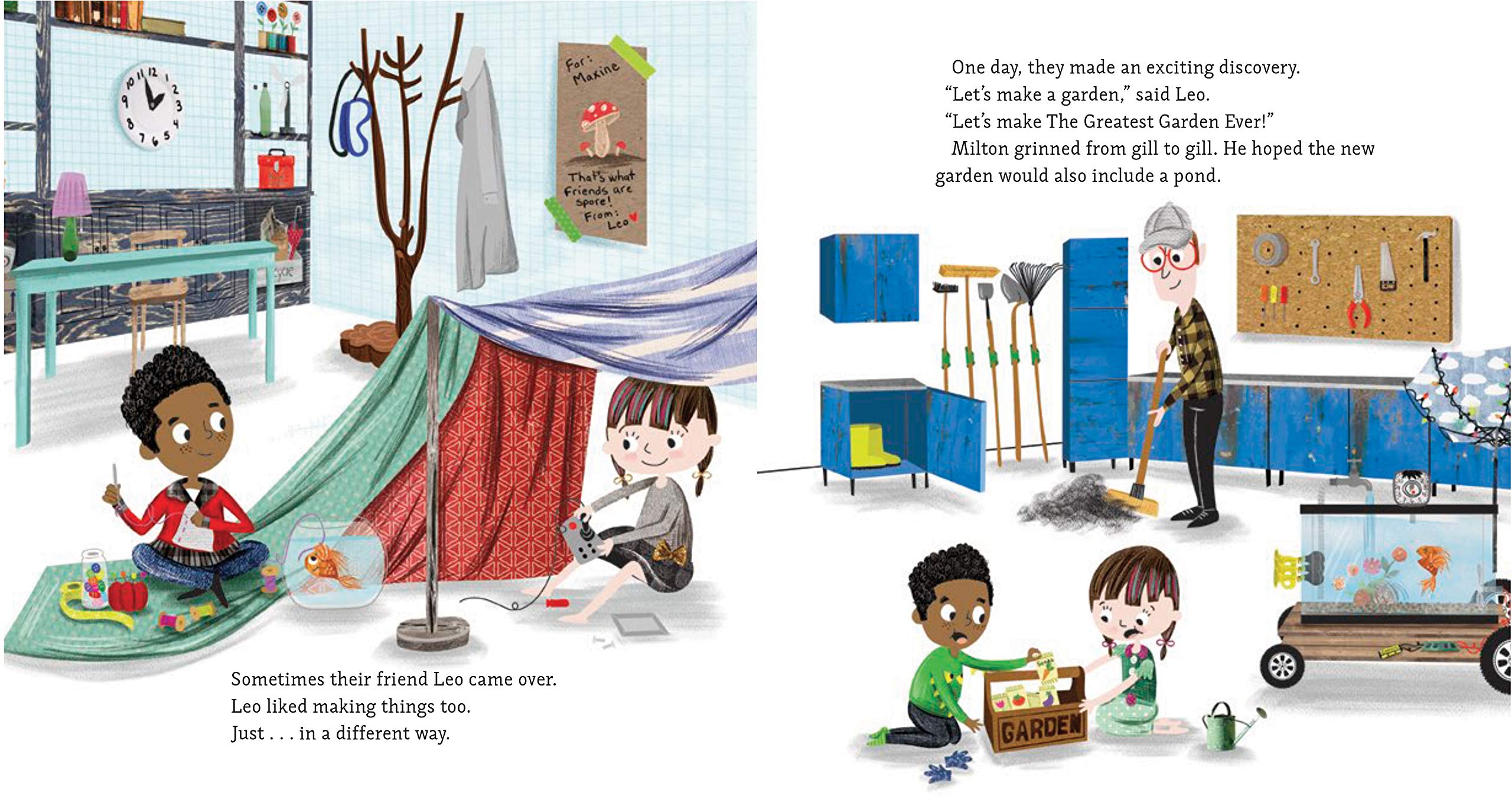
Maxine and her goldfish, Milton, were best friends, and Maxine loved thinking up creative scientific or technical ways to keep him fed, safe, and happy. “Maxine liked making things, and she especially liked making things for Milton. ‘If I can dream it, I can build it!’ she said.” Maxine’s other friend Leo also liked making things, but his creations were more arty.
celebrate-picture-books-picture-book-review-maxine-and-the-greatest-garden-ever-seeds

Image copyright Holly Hatam, 2021, text copyright Ruth Spiro, 2021. Courtesy of Dial Books.

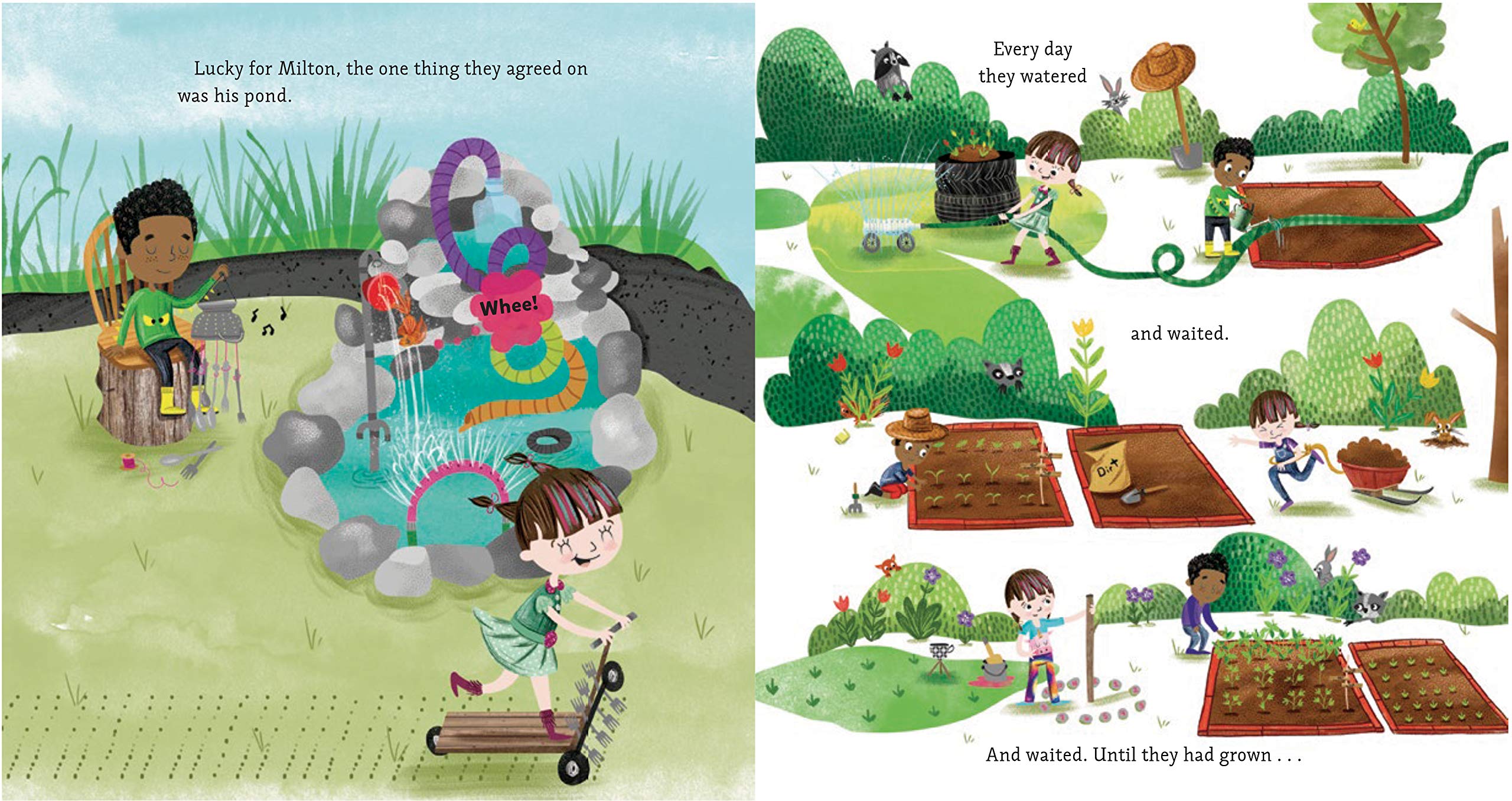
One day when Leo was visiting Maxine, they found packets of seeds and decided to build “‘The Greatest Garden Ever!’” Milton hoped the garden would have a pond just for him. Leo and Maxine drew up their plans. “Leo’s was pretty. Maxine’s was practical.” When they planted the seeds, Leo planted them far apart in large beds of soil. Maxine’s seeds were packed close together in pots made from old tires, barrels, toys, and even a chandelier. They both looked askance at the other’s seeds. They did, however, agree on Milton’s pond.

Every day they watered, weeded, and waited. At last, they truly did have “The Greatest Garden Ever!” There were vegetables and flowers, birdfeeders and a gazebo. The wild animals thought the garden was great too. One day, Maxine and Leo came to the garden to find nibbled carrots, radishes, and eggplants; pots were knocked over and little footprints were everywhere. Maxine wanted to make something to keep the animals away. “‘Something that looks nice?’ asked Leo. ‘Something that works.,’” said Maxine.
celebrate-picture-books-picture-book-review-maxine-and-the-greatest-garden-ever-pond

Image copyright Holly Hatam, 2021, text copyright Ruth Spiro, 2021. Courtesy of Dial Books.

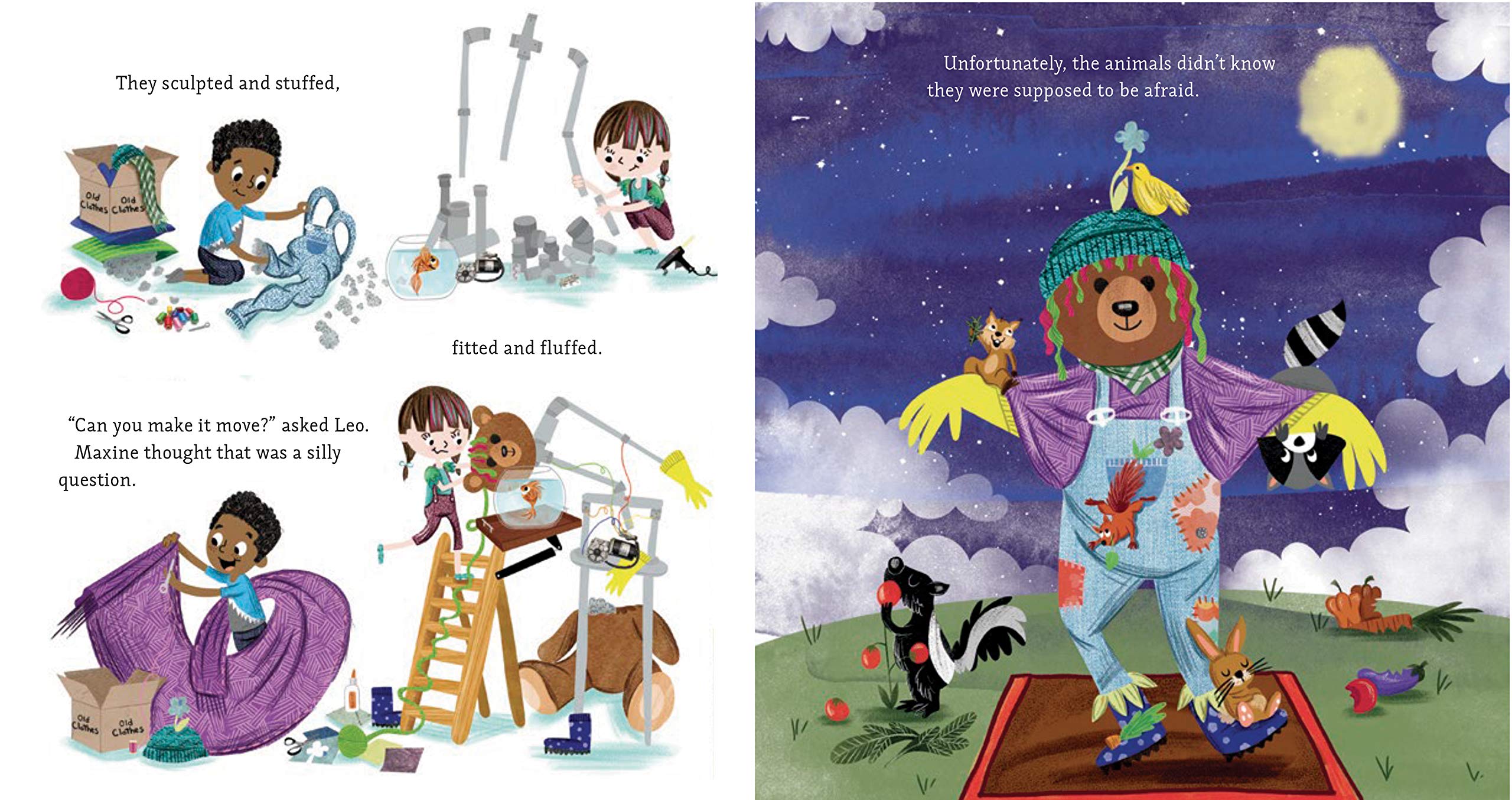
They decided to make a scarecrow. While Leo stuffed overalls and made a shirt, Maxine built a mechanical body for the big teddy bear that would wear them. But the animals didn’t think the scarecrow was very scary. While Leo thought the bear had done nothing, Maxine said that it had helped them know what didn’t work. They gathered new supplies and “then while Leo sewed, Maxine wrote some code.” This time the bear had laser eyes, moving parts, loud sounds, a shiny helmet, and a scary black dress. That night, though, the scarecrow was so scary that it made babies cry, dogs howl, and kept neighbors awake.
celebrate-picture-books-picture-book-review-maxine-and-the-greatest-garden-ever-scarecrow

Image copyright Holly Hatam, 2021, text copyright Ruth Spiro, 2021. Courtesy of Dial Books.

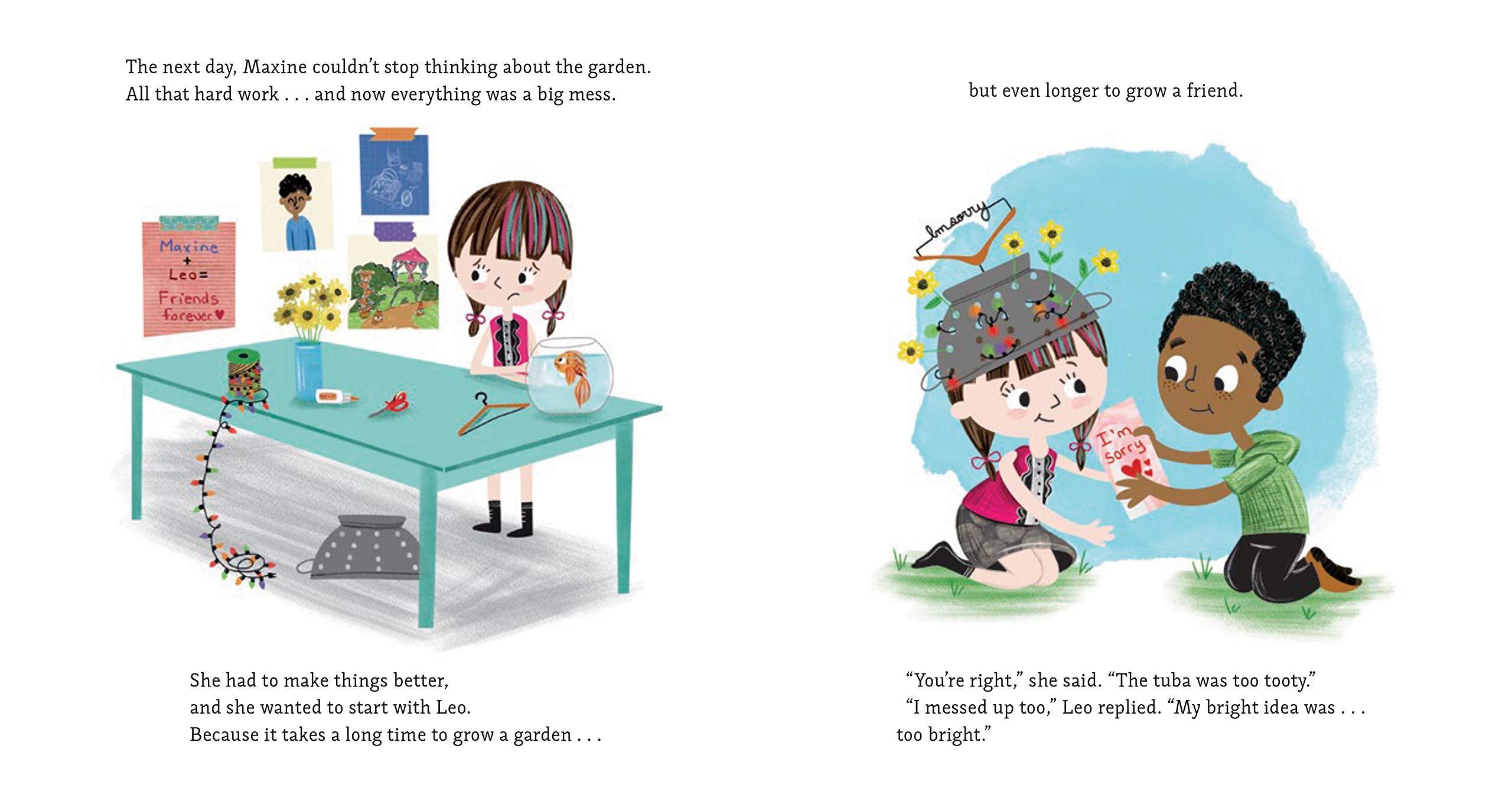
Leo blamed Maxine, and Maxine blamed Leo. At home, Maxine and Leo thought about the garden and what they’d said. Maxine wanted “to make things better, and she wanted to start with Leo. Because it takes a long time to grow a garden… but even longer to grow a friend.” When they met the next day, they both apologized. As they cleaned up the garden and shared the last of the lettuce, Maxine had an idea. She and Leo repaired, repainted, and replanted, and when they were finished, they invited their new animals friends to enjoy the garden with them.
celebrate-picture-books-picture-book-review-maxine-and-the-greatest-garden-ever-apology

Image copyright Holly Hatam, 2021, text copyright Ruth Spiro, 2021. Courtesy of Dial Books.

Ruth Spiro’s celebration of creativity, gardening, and friendship will enchant kids and show them that sometimes projects lead to try and try again cooperation before the original vision or a new idea is perfected. Through Maxine’s talent for engineering, coding, and inventing and Leo’s artistic abilities, Spiro shows readers that whatever their skills are, they can contribute to the success of any endeavor. When Maxine and Leo’s frustrations over the garden spill out into their relationship and an argument ensues, Spiro reminds kids that people and enduring friendships are more important than plans, projects, or events and that apologies and understanding keep relationships strong. Her charming narration, realistic dialogue, and periodic rhymes create a story that’s a joy to read aloud.

Holly Hatam’s vivid illustrations will keep kids lingering over the pages to catch all of her puns, Maxine’s inventions, and Leo’s crafts—many of which enterprising kids may want to try to replicate. Cheery Maxine with her red-and-blue streaked hair, bright eyes, and quick imagination is enthusiastic and confident, and Leo, wearing a dragon shirt any kid would love, is equally as confident and passionate about his talents. The garden is a visual treat, from its first planting to its early stages to its full-grown glory. Hatam’s vision for both of Maxine and Leo’s scarecrows is original and gleefully kid-centric. The final image of the shared garden at night is a spectacular celebration for all.

Both fans of Maxine and Milton’s first adventure in Made by Maxine and new readers of this little series will ask to hear Maxine and the Greatest Garden Ever! again and again. A rousing friendship story to engage kids in STEAM-related activities or to jumpstart ideas for those times when they’re are looking for something to do at home, Maxine and the Greatest Garden Ever! Is highly recommended for home, school, and public library collections.

Ages 4 – 8

Dial Books, 2021 | ISBN 978-0399186301

Discover more about Ruth Spiro and her books on her website.

To learn more about Holly Hatam, her books, and her art, visit her website.

Innovation Day Activity
celebrate-picture-books-picture-book-spoon-flowers

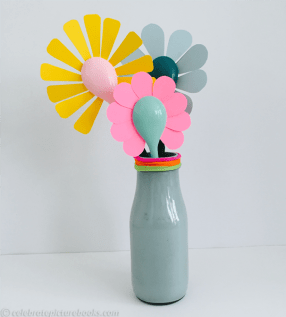
Spoon Flowers Craft


It may not be time for gardening, but that doesn’t mean you can’t “grow” some flowers. With a little innovation, you can give anyone a bouquet with this easy craft!

Supplies

  • Colorful plastic spoons
  • Heavy stock paper or construction paper in various colors, including green for leaves
  • Multi-surface glue or hot glue gun

Directions

  1. Cut petals from the heavy stock paper or construction paper
  2. Glue the petals to the bowl of the spoon
  3. Cut leaves from the green paper (optional)
  4. Glue leaves to the handle of the spoon (optional)

celebrate-picture-books-picture-book-review-maxine-and-the-greatest-garden-ever-cover

You can find Maxine and the Greatest Garden Ever! at these booksellers

Amazon | Barnes & Noble | Books-a-Million

To support your local independent bookstore, order from

Bookshop | IndieBound

Picture Book Review

February 15 – It’s Library Lovers Month

celebrate-picture-books-picture-book-review-where-is-our-library-cover

About the Holiday

For bibliophiles, this may be the best month of the year! Not only does your local library have shelves stacked with books, magazines, movies, and music of every kind, it offers comfy chairs, fascinating lectures, kids programs, and more! While this year most libraries have been closed for in-person visits or offered shorter hours, the librarians and staff have worked hard to offer curbside service and devise ways to provide the same types of programming and services patrons love and need. This month be sure to take part in some of the activities librarians have planned for you! 

Where Is Our Library? A Story of Patience & Fortitude

Written by Josh Funk | Illustrated by Stevie Lewis


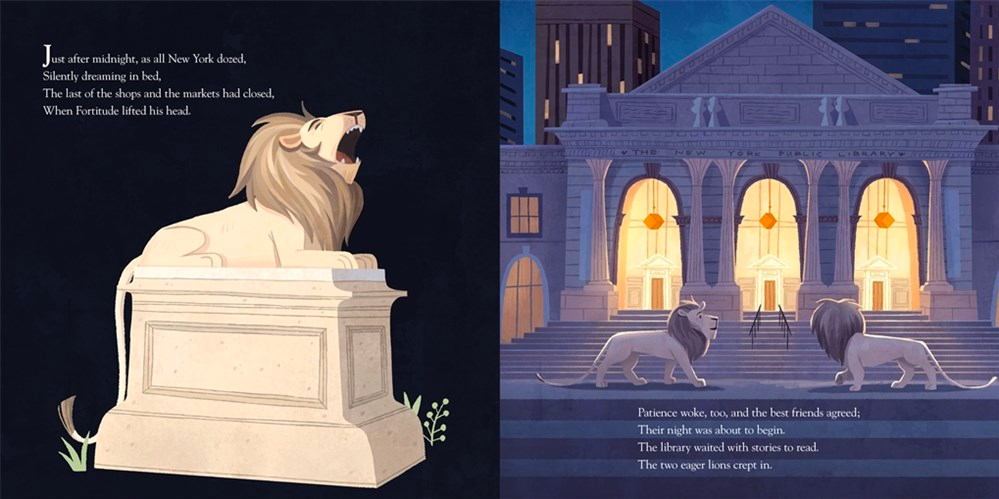
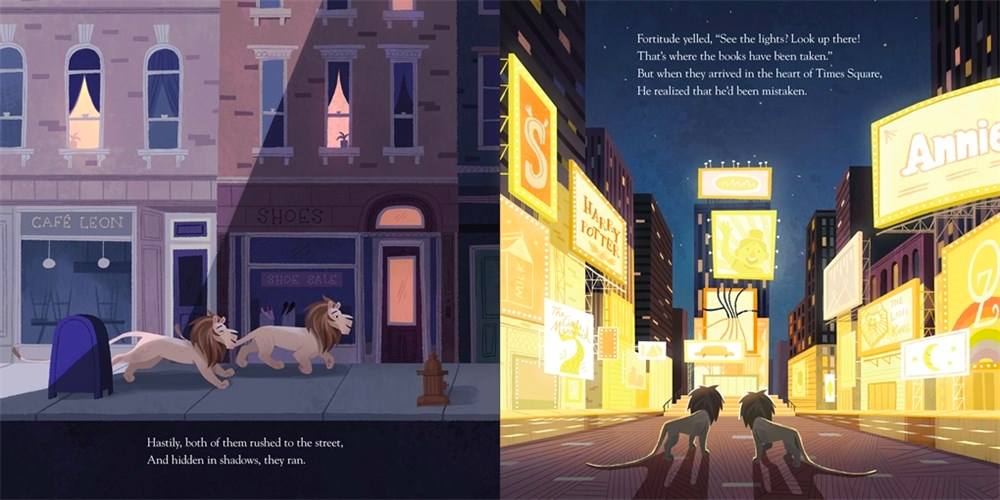
At the stroke of midnight lions Patience and Fortitude woke from their slumber, left their pedestals, and crept into the New York Public Library for their nightly story time. But when they walked through the doors of the Children’s Room to find that all of the books were gone. They ran down the street, hiding in the shadows, to a street blazing with lights. “Fortitude yelled, ‘See the lights? Look up there! / That’s where the books have been taken.’ But when they arrived in the heart of Times Square, / He realized that he’d been mistaken.”

celebrate-picture-books-picture-book-review-where-is-our-library-midnight

Image copyright Stevie Lewis, 2020, text copyright Josh Funk, 2020. Courtesy of Henry Holt & Co.

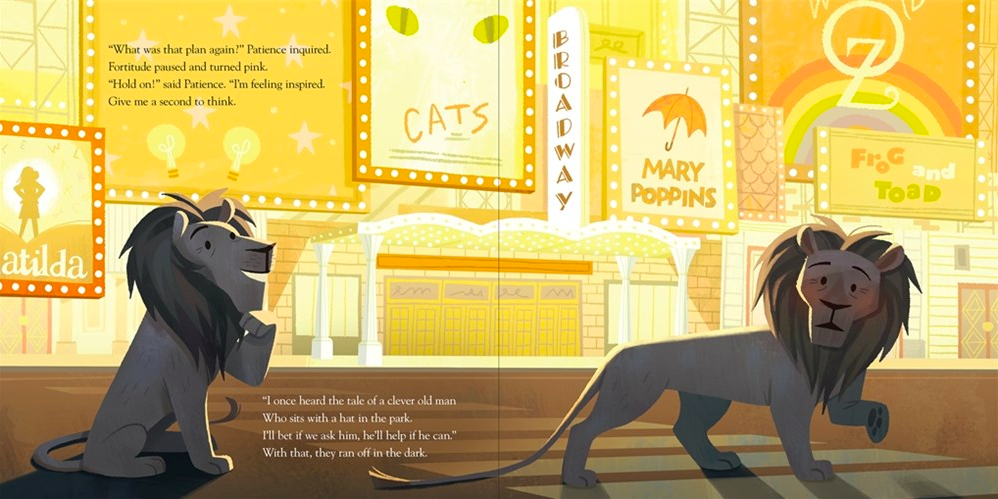
Fortitude was embarrassed by his mistake, but then Patience had an idea. They entered Central Park, passing by fountains, the zoo, and a carousel, through a tunnel, and around a pond. Then Fortitude spied a statue with a mad hatter, a rabbit, a Cheshire cat, and a little girl. While the hatter just offered a riddle, Alice pointed them in the direction of a man with a duck, where they might find an answer.

celebrate-picture-books-picture-book-review-where-is-our-library-doorway

Image copyright Stevie Lewis, 2020, text copyright Josh Funk, 2020. Courtesy of Henry Holt & Co.

They met Hans Christian Andersen, awake from his stony nap, and told him about the missing books. He gave the lions a list of other libraries to check. They loped through the city rom Harlem and Washington Heights to the Upper East Side and Lower Manhattan. “They scoured each library, scanned every stack, / And pored through each awesome collection. / They found some new books, but they wanted theirs back! / Where was their old children’s section?”

celebrate-picture-books-picture-book-review-where-is-our-library-Times-Square

Image copyright Stevie Lewis, 2020, text copyright Josh Funk, 2020. Courtesy of Henry Holt & Co.

In the Chatham Square Library, a dragon kite hanging from the ceiling suggested a new perspective, so they took to the High Line and looked here and there, but the sun was beginning to dawn. “Their library lost. Their quest was now ending. / They hurried back home feeling blue.” But when they got close to their home—in fact right across the street—they saw two new signs: “Children’s and Teen Center! Opens Today! and “Newly Renovated Children’s Center.” Thrilled, Patience and Fortitude went inside and happily found books to read. The next morning, the lions thought about their nighttime jaunt and “were thrilled with their city-wide tour, / For finding new worlds is a treat.”

Facts about Patience and Fortitude and the New York Public Library as well as information on the statues, the libraries, and the new Children’s and Teen Center of the New York Public Library follow the text.

celebrate-picture-books-picture-book-review-where-is-our-library-Times-Square

Image copyright Stevie Lewis, 2020, text copyright Josh Funk, 2020. Courtesy of Henry Holt & Co.

Kids who have been sad to see their children’s rooms close for in-person visits this year will empathize with Patience and Fortitude when they wake up expecting to enjoy their nightly story time only to find no books on the shelves. Readers will love joining the two New York Public Library lions as Josh Funk takes them on a rhyming jaunt through the city from Times Square to Central Park to the High Line park. They visit many of the city’s libraries and finally find themselves inside the new Children’s and Teen Center. Readers will have fun imagining the statues of Hans Christian Andersen and the characters from Alice in Wonderland coming to life and talking with the lions.

Stevie Lewis invites kids on this literary tour of New York with her beautiful illustrations. Gorgeously lit, Lewis’s after-dark images reflect the excitement of the city that never sleeps. Readers get to see the seals in the zoo, the famous carousel, the big chess board, and the duck pond as Patience and Fortitude wend their way through Central Park. As the lions visit several libraries, children will enjoy comparing their décor with that of their library’s Children’s Room. Kids will be wowed at the stately architecture of New York that Lewis reproduces faithfully throughout the pages. In Times Square and on the library shelves, kids will have fun pointing out familiar plays and favorite picture books.

An enchanting tour through New York City for book lovers, Where Is Our Library is a charming sequel to Josh Funk’s and Stevie Lewis’s Lost in the Library and will excite kids to visit their own libraries.

Ages 4 – 8

Henry Holt and Co., 2020 | ISBN 978-1250241405

Discover more about Josh Funk and his books on his website.

To learn more about Stevie Lewis, her books, and her art, visit her website.

Library Lovers Month Activity

celebrate-picture-books-picture-book-review-library-find-the-differences-puzzle

Kids in the Library Find the Differences Puzzle


While your library may always look the same, it’s different every time you visit. New materials have been put on the shelves and books, movies, and magazines that were there last time have been checked out. Can you find the differences in these two pictures of kids in the library? Then have fun coloring it!

Kids in the Library Puzzle

celebrate-picture-books-picture-book-review-where-is-our-library-cover

You can find Where Is Our Library? at these booksellers

Amazon | Barnes & Noble | Books-a-Million

To support your local independent bookstore, order from

Bookshop | IndieBound

Picture Book Review

February 14 – International Book Giving Day

celebrate-picture-books-picture-book-review-everybody's-favorite-book-cover

About the Holiday

It’s been a terrific month of celebrating the joys of reading at home, in the classroom, and at the library! Every book read to and with a child enriches their life and helps to foster a life-long love of learning. Whether your child likes books that are fiction or nonfiction, stories or poetry, funny or poignant, there are a vast array of new and old books to teach them about the world and get them excited about being part of it. There really is a book for every child—as you’ll see in today’s review!

Thanks to Macmillan for sending me a copy of Everybody’s Favorite Book for review consideration. All opinions are my own. 

Everybody’s Favorite Book

Written by Mike Allegra | Illustrated by Claire Almon


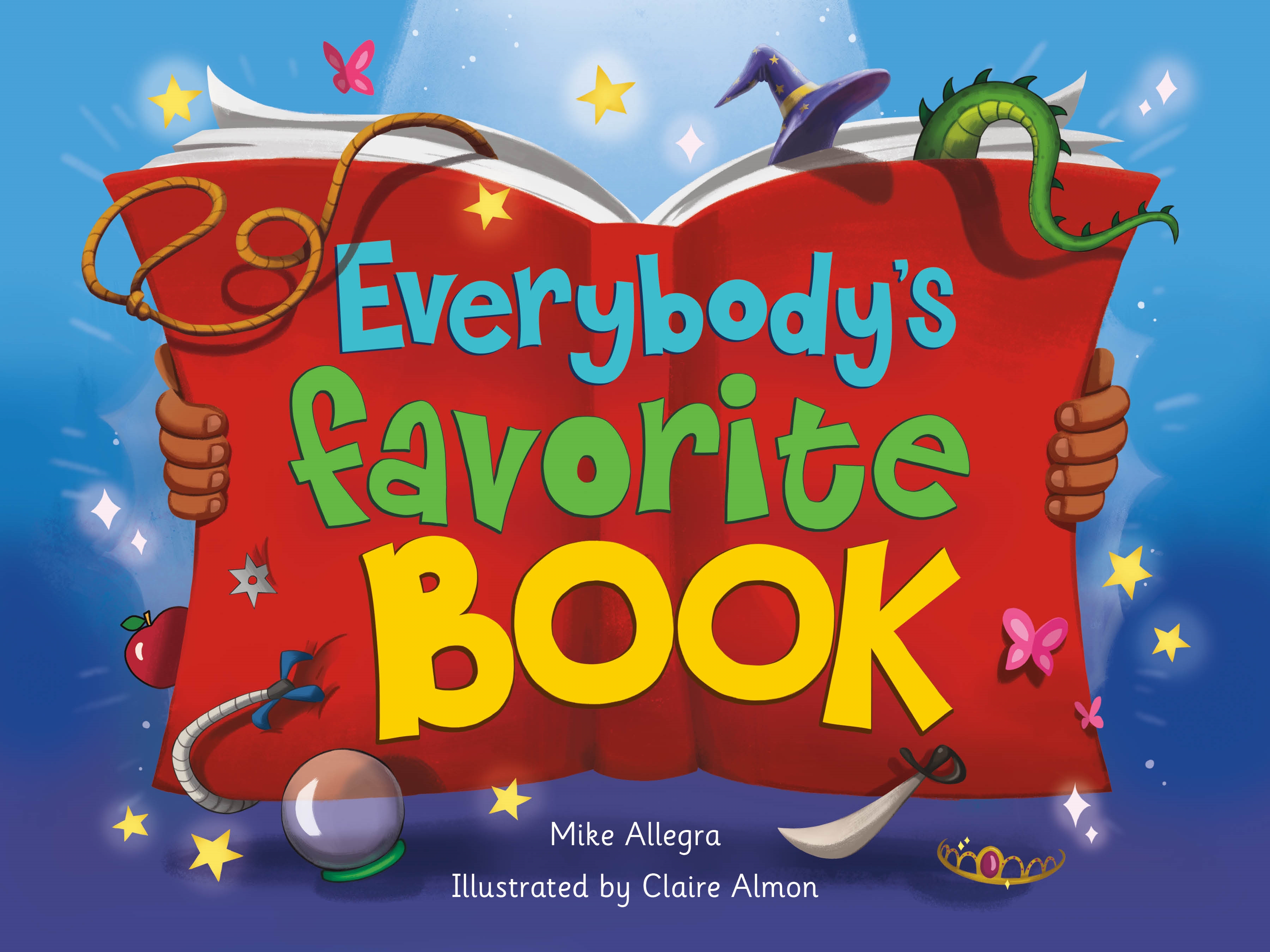
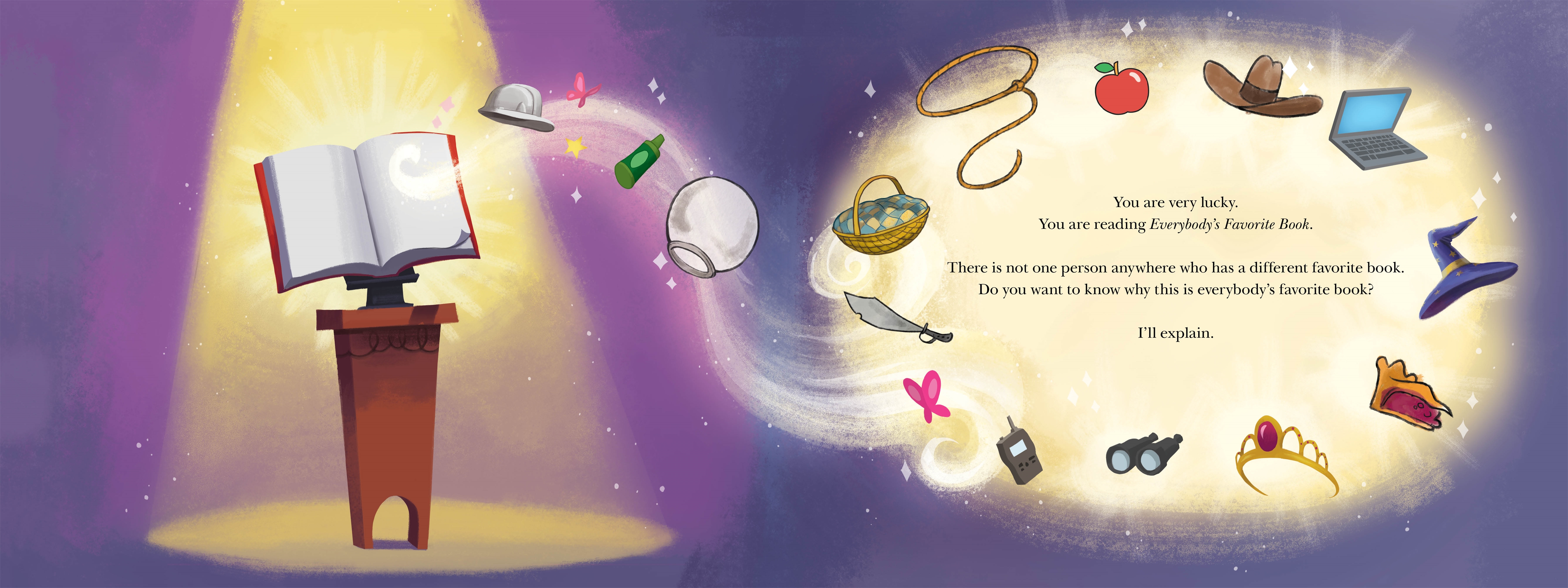
You are quite lucky, the narrator greets you, to be holding the world’s most favorite book. What makes it everybody’s favorite? Well, “lots of great books have cool heroes.” But these are heroes with just one talent—“like spacemen! Or ninjas! Or cowgirls!” In this book, though, the hero multitasks! What is he? “A space ninja cow!” and “his name is Bob.”

celebrate-picture-books-picture-book-review-everybody's-favorite-book-opening

Image copyright Claire Almon, 2018, text copyright Mike Allegra, 2018. Courtesy of Imprint at Macmillan Publishing.

Of course, a hero needs a villain to vanquish, and Bob is lucky because instead of a one-dimensional bad guy, he gets to pit himself against a fierce mash up of a robot, a dragon, and a pirate. What’s this horrible marauder’s name?. Are you ready? It’s Corky! So Bob and Corky fight. It’s thrilling…it’s dangerous…it’s stopped? Ah, the narrator sees now— “everybody doesn’t like violent books” and since this is Everybody’s Favorite Book, the story needs to be a bit more… Well, let’s see if Princess Glittersprinkles can help!

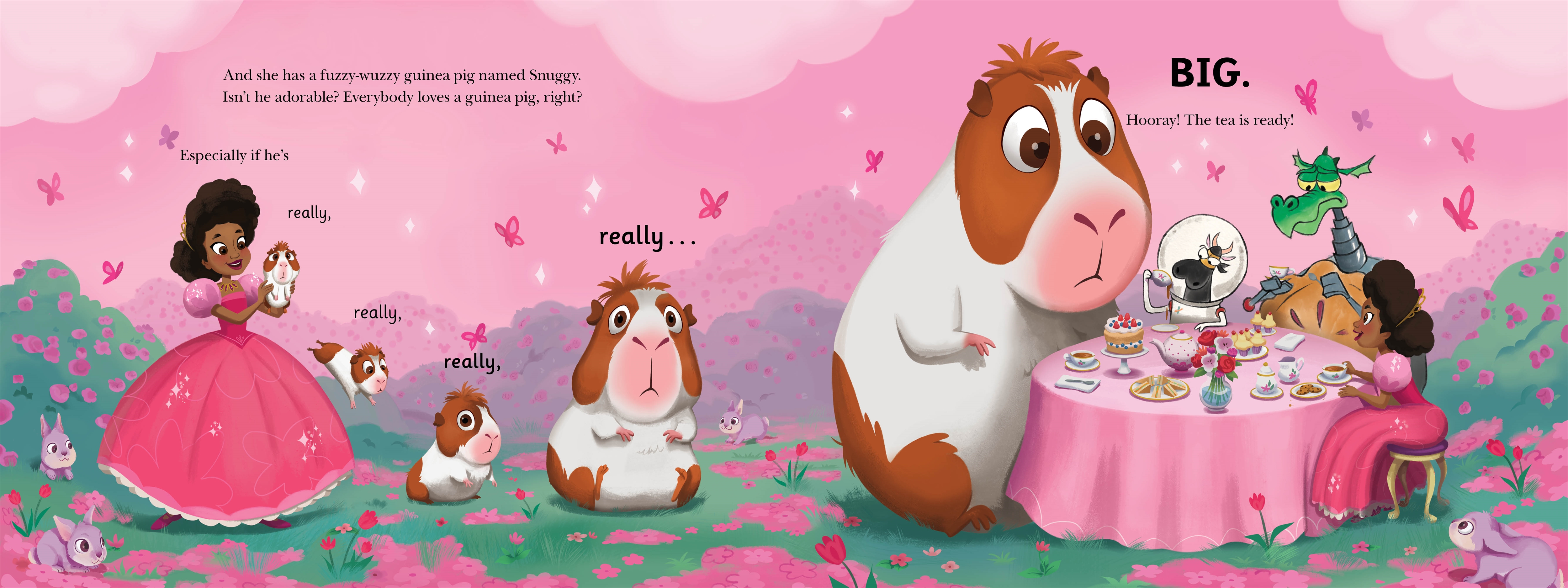
Yes! A tea party would be splendid. Bob and Corky and the princess sit down to a lovely spread with the adorable but really, really, really, really BIG guinea pig, Snuggy. But, wait! We’re forgetting about babies. Baby’s love books too, right? Now might be a good time to offer a bit of ABC fun. “A is for Apple. B is for Bob.” By the way…where is Bob? Is that a suspicious bulge in Snuggy’s cheeks? 

celebrate-picture-books-picture-book-review-everybody's-favorite-book-tea-party

Image copyright Claire Almon, 2018, text copyright Mike Allegra, 2018. Courtesy of Imprint at Macmillan Publishing.

Finding Bob’s going to require spies, especially cool ones. Now, while they’re out spying, let’s give it up for those teachers and librarians who love big, educational words like “Gallimaufry, Codswallop, and Frippery.” Sure, the narrator knows the definitions, but the book will be more fun and educational if you read them for yourself. Oh, dear! Are those words too educational? Then maybe a poop jok…wait a minute! Do you see a suspicious bump in Snuggy’s belly? No, me either.

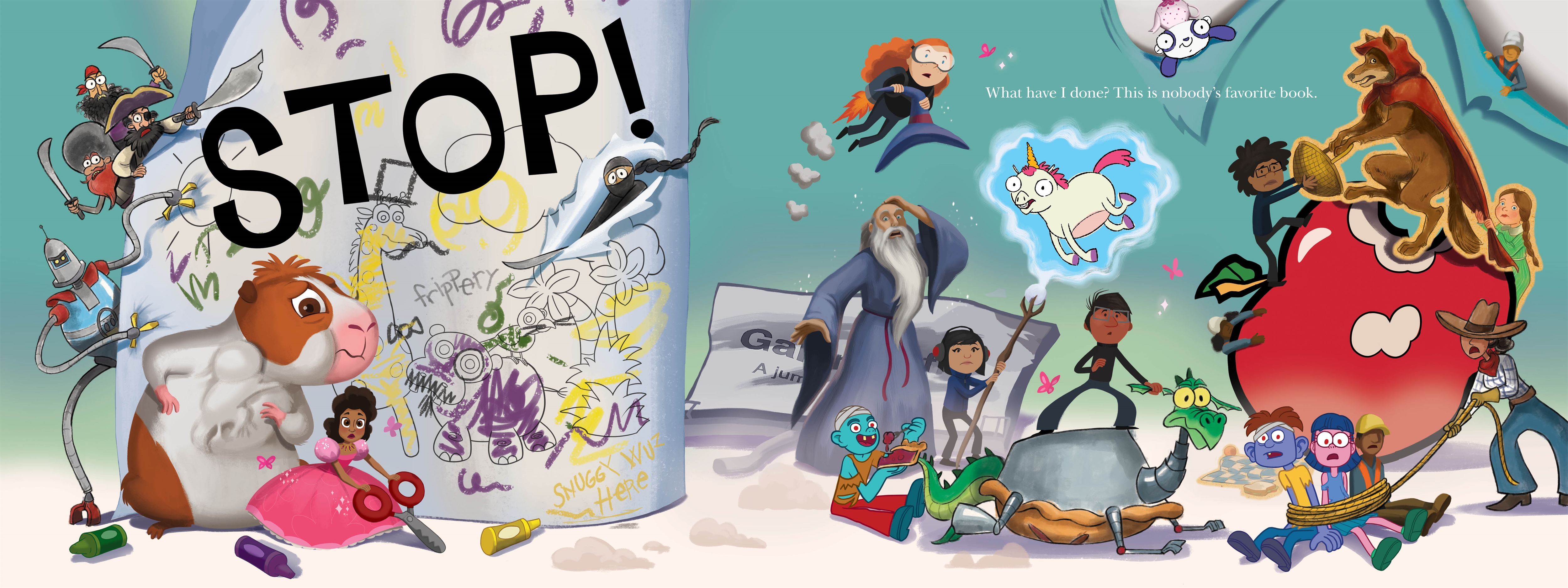
If this really is Everybody’s Favorite Book, it seems that “we are still missing so many things that everybody likes. Things like wizards! And a fairy tale!” And so many other characters and things to do…. Hey! Why is everyone fighting? There’s plenty of room for everybody, but right now “this is nobody’s favorite book.” What’s needed is a hero. “Oh wait! There’s Bob,” launching from Snuggy’s HUGE burp just in time! “Maybe he has an idea.” Bob suggests a “sweet ending.” This is more like it! All the hugs and smiles and cooperation is so sweet. Sweet, Snuggy. Not sweets! Oh dear….

celebrate-picture-books-picture-book-review-everybody's-favorite-book-stop

Image copyright Claire Almon, 2018, text copyright Mike Allegra, 2018. Courtesy of Imprint at Macmillan Publishing.

Mike Allegra will have kids laughing out loud with every page turn in his riotously clever genre mash-up. Allegra’s well-meaning narrator offers up droll juxtapositions of characters and situations while riffing on favorite books and movies, fads and fantasies with some crafts, coloring, and craziness to boot. The fast pace, abrupt interruptions, and zigzagging storyline keep kids guessing and eager to find out what comes next. As the action devolves into a free-for-all, the promise of a book for everybody is fulfilled with inclusive hugs and teamwork.

Claire Almon’s cartoon-inspired illustrations are bold, dynamic, and full of action with plenty of humor thrown in. Ingenious details, comically used tropes, and familiar styles of graphics from kids favorite TV shows and movies give young readers a feeling of shared experiences and culture that underline the theme of friendship. Readers will love following Bob’s journey to escape from Snuggy’s belly, and cutaways and character involvement from page to page keeps everybody reacting to the narrator’s directions until the big finale.

For book lovers of all stripes, Everybody’s Favorite Book will be a much-asked for addition to home, classroom, and library bookshelves. The book makes a terrific gift for all those readers on your list.

Ages 3 – 7 

Imprint, 2018 | ISBN 978-1250132765

Discover more about Mike Allegra, his books, and other projects on his website.

To learn more about Claire Almon, her books, and her art, visit her tumblr.

International Book Giving Day Activity

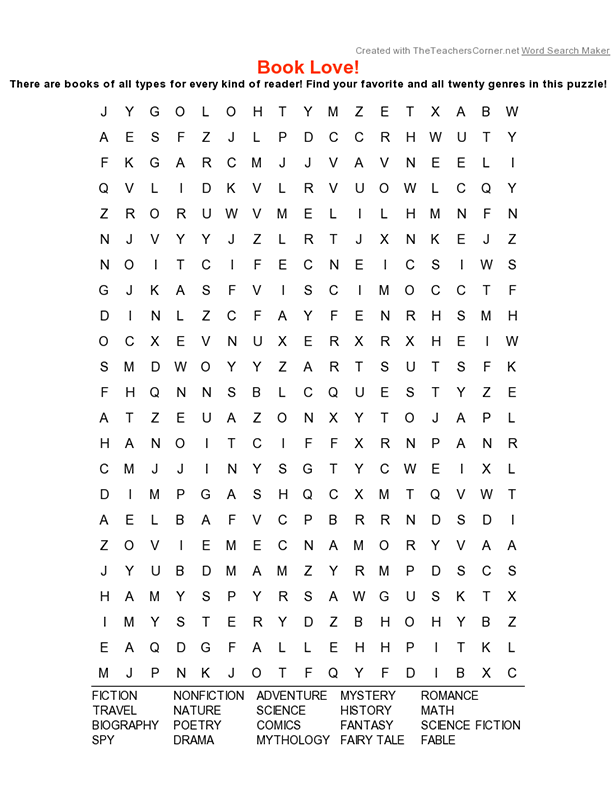
celebrate-picture-books-picture-book-review-book-love-word-search-puzzle

Book Love! Word Search


What kind of book would you like to be given – or to give? Is your favorite in this printable puzzle? Search and find out!

Book Love! Word Search Puzzle | Book Love! Word Search Solution

celebrate-picture-books-picture-book-review-everybody's-favorite-book-cover

You can find Everybody’s Favorite Book at these booksellers

Amazon | Barnes & Noble | Books-a-Million

To support your local independent bookstore, order from

Bookshop | IndieBound

Picture Book Review
February 12 – It’s Black History Month

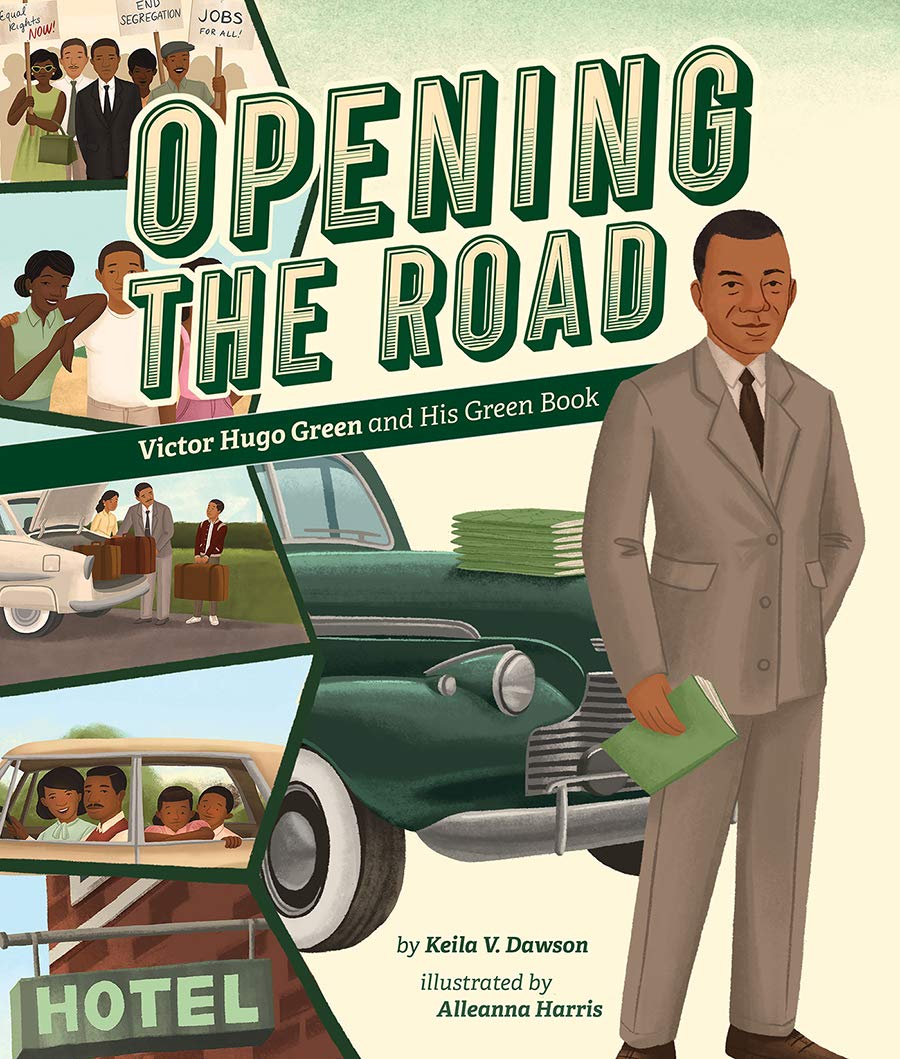
celebrate-picture-books-picture-book-review-opening-the-road-cover

About the Holiday

Black History Month celebrates the achievements and contributions of African Americans in United States History. Originally a week-long observance initiated by writer and educator Dr. Carter G. Woodson in1926 and occurring during the second week in February to commemorate the birthdays of Frederick Douglass and Abraham Lincoln, Black History Month was officially established in 1976 by then president Gerald Ford. The holiday is now celebrated across the country with special events in schools, churches, and community centers.

The theme for 2021 is “Black Family: Representation, Identity and Diversity.” It explores the African diaspora and the spread of Black families across the United States through multiple perspectives. For more information about Black History Month, visit the ASALH website and africanamericanhistorymonth.gov.

Opening the Road: Victor Hugo Green and His Green Book

Written by Keila V. Dawson | Illustrated by Alleanna Harris


When Black travelers drove the highways of the United States in the 1920s and 30s and tried to stop at restaurants or motels, they “were told: No food… No vacancy… No bathroom… for Black people.” Instead, Black American motorists had to pack their own food, sleep in their car, and bring their own toilet. “Victor Hugo Green was tired of hearing no…. When he and his wife Alma traveled from New York to Virginia to visit family, they risked getting turned away, yelled at, even hurt.”

At the time, Jim Crow laws in the same segregated Black and White Americans throughout society. Because Blacks had nowhere to stay, they often drove through the night. If Black motorists had an accident, there were no ambulances or hospitals that would help them. In northern and western “sunset towns,” Blacks were alerted to leave town before darkness fell by a siren or a White man waving them out.

celebrate-picture-books-picture-book-review-opening-the-road-cafe

Image copyright Alleanna Harris, 2021, text copyright Keila V. Dawson. Courtesy of Beaming Books.

One day Victor discovered a Jewish newspaper that published a guide about places that welcomed Jewish people and sold kosher food. “In the 1930s Jewish Americans couldn’t go everywhere they wanted to either.” Reading this guide, Victor had an idea to write a book of his own for New York. As he walked his route as a mail carrier, he began to ask Black friends and neighbors where they ate, shopped, and played safely. He worked on his book at night after work and finished his ten-page guide, The Negro Motorist Green Book in 1936; he updated it in 1937.

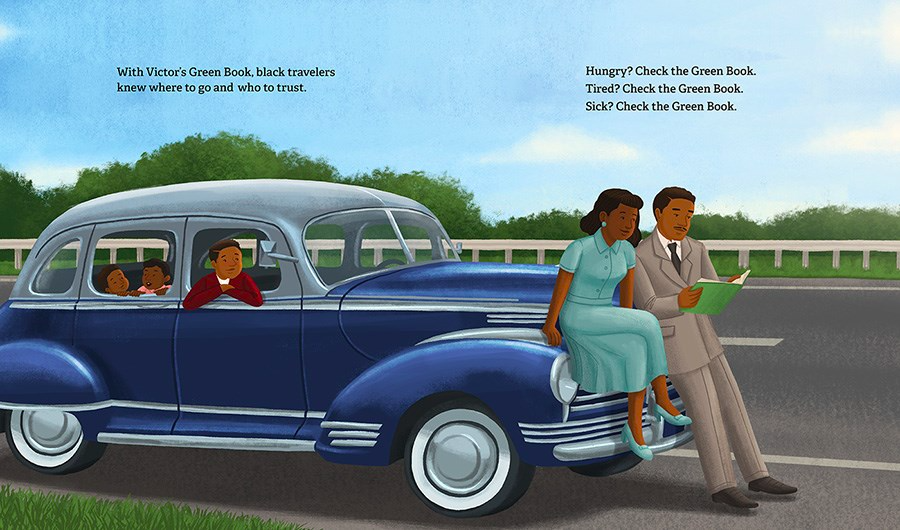
Victor began selling his book at Black churches and social clubs. Readers asked Victor to include more states in his book, so he wrote to other mail carriers all over the country asking for information. Mail carriers responded overwhelmingly. Over the next two years, Victor and Alma worked to expand the Green Book. With the Green Book in hand, “Black travelers knew where to go and who to trust.” As the popularity of the Green Book rose, Victor collected information from readers and agents Victor hired to add to revisions of his book.

celebrate-picture-books-picture-book-review-opening-the-road-road-trip

Image copyright Alleanna Harris, 2021, text copyright Keila V. Dawson. Courtesy of Beaming Books.

In 1940 the United States government named the Green Book an “‘official Negro travel guide.’” Then Esso gas stations of the Standard Oil Company began selling the book. The Green Book became a best seller. The Green Book spurred new businesses as Black women opened their homes as bed and breakfasts for travelers; it also informed readers about Black accomplishments, history, colleges that accepted Black students, and more.

With two million copies sold, the Green Book “made it possible for Black families to enjoy vacations.” Through the 1950s and 1960s as the fight against segregation and the civil rights movement took hold, the Green Book continued to keep Blacks safe. Victor dreamed of the day when, as he said, “‘we as a race will have equal opportunities and privileges in the United States.’” That day came when, in 1964, segregation was ended by law and the Green Book became less necessary. The Green Book ceased publication after the 1966-67 issue, just as Victor had hoped.

An illustrated timeline takes children along a winding highway from 1892, when Victor Hugo Green was born, to 1967 when the Green Book ceased publication, quotations by Victor Green, and a selected bibliography follow the text.

celebrate-picture-books-picture-book-review-opening-the-road-theater

Image copyright Alleanna Harris, 2021, text copyright Keila V. Dawson. Courtesy of Beaming Books.

Keila V. Dawson’s compelling book about Victor Hugo Green’s guide for Black travelers is a powerful tool for teaching children about the history of racial inequality and segregation as well as an expanded understanding of their effects on the lives of Black Americans. While children may be familiar with separate facilities for Blacks and Whites, separate seating on transportation, and school inequality, many will be shocked by travel conditions, the idea that hospitals would not help Blacks, and sunset towns where Blacks were ordered out as the sun went down. While Dawson’s unstinting text will move readers, her storytelling also reveals the resilience of the human spirit and how one man rose above the dangers and prejudice of the time to make traveling and living in America safer for Blacks. The fact that the fight for racial equality continues today makes Dawson’s book an important resource for children to learn not only the exclusion Blacks once legally faced but to make them think about incidents of discrimination that still exist and how they might help bring about a more equitable society.

Alleanna Harris faithfully depicts the times with realistic illustrations that show children how sparsely populated the highway system was, making it even more difficult for Blacks to find welcoming businesses and services. Her image of a Black man driving past a sign that reads “Whites only after dark” as a White man leans against it pointing the way out of town should affect every reader. Children are able to follow Victor Hugo Green and Alma as Victor conceives the idea of the Green Book, and they gather information, and sell the book. They’ll also see the types of businesses mentioned in the Green Book, from gas stations to general stores to movie theaters and private homes where rooms were available for travelers. Interspersed with images of Victor and his work Harris includes illustrations of other familiar ways Blacks were discriminated against.

An important resource for teachers, parents, and other adults engaged in teaching children about American history, the history of civil rights, and the experience of Blacks in America, Opening the Road: Victor Hugo Green and His Green Book is highly recommended for home, school, and public libraries.

Ages 4 – 8

Beaming Books, 2021 | ISBN 978-1506467917

You can find an Opening the Road Educators Guide to download on the Beaming Books website.

Discover more about Keila V. Dawson and her books on her website.

To learn more about Alleanna Harris, her books, and her art, visit her website.

celebrate-picture-books-picture-book-review-opening-the-road-cover

You can find Opening the Road: Victor Hugo Green and His Green Book at these booksellers

Amazon | Barnes & Noble | Books-a-Million

To support your local independent bookstore, order from

Bookshop | IndieBound

Picture Book Review

February 11 – Celebrating International Day of Women and Girls in Science with the Book Trailer Reveal for June Almeida, Virus Detective!

About the Holiday

Gender equality has always been a core issue for the United Nations. As such, on December 22, 2015 the United Nations General Assembly established an International Day to recognize the critical role women and girls play in science and technology. The outbreak of the COVID-19 pandemic has clearly demonstrated the critical role of women researchers in different stages of the fight against COVID-19, from advancing the knowledge on the virus, to developing techniques for testing, and finally to creating the vaccine against the virus.

Against this backdrop, this year’s celebration of the Day will address the themeWomen Scientists at the forefront of the fight against COVID-19” and will gather together experts working in fields related to the pandemic from different parts of the world. For more information, visit the UN website.

That this year’s International Day of Women and Girls in Science celebrates women researchers, and especially those involved in COVID-19, makes it all the more exciting to reveal the trailer for a book highlighting the achievements of the pioneer in the field.

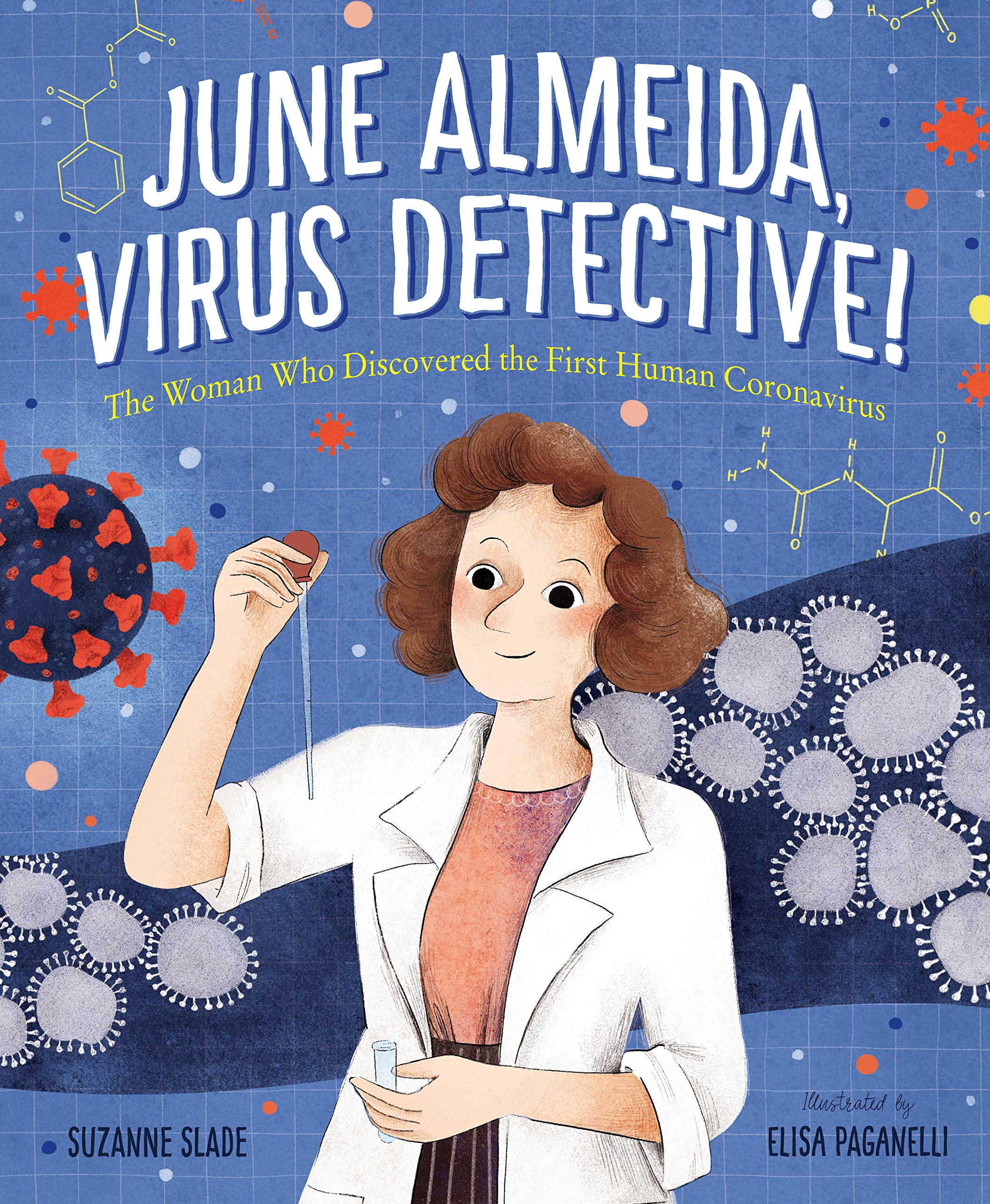
June Almeida, Virus Detective! The Woman Who Discovered the First Human Coronavirus 

Written by Suzanne Slade | Illustrated by Elisa Paganelli


With the rise of the global COVID-19 coronavirus pandemic and its life-changing effects for everyone around the world, scientists, adults, and children began looking for information and answers on how we can defeat the virus so that life can return to normal. In June Almeida, Virus Detective! The Woman Who Discovered the First Human Coronavirus, readers learn the incredible story of the scientist who discovered, photographed, and even named the first human coronavirus.

Growing up in Glasgow, Scotland, June Almeida loved learning about science and nature. A good student, she was especially interested in biology and won the top science prize at her school. Creative and observant, June noticed details that others often missed. She dreamed of going to college but economic hardships caused her to leave school at age 16. Still, June was determined to pursue her passion for science. She was hired by a local hospital to work in its lab, using a microscope to magnify and examine cells. Her work helped doctors treat patients. June later worked in labs in London and in Toronto. Her skill in using the electron microscope to examine cells and help identify viruses earned her promotions and respect in the science community. In the late 1960s, when June was 34 years old, she discovered the first human coronavirus. Her groundbreaking work continues to help researchers today in the fight against illnesses caused by viruses, including COVID-19.

While researching and writing June Almeida, Virus Detective!, award-winning science author Suzanne Slade worked closely with June’s daughter, Joyce, to capture the personality and intelligence of this unsung hero in the fight against the coronavirus. Backmatter includes photographs of June working with various microscopes, more about her career, and a timeline.

Ages 6 – 9

Sleeping Bear Press, 2021 | ISBN 978-1534111325

celebrate-picture-books-picture-book-review-suzanne-slade-headshot

Suzanne Slade holds a B.S. degree in science and worked for many years in a STEM career. She is now the award-winning author of more than 100 books, including Out of School and Into Nature: The Anna Comstock Story. She lives in Libertyville, Illinois. Learn more about Suzanne at suzanneslade.com.

celebrate-picture-books-picture-book-review-Elisa-Paganelli-headshot
Elisa Paganelli’s work includes The Highland Falcon Thief, named a Waterstones Book of the Month. She lives in High Wycombe, United Kingdom. Learn more about Elisa at elisapaganelli.com

June Almeida, Virus Detective! is available March 15, 2021

celebrate-picture-books-picture-book-review-june-almeida-virus-detective-cover

You can preorder June Almeida, Virus Detective! at these booksellers

Anderson’s Bookshops | Amazon | Barnes & Noble | Books-a-Million 

To support your local independent bookstore, order from

Bookshop | IndieBound

Picture Book Review
February 10 – It’s Plant the Seeds of Greatness Month

celebrate-picture-books-picture-book-review-a-girl's-bill-of-rights-cover

About the Holiday

Ideas and dreams lead to accomplishments and accomplishments can lead to greatness! And when does this all begin? In childhood as kids develop knowledge, skills, and confidence. Plant the Seeds of Greatness Month was established to help people remove barriers to their success and make changes to better their lives. To celebrate with your kids, talk to them about what they would like to achieve and what kind of support they need to make their dreams come true. Today’s book can help girls understand that they should always celebrate their talents and emotions and never feel second-best or accept impediments to their success. So, get started this month on planting – and nurturing – all the seeds of your greatness in your family or classroom.  


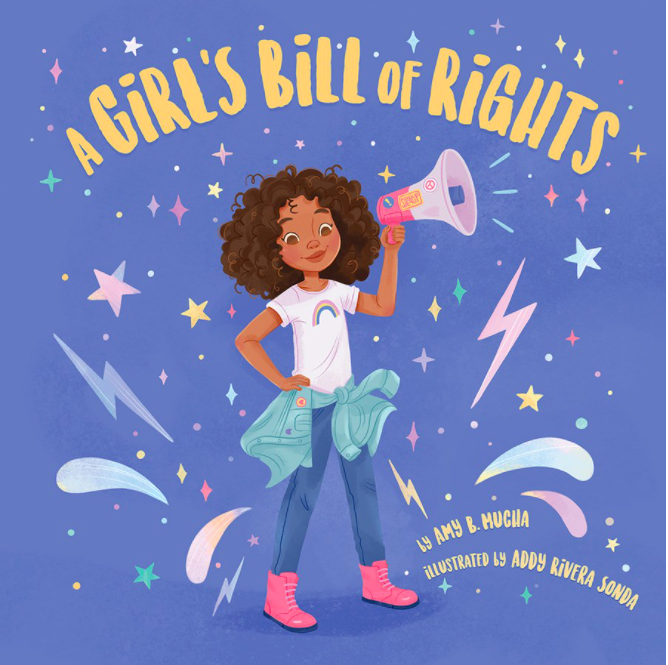
A Girl’s Bill of Rights

Written by Amy B. Mucha | Illustrated by Addy Rivera Sonda


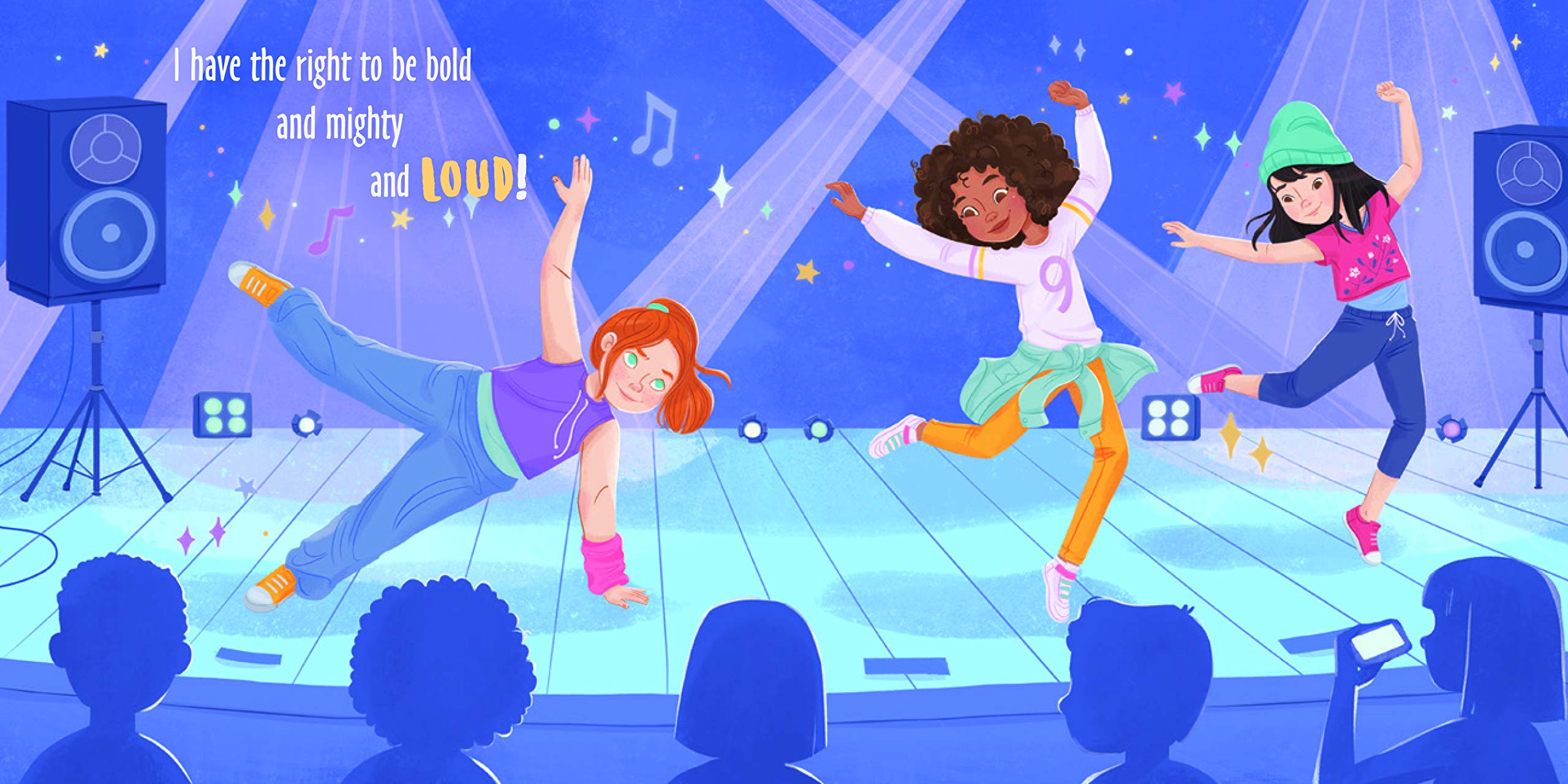
In her super book that affirms a girl’s right to her own likes, dislikes, and feelings, Amy B. Mucha presents her story in the first person, allowing readers to internalize the affirming text and identify with her examples. The book opens with a Black girl talking about her skateboard and skateboarding for show and tell. The narrator states, I have the right to like what I like and love what I love.” In the front row of desks, Addy Rivera Sonda includes three more girls, including one who uses a wheelchair, ready to talk about their favorites: pets, soccer, and dance.

celebrate-picture-books-picture-book-review-a-girl's-bill-of-rights-dancing

Image copyright Addy Rivera Sonda, 2021, text copyright Amy B Mucha. Courtesy of Beaming Books.

As the girl’s vote for class president, readers are told that they have the right to think for themselves, make their own choices, and for their “Yes” to mean yes and their “No” to mean no. And if they feel disappointed or frustrated or happy, they can show their feelings without being chastised or made to feel it’s not appropriate.

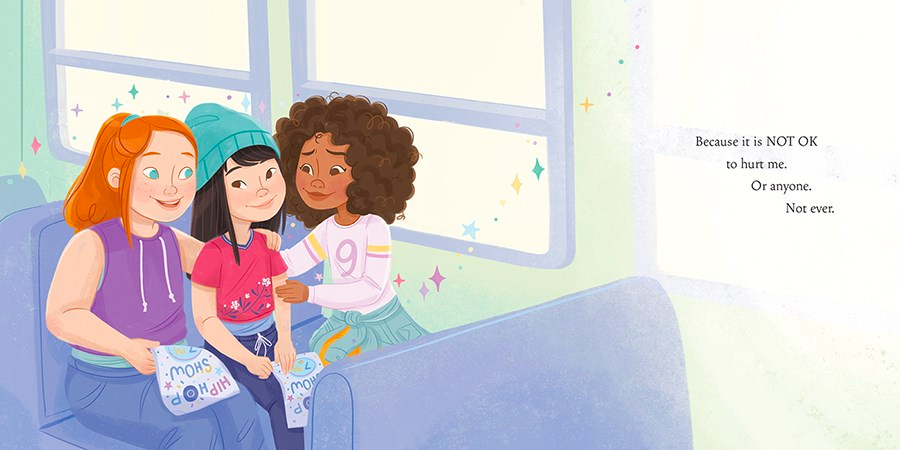
Girls are reminded that it’s okay to make mistakes, and that when it comes to making friends, they can choose their own as well as how they express their affection. Girl’s also learn that “if someone is hurting or disrespecting me, I have the right to say ‘STOP!’ and even the right to SCREAM it!’ Because it is NOT OK to hurt me. Or anyone. Not ever.” And every girl is reassured that she has the right to decide who she is now and what she will choose to do in the future; she’s reassured that she has the right to be herself.

celebrate-picture-books-picture-book-review-a-girl's-bill-of-rights-bus

Image copyright Addy Rivera Sonda, 2021, text copyright Amy B Mucha. Courtesy of Beaming Books.

In her straightforward , empowering text, Amy B. Mucha shows girls just how valuable they are. Through the examples I highlighted and many other common issues on which girls are criticized, ignored, or second guess themselves, Mucha delivers a strong message that their opinions, feelings, and preferences are valuable and should be heard. Periodic rhymes give the text a lyricism that flows easily from page to page. The number and range of rights that Mucha presents gives children and adults many opportunities to discuss these important and commonly faced experiences as well as their immediate and long-term effects on girls.

In her vibrant and expressive illustrations populated with a group of diverse girls, Addy Rivera Sonda shares clear images of girls doing what they love, adopting a look that reflects their personality, making choices, expressing their emotions, sticking up for themselves, and being proud of their accomplishments. From school to the soccer field to the stage to a party, Sonda presents uplifting examples of how this close-knit group supports each other. For girls, these images will resonate deep in their hearts. Boys reading or listening to the book—and this is a book every boy should know—will see how and why girls express a variety of emotions as well as behaviors on the part of others that are destructive to a girl’s self-esteem and autonomy. The final illustration showing all six girls happy to live as their true selves is a poignant and heartening vision for children to take away from this book.

A dynamic read to empower and celebrate girls, A Girl’s Bill of Rights is highly recommended for home, classroom, and public libraries.

Ages 4 – 8

Beaming Books, 2021 | ISBN 978-1506464527

Discover more about Amy B. Mucha and her books on her website.

You can connect with Addy Rivera Sonda on Instagram.

Plant the Seeds of Greatness Month Activity

celebrate-picture-books-picture-book-review-initial-bookend

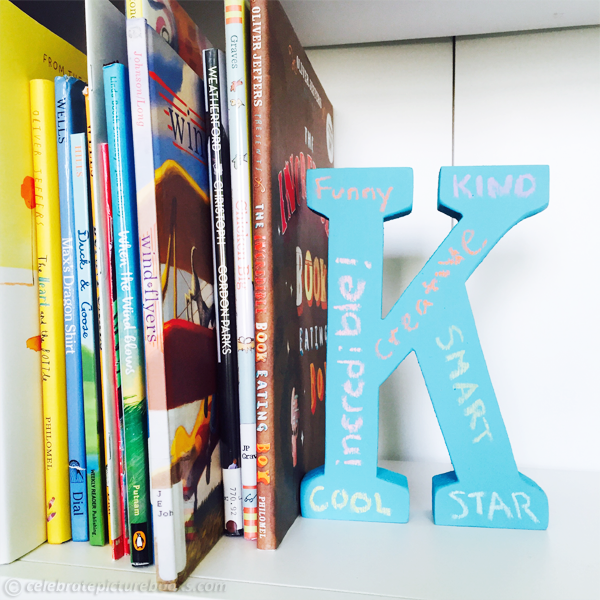
I Love Me! Initial Bookend


You can show your pride in your name (or play with changing it) with this easy craft that will keep all your books tidy on their shelf! This makes a great gift too!

Supplies

  • Sturdy wooden letter blocks in the child’s first and last initials. Or, if the child would like to try on a new name or nickname, the first letter of their new name.
  • Chalkboard or acrylic paint
  • Colored chalk
  • Paint brush

Directions

  1. Paint the letters, let dry
  2. With the chalk write words that describe you or names of your heroines and/or heroes
  3. Display your bookends

celebrate-picture-books-picture-book-review-a-girl's-bill-of-rights-cover

You can find A Girl’s Bill of Rights at these booksellers

Amazon | Barnes & Noble | Books-a-Million

To support your local independent bookstore, order from

Bookshop | IndieBound

Picture Book Review
February 9 – It’s Creative Romance Month

celebrate-picture-books-picture-book-review-bear-meets-bear-cover

About the Holiday

February, the month of love, is a perfect time to think up creative ways to surprise that special person in your life with a romantic gesture, exciting date night, or fun adventure that will add spice and fun to your relationship. With a little imagination you can find unique ways to show all the love that’s in your heart. 

I’d like to thank Bloomsbury Children’s Books for sharing Bear Meets Bear with me for review consideration. All opinions on the book are my own.

Bear Meets Bear

By Jacob Grant


Bear was waiting for the teapot he and Spider had ordered to arrive. It was exciting to think of getting something new delivered. At last the doorbell rang. When Bear opened the door, he found Panda, a delivery person he’d never seen before. She asked him to sign for his package, but Bear was smitten. “His heart beat fast…. He wanted to say something clever, or funny, or anything at all,” but he couldn’t.

celebrate-picture-books-picture-book-review-bear-meets-bear-delivery

Copyright Jacob Grant, 2020, courtesy of Bloomsbury Children’s Books.

The delivery woman asked for his signature again, and finally he was able to sign the sheet. He watched Panda peddle away on her delivery bike. Spider thought Bear’s predicament was quite funny. Bear rushed to his computer and ordered another teapot. Bear waited and waited. He watched out the window, hoping to see Panda’s delivery bike roll up.

celebrate-picture-books-picture-book-review-bear-meets-bear-waiting

Copyright Jacob Grant, 2020, courtesy of Bloomsbury Children’s Books.

Bear was just considering ordering another tea pot when he saw Panda coming up the walk. But when she handed him the box and asked him to sign, Bear just stood silently again. “Spider felt sorry for his friend.” Bear ordered another teapot and another and another. Never could he summon the courage to talk to Panda, even though Spider encouraged him. Standing among all of the boxes of teapots, Spider told him he should “invite her to tea” or “at least remember to breathe” when Panda came to the door.

Bear agreed. He would order one more teapot and talk to Panda when it arrived. Bear waited with anticipation. But when the doorbell rang, it wasn’t Panda standing there, but a “gruff raccoon.” “Bear’s heart hurt.” He bemoaned the missed opportunities and regretted all the teapots. Spider wanted to help. He wrote a note and headed out to find Panda. He went from door to door asking if anyone had seen her. Finally, he found her at Duck’s house.

celebrate-picture-books-picture-book-review-bear-meets-bear-sad

Copyright Jacob Grant, 2020, courtesy of Bloomsbury Children’s Books.

The next day Panda was excited to see Panda on his doorstep. She thanked him for his invitation to a tea party. Bear felt himself freeze, but then he told her he would be just a minute. He cleaned up the scattered teapots and welcomed her in. Soon Bear and Panda were chatting and laughing like old friends.

After Panda said goodbye, Bear thanked Spider and said that Panda was very nice but that they would “not be meeting for tea again.” It turned out that Panda didn’t like tea! Bear was nonplussed, but thought it was “all rather funny.” The next time he and Panda met, Bear served lemonade. And what about all those teapots? Bear held a yard sale!

celebrate-picture-books-picture-book-review-bear-meets-bear-tea-party

Copyright Jacob Grant, 2020, courtesy of Bloomsbury Children’s Books.

Fans of Jacob Grant’s Bear and Spider series know that Bear is often hesitant to put himself out there, to try something new, or even, sometimes, to leave the house. It might be because his feelings are so strong or he doubts himself  – or a little of both. Fortunately, Bear has his good friend Spider who supports him and gives him a nudge when he needs it. When Bear meets Panda and is smitten, he, like many people, can’t find the exact right words among all those feelings; a simple “hello” doesn’t seem like enough. Grant understands. Enter Spider, who offers a gentle dose of honesty and provides always-polite Bear with an opportunity to shine. When Bear discovers that Panda doesn’t like tea, Grant also shows readers that conditions don’t have to be perfect to make a new friend and that a little humor goes a long way toward smoothing things over.

Grant’s tranquil color palette and simple shapes make it easy for readers to immerse themselves in Bear’s feelings, empathizing with his all-too-human predicament while enjoying the comical collection of all those tea pots. When Bear watches out the window day after day, willing Panda to return only to be filled with fear and anxiety when she does, Grant perfectly captures that “oh no, now what?” emotion as Bear’s paws fly to his face and his eyes widen. Likewise, Bear’s regrets are palpable as, surrounded by boxes, he buries his head in the chair. Throughout, Spider is there, weaving his web, strumming his banjo, and watching out for Bear. Wordless images of Bear and Panda enjoying lemonade together and Bear’s yard sale let kids know it has all turned out all right.

A charming, poignant, and reassuring addition to the Bear and Spider series, Bear Meets Bear,  a story about overcoming emotions that hold us back, is highly recommended for home, school, and public library bookshelves.

Ages 3 – 6

Bloomsbury Children’s Books, 2020 | ISBN 978-1547604241

Discover more about Jacob Grant, his books, and his art on his website.

Creative Romance Month Activity

celebrate-picture-books-picture-book-review-ceramic-mug-craft

Create a Mug


If you’re kids are looking for a gift to make for a family member or a friend for Valentine’s Day or any time, a personalized mug makes a creative way to share a little love every time it’s used. 

Supplies

  • Plain ceramic mug
  • Bakeable markers or paint

Directions

  1. Design and color your mug
  2. Follow directions on the markers or paint to properly bake on your decoration and make it permanent.

celebrate-picture-books-picture-book-review-bear-meets-bear-cover

You can find Bear Meets Bear at these booksellers

Amazon | Barnes & Noble | Books-a-Million

To support your local independent bookstore, order from

Bookshop | IndieBound

Picture Book Review