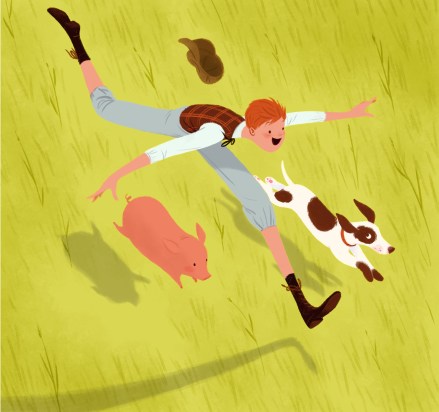
January 17 – Kid Inventors’ Day

celebrate-picture-books-picture-books-review-the-hole-story-of-the-doughnut

About the Holiday

Today’s holiday celebrates all those ingenious kids who have improved the world with their inventions. This date was chosen to commemorate another child inventor—Benjamin Franklin—who designed the first swim fins when he was just 12 years old! (Seriously, is there nothing this man didn’t or couldn’t do?). With their supple minds and can-do attitudes, kids have changed the ways things are done in the fields of medicine, technology, communications, and even food—as today’s book shows! To learn more about the day and find resources for young inventors, visit the K.I.D website.

The Hole Story of the Doughnut

Written by Pat Miller | Illustrated by Vincent X. Kirsch


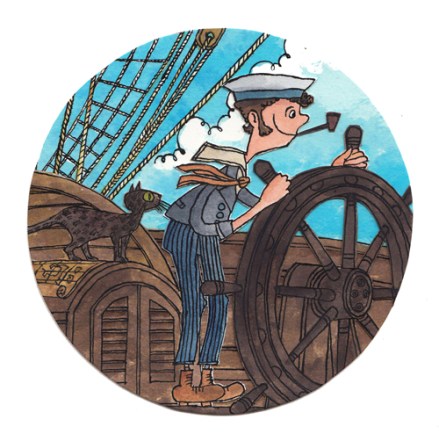
In 1844 at the tender age of 13, Hanson Gregory left the family farm and went to sea as a cabin boy on the schooner Isaac Achorn. He quickly became the cook’s assistant and also learned how to rig the sails and “steer a ship over trackless waves by sun and stars.” By the age of 19 Gregory had become the captain of the schooner Hardscrabble, and within a few more years was racing “his cargo from Maine to California as commander of a clipper, the fastest ship on any ocean.”
celebrate-picture-books-picture-book-review-hole-story-of-the-doughnut

Image copyright Vincent X. Kirsch, courtesy of vincentxkirsch.com

Hanson Gregory may have been one of the best captains to sail the seas—once awarded a medal for heroism for rescuing seven shipwrecked Spanish sailors even though his own ship and crew were endangered. But his greatest achievement was not attained because of his seafaring skills—it was his ingenuity in the galley that people remember.

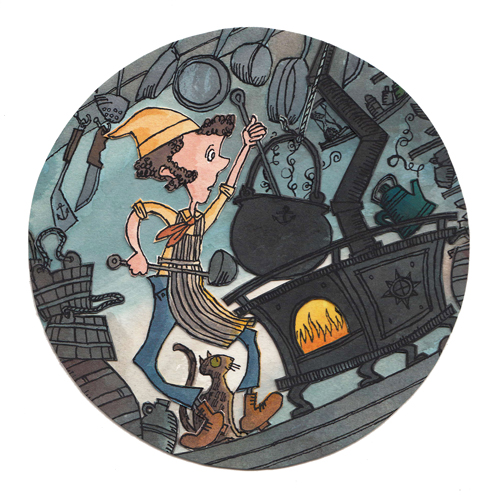
On June 22, 1847 as a 16-year-old cook’s assistant, Hanson was rustling up the crew’s breakfast—coffee and fried cakes, the same as every morning. While the pot of lard bubbled on the stove, Gregory formed balls of sweetened dough and dropped them in. They sizzled and crisped—at least around the edges. The centers were raw, heavy with grease, and they dropped like cannonballs in the stomach. “Sailors called them Sinkers.” But this morning Gregory had an idea. He removed the lid from the pepper can and cut out the center of the balls. “Then he tossed the rings into the bubbling lard.”
celebrate-picture-books-picture-book-review-hole-story-of-the-doughnut

Image copyright Vincent X. Kirsch, courtesy of vincentxkirsch.com

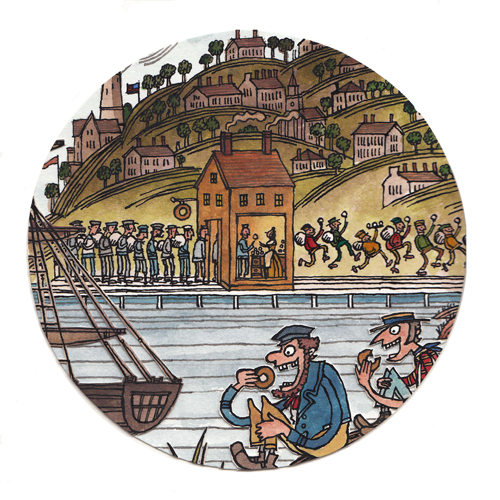
The cook and the sailors took one look at this odd concoction and…ate them up! “The cakes were brown, and sweet, and fully cooked. Sighs of delight rose above the noisy sea. A new breakfast tradition was born.” Gregory told his mom about his invention, and she fried up large batches of these ‘holey cakes’ that became a sensation at a friend’s store and on the docks.

You might think this is a pretty interesting tale in itself, “but sailors like their stories bold” and so they “spun legends worthy of such a delicious treat.” One tale had Captain Gregory inventing the doughnut while he saved his ship from disaster. Another told how Gregory, distraught over the drowning of five sailors pulled to the ocean floor by their “sinker” breakfast, punched holes in every cake to make them look like life rings and vowed, “‘Never again!’”

Captain Gregory had a sense of humor about his accomplishment. During an interview he once stated that “he had invented ‘the first hole ever seen by mortal eyes.’” Gregory lived to be 89 and is buried “overlooking the sea where stormy weather can be spotted as readily as it once was from the quarterdeck of the Hardscrabble.”

An author’s note expanding on the story of Captain Gregory, the doughnut, doughnut shops, a timeline, and a selected bibliography follow the text.
celebrate-picture-books-picture-book-review-hole-story-of-the-doughnut

Image copyright Vincent X. Kirsch, courtesy of vincentxkirsch.com

Doughnuts have never been so evocative! In Pat Miller’s humorous, informative history of this favorite pastry treat, readers can smell the salt air, feel the ocean swell and roll under their feet, and even ache a little for those poor sailors forced to eat “sinkers.” Seamlessly interwoven into this foodography is a fascinating look at the early days of sail. Miller’s language is immediately stirring: the Ivanhoe bucks and plunges, the sea becomes a monster, and Captain Gregory spears a sinker on the wheel spoke. Kids will marvel at a 13-year-old going off to sea and becoming an inventor at 16.

Vincent X. Kirsch provides just the right touch to this captivating true story with his cartoon-inspired watercolor and cut paper artwork. Ingeniously incorporating Hanson Gregory’s innovation of removing the center of the fried cakes, Kirsch’s illustrations are “cored” to allow for text, while the extracted section appears on the facing page as a glimpse through a porthole. The maritime atmosphere—from ship to shore—of the mid-1800s is beautifully represented in the folk-style sketches, and the humor that is so intrinsic to this story is wonderfully embraced.

The Hole Story of the Doughnut will delight foodies and history buffs alike and would make a fun gift and a delectable addition to personal libraries for all ages.

Ages 5 – 12

Houghton Mifflin Harcourt, 2016 | ISBN 978-0544319615

Vincent X. Kirsch’s website is full of illustrations from his books for children—take a look at his portfolio!

Spend some time with Pat Miller on her website that offers activities, tips, resources and many more books!

Kid Inventors’ Day Activity
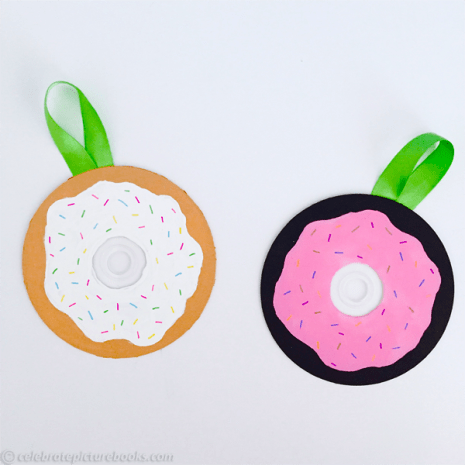
celebrate-picture-books-picture-book-review-cd-doughnut-craft

CD (Compact Doughnuts) Decoration


Are some of  your CDs a little passé? Not if you can turn them into cute décor like this doughnut hanging.

Supplies

  • Unused CDs
  • Craft paint in tan, black, pink, yellow, white (or any colors you want for the doughnut and the icing)
  • Ribbon, any color and length you want
  • Fine-tip markers in bright colors
  • Glue
  • Glue dots (optional)
  • Paint brush

Directions

  1. Paint a wavy edge around the CD, let dry
  2. Paint the center of the CD, leaving the clear circle unpainted
  3. When the icing paint is dry, draw sprinkles on the icing with the markers
  4. With the ribbon make a loop hanger and attach it to the back of the CD with glue or glue dots
  5. Hang your decoration

Picture Book Review

January 16 – Martin Luther King Jr. Day

celebrate-picture-books-picture-book-review-i-am-martin-luther-king-jr-cover.png

About the Holiday

Martin Luther King Jr. Day celebrates the life and legacy of the man who dedicated his life and work to teaching—as Coretta Scott King stated—“the values of courage, truth, justice, compassion, dignity, humility and service” and led a non-violent Civil Rights movement to enact racial equality and justice throughout state and federal law. President Ronald Reagan signed the holiday into law in 1983, setting it on the third Monday of January to coincide with Martin Luther King, Jr.’s birthday on January 15. The holiday was officially observed in all 50 states in 2000. Today, learn more about the life and work of Martin Luther King and how you can help promote justice and equality for all. Consider volunteering in your community where help is needed.

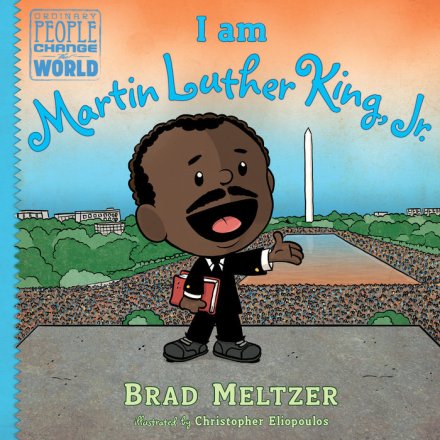
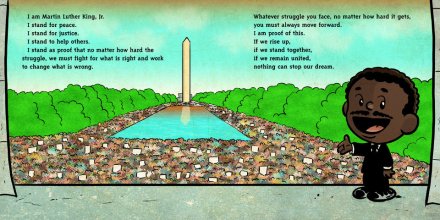
I am Martin Luther King, Jr.

Written by Brad Meltzer | Illustrated by Christopher Eliopoulos


Standing inside a church, Martin Luther King, Jr. introduces himself with two anecdotes from his childhood that demonstrate his world outlook. “When I was little,” he says, “I used to get into a lot of accidents.” He was hit in the head by a baseball bat, knocked down by cars and once even “tumbled over our banister, then bounced through an open door into the basement.” While these incidents could have made him cautious, Martin instead was determined to keep “getting back up.” His second influence were the books in which he could find “big words.” Even as a child Martin recognized that “there is power in words.”

celebrate-picture-books-picture-book-review-i-am-martin-luther-king-jr-as-a-child

Image copyright Christopher Eliopoulos, text copyright Brad Meltzer. Courtesty of Dial Books for Young Readers

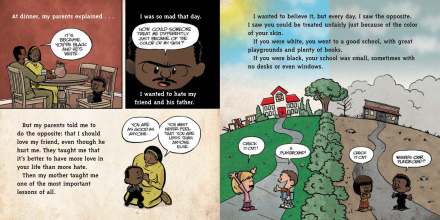
Before he went to school, Martin relates, his best friend was a white boy whose father owned a nearby store. They did everything together until school started. Then Martin went to a school with only black students while his friend went to a white-students-only school. Soon, Martin’s friend told him his father didn’t want them to play together anymore. Martin was confused. When his parents told him the reason was that they had different colored skin, Martin felt angry. He wanted to hate his friend and his father, but Martin’s parents taught him to love his friend, and his mother told him, “you must never feel that you are less than anyone else.”

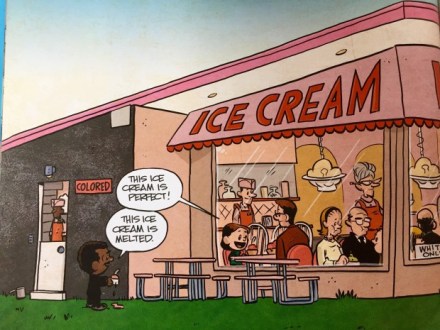
It was a difficult lesson when all around him he saw inequality. White schools had better equipment, there were different elevators, bathrooms, water fountains, and other facilities for black people and white people, on buses black riders had to give up their seats to white riders. Everywhere black people and white people were segregated.

celebrate-picture-books-picture-book-review-i-am-martin-luther-king-jr-ice-cream

Image copyright Christopher Eliopoulos, text copyright Brad Meltzer. Courtesty of Dial Books for Young Readers

When Martin was only 15 he was admitted to college. At 19 he entered the seminary where he learned about civil disobedience and nonviolent resistance—ways to use “love and peaceful methods to change unfair things in society.” These were lessons Martin wanted to share with others. His chance to put his thoughts into action came when Rosa Parks was arrested for refusing to relinquish her seat to a white man. Martin advocated a peaceful protest—a boycott of public buses. He reasoned that without the money from black riders, the bus companies would change their policies.

As the boycott began working, Martin gave a speech in Montgomery, Alabama, motivating people to continue their peaceful protest. Martin was put in jail and his house was bombed, but the boycott continued for more than a year. Eventually, the bus companies changed their rules. Other peaceful protests began to take place in restaurants and other public places.

One protest took place in Birmingham, Alabama.  Martin was again put in prison, where he wrote one of his most famous speeches. Children also took part in the Birmingham protest. The Children’s Crusade attracted more than 1,000 kids. On the first day 900 of them were arrested, but that only inspired the children more. On the second day 2,500 children showed up. They stood firm while they were sprayed with water hoses and attacked by police dogs. People—both black and white—watching the news reports were aghast. Three months later the rules began to change.

celebrate-picture-books-picture-book-review-i-am-martin-luther-king-jr-i-have-a-dream-speech

Image copyright Christopher Eliopoulos, text copyright Brad Meltzer. Courtesty of Dial Books for Young Readers

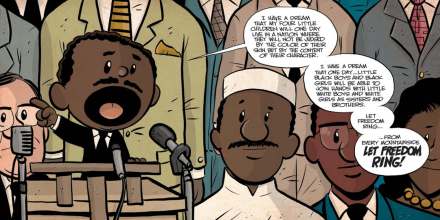
“By the summer of 1963, an estimated one million Americans held their own protests in cities across the country.” Then A. Philip Randolph suggested a single huge march to convince “Congress and the president to pass laws so that no one in America can treat people differently based on skin color.” On August 28, 1963 the March on Washington for Jobs and Freedom took place. Martin gave what may now be considered his most famous speech in which he talked about his dreams for the country, for the people, and for their children.

Although Congress began passing new laws, the ability and right to vote in elections still eluded black people. To change the voting rules another march was organized to walk 54 miles from Selma to Montgomery Alabama. The 600 walkers were met by police who stopped them. Two days later 2,500 activists tried again but could not get through. On the third try 8,000 marchers showed up. This time, with the world watching on television, the activists made it to Montgomery, protected by troops sent by President Johnson.

celebrate-picture-books-picture-book-review-i-am-martin-luther-king-jr-montgomery-march

Martin continued to speak out, relating his philosophy and dreams for the nation. “To reach our goals, we must walk the path of peace,” he said. “We must lock arms with our brothers and sisters. We must march together. When we do…Our voices will be heard, and freedom will ring.” The lessons Martin Luther King taught still resonate today. He stands “as proof that no matter how hard the struggle, we must fight for what is right and work to change what is wrong.…if we stand together, if we remain united, nothing can stop our dream.”

celebrate-picture-books-picture-book-review-i-am-martin-luther-king-jr

Brad Meltzer’s Ordinary People Change the World: I am… series of biographies are well-known for showing young readers that they can achieve their dreams and make a difference no matter what those hopes may be. In his biography of Martin Luther King, Jr., Meltzer depicts several incidents from King’s childhood and early adulthood that influenced his future work. These help readers understand not only the types of prejudice King and other African Americans experienced, but also the people who inspired his philosophy of peace.

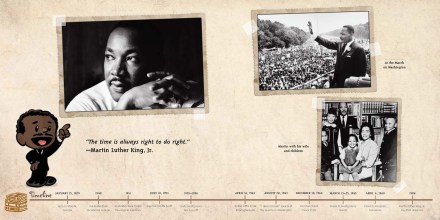
Meltzer’s inclusion of King’s imprisonments and the violence that met the peaceful protesters deepens the understanding of the dangers King and other protesters faced, and provides an opportunity to open a discussion between adults and children about those times and what they now see in the news. Meltzer’s description of the Children’s Crusade will inspire readers, making them proud of children in the past and stirring them to actions of their own. Sections from King’s Letter from Birmingham Jail and his most famous speeches are presented in speech bubbles. The text is followed by photographs of Martin Luther King, Jr. with his family and at the March on Washington as well as a timeline of his life. Sources and resources for further reading are also included.

celebrate-picture-books-picture-book-review-i-am-martin-luther-king-jr-timeline

In keeping with the style of all of Meltzer’s and Christopher Eliopoulos’s Ordinary People Change the World: I am… biographies, the illustrations are vibrant and cartoon-inspired. Martin Luther King, Jr. is depicted with the size of a child but the features of an adult, reinforcing the idea contained in the text of the dual nature of the future adult residing in the child and the ideals of the child remaining in the adult that appeals to ambitious young readers. Speech bubbles highlight text that carry emotional dialogue. Settings, including churches, Birmingham jail, Washington DC, the Edmund Pettus Bridge in Alabama, and the Martin Luther King, Jr. monument give children a look at the cities and places described in the text.

For young readers, I am Martin Luther King, Jr. offers a comprehensive biography of the man who was a national and world leader in the fight for equal rights for all people and makes an excellent starting place for classroom lessons and personal discussions.

Ages 5 – 8

Dial Books for Young Readers, 2016 | ISBN 978-0525428527

Discover more about Brad Meltzer and his books for adults and children as well as other goodies on his website!

Learn more about Christopher Eliopoulos, his books, and his comics on his website!

Martin Luther King Jr. Day Activity

celebrate-picture-books-picture-book-review-martin-luther-king-jr-coloring-page

Martin Luther King, Jr. Portrait


Color this printable Martin Luther King, Jr. Portrait and then hang it in your room or locker to inspire you!

Picture Book Review

January 15 – National Hat Day

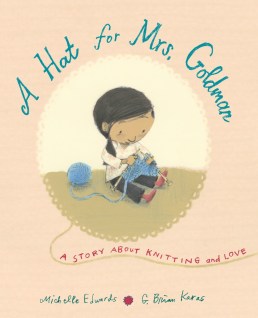
celebrate-picture-books-picture-book-review-a-hat-for-mrs.-goldman-cover

About the Holiday

Hats are always stylish, and during this time of year they can be a necessity for keeping warm! No matter if you make your own hat or buy it in a shop, whether you like stocking hats, felt hats, hats with earflaps, or hats that just hide a bad hairdo, this is the perfect season to indulge your fashion fancies!

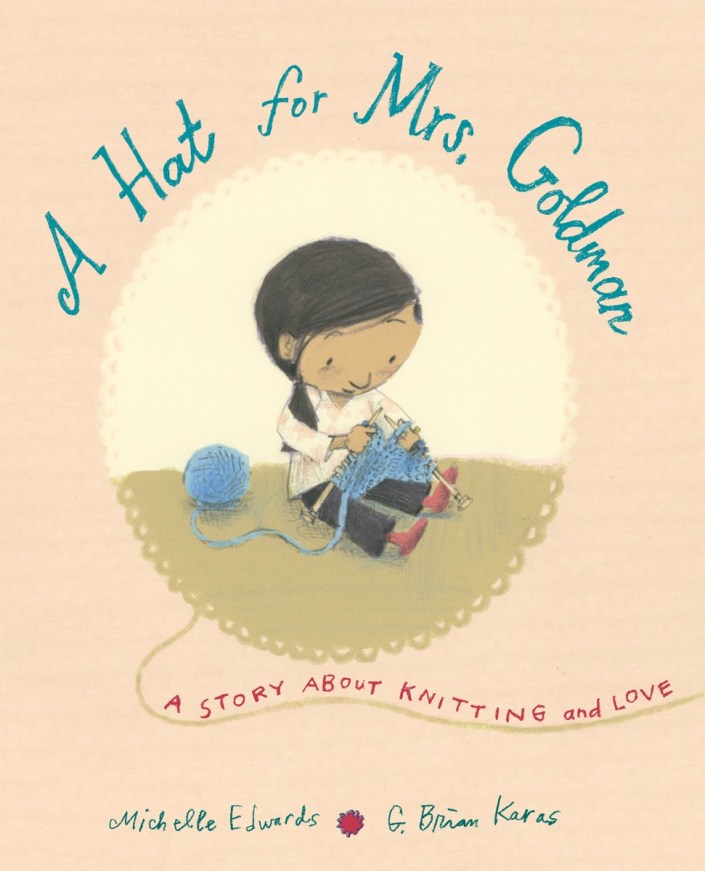
A Hat for Mrs. Goldman: A Story about Knitting and Love

Written by Michelle Edwards | Illustrated by G. Brian Karas


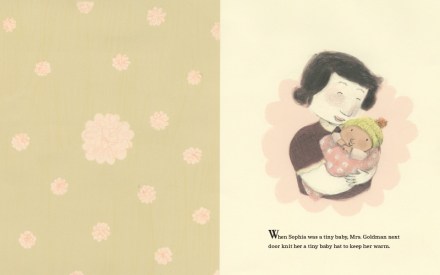
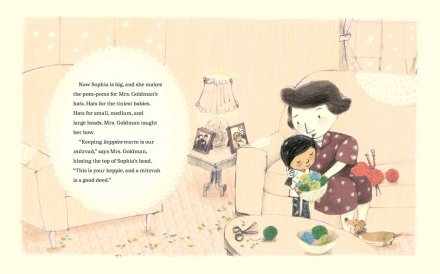
One of the first gifts Sophia received when she was a baby was a knitted hat from her neighbor Mrs. Goldman. Now that Sophia is more grown up, she helps Mrs. Goldman make pom-poms for the hats she knits for other babies, friends, and neighbors. “‘Keeping keppies warm is our mitzvah,’ says Mrs. Goldman, kissing the top of Sophia’s head. ‘This is your keppie, and a mitzvah is a good deed.’”

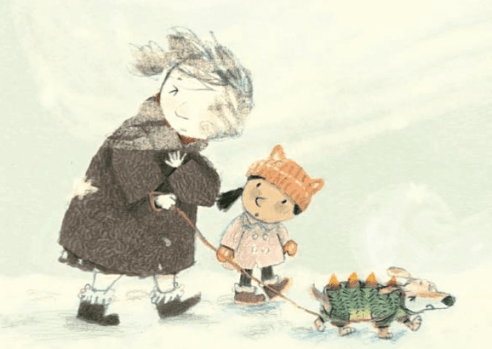
One day in late autumn Sophia and Mrs. Goldman walk Mrs. Goldman’s dog Fifi. While Fifi is kept warm in a dinosaur sweater and Sophia is cozy in the fuzzy kitten hat and mittens that Mrs. Goldman made them, Mrs. Goldman’s head and ears are unprotected in the icy wind. When Sophia asks her friend why she doesn’t have a hat, Mrs. Goldman tells her “‘I gave it to Mrs. Chen.’”

celebrate-picture-books-picture-book-review-a-hat-for-mrs.-goldman-sophia-as-a-baby

Image copyright G. Brian Karas, 2016, text copyright Michelle Edwards, 2016. Courtesy of Schwartz & Wade.

Sophia begins to worry about Mrs. Goldman. Who will knit a hat for her? “Not Mrs. Goldman. She’s too busy knitting for everyone else.’” Last year Mrs. Goldman had tried to teach Sophia to knit, but it was too hard and took too long, so she decided to stick with making pom-poms. But Sophia thinks maybe it’s time to try again. She goes to her knitting bag and pulls out the hat they had started together. “The stiches are straight and even. The soft wool smells like Mrs. Goldman’s chicken soup.”

celebrate-picture-books-picture-book-review-a-hat-for-mrs.-goldman-pom-poms

Image copyright G. Brian Karas, 2016, text copyright Michelle Edwards, 2016. Courtesy of Schwartz & Wade.

Holding the needles, Sophia thinks about what she was taught. Even though she drops stitches, she continues to knit. “She wants to make Mrs. Goldman the most special hat in the world.” The next day snow falls on Mrs. Goldman’s head as they walk Fifi. Sophia frets, and at home she begins knitting morning, noon, and night to finish her hat. Winter has set in and one day when the pair walk Fifi, “Mrs. Goldman wraps Mr. Goldman’s scarf around her head like she’s a mummy.” But the wind grabs it and rips it away. Sophia catches it, but shivers at the thought of how cold Mrs. Goldman must be.

celebrate-picture-books-picture-book-review-a-hat-for-mrs.-goldman-sophia-and-mrs-goldman

Image copyright G. Brian Karas, 2016, text copyright Michelle Edwards, 2016. Courtesy of Schwartz & Wade.

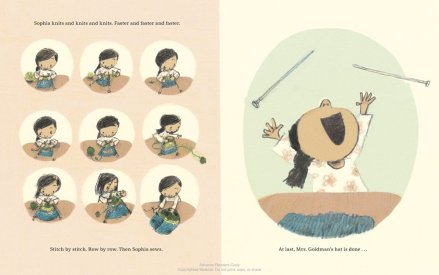
At home Sophia knits in a frenzy, adding row after row of stitches until the hat is finished. When Sophia looks at it, though, she finds holes where they shouldn’t be and lumpy and bumpy areas. She thinks what she has made looks more like a monster than a hat. Sophia takes out the box containing all the hats Mrs. Goldman has made for her, but they are much too small for Mrs. Goldman to wear. While Sophia’s mama and papa have hats made by Mrs. Goldman, she knows she can’t give those away.

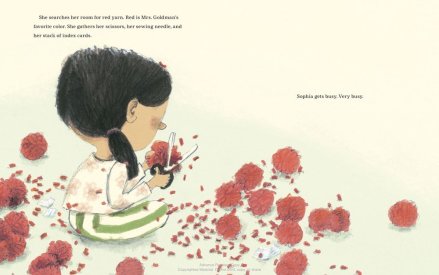
Sophia imagines all the hats she makes with her neighbor and how Mrs. Goldman always tells her that her pom-poms add beauty, and that “‘that’s a mitzvah too.’” Sophia’s heart swells. She finds red yarn—Mrs. Goldman’s favorite color—and her pom-pom making supplies and goes to work. When she is finished and the pom-poms are attached, “Mrs. Goldman’s hat is the most special hat in the world.”

celebrate-picture-books-picture-book-review-a-hat-for-mrs.-goldman-sophia-finishes-hat

Image copyright G. Brian Karas, 2016, text copyright Michelle Edwards, 2016. Courtesy of Schwartz & Wade.

Sophia runs next door and surprises Mrs. Goldman with her gift. Mrs. Goldman hugs Sophia and tears come to her eyes. “‘Don’t you like it?’” Sophia asks, but she needn’t worry. “‘I more than like it, I love it,’ declares Mrs. Goldman. ‘Gorgeous. Like Mr. Goldman’s rosebushes. And you know how I love his roses.’” With a kiss for Sophia, Mrs. Goldman begins counting the twenty pom-poms on her hat—“each one made with love.” Mrs. Goldman slips the hat on her head. Now when she and Sophia take Fifi for a walk, Fifi wears her dinosaur sweater, Sophia wears her kitty hat and mittens, and “Mrs. Goldman wears her Sophia hat. Her keppie is toasty warm. And that’s a mitzvah.”

celebrate-picture-books-picture-book-review-a-hat-for-mrs.-goldman-giving-hat

Image copyright G. Brian Karas, 2016, text copyright Michelle Edwards, 2016. Courtesy of Schwartz & Wade.

Michelle Edwards’ heartwarming story of a little girl who sees that her friend is in need and determines to help draws on children’s natural generosity and shows readers that their efforts are recognized and appreciated. Edward’s gentle and well-paced storytelling allows readers to understand the events and thoughts that bring Sophia to once again attempt knitting. Sophia’s solution to use the pom-poms she knows she makes well (and with love) to cover the holes demonstrates not only the ingenious creativity of kids, but also the idea that love can fill the voids in life.

celebrate-picture-books-picture-book-review-a-hat-for-mrs-goldman-snow

Image copyright G. Brian Karas, 2016,  courtesy of Schwartz & Wade.

Brian Karas imbues the story of Sophia and Mrs. Goldman with a magical wonder that floats from page to page like the fluffy snowflakes that are the catalyst for Sophia’s mitzvah. A combination of full-page illustrations and snapshot images show days spent with Mrs. Goldman as well as the moments, hours, and days that adorable Sophia spends knitting her special hat. Sophia, tongue sticking out in determination, wields her knitting needs; she ponders her holey hat while imagining a frightened Fifi; and scraps of red yarn dot the floor and even sit atop Sophia’s head as she creates pom-pom after pom-pom. When Mrs. Goldman pulls the hat over her own head, kids will feel cheered, while adults may feel a small lump in their throat.

A Hat for Mrs. Goldman is a gem. Its tender portrayal of kindness, love, and close personal relationships makes it an outstanding choice for any child’s home library.

Ages 4 – 8

Schwartz & Wade, 2016 | ISBN 978-0553497106

Discover more about Michelle Edwards and her books, plus activities, recipes, and information on knitting on her website!

Enter a gallery of books, sketches, blog essays, and more by G. Brian Karas on his website!

National Hat Day Activity

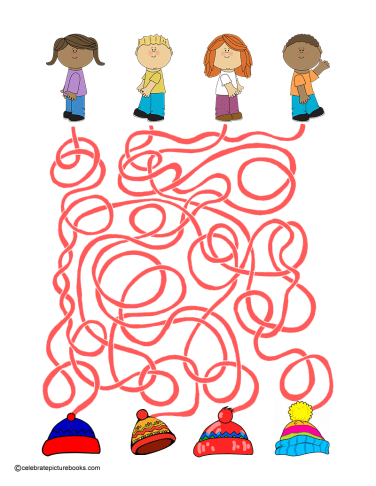
celebrate-picture-books-picture-book-review-winter-hat-match-puzzle

Winter Hat Match Puzzle


These kids have all lost their hats! Can you follow the paths in this printable Winter Hat Match Puzzle to reunite each child with the right hat?

celebrate-picture-books-picture-book-review-a-hat-for-mrs.-goldman-cover

You can find A Hat for Mrs. Goldman at these booksellers

Amazon | Barnes & Noble | Books-a-Million | IndieBound

Picture Book Review
January 14 – International Kite Day

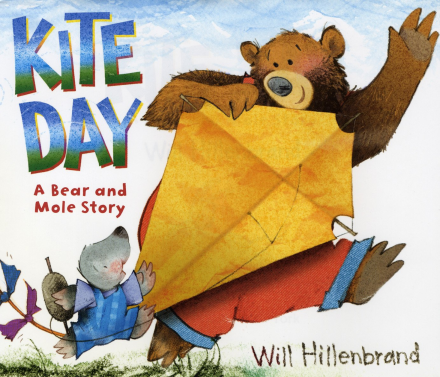
celebrate-picture-books-picture-book-review-kite-day-a-bear-and-mole-story-cover

About the Holiday

International Kite Day originated in India in the state of Gujarat to commemorate the last day of winter and the first day of summer as well as the coming harvest season. The kites represent the spirits of the gods who are awakened from their winter sleep. The people of Gujarat begin making kites months in advance to accommodate the numerous festivals and the millions of people from around the world who attend them.

Kite Day: a Bear and Mole Story

By Will Hillenbrand


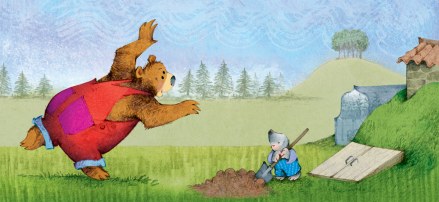
Bear sensed a familiar aroma in the air. He pointed his nose toward the sky and took a big whiff. “He smiled and then shouted, ‘Kite day!’” He dashed home and announced the news to Mole, who was digging in his garden. While Mole researched in a stack of books, Bear gathered supplies. While “Bear measured and cut, Mole drew.” Then “they both constructed.”

celebrate-picture-books-picture-book-review-kite-day-a-bear-and-mole-story-mole-digging

Image copyright Will Hillenbrand, courtesy of Holiday House

With their beautiful yellow creation in hand, “they raced outside into the meadow.” Mole ran with the string while Bear threw the kite high above him. The breeze picked up the kite and sent it’s rainbow bowtie tail fluttering “Zoom. Zoom. Zoom.” The kite soared higher and higher—into a graying sky. “Then dark, heavy clouds rolled in. Rumble. Rumble. Rumble.”

celebrate-picture-books-picture-book-review-kite-day-a-bear-and-mole-story-flying-kite

Image copyright Will Hillenbrand, courtesy of Holiday House

Suddenly, a gust of wind snapped the kite string, and it spun “Away, away, away.” “‘Oh no!” screamed Mole and Bear” as the kite dove downward. The two ran as fast as they could to catch up with it. They came to a stop under a huge tree. Caught in the branches was their kite. “Splat. Splat, Splat. Rain pelted the broken kite.” Then Mole and Bear saw something amazing. “‘Look!’ cried Bear. ‘Oh,’ sighed Mole.” The kite was sheltering a nest of chicks! “‘Chirrup, chirrup, chirrup’” they cheaped. “‘Thank you!’ sang the mother bird.”

celebrate-picture-books-picture-book-review-kite-day-a-bear-and-mole-story-kite-in-tree

Image copyright Will Hillenbrand, courtesy of Holiday House

Will Hillenbrand’s sweet friends Bear and Mole never fail to bring a smile to young reader’s faces as they share both joyful and scary experiences together. Little ones will love the repeated words that invite them to read along, and active verbs—such as snatched, plunged, and pelted—provide lyrical and advanced vocabulary. Kite Day offers gentle suspense and a cheerful resolution that will enchant young readers. Hillenbrand’s adorable, expressive characters, vibrant colors, and lovely pastel backgrounds will fully engage kids during any story time.

Children would love to add Kite Day, along with the Hillenbrand’s three other Bear and Mole Stories, to their home bookshelf.

Ages 3 – 6

Holiday House, 2013 | ISBN 978-0823427581

Discover more about Will Hillenbrand and his books as well as book-related activities and a gallery of illustations on his website!

Fly with this Kite Day book trailer!

International Kite Day Activity

celebrate-picture-books-picture-book-review-kite-coloring-page

Cool Kite Decorating Page


Part of the fun of making your own kite is decorating it! Use this printable Cool Kite Page to create the perfect flier! Try colored pencils, markers, glitter, tissue paper, stickers, or other decorations to make it uniquely yours!

Picture Book Review
January 13 – It’s National Soup Month

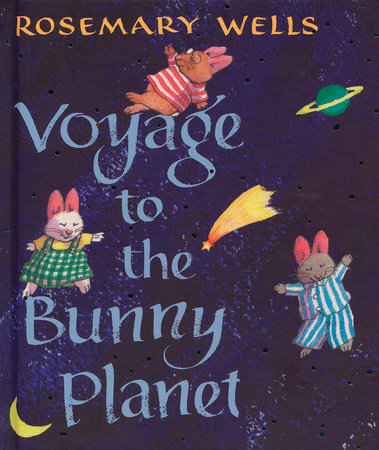
celebrate-picture-books-picture-book-review-voyage-to-the-bunny-planet-cover

About the Holiday

Winter weather is made for soup…or…is soup made for winter weather? Either way, soup offers the warm, comforting, stick-to-your ribs meal that just seems so right as the temperatures dip. Today, grab a can or cook up a batch of your favorite soup and add a hearty loaf of sourdough or artisanal bread and have a feast!

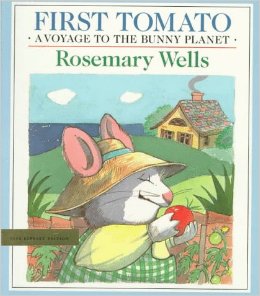
celebrate-picture-books-picture-book-review-first-tomato-cover

First Tomato: A Voyage to the Bunny Planet

By Rosemary Wells


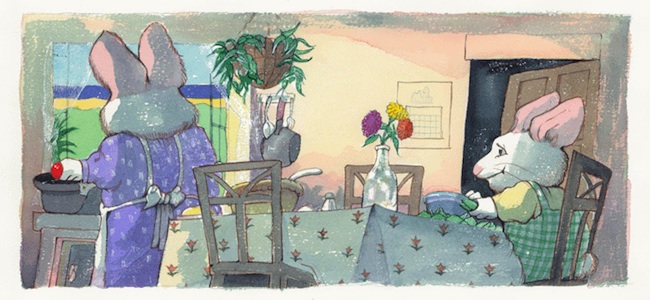
The day is new—only 7:00 a.m. —and already Claire is having a tough time.  At breakfast she “ate only three spoons of cornflakes” before the bowl was knocked to the floor. While walking to school, Claire’s feet were soaked by snow, and “by eleven in the morning, math had been going on for two hours.” The cafeteria was serving baloney sandwiches—blecchh!—and at recess “Claire was the only girl not able to do a cartwheel.” At the end of school, all Claire wanted to do was go home, but she was left waiting…and waiting…and waiting at the bus stop.

celebrate-picture-books-picture-book-review-voyage-to-the-bunny-planet-tomato-soup-baloney-sandwich

Image copyright Rosemary Wells, courtesy rosemarywells.com

After all the slights and disappointments, “Claire needs a visit to the Bunny Planet.” She closes her eyes and floats away…. “Far beyond the moon and stars, / Twenty light-years south of Mars, / Spins the gentle Bunny Planet / And the Bunny Queen is Janet.”

Janet ushers Claire into “the day that should have been.” Wafting on the warm winds Claire hears her mother’s voice: “pick me some runner beans and sugar snap peas. / Find a ripe tomato and bring it to me, please.” So early in the season, Claire finds only one red, ripe tomato on the vine. It “smells of rain and steamy earth and hot June sun” that tempts her to taste it, but she puts in her basket and gives it to her mother.

celebrate-picture-books-picture-book-review-voyage-to-the-bunny-planet-tomato-soup-baloney-shelling-peas

Image copyright Rosemary Wells, courtesy rosemarywells.com

As her mother cooks, Claire sits at the cozy kitchen table shelling the peas. Soon, Claire’s mother brings her a steamy bowl of soup, and as they gaze at each other in understanding, Clair hears her “mother calling when the summer winds blow, / ‘I’ve made you First Tomato soup because I love you so.’”

Finally the bus arrives to take Claire home. During the ride she spies the Bunny Planet “near the evening star” and realizes that it was there all the time.

Today I chose a favorite book from when my own kids were little. One of three Voyage to the Bunny Planet books, Rosemary Wells’ First Tomato never failed to bring a little lump to my throat as I read it to my son and daughter (and even reading it again for this review, I felt the same catch in my heart).

In the difficulties that Claire suffers during the school day, kids will recognize the predicaments they also experience, and as Claire visits the Bunny Planet they’ll understand that solace is always close by. Claire’s sweet face and vintage dress as well as the lush details of the settings make each square illustration a masterpiece of expression and emotion. Wells’ beautiful turns of phrase and lyrical lines soothe the disquiet of real life with the balm of a parent’s or caregiver’s love, making First Tomato a wonderful book to share again and again.

All three Voyage to the Bunny Planet books—including The Island Light and Moss Pillows, two more enchanting and touching quiet-time reads—are available in a single-volume gift edition.

Ages 3 – 7

Viking Books for Young Readers, 2008 | ISBN 978-0670011032

To discover more about Rosemary Wells and her books, plus videos, games, coloring pages, information for parents and educators, and more, visit her website!

National Soup Month Activity

celebrate-picture-books-picture-book-review-souper-maze

Souper Maze!


You can’t eat soup without a spoon! Can you help the spoon get through the maze to the bowl in this printable Souper Maze? Here’s the Solution!

Picture Book Review

January 12 – Poetry at Work Day

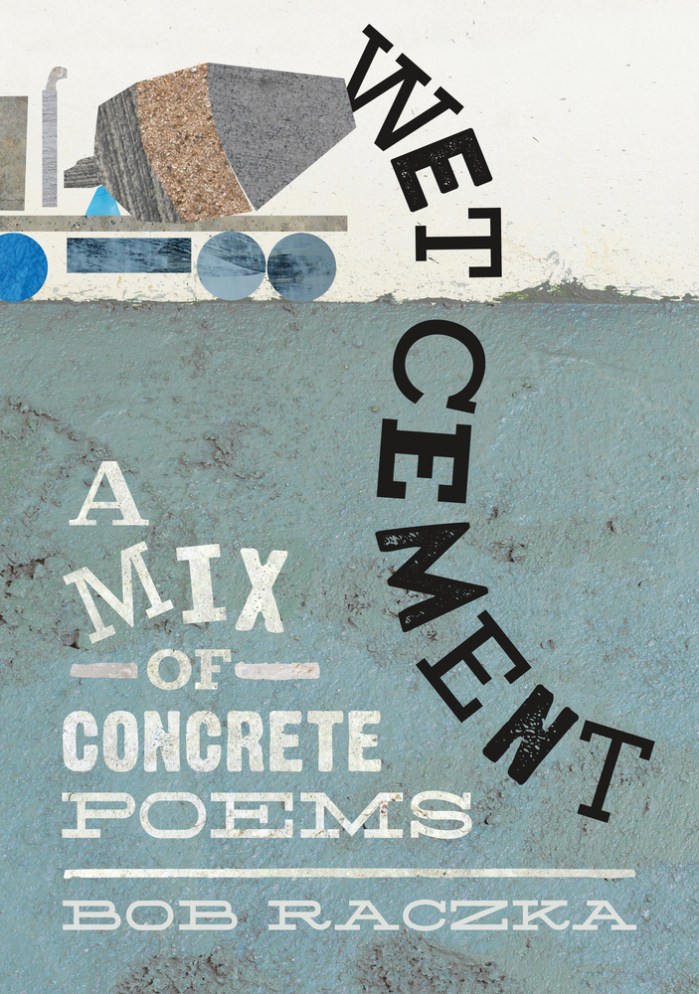
Wet Cement: A Mix of Concrete Poems by Bob Raczka picture book review

About the Holiday

Sometimes your work in school, in the office, outside, or at home inspires you to translate what you’re doing into writing. What better way to express the fun—and folly—of homework, room cleaning, report writing, lunchtime, tests, and all the work that makes up a day than in a poem?! To celebrate today’s holiday try to put the rhythms of your work into poetry! 

Wet Cement: A Mix of Concrete Poems

By Bob Raczka


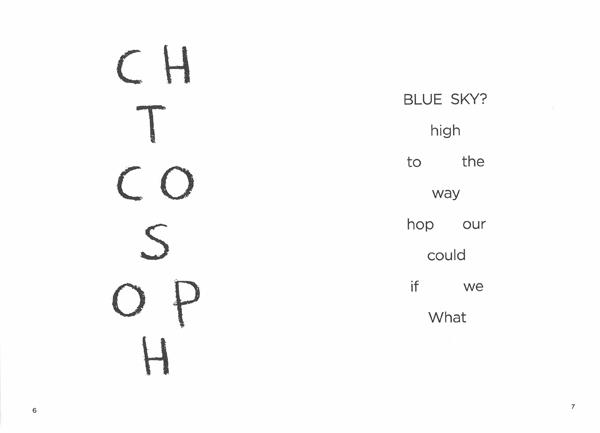
When you envision a poem in your head, what do you see? A block of lines? A square or a rectangle? Well, sweep that image from your mind because in Bob Raczka’s Wet Cement: A Mix of Concrete Poems, verses become actions, objects, puzzles, and natural phenomena. Not only are the poems shaped to illustrate their theme, the titles use clever imagery as well.

celebrate-picture-books-picture-book-review-wet-cement-a-mix-of-concrete-poems-hopscotch

Text and image copyright Bob Raczka, courtesy of Roaring Brook Press

As you encounter the poem hanger you’ll see that “han” has broken away and is dangling from the hook of g in “ger.” The words of the poem itself are shaped like a hanger and contain a giggle-invoking twist: “I hang out in blue jeans and comfy old shirts. I hang out in blouses and long frilly skirts. I hang out in sport coats and sweaters and shawls. I even hang out with no clothes on at all!”

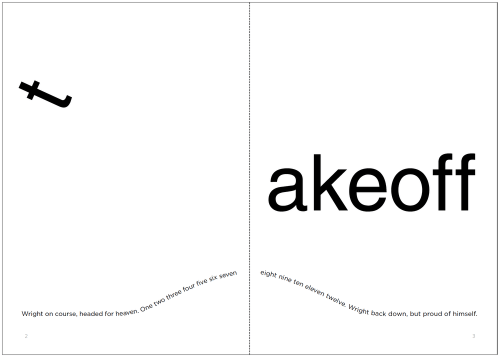
You might want to get your baseball mitt out before you read homer, in which the first line zooms straight as a pitch and the second—written backwards and at an upward angle—soars like a homerun hit: “The pitcher hurls his hummer toward the slugger squeezing lumber CRA / CK! The slugger slams the hummer toward the bleachers for a homer.”

celebrate-picture-books-picture-book-review-wet-cement-a-mix-of-concrete-poems-takeoff

Text and image copyright Bob Raczka, courtesy of Roaring Brook Press

But don’t put that mitt away just yet! You may need to catch the o, which has escaped from the title p p-up. And if you’ve ever played t-ball, baseball, softball, or even wiffleball, you’ll cringe in recognition of this short but pointed poem.

The sky darkened by night in Dipper and by clouds in Lightning holds two poems expressing very different thoughts. In the title Dipper, the second p has floated to the top of the page where it hangs like a miniature reflection of the dipper-shaped poem, which reads: “Way down there on earth you hold firefly jars, filled up to their lids with light. Up here in the sky, I’m a vessel of stars, my brim overflowing with night.” In the title LIGHTNING, the L strikes the I to create the familiar jagged crack echoed in the shape of the verse: “from a bad mood sky, / tears, / then a jag- / ged slash- / ing flash of anger, / ear- / splitting, / obnoxious, / a cloud tantrum”

celebrate-picture-books-picture-book-review-wet-cement-a-mix-of-concrete-poems-eracer

Text and image copyright Bob Raczka, courtesy of Roaring Brook Press

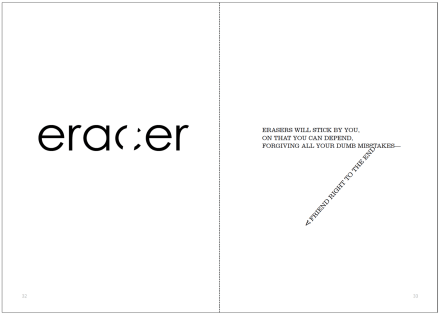
Any writer will love poeTRY which is such a clever take on the word as well as the revision and editing process:

“poetry is about taking away the words you don’t need

poetry is taking away words you don’t need

poetry is words you need

poetry is words

try”

Put simply, Bob Raczka’s concrete poems will make you smile. Even more than that, you’ll find yourself wanting to carry this book around, saying “Look at this!” to everyone you meet. Raczka calls these poems “word paintings”—because a poet “uses words like colors to paint pictures inside your head.” If creativity is the talent to present the world in new and surprising ways, making connections that enhance life, then Wet Cement is creativity at its best!

Wet Cement: a Mix of Concrete Poems is one poetry book that belongs on your child’s bookshelf! The combination of subjects, expression, and images will make it an often-read favorite.

Ages 5 – 9 and up (adults will enjoy these poems as much as kids)

Roaring Brook Press, 2016 | ISBN 978-1626722361

Discover a full bookshelf of books by Bob Raczka on his website!

Poetry at Work Day Activity

CPB - Pocket Poem Craft

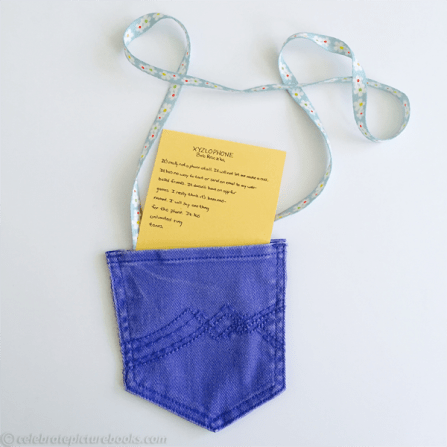
Pocket Poem Carrier


Choose a part of your school or work day and write a poem about it. You can even try writing a concrete poem to give more shape to your thoughts! Then make this pocket poem carrier so you can tote your favorite poem with you to show your friends and family—today and every day!

Supplies

  • An old pair of pants or shorts with back pockets
  • A decorative shoelace
  • Thread or fabric glue
  • Needle
  • Paper
  • Your favorite poem or a poem you write yourself
  • Pen

Directions

  1. Cut one back pocket out of an old pair of pants or shorts, including the back of the pocket
  2. Use the shoelace at its full length or cut to desired length
  3. Inside each edge of the pocket sew or glue the ends of the shoelace to make a strap
  4. Print your favorite poem on the paper
  5. Insert the poem into the pocket poem carrier
  6. Take your poem with you and share it with your friends!

Picture Book Review

January 11 – Learn Your Name in Morse Code Day

celebrate-picture-books-picture-book-review-jackrabbit-mccabe-&-the-electric-telegraph-cover

About the Holiday

With today’s instantaneous communications systems, it’s almost impossible to think of a time when all messages had to be delivered by hand. That changed when Samuel F. B. Morse, physicist Joseph Henry, and Alfred Vail developed a code that used dots and dashes to represent letters and was transmitted through electrical pulses. The ability to send quick messages revolutionized communication and led to a more connected world.

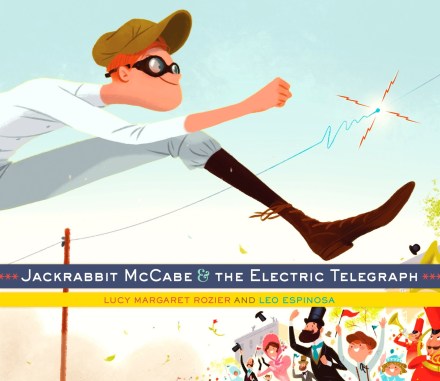
Jackrabbit McCabe & the Electric Telegraph

Written by Lucy Margaret Rozier | Illustrated by Leo Espinosa


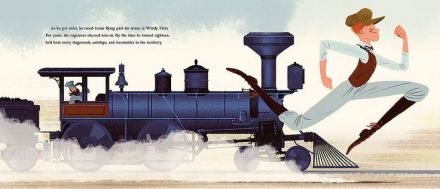
Anyone who looked at the baby with legs “so long they looped like a pretzel” and required a stroller with “an extra axle” knew that he’d been born to run. In fact, his legs grew so fast that if his mother dressed him in long pants in the morning, they were shorts by that evening. Little Jack McCabe used those legs to chase “whatever would run: hogs, dogs, even his own shadow” and “as he got older, he raced trains flying past his house in Windy Flats. By the time he turned eighteen, he’d beat every stagecoach, antelope, and locomotive in the territory.”

celebrate-picture-books-picture-book-review-jackrabbit-mccabe-&-the-electric-telegraph-racing-a-train

Image copyright Leo Espinosa, text copyright Lucy Margaret Rozier. Courtesy of Schwartz & Wade

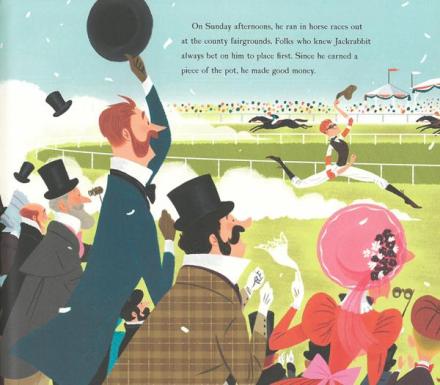
The people of Windy Flats called him Jackrabbit and relied on him to deliver messages that were urgent. On Sundays he joined the horses on the track, making money when people bet on him to come in first. One day, though, the electric telegraph came to Windy Flats. The poles and wires already crossed the eastern part of the country. Each connected city had “a telegraph and an operator who sent and received messages in Morse code, an alphabet of dots and dashes.”

The people of Windy Flats didn’t think this newfangled contraption could carry messages faster than Jackrabbit, so the telegraph man suggested, “‘How ‘bout a race between your fella and this here electric telegraph? Sandy Bluff’s just got themselves an operator, That’s pert near twenty-five miles, as the crow flies.’” Jackrabbit was all for it.

celebrate-picture-books-picture-book-review-jackrabbit-mccabe-&-the-electric-telegraph-racing-a-horse

Image copyright Leo Espinosa, text copyright Lucy Margaret Rozier. Courtesy of Schwartz & Wade

On the day of the race, the whole town of Windy Flats came out with flags, banners, and even a brass band. “The mayor carefully wrote down the same message on two slips of paper. He handed one to the telegraph man and the other to Jackrabbit.”  On the shout of “GO!” the telegraph man plunked his finger on the key sending the pulses through the wire while Jackrabbit took off down the road toward Sandy Bluff “like a tornado.”

The townspeople watched as in only a few moments “a reply came clattering back as that telegraph key jumped and smacked all on its own.” The telegraph man read the code and yelled, “‘Message received. Stop. Sandy Bluff Operator.’” But where was Jackrabbit McCabe? Although he made it to Sandy Bluff in only 9 ½ minutes, it was still too long to beat the telegraph. When he stopped short at the door of the depot, he was met by a telegram tacked to the door. Jackrabbit read it and then pulled the paper that contained the mayor’s message out of his pocket. The two were the same.

celebrate-picture-books-picture-book-review-jackrabbit-mccabe-&-the-electric-telegraph-racing-at-the-starting-line

Image copyright Leo Espinosa, text copyright Lucy Margaret Rozier. Courtesy of Schwartz & Wade

Riding home in a stagecoach, “Jackrabbit felt lower than a snake’s navel.” The mayor also felt pretty low, thinking of Jackrabbit, until he realized that if Jackrabbit’s fingers were as fast as his legs, he’d make an excellent telegraph operator. When Jackrabbit stepped out of the stagecoach and heard the mayor’s offer, he whooped with joy. It didn’t take long for Jackrabbit to learn the new code, and soon “his fingers flew like a banjo player’s strumming that telegraph key.” Every day he sent and received messages. He even “teamed up with the local typesetter, who printed the news that came over that wire, linking Windy Flats to the whole entire country,” and whenever a telegram or the newspaper needed to be delivered, Jackrabbit was there in a flash!

An Author’s Note outlining the pivotal event that sparked Samuel F. B. Morse’s interest in a quicker communication method and the history of the telegraph as well as a Morse code key and a riddle to translate follow the text.

celebrate-picture-books-picture-book-review-jackrabbit-mccabe-&-the-electric-telegraph-racing-hogs-and-dogs

Image copyright Leo Espinosa, courtesy of Schwartz & Wade

Lucy Margaret Rozier has written a funny and fact-based addition to the fine American tradition of tall tales with Jackrabbit McCabe & the Electric Telegraph. From her folksy delivery to her humorously exaggerated details, Rozier presents an engaging history of the telegraph through the story of one man affected by this new technology. Kids will love the fast-paced story full of crackling dialog and gripping suspense.

Leo Espinosa infuses his brightly-colored, vintage-style illustrations with the charm and innocence of the mid-1800s while highlighting the humor of Rozier’s yarn. Jackrabbit’s looong legs take up a whole page—sometimes two—as he runs with dogs and hogs, sprints past steam trains, speeds off at the starting line, and wedges himself into the stagecoach, with one foot hanging out the window. The small town of Windy Flats and the townspeople are decked out in period details, and the enthusiasm of the time is infectious.

Jackrabbit McCabe & the Electric Telegraph will become a favorite read lightening quick. The book would make a fun addition to children’s bookshelves.

Ages 4 – 8

Schwartz & Wade Books, 2015 | ISBN 978-0385378437

Discover more about Lucy Margaret Rozier plus book-related resources on her website!

View a gallery of illustration work by Leo Espinosa on his website!
Learn Your Name in Morse Code Day Activity

celebrate-picture-books-picture-book-review-morse-code-image

Morse Code Decoder


Sending secret messages in code is cool! Use this printable Morse Code Decoder to learn how to write your name and those notes you don’t want anyone else to read in this early method of communication.
Picture Book Review