February 20 – Love Your Pet Day

celebrate-picture-books-picture-book-review-seed-man-cover

About the Holiday

Whether you have a dog or cat, hamster or fish, parakeet, iguana, or llama, your pet is one of the most loved parts of your family. Animals’ funny antics, eager personalities, and unconditional love simply make life better. Today’s holiday encourages you to spend more time with your pet. A longer walk or playtime and a special treat will show your pet how much they mean to you. If you’ve been considering getting a pet, maybe today’s the day. Getting a pet can be life-changing—just as the man in today’s book discovers.

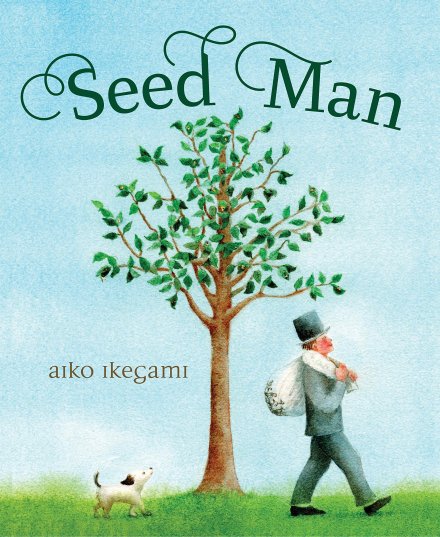
Seed Man

By Aiko Ikegami


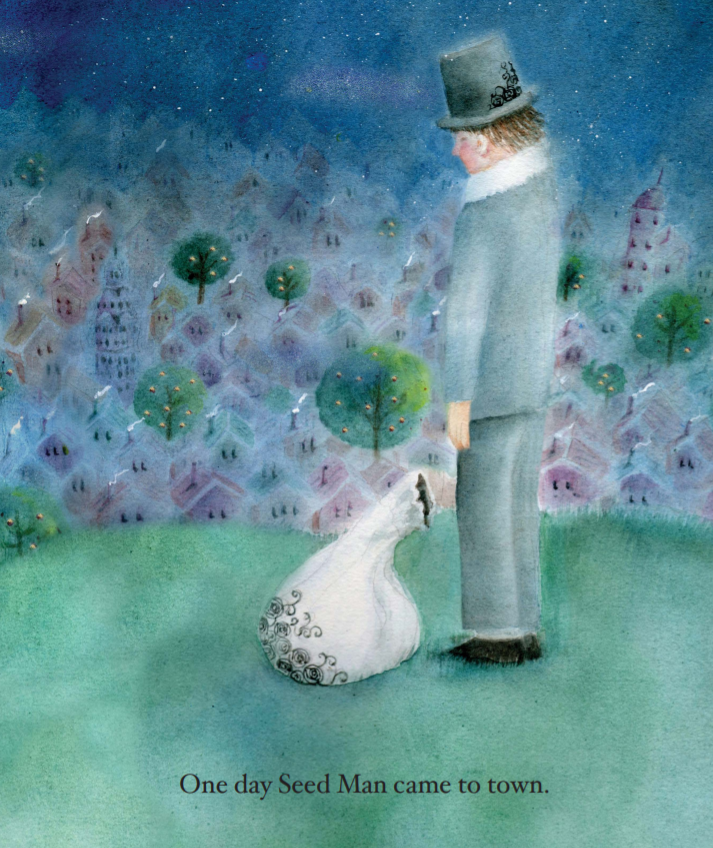
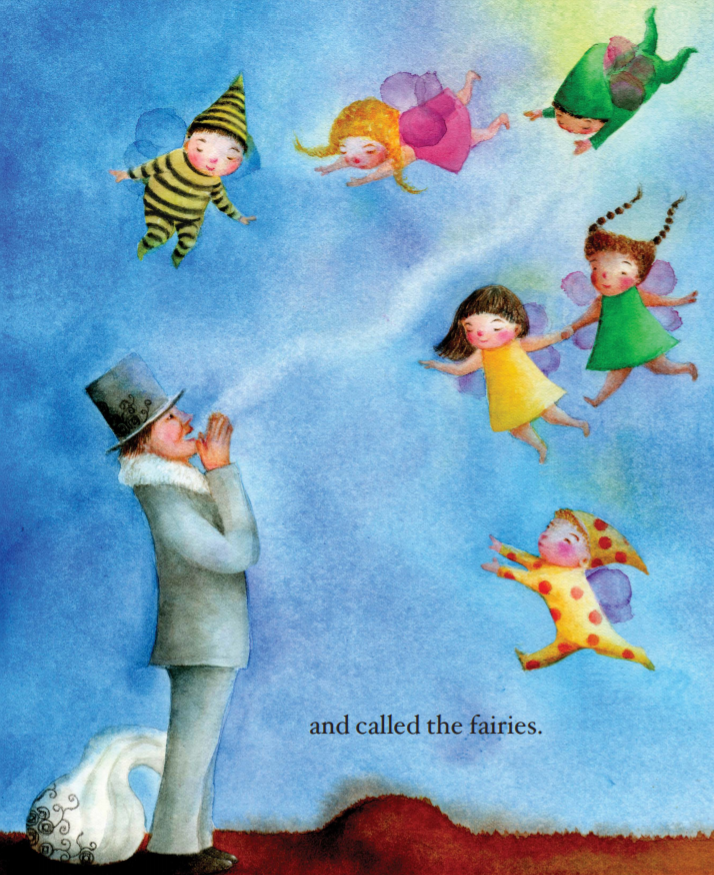
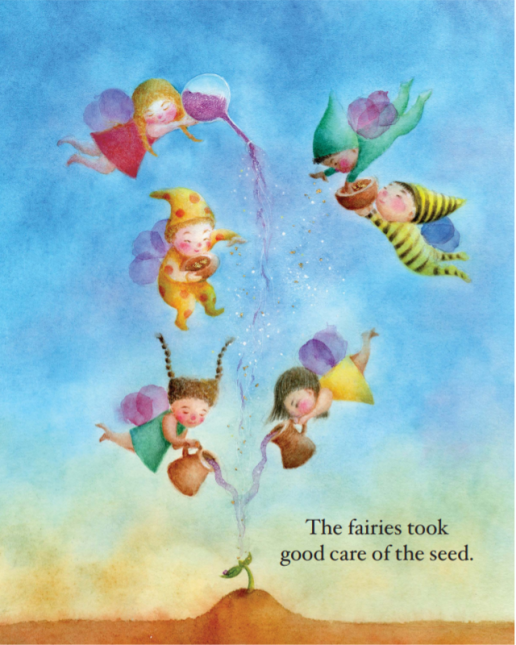
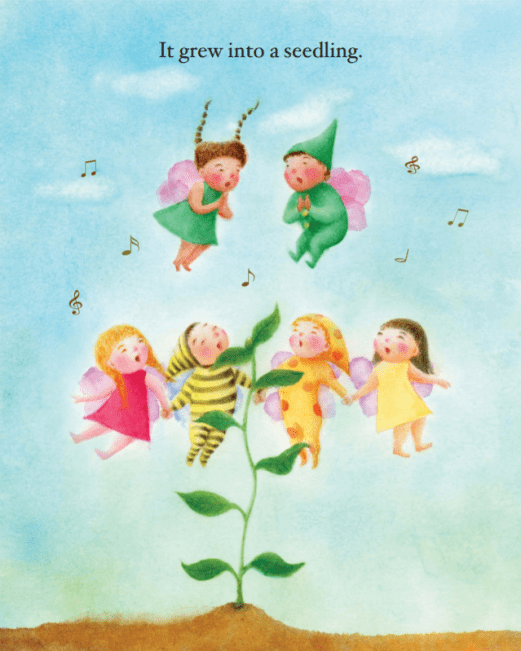
“One day Seed Man came to town.” After he had dug a hole and chosen a seed from his bag, he planted it and then “called the fairies.” The fairies were very good gardeners. They tended the seed with special food and water and sang to it as it grew from a tiny sprout into a tall sapling and finally into a straight, strong tree.

celebrate-picture-books-picture-book-review-seed-man-seed-man-comes-to-town

Copyright Aiko Ikegami, 2018, courtesy of Sleeping Bear Press.

Among its leafy branches, the tree bore fruit unlike any other. There was a toy bunny, bear, and duckling; a drum and a guitar; and a tricycle, train, and plane. There was even a puppy in a basket. When the fruit was ready, the fairies picked it and “delivered Seed Man’s gifts all over town” to the sleeping residents. “Even if someone didn’t know he needed a gift, Seed Man and the fairies knew.”

celebrate-picture-books-picture-book-review-seed-man-plants-a-seed

Copyright Aiko Ikegami, 2018, courtesy of Sleeping Bear Press.

And that is how the man who lived alone with only a photograph of his wife and child to comfort him came to have the dog. When he awoke in his chair, holding the framed picture, he looked at the puppy sitting in her basket in front of him and said, “‘I don’t want a dog.’” As the puppy rolled over and wagged her tail and jumped to greet him, the man said, “‘Ay yi yi.’”  

celebrate-picture-books-picture-book-review-seed-man-calls-fairies

Copyright Aiko Ikegami, 2018, courtesy of Sleeping Bear Press.

But then the man patted the dog and smiled at her. He poured milk into a bowl, and let the puppy sit on his lap. Everything was going well until a butterfly fluttered through the window and captured the dog’s attention. With a leap and a bound, the puppy chased after it, shaking the table and upsetting the coffee cup, the vase of flowers and the framed photograph.

celebrate-picture-books-picture-book-review-seed-man-fairies-feed-seed

Copyright Aiko Ikegami, 2018, courtesy of Sleeping Bear Press.

They all crashed to the floor, shattered.  “The man looked at the broken picture” and sent the dog away. Later, the sky darkened and rain pelted the window. The man wondered what the puppy would do. He picked up his umbrella and “went to look.” The sidewalks were crowded and he couldn’t see the dog anywhere. But the fairies knew right where to find her. They brought her back to the old man.

celebrate-picture-books-picture-book-review-seed-man-fairies-sing

Copyright Aiko Ikegami, 2018, courtesy of Sleeping Bear Press.

The man was so happy to see her, and she was happy to see her. He picked her up, and she licked his nose. The Seed Man watched the old man and the puppy together and “knew it was time.” The fairies carried the bag of seeds to the old man’s home and knocked on the door. Now a new Seed Man, his puppy, and the fairies are coming to town.

celebrate-picture-books-picture-book-review-seed-man-grown-tree

Copyright Aiko Ikegami, 2018, courtesy of Sleeping Bear Press.

Aiko Ikegami’s enchanting story offers young readers much to consider about the nature of love and its power to broaden horizons and overcome loneliness, fear, and other emotions. For the old man, the companionship of the puppy opens his heart and reopens his eyes to the world around him. Previously focused on his own feelings and sadness, the man finds in the puppy someone else to care about, a compassion that soon extends to others. As Ikagami’s fairies know, each person has unique needs and responds to different inspirations.

celebrate-picture-books-picture-book-review-seed-man-sprout

Ikegami’s whimsical illustrations fill in and expand on her story, the simplicity of which cleverly leaves it open to personal interpretations. Discussions may revolve around the gift of talent, how the seed of love grows when well planted and tended, and how the childlike fairies remind us that children are our greatest gift. And then there’s the Seed Man himself. Is he a mystical figure or can he be anyone paying kindness forward?

Ikegami clearly depicts the emotional transformation the old man experiences. At first stooped with sadness, his change of heart when he accepts the puppy comes with smiles and crinkled eyes, and when he is designated as the new Seed Man, his dramatic change in appearance and disposition shows children that love and purpose found lead to a happy life.

For opening discussions about many aspects of love and happiness, Seed Man is an original story that would be a welcome addition to home and classroom bookshelves.

Ages 5 – 8

Sleeping Bear Press, 2018 | ISBN 978-1585363797

Discover more about Aiko Ikegami, her books, and her art on her website.

Love Your Pet Day Activity

celebrate-picture-books-picture-book-review-wooden-bead-cat-craft

A Little Ball of Kitten


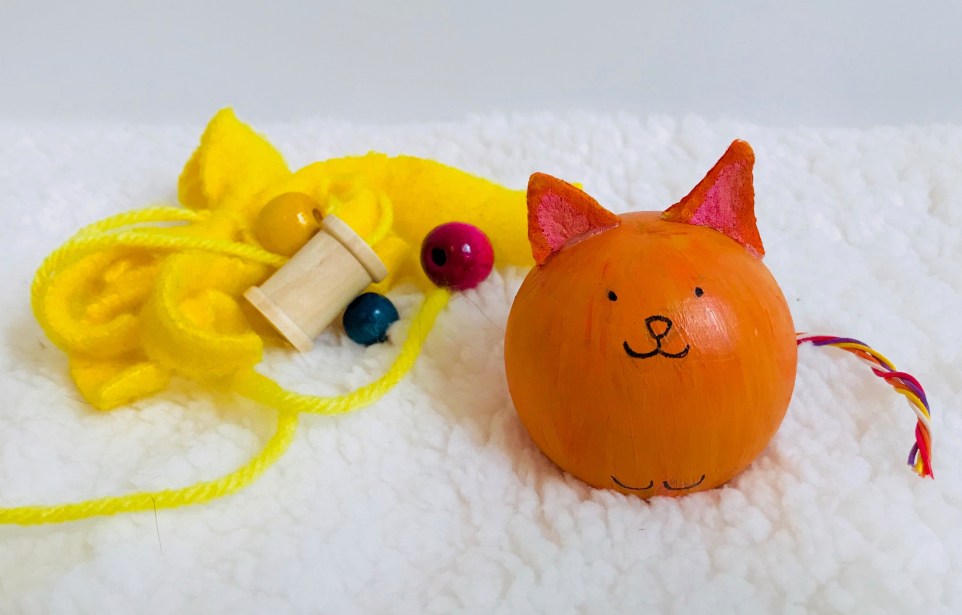
This sweet little kitten is easy to make and can keep you company on your desk or shelf! Since every kitten is different, you can make yours to look just the way you want. Here’s how I made mine:

Supplies

  • Wooden ball with a flat bottom, available in craft stores and in different sizes
  • Craft paint in any color kitten you’d like (I used red and yellow and mixed it to make a mottled orange)
  • Craft paint in pink or white for the inner ear
  • Scrap of fleece for the ears. Fleece is easily shaped to the rounded ball and when painted is stiff enough to stand up on its own.
  • Thin, colored wire in several colors for the tail (string or twine, wrapped wire, fleece, stiff paper, and other materials could also be used)
  • Paint brush
  • Permanent marker for making the face
  • Hot glue gun or strong glue

Directions

  1. Paint the wooden ball and let dry
  2. Paint the scrap of fleece to match the wooden ball, let dry
  3. Cut out small triangular shapes for the ears. Round the bottom of the ears slightly so they fit the shape of the ball
  4. If making a tail from several colors of thin wire, twist them together, leaving one end untwisted
  5. With the glue gun or strong glue attach the ears to the top of the head
  6. With the glue gun attach the tail to the back of the wooden ball in the center near the base
  7. With the marker, draw eyes, nose, and mouth for the face and semicircles near the bottom for the paws

Picture Book Review

February 17 – Random Acts of Kindness Day & Interview with Author Marsha Diane Arnold

celebrate-picture-books-picture-book-review-may-i-come-in-cover

About the Holiday

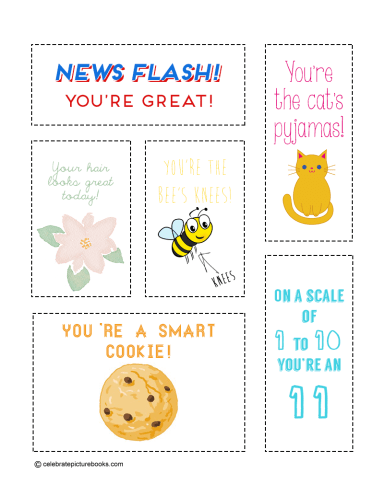
Are you a RAKtivist? You know—a Random Acts of Kindness Activist! Sounds awesome, doesn’t it? It is! And all it takes to be a RAKtivist is to do nice things—kind things—for everyone and anyone. These things don’t have to be big, or hard, or expensive, either. In fact, the best kindness acts are free! If you see someone having a bad day, give them a smile. Is someone struggling with a box, a bag or keeping their stuff in their locker? Give them a hand. Does someone always eat lunch alone? Offer to sit with them and have a conversation. You’re also encouraged to give others a card to brighten their day. You’ll find some to print out at the end of this post!

There are as many ways to be a RAKtivist as there are people on the planet. Right now, there are 17,009 registered RAKtivists from ages 14 to 89 in 87 countries! You can join them and learn more about this uplifting holiday on the Random Acts of Kindness Website!

Sleeping Bear Press sent me a copy of May I Come In? to check out, and is partnering with me for a giveaway! Learn more below!

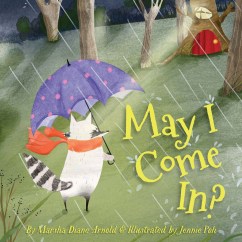
May I Come In?

Written by Marsha Diane Arnold | Illustrated by Jennie Poh


Outside, the rain poured down, and “Raccoon shivered. When “thunder roared, Raccoon quivered.” And the flashes of lightening were just too scary to watch. Raccoon did not like being alone on such a stormy night, so he “grabbed his umbrella and hurried out the door.” Raccoon made his way through muddy Thistle Hollow to his old friend Possum’s tree-trunk den.

celebrate-picture-books-picture-book-review-may-i-come-in-going-out

Image copyright Jennie Pho, 2018, text copyright Marsha Diane Arnold, 2018. Courtesy of Sleeping Bear Press.

There he found Possum nice and dry under his canopy. Raccoon asked, “‘Possum old friend, may I come in?’ / ‘What bad luck,’ Possum replied. ‘My den’s too small for one your size.’” Raccoon climbed down and with a “swish, plish” walked “all the way to Quail’s brambles.” As the wind whipped Raccoon’s scarf, he asked Quail if he could come in. But Quail said her brambles were formed too tight, and Raccoon was too wide to fit inside.

celebrate-picture-books-picture-book-review-may-i-come-in-quail

Image copyright Jennie Pho, 2018, text copyright Marsha Diane Arnold, 2018. Courtesy of Sleeping Bear Press.

Next, Raccoon swish, plished to Woodchuck’s hole. Dug into a hill near an old broken tree and lit by a small candle lamp, Woodchuck’s hole looked cozy. But when Raccoon asked his old friend if he could come in, Woodchuck said, “‘What bad luck. I’ve only room for one to hide.’” Raccoon went away sadly and “stood shaking in the rain. His umbrella blew inside out, His fur felt wet and spongy.” He really did not want to spend the night alone.

celebrate-picture-books-picture-book-review-may-i-come-in-umbrella-inside-out

Image copyright Jennie Pho, 2018, text copyright Marsha Diane Arnold, 2018. Courtesy of Sleeping Bear Press.

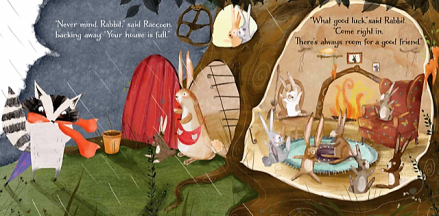
There was one more house to try. Raccoon saw a light glowing in the distance. He hurried nearer and nearer and nearer. He knocked at the door and when Rabbit answered, Raccoon could see all of her little rabbits behind her as they “hopped and bopped to the raindrops.” Raccoon hesitantly asked his question then almost immediately took it back. After all, her house was so full. But Rabbit swung the door open wider. “‘What good luck,’ said Rabbit. ‘Come right in. There’s always room for a good friend.’” Rabbit gave Raccoon a comfortable chair to sit in and brought him a cup of tea.

celebrate-picture-books-picture-book-review-may-i-come-in-cozy-chair

Image copyright Jennie Pho, 2018, text copyright Marsha Diane Arnold, 2018. Courtesy of Sleeping Bear Press.

As the storm raged on, Raccoon hummed and smiled happily, smelling the aroma of carrot stew that filled Rabbit’s home. Soon, there was another knock on Rabbit’s door and three voices rang out: “‘being alone on a night like tonight is scary.’” When Rabbit opened the door this time, there stood Possum, Quail, and Woodchuck. The ten little rabbits just kept hopping and bobbing.

Rabbit and Raccoon gazed at each other knowingly. “‘What good luck,’ they said. ‘Come right in. There’s always room for all our friends.’”

celebrate-picture-books-picture-book-review-may-i-come-in-everyone

Image copyright Jennie Pho, 2018, text copyright Marsha Diane Arnold, 2018. Courtesy of Sleeping Bear Press.

From the very first page, young readers will be engrossed in Marsha Diane Arnold’s sweet story of a raccoon who’s looking for company and comfort on a stormy night. As Raccoon swish, plishes through his neighborhood, knocking on door after door only to be met by excuses for why he can’t come in, children will empathize with him and be cheered when Rabbit joyfully invites him in. Readers will understand that they are sometimes like Raccoon, needing a bit of help or support. They will also see that they can always be like Rabbit, offering kindness and inclusion. Arnold’s lyrical language and repeated phrases invite children to read along, offering another sense of camaraderie during story time.

celebrate-picture-books-picture-book-review-may-i-come-in-small-inset

Jennie Poh’s Thistle Hollow is as cute as its name with cozy dens, brambles, and homes carved into hills and trees and adorable woodland neighbors. The lovely smoky blue-grays and dusky greens enhance the beautiful scenery as raindrops plink, plonk and the wind whips Raccoon’s scarf and umbrella. Alert readers may notice that a single owl watches Raccoon as he makes his way from Possum’s den to Quail’s brambles, but as he approaches Rabbit’s inviting home, a pair of birds snuggle against the wind in a hollow tree. Rabbit’s home is warm, snug, and relaxed as the ten bunnies hop and bop, enjoying some fun with their siblings and guests.

May I Come In? would be a welcome addition to home, classroom, and school libraries to open discussions of kindness, inclusion, and helpfulness for children. The story could easily be adaptable to acting out for a classroom or children’s program to highlight the lesson of inclusion and make it more personal.

Ages 4 – 8

Sleeping Bear Press, 2018 | ISBN 978-1585363940

You’re invited to download the May I Come In? Activity Pages here or from Sleeping Bear Press.

May I Come In? Coloring Page May I Come In?  | Matching PageMay I Come In? Rhyming Page

Discover more about Marsha Diane Arnold and her books on her website.

To learn more about Jennie Poh, her books, and her art work, visit her blog.

Meet Marsha Diane Arnold
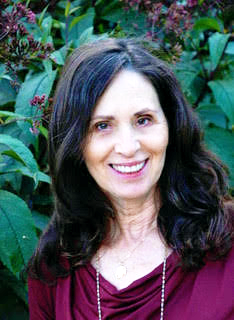
celebrate-picture-books-picture-book-review-marsha-diane-arnold

Today, I’m excited to talk with Marsha Diane Arnold about why the theme of kindness is important in the books children read, her real-life May I Come In? moment, and what makes life magical.

Thank you, Celebrate Picture Books for inviting me to your blog. Random Acts of Kindness Day seems a perfect time to chat about my new book May I Come In? which demonstrates kindness in such a sweet way.

What inspired you to write May I Come In??

There really was nothing specific that inspired the story. If anything did influence it, it was the wildlife that lived around my home in California. During the time I wrote May I Come In? I was working on a number of stories with woodland animal characters. With these stories, my characters led the way for me. One of the stories was Waiting for Snow with Badger and Hedgehog as characters. Another is Badger’s Seeds, which is coming out from Sleeping Bear Press in 2019. And then there’s May I Come In? with sweet Raccoon searching for a friend to spend a scary night with.
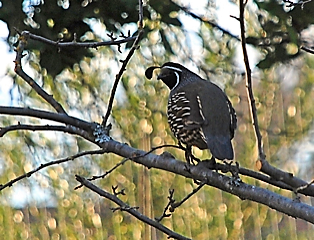
CPB - Marsha Diane Arnold Quail pic

celebrate-pciture-books-picture-book-review-deer-for Marsha-Diane-Arnold-blog-tour-post-interview

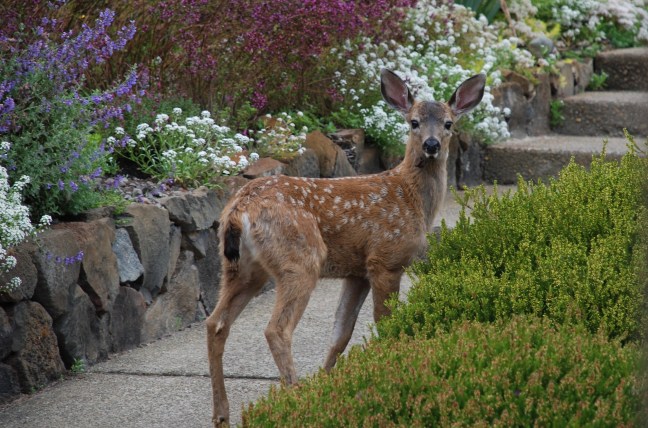
Here are two of the animals that shared my McGregor hill home in California. The first may have inspired my May I Come In? Quail character.

When Hurricane Irma hit Florida this fall, you experienced May I Come In? in a personal way. Can you talk about that a little?

At the last minute, Hurricane Irma decided to come almost directly over our little town of Alva! In the photo below, it looks as if I’m inviting everyone into my house, just the way Rabbit did, but this was actually taken after the hurricane, as I was celebrating our house still standing. You may notice on the left that not all our trees did as well.

Although our storm was indeed frightening, it was heart-warming to see all the people who opened their doors to friends, family, and strangers who had to be evacuated from their homes. My husband and I had fourteen people—family, acquaintances, strangers—and two dogs under our roof. We learned, like the characters in May I Come In?, that it was comforting to be with others during a frightening time and that including everyone added to the camaraderie.

celebrate-pciture-books-picture-book-review-house-for Marsha-Diane-Arnold-blog-tour-post-interview

As a child you were surrounded by animals on your farm, you went on to help care for sick animals, and many of your books are written with animal characters. Do animals and their behavior inspire your writing? What animal qualities do you think resonate most with children?

Animals have always inspired and fascinated me. I could spend hours watching them, just being with them. They calm me. They make me laugh. They make me cry. Animals must inspire my writing because I write about them so often in my books, from my first book Heart of a Tiger to my newest, May I Come In?

Many animals have family groups and care for each other in similar ways to humans. Children understand and relate to this. In my two board books Baby Animals Take a Nap and Baby Animals Take a Bath my goal was to show very young children the similarities between animals and humans. We all nap. We all take baths.

When I write using animal characters, I’m really writing about children with human qualities. It’s a type of metaphor. Using animals as characters often allows children to identify more easily with certain perspectives.

What is something you love to do on a rainy day?

When I was growing up in Kansas, I actually enjoyed the lightning and the thunder!

Reading is always a lovely way to spend a rainy day. If there’s a warm fire to sit by, as in May I Come In? it’s even better.

The theme of May I Come In? revolves around the idea of inclusion and kindness. Can you speak a little bit on why it’s important for children’s books to portray these ideals? What changes have you seen over the years in children’s receptivity to these qualities?

Being inclusive is such an important quality, a foundation to living a kind and caring life. Because we humans are molded by our experiences when we are young, reading books that show inclusion and empathy are extremely important.

Even with the changes in our culture and technology, I think children are as receptive to these qualities as ever. But it’s vital we model them to children from their birth, through the first seven “magical” years, and onward. Good books with good messages are one way to do this.

One of the many things I love about May I Come In? is how each of Jennie Poh’s illustrations are so inviting, seeming to welcome the reader in.
celebrate-pciture-books-picture-book-review-interview-with-Marsha-Diane-Arnold

Your readers love meeting you at their school, in libraries, in bookstores, and even through Skype. Do you have an anecdote from an event that you’d like to share?

I’ve had such fun over the years visiting schools. There are so many precious memories.

I’m quite an introvert, so I’m grateful when schools invite me to visit their students. It gets me out of my shell; meeting my readers inspires me to keep writing for them.

A wonderful memory is my being flown into a small town on the Kansas plains by the principal in his airplane! It was a long way from an airport. When I arrived at the school in the morning I was greeted by a huge tornado they’d constructed on top of their school, in honor of my book The Bravest of Us All. Inside the gymnasium was a smaller tornado, three students dressed as cows to celebrate Prancing, Dancing Lily, and so much more. A grand time.

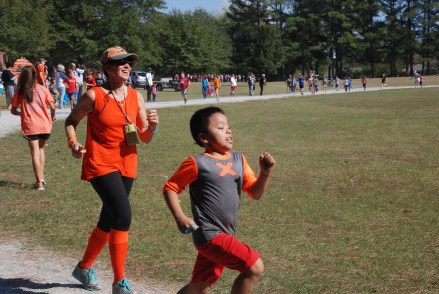
A recent memory involves Walter Jackson Elementary School in Alabama. They’ve been celebrating The Pumpkin Runner for about five years now with their Pumpkin Run Day, which is filled with pumpkin-related activities and a one-mile run for the entire school community, in honor of my book and the surprising ultra-marathoner Cliff Young. Two years ago, I was honored to be invited to join in the festivities by their amazing librarian, Todd McDonald. I spent one day doing presentations and another day playing games and running three miles! Yes, three, as they divided the students into three class groupings. Great educators! Great school! Great fun!
celebrate-picture-books-picture-book-review-pumpkin-run-for Marsha-Diane-Arnold-blog-tour-post-interview

You offer students writing workshops that you call “Funshops,” in which you present images, activities, and brainstorming to spark their imaginations and stories. Could you give an example of an image or activity that you use to fire up kids’ creativity? How do the kids react?

Hmmm. Should I share my favorite? Since it’s Random Acts of Kindness Day, I will!

The Alliteration Game is always a big hit with the students. In the Alliteration game, we take someone’s name and use lots of words that start with the same sound to make a fun sentence.  First, we describe the person in a silly way.  Then we think of an action word, a verb – like hopped or jumped.  After that, depending on the age of students, we might use adverbs to describe how the person does the action – “joyfully jumped” or “happily hopped” – and choose a setting. What’s really fun is that students can then use these sentences as starting places for a funny fiction story. Here’s an example, using my name.

Marsha, the magnificent moose, munched marshmallows in a museum in Manchuria.

Your work has been called “magical” by reviewers, and you also use the word to describe your work, your home in California, and other experiences. What does “magical” mean to you? Where is magic found and what can it do?

I like this definition of “magic” from the Oxford dictionary: “Beautiful or delightful in a way that seems removed from everyday life.”

To me something “magical” is uplifting, something that takes us somewhere else for a moment. But magic can be found almost everywhere, if we open our eyes and ears.  It can sneak up on us and take us by surprise or it can sit beside us and spread its arms around us. I found lots of magic at my home in California where I lived for 35 years – forests, good neighbors, barn owls. Now I’m finding magic in Florida – sandhill cranes, sunsets, ponies down the road.

A journalist once called me “a magician of literary innovations.” I loved that. To me, the best stories have always been magical, taking us away from the house cleaning or the 9-5 job, for a bit of beauty and delight.  So, I took the phrase and ran with it. I used it as the name of my blog Storymagician (inactive at the moment), and I created a Storymagician chant that I share with students when I visit schools. I think all of us can create and use stories to bring a little magic into our lives.

What’s up next for you?

At the moment, I’m doing final editing on my fall 2018 book, Gálapagos Girl with Lee & Low. This is a story inspired by Valentina Cruz who grew up in the Gálapagos Islands.

Also in the fall Mine. Yours. will be out from Kids Can Press, a Canadian company. I’m so honored to be working with them as they usually only publish Canadian authors. Qin Leng is illustrating. I’ve seen some of the early sketches and am so looking forward to the final artwork. Her style is perfect for my story.

Both of these books will be 40 pages long, my first ever 40-page long picture books. As many of you know, most picture books are 32 pages long. It’s interesting to me because Gálapagos Girl is a 500-plus-word story with an author note and back matter and Mine. Yours. is only 25 words! Yet, both editors felt the stories deserved 40 pages.

Another first for me is that Gálapagos Girl is going to be a bilingual book. So much to look forward too!

Since Celebrate Picture Books is a holiday-themed blog, I can’t let you get away without asking a few questions about holidays, so…

What holiday do you enjoy most?

I can’t choose just one!

I love decorating the house for Christmas – all the lights!

I really enjoy Halloween and Easter too. We rarely had candy in our house when my children were young, so trick-or-treating was a big deal. They always made their own costumes, with whatever they could find around the house. There were some pretty interesting ones!

Easter was wondrous. When my children were small we would cut a small branch from one of the manzanita trees in our little forest and bring it into the house to decorate with Easter eggs and treasured objects. We always looked for the Easter bunny in the field behind our house, where many rabbits lived. We spotted him several times over the years.

Then there’s Valentine’s Day, the day we just celebrated. I love the red and pink! When my children were young, we always designed and made our own Valentine’s cards. It’s fitting I’m sharing about May I Come In? during Valentine’s week as both are about holding others close, including them in our hearts and our lives.

Has a holiday ever influenced your writing?

I’ve never really written a story about a holiday, but there’s a Halloween story I started over ten years ago that I never finished. Yet, it keeps tapping me on the shoulder. I plan to take another look at it next month. Writers often return to work that’s been collecting dust for years in the hope that this time new ideas will come to them and the story will be completed and ready for the world.

Where can readers find out more about you, your books, and your school visits?

My website is being updated, but you can find out about all those things at www.marshadianearnold.com. And if you want to learn how to follow your characters through a story, as I mentioned in the first question, you may check out my Writing Wonderful Character-Driven Picture Books at http://www.childrensbookacademy.com/writing-character-driven-stories.html.

Now, let’s all go out and do a random act of kindness!

Thanks, Marsha, for chatting with me today! I wish you all the best with May I Come In? and all of your books!

You can connect with Marsha Diane Arnold on:

Her Author Facebook | Personal Facebook (I welcome all) |Twitter | Her Website

Random Acts of Kindness Day Activity

celebrate-picture-books-picture-book-review-random-acts-of-kindness-cards-feb-2018

Random Acts of Kindness Cards


Here are some cheery cards that are sure to make the recipient’s day happier! Give them to a friend, a family member, your teacher, or your bus driver to show them that you care and that they mean a lot to you!

Random Acts of Kindness Cards Sheet 1Random Acts of Kindness Cards Sheet 2

celebrate-picture-books-picture-book-review-may-i-come-in-cover

You can find May I Come In? at these booksellers:

Amazon | Barnes & Noble | Books-a-Million | IndieBound | MacIntosh Books of Sanibel Island, FL

Picture Book Review


February 4 – National Sweater Day

celebrate-picture-books-picture-book-review-extra-yarn-cover

About the Holiday

Do you live in a place where winter means cold temperatures, snow, and sleet? Then you know how much comfort a cozy sweater can provide! But have you ever thought that sweaters can lower your heat bill? Today’s holiday reminds us that when we put on a sweater, we can turn down the thermostat, saving on fuel, which is beneficial for the environment. Knowing that you’re making a difference as you pull on your favorite sweater and lower that thermostat (even one degree can make a big difference) will make you feel warm inside and out!

Extra Yarn

Written by Mac Barnett | Illustrated by Jon Klassen


In the dulled world of winter, “Annabelle found a box filled with yarn of every color.” With it she knit herself a sweater, and because she had not run out of yarn, she knit a sweater for her dog, Mars, too. Afterwards, the two went for a walk, and Annabelle carried her box of yarn with her. They happened on Nate and his dog—dreary smudges against the monochrome landscape. “‘You two look ridiculous,’” Nate taunted. “‘You’re just jealous,’ said Annabelle.” Nate denied it, but after Annabelle knit him and his dog their own sweaters, they discovered she was right.

celebrate-picture-books-picture-book-review-extra-yarn-annabelle-knits-sweater

Image copyright Jon Klassen, 2012, text copyright Mac Barnett, 2012. Courtesy of harpercollinschildrens.com

These four sweaters hardly put a dent in the yarn in the box, so Annabelle took it to school. There, the kids in their dark, winter clothes couldn’t stop staring at and whispering about Annabelle. Their teacher, Mr. Norman, shouted for quiet. “‘Annabelle, that sweater of yours is a terrible distraction. I cannot teach with everyone turning around to look at you!’” Annabelle knew just what to do. The class—and even Mr. Norman—looked brighter with their new sweaters. “And when she was done, Annabelle still had extra yarn.”

celebrate-picture-books-picture-book-review-extra-yarn-mr-crabtree

Image copyright Jon Klassen, 2012, text copyright Mac Barnett, 2012. Courtesy of harpercollinschildrens.com

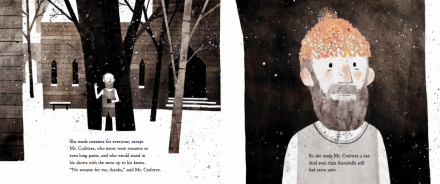
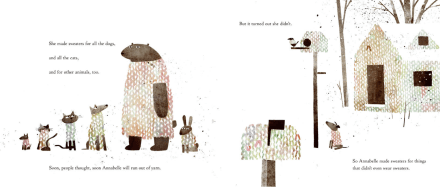
She began knitting sweaters for everyone in town. Mr. Crabtree was the only exception. Since he wore shorts and a t-shirt in even the snowiest weather, Annabelle knit him a cap to keep his bald head warm. When all the people were snug, Annabelle fashioned sweaters for all the animals—from the tiniest birds to the biggest bears. “Soon, people thought, soon Annabelle will run out of yarn. But she didn’t. So Annabelle made sweaters for things that didn’t even wear sweaters.” Suddenly, the town was no longer drab and lifeless.

celebrate-picture-books-picture-book-review-extra-yarn-annabelle-knits-animals-sweaters

Image copyright Jon Klassen, 2012, text copyright Mac Barnett, 2012. Courtesy of harpercollinschildrens.com


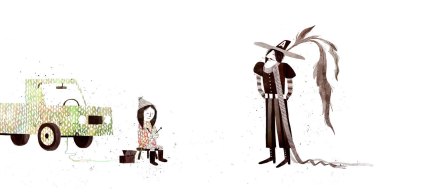
Word spread about Annabelle and her endless box of yarn. People came from all over to meet her and see her sweaters. The news even reached a clotheshorse of an archduke, who sailed his ship into port and demanded to see Annabelle. He offered her one million dollars for her box of yarn, but Annabelle turned him down. He raised his offer to two million, but Annabelle shook her head. “‘Ten million!’ shouted the archduke. ‘Take it or leave it!’” “‘Leave it,’ said Annabelle. ‘I won’t sell the yarn.’”

That night the archduke sent robbers to steal Annabelle’s box of yarn, and when they had it, the archduke sailed away under the dark cover of night. In his shadowy castle, the shady archduke opened the box. It was empty. In a fit of rage, he flung the box out the window into the sea, cursing Annabelle with eternal unhappiness. But the box found its way onto an ice floe, and it rode the current back to Annabelle, who was forever after happy.

celebrate-picture-books-picture-book-review-extra-yarn-archduke

Image copyright Jon Klassen, 2012, courtesy of harpercollinschildrens.com

Mac Barnett’s extraordinary story of a box of yarn and a little girl that keeps giving despite teasing, challenges, and attempts to strip her of her gift is an uplifting reminder that even the simplest of gestures can create profound change. With the lilt of a fairy tale but the anchors of reality, Barnett’s tale offers a universal lesson that children and adults can use their individual talents to improve their own lives and those of others. The title of the book may be Extra Yarn, but the question remains: is it the yarn or Annabelle who is special? The final scene proves that goodness and kindness always win out and will find its way back to the giver.

Jon Klassen’s brown, stolid town seems poised to suck readers in to its close, silent emptiness until Annabelle discovers the box of yarn and knits herself a rainbow to wear. With Mars similarly outfitted, they return to the somber outside. Annabelle, at first the only bright spot in the town and school, quickly transforms her classmates and neighbors into colorful individuals with sweaters as unique as they are. After the homes, buildings, mailboxes, and birdhouses acquire their own cozies, the town looks open and inviting. Once the archduke arrives on the scene, the pages turn dusky and gray, but there is one point of light: in the black, nighttime sea the little box floats on an icy raft that shines in the full moonlight.

celebrate-picture-books-picture-book-review-extra-yarn-townspeople

Image copyright Jon Klassen, 2012, courtesy of macbarnett.com

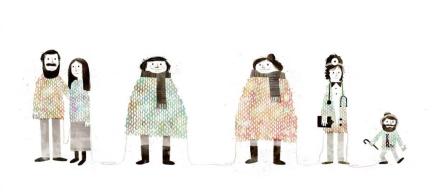
Klassen adds plenty of visual humor here too, as when Mars tangles his yarn leash around a grove of trees, and the archduke demonstrates a penchant for monogramming all of his possessions. Kids will be delighted to see some of their favorite Klassen characters so dandily dressed, and the images of the students and townspeople connected by a leading thread of yarn may help them see that Annabelle not only knit them sweaters but made them a much closer-knit community as well.

Ages 3 – 8

Balzar + Bray, HarperCollins Childrens, 2012 | ISBN 978-0061953385

Want to see what other books Mac Barnett has written? Visit his website and find out!

You can find a gallery of picture books and other artwork by Jon Klassen on tumblr!

National Sweater Day Activity

celebrate-picture-books-picture-book-review-sweater-coloring-page

Design Your Own Sweater


If you could design your own sweater, what would it look like? Would it have stripes? Polka dots? A picture of a puppy, kitten, train, truck, or the logo of your favorite sports team? Use this printable Design Your Own Sweater template and have a bit of fashionable fun!

Picture Book Reviews

January 5 – National Bird Day

celebrate-picture-books-picture-book-review-lion-and-bird-cover

About the Holiday

Today’s holiday celebrates all our feathered friends from the birds in our backyards to the chickens and turkeys that provide us with food to the penguins of Antarctica. They include wild birds and those in captivity, either as pets or in zoos or other aviaries. National Bird Day was established to promote an awareness of issues concerning the safety, health, and protection of the world’s birds. To celebrate put out birdseed and suet for winter birds or learn a little more about the birds in your area.

The Lion and the Bird

By Marianne Dubuc


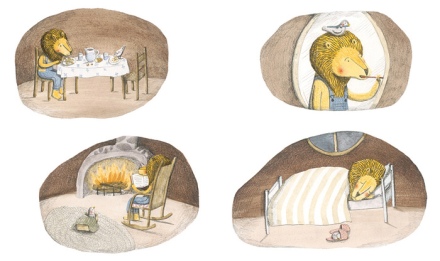
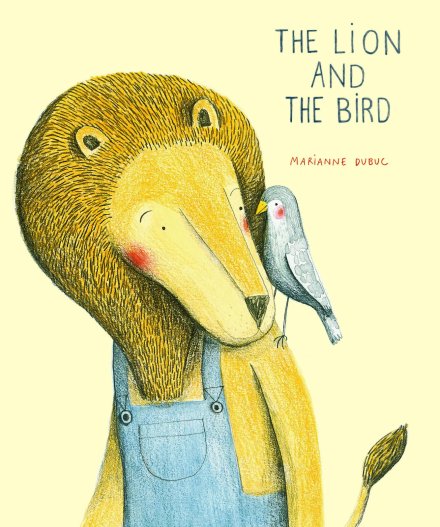
Lion was ready for a day in his garden and had just begun to hoe the rows when he spied a bird lying on the ground. “Oh, poor little thing,” Lion said. He felt he had to do something. He lifted Bird into his paws. Lion settled Bird on a tree stump and bandaged his wing.

celebrate-picture-books-picture-book-review-lion-and-bird-lion-finds-bird

Copyright Marianne Dubuc, 2014, courtesy of mariannedubuc.com.

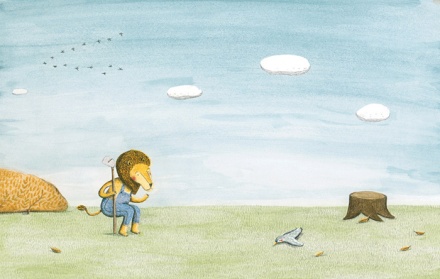
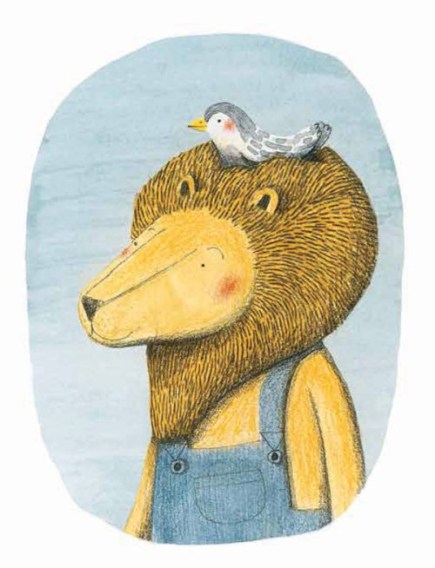
Just then Lion and Bird noticed that Bird’s flock was flying south for the winter. Without hesitation, Lion picked Bird up and placed him gently in his mane. ‘You won’t be cold here,” he told Bird. Then the two went inside Lion’s home, where there was a fire burning in the fireplace and a cozy atmosphere. Lion invited Bird to stay, saying there’s “plenty of room for both of us.”

celebrate-picture-books-picture-book-review-lion-and-bird-bird-in-mane

Copyright Marianne Dubuc, 2014, courtesy of mariannedubuc.com.

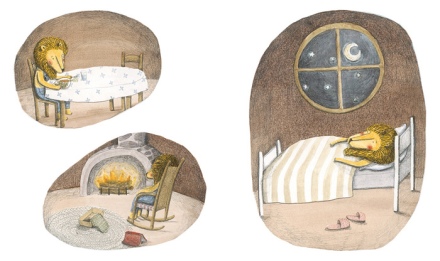
Lion and Bird ate dinner together, and Lion made a warm box for Bird to sit in next to his rocking chair in front of the fire. They sat side by side while Lion read. Then Lion brushed his teeth and Bird brushed his beak and they went to sleep. Bird found a comfortable bed in Lion’s slipper.

Autumn turned to winter with its snow and ice. But Bird was “snug and warm” nestled in Lion’s mane and under a special stocking hat Lion made. They went sledding and ice fishing and spent evenings reading by the fire. The snow piled high, but being with a friend made the winter feel less cold.

celebrate-picture-books-picture-book-review-lion-and-bird-lonely-lion

Copyright Marianne Dubuc, 2014, courtesy of mariannedubuc.com.

When spring returned the other birds did too. Bird pointed them out to Lion, and Lion told Bird he knew he had to join them. He watched his friend Bird fly off with his flock. “So it goes,” Lion thought. “Sometimes life is like that.” Still, Lion felt sad eating alone, with no one to read to, and without being able to say goodnight to Bird. In summer, Lion’s garden produced a good harvest of bright, red tomatoes, and he spent afternoons reading under his favorite tree.

celebrate-picture-books-picture-book-review-lion-and-bird-bird-stays

Copyright Marianne Dubuc, 2014, courtesy of mariannedubuc.com.

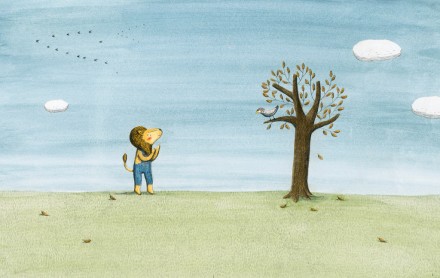
When autumn returned again, Lion wondered about Bird as he watched the flock flying south. Then he heard a familiar song. He looked and found Bird waiting on a branch of the tree. Once again Bird settled into Lion’s mane, and they went home to spend the winter together.

celebrate-picture-books-picture-book-review-lion-and-bird-bird-with-lion

Copyright Marianne Dubuc, 2014, courtesy of mariannedubuc.com.

Marianne Dubuc’s tender story of a deep and abiding friendship shows young readers that even distance and time cannot break bonds when love is shared between two people. Dubuc’s spare but profound text empathizes the warmth, attachment, and camaraderie felt between good friends. Her comforting words point to her poignant images in which Lion and Bird spend time together content in each other’s company. The idea that these two friends may not share the same language makes their devotion to each other all the more touching, and their consideration for each other’s feelings offers a moving lesson in kindness.

The Lion and the Bird is an enriching tale for quiet bedtimes and story times and provides a gentle way for parents, caregivers, and teachers to talk with children about friendship.

Ages 4 – 7

Enchanted Lion Books, 2014 | ISBN 978-1592701513

Discover a gallery of books and other illustration projects by Marianne Dubuc on her website.

National Bird Day Activity

celebrate-picture-books-picture-book-review-let's-go-birding-word-search

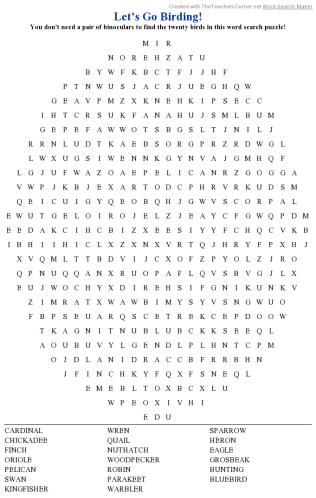
Let’s Go Birding! Word Search Puzzle


There are so many beautiful birds to celebrate on National Birding Day! You can find twenty kinds of birds without even going outside in this printable Let’s Go Birding! Word Search

Let’s Go Birding! Word Search Puzzle | Let’s Go Birding! Word Search Solution

Picture Book Review


November 13 – World Kindness Day

celebrate-picture-books-picture-book-review-most-people-cover

About the Holiday

Instituted in 1998 by a coalition of nations, World Kindness Day is an international celebration that encourages people around the world to be mindful of others through mutual respect, inclusion, empathy, and gratitude. To celebrate, people are asked to perform acts of kindness—big or small. A simple “hi,” a smile, or an offer of help or support goes a long way in making the world a kinder and better place to live in. But don’t limit your care and concern to just one day. Promoters of the holiday hope that kindness becomes infectious, inspiring good relationships every day of the year.

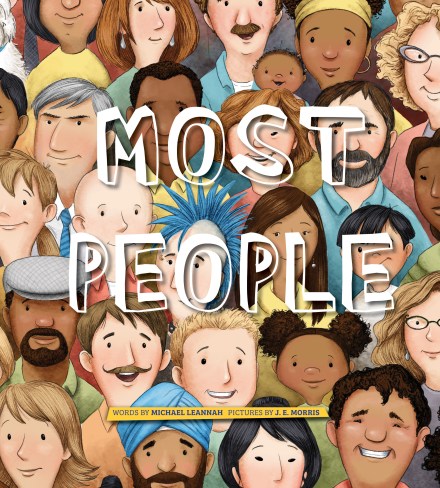
Most People

Written by Michael Leannah | Illustrated by Jennifer E. Morris


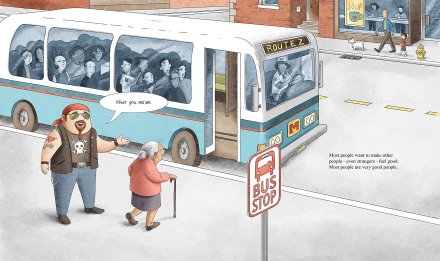
The world is full of people, and if you look around and really look, you’ll notice something amazing: most people are the same! Do you like to smile? Do you like to laugh? Yeah, me too. So do most people! In fact, “most people love to see other people smile and laugh too.” But how about when someone’s sad? Well, “most people want to help when they see someone crying” or when someone is in trouble. “Most people want to make other people—even strangers—feel good. Most people are very good people.”

Sure there are some people who do bad things, but the good people far outnumber the bad people. And bad people can change if they allow the “seed of goodness inside them…to sprout.” Actually, people are a lot like a garden. They love the Earth, and they love being warmed by the sun. Sometimes people “feel like a sour grape in a bunch of sweet grapes.” But you can help make them feel better just by being nice.

celebrate-picture-books-picture-book-review-most-people-biker

Image copyright Jennifer E. Morris, 2017, text copyright Michael Leannah, 2017. Courtesy of Tilbury House Publishing.

When you walk around your neighborhood or play at the park or go to the store, you see people doing the same things. They run and dance and hug their dogs; they read and sing and talk. When people like what someone is doing or wearing or saying, they compliment them. And it’s pretty hard to find someone who doesn’t “smile when they see a baby.”

Most people even like to hear the same words. I bet you know what those are. Right! “Most people glow when they hear or say ‘I love you.’” So when you’re out and about, it’s good to remember that you’re really among “very good people.”

celebrate-picture-books-picture-book-review-most-people-mountain

Copyright Jennifer E. Morris, 2017, courtesy of Tilbury House Publishing.

In today’s world with so many media and social media outlets, bad news often overshadows good news. It can be easy to begin thinking the worst—of things, places, and people. Michael Leannah and Jennifer E. Morris provide a reality check with their book that encourages children and adults to look around and make up their own minds about what they see. In his straightforward text, Leannah gives children easy-to-identify examples of emotions and behavior that they have themselves and can see in other people. He understands that shared experiences and feelings go beyond different clothing, hairstyles, or language to unite us.

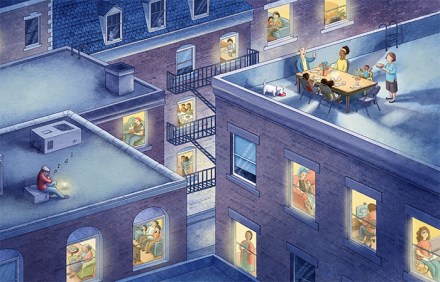
This is where Jennifer E. Morris’s detailed and cheerful illustrations of a diverse community come in. Each spread offers a glimpse into a home or neighborhood to see what people are up to. The first pages invite readers into an apartment, where a mom, a little girl, and her baby brother are having breakfast. Out the big picture window, the sun is just creeping over the rooftops of other nearby apartment buildings. On the windowsill a mitten-shaped cactus seems to wave at the world.

celebrate-picture-books-picture-book-review-most-people-rooftop

Copyright Jennifer E. Morris, 2017, courtesy of jemorris.com.

The next spread shows a little boy laughing with his grandpa and grandma. The third spread takes these two families out into the neighborhood and reveals that the little girl and boy are friends. This is a busy community where many different people are engaged in various examples of kindness and inclusion. As the story progresses, children follow these characters as they go about their day. In this way, readers may have preconceived notions challenged—that biker with the tattoos? He’s really just a softy who watches out for an elderly woman—and they’ll see plenty of thoughtfulness in deeds that make a difference.

In the evening, it’s time to go back home to the boy’s apartment, where the décor includes a stone sculpture of a face that reminds readers of our common human history, Finally, up on the rooftop, the two friends’ families eat dinner together, while in the illuminated windows of the apartments below, the neighbors are seen enjoying their night.

Most People is an inspiring choice to start a discussion on diversity, empathy, and kindness as well as on analyzing what we hear and see in and on the news. The positive perspective is welcome and provides young readers with comfort and examples of how people in general and they specifically can make a difference with even simple heartfelt gestures. Most People is an excellent book for home, classroom, and library bookshelves.

Ages 5 – 8

Tilbury House Publishers, 2017 | ISBN 978-0884485544

Learn more about Michael Leannah and his books on his website.

You’ll find a gallery of illustration art by Jennifer E. Morris as well as activity pages on her website.

World Kindness Day Activity

celebrate-picture-books-picture-book-review-smile-cards

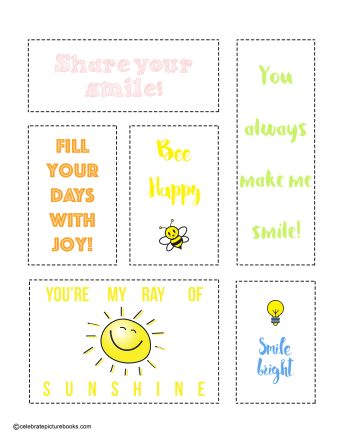
Share a Smile! Cards


Being kind to someone is as easy as sharing a smile. With these printable Share a Smile! Cards, you can give someone a smile that they can carry with them all day long!

Picture Book Review
February 17 – Random Acts of Kindness Day

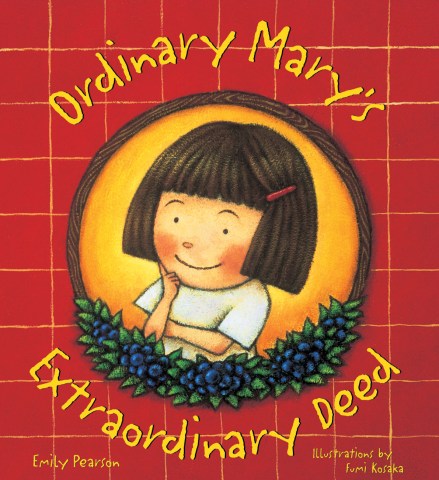
celebrate-picture-books-picture-book-review-ordinary-mary's-extraordinary-deed-covers

About the Holiday

Random Acts of Kindness Day originated in New Zealand, where the holiday is celebrated nation wide every September 1st. In the U.S. the popularity of this day continues to grow, as people discover the pleasure of doing nice things for friends and strangers alike. Connecting with others and paying forward kind deeds can be infectious, making the world a better place for all!

Ordinary Mary’s Extraordinary Deed

Written by Emily Pearson | Illustrated by Fumi Kosaka

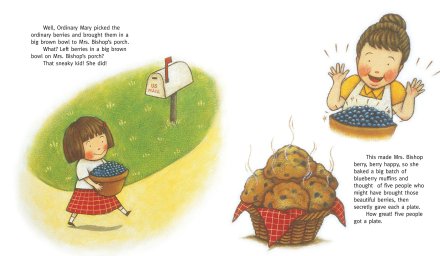
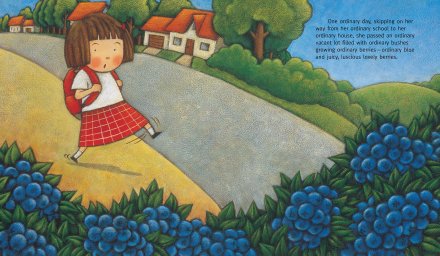
One day an ordinary girl named Mary begins her ordinary day. On her way home she spies ordinary blueberries in a field and picks them. She knows Mrs. Bishop would like them, so Mary leaves them in an ordinary bowl on her porch. Mrs. Bishop is so happy with the berries that she uses them to make blueberry muffins. But who gave her the blueberries? Mrs. Bishop can think of five people who might have, and she divides the muffins between them.

celebrate-picture-books-picture-book-review-Ordinary-Mary's-Extraordinary-Day-blueberries

Image copyright Fumi Kosaka, 2002, text copyright Emily Pearson, 2002. Courtesy of Gibbs Smith.

One of the five is Mrs. Bishop’s paperboy. He is so delighted with the muffins that he kindly hand delivers the newspapers to the next five people on his route. One of these is Mr. Stevens, who is so happy he spends the next 10 hours smiling on an airplane and helps five people lift heavy bags.

celebrate-picture-books-picture-book-review-Ordinary-Mary's-Extraordinary-Day-mrs-bishop

Image copyright Fumi Kosaka, 2002, text copyright Emily Pearson, 2002. Courtesy of Gibbs Smith.

One of these is Maria, who later does nice things for five other people. One of these cheers up the next five people she sees, who in turn brightens the day of five people. By now these random acts of kindness have spread through town and farther. People everywhere are watching out for others, being generous, smiling, becoming friends, and more! And in a surprising happenchance, ordinary Mary’s original act of kindness comes back to her!

celebrate-picture-books-picture-book-review-Ordinary-Mary's-Extraordinary-Day-joseph

Image copyright Fumi Kosaka, 2002, text copyright Emily Pearson, 2002. Courtesy of Gibbs Smith.

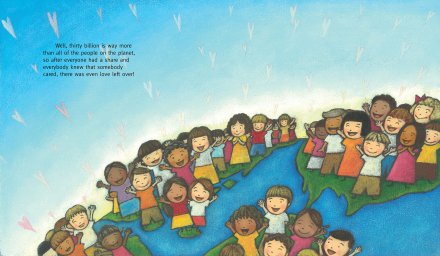
What Mary doesn’t know, though, is that her extraordinary deed actually changes the whole world for the better—because each person touched by kindness shares it with five others, who share it with five more until the one act of leaving blueberries on Mrs. Bishop’s porch multiplies to 6 billion other people!

celebrate-picture-books-picture-book-review-Ordinary-Mary's-Extraordinary-Day-world

Image copyright Fumi Kosaka, 2002, text copyright Emily Pearson, 2002. Courtesy of Gibbs Smith.

Emily Pearson’s story is a delightful tale of how one person can make a positive difference in the lives of others. The thread of simple deeds shared from one character to the next demonstrates to young and old alike how just a smile, a compliment, or an unexpected act can transform another person’s day and even the way they view themselves and the world. This is a perfect book for spurring random acts of kindness, and its straightforward treatment of the way random acts build on each other makes it a great reminder for all ages.
Fumi Kosaka has populated Mary’s world and beyond with people whose wide smiles and twinkling eyes make you want to share the excitement of giving right along with them. Her simple, colorful drawings focus on the people affected and highlight the simple acts that bring them so much pleasure.

Ages 4 and up

Gibbs Smith Publishers, Reprint edition, 2017 | ISBN 978-1423648871 Paperback

Random Acts of Kindness Day Activity

CPB - Random Acts of Kindness cards

Random Acts of Kindness Cards to Share

It’s fun to surprise someone with an unexpected gift or compliment! It makes the other person and you feel happier! Here are some printable Random Acts of Kindness Cards that you can give to anyone you meet today—or any day. If you’d like to write your own, here is a set of Blank Cards. You can give one to your teacher, librarian, favorite store clerk, your postal worker, your neighbors and friends, the person next to you on the bus or train. Or why not brighten someone’s day by leaving a note where they might find it—in a book at the library or bookstore, in a friend’s lunchbox, in your mailbox, on a store shelf, or anywhere you go!

Picture Book Review