November 6 – Marooned without a Compass Day

celebrate-picture-books-picture-book-review-in-a-village-by-the-sea-cover

About the Holiday

It may seem appropriate that the origins of this holiday are lost to history, like someone left to languish on a deserted island. But it’s true that—at some time or another—most of us feel marooned without a compass, flailing with decisions about what to do, who to confide in, even who we are. Today is an opportunity to reflect on the direction you are going in life and, if you find you are off course, to steer once more down the right path. It’s comforting to know that someone will be waiting for you when you reach home—wherever that may be.

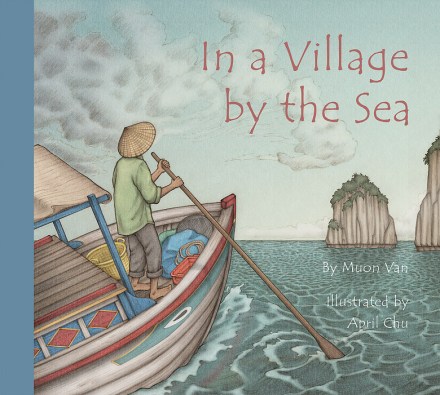
In a Village by the Sea

Written by Muon Van | Illustrated by April Chu


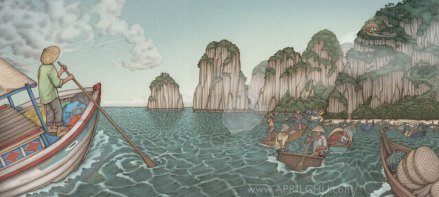
High on a cliff a small house looks out over the sea, where fishermen are poling their craft and setting their nets. “In that house, high above the waves, is a kitchen.” In the kitchen a warm fire blazes under “a pot of steaming noodle soup.” A woman, preparing ingredients for dinner, watches, mixes, and stirs while the pot simmers.

celebrate-picture-books-picture-book-review-in-a-village-by-the-sea-small-house-on-the-cliff

Image copyright April Chu, courtesy of aprilchu.com

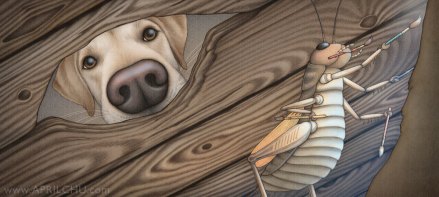
“By that woman is a sleepy child, yawning and turning. By that child, tucked in the shadows, is a dusty hole.” If you peer into that hole, you will see something astounding—a brown cricket is “humming and painting.” The cricket, brushes in four hands is surrounded by paints contained in seashells. It is painting a “sudden storm, roaring and flashing.”

celebrate-picture-books-picture-book-review-in-a-village-by-the-sea-small-house-dog-finds-cricket

Image copyright April Chu, courtesy of aprilchu.com

A white boat rides this roiling sea, rising and dipping with the crashing waves as lightning flashes ahead. Under the cover of the boat’s canvas roof a fisherman eyes the threatening sky and waits for the storm to end. In his hand he opens a precious box. Inside are two pictures: one of a small house high on a hill; the other of a smiling woman holding a little child while their dog looks on. Next to these sits a special cricket.

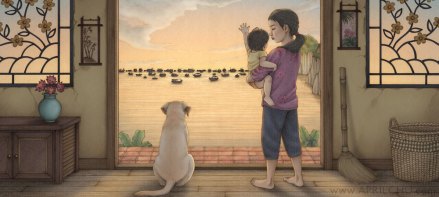
In the painting there is also a small house, and “in that house is a family waiting for [the fisherman] to come home.”

celebrate-picture-books-picture-book-review-in-a-village-by-the-sea-looking-out-the-door

Image copyright April Chu, courtesy of aprilchu.com

Muon Van’s lyrical tale expands and contracts through the eyes of family members to reveal not only the actions and emotions of one afternoon but those that eternally exist in each character’s heart. In the opening page readers view the small house from afar as the husband and father fisherman casts off on his journey. Children are then invited into the kitchen and finally into a small crevice.

Through the cricket’s tiny painting, readers once again see the wider world with its storms and worries. Narrowing the perspective to the fisherman’s view as he looks at his photo box, however, they understand that comfort and reassurance are always close at hand. As the next page zooms out, children are again invited into the little home to join the woman, baby, and vigilant dog as they gaze out into the bay, watching and waiting for one particular boat.

Van’s quiet and simple story holds much universal feeling as it traverses both homey and unpredictable landscapes. As each page depends on the previous one, a gentle suspense builds, enticing readers to follow wherever the story takes them. The inclusion of the “dusty hole,” where a cricket—a symbol of good luck—paints the rest of the story, is irresistible and lends the tale a mystical quality.

celebrate-picture-books-picture-book-review-in-a-village-by-the-sea-on the shore

Image copyright April Chu, courtesy of aprilchu.com

April Chu’s gorgeous paintings transport readers to a Vietnamese fishing village with their delicate and colorful details. The small home glows with the light of paper lanterns and the fire in the stove. As the perspective of the text changes, so does the perspective of Chu’s paintings. When readers peer into the soup pot, bubbling with delicious vegetables, the family’s Labrador gazes up at them, almost begging to know what smells so good. Another bird’s eye view lets kids watch as the dog discovers the hole under the rug, a beautiful device to increase their enjoyment of and wonderment at the story.

Kids will marvel at the cricket’s artistic talent, as the stormy sea churns with whitecaps and lightning flashes from the tip of the small creator’s paintbrush. But it is Chu’s mastery that makes each page so meaningful.

Ages 3 – 10

Creston Books, 2015 | ISBN 978-1939547156

View a porfolio of picture books and other artwork by April Chu on her website!

Marooned without a Compass Day Activity

celebrate-picture-books-picture-book-review-sail-boat-maze

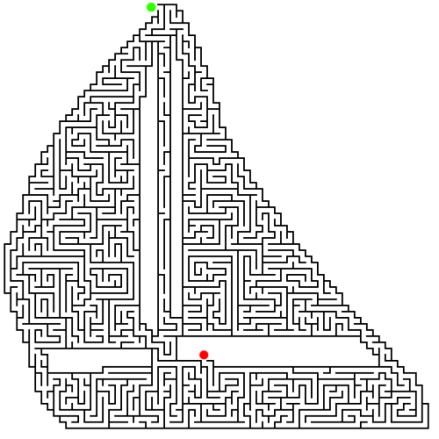
Sailboat Maze


Sometimes getting through a maze is as smooth as sailing on a calm sea—and sometimes the path is a little choppy. Get your pencil ready and chart a path through this printable Sailboat Maze!

Picture Book Review

November 5 – Book Lovers Day

cpb-hug-this-book-cover-1500

About the Holiday

The first Saturday in November is set aside for all book lovers out there who like nothing more than to snuggle into a cozy nook with a favorite book. It’s a great day to discover a new author or to reread a beloved one. With so many kinds of books available—mystery, adventure, humor, biography, non-fiction, novels, and more—you may want to read more than one today! How many can you read?

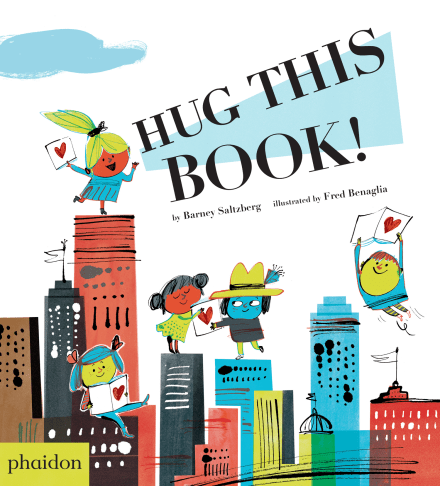
Hug This Book!

Written by Bernie Saltzberg | Illustrated by Fred Benaglia


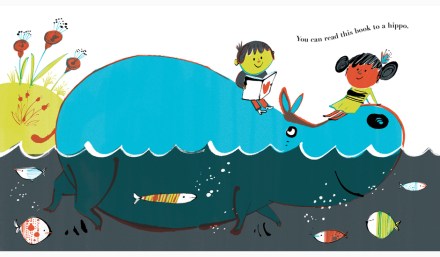
When you grab onto a book and open the cover, you know what to do! But did you know that books themselves may have some ideas on the subject? Today’s reviewed book has plenty of fabulous, page-turning ideas and is happy to share them with you. Its first thought is a pretty big one: “You can read this book to a hippo.” I know!—wouldn’t that be a blast?

celebrate-picture-books-picture-book-review-hug-this-book-hippo

Image copyright Fred Benaglia, text copyright Barney Saltzberg. Courtesy of Phaidon Press

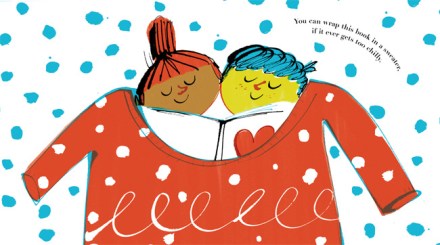
It seems that books watch how readers treat their pets, and they want in: “You can kiss and hug and smell this book. / That might sound sort of silly. / You can wrap this book in a sweater, / if it ever gets too chilly.” That sounds as cozy as enjoying hot chocolate in front of a fire—with this book, of course!

celebrate-picture-books-picture-book-review-hug-this-book-sweater

Image copyright Fred Benaglia, text copyright Barney Saltzberg. Courtesy of Phaidon Press

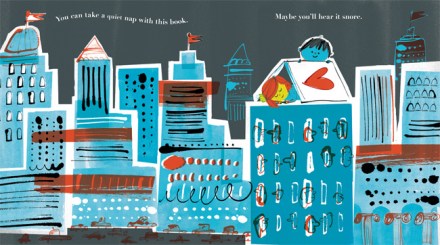
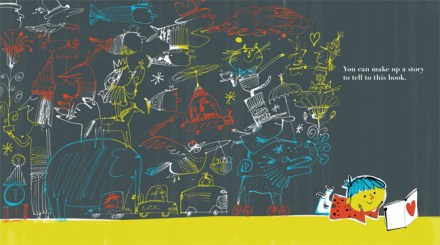
The book continues—“You can make up a story to tell to this book.” Hmmm…I never thought about it. Maybe books don’t like doing all the work all the time. Maybe they’d like to just relax and be entertained. Well, I’m sure you can come up with something fun and fantastic! And just to keep you on your toes, the book offers a few more challenges: “Can you read this book in the mirror? / Or sing the words in this book like a song? / If you sing it to the birdies, maybe they’ll sing along.” After completing those activities maybe it’s time for a nap. Don’t forget to take the book too, but be ready to giggle because… “Maybe you’ll hear it snore.”

celebrate-picture-books-picture-book-review-hug-this-book-snore

And when you wake up all refreshed you can try reading the book while dancing, twirling, leaping, skipping…you can even take it to lunch, “just do not try to feed it.” Then suddenly and all too soon the book comes to the last page. Don’t be sad, though. “Even though this book is over, / it isn’t really the end. / You can start at the beginning / and read it to a friend!”

celebrate-picture-books-picture-book-review-hug-this-book-tell-story

Image copyright Fred Benaglia, text copyright Barney Saltzberg. Courtesy of Phaidon Press

Barney Saltzberg’s love for books is infectious. His witty rhymes bubble with the thrill of reading and playfully challenge kids to take books along no matter where they go or what they do. The cadence of Saltzberg’s lines invite multiple readings—the way the rhythm of movement in hopscotch, jump rope, or dancing is inherent in the fun. Kids will giggle at the examples Saltzberg conjurs up—reading to a hippo, listening to a book snore, feeding a book—and you can bet that they will want to invent some of their own! Get ready to hug this book—and many others. After all isn’t that what best friends do?

Fred Benaglia’s adorable characters swim and paddle, snuggle and swing, play and imagine all the while with their nose in this book. The fanciful coloring and quirky landscapes enhance both the originality and universality of this tribute to book love. Benaglia’s artwork—from the fish nibbling at a child’s toes to the cars zipping through the cities—radiate personality invites creative thinking. Readers will especially want to linger over the two-page spread of a smiling child conjuring up a host of stories to catch every imaginative detail in the chalk drawings. The big red heart on the  cover under the book jacket is a clever touch, connecting Hug This Book! to “this book” in the text.

For all book lovers, Hug This Book! is a fun, funny romp and will be a welcome, often-asked-for addition to a child’s library.

Ages 2 – 7

Phaidon Press, 2016 | ISBN 978-0714872841

You’ll love discovering all the books, music, and videos on Barney Saltzberg‘s website!

Cuteness abounds on Fred Benaglia‘s website, where you’ll find book illustrations and so much more!

Can you hug this Hug This Book! book trailer?

Book Lovers Day Activity

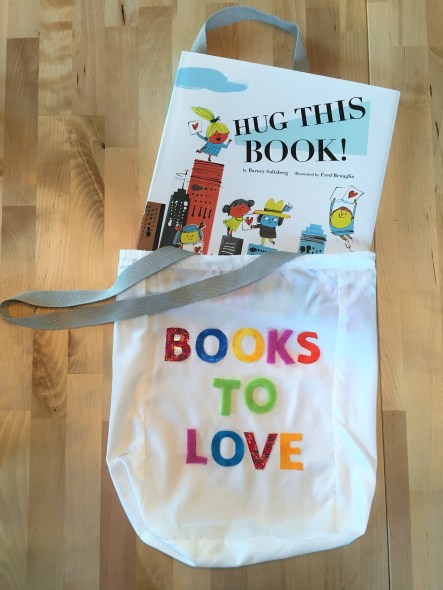
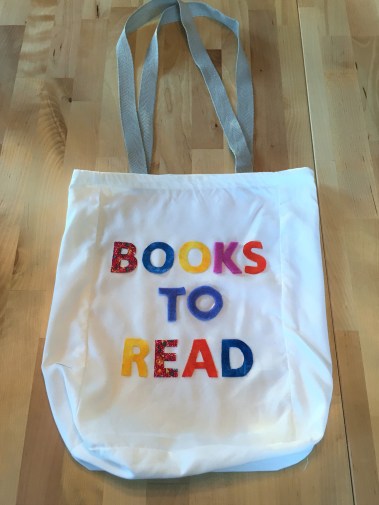
celebrate-picture-books-picture-book-review-book-bag-craft

Book Lovers Book Bag


Whether you’re buying new books at your local bookstore or checking some out at your library, carry those treasures home in their own special bag! This kid-sized bag was made from recycled materials!

Supplies

  • Printable Templates: Books to Read Template | Books to Love Template
  • Small cloth bag, available from craft or sewing stores—Recyclable Idea: I used the bag that sheet sets now come in
  • Cloth trim or strong ribbon, available from craft or sewing stores—Recyclable Idea: I used the cloth handles from shopping bags provided from some clothing stores
  • Scraps of different colored and patterned cloth. Or use quilting squares, available at craft and sewing stores
  • Pen or pencil for tracing letters onto cloth
  • Scissors
  • Small sharp scissors (or cuticle scissors) for cutting out the center of the letters
  • Fabric glue
  • Thread (optional)
  • Needle (optional)

celebrate-picture-books-picture-book-review-books-bag-craft

Directions

  1. Print the sayings and cut out the letters
  2. Trace letters onto different kinds of cloth
  3. Cut out cloth letters
  4. Iron cloth bag if necessary
  5. Attach words “Books to Read” to one side of bag with fabric glue
  6. Attach words “Books to Love” to other side of bag with fabric glue
  7. Cut cloth trim or ribbon to desired length to create handles
  8. Glue (or sew) handles onto the inside edge of bag

Picture Book Review

November 4 – Fountain Pen Day

picture-book-review-will's-words

About the Holiday

Today we spend some ink to extol the virtues of the fountain pen. Designed in 1636 (a mere 22 years after William Shakespear wrote his last play), the fountain pen sported two clever improvments over the quill pen. First, it contained a reservoir of ink that made frequent dipping in the inkwell unnecessary. Second, it’s metal nib didn’t require cutting the way a feather did to retain sharpness. While there are now many alternatives to fountain pens, there are those who prefer its smooth elegant lines for writing everything from notes to novels. Fountain pens are also collectable, and craftsmen around the world create beautiful, innovative works of art on these functional canvases.

Will’s Words: How William Shakespeare Changed the Way You Talk

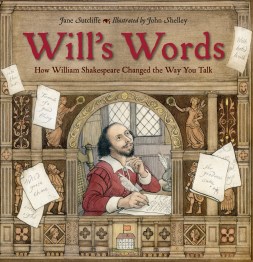
Written by Jane Sutcliffe | Illustrated by John Shelley

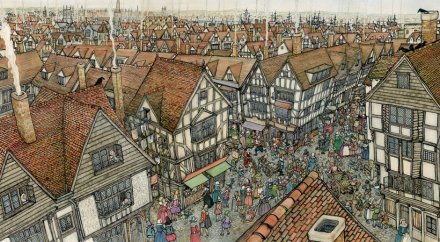
“In 1606 London was a bustling, jostling, clanging, singing, stinking, head-chopping, pickpocketing wonder of a city.” With that phenomenal sentence Jane Sutcliffe begins this fascinating and ingenious look at the Globe Theatre and the experience of attending a play in William Shakespeare’s time.

In addition to all the qualities of London mentioned above, the town was also a “play-going city.” Every day of the week except Sunday, a play—or maybe even two or three—was performed, and as many as 18,000 people attended plays every week! They just couldn’t get too much of a good thing!*” And everyone loved the plays written by William Shakespeare!

celebrate-picture-books-picture-book-review-will's-words-in-town

Image copyright John Shelley, 2016, text copyright Jane Sutcliffe, 2016. Courtesy of Charlesbridge.

How did a day at the theater begin? Well, at 1:00 a banner was raised from the roof of the playhouse, and men, women, and children streamed through the streets toward the Globe. It cost a penny to get in, but if you paid more you got a chair, and if you paid a little more than that you were seated in the Lord’s Rooms. The Lord’s Rooms were actually for fashionable people who wanted to be seen but didn’t really care what play they were seeing.

All the actors were…well…actors. There were no actresses in those days. Men played women’s parts as well as men’s. And if you think phones and talking are problematic in today’s theaters, you would have been aghast at the audiences back then! They were not well behaved at all!

celebrate-picture-books-picture-book-review-will's-words-back-stage

Image copyright John Shelley, 2016, text copyright Jane Sutcliffe, 2016. Courtesy of Charlesbridge.

There were plays to please all tastes—comedies, tragedies, histories, and romances—all full of complicated plots and plenty of twists and turns. While the stories may have been intricate, the sets were not. But the bare-bones sets were made up for in gorgeous costumes and even some special effects accomplished through trap doors and ceiling holes. Sounds full of amazement, right? Good thing too because these plays could go on for hours, and most people stood through the whole thing, rain or shine!

celebrate-picture-books-picture-book-review-will's-words-cold-blooded

Image copyright John Shelley, 2016, text copyright Jane Sutcliffe, 2016. Courtesy of Charlesbridge.

While William Shakespeare’s plays ended when the last line was spoken, his influence continued. Theatre-goers repeated the lines they’d heard long after they left the Globe. They used Will’s words so much that his new phrases became part of the common language, and we still use them today!

Jane Sutcliffe inserts a tongue-in-cheek apology before the main text, explaining how she wanted to tell the world about the Globe Theatre in her own words, but that William Shakespeare’s words kept getting in the way. Yes, using another writer’s words is a no-no—but if they’re Shakespeare’s words? Words we use every day? Hmmm… Sutcliffe’s lively history of the Globe Theatre and Old London’s theater culture is conversational, humorous, and highly informative.

celebrate-picture-books-picture-book-review-will's-words-new-words

Image copyright John Shelley, 2016, text copyright Jane Sutcliffe, 2016. Courtesy of Charlesbridge.

The left-hand page tells the story of the Globe with phrases and words coined by William Shakespeare sprinkled throughout and set in bold type. On the right-hand page readers learn the meaning of those words and phrases (some have changed a bit since Will’s time) and which play they come from. A final note from Sutcliffe at the end of the book reveals a bit more about the playwright. A timeline of Shakespeare’s life and a bibliography are also included.

John Shelley’s incredible illustrations of London and the Globe Theatre will take your breath away. The streets teem with vendors, knights, shoppers, kids, Ladies, and Lords. If you look closely at the intricate paintings you’ll also spy the seamier side of Old London—a pickpocket, a criminal in the stocks, a tavern brawl, a cat snatching a free meal, a woman about to empty a chamber pot on her unsuspecting downstairs neighbor’s head, and…could that be a dead rat?— and that’s only on the first page!!

celebrate-picture-books-picture-book-review-will's-words-globe-theater

Image copyright John Shelley, 2016 text copyright Jane Sutcliffe, 2016. Courtesy of Charlesbridge.

Subsequent pages show the waterfront with its sailing vessels, a peek into Shakespeare’s study and a look at the printing press, an aerial view of London, the Globe Theatre with its thatched awning, actors donning wigs and costumes, the audiences enjoying the plays and the fun of a day out. Each illustration is alive with color and movement, texture and design, expressive faces, and all the sights, sounds, and aspects of Old London. Kids will love lingering over each page picking out the funny events going on in the lanes, in the theater seats, and on stage.

So hurry to get your own copy of Will’s Words and enjoy it to your heart’s content! You will definitely get your money’s worth!

*Italicized words and phrases were invented by William Shakespeare

Ages 6 – 10 and up (Anglophiles and Shakespeare lovers will enjoy this book)

Charlesbridge, 2016 | ISBN 978-1580896382 (Hardcover) | ISBN 978-1580896399 (Paperback)

To learn more about Jane Sutfcliffe and her other picture books and books for early and middle grade readers visit her website!

View a portfolio of picture book illustration and other work by John Shelley on his website!

Fountain Pen Day Activity

picture-book-reviews-quill-pen-craft

Write Like Shakespeare

William Shakespeare might have missed out on the new technology of fountain pens, but he sure did a great job with the quills of the day. Try your hand at making a quill pen—you may not be able to write with it, but it sure will look cool on your desk!

Supplies

  • Medium to large size feather with quill, available at craft stores
  • Clay, oven-bake or air-dry, in various colors if desired
  • Wire, beads, paint, and/or markers for decorating     
  • Scissors
  • Baking pan for oven-bake clay

Directions

  1. Roll clay 2 ½ inches to 4 inches long 
  2. Push the quill end of the feather into the clay
  3. Add bits of clay or roll sections of the clay between your fingers to give the clay shape
  4. To make the twisted shape pen, twist the length of clay around itself before adding the feather
  5. Shape the end or cut it with scissors to make the pointed writing nib
  6. If using air-dry clay: Add beads and/or wire and let clay dry around feather
  7. If using oven-bake clay: Add beads and other layers of clay before baking then carefully remove feather. Bake clay according to package directions
  8. Add wire and other decorations after clay has baked and cooled
  9. Reinsert feather into clay

picture-book-review-will's-words

You can find Will’s Words at these booksellers

Amazon | Barnes & Noble | Books-a-Million | IndieBound

November 3 – National Sandwich Day

celebrate-picture-books-picture-book-review-sam's-sandwich-cover

Image copyright David Pelham, courtesy of candlewick.com

About the Holiday

Most people are familiar with the story of how the Earl of Sandwich created the first sandwich and parlayed his invention to world-wide stature, part of nearly everyone’s daily routine. And it all got started during a card game in the British town of Sondwic, which became Sandwic, and finally Sandwice—which means “Market town on sandy soil.” Seems the Earl got hungry but didn’t want to get his cards stained with greasy fingerprints, so he ordered his meat between slices of bread, and a new culinary star was born. Celebrate today by building yourself a delectable feast with all of your favorite ingredients!

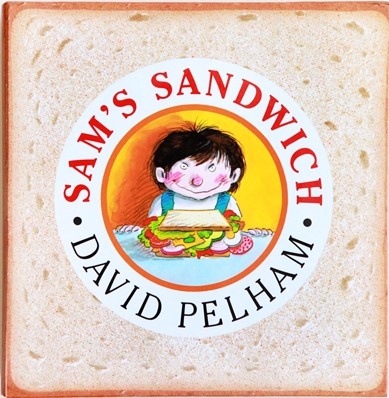
Sam’s Sandwich

By David Pelham


With a gleam in his eye Sam entreats his sister to grab the bread and butter to make a sandwich. Starving and eager to “raid the pantry”, Sam’s sis urges her brother to slather on the butter. “‘Don’t worry, Sis.’” Sam smirks. “‘You’ll never / eat a tastier sandwich…ever!” But perhaps Sam’s eyes glint a little too much. While Samantha celebrates the crispy greenness of the lettuce leaves, “as a tasty little filler, / Sam popped in a… [caterpillar].”

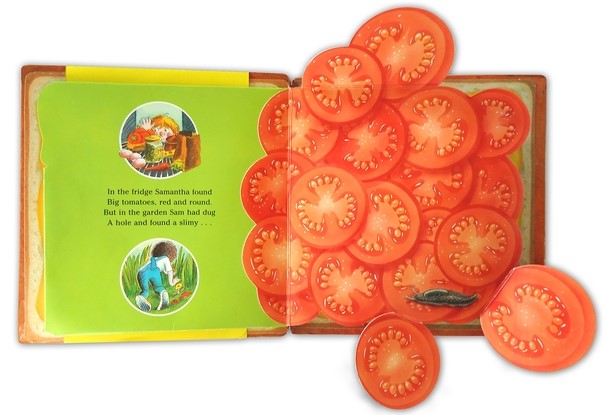
Next Samantha adds “big tomatoes, red and round, / while in the garden Sam had dug / a hole and found a slimy…” (What do you think? Yes—“slug”). Another layer sports cheese and ants, topped with watercress and a creepy fly. Cucumber makes any sandwich yummy, but Sam’s wiggly worm? That’s kind of crummy.

Watching the sandwich grow, Samantha can hard wait to dig in: “‘Add some hard-boiled eggs as well.’ / Samantha drooled and cracked a shell. / But Sam had seen a silver trail / that led him to a crunchy…” (say it together?—“snail”). A spider rests in the pile of salami, and in the tier of onion rings, Sam gets creative, plopping down a small tadpole.

celebrate-picture-books-picture-book-review-sam's-sandwich-tomatoes

Copyright David Pelham, courtesy of candlewick.com

Samantha pronounces the sandwich finished, and with a flourish sauces it up with a squirt of ketchup. “But Sam still felt that it might need / a creepy-crawly… [centipede].” Even though Samantha is licking her lips, she remembers the beloved sibling who helped her build such sustenance. As she reached “toward the plate and grabbed the bread, / “‘Would you like some, Sam?’ she said.”

Magnanimous to the end, Sam begs off: “‘I’m full. I’m stuffed. I really am. / so you can have it all,’” said Sam.”

This 25th anniversary edition of David Pelham’s classic sibling trickery is pure fun and eye-poppingly realistic. Opening the thick “bread” cover reveals layer after layer of sandwich fixin’s on the right hand side. The bright images of tomatoes, boiled eggs, lettuce, cucumbers, and the rest of the ingredients look good enough to eat—until readers fold out the edges to discover Sam’s special additions. The rhyming text is ingenious and sly, begging kids to shout out the name of the creature Sam has sprinkled into Samantha’s lunch. Guaranteed to make kids laugh, Sam’s Sandwich is a terrific addition to a child’s bookshelf for home story times and take-along reading.

Ages 3 – 8

Candlewick, 2015 | ISBN 978-0763678081

Check out what lurks between the bread in Sam’s Sandwich

National Sandwich Day Activity

celebrate-picture-books-picture-book-review-sandwich-coloring-page

Enjoy a Sandwich! Coloring Page


Sandwiches are fun to build and delicious to eat! Before you grab your ingredients, grab your colored pencils for this printable Enjoy a Sandwich! Coloring Page.

Picture Book Review

November 1 – Dia de los Muertos (Day of the Dead)

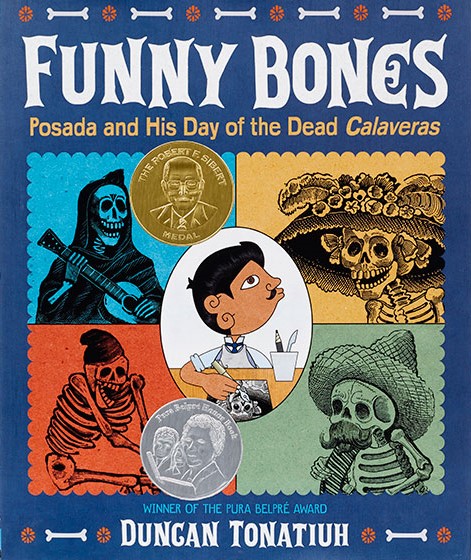
celebrate-picture-books-picture-book-review-funny-bones-posada-and-his-day-of-the-dead-calaveras-cover

About the Holiday

Originating in Mexico, but celebrated throughout Latin America, Dia de los Muertos commemorates the lives of deceased loved ones with music, food, parties, and activities the person enjoyed in life. Dia de los Muertos revolves around the belief that death is just a natural part of the life cycle, and the dead are awakened from their eternal rest to once more join their community for this special day.

Funny Bones: Posada and His Day of the Dead Calaveras

By Duncan Tonatiuh


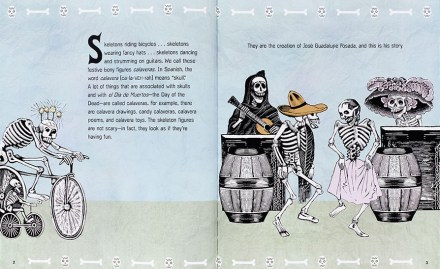
José Guadalupe Posada was born in 1852 in the Mexican city of Aguascalientes. His older brother, a teacher, taught Lupe how to read and write, and seeing how well he drew, helped him enroll in art classes. When Lupe was 18, he went to work in a print shop where he learned lithography and engraving. During working hours Lupe created labels, invitations, flyers, and other documents.

celebrate-picture-books-picture-book-review-funny-bones-posada-and-his-day-of-the-dead-calaveras-introduction

Copyright Duncan Tonatiuh, courtesy of abramsbooks.com

After work, he gathered with other artists and talked about the government. They didn’t like how their government officials ran things. Lupe’s boss, Don Trinidad Pedroza, at the print shop also published a newspaper, and he invited Lupe to create editorial drawings to be included in the paper. Lupe’s drawings were humorous, but also highlighted the officials’ bad traits. After the elections some of these politicians remained in power and were angry with Lupe and his boss. Lupe and Don Trinidad decided to move to the city of León.

In León Lupe opened his own print shop, he got married, and had a son. He became well known not only for his printing work but also for book and pamphlet illustrations. People began to call him Don Lupe as a sign of respect. “But in 1888 a terrible flood destroyed a large part of the city, including Don Lupe’s shop.” He and his family moved to Mexico City, where in time he was able to open another print shop.

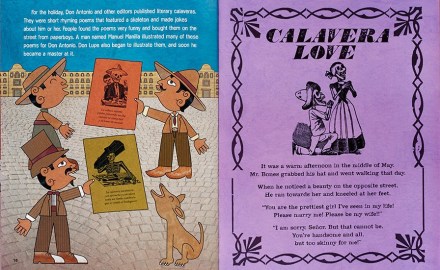
celebrate-picture-books-picture-book-review-funny-bones-posada-and-his-day-of-the-dead-calaveras-calavera-love

Copyright Duncan Tonatiuh, courtesy of abramsbooks.com

He worked with Antonio Vanegas, a writer, who published his stories on large sheets of paper called ‘broadsides.’ “The tales were about a wide range of topics, including scary creatures, fires, miracles, violent crimes, heroes, bandits, cockfights, and bullfights.” Don Lupe drew illustrations for many of these stories. Even people who couldn’t read began buying the broadsides because they were fascinated by Don Lupe’s art.

Every November first and second, during the Dia de Muertos celebrations venders sold special “pan de muerto (bread), cempasúchil (marigold flowers), alfeñiques (sugar skulls), and papel picado (paper cutouts). People bought these and other items to decorate the ofrendas (offerings) they made for their loved ones who had died.” Don Antonio and other editors published “literary Calaveras, which were “short rhyming poems that featured a skeleton and made jokes about him or her. People thought they were very funny. Soon Don Lupe began drawing illustrations for these poems.

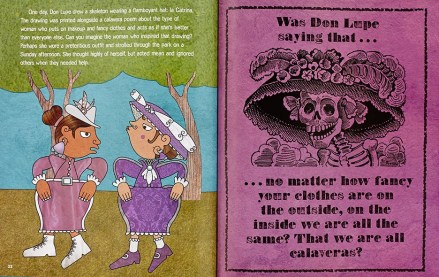
celebrate-picture-books-picture-book-review-funny-bones-posada-and-his-day-of-the-dead-calaveras-fancy-hat

Copyright Duncan Tonatiuh, courtesy of abramsbooks.com

Over time Don Lupe began using the technique of etching, and his illustrations grew more complex. In his calaveras drawings Don Lupe interpreted and commented on what he saw not only on Dia de Muertos, but every day. For example, he watched families gather at loved ones’ graves with food, stories, and music then “drew skeletons dancing and partying. Was he saying that…El Dia de Muertos is not only a celebration of death but also a celebration of life? A day when the dead become alive?”

In another drawing a skeleton wears a large hat covered with lace, feathers, and flowers. This illustration accompanied a poem about a woman who wore expensive clothes and thought she was better than others and ignored them when they needed help. “Was Don Lupe saying that…no matter how fancy your clothes are on the outside, on the inside we are all the same? That we are all calaveras?

Don Lupe also commented on the ever increasing hustle and bustle of society, the Mexican Revolution of 1910, revolutionary leaders and government officials, and just common people and events. Perhaps the main idea Don Lupe was trying to communicate was that “calaveras are all around us. That we are all calaveras, whether we are rich or poor, famous or not.”

celebrate-picture-books-picture-book-review-funny-bones-posada-and-his-day-of-the-dead-calaveras-today

Copyright Duncan Tonatiuh, courtesy of abramsbooks.com

While many people loved and looked forward to Don Lupe’s artwork, they did not know the artist who drew them. It wasn’t until many years after his death in 1913 that “historians and artists such as Jean Charlot and Diego Rivera began to wonder who had drawn such wonderful images.” Today, we know Don Lupe by his last name—Posada—which is how he signed his work, and he and his work is still beloved around the world.

An extensive Author’s Note about El Dia de Muertos and Posada’s influence on other artists. A glossary, bibliography, art credits, and places where Posada’s work is displayed follow the text.

celebrate-picture-books-picture-book-review-funny-bones-posada-and-his-day-of-the-dead-calaveras-etching

Copyright Duncan Tonatiuh, courtesy of abramsbooks.com

In Funny Bones Posada and His Day of the Dead Calaveras, Duncan Tonatiuh accomplishes many things. First, his book is a fascinating look at the life of the man who entertained and enlightened the world with his distinctive talent and ideas. Tonatiuh’s straightforward storytelling reveals the personal and historical events that influenced Posada from childhood through adulthood, clearly explaining and highlighting each concept for his young audience. Second, Tonatiuh provides readers with brief primers on the printing processes of lithography, engraving, and etching with step-by-step descriptions of these interesting art forms.

Third, his own vibrant and expressive stylized illustrations both contrast with and complement the depictions of Posada’s life and his calaveras drawings. On nearly every two-page spread readers experience this biography through Tonatiuh’s portrayals of Don Lupe, the townspeople, and others as well as through Posada’s actual broadsides and editorial drawings. The juxtapositions allow children to fully appreciate the meaning and humor behind these famous drawings that are still so popular and resonant today.

Ages 6 – 10

Harry N. Abrams, 2015 | ISBN 978-1419716478

View a gallery of Duncan Tonatiuh‘s artwork for children and adults on his website!

Dia de los Muertas (Day of the Dead) Activity

celebrate-picture-books-picture-book-review-day-of-dead-coloring-page

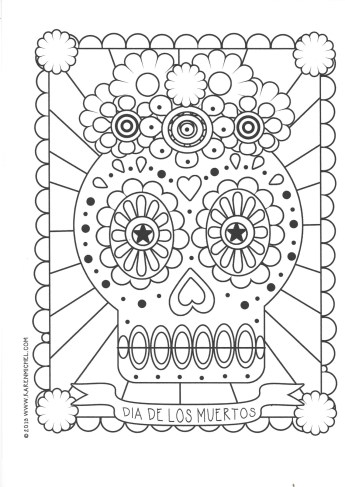
Calaveras Coloring Page


With their intricate designs and vibrant hues, calaveras are a joy to color. Grab your entire set of markers, pencils, or crayons and design a masterpiece with this printable Calaveras Coloring Page.

Picture Book Review

October 31 – Halloween

celebrate-picture-books-picture-book-review-shivery-shades-of-halloween-cover

About the Holiday

Carving jack-o-lanterns from pumpkins, dressing up in spooky or funny costumes, and receiving candy just by ringing doorbells and calling out “Trick or Treat!” all make Halloween the favorite holiday of many. Thought to have originated around the ancient Celtic festival of Samhain, during which people lit bonfires and wore costumes to ward off ghosts, Halloween—or All Hallows Eve—later ushered in the November observation of All Saints Day which honors all saints and martyrs. The holiday was later embraced as a community event and has been transformed into the celebration we know today. However you celebrate, enjoy this night when a shivery chill is just for fun.

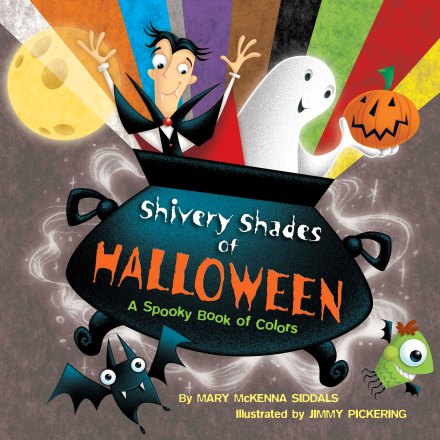
Shivery Shades of Halloween: A Spooky Book of Colors

Written by Mary McKenna Siddals | Illustrated by Jimmy Pickering


Have you ever thought, “What color is Halloween?” Sure, we all know it’s orange and black—but what about the rest of the color wheel? Tell me—what’s your favorite color? Purple? Let me look through Shivery Shades of Halloween…Yes! Halloween is purple—“Twilight, / Shadows, / Monsters lurking, / Secret potion— / Poof! It’s working! Dusky-musky, bruisy-oozy, cruelish-ghoulish / Blotch of purple.”

Hey! This is fun! Give me another one! Gray, you say? Hang on…. Yes! Halloween is Gray! “Tombstone, gargoyle, / Dungeon wall, / Rats and rubble, / Haunted hall, / Dusty-fusty, dimly-grimly, shady-fraidy / Shroud of gray.”

celebrate-picture-books-picture-book-review-shivery-shades-of-halloween-blue

Image copyright Jimmy Pickering, text copyright Mary McKenna Siddals. Courtesy of Random House Books for Young Readers

Okay, now it’s my turn. I’m choosing…Red. Yep! Halloween is also Red: “Tip of fang, / Flash of cape, / Horns and tail, / A gash, a gape, Bloody-ruddy, burning-churning, blushing-gushing / Stain of red.”

Wild! And that’s just the beginning! There are also spirited, spooky rhymes about brown, yellow, blue, white, green, and, of course, orange and black.

celebrate-picture-books-picture-book-review-shivery-shades-of-halloween-black

Image copyright Jimmy Pickering, text copyright Mary McKenna Siddals. Courtesy of Random House Books for Young Readers

Mary McKenna Siddals brings joy and a love of words—their sounds and their effects—to her verses that transport kids to the throbbing heart of Halloween on the broomsticks of color. In Shivery Shades of Halloween, Siddals presents all the spine-tingling  places, characters, and objects that make this holiday, and any mystery, so much chilling, thrilling fun. With giggles, ewwws, and a few shivers, kids will delight in the original and imaginative phrasing in this clever concept book.

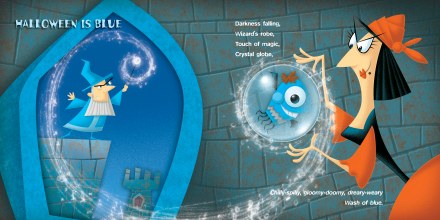
Jimmy Pickering’s vibrant, full-bleed illustrations ooze, flash, and swirl with the colors of Halloween. For Green, a “queasy-peasy” web-eared reptile slurps a “vile brew” from a test tube as an evil scientist looks on and the walls seep with a thick green sludge. Purple zaps and sparks as the reptile is transformed into a smiling goblin with bats’ wings and five legs. This goblin then leads readers from page to page where they meet a tricky ghost, a haunted graveyard, a spell-casting wizard and crystal-ball-reading witch, a floating candlestick in a haunted house, a howling werewolf, a dancing caldron, a clumsy demon, and a trio of trick-or-treaters. Each painting incorporates touches of the other colors introduced, creating eye-catching and suspense-building pages.

Shivery Shades of Halloween is a book that kids will want to hear and you will want to read over and over. For teachers, the book makes a wonderful resource for writing lessons and the power of evocative words not only around Halloween, but at any time of the year. Shivery Shades of Halloween is one concept book that transcends its holiday theme and would be a welcome addition to home bookshelves as well as school and other libraries.

Ages 2 – 7

Random House Books for Young Readers, 2014 | ISBN 978-0385369992

Take a peek at Victoria scaring up some fun by reading Shivery Shades of Halloween!

To learn more about Mary McKenna Siddals and her other books, visit her website! You’ll also find lots of activities as well as activity sheets to extend your enjoyment of Shivery Shades of Halloween: A Spooky Book of Colors as well as her other books.

Here’s a link to Shivery Shades of Halloween Activity Sheets.

You can also connect with Mary McKenna Siddals on her Shivery Shades of Halloween Facebook Page, where you’ll find more fun and a whole community of readers.

Discover more about Jimmy Pickering and view a gallery of his illustrations, paintings, sculpture and more on his website. You can also find him on Facebook!

Halloween Activity

celebrate-picture-books-picture-book-review-halloween-mobile-craft

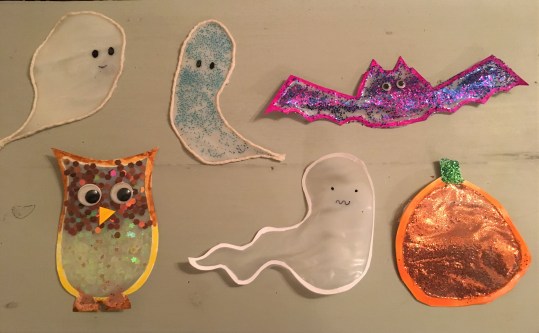
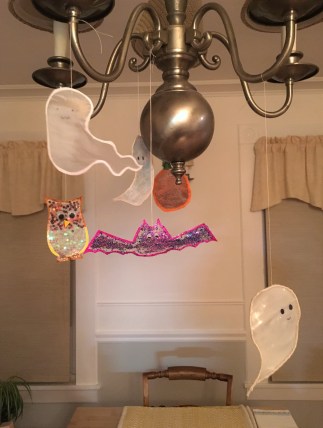
Spooky Halloween Mo-BOO-ile


With glue, glitter, and your imagination you can make your love of Halloween and its ghosts, ghouls, pumpkins, and more colorfully transparent to all!

Supplies

  • Printable Halloween figure templates | Template 1 | Template 2
  • Poster board or other heavy stock paper or cardboard
  • White glue
  • Glitter in a variety of colors
  • Googly eyes (optional)
  • Scissors
  • Wax paper
  • Popsicle or craft sticks
  • Needle
  • White thread (or any color)
  • Fine-tip permanent marker
  • Hot glue gun or regular glue

celebrate-picture-books-picture-book-review-halloween-mobile-craft

Directions

  1. Print the Halloween Figures templates
  2. Cut out the figures
  3. Trace the figures onto the poster board
  4. Cut out the figures around the outside edge and also along the inside edge
  5. Lay out the figure templates on the wax paper
  6. Gently pour some white glue into the center of the figure template
  7. Smooth the glue completely to the edges of the figure template, adding glue if needed
  8. Sprinkle glitter on the glue, as much or as little as you’d like

To dry the glue

  1. Let the figures sit overnight OR:
  2. Place the figures on the wax paper in a warm oven. Turn the oven on to 200 – 250 degrees and let it come up to heat. Then turn the oven off and place the figures inside. Check after 15 minutes and check frequently until dry.

After the glue is dry

  1. Add faces to the ghosts with a permanent marker
  2. Add googly eyes with the hot glue or regular glue
  3. If desired, color the edge of the template to match the color of the glitter

To hang figures

  1. Thread a needle with the desired length of thread and gently push the needle through the glue near the top of the figure.
  2. Tie the thread around a chandelier, curtain rod, or any other place you would like to decorate

Picture Book Review

October 23 – Mole Day

celebrate-picture-books-picture-book-review-a-friend-for-mole-cover

About the Holiday

From 6:02 a.m. to 6:02 p.m. on 10/23 chemists, scientists, students, and others who love numbers celebrate Mole Day to commemorate Avogadro’s Number, which is a basic weight measuring unit in chemistry. Defined by the equation 6.02 x 10²³, Avogadro’s number finds that for any given molecule one mole of that substance has a weight in grams equal to its atomic number. The name of this scientific constant naturally led to an association with the furry underground burrowers, and the mole and mascot moles can be found working in tandem to promote a better understanding and enjoyment of chemistry. As today’s book proves there is no better mixture than the chemistry between friends.

A Friend for Mole

By Nancy Armo

Mole loves his cozy burrow. “He liked his soft bed of leaves, the warm smell of the earth, and the quiet darkness all around.” He can imagine the world above him by all the distinct sounds he hears. But one day those sounds become louder. Instead of gentle tapping and buzzing, he hears stomping, shouting, and laughing. He decides to go up above and see what all the ruckus is about.

“The bright light, loud noises and new smells were overwhelming,” and Mole thinks it was a very bad idea to have left his burrow. He tries to find his way home, but he can no longer see the hole. In a panic he starts to run. He trips over a tree root and rolls under a bush. The soft leaves and darkness remind Mole of his burrow and soon he is fast asleep.
Mole wakes up during the night. He hears rustling and sees two shiny eyes staring at him. “‘Oh no!’” thinks Mole. “‘Please don’t be something scary.’” Mole closes his eyes, hoping to hide. But then he hears a small whimper. “‘Are you afraid of the dark too?’” When Mole takes a peek, he sees a wolf. “‘No,’” Mole answers. “‘I’m afraid of the light.’” Wolf tells Mole that he is lost after being chased by the other animals and that he is scared.

celebrate-picture-book-review-a-friend-for-mole-rustling-sound

Copyright Nancy Armo, courtesy of Peachtree Publshers

Mole and Wolf think about what they can do and devise a clever plan. Mole says he will stay with Wolf in the dark, and Wolf agrees to help Mole find his burrow when the sun comes up. To make the time go faster, Mole and Wolf play games, such as hunting “imaginary slithering creatures,” stomping on “pretend scampering bugs,” and “chasing away scary monsters. It was all so much fun they forgot about being lost and scared.”

As daylight breaks, Mole begins to think about home. Wolf also feels homesick. As they search for the entrance to Mole’s burrow, Wolf shields Mole’s eyes from the sun with his tail, and Mole giggles at the tickly softness of Wolf’s fur. Soon they discover Mole’s burrow, and Wolf realizes that he lives nearby. Although Mole is happy to be home, he also feels sad to say goodbye to Wolf.

He asks if Wolf would like to play again sometime. Wolf shouts, “Yes! That was so much fun! I was scared but having you there made everything okay.” As Mole settles back into his leafy bed, he knows “exactly what Wolf meant.”

In her sweet story of friendship found, Nancy Armo relates that most comforting feeling—the knowledge that friends always stand by you even when times are hard or scary. Her characters Mole and Wolf are perfectly chosen foils with opposite strengths that, combined, help solve their immediate problem and form a strong friendship. Armo’s straightforward storytelling is enriched by the endearing personalities of Mole and Wolf as well as their honest sharing of feelings.

In vivid two-page spreads Armo superbly depicts the daytime and nighttime scenes, transporting readers into the heart of her story. Above the “quiet darkness” of Mole’s burrow, cute mice scamper in the rain while an earthworm, a snail, and a bee take shelter. When his roof rings with noise and curiosity gets the better of Mole, he emerges into an open field, and his tumbling trip over the tree root is nimbly portrayed with a series of flips rendered with a filmy transparency. As nightime falls the Mole’s and Wolf’s adventure plays out on pages with a solid black background. Wolf’s eyes shining on a completely darkened page offers just the right amount of suspense for little readers, and a careful look at the expression in his eyes is reassuring. Kids will enjoy the games the two friends enjoy, and will cheer when the sun dawns on their new friendship.

A Friend for Mole is a great book for young readers navigating the world of meeting new classmates, teammates, and other children who may see the world differently but would make good friends.

Ages 3 – 7

Peachtree Publishers, 2016 | ISBN 978-1561458653

You’ll find fun A Friend for Mole activity sheets, a portfolio of artwork, and more on Nancy Armo’s website!

Mole Day Activity

celebrate-picture-books-picture-book-review-mole-mazeMole Tunnels Maze

Dig into this printable Mole Tunnels Maze that has as many twists and turns as a mole’s home!

Picture Book Review