April 2 – Peanut Butter and Jelly Day

celebrate-picture-books-picture-book-review-peanut-butter-and-brains-cover

About the Holiday

Those Aztecs! Is there nothing they couldn’t invent? Culinary aficionados from kindergarten to gourmet chefs have the Aztecs to thank for peanut butter—that smooth (or chunky, or super chunky) concoction that is perfect by itself or as an ingredient in complex dishes. The Aztecs created their version by grounding roasted peanuts into a paste.

Peanut butter and jelly sandwiches are thought to have originated during the American Civil War, when soldiers combined their peanut butter ration with their jelly ration and slathered it all on bread. After the war peanut butter sales skyrocketed as everyone discovered what a delicious and nutritious delight this simple meal was. To celebrate today, make yourself a PB & J sandwich!

Peanut Butter & Jelly Brains: A Zombie Culinary Tale

Written by Joe McGee | Illustrated by Charles Santoso


Reginald was surrounded by culinary boredom. All “the other zombies wanted brains for breakfast, lunch, and dinner,” but Reginald really dug peanut butter and jelly sandwiches. The people of Quirkville weren’t too keen on the zombies’ preferred meal either. Whenever the zombies lumbered through town groaning “BRAINSSSSS,” everyone ran away screaming.

celebrate-picture-books-picture-book-review-peanut-butter-and-brains-reginald-hungry

Image copyright Charles Santoso, text copyright Joe McGee. Courtesy of Harry N. Abrams

Poor Reginald didn’t join the herd. His stomach was too rumbly and grumbly, “and all he could do was dream about a peanut butter and jelly sandwich. ‘Sweet jelly…,’ moaned Reginald. ‘Sticky peanut butter…’” Sakes alive! The other zombies couldn’t understand. “‘No BRAINSSSSS?’” they asked. Reginald tried to explain how delicious peanut butter and jelly was, but the other zombies wouldn’t listen.

Reginald tried to satisfy his craving at the local café, but the man behind the counter just pointed to a sign that said “No Zombies Allowed.” In the school cafeteria, the lunch lady just plopped “a hunk of meatloaf” on his plate that looked disturbingly like brains. Reginald even went to the store to buy the ingredients himself, but when he got to the cash register, he had no money. No money meant no peanut butter, no jelly, and no bread.

celebrate-picture-books-picture-book-review-peanut-butter-and-brains-no-brains

Image copyright Charles Santoso, text copyright Joe McGee. Courtesy of Harry N. Abrams

Then Reginald spied Abigail Zink with a lunch bag in her grasp. He “recognized the familiar jelly stain that was seeping through the paper bag” and made his move. At the same time, the “zombie horde shuffled and shambled around the corner” straight for Abigail, who had her nose in a book and took no notice of the danger. The other townspeople froze, and in that moment Reginald dashed forward and grabbed Abigail’s sack. He could practically taste the deliciousness inside.

celebrate-picture-books-picture-book-review-peanut-butter-and-brains-reginald-grabs-bag

Image copyright Charles Santoso, text copyright Joe McGee. Courtesy of Harry N. Abrams

“Little Abigail Zink let out a shriek, the mayor’s poodle yipped and yapped, and the townspeople all screamed, ‘ AHHHHH!’” Reginald knew that if the other zombies had just one taste of peanut butter and jelly, they would change their minds about brains. Reginald held Abigail’s sandwich aloft and yelled, “‘BRAINS!’” The zombies crowded around as Reginald tossed the sandwich in the air.

Reginald had been right. With one taste, the zombies declared peanut butter and jelly “‘better than brains.’” Suddenly, the townspeople realized that the zombies were just hungry. With peanut butter and jelly sandwiches in their tummies, the zombies became valued parts of Quirkville. The townspeople were happy, the zombies were happy, and Reginald? Well, he was still a little different. While the zombies now enjoyed PB and J, he “had moved on to…PIZZA.”

celebrate-picture-books-picture-book-review-peanut-butter-and-brains-zombie-horde

Image copyright Charles Santoso, text copyright Joe McGee. Courtesy of Harry N. Abrams

Joe McGee’s tradition-bucking zombie offers a sweet wake-up call to anyone sleepwalking through life doing and liking the same things over and over while they follow the herd (or horde). McGee’s humorous descriptions of the marauding zombies and the townspeople’s reactions will have kids giggling all the way through the story. The resolution to Quirkville’s predicament is deliciously “brainy,” and Reginald’s continued individuality makes for a surprising and satisfying ending.

Charles Santoso knows that most families have one or two zombies of their own who latch onto a favorite food and won’t let go. His stitched up, shaggy haired, raggedy clothed child zombies are adorable, and kids will love finding their favorite among the horde. Clever touches, such as a pirate zombie and a zombie cat, as well as the screaming townspeople will make readers laugh.

For the walking hungry, Peanut Butter & Jelly Brains: A Zombie Culinary Tale is sure to be ordered from the book cupboard again and again for fun story times.

Ages 4 – 8

Harry N. Abrams, 2015 | ISBN 978-1419712470

Discover more about Joe McGee and his books on his website!

View a gallery of work by Charles Santoso on his website!

Peanut Butter and Jelly Day Activity

celebrate-picture-books-picture-book-review-erica's-sweet-tooth-peanut-amd-butter-and-jelly-muffins

Peanut Butter and Jelly Muffins, recipe from Erica’s Sweet Tooth, ericasweettooth.com.

Peanut Butter and Jelly Muffins from Erica’s Sweet Tooth


Searching for a delicious alternative to a peanut butter and jelly sandwich—one that’s perfect for breakfast, lunch, or as an in between sweet? Look no further than this scrumptious recipe from Erica’s Sweet Tooth! Made with creamy peanut butter, your favorite berry preserves, and a luscious crumble, these muffins will satisfy your PB & J cravings.

Click here for Erica’s Sweet Tooth Peanut Butter and Jelly Muffins

Picture Book Review

April 1—International Pillow Fight Day

celebrate-picture-books-picture-book-review-snoozefest-cover-image

About the Holiday

Pillow fights are fluffy fun that’s more about laughing than combat. Once only enjoyed by siblings, at sleepovers, and to delay bedtime, pillow fights have become the stuff (stuffing?) of mass swatfests worldwide. So grab your pillow, swing with all your might, and let the feathers fly!

SnoozeFest

Written by Samantha Berger | Illustrated by Kristyna Litten


Snuggleford Cuddlebun is the sleepiest sloth in Snoozeville. “Now that sloth can sleep, for a month at a go. / The few time she rises, she moves in slo-mo.” But there is one annual event that sets her heart—and her feet—racing enough to leave her cozy bed—SnoozeFest. “This is the place where the best sleepers go / to snore their way through this naptacular show.” So Snuggleford packs up her her jammies and teddy, her pillow and book and joins the other great sleepers on the bus that will take them to the NuzzleDome.

celebrate-picture-books-picture-book-review-snoozefest-snoozeville

Image copyright Kristyn Litten. courtesy of Dial Books for Young Readers, Penguin

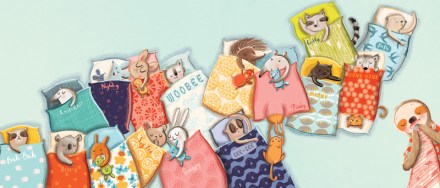
As Snuggleford looks for the best place to camp, she sees that she’s in good company. The wildcats, wombats, koala bears, brown bats, squirrels, and armadillos are also setting up tents, laying down sleeping bags, and lounging in hammocks—which is Snuggleford’s favorite too. After finding her spot “she strolls through the stands / for posters and T-shirts / and swag from the bands.” Soon it’s time for the show to begin with the P. J. Parade, where sleepwear from such designers as Diane von FirstInBed and Louis Futon are on full display.

celebrate-picture-books-picture-book-review-snoozefest-sleeping-bags

Image copyright Kristyn Litten. courtesy of Dial Books for Young Readers, Penguin

“Then all the big spotlights dim down in the Dome, / and everyone turns on their night-light from home.” The first band to perform is the “Chamomile Rage” and although the crowd is half asleep by the middle of the first song, “the snoozers yawn deeply, yet still clap for more. / The second act’s also a guaranteed snore.” Then “a poet named Burrows recites a haiku / and imitates rain with his didgeridoo.”  More acts take the stage—the Nocturnal Nesters and the Quiet Quartet, Tranquility Trio and the Drowsy Duet. Yes, “These are the best bands for deep relaxation, / followed by Sweet Dreams and Deep Hiber-Nation.”

For Snuggleford Cuddlebun the concert is all she could want. In fact, “Several days later the SnoozeFest is done. / And who’s still asleep? Why it’s Miss Cuddlebun.” She folds up her things, tosses away her trash, and rides the bus back home. There she climbs into bed and shuts her eyes and dreams of next year’s SnoozeFest.

celebrate-picture-books-picture-book-review-snoozefest-nighttime

Image copyright Kristyn Litten. courtesy of Dial Books for Young Readers, Penguin

Samantha Berger’s SnoozeFest is one of the cutest, most original bedtime books around. With wit and charm Berger makes full use of the festival setting and experience. Her inspired rhymes, adorable band names, and atmosphere that combines just the right amount of excitement and slumber-inducing lilt, will delight kids of all ages and adults as well. From Snoozeville to the NuzzleDome to a full verse of blanket nicknames, Berger has come up with the “wumphiest, coziest, comfiest” words to send little ones off to dreamland.

celebrate-picture-books-picture-book-review-snoozefest-sleeping-suggleford

Image copyright Kristyn Litten. courtesy of Dial Books for Young Readers, Penguin

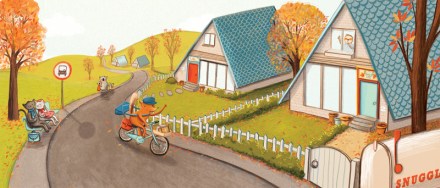
Krisyna Litten’s illustrations, designed with a vintage-yet-modern air and color palette, are the perfect accompaniment to Berger’s story. Anyone would love to join Litten’s sweet Snuggleford and the other “great sleepers” at SnoozeFest. Snuggleford’s endearing slothy smile and the joyful camaraderie of the other festival goers invite kids to explore every page. The crowd consists of loveable moles, koalas, raccoons, bears, foxes, porcupines, and more adult and baby animals enjoying the show.  Two-page spreads of the darkened festival grounds lit by nightlights and starlight are gorgeous, peaceful landscapes of blues and gold that set a sleepy tone for little readers.

SnoozeFest would be a very welcome addition to any child’s bookshelf for story times and bed times, and would make a perfect gift.

Ages 3 – 7

Dial Books for Young Readers, Penguin, 2015 | ISBN 978-0803740464

You’ll have plenty of fun discovering lots of books, Nickelodeon videos, and more creative stuff by Samantha Berger on her website!

You can catch up with Krisyna Litten on her blog!

You won’t want to snooze through this book trailer!

International Pillow Fight Day Activity

celebrate-picture-books-picture-book-review-pillow-case-craft

Perfect Pillow Case


Decorating your own pillow case gives you distinction during any pillow fight—and guarantees sweet dreams while sleeping too!

Supplies

  • White, or single-color pillow case
  • Fabric markers
  • Cardboard or newspaper

Directions

  1. Iron or smooth out the pillow case
  2. Insert cardboard or newspapers inside the pillow case to keep markers from bleeding through
  3. Design and color your pillow case with the markers

Picture Book Review
March 31—Eiffel Tower Day

celebrate-picture-books-picture-book-review-antoinette-cover

About the Holiday

Today we say Ooh-La-La for one of the world’s most striking and recognizable monuments—the Eiffel Tower. The tower was erected in 1889 for the International Exhibition of Paris, which celebrated the 100th anniversary of the French Revolution. Construction took 2 years, 2 months, and 5 days. This iconic landmark was named for the chief engineer, Gustave Eiffel, and has inspired generations of locals and visitors alike.

Antoinette

Written by Kelly DiPucchio | Illustrated by Christian Robinson


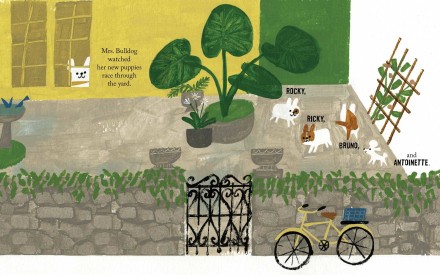
On a day which seemed like most others, Mrs. Bulldog spied out the window at her puppies playing in the yard. Rocky, Ricky, Bruno, and Antoinette scrambled around, chasing each other back and forth. They darted through the door and dashed around the kitchen. They are always so energetic “and ridiculously cute, but please don’t tell them that.”

celebrate-picture-books-picture-book-review-antoinette-in-the-yard

Image copyright Christian Robinson, text copyright Kelly DiPucchio. Courtesy of simonandschuster.com.

When Mrs. Bulldog looked at her children, she knew that each was special. The boys had already demonstrated some of their talents. “Bruno was strong, Rocky was clever, and Ricky was fast.” Antoinette was still pondering her unique talent, but her mother was not worried. “‘You have something extra special. I can feel it in my bones!’” she told her daughter, but Antoinette had some doubts.

“Every day the family went to the park to play with their doggy friends,” and this day was no different. When they got there, Antoinette was happy to see Fi-Fi, Foo-Foo, Ooh-La-La, and especially Gaston. The puppies frolicked on the lawn, racing around after balls and butterflies and enjoying tasty biscuits. Suddenly, though, everyone noticed a problem. One of the puppies seemed to be missing!

celebrate-picture-books-picture-book-review-antoinette-puppies-playing

Image copyright Christian Robinson, text copyright Kelly DiPucchio. Courtesy of simonandschuster.com.

The little ones lined up to be counted. There were Rocky, Ricky, Antoinette, Fi-Fi, Foo-Foo, and Gaston—but no Ooh-La-La! Mrs. Poodle was frantic, but Mrs. Bulldog reassured her. “‘We will find her!’ she insisted.” Clever Rocky followed some footprints he found in the mud, but they did not lead to Ooh-La-La. Ricky ran around the lake, but only found a family of ducks. With his super strength, Bruno checked under boulders, but Ooh-La-La was not hiding under any of them.

“In that moment Antoinette felt a tug in her heart and a twitch in her nose.” She followed the scent from sidewalk cafes to street vendors to sign posts. She hurried past “buggies and bicycles and broomsticks.” Nothing could deter her. Her nose led her to the Louvre, where Antoinette barked excitedly, but the guard would not let her through the door. In a dizzying dash, she wound round and around the guard, skirted past him, and sprinted into the museum.

celebrate-picture-books-picture-book-review-antoinette-woman-feeding-birds

Image copyright Christian Robinson, text copyright Kelly DiPucchio. Courtesy of simonandschuster.com.

Antoinette scurried passed the crowds admiring the art and leaped to the top of a tall sculpture just in time “to save Ooh-La-La from a perilous fall” as she chased a butterfly. Mrs. Poodle was overwhelmed with gratitude. Mrs. Bulldog beamed with pride at her brave daughter, and the two shared a knowing look. Gaston looked on with a special smile of his own.

That is a story from long ago. Today, Antoinette and Gaston are raising a family of their own, and Antoinette is “one of the most famous police dogs ever to patrol the streets of Paris.” If you’d like, you can visit her statue in the park!

celebrate-picture-books-picture-book-review-antoinette-artist

Image copyright Christian Robinson, text copyright Kelly DiPucchio. Courtesy of simonandschuster.com.

Antoinette gets her own adventure and discovers her special talent in Kelly DiPucchio’s sequel to Gaston. With three bounding brothers, Antoinette feels a little lost in the shuffle, wondering when she’ll discover what she’s good at. Young readers with precocious siblings or friends will empathize with Antoinette’s feelings and be bolstered by her shining moment, which demonstrates that abilities often appear at the most unexpected—and crucial—times. The delightful ending provides a clever and satisfying answer to the story’s main question.

Christian Robinson’s jaunty illustrations of Antoinette and her brothers and friends will cheer fans of Gaston and enchant new readers. Kids will love following the bouncy puppies through the park, where an artist paints the fountain, a woman feeds the pigeons, and a man creates enormous bubbles to float in the air. As Antoinette races through Paris to find Ooh-La-La, readers can track her from page to page through the charming streets and finally to the Louve. Robinson’s soothing, muted blues, greens, and browns lend sophistication to this sweet blended family tale.

Antoinette is an adorable story that is sure to become a favorite of little ones. On its own or paired with Gaston, Antoinette would make a wonderful addition to home bookshelves.

Ages 4 – 8

Atheneum Books for Young Readers, Simon & Schuster, 2017 | ISBN 978-1481457835

Discover more about Kelly DiPucchio and her books on her website!

Check out Christian Robinson’s books and learn more about him and his artwork on his website!

Eiffel Tower Day Activity

celebrate-picture-books-picture-book-review-eiffel-tower-coloring-page

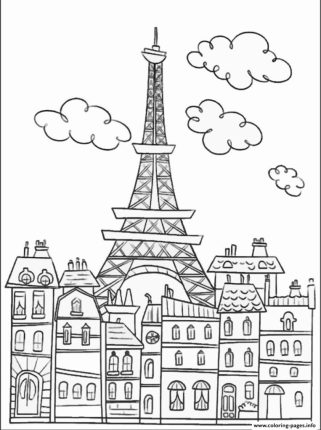
Eiffel Tower Over Paris Coloring Page


Paris is a gorgeous city, full of color and light. Grab your pencils, markers, or crayons and enjoy this printable Eiffel Tower Over Paris Coloring Page.

Picture Book Review
March 30 – It’s Music in Our Schools Month

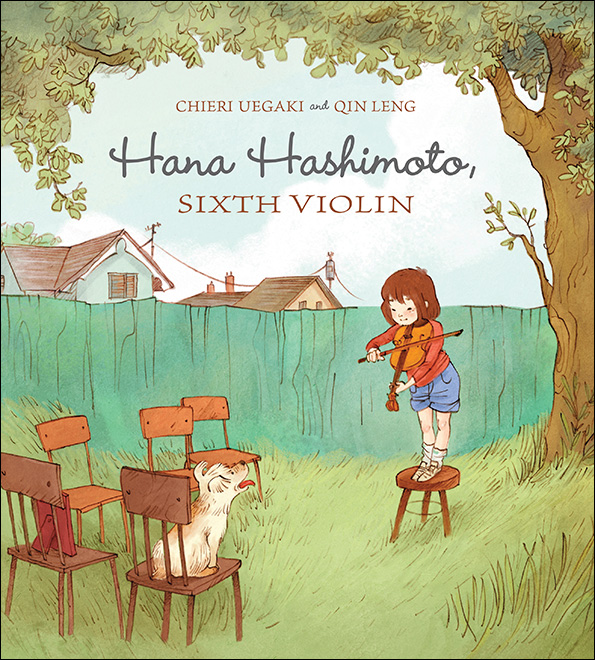
celebrate-picture-books-picture-book-review-hana-hashimoto-sixth-violin-cover

About the Holiday

This annual holiday celebrates the benefits of music education in schools. With budget cuts looming in nearly every school district, the arts are often the first to go. But music inspires creativity and critical thinking and contributes to a better understanding of math and other subjects. School music programs also offer opportunities to children who may otherwise not be able to take lessons and explore their talent. To help out, contact your local school and see what you can do!

Hana Hashimoto, Sixth Violin

Written by Chieri Uegaki | Illustrated by Qin Leng


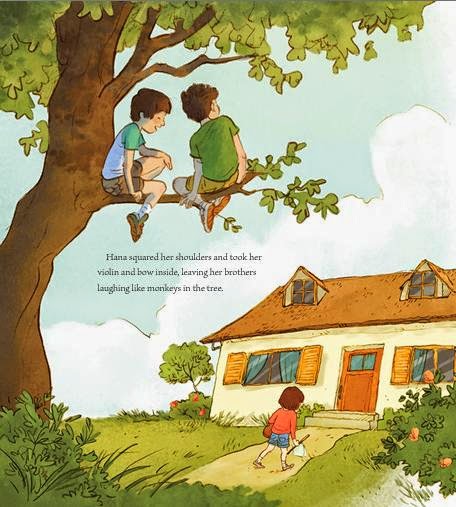
When Hana Hashimoto told her brothers that she had signed up to play her violin in the talent show, they laughed.  “‘That’s just loopy,’” Kenji said, and Koji added ‘‘You can barely play a note.’” They reminded her that it was a talent show and that she was just a beginner. But Hana didn’t listen. “It was true that she was still a beginner. She had only been to three lessons.” But playing the violin was in her blood. Her grandfather, Ojiichan, had once been Second Violin in a symphony orchestra in Kyoto, Japan and had even played for the Imperial Family.

celebrate-picture-books-picture-book-review-hana-hashimoto-sixth-violin-brothers-in-tree

Image copyright Qin Leng, text copyright Chieri Uegaki. Courtesy of Kids Can Press.

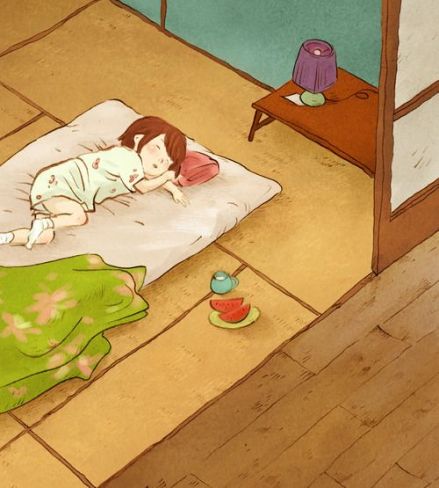
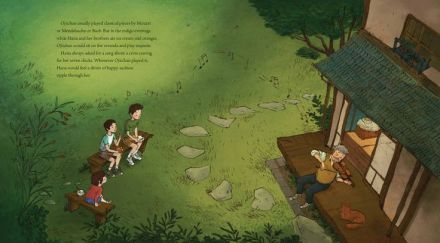
Hana had visited her grandfather that summer, and the sweet notes of his playing had coaxed “her awake as gently as sunshine” every morning. In the evenings her grandfather would take requests from Hana and her brothers. “Hana always asked for a song about a crow cawing for her seven chicks. Whenever Ojiichan played it, Hana would feel a shiver of happy-sadness ripple through her.”

celebrate-picture-books-picture-book-review-hana-hashimoto-sixth-violin-hana-sleeping

Image copyright Qin Leng, text copyright Chieri Uegaki. Courtesy of Kids Can Press.

Ojiichan’s playing was like magic. He could make the violin chirp like crickets, plink like falling raindrops, and send fireflies dancing. At the end of the summer, Hana had decided she also wanted to play the violin and her parents agreed. Hana practiced every day even though her brothers ran away with their hands over their ears. She played for her parents, for her dog, JoJo, and for a photograph of Ojiichan. Sometimes she pretended to play for “an audience so appreciative they called for encore after encore.”

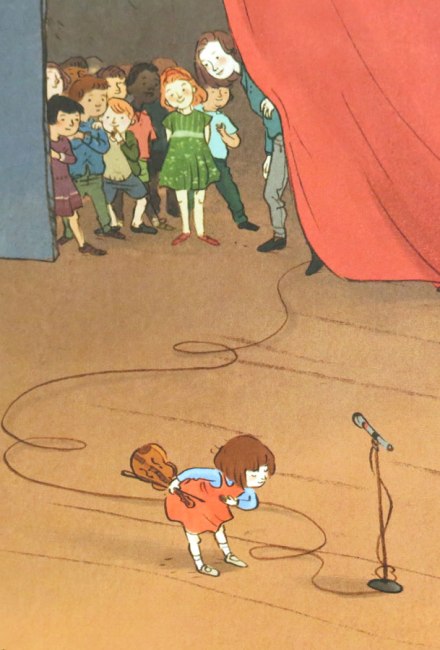
On the night of the talent show, Hana waited backstage for her turn “with a walloping heart.” Five other violinists had already gone before her. Finally, she heard her name. As she strode across the stage as wide as a desert, she had a fleeting feeling that her brothers had been right—that her performance was going to be a disaster. But when she reached her spot near the microphone and gazed out at the audience, she saw her best friend and her parents smiling at her.

celebrate-picture-books-picture-book-review-hana-hashimoto-sixth-violin-listening-to-grandfather

Image copyright Qin Leng, text copyright Chieri Uegaki. Courtesy of Kids Can Press.

Hana took a deep breath and let it out. Suddenly, “everyone seemed to disappear beyond the light shining down on her like a moonbeam” and she remembered her grandfather’s words: “‘Gambarunoyo, Hana-chan.’ Do your best.” Hana told the audience, “‘This is the sound of a mother crow calling her chicks.’” She “played three raw, squawky notes.” Then she played the yowl of her neighbor’s cat at night and the plucky droplets of rain on a paper umbrella. Hana played a world of special sounds, from buzzing bees to squeaking mice to croaking frogs. When she had finished, she said, “‘And that is how I play the violin.’” Then she took a bow.

Later that night Kenji asked Hana for an encore, and she happily played her piece again. Next year, Hana thought, she might be able to play one of her grandfather’s melodies. Before she went to sleep, Hana played another piece she had been practicing. “She imagined that the notes would drift out through the window, past the bright rabbit moon and beyond, and Ojiichan would hear them and smile.”

celebrate-picture-books-picture-book-review-hana-hashimoto-sixth-violin-hana-bows

Image copyright Qin Leng, text copyright Chieri Uegaki. Courtesy of Kids Can Press.

Chieri Uegaki’s gorgeously told story of a little girl’s first performance with her new violin rings true on every page, from her being inspired by her grandfather to her own inspirational performance. Uegaki’s descriptions of the melodies that capture Hana’s heart are as beautiful as the music itself and are a joy to read. Hana’s continued self-confidence in the face of her brothers’ teasing and her own fear is a wonderful lesson for all children. The brothers’ support of Hana after the talent show is a welcome show of familial love, and the touching ending offers encouragement and happiness.

Young readers will love Qin Leng’s evocative illustrations that follow Hana on her musical journey. Notes from the violin pieces Hana admires float from page to page—from her grandfather’s home in Japan to her own room—tying together not only Hana’s fondness for the violin, but her love for her grandfather. Beautiful touches, such as an image of Hana reflected in a pastel blue rain puddle and a night sky twinkling with fireflies, mirror the wonder of childhood, when everything is new and possible.

Hana Hashimoto, Sixth Violin is refreshing encouragement for any child engaging in new experiences or activities. The book’s warmth and inventiveness make it a wonderful gift or addition to home libraries.

Ages 4 – 8

Kids Can Press, 2014 | ISBN 978-1894786331

Enjoy this Hana Hashimoto, Sixth Violin book trailer!

Music in Our Schools Month Activity

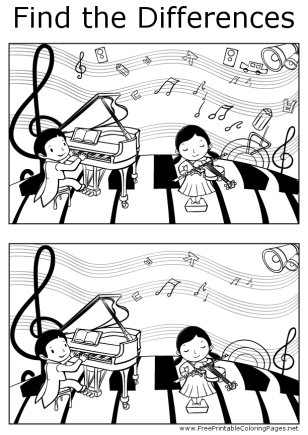
celebrate-picture-books-picture-book-review-kids-playing-music-find-the-differences

Musical Kids Find the Differences


These two kids are performing a duet! Can you find all of the differences in the second picture on this printable Musical Kids Find the Differences?

Picture Book Review
March 29 – Niagara Falls Runs Dry Day

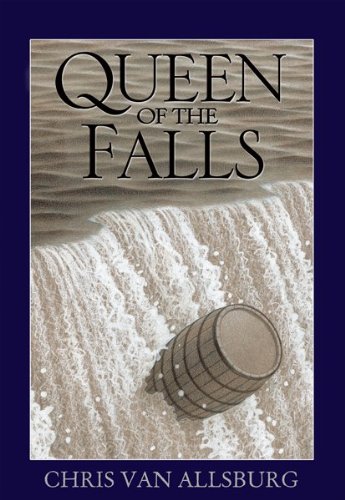
celebrate-picture-books-picture-book-review-queen-of-the-falls-cover

About the Holiday

March 29, 1848 was a cold day. How cold? It was so frigid that rivers feeding Niagara Falls turned to ice and reduced the flow of water to such an extent that Niagara Falls’ 3,160 tons of water per second came to a halt. Today, locals—and weather aficionados—remember this auspicious natural phenomenon.

Queen of the Falls

By Chris Van Allsburg


Niagara Falls, spanning the border of Canada and New York state, has always attracted crowds of visitors who come to marvel over the roaring avalanche of water as it “drops from a height that is as tall as a seventeen-story building” and sends “up an endless cloud of mist at it crashes onto the rocks and water below.” But on October 24, 1901 the crowd was there for a very different reason. What was it? Well, that story begins back in Bay City, Michigan, where Annie Edson Taylor, “a short, plump, and fussy sixty-two-year-old widow” had just closed her charm school and was worried about how she’d pay the bills.

celebrate-picture-books-picture-book-review-queen-of-the-falls-annie-thinks-what-to-do

Image and text copyright Chris Van Allsburg, courtesy of Houghton Mifflin Harcourt

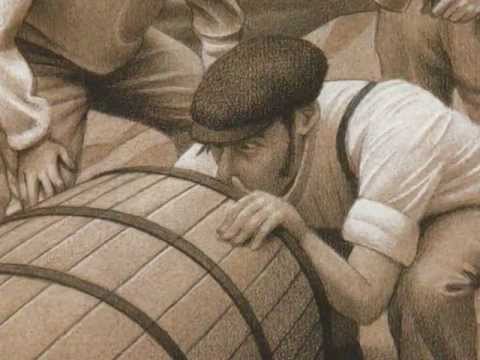
She mulled and pondered, pondered and mulled her situation. Then she saw a newspaper article about Niagara Falls, and “like a cork popping from a champagne bottle” she had the idea to make her fame and fortune by going over the falls in a barrel. No one had ever tried a stunt like this before, but Annie seemed to know just how to do it. She designed a special barrel, but when she asked the barrel maker to build it, he refused. He told her that “if she wanted to kill herself, she’d have to do it on her own.”

When Annie went back three days later, though, she was able to convince him to build her barrel, and so construction began. The finished barrel was “four and a half feet high, with wire bands wrapped around it, and weighed more than one hundred and sixty pounds.” Inside there were handles and pillows and a leather belt that would strap her in tightly.

celebrate-picture-books-picture-book-review-queen-of-the-falls-niagara-falls

Image and text copyright Chris Van Allsburg, courtesy of Houghton Mifflin Harcourt

Annie had the mind of an engineer and also the genius of a public relations guru. She hired Frank Russell to be her manager and visit Niagara Falls ahead of her to whip up enthusiasm for her daredevil exploit. To sweeten the pot, she told him that she was 42, believing people would be more interested in a younger adventurer. Frank Russell saw money in his—and Annie’s—future. He went to Niagara falls to arrange for newspaper reporters and hired Fred Truesdale to put the barrel into the river that would take her over the falls.

When Annie stepped off the train, she did not look the way reporters had expected. Many “wondered if the promised trip over the falls was just some kind of hoax: the barrel might go over, but would it really carry Annie Taylor inside?” As Annie answered questions, however, the reporters began to think she really might “go where no man or woman had gone before.”

Annie’s plunge was set for 10 days later. This gave them time to stir up excitement among the locals and anyone else who wished to come and witness her daring feat. Her barrel was put on display in the hotel lobby, and articles appeared in the newspaper touting the intentions of “the fearless Mrs. Taylor.” On the established day, Annie arrived at the cottage of Fred Truesdale. Her barrel was waiting and a small crowd had gathered to see her off.

celebrate-picture-books-picture-book-review-queen-of-the-falls-barrel-in-falls

Image and text copyright Chris Van Allsburg, courtesy of Houghton Mifflin Harcourt

Fred and his assistant, Billy, rowed Annie and the barrel to a small island near the falls. There Annie took off her hat and jacket and crawled backwards into the barrel. She strapped herself in and packed the pillows around. Then Fred sealed the lid as Annie called, “‘So long, boys.’” Fred and Billy rolled the barrel into the river and secured it to the boat with a rope. The men rowed the boat near a spot in the river known as the “‘Point of No Return’” where the current was so strong that it would carry any boat over the falls. Fred “tapped on the barrel with his oar and told Annie he was going to cut the rope.” She answered back, “‘All righty.’” With a slice Annie’s barrel bobbed and spun in the raging river, “slamming against rocks and waves, sometimes disappearing entirely from sight, sucked beneath the surface.”

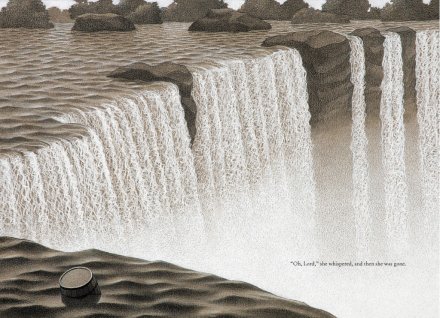
Annie held on for dear life. At the edge of the falls, Fred had told her, there would be a moment of calm. Suddenly, Annie felt this while at the same time hearing the roaring water. “‘Oh, Lord,’” she whispered, and then she was gone.” Some spectators screamed, some cheered, but most just stood still hunting for the barrel at the bottom of the falls.

“Suddenly, the barrel bobbed to the surface.” Still, everyone held their breath, wondering what had happened to Annie. When the barrel neared shore, men jumped in and dragged it onto the rocks. They removed the lid, and called her name. A weak “‘Where am I?’” answered back. Annie had survived the fall, although she was dizzy, bruised, and battered. Annie soon recovered from her injuries, and began traveling across the country to meet the hundreds of people who lined up for tickets in every city to see the ‘Queen of the Falls.’

celebrate-picture-books-picture-book-review-queen-of-the-falls-man-looks-in-barrel

Image and text copyright Chris Van Allsburg, courtesy of Houghton Mifflin Harcourt

When the people saw that Annie was an elderly widow instead of a dashing young adventurer, however, they lost interest. Fewer and fewer people came out to see her. When Fred Russell realized he would not be getting rich, he left Annie, taking her barrel with him. But Annie was not to be counted out. She recovered her barrel and hired a new manager named Billy Banks. Eventually, Billy also abandoned Annie and took her barrel for good.

Annie was down, but not out. She had a new barrel made and placed it in a park near Niagara Falls. She sat at a table nearby with postcards and a pamphlet about her amazing feat and invited passersby to buy them and meet the Queen of the Falls. Annie never did get rich and famous, but ten years after her wild ride she told a reporter that despite her disappointment on that point, she was proud to be able to say that she had done “the greatest feat ever performed.”

With his superb storytelling skills, Chris Van Allsburg reveals all the excitement and quirkiness of Annie Taylor’s wild idea and even wilder ride to readers. This true story of a bygone era and the utter audacity of a woman who tested her mettle against one of nature’s most formidable challenges will astound kids—and Annie’s nonchalance will make them (and adults) laugh. Perhaps more important than the facts of Annie’s stunt are the facts about Annie herself. Behind the etiquette teacher lay a smart, enterprising, and even scientific, woman who had the grit and self-confidence to attempt the “impossible.” Readers will also see that even when things don’t work out exactly as planned, they can be proud of their personal achievements. Van Allsburg’s sepia-toned photographic-style illustrations set readers in the early 1900s, catch Annie in the moment of her big idea and inside her barrel, and unveil the beauty of Niagara Falls.

Fascinating from beginning to end, Queen of the Falls is a wonderful book for kids interested in history, daredevils, and creative ideas.

Ages 6 – 9

Houghton Mifflin Harcourt, 2011 | ISBN 978-0547315812

Learn more about Chris Van Allsburg and his books as well as discover a gallery of illustrations, videos, and even a TED Talk on Queen of the Falls on his website!

Niagara Falls Runs Dry Day Activity

Eggs-citing Ride Experiment


Even though Annie Taylor’s barrel was strong on the outside, she knew that she needed to protect herself inside. She used pillows, a handle, and a leather strap to keep herself from getting hurt.

In this experiment I invite you to design a container that will protect a raw egg from breaking when it is dropped from different heights. I’ll let you ponder what materials you will use—because that’s the fun part!

So get your creative thinking caps on—and get cracking…Umm…I mean…get going!

Supplies

  • Raw egg
  • Some kind of small container
  • Materials to protect the egg

Directions

  1. Using a variety of materials and your scientific knowledge, create a container that will protect a raw egg from breaking
  2. Place the raw egg inside the container and seal it shut
  3. Drop the container from as high as you can, for example, from the top of the stairs or a treehouse.
  4. Be sure to ask for an adult’s help or permission when choosing where to drop your egg.

Picture Book Review

March 28 – It’s Women’s History Month

celebrate-picture-books-picture-book-review-fearless-flyer-cover

About the Holiday

Women have been inventing, discovering, questioning, challenging, and changing the world in the same ways and for just as long as men have—but often without recognition, the ability to take jobs in their fields of expertise, or equal (or even any) pay. This month’s observance serves to educate people on the amazing women who have blazed trails in the past and those who are continuing that tradition today.

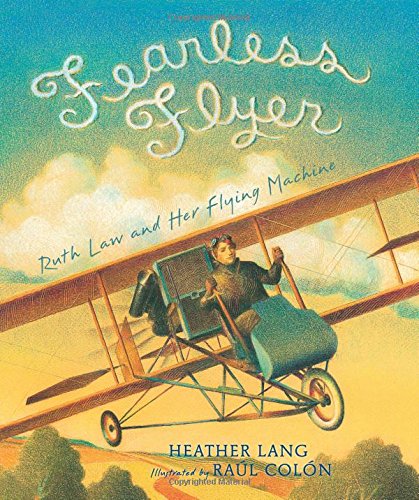
Fearless Flyer: Ruth Law and Her Flying Machine

Written by Heather Lang | Illustrated by Raúl Colón


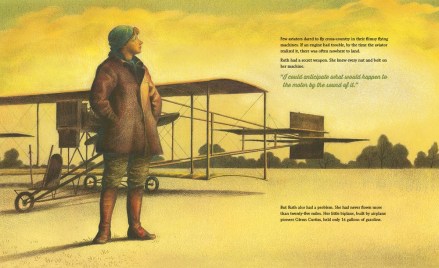
Entertained crowds knew Ruth Law for the loops, the spiral dives, and even the dip of death that she performed in her airshow. But for Ruth these stunts were like standing still. She “longed to fly to get somewhere…somewhere far away.” She decided to fly from Chicago to New York City. There weren’t too many aviators brave enough to attempt such a long flight in the type of biplane Ruth flew. They feared that if something went wrong with the engine, they’d never realize it in time to land. But Ruth knew her plane inside and out and figured she “could anticipate what would happen to the motor by the sound of it.”

A trip like the one Ruth envisioned posed another problem, though. Her small biplane held only 16 gallons of gasoline—not enough to make the journey. She asked Glenn Curtis, who built her plane, if she could buy his latest model. This much bigger plane held 205 gallons of gas and had already proven itself. But Curtis refused. He didn’t believe Ruth could handle the “powerful machine on such a long flight.”

celebrate-picture-books-picture-book-review-fearless-flyer-ruth's-plane

Image copyright Raúl Colón, text copyright Heather Lang. Courtesy of Calkins Creek.

Ruth was not to be deterred. She added three more gas tanks so the plane could hold 53 gallons of gas, installed a cover to protect her legs, and created a scrolling map of the route. Aviation experts said she would fail, but Ruth disagreed. “‘What those men can do a woman can do. I can do,’” she said. On a windy November 19, 1916, Ruth took to the cockpit to begin her nonstop flight. Although she was a little scared of what lay ahead, she took off, believing that “the scare is part of the thrill” of any experience.

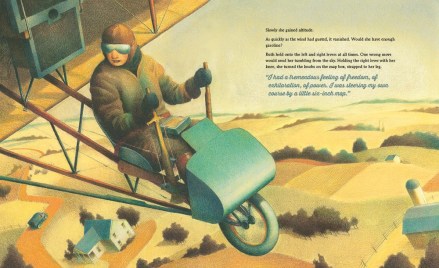
Ruth had counted on the strong wind to help push her farther faster, but just as quickly as it had blown up, it stopped. She wondered if she would have enough gasoline after all. As she flew over one landmark after another, Ruth felt exhilarated. As she passed over Cleveland, Ohio, though, “the oil gauge registered zero pressure. Something was wrong!” The sounds of her plane’s motors told Ruth a different story. She kept flying.

Soon she was passing over Erie, Pennsylvania—the site of the record-breaking flight by Victor Carlstrom. Even the icy stings of the frigid air couldn’t dispel her excitement. In a moment she was east of Erie and had broken Carlstrom’s record. The thrill of her achievement was tempered, however, by the sputtering of her engine. While there was still a little gas in the plane, it was “too low to feed into the engine.” Ruth tipped the plane forward to give it more gas. Two miles from Hornell, New York, the nearest landing spot, “the engine grumbled its last roar, leaving her with nothing but the silence of the wind.”

celebrate-picture-books-picture-book-review-fearless-flyer-arial-view

Image copyright Raúl Colón, text copyright Heather Lang. Courtesy of Calkins Creek.

Ruth steered the plane as it glided into Hornell—512 miles from Chicago. She was the new American nonstop flight record holder. Ruth’s original plan had been to fly to New York City, so after refueling and grabbing a bite to eat, she took off once again. Weighed down by the full gas tank, the plane barely made it over the hill and tall trees in her path. This was as close to crashing as Ruth ever was—or ever wanted to be.

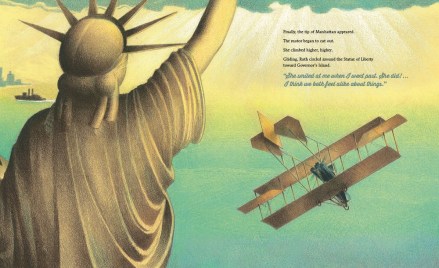
People had already heard about Ruth Law, and they came out to watch and wave. With darkness closing in, Ruth decided that she would have to land short of New York City. She touched down in Binghamton, NY and took up the rest of the flight the next morning. A thick blanket of fog obscured her view. She flew lower and lower to get her bearings and finally spied the tip of Manhattan. As she glided in, “Ruth circled around the Statue of Liberty toward Governor’s Island.” Of Lady Liberty, Ruth said, “‘She smiled at me when I went past. She did!…I think we both feel alike about things.’”

celebrate-picture-books-picture-book-review-fearless-flyer-statue-of-liberty

Image copyright Raúl Colón, text copyright Heather Lang. Courtesy of Calkins Creek.

Cheered by a crowd and a brass band, Ruth landed on the welcoming earth. Despite being numb with cold and the icicles that hung from her hair, Ruth smiled and waved. She realized then that not only had she broken an aviation record, she had made a point for all women. She later put her thoughts into words: “The sky was my limit and the horizon my sphere. It’s any woman’s sphere if she has nerve and courage and faith in herself.”

An Author’s Note about Ruth Law and her life, complete with photographs, follows the text.

Heather Lang’s thrilling account of Ruth Law’s record-breaking flight from Chicago to New York will have young aviators on the edge of their seat. Law’s flight was filled with suspense from its inception as an idea in a young woman’s mind to its final touchdown, and Lang deftly incorporates the facts as well as Law’s feelings into her well-rounded story. Along the way, readers learn about Ruth and also about early aviation. Ruth Law’s own words, included throughout the story, will inspire children as they see that even though she lived long ago, her thoughts and ideas still ring true today.

Young readers will be fascinated by Raúl Colón’s glowing illustrations of Ruth Law and her flying machine. His detailed drawings of Law’s biplane give children an excellent view of the open-air craft, fostering a true understanding of the courage it took for her to undertake such a flight. Images from Law’s viewpoint in the cockpit allow readers to vicariously travel her path to a record-breaking flight and also to self-realization.

Ages 5 – 8

Calkins Creek, 2016 | ISBN 978-1620916506

Check out Heather Lang’s website for more about her and her books. You’ll also find links to a video and photos about Ruth Law, a map of her route, and information about her plane as well as a Teacher’s Guide.

Fly along with Ruth in this Fearless Flyer book trailer!

Women’s History Month Activity

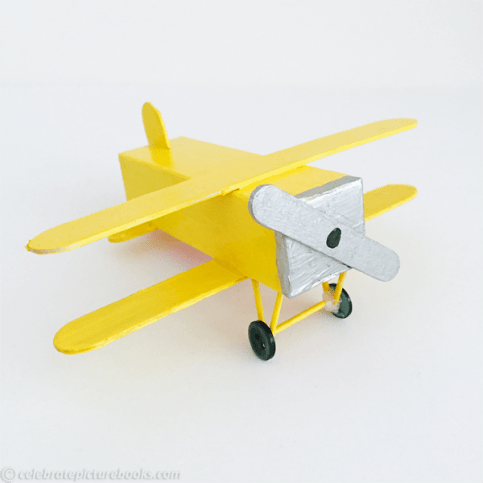
celebrate-picture-books-picture-book-review-biplane-craft

Head in the Clouds Biplane


If you love airplanes and flying, you’ll have fun making your own plane from recycled materials! Use your creativity to decorate your plane while you imagine yourself flying through the clouds on a beautiful day. Younger children will have fun sharing this activity with an adult or older sibling too!

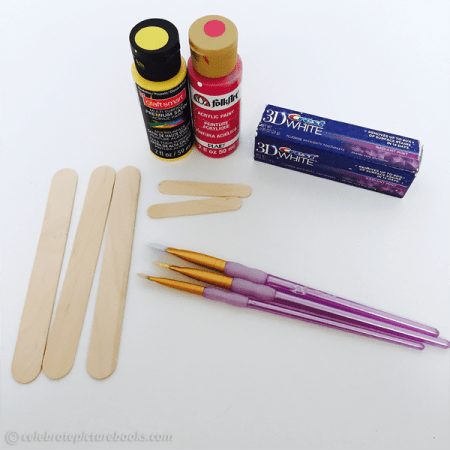
Supplies

  • Travel-size toothpaste box
  • 3 6-inch x 1/2-inch craft sticks
  • 2  2 1/2-inch x 7/8-inch mini craft sticks
  • 5 Round toothpicks, with points cut off
  • Paint in whatever colors you like for your design
  • 4 small buttons
  • 2 mini buttons
  • Paint brushes
  • Strong glue or glue gun

Directions

  1. Empty toothpaste box
  2. Paint toothpaste box and decorate it
  3. Paint the craft sticks and 5 toothpicks
  4. Paint one small craft stick to be the propeller
  5. Let all objects dry

To assemble the biplane

  1. For the Bottom Wing – Glue one 6-inch-long craft stick to the bottom of the plane about 1 inch from the end of the box that is the front of the plane
  2. For the Top Wing – Glue the other 6-inch-long craft stick to the top of the plane about 1 inch from the front of the plane
  3. For the Tail – Glue one mini craft stick to the bottom of the box about ¾ inches from the end that is the back of the plane
  4. For the Vertical Rudder – Cut the end from one of the painted 6-inch-long craft sticks, glue this to the back of the box, placing it perpendicular against the edge and half-way between each side

To assemble the front wheels

  1. Cut 4 painted toothpicks to a length of ¾-inches long
  2. Cut one painted toothpick to a length of 1-inch long
  3. Glue 2 of the 3/4-inch toothpicks to the back of 1 button, the ends of the toothpicks on the button should be touching and the other end apart so the toothpicks form a V
  4. Repeat the above step for the other wheel
  5. Let the glue dry
  6. Glue the 1-inch long toothpick between the wheels at the center of each wheel to keep them together and give them stability. Let dry

To make the back wheel

  1. Cut two ¼-inch lengths of painted toothpick and glue them together. Let dry
  2. Glue two mini buttons together to form the back wheel. Let dry
  3. Glue the ¼-inch toothpicks to the mini buttons. Let dry
  4. Glue these to the bottom of the plane in the center of the box directly in front of and touching the tail

Display your biplane!

Picture Book Review
March 27 – Quirky Country Music Song Titles Day

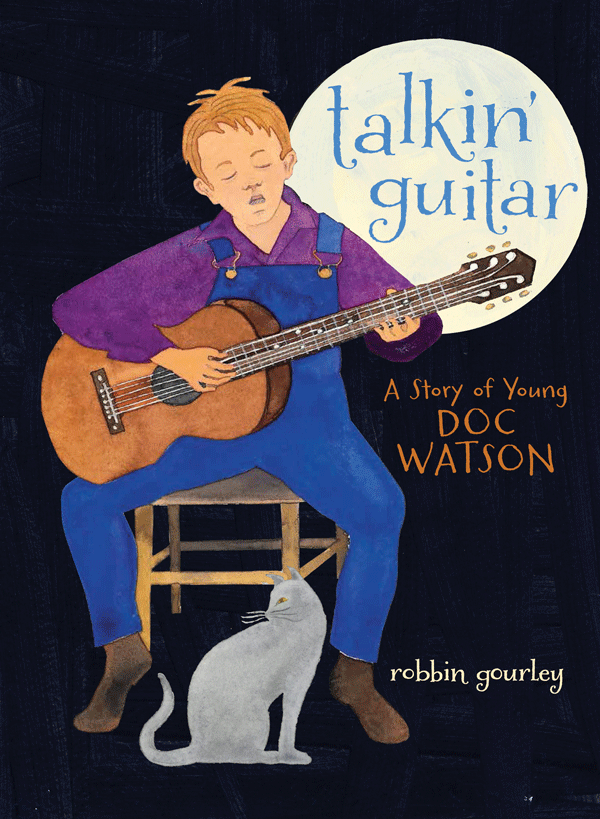
celebrate-picture-books-picture-book-review-talkin-guitar-cover

About the Holiday

Song titles can be evocative of so many emotions, and country song titles seem to take this fact to a whole nuther level. Sure, the travails of heartbreak may cause misery and despair, but I bet you can’t help smiling—just a little—when you read titles like this: I Would Have Writ You A Letter, But I Couldn’t Spell Yuck!, You Were Only A Splinter As I Slid Down The Bannister Of Life, and Did I Shave My Legs for This? So, today, celebrate by finding and listening to some quirky country songs that tickle your fancy.

Talkin’ Guitar: A Story of Young Doc Watson

By Robin Gourley

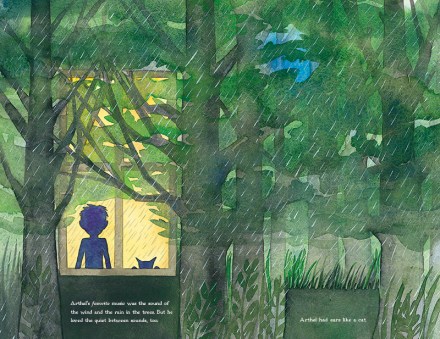
“Yonder, where blue mountains meet the sky, Arthel Watson was born into a world of music.” Music, for Arthel, was much more than his mama’s singing at the end of the day. It was the calls of animals and birds, the burbling river, the whistles of trains, and the clatter of farm machinery. He loved to listen to the rain and the wind and the silence between sounds too. “Arthel had ears like a cat. Maybe it was because he was blind.”

celebrate-picture-books-picture-book-review-talkin-guitar-rain

Image and text copyright Robbin Gourley, courtesy of robbingourley.com

Arthel just couldn’t help but make music whenever and wherever he could. Pots became drums, and cowbells rang like cymbals. Arthel even strung a steel wire across the barn door to strum. When Pappy gave him a harmonica, Arthel practiced until the screechy notes settled into a purr. When Pappy made him a banjo, he practiced until the “rusty door hinge” creak was replaced by spritely melody. One day when Arthel plinked out a few notes on his cousin’s guitar, his father made him a promise. “‘Son, if you can play a song by the time I git home from work, we’ll go into town and buy you your own guitar.’”
celebrate-picture-books-picture-book-review-talkin-guitar-played-guitar-everywhere

Image and text copyright Robbin Gourley, courtesy of robbingourley.com

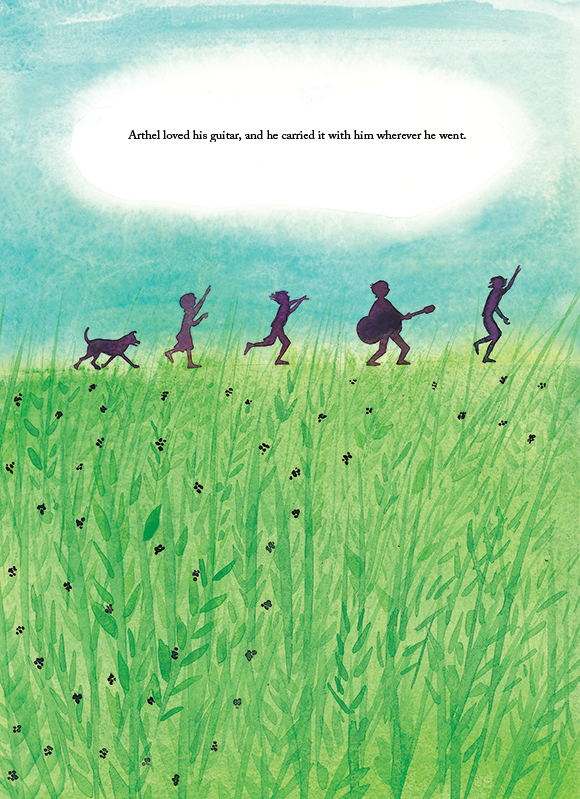
By the end of the day, Arthel had composed a “sweet, simple song” from the few chords he had learned. With a “belly full of butterflies,” he played it for his family and earned himself a guitar. From then on Arthel carried his guitar everywhere, learning from records at home and from songs on the radio. He memorized the rhythms of farm work and the songs of various animals, and between chores he practiced, practiced, practiced. “All those chores and all that practice made him sharp as a whittling knife and tough as a hickory.”
celebrate-picture-books-picture-book-review-talkin-guitar-listening-to-victrola

Image and text copyright Robbin Gourley, courtesy of robbingourley.com

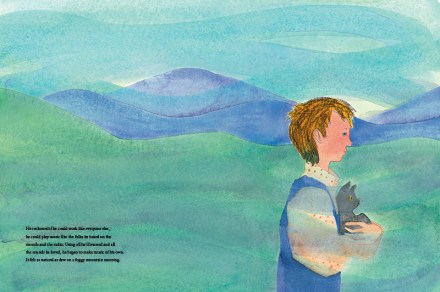
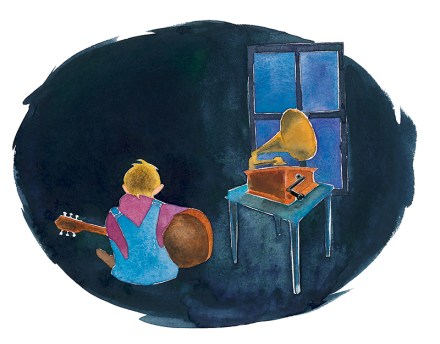
Arthel decided that if he could work just like everyone else, he could probably play music as well as the artists he listened to on records and on the radio. He began to compose his own music. “It felt as natural as dew on a foggy mountain morning.” Arthel played “what he couldn’t see. He could make his guitar sound like a muskrat or a groundhog or a ‘wooly boogie bee’” and sing the stories of the countryside he loved.

An Author’s Note following the text reveals more about Arthel’s life, the influences on his music, and how he earned the nickname “Doc.”

celebrate-picture-books-picture-book-review-talkin-guitar-inspired

Image and text copyright Robbin Gourley, courtesy of robbingourley.com

Robin Gourley’s heartening biography of Doc Watson is perfectly attuned to her young audience. Readers are introduced to Arthel as he soaks in the sounds of life around him and only learn several pages into the story that he was blind. His blindness is not mentioned again except for the subtle acknowledgement that “he reckoned if he could work like everyone else, he could play music like the folks he heard on the records and the radio”—which becomes universal inspiration for all. The emphasis that practice develops natural talent and pays off is also a great lesson for readers who may just be discovering their own talents.

Gourley’s soothing watercolors are suffused with the beautiful pastels of Appalachia, which was both home and muse to Anthel. Vignettes take readers inside Anthel’s home to discover the Victrola and the old radio that were his early teachers and introduce his family, who surrounded him with encouragement as he grew from a child to a young man—always with a guitar in his hands.

Ages 4 – 7

Clarion Books, 2015 | ISBN 978-0544129887

To discover more about Robbin Gourley, her books, and her art, visit her website!

Quirky Country Music Song Titles Day

celebrate-picture-books-picture-book-review-guitar-dot-to-dot

Musical Dot-to-Dot

When a musician follows notes, they create a song. What will you find when you follow the numbers on this printable Musical Dot-to-Dot?

Picture Book Review