August 11 – Play in the Sand Day

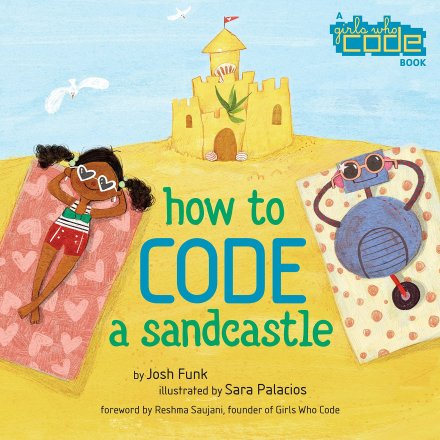
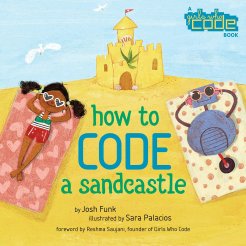
celebrate-picture-books-picture-book-review-how-to-code-a-sandcastle-cover

About the Holiday

Is there any better way to spend a summer day than playing on a sandy beach? That wet, compact surface is perfect for running on, digging in, and of course building sandcastles with. And the soft, dry areas? They’re great for setting up chairs or blankets and wiggling toes in. Whether you head out to the ocean, a lake, or even a secluded river bank, don’t forget to pack a pail and shovel for some family fun!

How to Code a Sandcastle

Written by Josh Funk | Illustrated by Sara Palacios

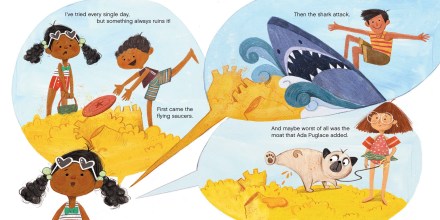
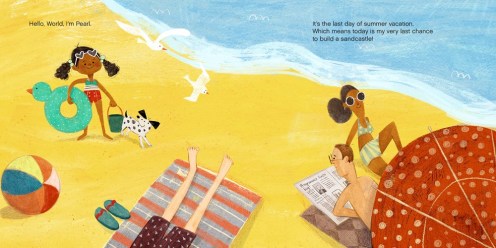
It’s the last day of Pearl’s summer vacation, and she’s hit the beach with her parents. Her goal is to build a sandcastle. It’s not like she hasn’t tried on other beach days, but there was always something that destroyed it. There was the frisbee that landed on top of it, then a surfer glided right into it, and another girl’s dog, Ada Puglace, thought it needed a moat. But today, Pearl brought her robot, Pascal, to build her sandcastle.

celebrate-picture-books-picture-book-review-how-to-code-a-sandcastle-ruined-sandcastles

Image copyright Sara Palacios, 2018, text copyright Josh Funk, 2018. Courtesy of Viking Books for Young Readers.

As Pearl explains, “He’ll do whatever I tell him—as long as I tell him in code. It’s not a secret code—it’s special instructions that computers understand.” Pearl points out the perfect spot on the beach for her sandcastle and tells Pascal to build it. But Pascal doesn’t move. Pearl realizes that she must break down the one big request into smaller problems for Pascal to solve. Easy-Peasy, Pearl thinks.

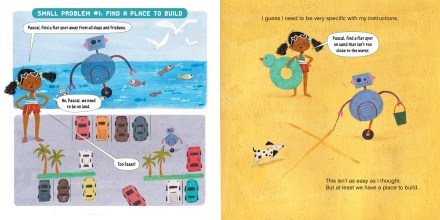
The first problem Pearl gives Pascal is: “find a place to build.” First Pascal travels out to sea, but Pearl tells him they must build on land. So Pascal rolls out into the parking lot. Hmmm…that’s not right either. Pearl decides she must be “very specific with my instructions.” When she tells Pascal to “find a flat spot on sand that isn’t too close to the water,” he marks an X on a perfect sandy spot. Great!

celebrate-picture-books-picture-book-review-how-to-code-a-sandcastle-small-problem-1

Image copyright Sara Palacios, 2018, text copyright Josh Funk, 2018. Courtesy of Viking Books for Young Readers.

The second problem Pearl gives Pascal is to “gather up sand.” She’s learned to be very particular in her instructions, so she gives her robot a three-step process: “Fill the pail with sand, dump the sand on our spot, pat the sand down.” This works just right, so Pearl continues telling Pascal the directions, until she grows tired of speaking.

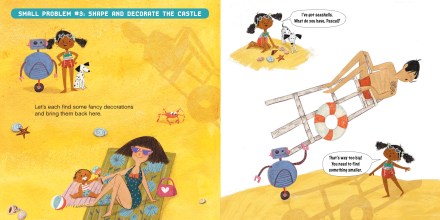
There must be a better way, Pearl thinks. How about a loop? Pearl directs Pascal to “loop through this sequence,” and just like that Pascal is off and rolling and Pearl gets to relax. A while later, Pearl discovers that Pascal had built a pyramid-high pile of sand, so Pearl tells him to stop. Next, they will “shape and decorate the castle.” Pearl comes back with pretty seashells to add to the castle, while Pascal brings back the lifeguard—in his chair. Pearl orders Pascal to bring back something smaller. When he comes back with a crab, she tells him it must be something that doesn’t move, and when he shows up with a baby’s pacifier, Pearl knows she must do a better job of explaining.

celebrate-picture-books-picture-book-review-how-to-code-a-sandcastle-small-problem-3

Image copyright Sara Palacios, 2018, text copyright Josh Funk, 2018. Courtesy of Viking Books for Young Readers.

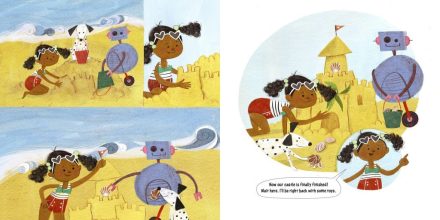
She decides to give him “if—then—else” instructions. With these detailed directions, Pascal returns with a shell and some seaweed. Finally, it’s time to shape the castle. They use their buckets and hands to build a beautiful castle that even has a turret. The shells, rocks, and seaweed are the perfect finishing touches. With the castle finally finished, Pearl runs off to get her toys.

But when she gets back, Pearl discovers that the rising tide has washed their sandcastle out to sea. And to make matters worse, Ada Puglace is back to add another moat. Hmmm… a moat? Pearl thinks. That’s what she needed the first time. Pearl really wants to rebuild, but it took her half a day to make the first one. Then she realizes that the code is already written. All she has to do is use it again. In no time a new sandcastle stands gleaming on the beach.

There’s just one more problem to solve. Quickly, Pearl gives Pascal a new looped sequence to dig the moat. Now it’s time to play—or “code an entire kingdom!”

celebrate-picture-books-picture-book-review-how-to-code-a-sandcastle-finished-castle

Image copyright Sara Palacios, 2018, text copyright Josh Funk, 2018. Courtesy of Viking Books for Young Readers.

A Foreward written by Reshma Saujani, the founder of Girls Who Code, introduces readers to this organization that is “working to close the gender gap in technology” and get girls of all ages excited about coding and future opportunities in science and technology. 

Pearl and Pascal’s Guide to Coding with brief discussions of Code, Sequence, Loops, and If-Then-Else follows the text.

With his infectious enthusiasm and talent to reach kids in new and innovative ways, Josh Funk, a computer programmer by day and super writer by night, is a perfect guide to the joys of coding for young learners. Taking kids out to the beach for a bit of sandcastle building—an endeavor that is often fraught with dangers—is a terrific way to show the procedures and power of coding. Pearl’s initial missteps in programming Pascal provide laugh-out-loud moments while also demonstrating that computer programs work with precise instructions. Her inexperience but quick learning will give readers confidence in their own abilities to code and where to look for problems if their program does not run as smoothly as they’d like. When high tide washes Pearl and Pascal’s sandcastle out to sea, readers may groan in empathy, but the opportunity to do it all again—only bigger and better—will make them cheer.

celebrate-picture-books-picture-book-review-how-to-code-a-sandcastle-last-day

Image copyright Sara Palacios, 2018, text copyright Josh Funk, 2018. Courtesy of Viking Books for Young Readers.

Sara Palacios’s golden beach is a wide-open and inviting platform to introduce the world of computer programming to young readers. Sunny and enthusiastic, Pearl, in her heart-shaped sunglasses, is persistent and smart in figuring out just how to make Pascal do what she wants. Pascal is a round, rolling cutie, perpetually happy to perform its duties. Series of panels and speech bubbles depict each instruction Pearl gives Pascal, clearly showing readers how coding and a computer’s response to its instructions work. Sequence loops are cleverly portrayed with typeface that creates a circle around Pearl’s floating ring and later around the trench that will surround the castle and become the moat. The final image of Pearl and Pascal celebrating their successful day together is powerful encouragement that a new day of girls and women in technology and science is on the horizon.

Coding a Sandcastle is a motivating combination of lighthearted fun and accessible education that will encourage girls—and boys—to get involved with computer coding just for their own enjoyment or as a future profession. It’s a must for school media and computer class libraries, and with this book on home bookshelves, kids won’t want to just play on the computer—they’ll be asking to program too.

Ages 4 – 8

Viking Books for Young Readers, 2018 | ISBN 978-0425291986

Discover more about Josh Funk and his books and find lots of fun activities to do too on his website.

To learn more about Sara Palacios, her books, and her art, visit her website.

Play in the Sand Day Activity

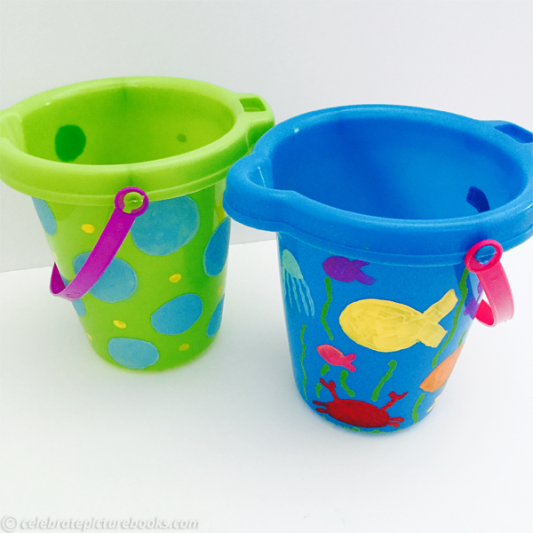
celebrate-picture-books-picture-book-review-bringing-the-outside-in-painted-pails-craft

Personalized Painted Pail

A trip to the beach or park isn’t complete without a pail to collect shells, seaweed, sea glass, pebbles, sticks, nuts, or other things in. But why should all the cool stuff be on the inside? With this craft you can decorate your pail to show your unique personality!

Supplies

  • Plastic or metal pail
  • Craft paint in various colors
  • Crystal Clear Acrylic Coating, for multi-surface use
  • Paint brush

Directions

  1. Paint designs on the pail
  2. When paint is dry spray with acrylic coating to set paint
  3. Let dry

celebrate-picture-books-picture-book-review-how-to-code-a-sandcastle-cover

You can find How to Code a Sandcastle at these booksellers

Amazon | Barnes & Noble | Books-a-Million | IndieBound

Picture Book Review

August 10 – National Eye Exam Month

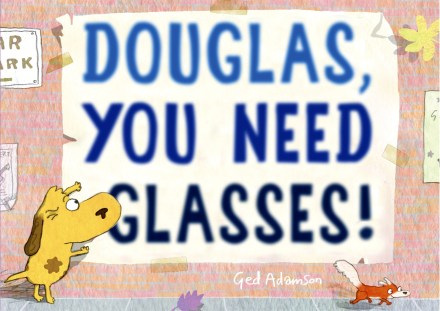
celebrate-picture-books-picture-book-review-douglas-you-need-glasses

About the Holiday

Founded in 1989 by Sears Optical, National Eye Exam Month encourages people to think about their eye health. As kids get ready to go back to school, an eye exam is an important thing to add to the list of preparations. Seeing clearly is crucial to success in class and extracurricular activities. If you and your children have not had an eye exam this year, consider calling your ophthalmologist this month.

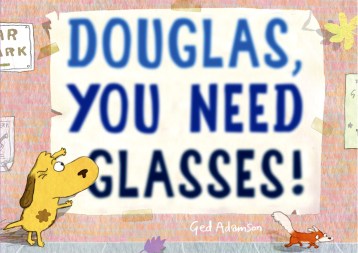
Douglas, You Need Glasses!

By Ged Adamson

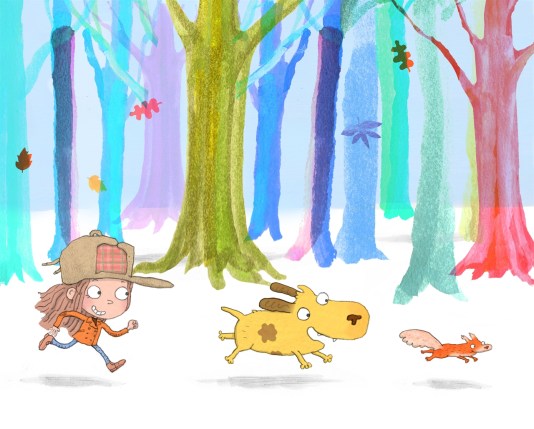
Something may be amiss with Douglas. When Nancy and her playful pooch go out to chase squirrels, Douglas takes after a falling leaf while the squirrel escapes up a tree. It’s not the first time this has happened, either. You see, Douglas is a bit nearsighted. Sometimes he mistakes the stair post for Nancy, and his difficulty gets in the way of things (well, mostly Douglas gets in the way of things).

celebrate-picture-books-picture-book-review-douglas-you-need-glasses-watching-tv

Image and text copyright Ged Adamson, courtesy of Schwartz & Wade.

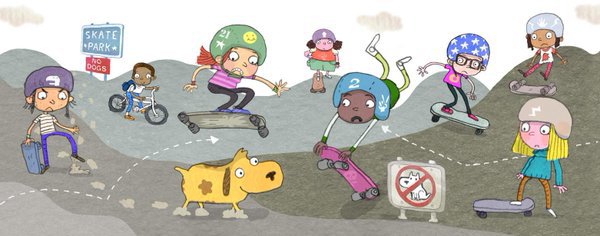
He also misses important signs—like the one that would have prevented him from tracking wet cement all over the skate park, where there are NO DOGS allowed—and he’s always causing something of a ruckus. Sometimes he even enters the wrong house! But when a game of fetch nearly creates a buuzzzz of disaster, Nancy decides something must be done.

celebrate-picture-books-picture-book-review-douglas-you-need-glasses-skate-park

Image and text copyright Ged Adamson, courtesy of Schwartz & Wade.

She takes Douglas to the eye doctor where he reads a most dog-friendly eye chart and discovers that he needs glasses. He peruses the shelves of Dog Glasses and puts some on. Each one makes him feel different. In one pair he’s a rock star; in another a scholar; and in yet another a hippy. He tries them all until he finds the perfect pair!

On the way home he sees the world in a whole new way. “‘Wow! Everything looks amazing!’” Douglas says. And it is!

celebrate-picture-books-picture-book-review-douglas-you-need-glasses-eye-doctor

Image and text copyright Ged Adamson, courtesy of Schwartz & Wade.

Ged Adamson’s funny look at a dog with an all-too-human malady will make kids laugh from the first page to the last. Earnest Douglas, going about his doggy days under a bit of a skewed perspective, is so endearing that readers will immediately take him to heart even as they giggle at his exploits.

celebrate-picture-books-picture-book-review-douglas-you-need-glasses-chasing-squirrel

Image and text copyright Ged Adamson, courtesy of Schwartz & Wade.

Adamson’s vibrant multi-hued trees, colorfully clothed kids, and vivid backgrounds with stylish, sketched-in details give the book a fresh, jaunty appeal for a lively, fun story time. Kids facing the prospect of wearing glasses will also find much to give them reassurance and confidence in this book. Douglas, You Need Glasses! is a great addition to any child’s bookshelf!

Ages 3 – 8

Schwartz & Wade, Random House Kids, 2016 | ISBN 978-0553522433

Visit Ged Adamson’s Website to learn more about him and his books!

National Eye Exam Month Activity

celebrate-picture-books-picture-book-review-spool-puppy-craft

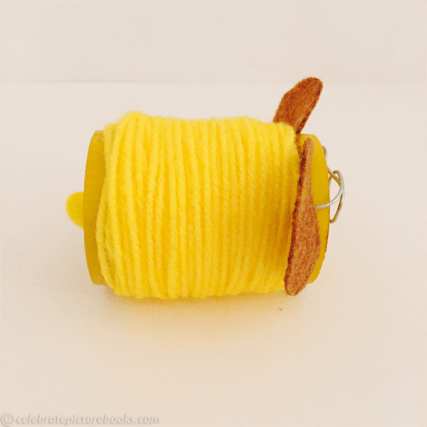
Spool Puppy

No matter where you go and whether you have a real dog or not, you can take this little guy along with you. And just as you would pick out your favorite from an animal shelter, you can make this puppy look any way you’d like!

Supplies

  • Printable Ears and Nose Template
  • 2-inch round wooden spool, available at craft stores
  • 1 skein of yarn in the color you choose. Yardage needed will depend on the thickness of the yarn.
  • Felt
  • Thin gauge wire
  • Craft paint
  • Paint brush
  • Fabric or strong glue
  • Dowel or pencil to wrap wire around to make glasses

celebrate-picture-books-picture-book-review-spool-puppy-craft

Directions

  1. Paint the dowel the color you want your dog to be, let dry
  2. Trace the ears on the felt and cut out (or draw your own ears)
  3. Trace the nose on the felt and cut out
  4. When the spool is dry glue the ears to the body of the spool, allowing the ears to stick up from the top of the spool
  5. Wind the yarn around the spool back and forth until the dog’s body is the size you’d like
  6. Glue the yarn in place with fabric or strong glue

To make the face

  1. Glue the nose over the hole on one end of the spool
  2. Draw the mouth and tongue under the nose with a marker
  3. You will draw the eyes on after the glasses are in place

To make the glasses

  1. Wind the wire around a ½-inch dowel, thick pencil, or rounded handle to make two circles.
  2. Leave about two inches on either side of the circles for the ear pieces of the glasses.
  3. Adjust the size of the circles to fit the spool as glasses.
  4. Put the glasses on the face of the spool, tucking the ear pieces into the yarn on each side
  5. Draw eyes in the center of the glasses

To make the tail

  1. Cut a small square of felt and stuff the edges into the hole on the other end of the spool
  2. You can make the tail as long as you like

celebrate-picture-books-picture-book-review-douglas-you-need-glasses

You can find Douglas, You Need Glasses! at these booksellers

Amazon | Barnes & Noble | Books-a-Million

To support your local independent bookstore, order from

BookshopIndieBound

Picture Book Review

Picture Book Review

August 3 – It’s National Back to School Month

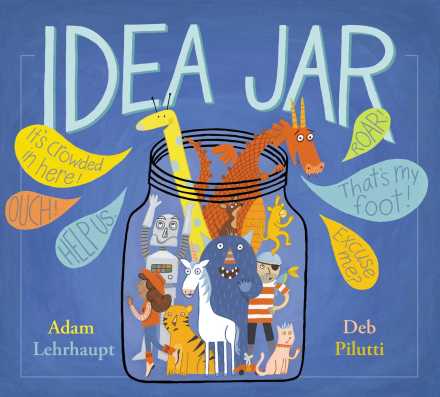
celebrate-picture-books-picture-book-review-idea-jar-cover

About the Holiday

It may seem like summer vacation just began, but it’s already time to start thinking about the new school year. The stores are stocked with clothes, supplies, and plenty of gear to make the new school year the best ever. But the stuff of going to school is just part of getting ready. Kids are looking forward—eagerly or maybe with a little trepidation—to meeting new friends, having new teachers, and exploring new subjects and ideas. Making the transition to a different grade easier and exciting is what National Back to School Month is all about.

Simon & Schuster sent me a copy of Idea Jar to check out. All opinions are my own. I’m also thrilled to be partnering with Simon & Schuster in a giveaway of a copy of Idea Jar. See details below.

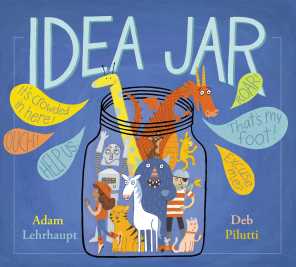
Idea Jar

Written by Adam Lehrhaupt | Illustrated by Deb Pilutti


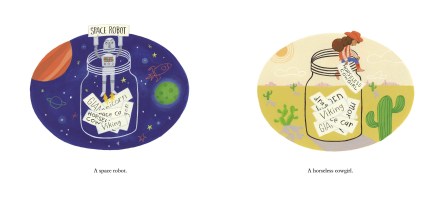
On the teacher’s desk sits an Idea Jar that holds her student’s story ideas. The teacher “says a story can be about anything” the kids want it to be. Like maybe “a space robot” or a “horseless cowgirl” or, yes, even that Viking who is trying to hoist himself over the edge of the jar to freedom. See, “there’s no such thing as a bad story idea,” and there are so many ways to tell your story.

celebrate-picture-books-picture-book-review-idea-jar-space-robot

Image copyright Deb Pilutti, 2018, text copyright Adam Lehrhaupt, 2018. Courtesy of simonandschuster.com.

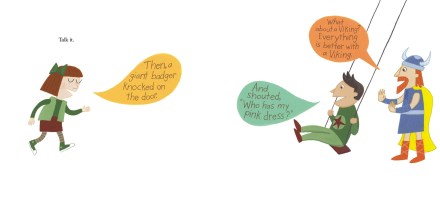
You can even combine your own ideas or make up a story with a friend. And maybe even that Viking in the back of your mind would make a good character too. He certainly thinks so. His motto is “Everything is better with a Viking”—even a giant badger who has lost her pink dress.

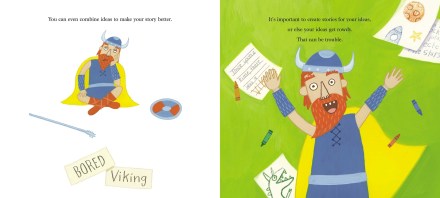
There is one thing about the Idea Jar, though. “It’s important to create stories for your ideas, or else your ideas get rowdy.” Just look at that Viking, who’s poking…at…the…jar! “Oh no! The ideas!”  They’re all loose! Now the robot is shooting his laser eyes and the dragon is swishing its enormous tail and the ideas are running amok!

celebrate-picture-books-picture-book-review-idea-jar-bored-giant-badger

Image copyright Deb Pilutti, 2018, text copyright Adam Lehrhaupt, 2018. Courtesy of simonandschuster.com.

“These ideas need a story. Will you help?” Great! Should we? Should we start with the Viking? What if he gets into a battle with the space robot? Then gets rescued by the dragon? Who’s ridden by the horseless cowgirl! What? You’d like to change some ideas around? Go for it! This is your story, after all! “Wow! You were awesome!” You made all of those story ideas very, very happy. But it’s time that they went back in the jar to meet some other ideas for next time.

celebrate-picture-books-picture-book-review-idea-jar-bored-viking

Image copyright Deb Pilutti, 2018, text copyright Adam Lehrhaupt, 2018. Courtesy of simonandschuster.com.

As the award-winning author of Warning: Do Not Open this Book, Please Open this Book, This is a Good Story, and many others, Adam Lehrhaupt knows a thing or two—or three—about corralling ideas into a story. By appealing directly to students and any story creator, the narrator of the madcap Idea Jar will excite kids to pay attention to the ideas rattling around and flashing through their minds and inspire them to write, draw, or tell their own stories. The persistent Viking, who gives story suggestions throughout the book and nudges the story along, will delight kids and can serve two purposes for teachers or other writing coaches.

With his infectious enthusiasm, the Viking is that great idea that knocks at your consciousness until it is used. His whispered recommendations may also remind writers and artists of that little self-editor who so often can keep great ideas from running free. Learning to manage both of these is what great storytelling is all about. As the Viking sails into the classroom portrayed in the book, kids will jump at the chance to turn on their imaginations and give him—and their own characters—a story full of suspense, humor, and unexpected twists and turns.

celebrate-picture-books-picture-book-review-idea-jar-viking-climbing-out-of-jar

Image copyright Deb Pilutti, courtesy of simonandschuster.com.

As a space robot rockets from the Idea Jar, a horseless cowgirl lifts herself over the edge, and a big, scaly arm reaches from within to pull out the words “dragon” and “giant,” kids will be instantly invested in these characters without a story…yet. Deb Pilutti’s vibrant and dynamic illustrations show the creative process in action, whether a child’s talent lies in writing, drawing, or even reciting ideas aloud. The crafty Viking makes a frequent appearance—just like any good idea does—to prod the ideas in the jar (including the horseless cowgirl, the space robot, and the dragon as well as a pirate, a unicorn, a giraffe, a monster, and various animals) to unleash their inventive power. As the story comes together, the students and teacher cheer as they see their creation come to life. 

Kids will love answering the call to create a story and interacting with the ideas in Idea Jar. Idea Jar is infused with the natural spontaneity and inventiveness of children’s imaginations, making it a winner for jump-starting writing or art lessons in classrooms and inspiring creativity at home for kids and adults.

Ages 4 – 8 (and up)

Simon & Schuster/Paula Wiseman Books, 2018 | ISBN 978-1481451666

Discover more about Adam Lehrhaupt and his books on his website.

To learn more about Deb Pilutti, her books, and her art, visit her website.

Meet Deb Pilutti

celebrate-picture-books-picture-book-review-deb-pilutti-intreview-chased-by-t-rex

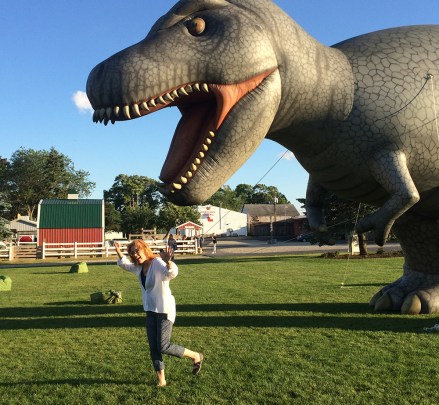
Today I’m excited to talk with author/illustrator Deb Pilutti about her new book Idea Jar with Adam Lehrhaupt, her branding work inspired by vintage signs, and the old Creepy Crawlies Thingmaker, a toy which I was surprised and delighted to discover we both loved as children.

Readers will love the way the characters interact with each other and with the kids writing and drawing stories in Idea Jar. Can you describe your journey from when you first received Adam Lehrhaupt’s manuscript for Idea Jar to the finished book?

I am a fan of Adam’s Warning: Do Not Open this Book! so I was quite excited when Paula Wiseman at Simon & Schuster asked me if I would like to illustrate IDEA JAR. Who wouldn’t want to illustrate a book with a Space Robot, a Viking, a cowgirl and a Dragon as the main characters? Adam left a lot of room for me to play. He did not specify what the other ideas in the jar would be, only the characters he had written into the text. It was fun to develop additional characters and their relationships and mini-side stories, like the developing friendship between the Yeti and the small dog, and the mouse driving a race car.

Kids’ imaginations are always so full of possibilities, and they can make such funny and amazing leaps of character and plot. What are some steps you’d give young writers and illustrators for capturing those snatches of imagination and developing an idea into their own story?

Keep a journal. I have several that I write or doodle in. If there is something I find interesting, like an idea or a character, I go back to it and try to work out a story. I start by asking questions of the character or situation. What would happen if… type of questions.

celebrate-picture-books-picture-book-review-deb-pilutti-interview-hello!-ice-cream-truck

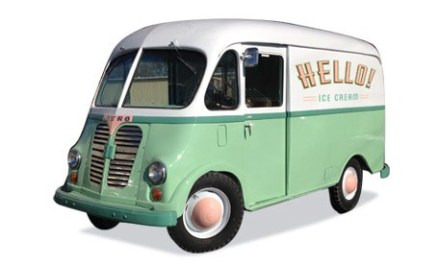
Your branding work for Sea World, Warner Brothers, artists, food trucks, and more are infused with such a fun vintage vibe. Do you have a favorite decade to draw design ideas from, and why?

I absolutely love vintage signage and type from the 50s and 60s. Some of it is so campy while others can be evocative or elegant. The colors used were bold and saturated.

celebrate-picture-books-picture-book-review-deb-pilutti-intreview-studio-toys

Before you began illustrating and writing for children, you designed toys, and in your recent release The Secrets of Ninja School, the main character makes dragon stuffies for all of her classmates. Why do you think playing with traditional toys is so important for children? What was your favorite toy when you were a child?

Mostly because it’s fun. I also think it’s a way to navigate the world, but that isn’t something I thought about as a child. When I was young, I loved making Creepy Crawlers, which was an incredibly dangerous toy at that time. You pored possibly toxic goop into a metal mold and cooked it in a blisteringly hot ThingmakerTM oven, which resulted in many scorched fingers. But totally worth it, because once the plate cooled, you would have an army of colorful and stretchy bugs.

celebrate-picture-books-picture-book-review-deb-pilutti-intreview-srudio-desk

My cousin is a graphic designer and whenever I visited her as a child I loved seeing her special corner of the house. It was so full of color and knick-knacks (inspiration, really, I guess) and works in progress, that I developed a fascination with artists’ studios. Do you mind describing your work space a little? What is your favorite thing in it?

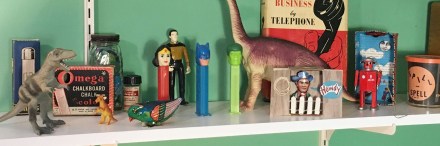
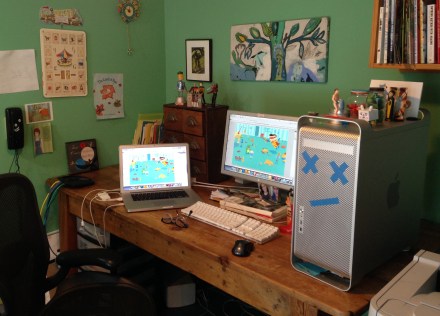
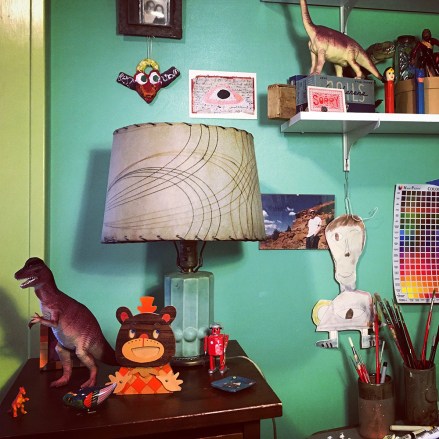
My studio is in a small bedroom. I have a long table with a computer and extra monitor set up on it, and I sometimes sketch here as well. A painting easel is in the corner of the room. It’s a very messy place, with papers everywhere and knick-knacks and toys and bits of shiny things on every surface. I like all of my toys, but my favorite one is a realistic toy model of a T-rex with a moveable jaw.

celebrate-picture-books-picture-book-review-deb-pilutti-intreview-studio-knick-knacks

What’s the best part of being a children’s illustrator and author?

I have always loved books. To be involved with the art of bookmaking is a wondrous thing. My favorite part of the process is making the final illustrations.

Do you have any anecdotes from a reading or event that you’d like to share?

I was visiting a school last April and had a blast creating stories with the students using an Idea Jar. We made some pretty silly stories together. One student came up with a zombie tomato for a character, which was brilliant!

What’s up next for you?

I’m currently working on final illustrations for two books. The first is Old Rock (is not boring). A story about a rock sounds like it could be boring, right? At least Old Rock’s friends think so. Old Rock reveals her own surprising story, slowly and languidly, as rocks do. I’m also illustrating a sequel to Ten Rules of Being a Superhero. It’s called Ten Steps to Flying Like a Superhero. I had so much fun with the characters from the first book that they are back for another adventure. Lava Boy’s superhero toy, Captain Magma, wants to fly more than anything. They devise a plan, which does not go as anticipated.

What is your favorite holiday and why?

Summer Solstice. I live in Michigan, which is quite lovely, but the cold and dark of winter can get a bit old. I miss the light. Our summer nights are very long. On Summer Solstice, I try to stay outside until the last vestiges of daylight disappear at around 9:45.

Has a holiday ever influenced your work?

Yes, I illustrated The Twelve Days of Christmas in Michigan, illustrated by Susan Collins Thoms.

Thanks so much for chatting, Deb! I wish you all the best with Idea Jar and all of your books!

National Back to School Month Activities

celebrate-picture-books-picture-books-review-adam-lehrhaupt-create-your-own-idea-jar

Make Your Own Idea Jar

If you have lots of ideas looking for a place to hang out, discover how to make your own Idea Jar and find some cool starter ideas from Adam Lehrhaupt! Make your own IDEA JAR!

celebrate-picture-books-picture-books-review-deb-pilutti-5-methods-to-generate-stories-logo

Dream up Story Ideas

Do your kids (or maybe you!) want to think up awesome story ideas? Check out Deb Pilutti’s 5 Methods of Generating Story Ideas

celebrate-picture-books-picture-book-review-idea-jar-cover

You can find Idea Jar at these booksellers

Amazon | Barnes & Noble | Books-a-Million | IndieBound

Picture Book Review
August 2 – It’s National Crayon Collection Month

celebrate-picture-books-picture-book-review-the-day-the-crayons-came-home-cover

About the Holiday

Kids love going to restaurants that provide a fun placemat and crayons to color with while they wait. But what happens to those crayons when the meal is over? Most times they’re thrown in the trash with the napkins and straws and other items left behind. Wouldn’t it be great if those gently used crayons could go on to be used by other kids at schools that can’t afford such supplies? They can! Begun by Crayon Collection, National Crayon Collection Month encourages restaurants, hotels, and other organizations that provide free crayons to collect the ones left behind and donate them to under-serviced schools. As school arts programs are threatened with budget cuts, these important supplies can make a big difference in the lives of students. The ability of children to express their creativity is a crucial part of their education and growth.  You can get involved too! To learn how you can make an impact, visit CrayonCollection.org. Or look into donating crayons (and other supplies) to a school in your area.

The Day the Crayons Came Home

Written by Drew Daywalt | Illustrated by Oliver Jeffers


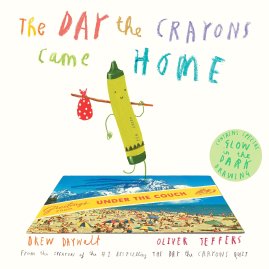
One day, as Duncan and his crayons were creating something together, Duncan received a mysterious package of postcards. The first postcard Duncan read was from Maroon Crayon, who, it turned out had been marooned in the couch, broken in half when Duncan’s dad sat on him, and then “nursed back to health” by paperclip. Now ready to rejoin the pack, Maroon Crayon was asking to be rescued.

celebrate-picture-books-picture-book-review-the-day-the-crayons-came-home-pea-green-crayon

Image copyright Oliver Jeffers, 2015, text copyright Drew Daywalt, 2015. Courtesy of Philomel Books.

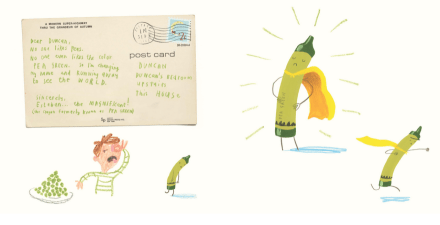
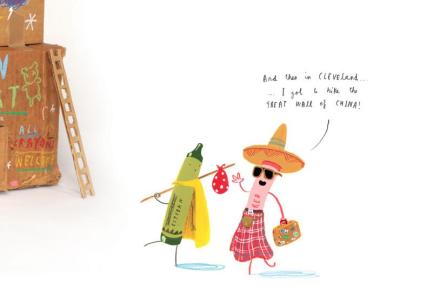
The next postcard brought distressing news from Pea Green Crayon, who feeling unloved, had changed his name to Esteban the Magnificent and was “running away to see the world.” Neon Red Crayon was feeling similarly dismissed and was writing—with a bit of well-earned pique—from the side of the pool at the Ritz Motel. “REMEMBER that great vacation we had with your family? Remember how we laughed when we drew a picture of your dad’s sunburn? Remember dropping me by the hotel pool when you left? Clearly you do NOT, BECAUSE I’M STILL HERE!” Still, Neon Red Crayon was taking it upon herself to walk home.

celebrate-picture-books-picture-book-review-the-day-the-crayons-came-home-red-neon-crayon

Image copyright Oliver Jeffers, 2015, text copyright Drew Daywalt, 2015. Courtesy of Philomel Books.

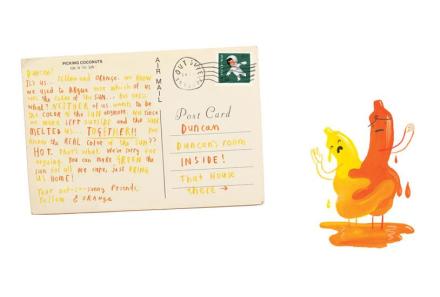
Yellow and Orange crayons wrote to let Duncan know they’ve put their argument “over which of us was the color of the sun” aside now that the sun has fused them together forever in the backyard. They don’t care what color the sun is anymore—they just want to come home. But perhaps “Tan (or possibly Burnt Sienna?) Crayon” has the saddest tale to tell. He’s had a hard time of it since being eaten by the dog and is now “more carpet fuzz than crayon.”

celebrate-picture-books-picture-book-review-the-day-the-crayons-came-home-yellow-and-orange-crayon

Image copyright Oliver Jeffers, 2015, text copyright Drew Daywalt, 2015. Courtesy of Philomel Books.

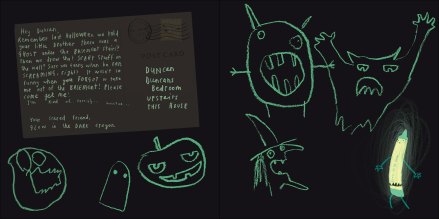
Up from the basement comes a postcard from Glow in the Dark Crayon, who was abandoned there last Halloween after Duncan used him to draw scary stuff on the wall. He just wants to be brought into the light because he’s “kind of … terribly … horrified ….” Meanwhile, Esteban has reached the front door, seen that the world is rainy, and has decided to return.

A dryer mishap has left Turquoise Crayon with one of Duncan’s socks stuck to his head, one compelling question, and one big desire to be reunited with the other crayons. But it’s not just Duncan’s crayons who are begging to be brought back into the fold. Duncan’s baby brother’s “Chunky Toddler Crayon” wants to be saved from another week like the last one in which the little tyke had “bitten the top of my head, put me in the cat’s nose, drawn on the wall and tried to color GARBAGE with me!”

celebrate-picture-books-picture-book-review-the-day-the-crayons-came-home-glow-in-the-dark-crayon

Image copyright Oliver Jeffers, 2015, text copyright Drew Daywalt, 2015. Courtesy of Philomel Books.

Brown Crayon admits that he’s embarrassed by what Duncan used him for, but still wants to come back, and Neon Red Crayon has sent postcards from all over the world as she’s made her way back, at last sending a card picturing herself skiing in the Amazon Rain Forest. After reading all of these missives, Duncan felt bad and ran around the house collecting them. But where would he put them? They “were all so damaged and differently shaped than they used to be that they no longer fit in the crayon box.”

But why did the crayons have to fit the box? Duncan had a better idea. He built a box to fit the crayons—“a place where each crayon would always feel at home.”

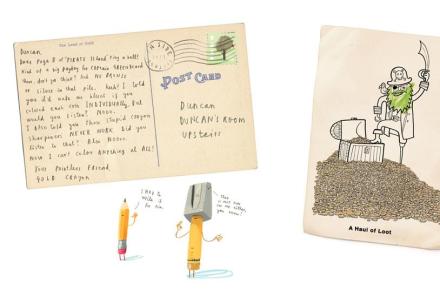
celebrate-picture-books-picture-book-review-the-day-the-crayons-came-home-gold-crayon

Image copyright Oliver Jeffers, 2015, text copyright Drew Daywalt, 2015. Courtesy of Philomel Books.

An instant classic, Drew Daywalt ‘s and Oliver Jeffers’ sequel to the equally loved The Day the Crayons Quit, The Day the Crayons Came Home is a laugh-out-loud look at life as a forgotten crayon. As given voice by Drew Daywalt, these crayons, with personality, attitude, and some legitimate gripes, make hilarious champions for any story time. Daywalt’s selection of colors and mishaps is inspired, and his recurring characters, Esteban and Neon Red Crayon, add just the right touch of silly cluelessness as they wax poetic.

Screen Shot 2018-08-01 at 5.28.44 PM

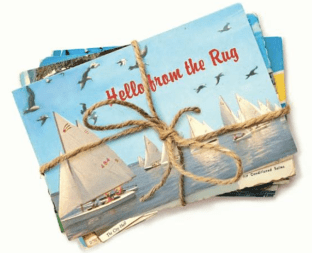
From the first glimpse of Maroon Crayon facing the indignity of being sat upon and emerging from the wreckage with a full beard, tattered paper, and paperclip bandage, kids will be hooked on the lives of these misplaced, misused crayons. Each crayon’s expression reveals the personality and predicament of these little heroes. Vintage postcards and crayon-drawn backdrops add to the distinctive look of this very original story in letters. A page of glow-in-the-dark drawings and text will have kids running for the nearest closet or dark corner to check it out, and the final reveal of the crayons’ new home will inspire readers to create one of their own.

A colorful, creative addition to any home or classroom library, The Day the Crayons Came Home (and its companion The Day the Crayons Quit) will be asked for again and again…and again.

Discover more about Drew Daywalt and his books on his website.

To learn more about Oliver Jeffers, his books, and his art, visit his website.

National Crayon Collection Month Activity

CPB - Rainbow Crayon Art 3

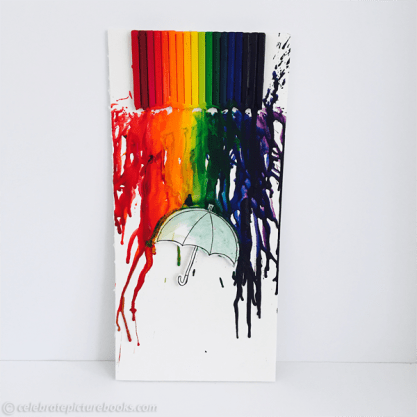
Crayon Rainbow Art


With this cool project you can create an art piece that’s as colorful as a rainbow and as unique as you are! Adult help is needed for children.

Supplies

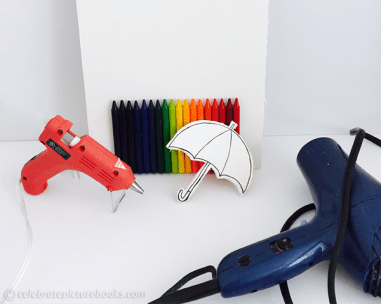
  • Box of 24 crayons
  • White foam board or thick poster board, 8 inches by 17 inches
  • A small piece of corrugated cardboard, about 5 inches by 5 inches (a piece of the foam board can also be used for this step)
  • A small piece of poster board, about 5 inches by 5 inches
  • Scissors
  • X-acto knife (optional)
  • Hot glue gun
  • Hair dryer
  • Old sheets or towels, newspapers, a large box, or a trifold display board

CPB - Rainbow Crayon Art 2

CPB - Rainbow Crayon Art 1 (2)

Directions

  1. Remove the various red, orange, yellow, blue, indigo, and violet hued crayons from the box of crayons
  2. Strip the paper from the crayons by slicing the paper with the x-acto knife, or removing it by hand
  3. Line them up in order at the top of the white foam board
  4. Glue the crayons with their tips facing down to the board with the hot glue gun
  5. Cut an umbrella or other shape of your choice from the poster board
  6. Trace the umbrella or other shape onto the corrugated cardboard or a piece of the foam board and cut out
  7. Glue the poster board shape onto the corrugated cardboard, let dry
  8. Glue the umbrella or other shape to the foam board, about 4 ½ inches below the crayons
  9. Set up a space to melt the crayons. The wax will fly, so protect the floor and walls by placing the art piece in a large box or hanging newspapers, old sheets or towels on the walls and placing newspapers on the floor. A trifold display board and newspapers works well.
  10. Stand the art piece upright with the crayons at the top
  11. With the hot setting of the hair dryer, blow air at the crayons until they start to melt
  12. Move the hair dryer gently back and forth across the line of crayons from a distance of about 6 to 12 inches away. The closer you are to the crayons, the more they will splatter
  13. The crayons will begin to melt and drip downward
  14. You can experiment with aiming the hair dryer straight on or at an angle to mix colors
  15. Wax that drips onto the umbrella or other shape can be chipped off after it dries or wiped off to create a “watercolor” effect on the shape
  16. Once the hair dryer is turned off, the wax cools and dries quickly
  17. Hang or display your art!

celebrate-picture-books-picture-book-review-the-day-the-crayons-came-home-cover

You can find The Day the Crayons Came Home at these booksellers

Amazon | Barnes & Noble | Books-a-Million | IndieBound

Picture Book Review
July 30 – It’s National Culinary Arts Month

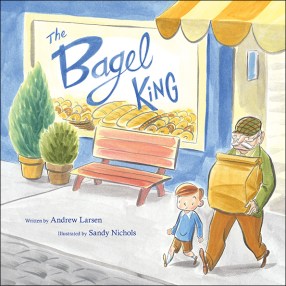
the-bagel-king-cover-celebrate-picture-books-picture-book-review

About the Holiday

As Culinary Arts Month winds down, it’s a good time to think about traditions. Not only traditional dishes but about those times of cooking and eating together that bring families and friends closer. Weekly dinners with extended family, holiday baking, and summer barbecues are just some of the events that can get people talking and laughing and sharing good times. To celebrate today, have fun with one of your culinary traditions—or create a new one!

The Bagel King

Written by Andrew Larsen | Illustrated by Sandy Nichols


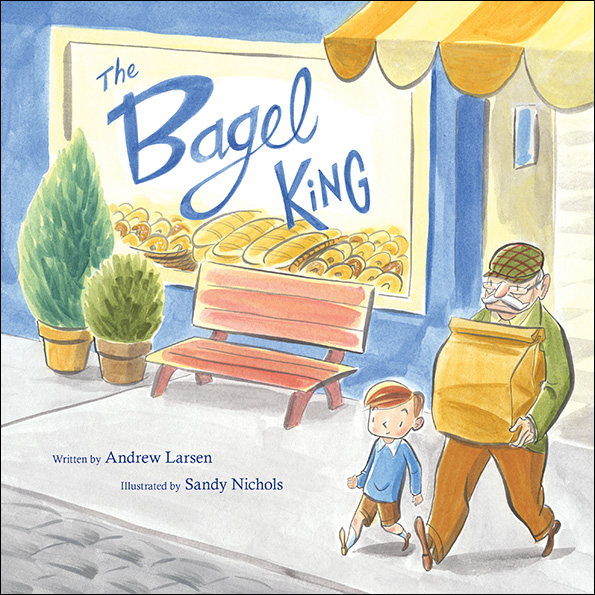
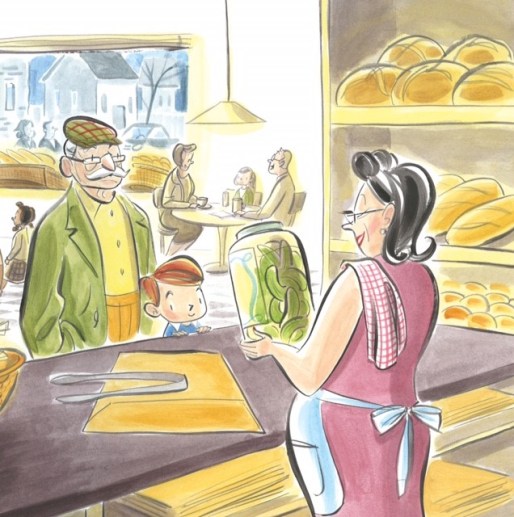
“Every Sunday morning Zaida went to Merv’s Bakery for bagels.” Sometimes his young grandson, Eli, went with him. When he did, Mrs. Rose always gave him a pickle from the big jar behind the counter. When he didn’t, “Zaida delivered his bagels right to his door.” Zaida went to Merv’s every Sunday no matter what the weather. The “warm, chewy, salty bagels were the best thing about Sunday.”

the-bagel-king-pickles-celebrate-picture-books-picture-book-review

Image copyright Sandy Nichols, 2018, text copyright Andrew Larsen, 2018. Courtesy of Kids Can Press.

One Sunday, though, the familiar knock on the door never came. Later, Zaida called Eli and told him he had “slipped on some schmutz at Merv’s” and had gone to the doctor. Zaida had hurt his tuches and was ordered to relax at home for two weeks. Eli ran right over. As they sat together, both Eli’s and Zaida’s stomach rumbled with missing the usual bagels.

Pretty soon there was a knock on the door and three of Zaida’s elderly neighbors came in. All three were just as hungry as Eli and Zaida. It turned out that Zaida had been hosting a bagel feast for the four of them for years. When Zaida told them about his tuches, they said “‘Oy! Are you all right?’” But they were all disappointed about the bagels.

the-bagel-king-dog-celebrate-picture-books-picture-book-review

Image copyright Sandy Nichols, 2018, text copyright Andrew Larsen, 2018. Courtesy of Kids Can Press.

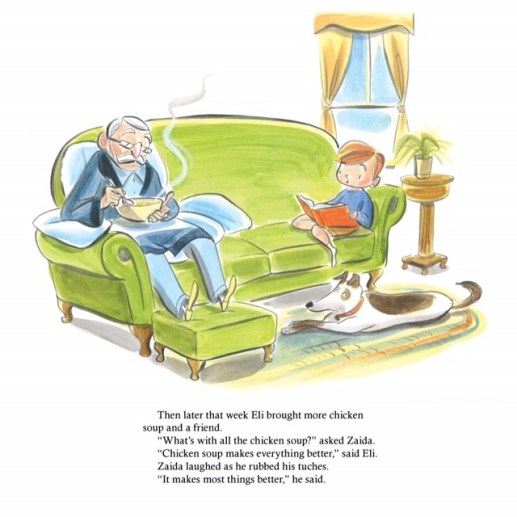
As the week went on, Eli visited his grandfather every day. He brought chicken soup one day, another day he brought chicken soup and a book, and on yet another day, he brought chicken soup and a canine friend for company. On Saturday night, though, it wasn’t chicken soup Eli was thinking about, but bagels. “Even the moon looked like a bagel all smothered with cream cheese.”

the-bagel-king-surprise-celebrate-picture-books-picture-book-review

Image copyright Sandy Nichols, 2018, text copyright Andrew Larsen, 2018. Courtesy of Kids Can Press.

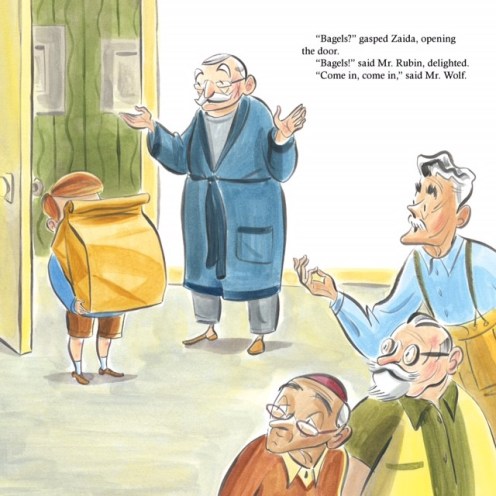
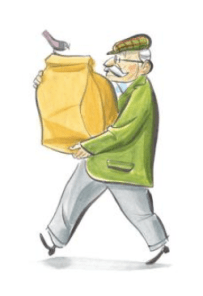
The next morning, Eli woke up early and walked down to Merv’s with a list in his hand. When he reached the counter, he handed Mrs. Rose the list. As she read it, she said, “‘This looks very familiar. Except for the last item.” Eli told her that it was a surprise. With the big bag hugged close, Eli left Merv’s and went to Zaida’s. When Zaida saw the big bag of bagel, he was surprised! His friends were delighted. “‘The boy’s a prince,’” said Mr. Goldstck, but “Zaida proudly declared, ‘He’s the Bagel King!’”

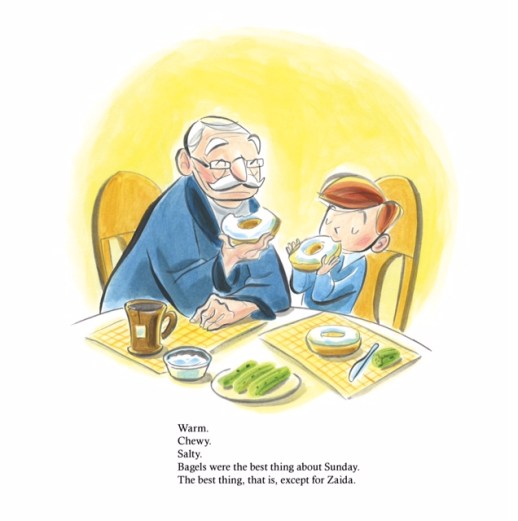
Then Eli reached in and brought out his surprise—a jar of Merv’s pickles. As Eli ate his “warm, chewy, salty” bagels, he knew “bagles were the best thing about Sunday. The best thing, that is, except for Zaida.”

A glossary of the Yiddish words used in the story and a bit about bagels and chicken soup precede the text.

the-bagel-king-best-thing-celebrate-picture-books-picture-book-review

Image copyright Sandy Nichols, 2018, text copyright Andrew Larsen, 2018. Courtesy of Kids Can Press.

With a sprinkling of Yiddish words and an old neighborhood atmosphere, Andrew Larsen depicts a close relationship between a grandfather and grandson who bond over bagels, pickles, and a deep love for one another. While Zaida is the one who begins the Sunday bagel tradition, this is Eli’s story as he takes it upon himself to help his grandfather recuperate and makes sure that he, Zaida, and Zaida’s friends don’t miss their favorite day for a second time. Young readers will find in Eli a peer role model for showing care and concern for family members and friends. Larsen’s straightforward storytelling peppered with realistic and humorous dialogue is as warm and cozy as sitting down to a Sunday family breakfast.

Screen Shot 2018-07-29 at 8.58.13 PM

Sandy Nichols’ fresh, retro illustrations stylishly bridge the generations while also reveling in the friendly city neighborhood feeling that provides a backdrop and context for Eli’s emotional growth within the story. Images of Eli hanging over the arm of his grandfather’s sofa in boredom and disappointment, wistfully dreaming of bagels on Saturday night, and proudly making his list, buying the bagels, and delivering them—complete with a surprise—to Zaida and his friends will delight readers.

The Bagel King is an uplifting, joyful for all kids coming into their own and desiring to make a difference. The book would make a sweet gift for grandparents or grandkids, a snug family story to add to home libraries, and a terrific choice for classroom or library storytimes.

Ages 4 – 8

Kids Can Press, 2018 | ISBN 978-1771385749

Discover more about Andrew Larsen and his books on his website.

National Culinary Arts Month Activity

celebrate-picture-books-picture-book-review-cd-doughnut-craft

CD (Compact Doughnuts) Decoration


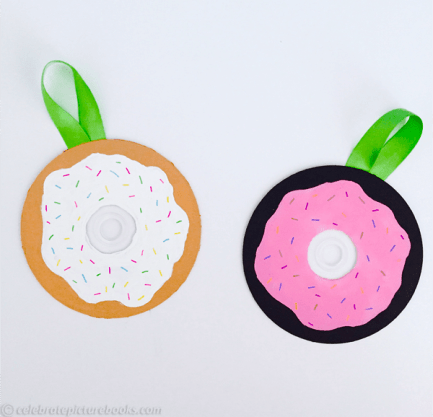
Do you have an old CD that could use an upgrade? With this easy craft, you can turn it into a cute doughnut (or bagel) hanging.

Supplies

  • Unused CDs
  • Craft paint in tan, black, pink, yellow, white (or any colors you want for the doughnut and the icing)
  • Ribbon, any color and length you want
  • Fine-tip markers in bright colors
  • Glue
  • Glue dots (optional)
  • Paint brush

Directions

  1. Paint a wavy edge around the CD, let dry
  2. Paint the center of the CD, leaving the clear circle unpainted
  3. When the icing paint is dry, draw sprinkles on the icing with the markers
  4. With the ribbon make a loop hanger and attach it to the back of the CD with glue or glue dots
  5. Hang your decoration

the-bagel-king-cover-celebrate-picture-books-picture-book-review

You can find The Bagel King at these booksellers

Amazon | Barnes & Noble | Books-a-Million | IndieBound

Picture Book Review
July 21 – It’s Culinary Arts Month

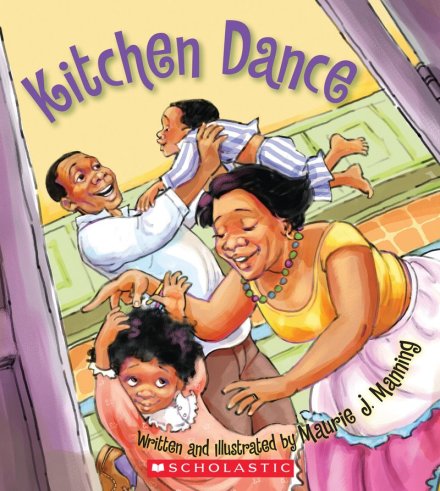
celebrate-picture-books-picture-book-review-kitchen-dance-cover

About the Holiday

This month we celebrate the culinary arts from entrees to desserts to everything in between. July is also a great time to honor the chefs, cooks, and bakers who continually develop new dishes, create exciting taste sensations, and make dining out an event to look forward to. Of course, during this month we also thank those home chefs who prepare healthy meals for their families every day. To celebrate the holiday, go out to your favorite restaurant or try a new place. At home, get the kids involved in making meals. Cooking together is a terrific way to spend time together. 

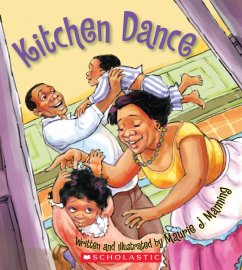
Kitchen Dance

By Maurie J. Manning


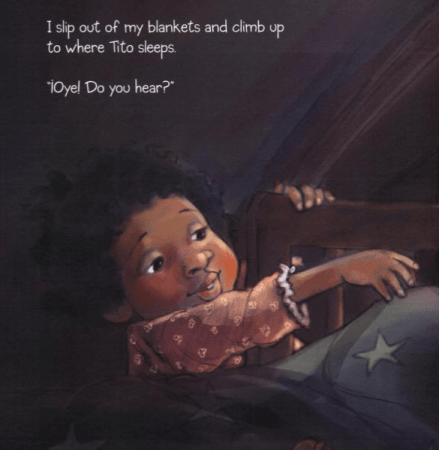
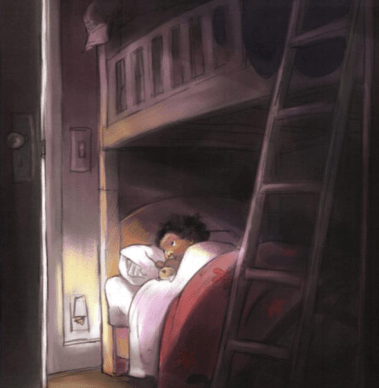
A little girl wakens to sounds coming from the kitchen—“Glasses clinking. Water swishing. Forks clattering.” Then more personal sounds—humming, laughing, and “hush!” The girl slips out of her blankets and climbs to the top bunk to wake her brother, Tito. Together they tiptoe downstairs and peek through the kitchen door. “A bright skirt flashes by! Four feet fly!”

celebrate-picture-books-picture-book-review-kitchen-dance-the-girl-wakes-up

Copyright Maurie J. Manning, 2008, courtesy of Clarion Books.

With a wooden spoon microphone the kids’ father sings, “Cómo te quiero! Oh, how I love you. Umm, hmm.” Juggling stacked plates in one hand while using the other to dance hand-in-hand, the kids’ parents glide, slide, and twirl around the kitchen floor. Laughing, their mom closes cabinet doors with a bump of her hips as she spins into her husband’s arms “then out again, like a yo-yo on a string.”

celebrate-picture-books-picture-book-review-kitchen-dance-interior-art-dancing

Copyright Maurie J. Manning, 2008, courtesy of Clarion Books.

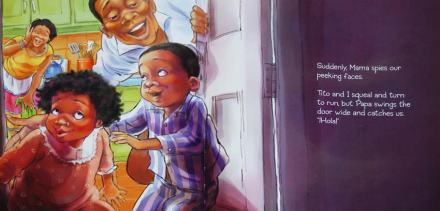
Pots and pans find their storage space with a swirl and a dip while another is dried with the swish of a towel. Around the kitchen the couple dances, “feet tapping, water dripping, sponge wiping, towel snapping.” While singing, “they tango across the room with the leftover tamales.” As they turn toward the door, Mama glimpses her little ones. The kids squeal and start to run, but Papa swings open the door—“Hola!” He pulls Tito into his arms, while Mama catches her tiny daughter.

As the four whirl around the kitchen, Tito and his sister sing into wooden spoons, “Cómo te quiero! Oh, how I love you!” They “twirl around and around in a circle of family.” The dance slows to a gentle swaying as Tito and his sister grow sleepy. Mama and Papa carry their drowsing children upstairs and cover them once more under their cozy blankets. “Cómo te quiero,” Papa whispers. “Besitos, mi’ja,” Mama says “Sweet dreams.”

celebrate-picture-books-picture-book-review-kitchen-dance-interior-art-kids-caught

Copyright Maurie J. Manning, 2008, courtesy of Clarion Books.

Maurie J. Manning’s sweet story of a private moment between parents that becomes a celebration of family love offers a fresh, fun, and lively glimpse of the small events that contribute to real connectedness. Telling the story from one of the children’s point of view adds a deeper level of understanding and recognition that of the strong bond between the parents. The repeated phrase, “Cómo te quiero! How I love you!” is reassuring and allows kids to read along with the book’s most important theme.

celebrate-picture-books-picture-book-review-kitchen-dance-sleeping

Copyright Maurie J. Manning, 2008, courtesy of Clarion Books.

Manning’s vivacious and vibrant illustrations bring to life the swirling energy of the text. Tito and his sister creep downstairs in a house bathed in shadow only to open the door to flashing yellow, green, purple, and orange brilliance. The scenes of Mama and Papa dancing together, using a wooden spoon as a microphone and pot lids as cymbals as well as twirling hand in hand while balancing stacks of dishes are filled with happiness, and the  picture of the two tangoing with tamales will make kids giggle. Tito and his sister are adorable as they spy on their parents with astonished looks on their faces and then join the dance.

Kitchen Dance is a joy for story time or bedtime, and in these always busy days would be a welcome reminder that carefree moments carry their own special meaning.  Kitchen Dance is a great addition to a child’s bookshelf.

Ages 3 – 8

Clarion Books, 2008 | ISBN 978-0618991105

To learn more about Maurie J. Manning, her books, and her art, check out her website!

Take a look at the Kitchen Dance book trailer!

National Culinary Arts Month Activity

celebrate-picture-books-picture-book-review-wooden-spoon-microphone-craft

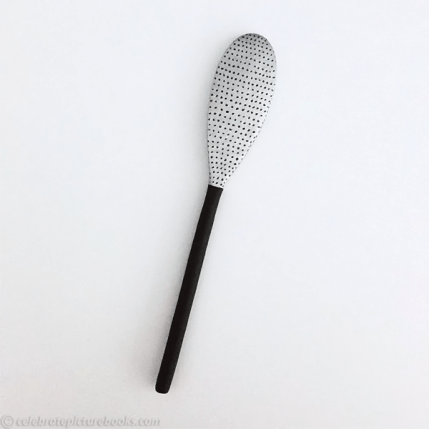
Wooden Spoon Microphone


With this easy craft you can turn a wooden cooking spoon into a fun microphone for playtime or in case you ever have to sing for your supper!

Supplies

  • Long-handled wooden spoon
  • Black craft paint
  • Silver craft paint
  • Black permanent marker

Directions

  1. Paint the handle of the spoon black, let dry
  2. Paint the head of the spoon silver, let dry
  3. After the paint is dry, make rows of small dots on the head of the spoon

celebrate-picture-books-picture-book-review-kitchen-dance-cover

You can find Kitchen Dance at these booksellers

Amazon | Barnes & Noble | Books-a-Million | IndieBound

Picture Book Review
July 20 – National Moon Day

celebrate-picture-books-picture-book-review-margaret-and-the-moon-cover

About the Holiday

Today’s holiday celebrates July 20, 1969, the day when astronauts first walked on the moon. Six hours after landing on the moon with his fellow astronauts, Neil Armstrong climbed down the ladder and stepped onto the moon’s surface. Watched by millions of people on TV, this monumental human achievement ushered in the technical advancements we enjoy today. To celebrate, why not share that historic moment with your child and read up on the people who helped make that mission possible—like the subject of today’s book!

Margaret and the Moon: How Margaret Hamilton Saved the First Lunar Landing

Written by Dean Robbins | Illustrated by Lucy Knisley


“Margaret Hamilton loved to solve problems.” When she looked around, she saw many things that made her wonder “why?” Instead of going with the status quo, though, she came up with her own answers. Some things she questioned were why girls didn’t play baseball and why there were so few women doctors, scientists, judges and other professionals. So Margaret joined the baseball team and studied “hard in every subject at school—reading, music, art, and especially mathematics.”
celebrate-picture-books-picture-book-review-margaret-and-the-moon-baseball

Image copyright Lucy Knisley, 2017, text copyright Dean Robbins, 2017. Courtesy of Knopf Books for Young Readers.

From her father who was a poet and philosopher, Margaret learned about the universe. She wanted to know “how the planets moved, when the galaxies formed, and why the stars shone.” She loved to gaze “at the night sky in wonder.” She especially wanted to know more about the moon—how far away is it? How many miles is its orbit around the Earth? What is its diameter?
In school, Margaret found it fun to solve “harder and harder math problems” in algebra, geometry, and calculus. “And then she discovered computers!” She realized that she could use computers to solve so many of her questions about the universe. She began writing code and called herself a software engineer. After starting with simple mathematical problems, Margaret moved on to writing code that “could track airplanes through the clouds,” predict the weather, and perform functions they never had before.

celebrate-picture-books-picture-book-review-margaret-and-the-moon-father

Image copyright Lucy Knisley, 2017, text copyright Dean Robbins, 2017. Courtesy of Knopf Books for Young Readers.

In 1964 she joined the team at NASA that was working on sending astronauts to the moon. In writing her code, “Margaret thought of everything that could happen on a trip to the moon.” What if the spacecraft went off course or lost power? What if one of the astronauts made a mistake? Margaret wrote code that could solve all of these problems and more. Soon Margaret was leading a team of her own as “Director of Software Programming for NASA’s Project Apollo.”

She was instrumental in helping Apollo 8 orbit the moon, Apollo 9 hook up with another ship in space, and Apollo 10 come “within nine miles of the moon’s surface.” When NASA was ready to land people on the moon, Margaret wrote the code. She thought of every problem that could arise and included a solution. The printout of her code stood taller than she was.

celebrate-picture-books-picture-book-review-margaret-and-the-moon-studied-hard

Image copyright Lucy Knisley, 2017, text copyright Dean Robbins, 2017. Courtesy of Knopf Books for Young Readers.

On the day of Apollo 11’s launch, Margaret was in the control room while the world watched on television. It took four days for the spacecraft to reach the moon. Finally, the lunar module, Eagle, separated and was ready to make the landing. But just as it was about to descend, an astronaut flipped a switch that sent the Eagle’s computer into overload.

Had Margaret “prepared for this problem? Of course! Margaret’s code made the computer ignore the extra tasks and focus on the landing.” Slowly the Eagle approached the surface of the moon and touched down. “The Eagle has landed!” Neil Armstrong announced to an amazed audience. In NASA’s control room, everyone cheered. “Margaret was a hero!”

An Author’s Note with more information about and photographs of Margaret Hamilton follow the text.

celebrate-picture-books-picture-book-review-margaret-and-the-moon-star-gazing

Image copyright Lucy Knisley, 2017, text copyright Dean Robbins, 2017. Courtesy of Knopf Books for Young Readers.

With excellent examples from Margaret Hamilton’s childhood and adult life, Dean Robbins presents an accessible and compelling biography that reveals, from the beginning, Margaret’s curiosity, confidence, and convictions. Robbin’s focus on Margaret’s hard work, her excitement at discovering computers, and her leadership at NASA creates a narrative that is inspirational for all children. His emphasis on positive, affirming events in Margaret’s life is welcome, allowing girls and boys to realize that through dedication and self-assurance, they can achieve their goals just as Margaret—a superb role model—did.

celebrate-picture-books-picture-book-review-margaret-and-the-moon-margaret

Lucy Knisley’s bright, supportive illustrations, full of thought bubbles of Margaret’s ideas and wonderings, give readers the kinds of details that will spark their imaginations and help them understand and appreciate Margaret Hamilton’s many gifts and expertise. Images of mathematical problems give way to lines of code, helping children see the connection between what they’re learning at school and future careers. Kids interested in space exploration will be enthralled with the illustrations of the NASA control room and lunar launches.

For kids interested in computer science and other sciences, biographies, and history, Margaret and the Moon is an excellent addition to home as well as classroom and school libraries.

Ages 4 – 8

Knopf Books for Young Readers, 2017 | ISBN 978-0399551857

Discover more about Dean Robbins and his books on his website.

To learn more about Lucy Knisley, her artwork, books, and comic, visit her website.

You can launch your own Tic-Tac-Toe Game with this set you make yourself! With just a couple of egg cartons, some crayons, and a printable game board, you’ll be off to the moon for some fun! Opposing players can be designated by rockets and capsules. Each player will need 5 playing pieces. 

National Moon Day Activity

celebrate-picture-books-picture-book-review-rocket-to-the-moon-tic-tac-toe-game

Out-of-this-World Tic-Tac-Toe Game

SUPPLIES

  • Printable Moon Tic-Tac-Toe Game Board
  • 2 cardboard egg cartons
  • Heavy stock paper or regular printer paper
  • Crayons
  • Black or gray fine-tip marker

DIRECTIONS

To Make the Rockets

  1. Cut the tall center cones from the egg carton
  2. Trim the bottoms of each form so they stand steadily, leaving the arched corners intact
  3. Pencil in a circular window on one side near the top of the cone
  4. Color the rocket body any colors you like, going around the window and stopping where the arched corners begin
  5. With the marker color the arched corners of the form to make legs
  6. On the cardboard between the legs, color flames for blast off

To Make the Capsule

  1. Cut the egg cups from an egg carton
  2. Color the sides silver, leaving the curved section uncolored. (If your egg cup has no pre-pressed curve on the sides of the cup, draw one on each side.)
  3. Color the curved section yellow to make windows
  4. With the marker, dot “rivets” across the capsule

Print the Moon Game Board and play!

celebrate-picture-books-picture-book-review-margaret-and-the-moon-cover

You can find Margaret and the Moon: How Margaret Hamilton Saved the First Lunar Landing at these booksellers

Amazon | Barnes & Noble | Books-a-Million | IndieBound

Picture Book Review