February 13 – It’s Random Acts of Kindness Week

About the Holiday

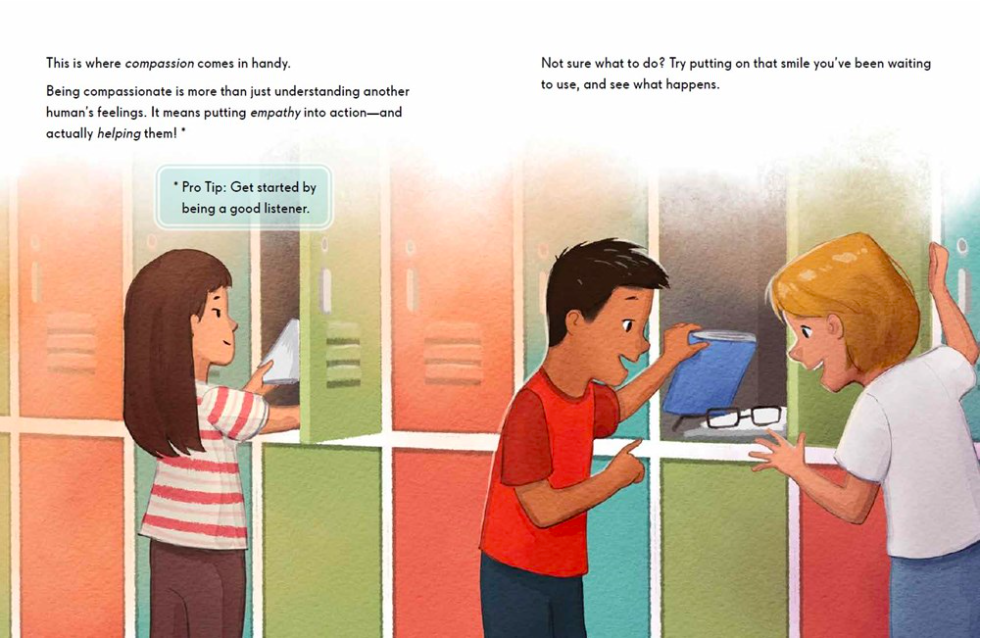
If you’re celebrating Random Acts of Kindness Week (February 9–15 in the UK and February 14–20 in the US), you can consider yourself a RAKtivist—a Random Acts of Kindness Activist. Being a RAKtivist is awesome! And easy! All it takes is to be kind to anyone you meet. Acts of kindness don’t have to be big, or hard, or expensive. In fact, the best kindness acts are free! If you see someone having a bad day, give them a smile. If someone’s struggling with a box, a bag or keeping their stuff in their locker, give them a hand. Does someone always eat lunch alone? Sit with them and get to know them. There are many other ways to embrace the slogan of the Random Acts of Kindness Foundation: “Make Kindness the Norm” and show you care about people near and far. You can learn how to become a RAKtivist and find lots of free resources to download for schools, households, and workplaces at randomactsofkindness.org. Here’s a daily Kindness Calendar to get you started! 

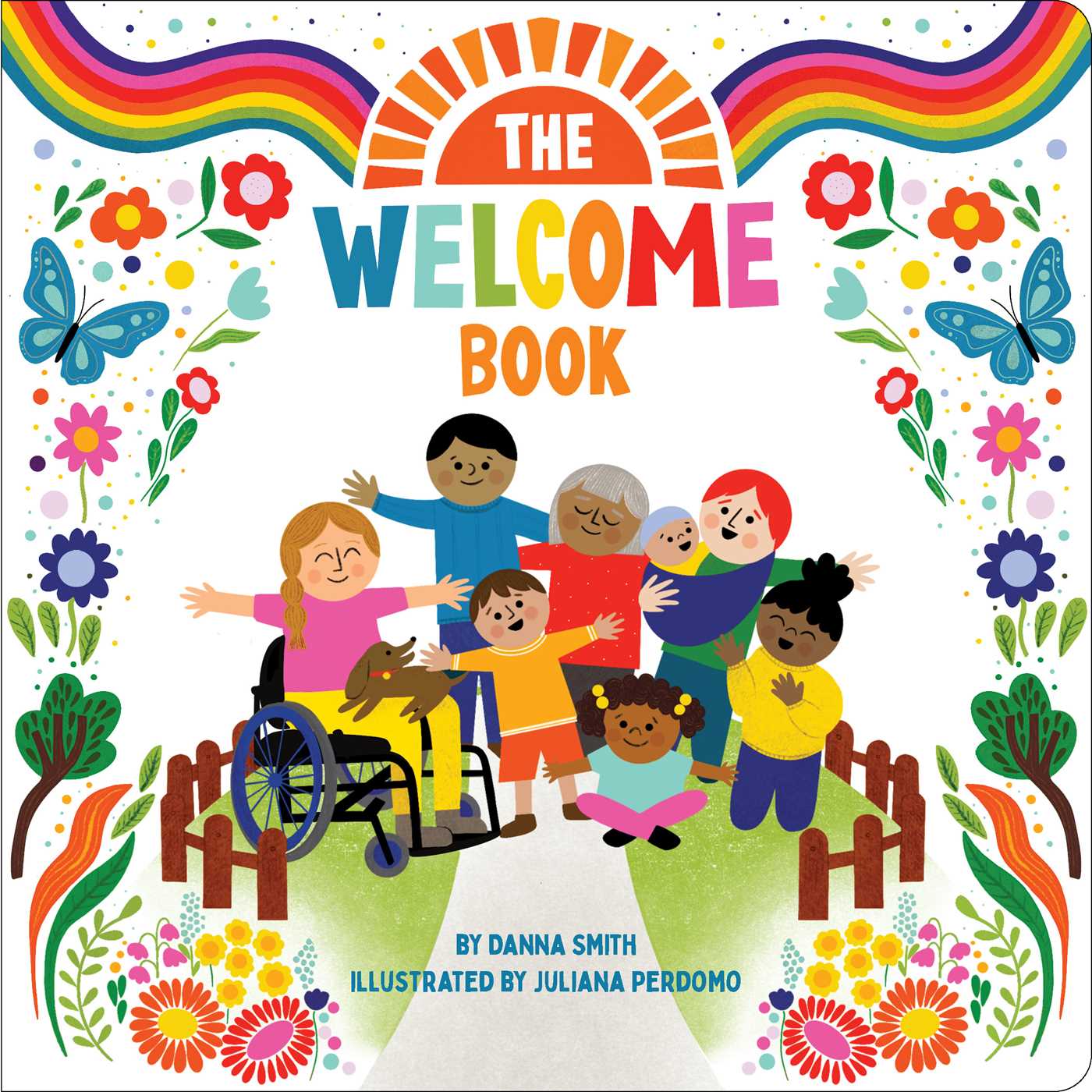
The Welcome Book

Written by Danna Smith | Illustrated by Juliana Perdomo


New experiences and new people to meet are all around us every day. This is especially true for young children as they begin exploring the world around them. On the playground, in the classroom, at the library, on the bus or subway, in stores, and even during visits by extended family, little ones are always learning how to work or play together with someone new.

In her joyful and openhearted story, Danna Smith celebrates all the opportunities children have to embrace others and make them feel at home. In her uplifting rhyming verses, she tells little ones how much the word “Welcome!” and the warm feelings behind it mean to someone new or someone who is alone: “Welcoming someone shows that you care. / You’re happy to see them. You’re glad they are there.”
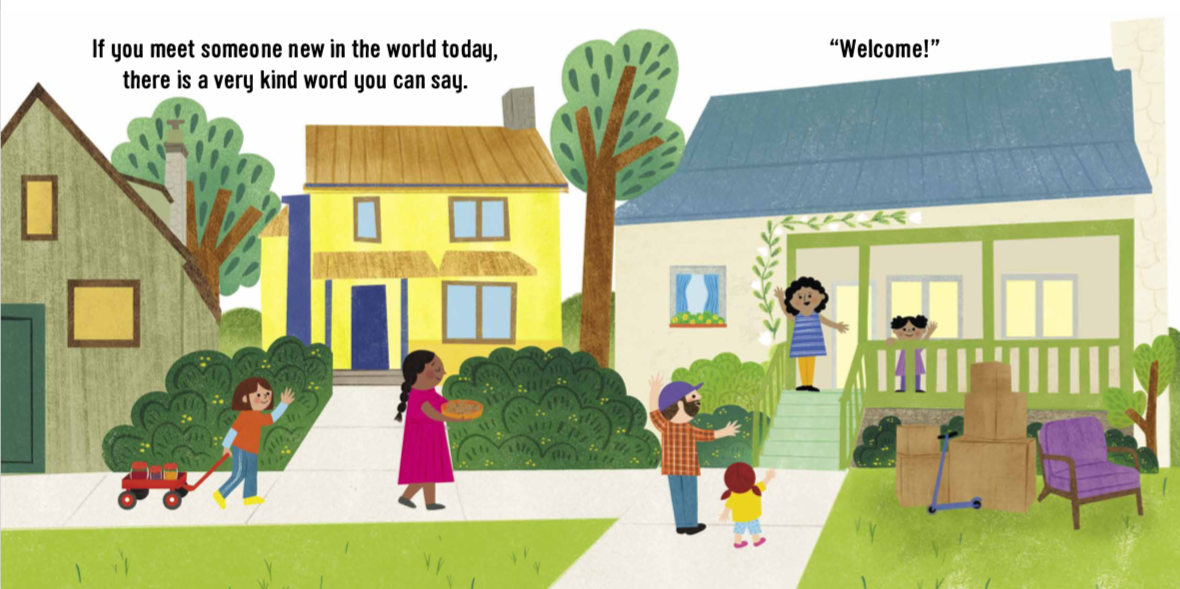
Image © 2025 by Juliana Perdomo, text © 2025 by Danna Smith. Courtesy of Little Simon.

Smith also presents a pleasing array of examples of everyday and special occasions when children can make a difference by offering friendship—including calling someone over to join a lunch table or group activity, cradling a new sibling, greeting a dog with hugs, and listening when someone is sad. She ends her story with the reassuring knowledge that friendship shared is friendship gained.

Readers can’t help but smile at Julia Perdomo’s vivid illustrations that radiate the warmth of welcome on each page. Kids will connect with Perdomo’s varied scenes of diverse groups of kids supporting each other as they play and work together. Her expressive characters and clearly depicted situations invite kids and adults to talk about their own experiences in both being the new person and welcoming others as well as to role play “What if?” scenarios.
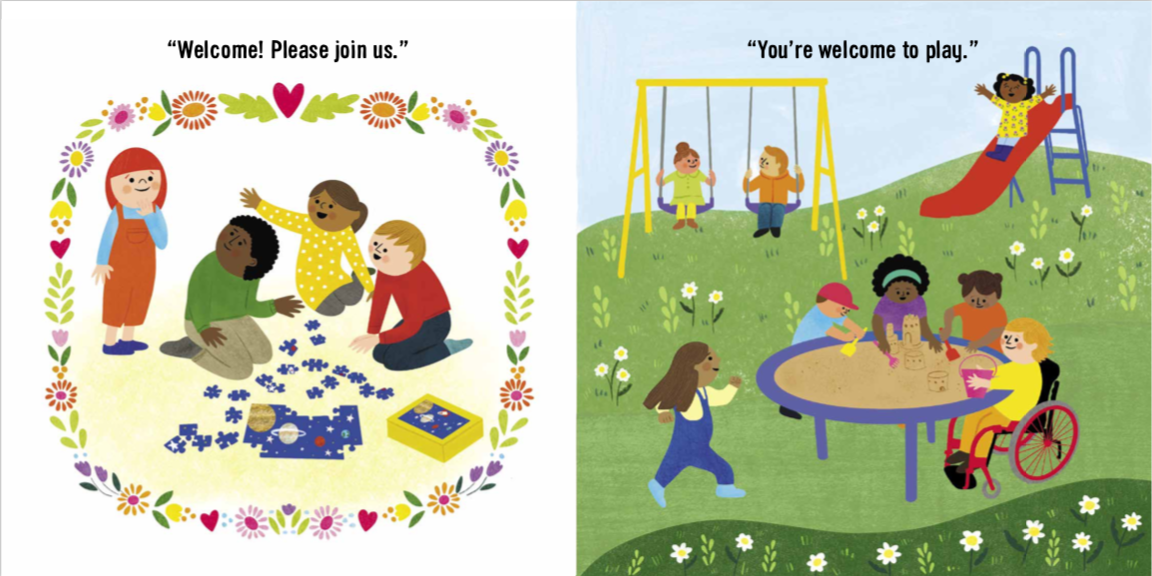
Image © 2025 by Juliana Perdomo, text © 2025 by Danna Smith. Courtesy of Little Simon.

A bright, cheerful, and thoughtful board book to open the world of kindness, empathy, and friendship to the youngest readers, The Welcome Book is a story parents, teachers, and other adults will love sharing with their little ones and that kids will eagerly reach for again and again. This sweet book would make a heartwarming addition to home bookshelves and is a must for daycare, school, and public library collections.

Pair The Welcome Book with The Thank You Book by Danna Smith and Juliana Perdomo to spark an understanding and appreciation for gratitude in young children.

Ages Baby – 4

Little Simon, 2025 | ISBN 978-1665952026 (Board book)

About the Author

Danna Smith is a poet and award-winning author of numerous books for children, including One Blue GnuRooftop GardenWake Up, Freight Train!; and several Little Golden Books. Her nonfiction picture book, The Hawk of the Castle: A Story of Medieval Falconry, received two starred reviews and is a Junior Library Guild Selection and a Bank Street College of Education Best Children’s Books of the Year. Danna currently lives in northern California, where she is hard at work on her next book. For more information about her books and teaching activities, visit her website at DannaSmithBooks.com.

About the Illustrator

Juliana Perdomo is a writer and illustrator born in Bogotá, Columbia, surrounded by a huge loving family, friends, bright colors, music, weird fruits, sunshine, and lots of rain but also rainbows. She now lives there with her amazing son, Luca, her rocker partner Iván, and their crazy old dog, Menta. Juliana has a background as a psychologist and an art therapist, but her passion is children’s literature. She tries to make her work diverse, heartfelt and personal, folkish, a bit retro, joyful, and with a Latin touch. She feels deeply grateful to have participated in many beautiful projects: books, puzzles, animations, branding, family portraits, and magazines all over the world. Find out more at JulianaPerdomo.com.

Random Acts of Kindness Week Activity

Image © 2025 by Juliana Perdomo, 2025, text © 2025 by Danna Smith. Courtesy of Little Simon.

The Welcome Book Coloring Pages

Have fun coloring these cheerful pages from The Welcome Book

Welcoming the Rain | Welcoming a New Friend

You can purchase The Welcome Book from these booksellers

Amazon | Barnes & Noble | Bookshop (to support your local independent bookstore)

Picture Book Review

January 8 – National JoyGerm Day

celebrate-picture-books-picture-book-review-how-to-cheer-up-a-friend-cover

About the Holiday

Believing that joy can spread from person to person on the strength of simple smiles and greetings, acts of kindness, upbeat moods, and general positivity, Joan E. White of Syracuse, New York, founded JoyGerm Day in 1981. The day officially became a national holiday in 1985, and is now celebrated around the world. The holiday inspires people to find ways today and every day to positively impact the lives around us at home, work, school, or even while shopping or going about one’s daily business.

To honor the day and the idea, find ways to start each morning with a positive attitude for the day to come. Need ideas for how to get started? Say “Hello” to those you meet, listen to and encourage others, happily help out where needed, share a special moment with your kids at home, or send a surprise letter, card, or text to a friend or family member far away. And, of course, don’t forget to treat yourself too! When you feel good, those around you will respond in kind. Happiness really is contagious!  

Thanks so much to Beach Lane Books for sharing a copy of How to Cheer Up a Friend with me for review consideration!

How to Cheer Up a Friend

Written by Stephanie Calmenson | Illustrated by Shannon McNeill


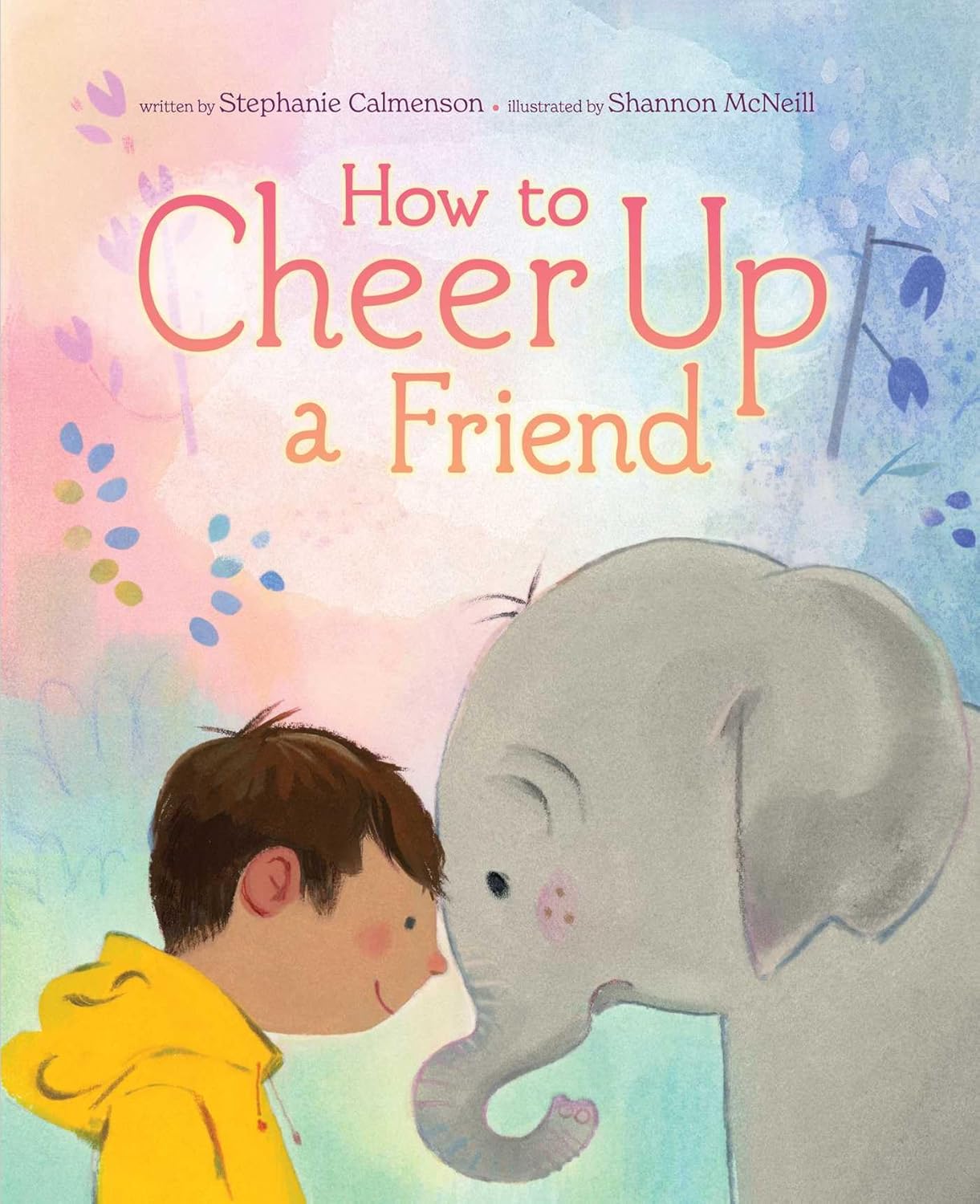
Little ones have big feelings and even bigger hearts. When they see a friend or family member feeling down, they want to help. But “What do you do / when your friend feels blue?” In her sweet book in which the protagonist attempts to cheer up their elephant friend, Stephanie Calmenson offers refreshingly practical advice on how a child (or an adult) can really approach someone experiencing sadness or anger and help them find happiness again. 

Screen Shot 2024-12-31 at 4.50.06 PM

Image copyright Shannon McNeill, 2024, text copyright Stephanie Calmenson, 2024. Courtesy of Beach Lane Books.

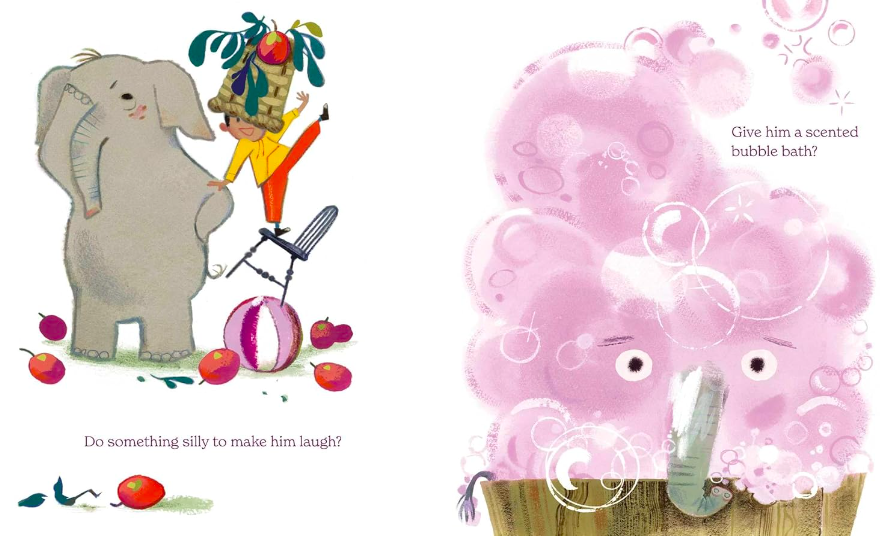
Writing in rhyming couplets, Calmenson starts out by suggesting a few ideas that will get readers giggling and invested in the story, such as “Do you tickle his trunk / to get him out of his funk?” and “Do something silly to make him laugh? / Give him a scented bubble bath?” Soon, the child opens his arms wide, offering a hug—but ready to happily accept either a “yes” or “no” answer.

Quieter ideas follow, including taking a walk or simply listening if he wants to “talk . . . and talk . . . and talk.” Then—only after all his feelings have been vented does the protagonist offer treats—or that hug, which now feels juuust right.

Screen Shot 2024-12-31 at 4.51.18 PM

Image copyright Shannon McNeill, 2024, text copyright Stephanie Calmenson, 2024. Courtesy of Beach Lane Books.

Stephanie Calmenson’s thoughtful look at the underpinnings of sadness or other strong emotions and how friends or family members can best help a loved one shines for its brevity and straightforward take on the issue. This approach will appeal to kids while giving them concrete examples of what to do and say (or not say) to elicit healing time or talk from friends, siblings, or others.

How to Cheer Up a Friend would be equally effective for adults looking for a book to help their own child through periods of sadness or anger as the story validates these emotions and provides a constructive solution for expressing them. The length of the story and its bookended format makes the book a perfect choice for parents, teachers, or other adults to reach for during those times when emotions may be running high or attention spans are short.

Screen Shot 2024-12-31 at 4.51.51 PM

Image copyright Shannon McNeill, 2024, text copyright Stephanie Calmenson, 2024. Courtesy of Beach Lane Books.

Shannon McNeill’s adorable elephant and empathetic child immediately win over readers’ hearts with their connection that is clearly based on mutual love and trust. In her soft-hued gouache, pencil, and cut paper illustrations, McNeill’s droopy, sad-eyed elephant is the picture of sadness, stubbornness, and even laugh-inducing perseverance as his friend tries various silly solutions to restore happiness. The image of the elephant hunkered down in its wash tub as it hides from a hug is an effective portrayal for children who prefer body autonomy or for the barrier some people present when experiencing strong emotions.

As the elephant begins to talk, his words and feelings fill the page as colorful shapes, and he begins to gesticulate, He cries, stomps, and flops down in a tirade to demonstrate those emotions he may not have words for. But as the storm abates, he feels better and can happily accept that big hug in a two-page spread that will delight young readers.

An endearing story that provides satisfying help with an emotion we all experience, How to Cheer Up a Friend is a valuable book for families and teachers to have on hand for those times when feelings are strong. The book is highly recommended for home, library, and classroom collections.

Ages 4 – 8

Beach Lane Books, 2024 | ISBN 978-1665910248

About the Author

Stephanie Calmenson is the acclaimed author of many popular books for young readers including Dinner at the Panda Palace; May I Pet Your Dog?; and the Ready, Set, Dogs! and Allie and Amy series written with Magic School Bus author Joanna Cole. A former early childhood teacher and children’s book editor, Stephanie feels fortunate to be able to teach, entertain, and encourage kids through her books. To read more, please visit StephanieCalmenson.com.

About the Illustrator

Shannon McNeill is a Canadian-born, San Diego-based illustrator whose books include Are We There Yet? by Dandi Daley Mackall, Wild & Wooly by Mary Jessie Parker, How to Cheer Up a Friend by Stephanie Calmenson, and her own Wheels, No Wheels. Her work is influenced by local nature, loitering in coffee shops, old books, child art, and long walks around the block. Learn more at LittleDrawings.com.

National JoyGerm Day Activity

celebrate-picture-books-picture-book-review-you're-groovy-happiness-card

Spread Happiness Cards

Kids can spread happiness to their friends, family, teachers, and other people in their lives with these cute Happiness Cards! Just print, cut, and give!

Spread Happiness Cards

celebrate-picture-books-picture-book-review-how-to-cheer-up-a-friend-cover

You can purchase How to Cheer Up a Friend at these booksellers

Amazon | Barnes & Noble | Bookshop

Picture Book Review

January 27 – It’s Celebration of Life Month

celebrate-picture-books-picture-book-review-a-beginners-guide-to-being-human-cover

About the Holiday

Today’s holiday was established by Food for Health International to encourage people to take a holistic approach to taking care of themselves, not only their physical health but their emotional health as well. Celebrating all that life has to offer while taking time to enjoy family and friends and be mindful of others through mutual respect, inclusion, empathy, and gratitude goes a long way towards greater happiness and health. Sharing today’s book with your kids is a wonderful way to celebrate this month-long holiday all year around.

A Beginner’s Guide to Being Human

Written by Matt Forrest Esenwine | Illustrated by André Ceolin


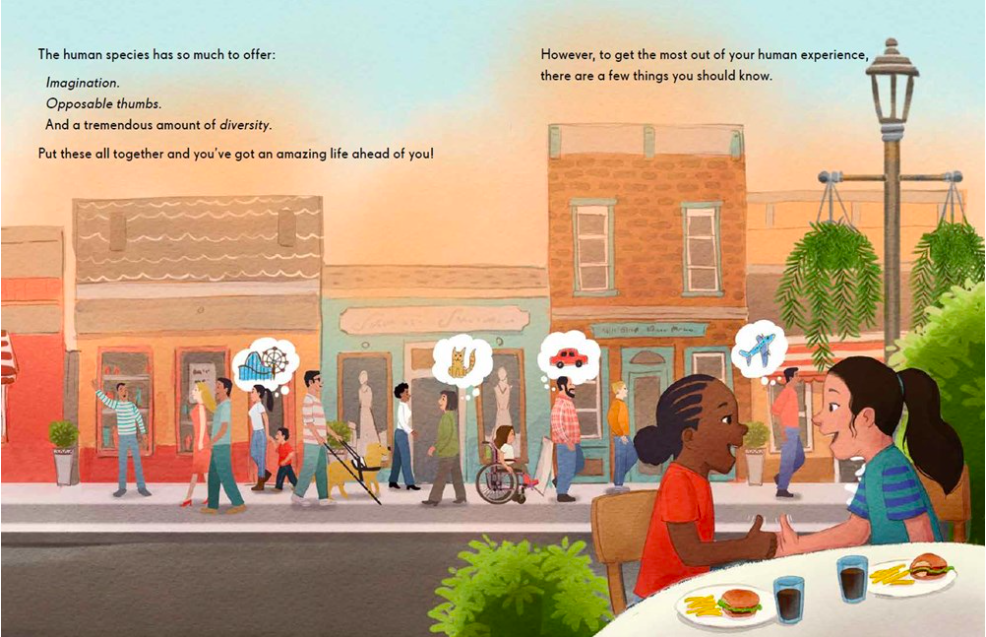
“Welcome to Humanity! You’re really going to enjoy it.” With this expansive greeting, Matt Forrest Esenwine invites kids in to learn what they need to know “… to get the most out of [their] human experience….” First up is family—that group of people who spend so much time with you and “care about you the most.” But what does a family do? “Families love each other, disappoint each other, support each other, and get angry with each other, over and over—sometimes all in the same day. Weird, right?” But you can be sure that the “…whole ‘caring about you’ part never stops.

celebrate-picture-books-picture-book-review-a-beginners-guide-to-being-human-sidewalk

Image copyright André Ceolin, 2022, text copyright Matt Forrest Esenwine, 2022. Courtesy of Beaming Books.

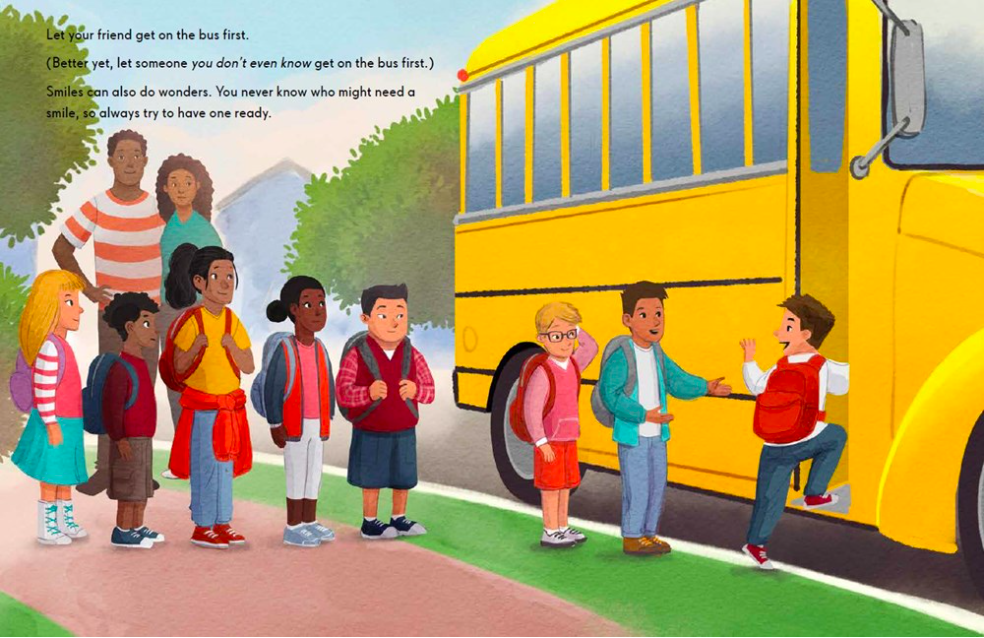
So what do you do with all of that caring that comes your way? You can share it! How? Well, by being kind. Sure, we hear that word all the time, but what does “being kind” really look like? Esenwine and André Ceolin give some easy-to-emulate examples that don’t take any money or super strength or extra time. In fact, everybody carries one of the easiest—maybe even the most meaningful—way to show kindness right on their face: their smile.

celebrate-picture-books-picture-book-review-a-beginners-guide-to-being-human-school-bus

Image copyright André Ceolin, 2022, text copyright Matt Forrest Esenwine, 2022. Courtesy of Beaming Books.

Once kids have kindness down, Esenwine moves on to empathy and urges kids to imagine why others may act the way they do, to think about what else may be going on with someone at home, in school, or elsewhere. Using empathy leads to compassion. What does compassion mean and how does it work? Esenwine and Ceolin show readers a few examples as well as reminding them that “we humans are quite good at ending up in the same situations again and again. Whatever another person is feeling, chances are, you’ll feel the same way at some point too” with a gallery of portraits of kids depicting emotions we all experience from time to time—and, often, every day.

One way of thinking about and reacting to situations that “has produced excellent results for over two thousand years,” Esenwine reveals, is the Golden Rule. He then shows kids how to apply this thoughtful idea to a range of situations to create better communication and understanding than getting angry or pushy or impatient.

celebrate-picture-books-picture-book-review-a-beginners-guide-to-being-human-school-locker

Image copyright André Ceolin, 2022, text copyright Matt Forrest Esenwine, 2022. Courtesy of Beaming Books.

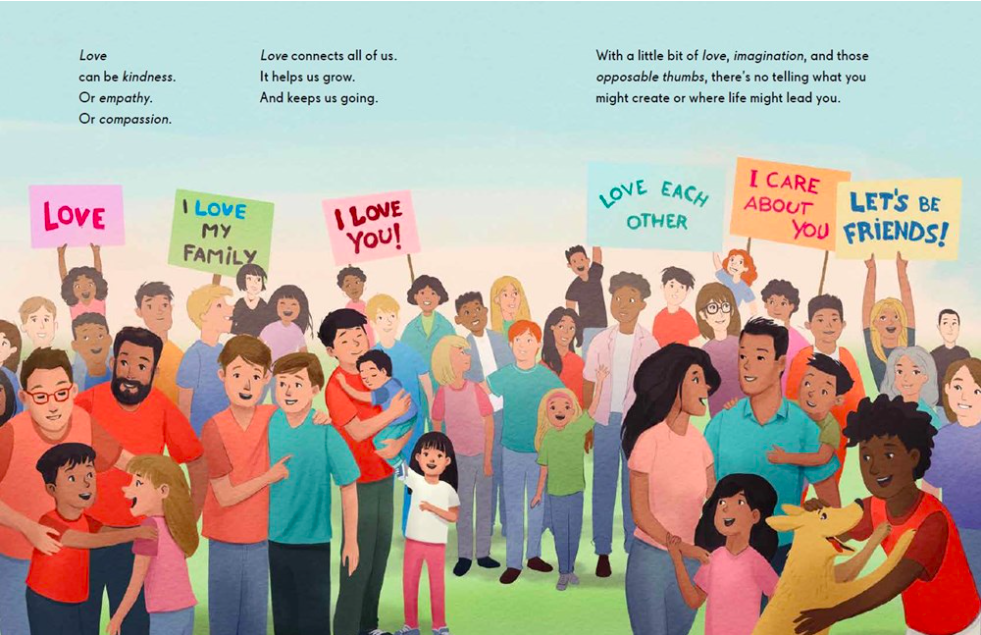
Esenwine acknowledges that there will be bad days among the good, but these too can be handled with honesty, apologies, and forgiveness. Yes, “being human can sometimes be messy,” but that’s where family and friends can help. And, of course, they’re there to celebrate the good times too. So what does all of this kindness and compassion and empathy come down to? The thing that connects us all: Love. “So, welcome to Humanity!” Esenwine emphasizes, “We hope you enjoy your humanness. And we love that you’re here.”

Sprinkled throughout the text are brief “Pro Tips” that in one sentence expand on an idea and give kids confidence in understanding and/or applying the values in their own life.

celebrate-picture-books-picture-book-review-a-beginners-guide-to-being-human-love

Image copyright André Ceolin, 2022, text copyright Matt Forrest Esenwine, 2022. Courtesy of Beaming Books.

Matt Forrest Esenwine has created a book about treating others according to the Golden Rule that goes to the heart not only of how to do that but, so importantly, when and why. Sometimes the need for kindness and empathy can be apparent, as when a child or adult is sad, alone, or has a disappointment or obvious mishap. But what about when someone’s behavior seems to be a personal slight, disrespectful, or just going against the rules?

That’s were Esenwine’s gentle, straightforward, and honest storytelling invites readers to stop and really consider every person and situation individually, to dig deep into one’s own memory and experiences for better understanding and supportive responses. He also addresses the importance of apologizing and forgiveness. And he does all of this with humor and examples that will resonate with kids. Moreover, these elements provide a spark for further conversations among children and adults about specific incidents in a child’s life, possible reasons behind them, and how the child can respond in a kind, empathetic, and compassionate way.

From the first spread, which shows a sidewalk busy with people all thinking their own thoughts (some of whom reappear elsewhere), André Ceolin engages readers in looking closely and thinking about how the people may be feeling, what they are doing, and why they might be behaving in a certain way. He depicts the characters in detailed places and situations familiar to kids that will spark recognition and lead to meaningful discussions and understanding. Ceolin’s images on each page, as well as a portrait gallery of universal emotions, provide excellent social emotional learning tools for adults to share with children when talking about recognizing and reading others’ feelings through facial expressions. Bookending the text, Ceolin emphasizes the support and enduring love of family and good friends.

A well-conceived, heartfelt, and impactful book you’ll want to share again and again, A Beginner’s Guide to Being Human reminds readers that we’re all in this—school, work, sports, clubs: life—together and is a timely must-have addition to home, school, classroom, and public library collections.

Ages 4 – 8

Beaming Books, 2022 | ISBN 978-1506481739

About the Author

Matt Forrest Esenwine is an author and poet from Warner, New Hampshire. His debut picture book, Flashlight Night (Boyds Mills Press, 2017), was selected by the New York Public Library as one of the Best Picture Books for Kids of 2017. His poetry can be found in numerous anthologies, including The National Geographic Book of Nature Poetry (National Geographic Children’s Books, 2015), I Am Someone Else (Charlesbridge, 2019), and Highlights for Children. You can visit him at mattforrest.com and connect with him on Facebook | Instagram | Twitter | YouTube.

About the Illustrator

André Ceolin studied at the School of Visual Arts in New York City. He has illustrated over twenty books for children. André lives in Brazil with his family. You can visit him at andreceolin.com and on Instagram.

Celebration of Life Month Activity

CPB - Random Acts of Kindness cards

Kindness Cards


Here are some cheery cards that are sure to make the recipient’s day happier! Give them to a friend, a family member, your teacher, or your bus driver to show them that you care and that they mean a lot to you!

Random Acts of Kindness Cards Sheet 1 |  Sheet 2 | Sheet 3

celebrate-picture-books-picture-book-review-a-beginners-guide-to-being-human-cover

You can find A Beginner’s Guide to Being Human at these booksellers

Amazon | Barnes & Noble | Books-a-Million

To support your local independent bookstore, order from

Bookshop | IndieBound

Picture Book Review

August 23 – National Sponge Cake Day

celebrate-picture-books-picture-book-review-sonny-says-sorry-cover

About the Holiday

There’s nothing like a light and airy cake embellished with fruit, whipped cream, or chocolate to put a fine finishing touch on a summer day, and that’s why the world celebrates the sponge cake today. What makes the sponge cake distinctive is that it is made without yeast or leavening agent, instead relying on whipped egg whites to give it its delectable texture. The recipe dates back to 18th century Italy and a special commission by a wealthy member of the Pallavicini family of Genoa. It is perhaps better known as a treat enjoyed by Victorian Britons with their tea. Today, sponge cake is a favorite everywhere, and it might just taste better when its baked and eaten together with friends—as you’ll see in today’s book!

Sonny Says Sorry!

Written by Caryl Hart | Illustrated by Zachariah OHora

While playing hide and seek in the park, Sonny finds a box wrapped with a bow. Intrigued, he inspects it and finds a tag that reads “For Honey.” Sonny is suddenly overcome by curiosity about what is inside. He smells a delicious aroma just as Boo and Meemo find him. Sonny shows them the box.

celebrate-picture-books-picture-book-review-sonny-says-sorry-playing

Image copyright Zachariah OHora, 2022, text copyright Caryl Hart, 2022. Courtesy of Bloomsbury Children’s Books.

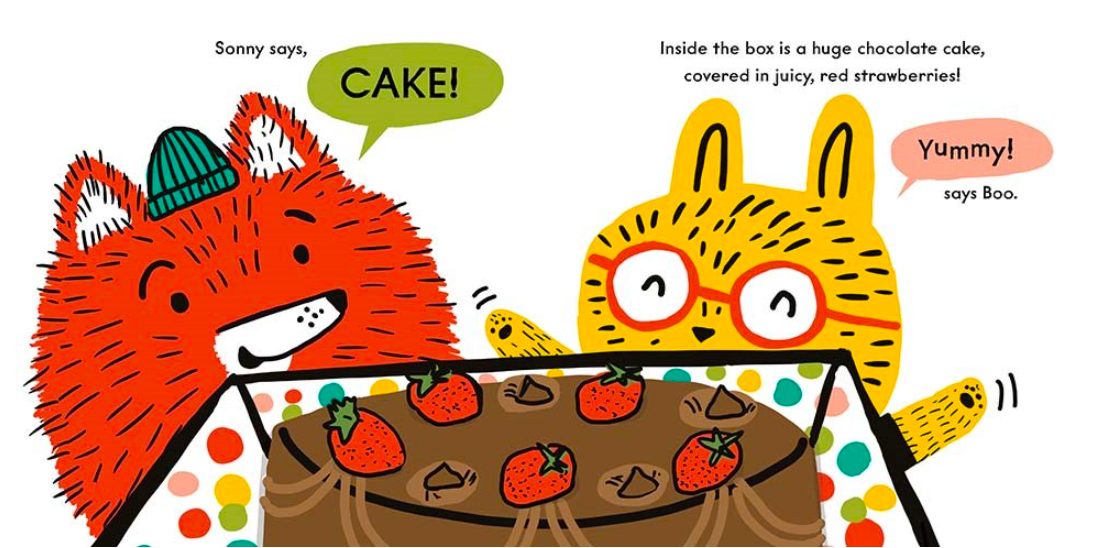
Then, despite Meemo’s protesting “Woof! Woof!”, Sonny opens the box. Meemo tries to remind Sonny and Boo that the box is for Honey, but they “peek inside” anyway. “Inside the box is a huge chocolate cake, covered in juicy, red strawberries!” There are chocolate drops on top too. “Woof!” says Meemo more emphatically as Sonny and Boo eat two strawberries. Then, after looking around, Sonny sneaks a chocolate drop. And Boo takes one too.

celebrate-picture-books-picture-book-review-sonny-says-sorry-sonny-finds-cake

Image copyright Zachariah OHora, 2022, text copyright Caryl Hart, 2022. Courtesy of Bloomsbury Children’s Books.

Sonny and Boo’s nibbling expands to gobbling. Just then Honey shows up. “Found you!” she says. But then she finds something else: “. . . Sonny’s chocolaty hands. . . . Boo’s chocolaty face. Then Honey sees the open box . . .” and she “starts to cry.”  Now Sonny and Boo feel terrible too. Even though they both try to make it up to Honey in their own way, and “Sonny says Sorry!”, Honey keeps crying. Then Sonny has another idea. Back home, “Sonny, Honey, and Boo bake a new cake . . .” to enjoy “TOGETHER!”

celebrate-picture-books-picture-book-review-sonny-says-sorry-sonny-honey

Image copyright Zachariah OHora, 2022, text copyright Caryl Hart, 2022. Courtesy of Bloomsbury Children’s Books.

The sequel to Sonny Says Mine!, Caryl Hart’s Sonny Says Sorry! addresses that itchy curiosity that can often lead kids to break barriers and disappoint and upset their friends and others. In her quickly paced story, Hart lets readers be part of the group as Sonny, Boo, and Meemo gather around Honey’s enticing box and think for themselves whether they would join Sonny and Boo or side with Meemo. As Sonny and Boo’s eating escalates, so does the suspense. When Honey discovers her decimated cake, Hart needs only four words and a stream of tears to show little ones how devastated she feels. Sonny and Boo are similarly affected, and readers will see how decisions like the one Sonny made hurts everyone involved. Sonny’s sincere apology is a good start at making things right. His idea to include everyone in replacing the cake shows true, enduring friendship.

Zachariah OHora’s distinctive and familiar illustrations will endear these four friends to little readers. Blocks of vibrant colors help kids focus on the action and the characters’ expressive faces. When, on the second page, Sonny discovers a box on the picnic blanket next to his hiding place, the tag “For: Honey” is prominently displayed, giving kids and adults a hint of what might be coming up and what’s at stake. When Boo and Meemo arrive, Meemo’s barking and wagging tale provide readers with another opportunity to predict what he will do. As the story progresses, Meemo’s facial expressions become more and more disapproving, a balancing counterpoint to Sonny and Boo’s delight. OHora also does an excellent job of clearly showing Sonny and Boo’s remorse as well as their heartfelt apologies.

Sonny Says Sorry! is a smart and effective way to introduce young readers to the important concept of respecting others’ belongings and feelings as well as of making amends when a mistake is made. Straightforward and accessible language teamed with evocative illustrations create a poignant story that will make an emotional impact with children in the target audience. Sonny Says, Sorry! would be a go-to book on home and classroom bookshelves and is a must for school and public library collections. 

Pair Sonny Says Sorry! with Sonny Says Mine!, a story about sharing to talk with your kids or students about these seminal topics of childhood. You can read my review of Sonny Says Mine! here.

Ages 3 – 6

Bloomsbury Children’s Books, 2022 | ISBN 978-1547609031

Discover more about Caryl Hart and her books on her website.

To learn more about Zachariah OHora, his books, and his art, visit his website.

National Sponge Cake Day Activity

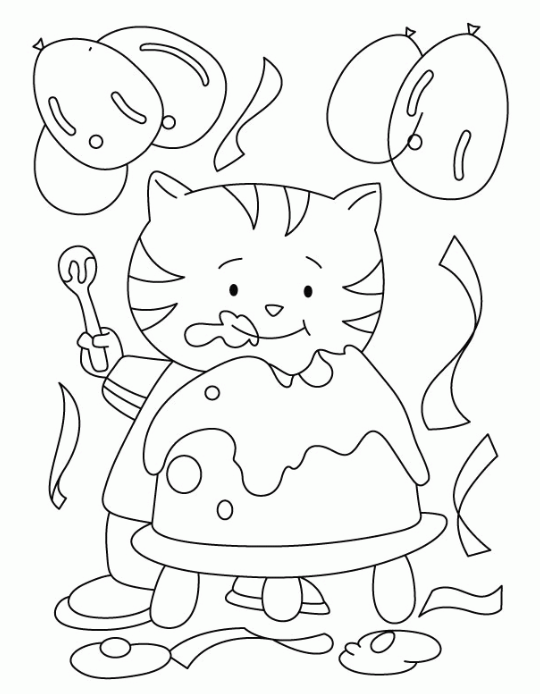
celebrate-picture-books-picture-book-review-cat-eating-cake-coloring-page

Yummy Cake Coloring Pages

Cakes are fun to decorate and delicious to eat! These two coloring pages let you enjoy a bit of both!

Tall Cake to Decorate Coloring Page | Cat Eating Cake Coloring Page

celebrate-picture-books-picture-book-review-sonny-says-sorry-cover

You can find Sonny Says Sorry at these booksellers

Amazon | Barnes & Noble | Books-a-Million

To support your local independent bookstore, order from

Bookshop | IndieBound

Picture Book Review

August 16 – Celebrating the Book Birthday of A Case of the Zaps

celebrate-picture-books-picture-book-review-a-case-of-the-zaps-cover

Thanks to Abrams Books for Young Readers for sending me a copy of A Case of the Zaps for review consideration. All opinions on the book are my own.

A Case of the Zaps

Written by Alex Boniella and April Lavalle | Illustrated by James Kwan


On Robot-Earth there lived a robot named 3.14159… (“or Pi, for short”). Pi liked doing things most young robots did, like “playing music, walking their dog, and hanging out with their Parental Units and friends. Pi also liked sports, science, camping, and exploring, and their favorite food was DW-40. One day at school, their teacher announced that in a month the class would be going on a field trip to Olde Silicon Valley.

celebrate-picture-books-picture-book-review-a-case-of-the-zaps-parental-units

Image copyright James Kwan, 2022, text copyright Alex Boniello and April Lavalle, 2022. Courtesy of Abrams Books for Young Readers.

All of Pi’s classmates were excited about the trip, and “Pi felt their circuit board BUZZ with anticipation.” Pi couldn’t stop thinking about the trip. But along with all the fun things they would do, thoughts about what could go wrong crept into his consciousness. And then, unexpectedly, while walking home from school with their friends, Pi experienced a tingle in their arms and then their “defense mechanisms JOLTED on.” Pi’s friends asked if they were all right.

celebrate-picture-books-picture-book-review-a-case-of-the-zaps-hobbies

Image copyright James Kwan, 2022, text copyright Alex Boniello and April Lavalle, 2022. Courtesy of Abrams Books for Young Readers.

Pi wasn’t sure and took off for home, “feeling zaps all around. Feeling afraid for reasons they didn’t quite understand.” The intrusive thoughts kept Pi awake that night, and during the next few days, even though Pi tried to act calm, they felt anything but. Trying not to think about the field trip just made things worse. One night they couldn’t even eat their DW-40, and then… ZAP! 

Pi ran to their room and shut the door. Pi’s “Mother-Board and Father-Board followed their robo-kid upstairs. When they asked through the door what was wrong, Pi admitted that they didn’t want to go on the field trip anymore. They they explained that “something feels wrong” and how all their gears and sensors seemed to be in overdrive. Pi confessed “‘I’m scared I might be . . . broken.'”

celebrate-picture-books-picture-book-review-a-case-of-the-zaps-school

Image copyright James Kwan, 2022, text copyright Alex Boniello and April Lavalle, 2022. Courtesy of Abrams Books for Young Readers.

Pi was surprised to find that just telling their parents made them feel better. Pi’s Father-Board told them that they had had the zaps when he started his new job and that “‘cousin Cosine Tangent has had them for years.'” Pi was surprised because Cosine Tangent had recently won a major science award. Mother-Board suggested that they visit the doctor the next day.

Doctor Bleep Bloop was very friendly and welcoming. The doctor explained to Pi that the Zaps can happen to anyone and at any time and acknowledged that they can be scary. When Pi asked if there was any cure for the Zaps, Doctor Bleep Bloop was honest and told them “‘There isn’t a simple cure.'” The doctor went on to say, though, that there were ways of managing the Zaps and that they could work together to find strategies to help Pi.

celebrate-picture-books-picture-book-review-a-case-of-the-zaps-anxiety

Image copyright James Kwan, 2022, text copyright Alex Boniello and April Lavalle, 2022. Courtesy of Abrams Books for Young Readers.

By the time the field trip to Olde Silicone Valley came around, Pi was ready to go, and they had a lot of fun. Even after the trip, Pi sometimes felt the Zaps. “When that happened, Pi used the tools that Dr. Bleep Bloop had shared with them, and then the Zaps didn’t feel quite so scary.” 

Back matter includes an Authors Note explaining how both Alex and April have experienced anxiety in their lives as well as online resources where parents and caregivers can find more information and help from professionals in the areas of anxiety, depression, and other mental health issues.

celebrate-picture-books-picture-book-review-a-case-of-the-zaps-Dr.-Bleep-Bloop

Image copyright James Kwan, 2022, text copyright Alex Boniello and April Lavalle, 2022. Courtesy of Abrams Books for Young Readers.

Experiencing anxiety can be scary and confusing, and without the language to describe what is happening to them, children can feel isolated and alone. Alex Boniello and April Lavalle’s A Case of the Zaps provides kids and adults with a straightforward way to comfortably talk about anxiety while offering reassurance and a road map to discovering coping strategies that can help. Descriptions of the physical and mental effects of anxiety on Pi give kids direct examples to point to when talking about their own emotions and experiences with their parents, caregivers, or doctors. Pi’s parents’ suggestion to visit the doctor gives adults a starting point on the journey to helping their children. 

James Kwan’s vibrant illustrations, incorporating elements of comics and graphic novels, will enchant kids as they learn about Pi’s hobbies, family life, and excitement to visit Olde Silicone Valley. As Pi’s enthusiasm for the field trip turns to trepidation, kids can watch the robot’s expressive face change from happy to worried and fearful. They also see that anxiety causes physical effects, sleeplessness, depleted energy, and the body’s fight-or-flight mechanism to kick in. After the family’s visit with Dr. Bleep Bloop, Kwan’s depictions of calming activities Pi does with their mother-board and father-board, friends, and the doctor show readers that therapy can be found in many places from play to sports to yoga and more.

Honest, accessible, sprinkled with humor, and written in partnership with Child Mind Institute to ensure that the book can serve as a social-emotional tool, A Case of the Zaps is an outstanding book for talking about anxiety with any child. The book is highly recommended for home libraries and a must for classroom, school, and public library collections.

Ages 4 – 8

Abrams Books for Young Readers, 2022 | ISBN 978-1419756726

You can connect with writer, actor, musician, singer, and Tony award-winning producer Alex Boniella on Twitter and Instagram.

Connect with writer, comedian, actor, and Tony award-winning producer April Lavalle on her website and Twitter.

You’ll find James Kwan on Instagram.

celebrate-picture-books-picture-book-review-a-case-of-the-zaps-cover

You can find A Case of the Zaps at these booksellers

Amazon | Barnes & Noble | Books-a-Million

To support your local independent bookstore, order from

Bookshop | IndieBound


Picture Book Review

November 10 – It’s Picture Book Month

celebrate-picture-books-picture-book-review-the-girl-with-big-big-questions-cover

About the Holiday

Today’s picture books are amazing! Offering inspiration, characters that really speak to kids, moments to laugh out loud or reflect, glimpses into history, revelations in science, and much of the best art currently being produced, picture books defy their slim appearance with content that can change young lives. Reading a wide variety of books to children from birth on up is one of the most rewarding activities you can do. Make choosing the books to read a family affair! Kids love picking out their own books and sharing cozy and fun story times with you!

Thanks to Beaming Books for sharing a digital copy of The Girl with Big, Big Questions for review consideration. All opinions are my own.

The Girl with Big, Big Questions

Written by Britney Winn Lee | Illustrated by Jacob Souva


There once was a girl who was always asking questions about everything she saw and heard and thought. “Her days were filled with adventures galore,/ since her mind was so full of wonder. / ‘How long can a turtle stay in its shell? / Why does lightning come before thunder?’” From morning to bedtime she questioned her mom, her neighbors, her classmates, her teachers. “‘Could I fly if I got a good running start? / The nearest volcano is . . .where? / Are monsters real? What’s Spanish for blue? / Is it okay to cut my own hair?’”

At first everyone tried to answer all the girl’s questions, but as they piled up, people began to just roll their eyes and, finally, her friends at school told her “‘Please stop! Just quit it!’” The girl felt embarrassed. She “tried to quiet her thoughts” and not ask so many questions. But then one day she saw a bird making a nest in a broken fence close to the ground.

celebrate-picture-books-picture-book-review-the-girl-with-big-big-questions-tree-house

Image copyright Jacob Souva, 2021, text copyright Britney Winn Lee, 2021. Courtesy of Beaming Books.

She wondered why the bird didn’t choose a tree for its nest, so she went to the library and did some research. Outside, she made observations and came up with an answer. Then she made a report to her class: “‘There are not enough trees in our town!’” Now her friends were asking questions about what they could do to help and devised a plan to plant “more trees in their parks.” And the girl understands that asking big questions is good and can lead to important actions and changes; “Asking questions is how we all grow!”

In her enchanting story about a girl who’s part super-observer, part philosopher, and completely engaged with her world, Britney Winn Lee invites readers to also look outward and inward and discover the questions that inform their particular world view and call to action. With humor and an intriguing list of questions to get kids thinking, Lee’s bouncy rhymes will pique their curiosity and instill a desire to learn not only about the big stuff, but about all the tiny Who? What? Why? When? and Hows? that make life interesting and always new.

Jacob Souva’s charming and lovely illustrations will delight kids as the adorable wide-eyed girl is surrounded by speech bubbles and clouds full of images representing her questions. Readers can almost hear the girl’s questions as the bubbles bump up against each other, overlap, and expand to fill two-page spreads, adding a vivacious energy to the story. Souva depicts the classmates’ admonition and the girl’s searching for her own answers with clever metaphorical imagery.

When the girl’s classmates tell her to quit asking so many questions, the day turns rainy and the previously vivid colors of her thoughts and questions become the muted panels of her enveloping umbrella. The vibrant colors return in the library’s shelves of books as the girl finds answers to the one question about the bird’s nest that occupies her mind. The girl’s influence on her classmates is clearly shown in the final spreads as each child is paired with a questioning bubble of their own.

An engaging way to encourage curiosity, a questioning mind, and a love of learning and doing, The Girl with Big, Big, Questions would make an inspiring addition to home, classroom, and public library bookshelves.

You’ll also want to check out Britney Winn Lee and Jacob Souva’s The Boy with Big, Big Feelings, a story for all children who are sensitive to their own emotions, empathize with the cares of other people and the world, and are looking to make friends and make a difference.

Ages 5 – 8

Beaming Books, 2021 | ISBN 978-1506473789

Discover more about Britney Winn Lee and her books, visit her website.

To learn more about Jacob Souva, his books, and his art, visit his website.

Picture Book Month Activity

celebrate-picture-books-picture-book-review-Kids-and-Books-Coloring-Page

Let’s Read! Coloring and Find the Differences Pages


Print out a few copies of this coloring page and find the differences page then invite your friends over for some fun and, of course, reading!

Let’s Read! Coloring Page | Find the Differences Page

celebrate-picture-books-picture-book-review-the-girl-with-big-big-questions-cover

You can find The Girl with Big, Big Questions at these booksellers

Amazon | Barnes & Noble | Books-a-Million

To support your local independent bookstore, order from

Bookshop | IndieBound

Picture Book Review

October 5 – National Do Something Nice Day

celebrate-picture-books-picture-book-review-it's-hard-to-be-nice-cover

About the Holiday

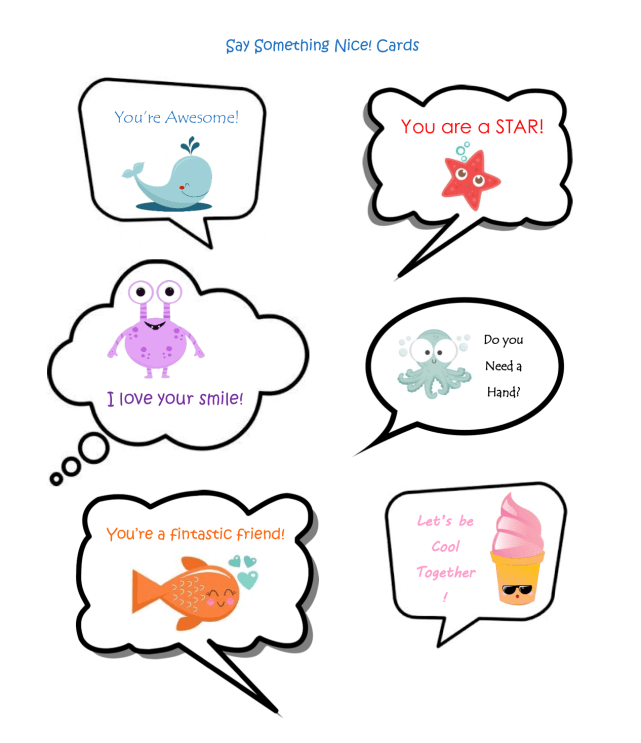
Similar to Random Acts of Kindness Day, National Do Something Nice Day encourages people to think of others and do nice things for them. These don’t have to be big or expensive; in fact, small gestures or thoughtful actions can make all the difference in the way a friend, family member, or stranger feels. These acts of kindness will make you feel good too! To celebrate today, keep an eye out for ways you can lend a hand, times you can share a smile or a conversation, or ways you can make a new friend. Kids may enjoy sharing the encouraging cards found below with friends, siblings, and teachers or by leaving them at school, the library, shops or anywhere that someone may find them.

Sometimes It’s Hard to Be Nice

Written by Maggie C. Rudd | Illustrated by Kelly O’Neill


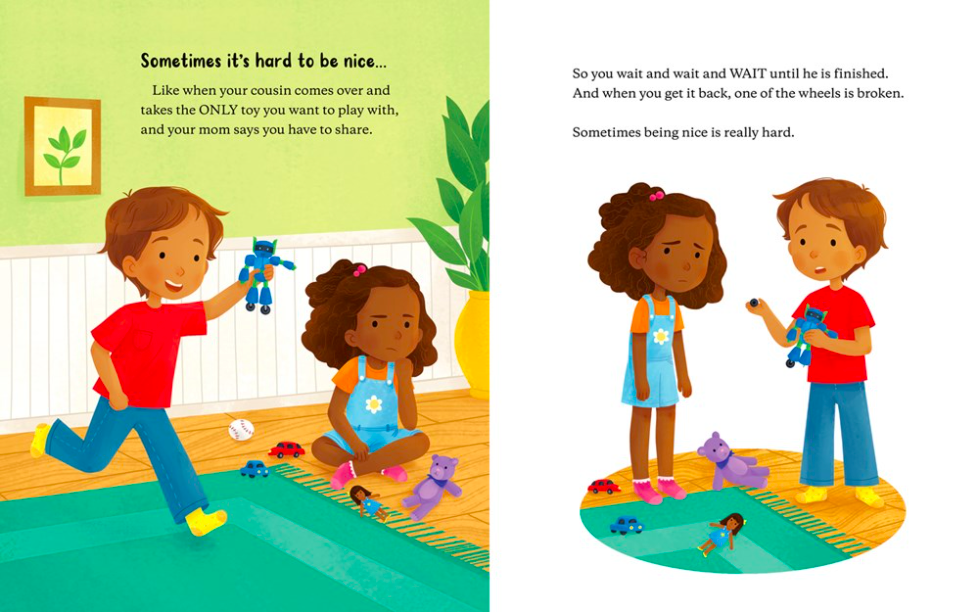
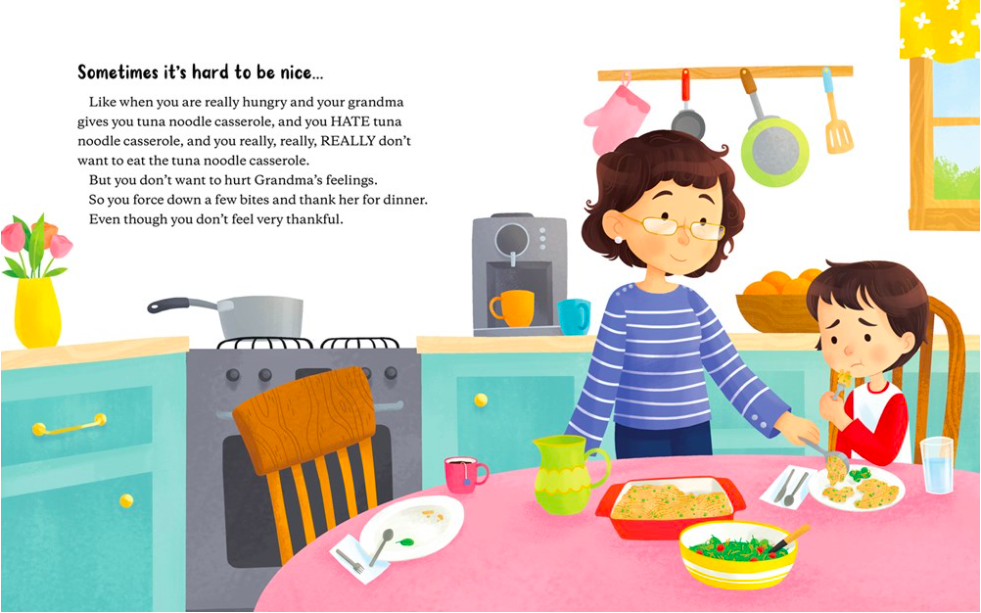
It seems like being nice should be easy, but there are so many emotions that often surround that one little word that sometimes doing the considerate thing is really hard. How hard? Like smiling and saying “that’s okay” when “your mom says you have to share” your favorite toy with a friend, sibling, or cousin and they break it. Like sitting through your brother or sister’s boring performance, game, or recital when you’d rather be somewhere else—anywhere else. Or like eating your least favorite food and thanking the cook for the meal because you don’t want to hurt their feelings.

celebrate-picture-books-picture-book-review-it's-hard-to-be-nice-cousin

Image copyright Kelly O’Neill, 2021, text copyright Maggie C. Rudd, 2021. Courtesy of Albert Whitman & Company.

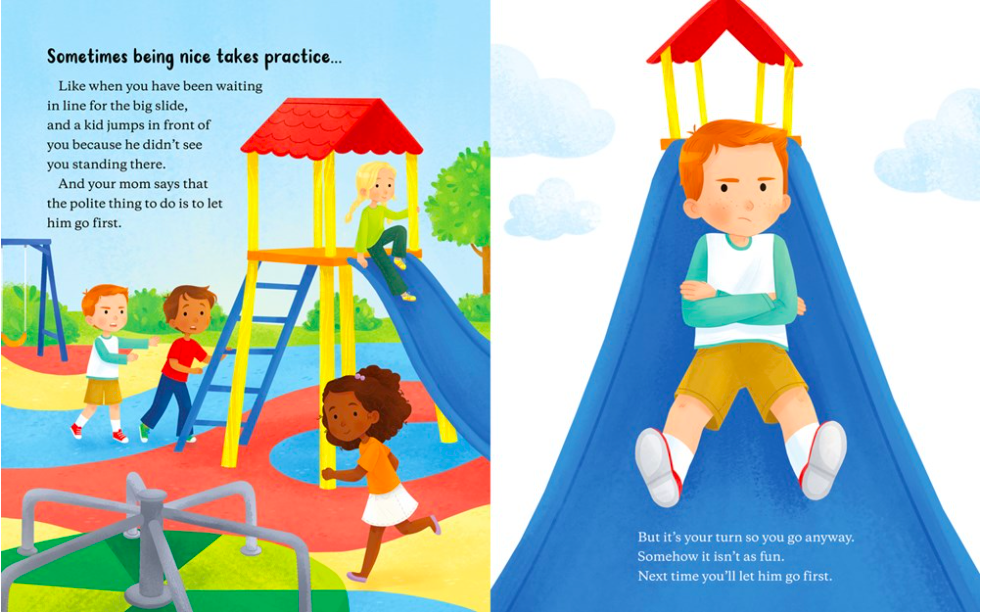
In fact, “sometimes being nice takes practice” like when a little brother or sister destroys your stuff and you yell at them, but then later you realize they didn’t really understand what they were doing. Or like when visiting someone you love in a nursing home or new place is scary and you hang back, not wanting to see them but then decide you won’t be scared next time you visit. And then there are times like these on the playground “when you have been waiting in line for the big slide, and a kid jumps in front of you because he didn’t see you standing there. And your mom says that the polite thing to do is to let him go first. But it’s your turn so you go anyway. Somehow it isn’t as fun. Next time you’ll let him go first.”

celebrate-picture-books-picture-book-review-it's-hard-to-be-nice-great-grandma

Image copyright Kelly O’Neill, 2021, text copyright Maggie C. Rudd, 2021. Courtesy of Albert Whitman & Company.

So what does all that practice lead to? The good feeling you get when you are nice. Like when you let your baby brother sit with you as you play a video game, “and he claps for you the whole time.” There’s also the great feeling you get when you’ve cleaned up after playing and your parents really appreciate it, or “when you’re late for soccer practice and your mom can’t find her keys, so you help her look for them . . . and find them in the doorknob! And your mom says she doesn’t know what she would do without you!”

While these examples may be hard because you feel slighted or tired or rushed or scared, there are times when being nice takes all your courage—like when you befriend the new kid or the kid everyone picks on and find out you have lots in common. Or when the bullies come around and you stand up for your new friend even though it’s scary and you end up in the principal’s office. So why would you want to be nice? Because “it’s worth it.”

celebrate-picture-books-picture-book-review-it's-hard-to-be-nice-playground

Image copyright Kelly O’Neill, 2021, text copyright Maggie C. Rudd, 2021. Courtesy of Albert Whitman & Company.

Maggie C. Rudd’s excellent primer to the emotions and circumstances around being nice presents children with realistic scenarios involving family members and friends, favorite toys and activities, and common situations at school that often require extra effort to respond to in a positive way. Rudd’s conversational writing style directly engages the reader, and while every example may not be an exact match to the reader’s experience, many will be spot on and the others easily recognized and adaptable.

Rudd’s four-step progression acknowledges that showing kindness or even just good manners can be difficult, but that it can become easier—especially when a situation seems unfair or is disappointing—with practice and perspective. Rudd’s examples of when being nice feels good are sprinkled with humor and warm family feelings that will bring smiles that support her point. A thread involving a favorite Galactic Star Crusher action figure ties several of the vignettes together, adding a sense of relationship and connectedness among the characters.

Kelly O’Neill illustrates each example for readers with clearly depicted scenes involving kids like them playing video games, visiting with grandparents, playing on the playground, helping their parents, and standing up for another child. In every instance, the children’s emotions are easily understood, which opens up many opportunities for adults and kids to discuss the feelings and issues surrounding how one treats others from both a child’s and adult’s perspective and experience. O’Neill’s bright colors, familiar settings, and uncluttered, well-conceived pages put the focus on her engaging children and elegantly complement Rudd’s important message.

Sometimes It’s Hard to Be Nice is a superb read aloud for honestly addressing the complexities and rewards of showing kindness and being nice. It is a book that families, teachers, and caregivers will find themselves turning to again and again in helping children navigate and learn this important social skill. The book is a must addition to home, classroom, school, and public library collections.

Ages 4 – 8

Albert Whitman & Company | ISBN 978-0807575734

Discover more about Maggie C. Rudd and her books as well as an Activity Kit for educators and parents on her website.

To learn more about Kelly O’Neill, her books, and her art, visit her website.

National Do Something Nice Day Activity

celebrate-picture-books-picture-book-review-say-something-nice-cards

Say Something Nice! Cards


Do you want to give someone a nice surprise? Print out these cards and give one to a friend, to someone you’d like to know, or to anyone who looks like they need a pick-me-up! If you’d like to make your own cards, print out the blank template and write and/or draw your own message! You can also print these on adhesive paper and make your own stickers.

Say Something Nice! Cards | Say Something Nice! Cards Blank Template

celebrate-picture-books-picture-book-review-it's-hard-to-be-nice-cover

You can find Sometimes It’s Hard to Be Nice at these booksellers

Amazon | Barnes & Noble | Books-a-Million

To support your local independent bookstore, order from 

Bookshop | IndieBound

Picture Book Review