March 3 – It’s National Reading Month

celebrate-picture-books-picture-book-review-the-battle-of-the-butts-cover

About the Holiday

March 3rd is not only part of National Reading Month, but it’s World Book Day and World Wildlife Day too! How can readers celebrate all three holidays at the same time? With today’s book! Here’s a little bit about each holiday:

National Reading Month

All month long, people celebrate all the joys and benefits of reading. When you read with your child or children every day you’re helping them develop the language and literacy skills that will promote success in school and beyond. Even if your child isn’t talking yet, they’re listening and learning about their language as you read to them. Older kids also love being read to, and setting aside time to read together builds strong bonds that can last a lifetime. The month is typically marked with special events in schools, libraries, bookstores, and communities.

World Wildlife Day 

In December of 2013 the United Nations General Assembly proclaimed March 3rd to be World Wildlife Day to promote awareness of our environment and the dangers to it. This year’s theme is “Recovering key species for ecosystem restoration,” which seeks to draw attention to the conservation status of some of the most critically endangered species of wild fauna and flora and to drive discussions toward devising and implementing solutions to conserve them. To learn more, visit the World Wildlife Day website.

World Book Day

World Book Day was created by the United Nations Educational, Scientific and Cultural Organization (UNESCO) to be celebrated on April 23rd, 1995 in honor of William Shakespeare, Miguel de Cervantes, and Inca Garcilaso de la Vega, who all died on this date. Some countries, such as Great Britain, Ireland, and Scotland celebrate on March 3. No matter what date you pick – or whether you choose to celebrate on both days – the holiday encourages families and individuals to rediscover the joys of reading for pleasure and promotes the availability of a wide range of books to all and in all languages. 

Thanks to Running Press Kids for sharing a copy of Battle of the Butts with me for review consideration. All opinions on the book are my own.

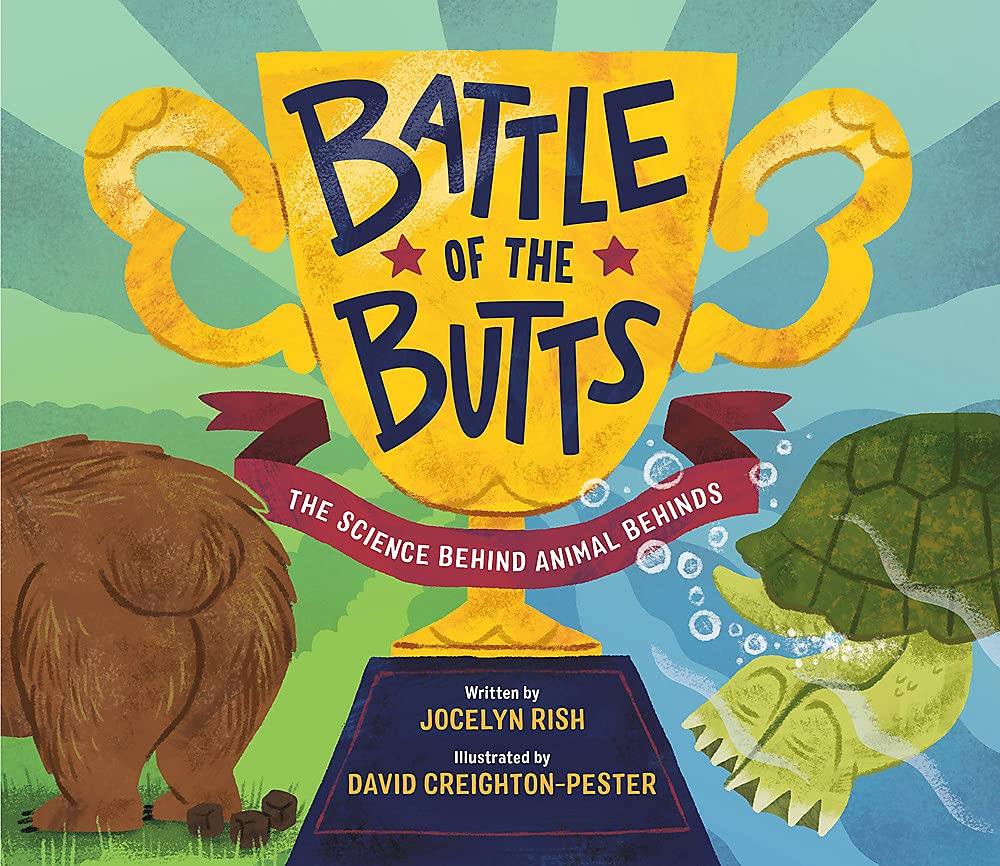
Battle of the Butts: The Science Behind Animal Behinds

Written by Jocelyn Rish | Illustrated by David Creighton-Pester


Get ready to RUUUMBLE! as ten of the world’s most fascinating animals put their butts on the line in Jocelyn Rish’s genius look at how certain sea creatures, mammals, insects, and reptiles eat, swim, talk, and defend themselves using their powerful posteriors. Readers don’t have to passively sit by and read, though. Rish invites kids to judge the challengers based on their own preferences and assign a rating from “Terrific Tushie” to “Boring Backside” on their way to crowning the “King of Keisters.”

celebrate-picture-books-picture-book-review-the-battle-of-the-butts-wombats-sleeping

Image copyright David Creighton-Pester, 2021, text copyright Jocelyn Rish, 2021. Courtesy of Running Kids Press.

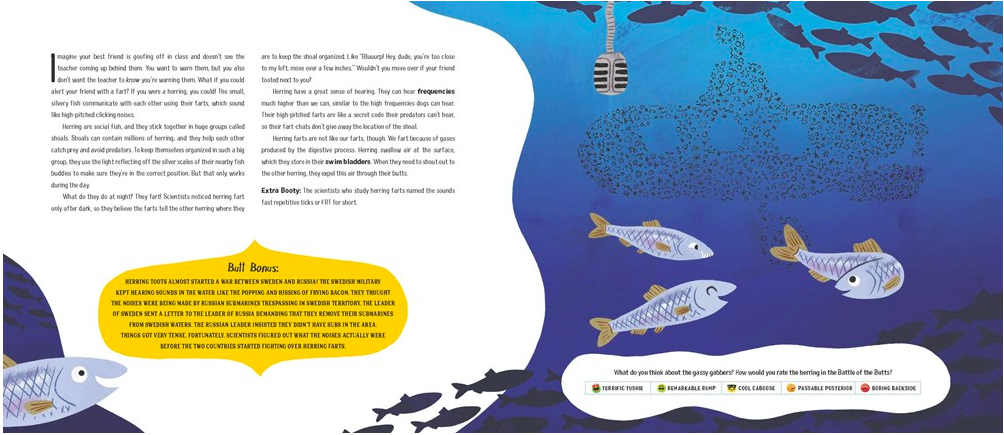
As each challenger steps up, readers are presented with their stats, which include their “genus, length, weight, home turf, and posterior power.” Turning the page, kids are then drawn into the science of each critter’s anatomy and how they use it as Rish – in her conversational, detailed, and descriptive text – uses dynamic phrasing and familiar comparisons to help kids visualize each animal’s endgame. An “Extra Booty” paragraph and a highlighted “Butt Bonus” provide more info.

So who’s on the roster for this awesome competition? First up is the manatee, who moves through the water by holding onto or releasing farts. Lest kids begin “picturing a manatee zipping through the water like it has a jetpack on its back end,” Rish goes on to explain the mechanics of their gas-fueled swimming, how they fill up, and the enormity of their intestinal system that allows them to store their gas until they need it. 

celebrate-picture-books-picture-book-review-the-battle-of-the-butts-wombat

Image copyright David Creighton-Pester, 2021, text copyright Jocelyn Rish, 2021. Courtesy of Running Kids Press.

Another fierce contender is the bombardier beetle, which at a max length of 1.181 inches (30 millimeters), proves that mighty things come in small packages. This mini-monster might just become the next superhero, with moves worthy of a big-budget blockbuster. Just picture this movie trailer: “A bombardier beetle strolls through the leaves, minding its own business. A bunch of hungry ants attack. Things don’t look so good for the beetle. Then . . . Pew! Pew! Pew! The bombardier beetle fires a pulsing spray of scalding chemicals from its butt, twisting its tushie in different directions to hit all the ants. The bombardier beetle escapes, while the ants regret their decision to snack on the beetle.” Phew! Pass the popcorn! How do they do this? Rish takes kids step-by-step through the bombardier beetle’s chemical processes that read like a blue-ribbon-winning science fair project, complete with boiling blasts ejected at a “speed of 22 miles per hour.” What if the beetle gets eaten anyway? Find out in the explosive Butt Bonus.

celebrate-picture-books-picture-book-review-the-battle-of-the-butts-herring

Image copyright David Creighton-Pester, 2021, text copyright Jocelyn Rish, 2021. Courtesy of Running Kids Press.

Not all of these challengers use their powers for defense. Parrotfish, which are found in “shallow tropical and subtropical waters around the world” use their poop to do double doody – I mean duty. You might feel a little squeamish about walking barefoot on a beautiful beach that’s near a coral reef once you learn that “a large portion of that white sand is actually parrotfish poop.” Say what?! Yep! Parrotfish “eat the algae, polyps, and bacteria that live on and in coral reefs.”

To get at it, they also end up ingesting coral and, after its well ground up by the 1,000 teeth along the fish’s beak and the “throat-teeth [that] work like a pepper grinder to crush the bits of coral into fine sand,” they deposit this non-nutritious detritus which then becomes the stuff of sandcastles, tanning beds, and sunny day seaside playgrounds. Sounds like a lot of poop, huh? The Butt Bonus tells you just how much.

These are just a few of the entrants vying for your verdict. Will any of them win the crown? Or will it be the wombat, with its armored butt; the Fitzroy river turtle, that’s a butt breather; the herring and its unusual communication style; the silver-spotted skipper caterpillar, that puts medieval warriors to shame; the beaded lacewing and its fatal farts; the Sonoran coralsnake that’s a master of confusion; or the sea cucumber, that throws everything it’s got at would-be predators? It’s up to you! Award your favorite with the trophy while rewarding yourself with a full flush of scintillating facts with which to entertain friends and dazzle your teachers!

A Glossary of words found in bold type throughout the book follows the text.

celebrate-picture-books-picture-book-review-the-battle-of-the-butts-herrings

Image copyright David Creighton-Pester, 2021, text copyright Jocelyn Rish, 2021. Courtesy of Running Kids Press.

If you’re looking for a riveting book steeped in nature and environmental science with some chemistry and lots of laughs thrown in for your child, classroom, or other group of kids, you can’t miss with Jocelyn Rish’s Battle of the Butts. Perfect for both younger kids as a read aloud and for independent readers, the book offers opportunities for exciting learning, expanded research, and even experimentation. Rish’s knowledge of her subject and talent for captivating kids jumps off the page with her smooth, alliterative, and hilarious storytelling.

Accompanying each chapter are David Creighton-Pester’s vibrant and dynamic illustrations that accentuate the humor while realistically showing kids how each creature uses their particular skills in their natural environment. Catapulted poop, shooting toots, and funny facial expressions make each page turn a blast. The book’s excellent format also makes it easy to navigate the short chapters and get the most out of all the material presented. At the end of each chapter, kids are invited to rate the creature in this mega-battle of the butts.

A superb way to engage kids in science learning, The Battle of the Butts would be a favorite on any home bookshelf and is a must for school and public library collections.

Ages 4 – 8 and up

Running Press Kids, 2021 | ISBN 978-0762497775

Discover more about Joycelyn Rish and her books on her website.

To learn more about David Creighton-Pester, his books, and his art, visit his website.

 National Reading Month Activity

celebrate-picture-books-picture-book-review-wombat-coloring-page

Wildlife Coloring Pages


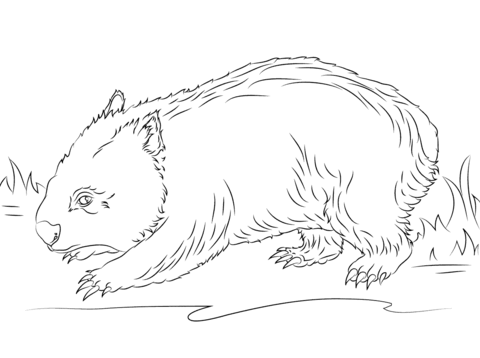
You can have fun coloring the animals from today’s book while celebrating all three of today’s featured holidays with these printable coloring pages!

Cute Wombat Coloring Page | Parrotfish Coloring Page | Manatee Coloring Page

celebrate-picture-books-picture-book-review-the-battle-of-the-butts-cover

You can find The Battle of the Butts at these booksellers

Amazon | Barnes & Noble | Books-a-Million

To support your local independent bookstore, order from 

Bookshop | IndieBound

Picture Book Review

January 7 – Old Rock Day

celebrate-picture-books-picture-book-review-old-rock-is-not-boring-cover

About the Holiday

Do you love rocks—the history they tell, their versatility, intricate patterns, and glorious colors? Today’s holiday celebrates these wonders of nature and encourages geologists—both professionals and amateurs—to indulge their passion. You can learn a bit more about the history of the study of rocks, the first use of the term “geology,” and on to more modern times at NationalToday. To celebrate today’s holiday, take a walk in your backyard or neighborhood, pick up a few rocks, and research a little more about them. Then have fun with today’s craft.

Thank you to G. P. Putnam’s Sons for sharing a copy of Old Rock (is not boring) with me for review consideration. All opinions on the book are my own.

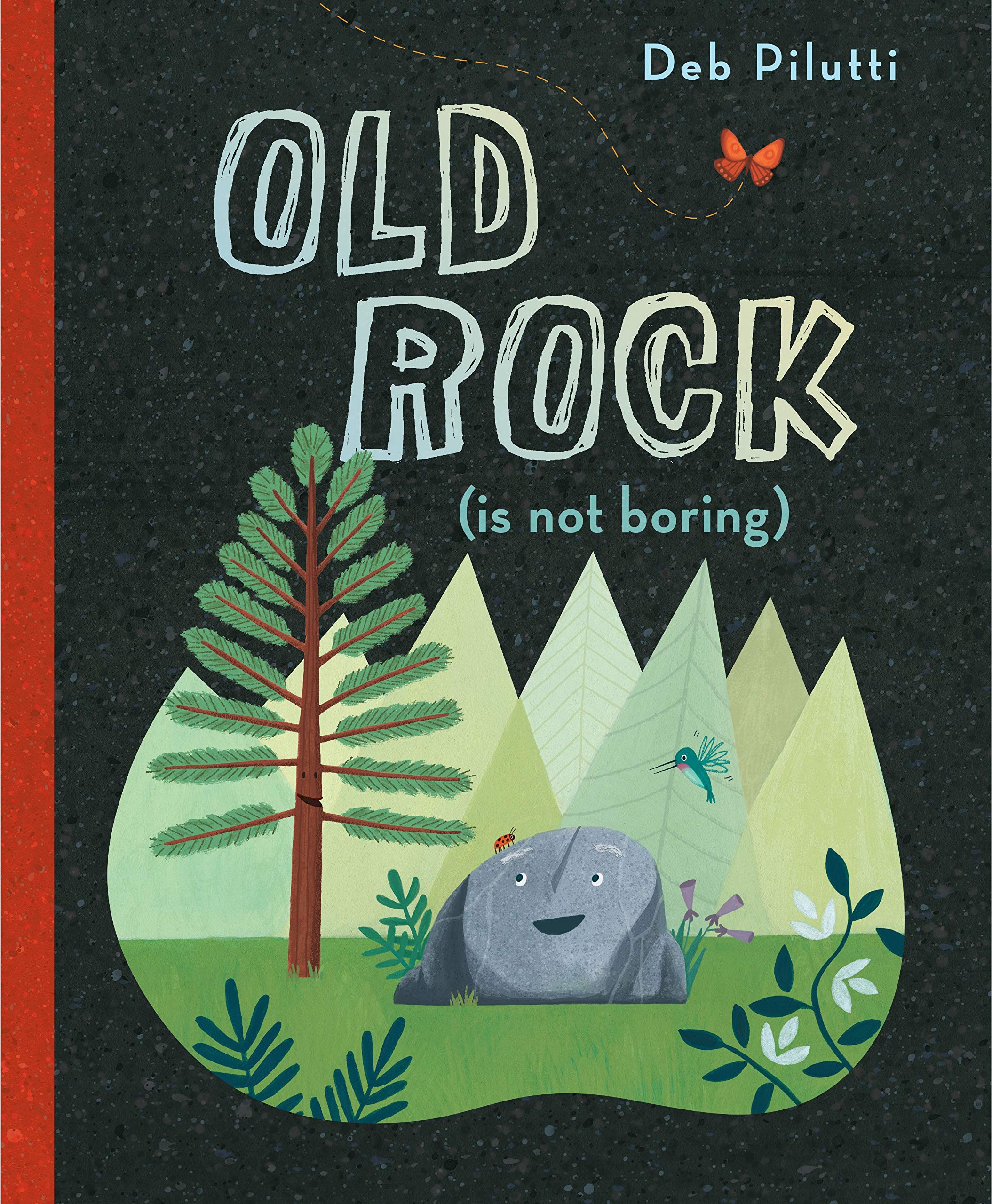
Old Rock (is not boring)

By Deb Pilutti


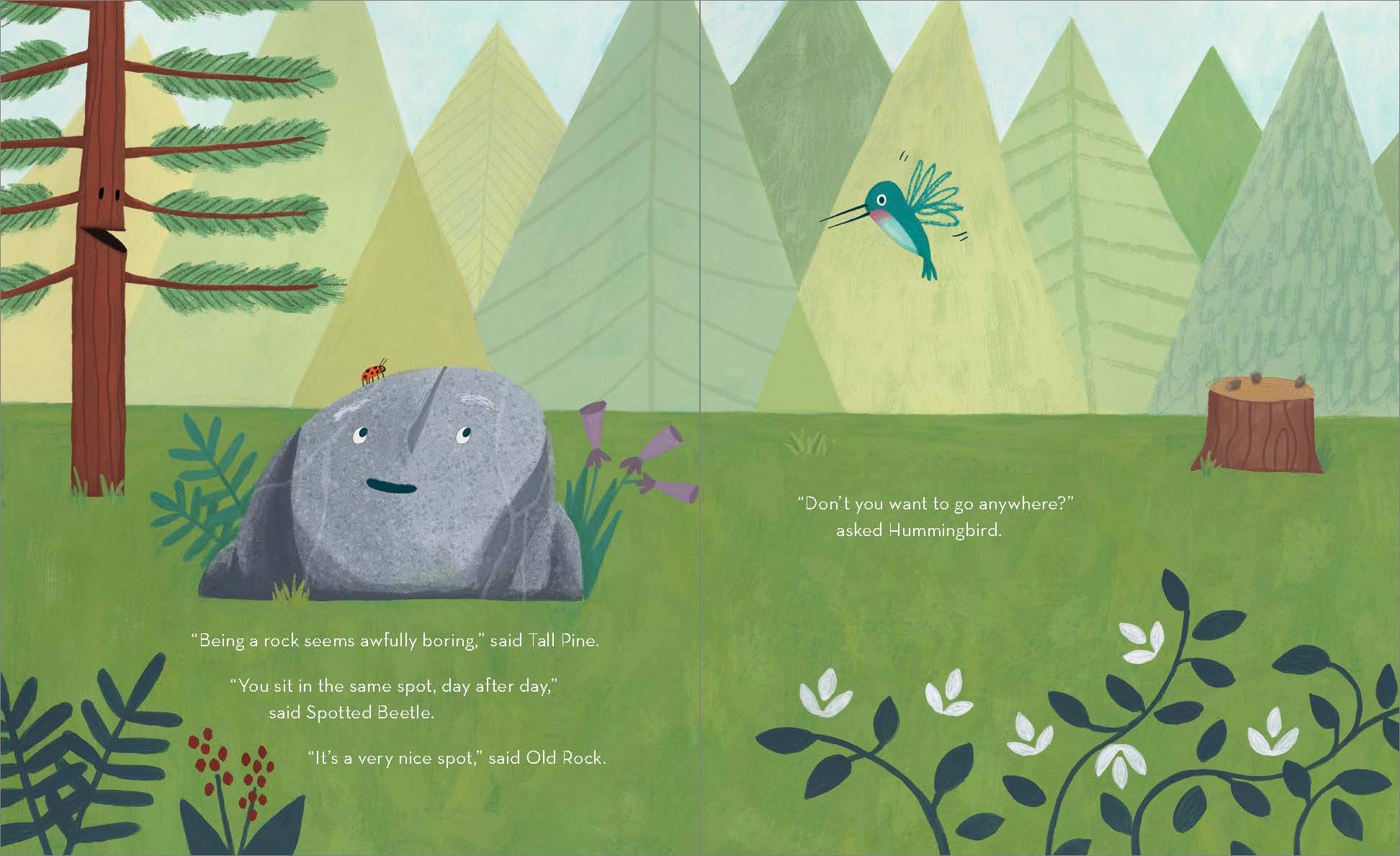
It seemed that Old Rock had been sitting in the same spot forever. Tall Pine and Spotted Beetle thought being a rock must be pretty boring. Hummingbird wondered, “‘Don’t you ever want to go anywhere?’” She knew she would be if she couldn’t fly all over the world and taste exotic nectars. But Old Rock had flown once, and he began to tell his story.

celebrate-picture-books-picture-book-review-old-rock-is-not-boring-hummingbird

Copyright Deb Pilutti, 2020, courtesy of G. P. Putnam’s Sons Books for Young Readers.

It was during the time when he was surrounded by darkness, but then the volcano erupted and Old Rock “‘soared through a fiery sky into the bright light of a new world.’” Tall Pine, Spotted Beetle, and Hummingbird weren’t very impressed. They still thought Old Rock must be bored. Spotted Beetle told him how much he might see if he climbed to Tall Pine’s very highest branch.

celebrate-picture-books-picture-book-review-old-rock-is-not-boring-volcano

Copyright Deb Pilutti, 2020, courtesy of G. P. Putnam’s Sons Books for Young Readers.

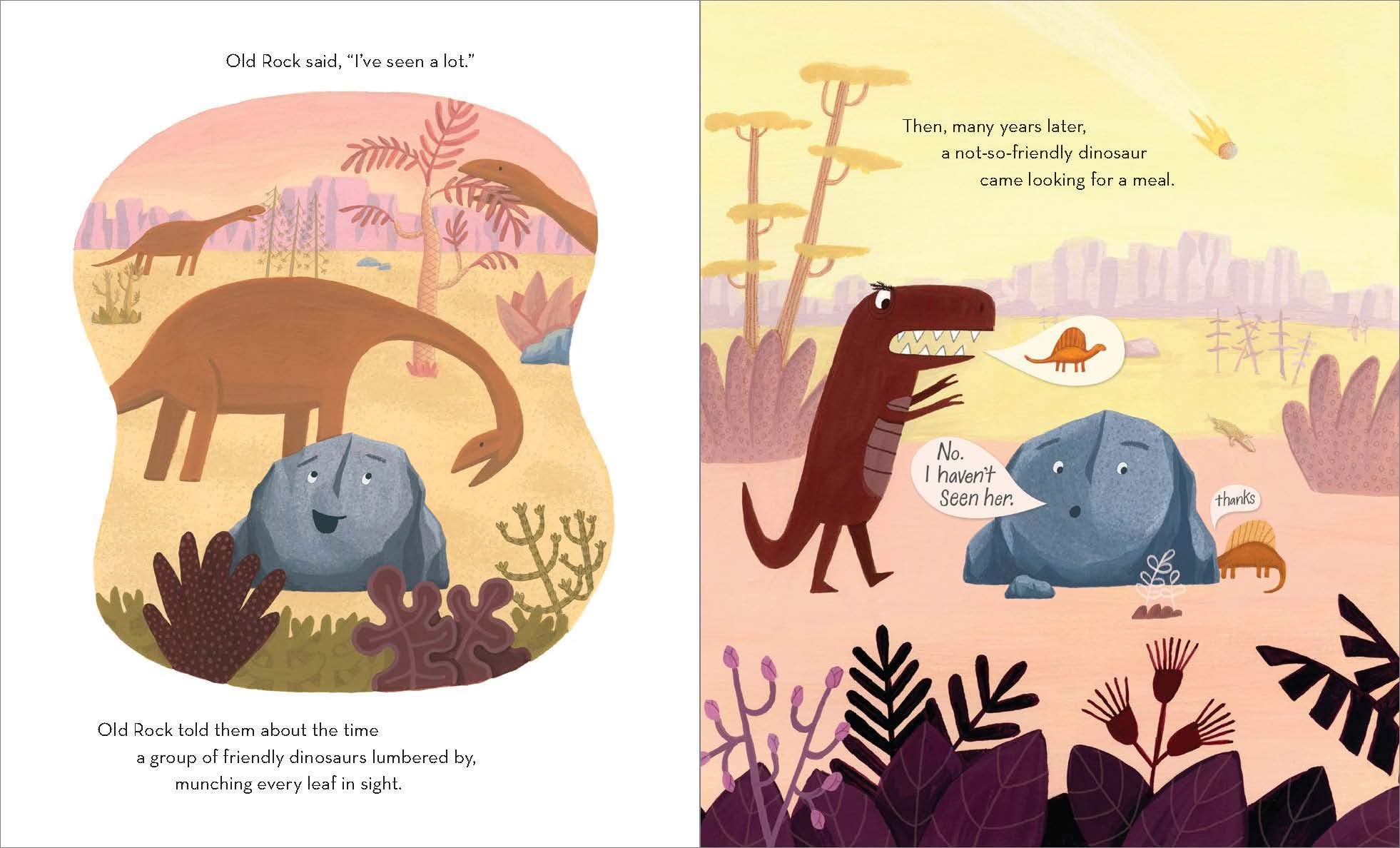
Old Rock countered that he had seen a lot. He’d watched dinosaurs pass by and had even hidden a spinosaurus from a hungry T. rex. He’d traveled in a glacier and been left teetering on a ridge overlooking a vast desert, where he “could see the place where the sky touches the earth.” Spotted Beetle and Hummingbird were intrigued, but Tall Pine dismissed these experiences as “ages ago.” He wanted to know about now. Didn’t Old Rock feel like moving? Tall Pine showed Old Rock how his limbs could dance in the wind.

celebrate-picture-books-picture-book-review-old-rock-is-not-boring-dinosaurs

Copyright Deb Pilutti, 2020, courtesy of G. P. Putnam’s Sons Books for Young Readers.

While Old Rock couldn’t dance, he did recall how he’d turned somersaults off the ridge, landing in a prairie where mastodons grazed near a lake. Tall Pine, Spotted Beetle, and Hummingbird were mesmerized by Old Rock’s story and wanted to know what had happened next. Out of the prairie, sprang a pine forest, Old Rock revealed. And from one of the pine trees a pinecone fell and a seed was released. That seed grew “to be the tall pine who dances in the wind and keeps me company.” Sometimes, he continued, a spotted beetle and a hummingbird meander by. Old Rock was very pleased with his spot, and the others had to agree that it was “very nice” and “not boring at all.”

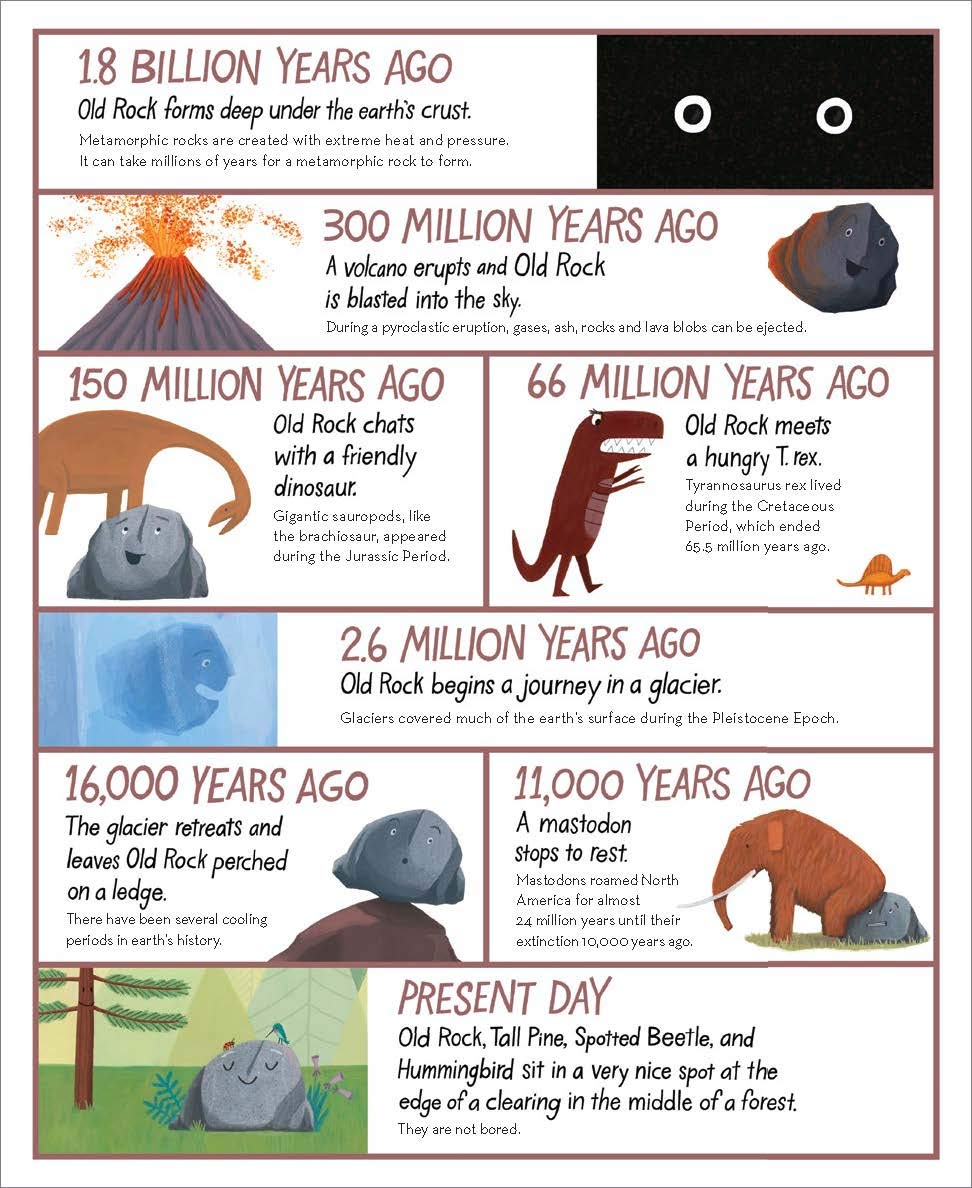
An illustrated timeline of Old Rock’s life from 18 billion years ago to the present day follows the text.

celebrate-picture-books-picture-book-review-old-rock-is-not-boring-time-line

Copyright Deb Pilutti, 2020, courtesy of G. P. Putnam’s Sons Books for Young Readers.

So much clever thought went into Deb Pilutti’s Old Rock as she reveals to kids what a fascinating and active life the rocks and boulders we see every day have had. Tall Pine, Spotted Beetle, and Hummingbird’s skepticism keeps the suspense building as Old Rock rolls out stories of his various travels and talents. Once he has them hooked, they—like young readers—want to hear more, leading to the just-right ending that sweetly encompasses shared history, happiness with one’s place in life, and friendship. The trio’s questions to Old Rock and their related experiences also engage children to think about issues and opinions from a variety of perspectives.

Pilutti’s mixed-media illustrations are nicely textured to bring out Old Rock’s grainy surface while highlighting nature’s vivid colors. Her vignettes from the dinosaur eras, the ice age (where the skeletons of dinosaurs are also swept up and away in the same glacier as Old Rock), and beyond impress upon readers the long time-frame involved, how the earth has changed, and even the fascinating science of the fossil record.

A multi-layered story, perfect for general story times or as a lead in to science lessons and to promote discussion and research in the classroom, Old Rock (is not boring) would be an original and exciting addition to home, classroom, and public library collections.

Ages 4 – 8

G. P. Putnam’s Sons Books for Young Readers, 2020 | ISBN 978-0525518181

To learn more about Deb Pilutti, her books, and her art, visit her website.

Old Rock Day Activity

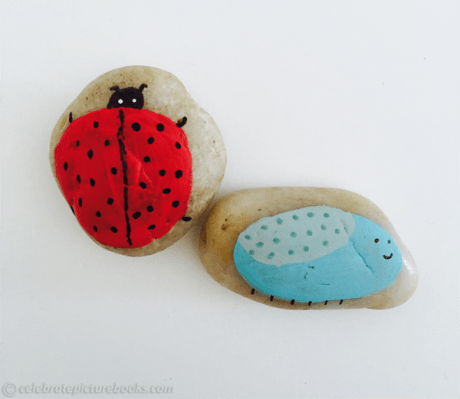
CPB - Nasty Bugs magnet II (2)

Rock This Craft!


Smooth stones can give you a natural canvas for your creativity! With a little bit of paint, pins or magnets, and some imagination, you can make refrigerator magnets, jewelry, paper weights, and more!

Supplies

  • Smooth stones in various sizes
  • Paint or markers
  • Small magnets, available at craft stores
  • Jewelry pins, available at craft stores
  • Paint brush
  • Strong glue

Directions

To make magnets

  1. Design and paint an image on a light-weight stone
  2. Attach a magnet to the back with strong glue, let dry
  3. Use to hang pictures, notes, or other bits of important stuff on your refrigerator or magnetic board

To make jewelry

  1. Using a smaller, flatter stone, design and paint an image on the stone
  2. Attach a jewelry pin to the back with the strong glue, let dry
  3. Wear your pin proudly

CPB - rock painting craft

To make a paper weight or kindness stone

  1. Using a large stone, design and paint an image on the stone, let dry
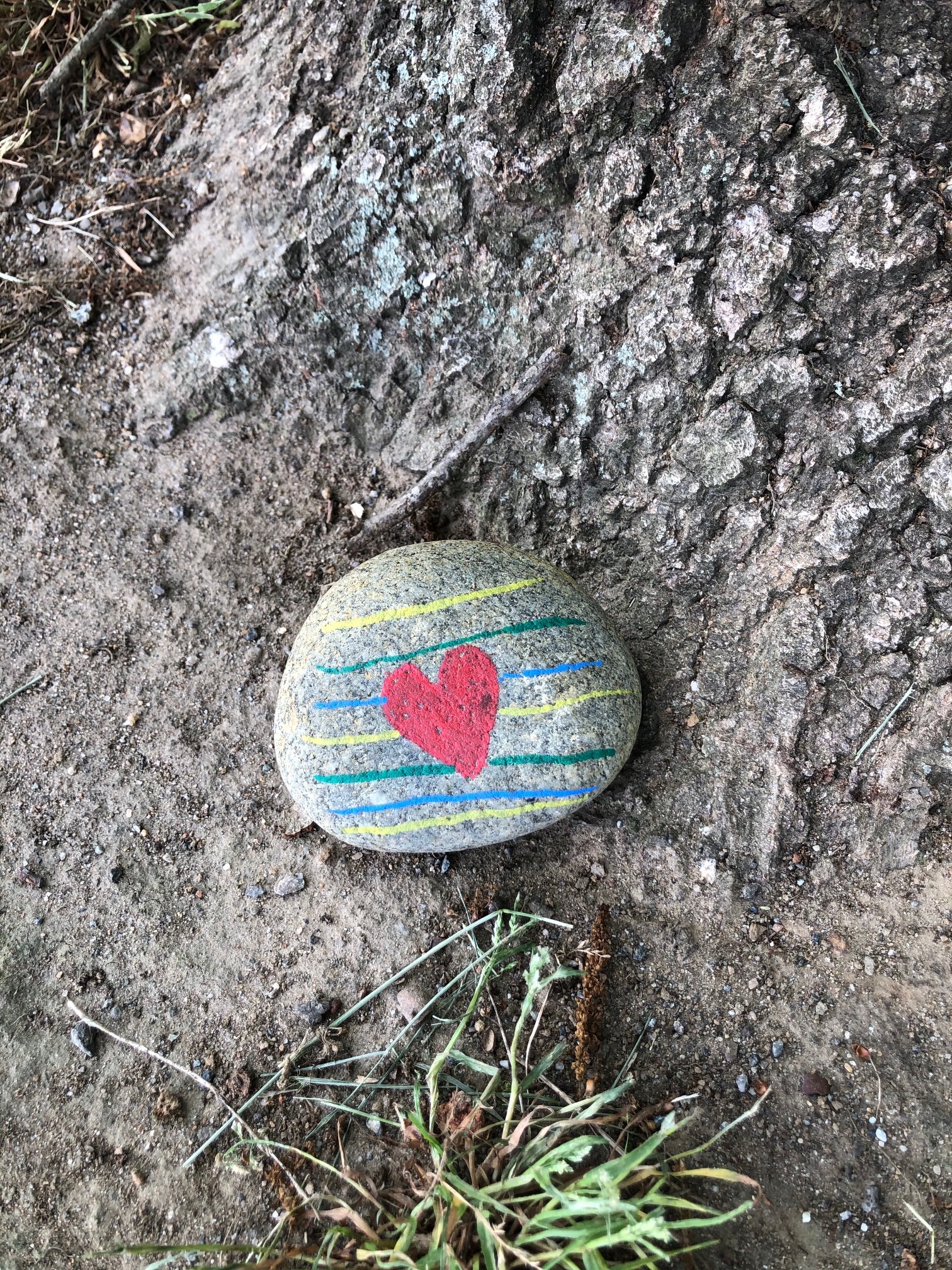
  2. Display and use on your desk to keep those papers in place or find a spot around town to leave your rock for someone to find and enjoy

celebrate-picture-books-picture-book-review-old-rock-is-not-boring-cover

You can find Old Rock (is not boring) at these booksellers

Amazon | Barnes & Noble | Books-a-Million

To support your local independent bookstore, order from

BookshopIndieBound

Picture Book Review


January 5 – National Bird Day

celebrate-picture-books-picture-book-review-birds-explore-their-extraordinary-world-cover

About the Holiday

Coming at the end of the annual Christmas Bird Count conducted in conjunction with the Audubon Society, National Bird Day turns the focus on the special behavioral and physical needs of birds and works to ensure that all birds—whether kept as pets or living on farms or in their natural environments—are treated compassionately. The day also raises awareness of the dangers that threaten many species of birds with extinction. To celebrate today’s holiday, take a walk in your area or even just in your backyard and take special note of the birds you see. Now that winter has set in making food scarce for wild birds, consider hanging a bird feeder or making one from a pinecone, peanut butter, and seed as in the activity below. 

Thanks to Bloomsbury Children’s Books for sending me a copy of Birds: Explore their extraordinary world for review consideration. All opinions on the book are my own.

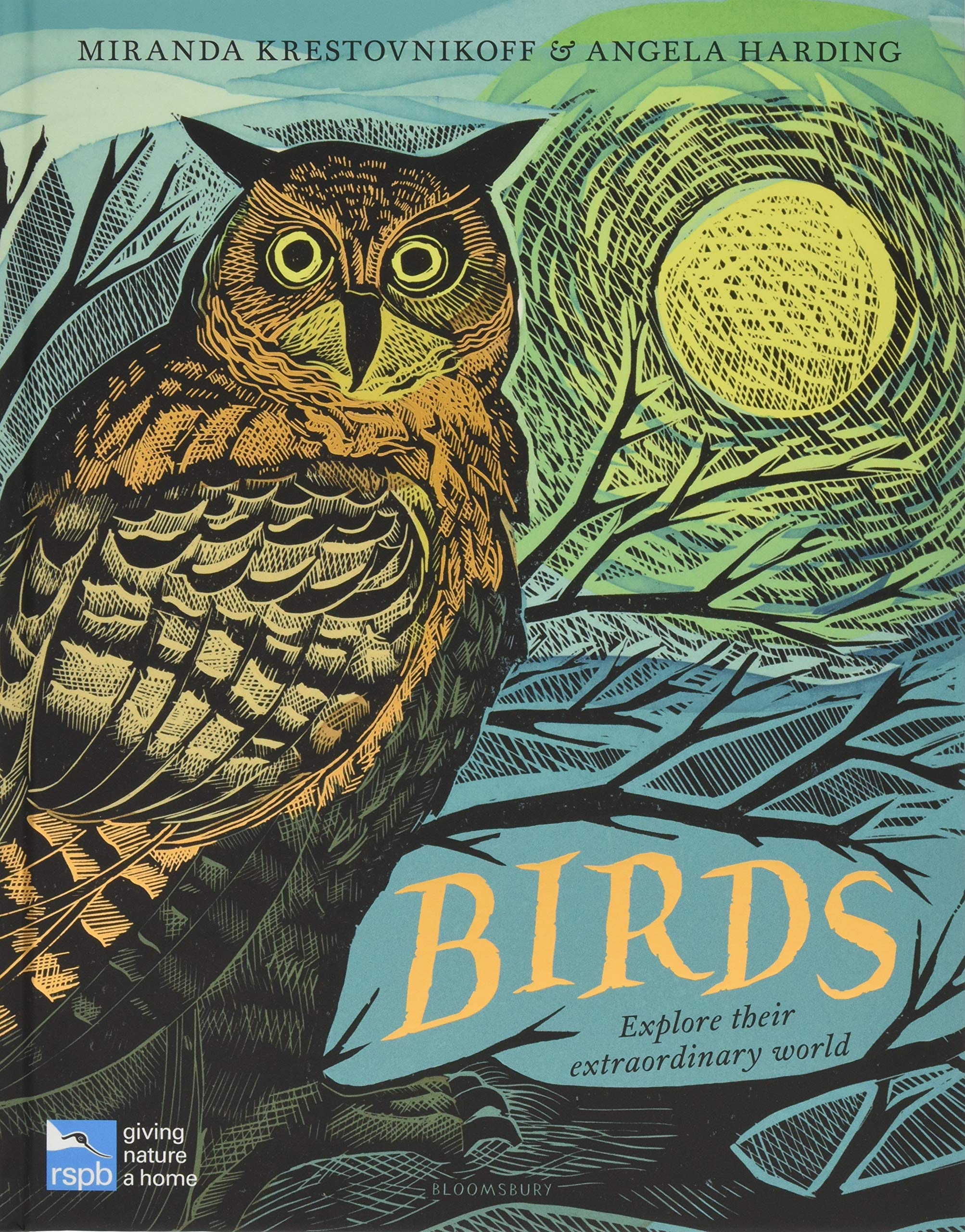
Birds: Explore their extraordinary world

Written by Miranda Krestovnikoff | Illustrated by Angela Harding


To love birds is to marvel over everything about them from their smooth gliding flight and beautiful songs to their colorful plumage and intricate nests that protect fragile eggs from the elements and predators. With a stunning number of species, birds are found around the world and living in every kind of climate. In Miranda Krestovnikoff and Angela Harding’s eye-catching compendium, readers learn about seven families of birds – birds of prey, seabirds, freshwater birds, flightless birds, tropical birds, tree dwellers, and passerines. 

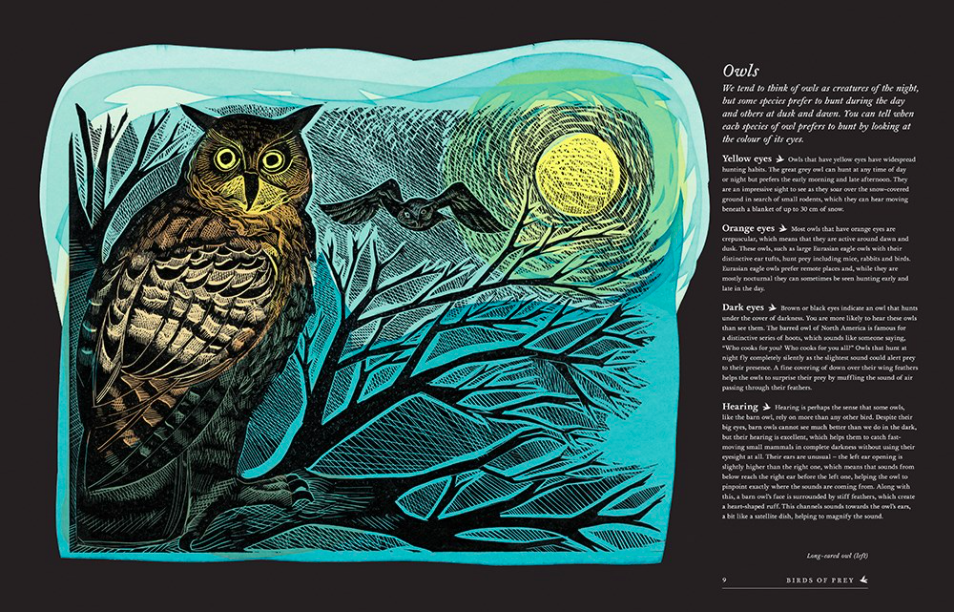
Each chapter opens with general facts on the behavior, anatomical features, and habitat that determine the order in which a bird is categorized. Integrated with this information are descriptions of specific birds within the order. In the section on Birds of Prey, for instance, readers learn about sparrowhawks; fish-eating ospreys; and golden eagles, which can “spot a rodent from over a mile away and a rabbit from nearly double that distance.” Children also learn about extreme birds of prey: the fastest, largest, smallest, tallest, and baldest and how their distinctive feature helps them thrive. Kids also discover how they “can tell when each species of owl prefers to hunt by looking at the color of its eyes.”

celebrate-picture-books-picture-book-review-birds-explore-their-extraordinary-world-owls

Image copyright Angela Harding, 2020, text copyright Miranda Krestovnikoff, 2020. Courtesy of Calkins Creek.

The next chapter takes readers to coastal areas to learn about the seabirds that scour the water from the sky, searching for food and waders, that are found along the water’s edge and “feed on the variety of high-protein invertebrates that lie hidden in the mud.” Children learn about the birds that populate warmer waters, such as blue-footed boobies, terns, and frigatebirds as well as those who survive in colder waters, such as gulls, and kittiwakes. Readers will also find a fascinating description of the gannet and learn how it can safely “dive into the sea at speeds of 60 miles an hour from an impressive height of up to 100 feet” to feed.

From sea birds, readers move on to freshwater birds like ducks, swans, grebes, and Canada geese. Even the bright flamingo is here with its distinctive scoop-shaped beak that is “uniquely designed to be used upside down and helps them to filter out tiny brine shrimps and blue-green algae from the water, which, when digested, give them their pink color.” The flamingo isn’t the only bird with an unusual way to acquire their prey, and kids will discover the clever ways pelicans, herons, and kingfishers (which use “objects such as sticks, feathers, and even discarded popcorn as lures”) find food.

And then there are the “more than 50 bird species across the world [that] stay firmly on the ground (or on water)” or just “choose not to fly very often.” These flightless birds include kiwis, kākāpōs, southern cassowaries, ostriches, and Penguins. Penguins vary in size, from the “little penguin (also known as the fairy or blue penguin)” which comes to shore to nest only at night and stave off predators with their oversized voices, to the emperor penguin. Occasional fliers include great bustards, domestic chickens, and tinamous.

celebrate-picture-books-picture-book-review-birds-explore-their-extraordinary-world-penguin

Image copyright Angela Harding, 2020, text copyright Miranda Krestovnikoff, 2020. Courtesy of Calkins Creek.

When you hear about extravagant birds, you most likely think of tropical birds. “Rainforests are packed with a range of incredible species with dazzling plumage and bizarre courtship displays.” Readers will learn about the appearance and mating rituals of scarlet macaws, Raggiana birds of paradise, and the Andean cock-of-the-rock. A detailed description of the bowerbird and the male bird’s careful and artistic nest (or bower) building is funny, poignant, and even a little bit human. Then readers are treated to some tropical bird extremes: smallest bird, longest bill, and smelliest as well as a poisonous species and one that makes its own musical instrument.

Of course, woodlands are the home of many bird species, and in the chapter on Tree Dwellers, readers learn about acorn woodpeckers and great hornbills that use trees for food and shelter; tawny frogmouths and potoos that use trees for camouflage; and nuthatches, greater honeyguides, and yellow-bellied sapsuckers, which find all the food they need among the bark, leaves, and branches of trees.

celebrate-picture-books-picture-book-review-birds-explore-their-extraordinary-world-chickens

Image copyright Angela Harding, 2020, text copyright Miranda Krestovnikoff, 2020. Courtesy of Calkins Creek.

Next up are passerines, or perching birds, which make up the “largest group of birds, with over half of all known species falling into this category.” Corvids, a group that includes the common raven, crows, magpies, and rooks, are considered to be the most intelligent birds. “These birds have a remarkable ability to solve problems in order to find food, in some cases performing better than young children or chimpanzees!” Readers will be impressed with their tricks and clever use of tools (that even include cars). Children learn about cooperative breeders, which rely on their extended family to help raise the young from year to year. Passerines also include many of the garden birds we find in our backyards and which fill the air with song. Readers discover facts about blue tits, robins, and finches in this section.

The next sections give detailed and interesting information on the features we most associate with birds: their feathers, beaks, eyes, nesting habits, eggs, migration patterns, and birdsong. The book ends with perhaps the most adaptable birds in the world: those that make their homes on glaciers, mountain tops, and in the Arctic snow as well as urban birds, which live among people in crowded cities, nesting on tall cathedrals and skyscrapers and foraging for food in garbage cans and on the street.

celebrate-picture-books-picture-book-review-birds-explore-their-extraordinary-world-woodpeckers

Image copyright Angela Harding, 2020, text copyright Miranda Krestovnikoff, 2020. Courtesy of Calkins Creek.

For young ornithologists, Miranda Krestovnikoff, a wildlife expert, offers a compelling, eye-opening, and accessible introduction to a wide variety of birds, placing them in their natural environments and revealing intriguing facts and tantalizing tidbits that inform and will spark a continued interest in learning more about the world’s feathered creatures. Krestovnikoff’s engaging writing style will captivate readers and keep them turning the pages to discover birds that are both familiar and new to them. The comprehensive nature of the book allows kids in all parts of the world to learn more about their native birds while creating a global connection with these most recognized and widely distributed creatures.

Accompanying Krestovnikoff’s text are Angela Harding’s beautiful linocuts that depict birds in mid-flight, capturing prey on land and water, engaging in mating rituals, and building and protecting their nests and young. Harding’s use of natural colors and exquisitely etched landscapes set off each bird in breathtaking illustrations that invite readers to linger to enjoy their full impact. Each illustration is captioned with the bird’s species.

A gorgeous and educational book that readers of all ages will love dipping into again and again, Birds: Explore their extraordinary world is a must for bird lovers and highly recommended for home, school, and public libraries.

Ages 7 and up

Bloomsbury Children’s Books, 2020 | ISBN 78-1408893913

Discover more about Miranda Krestovnikoff and her books on her website.

To learn more about Angela Harding, her books, and her art on her website.

National Bird Day Activities

celebrate-picture-books-picture-book-review-beautiful-birds-word-search

Beautiful Birds Word Search Puzzle


It’s fun to watch for different kinds of birds when you take a walk or in your own backyard. Can you find the names of twenty types of birds in this printable Beautiful Birds Word Search Puzzle? Here’s the Solution!

cpb-bird-feeder-i

Pinecone Bird Feeder


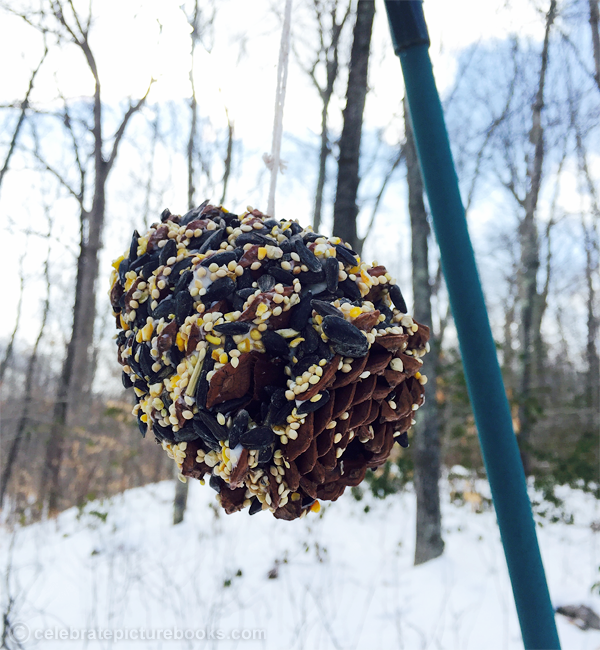
Pinecone bird feeders are quick to make and great for your backyard fliers. The combination of peanut butter, lard, or vegetable shortening and a quality seed mixture provide birds with the fat and nutrition they need to stay warm and healthy during the winter.

Supplies

  • Pinecones
  • Peanut butter, vegetable shortening, or lard
  • Birdseed
  • String
  • Knife or wooden spreader
  • Spoon

Directions

  1. Tie a long length of string around the middle of the pinecone
  2. Spread the peanut butter, vegetable shortening, or lard on the pinecone
  3. Sprinkle a thick coating of birdseed on the pinecone, pressing it into the covering so it will stick
  4. Tie the pinecone feeder onto a tree branch or other structure
  5. Watch the birds enjoy their meal!

celebrate-picture-books-picture-book-review-birds-explore-their-extraordinary-world-cover

You can find Birds: Explore their extraordinary world at these booksellers

Amazon | Barnes & Noble | Books-a-Million

To support your local independent bookstore, order from

Bookshop | IndieBound

Picture Book Review

December 28 – Endangered Species Act Day

celebrate-picture-books-picture-book-review-a-voice-for-the-everglades-cover

About the Holiday

The Endangered Species Act was signed into law in by President Richard Nixon on this date in 1973.  The primary law in the United States for protecting imperiled species, the Act protects critically imperiled species from extinction as a result of the consequences of economic growth and development undeterred by concern for conservation. The US Supreme Court called it “the most comprehensive legislation for the preservation of endangered species enacted by any nation”. The purposes of the Endangered Species Act are to prevent extinction and to recover species to the point where the law’s protections are not needed, therefore protecting diverse species as well as the ecosystems in which they live or depend on. Today’s book reveals the story of a National Park that provides a unique refuge for many rare and endangered species. To celebrate the holiday, learn more about how the Endangered Species Act affects your state.

Thanks go to Albert Whitman & Company for sharing a copy of A Voice for the Everglades: Marjory Stoneman Douglas with me for review consideration. All opinions on the book are my own.

A Voice for the Everglades: Marjory Stoneman Douglas (Part of the She Made History Series)

Written by Vicki Conrad | Illustrated by Ibon Adarne and Rachel Yew


“Long ago a trickle of water / spilled from a lake / and formed a tiny stream.” The stream spread until it covered almost half of the state of Florida, creating a shallow lake that moved like a slowly running river – “a river bursting with wildlife, / whispering to the world / to listen, to notice, to discover its wonders.” Mangroves and cypress trees grow from the water, the soil fed by the cycles of growing and dying sawgrass. The water, trees, and grass attract a “rainbow of birds” that wade in the shallows, hunting for food. “These are the Everglades. / The wildest, richest, and most diverse ecosystem in all the world – / every plant and animal needing another to survive.”

celebrate-picture-books-picture-book-review-a-voice-for-the-everglades-stream

Image copyright Ibon Adarne and Rachel Yew, 2021, text copyright Vicki Conrad. Courtesy of Albert Whitman & Company.

But leaders and developers wanted to drain the water to create land to build on, land they could sell, land with which they could make money. They pumped the water out and built dams and drains to make farmland, but the farmland turned dry and burned easily. The animals and birds fled. The ecosystem was “desperate for a voice to protect them.”

When Marjory traveled from Massachusetts to Florida and saw the beautiful scenery, she knew immediately that this was her new home. She made a friend, Ernest, and together they spent time paddling a boat through the Everglades, “watching whirling wheels of white birds dance” and spying panthers, alligators, turtles, manatees, and more of the animals that lived there. Where other people saw a swamp, Marjory and Ernest saw “treasure.”

Marjory and Ernest wanted to do something to preserve the Everglades. They studied the map and the formation of the Everglades. Marjory called it “a river of grass.” Ernest wrote a bill for the United States Congress to consider, and “Marjory wrote a poem, / hopeful it would move Congress.” Although lawmakers did tour the Everglades and see its miraculous sights, the bill did not pass.

celebrate-picture-books-picture-book-review-a-voice-for-the-everglades-train

Image copyright Ibon Adarne and Rachel Yew, 2021, text copyright Vicki Conrad. Courtesy of Albert Whitman & Company.

Marjory decided to write a book about the area she loved, and in 1947 The Everglades: River of Grass was published. Her book helped people see the marvels that lived within the Everglades: “the manatee munching seagrass / protecting her calf from harm”; “the red-bellied turtle, / laying eggs in the abandoned alligator nest, / dry and protected from water.”; the only place in the world where an alligator and a crocodile live together.”

At last people began to take notice – and care. Their voices joined with Marjory’s and Ernest’s and Everglades National Park was established that same year. “Yet only one-fourth of the Everglades was protected.” Marjory understood that “all the ecosystems needed one another.” When plans to build the world’s largest airport on land that was part of the Everglades, Marjory, now eighty years old, established the Friends of the Everglades, and their three-thousand voices convinced President Richard Nixon to stop the building.

Marjory continued to fight for the Everglades, giving speeches and putting hecklers in their place. When she was ninety-nine years old, Marjory could be found chipping away at a concrete drain to restore the land to its former waterway. At 105 years old, Marjory was awarded the Presidential Medal of Freedom. Adults and children sent her letters thanking her for saving the Everglades, but Marjory knew there would always be more work to be done to protect this unique ecosystem.

Back matter includes an extensive, illustrated discussion of the Everglades ecosystem, the nine different habitats that make it such a unique area, and many of the plants, animals, birds, and fish that call it home. More on the life of Marjory Stoneman Douglas and her legacy as well as how readers can help the Everglades are also included.

celebrate-picture-books-picture-book-review-a-voice-for-the-everglades-national-park

Image copyright Ibon Adarne and Rachel Yew, 2021, text copyright Vicki Conrad. Courtesy of Albert Whitman & Company.

A compelling biography of a woman with vision and grit who took on a nearly impossible task and saved one of the world’s unique environmental treasures, A Voice for the Everglades: Marjory Stoneman Douglas will inspire young environmentalists and would serve as a captivating resource to begin studies about ecosystems, conservation, endangered and rare species, and many other topics revolving around nature science. Marjory Stoneman Douglas, whose perseverance, dedication, and voice still resonate today, continues to be a role model for children and adults alike.

Through Vicki Conrad’s lyrical text and light incorporation of a “This is the House that Jack Built” cadence readers see how people’s actions build on and affect each other – whether detrimentally (as the building plans; pumps, dams, and drains; and disappearing wildlife do) or beneficially (as Marjory’s and Ernest’s appeals to Congress, Marjory’s writings, and her continued advocacy do) and understand that once voice can make a difference. Conrad does an excellent job of portraying the beauty and uniqueness of the Everglades and giving kids a view of the many wonders to be found there.

In their vivid illustrations, Ibon Adarne and Rachel Yew depict the rich colors of the diverse flora and fauna found in the nine cohesive habitats, from the vibrant pink roseate spoonbills to the purple passion flowers to the elusive crocodiles and the breathtaking, fiery sunsets that blanket them all. Adarne and Yew also allow children to navigate the meandering waterways that weave through the mangroves and sawgrass in their slow, steady, and life-giving pace. The breadth of wildlife within the pages offer many opportunities for further learning and research at home and at school.

An enticing and educational look at one of the world’s most valued natural treasures – whose story and resources continues to influence nature studies and advocacy today – A Voice for the Everglades: Marjory Stoneman Douglas is a book that every school and public library will want to add to its collection and would be an inspiring inclusion for home bookshelves for nature lovers and homeschoolers.

Ages 4 – 8

Albert Whitman & Company, 2021 | ISBN 978-0807584965

Discover more about Vicki Conrad and her books on her website.

You can connect with Ibon Adarne on Twitter.

You can connect with Rachel Yew on Twitter.

Endangered Species Act Day Activity

celebrate-picture-books-picture-book-review-everglades-national-park-coloring-page

Everglades National Park Coloring Page


Travel to the Everglades and see the diverse wildlife that lives there with this printable coloring page!

Everglades National Park Coloring Page 

celebrate-picture-books-picture-book-review-a-voice-for-the-everglades-cover

You can find A Voice for the Everglades: Marjory Stoneman Douglas at these booksellers

Amazon | Barnes & Noble | Books-a-Million

To support our local independent bookstore, order from 

Bookshop | IndieBound

Picture Book Review

December 10 – It’s Read a New Book Month

celebrate-picture-books-picture-book-review-a-peek-at-beaks-cover

About the Holiday

The month of December is a gift-giver’s delight and looking at the long winter ahead there’s no better gift for everyone on your list than a book (or two or…). With so many new books hitting bookstore shelves, there really is a perfect book to fit everyone’s taste. Young children, especially, benefit from reading a wide range of picture books from laugh-out-loud or touching stories to nonfiction that introduces them to influential people, science, history, and nature. If you’re looking for gifts to give, it’s not too late to head to your local bookstore or their online shop to find books that will make your child’s eyes light up.

A Peek at Beaks: Tools Birds Use

Written by Sara Levine | Illustrated by Kate Slater


When you “slurp up your milkshake” or cut up your meat or even cool down with an air conditioner, do you ever wonder how birds accomplish these things? They don’t have hands to hold tools, but that’s okay because each type of bird has just the tool they need to survive handily attached right to its face – its beak! How does each bird use its beak to find food? Sara Levine and Kate Slater let you take a peek at how birds’ beaks are uniquely suited for the foods they eat and the places where they find it as well as for grooming and nest-building.

celebrate-picture-books-picture-book-review-a-peek-at-beaks-birdwatching

Image copyright Kate Slater, 2021, text copyright Sara Levine, 2021. Courtesy of Millbrook Press.

Take that straw we people use to sip up every last drop of a delicious milkshake or glass of lemonade, for instance. Which bird “has a beak shaped like a straw? A hummingbird!” And while hummingbirds don’t “suck up nectar from flowers” through their beaks, “they use their beaks to make their way into tight, narrow places where flowers store nectar. Then their long tongues reach in to gather the treat.” 

If you look into the family toolbox, you’ll probably find a hammer and a needle-nosed pliers. Are there birds whose beaks do similar jobs as these? You bet! The rat-a-tat-tat of a woodpecker searching for grubs or insects in a tree trunk sounds just about the same as the tap-tap-tap or bang-bang-bang of a hammer, and there are shoreline birds that use their long, thin beaks to “probe deep into the mud to find crustaceans, insects, and worms. A special sensory organ at the beak’s tip lets the bird feel when a meal is nearby.” Can you guess which ones they are?

celebrate-picture-books-picture-book-review-a-peek-at-beaks-straw

Image copyright Kate Slater, 2021, text copyright Sara Levine, 2021. Courtesy of Millbrook Press.

Kids who love helping out in the kitchen will be fascinated to learn that there are birds with beaks that act as strainers, nutcrackers, knives, and tongs. And if you think we’re sophisticated with our central air-conditioning one very distinct bird is born with this capability, while a more common bird has one-upped our technological advances by offering it’s chicks a one-touch “take-out” button long before the smartphone was ever developed. 

celebrate-picture-books-picture-book-review-a-peek-at-beaks-hummingbird

Image copyright Kate Slater, 2021, text copyright Sara Levine, 2021. Courtesy of Millbrook Press.

Sure, you might think – birds can find food and build nests with their beaks, but can they show love? The answer is… Yes! The gannet is especially adept at demonstrating their feelings, and they don’t care who hears it. While “many birds show affection with their beaks,… gannets particularly stand out. These birds raise their beaks in the air and clatter them together to show how much they like each other.” After you’ve learned about all of these amazing birds and their beaks, maybe you’d like to raise a ruckus to show your appreciation too! 

Back matter includes a discussion on the evolution of bird beaks and how they change over time and a list of other books for further reading.

celebrate-picture-books-picture-book-review-a-peek-at-beaks-needle-nosed-pliers

Image copyright Kate Slater, 2021, text copyright Sara Levine, 2021. Courtesy of Millbrook Press.

Bird, nature, and science lovers as well as teachers and homeschoolers will be fascinated with Sara Levine’s clever way to engage kids in learning about birds by comparing their beaks to well-known tools children and adults use every day. Especially interesting are descriptions of the birds whose beaks’ special abilities are hidden, such as water birds that use their beaks as strainers to filter out water, sand and dirt before swallowing the nutritious plants and animals left behind. Along with information on the construction of birds’ beaks and how, exactly, birds use them, readers learn about the diet of various species and where they hunt for food.

Levine is always an insightful and captivating educator who sparks kids’ interest in nature-science learning and spurs them to further research. Her question-and-answer format gets kids thinking, observing, and theorizing in a way that increases understanding and resonates across subject matter. At-home birdwatchers will also enjoy watching out for the birds depicted in this book and their behavior.

Kate Slater’s mixed-media collage illustrations are vibrant and textured, adding lovely depth to each page. Her silhouettes of birds sporting tool where it’s beak should be are intriguing invitations for kids to ponder and guess at the answers to Levine’s questions before turning the page to discover the answer. Slater populates the pages with a wide variety of birds, realistically depicted, that will kindle an interest in readers and adults to delve into further research on these fascinating and charming creatures.

A unique and high-interest way to engage kids in learning about birds and nature, A Peek at Beaks: Tools Birds Use is highly recommended for bird-lovers at home as well as for science, environment, and nature learning collections in schools and public libraries. 

Ages 5 – 9

Millbrook Press, 2021 | ISBN 978-1541587342

Discover more about Sara Levine and her books on her website.

To learn more about Kate Slater, her books, and her art, visit her website.

Read a New Book Month Activity

celebrate-picture-books-picture-book-review-bird-coloring-page-2

Busy Birds Coloring Pages


These birds are busy looking for and gathering food to eat! Grab your crayons, pencils, or markers, print the pages, and give the birds and their surroundings some color!

Hummingbird at Flower | Robin Grabbing a Worm | Bird on Branch

celebrate-picture-books-picture-book-review-a-peek-at-beaks-cover

You can find A Peek at Beaks: Tools Birds Use at these booksellers

Amazon | Barnes & Noble | Books-a-Million

To support your local independent bookstore, order from

Bookshop | IndieBound

Picture Book Review

December 2 – I AM TODAY Blog Tour Stop

celebrate-picture-books-picture-book-review-i-am-today-cover

About the Holiday

I’m thrilled to be a stop on the blog tour for I Am Today by Matt Forrest Esenwine and Patricia Pessoa. This season of giving is the perfect time to share this gorgeous book that reflects the desire of children to give their thoughts, talents, and actions to causes that are meaningful to them. If you’d like to follow I Am Today’s blog tour, see the graphic below for further dates and blogs.

I Am Today

Written by Matt Forrest Esenwine | Illustrated by Patricia Pessoa


A child stands on the edge of the beach, letting the sea foam run over her bare toes. Below, a turtle wrapped in a strand of wire floats nearby, while in the background a factory belches smog into the air, and a pipe snakes over the dunes to the water, where it spills its industrial waste. As the child picks up the turtle and removes the wire, she states, “Grown-ups say I am the Future.” Then while releasing the freed turtle, she finishes her thought: “But I’d rather be the Now.” The child then makes her case, explaining that she’s ready to contribute in positive ways, having learned decency, fairness, and generosity from her family and other role models.

celebrate-picture-books-picture-book-review-i-am-today-turtle

Image copyright Patricia Pessoa, 2021, text copyright Matt Forrest Esenwine, 2021. Courtesy of POW! Kids Books.

The memory of the turtle she saved stays with her—her one small act inspiring her to do more. She determines “if I see something isn’t right, / I need to take a stand! / Why wait to offer kindness? / Why wait to lend a hand?” While trying to go to sleep, the little turtle and a whole sea of fish and other creatures swim in her mind. Suddenly, she has an idea and gets out of bed. She writes note after note and folds each paper into origami turtles. She then goes to her window and releases them on the wind.

celebrate-picture-books-picture-book-review-i-am-today-dinner

Image copyright Patricia Pessoa, 2021, text copyright Matt Forrest Esenwine, 2021. Courtesy of POW! Kids Books.

The next morning, despite the rain, a crowd of children has gathered at the child’s door—all are holding her note. They and their parents and other adults, many carrying signs urging protection for the sea animals, march down the sidewalk and past the polluting factory to the beach. Living in that moment, they think: “The past is far behind us, / the future, well beyond. / There’s never been / a better time to listen… / …learn… / …respond!”

celebrate-picture-books-picture-book-review-i-am-today-origami

Image copyright Patricia Pessoa, 2021, text copyright Matt Forrest Esenwine, 2021. Courtesy of POW! Kids Books.

At the beach the group fans out across the sand to pick up debris, and a turn of the page reveals a clean beach and a newspaper containing a front-page article on the factory’s waste pipe that has been closed. “Someday I’ll be the Future” the child says, “But right now… / …I am Today.”

Illustrated instructions on how to make an origami turtle follow the story.

celebrate-picture-books-picture-book-review-i-am-today-beach

Image copyright Patricia Pessoa, 2021, text copyright Matt Forrest Esenwine, 2021. Courtesy of POW! Kids Books.

Children, having lived on our planet for only a few years, are all progress, moving forward, not looking back yet as each day they learn something new, develop another skill, break old barriers, and form unique opinions. So it’s no surprise that kids are concerned about what is happening today and how it will affect the future—their future and the world’s. In I Am Today, Matt Forrest Esenwine harnesses that power of wonder, confidence, and ambition that children possess and gives it a lyrical voice. Flowing with a rhythm as stirring as ocean swells, Esenwine’s story will resonate deeply within any child’s heart.

While Patricia Pessoa’s lovely illustrations depict a child concerned with protecting the ocean and its creatures, Esenwine’s text is universal and equally inspiring for any child and any cause. While recognizing the desire and ability of children and young people to bring about change, Esenwine also provides concrete ways that they can do so, from small gestures to larger actions, allowing all readers to feel included and important. I Am Today also presents a meaningful way for kids and adults to talk about causes that are important to them and ways that they can get involved.

With a warm, vivid color palette and fresh perspectives that allow readers to make some of their own deductions, Patricia Pessoa presents a lush landscape of a child’s family life, imagination, and ideas brought to fruition. Her images of the family’s picture wall and dinner time are full of heart and humor, and kids will enjoy lingering over the pages to catch all the action. Pessoa portrays the importance of saving the turtles and other sea creatures with clever imagery as the turtle appears in the bathroom mirror as the child brushes her teeth, swimming in the bathtub, and decorating the cup of water on her nightstand. Pessoa’s illustrations of the fish and other ocean creatures that fill the child’s mind are especially beautiful, as is the spread in which she sends her origami messengers out into the world.

I Am Today is an inspiring, uplifting, and motivational book that children will want to frequently revisit and one that families, classrooms, schools, and public libraries will want to add to their collections. The book’s beauty and message makes it a wonderful gift for any child on your list.

Ages 4 – 8 and up

POW! Kids Books, 2021 | ISBN 978-1576879948

Discover more about Matt Forrest Esenwine, his books, and his poetry on his website.

You can connect with Patricia Pessoa on Instagram.

Check out these upcoming dates and discover how other bloggers are celebrating I Am Today

I Am Today Blog Tour Schedule

This year many books have been delayed from their original publishing date to a later time due to shipping and supply issues. The best way to support authors and their wonderful new books is to preorder titles from your favorite bookseller. I Am Today will be available January 23, 2022.

celebrate-picture-books-picture-book-review-i-am-today-cover

You can preorder I Am Today at these booksellers

Amazon | Barnes & Noble | Books-a-Million

To support your local independent bookstore, order from

Bookshop | IndieBound

Picture Book Review
November 3 – It’s Family Literacy Month

celebrate-picture-books-picture-book-review-odd-beasts-cover

About the Holiday

National Family Literacy Month was designed to encourage parents and other adults to read together with the children in their life. Studies show that children who are read to are better prepared to read on their own and do better in school. Cuddling together before bedtime or during special story times with favorite books instills a love of reading that can last a lifetime. To celebrate, plan some special reading-related activities: take a trip to a local bookstore and let your child pick a book; if your child is old enough, visit the library to sign up for a library card; and schedule extra reading time, especially with grandparents or other family members who may be visiting for the holidays. A fun and educational board book like today’s book is a perfect way to get little ones enthusiastic about reading as they grow older!

Thank you to Abrams Appleseed and Barbara Fisch at Blue Slip Media for sharing Odd Beasts: Meet Nature’s Weirdest Animals with me for review consideration. All opinions about the book are my own.
Odd Beasts: Meet Nature’s Weirdest Animals

Written by Laura Gehl | Illustrated by Gareth Lucas


From their earliest years, kids are attracted to animals, whether for their fluffy coats, enthusiastic “kisses,” or silly antics. They love visiting the zoo and the aquarium to see – and maybe even touch – animals and sea creatures from around the world. And they’re always excited to meet new animals through the books they read. Through an age-appropriate short, charming poem played out over eight boldly illustrated pages, Laura Gehl does just that, introducing kids to a few of the earth’s most unusual animals. 

celebrate-picture-books-picture-book-review-odd-beasts-sunfish

Image copyright Gareth Lucas, 2021, text copyright Laura Gehl, 2021. Courtesy of Abrams Appleseed.

Gehl begins with an animal from Asia and Africa that at first glance might appear like an unlikely combination of an anteater and a fish – the pangolin! Turning the page, readers do meet a fish – and what a fish! “This sunfish weighs a ton.” Another ocean dweller is introduced two pages later: “This angler sees no sun.” Readers will be equally charmed by a turtle whose “neck is long,” and a clever camouflaged insect whose “jumps are strong.”

celebrate-picture-books-picture-book-review-odd-beasts-angler

Image copyright Gareth Lucas, 2021, text copyright Laura Gehl, 2021. Courtesy of Abrams Appleseed.

In addition to these three quirky creatures, kids get to know a glass frog, a long-horned orb-weaver spider, and a bush baby. Then Gehl tickles kids’ funny bone with a surprising perspective about how beauty really is in the eye of the beholder. Following her lyrical pages, Gehl presents readers with a factual paragraph about each critter that reveals more about the trait that makes them so unusual and where they live. These descriptions are accompanied by a full-color photograph of the animal so kids can get a close-up view of nature’s amazing adaptations.

For young nature-lovers in the making, Odd Beasts: Meet Nature’s Weirdest Animals is an engaging way to introduce them to a few creatures from around the world that will whet their appetite for more discovery. The book would be a much-read addition to home, classroom, and school and public library bookshelves.
Ages 2 – 4

Abrams Appleseed, 2021 | ISBN 978-1419742224

Discover more about Laura Gehl and her books on her website.

You can connect with Gareth Lucas on Instagram and Twitter

Family Literacy Day Activity

celebrate-picture-books-picture-book-review-odd-beasts-laura-gehl-coloring-pages-turtle

Odd Beasts Coloring Pages


These odd beasts could use some color! Download and print these three coloring sheets from Laura Gehl’s website!

celebrate-picture-books-picture-book-review-odd-beasts-cover

You can find Odd Beasts: Meet Nature’s Weirdest Animals at these booksellers

Amazon | Barnes & Noble | Books-a-Million

To support your local independent bookstore, order from

Bookshop | IndieBound

Picture Book Review