March 3 – World Wildlife Day and Interview with Author Heather Lang

celebrate-picture-books-picture-book-review-the-leaf-detective-cover

About the Holiday

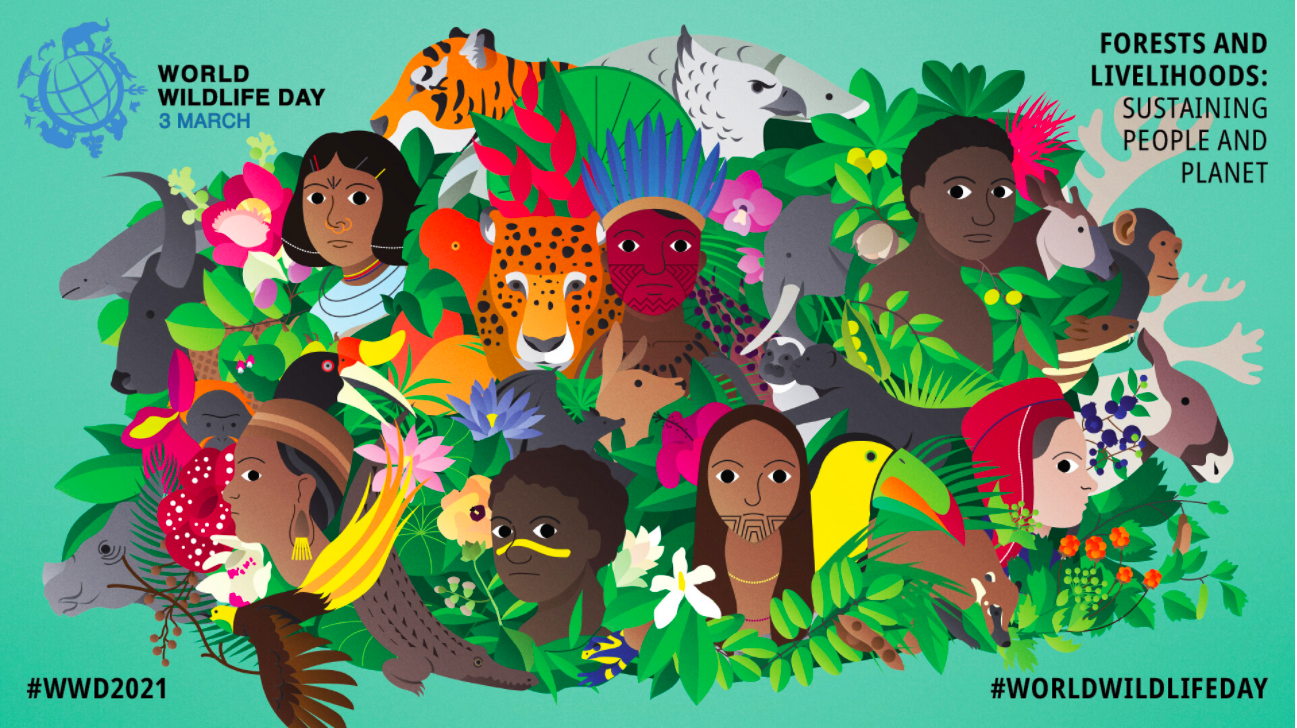
A vast number of plant and animal species are facing endangerment or extinction due to human caused climate change. World Wildlife Day was created in 1973 as an effort to protect the many endangered species of the world. It is an international holiday with a new theme each year to celebrate the biodiversity of our earth while also promoting awareness and advocacy. The theme for this year’s observance is “Forests and Livelihoods: Sustaining People and Planet.” There are many wonderful ways to celebrate this holiday; spend some time in nature, pick up litter around your block, find out about activities going on in your hometown, and read books to educate yourself and others on the livelihood of forests, wildlife and the environment.  To learn more about World Wildlife Day, and the virtual events happening today, visit this webpage: https://www.wildlifeday.org/. If you are searching for books to celebrate, The Leaf Detective is a perfect fit!

Thanks to Boyds Mills for providing a digital copy of The Leaf Detective for review consideration. All opinions on the book are my own.

Reviewed by Dorothy Levine

The Leaf Detective: How Margaret Lowman Uncovered the Secrets in the Rainforest

Written by Heather Lang | Illustrated by Jana Christy


As a child, Meg was quite shy to make friends. She spent lots of time studying and playing with wildlife: “Meg wrapped herself in nature, like a soft blanket.” As she continued to grow, so did her passion for leaves, trees, and nature. Meg attended Sydney University in Australia. In 1979, she became the first person at her graduate school to study the rainforest. Through her studies Meg learned that people had been all the way to outer space to study, but nobody had ever ventured to the tippity top of a canopy tree. Instead, they studied trees from far away through binoculars. Oftentimes scientists would spray trees with chemicals so that the harmed leaves and animals would drop to the forest floor where people could study them up close. Meg sought to change this.
celebrate-picture-books-picture-book-review-the-leaf-detective-harness

Image copyright Jana Christy, 2021, text copyright Heather Lang, 2021. Courtesy of Calkins Creek.

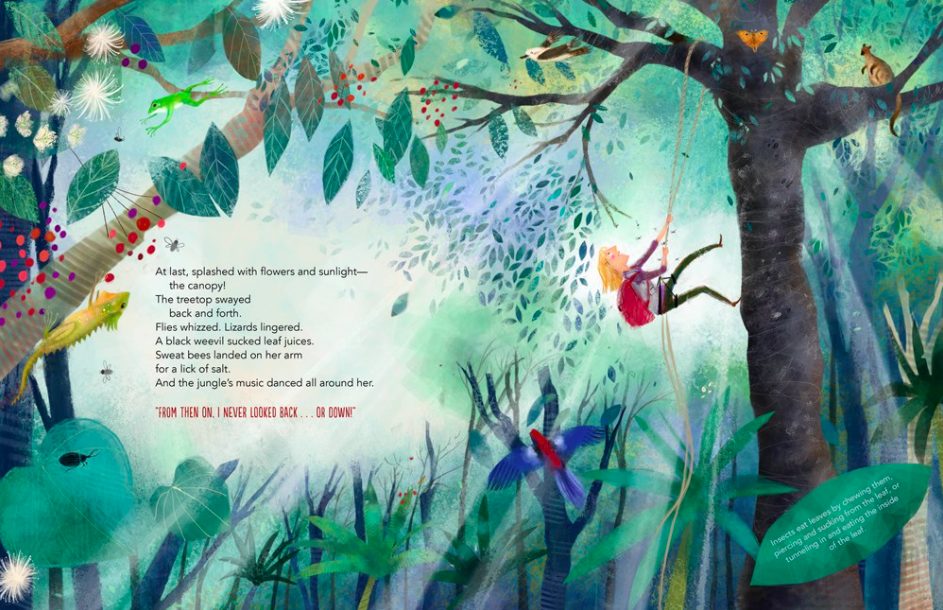
“In the dark, damp forest the trees rose up to distant rustling, squawks and screeches, shadows in the treetops. How could she get up there?” Meg Lowman created her own slingshot and harness and inched up a coachwood tree. When she reached the canopy, she knew she’d found the perfect place to study and explore. Meg is quoted saying, “From then on, I never looked back…or down!”

Meg continued to create new strategies to study the canopy, as a scientist does. And in doing so she made so many discoveries, such as: “We now believe the canopy is home to approximately half the plant and animal species on land.” Many people tried to stop Meg along her journey. They told her she couldn’t take science classes, climb trees, or make inventions because she was a woman. But Meg ignored them. She continued to investigate.

She knew that rainforests were (and are) in danger, and that so many creatures rely on the rainforest ecosystem. People all over the world were cutting down large parts of the rainforests for wood, rubber, paper, and farmland. This worried Meg; she wanted to find a way to protect rainforests before they all disappeared. “She wondered, How can one leaf detective make a difference? How can I save the trees?…Then an idea crawled into Meg’s thoughts—a way to speak for the trees.”

celebrate-picture-books-picture-book-review-the-leaf-detective-bugs

Image copyright Jana Christy, 2021, text copyright Heather Lang, 2021. Courtesy of Calkins Creek.

Meg traveled around the world. She spoke to people across many different countries; taught them how to climb trees, build canopy walkways—she showed people the many gifts rainforests have to offer. Meg educated communities on how they could share their rainforest with outsiders, showcase its beauty to create revenue rather than chopping them down for resources. By using her voice and creative mind, Meg helped implement systems that have saved many trees and creatures across the world.

Meg Lowman continues to study trees, save rainforests, and teach people how to shift their economies to center around ecotourism and sustainable crops rather than resource extraction. She has used her voice to save rainforests across the world, and yet she still says, “If only I could have achieved as much as the tree!… But I have not. I have whittled away at relatively small goals in comparison to the grander accomplishments of a tree.”

Backmatter includes an author’s note detailing Heather Lang’s visit to meet Margaret Lowman in the Amazon rainforest in Perú. The note includes more information on Dr. Lowman’s advocacy work and is followed by an illustrated educational spread on the layers of canopies, and species featured throughout the story are labeled in the final spread, for readers to learn more about specific animals that make their homes in the rainforest.

celebrate-picture-books-picture-book-review-the-leaf-detective-trampoline

Image copyright Jana Christy, 2021, text copyright Heather Lang, 2021. Courtesy of Calkins Creek.

Heather Lang’s lyrical writing matches the carefulness with which Meg studies leaves, trees, and the rainforest canopy. Her compelling storytelling is rich with facts and sensory imagery that immerse readers in the environment and Meg’s determination to understand and, later, save it. Scattered images of leaves drop fun facts and definitions for readers about the rainforest, canopies, transpiration, herbivores, and more. Quotes from Dr. Lowman are thoughtfully placed throughout the story in a manner that neatly flows. The Leaf Detective urges readers to understand that “a tree is not just a tree” but rather “a shelter for animals and people, / a recycler and provider of water, / a creator of food and oxygen, / an inventor of medicine/ a soldier against climate change.”

Jana Christy’s digital drawings contain stunning detail and show an accurate scale of one small person in comparison to the vastness of the rainforest. Her mesmerizing wildlife creatures and immersive watercolor blues and greens transport readers right into the rainforest with “Canopy Meg.” The lush greens of the rainforests contrast strikingly with the spread on deforestation, in which fallen trees lay scattered on the bare, brown ground. Readers will also be interested to see the innovations that have made the trees more accessible to people. One can read the book over and over and notice new details every time. It is a book to treasure, to study, to read and re-read again. 

Come unearth the secrets of the rainforest with Margaret Lowman in this book that’s budding with knowledge, empathy, and magic, and is a tale of how one person can make a difference. The intriguing facts, poignant quotes from Dr. Lowman herself, and beautiful poetic writing will leave readers of this book inspired with wonder and with a hunger for advocacy. The Leaf Detective: How Margaret Lowman Uncovered the Secrets of the Rainforest is an urgent must-read for all ages.

A portion of Heather Lang’s royalties for this book go to TREE Foundation—an organization that funds field trips for children to get into nature, canopy projects, and science book distribution for children with limited access to STEAM, girls especially. 

Ages 6 – 10

Calkins Creek, 2021 | ISBN 978-1684371778

Discover more about Heather Lang and her books on her website.

To learn more about Jana Christy, her books, and her art, visit her website.

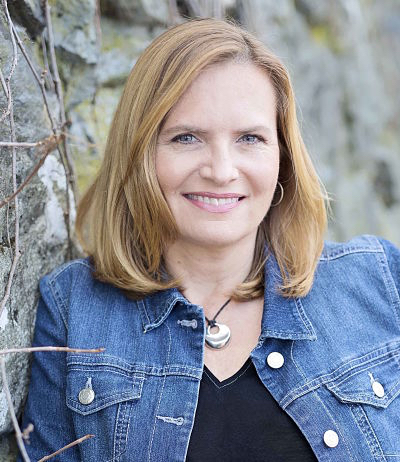
Meet Heather Lang
celebrate-picture-books-picture-book-review-Heather-Lang-headshot

Heather Lang loves to write about real women who overcame extraordinary obstacles and never gave up on their dreams. Her research has taken her to the skies, the treetops of the Amazon, and the depths of the ocean. Her award-winning picture book biographies include, QUEEN OF THE TRACK: Alice Coachman, Olympic High-Jump Champion, THE ORIGINAL COWGIRL: The Wild Adventures of Lucille Mulhall, FEARLESS FLYER: Ruth Law and Her Flying Machine, SWIMMING WITH SHARKS: The Daring Discoveries of Eugenie Clark, and ANYBODY’S GAME: Kathryn Johnston, The First Girl to Play Little League Baseball. When she is not writing, she enjoys going on adventures with her husband and four children. Visit Heather at www.heatherlangbooks.com.

Today I am thrilled to be interviewing author Heather Lang about her new biographical picture book The Leaf Detective: How Margaret Lowman Uncovered the Secrets of the Rainforest. Heather provides some thoughtful notes for shy readers, riveting stories from the rainforest and insight into the importance of exploring and caring for nature.

Can you tell us a little bit about what made you decide to write The Leaf Detective?  

We’ve caused enormous harm to our planet over the last few centuries, and I’m especially concerned about our rainforests. I knew I wanted to write a biography that was also a science book about the rainforest. When I read about Meg’s pioneering work and deep passion for trees, I was hooked! I couldn’t wait to find out how this quiet, nature-loving child, who didn’t know women could be scientists, became a world-class scientist and conservationist.

In the story you talk about how Meg was shy to make playmates with other kids. Were you also a shy kid growing up? Do you have any advice for readers who may relate to this aspect of Meg’s childhood? 

Like Meg, I was very shy as a child and remember wishing I were more outgoing. But as I grew older, I began to recognize the many advantages to being shy! My shy nature led me to sit back and observe. And that led to deeper thinking and understanding, a strong imagination, and creativity. Shy people often think more before they speak. They make their words count, which coincidentally is an important part of writing picture books. This also makes shy people good listeners and thoughtful friends. 

I’m still shy in many ways, and my recommendation to readers who might identify with this is to embrace your shyness! At the same time, don’t let it stop you from doing things you want to do. Meg Lowman told me she used to get so nervous before presenting in graduate school that she’d get physically sick. But with practice, practice, practice, she’s become a captivating presenter and educator. If you watch a few of her FUN FACTS FROM THE FIELD videos on my website, you’ll see what I mean! 

How would you describe your connection to nature? Would you consider yourself a “detective” in any ways? 

I’m constantly in awe of nature and its countless gifts and surprises. Nothing sparks my curiosity more than our natural world, and my curiosity is probably my most important tool as a writer. Being open-minded and asking questions not only generates ideas, but also leads me to think more deeply about a topic and examine it closely from lots of different angles. And of course that generates more detective work and more learning about my topic and myself. Being a detective is one of my favorite parts of writing books.

Do you have a favorite rainforest tree or creature? If so, tell me about it a bit!

When I arrived in the Amazon rainforest, I couldn’t wait to see a sloth! But during my time there I became fascinated with ants. They are everywhere in the rainforest, even in the canopy. I think it’s amazing how such tiny creatures can be so hardworking and organized. Their teamwork is unbelievable. And they are invaluable to the health of our rainforests. Among other things, they’re in charge of waste management on the rainforest floor, and they disperse seeds and aerate the soil!

What was the most rewarding part of writing The Leaf Detective?

This writing project was filled with rewards every step of the way! I learned so much about our rainforests and trees and gained a true understanding of how interconnected we all are—plants, animals, and humans. Getting to really know Meg Lowman and learning from her firsthand was thrilling and strengthened my writing in many important ways. It was also really rewarding to stretch myself as a writer and find a way to effectively write a book that seemed ambitious at first—a biography and conservation book that wove in quotes and science facts. 

Are there any stories from your trip to meet Meg that you did not get the chance to include in your author’s note that you’d like to share?

While I was on my Amazon adventure with Meg, I had many exciting moments. I loved learning from the Indigenous people how to use a blow gun, make clay, and braid palm leaves to make thatched roofs. The local shaman taught me how he uses different plants in the rainforest to treat and prevent injuries and illnesses—from bronchitis to poisonous snake bites. He also helped me confront my fear of snakes by bringing one over for me to touch. I even let it gently coil around my neck! But my favorite moments were exploring with Meg, especially at night and early in the morning when there’s so much activity in the rainforest.

What are you working on next?

I’m having a blast working on a new informational picture book series about extraordinary animals for Candlewick Press with my co-author/illustrator and close friend Jamie Harper. The first book, Supermoms!, features cool nonfiction facts about 18 amazing animal moms in a graphic format with humorous callouts. 

I’m also working on a collective biography for readers in grades 3 – 7. More to come on that soon!

Thanks so much for chatting with me Heather! I had a lovely time hearing about your inspiration, stories, writing process and tips for shy readers. Looking forward to learning and reading more from you in the months and years to come.

World Wildlife Day Activity
Screen Shot 2021-03-02 at 9.24.20 PM

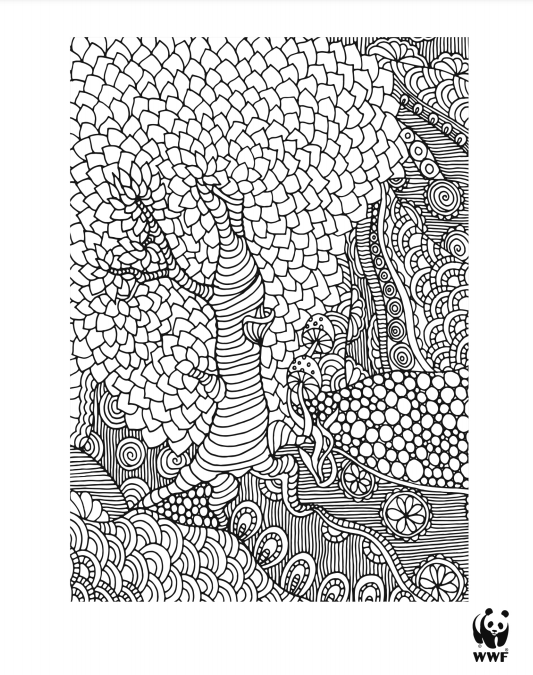
You can create your own rainforest with this coloring page. Use the blank space around the picture to label the layers as shown on the last page of The Leaf Detective!

Rainforest Coloring Page
celebrate-picture-books-picture-book-review-world-wildlife-day-poster-2021

Three different beautiful World Wildlife Day 2021 posters in six languages are available for download here.

You can find The Leaf Detective at these booksellers

Amazon | Barnes & Noble | Books-a-Million

To support your local independent bookstore, order from

Bookshop | IndieBound

Picture Book Review

February 25 – It’s National Bird Feeding Month

celebrate-picture-books-picture-book-review-how-to-find-a-bird-cover

About the Holiday

Spring comes early for our feathered friends. You may have noticed more bird activity in the past few weeks as birds get ready to build nests and mate. February can be a tough month for these little creatures, though. In some places snow still covers the ground, and the spring blooms that offer nutrition haven’t sprouted yet. To remedy this situation, in 1994 John Porter read a resolution into the United States’ Congressional record recognizing February as National Bird-Feeding Month. One-third of the American population have backyard feeders that provide the sustenance birds need to survive. To celebrate, if you have feeders make sure they are well stocked. If you don’t have a feeder in your yard, consider hanging one. Enjoying the beauty and songs of birds is a day brightener!

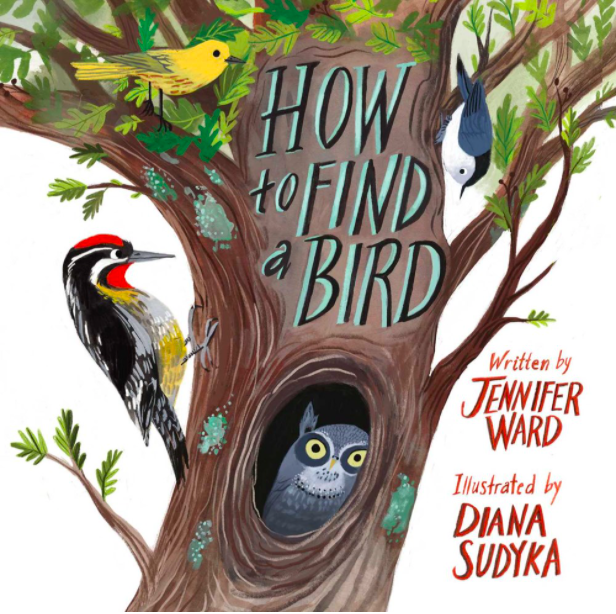
How to Find a Bird

Written by Jennifer Ward | Illustrated by Diana Sudyka


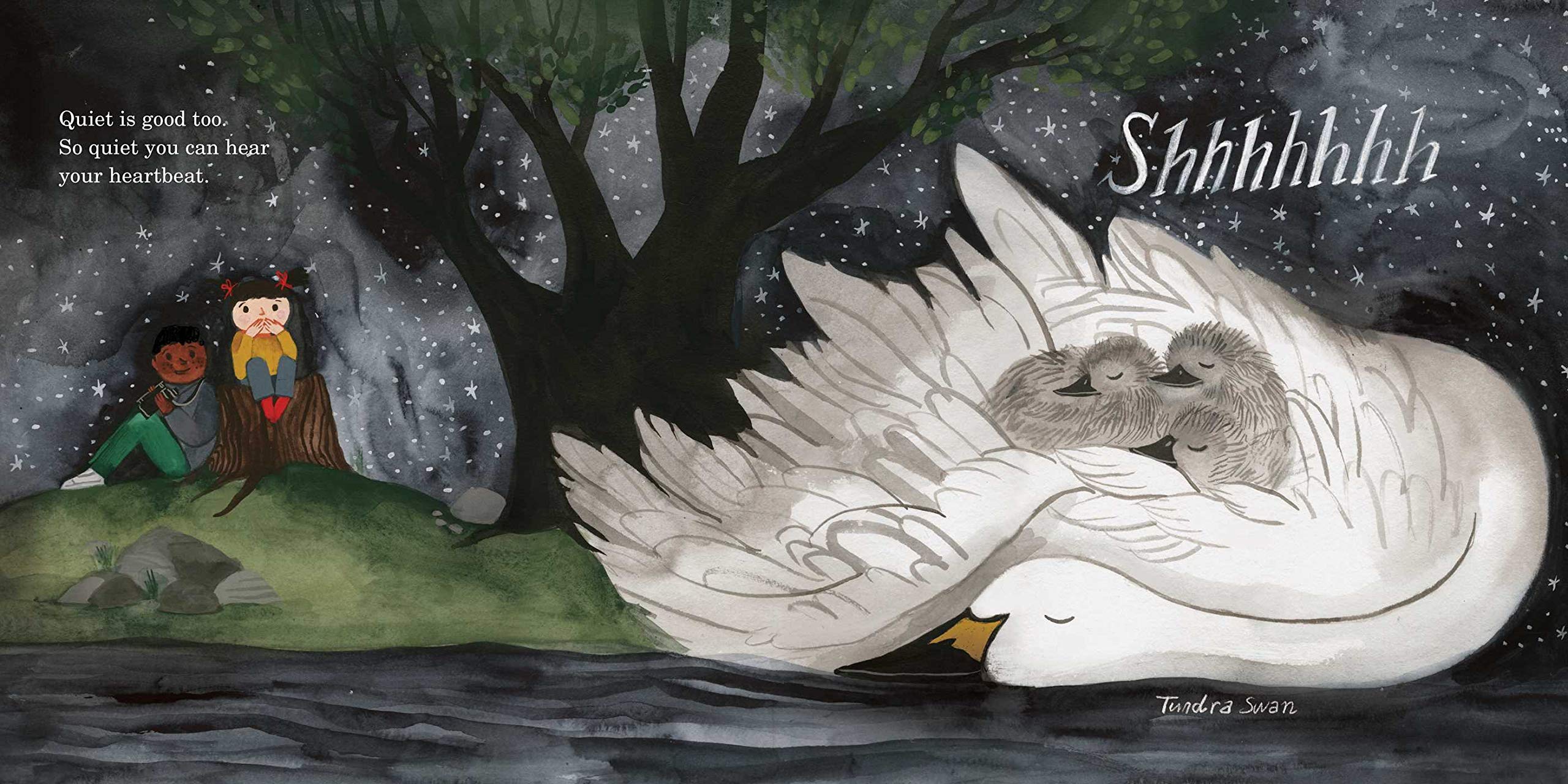
If you have or know of a child who is fascinated by birds, then How to Find a Bird will pique their interest and entice them to get outside to look for birds—those obvious as they fly by and those who take a bit of detective work to spot. As Jennifer Ward assures young birders: “There are a lot of ways to find a bird. That’s the wonderful thing about birds.” She then reveals helpful tips for spying on birds without scaring them away. Being “quiet is good.” How quiet? “So quiet you can hear your heartbeat.”

celebrate-picture-books-picture-book-review-how-to-find-a-bird-swan

Image copyright Diana Sudyka, 2020, text copyright Jennifer Ward, 2020. Courtesy of Beach Lane Books.

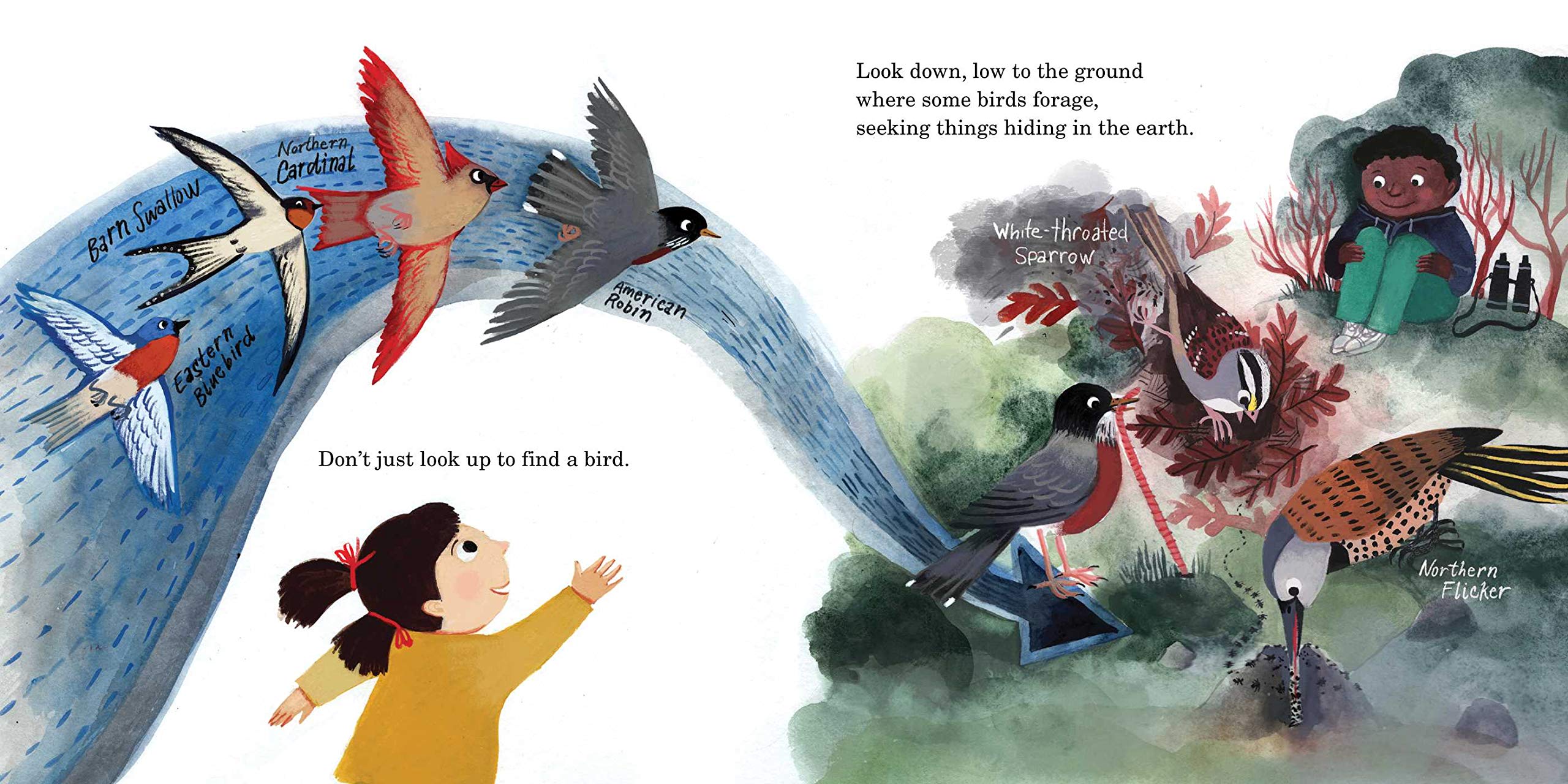
But where can birds be found? Sure, we all know birds fly, but Ward reminds readers to “look down, low to the ground, where some birds forage” for food on land and in the water. And Ward reveals other reasons besides grabbing a meal that birds may be found at feet level instead of overhead. Between down below and up in the sky, there’s eye level. But to find a bird here, “you will have to have a sharp eye” as it may be cleverly camouflaged. “Of course, you can always look up to find a bird too!” But even here you may find surprises.

celebrate-picture-books-picture-book-review-how-to-find-a-bird-ground-birds

Image copyright Diana Sudyka, 2020, text copyright Jennifer Ward, 2020. Courtesy of Beach Lane Books.

If you make your home and yard welcoming, Ward says, you won’t have to search for them, the birds will come to you. They may talk to you or warn other birds about you. “And if you feed them, they will come. Then all you need is a window to find a bird.” But there is one sure way to find a bird that doesn’t involve looking at all. So closer your eyes… and listen: “‘Honk! Honk!’ ‘Cheerily cheerily cheerily.’ ‘Who cooks for you who cooks for you?’ That’s the wonderful thing about birds.”

Backmatter includes a discussion about birdwatching, a list of tools and tips, where to find distinguishing marks on birds, how to create a life list, and resources for becoming a citizen scientist.

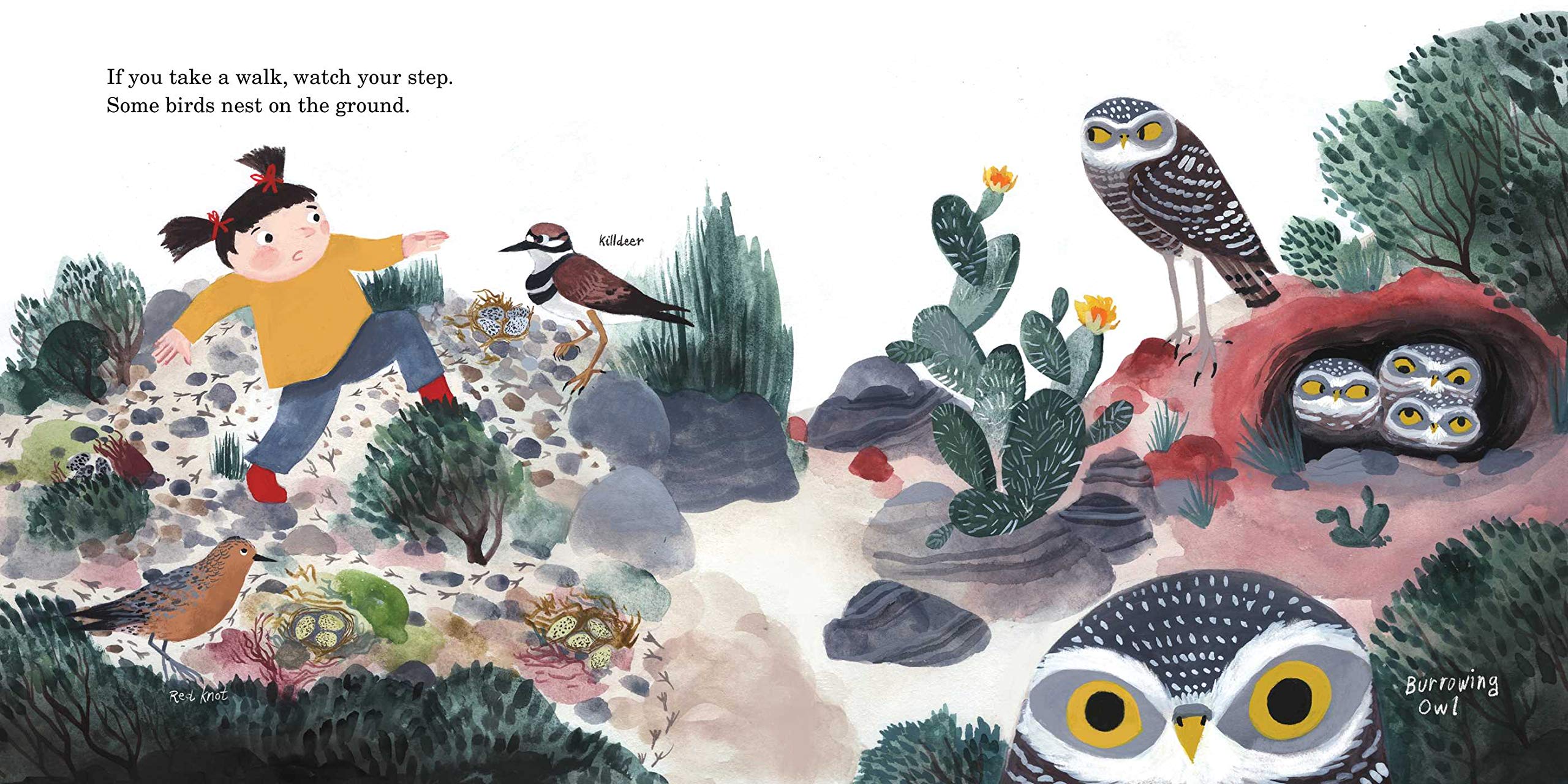
celebrate-picture-books-picture-book-review-how-to-find-a-bird-desert

Image copyright Diana Sudyka, 2020, text copyright Jennifer Ward, 2020. Courtesy of Beach Lane Books.

Jennifer Ward’s joyful, lyrical storytelling invites kids to engage in the rewarding activity of birdwatching. Whether readers would like to make it a hobby or just become more observant to their surroundings, How to Find a Bird shows kids easy ways to enjoy watching birds and discovering their behaviors without disturbing them or their habitats. By reminding children to take a broad approach to finding birds, Ward reveals the wide variety of birds that populate our planet, their behaviors, and their defenses. Ward’s direct address makes readers feel they’re already part of this exciting activity that can become a lifelong love.

Diana Sudyka’s charming, realistic illustrations of more than fifty species of birds take kids to marshlands and rocky deserts, lakeshores and beaches, a bright blue sky and a flower-filled backyard. Along the way kids get a look at families of California quails and tundra swans; a northern flicker gobbling ants; an anhinga tossing a minnow; burrowing owls underground; and a long-eared owl, an eastern whip-poor-will, and a brown creeper hiding in plain sight among many others. Readers will also see some birds who have become extinct and several matched with their song. Sudyka’s vibrant images show birds in motion and at rest. A careful study of the pages will reward kids with enchanting details and a couple of surprising hidden birds.

For nature buffs, bird lovers, and school or homeschooling environmental lessons, How to Find a Bird is an enchanting introduction to birds and birdwatching and would be a terrific take-along on outdoor outings. The book would be a quick favorite on home bookshelves and an excellent reference for classroom and public library collections.

Ages 4 – 8

Beach Land Books, 2020 | ISBN 978-1481467056

Discover more about Jennifer Ward and her books on her website.

To learn more about Diana Sudyka, her books, and her art, visit her website.

National Bird Feeding Month Activity

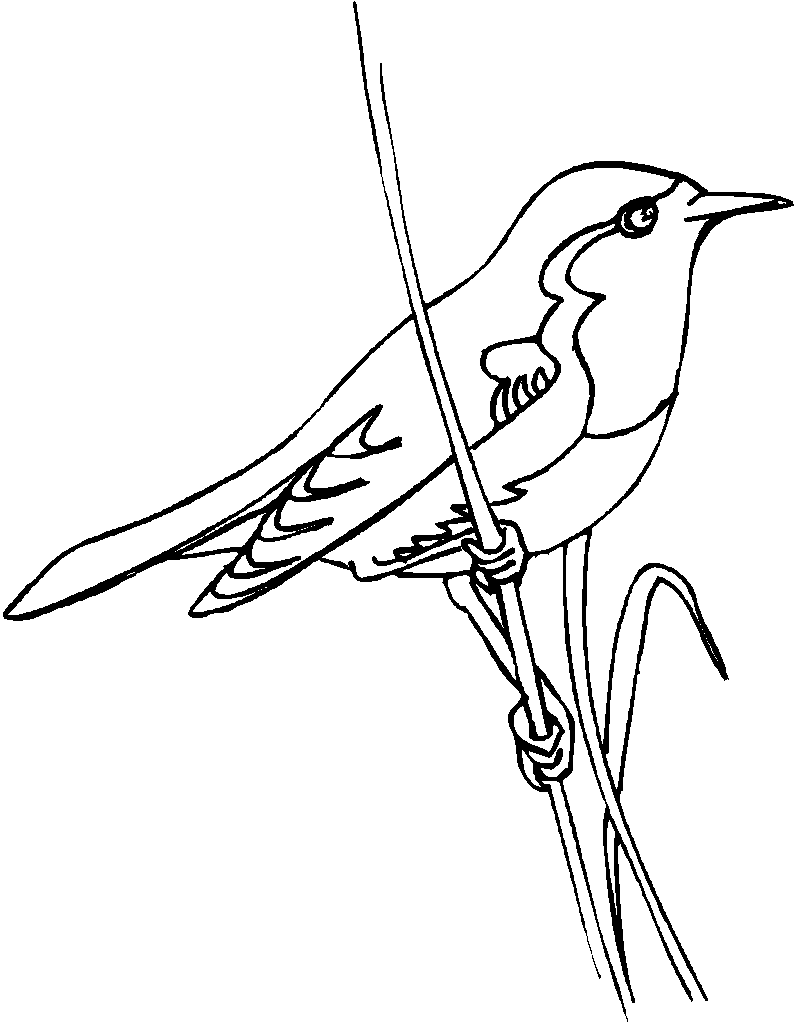
celebrate-picture-books-picture-book-review-bird-on-reed-coloring-page

Bird Coloring Pages


The birds you usually see in your area may not be back from their winter vacation yet, but you can still enjoy some beautiful birds with these coloring pages.

Owl in the Forest | Bird on a Reed | Bird on a Branch

celebrate-picture-books-picture-book-review-how-to-find-a-bird-cover

You can find How to Find a Bird at these booksellers

Amazon | Barnes & Noble | Books-a-Million

To support your local independent bookstore, order from

Bookshop | IndieBound

Picture Book Review
December 16 – It’s Time for the Christmas Bird Count

celebrate-picture-books-picture-book-review-the-atlas-of-amazing-birds-cover

About the Holiday

Concerned with declining bird populations, ornithologist Frank M. Chapman suggested a new holiday tradition—a Christmas Bird Census that would count birds instead of hunting them. The first census took place on December 25, 1900. On that day, twenty-seven birders, centered mostly in northeastern North America, counted 90 species of birds. The tradition has grown tremendously from those humble beginnings. Today, tens of thousands of volunteers throughout the Americas brave all types of weather to conduct the count, which helps conservationists and scientific organizations create strategies for protecting the health and habitats of bird populations. The Christmas Bird Count is now held from December 14 through January 5. To learn more or to get involved yourself, visit the Audubon website.

The Atlas of Amazing Birds

By Matt Sewell

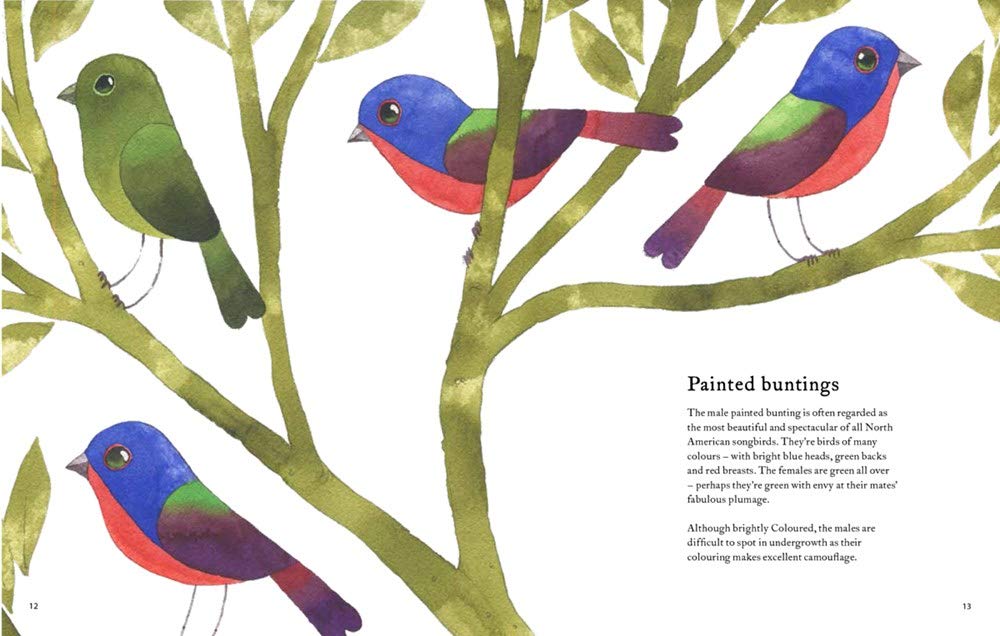
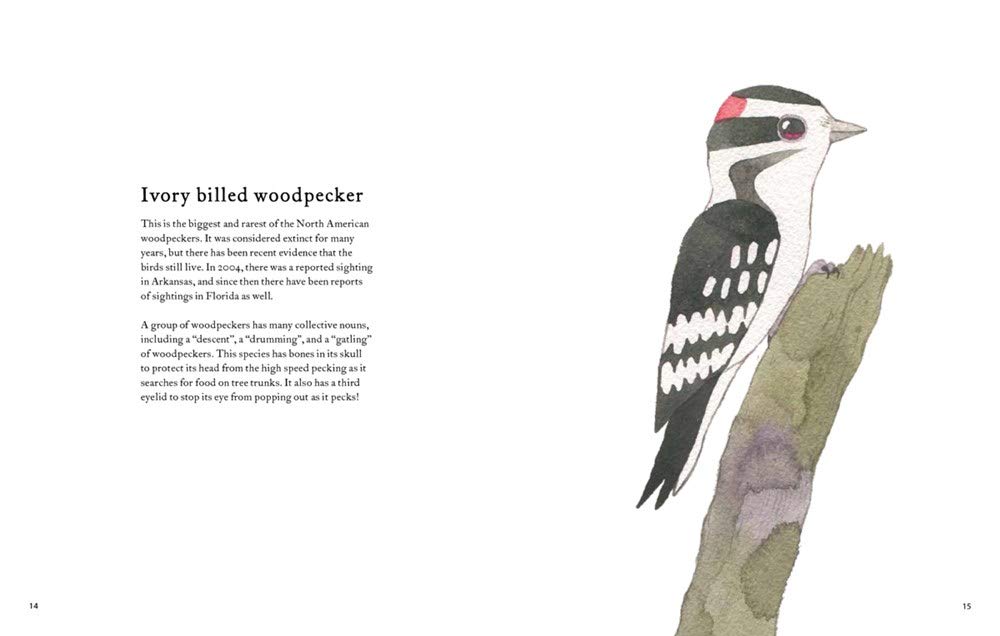
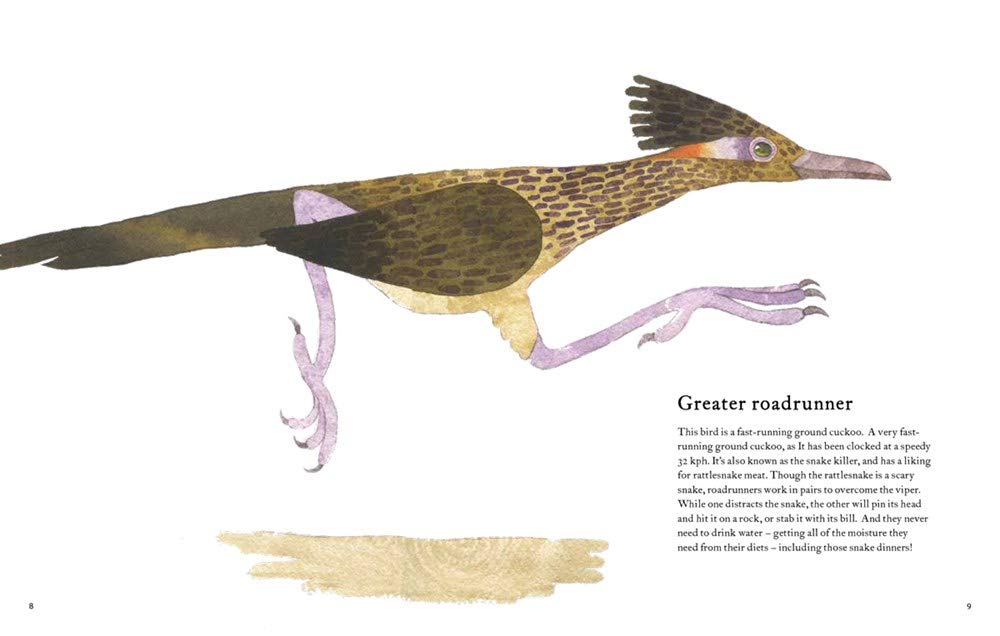
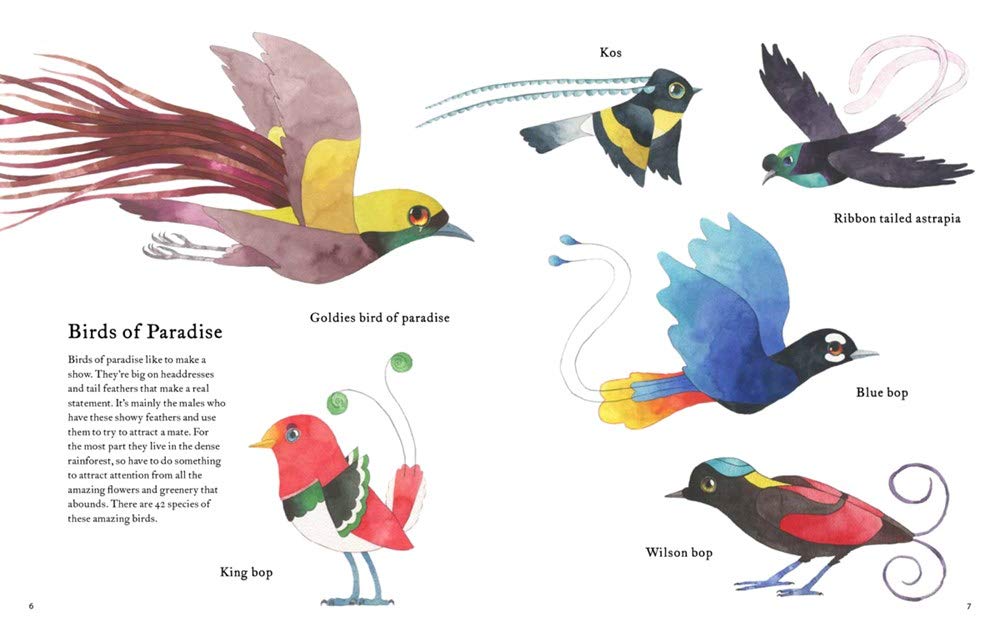
If you have a budding ornithologist in the family, they will be awed by Matt Sewell’s gorgeous compendium of more than 150 birds from around the world. Organized by continent—Europe, North and Central America, South America, Antarctica, Oceana, Asia, and Africa—each chapter begins with a green watercolor map of the area delineated into the countries within its borders and includes a short introduction to the size, climate, surrounding oceans, and number of birds found there.

celebrate-picture-books-picture-book-review-the-atlas-of-amazing-birds-painted-buntings

Copyright Matt Sewell, 2019, courtesy of Princeton Architectural Press.

The first stop on this ornithological tour is Europe, where readers discover first the European roller, a lovely species with a cyan body and rust-and-blue-mottled wings that summers in Southern Europe and the Middle East and winters in Africa. This bird’s beauty belies the less-than-attractive way they have for protecting themselves as chicks in which “they can vomit a foul-smelling liquid over themselves to keep predators at bay.”

The European golden-plover chick—a little fluff of green and white that blends in with its mossy surroundings—takes a different tack: By looking like “a small clump of cotton balls flecked with gold leaf, it is possibly one of the cutest chicks out there.” With its speedy wingbeats, the European golden-plover also claims another mark of distinction as the “genesis for the idea for the book of Guinness World Records.”

celebrate-picture-books-picture-book-review-the-atlas-of-amazing-birds-woodpecker

Copyright Matt Sewell, 2019, courtesy of Princeton Architectural Press.

North America and Central America are home to more than 900 species of birds. Many are as colorful as a child’s painting, including the Montezuma oropendola, painted bunting, indigo bunting, and the resplendent quetzal, which boasts an iridescent blue tail that can reach over 2 feet long. Unique among birds is the common poorwill, a North American nightjar, which besides being nocturnal, “is possibly the only bird that hibernates.” Mottled gray and brown, the common poorwill perfectly blends into rocky crevices. “It has a low odor so it cannot be detected by predators, and it can descend into a sleepy torpor for months.”

celebrate-picture-books-picture-book-review-the-atlas-of-amazing-birds-riflebird

Copyright Matt Sewell, 2019, courtesy of Princeton Architectural Press.

South America, with its vast expanse of land and variety of climates hosts “more than 3,400 known species of birds, more than any other continent.” With that many different types of birds, South America offers ornithologists a full range of species to study from familiar faces, such as the hyacinth macaw and the keel-billed toucan, to truly wondrous creatures, such as these: the sunbittern, which upon opening its wings presents a frightening “mask” of markings to scare away predators; the white bellbird, which has a single wattle above its beak that can be inflated to appear much like a unicorn’s horn; and the oilbird, which you cannot be faulted for mistaking for a bat as it “breeds and roosts in the totally dark interiors of caves,” uses echolocation to navigate here, and flies at night. Among the other weird and distinctive birds of this region is the hoatzin, “known as the reptile bird” because it “dates back 64 million years, which is roughly when all the big land-based dinosaurs disappeared.”

celebrate-picture-books-picture-book-review-the-atlas-of-amazing-birds-roadrunner

Copyright Matt Sewell, 2019, courtesy of Princeton Architectural Press.

Oceania, comprising Australia, Papua New Guinea, the Solomon Islands, Vanuatu, Fiji, and New Zealand, provides shelter to “some of the most brilliant and flamboyant birds in the world….” These include a variety of birds-of-paradise, each of which sport colorful and intricate features that would look just as at home on ornaments and party favors. One of the most unusual birds may be the multi-talented superb lyrebird. Not only does the male possess fabulous peacock-like tail feathers that seem part quill-pen, part feather duster, it is a master mimic. “It can imitate just about any other bird it hears, as well as other sounds, such as chainsaws, telephones, barking dingoes, roaring cars, and crying babies—often repeated one after the next.”

celebrate-picture-books-picture-book-review-the-atlas-of-amazing-birds-birds-of-paradise

Copyright Matt Sewell, 2019, courtesy of Princeton Architectural Press.

Combined, Antarctica, Asia, and Africa also give homes to more than 6,000 species of some of the most adorable, beloved, brilliant, and extraordinary birds in the world. Readers will meet penguins and birds with vibrant blocks of color as sculpted as any stained-glass window—such as the Malabar trogon of India and Sri Lanka, the Himalayan monal, and Ruspoli’s turaco of southern Ethiopia.

They’ll also get to know towering birds, such as the secretarybird and the ostrich, and formidable-looking creatures, such as the marabou stork and the shoebill. To tie up this description that barely scratches the surface of all that bird-lovers will learn, I present the common tailorbird of tropical Asia—a clever and industrious little warbler that sews leaves together to create a cup of a nest that it lines with cobwebs to further confound predators.

celebrate-picture-books-picture-book-review-the-atlas-of-amazing-birds-condor

Copyright Matt Sewell, 2019, courtesy of Princeton Architectural Press.

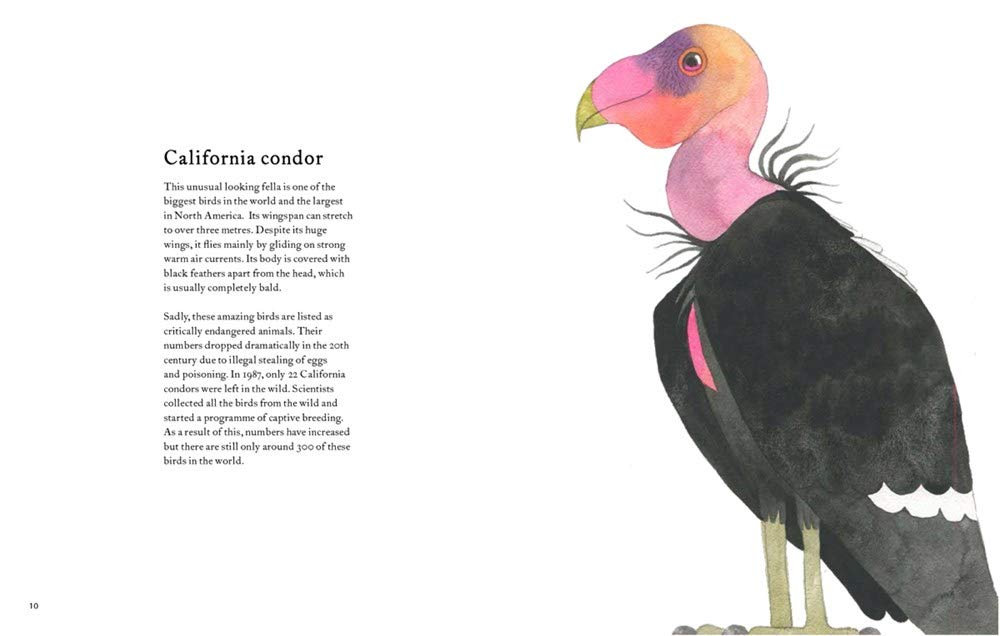
Matt Sewell knows just how to entice young readers with engaging, humorous, and insightful text that provides a robust and individual introduction to each bird as well as their status in the world. Every entry is accompanied by brilliant watercolors that highlight each species’ spectacular, surprising, and sometimes even seemingly Dr. Seussian plumage. Dipping in and out of the pages will inspire children and adults to learn more about birds, geography, and how they can become stewards for our feathered friends.

The Atlas of Amazing Birds is highly recommended for bird and nature lovers and would make an excellent addition to home, school, and public library collections.

Ages 5 – 10

Princeton Architectural Press, 2019 | ISBN 978-1616898571

To learn more about Matt Sewell, his books, and his art, visit his website.

Christmas Bird Count Activity

celebrate-picture-books-picture-book-review-beautiful-birds-word-search

Beautiful Birds Word Search Puzzle

It’s fun to watch for different kinds of birds when you take a walk or in your own backyard. Can you find the names of twenty types of birds in this printable Beautiful Birds Word Search Puzzle? Here’s the Solution!

celebrate-picture-books-picture-book-review-the-atlas-of-amazing-birds-cover

You can find The Atlas of Amazing Birds at these booksellers

Amazon | Barnes & Noble | Books-a-Million

To support your local independent bookstore, order from

Bookshop | Indiebound

Picture Book Review

December 14 – It’s Read a New Book Month

celebrate-picture-books-picture-book-review-eye-by-eye-comparing-how-animals-see-cover

About the Holiday

For kids who love nonfiction, this year has brought a bumper crop of creative, fascinating, and informative books on all topics from biographies to history to science and beyond. Innovative, interactive, and humorous, these books for all ages – even babies – open up the world for children in ways that resonate and make learning exciting and fun. Today’s book will have kids looking at the animals around them in a whole new way.

Eye by Eye: Comparing How Animals See

Written by Sara Levine | Illustrated by T.S Spookytooth


“Have you ever wondered what it would be like to see the world through someone else’s eyes?” Let’s make that musing even more intriguing—How would the world look if you gazed out at it through the eyes of an animal, insect, or bird (you know… a bird’s eye view)? Say, for instance, you had eight eyes dotting your face. “What kind of animal would you be, then?” Hmmm… With “four big eyes on the front of its face…” and “four smaller eyes on the top of its head,” the jumping spider can see what’s above and in front of it.

What if your eyes weren’t on your face at all, but on your arms instead? who would that be? Or how would you like it if your eyes were on “long stalks sticking out of the top of your head?” That might come in handy in a crowded movie theater or museum, but the animal with these eyes doesn’t really frequent those kinds of places. It’s more of an outdoorsman. Can you guess? While you’re contemplating that, you’re also going to want to learn about the animals whose eyes move to other parts of their face and the animals whose eyes are fixed in place.

Now, look deeeep into your eyes. What do you see? A pupil! What shape is it? Would it surprise you to learn that there are animals whose pupils are oval or even rectangular? Cat lovers know that their fav animals have oval pupils, but so do other “predators that hide and then ambush their prey.” Their unique eyes help them “judge distance and plan its attack without making any movements that might scare away its meal.” Animals with rectangular eyes use their peepers to stay safe. Which animals do you think those would be?

celebrate-picture-books-picture-book-review-eye-by-eye-comparing-how-animals-see-eight-eyes

Image copyright T.S Spookytooth, 2020, text copyright Sara Levine, 2020. Courtesy of Millbrook Press.

Some animals, including some humans, can’t see the colors red and green. You know this as color-blindness, but have you ever wondered exactly how color-blind people or animals view the world? Side-by-side pages show you! And that bird’s-eye-view? Because of the way birds’ eyes are constructed, their world is even more colorful than ours! How much more? “We have no idea… since our eyes can’t give us this information. But it’s pretty cool to know that there are things that exist out there that humans can’t see at all.”

One last question: What kind of animal could read the words in this book? If you know the answer, “you are a human who is using your eyes to read.” While other animals can’t read words, they can read the signs other animals and even plants provide. What are some of these? The answers plus even more fascinating information can be yours in the blink of an eye.

Back matter includes hands-on activities kids can do to “see” the way two animals do, a close-up examination of a human’s pupil, and a glossary as well as a list of books and websites for further research.

Sara Levine’s eye-opening guide to how a wide variety of creatures in the animal kingdom see will enthrall kids. In the fourth book of her Animal by Animal series, Levine continues her kid-enticing combination of humor and science to teach children about the specialized eyes that help animals navigate their particular environments. Her conversational storytelling, sprinkled with questions, will have kids engaged in the kind of predicting that reinforces learning. Levine’s detailed answers to the questions, including benefits of particular eye shapes or placement, physiological characteristics and adaptations, and the names of additional animals that share the same types of eyes, are enlightening will inspire young scientists to discover more about their world. 

A highlight of the Animal by Animal series is the artwork by T.S Spookytooth, who excels at translating Levine’s vision into illustrations that get kids giggling and learning. The first page starts off in familiar territory: a glasses-wearing girl stares eye-to-eye with the little wiener dog she’s holding in her hands. But turn the page and this same girl now sports eight eyes and two cleverly constructed pairs of glasses while other kids—and clues for discussions to come—stand by. On the next pages, eyeballs jut from the ends of six arms, peer out from long, wiggly stalks, and migrate across a girl’s face. These images will have kids laughing and riveted to the pages, while Spookytooth’s realistic depictions of the animals these eyes belong to will long remain in their memory. Insets of enlarged eyes allow kids to see the particular formation of eyes and pupils up close. The side-by-side page spread showing full-color human vision and the vision of someone who is color-blind is enlightening. Kids will enjoy following the pet crocodile from page to page and discussing all the reasons for its distinctive eyes. The diverse group of kids are charming companions on this educational journey.

An exciting and fascinating way to spur children to explore and learn about animals, nature, and themselves, Eye by Eye: Comparing How Animals See is a top pick for home, school and public library collections.

Ages 5 – 10

Millbrook Press, 2020 | ISBN 978-1541538382

Discover more about Sara Levine and her books on her website.

To learn more about T.S Spookytooth, his books, and his art, visit his website.

celebrate-picture-books-picture-book-review-eye-by-eye-comparing-how-animals-see-cover

You can find Eye by Eye: Comparing How Animals See at these booksellers

Amazon | Barnes & Noble | Books-a-Million

To support your local independent bookstore, order from

Bookshop | IndieBound

Picture Book Review

December 4 – Wildlife Conservation Day

celebrate-picture-books-picture-book-review-over-and-under-the-rainforest-cover

About the Holiday

Established in 2012 by former Secretary of State Hillary Clinton, Wildlife Conservation Day aims to raise awareness of the importance of preserving and protecting the natural world and its inhabitants. The day also brings attention to the disastrous effects of wildlife crime – including illegal poaching and smuggling of animals or animal parts, such as tusks or horns – on animal populations. People are also asked to support the Endangered Species Act, which was signed into law in 1973 by President Richard Nixon. In 2019 the Act was substantially weakened when President Trump reduced regulations, putting many more animals at risk. Today, Wildlife Conservation Day is celebrated around the world by organizations and individuals dedicated to protecting and preserving our natural inheritance – unique places and creatures like those explored in today’s book.

Over and Under the Rainforest

Written by Kate Messner | Illustrated by Christopher Silas Neal


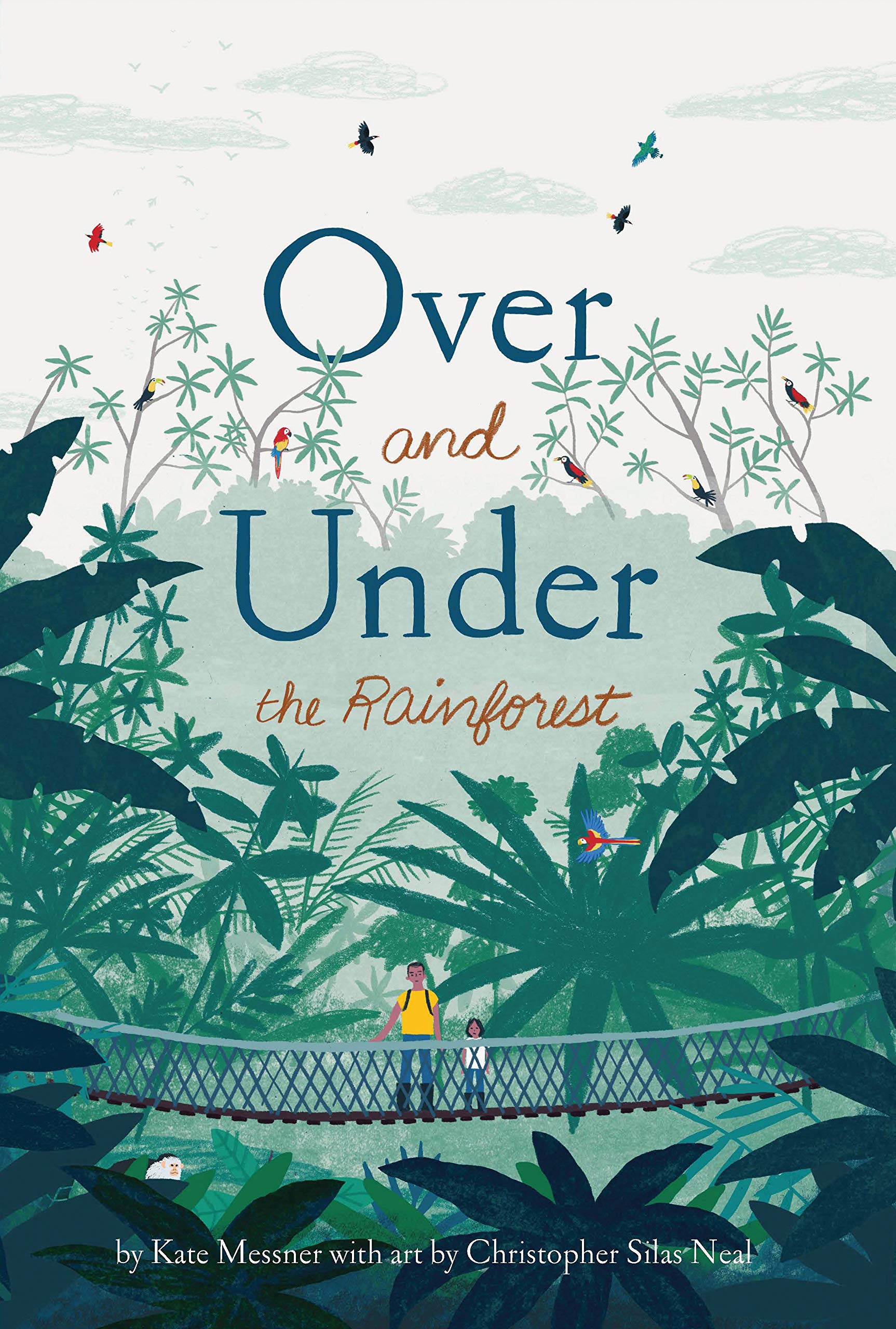
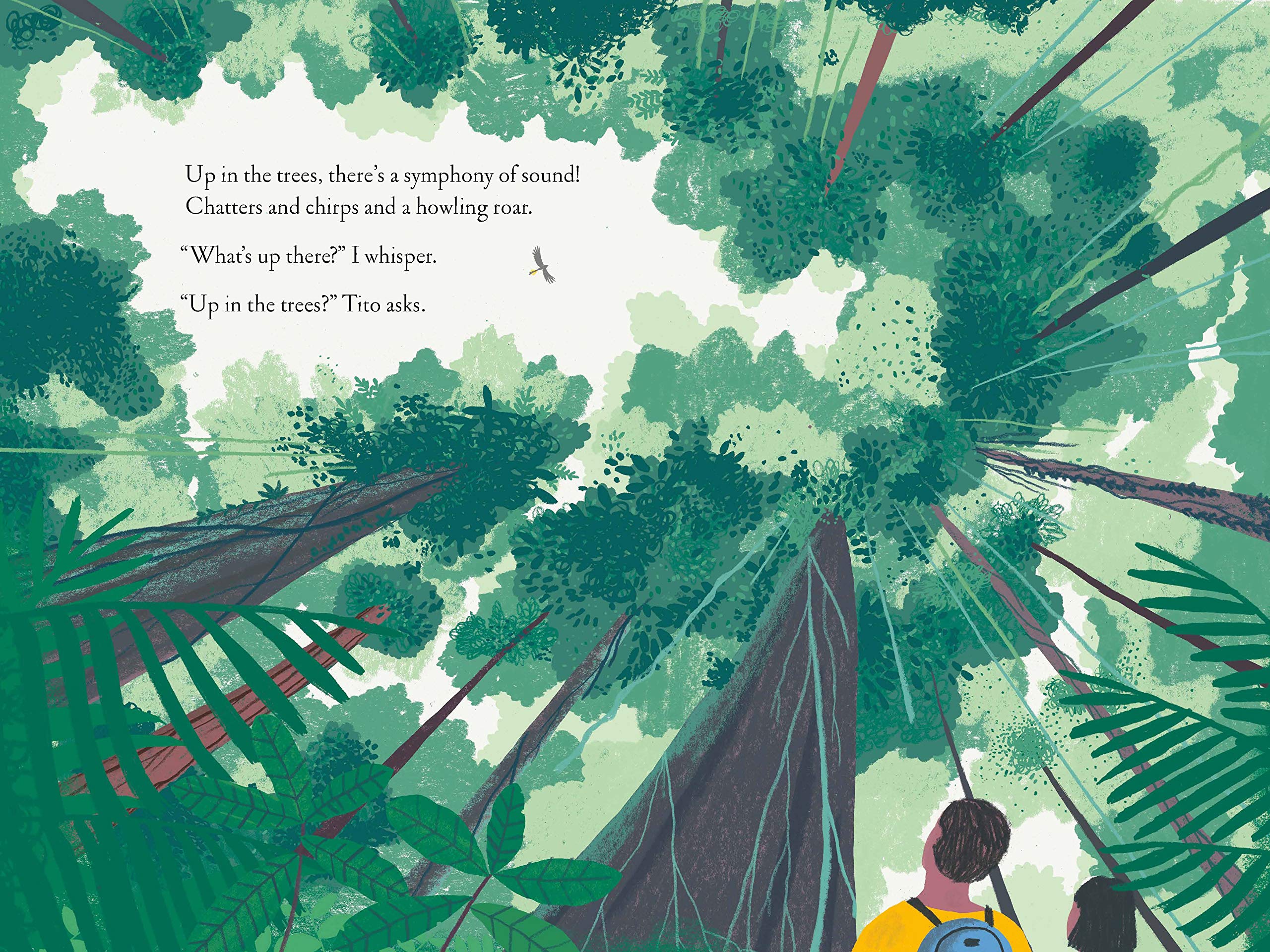
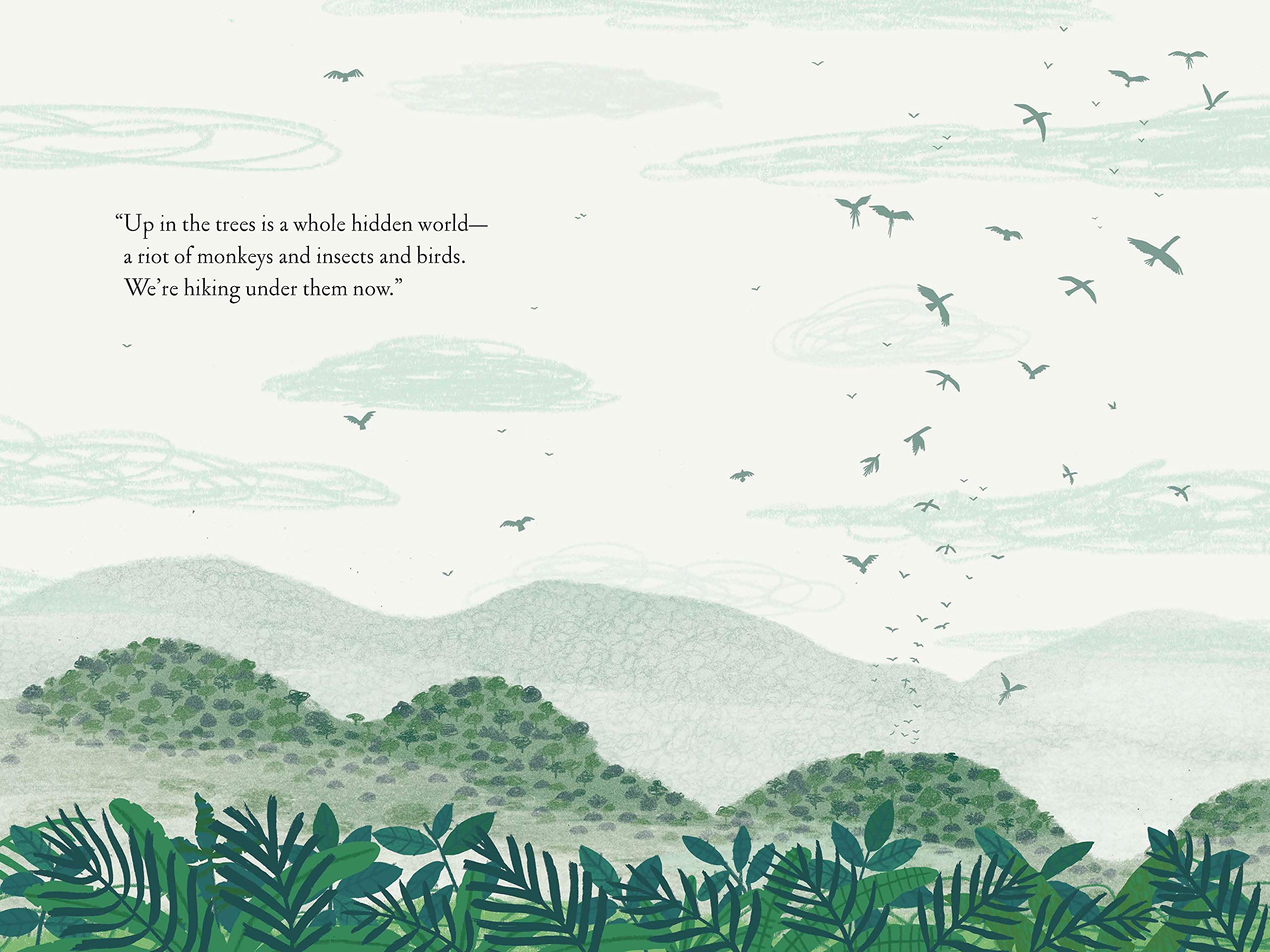
A child narrator enters the rainforest with Tito, who is, perhaps, an older brother, an uncle, or a cousin. The sun filters in, glistening on the raindrop-jeweled leaves. Looking up into the treetops and the clear sky from where “chatters and chirps and a howling roars.” The child wants to know what’s above them, and Tito answers that there is a “whole hidden world” that they are hiking under. They hear the “gurgle” of red, black, and yellow oropendolas in their bag-like nests and the “croak” of toucans.

celebrate-picture-books-picture-book-review-over-and-under-the-rainforest-treetops

Image copyright Christoper Silas Neal, 2020, text copyright Kate Messner, 2020. Courtesy of Chronicle Books.

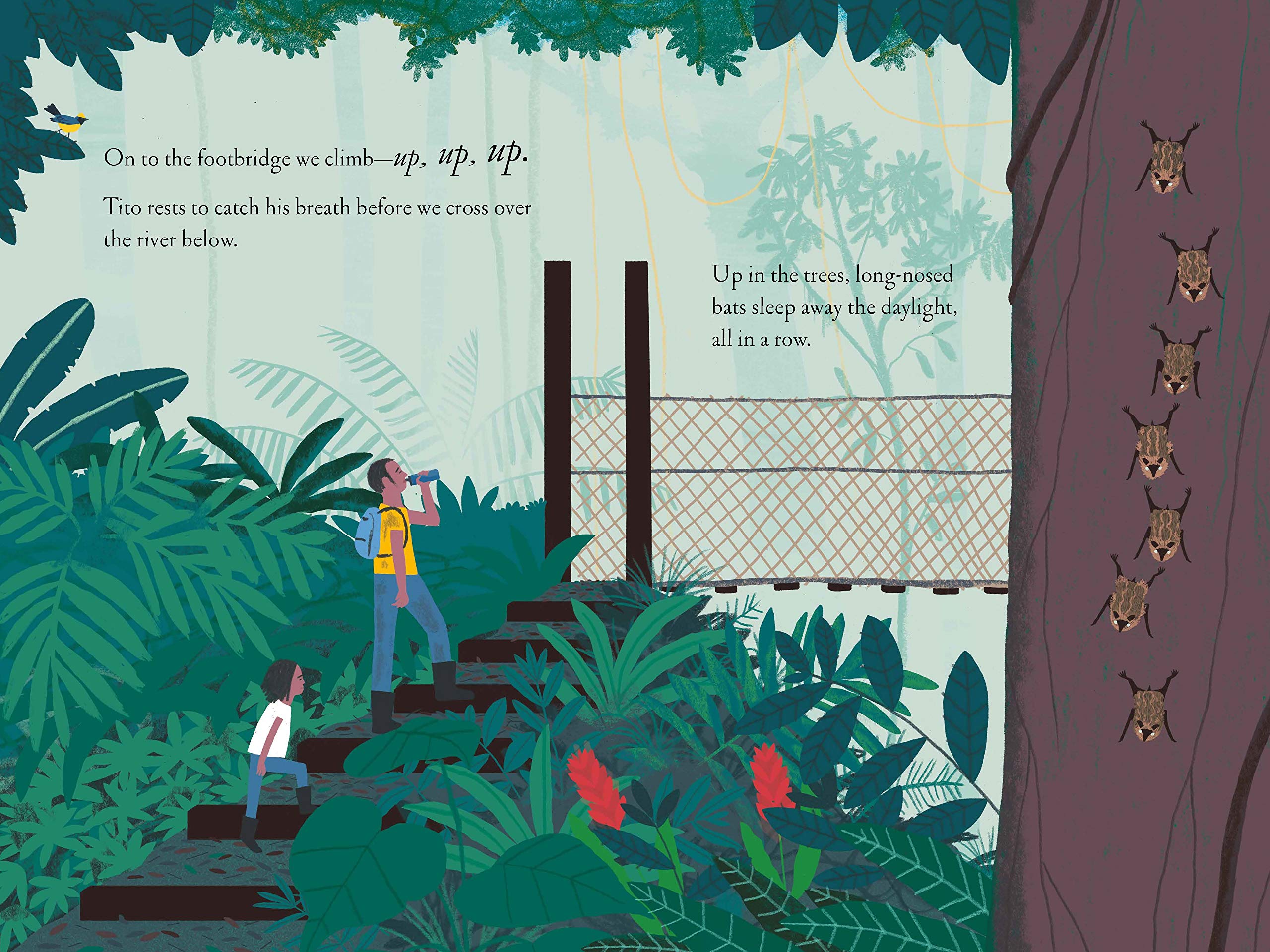
They stop on the bridge that crosses a river and look down at the crocodiles napping on the banks. An emerald basilisk has no time to rest, though, and runs across the river, his feet “barely skimming the river’s surface.” The bridge takes them up, into the trees, where capuchin monkeys swing from branch to branch. While having a snack, the child and Tito watch an anteater hunt for a snack of his own below among fallen leaves.

celebrate-picture-books-picture-book-review-over-and-under-the-rainforest-birds

Image copyright Christoper Silas Neal, 2020, text copyright Kate Messner, 2020. Courtesy of Chronicle Books.

The afternoon brings expected rain, which begins as a “pitter-soft drumming on the leaves up above” but “swells to a strong, rushing pour” that soaks a “soggy mother sloth and her baby” while a blue morpho butterfly “folds up her wings and tucks away on a tree trunk.” They walk deeper into the forest, where silent snakes slither and curl around branches. Spying a dark shape in a treetop, Tito, with a roar, unleashes “a thunder of howler monkeys” concealed from sight.

celebrate-picture-books-picture-book-review-over-and-under-the-rainforest-toucans

Image copyright Christoper Silas Neal, 2020, text copyright Kate Messner, 2020. Courtesy of Chronicle Books.

Dusk comes and then the curtain of night. Tito and the child head for home, spying animals and insects who are just beginning their day along the way. But suddenly a “sharp snap” in the undergrowth stops the child. Could it be a jaguar? They hurry across the last bridge and see the lights from Abuelita’s house. They know a dinner of arroz con pollo is waiting as the birds return to their homes too and another chorus begins—“a night song of darkness and water and life—over us, under us, and all around.”

Exciting back matter includes an Author’s Note about the inspiration for this book as well as illustrated paragraphs about the twenty birds, animals, and insects mentioned in the story.

celebrate-picture-books-picture-book-review-over-and-under-the-rainforest-bridge

Image copyright Christoper Silas Neal, 2020, text copyright Kate Messner, 2020. Courtesy of Chronicle Books.

Lyrical and evocative, Kate Messener’s hike through a Costa Rican rainforest envelopes readers in the sights, sounds, and atmosphere of this mysterious ecosystem. Her well-loved Over and Under series serves as a perfect guide to a place where life in all its forms teems in the lush landscape. Messner’s tranquil and graceful storytelling makes for a lovely read aloud that will captivate readers, and her first-person point of view invites each listener to imagine themselves taking this transformative walk.

Christopher Silas Neal’s soft-yet-vivid matte illustrations capture the mystery and wonder of the rainforest from the first page, where Tito and the narrator head into the forest through a dark entryway that seems to slowly reveal itself as a series of steps leading into the trees. Just as kids would be prone to do, upon entering the forest, the narrator and Tito look up into the towering treetops, focusing the readers’ eyes there too. Neal’s use of a variety of perspectives gives readers an experience similar to the book’s characters and allows them to feel the vastness of the environment. The number of unusual animals, birds, and insects they encounter in this forest will wow kids, and they’ll enjoy searching the leaves, branches, and undergrowth to find what is hidden there. This nighttime scene provides a thrill as bright eyes shine from the trees—the only evidence of the shadowy creatures lurking there.

A beautiful book for any nature lover or child fascinated by the wonders of the world, Over and Under the Rainforest is a must. The book would be a treasured addition to home, school, and public library collections.

Ages 5 – 8

Chronicle Books, 2020 | ISBN 978-1452169408

Discover more about Kate Messner and her books on her website.

To learn more about Christopher Silas Neal, his books, and his art, visit his website.

Wildlife Conservation Day Activity

celebrate-picture-books-picture-book-review-wonderful-wildlife-board-game

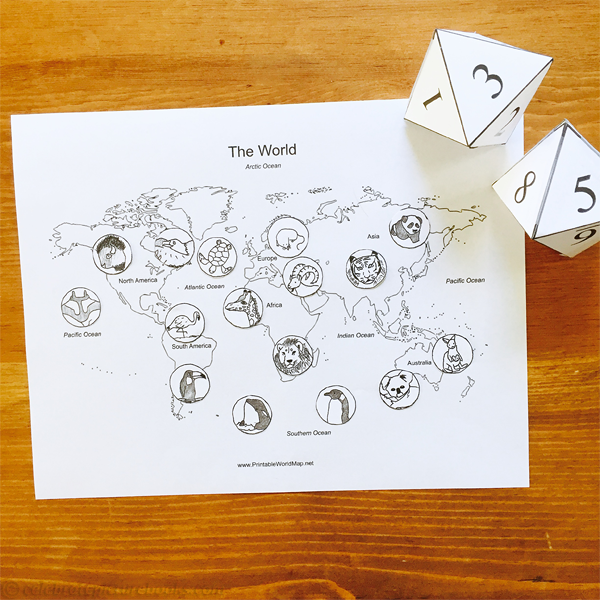
Fascinating animals are found in every part of the world. Play this fun printable Wonderful Wildlife Board Game to match each animal to the area where it lives.

Supplies

Directions

  1. Print a World Map for each player
  2. Print one set of 16 Wildlife Tokens for each player
  3. Print two copies of the 8-sided die, fold, and tape together
  4. If you would like, color the map and tokens
  5. Choose a player to go first
  6. Each player rolls both dice and places an animal on their map according to these corresponding sums of the dice as shown on printable guide
  7. The first player to fill their map is the winner!

celebrate-picture-books-picture-book-review-over-and-under-the-rainforest-cover

You can find Over and Under the Rainforest at these booksellers

Amazon | Barnes & Noble | Books-a-Million

To support your local independent bookstore, order from

Bookshop | IndieBound

Picture Book Review


November 14 – It’s Geography Awareness Week

celebrate-picture-books-picture-book-review-into-the-forest-cover

About the Holiday

Today’s holiday was instituted in 1994 by National Geographic to get people excited about geography and its importance to education and everyday life. As defined by National Geographic, geography is “the study of places and the relationships between people and their environments.” This discipline includes how humans interact with the environment and the impact of location on people. These important questions affect a wide range of issues. More than 100,000 people across the country participate in Geography Awareness Week through special events, focused lessons and activities in classrooms, and attention by government and business policy-makers. To learn more about the week and discover resources for further education, visit the National Geographic website.

Into the Forest: Wander through Our Woodland World

Written by Christiane Dorion | Illustrated by Jane McGuinness


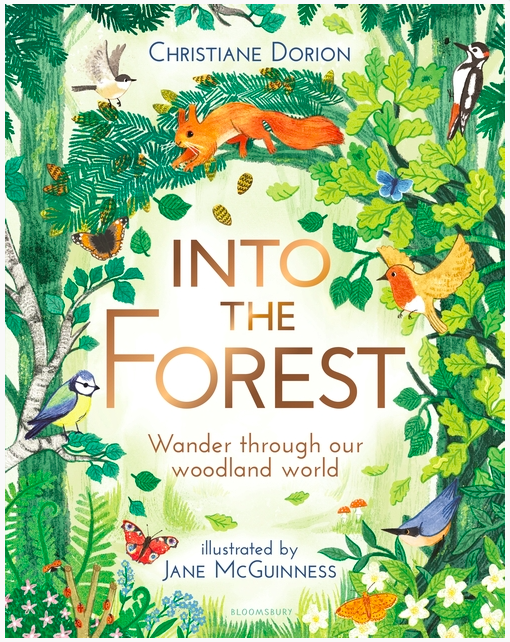
Forests, with their stands of ancient, towering trees capped with leafy canopies and thin saplings reaching for their bit of sun are mysterious, awe inspiring, and home to some of the world’s most fascinating creatures. In Into the Forest Christiane Dorion and Jane McGuinness take readers through coniferous forests, deciduous forests, and tropical rainforests around the world to introduce readers to the life found there.

Readers first learn how a single tree grows from a seed to a full-grown beauty and see how the tree is nurtured and how it nurtures insects and animals in return. But a single tree does not make a forest. Children discover the ways in which many trees work together to create a forest and how the creatures attracted to the forest interact as well.

celebrate-picture-books-picture-book-review-into-the-forest-winter

Image copyright Jane McGuinness, 2020, text copyright Christiane Dorion, 2020. Courtesy of Bloomsbury Children’s Books.

“Deciduous forests are found in places where there is plenty of rain and four distinct seasons through the year.” Animals roost in the trees’ trunks, root systems, and branches. “On the forest floor, small creatures snuffle, crawl, or hop under the thick carpet of fallen leaves in search of food and a safe place to shelter.” These trees have distinctive leaves and undergo changes as the seasons change. Like the trees, the animals that live in a deciduous forest also adapt to the weather, the abundance or scarcity of food, and sheltering needs. Readers learn fascinating facts about the ingenuity of the forest’s insects and animals.

After learning about the deciduous forest, readers will want to discover them for themselves. Through lyrical descriptions and charming, realistic illustrations, Dorion and McGuinness show children and adults how and where to look and listen to find the treasures the forest holds. But there can be so many different trees in a forest—or even in a backyard or neighborhood. How do you know which is which? Dorion and McGuinness provide an illustrated guide to the names, shape, size, and type of leaf of twenty deciduous trees.

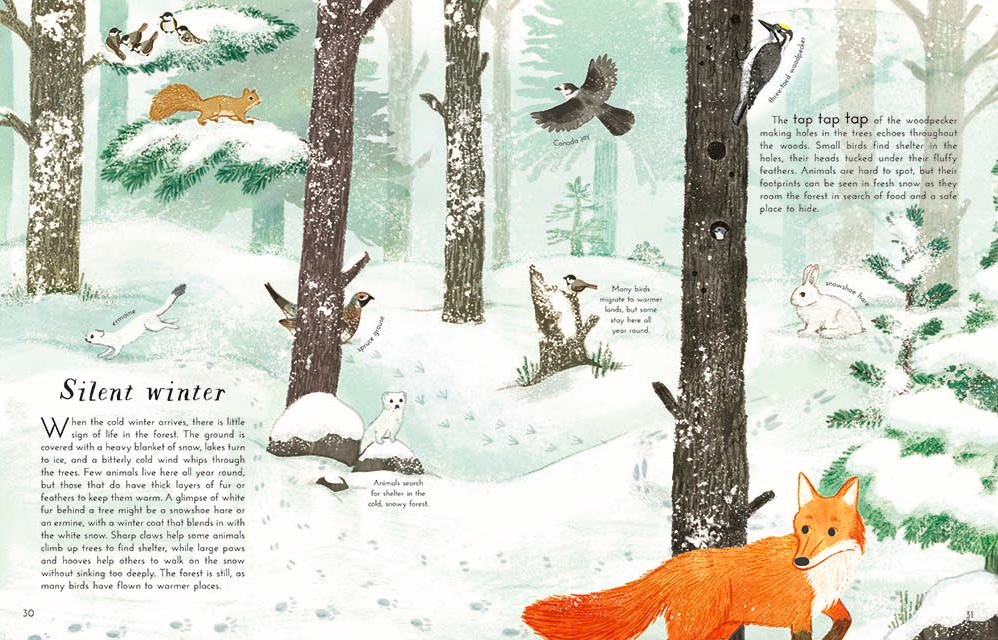
Across the northern hemisphere, coniferous forests stand tall and stalwart against bitterly cold winters while attracting some of the most majestic creatures in the animal kingdom. “Most trees in the coniferous forest are evergreens with needle-like leaves” that stay green and shed little-by-little all year round. Instead of flowers, coniferous trees produce their seeds in cones. Squirrels and birds, who can use their sharp beaks and acrobatic flying and hanging skills, find food in these cones during long winters.

celebrate-picture-books-picture-book-review-into-the-forest-redwoods

Image copyright Jane McGuinness, 2020, text copyright Christiane Dorion, 2020. Courtesy of Bloomsbury Children’s Books.

In coniferous forests, the floor is dark, wet, and can be rocky or even frozen year-round. Moss, fungi, lichen, and carnivorous plants are some of the vegetation found here. Readers learn how these plants grow, what they look like, and the animals that thrive on them. How do the forest animals survive the harsh winter conditions? Dorion and McGuinness follow ermine, grouse, a snowshoe hare, bats, chipmunks, bears, and other birds and animals as they navigate their cold home. They then take kids to the west coast to look up, up, up at the mammoth redwoods, some of which “have lived for more than two thousand years.”

There is a wide variety of coniferous trees, and again Dorion and McGuinness present a guide to the size, shape, and type of needles and cones of fourteen trees. And why are evergreens shaped like a triangle? The clever answer to that question is here too.

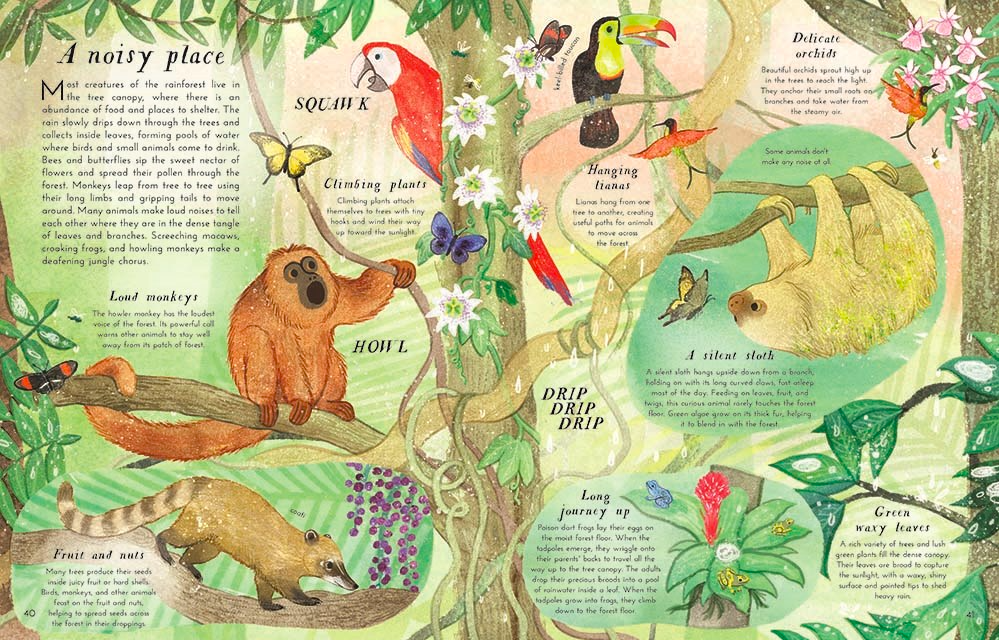
When you think of colorful birds and animals, you think about tropical rainforests. Dorion and McGuinness. Found near the equator, rainforests are home to “more than half of the know plants and animals in the world” and “more are yet to be discovered.” In a glorious riot of color, climbing vines, vibrant flowers and fruit, Dorion and McGuinness introduce readers to the denizens of these forests, where rain and warm weather provide plenty of food and water; “monkeys leap from tree to tree using their long limbs and gripping tails to move around;” and “screeching macaws, croaking frogs, and howling monkeys make a deafening jungle chorus” to “tell each other where they are in the dense tangle of leaves and branches.”

celebrate-picture-books-picture-book-review-into-the-forest-rainforest

Image copyright Jane McGuinness, 2020, text copyright Christiane Dorion, 2020. Courtesy of Bloomsbury Children’s Books.

Readers will meet animals including the howler monkey, coati, toucan, parrot, poison dart frog, and sloth. Kids also learn about hanging lianas, orchids, and why plants have waxy leaves. All of that vegetation above means that the forest floor is dark and damp, making it the perfect place for some of the world’s most unusual—and feared—creatures, including snakes, spiders, jaguars, the giant centipede, and the Hercules beetle.

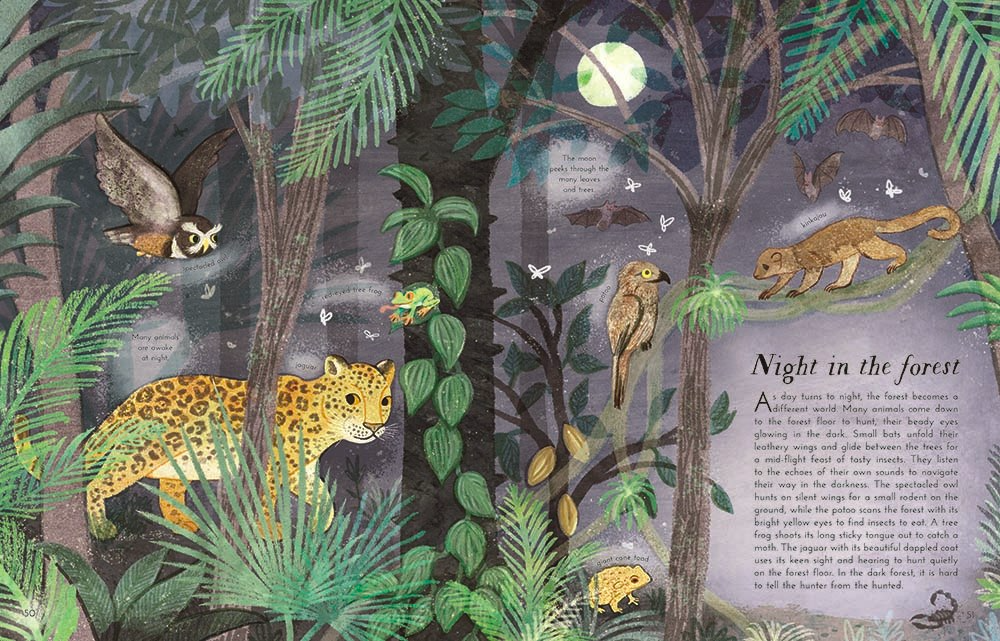
Frequent rain is the lifeblood of these tropical forests, and Dorion and McGuinness describe and depict their unique atmosphere as well as the ingenious adaptations some animals use to hide in plain sight and fool predators and the way nighttime transforms the forest into a feeding ground for nocturnal animals. The guide to fourteen tropical trees introduces readers to a wide variety from palm trees to fruit trees, like mango and avocado, to trees that produce nuts, cinnamon, cacao, and chicle for gum.

Dorion and McGuinness close out their book with discussions on how plants, insects, and animals work together to ensure the growth and heath of a forest; the ways in which a forest benefits the planet; and how to plant a tree so that it will thrive. Readers will love the illustrated prompt to find twenty-seven creatures within the pages of the book, giving them an exciting way to turn back to discover all the gems included in the text.

A glossary defines twenty-two terms found in the text, and a list of organizations and links to their websites complete the back matter.

celebrate-picture-books-picture-book-review-into-the-forest-night

Image copyright Jane McGuinness, 2020, text copyright Christiane Dorion, 2020. Courtesy of Bloomsbury Children’s Books.

Christiane Dorion’s beautiful language and richly detailed narration take children into the three types of forests to see and hear how these natural communities of trees, plants, animals, birds, insects, and even weather patterns work together to maintain what are indispensable parts of our earth. The facts Dorion chooses to present will captivate young learners, telling them enough about each subject to educate while sparking a desire to know more. Perfectly paced, her text creates a lovely flow and visual accompaniment to Jane McGuinness’s gorgeous illustrations.

McGuinness astounds on every page with lush images of the various types of forests in warm weather and the coldest of conditions, during daylight and nighttime, during quiet periods and busy times. Her realistically portrayed intense textures, vivid colors, unique shapes, and furtive or carefree movements of nature invite readers into the depths of the forests to truly see what is there.

Lingering over the pages rewards readers with hidden delights, such as tiny animals peeking from the knot hole of a tree, little caterpillars inching their way across leaves, a nest with three eggs secured within the branches of a spring-green tree, and masters of camouflage motionless and nearly undetectable. Spotlighted facts and the intermittent detailed guides to specific trees, creatures, and the science of forests not only teach readers about these particular features but reinforce how nature collaborates to survive and grow.

Superbly conceived, Into the Forest is a must for home, classroom, and public library collections for nature lovers, school and homeschool lessons, and anyone who would like to learn more about our planet.

Ages 7 – 15

Bloomsbury Children’s Books, 2020 | ISBN 978-1526600707

Discover more about Christiane Dorion and her books on her website.

To learn more about Jane McGuinness, her books, and her art, visit her website.

Geography Awareness Week Activity

celebrate-picture-books-picture-book-review-wonderful-wildlife-board-game

Wonderful Wildlife Board Game


Fascinating animals are found in every part of the world. Play this fun printable Wonderful Wildlife Board Game to match each animal to the area where it lives.

Supplies

Directions

  1. Print a World Map for each player
  2. Print one set of 16 Wildlife Tokens for each player
  3. Print two copies of the 8-sided die, fold, and tape together
  4. If you would like, color the map and tokens
  5. Choose a player to go first
  6. Each player rolls both dice and places an animal on their map according to these corresponding sums of the dice below
  7. The first player to fill their map is the winner!
  • 1 = Flamingo – South America
  • 2 = Emperor Penguin – Antarctica (Southern Ocean)
  • 3 = Giraffe – Africa
  • 4 = Bald Eagle – North America
  • 5 = Ibex – Europe
  • 6 = Kangaroo – Australia
  • 7 = Panda – Asia
  • 8 = Orca – Antarctica (Southern Ocean)
  • 9 = Toucan – South America
  • 10 = Buffalo – North America
  • 11 = Koala – Australia
  • 12 = Lion – Africa
  • 13 = Etruscan Shrew – Europe
  • 14 = Manta Ray – Pacific Ocean
  • 15 = Sea Turtle – Atlantic Ocean
  • 16 = Tiger – Asia

celebrate-picture-books-picture-book-review-into-the-forest-cover

You can find Into the Forest at these booksellers

Amazon | Barnes & Noble | Books-a-Million

To support your local independent bookstore, order from

Bookshop | IndieBound

Picture Book Review


October 27 – Celebrating the Book Birthday of This Is a Flying Rat

celebrate-picture-books-picture-book-review-this-is-a-flying-rat-cover

About the Holiday

Celebrating a new book on its birthday is always exciting. Just like the kids they’re written for, each book has its own personality and take on the world. Today’s book is funny, smart, clever, and educational. Take a look!

This Is a Flying Rat

Written by Andrew Cangelose | Illustrated by Josh Shipley


As a narrator begins a recitation on pigeons, a very vocal pigeon breaks in to extoll the awesomeness of his breed, especially their flying power. “Everyone calls me Ace,” he says, “because I’m one of the best fliers around.” He can’t wait to prove it. “Pigeons are a member of the same bird family as doves. In fact, they are sometimes called ‘rock doves,’” the narrator intones.

celebrate-picture-books-picture-book-review-this-is-a-flying-rat-awesome

Image copyright Josh Shipley, 2020, text copyright Andrew Cangelose, 2020. Courtesy of Oni Press.

Ace is wholeheartedly agreeing that he does, indeed, rock when a raccoon interrupts to point out a flying rat. Ace is offended, but it turns out that the raccoon doesn’t mean him, but the rat with a jet pack spewing pink and blue ink coming their way. Just as the narrator is getting to the good part: “Pigeons are considered some of the best fliers in the world,” the rat crosses out “Pigeons” and writes “Flying rats” in pink ink.

celebrate-picture-books-picture-book-review-this-is-a-flying-rat-jet-pack

Image copyright Josh Shipley, 2020, text copyright Andrew Cangelose, 2020. Courtesy of Oni Press.

Again, Ace protests, so the rat decides he’ll just be a pigeon too. But Ace isn’t going to let him get away with that that easily. To be a pigeon, the rat has to do other pigeon stuff too. The narrator goes on to describe a pigeon’s eating habits, which can include garbage. The rat is happy to oblige this dietary quirk. Pigeons also have feathers and wings, the narrator reveals. Out of the trash come…you guessed it…check! and check!

celebrate-picture-books-picture-book-review-this-is-a-flying-rat-pigeon

Image copyright Josh Shipley, 2020, text copyright Andrew Cangelose, 2020. Courtesy of Oni Press.

Finally, the narrator gets to flying. But thanks to the jet pack, the rat is just as agile and persevering as Ace. The two are just in a race to the top of a skyscraper when the rat’s fuel burns out. Now he’s not so much a flying rat as a falling rat. Down he plummets just as the narrator reveals that pigeons are social flyers—never found alone. Ace gets it and rockets toward the ground, rescuing the rat just before….

The rat is grateful and apologetic for trying to take over the book, and he acknowledges that Ace is the real pigeon. On Ace’s side, he’s warmed up to having a friend while the narrator’s next chilling fact about pigeon predators has Ace considering joining the other side.

celebrate-picture-books-picture-book-review-this-is-a-flying-rat-fuel-gone

Image copyright Josh Shipley, 2020, text copyright Andrew Cangelose, 2020. Courtesy of Oni Press.

Andrew Cangelose’s pitch-perfect mashup of sedate nature programming and laugh-out-loud interruptions is education at its ingenious best. As the rat challenges Ace’s claims to flying glory, kids are the winners, learning facts about pigeons they won’t soon forget. Cangelose has given Ace and the rat distinct personalities and plenty of attitude to keep the giggle’s going. The combination of straightforward narration and dialogue makes the story a joy to read and would even lend itself to turning the text into a classroom play. The resulting friendship between Ace and the rat is a natural outgrowth of pigeons’ flocking behavior and makes a case for pigeons being a bit like humans too.

Josh Shipley feathers the story with urban details as the rat attempts to prove he’s really a pigeon. Ace, with his squared-off head and familiar multihued sheen, is a portrait of pride, indignation, and knowing looks that will delight kids. The rat, clinging to his jet pack, is sure to win over converts with his ever-present smile and bold self-assurance. The appearance of a pompadour-wearing squirrel clutching an armful of garbage will draw lots of laughs. Shipley depicts Ace’s change of heart about the rat with a sweetness that will charm kids.

Humorous creative nonfiction that kids will really respond to, This Is a Flying Rat would be a fun addition to home bookshelves and a high-interest accompaniment to classroom nature and science lessons, making it a great choice for school and public libraries as well.

Ages 4 – 8

Oni Press, 2020 | ISBN 978-1620107751

celebrate-picture-books-picture-book-review-this-is-a-flying-rat-cover

You can find This Is a Flying Rat at these booksellers

Amazon | Barnes & Noble | Books-a-Million

To support your local independent bookstore, order from

Bookshop | IndieBound