May 20 – World Bee Day

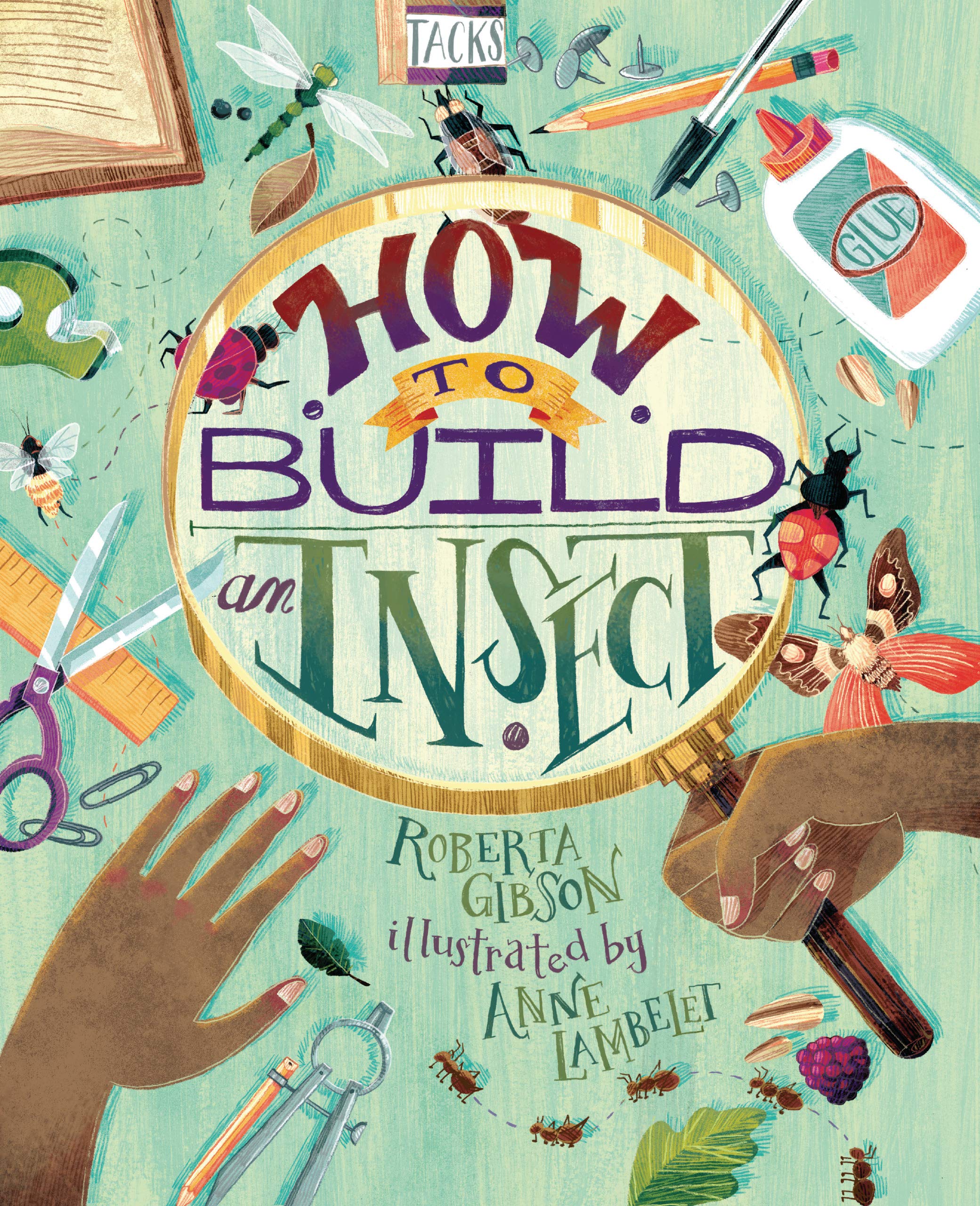
celebrate-picture-books-picture-book-review-how-to-build-an-insect-cover

About the Holiday

Today is World Bee Day! These top-notch pollinators work hard to transport pollen from one flower to the next, so that plants can make their seeds, grow fruit, and launch the next generation of plants! In a larger sense, they keep the world spinning smoothly, by helping plants grow. World Bee Day was created by Slovenian beekeeper Bostjan Noc, president of the Slovenian Beekeepers Association, who first proposed the idea to the United Nations in 2014. The international holiday is meant to show appreciation for bees and other pollinators, and to acknowledge that some bee species are endangered. Make sure to respect and celebrate our bee friends today by reading books about bees, planting a pollinator garden, or installing a sustainable beekeeper. Visit https://www.worldbeeday.org/en/ and http://pollinator.org to learn about the importance of bees and the holiday. To summarize: bee friendly and keep reading.

Thanks to Millbrook Press for sharing a copy of How to Build an Insect for review consideration. All opinions about the book are my own.

Review by Dorothy Levine

How to Build an Insect

Written by Roberta Gibson | Illustrated by Anne Lambelet 


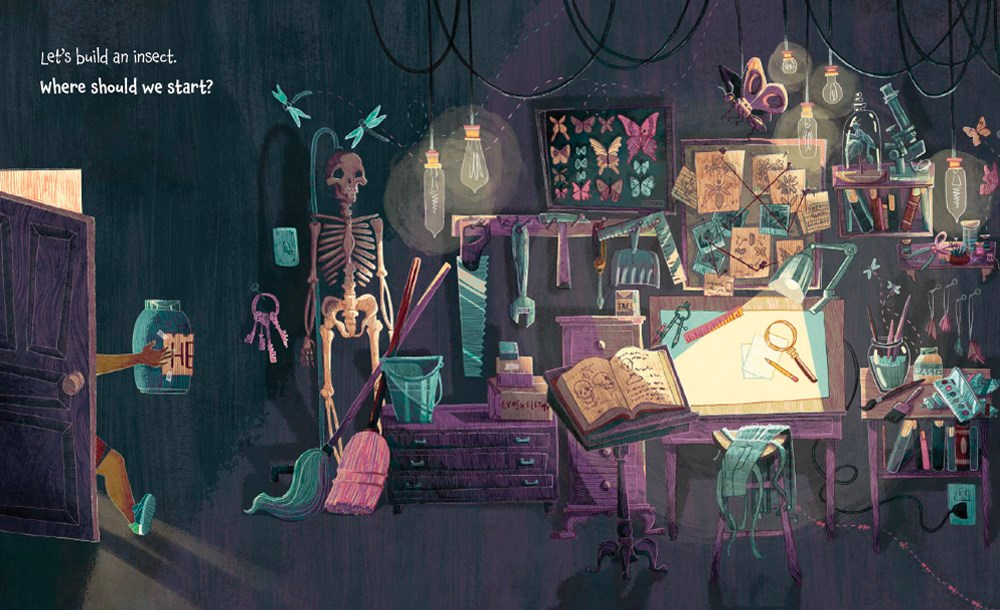
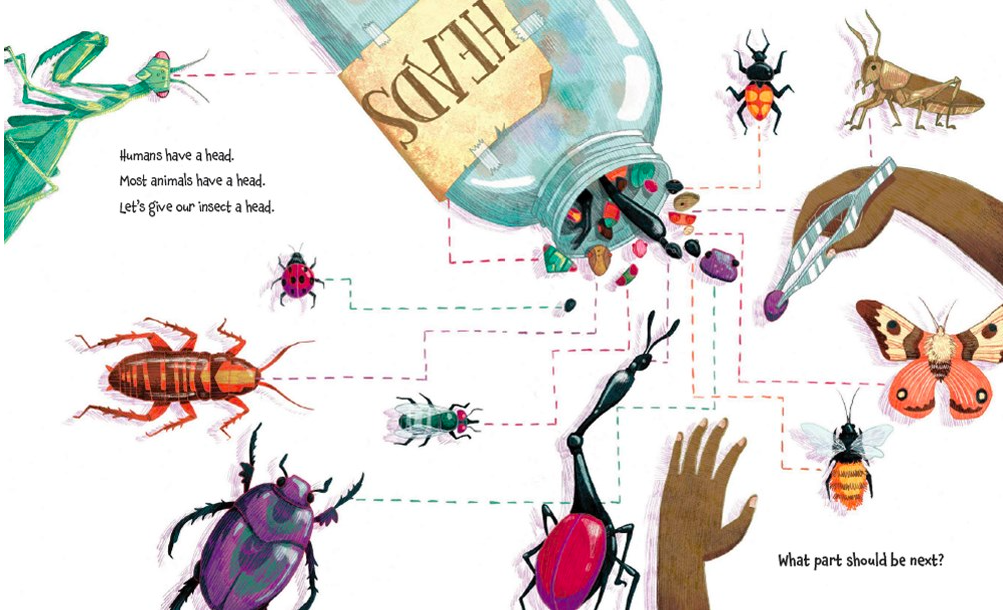
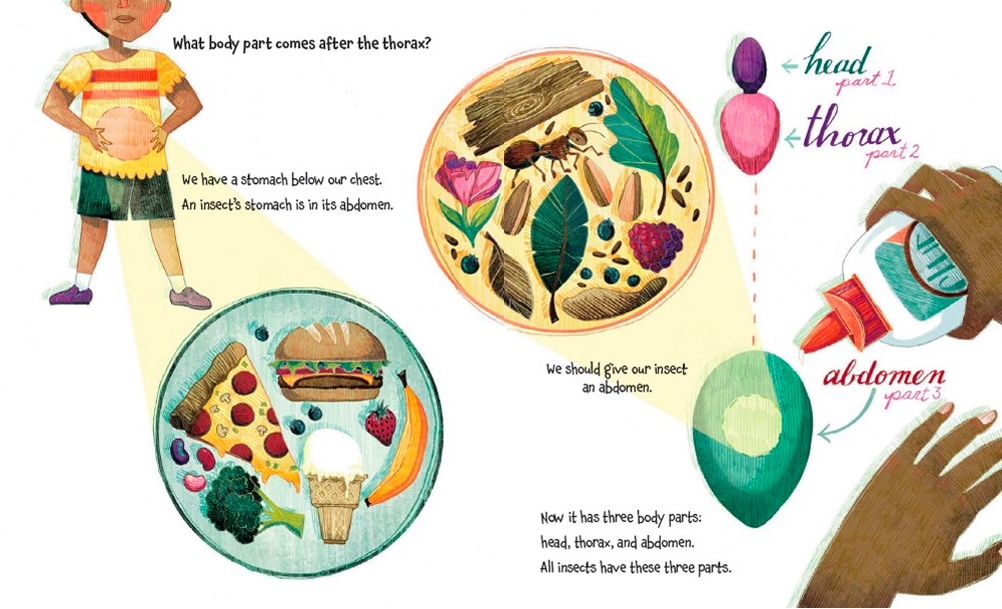
Have you ever wondered how to build an insect? Well, wonder no longer! Get ready to discover the world of creepy-crawlies with this hands-on, information-packed, quirky instruction-book! Ready to begin? First, gather your supplies. Got your “HEADS” jar? Great! Nearly every living creature has a head, and each one has a head that’s just right for them. So, pick a head from the jar and let’s get building. Next add a thorax and an abdomen to your creation. “What else should we add?” you may wonder. “What about bones like ours? Should we give it a skeleton? No. There isn’t any room for big bones inside a small insect. An insect has its skeleton on the outside. It is called an exoskeleton. The exoskeleton keeps the inside stuff in and the outside stuff out.” 

celebrate-picture-books-picture-book-review-how-to-build-an-insect-studio

Image copyright Anne Lambelet, 2021, text copyright Roberta Gibson, 2021. Courtesy of Millbrook Press.

After the correct number of legs and wings go on, the critical (and funky) five senses are added. “How will our insect see? Let’s give it some eyes! How many? Two? Guess again. Five!” The fun facts continue as sensory elements are added. Did you know, “An insect can have its ears anywhere”? This is “music to my knee ears!” a grasshopper chirps in, adding a comedic flare.

Finally, after adorning insects with “hair, or horns, or spikes, or spots” the builder is instructed to finally give their creation “a place to live and a snack.” The completion of the insect and its release into its habitat is followed by an detailed spread of a fly up close that contains further information about different insect body parts. The book also includes a glossary and information on how to create critters out of art materials and recycled parts.  

celebrate-picture-books-picture-book-review-how-to-build-an-insect-heads

Image copyright Anne Lambelet, 2021, text copyright Roberta Gibson, 2021. Courtesy of Millbrook Press.

The young narrator of How to Build an Insect leads readers on a journey of how to build an anatomically correct insect, with a new body part detailed on each spread. Readers will learn about comparative anatomy, what exactly classifies an insect as an insect, and how insect bodies compare to those of humans and other animals. With intricate illustrations detailing bug bits and parts, leaves, berries, skeletons, exoskeletons and a map of “how to” instructions, the book reads like a super-cool science scavenger hunt. The how-to pages are filled with scientific vocabulary that allows readers of all ages to learn the names of insect body parts, from thorax to mandibles, proboscis, cerci, spiracles, and more. 

celebrate-picture-books-picture-book-review-how-to-build-an-insect-abdomen

Image copyright Anne Lambelet, 2021, text copyright Roberta Gibson, 2021. Courtesy of Millbrook Press.

Roberta Gibson cleverly constructs a creative non-fiction storyline jam packed with enchanting scientific facts. Gibson pulled from her knowledge working as an entomologist and research specialist in crafting this fantastic premiere nonfiction picture book. Her well-crafted writing puts complex terms into digestible and interesting explanations that are accessible for kids and adults alike. The writing is snappy, humorous, educational and engaging, featuring silly insect dialogue, and questions bolded for readers to ponder. What more could one possibly ask for?

Anne Lambelet’s masterful illustrations not only provide visually entertaining content to accompany the story, but also provide further information and humor for curious, detail-oriented readers. Insects watch as a brown-skinned, unseen narrator assembles their own insect in their very own science learning space. Sometimes the insects pop in with silly dialogue or engage in human activities, all while maintaining their scientifically accurate appearances. The artwork matches the narrator’s curiosity and close attention to detail perfectly, while maintaining a funky, beautiful art style that is consistent throughout. Spreads are backed by beautiful bursts of purples and greens and feature labeled insect and human anatomy charts; intricate bug- and art-making tools are scattered throughout.

How to Build an Insect is a perfect book for science lovers, outdoorsy individuals, bug enthusiasts, and worm savers of all ages! Also, a good read for those who are less insect-lover-inclined to learn more about how these creatures are not all that different from us humans. A worthwhile addition to libraries, classrooms, and home collections. 

Ages 5 – 9

Millbrook Press, 2021 | ISBN 978-1541578111

Discover more about Roberta Gibson and her books on her website.

To learn more about Anne Lambelet, her books, and her art, visit her website.

World Bee Day Activities

celebrate-picture-books-picture-book-review-how-to-build-an-insect-activities

Bee an Insect Lover Activities


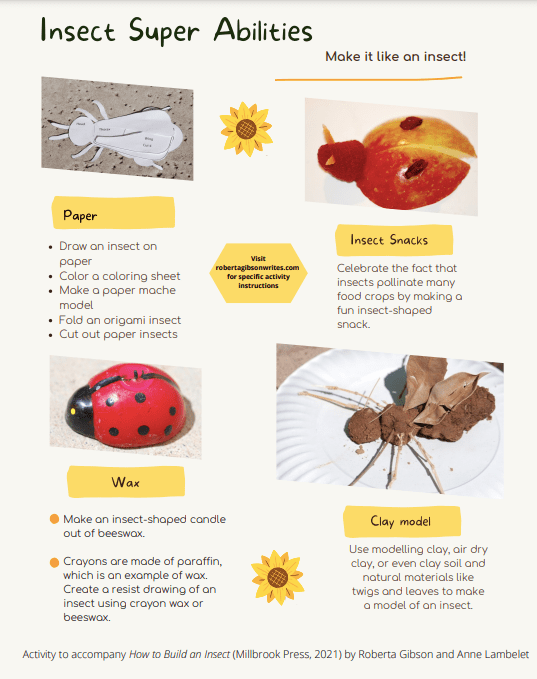
Enjoy these fun and creative How to Build an Insect Activities and Experiments from Millbrook Press!

How to Build an Insect Activities

celebrate-picture-books-picture-book-review-how-to-build-an-insect-pollinators-poster

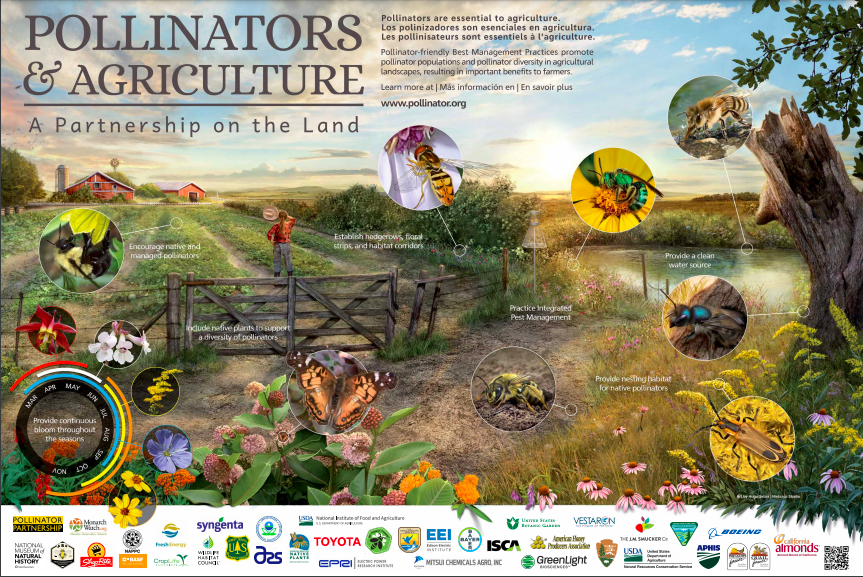
Download this Pollinators and Agriculture Poster that artfully teaches about how pollinators work in harmony with agricultural landscapes.

Pollinators Poster

celebrate-picture-books-picture-book-review-how-to-build-an-insect-cover

You can find How to Build an Insect at these booksellers

Amazon | Barnes & Noble | Books-a-Million

to support your local independent bookstore, order from

Bookshop | IndieBound

Picture Book Review
May 19 – It’s Get Caught Reading Month

celebrate-picture-books-picture-book-review-true-tales-of-animal-heroes-flufflesAbout the Holiday

When you love to read, you want to share the excitement that books hold. Get Caught Reading Month encourages people to pass along their love of all things written by asking folks to take pictures of themselves reading their favorite book and uploading those images to social media. Movie and TV celebrities, sports figures, authors, illustrators, teachers, mom, dads, grandmas and grandpas, and kids of all ages take part in this favorite annual event. Why don’t you?! For more information, visit the Get Caught Reading website.

True Tales of Animal Heroes Series

This new picture book series presents real-life stories of animals from around the world who have shown courage and individuality. Through her stories Vita Murrow, an educator, writer, artist, and mom, shows kids that heroes don’t always wear capes or rely on gadgets—some wear fur, rely on claws, and have a brave heart. Your kids will fall in love with these inspiring animals!

Fluffles: The Brave Koala Who Held Strong through a Bushfire

Written by Vita Murrow | Illustrated by Rachel Qiuqi


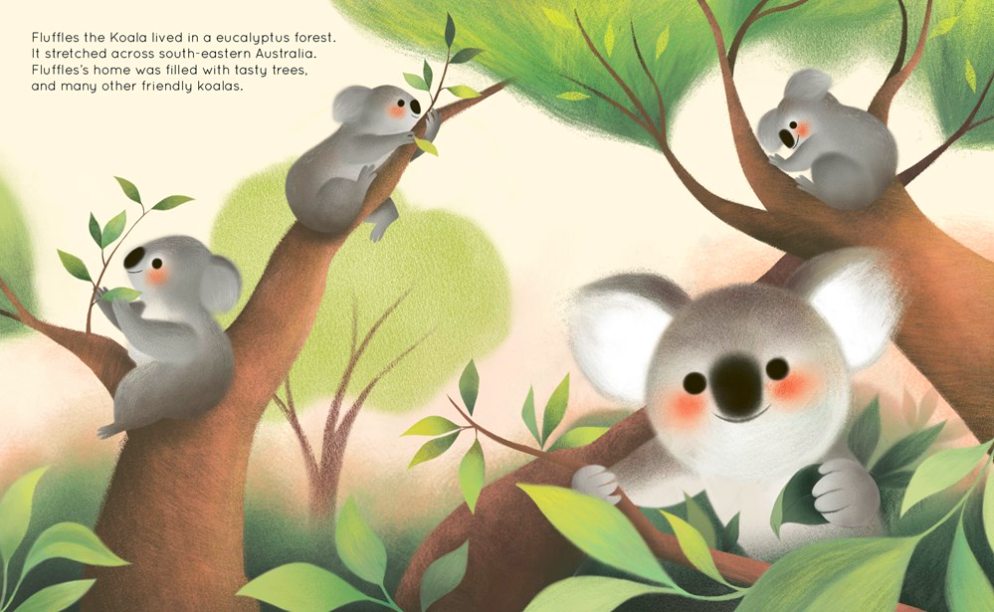
Fluffles the koala lived in southeastern Australia in a vast eucalyptus forest. His home had everything she needed, from delicious leaves to lots of koala friends to sturdy branches to snooze on. “Then one day, a storm announced itself with a BOOM of thunder.” It hadn’t rained in a long time and the lightning strikes threatened to set the forest on fire.

Fluffles watched the sky. She knew that if she saw “red and brown clouds in the sky,” it meant there was a fire. Soon “the cool grey sky indeed grew red.” Fluffles ran for the nearest tree and, using her nimble hands, scurried up to the top of the canopy. The fire sped along the ground, coming to the stand of trees where Fluffles sheltered. She held tightly onto the tree as the fire “jumped at the lower trunk and kissed at the branches.”

celebrate-picture-books-picture-book-review-true-tales-of-animal-heroes-fluffles-forest

Image copyright Rachel Qiuqi, 2021, text copyright Vita Murrow, 2021. Courtesy of Frances Lincoln Children’s Books.

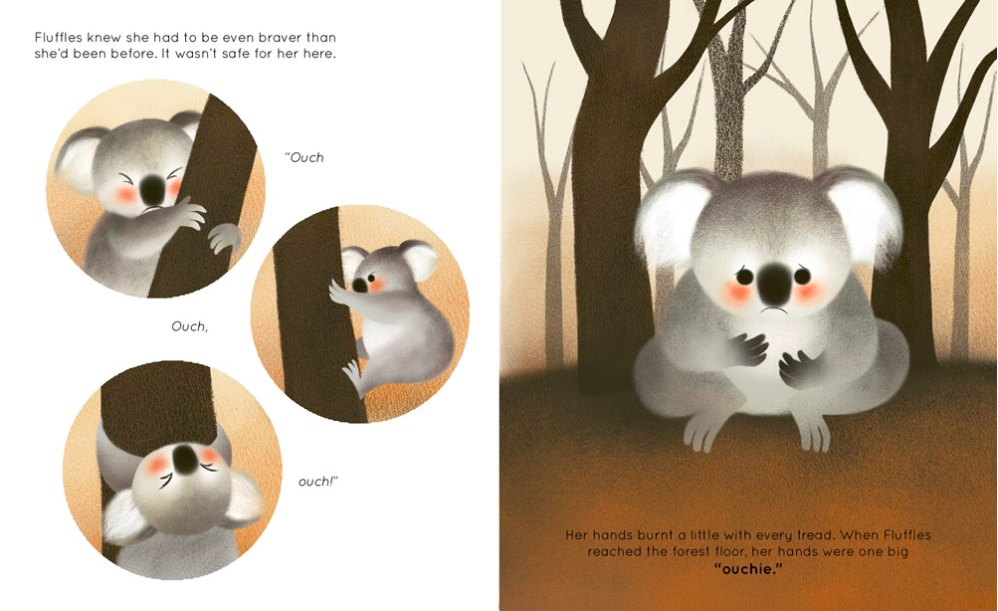
At last, the fire burned itself out, and Fluffles wanted to come down and look for her friends, but the trunk was still too hot. “If she climbed down now, it might burn her hands.” Still, the tree wasn’t safe. Carefully, she climbed down, but each grasp hurt her paws. By the time she “reached the forest floor, her hands were one big ‘ouchie.’” Fortunately, there were helpers ready to put soothing cream and special mittens on her paws. It felt nice, but Fluffles was missing something to calm her feelings too.

When her paws had healed and it was time for the mittens to come off, Fluffles reached out to the other koala who was recuperating with her for a big hug. Instead of fear and worry, Fluffles now felt “relief and comfort.” Released back into the forest, Fluffles and her friends stuck together as they watched the forest renew itself slowly but surely.

Two pages of backmatter, including photgraphs, reveal more about the koala population of Australia as well as how veterinarians and volunteers rescued and nurtured the koalas caught in bushfires in 2020.

celebrate-picture-books-picture-book-review-true-tales-of-animal-heroes-fluffles-hot-trunk

Image copyright Rachel Qiuqi, 2021, text copyright Vita Murrow, 2021. Courtesy of Frances Lincoln Children’s Books.

Through Vita Murrow’s true story of a koala surviving a forest fire, kids discover not only the courage shown by these gentle creatures but interesting facts about their eating habits, instincts, paws, and emotional needs. They also learn how wildlife experts are deployed immediately to areas ravaged by fire in order to help injured animals or those whose homes and food sources are destroyed. A sweet fact that will further endear koalas to kids is how much they love and need hugs.

Rachel Qiuqi’s soft-hued illustrations will melt readers’ hearts. Her adorable Fluffles and the other koalas are sweet and lovable and their expressive faces show love, determination, fearlessness, and trust. Images of Fluffles clinging to the helper’s pant leg after the fire as well as the koalas hugging and snuggling in their eucalyptus tree will make all readers smile. Qiuqi’s light green leaves depict the coolness and comfort of the eucalyptus forest, and her textured portrayals of the storm and the smoky skies place readers in Fluffles’ point of view as she gazes out on the burning landscape. As the forest grows back and the koalas return, kids will see that courage comes in brave acts as well as hugs.

Ages 4 – 7

Frances Lincoln Children’s Books, 2021 | ISBN 978-0711261594

Discover more about Vita Murrow and her books on her website.

To learn more about Rachel Qiuqi, her books, and her art, visit her website.

celebrate-picture-books-picture-book-review-true-tales-of-animal-heroes-fluffles

You can find Fluffles: The Brave Koala Who Held Strong through a Bushfire at these booksellers

Amazon | Barnes & Noble | Books-a-Million

To support your local independent bookstore, order from

Bookshop | IndieBound

celebrate-picture-books-picture-book-review-true-tales-of-animal-heroes-onyx

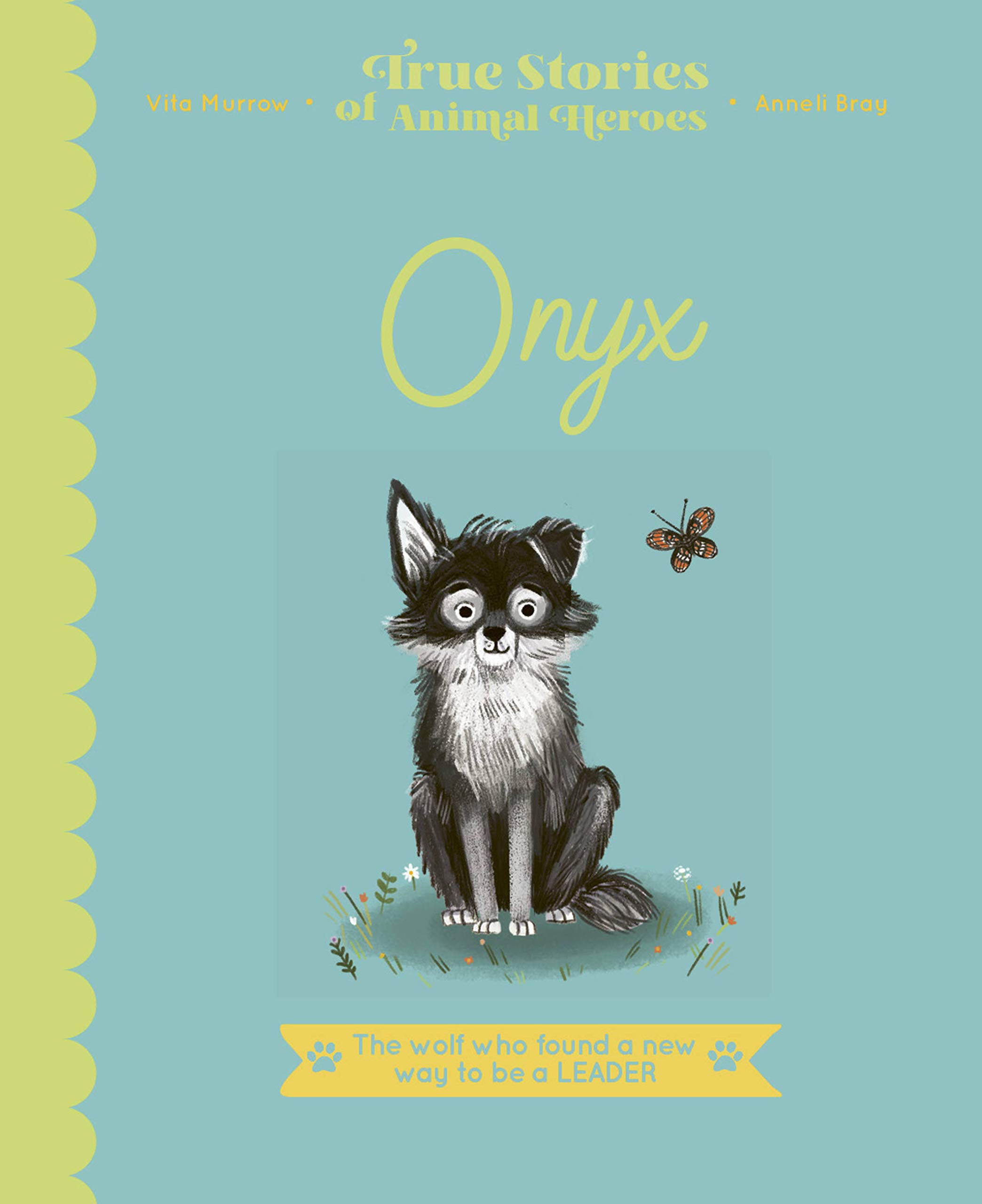
Onyx: The Wolf Who Found a New Way to Be a Leader

Written by Vita Murrow | Illustrated by Anneli Bray


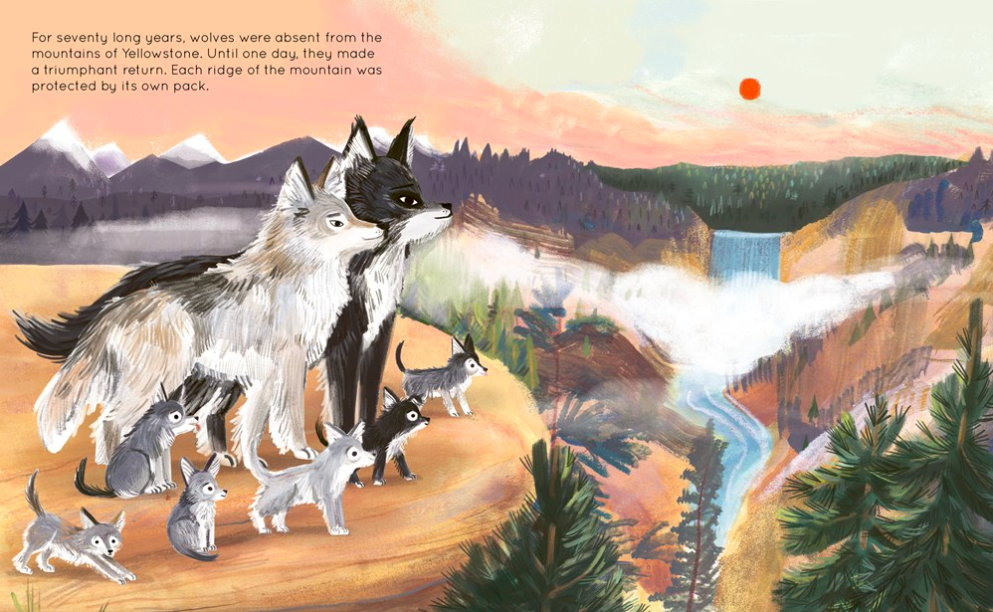
For seventy years no wolves lived in the mountains of Yellowstone National Park. Then one day a group of wolves was reintroduced into the park. As the wolves flourished, “each ridge of the mountain was protected by its own pack. While wolves had traditionally lived in the park, some people did not agree with bringing them back. “In one wolf family, hunters stole the father away in the night. Leaving the mother and her pups alone.”

As the pups grew, most were feisty, but Onyx was “small and shy. Life was unusually hard for him.” But he had developed his own way of thinking. When it was time for him to leave the pack, he ventured out and met a family like his—“a lone mother wolf with pups.” Instead of fighting with the pups, Onyx played with them. The pups came to think of Onyx as their father, and Onyx enjoyed his relationship with the pups, especially the smallest one, Bravo, who had a strong, independent personality.

celebrate-picture-books-picture-book-review-true-tales-of-animal-heroes-onyx-yellowstone

Image copyright Anneli Bray, 2021, text copyright Vita Murrow, 2021. Courtesy of Frances Lincoln Children’s Books.

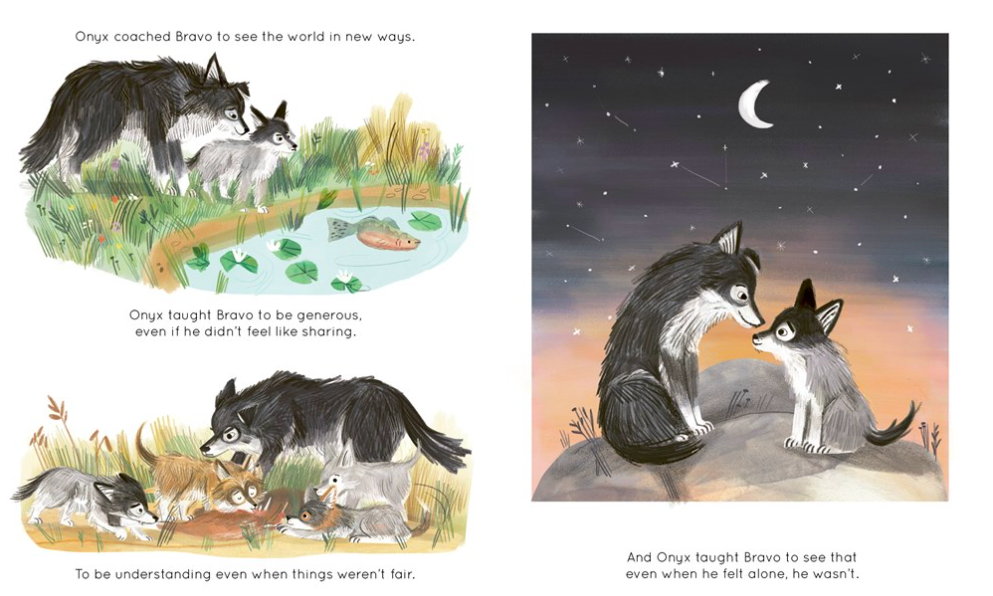
Onyx taught Bravo to share food and to understand that things weren’t always fair. He also showed him that Onyx would always be there for him. When Bravo left his family, he found “a partner and a pack of his own.” One day he saw an old wolf coming into his territory. He knew he would have to defend his ridge, to demonstrate that he was a leader.

But the old wolf was Onyx. Bravo had “planned to snarl and growl, attack and defend,” but when he looked into Onyx’s eyes, he remembered the lessons Onyx had taught him. Instead of fighting, Bravo demonstrated to his pack that showing respect was another way to be a leader. Over time, Bravo’s behavior was passed down to the other wolves in the pack, and “Bravo’s ridge was a place for any wolf who dared to be different.”

Two pages following the text tell more about the reintroduction of wolves to Yellowstone as well as about the two wolves featured in the story and includes photographs.

celebrate-picture-books-picture-book-review-true-tales-of-animal-heroes-onyx-bravo

Image copyright Anneli Bray, 2021, text copyright Vita Murrow, 2021. Courtesy of Frances Lincoln Children’s Books.

In Vita Murrow’s compelling true story of wolves reintroduced into Yellowstone and followed by wolf watchers and wildlife biologists over their lifetime, children learn that one of the most powerful traits one can have is the ability to think differently. Acting on those individual feelings and beliefs can lead to influencing others as well as the outcome of important situations. Nature lovers will also be fascinated with the facts Murrow presents on wolf pack behaviors, how father and mother wolves teach their young, and how wolves recognize each other even after long separations. The story of these particular wolves and the program to reintroduce wolves into Yellowstone serve as a wonderful spark for further research and learning.

Anneli Bray takes readers to the mountain ridges of Yellowstone, where they get a panoramic wolf’s eye view of mountains, waterfalls, valleys, and the forests beyond. Through various images, kids can see how Onyx was different from his brothers and sisters. They’ll also notice that, although he was the one hanging back while a pup, Onyx is the first to strike out on his own. Bray also depicts how Onyx teaches Bravo and reigns in his more aggressive behaviors with actions and facial expressions, developing him into a leader. When Onyx crosses into Bravo’s territory, Bray’s illustrations enhance the suspense and poignancy of Murrow’s story. The final image of Bravo’s ridge demonstrates the legacy that can result from individual thinking.

Ages 4 – 7

Frances Lincoln Children’s Books, 2021 | ISBN 978-0711261457

celebrate-picture-books-picture-book-review-true-tales-of-animal-heroes-onyx

You can find Onyx: The Wolf Who Found a New Way to Be a Leader at these booksellers

Amazon | Barnes & Noble | Books-a-Million | IndieBound

Picture Book Review
 

May 10 – It’s Garden for Wildlife Month

celebrate-picture-books-picture-book-review-a-garden-for-the-birds-cover

About the Holiday

As May’s warm weather and rain creates a perfect environment for growing a garden, today’s month-long holiday, established by the National Wildlife Federation, encourages people to plant a garden that will benefit birds, butterflies, bees, and other insect pollinators. This is easier than it may sound and can be accomplished in a variety of ways and sizes from a single pot or container to a dedicated “meadow” plot. Planting native flowering species makes a positive impact on your local area. To watch a video with five tips to help you garden for wildlife, find plants native to your region, and learn how to have your space recognized as a Certified Wildlife Habitat, visit the National Wildlife Federation website and Garden for Wildlife. Sharing today’s reviewed book is another wonderful way to learn how to make their yards, front gardens, and even whole neighborhoods inviting to wildlife.

A Garden to Save the Birds

Written by Wendy McClure | Illustrated by Beatriz Mayumi


One day while Callum and his sister Emmy were eating breakfast, a bird hit their window. They and their mom rushed outside to check on bird. It was okay and flew away, but that’s when Callum noticed that the window glass reflected the sky, and the birds couldn’t tell the difference. Later, Callum, Emmy, and their mom read about birds and learned lots of things they didn’t know – like how there are fewer birds now and how lights at night affect their migration. 

celebrate-picture-books-picture-book-review-a-garden-to-save-the-birds-raking

Image copyright Beatriz Mayumi, 2021, text copyright Wendy McClure. Courtesy of Albert Whitman & Company.

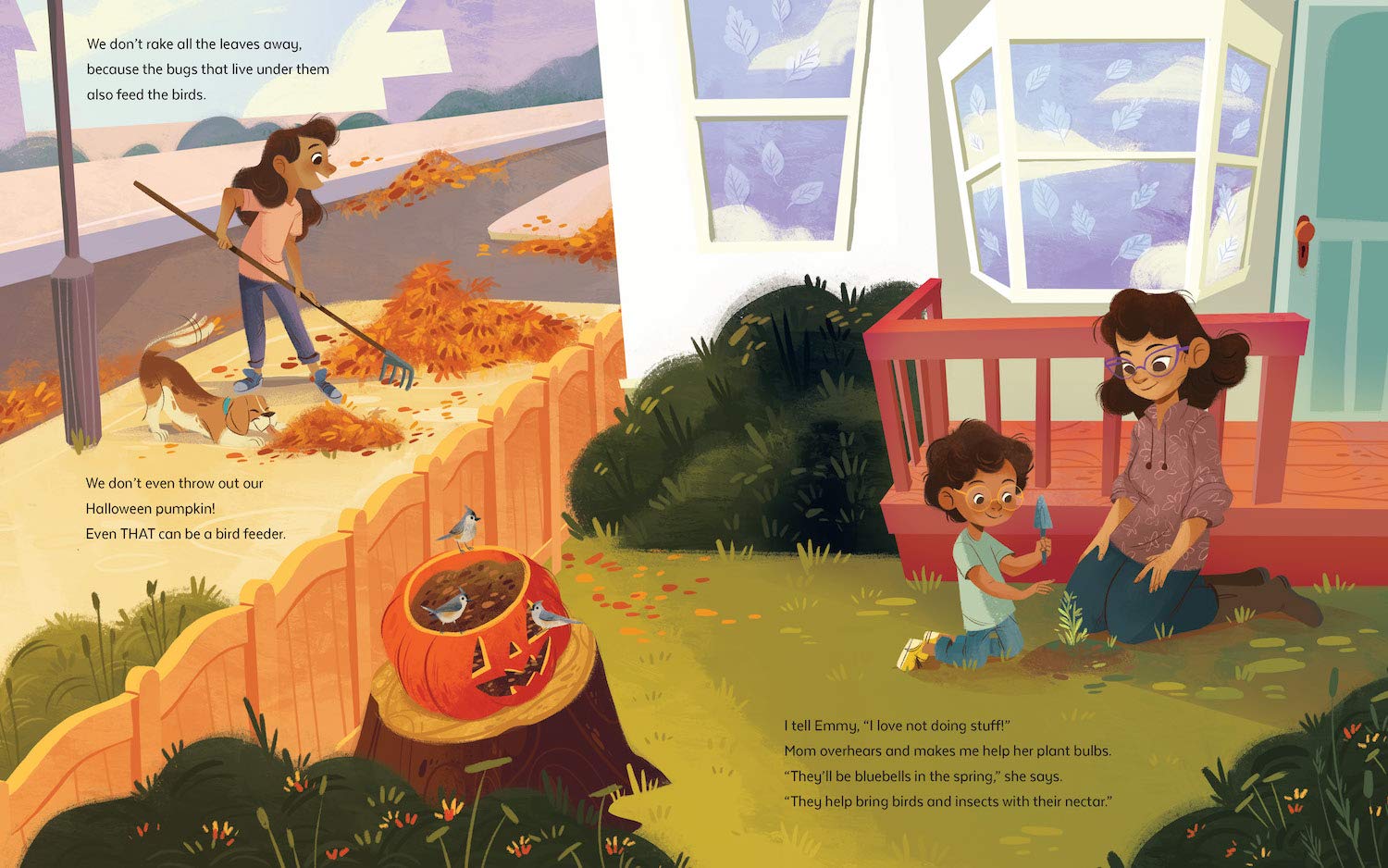
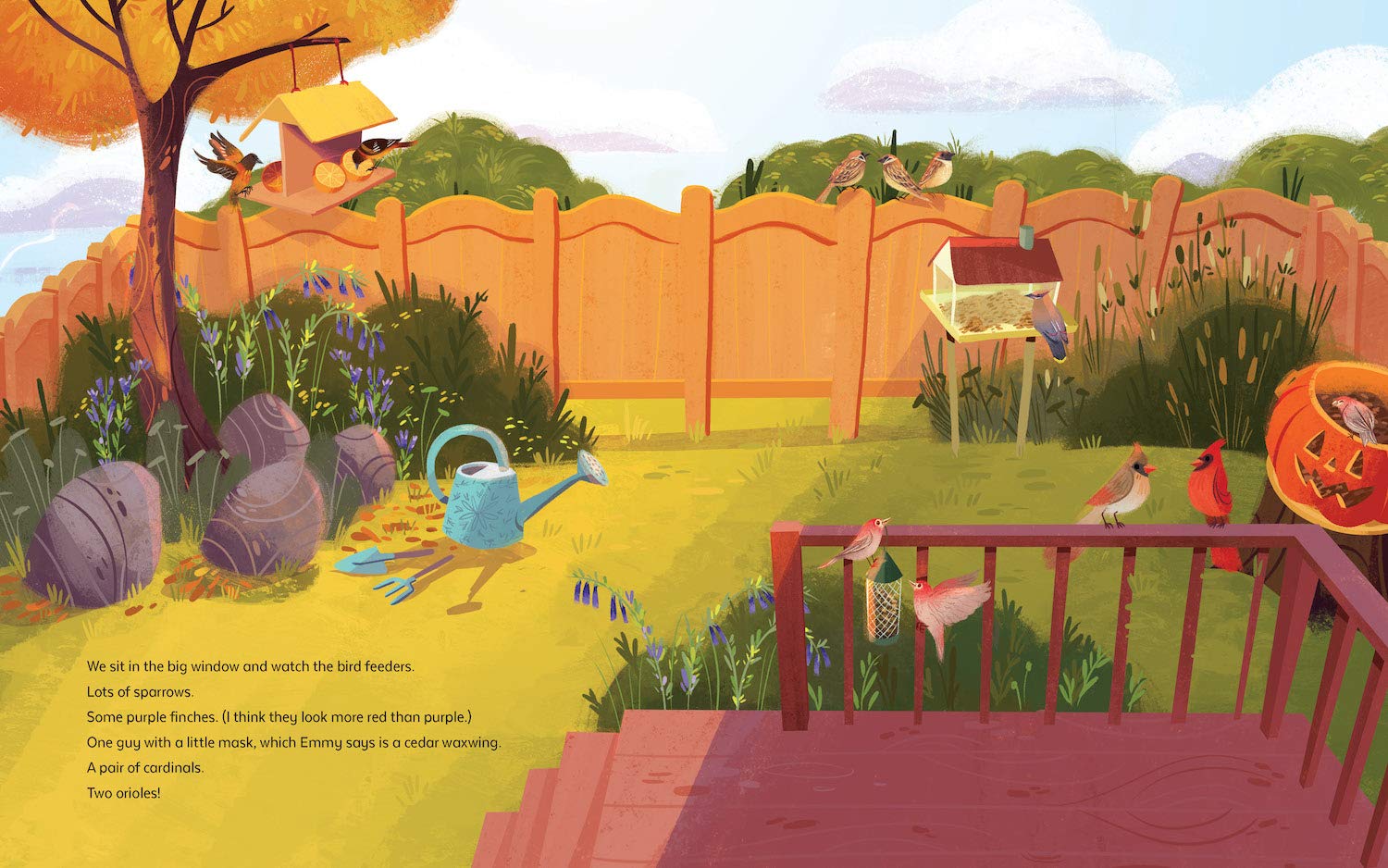
They decide to do things around their house to help the birds. They put out feeders and add decals to the windows. “But some of the things we do to help the birds,” Callum says, “are the things we don’t do.” In the fall, they’re mindful of where birds can find food. Even the Halloween Jack-o-lantern plays a part. And they plant bulbs to prepare for spring. It doesn’t take long before they attract a lot of different kinds of birds.

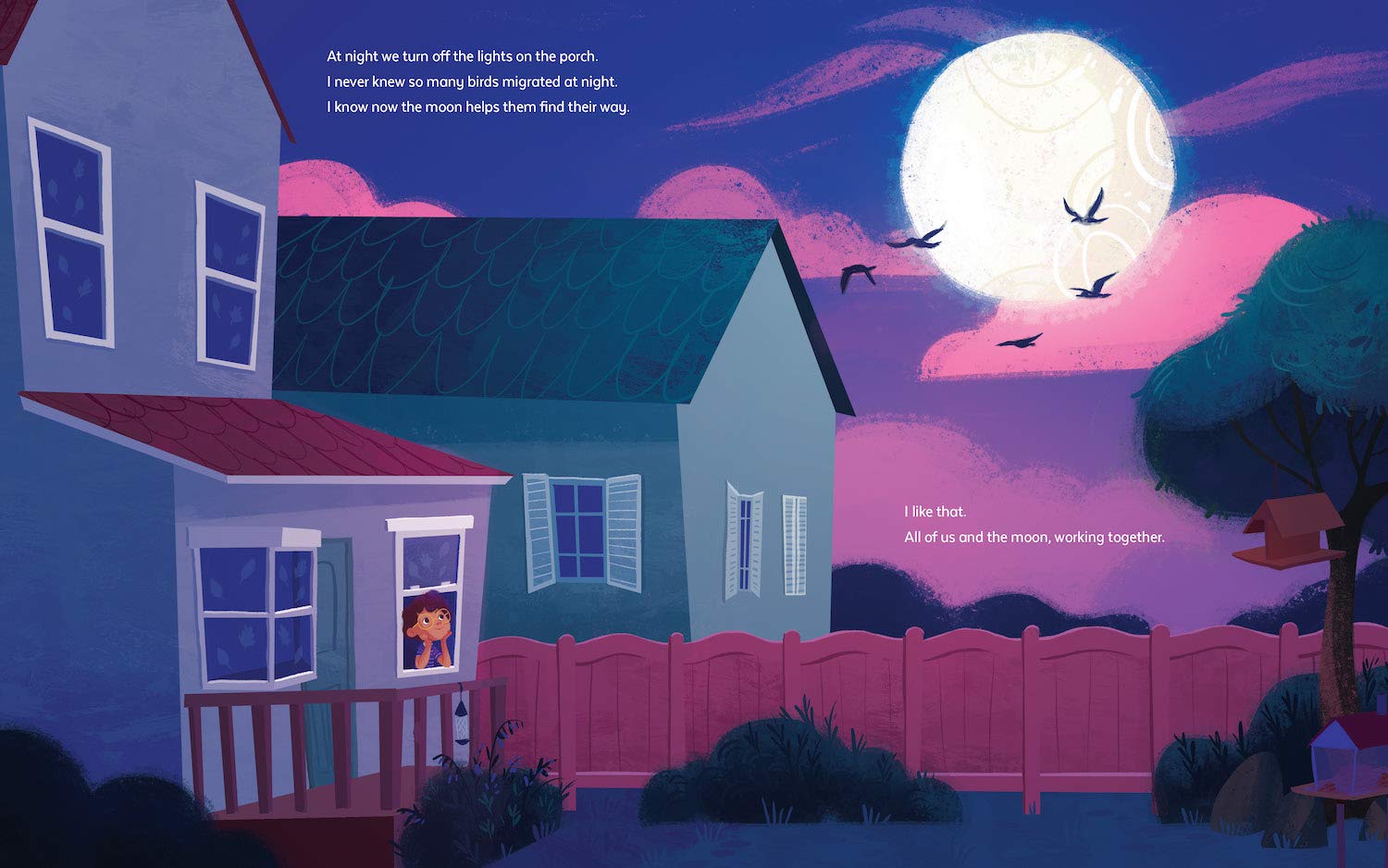
At night they take to turning off the porch lights and lowering the blinds so as not to confuse the birds. Callum looks up at the sky to see dark silhouettes flying by. “I never knew so many birds migrated at night,” he says. “I know now the moon helps them find their way.” He likes that now they and “the moon are working together.”

celebrate-picture-books-picture-book-review-a-garden-to-save-the-birds-feeders

Image copyright Beatriz Mayumi, 2021, text copyright Wendy McClure. Courtesy of Albert Whitman & Company.

During the winter, Callum and Emmy make sure the birds have shelter and fresh water. They also talk to their neighbors about the birds and some of the changes they could make to help them. At first Callum thinks their next door neighbor isn’t interested in helping, but then they notice that he’s turned off his porch light too. It turns out that everyone on the block is making positive changes.

When spring and summer roll around again and all the flowers and grasses are blooming, Callum discovers that they’re not only helping the birds, but that bees, butterflies, and other pollinators are attracted to the neighborhood too. In fact, the neighborhood has made such an impact that it is recognized with a sign as a certified wildlife habitat. Callum is glad that they have all worked together to make their block a welcoming home for birds and other wildlife.

Backmatter includes a discussion on the decreasing bird population, how kids and their families can create welcoming environments around their homes, and online resources for more information.

celebrate-picture-books-picture-book-review-a-garden-to-save-the-birds-night

Image copyright Beatriz Mayumi, 2021, text copyright Wendy McClure. Courtesy of Albert Whitman & Company.

In her charming and educational story, Wendy McClure strikes just the right tone to engage kids in learning about birds and how they can make changes around their homes to attract and help nurture birds and pollinators. Her storytelling is friendly and kid-centric, and readers will be drawn to Callum’s perspective and concern for wildlife and want to get involved in local environmental activism themselves. Adults will also find helpful and interesting tips on simple ways to make a yard or even a small area bird– and pollinator-friendly. 

Beatriz Mayumi’s lovely and detailed illustrations depict the variety of backyard birds that visit inviting landscapes as well as the beauty of garden plantings. She also clearly and realistically portrays the kinds of feeders, water bowls, nesting boxes, and natural vegetation that attract birds year round. In her images, Mayumi also reminds readers about light pollution and where it comes from in a neighborhood setting. Her beautiful illustrations of the gardens created with such care as well as her depictions of Callum and his family and the whole neighborhood working together will inspire readers to get involved in helping to save the birds.

A charming and inspirational story as well as an excellent guide to turning any area into a sanctuary for birds and pollinators, A Garden to Save the Birds is a book that families and classrooms will turn to again and again. It is highly recommended for all kids and for public library collections.

Ages 4 – 8 

Albert Whitman & Company, 2021 | ISBN 978-0807527535

Discover more about Wendy McClure and her books on her website.

To learn more about Beatriz Mayumi, her books, and her art, visit her website.

Garden for Wildlife Activity

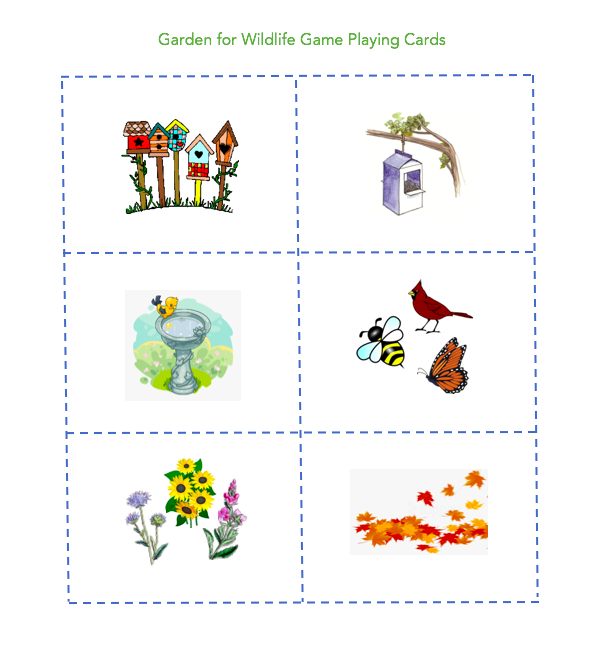
celebrate-picture-books-picture-book-review-garden-for-wild-life-playing-cards

Garden for Wildlife Board Game


Plant flowers, install a bird feeder and birdbath, build some birdhouses, and leave a layer of leaves then invite the birds, butterflies, and bees to your garden plot to win the game!

Supplies

Directions

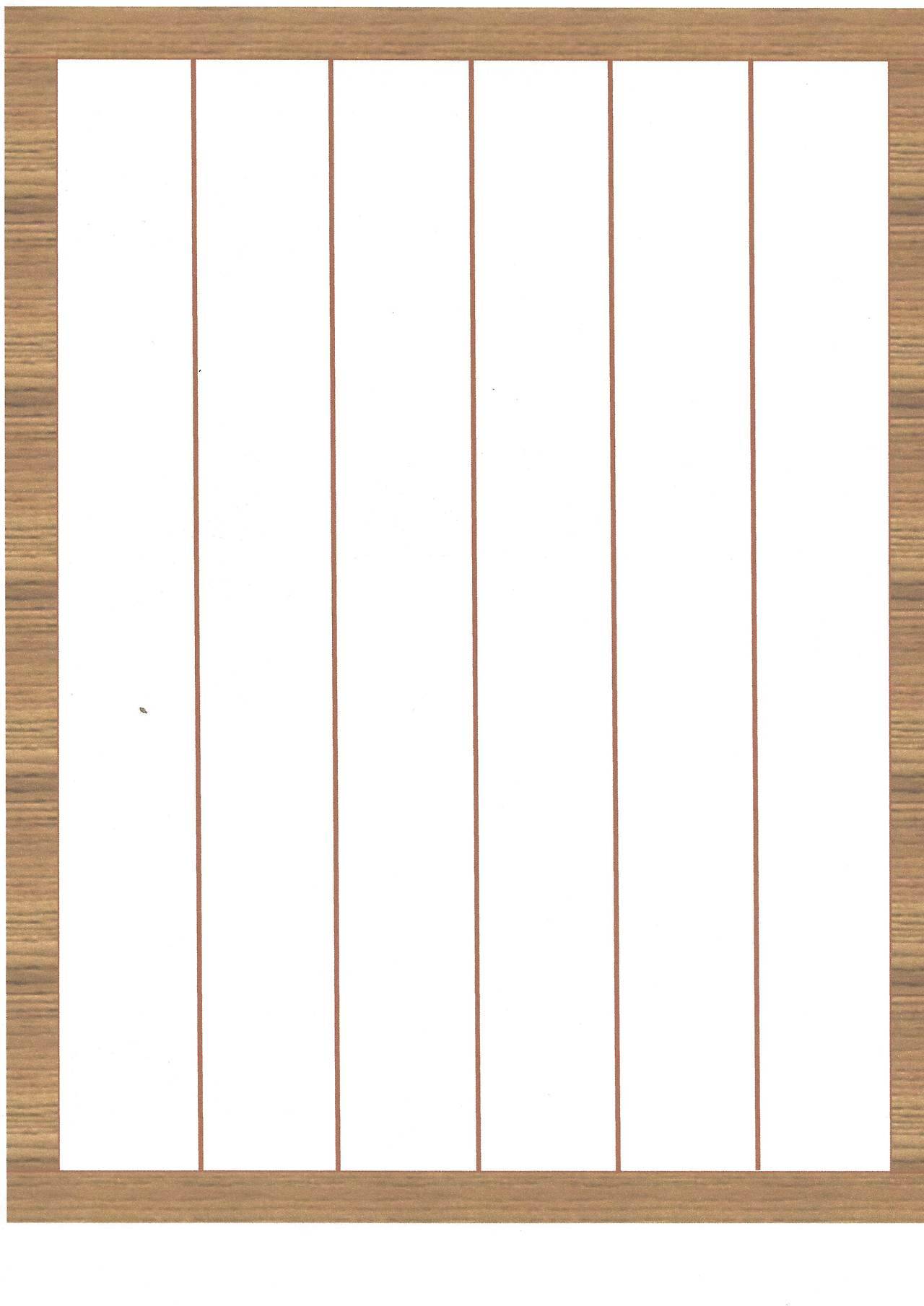
  1. Print one set of playing cards and garden plot (if using) for each player
  2. Print playing die
  3. Color garden plot, paper, or paper plate (optional)
  4. Choose someone to go first.
  5. Each player gets one roll of the die per turn.
  6. Roll the die and place the face-up object in your garden plot. If the player rolls the bird, butterfly, and bee before they’ve added all the other elements, play passes to the next player 
  7. Players continue rolling the die and adding objects to their garden plots. After a player collects them all, they must roll the bird, butterfly, and bee to win.  

celebrate-picture-books-picture-book-review-a-garden-for-the-birds-cover

You can find A Garden to Save the Birds at these booksellers

Amazon | Barnes & Noble | Books-a-Million

To support your local independent bookstore, order from

Bookshop | IndieBound

Picture Book Review
April 30 – Arbor Day

celebrate-picture-books-picture-book-review-up-in-the-leaves-cover

About the Holiday

Today is Arbor Day, a national celebration of trees that began as a campaign by J. Morton Sterling and his wife after they moved from Michigan to Nebraska in 1854. Morton advocated for the planting of trees not only for their beauty but as windbreaks for crops on the state’s flat farmland, to keep soil from washing away, as building materials, and for shade. In 1872, Morton proposed a tree-planting day to take place on April 10. On that day nearly one million trees were planted in Nebraska. The idea was made official in 1874, and soon, other states joined in. In 1882 schools began taking part. Today, most states celebrate Arbor Day either today or on a day more suited for their growing season. To learn about events in your area, find activities to download, and more, visit the Arbor Day Foundation website.

Up in the Leaves: The True Story of the Central Park Treehouses

Written by Shira Boss | Illustrated by Jamey Christoph


Bob lived in New York, a city crowded with buildings, people, and vehicles. Walking along on the sidewalk, “Bob didn’t like all that rushing around, the eyes of so many people, all those feet on the ground.” He climbed whatever he could find—onto lampposts, up to his apartment building’s roof, even the wall of the castle in Central Park. At school, Bob felt hemmed in by the desks, small classrooms, and packed hallways.

Every day as soon as school let out, Bob ran to Central Park, where it was cool, calm, and uncrowded. People moved slowly there or relaxed on the green grass. The “trees waved their branches in the air, inviting him to come up.” And so he did. Bob scampered up the path made by the bark and climbed higher and higher using the ladder the trees’ limbs provided. He explored cherry trees, pine trees, beech trees, and oak trees. “Each tree was its own world, every limb an adventure.”

celebrate-picture-books-picture-book-review-up-in-the-leaves-central-park

Image copyright Jamey Christoph, 2018, text copyright Shira Boss, 2018. Courtesy of Sterling Children’s Books.

Through the leaves that hid him, Bob could look out over the city. It was quieter and everything looked so small. Bob decided to build himself a treehouse. With scavenged wood and rope, he built a small platform and after school he climbed up to where he could read, think, and listen to the sounds of nature. He even brought peanuts for the squirrels. But one day when he came to the park, his treehouse was gone.

So Bob built another one. This one was bigger, better hidden in the leaves, and had shelter. When rain and wind came, “Bob’s treehouse rocked and swayed—he was a sailor on a ship at sea.” But when the leaves fell in the fall, Bob’s treehouse was discovered and taken down again. In the spring, Bob constructed another treehouse. This one had a long platform and a sturdy house with walls and a roof. Bob devised a rope-and-pulley “elevator” to bring up supplies like “milk crates for tables and chairs” books, snacks, and even his friends.

When the sun went down, Bob stayed and looked at the stars and planets with a telescope he’d set up on the platform. “He became an astronaut, navigating the cosmos.” Seasons came and went and Bob grew older. Each time a treehouse was taken down, he built a bigger and better one.

celebrate-picture-books-picture-book-review-up-in-the-leaves-stargazing

Image copyright Jamey Christoph, 2018, text copyright Shira Boss, 2018. Courtesy of Sterling Children’s Books.

Bob’s mom worried that he was spending too much time up in the trees. She wanted him to get a job like everyone else. But he didn’t want to spend his time commuting on a crowded train and moving along crowded sidewalks to work in a crowded office. He didn’t want to deal with the noise and smog-filled air. “Instead, he built the biggest treehouse of all. Five levels and a bridge! Bob was very proud.” He even slept there.

One morning he awoke to voices calling up to him. The park rangers were ordering him to come down. Sadly, he descended. But the man in charge wasn’t angry. He offered Bob a job taking care of the trees. Bob enthusiastically said, “‘I would love to work here!’” Even though he couldn’t build any more treehouses, he still spent his days in the canopy of the trees, climbing up, up, up with special ropes and saddle to trim branches and make sure the trees were healthy. Sometimes at night, though, Bob still found his way to a high, leafy perch to gaze at the stars.

An Epilogue, including a picture of Bob Redman sitting on a branch of one of his beloved trees, tells more about Bob Redman, his treehouses, and what he’s doing now.

celebrate-picture-books-picture-book-review-up-in-the-leaves-mom

Image copyright Jamey Christoph, 2018, text copyright Shira Boss, 2018. Courtesy of Sterling Children’s Books.

Shira Boss’s captivating true story of a boy who felt more at home in nature than in the city and grew up to care for the trees he loves is a unique story for all kids who love the adventure of their own treehouse or fort and spending time outdoors. With short staccato sentences Boss recreates the cramped in feeling Bob Redman experienced indoors and while moving through the crowded New York streets. As Bob climbs the trees, Boss’s longer, lyrical sentences echo the freedom of the peace, quiet, and slower pace of life Bob craved. His perseverance in building and rebuilding his treehouses, finally to be recognized for his special gifts will encourage kids who also forge their own path.

Jamey Christoph’s charming soft-hued illustrations take kids quickly from the tall skyscrapers and crowded sidewalks of New York City to the lovely green expanse of Central Park to watch Bob swing from the branches as he climbs higher and higher into the parks varied trees. Readers will envy his agility and view of the city. Readers can almost feel the cooler air and the warm sunshine filtered through the leaves as they turn from page to page. Christoph’s recreations of Bob’s platforms and increasingly complex treehouses will impress kids and adults alike. The final images of Bob working a job he was born to do while still enjoying the trees and the city in his own way will inspire children to stay true to what they love.

A lovely and inspiring book with a unique story that will appeal to all readers and especially those who prefer a life of quiet, thoughtful observation and creativity, Up in the Leaves is highly recommended for home, school, and public libraries.

Ages 5 – 8

Sterling Children’s Books, 2018 | ISBN 978-1454920717

Discover more about Shira Boss and her book, plus a discussion guide with activities on her website

To learn more about Jamey Christoph, his books, and his art, visit his website.

Arbor Day Activity

celebrate-picture-books-picture-book-review-Climb-a-Tree-Word-Search-Puzzle II

Climb a Tree! Word Search


There are so many kinds of trees that make our world beautiful. Can you find the names of twenty threes in this printable puzzle?

Climb a Tree! Word Search Puzzle | Climb a Tree! Word Search Solution

celebrate-picture-books-picture-book-review-up-in-the-leaves-cover

You can find Up In the Leaves: The True Story of the Central Park Treehouses at these booksellers

Amazon | Barnes & Noble | Books-a-Million

To support your local independent bookstore, order from

Bookshop | IndieBound

Picture Book Review
 

April 26 – National Audubon Day

celebrate-picture-books-picture-book-review-birds-explore-their-extraordinary-world-cover

About the Holiday

Today’s holiday honors John James Audubon, who was born on this date in 1785. Audubon was a French-American ornithologist, naturalist, and painter who traveled across America, documenting the birds he found in his detailed illustrations of them in their natural habitats. Audubon’s greatest work was The Birds of America, which is considered one of the finest ornithological works ever completed. This book contains more than 700 North American bird species with 435 hand-colored, life-size prints of 497 bird species. The Audubon Society is a far-reaching organization dedicated to conservation and education and is actively involved in issues that threaten bird populations. To learn more about the Audubon Society and its work, visit the organization’s website.

To celebrate today’s holiday, take a walk in your area or even your backyard and take special note of the birds you see. If you’d like to attract more birds to your backyard, consider hanging a bird feeder or making a temporary feeder from a pinecone, peanut butter, and seed as in the activity below. 

Thanks to Bloomsbury Children’s Books for sending me a copy of Birds: Explore their extraordinary world for review consideration. All opinions on the book are my own.

Birds: Explore their extraordinary world

Written by Miranda Krestovnikoff | Illustrated by Angela Harding


To love birds is to marvel over everything about them from their smooth gliding flight and beautiful songs to their colorful plumage and intricate nests that protect fragile eggs from the elements and predators. With a stunning number of species, birds are found around the world and living in every kind of climate. In Miranda Krestovnikoff and Angela Harding’s eye-catching compendium, readers learn about seven families of birds – birds of prey, seabirds, freshwater birds, flightless birds, tropical birds, tree dwellers, and passerines. 

Each chapter opens with general facts on the behavior, anatomical features, and habitat that determine the order in which a bird is categorized. Integrated with this information are descriptions of specific birds within the order. In the section on Birds of Prey, for instance, readers learn about sparrowhawks; fish-eating ospreys; and golden eagles, which can “spot a rodent from over a mile away and a rabbit from nearly double that distance.” Children also learn about extreme birds of prey: the fastest, largest, smallest, tallest, and baldest and how their distinctive feature helps them thrive. Kids also discover how they “can tell when each species of owl prefers to hunt by looking at the color of its eyes.”

celebrate-picture-books-picture-book-review-birds-explore-their-extraordinary-world-owls

Image copyright Angela Harding, 2020, text copyright Miranda Krestovnikoff, 2020. Courtesy of Calkins Creek.

The next chapter takes readers to coastal areas to learn about the seabirds that scour the water from the sky, searching for food and waders, that are found along the water’s edge and “feed on the variety of high-protein invertebrates that lie hidden in the mud.” Children learn about the birds that populate warmer waters, such as blue-footed boobies, terns, and frigatebirds as well as those who survive in colder waters, such as gulls, and kittiwakes. Readers will also find a fascinating description of the gannet and learn how it can safely “dive into the sea at speeds of 60 miles an hour from an impressive height of up to 100 feet” to feed.

From sea birds, readers move on to freshwater birds like ducks, swans, grebes, and Canada geese. Even the bright flamingo is here with its distinctive scoop-shaped beak that is “uniquely designed to be used upside down and helps them to filter out tiny brine shrimps and blue-green algae from the water, which, when digested, give them their pink color.” The flamingo isn’t the only bird with an unusual way to acquire their prey, and kids will discover the clever ways pelicans, herons, and kingfishers (which use “objects such as sticks, feathers, and even discarded popcorn as lures”) find food.

And then there are the “more than 50 bird species across the world [that] stay firmly on the ground (or on water)” or just “choose not to fly very often.” These flightless birds include kiwis, kākāpōs, southern cassowaries, ostriches, and Penguins. Penguins vary in size, from the “little penguin (also known as the fairy or blue penguin)” which comes to shore to nest only at night and stave off predators with their oversized voices, to the emperor penguin. Occasional fliers include great bustards, domestic chickens, and tinamous.

celebrate-picture-books-picture-book-review-birds-explore-their-extraordinary-world-penguin

Image copyright Angela Harding, 2020, text copyright Miranda Krestovnikoff, 2020. Courtesy of Calkins Creek.

When you hear about extravagant birds, you most likely think of tropical birds. “Rainforests are packed with a range of incredible species with dazzling plumage and bizarre courtship displays.” Readers will learn about the appearance and mating rituals of scarlet macaws, Raggiana birds of paradise, and the Andean cock-of-the-rock. A detailed description of the bowerbird and the male bird’s careful and artistic nest (or bower) building is funny, poignant, and even a little bit human. Then readers are treated to some tropical bird extremes: smallest bird, longest bill, and smelliest as well as a poisonous species and one that makes its own musical instrument.

Of course, woodlands are the home of many bird species, and in the chapter on Tree Dwellers, readers learn about acorn woodpeckers and great hornbills that use trees for food and shelter; tawny frogmouths and potoos that use trees for camouflage; and nuthatches, greater honeyguides, and yellow-bellied sapsuckers, which find all the food they need among the bark, leaves, and branches of trees.

celebrate-picture-books-picture-book-review-birds-explore-their-extraordinary-world-chickens

Image copyright Angela Harding, 2020, text copyright Miranda Krestovnikoff, 2020. Courtesy of Calkins Creek.

Next up are passerines, or perching birds, which make up the “largest group of birds, with over half of all known species falling into this category.” Corvids, a group that includes the common raven, crows, magpies, and rooks, are considered to be the most intelligent birds. “These birds have a remarkable ability to solve problems in order to find food, in some cases performing better than young children or chimpanzees!” Readers will be impressed with their tricks and clever use of tools (that even include cars). Children learn about cooperative breeders, which rely on their extended family to help raise the young from year to year. Passerines also include many of the garden birds we find in our backyards and which fill the air with song. Readers discover facts about blue tits, robins, and finches in this section.

The next sections give detailed and interesting information on the features we most associate with birds: their feathers, beaks, eyes, nesting habits, eggs, migration patterns, and birdsong. The book ends with perhaps the most adaptable birds in the world: those that make their homes on glaciers, mountain tops, and in the Arctic snow as well as urban birds, which live among people in crowded cities, nesting on tall cathedrals and skyscrapers and foraging for food in garbage cans and on the street.

celebrate-picture-books-picture-book-review-birds-explore-their-extraordinary-world-woodpeckers

Image copyright Angela Harding, 2020, text copyright Miranda Krestovnikoff, 2020. Courtesy of Calkins Creek.

For young ornithologists, Miranda Krestovnikoff, a wildlife expert, offers a compelling, eye-opening, and accessible introduction to a wide variety of birds, placing them in their natural environments and revealing intriguing facts and tantalizing tidbits that inform and will spark a continued interest in learning more about the world’s feathered creatures. Krestovnikoff’s engaging writing style will captivate readers and keep them turning the pages to discover birds that are both familiar and new to them. The comprehensive nature of the book allows kids in all parts of the world to learn more about their native birds while creating a global connection with these most recognized and widely distributed creatures.

Accompanying Krestovnikoff’s text are Angela Harding’s beautiful linocuts that depict birds in mid-flight, capturing prey on land and water, engaging in mating rituals, and building and protecting their nests and young. Harding’s use of natural colors and exquisitely etched landscapes set off each bird in breathtaking illustrations that invite readers to linger to enjoy their full impact. Each illustration is captioned with the bird’s species.

A gorgeous and educational book that readers of all ages will love dipping into again and again, Birds: Explore their extraordinary world is a must for bird lovers and highly recommended for home, school, and public libraries.

Ages 7 and up

Bloomsbury Children’s Books, 2020 | ISBN 78-1408893913

Discover more about Miranda Krestovnikoff and her books on her website.

To learn more about Angela Harding, her books, and her art on her website.

National Audubon Day Activities

celebrate-picture-books-picture-book-review-beautiful-birds-word-search

Beautiful Birds Word Search Puzzle


It’s fun to watch for different kinds of birds when you take a walk or in your own backyard. Can you find the names of twenty types of birds in this printable Beautiful Birds Word Search Puzzle? Here’s the Solution!

cpb-bird-feeder-i

Pinecone Bird Feeder


Pinecone bird feeders are quick to make and great for your backyard fliers. The combination of peanut butter, lard, or vegetable shortening and a quality seed mixture provide birds with the fat and nutrition they need to stay warm and healthy during the winter.

Supplies

  • Pinecones
  • Peanut butter, vegetable shortening, or lard
  • Birdseed
  • String
  • Knife or wooden spreader
  • Spoon

Directions

  1. Tie a long length of string around the middle of the pinecone
  2. Spread the peanut butter, vegetable shortening, or lard on the pinecone
  3. Sprinkle a thick coating of birdseed on the pinecone, pressing it into the covering so it will stick
  4. Tie the pinecone feeder onto a tree branch or other structure
  5. Watch the birds enjoy their meal!

celebrate-picture-books-picture-book-review-birds-explore-their-extraordinary-world-cover

You can find Birds: Explore their extraordinary world at these booksellers

Amazon | Barnes & Noble | Books-a-Million

To support your local independent bookstore, order from

Bookshop | IndieBound

Picture Book Review
April 22 – Earth Day and National Poetry Month

celebrate-picture-books-picture-book-review-friends-and-anemones-cover

About the Holidays

Earth Day

Earth Day was created in 1970 by a US Senator, Gaylord Nelson. Nelson created the day because he was worried about how humans were harming the environment through their actions. Heard of this holiday before? We certainly hope so! In 1990, environmental leaders mobilized to make the holiday go global. And now, according to earthday.org, 1 BILLION people mobilize on Earth Day every year, to help save and celebrate our beloved planet. You can watch an educational animated video on Gaylord Nelson here. Learn more about Earth Day and how you can make a difference all year around at Earthday.org.

National Poetry Month

2021 marks the twenty-fifth anniversary of National Poetry Month. The holiday was launched by the Academy of American Poets to celebrate writers, poets, poetry lovers and the positive impact poetry has on our culture, literacy and lives. Check out the 2021 National Poetry Month Poster here. You can learn more about National Poetry Month at Poets.org.

Today’s book celebrates both of these holidays with a collection of ocean poems for children. Not a huge lover of poetry? Perhaps the following collection will sway you like an ocean tide. Crafted by The Writers’ Loft Authors and Illustrators, Friends and Anemones is truly as dazzling as a sea-floor pearl.

Thanks to The Writers’ Loft for sending me a copy of Friends and Anemones: Ocean Poems for Children for review consideration. All opinions on the book are my own. 

Reviewed by Dorothy Levine

Friends & Anemones: Ocean Poems for Children

By The Writers’ Loft Authors & Illustrators


Dive headfirst into poetry month by exploring “the very, very, bottom of the deep blue sea. With: Salty snails and tuna tails. Bottle caps and lobster traps. Popped balloons, Plastic spoons…” and everything in between! (The Bottom of the Ocean by Kristen Wixted.) In honor of Earth Day AND National Poetry month, Celebrate Picture Books presents a book that deserves to be celebrated twice over: Friends & Anemones: Ocean Poems for Children. Seventy New England authors and illustrators joined ship with the Rozalia Project to create a treasure-worthy collection of ocean-themed poems and illustrations.

As described in the title page, “Rozalia Project works to conserve a healthy and thriving marine ecosystem—the plants and animals need our help to keep human debris out of their homes.” Through this partnered anthology, children will learn about subject matter ranging from unique sea creatures and beach dwellers – like cuttlefish, vampire squids, red knots, and rainbow lobsters – to the habits of more well-known ocean dwellers, like whales taking off debris, sharks getting their teeth cleaned, and sea turtles hatching eggs.

They’ll also find poems about human additions to the ocean scene in odes to lighthouses, ships’ remnants, sea litter, and more. Each poem contains deep knowledge to share with readers about poetry, the ocean, and marine life. Little pieces of advice float in between hysterical ocean puns. This perfect concoction of sea-worthy information is also backed by all types of fin-tastic and crabulous art.

Some of the poems are sure to make you laugh out loud. Deep-Sea Jellyfish by Cindy Cornwall opens with: “Jelly of the sea, not jam for your toast. It’s deep in the water, a silky scarf ghost.” Seal of disApproval by Lynda Mullay Hunt fills a whole page with the rhyming, pun-y story of a seal who becomes a dentist and stands up to sharks.

Other poems are less humorous and more pensive; the last of the series, Sea Serenity by Luke Hargraver, holds an existential truth for readers to swim through: “The world is like water / Easily disturbed by ripples / But when still, / Beautiful.” Under a short and sweet poem called Minnow, by Brook Gideon, a message to ocean explorers reads: “It’s very important to release everything you catch back into the ocean right away!”

Each spread is distinctly created in the individual poets’ and artists’ styles. Yet, the whole compilation works together in perfect, charming harmony. Some poems mirror each other in content. Horseshoe Crabulous by Doreen Buchinski is followed by Red Knots by Jane Sutton, in which: “In the sand their goal is chiefly / To dart—and swerve —on twiggy legs / In mad search for horseshoe eggs.” The two beautifully crafted poems are followed by a third gem, Mollusk Mansions by Charlotte Sheer, and accompanied with an illustration featuring horseshoe crabs, red knots, and mollusk shells—all painted by Doreen Buchinski herself!

Children will explore the deep cerulean sea through a range of sincere rhyming couplets, honest haikus, positively silly prose, magical motifs, and everything in between. All poems and artwork share with readers a deep admiration for under the sea creatures, while spreading ocean knowledge, and a love for poetry and beauty.

The watercolors, collages, and digital art pieces mesh beautifully while each achieving a distinctly artistic picturesque scene. Some illustrations run horizontally across the spread to create poster-like, masterful images. On page 23 illustrator Julia Young Cuffe paints a long, horizontal lighthouse against a watery dark blue sky, littered with stars. A person stands at the top, waving a piece of cloth, illuminated by the lighthouse light. The poem, Boston Light by Heidi E.Y. Stemple, is artfully placed running vertically down the lighthouse.

Others run across the two-page spreads to create one image that ties together the poems featured on the separate pages into a collective unit. An example of this can be seen in Marlo Garnsworthy’s opening spread of deep ocean waves intermingling with whales, and Amanda Davis’s DEEP deep sea spread that features spookily realistic vampire squids, angler fish, and sea plumes. Each piece stands out as thoughtfully crafted to instill in readers a sense of awe for the beauty of marine life and ocean ecology.

Friends & Anemones: Ocean Poems for Children would make a wonderful addition to classroom science and language arts lessons as well as a fun collection to share at home, especially in conjunction with trips to the beach or aquariums. 

The Writers’ Loft is a community based in Sherborn, Massachusetts which helps local writers foster their creativity, strengthen their spirit, and grow professionally by providing them with quiet writing space, educational programs, opportunities to connect with supportive colleagues, and access to industry experts, as well as opportunities to give back to the greater writing community. To learn more about The Writers’ Loft, visit their website.

The Rozalia Project runs educational programs, ocean cleaning initiatives and research projects focused on how to aid ocean clean-up and maintain sustainability of ocean and shoreline ecosystems. The Rozalia Project, along with the “Writer-and-Artist-Ocean-Protectors from the Writers Loft” hopes to use this book to “foster an appreciation of the importance, beauty, and wonder of the ocean in the change-makers of tomorrow.”

To learn more about the Rozalia Project, or get involved with them on this Earth Day, check out their website. You can also watch this video on their Expedition CLEAN.

Earth Day and National Poetry Month Activities

celebrate-picture-books-picture-book-review-friends-and-anemones-coloring-page  celebrate-picture-books-picture-book-review-friends-and-anemones-coloring-page

Color pages from Friends & Anemones in your OWN style with these black and white versions of the illustrations. You can find 18 more pages to print or download to your iPad to color on The Writers’ Loft website.

Manatee and Mermaid Coloring Page | Kids on the Beach Coloring Page

celebrate-picture-books-picture-book-review-under-the-sea-word-search

Find ten ocean critters’ names in this printable sea-star shaped word search.

Under the Sea Word Search Puzzle | Under the Sea Word Search Solution

Explore some poems specifically written for younger readers at Poets.org and write your own poetry if you feel inspired.

celebrate-picture-books-picture-book-review-friends-and-anemones-cover

To support The Writers’ Loft, you can order Friends & Anemones: Ocean Poems for Children from their website.

You can find Friends & Anemones at these booksellers

Amazon | Barnes & Noble | Books-a-Million

To support your local independent bookstore, order from

Bookshop | IndieBound

Picture Book Review
April 6 – It’s National Garden Month

celebrate-picture-books-picture-book-review-in-the-garden-cover

About the Holiday

Expanded from National Garden Week in 2002, National Garden Month, encourages both avid gardeners and those new to this rewarding activity to turn over some dirt, plant seeds, and prepare to tend the little sprouts on their way through the season. A perfect activity for the whole family—even the youngest loves playing in the dirt and planting seeds!—gardening is a wonderful way to teach kids about the growth cycle, pollinators, nutrition, patience, and more! If it’s warm enough to start planting where you live, engage your kids in preparing and planting your garden. If it’s still a little chilly, gather the whole family and plan this year’s garden!

In the Garden

By Emma Giuliani


In her stunningly illustrated interactive guide through the seasons, Emma Giuliani introduces Plum and her little brother, Robin, and invites readers to join them as they tend to their garden and all the plants, animals, and birds that call it home. Plum and Robin begin at winter’s end. “This morning it’s cold. It’s not yet spring, but, in the garden, Plum and her brother Robin see the first catkins appearing on the branches of the willows and hazels. The blossoming mimosa makes the gardeners impatient for spring to come.” As Robin counts the long, drooping catkins, Plum rakes a layer of compost over the ground. On the facing page, readers get a close-up view of the fuzzy catkins, can peek inside a bud, burrow underground with earthworms just waking from hibernation, and view a few early bloomers. They also learn about what makes up the earth’s soil and get a recipe for compost.


celebrate-picture-books-picture-book-review-in-the-garden-shed

Copyright Emma Giuliani, 2020, courtesy of Princeton Architectural Press.

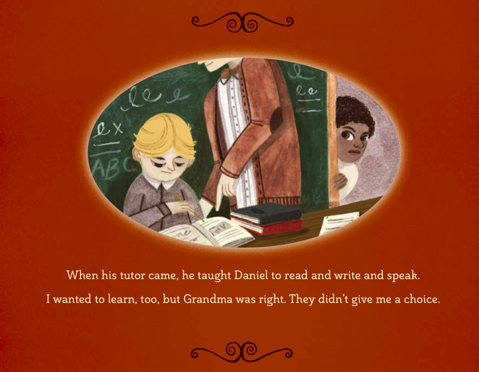
With the arrival of spring, Plum is in her little greenhouse, planting vegetable seeds and spritzing the soil with water to keep it moist while Robin repots some plants who have spent the winter in the greenhouse. Outside, Plum aerates the garden bed with a pitchfork, careful of any tiny creatures below. Children can open the door to Plum’s well-stocked shed to see all the tools tidily stored there and lift the flaps to look inside a bulb and help a hyacinth, a daffodil, and a tulip grow.

celebrate-picture-books-picture-book-review-in-the-garden-open-shed

Copyright Emma Giuliani, 2020, courtesy of Princeton Architectural Press.

At last the warm weather of spring has arrived. The cherry trees are blossoming, and Plum and Robin are setting stakes and planting bean seeds. Next, they provide protection for the tender strawberry plants that are beginning to bloom. Young gardeners will enjoy opening a bean seed to learn what’s inside and then following its growing process. The bees are visiting the cherry blossoms, pollinating the flowers and making honey. What does a bee see as it hovers around the flower? Pull down the flap to see for yourself and learn all the parts of a flower. What other plants are flowering now? Open the flap to see!

celebrate-picture-books-picture-book-review-in-the-garden-spring

Copyright Emma Giuliani, 2020, courtesy of Princeton Architectural Press.

Summer begins and “what a joy to be in the garden in June! The gentle breeze, the smell of cut grass, and the tangy taste of strawberries and cherries make the gardeners smile.” While Plum waters the tomato plants, “Robin looks for ripe strawberries under the leaves.” Join him! Robin is also picking cherries before the birds eat them. How do those bright red, round fruits grow? Lift the flap to learn and see how they develop from flower to fruit. Plum is getting help with the aphids on the bean plants from industrious—and hungry—ladybugs. “Dragonfly larvae are transforming into graceful flying insects….Their presence is a sign of a healthy garden.”

celebrate-picture-books-picture-book-review-in-the-garden-open-spring

Copyright Emma Giuliani, 2020, courtesy of Princeton Architectural Press.

It’s high summer and the garden is glorious. Bean pods hang from the vines, and Plum contemplates whether they are ready to pick. She may leave some “husks dry out on the plant before picking them.” Dried completely indoors, they can be stored and eaten during the fall and winter. Take a look inside a pod to see the seven red beans there. Flowers greet you too: an orange marigold with petals like a pinwheel, a brilliant pink and purple fuchsia, and a perky mignon dahlia. Robin took cuttings of these plants and potted them to grow some more. Learn how you can do that with your plants too!

The summer heat is waning and the days are growing shorter. Fall is here. The catkins of early spring have become hazelnuts that are ready to be harvested. Even the squirrel approves! Plum and Robin teach you how to store them—and when to pick the winter squash and keep them for months as well. Can you count the number of seeds inside the winter squash? Plum’s beautiful trellised pear tree is bearing sweet fruit. Yum! But look out—a crafty rabbit is after the last leafy vegetables in the garden. 

celebrate-picture-books-picture-book-review-in-the-garden-open-fall

Copyright Emma Giuliani, 2020, courtesy of Princeton Architectural Press.

The air is chilly again and winter is on the horizon. “Plum and Robin have donned their warmest clothes and gone out to collect the dead leaves. Some leaves will feed the compost, others will become mulch to protect plants over the winter. The hedgehogs can use the rest of the leaves in making their homes.” Do you see the pile of crunchy leaves? Lift them gently…shhh! A hedgehog is snoozing underneath. Robin and Plum have built an insect hotel to keep the bugs cozy during the winter and have filled the greenhouse again. For the colorful birds who stay awhile or all winter, Robin and Plum put out a bird feeder and fill it with locally produced seeds.

After putting all of their tools back in the shed, Plum and Robin head indoors to plan next year’s garden and “watch eagerly for the very first signs of spring.”

celebrate-picture-books-picture-book-review-in-the-garden-open-winter

Copyright Emma Giuliani, 2020, courtesy of Princeton Architectural Press.

If your family tends a garden or is thinking of starting one, Emma Guiliani’s superb book is a must. At 16 inches tall, In the Garden provides fascinating facts about plants, insects, and animals; helpful tips on when and how to plant a variety of fruit, vegetables, and flowers, information on natural ways to ward off pests; and how to recognize when fruit and vegetables are ready for picking and how to store them. Through copious flaps, children get inside views of flowers, seeds, buds, and vegetables to learn the names of each part and how they contribute to the growth of the plant. Along the way, young and adult gardeners discover how early gardening can begin, directions on how to create and use compost, when bushes can be planted, information on pollination; and how to winter over the garden for the coming spring.

Giuliani’s crisp, lush illustrations are marvels, combining intricate paper cuts that replicate the shapes of delicate bulbs and buds, flowers and seeds, smooth and serrated leaves, the long bean pod, and even Plum’s garden shed with a window in the door. Her extraordinarily beautiful color palette immerses readers in the garden experience; you can almost smell the rich earth, hear the bees buzzing at the blossoms, and feel the air changing season to season.

A brilliant resource and a joy to peruse, In the Garden is a book that adults and children—both gardeners or nature lovers—will share throughout the seasons and from year to year. The book is most highly recommended for home, school, and public library collections.

Ages 7 – 12

Princeton Architectural Press, 2020 | ISBN 978-1616898939

You can connect with Emma Giuliani on Instagram.

National Garden Month Activity

celebrate-picture-books-picture-book-review-flower-garden-game

Plant a Flower Garden Game


With this fun game you and your family and friends can grow gardens inside! Roll the dice to see whose garden will fully blossom first!

Supplies

Directions

Object: The object of the game is for each player to fill their garden or garden rows with flowers. Depending on the ages of the players, the game can be adjusted to fill all of the rows, some or all rows, or just one.           

  1. Print one Game Board for each player
  2. Print one or more sets of Flower Playing Cards for each player, depending on how  (for sturdier playing items, print on card stock)
  3. Cut the flowers into their individual playing cards
  4. Print one Flower Playing Die and assemble it (for a sturdier die, print on card stock)
  5. Color the “dirt” on the Garden Plot with the crayon (optional)
  6. Choose a player to go first
  7. The player rolls the die and then “plants” the flower rolled in a row on the game board
  8. Play moves to the person on the right
  9. Players continue rolling the die and “planting” flowers until each of the number of determined rows have been filled with flowers or one row has been filled with all six flowers.
  10. The first person to “grow” all of their flowers wins!

To play a printable Vegetable Garden Board Game, click here.

celebrate-picture-books-picture-book-review-in-the-garden-cover

You can find In the Garden at these booksellers

Amazon | Barnes & Noble | Books-a-Million | Princeton Architectural Press

To support your local independent bookstore, order from

Bookshop | IndieBound