January 1 – Z Day

celebrate-picture-books-picture-book-review-alphaoops-cover

About the Holiday

On this first day of the year it seems fitting to let the last letter of the alphabet shine. Today all of those with last names that start with Z get to move to the front row and the front of the line! You might get creative with your celebrations and eat only foods that start with Z—ziti and zucchini sound good, buy a zipper or something zany, read a zine about zombies, and of course go to the zoo to see the zebra!

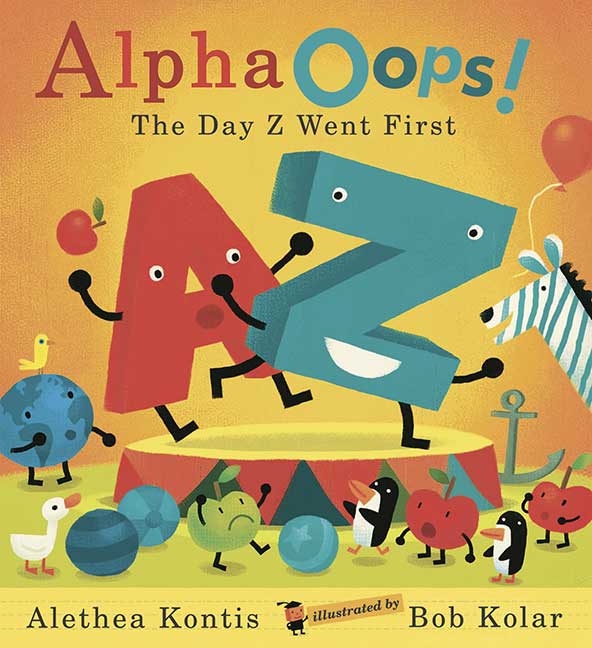
AlphaOops! The Day Z Went First

Written by Alethea Kontis | Illustrated by Bob Kolar


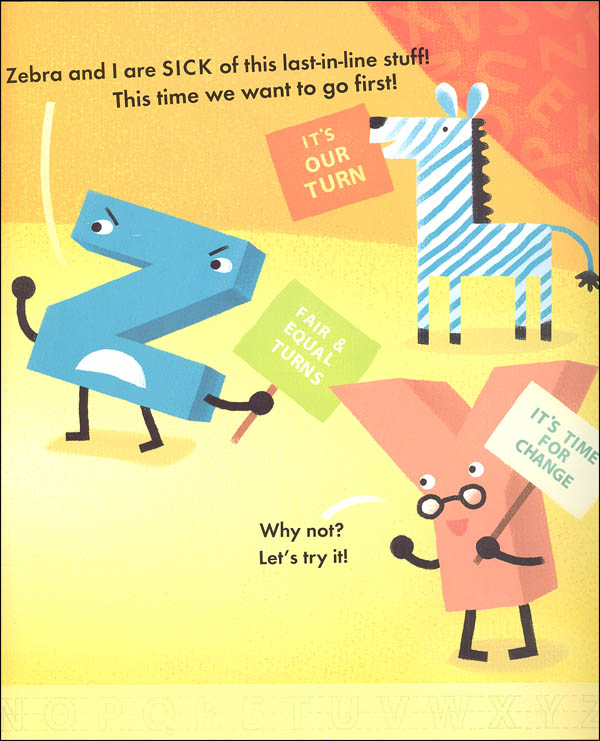
The letter A stands on a little pedestal holding aloft an apple. “A is for app—,” she starts, but is suddenly interrupted by Z, who states, “Zebra and I are SICK of this last-in-line stuff! This time we want to go first!” Y is all for this change and wants to give it a try. Z jumps on the pedestal, and with pride and a prop reveals, “Z is for zebra.” Next up is Y and with her knitting on her lap says, “Y is for yarn.” Although X is a bit wrapped up in Y’s craft, he still manages to plonk out, “X is for xylophone.”
celebrate-picture-books-picture-book-review-alphaoops-z-complains

Image copyright Bob Kolar, 2012, text copyright Alethea Kontis, 2012. Courtesy of candlewick.com

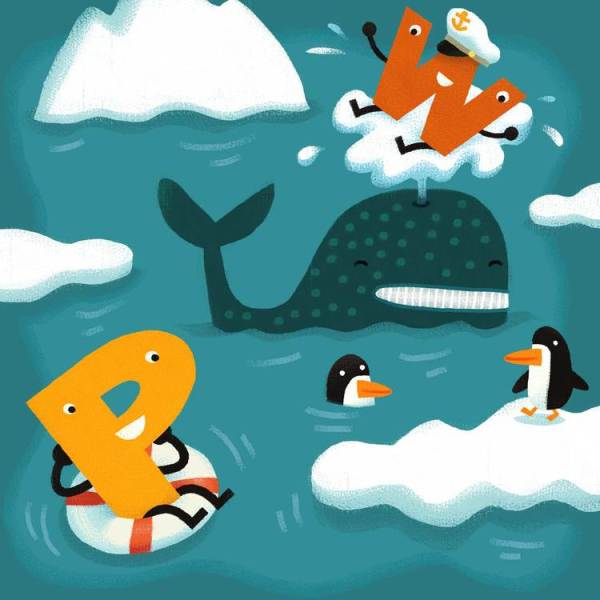
W spouts off that “W is for whale, and P, lounging in swimming ring, is happy to tell you that P is for penguins as two of the little fellows toddle nearby.” Wait a minute! P doesn’t come after W…or is it before W? Hmm…This is getting confusing. V wants her rightful place and confronts P, but P brings up the point that no matter how the alphabet runs, some letters “are still stuck in the middle.” N agrees, and M takes off running “closer to the end, just to mix it up a bit.”
celebrate-picture-books-picture-book-review-alphaoops-w-and-p

Image copyright Bob Kolar, 2012, courtesy of bobkolarbooks.com

A is perturbed by this whole state of affairs, but Z is excited. O takes over with “owl,” and N flies off in the “night.” H takes the spotlight with a tall stack of hats while G waits in the wings whispering, “H, dear, it’s not our turn yet!” A is now fuming. H, however, is happy with her usual lot in life, and R, leaning on her rainbow-colored umbrella, agrees. Z is jumping! “Go wherever you want! Just hurry up, or we’ll never get to the end.” S rushes off to be ready for the page turn where he wrangles a snake above his head. I is chased by insects, V plays the violin, and J runs away with a jack-o’-lantern.

E blasts off toward Earth, where “F is for flowers. And fairies.” Hold on there a minute! V is upset: “Hey, I didn’t get to pick two things. I think I should get another turn.” X, on the other hand seems ok with it because he doesn’t “have much to choose from.” All this fuss is making Z crazy. He just wants things to move along.
celebrate-picture-books-picture-book-review-alphaoops-v

Image copyright Bob Kolar, 2012, courtesy of bobkolarbooks.com

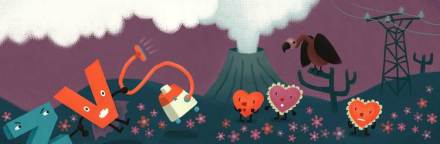
Ok, then…the next letters get in line. “T is for taxi and train. L is for lemons and lollipops. K is for kangaroo and kites. And C is for cat and canary in cages.” V is back, inserting and asserting herself with a vacuum in hand, a volcano in the background, a vulture lurking, and valentines scattered about. But Z yanks her away as G says, “Ooh, V is for violence.”

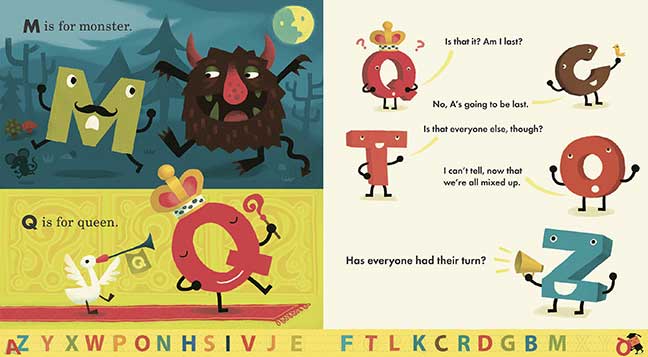
R gets his chance to pop open his umbrella, D fights a dragon, and G frolics with a great gorilla. B gets a bevy of words that make a big mess. M dashes away from a monster, and Q is queen for the day. And that’s that, right? Is it? It’s kind of hard to tell. Z shouts through a megaphone, “Has everyone had their turn?” No! It seems U has been in the bathroom since P.
celebrate-picture-books-picture-book-review-alphaoops-m-and-q

Image copyright Bob Kolar, 2012, text copyright Alethea Kontis, 2012. Courtesy of candlewick.com.

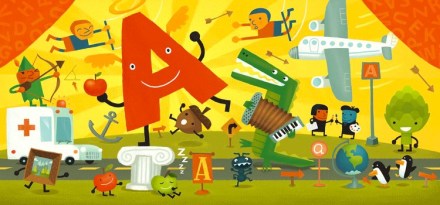
U is uncertain whether the other letters still want her, but they usher her to the podium. Finally, it is A’s turn, but where is she? “Yikes!” exclaims Y and it’s easy to see why. A has been rounding up the words! Twenty-two of them, in fact—23 if you count “and.” The other letters cheer, and Z says he’s sorry for being bossy, to which A says, “apology accepted.”
celebrate-picture-books-picture-book-review-alphaoops-a-at-last

Image copyright Bob Kolar, 2012, courtesy of bobkolarbooks.com

Alethea Kontis’s classic alphabet romp is a hilarious, personality filled celebration of the 26 letters that compose our language. As Z’s mixed up experiment goes awry, the letters’ sassy and squabbling comments make for laugh-out-loud reading. Sly wordplay adds to the fun, making this an alphabet book that older kids will enjoy as well. Subtle lessons on cooperation, teamwork, acceptance, and inclusion give readers of AlphaOops: The Day Z Went First lots to discuss while enjoying the show.

Bob Kolar’s bold, bright, and enthusiastic letters nearly pop off the page. Their expressive eyes and mouths display their excitement, distress, pride, and other emotions as the status quo is shaken up by Z. As each letter gets their turn, Kolar infuses the page with visual puns. For example, I is being chased by “insects,” that also happen to be bees (Bs?). His clever choices of nouns allow for discussion of other forms of the words too—as when S juggles a snake that…well…snakes above him. Kids will love lingering over the illustrations to find all of the jokes and letter-related images and to make sure that all of the letters get their due.

AlphaOops! The Day Z Went First is so much more than an alphabet book. Adding it to any child’s bookshelf will suit them to a T.

Ages 3 – 8

Candlewick, 2012 (reprint) | ISBN 978-0763660840

To discover more about Alethea Kontis and her books for kids and older readers as well as book-related activities, visit her website!

Find a gallery of picture book art, personal art, and other projects by Bob Kolar on his website!

Z Day Activity
celebrate-picture-books-picture-book-review-zing-goes-my-heart-word-search

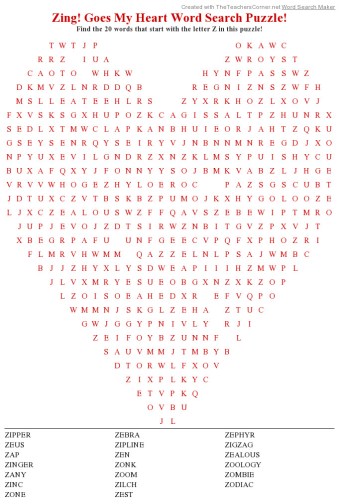
Zing! Goes My Heart Word Search Puzzle


Find the 20 words that begin with the letter Z in this printable heart-shaped Zing! Goes My Heart Word Search puzzle. Here’s the Solution!

celebrate-picture-books-picture-book-review-alphaoops-cover

You can find Alpha Oops! The Day Z Went First at these booksellers

Amazon | Barnes & Noble | Books-a-Million | IndieBound

Picture Book Review

December 23 – Roots Day

celebrate-picture-books-picture-book-review-mango-abuela-and-me

About the Holiday

Roots Day was established to inspire us to look into our family background and learn about our heritage. It’s fascinating to discover facts about our ancestors’s lives and the stories that have come down from generation to generation. If you will be with family this weekend, talk about your collective history and get to know each other in a whole new way!

Mango, Abuela, and Me

Written by Meg Medina | Illustrated by Angel Dominguez


During the winter Mia’s Abuela moves from her house far away to live with her family. Mia feels shy around her unfamiliar grandmother, but quickly adapts, sharing her room and her drawer space. The one thing they cannot share is language. Abuela “can’t unlock the English words” in Mia’s book, and Mia knows only a little Spanish.

celebrate-picture-books-picture-book-review-mango-abuela-and-me-letter

Image copyright Angela Domingues, text copyright Meg Medina. Courtesy of Candlewick Press

On the first night Abuela shows Mia two things she has carefully brought with her—a feather from a wild parrot that roosted in her mango trees and a photograph of her late husband. “Tu Abuelo,” she explains to Mia.

For the rest of the winter, Mia spends time with her grandmother, but regrets that she can never tell her important things about her life. Abuela does’t know that Mia’s good at art or can beat the boys in a race. Likewise, Abuela can’t tell Mia about her life or answer Mia’s many questions. 

celebrate-picture-books-picture-book-review-mango-abuela-and-me-language-barrier

Image copyright Angela Domingues, text copyright Meg Medina. Courtesy of Candlewick Press

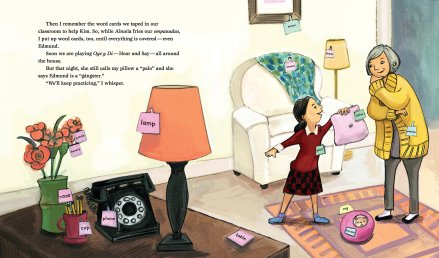
When Mia confides in her mother, her mom reminds her of how she helped her best friend, Kim, learn English when she was new at school. One day while Mia and her grandma bake meat pies, Mia pretends to be her teacher, naming each ingredient in English. Abuela reciprocates with the Spanish word. Mia suddenly has an idea. She tags everything in the house with its English name and the pair practices.

celebrate-picture-books-picture-book-review-mango-abuela-and-me-word-tags

Image copyright Angela Domingues, text copyright Meg Medina. Courtesy of Candlewick Press

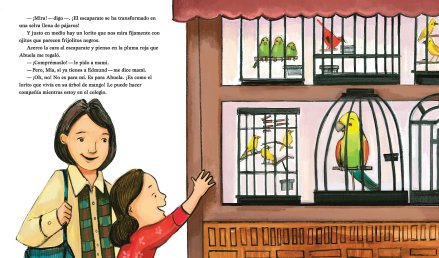
The next day on a trip to the pet shop to buy hamster food, Mia sees something in the window that gives her another exciting idea. Right in the middle of the display sits a colorful parrot. “Let’s buy him,” Mia exclaims. “For Abuela.” The parrot can keep Abuela company while she is in school, Mia thinks.

Abuela is thrilled with the gift, and they name the parrot Mango because he is the color of the tropical fruit. Abuela teaches him to say Buenos tardes. Good afternoon, Mia teaches him. “Buenos tardes, good afternoon,” Mango repeats. Abuela, Mia, and Mango spend the days practicing new English and Spanish words, learning the days of the week, the months, and the names of coins. Encouraged by her success, Abuela asks to learn more and harder words so she can meet people in the neighborhood.

celebrate-picture-books-picture-book-review-mango-abuela-and-me-pet-store

Image copyright Angela Domingues, text copyright Meg Medina. Courtesy of Candlewick Press

Best of all, Mia and Abuela can now talk about everything. Their “mouths are full of things to say,” and they tell each other about their day and their lives. From his perch Mango watches and listens. Night falls and as the light is turned off, Mia says “Hasta mañana, Abuela.” “Good night, Mia,” Abuela whispers.

celebrate-picture-books-picture-book-review-mango-abuela-and-me-baking-together

Image copyright Angela Domingues, text copyright Meg Medina. Courtesy of Candlewick Press

Meg Medina beautifully represents the relationship between a little girl and her grandmother who are unfamiliar with each other but bound by familial love. The little girl’s acceptance of her grandmother and desire to communicate is strongly depicted in the activities they do together. Mia’s clever ideas to promote the mutual learning of each other’s language shows the kind of inclusiveness that builds friendships. 

Angela Dominguez depicts the developing friendship between Mia and her Abuela in bright paintings that mirror the reds, blues, greens, and yellows of the tropics. The pair’s closeness grows organically from page to page as Mia first shies away from the grandmother who is a stranger to her to attempts at communication to deep feelings of love as they bridge the language barrier through dedication, hard work, and the help of a unique friend.

Ages 5 – 8

Candlewick Press, 2015 | ISBN 978-0763669003 (English) / 978-0763680992 (Spanish)

Learn more about Meg Medina and her books on her website

Discover more about Angela Dominguez and her books on her website!

Watch the Mango, Abuela, and Me book trailer!

Roots Day Activity

celebrate-picture-books-picture-book-review-recipe-card


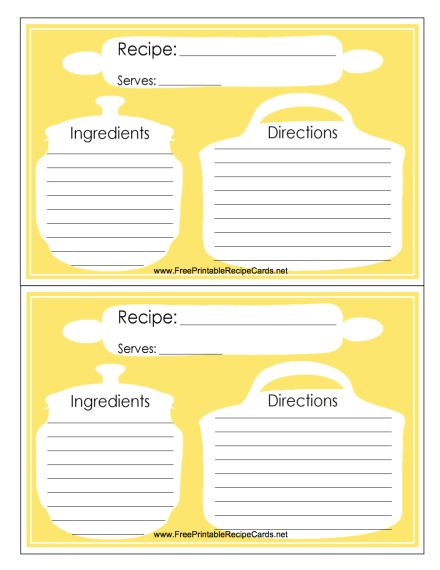
Family Recipe Card


Every family has at least one favorite recipe. Maybe it’s a recipe handed down through the generations or maybe it’s a brand new treat! Print this Family Recipe Card on card stock or glue it to a 4″ x 6″ index card. Write down your recipe and save it. Why not start your own box of special recipes that you can pass down?

Picture Book Review

November 20 – National Absurdity Day

celebrate-picture-books-picture-book-review-strange-mr-satie-cover

About the Holiday

Absurdity is all around us. It can make us laugh, make us mad, and make us see people and events with a new perspective. Today’s holiday gives us the opportunity to embrace absurdity in all its forms. You can spend the day doing something ridiculous, reading absurdist literature, or maybe listening to the music composed by the subject of today’s book!

Strange Mr. Satie: Composer of the Absurd

Written by M. T. Anderson | Illustrated by Petra Mathers


Born in 1866 in France, Erik Satie was a man of contradictions. “‘I was born very young in a very old world,’” he once remarked, and some thought that he never really grew up but always remained “a child with an old man’s smile.” This dichotomy even influenced the kind of music he liked to compose. Even as a child Satie loved music, and as he grew older he wanted to create music that was “both very young and very old, very bold and very shy, that followed no rules but its own.”

Satie liked to combine dissonant styles, such as chants and chorus line tunes. His listeners, with their fancy clothes, impeccable manners, and preconceived notions didn’t understand or like Satie’s “strange” music. On his part Satie found most people frightening and confusing. As a young man he moved to Paris where he made friends. One of his friends took him to a café called Le Chat Noir or The Black Cat. The café, with its resident cat, upstairs theater, and hidden poet’s skeleton attracted poets, artists, dancers, “wizards, and wisecrackers,” who would gather to share their work. Some had invented “luminous hats” while others had “schemes to cover the oceans with cork so they could travel from New York to France.”

celebrate-picture-books-picture-book-review-strange-mr-satie-listeners

Image copyright Petra Mathers, text copyright M. T. Anderson. Courtesy of Candlewick Press

Satie liked Le Chat Noir. He played the piano and people listened—without laughing, without even moving, just allowing themselves to feel happy or sad or as if they were in a dream. Feeling accepted in this atmosphere, Satie wrote his most famous pieces for the piano—the Gymnopédies. His unusual songs for parties, puppet shows, and other occasions had equally unusual titles: one was called “The Dreamy Fish,” another “In a Horse Costume,” and still another “Real Flabby Preludes (for a Dog).” Instead of the usual instructions composers wrote for musicians, Satie included instructions like “‘On yellowing velvet’ and ‘I want a hat of solid mahogany.’”

One day at Le Chat Noir, Erik Satie “met an artist and model Suzanne Valadon and fell in love with her.” The only problem was that she already had a boyfriend—a wealthy lawyer. Satie simply invited himself along on their dates. Satie made friends, but he also lost them easily due to his terrible temper. He yelled at his friends when they didn’t like his music, when they did like his music, and for many small perceived grievances in between. He and Suzanne fought frequently until she left him forever.

Erik Satie seemed more “like a visitor” on Earth than one of its citizens. His wardrobe consisted of “seven identical grey velvet suits and that was all.” Instead of washing with soap, he used a stone, and his room was so small he had to climb on the bed just to get in the door. By this time Satie was in his late 30s and had never learned the rules of music. He realized that he needed to go back to school. After graduating he took to wearing suits and carrying an umbrella. He looked “normal” on the outside, but his eyes still gleamed with the unique creativity inside him.

celebrate-picture-books-picture-book-review-strange-mr-satie-parade-ballet

Image copyright Petra Mathers, text copyright M. T. Anderson. Courtesy of Candlewick Press

In 1917 Satie and his friends wrote and performed a ballet called Parade with sets designed by Pablo Picasso. The story of the ballet was dramatic and the music was peculiar—played on xylophones, typewriters, and sirens. The audiences and critics disliked it intensely; it caused fights and insults. Satie even came close to going to jail over his rude response to a critic.

In 1924 Satie wrote another ballet called Cancelled, which featured a movie and a real camel, and became a self-fulfilling prophesy when on opening night the lead dancer actually worried himself sick and the ballet was cancelled. When the ballet opened a few nights later, however, the audience loved it and, finally, Satie heard long-sought applause. Soon afterward Satie became sick and was taken to the hospital. He died on July 1.

Poets, artists, and musicians came from all over to attend Erik Satie’s funeral. They wanted to honor this most unique man who lived life on his own terms and whose music influenced famous composers in the future.

T. Anderson’s honest and entertaining biography of Erik Satie depicts the quirkiness of the composer’s life through well-chosen anecdotes that will have readers laughing, shaking their heads, and empathizing with this man of extraordinary brilliance. While Satie’s personality and creativity made for a topsy-turvy existence, Anderson combines lyrical passages with those of straight narration sprinkled with expressive adjectives and verbs to clearly paint a portrait of this most unusual and influential composer.

Petra Mathers brings to life late 1800s and early 1900s France as well as the unusual music Erik Satie composes. In vivid illustrations Satie is seen mingling with the patrons of Le Chat Noir, joining Suzanne Valadon on her dates, sitting in his small room and classroom, and giving vent to his argumentative nature. As Satie cannot be separated from his music, his pieces are depicted here. Disparate objects—candles, balls, bells, dice, question marks, dominoes, and more—burst out of a piano and into and out of listeners’ ears; a performer in the ballet Parade cross the stage wearing a costume of skyscrapers; and the ballet Cancelled with its smoking canon and live camel results in flower-strewn acclaim.

Ages 6 – 10

Candlewick Press, 2016 (reprint edition) | ISNB 978-0763687755

Visit M. T. Anderson‘s website to learn more about his books for children, teens, and adults. Plus you’ll find videos, interviews, wallpapers, and more gimmicks!

National Absurdity Day Activity

celebrate-picture-books-picture-book-review-dancing-alligator-coloring-page

Really Ridiculous Coloring Pages


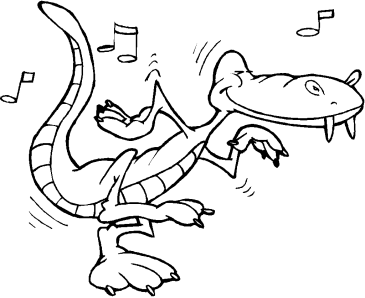
Have you every seen a frog in a suit or a dancing alligator? Absurd, right? Have fun with these printable Really Ridiculous Coloring Pages!

Frog Coloring Page | Alligator Coloring Page

October 27 – Black Cat Day

celebrate-picture-books-picture-book-review-black-cat-white-cat-cover

About the Holiday

Sure, there’s that superstition about having bad luck if a black cat crosses your path, and it’s fun to indulge it and feel a little scared around Halloween, but, really, black cats are just like other cats. They’re beautiful, sleek, stealthy, and have lots of love to give—or not (they are cats, after all). If you are thinking of adopting a cat into your home, consider choosing a black cat. Because of the superstition, they are less likely to be adopted from shelters, leaving many precious kitties without families.

Black Cat, White Cat

By Silvia Borando


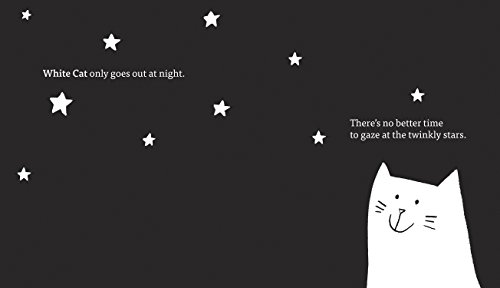
“Ever since he was a kitten, Black Cat has been entirely black….from the tip of his nose to the tip of his tail.” White cat is entirely white “from the tip of her nose to the tip of her tail.” Black Cat likes to roam during the day and watch the black swallows swoop through the sky. White Cat prefers nighttime when the twinkling stars gleam.

celebrate-picture-books-picture-book-review-black-cat-white-cat-dayt

Copyright Silvia Borando, courtesy of Candlewick Press

Black cat becomes curious about the night, though, and asks his friend Blackbird what he could see in the darkened sky. Blackbird doesn’t know because he is asleep in his nest during the night. Blackbird suggests that Black Cat go out when the sun goes down and “see what you can see.” At the same time White Cat wonders what the daytime holds. She asks her friend Snowy Owl, but Snowy Owl doesn’t know because she is always asleep by the time the sun comes up. Snowy Owl suggests White Cat go out during the day and “see what she can see.”

Copyright Silvia Borando, courtesy of Candlewick

Copyright Silvia Borando, courtesy of Candlewick Press

With good wishes from their friends, both Black Cat and White Cat head off on their new adventures, and somewhere between day and night, Black Cat meets White Cat. They tell each other where they are going and invite the other along with them. They agree, and so “White Cat takes Black Cat to discover the night.” Then Black Cat introduces White Cat to the day.

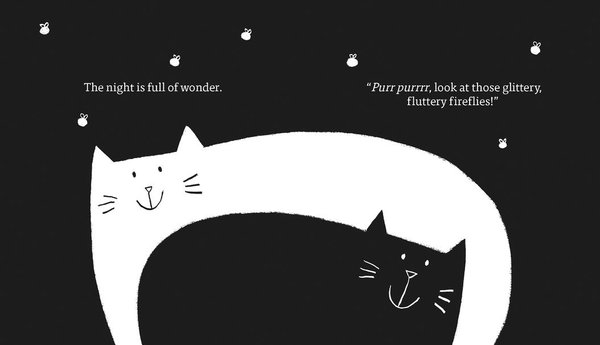
“The night is full of wonder. ‘Purr, purrrr, look at those glittery, fluttery fireflies,’” Black Cat says. “And the day is full of surprise. ‘Meow, look at those busy, buzzy bumblebees,’”  White Cat exclaims. Black Cat shows White Cat all of his favorite daytime things, such as “daisies, doves, and butterflies…” while White Cat dishes up the most delicious nighttime goodies—“snakes, bats, and mice.”

From then on Black Cat and White Cat are inseparable whether it’s daytime or nighttime. “So inseparable, in fact, that they have one, two, three, four, five, SIX… KITTENS! And can you guess what color they are? Orange!”

celebrate-picture-books-picture-book-review-black-cat-white-cat-together

Copyright Silvia Borando, courtesy of Candlewick Press

In her adorable book that proves opposites really do attract, Silvia Borando presents two cute cats that live in only half the world until their curiosity and friendship broaden their horizons. Borando’s gentle, lyrical language elevates this concept book to include the ideas that treasures can be found outside one’s comfort zone and that mutual sharing of one’s life and favorite things leads to strong relationships–even magic and sometimes the seemingly impossible! The soft curves of the figures and stark white-on-black and black-on-white pages make for striking illustrations that will delight even the youngest child.  The final spread of the six orange kittens will delight little readers.

Wonderful for story time or bedtime, Black Cat, White Cat is a sweet addition to home libraries for young readers.

Ages birth – 5

Candlewick, 2015 | ISBN 978-0763681067

Whether it’s day or night, watch this Black Cat, White Cat book trailer!

Black Cat Day Activity

celebrate-picture-books-picture-book-review-cat-with-pumpkin-collar-coloring-page

Cute Cat Coloring Page


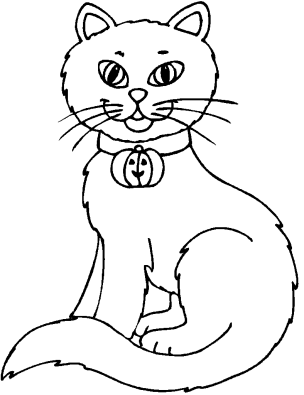
Today is black cat day, but you can color this printable Cute Cat Coloring Page any way you’d like to!

Picture Book Review

October 8 – World Octopus Day

celebrate-picture-books-picture-book-review-also-an-octopus-cover

About the Holiday

With fossils dating back 300 million years, the octopus is one of the world’s oldest and most fascinating creatures. It’s also one of the smartest as more than 500 million neurons fire information through an octopus’s brain and arms, allowing them to learn from experience and solve problems. Octopuses are versatile and are found in all the world’s oceans. While most prefer warmer waters and living along the ocean floor, some species swim in shallower, cooler waters. Octopuses have an excellent sense of touch and sense of vision—some even see in color. They fool predators by hiding or camouflaging themselves but can defend themselves by shooting an inky substance at their pursuers. To celebrate today’s holiday, plan a visit to an aquarium or other sea life center!

Also an Octopus

Written by Maggie Tokuda-Hall | Illustrated by Benji Davies


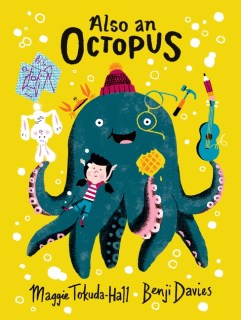
“Every story starts with nothing.” But as you think about your story, you imagine a character. This character can be anyone or anything—maybe a little girl, or a bunny, or an octopus. Maybe even an octopus that plays the ukulele. Yes! Now, by itself that seems kind of boring, so the octopus has to want something like a sandwich or a friend. Hey! Didn’t you think of a little girl? Maybe she could be the friend. But wait! How about if the octopus wants a “totally awesome shining purple spaceship capable of intergalactic travel?”

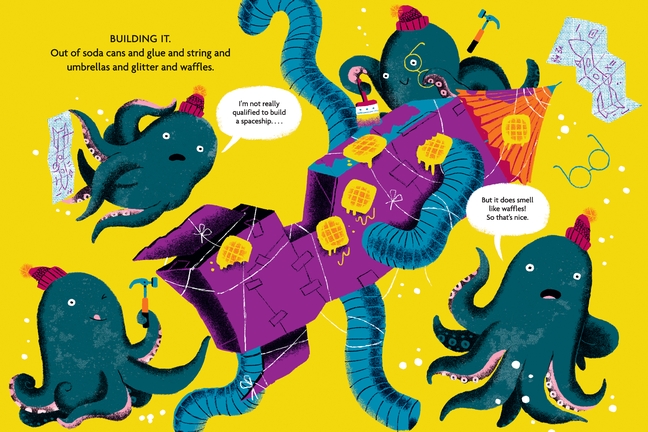
Now there’s a story! It’s not? Oh…too short? Too ehh? What if the octopus builds the rocket ship from stuff around the house? Easy-peasy! Oh dear, it doesn’t work. It can’t even get off the ground. Maybe that bunny from your earlier imagination can help. I’m sure that rabbit is great at building rockets—carroty ones anyway. Not exactly what the octopus had in mind though, huh? What’s an octopus to do beside feel “heartbroken”…beside feel “despondent?”

celebrate-picture-books-picture-book-review-also-an-octopus-homemade-rocket-ship

Image copyright Benji Davies, text copyright Maggie Takuda-Hall. Courtesy of candlewick.com

Maybe the octopus’s sorrows can be drowned in music. A few strums on the ukulele might be soothing. Not a bad idea! Doing this changes things completely! “People come to listen to the ukulele-playing octopus.” What a turn of events! Some of the people are rocket scientists who can help construct a spaceship and who “also play the saxophone, tambourine, trumpet, and lute!” Now this is getting interesting! “So what happens next?” Well, that is up to you!

But you say “I’ve got nothing”? That’s all you need—“because every story starts with the same thing: just a little bit of nothing.”

In Also an Octopus Maggie Tokuda-Hall encourages budding writers and other creative kids to trust their imaginations and let the ideas fly. With humor Tokuda-Hall demonstrates how characters, needs or wants, setting, plot, conflict, and resolution come together to make a whole story. Readers will see how one randomly chosen element can spark an entire work of art—one that is unique to its creator. Tokuda-Hall’s Octopus is a sweet, appealing character who just wants a spaceship (and a story) to take them wherever their heart desires.

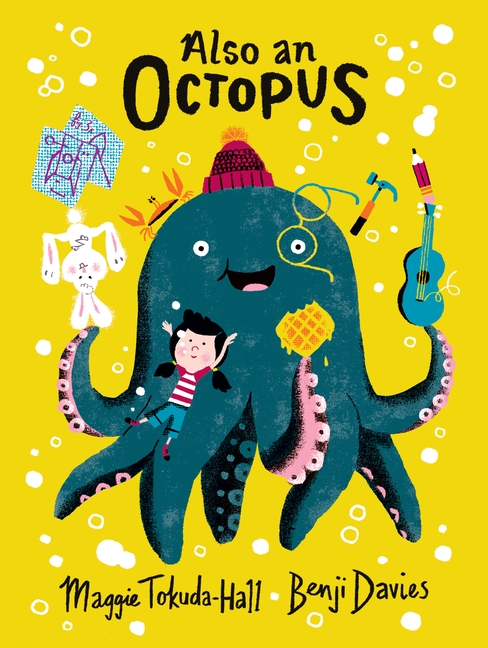
Benji Davies’s adorable Octopus, sporting a red knit cap, immediately forms a bond with readers with sweet smiles, a determined work ethic, and a sad, dejected ukulele performance on a lonely curb. Davies’ vibrant purple, yellow, and orange palette highlights the gray octopus, making this would-be astronaut the star of each page. The rocket scientists who come to listen to, jam with, and help Octopus are a welcome diverse group of adults, and the final spreads show kids that with any object or idea, the sky’s the limit.

Ages 3 – 8

Candlewick Press, 2016 | ISBN 978-0763670849

Learn more about Maggie Tokuda-Hall and her work on her website!

You’ll discover a colorful world of illustration and kids books on Benji Davies’ website!

World Octopus Day Activity

celebrate-picture-books-picture-book-review-sock-octopus-craft

Cute Sock Octopus Craft


Who wouldn’t like to have a cute octopus for a pet? With this fast and easy craft you can make your own little cephalopod to hang out on your bed, your shelves, or on your desk!

Supplies

  • Child’s medium or large size sock, white or colored
  • Polyfiber fill, available at craft and sewing stores
  • Ribbon
  • 2 Small buttons
  • Scissors
  • Hot glue or strong glue

Directions

  1. Fill the toe of the sock with a handful of polyfiber fill
  2. Tie the ribbon tightly around the sock underneath the fiber fill to separate the head from the legs
  3. Tie the ribbon into a bow tie
  4. With the scissor cut up both sides of the sock almost to the ribbon
  5. Cut these two sections in half almost to the ribbon
  6. Cut the four sections in half almost to the ribbon
  7. Glue the eyes to the lower part of the head
  8. To display, set the octopus down and arrange the legs in a circle around the head

celebrate-picture-books-picture-book-review-also-an-octopus-cover

You can find Also an Octopus at these booksellers

Amazon | Barnes & Noble | Books-a-Million | IndieBound

Picture Book Review
September 7 – Buy a Book Day

celebrate-picture-books-picture-book-review-a-child-of-books-cover

About the Holiday

Established in 2012 Buy a Book Day promotes an appreciation for physical paperback and hardbound books. Whether you’re cracking open a brand new release or gently turning the pages in a well-worn volume, holding an actual book in your hands is an unforgettable connection between you, the author, and another world—real or imaginary. Today, drop into your local bookstore and peruse the shelves—you’ll be sure to find a fascinating book to buy.

A Child of Books

By Oliver Jeffers and Sam Winston


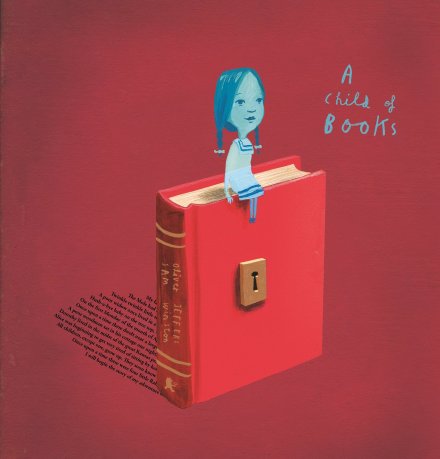
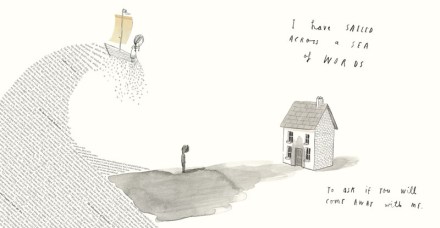
A little girl sits on a log raft with a parchment sail, dangling her feet into the water that swirls around her legs in an eddy made of words that read: “Once upon a time there was a child who loved to read…,” while the rest of the words disperse and float away. In fact, the girl is reading now—a book with a keyhole in the middle. “I am a child of books,” she reveals. “I come from a world of stories.” The wind catches the sail of her raft and the girl is off on an adventure, rising and dipping with the cresting letters that make up waves coming from the deeper sea of straight lines of excerpted text from classics including The Voyages of Doctor Doolittle, Robinson Crusoe, The Swiss Family Robinson, and Kidnapped.

celebrate-picture-books-picture-book-review-a-child-of-books-wave

Image copyrights Oliver Jeffers and Sam Winston, courtesy of oliverjeffers.com

The waves bring her to shore, where riding atop one she towers over a small boy. The girl asks if he will sail away with her. He peers into the window of his house where his father sits reading the newspaper. Headlines announce “Serious Stuff,” “Facts,” “Important Things,” and “Business.” And indeed just a glance at the articles will inform readers that “A group of serious people passed on concerns about a serious document that has been lost by a serious organization….”; that “Scientists have discovered a new fact. In one test, nearly half the subjects proved the fact, it was revealed….”; and that “an important company is to stop producing some important stuff by later this year. It said no one wanted this particular bit of important stuff.” The father’s glasses glint with numbers that rim the frames like tears.

The girl says that “some people have forgotten” where she lives, but that she can lead him on the way. The two follow a path of words from Alice in Wonderland, and the boy watches worriedly as the girl confidently climbs down a hole in the lines. There is more climbing to be done, however, and the girl, in her blue and white sailor dress, holds the boys hand as they traverse mountains made of Peter Pan that reach into the sky. By the time the friends row their dinghy into a dark cave created from the story of Treasure Island and discover a wooden chest, the boy is eager and excited for the journey.

celebrate-picture-books-picture-book-review-a-child-of-books-colorful-book-forest

Image copyrights Oliver Jeffers and Sam Winston, courtesy of oliverjeffers.com

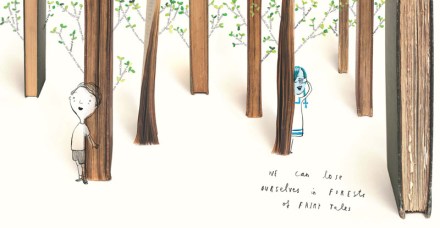
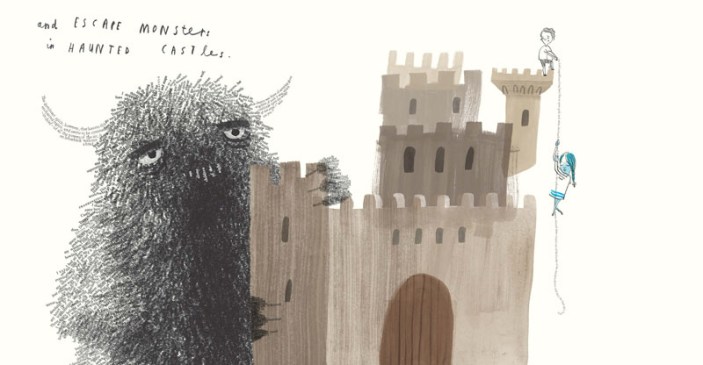
The girl and boy play hide-and-seek among tall trees made of books, where titles and lines of Hansel and Gretel, Little Red-Cap, The Golden Goose, Tom Thumb, and more jut out as leaf-covered branches. They leave the woods and come to a haunted castle that is being attacked by a monster made dark and hairy with the words of Frankenstein and Dracula. This time the boy holds a line of Rapunzel as the girl deftly shimmies to the top of a turret.

Tuckered out, the pair of friends ascend ladders to clouds of lullabies and drift into dreamland where they stand on the moon so they can “shout as loud as we like in space.” But perhaps it is not the moon but, instead, their own imaginary world made of color and characters, palaces and possibilities where stories may end but creativity lives on because “we’re made from stories…” and “our house is a home of invention.”

celebrate-picture-books-picture-book-review-a-child-of-books-colorful-monster

Image copyrights Oliver Jeffers and Sam Winston, courtesy of oliverjeffers.com

If any book invites readers to linger over the intricacies of its pages, A Child of Books is it. A perfect combination of Oliver Jeffers’ homage to the power of storytelling and Sam Winston’s artistry with typography, A Child of Books summons readers of all ages to leave the weariness of the “serious” world and enter the realm of the imagination.

The lilting lines of Oliver Jeffers’ prose poem flow with the stream of consciousness that allows thinkers to journey to nooks and crannies, participate in majestic vistas, and create the unknown of their own fancies. In Sam Winston’s hands sentences and paragraphs describing classic sea voyages swell into waves; lines from other classics crowd in upon each other, solidifying into a hidden inlet or forming a horned creature; and soft yellowed pages return to replicate the trees they once were. In the end a rainbow of characters spin out from a revolving globe, depicting our full color world.

Maps laid out by the storytellers of the past may show us routes to take but as A Child of Books reveals, there is so much white space yet to be discovered. For bibliophiles young and old, A Child of Books makes a beautiful gift and will be a welcome addition to personal library shelves.

Ages 4 and up

Candlewick Press, 2016 | ISBN 978-0763690779

Visit Oliver Jeffers’ website to view his wide-ranging work in picture books, paintings, film, and more. You can follow a paper airplane to fun games based on his picture books in Oliver Jeffers’ World.

To see the unique perspective of Sam Winston, view his books, projects, and archives on his website!

Watch the Child of Books book trailer!


Buy a Book Day Activity

celebrate-picture-books-picture-book-review-i've-got-the-reading-bug-books-to-read-list

I’ve Got the Reading Bug! Books to Buy List


Do you love to read? Do you have a wish list of books you want to read next? Me too! Use this printable I’ve Got the Reading Bug! Books to Buy sheet to keep track of those great book ideas.

September 2 – It’s Children’s Good Manners Month

celebrate-picture-books-picture-book-review-interrupting-chicken-cover

About the Holiday

As kids go back to school and interact with other students, teachers, coaches, group leaders, and others, this month is dedicated to the kinds of manners that promote good relationships and cohesive gatherings. Thinking about others and how your actions will affect them is part of being a great friend, teammate, or participant in any activity. Family life with parents and siblings is also better when everyone treats each other with good manners. So this month (and afterward) remember to say “please, thank you, you’re welcome, may I” and all the rest of the polite words!

Interrupting Chicken

By David Ezra Stein


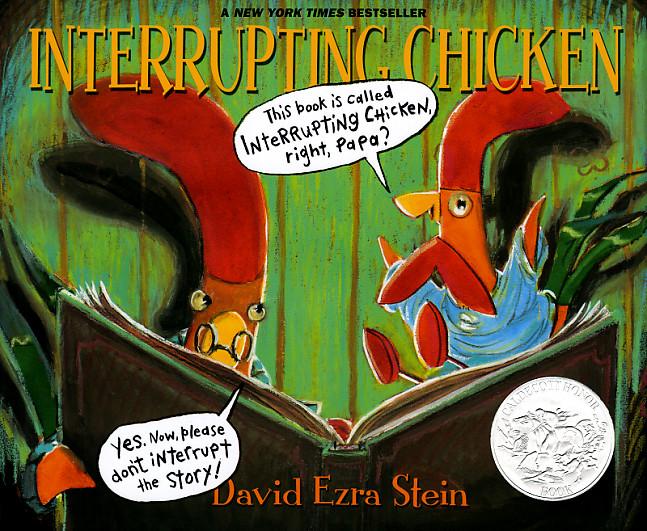
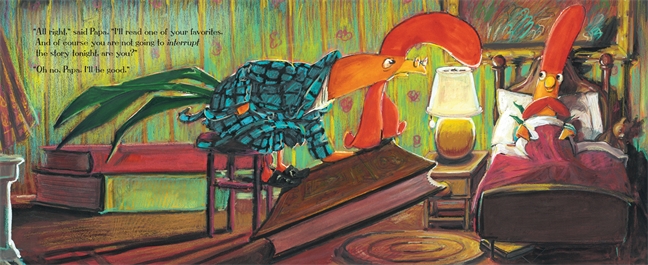
It’s time for a certain little red chicken to go to sleep, and Papa is about to plunk his chick into bed when the subject of a bedtime story comes up. Papa agrees to read one of his daughter’s favorites—after being reassured that she won’t interrupt the story tonight. “‘Oh no, Papa. I’ll be good,’” she says.

So Papa opens Hansel and Gretel and begins to read. He’s related that Hansel and Gretel were very hungry and that while out in the woods they found a house made of candy. “Nibble, nibble, nibble; they began to eat the house, until the old woman who lived there came out” and invited the children in. “They were just about to follow her when—”… the little chicken can’t help herself: “Out jumped a little red chicken, and she said, ‘DON’T GO IN! SHE’S A WITCH!’ So Hansel and Gretel didn’t. THE END!”

celebrate-picture-books-picture-book-review-interrupting-chicken-going-to-bed

Image copyright David Ezra Stein, courtesy of Candlewick Press

Papa peers over the top of his story book and he and his daughter give each other a long look. “‘Chicken.’” “‘Yes, Papa?’” “‘You interrupted the story. Try not to get so involved.’” “‘I’m sorry, Papa. But she really was a witch.’” Papa understands, but he also tells little chicken that she should relax and try to fall asleep. His daughter agrees to be good if he reads another story.

Papa turns the page to Little Red Riding Hood. He reads about how Little Red Riding Hood’s mother gave her a basket of goodies to take to Grandma and warns her about the dangers in the woods. “By and by she met a wolf who wished her ‘Good Morning.’ She was about to answer when—”…the little avid reader can’t help herself again! “Out jumped a little red chicken, and she said, ‘DON’T TALK TO STRANGERS!’ So little Red Riding Hood didn’t. THE END!”

Papa puts the story book down and gazes into his daughter’s wide-awake eyes. She apologizes for interrupting a second time and suggests “one more little story” and promises to behave. Papa picks a most appropriate story for the third go-around: Chicken Little. He starts off with the unfortunate event when Chicken Little is hit on the head by an acorn and mistakenly thinks that the sky is falling. “She was about to run off and warn Goosey Loosey, Ducky Lucky, Henny Penny, and everyone on the farm the sky was falling when—”…the little chicken loses control yet again. “Out jumped the little red chicken, and SHE said, ‘DON’T PANIC! IT WAS ONLY AN ACORN.’ So Chicken Little didn’t. THE END!”

celebrate-picture-books-picture-book-review-interrupting-chicken-one-more-story

Image copyright David Ezra Stein, courtesy of Candlewick Press

Papa is now flat out tired and—even though his little chick hugs him and vows that with only one more story she’ll fall asleep—out of stories. Little chicken exclaims, “‘Oh no, Papa. I can’t go to sleep without a story!’” Yawning, Papa suggests that his daughter tell him a story. She grabs her notebook and crayons and begins. “Bedtime for Papa by CHiKn Once there was a little red chicken who put her Papa to bed. She read him a hundred stories. She even gave him warm milk, but nothing worked: he stayed wide awake all—”

Suddenly, the sounds of snoring interrupt her storytelling. She looks up from her page to find her father fast asleep in her bed. She pats him on the head “‘Good night, Papa.’” she whispers before finally falling asleep herself.

David Ezra Stein’s Caldecott Honor book is a hilarious retelling of the nightly bedtime story scene in so many households. One story just isn’t enough, and familiar stories just beg to be finished by excited little voices. The father/daughter relationship in Interrupting Chicken is sweet and endearing, as the day-weary dad reads story after story and his daughter chimes in. Any parent or caregiver has gazed at their little charge in just the way Papa does, and they have all received the same knowingly innocent eyes back.

Stein’s glowing blue, green, and red illustrations of the adorable little chicken with her very tall comb tucked into bed and her father’s equally as long comb and waddles, cozy bathrobe and slippers will make kids fall in love with this duo. The stories Hansel and Gretel, Little Red Riding Hood, and Chicken Little are cleverly depicted in vintage black, brown, and white hues that are brilliantly interrupted by the little chicken and her well-timed warnings. In each even the original stories’ characters react to being so “rudely interrupted” and are left with dubious expressions as our little heroine saves the day.

Animated readings (there’s no way you’ll get away with just one!) will make Interrupting Chicken one of the favorite books on your child’s bookshelf.

Ages 4 – 8

Candlewick Press, 2010 | ISBN 978-0763641689

Don’t’ interrupt this funny book trailer!

Children’s Good Manners Month Activity

celebrate-picture-books-picture-book-review-good-manners-matter-word-search

Good Manners Matter! Word Search


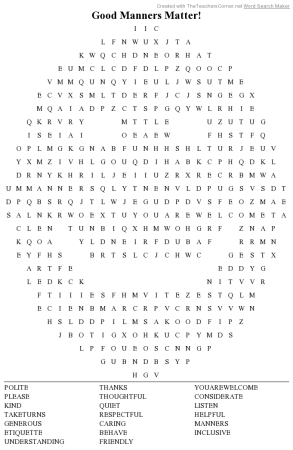
Using good manners makes you and those around you smile! Find the 20 manners-related word in this Printable Good Manners Matter! smiley-faced-shaped puzzle! Here’s the Solution!

Picture Book Review