March 14 – International Ask a Question Day

celebrate-picture-books-picture-book-review-do-you-see-my-tail-cover

About the Holiday

Admit it—you have a ton of questions. These days, don’t we all! Well, now’s the time to get them out there! Go on—even if you think it’s silly or it seems as if everyone else understands (believe me, they don’t!)—ask away! It’s only through questions that we learn the truth or make new discoveries. Little ones seem to come preloaded with questions, and each one is an opportunity for you to introduce them to our world!

Do You See My Tail?

By Anita Bijsterbosch


A bushy tailed animal hails readers from its place in the treetop—“Do you see my tail? Guess who I am!” A red-bellied bird, butterfly, cricket, spider, and ladybug are all standing by to find out too. Opening the flap, little ones are cheerfully greeted by a squirrel who is feeding its babies. “My babies live in a nest in a hollow tree. They like acorns,” the squirrel says. The young squirrels happily reach for the tasty nuts while their mom or dad says, “Hello, squirrel. Hello, sweet baby squirrels.’

On the next page, a small, brown tail trimmed in black and white peeks out from behind a bush. “Do you see my tail?” the owner asks. “I have a cute little tail. Guess who I am!” Two sleepy owls, a pair of mice and adorable insects can’t wait to find out either. The open flap reveals a mother deer and her fawn who is “lying in a little nest in the high grass.” As the two give kisses, Mom says, “Hello, deer. Hello, sweet baby deer.”

celebrate-picture-books-picture-book-review-do-you-see-my-tail-deer-closed-flap

Copyright Anita Bijsterbosch, courtesy of anitabijsterbosch.nl. Image from the original Dutch-language edition.

Next, a long black feathered tail pokes out from behind a tree. This tail belongs to a bird, and it’s fluffy babies are getting a nutritious worm snack. “How loudly they chirp,” the bird tells readers. Along with their meal, the babies get a little love: “Hello bird. Hello, Hello, sweet baby birds.” Turning the page, young readers see a flat brown tail dipping into the water. Inside the flap a beaver cuddles three babies who “are playing in a nest made of tree trunks and branches.”

“Do you see my tail?” the next animal asks. Who could that ball of fluff belong to? Lift the flap to discover an adult rabbit and four scampering babies “hopping around in a hole under the ground.” You can tell the rabbits hello! “Hello, rabbit. Hello, sweet baby rabbits.” A flip of the page reveals another part of the woods where a fiery red tail sways to and fro in the hedges, a woodpecker makes a hole in a nearby tree trunk, and tiny insects enjoy the day. Baby foxes “love to frolic” in their underground nest.

Can readers spot the next animal’s “teeny tiny tail” and guess who it belongs to? Under the flap they will find a hedgehog and three babies “sleeping and eating in a nest made of branches and leaves.” The hedgehogs love the apples that fall from the nearby tree. Say hello to the little hedgehogs! “Hello, sweet baby hedgehogs.”

celebrate-picture-books-picture-book-review-do-you-see-my-tail-deer-open-flap

Copyright Anita Bijsterbosch, courtesy of anitabijsterbosch.nl. Image from the original Dutch-language edition.

Anita Bijsterbosch’s charming lift-the-flap book introduces toddlers and young children to a variety of animals and their babies through one easily identifiable feature. Each invitation to guess is followed up by a positive, upbeat answer that rewards a little one’s efforts. Two more complete sentences reveal information about the animal’s home as well as a behavioral trait that mirrors the kind of fun or snuggling that young children like to do themselves. The repeated greeting to each animal and their “sweet” babies not only emphasizes the love that families have for each other, but also provides a gentle lesson in the singular and plural forms of each animal’s name. The rich choices, such as frolic, bushy, and hollow used throughout the story promote early language development.

Bijsterbosch’s colorful pages will enchant young readers as cute birds, insects, mice, and other small creatures join in the fun. The fold-out flap is large enough for a detailed depiction of each animal and their home, and the bright eyes and friendly smiles of the adult and baby animals invite children in to learn and play. Little ones will love to name the other creatures and talk about their different habitats. The open art style offers opportunities to count and to discuss concepts such as in, out, inside, outside, on, near, and far, which are the building blocks of early math literacy. Readers will also love looking for the little ladybug on each spread.

Do You See My Tail? would be a wonderful early addition to any toddler’s or young child’s home bookshelf.

Ages 1 and up

Clavis, 2017 | ISBN 978-1605373201

International Ask a Question Day Activity

celebrate-picture-books-picture-book-review-squirrel-dot-to-dot

Cute Dot-to-Dot Pages


Can you guess what animals you’ll find when you connect the dots in these two printable Cute Dot-to-Dot Pages?

Dot-to-Dot Page 1 | Dot-to-Dot Page 2

Picture Book Review

March 13 – National Napping Day

celebrate-picture-books-picture-book-review-twenty-yawns-cover

About the Holiday

If there’s one day a year when you should be easy on yourself and take a nap when the feeling strikes, today is it! Held annually on the Monday after the spring time change, National Napping Day allows us to recapture that lost hour of sleep and reset our body clocks. So if you start feeling that can’t-keep-my-eyes-open  weariness, go ahead and kick off your shoes, get comfy, and….

Twenty Yawns

Written by Jane Smiley | Illustrated by Lauren Castillo


A little girl and her mom and dad are out for a day at the beach. Along the curving coastline they found the perfect spot to plant their umbrella and unfold their chairs. While Lucy dug a hole near the foaming waves, her mom and dad read in the shade of the umbrella. When the hole was big enough to hold her dad, Lucy “covered him up and they laughed and laughed.” Later, Lucy’s dad took her hand and swung “her into the sky” just as a wave crashed onto the shore.

celebrate-picture-books-picture-book-review-twenty-yawns-lucy-running-on-beach

Image copyright Lauren Castillo, text copyright Jane Smiley. Courtesy of laurencastillo.com

In the afternoon Lucy, Mom, and Dad walked “all the way to the end of the beach,” stopping here and there to chase seagulls, fly a kite, and play. Coming back, Lucy rolled “down the soft warm dunes,” never wanting the day to end. Returning to their umbrella, the three built a sandcastle and headed for home only when the sun began to set. “Lucy yawned. Mom yawned. Dad yawned.” Everyone was ready to go to bed early.

When they reached home, “Lucy put on her pajamas inside out, climbed into bed, and yawned a big YAWN.” Lucy’s mom began to read her a story about a little boy named Fred. Lucy yawned and began to doze, but soon she no longer heard her mom’s voice. She peeked at her mom. “She was asleep!” Lucy stared out into her room. “The moon shone through the window, a silver veil that fell across the floor. Everything looked mysterious, even Lucy’s own hands on the bedspread.”

celebrate-picture-books-picture-book-review-twenty-yawns-lucy-looking-at-toys

Image copyright Lauren Castillo, text copyright Jane Smiley. Courtesy of laurencastillo.com

Suddenly, all the people in her pictures—Grandma, Grandpa, Aunt Elizabeth, Mom, Dad, and even Fred in the book on the floor—seemed to be looking at her. Lucy wanted her teddy bear, Molasses. She crept out of her room, past her dad sleeping in a living room chair, and over to the bookcase, where Molasses hid under a pile of toys. As Lucy pulled at Molasses, Hornet the giraffe, Juno the horse, Mathilda the alligator, Frank the kangaroo, and his baby, Leonard all tumbled to the floor.

As Lucy started back to her room, she saw her toys watching her. They looked so lonely. One by one she carried them to her bed and “dropped them in a patch of moonlight.” She tucked them in and gave each a kiss. She thought they all “looked sleepy and happy.” Lucy cuddled up next to her toys and yawned. They in turn yawned too. So did Grandma, Grandpa, Aunt Elizabeth, Mom, Dad, and even Fred. Lucy hugged Molasses tight, “gave one last YAWN…and fell asleep.”

celebrate-picture-books-picture-book-review-twenty-yawns-lucy-kissing-toys-goodnight

Image copyright Lauren Castillo, text copyright Jane Smiley. Courtesy of laurencastillo.com

Jane Smiley’s Twenty Yawns perfectly captures the deep-down happy tiredness after a day in the sun. While Mom and Dad surrender to sleep, Lucy’s awareness is heightened in the strangely quiet house and can only be alleviated by sharing her bedtime routine with her stuffed animal friends. Beautiful lyrical passages paint word pictures of the tropical setting and Lucy’s imagination, while Lucy’s tender care for her toys replicates the love her parents show her.

Lauren Castillo’s blue sea and golden beach glows with the warmth of the sun and a family’s togetherness. Lucy and her dad play in the surf, Lucy’s parents walk hand-in-hand as Lucy runs after seagulls on their walk, and they all help build a sandcastle. Back home in their cozy house, Lucy and her mom gaze out a window as their house is cast in shadow by the setting sun. Tall palm trees wave against a blue, purple, pink, peach, and yellow sky. Little Lucy is adorable as she plays in the dunes, creeps through her sleeping house, and kisses her toys goodnight. Young readers will contentedly join Lucy and her family in their fun day as well as their yawny snoozing. 

Little ones who wonder if there are indeed 20 yawns in the book will be rewarded by counting each sigh.

Twenty Yawns is a sweet, quiet book for naptimes, bedtimes, indoor days, and any time when a little relaxation is just what’s needed.

Ages 2 – 7

Two Lions, 2016 | ISBN 978-1477826355

You can connect with Jane Smiley on Facebook.

Learn more about Lauren Castillo, her books, and her art on her website.

Napping Day Activity

celebrate-picture-books-picture-book-review-snuggle-buddy-craft

Sleepy Buddy Craft


It’s easy to make a one-of-a-kind sleepy buddy for naptime or any time. With just a few materials and your own creativity, you’ll soon have a new friend to snuggle with!

Supplies

  • 1 8-inch by 11-inch piece of fleece in the color or your choice for the body (or scraps if you have some from an earlier project). A larger piece of fleece can be used to make a larger buddy
  • 1 5-inch by 8-inch piece of fleece in the color or your choice for the hair (or scraps if you have some from an earlier project)
  • 1 small piece of fleece or other material for a pocket, clothes, or blanket
  • Small scraps of fleece or other material for the face
  • Fiber Fill
  • Thread and sewing needle OR fabric glue
  • Scissors

Directions

To Make the Body

  1. Fold the large piece of fleece in half lengthwise and sew along the open side and along the bottom. Alternatively, if using a larger size piece of fleece, fold upward and sew or glue the two sides closed.
  2. Turn the form inside out

To Make the Hair

  1. Cut a piece of fleece as wide as your buddy and about 7 – 8 inches long
  2. Fold the fleece lengthwise
  3. Insert both ends of the fleece into the opening at the top of the body
  4. Sew or glue the opening shut, securing the hair
  5. Cut strips about ¼-inch wide from the top of the hair to close to where the hair is sown into the body

To Make a Pocket or Clothes

  1. Cut a piece of fleece in the shape of a pocket, shirt, pants, diaper, or blanket
  2. Sew or glue the pocket or clothes to the buddy

To Make the Face

  1. Cut eyes, a nose, and a mouth in whatever way you would like your buddy to look. (My buddy is sleeping.)
  2. Sew or glue the face to the buddy
  3. Snuggle up!

Picture Book Review


March 12 – It’s Women’s History Month

celebrate-picture-books-picture-book-review-to-the-stars-cover

About the Holiday

From its beginning as a single-day observance in 1911 , the celebration of women’s achievements and contributions throughout history grew to a week-long event in 1982 and finally to encompass the entire month of March in 1988. During this month we remember the trail-blazing women of yesteryear who used their creativity, intelligence, and perseverance to promote rights for women while contributing their own innovations to science, art, social reform, medicine, and other disciplines as well as today’s pioneers who carry on their legacy and make our world a better place. 

To the Stars! The First American Woman to Walk in Space

Written by Carmella Van Vleet and Dr. Kathy Sullivan | Illustrated by Nicole Wong


As a child Kathy Sullivan loved to explore. Her father designed airplanes, and when he brought home blueprints, she carefully studied every line and curve. When she saw airplanes in the sky she wished she were on them, flying to exciting locations all over the world. Maps and foreign languages fascinated her. “Their strange symbols, exotic tales, and musical sounds made her feel like the world was waiting for her.” Kathy wanted to see that whole world and thought maybe she’d like to be a spy or a diplomat, but her friends and other adults told her those weren’t jobs for women.

celebrate-picture-books-picture-book-review-to-the-stars-blueprints

Image copyright Nicole Wong, courtesy of nicole-wong.com

But Kathy always followed her heart. She loved going fishing with her dad and brother and finishing the day with a swim. She “delighted in how her arms and legs moved in slow motion underwater.” Kathy was still a teenager when she learned how to pilot a plane. At first the busy instrument panel made her nervous, but she quickly learned how to manage all the “dials, buttons, and numbers.”

Kathy got a taste for the thrill of space when she bravely jumped at the opportunity to ride in a Breezy—an open air framework plane. Sitting at the very tip of the airplane, in front of the pilot, Kathy had a bird’s eye view. “The wind rushed past her face so fast it pushed her cheeks back. Higher! Faster! Young Kathy looked at the ground below her feet. She felt like she could see the whole world.”

As an adult, Kathy put all of these experiences to good use as she studied complex science that would lead her to NASA. And when she became the first American woman to walk in space, she fulfilled her childhood dream to see the whole world!

celebrate-picture-books-picture-book-review-to-the-stars-spacewalk

Image copyright Nicole Wong, courtesy of charlesbridge.com

Carmella Van Vleet and Dr. Kathy Sullivan, have written a compelling biography of Dr. Sullivan that not only tells the story of her adult achievements, but also reveals the childhood and teenage motivations and influences that fostered her journey to the stars. As each event in Kathy’s young life is introduced, it is followed by an adult accomplishment: Kathy’s poring over her father’s aircraft blueprints leads to a spread of college-age Kathy studying charts in textbooks. Her enjoyment of swimming underwater is followed by an illustration showing her NASA training underwater. Her initial introduction to a plane’s instrument panel informs her later responsibilities inside the spacecraft. And the question she once asked herself as a child—what kind of job would allow her to see the whole world—is answered as the astronaut Kathy gazes down at Earth from space.

celebrate-picture-books-picture-book-review-to-the-stars-breezy

Image copyright Nicole Wong, courtesy of charlesbridge.com

Nicole Wong’s lovely, realistic watercolor and ink paintings clearly show readers Kathy Sullivan’s trajectory from curious girl to accomplished astronaut. The blueprints that Kathy studies are filled with schematics. The aqua water she swims in swirls and bubbles in the wake of her cannonball dive, and the crisscrossing fields lay like a mottled green quilt under the Breezy. Especially stunning and effective are the illustrations of Dr. Sullivan’s work with NASA. Kids will love the up-close view of the spacecraft’s instrument panel with its myriad buttons and dial. Likewise, they will find the gorgeous two-page spreads of the space shuttle’s launch, the view from the cockpit, and Kathy’s spacewalk particularly thrilling.

Following the text is a personal note from Kathy Sullivan to her young readers. More extensive biographical notes reveal how Dr. Sullivan discovered her love of science as well as information on the NASA missions she supported. Two more pages highlight the women of the first space-shuttle class, which included Kathy Sullivan, and other firsts by eight other women in space.

To the Stars is a wonderful book to teach children that following their own heart is the best path to future happiness and personal accomplishment. It’s a beautiful addition to any budding scientist’s or adventurer’s library!

Ages 5 – 9

Charlesbridge, 2016 | ISBN 978-1580896443

To find fun activities for To the Stars—including how to make space play dough—as well as other books by Carmella Van Vleet, visit her website!

To learn more about Nicole Wong and view a portfolio of her artwork, visit her website!

Women’s History Month Activity

celebrate-picture-books-picture-book-review-astronaut-coloring-page


Astronaut Coloring Page

Would you like to be an astronaut? Draw yourself in this spacesuit and then grab your crayons, pencils, or markers and have fun with this printable Astronaut Coloring Page!

Picture Book Review

March 11 – It’s Youth Art Month

celebrate-picture-books-picture-book-review-opposite-surprise-cover

About the Holiday

Youth Art Month was established in 1961 by the Crayon, Water Color, and Craft Institute in conjunction with the National Art Education Association to emphasize the value of participating in art for all children. Involvement in the visual arts improves problem solving, observation, creativity, and communications skills. The observance continued to grow, later including secondary school students in 1969 and the creation of the Council of Art Education to oversee the month’s events in 1984.

Art shows, special exhibits, school and community events, and fundraisers are all part of the celebration. The highlight of the month is the School Flags Across America…Flying High competition in which students design a flag around a particular state theme. The flags are judged and the winning flag from each state is made into an actual flag and flown with the others in Washington DC. A child’s love of art often begins early as they are exposed to a variety of beautiful images in picture books, such as today’s original concept book.

Opposite Surprise

By Agnese Baruzzi


Opposite Surprise poses a series of  questions that invite young children to ponder various opposites while also challenging their perceptions. For instance, is the blue truck on the opposite page small or big? Well, in comparison to what, you might ask. A flip of the half-fold flap answers this question and allows readers to say that the blue truck is small when compared to the big digger behind it.

celebrate-picture-books-picture-book-review-opposite-surprise-small-or-big-

celebrate-picture-books-picture-book-review-opposite-surprise-truck-flap

celebrate-picture-books-picture-book-review-opposite-surprise-small-or-big-open-flap

Image copyright Agnese Baruzzi, courtesy of Minedition

Is there one sheep on the next page or many? It seems that the gray sheep is standing alone, but pulling the flap reveals a whole flock of diverse sheep. Now, how about that fancy, blue box—is it empty or full? Empty you might reply quickly, but perhaps…. With a tug on the page, kids discover that this container is not a box but an aquarium teeming with fish of all sizes! Toot, toot! A little train is chugging along on the next page. Is it short or long? With just an engine and a caboose, the train appears short. In reality, though, there’s plenty of room for passengers in the train’s two long cars.

celebrate-picture-books-picture-book-review-opposite-surprise-short-or-long-train

celebrate-picture-books-picture-book-review-opposite-surprise-short-or-long-open-flap

Image copyright Agnese Baruzzi, courtesy of Minedition

Look at that cute orange caterpillar! Is it straight or curvy? Opening the flap will make kids giggle to see just what a wiggly guy this is! The next one is easy-peasy! Hot or Cold? Anyone can see that the sun is hot, hot, hot! But wait! A gentle pull exposes two delicious (and dripping) ice pops! There’s a little bit for both neatniks and messy-types on the next page as the crisp, clean red shirt suddenly becomes dirty with the flick of the flap.

Turning the page reveals a window. Are the shutters closed or open? It would appear they are closed, shutting out the view. But with a simple pull they open, letting in the sun for the plant and the bird on the windowsill. Now, seriously, must we debate slow or fast when a tiny turtle is the subject of the question? Apparently so, because readers discover that nothing is what it seems when they open the flap to find the turtle transformed into a jet plane soaring through the sky. And finally, readers come to a yellow pencil. Is it thin or wide? Standing straight and tall, it hardly takes up more room than a pinky finger. But with the page stretched out, that thin pencil becomes the sides of a bridge wide enough to span a river.

celebrate-picture-books-picture-book-review-opposite-surprise-hot-or-cold-sun

celebrate-picture-books-picture-book-review-opposite-surprise-hot-or-cold-open-flap

Image copyright Agnese Baruzzi, courtesy of Minedition

Agnese Baruzzi’s unique concept books goes beyond the usual clear-cut definitions of opposites to present a new way of looking at and interacting with the world. Her smart, colorful illustrations invite little readers to answer not only the prompted question, but to explore further. The little blue truck is small, yes, but it is also smaller than the digger. This one page also invites adults to talk about the idea of “in front of” and “behind.” Throughout the book there are opportunities to count, talk about direction and spatial relationships; discuss why the ice-pops are melting; and explore many more topics that are the building blocks for reading, speech, and math literacy.

Opposite Surprise would be a fantastic baby shower or new baby gift; a wonderful take-along for car rides, outings, or wait times; and an excellent addition to toddler’s bookshelves as well as library and classroom collections.

Ages birth – 5

Minedition, 2017 | ISBN 978-9888341375

Youth Art Month Activity

celebrate-picture-books-picture-book-review-drawing-page

Fun Framed Drawing Page


Use this printable Fun Framed Drawing Page to make your own creation, family flag, or story!

Picture Book Review

March 10 – International Day of Awesomeness

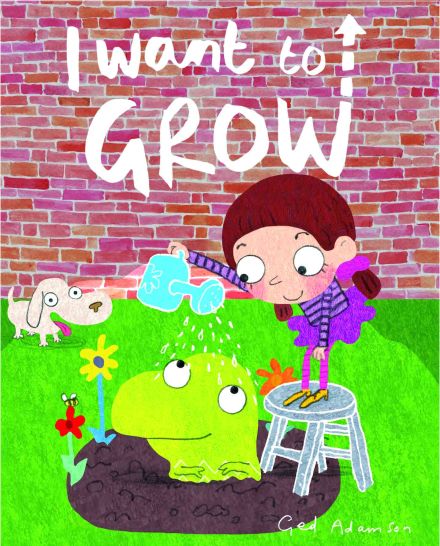
celebrate-picture-books-picture-book-review-i-want-that-love-cover

About the Holiday

Okay, so it’s Friday and the end of a long work and school week. Maybe everything didn’t go as planned this week—maybe not even close. But who cares. Why? Because you are still awesome! Begun as a kind of inside joke among coworkers, International Day of Awesomeness continues to grow, attracting more and more awesome individuals around the world. To celebrate get creative and perform feats of awesomeness—whatever that might mean to you. Sometimes that just means having and showing an awesome amount of love—as you’ll soon see!

I Want That Love

By Tatsuya Miyanishi


Long ago Tyrannosaurus ruled the earth. His philosophy was “In this world, strength means everything. The strongest wins. The strongest rules. And I am the strongest!” Tyrannosaurus stomped across the landscape crushing and eating the “worthless weaklings” in his path. The other dinosaurs quaked whenever they heard him roar. They hid and were quiet, and never opposed him. Soon this led to some skewed thinking—they also began to believe that “Tyrannosaurus could do anything he wanted to because he was the strongest.”

celebrate-picture-books-picture-book-review-i-want-that-love-sleeping

Text and image copyright Tatsuya Miyanishi, courtesy of museyon.com

As time passed, however, the Tyrannosaurus grew old and feeble. One day he happened upon a Masiakasaurus who mocked him for moving so slowly. The Tyrannosaurus threatened him, but could do little else. Another Masiakasaurus bit the Tyrannosaurus’s tail. “‘Ouch…stop,’ the Tyrannosaurus cried.” But it did no good; no one was afraid of him anymore.

The Tyrannosaurus just wanted to be alone. He traveled for days, and when he was exhausted he lay down and went to sleep. Now that he was no longer strong, he felt he was worthless and wondered how he was “going to live from now on.” He was awakened by a voice. “He opened his eyes and saw a yummy-looking baby Triceratops right in front of him.” He had every intention of eating this little snack, but his tail was so sore he couldn’t move.

celebrate-picture-books-picture-book-review-i-want-that-love-hugging-triceratops

Text and image copyright Tatsuya Miyanishi, courtesy of museyon.com

The little Triceratops noticed his swollen tail and stroked the injury to help it feel better. He also warned the Tyrannosaurus that sleeping in the open was dangerous because the “strong, scary Tarbosaurus” would eat him. The Tyrannosaurus scoffed, saying that there was someone much stronger than the Tarbosaurus. The Triceratops suggested the Gorgosaurus, but Tyrannosaurus disagreed. “‘I’m thinking of someone who is much, much stronger,’” he said. Oh, yes! The Triceratops remembered. “‘The Tyrannosaurus!’” Tyrannosaurus was so happy to hear his name that “he picked up the baby Triceratops and hugged him.” The baby warned the dinosaur to run away if he saw Tyrannosaurus because he would surely be eaten.

The giant dinosaur was surprised that the baby had never seen Tyrannosaurus before, and was just about to gobble him up when the little one asked if he would meet his friends and hug them too. The Tyrannosaurus eagerly followed the Triceratops, imagining the feast he was about to have. When they reached the woods all the little Triceratops came out to play and begged to be picked up and hugged.  “‘No, no, guys!’ said one little Triceratops. ‘Even a mighty man like Mr. Rhabdodon can get tired.’”

celebrate-picture-books-picture-book-review-i-want-that-love-following-triceratops

Text and image copyright Tatsuya Miyanishi, courtesy of museyon.com

The Tyrannosaurus was insulted. Rhabdodon was stupid, a weakling, and an herbivore. But before he could protest, the other little Triceratops discovered his wound. They all began tending carefully to his injury and gathered red berries to help him heal even though it hurt their horns to ram the tree and dislodge the berries. Suddenly, Tyrannosaurus understood their sacrifice on his behalf. Tears sprang to his eyes, and he grabbed a trunk in his teeth and shook it. The youngsters were amazed as red berries rained down on them.

They cheered and said they wanted to be just like Mr. Rhabdodon. They bet that he could even beat mean Tyrannosaurus. The Tyrannosaurus mumbled his old slogan, and began to tell the little ones that strength wasn’t so important when they were interrupted by two Giganotosauruses who wanted a Triceratops snack. The Tyrannosaurus growled at the newcomers. But the Giganotosauruses attacked, biting the Tyrannosaurus to get at the babies in his arms. The Tyrannosaurus curled his body around them and promised to protect them.

celebrate-picture-books-picture-book-review-i-want-that-love-playing-with-triceratops

Text and image copyright Tatsuya Miyanishi, courtesy of museyon.com

As the Giganotosauruses continued to bite him, the Tyrannosaurus “murmured, ‘I finally understand…Remember this, kids. It’s not being strong that is important. What’s most important is…’” At last, unsuccessful in their quest, the Giganotosaurus went away, and the Tyrannosaurus fell over. The little Triceratops crawled safely away and headed home when the Tyrannosaurus told them  he was tired. Before he left, the first Triceratops asked what the most important thing was, but the Tyrannosaurus didn’t reply.

Many years later a father Triceratops and his babies were spotted by two Giganotosauruses looking for food in the woods. They jumped on the family, but the father hid his children under his body and endured the attack. “He remembered how the Tyrannosaurus had protected him and his friends.” Finally, the Giganotosauruses gave up and went away. His little ones were impressed but asked why he hadn’t beaten up the Giganotosauruses.

celebrate-picture-books-picture-book-review-i-want-that-love-giganotosaurus

Text and image copyright Tatsuya Miyanishi, courtesy of museyon.com

With tears in his eyes, the father said, “‘Violence isn’t the answer. There is something more powerful than strength, and more precious too. That is love…A truly strong guy who broke this tree once gave me that love….’ One baby looked at his father and said, “‘Will you give me that love? I want that love.’”

Originally published in Japan, Tatsuya Miyanishi’s story of what constitutes true strength and how love can transform even the most hardened heart will resonate with kids and adults on many levels. Children’s familiarity with and love of dinosaurs allows them to easily understand the complexities of the actions and emotions revealed in the story. Ambiguity in the wording after the Tyrannosaurus defeats the Giganotosauruses allows for various interpretations of his fate depending on the age and sensitivity of the child, and a bit of humor when the Triceratops does not recognize Tyrannosaurus adds levity to the plot. The innocence and generosity of the Triceratops babies as an agent of change within the Tyrannosaurus is poignant and realistic. Likewise, the long-term effects of experiencing awesome love when young is well demonstrated as the father Triceratops later gives back to his own family.

The harsh dinosaur-eat-dinosaur landscape is effectively portrayed in Miyanishi’s bold green, gold, and orange illustrations in which the stylized Tyrannosaurus towers over trees, angular rock formations, and especially the tiny, unsuspecting Triceratops. Images of the Tryannosaurus and Triceratops father guarding the babies are touching and demonstrate a parent’s or caregivers love.

I Want That Love is the third book in the Tyrannosaurus series, along with You Look Yummy and You Are My Best Friend, and will reward readers who love dinosaurs as well as those looking for books on kindness and acceptance.

Ages 5 – 7

Museyon, 2016 | ISBN 978-1940842141

Day of Awesomeness Activity

celebrate-picture-books-picture-book-review-awesomeness-cards

Awesomeness Cards


Do you have some awesome people in your life? Give them one of these printable Awesomeness Cards and watch them smile!

Picture Book Review

March 9 – It’s Read Aloud Month

celebrate-picture-books-picture-book-review-rosa's-very-big-job-cover

About the Holiday

From the moment babies are born, they are learning. Talking and reading aloud to babies from the very beginning are crucial parts of helping their developing brain learn language and improves literacy in the years to come. Reading aloud to babies and older children for only 15 minutes a day makes a tremendous and beneficial difference to their future. Make reading time a special time with your kids, and with so many wonderful books available—like today’s book—you’ll have as much fun as they do!

Rosa’s Very Big Job

Written by Ellen Mayer | Illustrated by Sarah Vonthron-Laver

Rosa may be little, but she has big ideas about how to help. While Mama is out shopping for groceries for that night’s dinner, Rosa decides to surprise her by folding and putting away the laundry. The basket is piled high with fluffy dry clothes, sheets, and towels. Rosa watches her grandpa reading the newspaper. “‘Please help me, Grandpa!’” she says. She tugs on her grandpa’s hands, trying to pull him out of his chair. “‘Come on, Grandpa! Get up.”

celebrate-picture-books-picture-book-review-rosa's-very-big-job-rosa-likes-to-help

Image copyright Sarah Vonthron-Laver, text copyright Ellen Mayer, courtesy of Star Bright Books, starbrightbooks.com

Grandpa seems to have a little trouble managing: “‘It’s difficult to carry these enormous piles,’” he sighs. But Rosa knows that smaller armloads work better. Grandpa’s clothes come unfolded as he puts them in the drawer. “‘Be neat. Like me,” Rosa says, showing him her tidy stack. Poor Grandpa! He has to keep hanging up the same jacket over and over. “‘It’s difficult to keep this jacket from sliding off the hanger,” he says. Rosa has the answer: “‘Zip it up,’” she explains. “‘Then it stays on.’”

Grandpa sinks back into his chair. “‘You are terrific at doing laundry, Rosa. And I am exhausted,’” he says. But this is no time to quit—Rosa has big plans. As she steps into the now empty laundry basket, she exclaims, “‘Come on, Grandpa! Get in the boat. Help me sail back to there.’” Rosa points to the linen closet.

celebrate-picture-books-picture-book-review-rosa's-very-big-job-rosa-uses-basket-as-boat

Image copyright Sarah Vonthron-Laver, text copyright Ellen Mayer, courtesy of Star Bright Books, starbrightbooks.com

Suddenly, the floor swells with ocean waves teeming with fish. Grandpa channels his inner sailor as he holds aloft a sheet as a sail. As the wind billows and they come perilously close to the kitchen table, he says, “‘It’s difficult to sail around this enormous rock!’” Contemplating the rising sea, he exclaims, “‘It’s difficult to sail over this enormous wave!’”

There’s a dangerous storm ahead, warns Grandpa, “‘I can’t hold the sail in this strong wind.’” Rosa is there to help and grabs one side of the sheet. “‘Hold tight,’” she orders. “‘Use both hands.’” At last the seas die down and Grandpa is ready to steer the laundry basket back to port, but Rosa has a more entertaining thought. Spying a sock on the floor, Rosa wants to catch the “enormous fish.” Grandpa obliges and picks up a hangar for a fishing pole. He holds Rosa as she stretches out over the edge of the laundry basket to land her fish.

celebrate-picture-books-picture-book-review-rosa's-very-big-job-sailing-with-sheet

Image copyright Sarah Vonthron-Laver, text copyright Ellen Mayer, courtesy of Star Bright Books, starbrightbooks.com

Just as Rosa nabs the fish, Mama comes home with her bags of groceries. She’s surprised to see that the laundry is not in the basket. Rosa runs to her and proudly explains, “‘We put all the laundry away. It was a very big job. We carried enormous piles. Grandpa dropped things. And I picked them up. It was very difficult for Grandpa. He got exhausted. But not me. I am terrific at laundry!’” Mama agrees that Rosa is a terrific helper. Then Rosa leads her mother to see the most surprising thing of all—the fish she has caught for dinner!

celebrate-picture-books-picture-book-review-rosas-very-big-job-rosa-and-grandpa-fishing

In her series of Small Talk Books® Ellen Mayer presents exciting stories for preschoolers full of imagination and rich language learning. Rosa’s Very Big Job introduces Rosa, a sweet girl bubbling with enthusiasm and the desire to help. The close relationships between Rosa, her mother, and her grandpa promote cooperation as well as effective modeling of speech patterns and a way to introduce larger words in an organic manner through play and common chores. Rosa’s inventive idea to turn the laundry basket into a boat is delightfully enhanced by her grandpa’s willingness to share in the story and expand on it. Humor, cheerful banter, and the easy camaraderie between Rosa and Grandpa invite young readers to join in the fun as they build confidence in their language learning.

Sarah Vonthron-Laver depicts Rosa’s afternoon with her Grandpa with joy and the spirited energy young children bring to everything they do. Grandpa is happy to spend time with his granddaughter, yet shows honest feelings of tiredness and frustration that spur on the plot. The transition from doing laundry to using the basket as a boat is as seamless as a child’s imagination, and the way Rosa and her grandpa use household items to create “sails,” “rocks,” “fish,” and “fishing poles” will give readers great ideas for post-reading play. Bright colors, an adorable kitten, and familiar surroundings welcome young children into the world of reading and expanded vocabulary.

Rosa’s Very Big Job would be a welcome addition to a young child’s bookshelf, not only for its fun story that kids will want to hear again and again, but for its leap into imagination that kids will want to replicate.

Dr. Betty Bardige, an expert on young children’s language and literacy development, provides tips for parents, grandparents, and caregivers following the text.

celebrate-picture-books-picture-book-review-rosa's-very-big-job-spanish-cover

A bilingual Spanish/English edition is also available from Star Bright Books!

Ages 2 – 6

Star Bright Books, 2016 | ISBN 978-1595727497 (English edition) | ISBN 978-1595728500 (Spanish/English bilingual edition)

Discover more about Ellen Mayer and her books as well as book-related activities and literacy initiatives she’s involved with on her website!

To read an interview with Ellen Mayer about her books and her work, click here!

Find Sarah Vonthron-Laver on Facebook!

Read Aloud Month Activity

celebrate-picture-books-picture-book-review-rosa's-big-job-paper-dolls-made

Original illustrations by Saran Vonthron-Laver, Copyrights © 2016 Star Bright Books. Paper dolls created by AislingArt and Celebrate Picture Books, copyrights © 2016

Rosa’s Very Big Job Paper Dolls

After you read the story, you can continue the fun with these Rosa and family paper dolls! Rosa loves helping out at home. She’s terrific at doing laundry – folding and putting away the family’s clothes, socks, and linens. You are terrific at helping too! Can you help Rosa, Mama, and Grandpa get dressed and ready for the day with these printable paper dolls? You’ll even find a laundry basket, socks, and Rosa’s sweet kitty to play with! 

Supplies

Printable Paper Dolls, Clothes, and Extras

  • Card stock paper and/or poster board
  • Scissors
  • Glue

Directions

  1. Print dolls on regular paper or card stock paper. Dolls printed on card stock paper may stand on their own with the supplied stand cross piece. For dolls printed on regular paper, you can cut the supplied stand templates from poster board or card stock and glue the dolls to the backing.
  2. Rosa’s kitty and the laundry basket can also be attached to the supplied template if needed
  3. Print clothes for each figure
  4. Color the blank clothes templates any way you’d like
  5. Cut out clothes and extra items
  6. Fit outfits onto dolls
  7. Make up your own stories about Rosa, Mama, and Grandpa!

celebrate-picture-books-picture-book-review-rosa's-very-big-job-cover

YOU CAN FIND ROSA’S VERY BIG JOB AT THESE BOOKSELLERS

Amazon | Barnes & Noble | Books-a-Million

To support your local independent bookstore, order from

Bookshop | IndieBound

celebrate-picture-books-picture-book-review-rosa's-very-big-job-spanish-cover

You can find El gran trabajo de Rosa at Amazon 

Picture Book Review

March 8 – International Women’s Day

celebrate-picture-books-picture-book-review-swimming-with-sharks-cover

About the Holiday

The first International Women’s Day was celebrated in 1909 during a time of great change and increasing industrialization that saw more and more women demanding equality in working hours, pay, safety, voting rights and more with their male counterparts. Women across the globe are still fighting for these rights. This year’s theme is Be Bold For Change (#BeBoldForChange), and reminds us that we must always be vigilant in securing and keeping equal rights for all.

Swimming with Sharks: The Daring Discoveries of Eugenie Clark

Written by Heather Lang | Illustrated by Jordi Solano


When young Eugenie Clark pressed her face against the aquarium window at the sharks swimming by, she did not see “piercing eyes…rows of sharp teeth…vicious, bloodthirsty killers.” Instead she saw “sleek, graceful fish” and dreamed of being inside the tank to swim among them. She loved to spend Saturdays at the New York Aquarium sharing her knowledge of fish with visitors. She wished there was more information available about sharks and hoped for a day when she could learn more about them.

celebrate-picture-books-picture-book-review-swimming-with-sharks-at-aquarium

Image copyright Jordi Solano, courtesy of plumpuddingillustration.com

At home her mother bought Genie her own little fish tank, and soon the whole apartment was full of fish and reptiles. Genie kept careful notes on her pets as she tried to answer her many questions. William Beebe, a famous scientist who studied fish, was Genie’s hero. She too wished to explore the ocean like he did. But this was the 1930s and not many people “dared to study the depths of the sea, and none were women.” Eugenie’s mother suggested she study typing and try to become Beebe’s secretary. The life of a secretary was not what Genie had in mind.

Eugenie received a Master’s Degree in zoology, and when a well-known ichthyologist offered her a job as his research assistant and an opportunity to take oceanography classes, she moved to California. There she collected fish and water samples. The beauty of the underwater world astonished her. In the lab she was able to dissect a swell shark to learn “how and why it puffs up.” But Genie wanted to dive deeper—to swim with sharks.

celebrate-picture-books-picture-book-review-swimming-with-sharks-studying

Image copyright Jordi Solano, courtesy of plumpuddingillustration.com

One day, Genie’s professor allowed her to try helmet diving. Wearing the heavy metal helmet, Genie was able to descend into the cold, murky deep where kelp forests waved with the current. “In 1949 the US Navy hired Genie to study poisonous fish in the South Seas. As she collected fish, she came face to face with a shark. The shark swam closer and closer then suddenly dove and disappeared out of sight. Genie was thrilled by the encounter.

In 1955 Eugenie moved to Florida and opened the Cape Haze Marine Laboratory, becoming the first to study sharks in their natural environment. The more she studied sharks, the more she realized that they were intelligent creatures, not stupid “eating machines” as most people thought. She wondered if sharks could be trained.

Eugenie set up an experiment in which a shark needed to press a white board to receive a reward a short swim away. Soon, the female shark of the pair realized that if the male shark pressed the board, she could swim to retrieve the reward. The pair remembered the exercise even after a ten-week break. Soon, scientists from around the world wanted to work with Genie. 

celebrate-picture-books-picture-book-review-swimming-with-sharks-swimming-under-water

Image copyright Jordi Solano, courtesy of plumpuddingillustration.com

Word reached her about “‘sleeping sharks,’” off the coast of Mexico. Instead of swimming around, these sharks stayed on the ocean floor. Eugenie was determined to learn how they breathed without moving. She dived deep into their territory, finding a requiem shark in an ocean cave. Here, she was face-to-face with one of the most feared fish in the sea. Genie swallowed any worry and watched as the fish opened and closed its mouth, providing itself with oxygen as a remora fish cleaned its gills.

Genie took water samples and completed other tests that revealed astonishing facts about the ocean caves and the habits of sharks. But while Genie was learning the facts about these mysterious sea creatures, most people still feared them and considered them with suspicion and superstition. As time went by, Genie began seeing fewer and fewer sharks on her dives. They were being killed out of fear, for their fins, and because people thought it would make beaches safer.

celebrate-picture-books-picture-book-review-swimming-with-sharks-sunset

Image copyright Jordi Solano, courtesy of plumpuddingillustration.com

Genie began talking about her research, and people listened. “Dr. Eugenie Clark had become one of the most respected fish scientists in the world.” She taught people that there is always more to learn and “always more surprises.”

An extensive Author’s Note about the life and work of Eugenie Clark as well as more information on sharks follows the text.

Heather Lang delves into the life’s work of a woman who fearlessly challenged herself and the prevailing science to increase our knowledge of sharks and change people’s perspective on these beautiful creatures. Readers will love Lang’s comprehensive storytelling—beginning with young Genie’s fascination with fish and the sea—that reveals the pivotal events which led to her discoveries. Fascinating anecdotes from Eugenie’s research and personal encounters with sharks will enthrall children, and the idea that there is much more to discover will resonated with young scientists in the making.

celebrate-picture-books-picture-book-review-swimming-with-sharks-looking-at-shark

Image copyright Jordi Solano, courtesy of plumpuddingillustration.com

Jordi Solano takes readers to the depths of the ocean in his sea-green, atmospheric illustrations that beautifully mirror the world of sharks. Textured and layered images of marine plants and a variety of creatures give children an up-close view of Eugenie Clark’s work and the fish she encountered on her dives. Each type of shark is magnificently and realistically drawn, giving kids an idea of coloring, size, movement, and more. Children will also see Eugenie’s research facilities and the equipment she used in her studies.

For anyone interested in marine science, history, biographies, or the environment in general, Swimming with Sharks: The Daring Discoveries of Eugenie Clark is a can’t-miss book.

Ages 5 – 9

Albert Whitman & Company, 2016 | ISBN 978-0807521878

Discover more about Heather Lang and her books on her website!

View a gallery of artwork by Jordi Solano on Plum Pudding Illustration!

International Women’s Day Activity

celebrate-picture-books-picture-book-review-fascinating-sharks-word-scramble

Fascinating Sharks Word Scramble


Read the clues and unscramble the names of 14 types of sharks in this printable Fascinating Sharks Word Scramble! Here’s the Solution!

Picture Book Review