April 28 – National Superhero Day

celebrate-picture-books-picture-book-review-superpowers-cover

About the Holiday
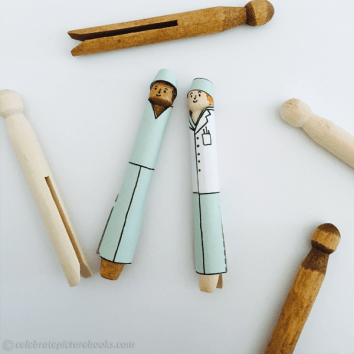
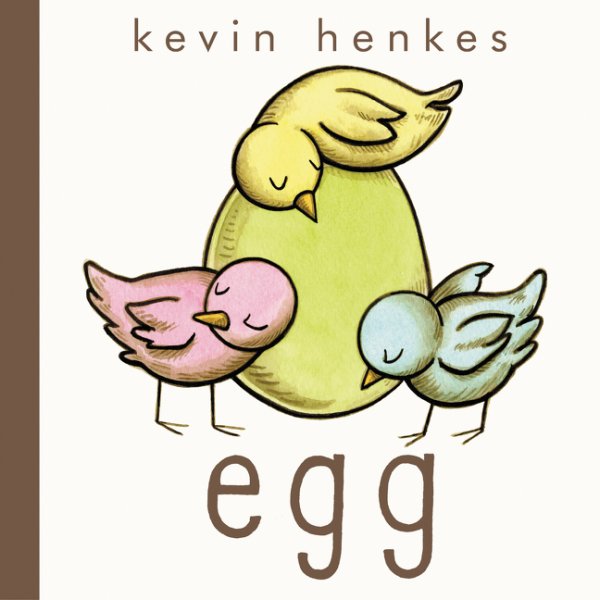
Today, we celebrate superheroes—both fictional and real—who make the world a better place. While fictional superheroes have uncommon strength, endless courage, and powers that defy nature, it doesn’t take super abilities to make a difference. Teachers, nurses, doctors, police officers, firefighters, and soldiers are just some of the professions that require the commitment and dedication of superheroes. Moms, dads, and kids all over the world are also fighting to make positive change. Discover your special abilities today and begin your life as someone’s superhero.

Superpowers! A Great Big Collection of Awesome Activities, Quirky Questions, and Wonderful Ways to See Just How Super You Already Are

Written by M.H. Clark | Illustrated by Michael Byers


Have you ever wondered if you could be a superhero? Pretty much everyone imagines what kind of superpower they’d like—invisibility, super speed, super strength, maybe the ability to fly. What if someone told you you already are a superhero? And even showed you a way to prove it? Superpowers! is that someone. Well, actually, you are that someone. What do I mean? Come along and see!

celebrate-picture-books-picture-book-review-superpowers-you-things

Image copyright Michael Byers, 2017, text copyright M.H. Clark, 2017. Courtesy of Compendium.

As you turn to the first page, you’re greeted enthusiastically. Why? The narrator was anticipating that question. The answer is: “Because…the whole world needs you. And we need you to turn on your superpowers.” You might be feeling astonished right now or maybe you’re even laughing. But it’s true—you have superpowers. And the world needs “you and your superpowers. Every day.” So get started on discovering your powers! 

First, you’re going to do a little self-reflecting. “What does it feel like when you are you?” Think deeply, think quietly, think honestly. “What makes you so amazing?” A few words that might apply are already provided. What are some others? Write them down or draw them—right in the book! Great job! The next page has some questions about the things you love to do. And there are a few more about what makes you uniquely you because being a superhero “isn’t about being someone who you aren’t—it’s about being really who you are.”

Next there’s a page where your friends can write or draw what they think your superpowers are. Do you think they’re right? Have you ever thought about looking inside yourself just like you look at your outside self? Is your outside appearance and how you feel inside the same? Often it’s helpful to remind yourself of “things you didn’t used to be able to do, but NOW you can.” You’ll be amazed at what a long list you can make!

celebrate-picture-books-picture-book-review-superpowers-submarine

Image copyright Michael Byers, 2017, text copyright M.H. Clark, 2017. Courtesy of Compendium.

Would you like to put the word out about you and your superpowers? There’s a letter you can fill in that’s sure to introduce you well. Okay, now that people know you’re out there, it’s time to work on your super identity. What is your superhero name? Write it on the blinged-out sign right on the next page. Now, you need a mission. “What is one good thing you would like to do for yourself, your family, your friends, your school, the world?” Write or draw those things too!

Sometimes knowing what you don’t like or aren’t so interested in doing is important too. It’s okay to have things like that. No one can like everything. It can be hard to admit your “anti-superpowers,” but it’s good to able to do it, so there’s a page where you can. Then it’s on to filling up your superpower tool kit. These tools can be anything! What would you need? “A rocket ship? A basketball? A pizza, a parachute, or maybe nothing but a pencil?”

Now, imagine where you’d keep that toolkit and where you’d practice your superpowers. Where is it? What does it look like? Is it “a library? A swimming pool? A concert hall?” It’s time to think ahead. Picture yourself winning an award for something you’ve done. Here’s the trophy, but what’s inscribed on the base? Go ahead and write it in! Then decorate that trophy just the way you’d like.

Ready to make your story legend? Check off the way you would describe your journey on the special Superpower Legend page. Finally, you’re going to look into a crystal ball. What incredible thing do you see yourself doing? When you really know yourself and appreciate your superpowers, you can make this vision come true!

celebrate-picture-books-picture-book-review-superpowers-world-letter

Image copyright Michael Byers, 2017, text copyright M.H. Clark, 2017. Courtesy of Compendium.

The beauty of Superpowers! is in its ability to get kids thinking about themselves and their talents in a new way. The questions—which are always uplifting, intriguing, and fun to answer—prompt kids to look at themselves in the way they honestly feel and to think about the image they project to the world. When children discover the words (or pictures) for the emotions, actions, and personality traits that inspire them, spark their creativity, and give them focus, the path toward the achievements they want to make is clearer. Examples like “basketball,” “concert hall,” and even “pizza” sprinkled throughout show readers that “everyday” activities can be someone’s superpower.

The text is written in a friendly, conversational tone that kids will respond to, and the full-color pages and bold images offer hip, retro, futuristic, and enticing backdrops to the areas provided for kids to answer the prompts. 

A unique tool to allow children to think on their own or to jumpstart conversations with adults about things they’d like to accomplish now and/or in the future as well as for choosing afterschool activities and lessons, Superpowers! would be welcome on any child’s bookshelf.

Ages 6 – 11

Compendium, 2018 | ISBN 978-1943200757

Discover more about Michael Byers and his art on his website.

National Superhero Day Activity

celebrate-picture-books-picture-book-review-kapow-superhero-coloring-page

Superhero Coloring Pages


Do you have a POW! or ZAP! in you? Or do you make Girl Power your mantra? If so, here are some Superhero Coloring Pages to enjoy.

Girl Power Superhero Coloring Page | Kapow! Superhero Coloring Page | Zap! Superhero Coloring Page

Picture Book Review

April 27 – It’s National Park Week and Interview with Jennifer Thermes

celebrate-picture-books-picture-book-review-grandma-gatewood-hikes-the-appalachian-trail-cover

About the Holiday
Don’t you feel it? That little nudge to leave home and enjoy the outdoors again? Spring is the perfect time to discover or rediscover the beauty all around by visiting a national park. Whether you like hiking, camping, fishing, swimming, or just the quiet pleasure of a picnic, there’s a national park near you to enjoy. This year’s theme for National Park Week, which runs from April 21 through April 29, is “Park Stars” and encompasses everything from the starry skies to those rock-star rangers and volunteers who maintain the system of parks across the country. This year, why not join them in protecting our national parks and the wildlife that call them home.

I’m thrilled to partner with Abrams Books for a giveaway of one copy of Grandma Gatewood Hikes the Appalachian Trail. See more details below.

Grandma Gatewood Hikes the Appalachian Trail

By Jennifer Thermes


With eleven children, a farm to tend, and chores to do, Emma Gatewood’s days were plenty busy. When she needed a bit of escape, “a long ramble through the hills behind the farm was all Emma needed to set her heart right again.” So when her children had all left home and sparked by a magazine article about the Appalachian Trail, Emma put on her walking shoes and took to “‘the longest footpath in the world.’” The article had said that no woman had ever hiked the Trail from beginning to end, and Emma determined to change that.

celebrate-picture-books-picture-book-review-grandma-gatewood-hikes-the-appalachian-trail-kids

Copyright Jennifer Thermes, 2018, courtesy of Abrams Books for Young Readers.

On May 3, 1955, at the age of sixty seven, Emma left her home in Ohio and traveled to Mt. Oglethorpe in Georgia to begin her hike along the 2,190-mile-long Appalachian Trail. With just a light homemade sack and canvas shoes, Emma made her way up the trail, eating berries and drinking from streams as she went. When the trail took her through small towns and mountain farms, she got a real “supper and a cozy place to sleep.”

Word traveled about the older woman hiking the trail, and “Emma soon became known as ‘Grandma Gatewood.’” In June Emma crossed into Virginia and at the beginning of July took a quick jog through Maryland. The magazine article had said that hiking the trail was easy, but Emma had a different perspective. She once said the trail always seemed to “‘lead you right up over the biggest rock to the top of the biggest mountain they can find.’”

celebrate-picture-books-picture-book-review-grandma-gatewood-hikes-the-appalachian-trail-vista

Copyright Jennifer Thermes, 2018, courtesy of Abrams Books for Young Readers.

Grandma Gatewood walked in all weather and saw sights that were sometimes dull, but more often stunning. During July she crossed Pennsylvania, traced an edge of New Jersey, and hopped a corner of New York State. Pennsylvania’s sharp rocks “tore the soles of Emma’s shoes, so she held them together with tape.” By this time the newspapers had heard about Emma too, and “reporters met her at almost every stop.” Pretty soon, the whole country was talking about her! When people asked her why she was doing it, she answered, “‘Just for the heck of it.’”

celebrate-picture-books-picture-book-review-grandma-gatewood-hikes-the-appalachian-trail-new-hampshire-map

Copyright Jennifer Thermes, 2018, courtesy of Abrams Books for Young Readers.

It was late summer and Emma was over halfway finished, but a bigger challenge was headed her way. A hurricane was swirling toward the East Coast. In early August, Emma hiked through Connecticut, Massachusetts, and Vermont. When the hurricane hit, she was soaked by rain, threatened by falling trees, and blown by the wind. She found shelter in a hut where a group of teenage boys were also waiting out the storm. They carried her across a swollen stream, and Emma continued her journey.

She met up with boy scouts and even went to tea with someone who had pinned an invitation to a tree along the trail. On September 3, she crossed from New Hampshire into Maine. Cold weather was coming, but the last mountain was in her sights. She bundled into every bit of clothes she had, and with torn shoes, cracked glasses, and aching muscles, Emma scrambled up the mountain all the way to the top. She had accomplished what she set out to do—and two years later, she did it again!

A timeline and an extensive author’s note about Emma Gatewood and the Trail follow the text.

celebrate-picture-books-picture-book-review-grandma-gatewood-hikes-the-appalachian-trail-night-scene

Copyright Jennifer Thermes, 2018, courtesy of Abrams Books for Young Readers.

Inspiring from beginning to end, Jennifer Thermes’ story highlights a woman who lived life on her terms and accomplished a personal goal while, literally, blazing a trail for women and the elderly. The jaunty lilt of Thermes’ storytelling mirrors Emma’s brisk pace while giving readers an excellent sense of her personality and the twists, turns, and obstacles of the Appalachian Trail. Facts about landmarks along the trail are sprinkled throughout.

The story of Grandma Gatewood and the Appalachian Trail is a perfect match for Thermes’ superb artwork and map-making skills. Colorful and detailed two-page maps, set every three pages, keep readers apprised of the dates that Emma passed through each state on her trek north. In between, kids get to see Emma scaring off a bear, making friends with townspeople along the way, trudging up mountains, cooling her feet in rushing streams, climbing over rocks, and weathering the storm. Themes also includes some of the gorgeous vistas that have made the Appalachian Trail a must for hikers of all ages and experience.

Grandma Gatewood Hikes the Appalachian Trail  would make an inspiring addition to home libraries for children who love nature, history, and the outdoors. The book would also enhance many classroom discussions and lesson plans from language arts to social studies to science.

Ages 5 – 9

Abrams Books for Young Readers, 2018 | ISBN 978-1419728396

Discover more about Jennifer Thermes, her books, and her art on her website

Meet Jennifer Thermes

celebrate-picture-books-picture-book-review-jennifer-thermes

I’m excited to talk with Jennifer Thermes today about mapmaking, her love of history, and how her own house inspired a book.

What drew you to Emma Gatewood as a subject for your latest biography? Have you ever hiked any part of the Appalachian Trail?

I was inspired by Emma’s independence and determination to do something just because she wanted to, without even thinking she might be too old. A few people had solo hiked the entire trail before her, but she did it at a time when it had fallen into disrepair, and when women’s lives were much more constricted. I was also fascinated by the idea of the Appalachian Trail– a footpath that follows so many miles of changing landscape–and wanted to weave a map of it throughout a story.

In your writing and illustrating, you seem to have an affinity for history. Do historical subjects inspire you? What is your favorite time period?

They do! A love of history has led to the non-fiction books I write and illustrate today. Really, there’s something fascinating about all eras, so I can’t say I have just one favorite. I’m very happy to see how many stories about lesser-known people and periods of history are being published today.

You started out as a map designer for magazines and newspapers. How did you get started creating maps? What kind of research goes into that work? Can you talk a little about the aesthetics of a good map?

I was a design major in art school but always wanted to draw. Maps were a good combination of design and drawing. Research involves gathering information about geography, land shapes, picture reference, and figuring out what to include or not. (To be clear, I’m not a cartographer, much as I admire the work they do!) For me, a good map tells a tale of its own, while also inspiring a reader to want to learn more about the story. Clarity is important, but that doesn’t necessarily mean simple. Poring over details can be the best part of looking at a map.

celebrate-picture-books-picture-book-review-grandma-gatewood-hikes-the-appalachian-trail-map-sketch

Copyright Jennifer Thermes, 2018, courtesy of Abrams Books for Young Readers.

How did you transition from designing for magazines and newspapers into writing and illustrating for children?

My map work caught the eye of a children’s book editor who asked if I had any story ideas. (I did!) For a long time I thought of myself as more of an illustrator than a writer, but I’ve always been a big reader, so the writing part felt like a natural progression of storytelling.

I was intrigued to learn you own an 18th century farmhouse in Connecticut. I have an 1898 Connecticut farmhouse with many cool, tucked away features. What is one of your favorite things about your house? Was your first book When I Was Built inspired by your own home?

It was! Our kids were quite young when we bought our home, and we spent a lot of time fixing it up. As we uncovered clues about the house, they had questions about what life might have been like for the people who lived here over the years, which in turn inspired the book. Again, the theme circles back to a love of history.

What’s the best part of being a children’s author and illustrator?

I’m happiest when drawing, or puzzling over a new idea. The feeling of possibility is creatively fulfilling.

celebrate-picture-books-picture-book-review-grandma-gatewood-hikes-the-appalachian-trail-night-scene-sketch

Copyright Jennifer Thermes, 2018, courtesy of Abrams Books for Young Readers.

Do you have any anecdotes from an event with kids that you’d like to share?

“Are you as old as your house?” Kid’s questions are the best kind of unfiltered honesty.

What’s up next for you?

Not sure how much I can share yet, but I’ve recently finished black & white illustrations for a middle grade novel written by a super talented writer, coming out in early 2019. I’m very excited for that book. And currently, I’m immersed in writing and illustrating a picture book about the story of the island of Manhattan. (“Obsessed” is more like it—my history-geek self is on cloud nine!)

What’s your favorite holiday?

Darwin Day 

Thank you so much for inviting me to be a guest on your blog!

Thank you, Jennifer! I know we’ll all be on the lookout for that middle-grade novel, and I can’t wait to see your next picture book! I wish you all the best with Grandma Gatewood Hikes the Appalachian Trail!

celebrate-picture-books-picture-book-review-grandma-gatewood-hikes-the-appalachian-trail-cover

You can find Grandma Gatewood Hikes the Appalachian Trail at these booksellers:

Abrams BYR | Amazon | Barnes & Noble | Books-a-Million | IndieBound

You can connect with Jennifer Thermes on:

Facebook | InstagramTwitter | Pinterest

Grandma Gateway Hikes the Appalachian Trail Giveaway


I’m excited to partner with Abrams Books for Young Readers in this giveaway of

  • one copy of Grandma Gatewood Hikes the Appalachian Trail by Jennifer Thermes

To be entered to win, just Follow me on Twitter @CelebratePicBks and Retweet a giveaway tweet during this week, April 27 – May 4. Already a follower? Thanks! Just  Retweet for a chance to win.

A winner will be chosen on May 5.

Giveaways open to US addresses only. | Prizing provided by Abrams Books for Young Readers

National Park Week Activity

celebrate-picture-books-picture-book-review-National-Parks-Map

National Park Coloring Pages and Map


The National Parks are home to some of the most beautiful scenery in the country. Enjoy these coloring pages while you learn a little bit about four of them. Then check the map and see if there’s a National Park near you!

Acadia National Park | Everglades National Park | Mesa Verde National Park | Rocky Mountains National Park | National Parks Map

Picture Book Review

April 26 – Kids and Pets Day

celebrate-picture-books-picture-book-review-lola-gets-a-cat-cover

About the Holiday

When kids and pets grow up together, the bonds they share are beneficial to both. Pets teach children about unconditional love and help them develop a nurturing personality. The day-to-day needs of a pet teach kids important life lessons about responsibility, health and happiness, and even putting others first. Visits to the veterinarian can spark an interest in animal science and a love of other animals. Today’s holiday was established to celebrate the relationship between children and pets and also to remind adults of safety issues involved when young children play with pets. If you’re considering adding a pet to your family, perhaps today is the day!

Lola Gets a Cat

Written by Anna McQuinn | illustrated by Rosalind Beardshaw


Lola loved cats, and while she had a room full of stuffed cats in all colors and sizes, she wanted a real kitten of her own. Her mother told her that “looking after a cat is a lot of work.” Lola wanted to learn more, so Mommy took her to the library to get a book about cats. Lola learned lots of interesting information about cats and how to take care of them.

celebrate-picture-books-picture-book-review-lola-gets-a-cat-loves-cats

Image copyright Rosalind Beardshaw, 2017, text copyright Anna McQuinn. Courtesy of Charlesbridge.

Lola decided to pretend that Dinah, one of her stuffed kitties, was real. She made a special bed for Dinah from a shoe box and blanket. She made a chart and checked off when she fed, bathed, and played with Dinah. Mommy saw what a good job Lola did with Dinah and agreed that Lola could have a cat. First, Lola and Mommy went to the computer to “find out how to adopt one.” Then they went to the animal shelter where Jeremy showed “them three perfect cats.”

Lola looked at the orange tabby, the black cat who was napping, and the playful gray ball of fluff. Even before Lola made her choice, the little gray one chose her! Jeremy gave Lola a list of all the things she’d need at home to make the little kitten feel comfortable and happy. The next day, Lola and Mommy went shopping at the pet store, and Lola and Daddy set up a special corner in the house with the cat’s toys and bed.

celebrate-picture-books-picture-book-review-lola-gets-a-cat-feeds-dinah

Image copyright Rosalind Beardshaw, 2017, text copyright Anna McQuinn. Courtesy of Charlesbridge.

Finally, everything was ready. Lola and Mommy went back to the shelter. The kitten was afraid to go into the carrier at first, but including her own blanket made her feel safe. At home, Lola watched her new kitten explore her corner and new things. Lola named her cat Makeda, “the name of an African queen.” Every day, Lola took “excellent care of Makeda.”

Lola’s friend Ty was excited to meet Makeda and even brought her a present. Makeda now feels at home—especially when she’s cuddling with Lola! At night Lola reads a story to Makeda before bedtime. She loves Makeda, and reading to her “is the best of all.”

celebrate-picture-books-picture-book-review-lola-gets-a-cat-daddy

Image copyright Rosalind Beardshaw, 2017, text copyright Anna McQuinn. Courtesy of Charlesbridge.

Anna McQuinn’s little Lola is loved by young readers for her curiosity, gentle nature, and can-do spirit. Lola’s sweet personality overflows in this story as she decides that she’d like a pet and then demonstrates to her mommy and daddy that she understands the responsibility. Through her charming storytelling, McQuinn invites little readers to be part of Lola and Makeda’s journey and share in their warm friendship. Lola’s supportive parents offer guidance but allow Lola to thoughtfully make her own decisions and show what she can accomplish.

celebrate-picture-books-picture-book-review-lola-gets-a-cat-gray-cat

Throughout her colorful illustrations, Rosalind Beardshaw’s Lola shows intelligence, self-confidence, and pride as she practices tending for a cat, learns about cat behavior and care, listens to the animal shelter manager, and gets everything ready for her new cat. Detailed images realistically depict the items a cat requires, a bit of the procedure of adopting a shelter cat, how to give a new pet space to assimilate into their new environment, and a good example of a pet-care chart, giving those contemplating a new pet a good primer for children. The quiet joy that infuses each page, makes Lola and Makeda  perfect companions for little readers.

Whether new to the Lola series, adding to a collection, or looking for a character and story a little one will fall in love with, you’ll find that Lola Gets a Cat is perfectly at home on family and classroom bookshelves.

Ages 2 – 5

Charlesbridge, 2017 | ISBN 978-1580897365 (Hardcover) | Paperback available for preorder. Release date May 15; ISBN 978-1580897365

Kids and Pets Day Activity

celebrate-picture-books-picture-book-review-match-the-kittens-puzzle

Match the Kittens Puzzle


These kittens all have a twin, but they got mixed up while playing! Can you find the pairs again in this printable Match the Kittens Puzzle?

Picture Book Review

April 25 – National Telephone Day

celebrate-picture-books-picture-book-review-telephone-cover

About the Holiday
It may be safe to say that one of the first inventors children learn about is Alexander Graham Bell, the inventor of telephone. In the late 1800s, the need for a better communication device was well recognized, and various people were at work on a solution. Bell, was the first to apply for a patent—awarded on March 7, 1876—and so the acclaim goes to him. Communication had always been a part of Bell’s life. His father had developed a “visible speech” system for deaf students, and he himself was a teacher at a boy’s boarding school. On May10, 1876, the first public demonstration of the telephone occurred at the Philadelphia World’s Fair. The Bell Telephone Company was founded on July 9, 1877, and the one millionth telephone was installed in May of 1967. To celebrate today’s holiday, call someone—okay, or text—and marvel over this indispensable invention and how far it has come.

Telephone

Written by Mac Barnett | Illustrated by Jen Corace


Above a little row of houses and two children playing, a group of very disparate birds sit along the telephone wire. Mama pigeon, holding a nice, steaming potpie, has a message for her little Peter. She turns to Cardinal and says, “Tell Peter: Fly home for dinner.” The cardinal, with a baseball bat tucked under his wing, turns to the goose sitting next to him and says Peter should “hit pop flies and homers.”

celebrate-picture-books-picture-book-review-telephone-mama-pigeon

Image copyright Jen Corace, 2014, text copyright Mac Barnett, 2014. Courtesy of Chronicle Books.

Ostrich, outfitted in an old aviator’s hat and carrying a map, hears the message a bit differently. While gazing out at the small craft zipping through the sky, he whispers into Ostrich’s ear to tell Peter jus who it is that uses “prop planes.” Ostrich has the day’s cleaning on her mind and tells the titmouse what Peter should do with his “wet socks.” The titmouse, with a guitar slung over her shoulder and perhaps a bit of hope in her heart, hears, “Tell Peter, rock stars are admired.”

celebrate-picture-books-picture-book-review-telephone-mama-ostrich

Image copyright Jen Corace, 2014, text copyright Mac Barnett, 2014. Courtesy of Chronicle Books.

The Toucan has his binoculars trained on a passel of crocodiles down below and has some words of warning for Peter. Pelican, meanwhile, is playing hide and seek with Lobster and has some words of praise for these wily crustaceans. Duck is preoccupied with monster truck tires, and turkey is a little concerned about being so “high up on this wire.”

By now moms down below are cooking dinner and calling their kids home. The robin smells smoke and tells the chicken he’s afraid there’s a fire. The chicken, channeling her inner Henny Penny, puts it all together and with a touch of hysteria tells the owl to warn Peter of a smelly, crocodile-riding, fire-breathing monster of a lobster who’s coming to eat him. The owl opens one skeptical eye, then turns nonchalantly to the young birds hanging out and blowing bubble gum bubbles and says, “Hey, Peter, your mom says fly home for dinner.”

celebrate-picture-books-picture-book-review-telephone-mama-rock-stars

Image copyright Jen Corace, 2014, text copyright Mac Barnett, 2014. Courtesy of Chronicle Books.

Mac Barnett’s perfectly goofy read aloud will have kids giggling and eagerly anticipating what interpretation could possibly come next in this story that’s just right for fun story times when you just want to laugh out loud. An enthusiastic reading ramps up the humor and the droll ending.

Jen Corace’s witty illustrations of each bird and their particular preoccupation give eagle-eyed readers clues to how Mama bird’s simple message may be mangled next. The ostrich uses a feather duster to tidy up the goose, the titmouse wears star-shaped sunglasses, and the chicken, with her wild topknot of feathers puts new meaning into the term “wired” with her over-the-top dire warning.

Surprising from one side of the telephone pole to the other, Telephone is a fantastic choice for dialing up fun at home or in the classroom.

Ages 4 – 8

Chronicle Books, 2014 | ISBN  978-1452110233

Discover more about Mac Barnett and his many books on his website.

To learn more about Jen Corace, her books, and her art, visit her website.

Have you heard? It’s the Telephone book trailer!

National Telephone Day Activity

celebrate-picture-books-picture-book-review-telephone-tie-up-puzzle

Telephone Tie-Up Puzzle


These kids want to use a telephone. Can you follow the tangled wires to find a phone for each child in this Telephone Tie-Up Puzzle?

Picture Book Review

April 24 – It’s National Frog Month

celebrate-picture-books-picture-book-review-i-dont-want-to-be-a-frog

About the Holiday
As the weather gets warmer, rain falls, and swampy areas and wetlands swell with water, the peeps and throaty croaks of frogs begins to fill the nighttime air. April is the perfect time to learn more about frogs and their importance to the ecosystem. Frogs are vital to the food system, and they eat insects that are harmful to crops and carry disease. Because they don’t drink water but absorb it through their skin, frogs are particularly susceptible to pollution. This, in addition to habitat destruction, climate change, and an increase in invasive species, threaten the frog population, making the conservation of their environment of utmost importance. This month, visit an aquarium, nature preserve, or zoo where you can learn more about these fascinating creatures.

I Don’t Want to be a Frog

Written by Dev Petty | Illustrated by Mike Boldt


“I want to be a cat,” a little frog announces to his father. “You can’t be a cat,” his dad answers, which elicits the inevitable “Why not?” from his son. His dad isn’t quite ready for this conversation and gives him the standard “because you’re a frog” response. Well, it turns out the little frog would rather be almost anything other than what he is. As he rattles off a list of alternatives that he considers much better, his dad warms to the game and counters each of his son’s suggestions with the realities of life (at least their life).

celebrate-picture-books-picture-book-review-i-don't-want-to-be-a-frog-cat

Image copyright Mike Boldt, 2015, text copyright Dev Petty, 2015. Courtesy of Doubleday Books for Young Readers.

When little frog opines that he’d like to be a rabbit, his dad points out that he doesn’t have long ears. Being a pig seems like an attractive option, but Dad reminds him that he doesn’t have a curly tail or eat garbage. While both son and father believe being an owl would be “the greatest thing ever,” three things are standing in the way: Frogs don’t have wings, they don’t look wise, and they can’t spin their heads around.

So what’s so bad about being a frog? It’s “too wet,” “too slimy,” and there’s “too much bug eating,” little frog complains. Just then a wolf sneaks up and wants to know why the little guy is so glum. Without turning around to see who’s asking, the frog reveals his plight.

celebrate-picture-books-picture-book-review-i-don't-want-to-be-a-frog-too-wet

Image copyright Mike Boldt, 2015, text copyright Dev Petty, 2015. Courtesy of Doubleday Books for Young Readers.

With glee the wolf lets the frog in on a little secret, explaining that he revels in eating cats, rabbits, pigs, and owls. In fact, just talking about it makes him hungry.  “Guess the one thing I never eat,” the wolf urges. “Badgers?” guesses the little frog. But no, the answer is “frogs.” And why? Because they are “too wet and slimy and full of bugs.”

Wiser for this fresh perspective, the young frog sends the wolf off with a hearty, “I guess you can’t fight nature. We are what we are. You are a fierce hunter.” As the wolf walks away all’s well that ends well—except not so much for the creature who next happens upon the scene!

celebrate-picture-books-picture-book-review-i-don't-want-to-be-a-frog-rabbit

Image copyright Mike Boldt, 2015, text copyright Dev Petty, 2015. Courtesy of Doubleday Books for Young Readers.

Dev Petty’s sassy-in-a-good-way young frog’s identity crisis is pure fun! The notion of self-acceptance and that each person is built, has talents, and embodies skills just right for who they are is playfully presented by Petty’s sweet father-and-son team. The humorous, escalating dialogue will keep kids laughing, and the surprise ending is a perfect twist. Petty’s endearing amphibian has spawned two sequals—I Don’t Want to Be Big and There’s Nothing to Do. A third, I Don’t Want to Go to Sleep, is due this fall.

celebrate-picture-books-picture-book-review-i-don't-want-to-be-a-frog-little-frog

Mike Boldt’s olive green frogs are a delight as they trade off assurance and skepticism in their life-lesson conversation. Dad, initially mystified by his son’s pronouncements, discusses the issue with patience and genuine curiosity, his eyes registering cunning and understanding behind oversized glasses. His son, wide-eyed and vocal, displays the honesty of children with his questions. Boldt’s illustrations of the rabbit, pig, and owl that so captivate the young frog, juxtaposed with the father’s objections, are comical joy, as are the frogs’ looong legs and expressive faces. The final scenes with the enlightening wolf, whose head spans two pages, offer more laughs as the father and son resolve their differences.

Kids will love hearing I Don’t Want to be a Frog again and again, making it sure bet for home and classroom bookshelves. And now, even the littlest tadpoles can enjoy the story with the new board book edition.

Ages 3 – 7

Doubleday Books for Young Readers, 2018 (Board Book) | ISBN 978-0525579502 | 2017 (Paperback) 978-1338225259 | 2015 (Hardcover) 978-0385378666  

Discover more about Dev Petty and her books on her website

To learn more about Mike Boldt, his books, and his art, visit his website.

You do want to watch the I Don’t Want to be a Frog book trailer!

National Frog Month Activity

celebrate-picture-books-picture-book-review-frog-matching

Hop Along Matching Game


Hop along now and help these frogs! Each of these fantastic frogs has a twin, but they’ve gotten separated. Can you spot the identical pairs? Print out the Hop Along Matching Game and draw a line between the pairs.

picture book review

April 23 – National Take a Chance Day

celebrate-picture-books-picture-book-review-what-do-you-do-with-a-chance-cover

About the Holiday
Sometimes it takes a special nudge to get us to leave our comfort zone and try something new—even if it’s something we’ve been wanting to do for a long time. Today’s holiday provides that push by encouraging people to let go of the fears and doubts that hold them back. Whether you prefer to try new things a little at a time or decide to dive right in, you’ll feel happier and more excited by life if you reach for that gold ring when it comes around.

What Do You Do with a Chance?

Written by Kobi Yamada | Illustrated by Mae Besom


One day, a child says, they got a chance. The chance seemed to know them, but the child wasn’t sure why it was there or what to do with it. The chance was persistent, but unsure, the child “pulled back. And so it flew away.” Later the child thought about that chance and realized they “had wanted it,” but even now they didn’t know if they had the courage to take one.

celebrate-picture-books-picture-book-review-what-do-you-do-with-a-chance-first-chance

Image copyright Mae Besom, 2017, text copyright Kobi Yamada, 2017. Courtesy of Compendium.

The next time a chance came by, the child tried to grab it, but they “missed and fell.” They felt embarrassed, and “it seemed like everyone was looking at [them].” That was a feeling they never wanted again. Now whenever they saw a chance, “[they] ignored it.” They let so many pass them by that chances stopped coming. Then the child worried that they would never get another one.

celebrate-picture-books-picture-book-review-what-do-you-do-with-a-chance-pulls-away

Image copyright Mae Besom, 2017, text copyright Kobi Yamada, 2017. Courtesy of Compendium.

Although the child acted as if they didn’t care, they really did. They just didn’t know if they “would ever be brave enough” to take a chance. But then the child had a new idea and thought that maybe being brave “for a little while at the right time” was what it too. The child decided that the next time a chance came around, they were going to grab it. The child even went out to search for it, and then on a regular day, a glow appeared in the distance. Could this be it?

celebrate-picture-books-picture-book-review-what-do-you-do-with-a-chance-searches-for-new-chance

Image copyright Mae Besom, 2017, text copyright Kobi Yamada, 2017. Courtesy of Compendium.

The child was ready. Racing toward the light, they didn’t feel afraid; instead, they were excited. As the child got near, they saw that it was an enormous chance. As soon as they could reach it, they climbed aboard and soared wherever it took them. Now the child understands that when they ignore chances, they miss out on all the wonderful things they wants to learn and do and be.

celebrate-picture-books-picture-book-review-what-do-you-do-with-a-chance-soars

Image copyright Mae Besom, 2017, text copyright Kobi Yamada, 2017. Courtesy of Compendium.

Whether the reader is a natural risk taker or on the more hesitant side, a child or an adult, Kobi Yamada offers encouragement and inspiration for those times when doubt or fear interferes with taking an opportunities when they come along. Kobi’s use of a first person narrator provides a level of comfort as the focus isn’t on the reader, but on feelings shared with a kindred spirit.

Quiet children or those with anxiety will see that there are others for whom leaving their comfort zone is difficult. Kobi’s concrete language echoes the inner monologue of questioning, hope, embarrassment, and regret that can hinder people from trying something new or big. He also presents gentle, solid advice and reveals that small voice of determination and courage that does lie within most hearts. When the child finally grabs onto the greatest chance, readers will also feel emboldened and will be ready to soar too.

celebrate-picture-books-picture-book-review-what-do-you-do-with-a-chance-at-reflecting-pond

Image copyright Mae Besom, 2017, text copyright Kobi Yamada, 2017. Courtesy of Compendium.

Mae Besom brilliantly depicts the child’s contrasting feelings to be free, spontaneous, and courageous on one hand and secure and protected on the other through her use of space and color. The mystical, medieval-type town the child lives in is crowded, with homes wall-to-wall and stacked one on top of the other. The friends or family the boy follows walk together tightly grouped, and these are all rendered in charcoal, white and dusty yellow. In contrast, the chances—origami butterflies with long tails—are golden yellow and fly away from the town, touching down on the child’s reflecting pool, over fields, and into the vast sky.

The child’s clothes are earthy brown, and the grass underfoot always green. As the child embraces bravery, animal companions also gain color, and as they all race toward the huge chance, they appear closer to the reader, filling the page. At last as the child soars on the wings of the chance, the town appears in the distance but is now also a place of color, light, and opportunity.

Without gender pronouns and a child with neutral clothing and hairstyle, What Do You Do with a Chance? is universal for all children.

The final book in the series, which includes What Do You Do with an Idea? and What Do You Do with a Problem?, What Do You Do with a Chance? is a must-own for home and classroom libraries to inspire discussions about overcoming fear, taking chances, and being yourself. The book will be an often-read addition to any bookshelf.

Ages 5 – 10 and up

Compendium, 2017 | ISBN 978-1943200733

National Take a Chance Day Activity

celebrate-picture-books-picture-book-review-butterfly-craft-vivid-filter-2

Colorful Clothespin Butterfly Craft


Butterflies are a lot like chances. They don’t start right off fully formed, but go through different stages, waiting times, and some amazing changes on their metamorphosis from caterpillar to butterfly. Chances also take time, practice, and spreading your wings to be fulfilled.

With this easy Colorful Clothespin Butterfly Craft, you can make your own butterfly that will always remind you to take a chance when it flies your way.

Supplies

  • Wooden pin clothespin
  • Tissue paper in a choice of colors
  • Craft paint in a choice of colors
  • Black craft paint
  • Paintbrush
  • Toothpick
  • Scissors
  • Fishing line, thread, or string for hanging (optional)
  • Adhesive magnet for hanging (optional)

Directions

To Make the Body

  1. Paint the clothespin, let dry
  2. When dry add accent dots or lines and eyes. I used a toothpick with the point cut off to make the dots on the purple butterfly. I used the pointy end of a toothpick to make the eyes and the lines on the pink butterfly.

To Make the Wings

  1. For the top wings, cut a 6 ½ -inch circle from tissue paper
  2. For the bottom wings, cut a 5 ¼ – inch circle from tissue paper
  3. With the head of the clothespin facing down, insert the larger circle into the split in the clothespin so that half of the circle shows on either side.
  4. Gently pull the circle down tightly into the split, pulling it as far in as possible—about half way
  5. Next insert the smaller circle into the split and repeat the above step.
  6. Gently fan out the wings if necessary

If hanging the butterfly, attach fishing line, threat, or string

If making a magnet, attach the adhesive magnet to the back of the butterfly.

Picture Book Review

April 22 – Earth Day

celebrate-picture-books-picture-book-review-kate-who-tamed-the-wind-cover

About the Holiday
Earth Day, the largest global civic-focused day of action, is celebrated in 192 countries and aims to raise awareness of issues concerning the sustainability and protection of our earth. This year’s theme is End Plastic Pollution with the goal of eliminating single-use plastics while promoting global regulation for the disposal of plastics. Plastics are a danger on land, in our oceans, and in our food. 2018 begins a multi-year effort to bring about alternatives to fossil fuel-based materials, one hundred percent recycling of plastics, “corporate and government accountability,” and our own attitudes concerning plastics. Around the world people also celebrate Earth Day by picking up trash along roadways and waterways, recycling, making family and business plans for using less water and electricity, and by planting trees bushes, and flowers that benefit both humans and animals.  For more information on how to get involved, visit the Earth Day Network.

Kate, Who Tamed the Wind

Written by Liz Garton Scanlon | Illustrated by Lee White


There once was a man who lived in a house on top of very tall, dusty hill. Being so high up, the man’s house captured breezes that set his curtains fluttering and his wind chimes tinkling. Sometimes the wind blew, rattling the shutters, sending the laundry flying from the line, and tearing boards from the house. Inside, the wind whipped, the “table tipped, and the tea spilled.” The man’s hat flew off and out the window, joining the birds who were leaving too.

celebrate-picture-books-picture-book-review-kate-who-tamed-the-wind-spilled-tea

Image copyright Lee White, 2018. text copyright Liz Garton Scanlon, 2018. Courtesy of Schwartz & Wade.

The man cried, “What to do?” Down on the sidewalk below, a little girl named Kate caught the man’s hat and the man’s cry too. Kate wanted to help. She “couldn’t stop the wind,” but she knew of something that could slow it down. When she returned the man’s hat, she also brought a wagon full of saplings. Kate and the man planted the trees, and they tended them as they grew—even while the wind blew.

celebrate-picture-books-picture-book-review-kate-who-tamed-the-wind-kate-catches-hat

Image copyright Lee White, 2018. text copyright Liz Garton Scanlon, 2018. Courtesy of Schwartz & Wade.

“The trees grew, the wind blew, and the time flew. The time flew as the trees grew…and grew…and Kate did too.” As the trees got bigger, taller, and stronger, the “leaves fluttered,” but the shutters quieted and the board stayed still. Inside, the tea brewed, the dust settled down, and the man’s hat stayed put. Even the birds came back. With the house ringed in trees, Kate and the man enjoyed a picnic in the yard, cooled just enough by the gentle breeze.

celebrate-picture-books-picture-book-review-kate-who-tamed-the-wind-planting-trees

Image copyright Lee White, 2018. text copyright Liz Garton Scanlon, 2018. Courtesy of Schwartz & Wade.

Readers will love getting carried away by Liz Garton Scanlon’s breezy lines that through alliteration and rhyme replicate a windy day as things bang, flap, whip, and go flying. As the trees that Kate and the man plant grow and begin to shelter the house from the wind, the rhythm of Scanlon’s text becomes more staccato and rooted. Little Kate is a terrific role model for young readers for her environmental know-how and her stick-to-itiveness as the trees grow from saplings to maturity. The long friendship between the man and Kate is also endearing.

Lee White’s softly hued pages swirl with swipes and swishes that whip curtains, steal laundry, and upend the table and tea. The man’s bewilderment serves as a foil to Kate’s determination and problem-solving, and the difference she makes in the man’s quality of life is evident as the trees grow, their friendship develops, and the wind is finally tamed. Kids will identify with this kind and intelligent child who grows up to be a caring adult.

Beautifully conceived and with lovely details, Kate, Who Tamed the Wind is an environmentally conscious story that will inspire young readers at home and in the classroom.

Ages 4 – 8

Schwartz & Wade, 2018 | ISBN 978-1101934791

Discover more about Liz Garton Scanlon and her books on her website

To learn more about Lee White, her books, and his art, visit his website.

Earth Day Activity

celebrate-picture-books-picture-book-review-paper-plate-tree-craft-2

Paper Plate Tree


On Earth Day children love planting trees in their yard or as part of a community project. With this easy craft, they can also plant a tree on their wall or bulletin board.

Supplies

  • Two paper plates 
  • Paper towel tube
  • Brown craft paint
  • Green craft paint (using a variety of green paints adds interest)
  • Paintbrush, cork, or cut carrot can be used to apply paint
  • Glue or hot glue gun or stapler

Directions

  1. Paint the paper towel tube brown, let dry
  2. Paint the bottoms of the two paper plates with the green (or other color) paints, let dry
  3. Flatten about 4 inches of the paper towel tube 
  4. Glue or tape the flat part of the paper towel tube to the unpainted side of one paper plate
  5. Glue the edges of the two paper plates together, let dry.
  6. Straighten the tree so that it can stand up, or hang your tree on a wall, bulletin board, in a window

Picture Book Review