April 16 – National Stress Awareness Month

About the Holiday

Stress Awareness Month has been held every April since 1992, when it was founded by the Health Resource Network. The holiday aims to help people identify the stress factors in their own life as well as to assess how all members of their family are handling various pressures. The goal is for everyone—either individually or together—to look for ways to manage their feelings while adding positive changes to their life. Talking about pressures with kids and doing simple activities with them can often help lessen the load. Sharing today’s book is a wonderful place to start!

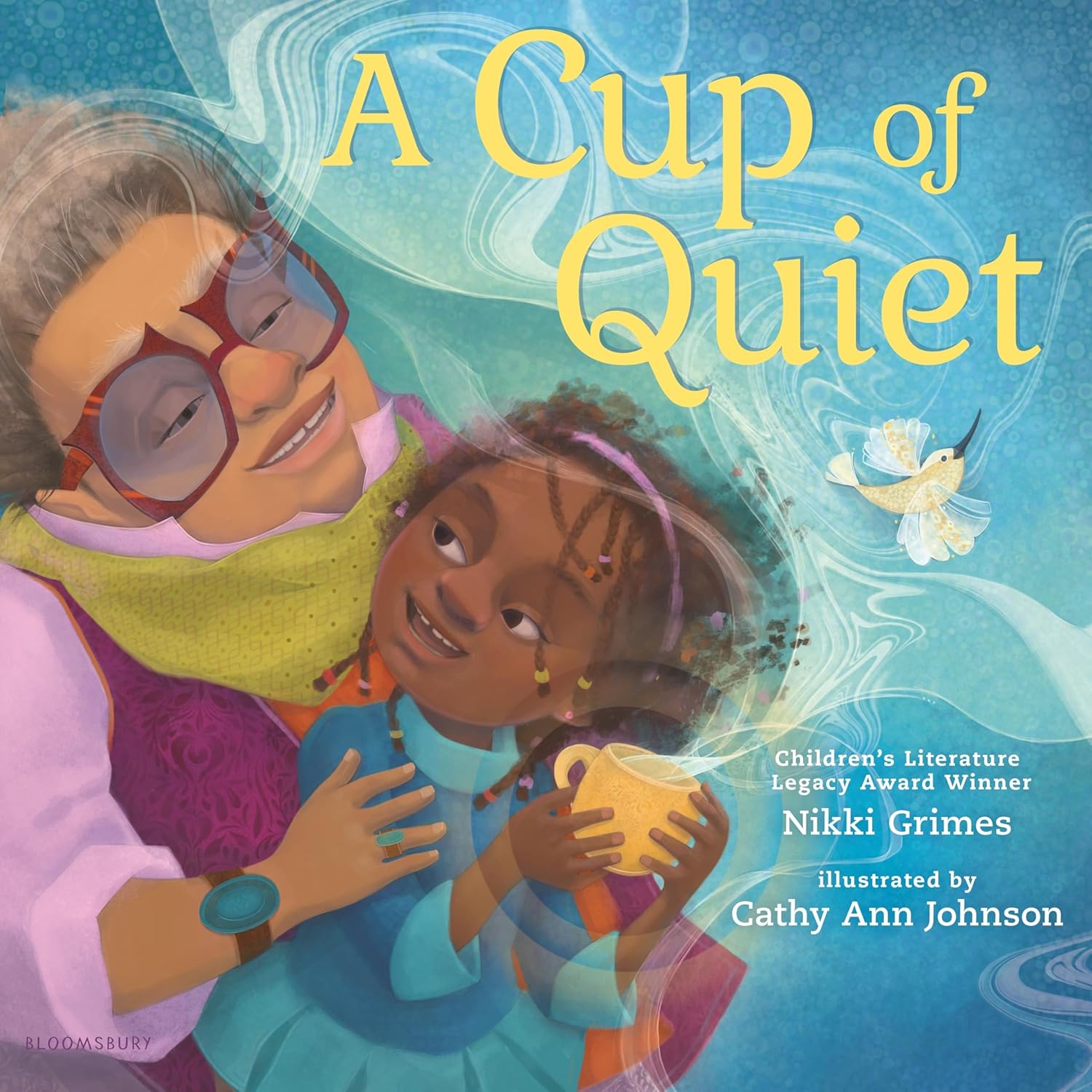
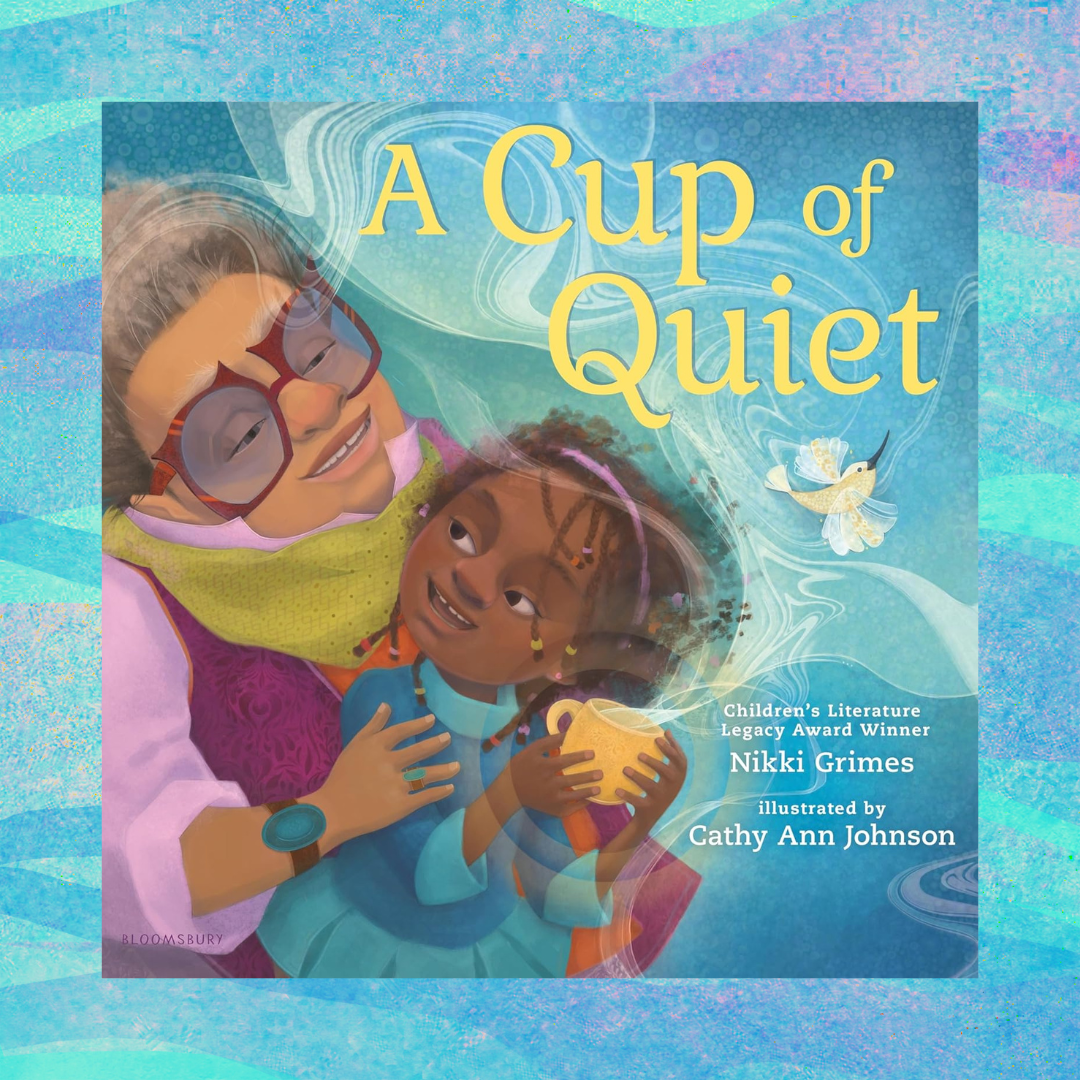
A Cup of Quiet

Written by Nikki Grimes | Illustrated by Cathy Ann Johnson

“You ever hear of smiles?” The young narrator’s talking about the two-week “summer camp” she gets to spend with her grandmother every June. In that breathless excitement of children, she reveals the visits give her and her Grandma time to “stitch sock puppets and put on shows, bake Martian Cake that tastes like banana bread and play tea party in the garden with my dolls.” But today, they’re acting out a story—that is until Grandpa’s hammering and loud music become just too much.
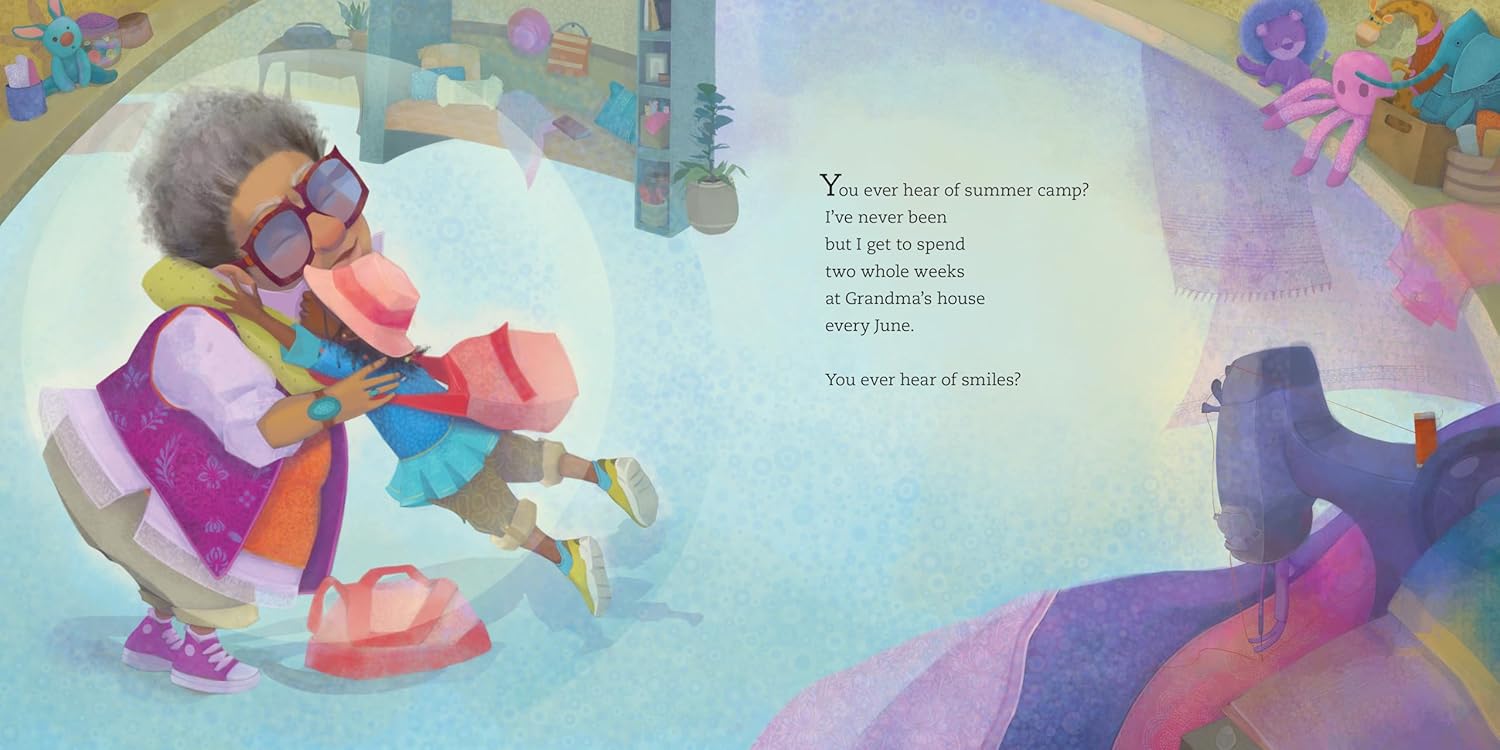
Illustration © 2025 by Cathy Ann Johnson, text © 2025 by Nikki Grimes. Courtesy of Bloomsbury Children’s Books.

Grandma flops into her chair with an “Ugh!” and tells her granddaughter she’s “thirsty for a cup of quiet.” This elicits a giggle and a bit of disbelief, but Grandma’s done with the noise and leads her granddaughter outside to the porch swing. But the city outside their house is just as noisy as Grandpa inside. A trip to the backyard garden is needed. Here, Grandma may be happy, but the narrator is getting fidgety.
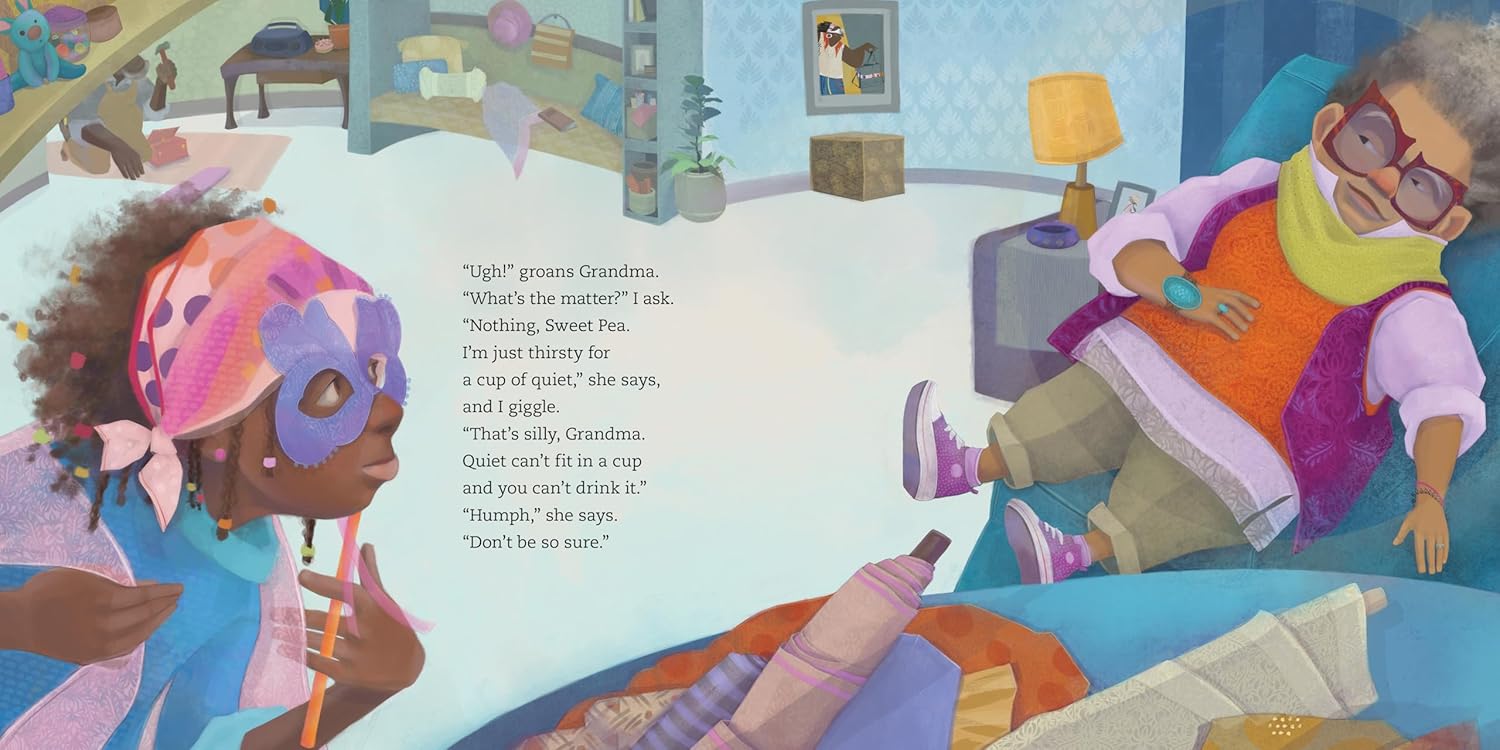
Illustration © 2025 by Cathy Ann Johnson, text © 2025 by Nikki Grimes. Courtesy of Bloomsbury Children’s Books.

Grandma gives her the side-eye and then hands her “an invisible cup” with instructions to “‘walk around the garden and fill this up with any sounds you hear.'” Up for this imaginative challenge, the girl first visits the rose bushes, where a bee is working and “snap[s] up a handful of his buzzing and drop[s] it in the cup.” On the ground below she sees a lizard and “spoon[s] up” the sound of its “scuttling across a dried leaf.” She begins paying more attention to the nature around her and listening harder to fill her cup.
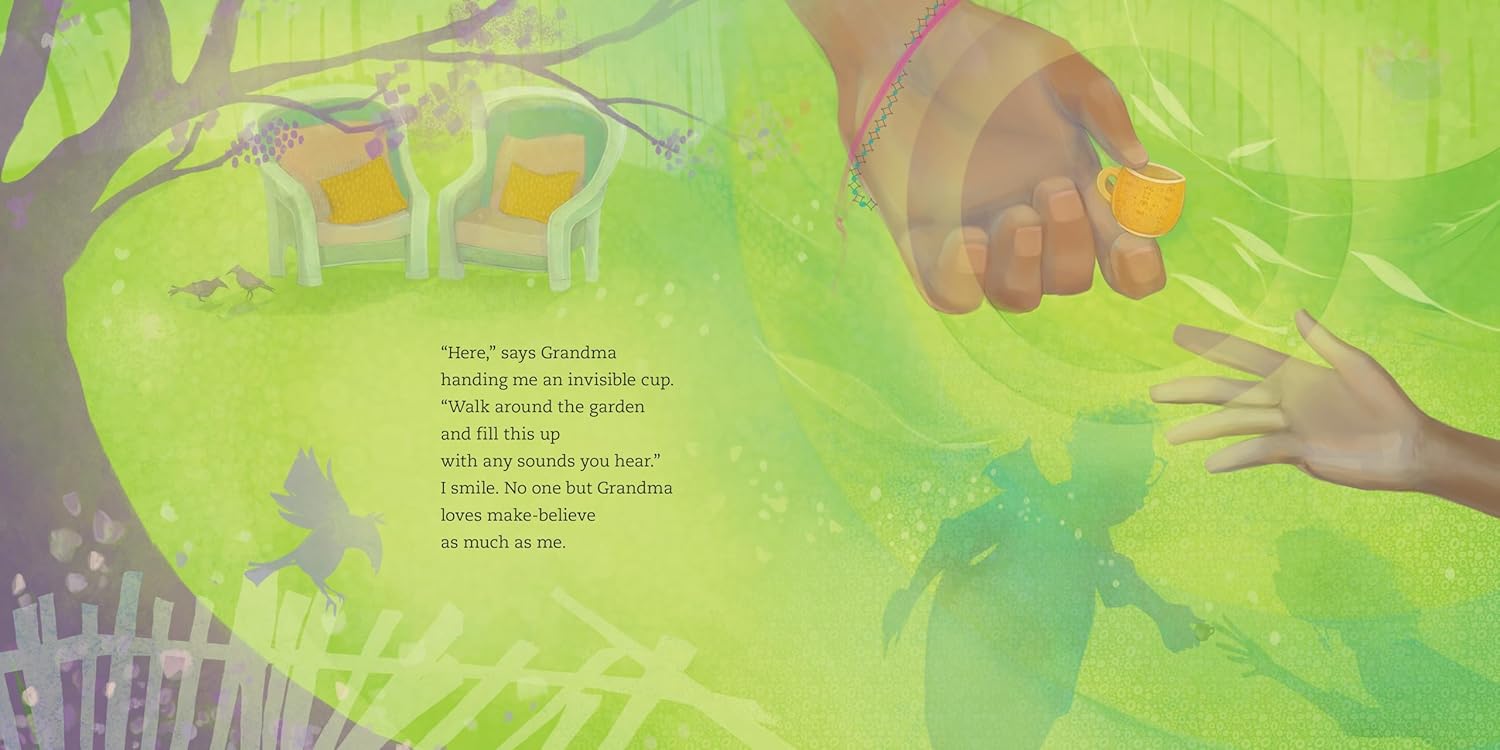
Illustration © 2025 by Cathy Ann Johnson, text © 2025 by Nikki Grimes. Courtesy of Bloomsbury Children’s Books.

A sudden thunderclap precipitates a downpour, but before she runs inside with Grandma, the narrator adds the first pings of raindrops on the roof to her nearly full cup. After drying off and changing, it’s finally time to enjoy a long sip from that make-believe cup. Ahhhh! So “‘refreshing!'” Her granddaughter thinks so too. Still, she has an observation: “‘… your quiet is awfully noisy!'” Grandma smiles and says, “‘I know, but Nature’s noise is peaceful, and I love that.'” Her granddaughter agrees—”You ever hear of perfect?”
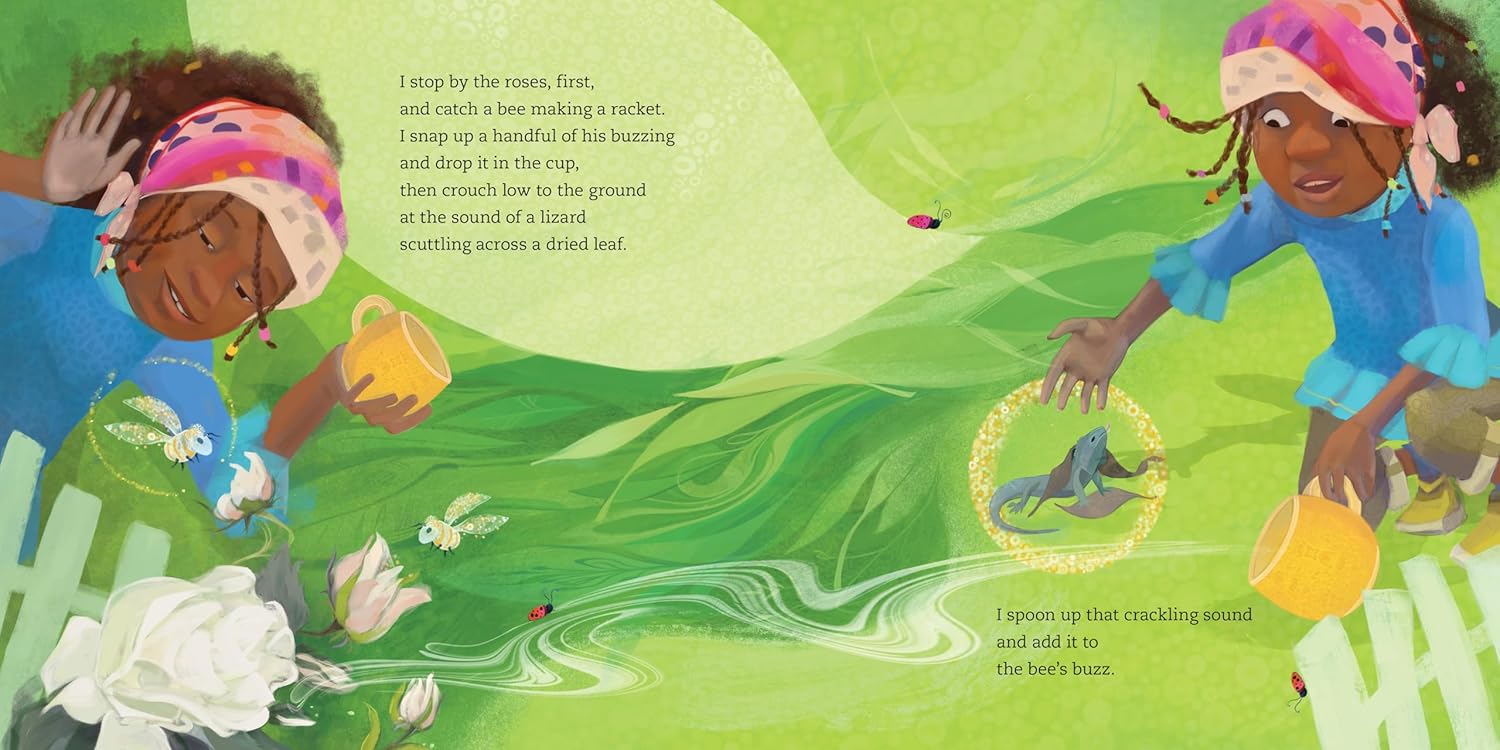
Illustration © 2025 by Cathy Ann Johnson, text © 2025 by Nikki Grimes. Courtesy of Bloomsbury Children’s Books.

Nikki Grimes invites readers to join in with a grandmother and granddaughter for a day of “summer camp” where love abounds. The easy banter between the two and affectionate gestures—such as Grandma’s playful tug on her granddaughter’s braid and the jump-into-her-arms hug the girl gives her grandma—immediately envelope both child and adult readers in this pair’s warm relationship. Grimes’ inventive call to interact with nature and find comfort there will have kids carrying their own imaginary cups to fill and spark other creative games and activities no matter where they live. 

Cathy Ann Johnson’s collage-style, mixed-media illustrations sweep readers into the creative and close-knit atmosphere of Grandma’s house during a week-long visit by her granddaughter. The vibrancy of the pair’s connection is shown through the colorful textures of the fabrics they use for crafting. The allure and importance of nature is likewise emphasized through the vivid greens and swirling motion in the grandmother’s back garden as well as the shimmering beauty of the creatures from which the girl collects sounds. The grandmother and granddaughter’s close bond is evident through their hugs, the way they sit close together (even touching hands while sitting in separate garden chairs), and the care Grandma provides after the rainstorm. The grandmother’s expressions are amusing in their honesty, and the look of wonder in the granddaughter’s eyes is inspirational.

Lyrical, playful, and full of love, A Cup of Quiet is a warm hug of a read aloud that adults and kids will love sharing again and again. The book is a must addition to school library, public library, and home collections.

Ages 3 – 7

Bloomsbury Children’s Books, 2025 | ISBN 978-1547610730

A Talk with Nikki Grimes
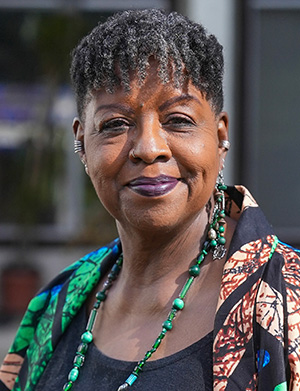
Photo Credit Marchel Hill

New York Times bestselling author Nikki Grimes was inducted into the Black Authors Hall of Fame in 2023. Her honors include the CSK Virginia Hamilton Lifetime Achievement Award, the ALAN Award for significant contributions to young adult literature, the Children’s Literature Legacy Medal, and the NCTE Award for Excellence in Poetry for Children. Author of the Coretta Scott King Award-winner Bronx Masquerade, and five Coretta Scott King Author Honors, she won the Printz Honor and Sibert Honofor her memoir Ordinary Hazards. Her latest titles include Garvey’s Choice:The Graphic Novel, a School Library Journal 2023 Best Book; Lullaby for the King, one of Book Riot’s 25 Best Christmas Books of All Time; and A Walk in the Woods, recipient of 8 starred reviews, and 11 Best Book listings for 2023, including the New York Times, NPR, and Smithsonian Magazine. Ms. Grimes lives in Corona, California. You can visit her at nikkigrimes.com.

Today, I’m honored to be talking with Nikki Grimes about the inspiration behind A Cup of Quiet, how she develops her characters, the joys and challenges of writing for multiple age groups, and much more!

A Cup of Quiet is a perfect book for adults and children to share, not only for outside noise but for times when life gets overwhelming.  Tell us about the inspiration for this story and a little about its journey to publication.

There’s a certain quality of quiet in nature that I’ve always found soothing. I need silence for my work because it allows me to concentrate fully when I write. But nature’s quiet is different. It’s rich with sound, but most of it requires you to pay close attention. To pick up the whir of a hummingbird’s wings, you have to be still, and you have to strain to hear it. The stillness that’s required is soothing, and the sounds you become attuned to are a healing balm. I wanted to write a story that celebrated those sounds, and the beauty of that kind of quiet.

In the early stages of the book, I’d go out to my garden and listen carefully, and I’d make mental notes of all that I heard that day. I’d jot everything down until I had a good list of sounds to play with.

My main character lived in the city and didn’t spend much time out in nature there, though she occasionally went to the park. But every summer, she’d travel out of the city for long visits with her grandmother who had a garden, and whose house was surrounded by trees, and greenery.

The story grew from there, and I knew immediately that I wanted Bloomsbury to publish the book, and I also knew intuitively who I wanted to illustrate—namely Cathy Ann Johnson. This teaming has proven to be perfect, all around.

If I had a cup to fill with quiet today, I’d add my cat’s little sleepy, dreamy purrs, the whoosh of cars passing my house, the rustle of squirrels in the trees, and a drop of water from my bubbling teapot. What would you put in your cup of quiet today?

I would put a bee’s buzz, the wind rustling leaves of a tree, the whir of a hummingbird’s wings—all the sounds I chose for A Cup of Quiet. Those are some of the sounds I listen for, and pay attention to, whenever I immerse myself in nature.

Cathy Ann Johnson’s mixed-media illustrations are a wonder of color, motion, humor, and the love between grandmother and granddaughter. What was your first impression when you saw her illustrations? Do you have a favorite spread?  Why is it a favorite?

First, I was over the moon for the grandmother! She had energy, and spunk, and style. I loved her!  And I loved her colors. Then, as I saw the book’s interiors, I was absolutely thrilled! Cathy Ann’s images, and their movements, were as lyrical as my own words. Our partnership on the page was the proverbial match made in heaven. I would be loath to choose a favorite spread.  Each one has its own magic.

A Cup of Quiet starts out “You ever hear of summer camp?”—a disarming introduction to the child narrator that’s so true to the way kids approach conversation. The dialogue in all of your work sings in this way with the kind of honesty, humor, emotion, and depth that makes your characters seem almost physically with the reader.  I’m curious about your process in developing your characters and stories.

My characters begin with a voice. I’ll hear a scrap of dialogue in my head—nothing extensive, just a few lines. The inspiration might come from the catalog of voices I’ve stored in memory over a lifetime of listening to people around me, or it might be the voice of a particular person in my life whose voice is special or one that has simply stayed with me for a long time. Either way, the voice feels familiar. I’ll jot down that scrap of dialogue as reference, then I’ll begin developing a character sketch and that character’s backstory. I never know how much or little of the backstory I’ll use, but that information guides me as I write. To nail the voice, I have to pay close attention. I climb into the character’s skin and look at the world from his or her perspective and write from that place, attuning myself to that character’s age, birth place, geographical region, quirks, fears—all of it guides me as I make decisions about what that character will say, how they’ll respond to various stimuli that shows up in the plot. If I step wrong, the character will bristle and call me out on it, almost audibly. “Do not put those words in my mouth! I would never say that!” or “I don’t speak like that!” It’s kind of eerie, actually. Characters can be very bossy!

You write books for all ages, from picture books to middle-grade to young adult. Can you talk a bit about the joys and challenges of each? What is one message you want readers in each age category to take away from your books? 

Each age format comes with its own set of limitations, constrictions, and also its own range of possibilities. I love mixing it up. Writing for different age groups keeps me on my toes. The picture book gives you very little room to develop character and plot, while, say, a young adult novel gives you so much unlimited space that you run the risk of overwriting, and of getting lost in the weeds of your plot, or tangled in the layers of your story. Being consistent with your tense or bookending your story in a way that is controlled and satisfying and that feels organic, is much more challenging in the long form of middle grade or YA storytelling.

Language choices are tricky, and different with each age group as well. You walk the line between accessibility and sophistication, between simplicity and complexity. The same variance is true of the emotional components appropriate for each age group as well. For those reasons, I think it’s wise to focus on one genre at a time until you work through the quirks of that genre and figure out a process that works for you. Then, by all means, go on and experiment with the next! It’s tough work, but I like that. For me, easy is boring!

As for your question about messages, I don’t write messages. I write stories. And a well-written story offers a number of ideas a reader might take away. It all depends on the particular reader. We bring ourselves to the page, as readers. Our own experiences, personalities, and what we need at a particular point in time, color what we see, what we notice, and what we ultimately take from a story. Of course, as the creator, I have a certain idea, or theme, I intend to weave into my story—and, by the way, it’s hard to know whether or not I’ve always succeeded—but I don’t worry about whether the reader will pick up on the specific note I had in mind. What matters to me is that, somewhere in the many layers of my story, readers find something valuable with which they resonate. Quite often, the things they find come as a surprise to me, but that’s okay. So long as they walk away with something of value to them, that’s all I can ask for.

While I read through your website, your generosity in sharing so much of your life really stood out.  I’m sure young readers and writers would love to know about when you first began writing and how you were recognized for your talent, having your first public reading when you were 13.  Could you share a little of our writing background with us?  What advice would you give to children and young adults who love to write and want to pursue it?

As I reference in my memoir Ordinary Hazards, and elsewhere, I started writing in earnest when I was six years old, and I did so because I would have burst, otherwise. I was so filled with the emotional and mental poison of anger, and pain, and confusion. I was desperate to get my feelings out, somehow. So, I began to pour those feelings onto a page. That’s how my writing began, but as I reached my teens, the idea of possibly pursuing writing as a career took root. I was encouraged by my father, by my sister, by the friends I dared share my poetry with, and later, by a couple of teachers.  At the same time, though, I also had peers who laughed me off the block for daring to dream of such a thing at all. But I decided early on to surround myself with other young people who nurtured dreams and goals of their own. Everyone else, I cut out of my circle. I refused to absorb the negativity of naysayers.

I encourage young people who have a heart for writing to read voraciously, and to read across genres.  Every genre has something to teach you, and the quality of your writing reflects the quality, variety, and breadth of your reading. So read, read, read.  

Next, write, write, write because writing is a muscle. You have to exercise that muscle if you want to become strong. There is no shortcut to excellence. And if you’re not going to pursue excellence, why even bother? Excellence is what your readers deserve. Remember: the world doesn’t need mediocrity, no matter what field you choose to pursue.

In addition to your many awards over the years, you received the Children’s Literature Legacy Award in 2017 and the Coretta Scott King-Virginia Hamilton Award for Lifetime Achievement Award in 2022. In 2023 you were inducted into the Black Authors Hall of Fame.  What does this recognition mean to you?

Recognition is affirmation, and who doesn’t appreciate that?  But an artist should never be satisfied to sit on their laurels. I use this recognition as fuel to keep pushing forward, to continue to stretch myself as an artist to try genres I’ve never attempted before, to explore forms of poetry I find challenging. Doing so keeps me alive, and grown, and excited about the work I’ve been doing professionally, now, for nearly 50 years. That way, even as I get old, my work never does!

What books of yours can readers look forward to next?

I have a new Dyamonde Daniel chapter book coming out in June.  It’s titled Loser, and it’s about healthy and unhealthy competition, and where to draw the line, especially when you’re competing with your best friend.

I also have a new picture book on the horizon, titled Stronger Than, a collaboration with Choctaw author, Stacy Wells and illustrated by E. B. Lewis, who I’ve worked with before. In this story, a Black Choctaw boy discovers the history of one ancestor who survived the Trail of Tears, and another ancestor who survived the Tulsa Race Massacre. Through their stories, he learns that he comes from stronger stock than he knew, and this knowledge helps him overcome one of his worst fears. I’m excited about both books, for very different reasons.

There are a few more books in production, as well, but it’s too soon to talk about those.

Is there a question I didn’t ask that you wish I had?  What would your answer be?

No. I think I’m about talked-out, for the moment!  This has been fun, though. And I hope you and the young readers in your life enjoy A Cup of Quiet.

Thank you so much, Nikki! It’s been terrific chatting with you! I wish you a wonderful spring and summer of nature’s refreshing quiet.
You can purchase A Cup of Quiet from these booksellers

Amazon | Barnes & Noble | Bookshop (discounted books and support for your local independent bookstore)

Picture Book Review

September 21 – International Day of Peace

celebrate-picture-books-picture-book-review-shalom-bayit-cover

About the Holiday

The International Day of Peace is a United Nations sponsored holiday, which is dedicated to strengthening the ideals of peace by observing twenty-four hours of non-violence and ceasefire. Each year the holiday focuses on a theme. In the face of the COVID-19 pandemic, this year’s theme is “Shaping Peace Together” The 2020 theme for the International Day of Peace is “Shaping Peace Together,” with the idea that people celebrate the day by spreading compassion, kindness and hope as the world struggles with a common problem. People are also asked to stand together with the UN against attempts to use the virus to promote discrimination or hatred. To learn more, visit the United Nations website. Of course, for little ones, the values of peace and harmony begin at home. With today’s book, you can pass this comfort on to your children.

Shalom Bayit: A Peaceful Home

Written by Linda Elovitz Marshall | Illustrated by Ag Jatkowska


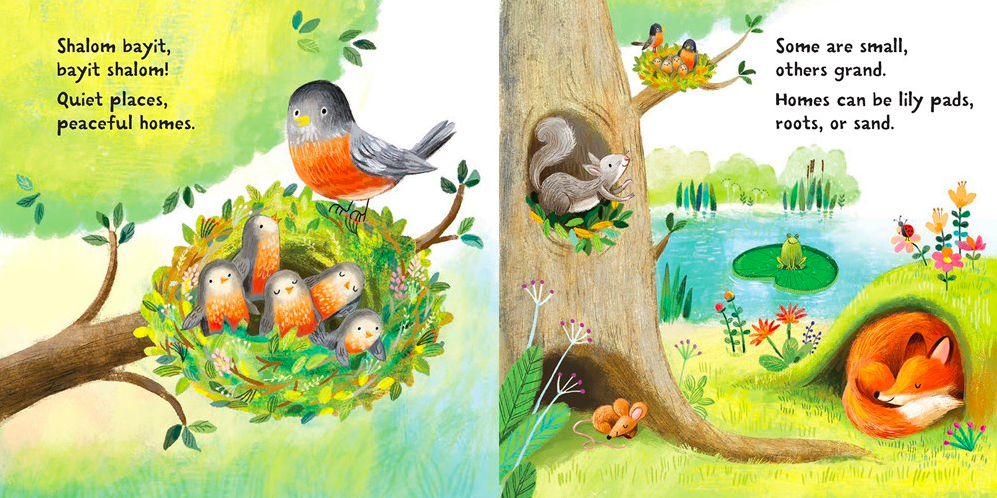
In her sweet ode to shalom bayit—a Hebrew phrase that means “peace of the home,” and celebrates the Jewish value of the home as a sanctuary from the stresses, worries, and noise of the outside world—Linda Elovitz Marshall gives parents and caregivers a book to share with their youngest children that shows that no matter whether a home is a den or a castle, it is a place where they can find contentment. With tranquil rhyming verses, Marshall introduces little ones to cozy nests, dens, underground tunnels, and other places where animals make their snug homes. “Shalom bayit, / bayit shalom! / Quiet places, / peaceful homes.”

celebrate-picture-books-picture-book-review-shalom-bayit-robins

Image copyright Ag Jatkowska, 2020, text copyright Linda Elovitz Marshall, 2020. Courtesy of Kar-Ben Publishing.

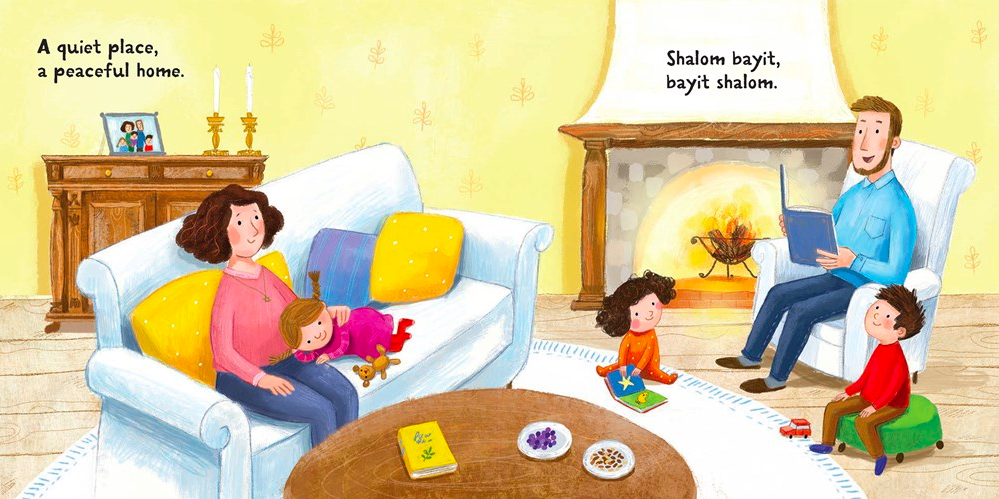
In her nest on a high branch, a mother robin and father robin watches over their five babies, while below a squirrel fills a hole in the tree trunk with soft leaves and a mouse snoozes in a small cave in the roots. Turtles, worms, frogs, and a fox also happily make their homes in the pond and grounds nearby. From this calm, bucolic scene, Marshall takes children into a house, where three children spend time with their family, cuddled up with Mom as Dad reads a story. “A home’s a cozy, restful place, / a safe and loving family space,” Marshall says. “Shalom bayit, / bayit shalom.”

celebrate-picture-books-picture-book-review-shalom-bayit-home

Image copyright Ag Jatkowska, 2020, text copyright Linda Elovitz Marshall, 2020. Courtesy of Kar-Ben Publishing.

Ag Jatkowska accompanies Marshall’s gently flowing verses with lovely illustrations of the sun-dappled banks of a pond and the natural places a variety of animals call home. The adorable squirrels, turtle, frogs, fox, worms, robins, and mice as well as the trees and flowers are painted in a calming, yet vibrant color palette that will enchant little readers. Jatkowska’s final spread of a happy home, where a fire burns in the fireplace as the family enjoys a relaxing evening together is a loving portrayal of the meaning of shalom bayit.

A charming board book to inspire comforting story times or bedtimes—especially during these challenging times—Shalom Bayit: A Peaceful Home would be a favorite on home bookshelves and is highly recommended for school and public library collections. The book would also make an excellent gift.

Ages 1 – 4

Kar-Ben Publishing, 2020 | ISBN 978-1541542471

Discover more about Linda Elovitz Marshall and her books on her website.

To learn more about Ag Jatkowska and see a portfolio of her work, visit her page at The Bright Agency.

International Day of Peace Activity

celebrate-picture-books-picture-book-review-peaceful-home-craft

Peaceful Home Craft


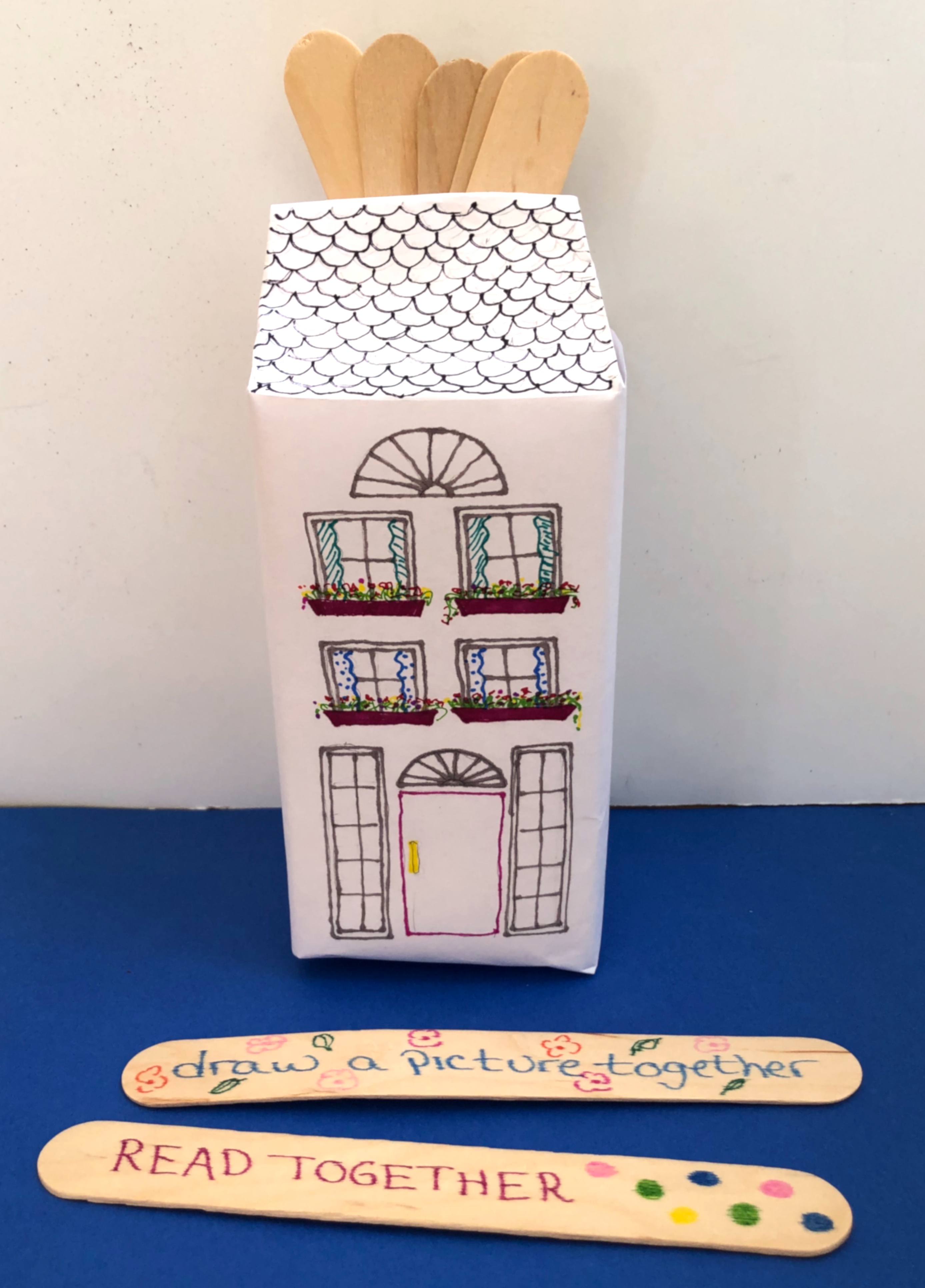
Kids squabbling over what to do or bored because there’s nothing to do? With this easy-to-make craft, kids can find activities to do with siblings, parents, or other caregivers to pass the time and have fun together. Kids can recreate their own house or make a house from their imagination.

Supplies

  • Small recycled box
  • Paper
  • Tape
  • Colored Pencils, crayons, or markers
  • Wide craft sticks

Directions

  1. Tape closed the open end of a small box 
  2. Wrap box in white or colored paper
  3. Cut a wide slot on one side of the roof for the sticks
  4. Draw features of the house on the front, sides, and back
  5. Think of ideas that kids can do together by themselves or with an adult and write one on each stick
  6. Put the sticks in the slot
  7. When there’s free time, choose a stick and have fun with that activity

celebrate-picture-books-picture-book-review-shalom-bayit-cover

You can find Shalom Bayit: A Peaceful Home at these booksellers

Amazon | Barnes & Noble | Books-a-Million

To support your local independent bookstore, order from

Bookshop | IndieBound

Picture Book Review
March 4 – It’s National Reading Month

celebrate-picture-books-picture-book-review-a-way-with-wild-things-cover

About the Holiday

National Reading Month is a book-lover’s delight! Designed to encourage children and adults to read every day, the holiday gives you the perfect excuse to hurry out to your local bookstore or library to stock up! The month is only beginning, so gather the kids and discover some new books to enjoy together. Today’s new book is a natural to start with. And when you’ve finished reading, visit the Reading is Fundamental website to join the celebration by adding the books you read to the tally of the Million Book March.

A Way with Wild Things

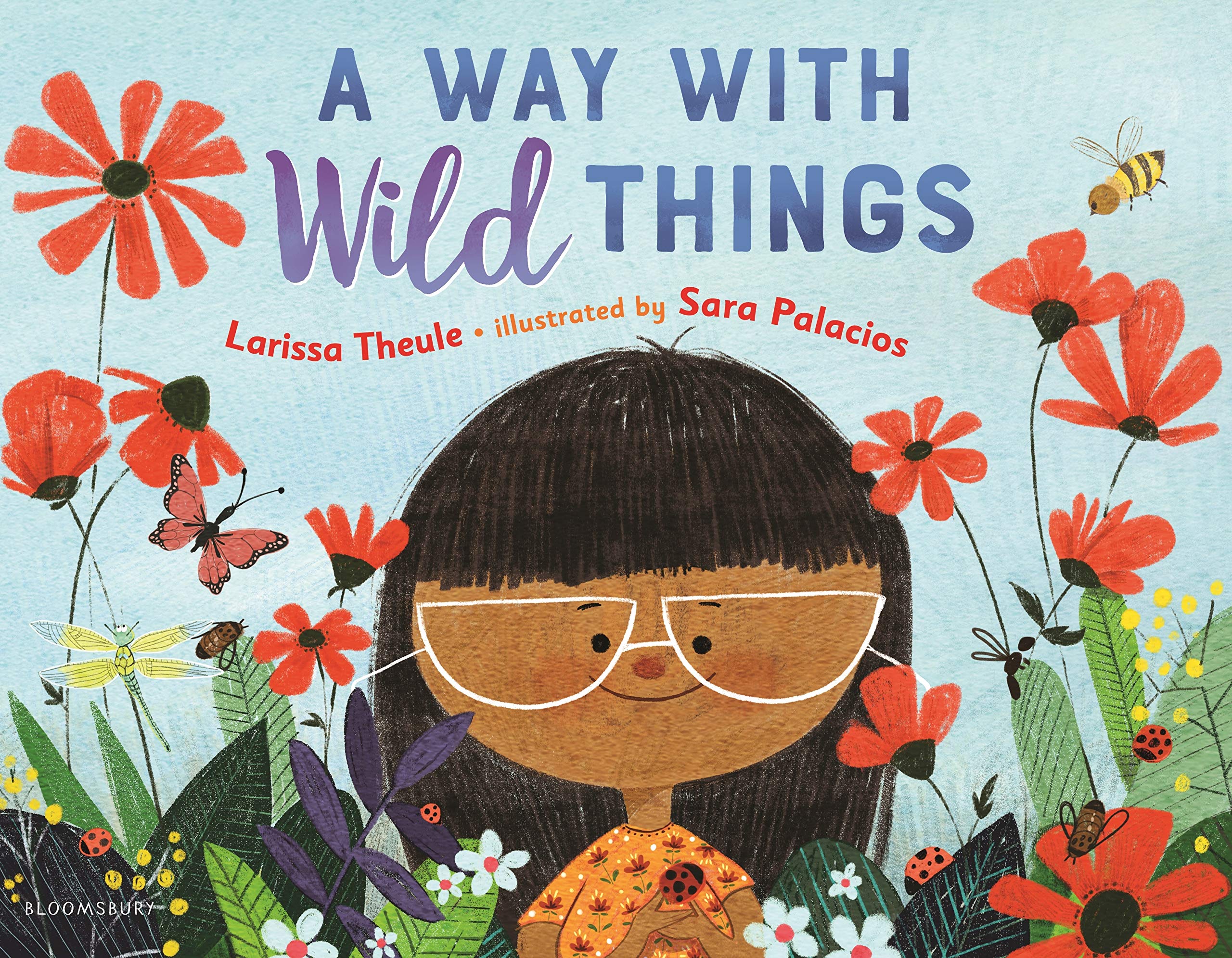
Written by Larissa Theule | Illustrated by Sara Palacios


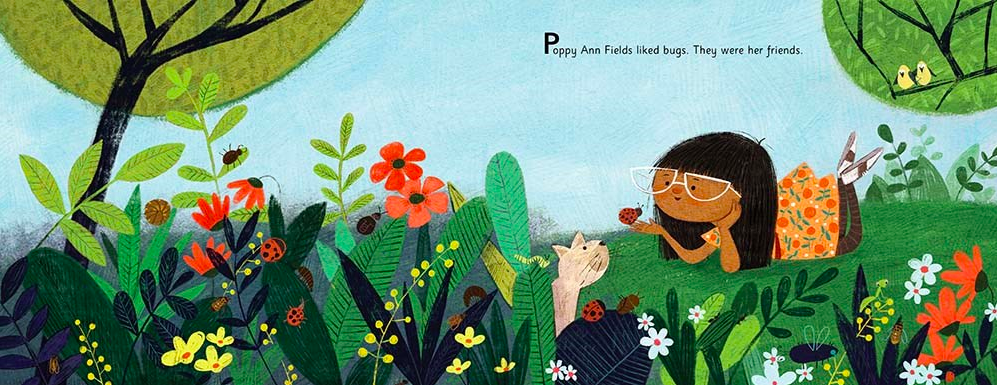
Poppy Ann Fields made friends with lots of bugs. She appreciated all of their natural talents—the way the cicadas formed a symphony, the way the ants marched in perfect lines, the way the shy roly poly said hello, and the “magnificent art” the spider wove. She could spend all day outside among these friends, “but when people came around, Poppy preferred to disappear into the background.”

celebrate-picture-books-picture-book-review-a-way-with-wild-things-bugs

Image copyright Sara Palacios, 2020, text copyright Larissa Theule, 2020. Courtesy of Bloomsbury Children’s Books.

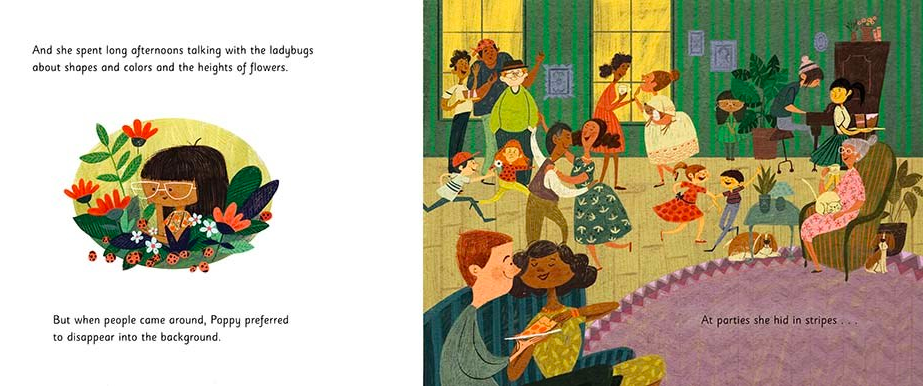
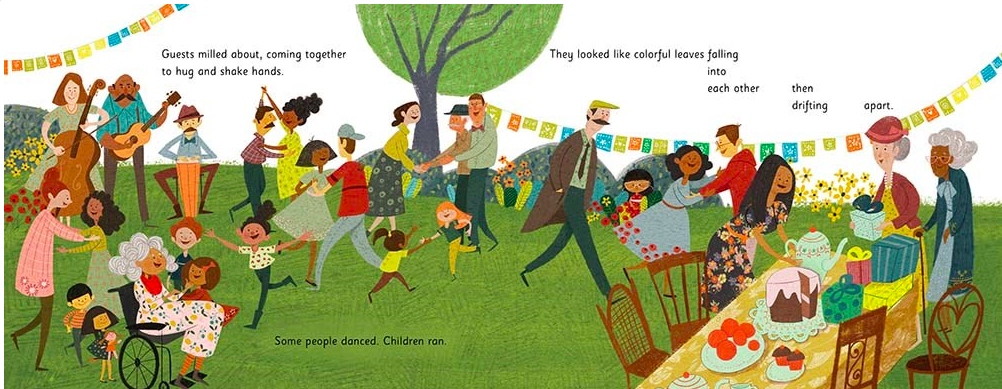
At parties she dressed to blend in with the wallpaper or the brightly flowered rug. She could disappear into the framed landscape on the wall or behind the tree in the corner. To celebrate Grandma Phyllis’s 100th birthday, there was a big party. Poppy watched from behind the flowers and bushes. She watched as people strolled about, meeting and hugging, dancing and running. “They looked like colorful leaves falling into each other then drifting apart.”

A shimmering dragonfly drifted on the breeze and landed on the cake. “Her whole heart glad, Poppy clapped her hands.” She came over to look and that’s when Uncle Dan spotted her. His voice boomed, “‘Poppy Ann Fields, you wallflower, you. So that’s where you’ve been hiding this time.’” Everyone turned to look at Poppy. She froze. The dragonfly took off… “and landed in her hand.” No one could believe it; they smiled and stared in wonder. Then they moved in to get a closer look.

celebrate-picture-books-picture-book-review-a-way-with-wild-things-party

Image copyright Sara Palacios, 2020, text copyright Larissa Theule, 2020. Courtesy of Bloomsbury Children’s Books.

Poppy wished she could run away. She didn’t know where to look, so she gazed at the dragonfly. “She knew the dragonfly had come here for her.” She listened to the cicadas’ music wafting through the air and took a breath. Then she spoke, telling everyone the dragonfly’s scientific name. Grandma Phyllis clasped her hands and gave Poppy a hug. “‘You wildflower, you,’” she whispered. In her heart Poppy knew Grandma Phyllis was right. She was not a wallflower, but “a wildflower.”

An illustrated glossary of Poppy’s bug friends, along with their scientific name and a brief description follows the story.

celebrate-picture-books-picture-book-review-a-way-with-wild-things-birthday

Image copyright Sara Palacios, 2020, text copyright Larissa Theule, 2020. Courtesy of Bloomsbury Children’s Books.

Larissa Theule’s quietly comforting story is balm for those thoughtful, introverted children who interact with the world through observation, contemplation, and gentle interactions. With the soul of a poet, Poppy listens to, watches, and connects with nature, feeling its rhythms and wonder with her whole heart. Theule’s carefully chosen verbs and play on the idea of nature embrace Poppy’s personality. Poppy “preferred” to observe large, noisy gatherings from the sidelines while she “became” things that most people find lovely: landscapes, trees, rain, a group of animals.

When Uncle Dan’s loud voice turns everyone’s attention to Poppy, Theule’s simply stated “she was scared down to her toes” validates the feelings of kids who’d rather not be in the spotlight and gives children and adults an opportunity to talk about these emotions. The party-goers’ enthusiasm to hear what Poppy has to say and Grandma Phyllis’s loving and apt nickname for her granddaughter will reassure introverted readers that they are seen and appreciated for their unique strengths.

Sara Palacios festival of flowers—found outside, in Poppy’s home décor, and on party-goers’ clothing––surrounds Poppy and reveals that she is a part of and does fit in everywhere. One of the joys of A Way with Wild Things is finding Poppy on each page and appreciating Palacio’s creative genius in how she uses camouflage similar to nature. Her vivid, textured illustrations are joyous and full of love for nature, for life, and especially for Poppy who tenderly takes it all in and makes it uniquely hers.

Ages 3 – 6

Bloomsbury Children’s Books, 2020 | ISBN 978-1681190396

Discover more about Larissa Theule and her books on her website.

To learn more about Sara Palacios, her books, and her art, visit her website.

National Reading Month Activity

celebrate-picture-books-picture-book-review-reading-bug-book-plate

Catch the Reading Bug Bookmark, Bookplate, and Books-to-Read List


If National Reading Month is one of your favorite holidays, show it with these printable Reading Bug book accessories!

I’ve Got the Reading Bug Bookmark | I’ve Got the Reading Bug Bookplate | Books-to-Read List 

celebrate-picture-books-picture-book-review-a-way-with-wild-things-cover

You can find A Way with Wild Things at these booksellers

Amazon | Barnes & Noble | Books-a-Million | IndieBound

Picture Book Review
February 14 – International Book Giving Day

celebrate-picture-books-picture-book-review-birdsong-cover

About the Holiday

International Book Giving Day was established by Amy Broadmoore and her son and is now celebrated in more than 44 countries. The idea behind the holiday is for people to buy, share, and donate books so that all children can have access to books and know the pleasure and educational benefits of reading. To learn more about today’s holiday, visit the International Book Giving Day website.  You’ll also discover the names of literacy organizations in your country, find tips on ways to get involved, and find bookmarks and bookplates to download. Today, of course, is also Valentine’s Day, and along with the hugs, candy, cards, and fun, giving a book is a wonderful way to show your child how much you love them.

I received a copy of Birdsong from Greystone Books for review consideration. All opinions are my own.

Birdsong

By Julie Flett


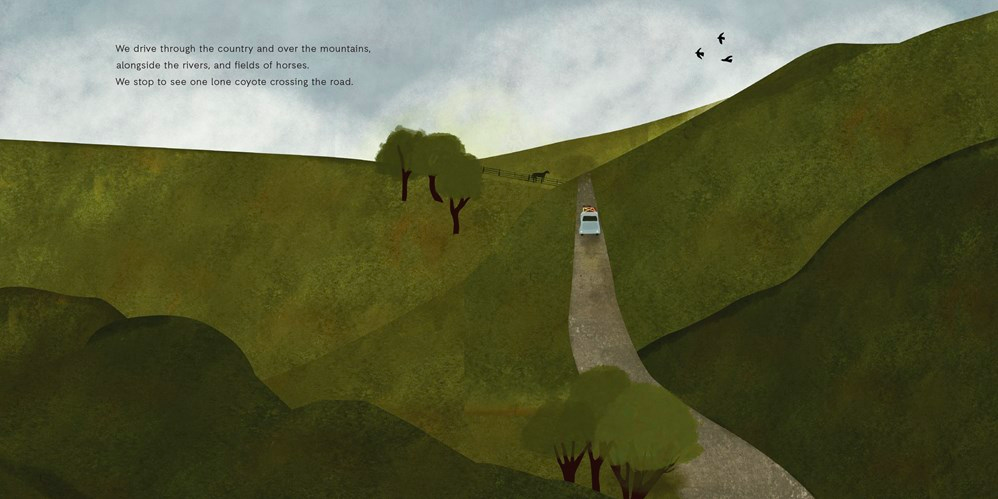
On a rainy, gloomy day a little girl, Katherena, and her mother pack up their last belongings for a move from their house in a seaside city to the country. Katherena thinks about all the friends and relatives she’ll miss. She thinks about how she’ll miss her “bedroom window and the tree outside. ‘Goodbye, tree friend,” she whispers. They drive past fields and over mountains, stopping to watch a coyote cross the road.

celebrate-picture-books-picture-book-review-birdsong-driving

Copyright Julie Flett, 2019, courtesy of Greystone Books.

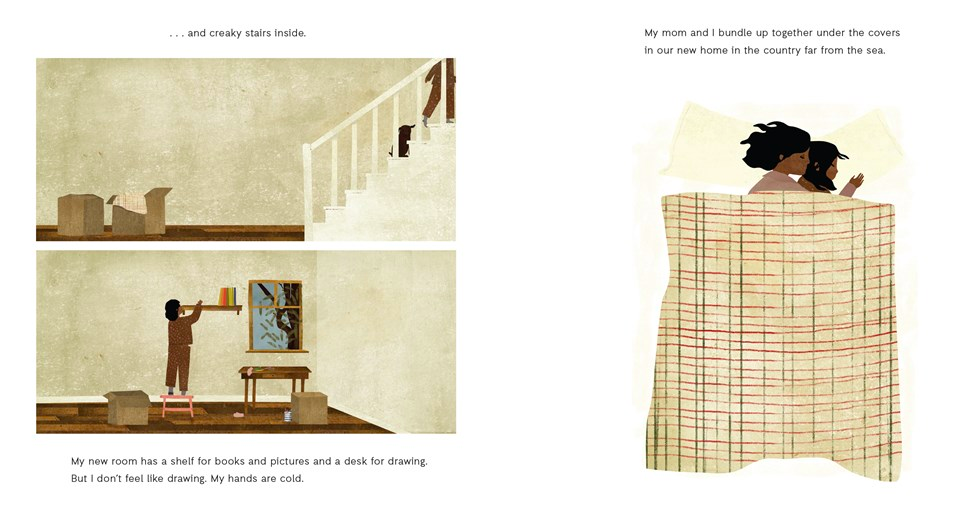
Their new home crowns a hill that overlooks a field now dotted with snowdrops. Two trees stand nearby. Inside, Katherena climbs the creaky stairs to her room. She places books, a toy whale, and her drawing supplies on the shelf next to the window and above a small desk “for drawing.” Now, though, her hands are cold and she doesn’t feel like drawing. That night she and her mom “bundle up together under the covers in [their] new home in the country, far from the sea.”

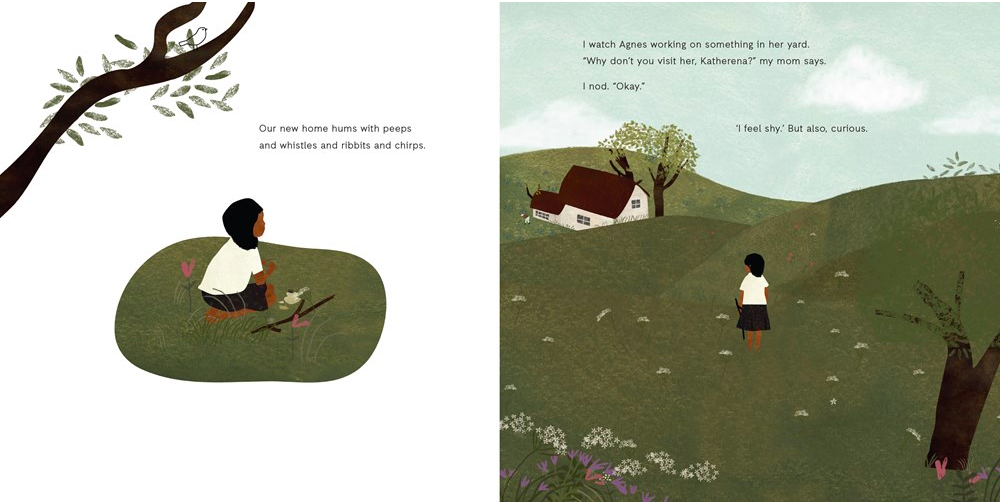
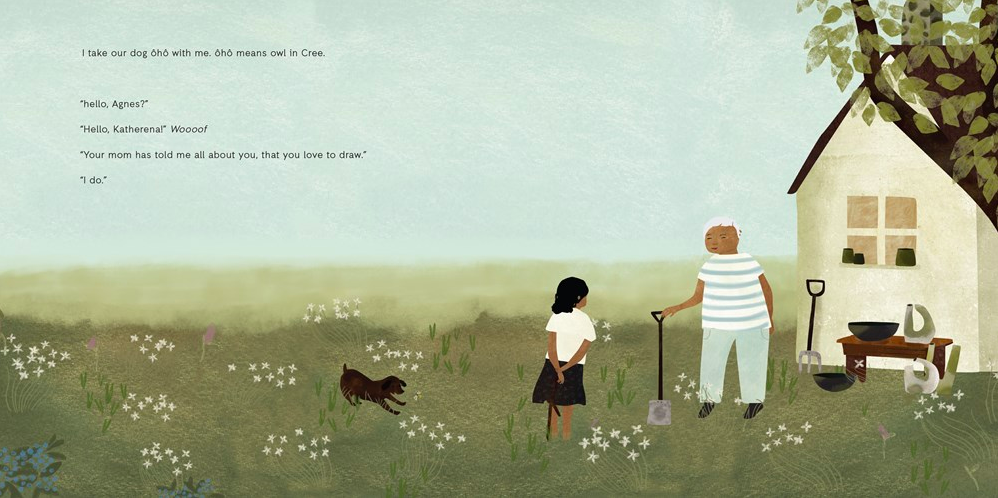
Summer comes and Katherena sits under a tree listening to the “peeps and whistles and ribbits and chirps” and watching her neighbor Agnes working in her yard. Katherena’s mother encourages her to go over and meet her. Katherena takes their dog Ôhô, which “means owl in Cree,” and says hello to Agnes. Agnes has heard a lot about Katherena from her mother––especially that she likes to draw. Agnes makes things out of clay, and as she shows Katherena around, Katherena admires the objects she’s made. “They look like the branches and birds and flowers.” After her visit, Katherena is excited to go home and draw.

celebrate-picture-books-picture-book-review-birdsong-creaky-stairs

Copyright Julie Flett, 2019, courtesy of Greystone Books.

Throughout the fall, Katherena visits Agnes again and again, helping her with her garden. The weather is turning “cold and windy and creaky. Agnes says she’s getting creaky too.” One day Agnes shows Katherena a round pot she is working on. She talks about the phases of the moon, and Katherena tells her about Cree seasons and that “this month is called pimihâwipîsim—the migrating moon.”

In the winter Ôhô enjoys his first snow, tobogganing with Katherena until they’re both soaked through. Later, Katherena warms up near the fireplace and helps her mother make salmon stew for Agnes. Agnes’s daughter has come to help her mother during the winter. In exchange for the stew, Agnes gives Katherena snowdrop bulbs to plant next fall. Katherena thinks “they look like tiny moons,” which gives her ideas for more drawings.

celebrate-picture-books-picture-book-review-birdsong-new-home

Copyright Julie Flett, 2019, courtesy of Greystone Books.

Spring finds Agnes weaker, and Katherena sits on the end of her bed as they listen to the birds singing in the trees and “the tickle of the branches against her window.” When the snowdrops begin to bloom, Katherena wishes Agnes could see them. Suddenly, she has an idea. She gets her drawings from home and with Agnes’s daughter’s help, she papers the walls of Agnes’s room with her drawings of birds, trees, flowers, and other things from nature. Gazing at the walls, “Agnes says it’s like a poem for her heart.”

For the rest of the day, Katherena and Agnes “talk about making things” and sit together in happy silence “until it’s time to say goodbye.” Katherena’s heart is heavy, but she feels fortunate to know Agnes. Later that night, ayîkipîsim, the frog moon, is full.” Her mom and she snuggle up together under the soft blankets. Her hands are warm, and she falls asleep thinking about her friend.

celebrate-picture-books-picture-book-review-birdsong-meeting-agnus

Copyright Julie Flett, 2019, courtesy of Greystone Books.

Quiet and deep, Julie Flett’s story of a little girl who moves from the city home she knows and loves to a house in the country, where she meets a kindred spirit touches the heart. Generosity, friendship, and acceptance flow through each page as Katherena learns to embrace her new home, a mentoring friend, and the seasons of life. Our connection to the natural world is beautifully represented in Katherena’s drawings, Agnes’s pottery, and the pair’s gardening. Their intergenerational relationship, forged through proximity and similar talents is profound in its calm comfort and heartening love as they teach each other new ways of understanding life—Agnes from her long years of experience and Katherena through her heritage and the lovely Cree words and ideas she shares with her friend.

Simple, earthy details—a coyote on the road, mulch and worms in the garden bed, salmon stew, snowdrops in a field, the phases of the moon—root the story in the common and surprising moments in life that unite us all. Katherena’s mother and Agnes’s daughter provide comforting emotional and physical support while hinting at another cyclical aspect of life.

Flett’s textured illustrations, in soft, muted earth tones, capture the mood, the emotions, and the seasons with a fresh yet traditional feeling that reveals and reflects the story’s themes. The two-page spreads that introduce Spring, Summer, Fall, Winter, and Spring again are minimalistic beauties that give readers a moment of reflection before moving on—much like transitional weeks between seasons.

A story that children and adults will take into their hearts, Birdsong belongs on all home, school, and public library bookshelves.

Ages 3 – 8

Greystone Books, 2019 | ISBN 978-1771644730

To learn more about Julie Flett, her books, and her art, visit her website.

International Book Giving Day Activity

celebrate-picture-books-picture-book-review-international-book-giving-day-book-plate

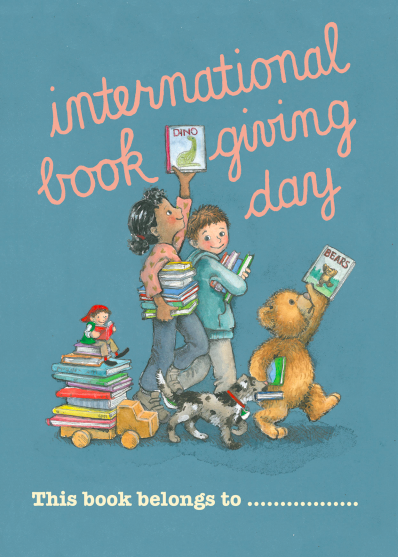
Image by Sanne Dufft for International Book Giving Day 2020.

International Book Giving Day Bookmark and Bookplate


Celebrate today’s holiday with these book accessories that you can add along with any book you give a child.

International Book Giving Day Bookmark| International Book Giving Day Bookplate

celebrate-picture-books-picture-book-review-birdsong-cover

You can find Birdsong at these booksellers

Amazon | Barnes & Noble | Books-a-Million | IndieBound

Picture Book Review
September 27 – Read a New Book Month

celebrate-picture-books-picture-book-review-maybe-cover

About the Holiday

As September winds down, there’s still time to feature one more new book for this month’s special holiday. Searching for and sharing new books—whether they are recently published or just new to you—is not only a fun way to spend a day together with kids, but an experience that pays big benefits now and in the future. Make a plan to add a few new books to your home library or visit your local library today!

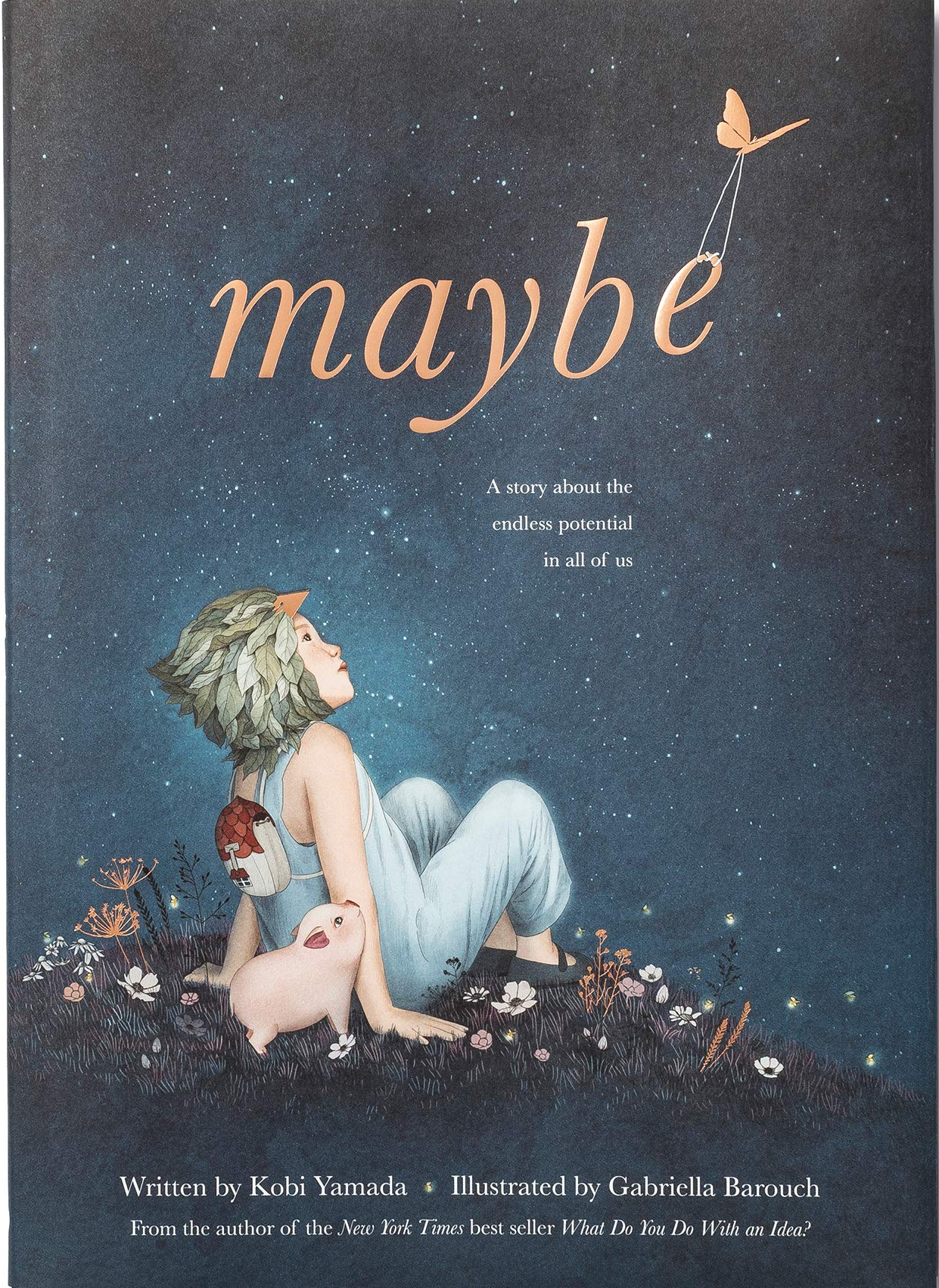
Maybe

Written by Kobi Yamada | Illustrated by Gabriella Barouch


“Have you ever wondered why you are here?” Not why are you HERE? But why are YOU here? There is a very special reason, you know. “You are the only you there ever has been or ever will be,” and because of this “you have so much to offer.” You might discover or design something completely new. But first, you should experiment and explore, guided by your hopes and dreams.

celebrate-picture-books-picture-book-review-maybe-mushroom

Image copyright Gabriella Barouch, 2019, text copyright Kobi Yamada, 2019. Courtesy of Compendium.

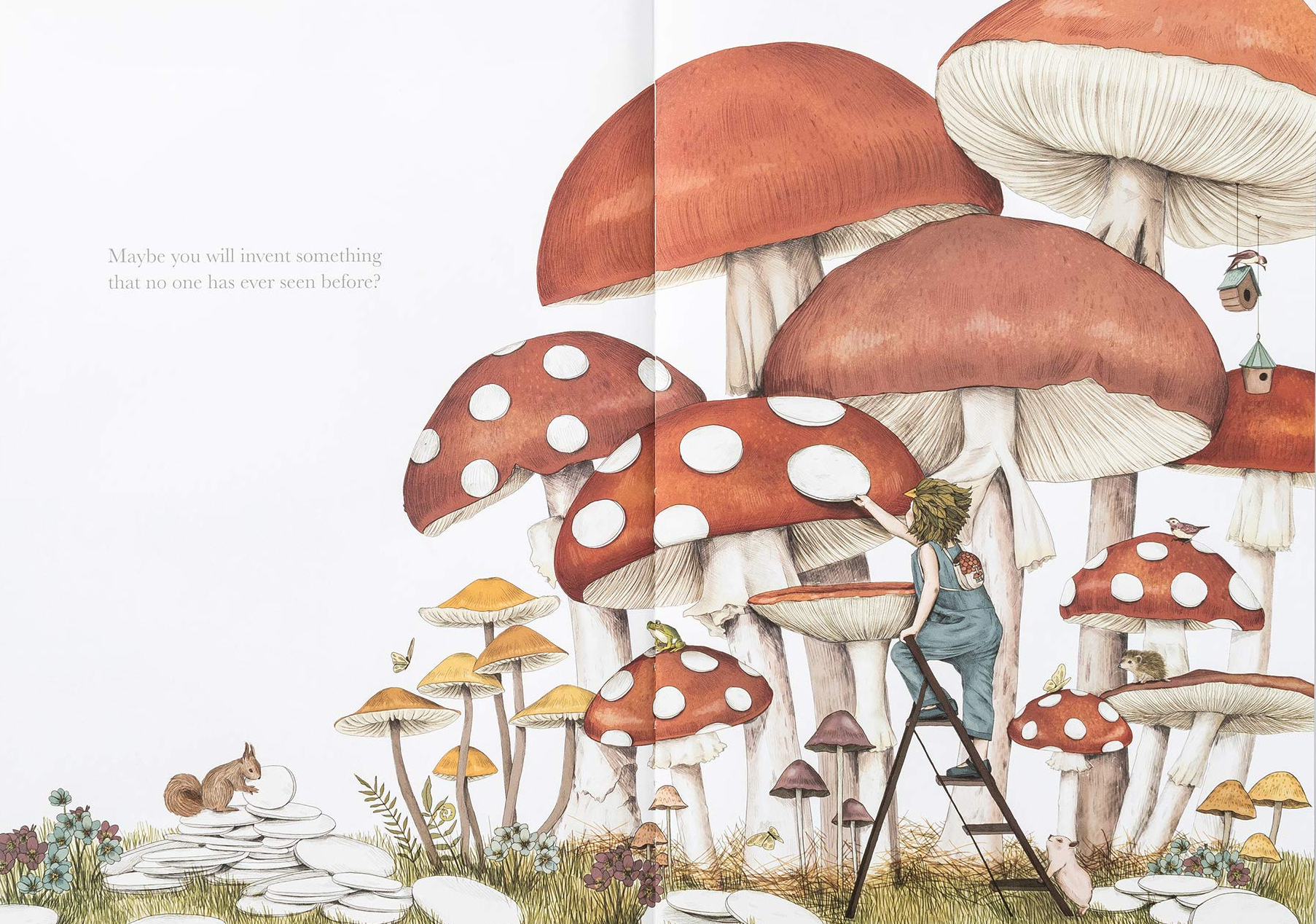
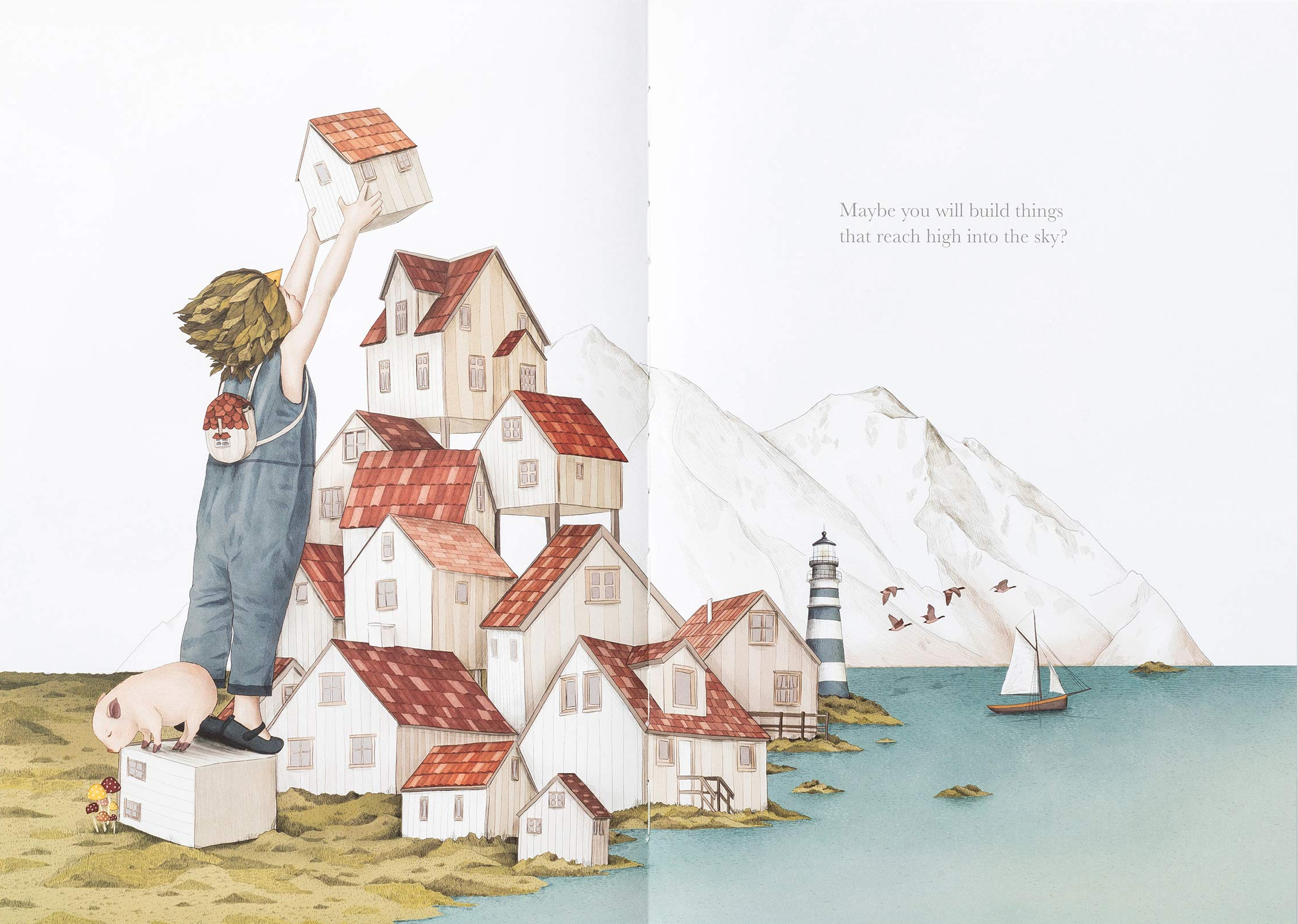
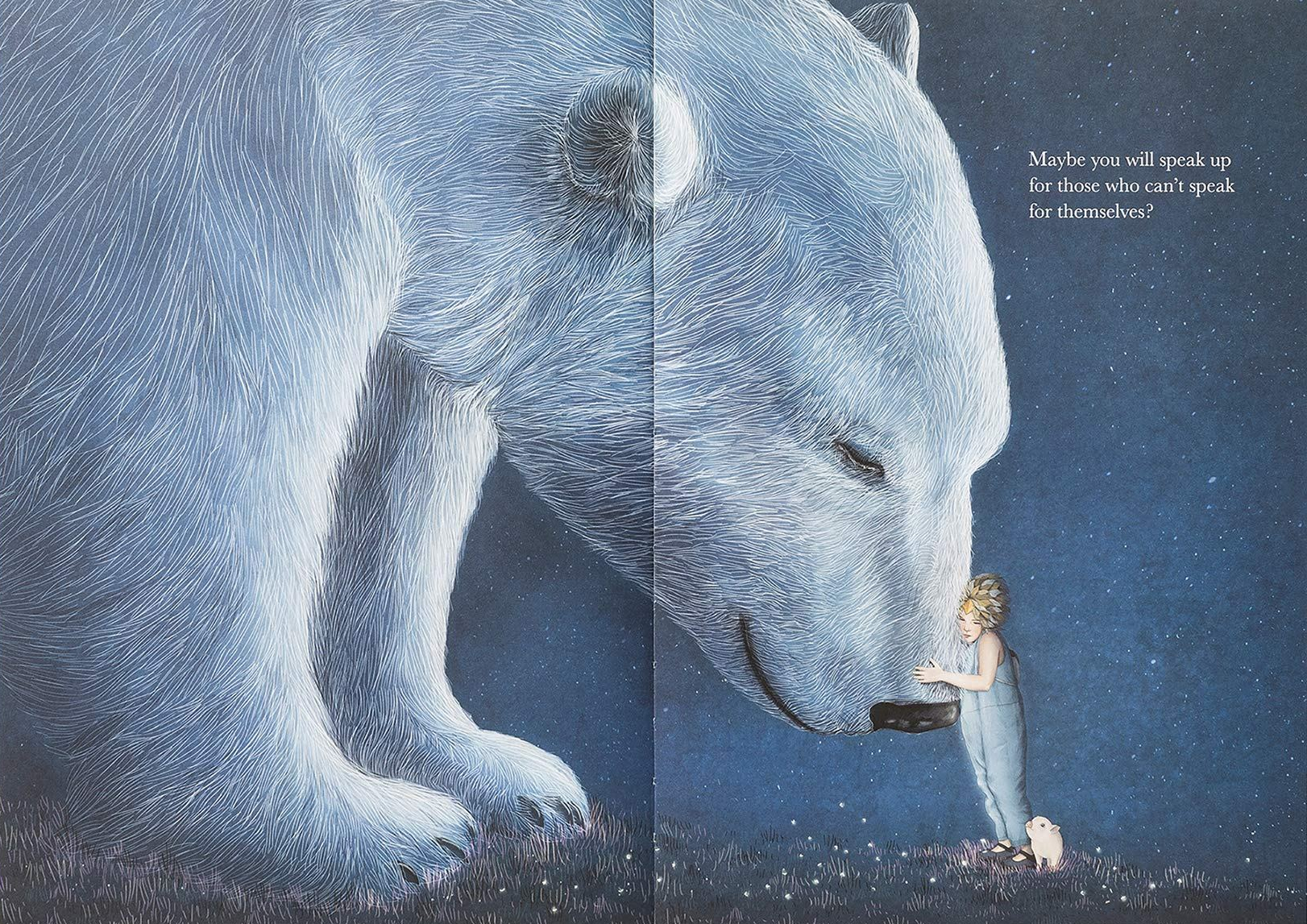
Perhaps your talent lies in helping “others to see the beauty in each day?” or maybe you will be the one that people cheer for. No matter what you do, do it with your whole heart and follow where that leads. It could be that you’ll be a light in the darkness. Or “maybe you will speak up for those who can’t speak for themselves?”This is not to say that life will always be easy. There will be struggles and fears and even failures, but each one will make you stronger and smarter.

celebrate-picture-books-picture-book-review-maybe-houses

Image copyright Gabriella Barouch, 2019, text copyright Kobi Yamada, 2019. Courtesy of Compendium.

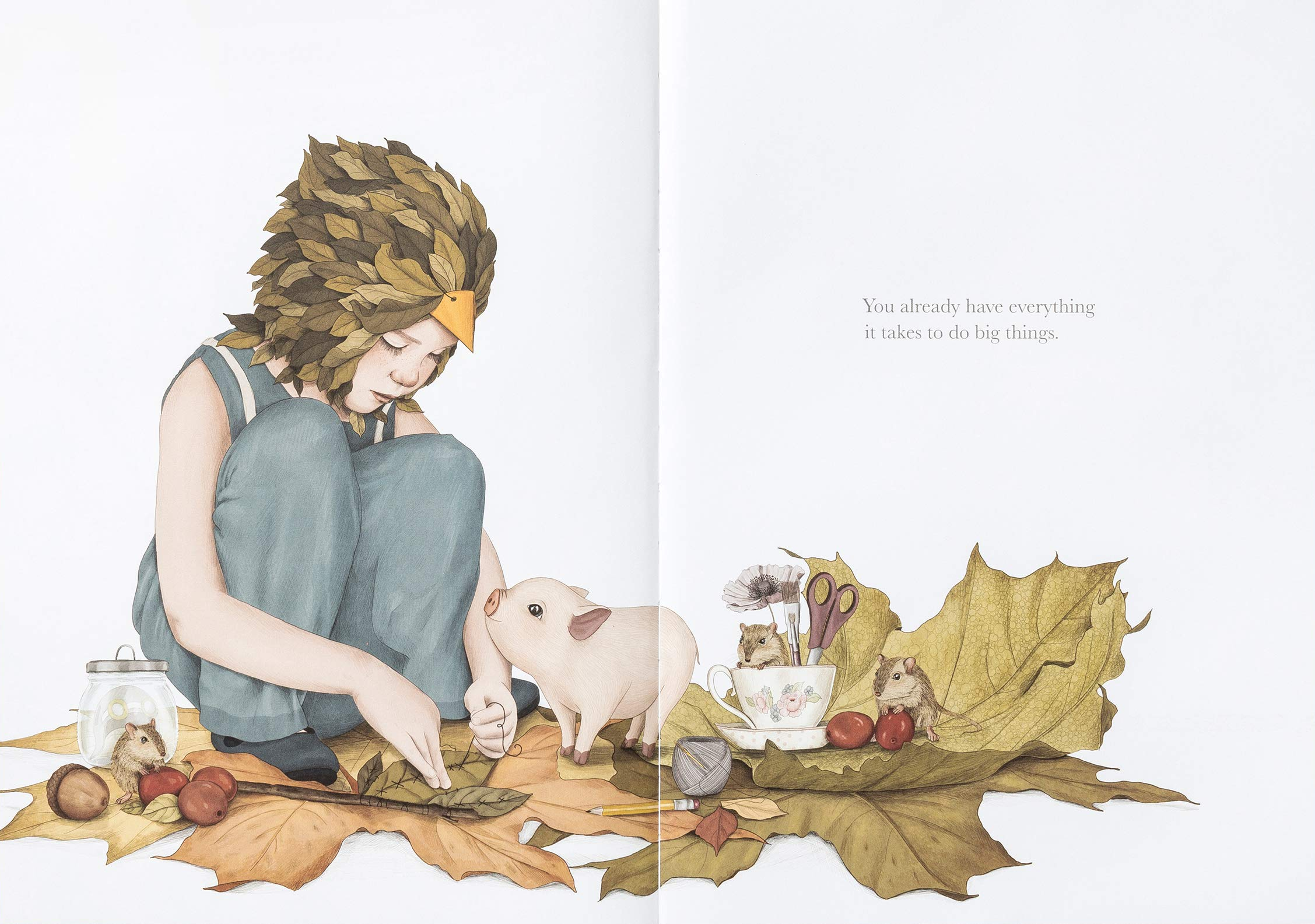
You have more courage than you might think, and the world is waiting for you. Just think—maybe “you are only scratching the surface of what you can do and who you can be?” But even now everything you need to do great things is inside of you. “Maybe you have no idea just how good you really can be” or “how much you matter?” But just your presence means that “anything is possible.”

celebrate-picture-books-picture-book-review-maybe-polar-bear

Image copyright Gabriella Barouch, 2019, text copyright Kobi Yamada, 2019. Courtesy of Compendium.

Like all parents and caregivers, Kobi Yamada understands that from day one children exhibit unique talents, personalities, and ideas that they will use to make their mark on the world. In Maybe, he beautifully expresses the ideals every adult wants their children to know and embrace. Yamada addresses that essential question that everyone asks themselves, starting in childhood and continuing throughout life. He offers reassurance that discovering one’s gift, place, or method of influence is not a one-time thing or quickly and easily found, and he encourages readers to take their time, explore, think, and keep their eyes and hearts open.

Kamada’s phrasing throughout the story is designed to uplift and also to promote thought and discussion. By ending lines that speak to what the reader might be or become with question marks, he invites children and adults to reflect on each suggestion. Sentences composed of self-esteem building ideas end with a period, reinforcing the wisdom in them. Yamada’s use of the word Maybe is also ingenious. Not only is it an adverb, prompting consideration, but deconstructed, May be becomes a verb bursting with promise. Sharing this book with their children, adults will also appreciate the sentiments—for as we know, life is ever-changing and we are too.

celebrate-picture-books-picture-book-review-maybe-sewing

Image copyright Gabriella Barouch, 2019, text copyright Kobi Yamada, 2019. Courtesy of Compendium.

Gabriella Barouch’s breathtaking illustrations immediately draw readers into the world of this story and the world of childhood with its mix of wonder, concreteness, imagination, and potential. The child’s striking cap made of leaves, coupled with their overalls, creates a clever way for Barouch to make the book gender-neutral while piquing readers’ interest in what they are doing from page to page. This child of nature quietly coexists with a fawn, bunny, birds, and squirrels and has, as a companion, one of the cutest piglets ever seen. Barouch’s use of various perspectives contributes to a fluid fluctuation between elements of fantasy and realism. As the story progresses, kids watch the child gathering supplies that she assembles in the final scenes to send her piglet off on its own adventure.

No maybe’s about it, Maybe is a book you’ll  want to add to your home, classroom, or public library collection.

Ages 5 and up

Compendium, 2019 | ISBN 978-1946873750

You can discover more about Kobi Yamada and his books on the Compendium website.

To learn more about Gabriella Barouch, her books, and her art, visit her website.

Read a New Book Month Activity

celebrate-picture-books-picture-book-review-book-bag-craft

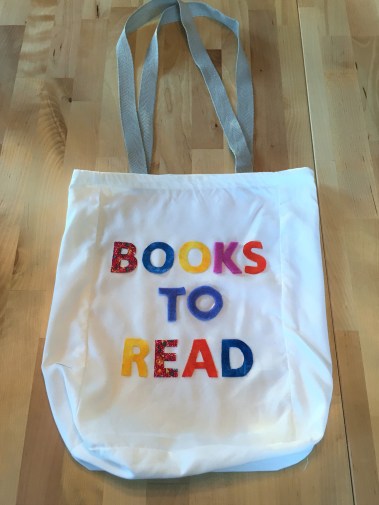
Books to Love, Books to Read Book Bag


True book lovers can’t go anywhere without a book (or two or three) to read along the way. With this easy craft you can turn a cloth bag into a kid-size book bag!

Supplies

  • Printable Templates: Books to Read Template | Books to Love Template
  • Small cloth bag, available from craft or sewing stores—Recyclable Idea: I used the bag that sheet sets now come in
  • Cloth trim or strong ribbon, available from craft or sewing stores—Recyclable Idea: I used the cloth handles from shopping bags provided from some clothing stores
  • Scraps of different colored and patterned cloth. Or use quilting squares, available at craft and sewing stores
  • Pen or pencil for tracing letters onto cloth
  • Scissors
  • Small sharp scissors (or cuticle scissors) for cutting out the center of the letters
  • Fabric glue
  • Thread (optional)
  • Needle (optional)

celebrate-picture-books-picture-book-review-books-bag-craft

Directions

  1. Print the sayings and cut out the letters
  2. Trace letters onto different kinds of cloth
  3. Cut out cloth letters
  4. Iron cloth bag if necessary
  5. Attach words “Books to Read” to one side of bag with fabric glue
  6. Attach words “Books to Love” to other side of bag with fabric glue
  7. Cut cloth trim or ribbon to desired length to create handles
  8. Glue (or sew) handles onto the inside edge of bag

celebrate-picture-books-picture-book-review-maybe-cover

You can find Maybe at these booksellers

Amazon | Barnes & Noble | Books-a-Million | IndieBound

Picture Book Review
September 11 – National Quiet Day

celebrate-picture-books-picture-book-review-albert's-quiet-quest-cover

About the Holiday

We’re surrounded by noise every day. Cars whoosh by on the street, TVs drone on, and voices fill the air in the office and at school. Sometimes it seems as if you don’t hear the constant din, but you do. Quiet Day was established to give people an opportunity to experience the benefits found in silence. Not only did the founders envision a day in which you sought out quiet places, but they suggest that you don’t speak at all for the entire day. Reconnecting with yourself and your thoughts can make you feel more relaxed and give you new perspectives that can stimulate creativity and better communications.

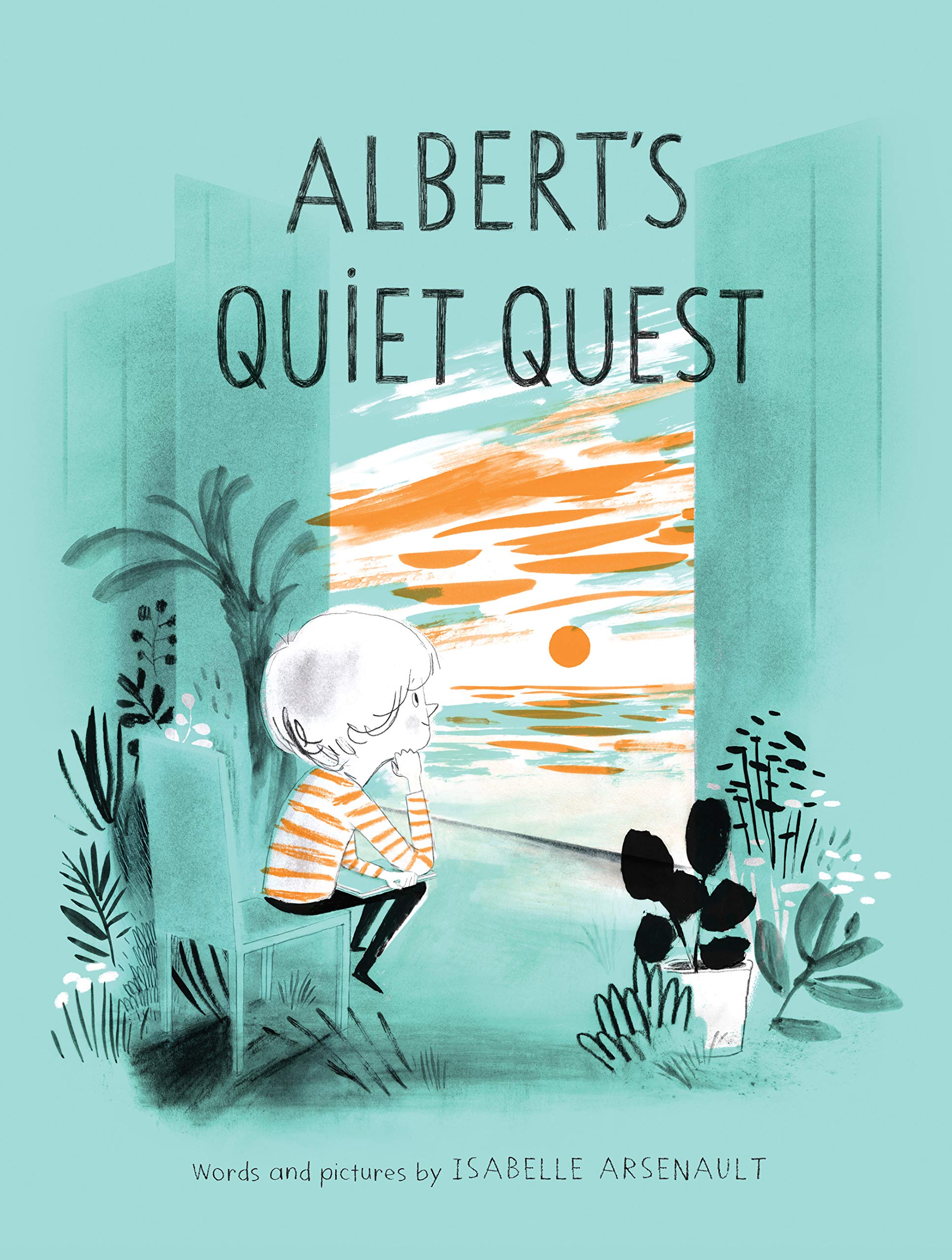
Albert’s Quiet Quest

By Isabelle Arsenault


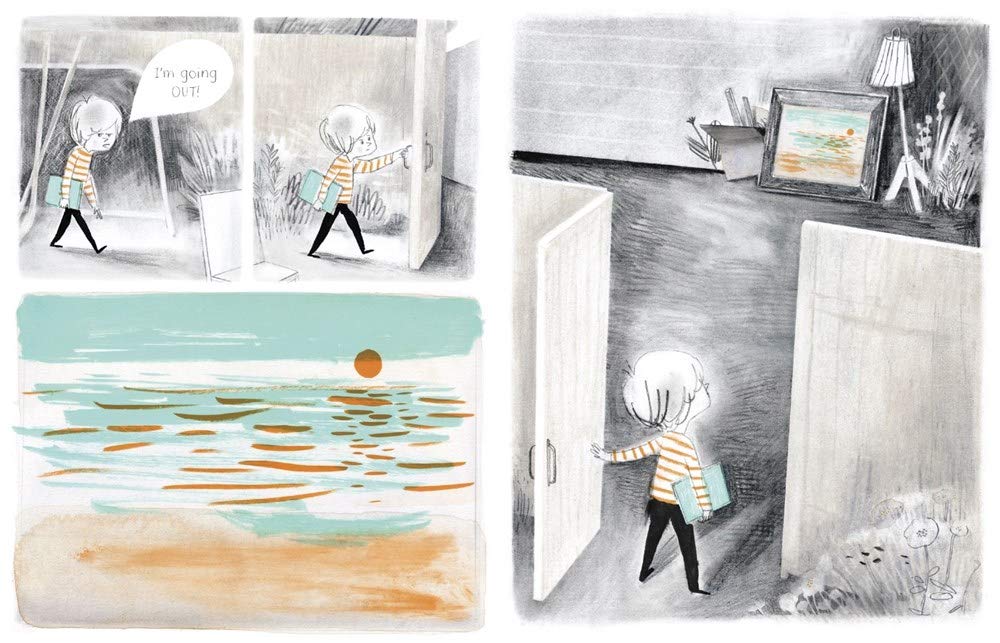
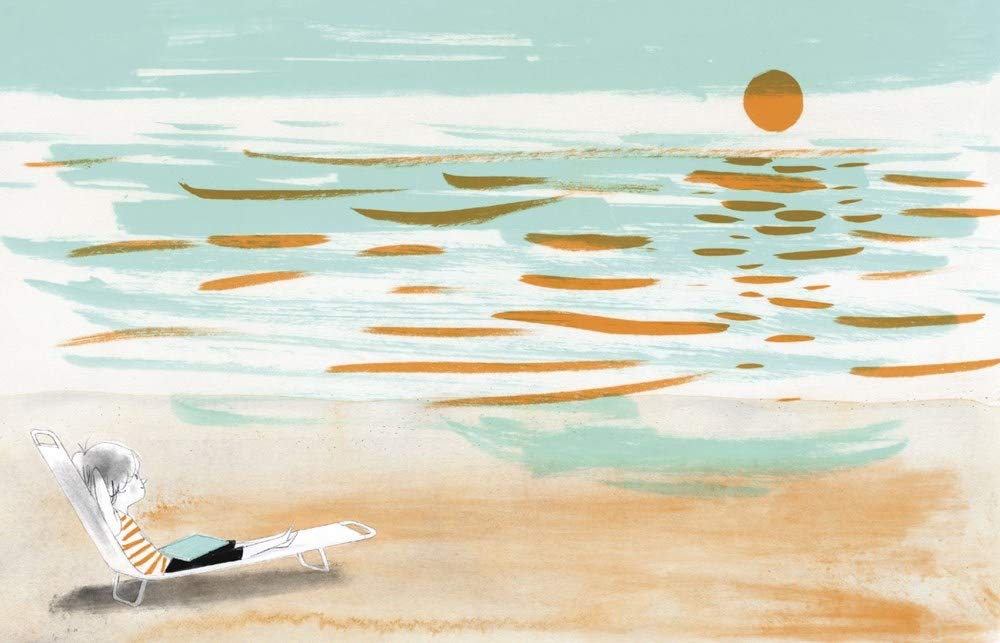
With an “Ugh!” Albert heads out to his backyard to escape all the noise inside. He opens the gate to the alley, and there he sees, tossed away with an old lamp and some other trash, a painting of the setting sun shimmering on a calm ocean. Albert has an idea. He retrieves a chair and sits back, relaxing in front of the painting. In Albert’s imagination the hard, straight back chair becomes a beach lounger and the stony asphalt turns to soft sand.

Soon, two girls enter the alley. They’re repotting a green, leafy plant and ask Albert if he’d like to join them. “No, thanks, I’m reading. I’m fine,” Albert answers. Albert picks up the book on his lap and while he reads, the girl’s flowerpot turns into a beach pail, their coats become summer dresses, and the crown one girls is wearing softens into a wreath of flowers. Instead of potting a flower, they are building a sandcastle.

celebrate-picture-books-picture-book-review-albert's-quiet-quest-going-out

Copyright Isabelle Arsenault, 2019, courtesy of Random House Books for Young Readers.

In a few more minutes Albert’s brother Tom comes out with badminton racquets clutched in his arms. He’s been looking for Albert to play with, but Albert tells him he’s reading. It doesn’t look like he’s reading to Tom since Albert is just sitting in a chair with a book on his lap, but then one of the girls says she’ll play with Tom. The sandcastle grows as one girl pats sand into turrets and stairs while Tom and the other girl bat around an enormous birdie with oversized racquets.

Suddenly, another girl appears, strolling her doll in a green carriage. She wants Albert to watch her doll while she goes back to get her cat. Albert starts to object, but the girl is already gone. When she returns with her cat, she proclaims Albert “so sweet.” But the beach is now quite crowded and the baby doll is crying and crying. The sandcastle has sprouted taller towers and a grand entrance. Albert tries to shut it all out by putting his nose in his book.

celebrate-picture-books-picture-book-review-albert's-quiet-quest-sitting

Copyright Isabelle Arsenault, 2019, courtesy of Random House Books for Young Readers.

Just then a boy from down the block shows up with his radio. The music blares through the alley, calming the baby, inviting dancing, and attracting another child to join in. Albert sits on his beach chair with his head on his fist scowling at the huge boom box, the caterwauling baby, the dancing kids, and that enormous birdie. And you should see the castle! It’s now big enough to stand on.

Then Jimmy comes rolling in on his skateboard. He scares the cat, tips over the potted plant, causes the birdie to “thunk!” into the painting, and in Albert’s imagination causes everything to go kerflooey. Albert slams his book shut, steps onto his chair, and lets loose about how all he wants to do is read. All the kids in the alley stare sadly at him as they gather up their stuff and head back home. Albert climbs down from his chair and sits, a bit forlornly. Then he hears the “KRRRRRR!” of a scraping chair. Tom is back with his own seat and book. Soon, there’s a “Clomp! Clomp,” a “Tap Tap Tap,” a “Zzoooom,” a “tip tap,” and a “TTRRRRR,” and all of the kids are back with their own books.

Albert looks around at all of his friends sitting nearby quietly reading and smiles. He says, “Hey, guys… I’m sorry, I didn’t mean to—.” The kids all turn to him and say, “SHHH! SHHH!” Albert gazes at them and they gaze at Albert. Then they all erupt in laughter and enjoy the last moments of the sunset on the beach.

celebrate-picture-books-picture-book-review-albert's-quiet-quest-beach

Copyright Isabelle Arsenault, 2019, courtesy of Random House Books for Young Readers.

Isabelle Arsenault’s clever story nimbly switches back and forth between Albert’s imagined day at the beach and the reality in the alley, which little-by-little overtakes Albert’s quiet interlude. Each child, intent on their own activity, is not aware of or not bothered by the collective noise, but for Albert the din takes him to the breaking point. When Albert loses his cool, these children—first met in Arsenault’s Colette’s Lost Pet—flee, but not away from Albert. They empathize, and soon return with books of their own to fulfill Albert’s quest for quiet and show true friendship.

Arsenault’s buoyant cartoon-inspired line drawings alternate between the gray-scale background of the alley and the beach scenes rendered in tranquil tones of aqua and orange—the same colors that define Albert and his book. Details like the crying “baby” and the growing badminton set and radio as well as Albert’s meltdown provide opportunities for kids and adults to talk about how noise is perceived by people who thrive in a quieter atmosphere.

A charming mix of imagination, humor, and friendship, Albert’s Quiet Quest would be a delightful addition to home and public library bookshelves and a conversation starter for elementary school classrooms.

Ages 3 – 7

Random House Books for Young Readers, 2019 | ISBN 978-0553536560

To learn more about Isabelle Arsenault, her books, and her art, visit her website.

National Quiet Day Activity

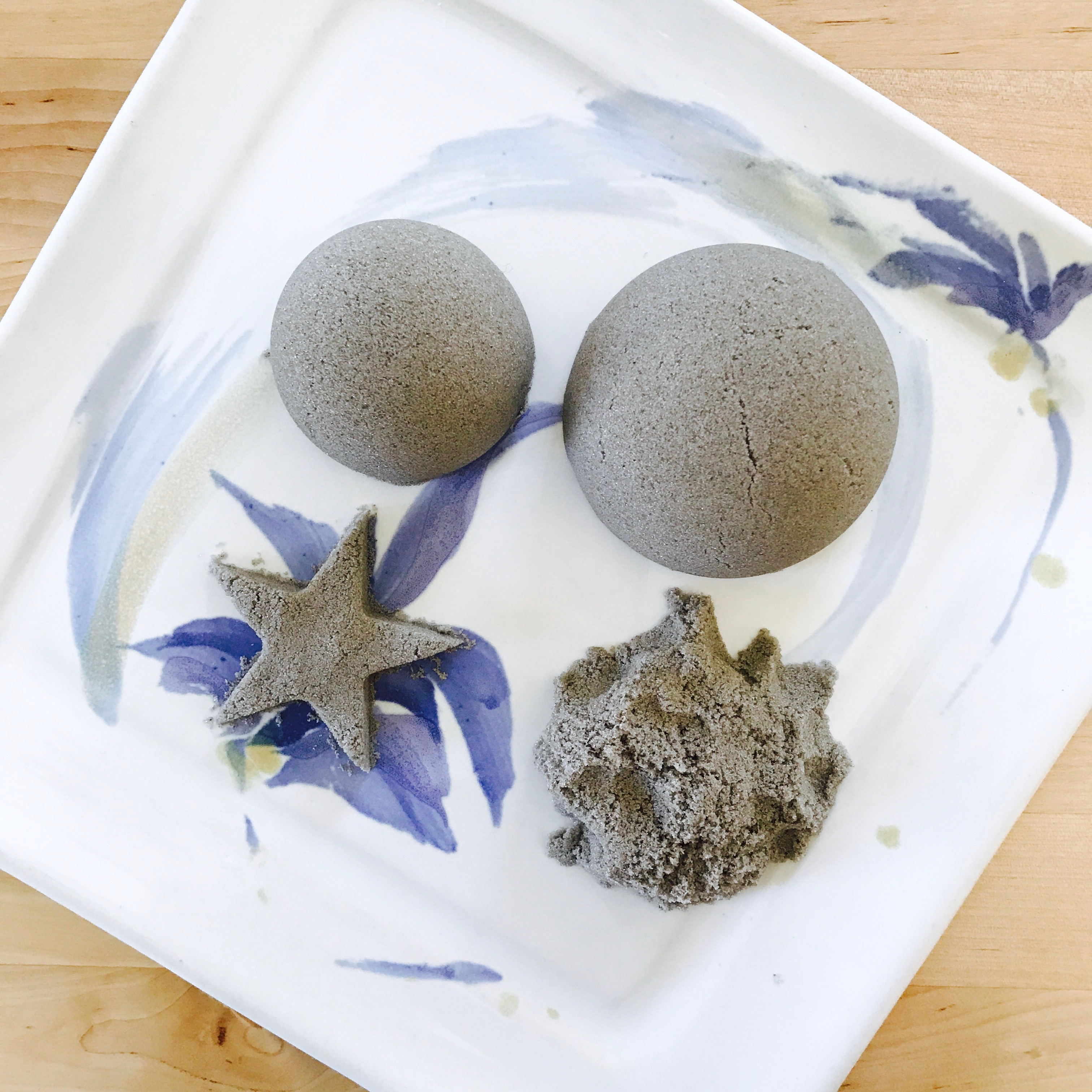
celebrate-picture-books-picture-book-review-kinetic-sand-craft

Make Your Own Sensory Sand


You can have quiet fun with this sensory sand that you can mold or just let slip through your fingers.

Supplies

  • 1 cup sand
  • ½ tablespoon cornstarch
  • 1 teaspoon dish soap
  • Water as needed – about ¾ cup
  • Bin or bowl for mixing dry ingredients
  • Bowl for mixing dish soap and water

Directions

  1. In the bin combine the sand and cornstarch and mix well
  2. In the bowl combine the dish soap and water until the water is bubbly
  3. Slowly add the water mixture to the dry ingredients, mixing and adding water little-by-little until the desired consistency is reached. The grain of the sand will determine how much water is needed.
  4. The sand can be formed with cookie cutters, molds, hands, etc. and is strong enough to stack.

celebrate-picture-books-picture-book-review-albert's-quiet-quest-cover

You can find Albert’s Quiet Quest at these booksellers

Amazon | Barnes & Noble | Books-a-Million | IndieBound

Picture Book Review
 

April 16 – National Wear Your Pajamas to Work Day

celebrate-picture-books-picture-book-review-night-train-cover

About the Holiday

If you like dressing casually for work, then you’re going to love today’s holiday. Why is National Wear Your Pajamas to Work Day celebrated today? It follows what may be one of the most stressful days in the US calendar—April 15, or Tax Day. While it may not actually be possible to wear your comfiest clothes to the office, you and your family could make that change as soon as you get home and wear your pajamas for dinner, homework, house projects, or whatever you have going.

Night Train: A Journey from Dusk to Dawn

Written by Annie Cronin Romano | Illustrated by Ileana Soon

As dusk descends, the night train wakens, “groggy, stretching.” Coal’s loaded in while excited passengers get on board. The night train creeps up the hills, winding its way through stands of pine trees, startling small creatures with its clattering wheels. After navigating the hills, the night train crosses wide plains, where “wheat fields sway their golden greetings.”

The train chugs across a bridge, where, below, a deer has come to the edge of the river to drink and a raccoon silently watches. As a dad and his son eat and chat in the dining car, the train travels by “whitewashed barns” and races wild stallions. The train rumbles into a tunnel where the track is cloaked in darkness by the “granite passage.” But its “headlamp brightens, pathway lightens— / never-fearing, calmly steering night train.”

The train approaches its destination just as the sun begins to lighten the sky. The city is coming awake; children rising, workmen rushing. The night train’s breaks squeal as it thunders into the station, slows and stops. The “worn conductor yawns and stretches,” and the train, its journey finished, gets to sleep.

Annie Cronin Romano’s lovely, lyrical ode to the mystery and allure of a nighttime journey by train is the perfect antidote to a busy day for sleepy children or those who just need some down time. Through rhythmic phrasing, the sounds of the train as it progresses on its steady route play out, enveloping readers in a blanket of security and custom that mirrors the constant love and care of the adults in the young reader’s life.

Ileana Soon takes children on a gorgeous journey from golden sunset to velvet blue night to pastel dawn. As evening settles in, the train makes its way up dusky brown hills while small animals scurry away from the clattering wheels. Seen from above, the train puffs along tracks that are as straight as an arrow cutting through a vast wheat field. Silhouetted horses race the train, but like the little bats in the sky, they are soon left behind. When dawn breaks, the town welcomes the train and its passengers with lighted windows and a busy station.

Night Train: A Journey from Dusk to Dawn is a beautiful bedtime or quiet time story and would be a favorite on home, school, or public library bookshelves.

Ages 4 – 8

Page Street Kids, 2019 | ISBN 978-1624146572

Discover more about Annie Cronin Romano and her books on her website

To learn more about Ileana Soon and her art, visit her website.

National Wear Your Pajamas to Work Day Activity

celebrate-picture-books-picture-book-review-train-dot-to-dot

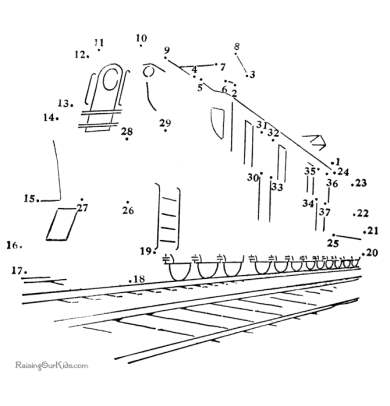
Riding the Rails Dot to Dot

Taking a trip by train long distance can be fun—especially if you travel overnight in a sleeper car! Instead of counting sheep, count and follow the numbers in this printable Riding the Rails Dot to Dot.

celebrate-picture-books-picture-book-review-night-train-cover

You can find Night Train: A Journey from Dusk to Dawn at these booksellers

Amazon | Barnes & Noble | Books-a-Million

To support your local independent bookstore, order from

Bookshop | IndieBound

Picture Book Review