April 11 – National Humor Month

About the Holiday

There may be no more infectious sound than the giggle or guffaw of a good laugh. Laughter is therapeutic and can make tough times a little easier. Established in 1976 by comedian and author Larry Wilde, National Humor Month celebrates all things funny and raises awareness of the benefits of laughter and joy. The health benefits of an optimistic outlook are well documented, and lightheartedness also improves communication skills and boosts morale. Kids, it seems, are born with the ability to see and appreciate the silliness and fun in life. Today’s book is sure to keep your kids giggling!

Thanks go to Flamingo Books for sharing a copy of It Started with a P with me!

Review by Dorothy Levine

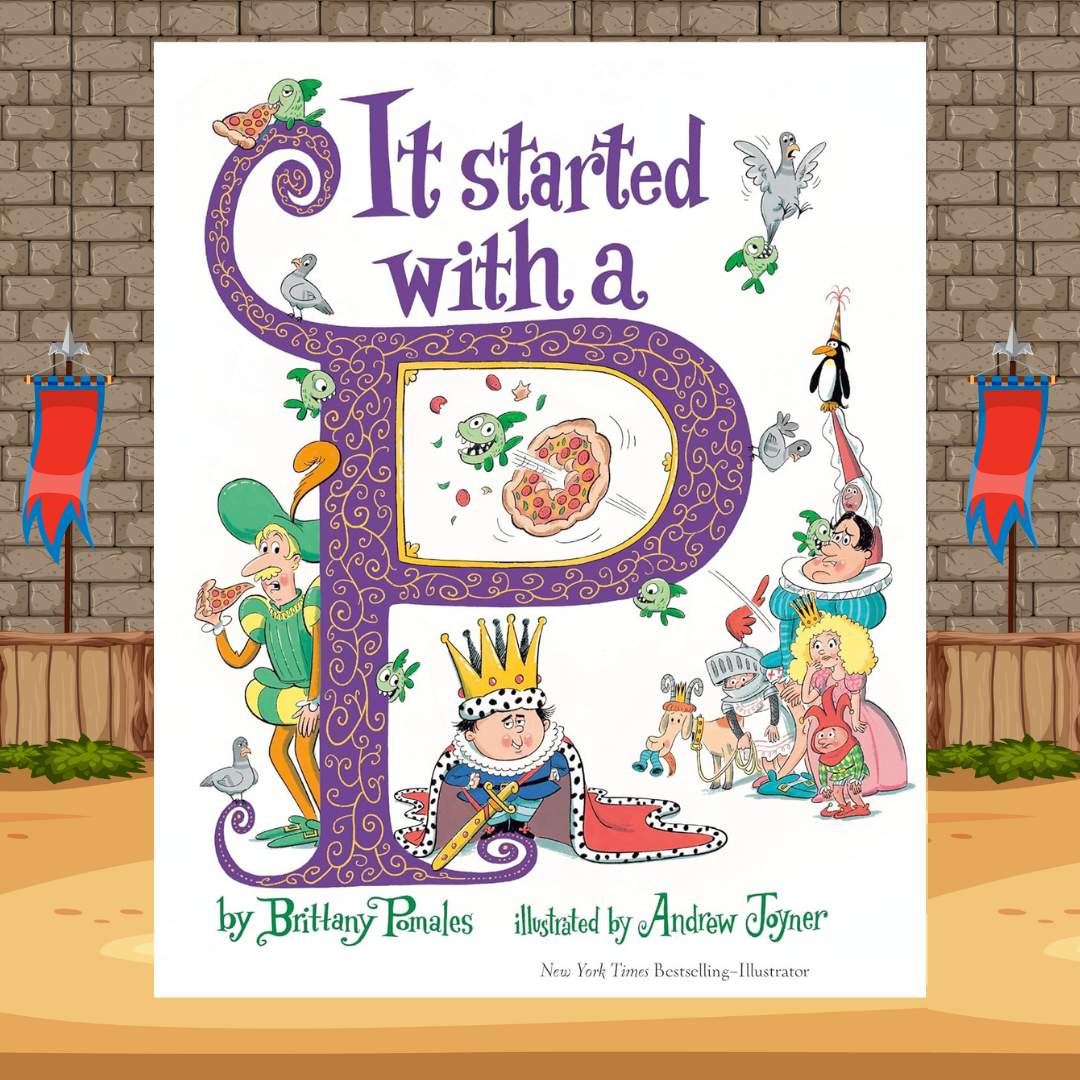
It Started with a P

Written by Brittany Pomales | Illustrated by Andrew Joyner


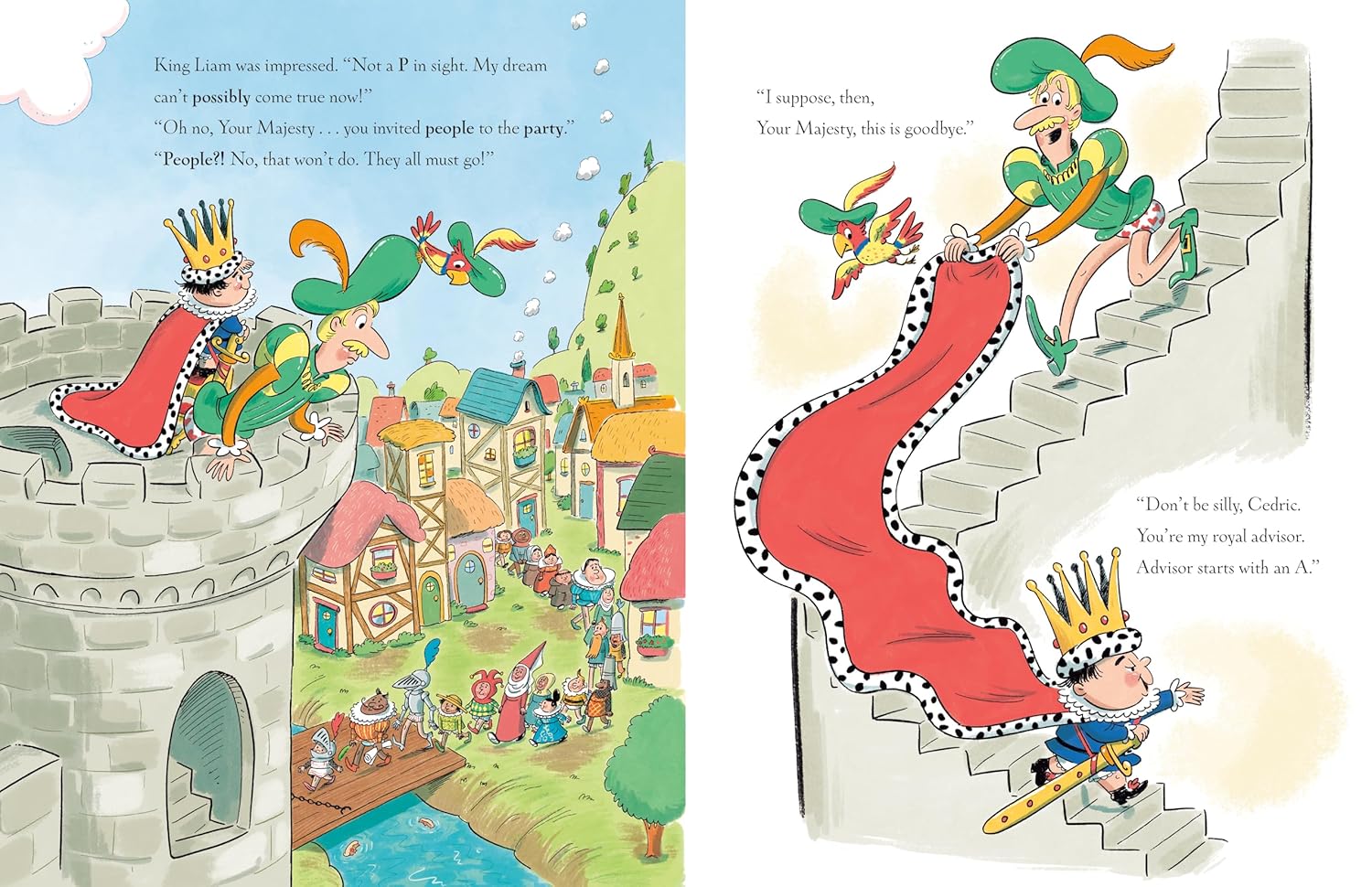
When King Liam awakens from a petrifying dream, he protests that a problem starting with the letter P will properly ruin his party. But what was it? King Liam is positively puzzled, so he proclaims, “Everything that starts with the letter P must go.” Thus, his royal advisor Cedric proceeds to “purge the palace of Ps,” pitching pepperoni pizzas from the window, propelling pigeons from the parapet and pronouncing all pants (long, short, old, new, smarty, scaredy, fancy, and even his own) prime lunch for Percival the goat.

Illustration © 2025 by Andrew Joyner, text © 2025 by Brittany Pomales. Courtesy of Flamingo Books.

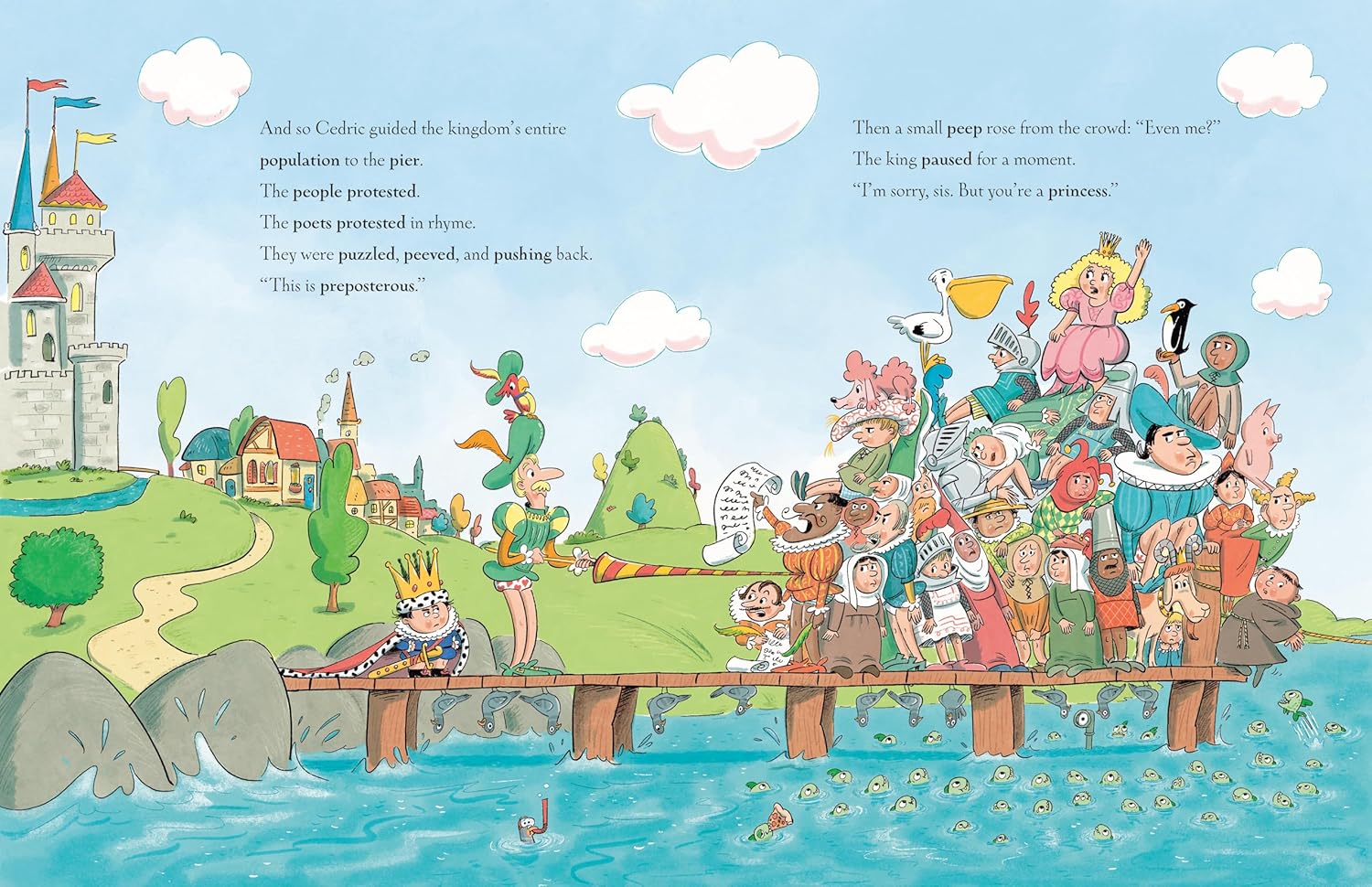
Everything is going according to plan when poof—people begin to arrive. “People?! No, that won’t do,” King Liam proclaims, and everyone is hastily pushed off the pier into paddle boats. Finally, it seems the palace is P-free. Or so it seems . . . until the king pops up from his seat crying, “Palace!” and realizes there’s one more P from which to flee.

Illustration © 2025 by Andrew Joyner, text © 2025 by Brittany Pomales. Courtesy of Flamingo Books.

The king packs and paddles away to a deserted island where there are “No pals. No presents. No party.” Plopped down on his own, King Liam has some time to ponder. It isn’t long before he remembers (and realizes he has become) the P from his dream—a party pooper! He decides it’s time to prove he can pivot from his party-pooping, plundering patterns; there is still time to prepare a pretty playful and peaceful party for all.

With the help of a princess, some piranhas, and his previous party guests, King Liam’s party is once again popping, or puffing one might say, as he blows out the candles on his birthday cake. And when one little candle flame just won’t perish . . . what does he do? Prepare to laugh and groan as the king predictably prompts another rash proceeding that will make you want to say “pfffff!”

Illustration © 2025 by Andrew Joyner, text © 2025 by Brittany Pomales. Courtesy of Flamingo Books.

It Started with a P punctuates a problem-solving tale with perfect alliteration and perfunctory placed humor. Brittany Pomales packs in the P’s along with a story that will have children and adults laughing aloud. The story playfully pokes at rash decisions that one may feel inclined to make when faced with big emotions and shows the silly consequences of post-tantrum decisions.

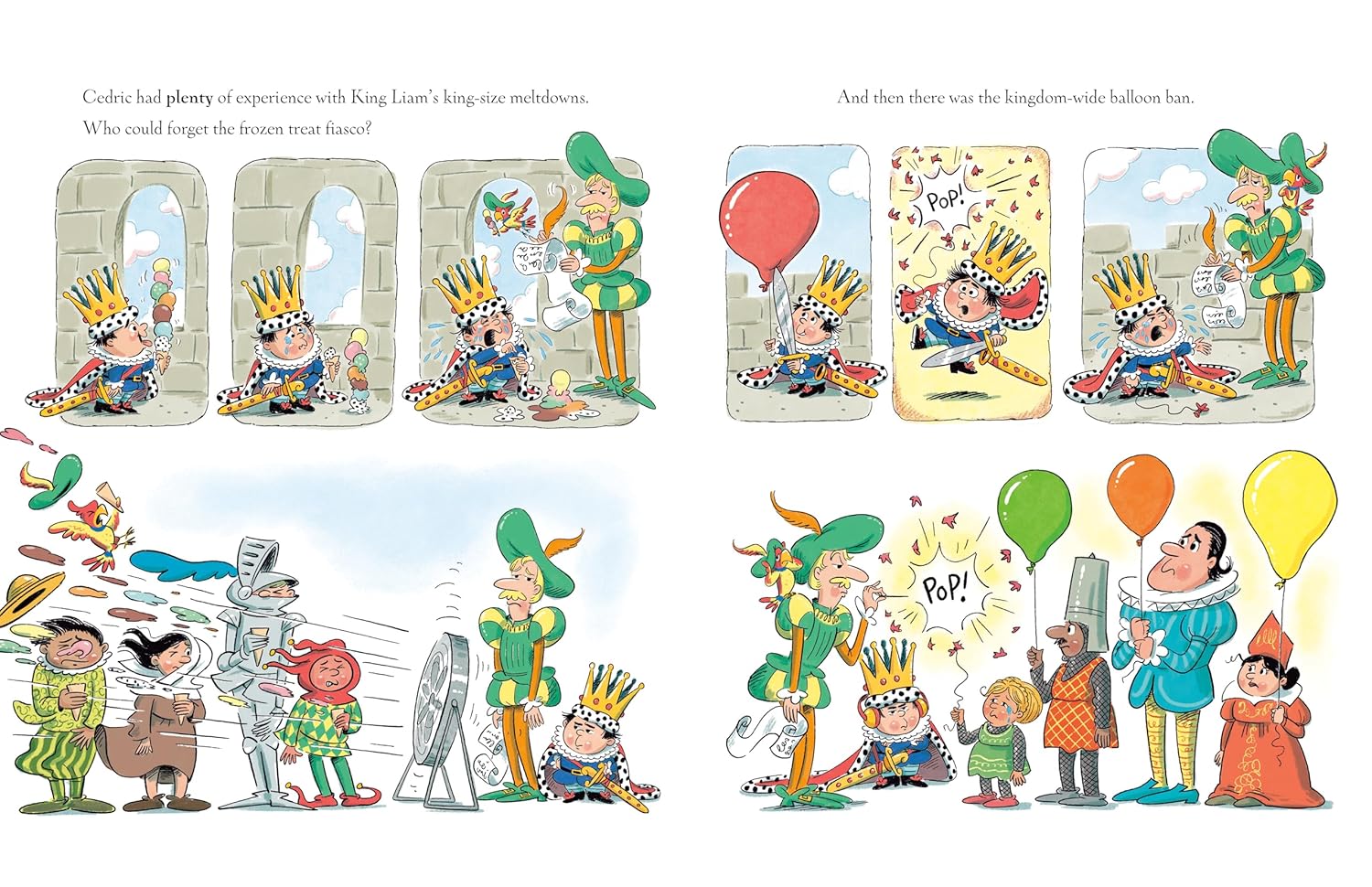
Andrew Joyner’s illustrations pack a punch with color, and P-named details for readers to point out (even ones not included in the text). In some scenes the story is portrayed simply through the pictures—like when we see a frame-by-frame recollection of the King’s past “King-size” meltdowns. Red and yellow seethe from the king as he preposterously shouts, and the parrot and royal assistant match with their feathered green-and-orange looks. The silliness of the drawings adds another layer to an already humorous tale.

Ages 4 – 8

Flamingo Books, 2025 | ISBN 978-0593690833

About the Author

Brittany Pomales wrote this book. Unless you didn’t find it funny; in that case, someone else wrote it. When she isn’t writing books, Brittany is often playing with, singing to, or reading to her daughter along with her husband and dog in their Arizona home. She has celebrated over thirty birthdays. Thankfully, none have resulted in a celebration crisis—yet!

About the Illustrator

Andrew Joyner is the illustrator of the #1 New York Times bestseller Dr. Seuss’s Horse Museum as well as Duck and Hippo in the Rainstorm by Jonathan London and Roar for Reading by Beth Ferry. He is also the author and illustrator of The Pink Hat and Stand Up! Speak Up!. He lives with his family on the Fleurieu Peninsula in South Australia.

National Humor Month Activities

Plenty of P Activities


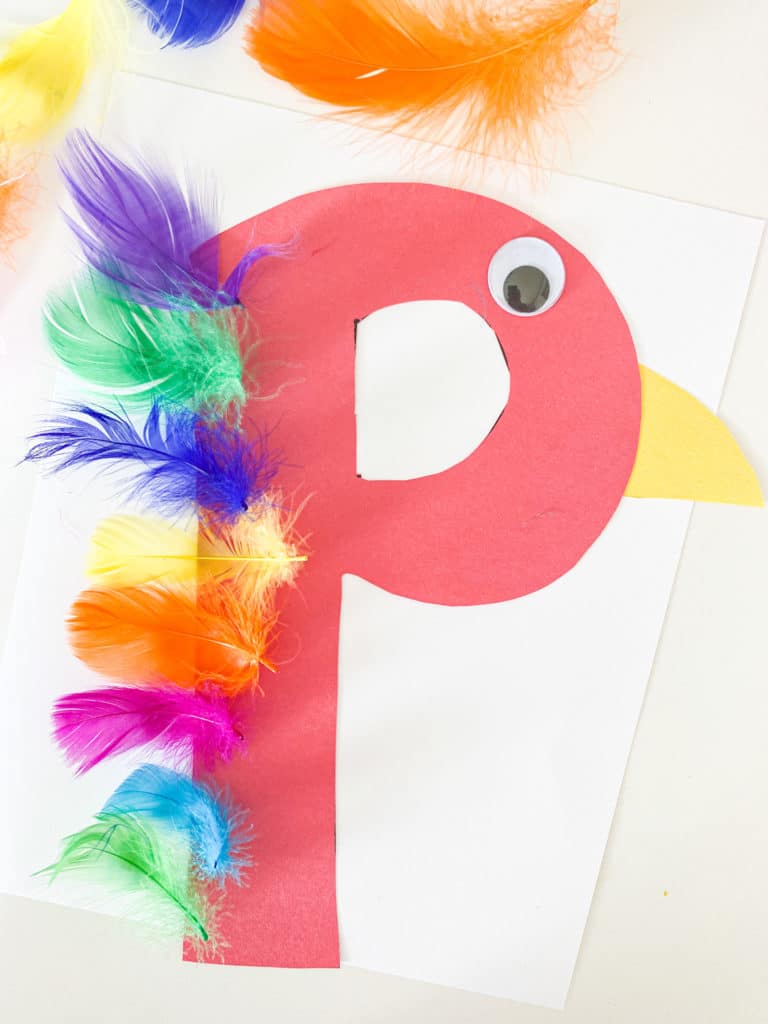
Prepare and paint a P-shaped Parrot Picture with instructions from ABCDee Learning and peruse their page for more P-themed craft activities!

You can purchase It Started with a P at these booksellers

Amazon | Barnes & Noble | Bookshop (discounted books and support for your local, independent bookstore)

Picture Book Review

April 1 – Reading Is Funny Day

About the Holiday

Funny stuff abounds on April 1st, so why not share funny books too? Books that elicit giggles are not only entertaining but contribute to a lifelong love of reading and help kids see the world in a new, positive, and even quirky way. To celebrate today, read some laugh-out-loud books with your kids and find new ones to add to your home, classroom, or library shelves. Today’s featured book is a perfect place to start!

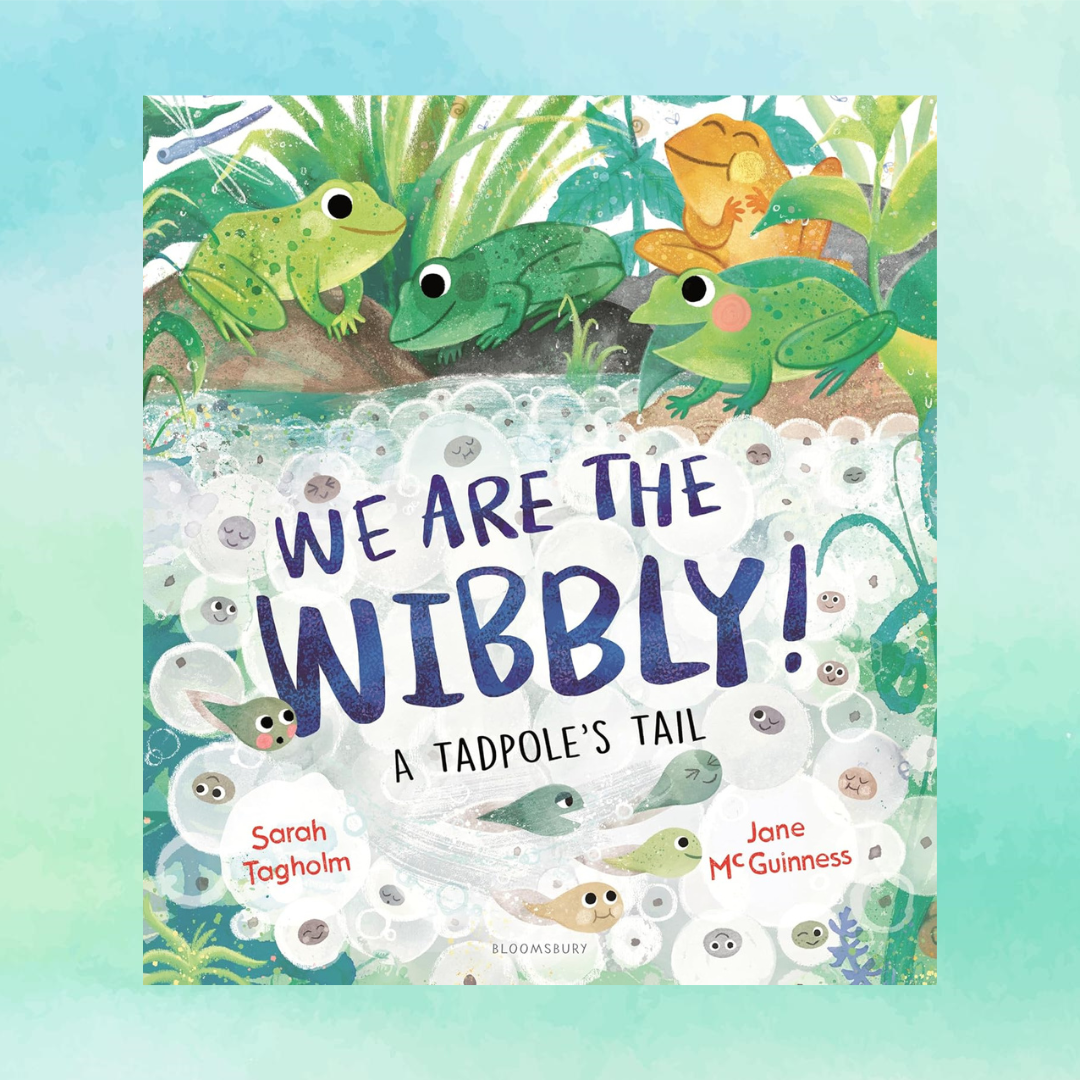
Thank you to Bloomsbury Children’s Books for sending me a copy of We Are the Wibbly!: A Tadpole’s Tail for review.

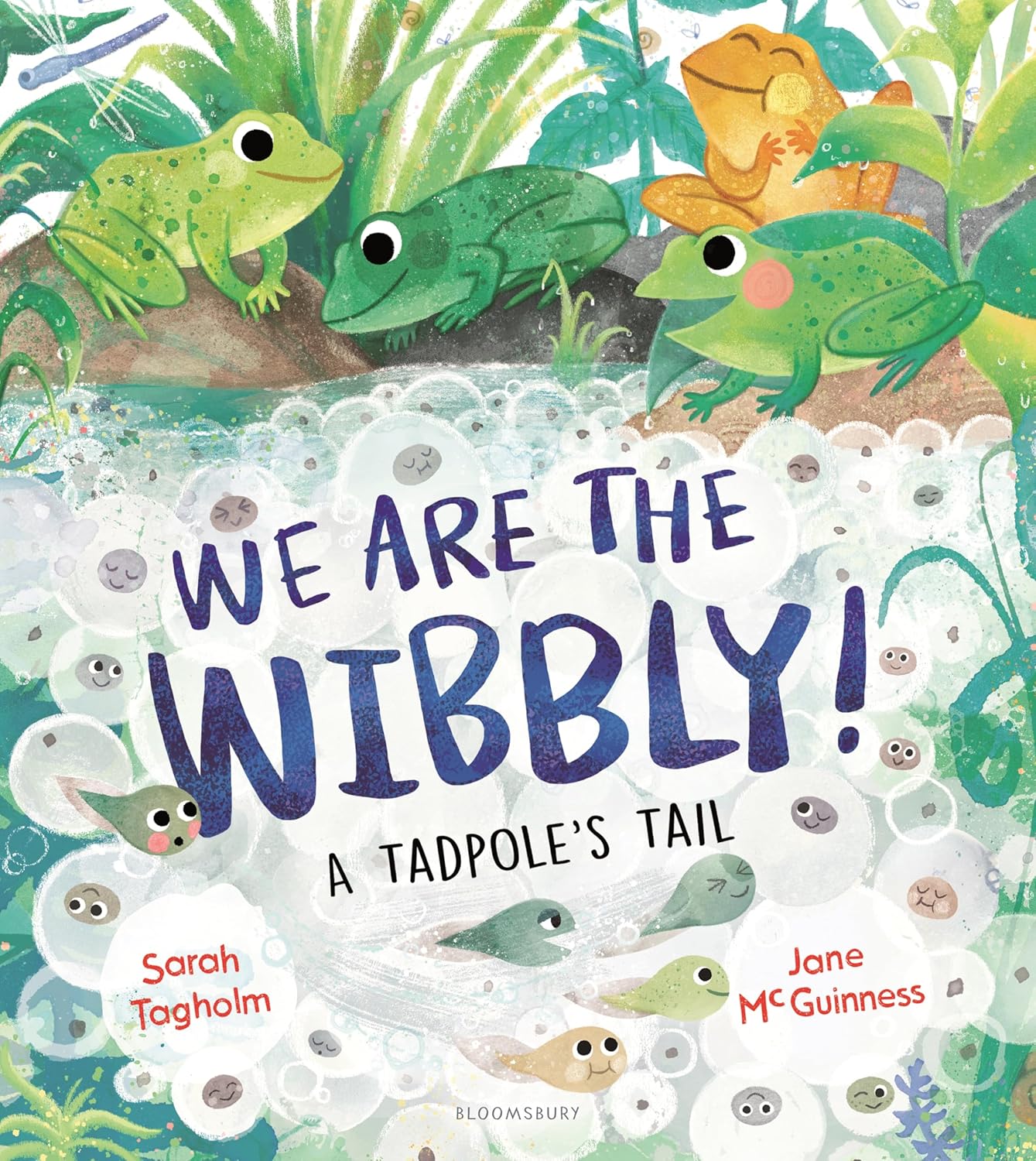
We Are the Wibbly!: A Tadpole’s Tail

Written by Sarah Tagholm | Illustrated by Jane McGuinness


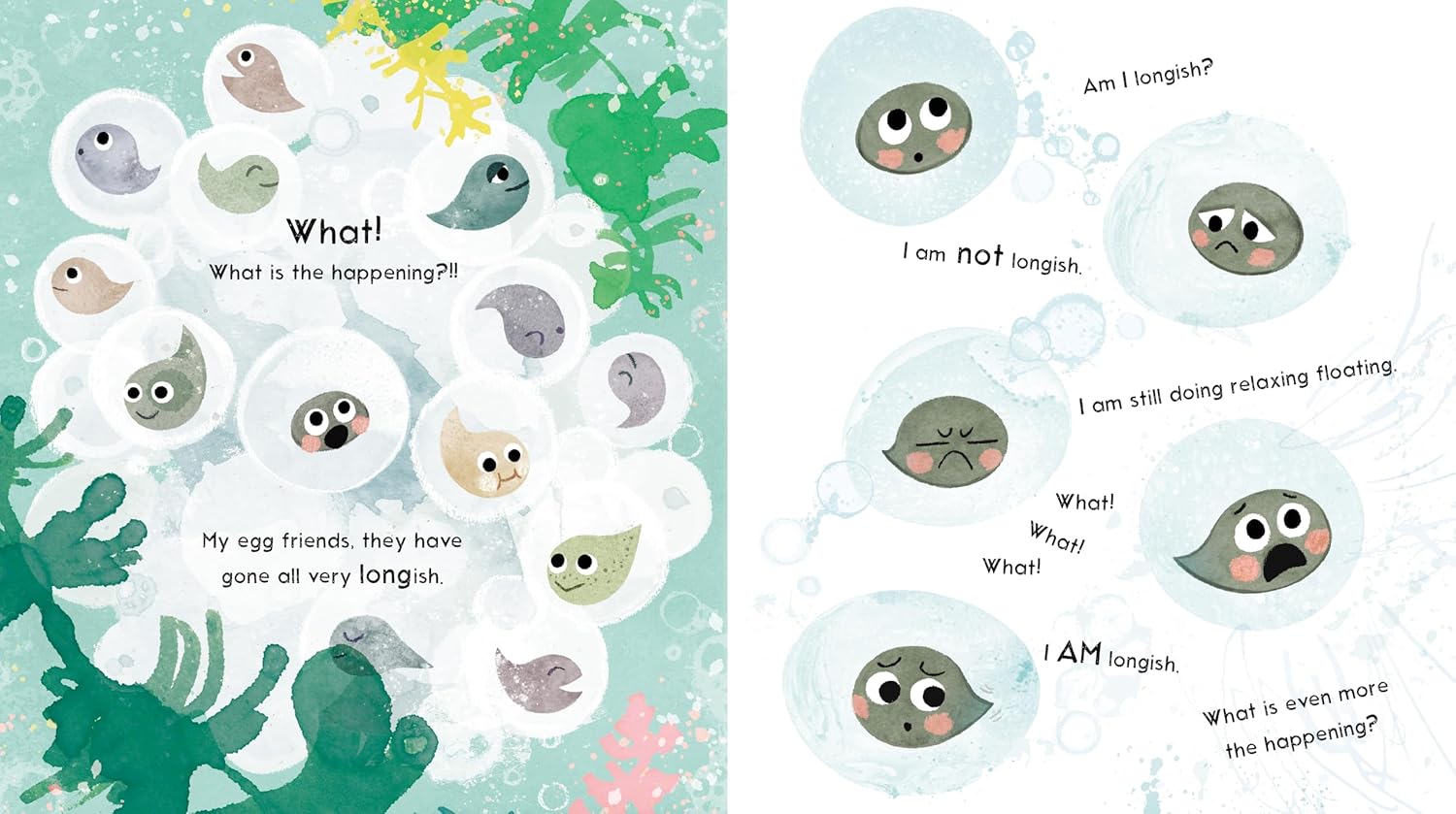
A sweet, pink-cheeked frog egg heartily addresses whoever is gazing down upon the frogspawn with a warm welcome: “We are eggs.” Then they add a little: “We are egg friends.”  They become loquacious: “We float and are all very relaxing. It is niceable.” You can feel it, right? Bobbing along within the pond grass? But suddenly confusion reigns. Our little egg watches the other eggs become “longish,” and then—”What! What! What!”—they become longish. And it’s not even a minute later that—”OH MY CRIKEYS!” everyone is “bursting out of the Wibbly” except them. 

Illustration © 2025 by Jane McGuinness, text © 2025 by Sarah Tagholm. Courtesy of Bloomsbury Children’s Books.

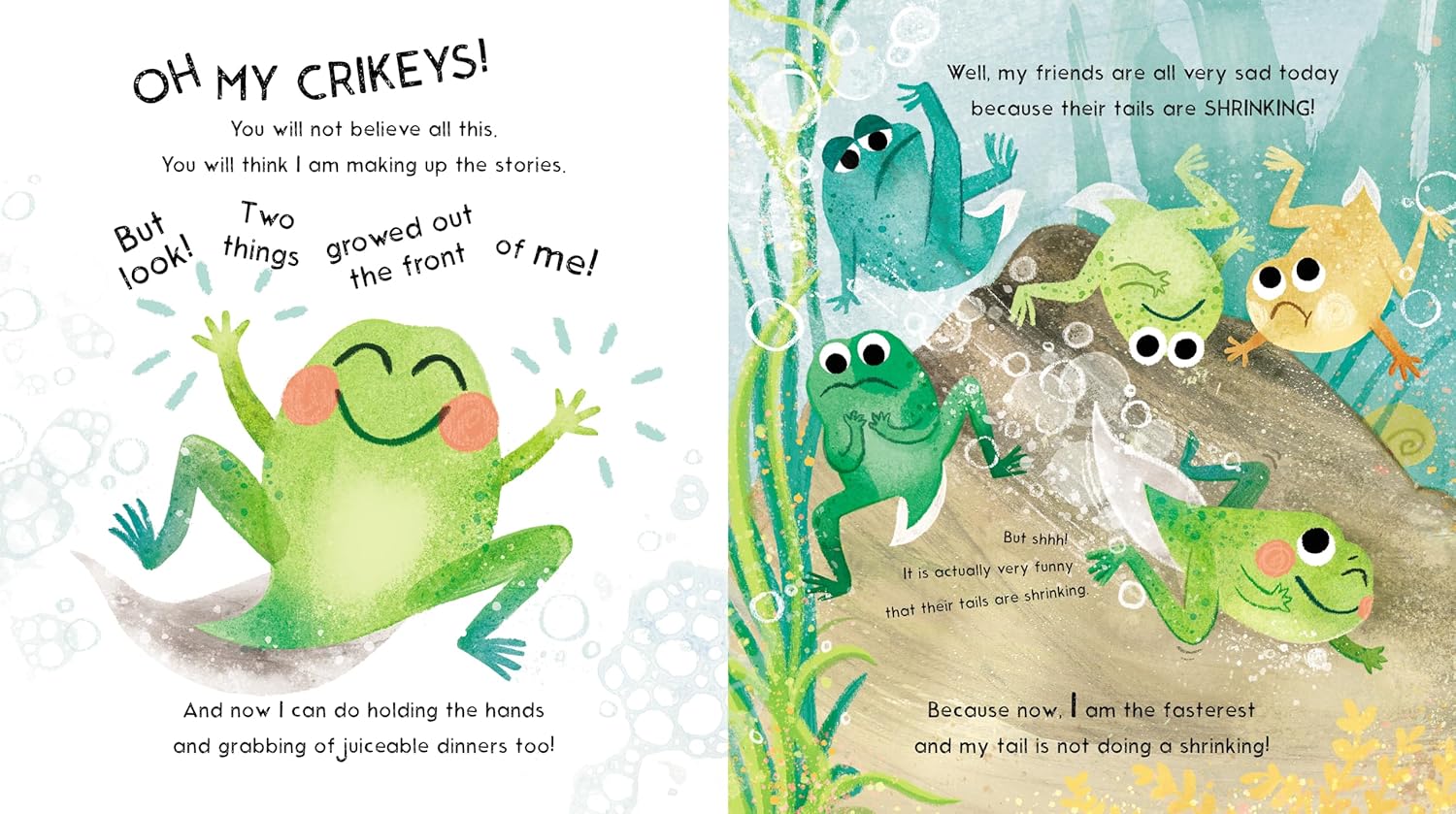
They try to call the others back, but it’s too late. Despite not wanting to, they break out of the wibbly too only to find that there’s so much more room now and, instead of relaxing, their friends are “water-flying.” They begin waggling their tale the same as everyone else and jet off too, only not as fast. Perhaps harkening back a moment or so to their younger self, they sharply regret the loss of doing relaxing: “We are too OLD for relaxing.” But they don’t have time for such reminiscences since a “hunger-muncher” is on the prowl. The extra impetus speeds up this little tadpole’s water-flying, and they’re happy to feel at last that “we are the same!” 

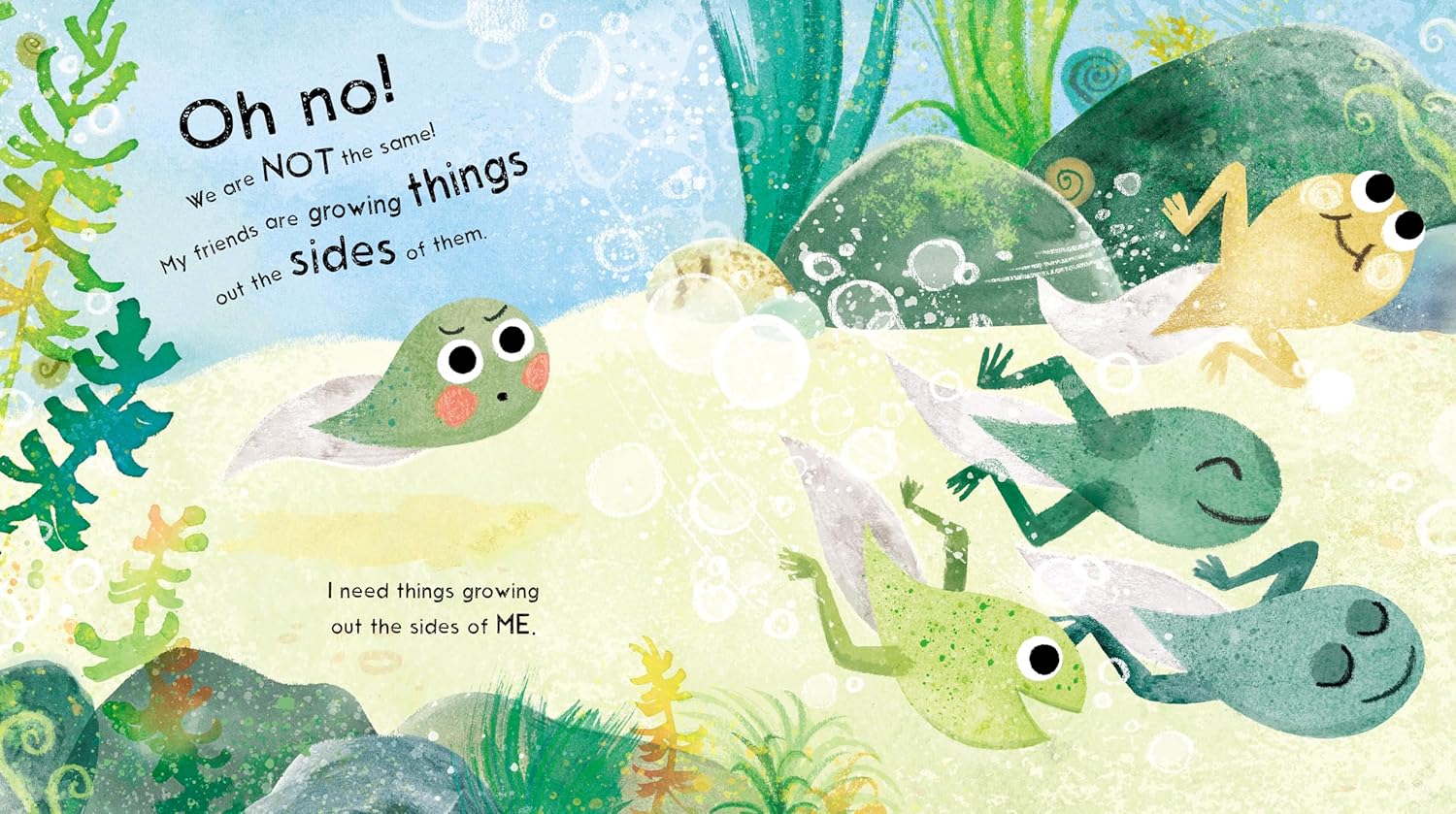
Always exceedingly alert if but a bit behind, the excitable tadpole suffers and then exults as the group and finally they themselves grow legs and arms. They become smug as they watch the others lose their tails “because now, I am the fasterest and my tail is not doing a shrinking!” They dart away, not realizing that they are also becoming a frog. 

Illustration © 2025 by Jane McGuinness, text © 2025 by Sarah Tagholm. Courtesy of Bloomsbury Children’s Books.

When a passing water beetle points the baby frog to “the Up” during their search for their friends, they break the surface of the water only to . . . “OH MY CRIKEYS! The Up is BAD!” . . . come face to face with a “furry danger-monster.” But this intrepid frog musters all their courage to “do a water-flying to get away” and discovers “air-swimming,” much to the astonishment of their friends who are watching nearby. The friends are all so impressed that they want to “do air-swimming” and beg to be taught. Leading the way, our newly minted, rosy-cheeked frog proudly proclaims, “Now we ARE the same! WE ARE FROGS!” 

A factual account of the four steps of the frog life cycle follows the story.

Illustration © 2025 by Jane McGuinness, text © 2025 by Sarah Tagholm. Courtesy of Bloomsbury Children’s Books.

Who knew kids and frogs have so much in common? Sarah Tagholm, that’s who! As Tagholm taps into the idiosyncrasies of a frog’s metamorphosis, she also reassures human youngsters that everyone grows and develops at their own pace while encouraging them to accept challenges and embrace new experiences. Tagholm’s quirky and playful language bounces and zips from one unexpected development to the next, compressing time into hilarious juxtapositions as the little egg/tadpole/frog tries to keep up. Both kids and adults will laugh out loud at this young hero’s endearing pronouncements and cheer their eventual full assimilation into the group.

Adorable, expressive, and comical, Jane McGuinness’s lovely mixed-media illustrations, punctuated by her dynamic typography, buoyantly captures all the silly fun of Sarah Tagholm’s story while also clearly and empathetically depicting the emotions of the lovable narrator. Readers will have a blast diving into each frothy page to witness the transformation of these little tadpoles along with the snails and other creatures that call the pond home.

A tremendously joyful and rewarding read aloud that will instantly become an often-requested favorite, We Are the Wibbly! A Tadpole’s Tail is combined entertainment and learning at its best and a must for all home, classroom, and library collections. 

Ages 2 – 6

Bloomsbury Children’s Books, 2025 | ISBN 978-1547615742

Reading is Funny Day Activity

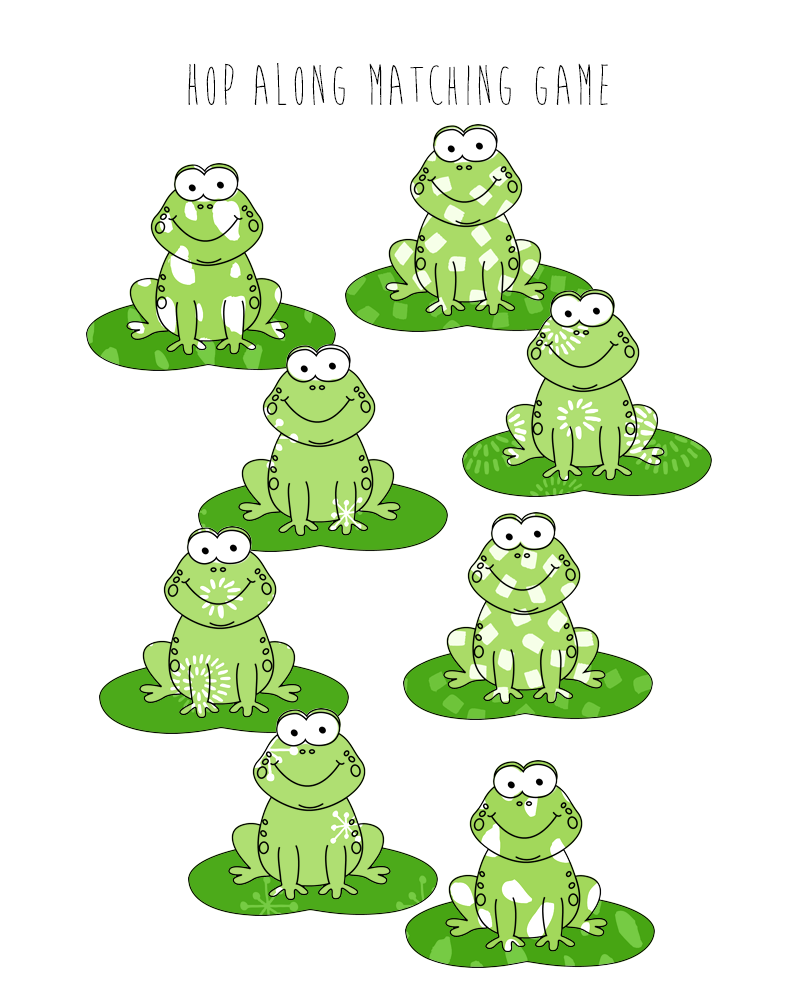
Hop Along Matching Game


Hop along now and help these frogs! Each of these fantastic frogs has a twin, but they’ve gotten separated. Can you spot the identical pairs? Print out the Hop Along Matching Game and draw a line between the pairs.

You can purchase We Are the Wibbly!: A Tadpole’s Tail from these booksellers

Amazon | Barnes & Noble | Bookshop (discounted books and support for your local independent bookstore)

Picture Book Review

March 4 – It’s National Reading Month

About the Holiday

National Reading Month was designed to  encourage children and adults to read every day and celebrates the joys and benefits that reading together can bring. Reading with your child can be fun and frivolous, but it can also offer ways for children to share their feelings about serious or poignant topics and begin discussions that can lead to understanding or healing.  As the month progresses, look for books to share for all the aspects of your life. 

I’d like to thank Kokila Books/Penguin Random House for sharing a digital copy of Our Lake with me to review. 

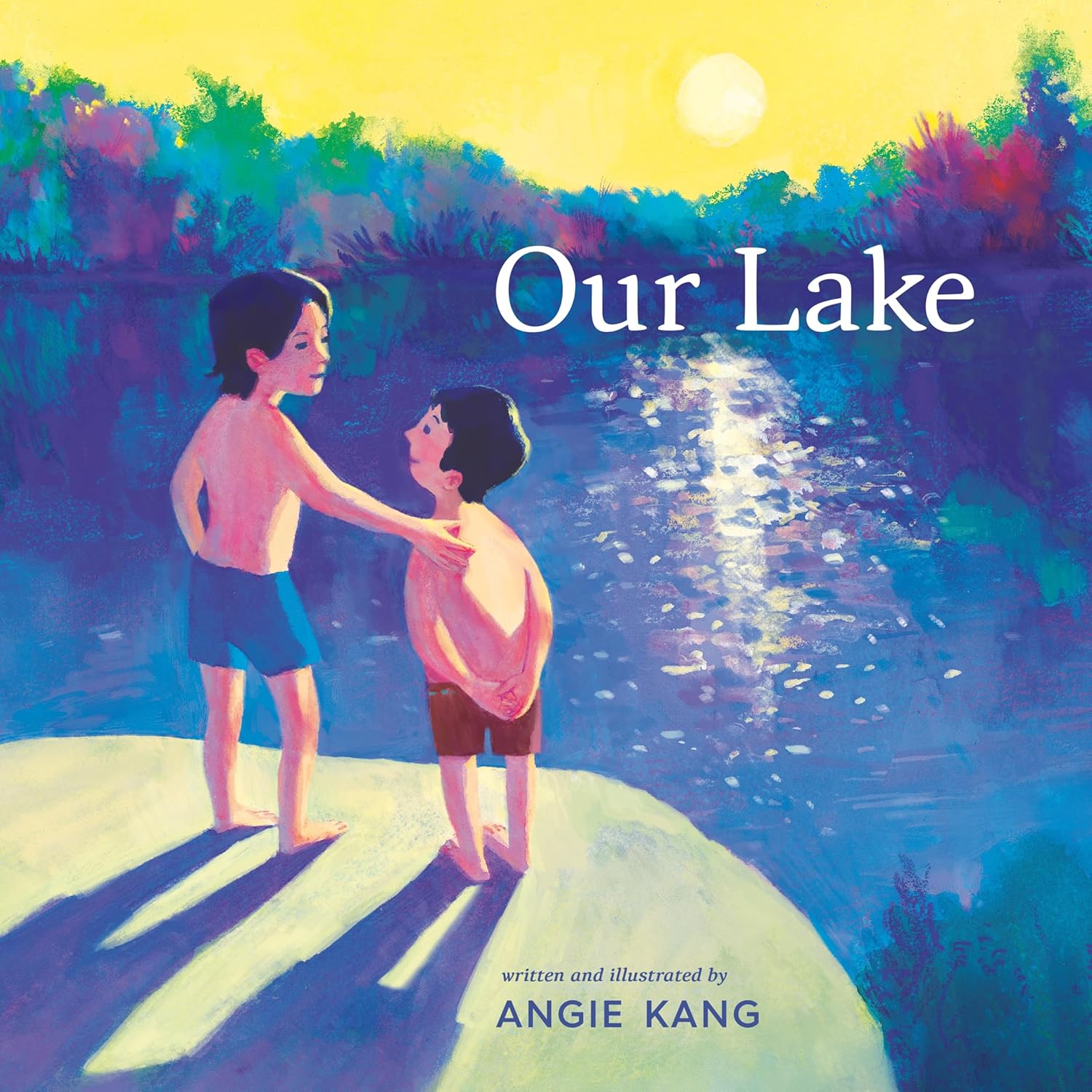
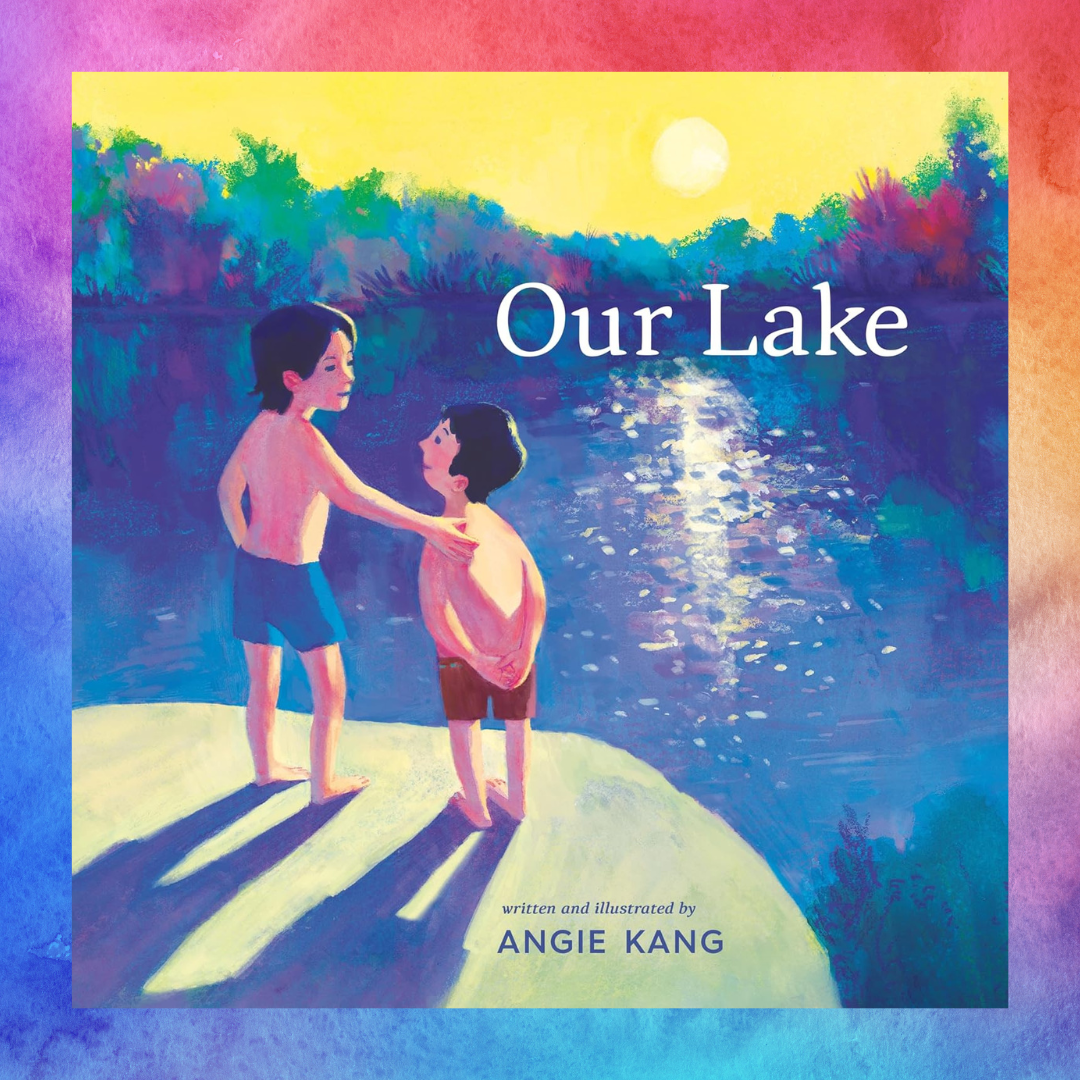
Our Lake

By Angie Kang


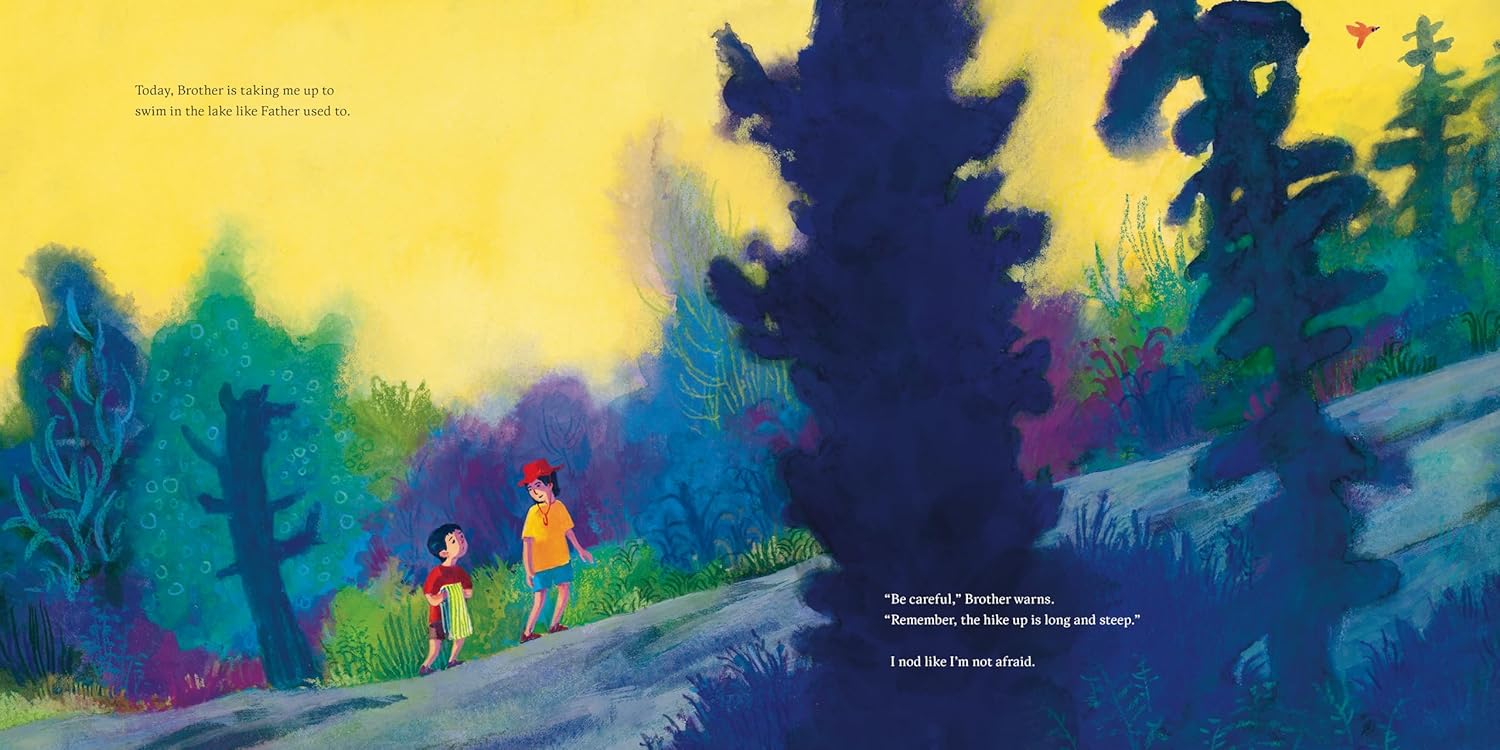
A young boy follows his older brother up a “long and steep” hill to the tip of a boulder overlooking a glistening lake, where their father, now gone, used to take them swimming. He mimics his brother, who has taken on the mantel of responsibility, in their old traditions—taking off his shirt, stretching. But while his brother approaches the lip of the rock, he hangs back, watching him “press his arms tight to his head and slip neatly into the lake.” The water ripples, and then his brother shoots upward, “triumphant.”

Illustration and text © 2025 by Angie Kang. Courtesy of Kokila/Penguin Random House.

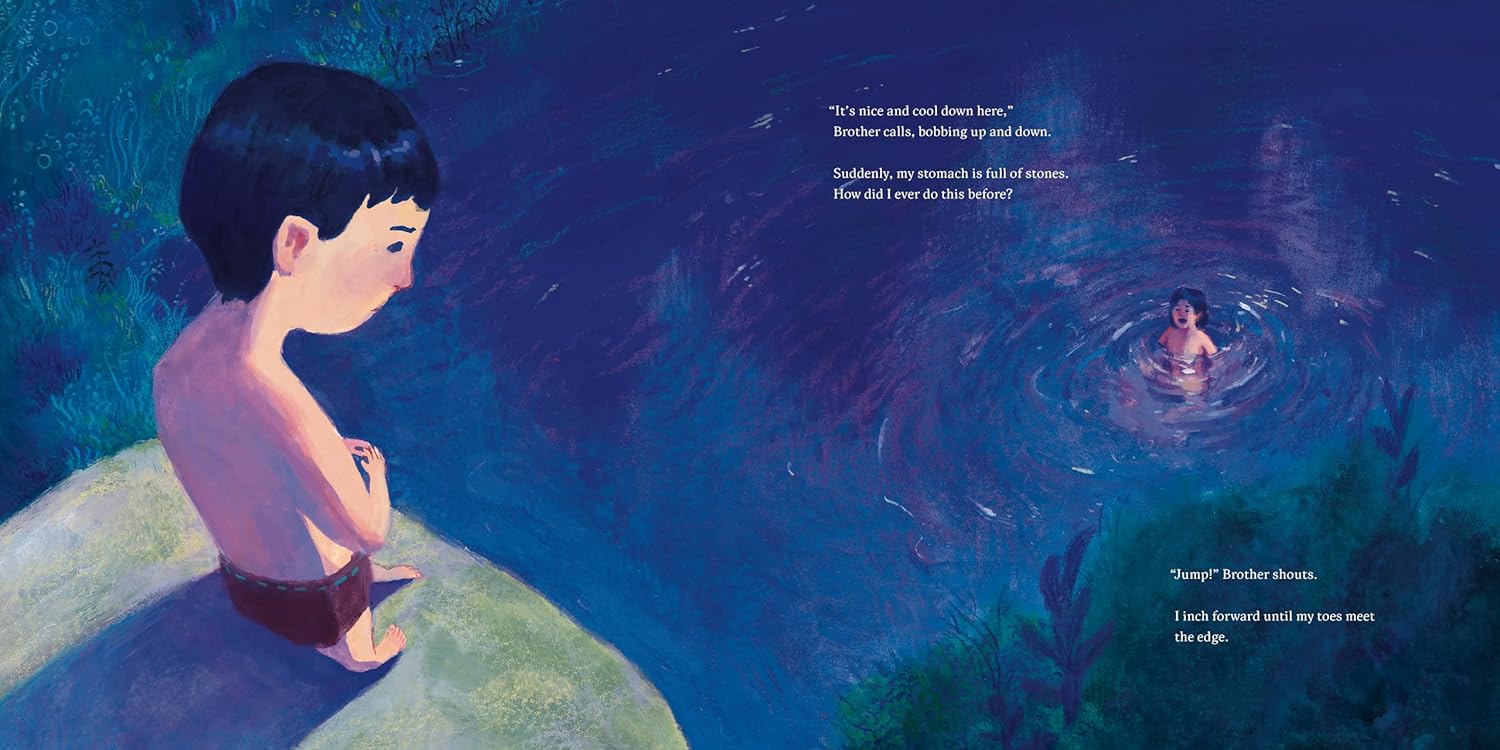
His brother calls for him to jump, but his nerves overtake him and he closes his eyes. “On the insides of my eyelids,” he says, “I see Father.” He recalls their routine, the way his father soared before splashing down, and the sound of his laugh as he beckoned his sons to follow.

“When I open my eyes, he joy is still there, humming in my limbs,” the boy says. He hears his brother call to him again and shakes off his fear. As he nears the water, he sees his father meet him, arms outstretched. His brother cheers as he splashes in. They embrace, both feeling the presence of the father they miss.

Illustration and text © 2025 by Angie Kang. Courtesy of Kokila/Penguin Random House.

Angie Kang’s lyrical storytelling soars on the openhearted voice of her young narrator and the caring guidance of his big brother. The boys’ uplifting memories of their father and their joyful embrace of returning to one of their favorite places are moving and comforting, and ultimately inspire reassurance that the spirit of loved ones lives on within the heart. 

Kang’s gloriously rich gouache, crayon, and colored pencil illustrations illuminate the close relationship between the brothers and, individually, with their father, as exemplified by a red hat the older brother is wearing as the story begins. Later, readers learn—in a symbolic image—that this hat belonged to the boys’ father. Each boy’s facial expressions and stances also carry the story forward. Kang’s saturated paintings also offer metaphorical undertones that resonate with the truth of life’s sometimes difficult climbs as well as the wonders of shaking off fear and diving into it headfirst.

A beautiful and poignant story to help any child affected by grief or loss to find peace and joy again, Our Lake is highly recommended for families and is a must for school and public library collections.

Ages 4 – 8

Kokila/Penguin Random House, 2025 | ISBN 978-0593698235

About the Author/Illustrator

Angie Kang is a Chinese American writer and illustrator living in LA. Her work has appeared in The New YorkerNarrativeThe Believer, and elsewhere, and has been generously supported by MacDowell and other organizations. Angie graduated from the Brown-RISD Dual Degree Program with a BFA in Illustration from the Rhode Island School of Design and a BA in Literary Arts from Brown University. She enjoys painting places she remembers and places she would like to go. Learn more about Angie’s writing and art at AngieKang.net and @anqiekanq on Instagram.

You can purchase Our Lake at these booksellers

Amazon | Barnes & Noble | Bookshop (to support your local independent bookstore)

Picture Book Review

February 17 – Random Acts of Kindness Day

About the Holiday

It’s Random Acts of Kindness Day! Coming mid-way through Random Acts of Kindness Week, today’s holiday offers the perfect time to begin or reconfirm your commitment to doing nice things for those around you. Simple gestures of kindness—like sharing a smile, giving a compliment, or helping out when you see someone struggling—make anyone feel better and create a bond that brings a community closer. To keep the good feelings flowing throughout the year, look for opportunities to help out and share books that encourage kindness, such as today’s book!

Thank you to Orchard Books/Scholastic for sharing a copy of Hop Helps Out with me!

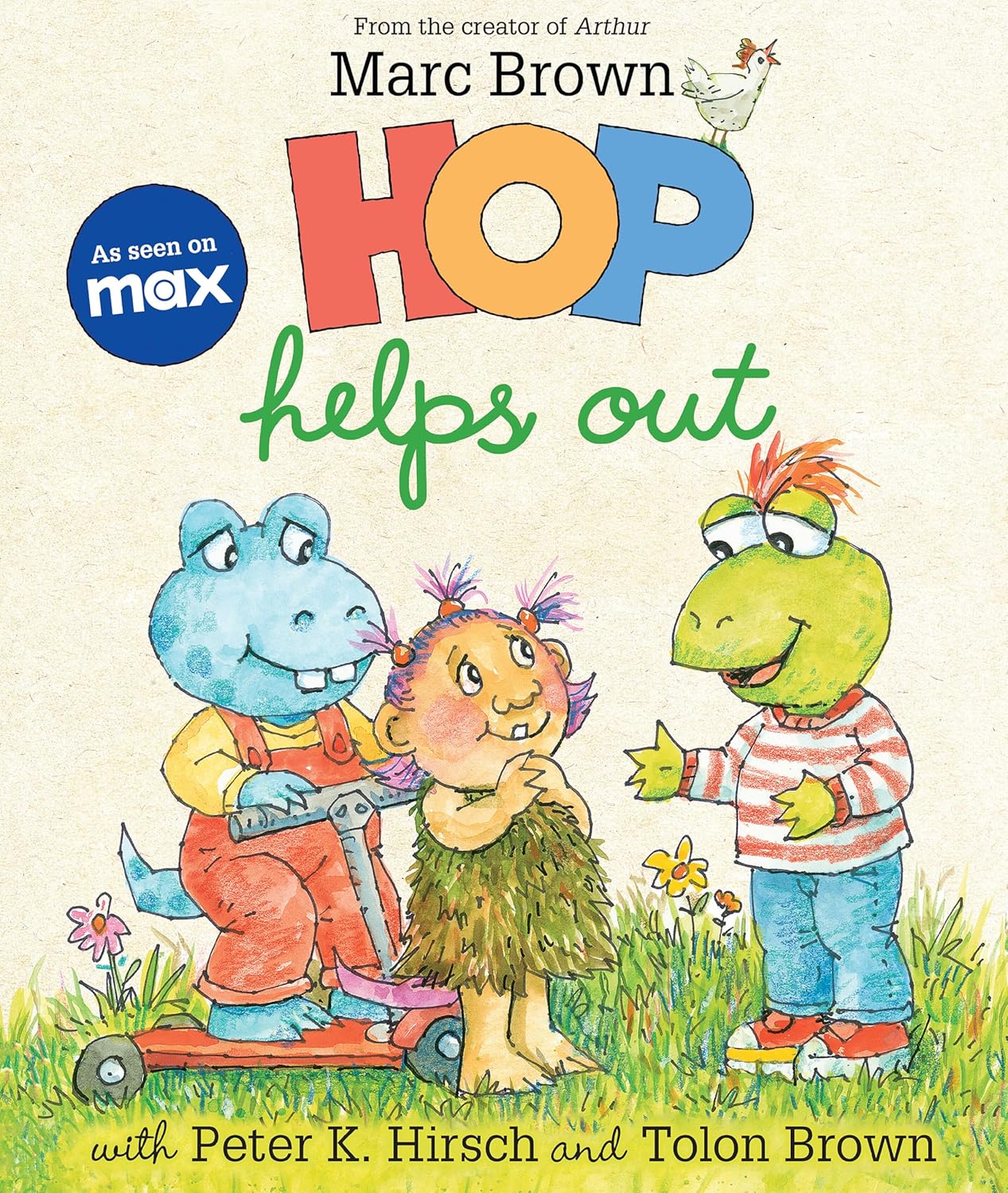
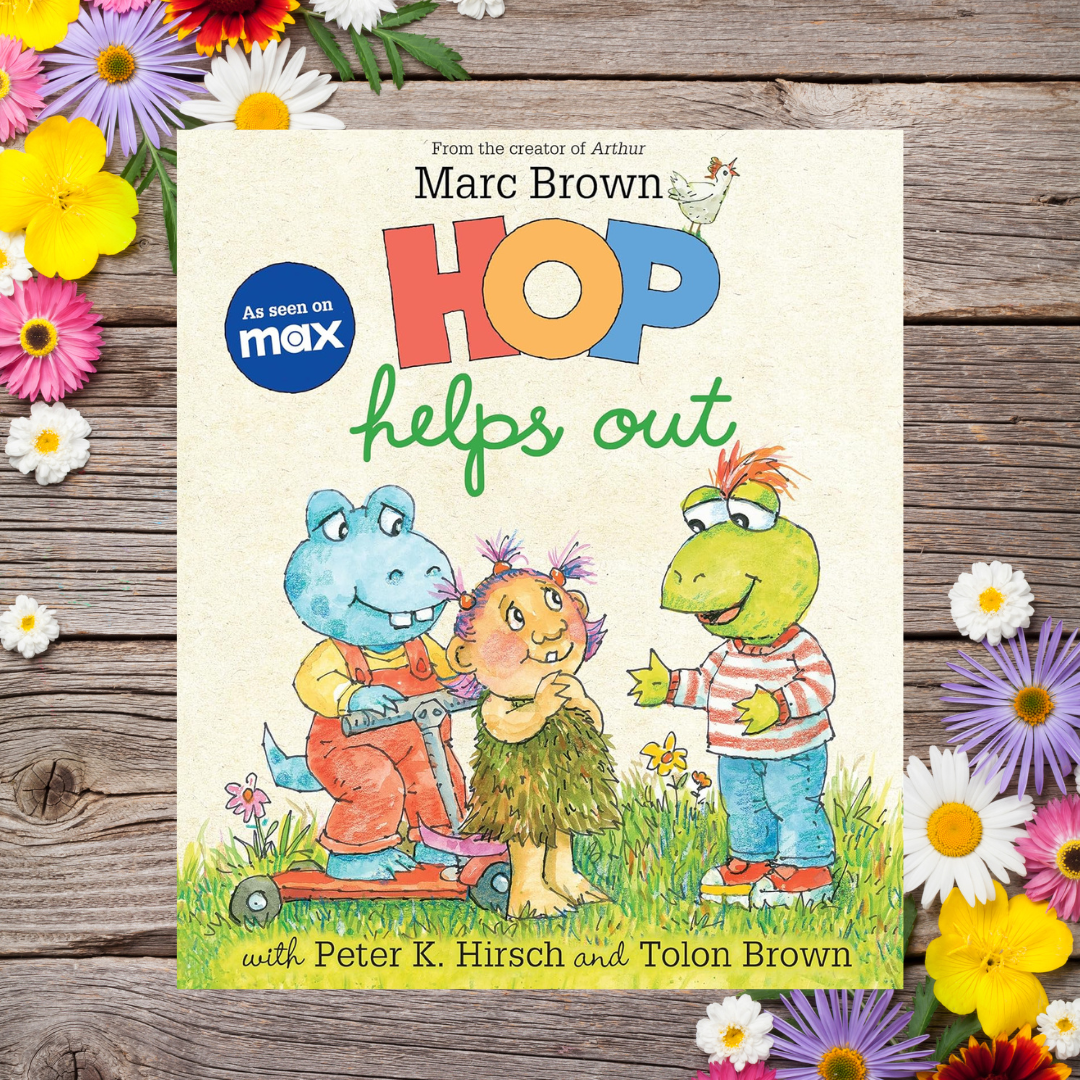
Hop Helps Out

By Marc Brown, Tolon Brown and Peter Hirsch


One morning as Hop and Benny are out exploring their town of Fair Village, they come across a troll named Helga, who’s crying because she’s too afraid to venture out into the world on her own. Hop immediately takes her by the hand and invites her to come adventuring with him and Benny. Hop and Benny are eager to show their new friend Helga some of their favorite places.

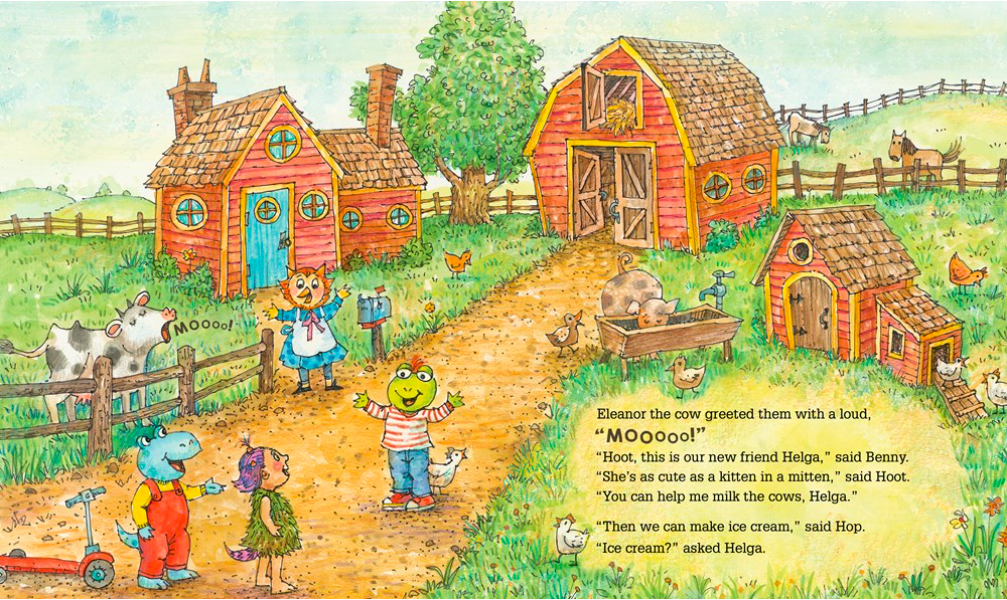
First, they visit a meadow, lush with clover, daisies, lupines, daffodils, and wildflowers in a rainbow of colors. Then Benny wants to show Helga the small mobile home he lives in. His yard, strewn with toys and games and sporting a garden, delights Helga, and when they go inside she is treated to a mug of hot chocolate and a story. Next, they take Helga to their friend Hoot’s farm. ‘”She’s as cute as a kitten in a mitten,'” Hoot declares. “‘You can help me milk the cows, Helga,'” Hoot says. Afterward, they’re all treated to homemade ice cream, dress up play, and a ride in Hoot’s talking car, Jinx.

Illustration © 2025, Marc Brown; text © 2025, Marc Brown, Tolon Brown, Peter Hirsch. Courtesy of Orchard Books/Scholastic.

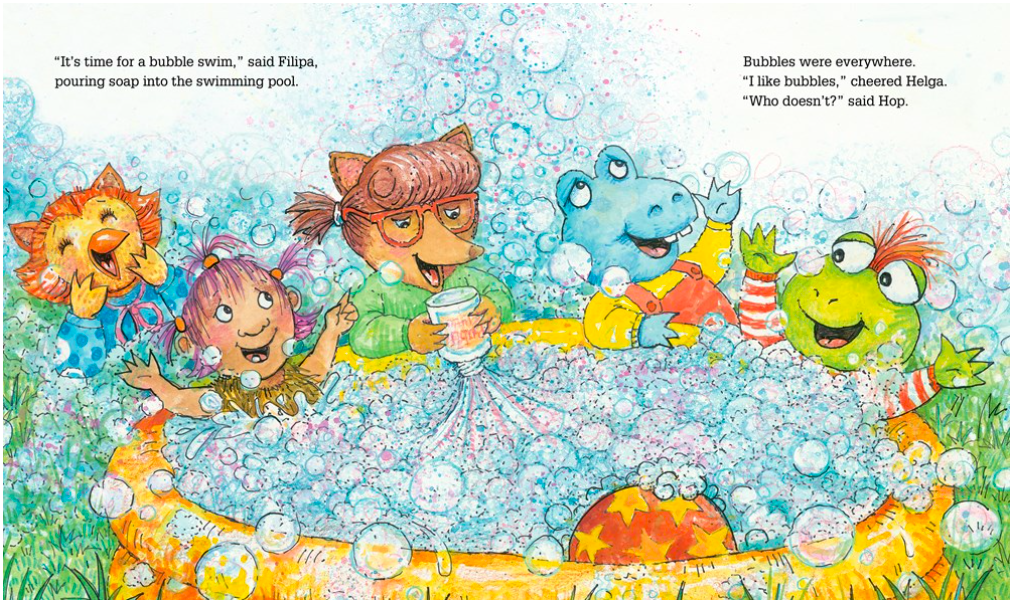
Jinx takes the merry group to see another friend, Filipa. Filipa is just filling the swimming pool underneath her treehouse when they arrive. Helga can’t believe her eyes. There are so many fun things to do here; even a swing! Even though Benny warns Helga not to swing too high, she falls off. But when Hop hurries over, Helga giggles and reveals that trolls “‘can bounce.'” In Filipa’s art studio, Helga gets to try out being creative—with herself as the canvas. Not to worry, though! Filipa fills her pool with bubbles for an impromptu (and colorful) bubble bath. “‘I like bubbles,’ cheered Helga.” “‘Who doesn’t?'” Hop agrees.

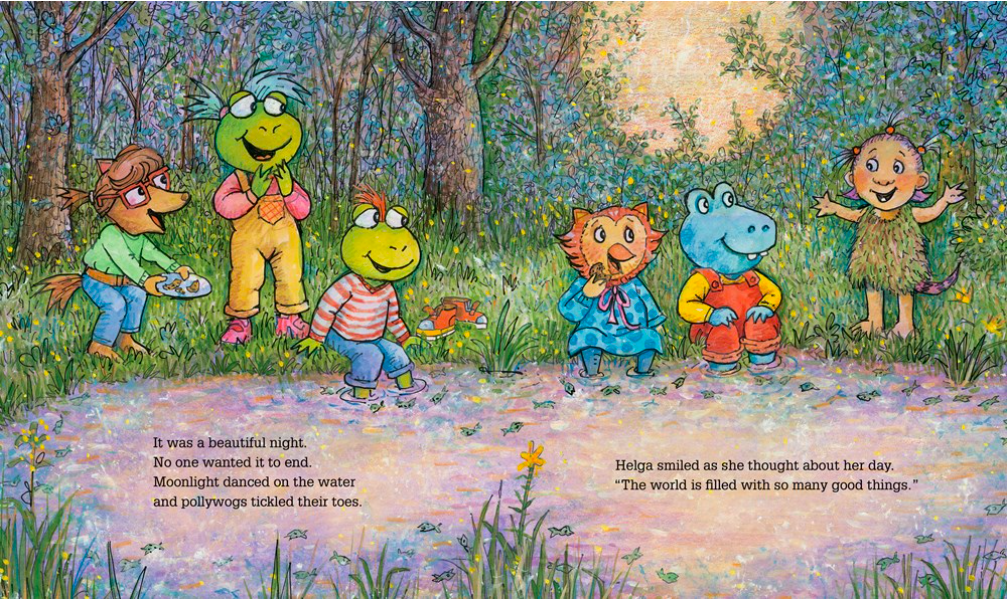
Next on the tour is Hop’s Lily Pad Diner, where Hop’s sister, Penny, plays the piano while the others dance. All this activity and excitement is making Helga tired and ready to go home. When they arrive, Helga treats her new friends to a Moon Snack of sassafras twigs and fungus chips. No one wants this fun day to end. Especially Helga, who is happy to be part of the group and to have discovered so much. “‘The world is filled with so many good things.'” she exclaims.

Illustration © 2025, Marc Brown; text © 2025, Marc Brown, Tolon Brown, Peter Hirsch. Courtesy of Orchard Books/Scholastic.

The story is followed by a detailed map of Fair Village with many homes, restaurants, farms, parks, and other landmarks for kids to explore. In an afterword, Marc Brown explains how the world of Hop—a new animated series streaming on MAX—started out as a doodle of a frog with one leg shorter than the other then joined by a host of other characters. Brown, with the help of his son Tolon (a producer on the Arthur series) and Peter Hirsch (the head writer for Arthur), expanded on this inclusive universe for a younger audience.

Brown shares, “It was important to me that Hop’s world introduced characters that were reflective of our communities and friends and inclusive of children who had been underrepresented in the media. In Fair Village, disabilities never define who you are or what you can achieve. Our goal is to create a safe, inviting world that challenges kids to appreciate others who are not like them and to act with understanding and kindness.”

Illustration © 2025, Marc Brown; text © 2025, Marc Brown, Tolon Brown, Peter Hirsch. Courtesy of Orchard Books/Scholastic.

Enthusiasm, kindness, and acceptance radiate from the pages, as Hop and Benny take charge of showing Helga around Fair Village—a name that reflects both the beauty of the town as well as how its residents treat each other—and introducing her to things she’s never seen before. Young readers will find pleasure in sharing so many of these favorites too, such as hot chocolate, bubble baths, ice cream, and playing dress up, with this crew of fast friends. Gentle humor is sprinkled throughout, and the simply stated, heartfelt ending invites readers to look around at their own family, friends, home, and community and find the “many good things” there.

Marc Brown’s illustrations are infused with color and offer children a multitude of familiar things to see and identify. The full-bleed spreads immerse readers in the community of Fair Village and the individual homes of the characters. Detail-oriented children will love lingering over the map to find each of the character’s homes as well as fun additions, such as the crooked house, the haunted castle, and the appropriately shaped Pie Shop, Pizza Palace, and Pet Hospital. As this book and the series are inclusive of children underrepresented in media, Brown depicts Hop’s anisomelia (having one leg shorter than the other) in his two different shoes—one of which has an extra, yellow layer to its sole. Helga is coded as having agoraphobia.

A tie-in to the new MAX series HOP, Hop Helps Out introduces children to some of the characters and the vast Fair Village community in a joyful and empathetic way. The story can stand alone as well, encouraging discussions about meeting new people, being open to new experiences, visiting unfamiliar places, and showing kindness to others. 

Ages 4 – 8

Orchard Books/Scholastic, 2025 | ISBN 978-1339035680

About the Creators

Marc Brown is the beloved creator of the bestselling Arthur Adventure book series and creative producer of PBS’s Peabody and Emmy award-winning television series Arthur, now the longest-running children’s animated show in history. He also has illustrated many other books for children, including the New York Times bestseller Wild About Books, as well as The Little Shop of Monsters and Mary McScary, both written by R.L. Stine. For more information, visit marcbrownstudios.com.

Peter Hirsch is the co-creator and head writer of the MAX series, HOP. Before then he was the head writer of the PBS series Arthur for over 20 years. He has won 7 Emmys and a Peabody award, and lives in New York City with his wife, playwright Cusi Cram, and their two overweight cats.

Tolon Brown is an Emmy award-wining producer of culturally significant shows such as Arthur on PBS, and co-creator of the animated series HOP on MAX. Long ago he discovered a fondness for complaining about “good coffee” and people who can’t change a flat tire, which inspired him to split his time between Brooklyn and Baldwin County, Alabama in order to pursue both. Somehow he managed to raise two amazing daughters, yet remains open to the possibility that was purely accidental.

You can purchase Hop Helps Out at these booksellers

Amazon | Barnes & Noble | Bookshop (to support your local independent bookstore)

Picture Book Review

February 14 – Read to Your Child Day

About the Holiday

Today’s holiday is one one of the best days of the year for kids and adults who love to read together. Reading to children has many benefits from helping with language development to instilling in children a love of books and learning to building bonds that last a lifetime. Today, as it happens, is also Valentine’s Day, and there’s no better way to say “I Love You” than by spending time together with a grrrreat book like today’s! For neat ideas on how to make the most of Read to Your Child Day, visit Days of the Year

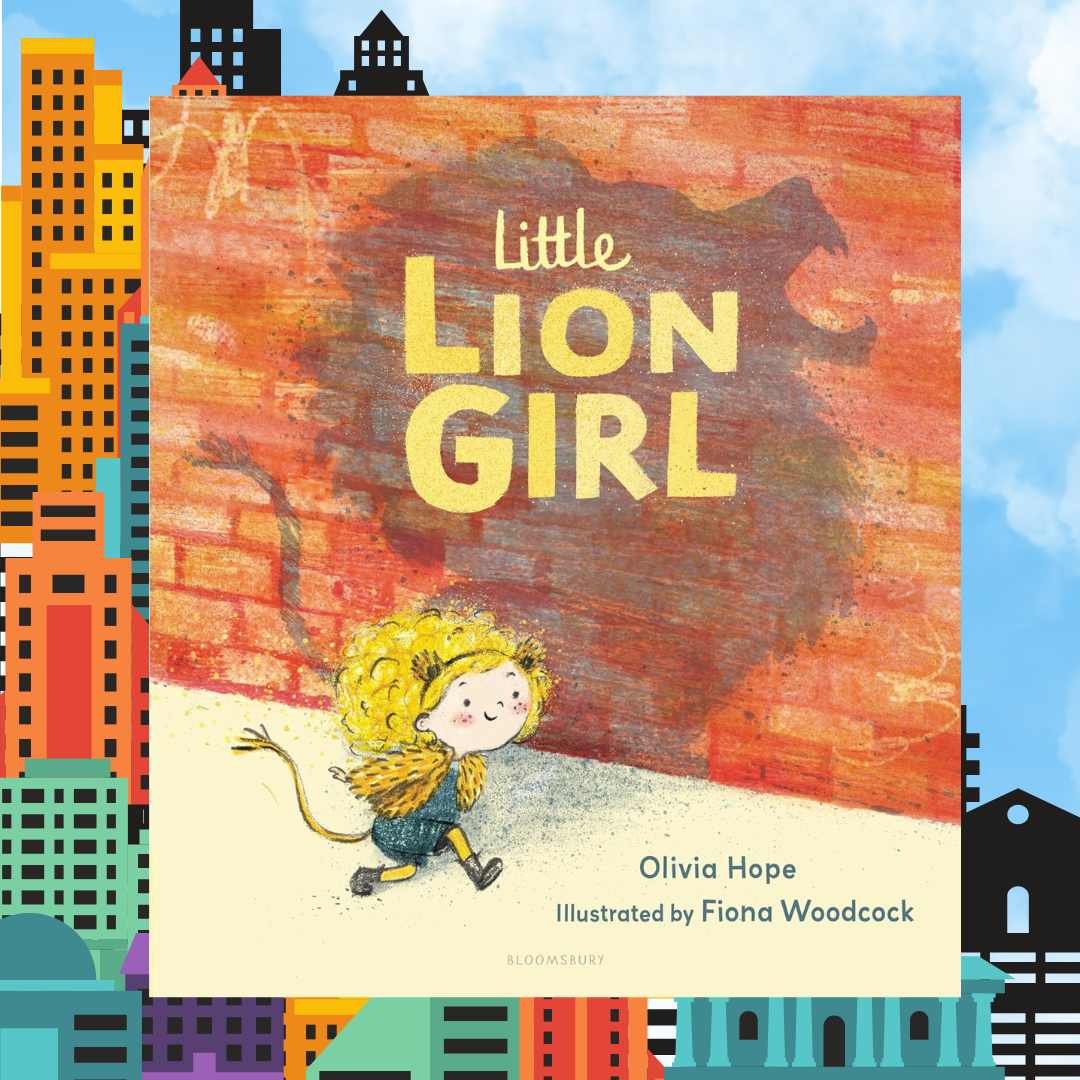
Thanks to Bloomsbury Children’s Books for sharing a copy of Little Lion Girl with me!

Review by Dorothy Levine

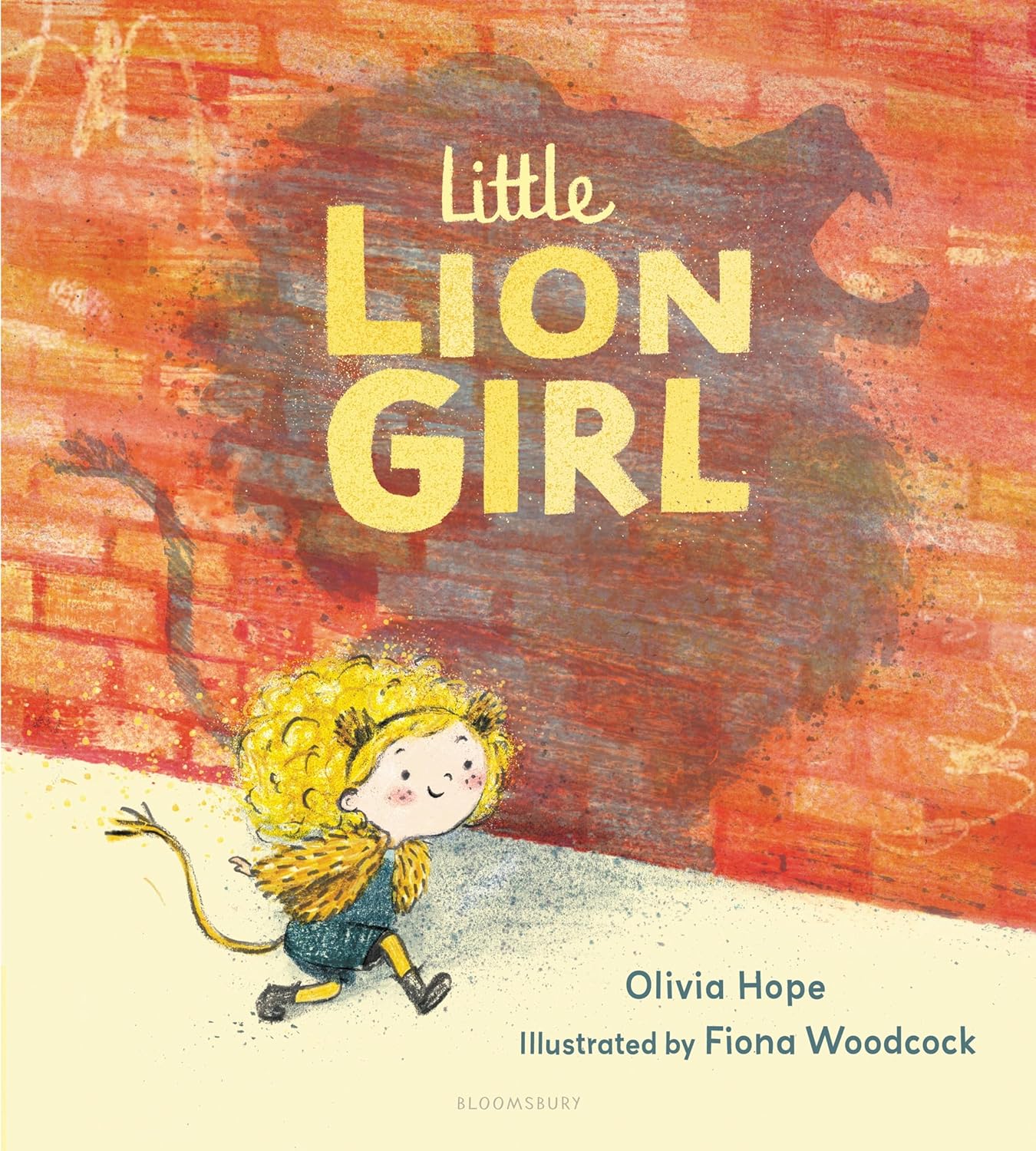
Little Lion Girl

Written by Olivia Hope | Illustrated by Fiona Woodcock

It’s time to line up for a copy of Little Lion Girl, a vibrant tale of mother and daughter taking on the roaring city.

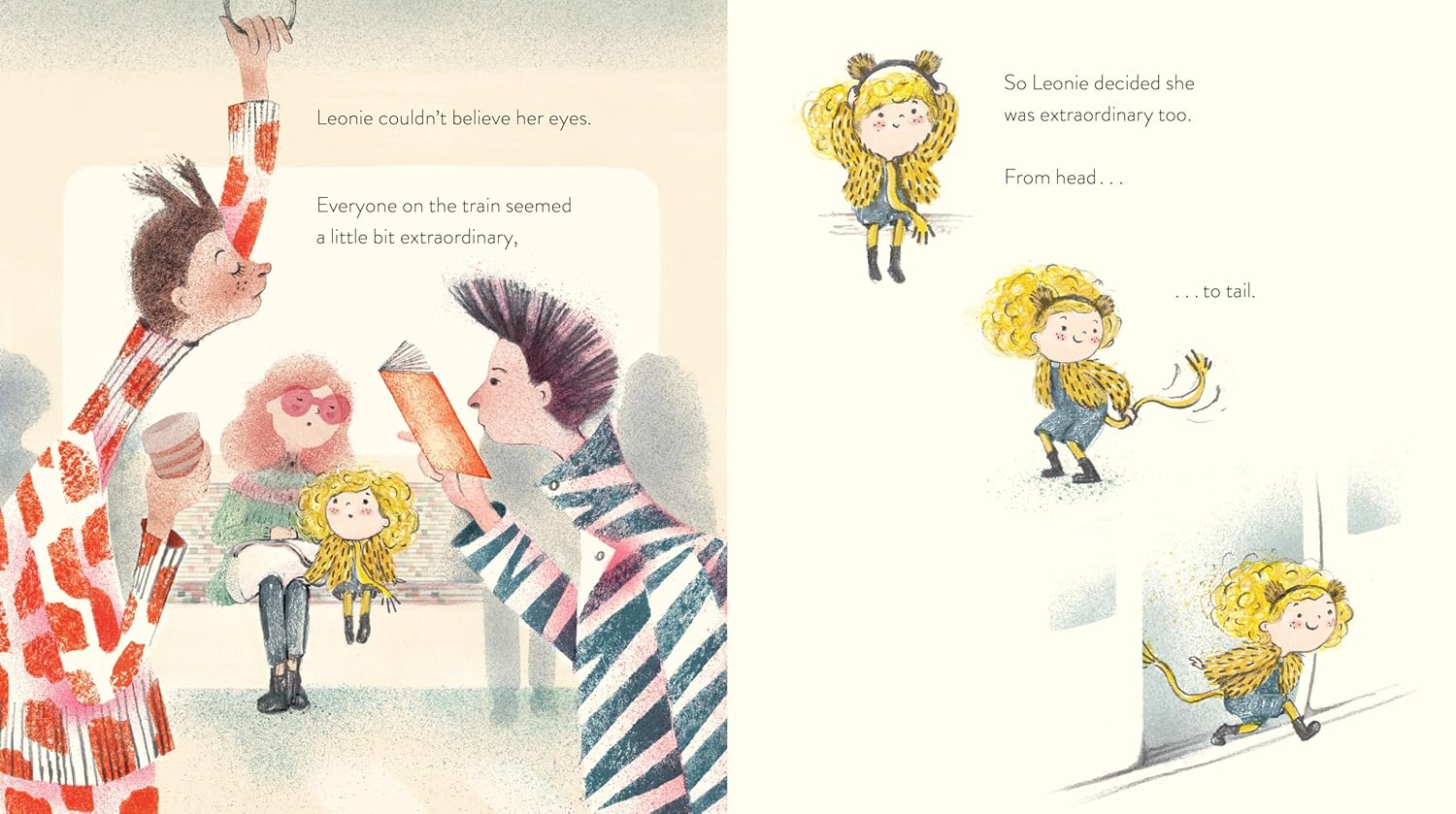
When Leonie spots the orange lights of the train coming to take her to the big city, she knows it’s time for an adventure. On the ride she notices unique characters around her and decides she too will meet the city with extravagance. With the help of a few accessories, Leonie cleverly transforms herself into a lion. When “the city roared like a jungle,” Leonie “roared back at the city. / She shook her mane and swished her tail. / She was lion girl.”

Illustration © 2025, Fiona Woodcook, text © 2025, Olivia Hope. Courtesy of Bloomsbury Children’s Books.

Lion girl spends the day stalking through bustling colorful streets, “through legs like trees between squawks, grunts, and shrieks” finding lions inside and out of a museum as she goes. In a cafe families sit in their “prides;” in the park she declares she is the king of the city.

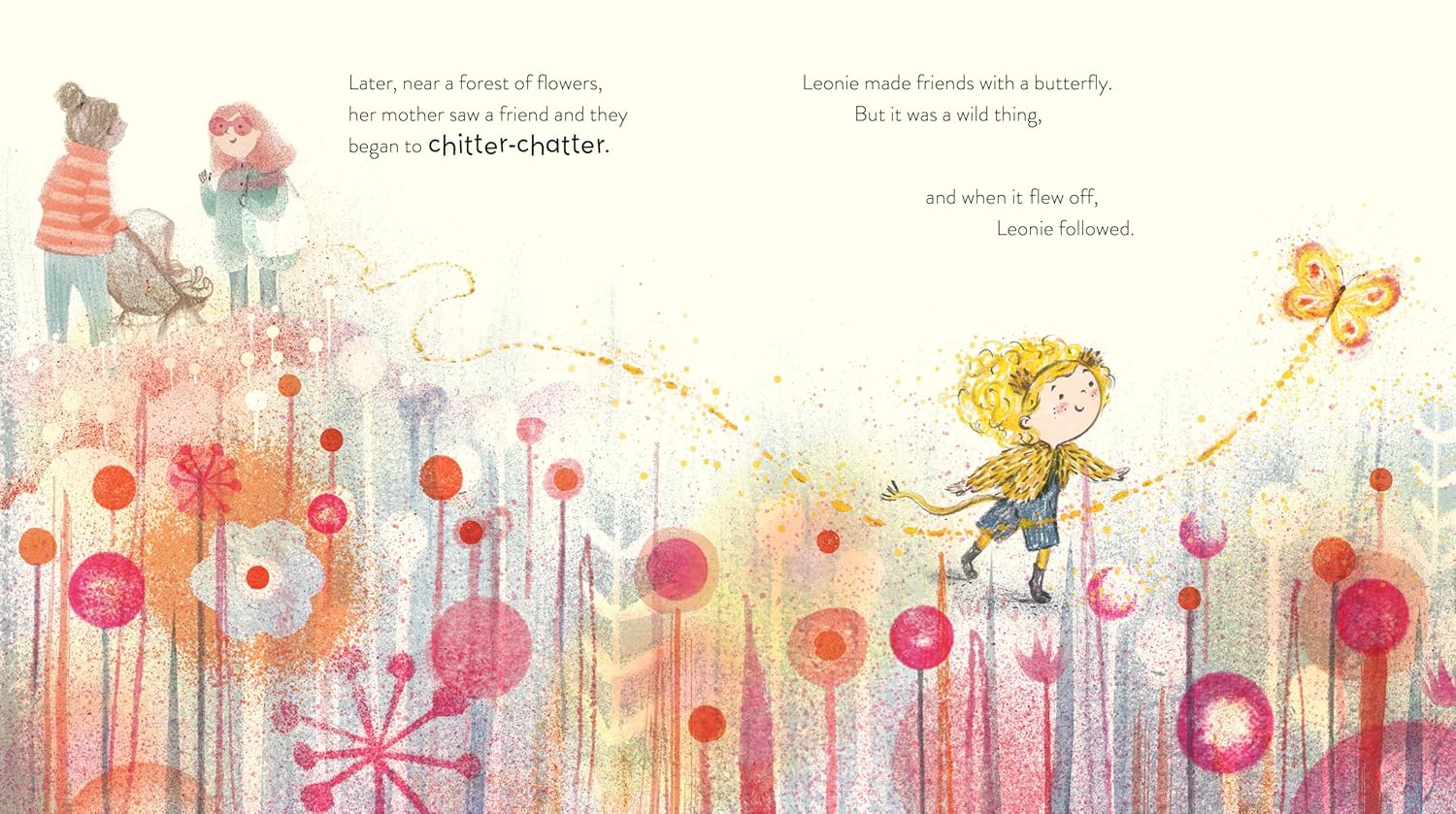
All is going lion-tastically when a butterfly—a real wild thing—causes her to wander a bit further from her mother. Without her mama lion, the city jungle starts to feel bigger, and lion girl curls up in fear. Just as she starts to lose her roar, her mother calls to her, and they reunite with a hug and a purr.

Illustration © 2025, Fiona Woodcook, text © 2025, Olivia Hope. Courtesy of Bloomsbury Children’s Books.

Olivia Hope’s upbeat tale will excite wild children and their animal-loving hearts. From barking engines to city bustle grunts and shrieks, Hope’s story is jam-packed with animal-based vocabulary to set the scene. As Leonie and her mother explore the city, the reader’s confidence will grow along with lion girl as she explores the feelings that come with each step of her journey. A sweet story that inspires children to venture out with bravery, while also offering a gentle reminder that staying close to the pack is important too. Little Lion Girl shows kids that it’s okay to feel scared sometimes and to receive comfort from adults.

Fiona Woodcock’s illustrations light up the city in soft primary color hues. Leonie’s cat ears and scarf-tail form an exciting shadow of a real lion as she prowls through the streets. Woodcock illustrates a wonderfully diverse range of characters, including two train passengers dressed to resemble a zebra and giraffe—one of whom is spotted again later at the park. Leonie’s detailed facial expressions reflect her awe, excitement, fear and ultimately comfort when she snuggles up against her mom.

Little Lion Girl would make a lovely addition to home and library collections. It’s the perfect read-aloud to take with you on a train ride or to read while gearing up for an adventure!

Ages 3 – 6

Bloomsbury Children’s Books, 2025 | ISBN 978-1547616688

About the Author

Olivia Hope is an Irish writer with a special love for fiction about wild children. Before becoming an author, she was a teacher, creative arts facilitator and even an international athlete. She currently lives in the wilds of Southwest Ireland with her family.

About the Illustrator

Fiona Woodcock is an illustrator and picture book author. She studied Graphic Communication at Glasgow School of Art and for many years worked in animation. Her debut book Hiding Heidi was nominated for the 2017 Kate Greenaway award. Look was the winner of the AOI World Illustration Awards 2019, and A Dot In The Snow by Corrinne Averiss was selected as one of ‘The Times Children’s Books of the Year 2016’ and nominated for the Kate Greenaway Award 2018. Fiona lives in London.

Read to Your Child Day Activity

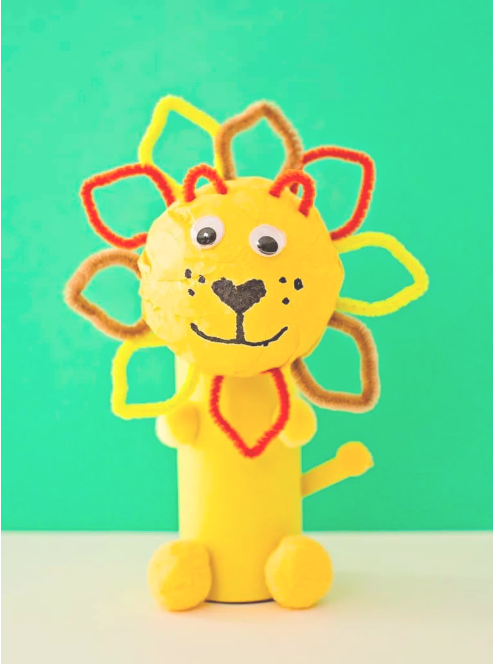
Image courtesy of Hello Wonderful

Paper Tube Lion

Kids can make and display this cute Paper Tube Lion from Hello Wonderful to remind themselves that they are as brave and confident as a lion.

You can purchase Little Lion Girl at these booksellers

Amazon | Barnes & Noble | Bookshop (to support your local independent bookstore)

Picture Book Review

November 14 – Human-Animal Relationship Week

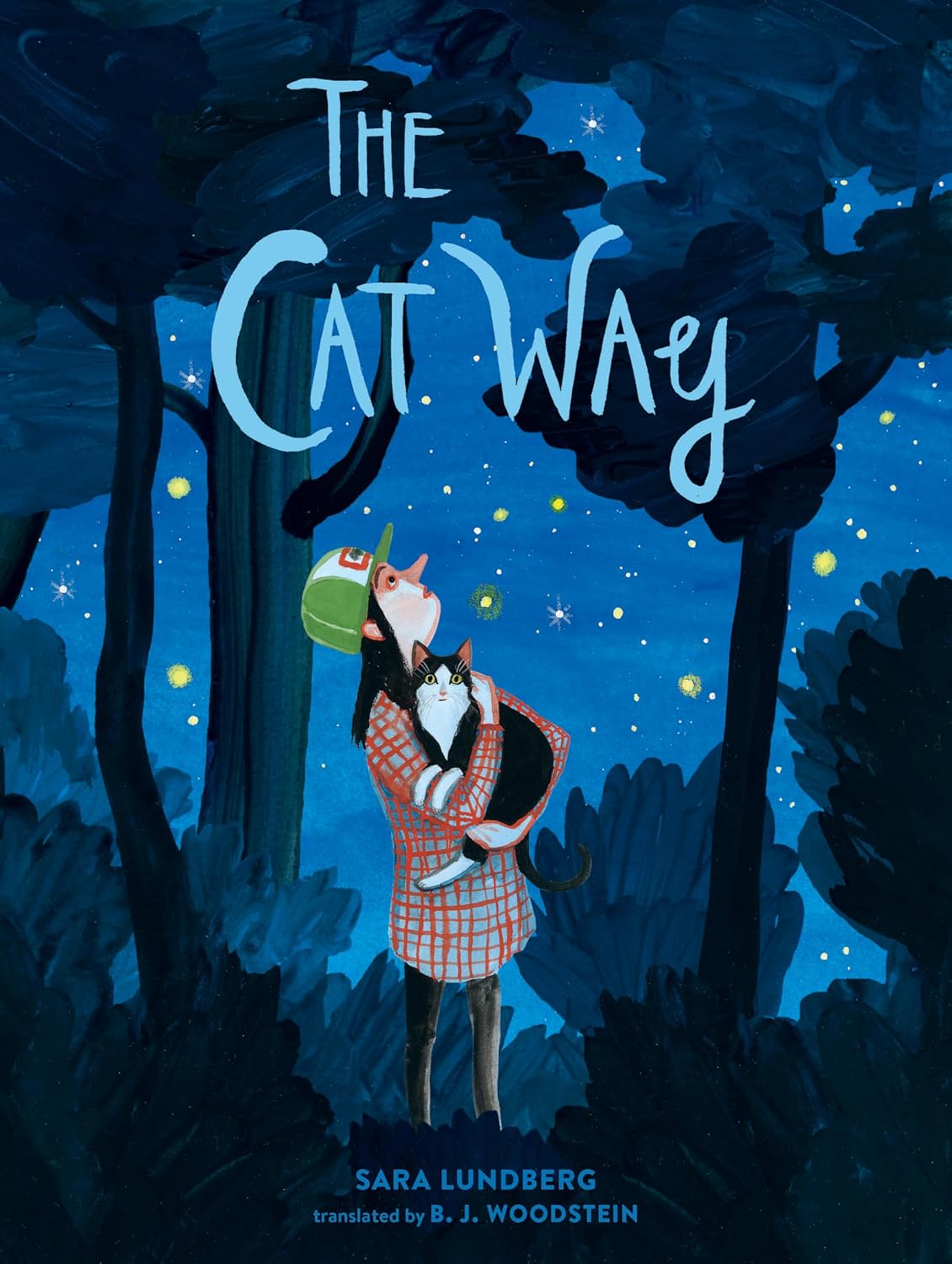
celebrate-picture-books-picture-book-review-the-cat-way-cover

About the Holiday

Established in 2016 by the Animals & Society Institute, a scholarly non-profit organization which works to increase knowledge about the relationships between people and animals, Human-Animal Relationship Awareness Week, aims to raise an appreciation for the ways in which humans and animals live and work together while sharing the resources of our planet. During the week and throughout the year, we are asked to strive to improve the lives of animals at home and across the globe while “building communities that are more humane and compassionate.”

Thank you to Eerdmans Books for Young Readers for sharing a copy of The Cat Way with me for review consideration. All opinions on the book are my own.

The Cat Way

By Sara Lundberg | Translated by B. J. Woodstein


Part 1 of Sara Lundberg’s story begins with a black-and-white cat and her human taking their usual walk down the sidewalk in their neighborhood. “‘I’m the one in charge,'” the cat’s owner declares. The young person ducks behind a tree to play their typical game of hide and seek, but today the cat is distracted by a white cat sitting nearby. She approaches, and the two cats begin to frolic while the narrator can only sit and watch. The narrator is ready to leave, to put a stop to their play, and while their cat comes, so does the white cat side-by-side, their tails linking the two. The young pet owner hears the cats “giggling and giggling” at them and, jealous, isn’t having it: “‘Stop it,” I say. I stamp my foot. Then the other one runs off.'”
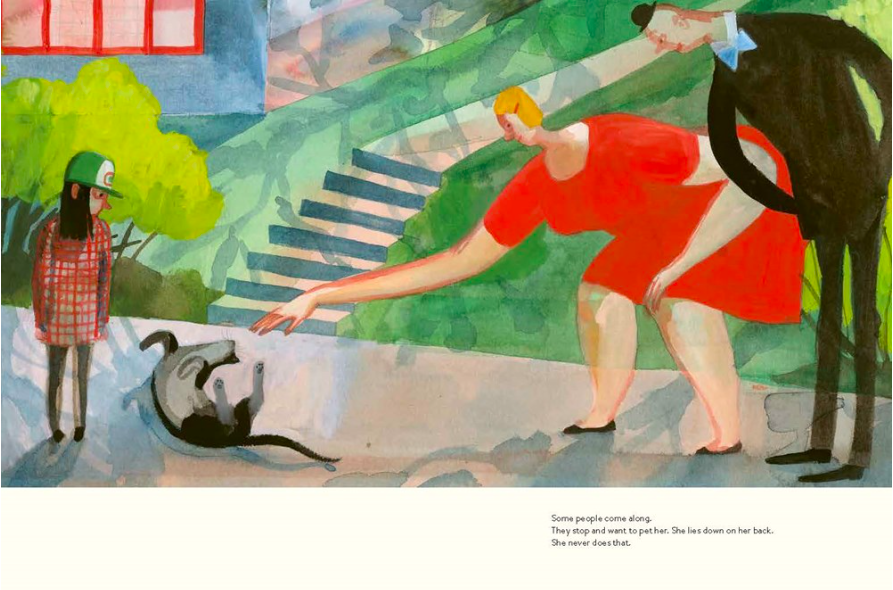
celebrate-picture-books-picture-book-review-the-cat-way-belly-scratch

Image and text copyright Sara Lundberg, 2024, translation copyright B. J. Woodstein, 2024. Courtesy of Eerdman’s Books for Young Readers.

The cat and her human “glare at one another” until the cat says, “‘Why are you always in charge?'” Just then an older couple approaches, and the cat demonstrates her independence by immediately rolling over to offer her belly for a scratch—something “she never does.” Despite the narrator’s calling her to come, the cat lies there, soaking up the attention, extending her rebellion. Her owner decides on a subtle power play and walks away, continually turning back, however, to see if their cat is coming. She isn’t.

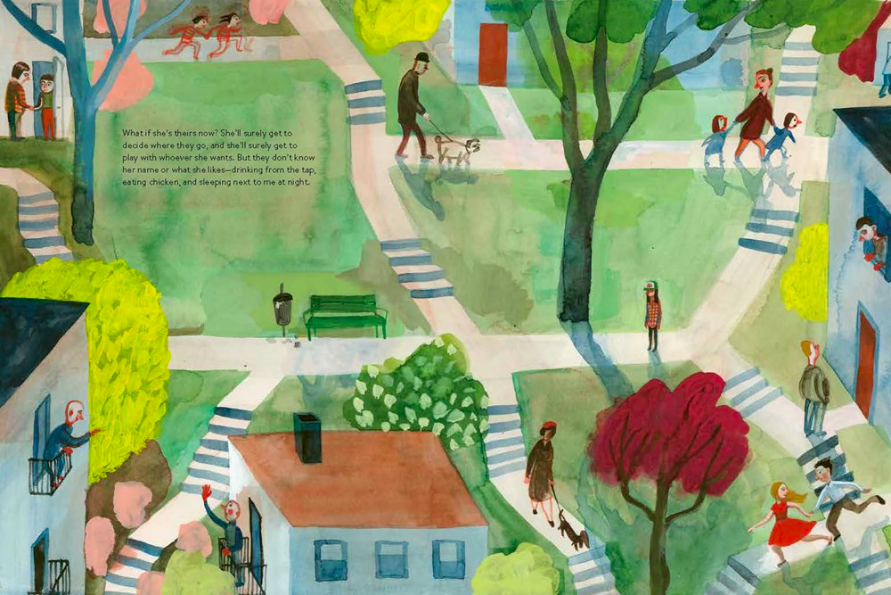
The young person, full of doubt, stops in the middle of the neighborhood, out of sight of the cat and the couple, wondering if the cat is “theirs now” and taking stock: the couple will surely be more lenient, but they don’t know her name, her quirks, her favorite food, or that she likes “sleeping next to me at night.” 
celebrate-picture-books-picture-book-review-the-cat-way-neighborhood

Image and text copyright Sara Lundberg, 2024, translation copyright B. J. Woodstein, 2024. Courtesy of Eerdman’s Books for Young Readers.

Here, Sara Lundberg does something astounding, metaphorically reflecting how time elongates and an icy fear grips those searching for a lost pet. The beautiful summer day turns dark and rainy. The narrator, rooted in place, gets soaked while shouting for the cat and getting no response. They think, “If I go home, she might disappear forever.” On the next page, autumn has come, and yellow leaves fall to the ground—the foreboding of something ending. Turn the page, and it’s now snowing. Inches have accumulated, covering the narrator’s hat and crossed arms. They trudge home, a freezing distress and self-recriminations lodged in their heart.

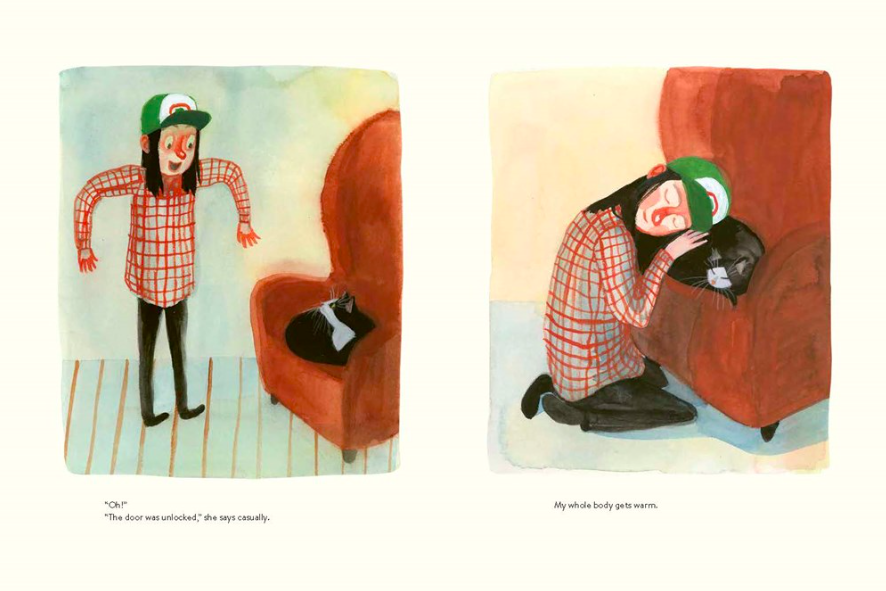
At home, the narrator can’t thaw out but then discovers with joy their cat curled up in their favorite chair. During tomorrow’s walk, the narrator promises, the cat will lead.
celebrate-picture-books-picture-book-review-the-cat-way-cat-comes-home

Image and text copyright Sara Lundberg, 2024, translation copyright B. J. Woodstein, 2024. Courtesy of Eerdman’s Books for Young Readers.

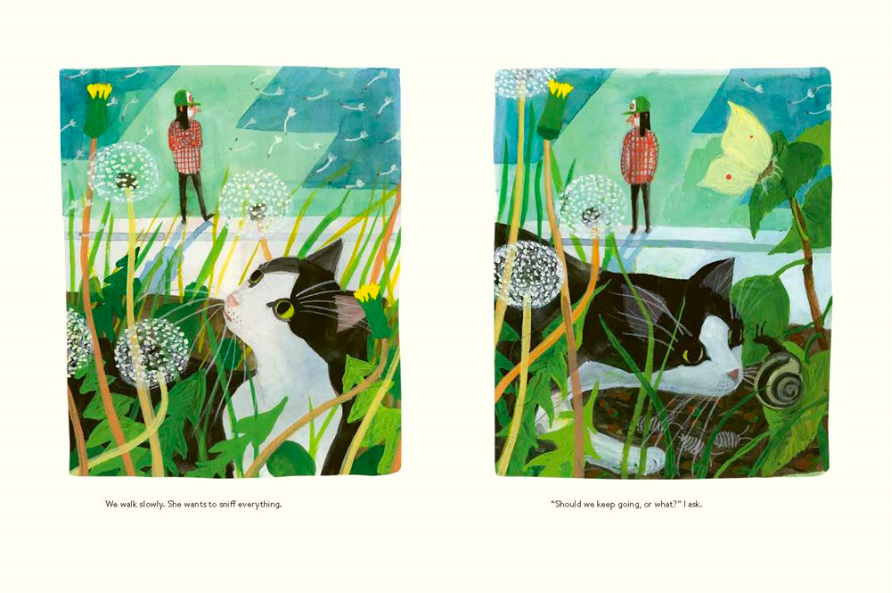
Part 2 takes up the story the next day as the narrator and the cat head out. Just a step outside the door, readers are treated to the cat’s eye view of the neighborhood. Whereas during Part 1, the landscape presents buildings, the sidewalk, cars, signs, benches, trash cans, and other cityscape objects, Part 2 lands readers in nature, like one of the dandelion seeds the cat dislodges while roaming the woods. Flowers, a snail, a butterfly, and pill bugs attract the cat’s eagle eye, while her owner stands on the barren sidewalk across the street, tapping her foot, glancing left and right.

As the cat ventures further, the narrator follows reluctantly. Without a path to follow, the narrator feels lost, unsure of the way home. Farther and farther into the woods the cat creeps, finding squirrel and communicating eye-to-eye the way only animals can. It’s getting dark and the narrator blindly tumbles down a small cliff. “‘Stupid cat!'” the narrator says from a prone position on the ground. Perched on a thin branch, the cat, in silhouette, seems to ask, “what are you doing down there?”
celebrate-picture-books-picture-book-review-the-cat-way-snail

Image and text copyright Sara Lundberg, 2024, translation copyright B. J. Woodstein, 2024. Courtesy of Eerdman’s Books for Young Readers.

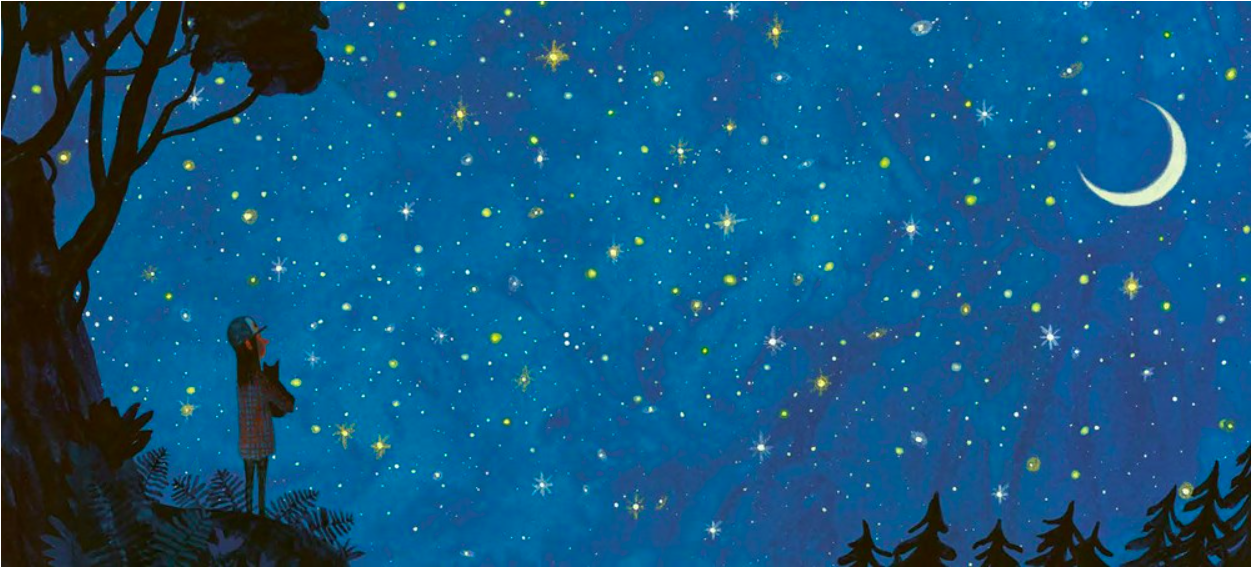
Tears stream down the cat owner’s face, and the cat comes over to comfort her human. It’s then, drying their tears and looking up, that the narrator realizes…. The glorious star-filled night sky stretches out in front of them. The narrator, holding the cat in their arms, stands gazing at this silent spectacle. For readers, the page opens with a majestic gatefold that will elicit appreciative “Oohs!” They stay until dawn edges the horizon and the cat gets hungry. This time, the narrator follows as the cat expertly leads them out of the woods and back home. Still, the narrator isn’t completely ready to relinquish control, seeking assurance that tomorrow they will return to their regular routine. With a look the cat quells that thought, and her human offers a more equitable every-other-day solution. The cat blinks and continues leading her human home.
celebrate-picture-books-picture-book-review-the-cat-way-night-sky

mage and text copyright Sara Lundberg, 2024, translation copyright B. J. Woodstein, 2024. Courtesy of Eerdman’s Books for Young Readers.

Originally written in Swedish by Sara Lundberg and beautifully translated by B. J. Woodstein, The Cat Way is a multi-layered story for relationships of all kinds—between parents and children; friendships (between children, between adults, and between family members); between educators and students; and, more literally, between pets and their humans.

Through her self-assured narrator and inquisitive cat, Lundberg explores how we can get stuck in ruts and routines, ignoring or not recognizing opportunities to grow, learn, play, and see aspects of the world (both small and large) in fresh ways. As the narrator stolidly walks the same, well-worn paths and reacts critically when their cat welcomes something or someone new, Lundberg shows not only how easy it can be to quash another’s curiosity and creativity but also what a lonely and dull life this can lead to. 

When, in Part 2, the cat gets to lead and heads for the woods, Lundberg acknowledges how unfamiliar paths can feel scary and difficult to navigate at first as well as how discovery can feel overwhelming with impediments, stumbles, and even blind faith. But the cat is engaged, sure-footed, and aware of each snail, butterfly, squirrel, and way forward. She instinctively understands encouragement and that the journey is worth it all. And in the poignant ending, she reassures her human that home is where her heart is.

In her lush,  illustrations, Sara Lundberg uses a variety of perspectives (many charmingly surreal) throughout the story to enhance her message. A few standout illustrations include a spread early on when the narrator’s cat and the white cat tumble playfully, creating a yin and yang image that mirrors an underlying theme of balance in a relationship. The couple who scratch the cat’s tummy tower over the cat and the narrator, a reflection, perhaps, of how outsized the narrator feels their influence on their pet. A two-page spread showing interactions among people in the neighborhood as the narrator stands paralyzed by the idea they’ve lost their cat provides an opportunity for readers to stop and imagine the relationships and what is happening. 

Thoughtful, resonant, and visually arresting, The Cat Way is a story of exploration—of one’s immediate surrounding, the world, their relationships, and their own essence—that rewards multiple readings and is a must for home, public library, and school library collections.

Ages 5 – 9+

Eerdman’s Books for Young Readers, 2024 | ISBN 978-0802856333

About the Author

Sara Lundberg is a Stockholm-based illustrator and author who has created over thirty books, including two recipients of Sweden’s August Prize for the best children’s book of the year. In the United States, The Summer of Diving (Triangle Square) was named a New York Times Best Children’s Book, and The Bird in Me Flies (Groundwood) was named a Bank Street College Best Children’s Book. The Cat Way was inspired by Sara’s memories and photos of her cat Sassa, who often joined her family on walks. Follow Sara on Instagram at saralundbergart

About the Translator

B.J. Woodstein is a writer, editor, and Swedish-to-English translator. Her translations for children include The Book that Did Not Want to Be Read (Simon & Schuster) as well as the previous Sara Lundberg books The Bird in Me Flies (Groundwood) and The Summer of Diving (Triangle Square). A native of Chicago, B.J. currently lives in Norwich, England, where she is a lecturer at the University of East Anglia. Visit her website at bjwoodstein.com.

Human-Animal Relationship Month Activity
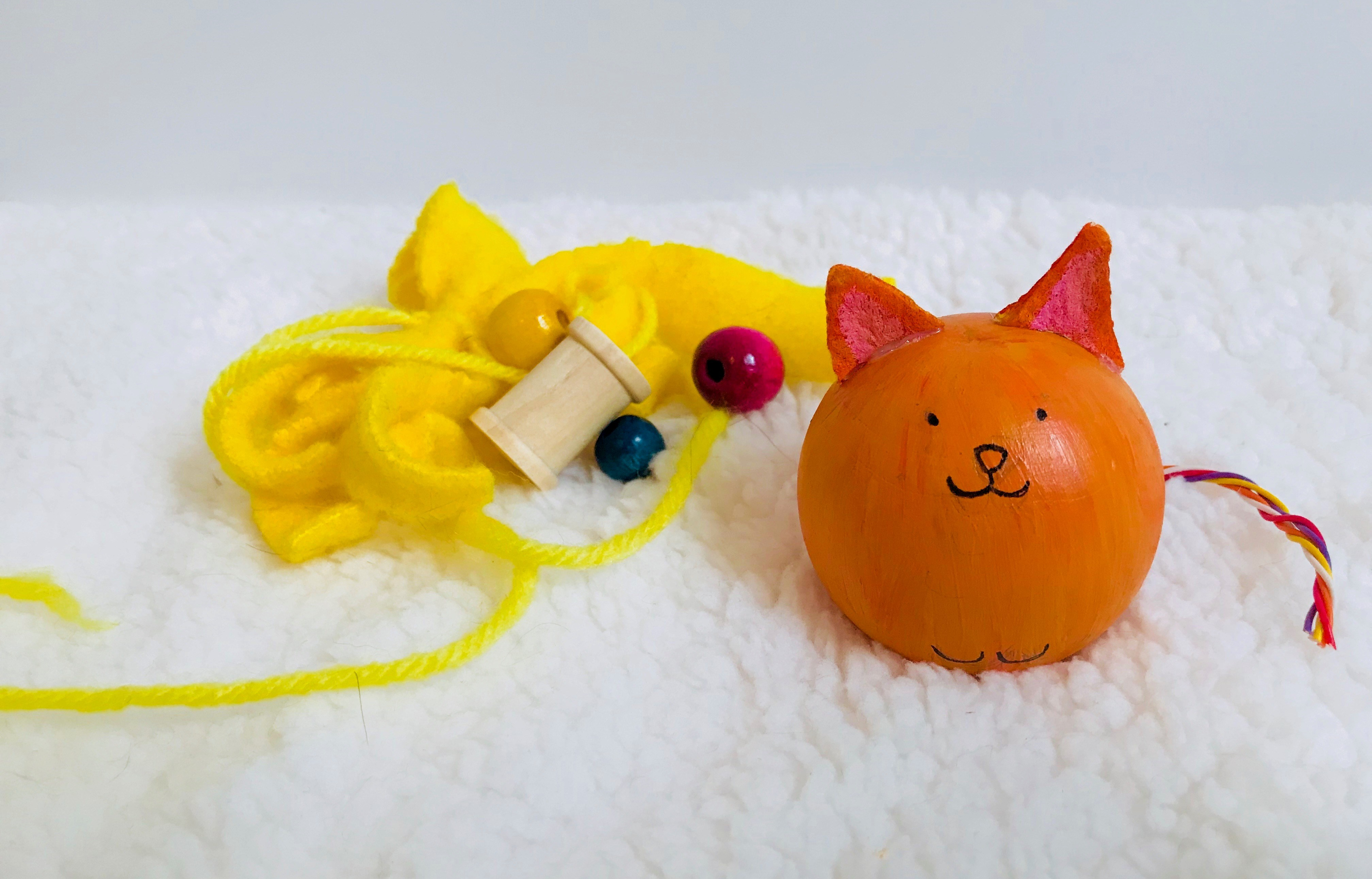
celebrate-picture-books-picture-book-review-wooden-bead-cat-craft

A Little Ball of Kitten Love

There’s nothing quite like the relationship between a cat and their human! If you have a cat or just love kitties, this sweet ball of fun is easy to make and can keep you company on your desk or shelf! Since every kitten is different, make your feline friend look just the way you want.

Supplies

  • Wooden ball with a flat bottom, available in craft stores and in different sizes
  • Craft paint in any color kitten you’d like (I used red and yellow and mixed it to make a mottled orange)
  • Craft paint in pink or white for the inner ear
  • Scrap of fleece for the ears. Fleece is easily shaped to the rounded ball and when painted is stiff enough to stand up on its own.
  • Thin, colored wire in several colors for the tail (string or twine, wrapped wire, fleece, stiff paper, and other materials could also be used)
  • Paint brush
  • Permanent marker for making the face
  • Hot glue gun or strong glue

Directions

  1. Paint the wooden ball and let dry
  2. Paint the scrap of fleece to match the wooden ball, let dry
  3. Cut out small triangular shapes for the ears. Round the bottom of the ears slightly so they fit the shape of the ball
  4. If making a tail from several colors of thin wire, twist them together, leaving one end untwisted
  5. With the glue gun or strong glue attach the ears to the top of the head
  6. With the glue gun attach the tail to the back of the wooden ball in the center near the base
  7. With the marker, draw eyes, nose, and mouth for the face and semicircles near the bottom for the paws

celebrate-picture-books-picture-book-review-the-cat-way-cover

You can purchase The Cat Way at these booksellers

Amazon | Barnes & Noble | Bookshop (to support your local independent bookstore)


Picture Book Review

July 20 – It’s Get Ready for Kindergarten Month

celebrate-picture-books-picture-book-review-puppy-bus-cover

About the Holiday

Starting Kindergarten is a major milestone in any child’s life and ushers in exciting growth in knowledge, friendships, and experiences. But children don’t all perceive and process the world in the same way. Being sensitive to individual differences and talking about issues as they arise are just two of the ways that kids can making navigating school or any new experience easier. Sharing picture books like today’s book can help too! 

Thanks to Harry N. Abrams for sending me a copy of Puppy Bus for review consideration. All opinions on the book are my own.
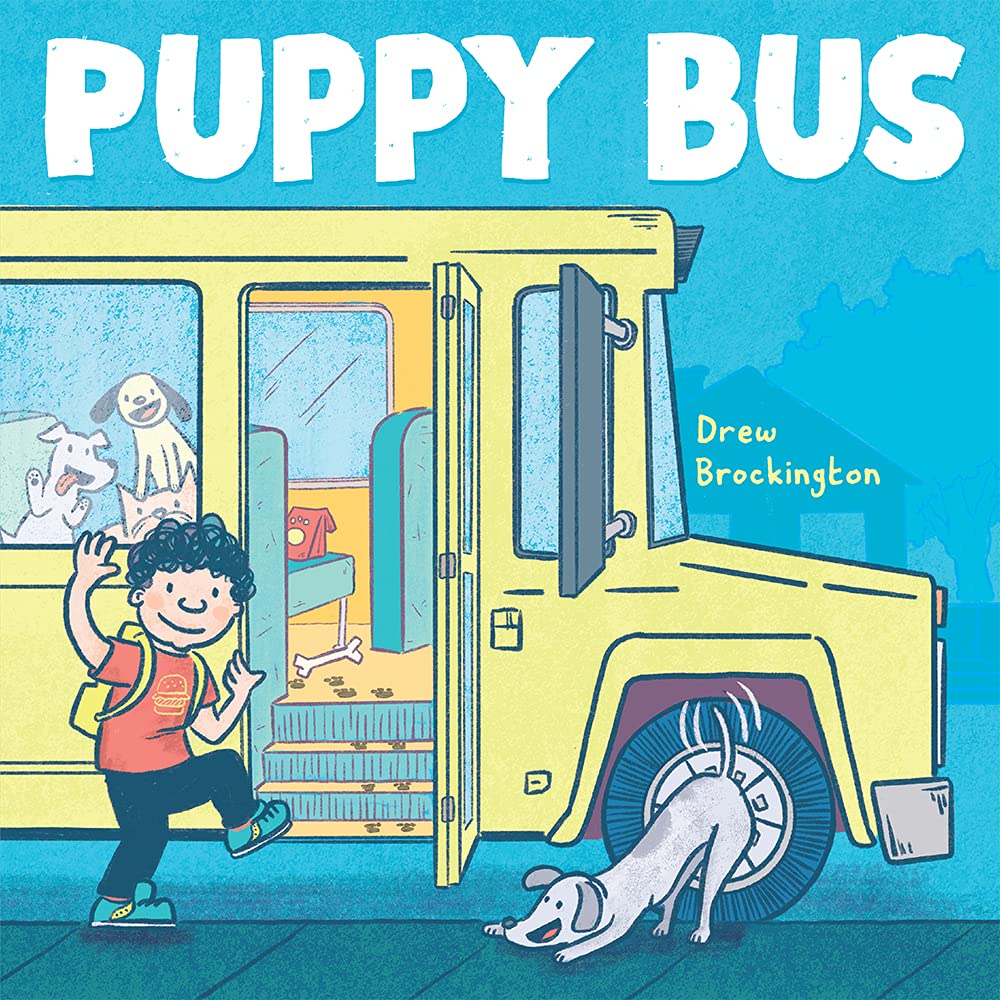
Puppy Bus

By Drew Brockington
 

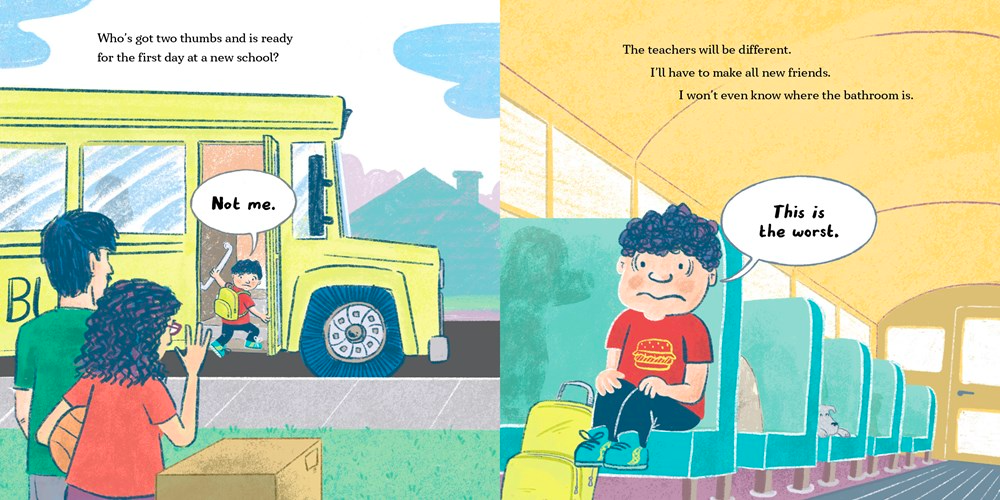
As a boy’s parents unload the moving truck, he heads up the steps of the school bus with an anxious backward glance. once on the bus, his nerves take over and his mind races with all the new things he will encounter: “The teachers will be different. I’ll have to make new friends. I won’t even know where the bathroom is.” But in a minute, he gets a friendly lick of reassurance. Wait, what? That’s right, a big, slobbery lick of friendship. His seatmate even offers the boy his paw to shake. 

celebrate-picture-books-picture-book-review-puppy-bus-first-day

Copyright Drew Brockington, 2022, courtesy of Harry N. Abrams.

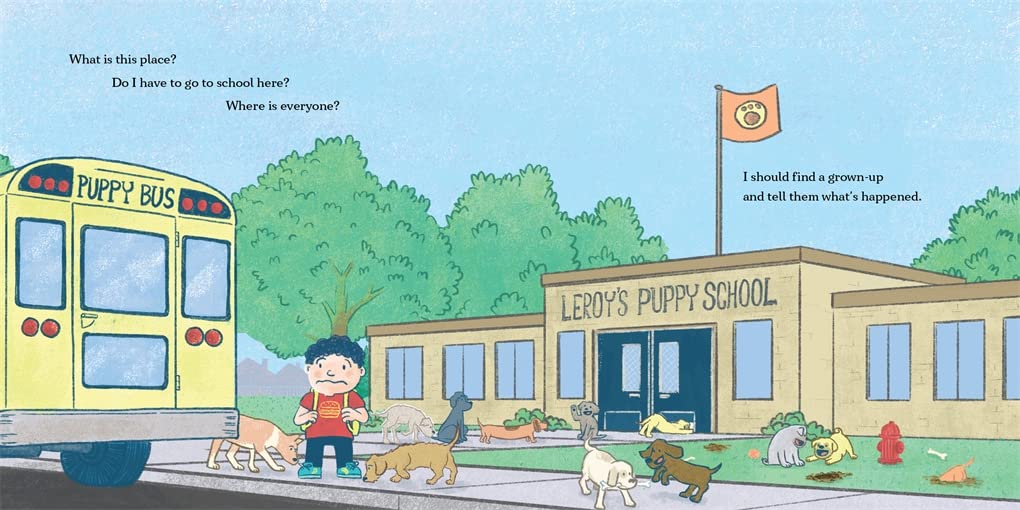
It’s just about this moment that the boy realizes he’s made a mistake. “I’m on the wrong bus!” he shouts with an attendant “AUGHHH!!!” Well, it’s too late to do anything about it now. The boy gets off at Leroy’s Puppy School with all the other students and decides to find an adult to talk to. He finds the principal’s office only to find that the principal is also a dog. “Woof! Woof! Bark! Bark!” The principal does his best to help, but there’s a definite communication problem.

celebrate-picture-books-picture-book-review-puppy-bus-school

Copyright Drew Brockington, 2022, courtesy of Harry N. Abrams.

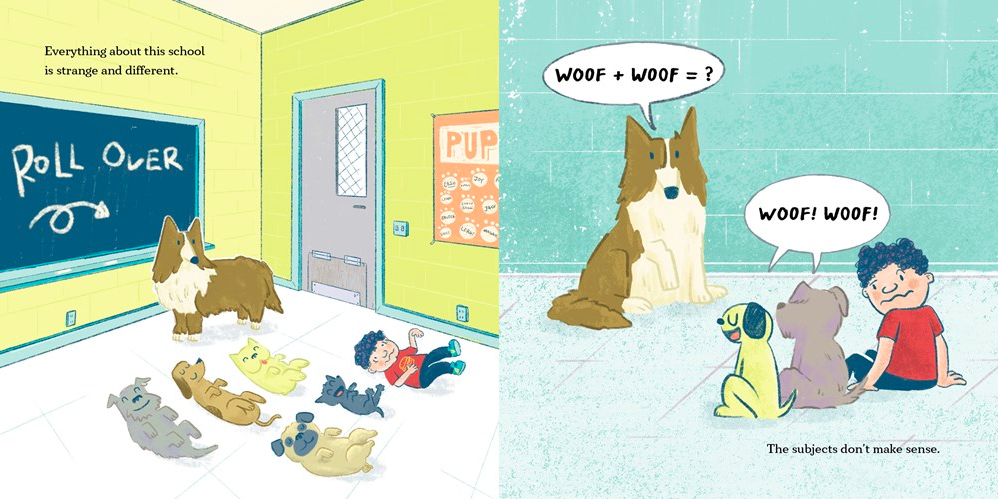
The boy’s just wondering what he’s going to do now, when one of his fellow classmates gets a chomp on his shirt and drags him toward a doggie door leading to a classroom. Once everyone’s inside, the lessons begin. As the collie leads the class in learning how to roll over, the boy thinks, “Everything about this school is strange and different.” Math class doesn’t really add up. The bowlfuls of dry food are gross. And remember how the boy was worried about wondering where the bathroom was? Well, that’s not the worst of it! In the stall, he finds a fire hydrant next to the toilet paper roll. 

celebrate-picture-books-picture-book-review-puppy-bus-classroom

Copyright Drew Brockington, 2022, courtesy of Harry N. Abrams.

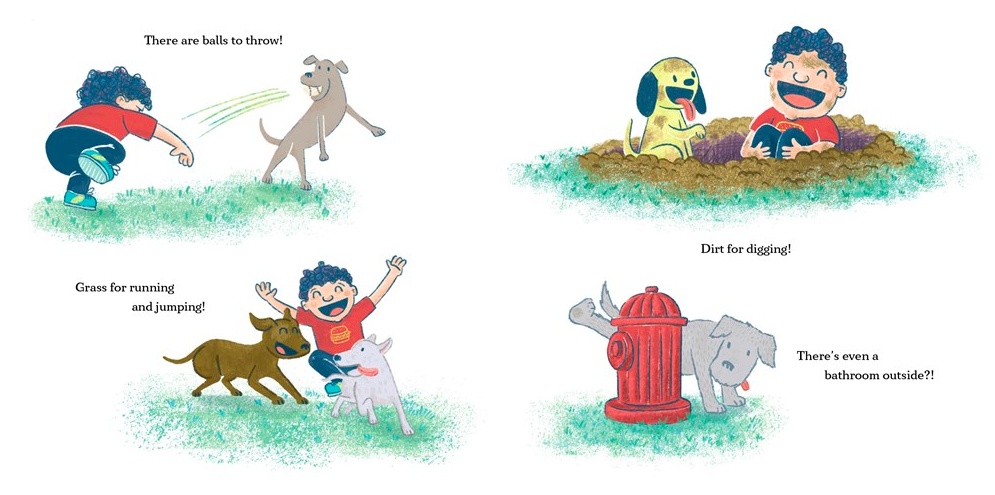
It all makes the boy miss his old school and friends even more. But then his puppy seatmate from the bus comes over to give him a cuddle, and the pup that sits next to him in math joins in, along with a couple of other “soft and fuzzy” students. Just then the recess bell rings, and they’re all off to have fun playing catch, digging in the dirt, running around and jumping, and just general piling on. The day ends with a song and a story, and by the time the boy gets on the bus home, he’s even speaking a little dog: “Arf! Arf!”

He gets home enthusiastic about his new school and the friends he’s made. He’s even excited to go back tomorrow. His parents are thrilled with his change of heart and send him off the next morning with big smiles and waves. There’s just one thing… could he be on the wrong bus again?

celebrate-picture-books-picture-book-review-puppy-bus-recess

Copyright Drew Brockington, 2022, courtesy of Harry N. Abrams.

Funny and relatable, Drew Brockington’s Puppy Bus is sure to reassure and delight all kids, whether they’re starting a new school or just a new grade. Being nervous about making new friends, meeting a new teacher, and navigating a school building is a universal emotion, even though it can often feel singularly personal. Brockington exposes the doubts kids have in a way that will make them laugh while discovering that friendships made and extended can make all the difference. His comical twist ending reminds kids that change is part of life and adapting is a valuable skill to have.

Brockington’s hilarious cartoon illustrations—well-known to his CatSronauts fans—depict the boy’s full range of emotions from panicky to uncertain to grossed out to perplexed. When he’s at his lowest point of the day, a group of canine classmates take notice and do what they do best—become enthusiastic and comforting best friends. As the boy and his new friends romp on the playground, kids get the message that reaching out to someone new or hesitant (or, conversely, accepting an invitation to join in) has benefits for all.

A terrific story to share as school starts up again or for any time a child is beginning a new activity or encountering change, Puppy Bus will be a favorite on home, classroom, or public library bookshelves.

Ages 4 – 8 

Harry N. Abrams, 2022 | ISBN 978-1419751912

To learn more about Drew Brockington, his books, and his art, visit his website.

Get Ready for Kindergarten Month Activity

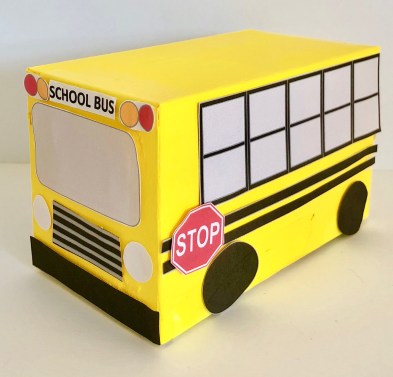
celebrate-picture-books-picture-book-review-school-bus-craft

Small Box School Bus 


With a small tea box, some paint, and the printable template, kids can have fun making a model school bus (or Puppy Bus!) to play with or display. Make your bus as detailed or simple as you’d like!

Supplies

Directions

  1. Print 2 copies of the School Bus Template
  2. Carefully take the tea box apart at the seams, invert it, and glue or tape it back together

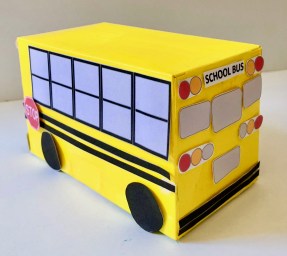
celebrate-picture-books-picture-book-review-school-bus-craft

To Make the Passenger Side of the Bus

  1. Cut the Door from the template
  2. Glue the door to the box near the front
  3. Cut out and trim the row of windows from the template
  4. Glue the windows near the top of the box
  5. Cut out and trim two of the solid black lines from the template
  6. Glue the stripes onto the side of the box below the windows
  7. Cut out two tires from the template and glue them to the box

To Make the Front of the Bus

  1. Cut out two of the red and orange paired lights
  2. Glue one on each side of the box near the top with the red light on the outside
  3. Add a School Bus sign between the lights
  4. Cut out the windshield in the lower corner of the template and glue it in place
  5. Cut and trim grill and glue it beneath the windshield
  6. Cut and glue white circles for headlights on either side of the grill
  7. Cut, trim, and glue the wide black strip to the bottom as the bumper.

To Make the Driver’s Side of the Bus

  1. Cut and trim the row of windows from the template
  2. Glue the windows near the top of the box
  3. Cut out and trim two of the solid black lines from the template
  4. Glue the stripes onto the side of the box below the windows
  5. Cut out two tires from the template and glue them to the box
  6. Cut out and glue the Stop sign over the two stripes near the front of the bus

celebrate-picture-books-picture-book-review-school-bus-craft

To Make the Back of the Bus

  1. Cut out two of the red and orange paired lights
  2. Glue one on each side of the box near the top with the red light on the outside
  3. Add a School Bus sign between the lights
  4. Cut out the two small rounded corner windows
  5. Glue them underneath the lights close to the edge of the box
  6. Cut out and glue the bigger rounded corner window between the smaller windows
  7. Cut out and glue the yellow, red, and white lights underneath the small windows with the yellow light on the outside
  8. Cut out and glue the black rounded corner window centered beneath the lights
  9. Cut and trim the wide black stripe and glue it near the bottom of the box for the bumper

celebrate-picture-books-picture-book-review-puppy-bus-cover

You can find Puppy Bus at these booksellers

Amazon | Barnes & Noble | Books-a-Million

To support your local independent bookstore, order from

Bookshop | IndieBound

Picture Book Review