December 10 – It’s Read a New Book Month

celebrate-picture-books-picture-book-review-a-peek-at-beaks-cover

About the Holiday

The month of December is a gift-giver’s delight and looking at the long winter ahead there’s no better gift for everyone on your list than a book (or two or…). With so many new books hitting bookstore shelves, there really is a perfect book to fit everyone’s taste. Young children, especially, benefit from reading a wide range of picture books from laugh-out-loud or touching stories to nonfiction that introduces them to influential people, science, history, and nature. If you’re looking for gifts to give, it’s not too late to head to your local bookstore or their online shop to find books that will make your child’s eyes light up.

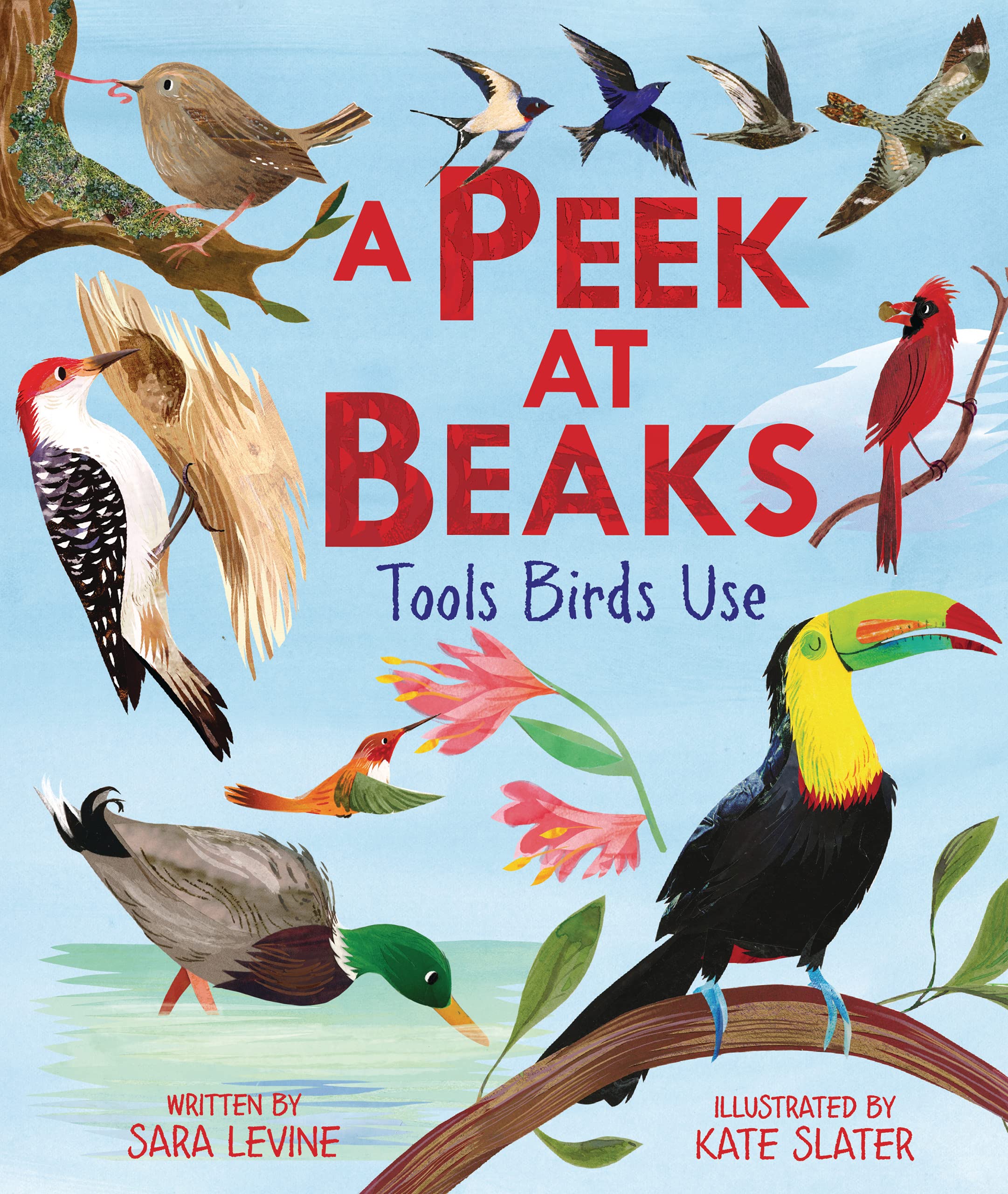
A Peek at Beaks: Tools Birds Use

Written by Sara Levine | Illustrated by Kate Slater


When you “slurp up your milkshake” or cut up your meat or even cool down with an air conditioner, do you ever wonder how birds accomplish these things? They don’t have hands to hold tools, but that’s okay because each type of bird has just the tool they need to survive handily attached right to its face – its beak! How does each bird use its beak to find food? Sara Levine and Kate Slater let you take a peek at how birds’ beaks are uniquely suited for the foods they eat and the places where they find it as well as for grooming and nest-building.

celebrate-picture-books-picture-book-review-a-peek-at-beaks-birdwatching

Image copyright Kate Slater, 2021, text copyright Sara Levine, 2021. Courtesy of Millbrook Press.

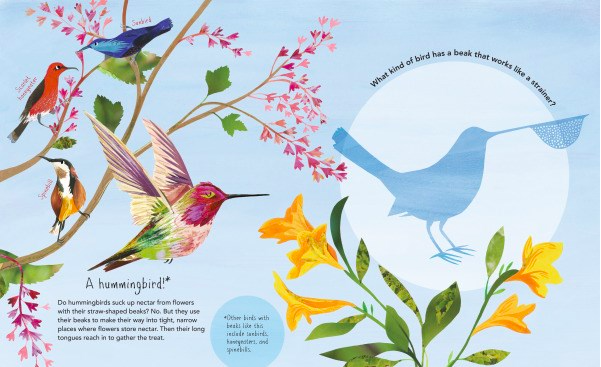
Take that straw we people use to sip up every last drop of a delicious milkshake or glass of lemonade, for instance. Which bird “has a beak shaped like a straw? A hummingbird!” And while hummingbirds don’t “suck up nectar from flowers” through their beaks, “they use their beaks to make their way into tight, narrow places where flowers store nectar. Then their long tongues reach in to gather the treat.” 

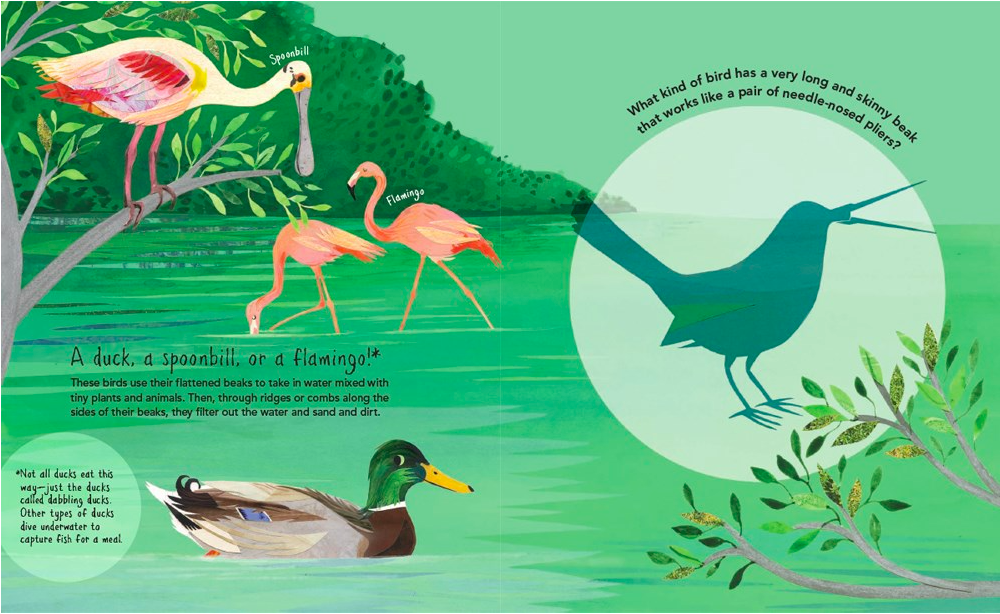
If you look into the family toolbox, you’ll probably find a hammer and a needle-nosed pliers. Are there birds whose beaks do similar jobs as these? You bet! The rat-a-tat-tat of a woodpecker searching for grubs or insects in a tree trunk sounds just about the same as the tap-tap-tap or bang-bang-bang of a hammer, and there are shoreline birds that use their long, thin beaks to “probe deep into the mud to find crustaceans, insects, and worms. A special sensory organ at the beak’s tip lets the bird feel when a meal is nearby.” Can you guess which ones they are?

celebrate-picture-books-picture-book-review-a-peek-at-beaks-straw

Image copyright Kate Slater, 2021, text copyright Sara Levine, 2021. Courtesy of Millbrook Press.

Kids who love helping out in the kitchen will be fascinated to learn that there are birds with beaks that act as strainers, nutcrackers, knives, and tongs. And if you think we’re sophisticated with our central air-conditioning one very distinct bird is born with this capability, while a more common bird has one-upped our technological advances by offering it’s chicks a one-touch “take-out” button long before the smartphone was ever developed. 

celebrate-picture-books-picture-book-review-a-peek-at-beaks-hummingbird

Image copyright Kate Slater, 2021, text copyright Sara Levine, 2021. Courtesy of Millbrook Press.

Sure, you might think – birds can find food and build nests with their beaks, but can they show love? The answer is… Yes! The gannet is especially adept at demonstrating their feelings, and they don’t care who hears it. While “many birds show affection with their beaks,… gannets particularly stand out. These birds raise their beaks in the air and clatter them together to show how much they like each other.” After you’ve learned about all of these amazing birds and their beaks, maybe you’d like to raise a ruckus to show your appreciation too! 

Back matter includes a discussion on the evolution of bird beaks and how they change over time and a list of other books for further reading.

celebrate-picture-books-picture-book-review-a-peek-at-beaks-needle-nosed-pliers

Image copyright Kate Slater, 2021, text copyright Sara Levine, 2021. Courtesy of Millbrook Press.

Bird, nature, and science lovers as well as teachers and homeschoolers will be fascinated with Sara Levine’s clever way to engage kids in learning about birds by comparing their beaks to well-known tools children and adults use every day. Especially interesting are descriptions of the birds whose beaks’ special abilities are hidden, such as water birds that use their beaks as strainers to filter out water, sand and dirt before swallowing the nutritious plants and animals left behind. Along with information on the construction of birds’ beaks and how, exactly, birds use them, readers learn about the diet of various species and where they hunt for food.

Levine is always an insightful and captivating educator who sparks kids’ interest in nature-science learning and spurs them to further research. Her question-and-answer format gets kids thinking, observing, and theorizing in a way that increases understanding and resonates across subject matter. At-home birdwatchers will also enjoy watching out for the birds depicted in this book and their behavior.

Kate Slater’s mixed-media collage illustrations are vibrant and textured, adding lovely depth to each page. Her silhouettes of birds sporting tool where it’s beak should be are intriguing invitations for kids to ponder and guess at the answers to Levine’s questions before turning the page to discover the answer. Slater populates the pages with a wide variety of birds, realistically depicted, that will kindle an interest in readers and adults to delve into further research on these fascinating and charming creatures.

A unique and high-interest way to engage kids in learning about birds and nature, A Peek at Beaks: Tools Birds Use is highly recommended for bird-lovers at home as well as for science, environment, and nature learning collections in schools and public libraries. 

Ages 5 – 9

Millbrook Press, 2021 | ISBN 978-1541587342

Discover more about Sara Levine and her books on her website.

To learn more about Kate Slater, her books, and her art, visit her website.

Read a New Book Month Activity

celebrate-picture-books-picture-book-review-bird-coloring-page-2

Busy Birds Coloring Pages


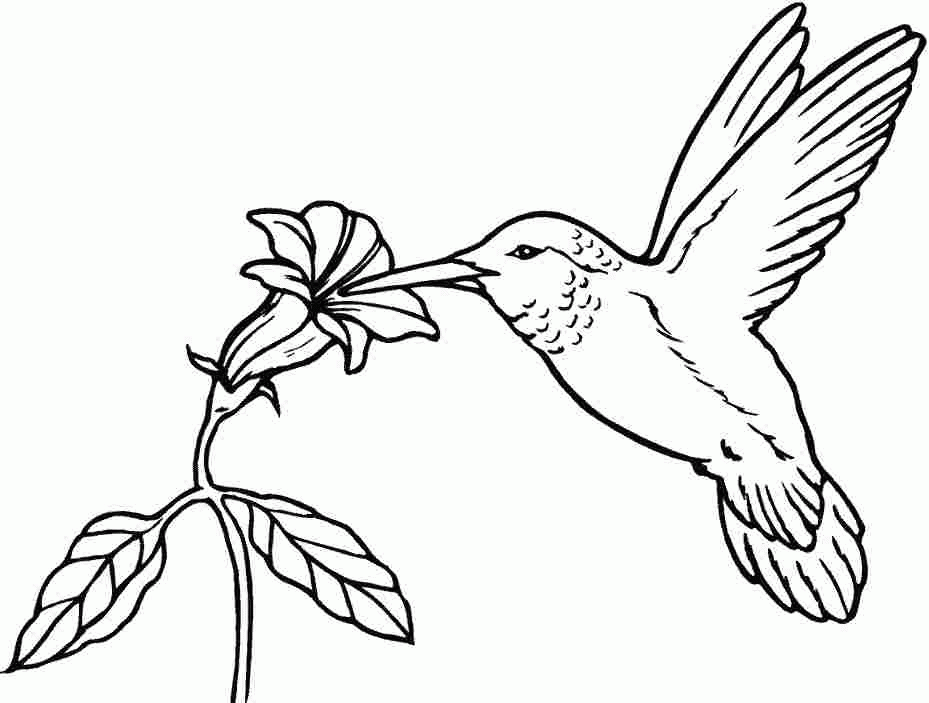
These birds are busy looking for and gathering food to eat! Grab your crayons, pencils, or markers, print the pages, and give the birds and their surroundings some color!

Hummingbird at Flower | Robin Grabbing a Worm | Bird on Branch

celebrate-picture-books-picture-book-review-a-peek-at-beaks-cover

You can find A Peek at Beaks: Tools Birds Use at these booksellers

Amazon | Barnes & Noble | Books-a-Million

To support your local independent bookstore, order from

Bookshop | IndieBound

Picture Book Review
December 2 – I AM TODAY Blog Tour Stop

celebrate-picture-books-picture-book-review-i-am-today-cover

About the Holiday

I’m thrilled to be a stop on the blog tour for I Am Today by Matt Forrest Esenwine and Patricia Pessoa. This season of giving is the perfect time to share this gorgeous book that reflects the desire of children to give their thoughts, talents, and actions to causes that are meaningful to them. If you’d like to follow I Am Today’s blog tour, see the graphic below for further dates and blogs.

I Am Today

Written by Matt Forrest Esenwine | Illustrated by Patricia Pessoa


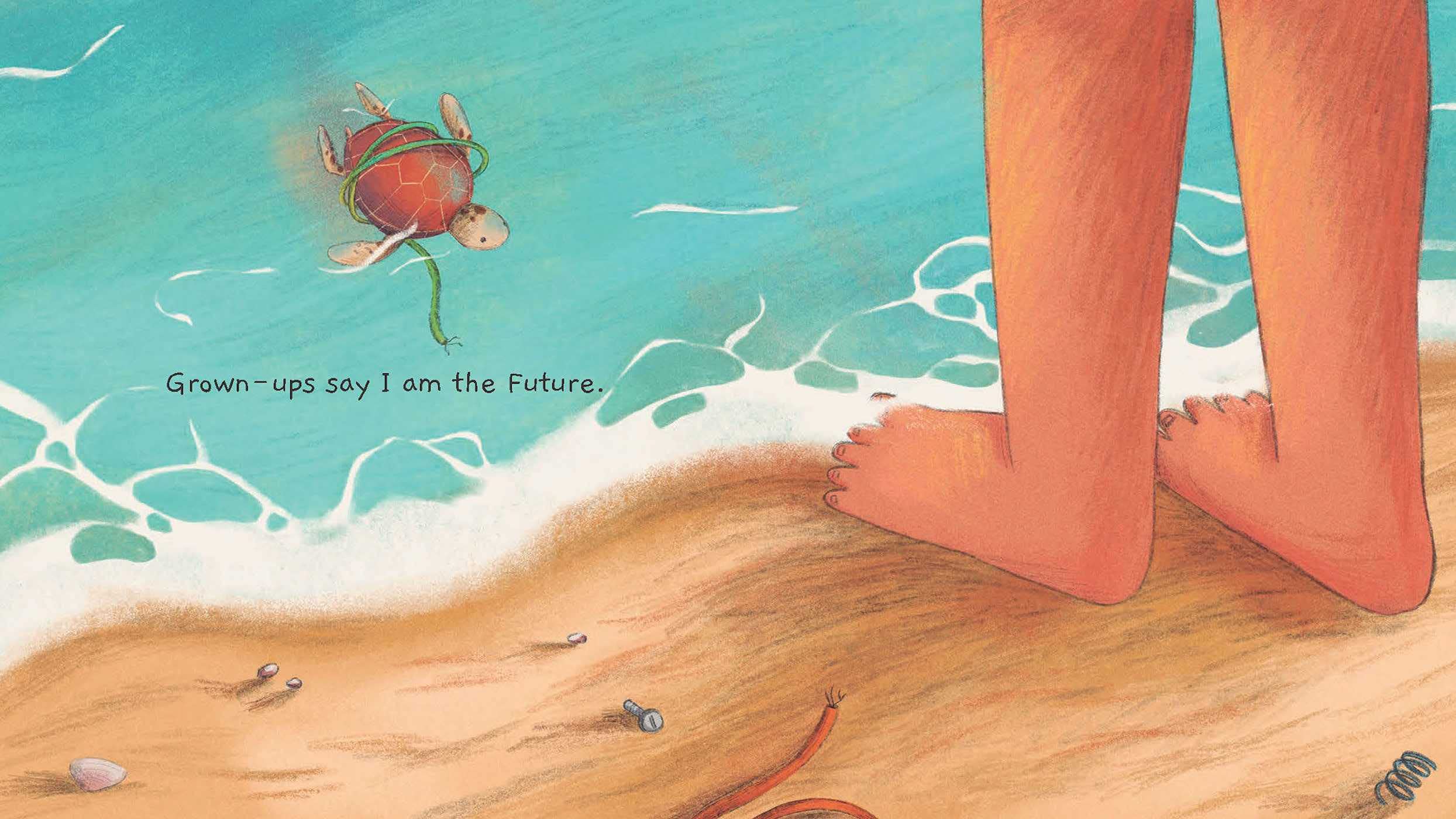
A child stands on the edge of the beach, letting the sea foam run over her bare toes. Below, a turtle wrapped in a strand of wire floats nearby, while in the background a factory belches smog into the air, and a pipe snakes over the dunes to the water, where it spills its industrial waste. As the child picks up the turtle and removes the wire, she states, “Grown-ups say I am the Future.” Then while releasing the freed turtle, she finishes her thought: “But I’d rather be the Now.” The child then makes her case, explaining that she’s ready to contribute in positive ways, having learned decency, fairness, and generosity from her family and other role models.

celebrate-picture-books-picture-book-review-i-am-today-turtle

Image copyright Patricia Pessoa, 2021, text copyright Matt Forrest Esenwine, 2021. Courtesy of POW! Kids Books.

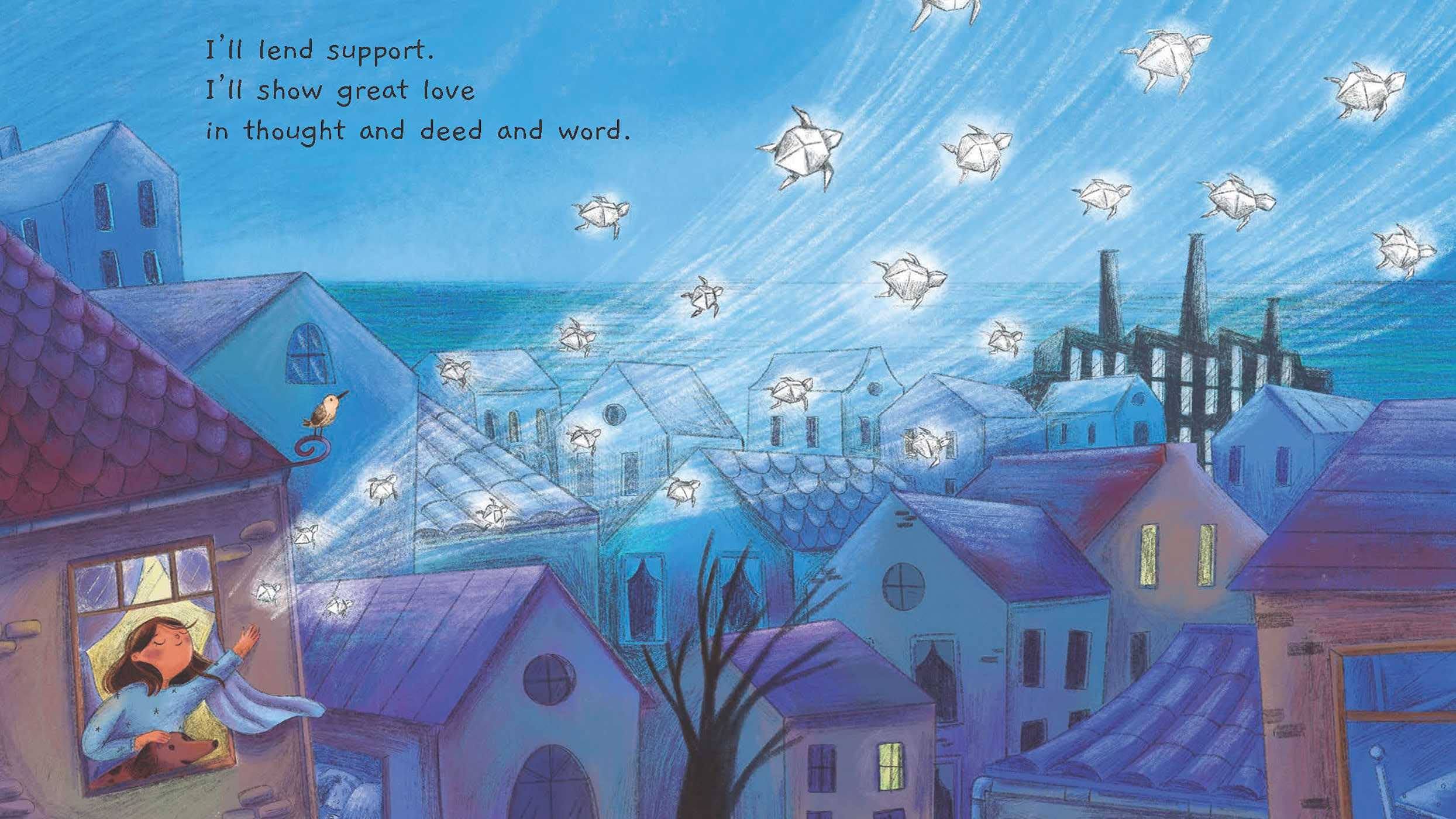
The memory of the turtle she saved stays with her—her one small act inspiring her to do more. She determines “if I see something isn’t right, / I need to take a stand! / Why wait to offer kindness? / Why wait to lend a hand?” While trying to go to sleep, the little turtle and a whole sea of fish and other creatures swim in her mind. Suddenly, she has an idea and gets out of bed. She writes note after note and folds each paper into origami turtles. She then goes to her window and releases them on the wind.

celebrate-picture-books-picture-book-review-i-am-today-dinner

Image copyright Patricia Pessoa, 2021, text copyright Matt Forrest Esenwine, 2021. Courtesy of POW! Kids Books.

The next morning, despite the rain, a crowd of children has gathered at the child’s door—all are holding her note. They and their parents and other adults, many carrying signs urging protection for the sea animals, march down the sidewalk and past the polluting factory to the beach. Living in that moment, they think: “The past is far behind us, / the future, well beyond. / There’s never been / a better time to listen… / …learn… / …respond!”

celebrate-picture-books-picture-book-review-i-am-today-origami

Image copyright Patricia Pessoa, 2021, text copyright Matt Forrest Esenwine, 2021. Courtesy of POW! Kids Books.

At the beach the group fans out across the sand to pick up debris, and a turn of the page reveals a clean beach and a newspaper containing a front-page article on the factory’s waste pipe that has been closed. “Someday I’ll be the Future” the child says, “But right now… / …I am Today.”

Illustrated instructions on how to make an origami turtle follow the story.

celebrate-picture-books-picture-book-review-i-am-today-beach

Image copyright Patricia Pessoa, 2021, text copyright Matt Forrest Esenwine, 2021. Courtesy of POW! Kids Books.

Children, having lived on our planet for only a few years, are all progress, moving forward, not looking back yet as each day they learn something new, develop another skill, break old barriers, and form unique opinions. So it’s no surprise that kids are concerned about what is happening today and how it will affect the future—their future and the world’s. In I Am Today, Matt Forrest Esenwine harnesses that power of wonder, confidence, and ambition that children possess and gives it a lyrical voice. Flowing with a rhythm as stirring as ocean swells, Esenwine’s story will resonate deeply within any child’s heart.

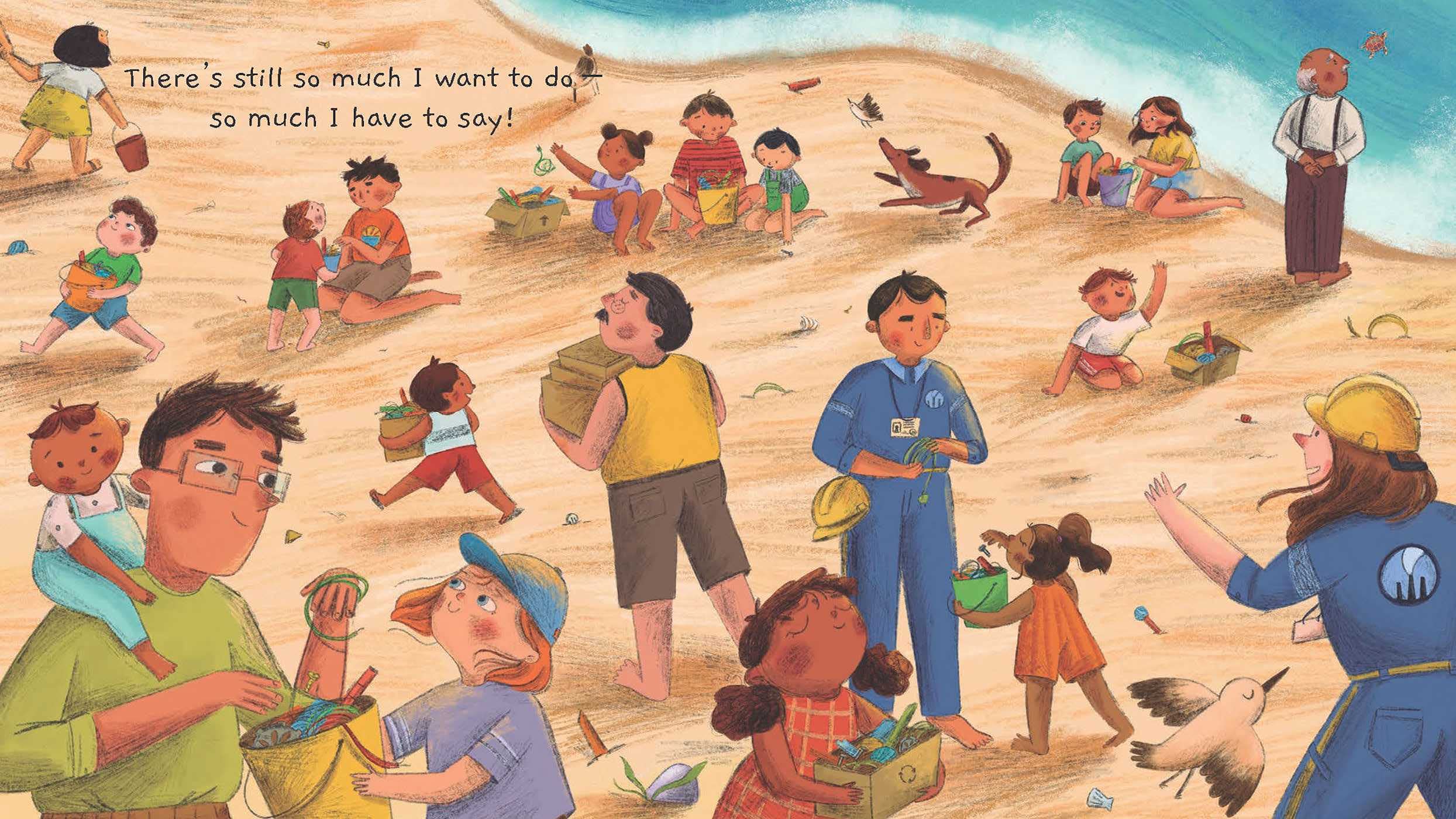
While Patricia Pessoa’s lovely illustrations depict a child concerned with protecting the ocean and its creatures, Esenwine’s text is universal and equally inspiring for any child and any cause. While recognizing the desire and ability of children and young people to bring about change, Esenwine also provides concrete ways that they can do so, from small gestures to larger actions, allowing all readers to feel included and important. I Am Today also presents a meaningful way for kids and adults to talk about causes that are important to them and ways that they can get involved.

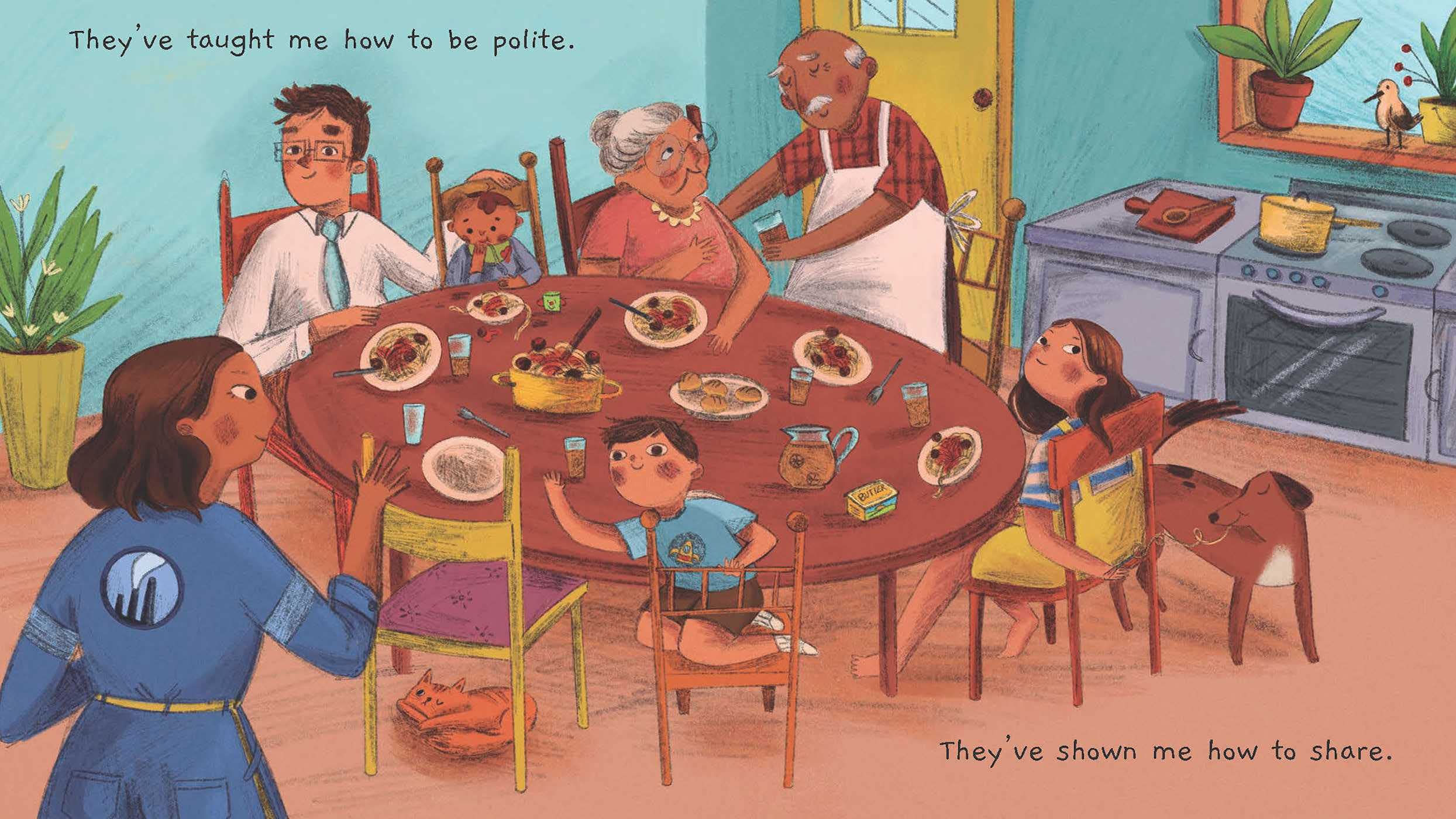
With a warm, vivid color palette and fresh perspectives that allow readers to make some of their own deductions, Patricia Pessoa presents a lush landscape of a child’s family life, imagination, and ideas brought to fruition. Her images of the family’s picture wall and dinner time are full of heart and humor, and kids will enjoy lingering over the pages to catch all the action. Pessoa portrays the importance of saving the turtles and other sea creatures with clever imagery as the turtle appears in the bathroom mirror as the child brushes her teeth, swimming in the bathtub, and decorating the cup of water on her nightstand. Pessoa’s illustrations of the fish and other ocean creatures that fill the child’s mind are especially beautiful, as is the spread in which she sends her origami messengers out into the world.

I Am Today is an inspiring, uplifting, and motivational book that children will want to frequently revisit and one that families, classrooms, schools, and public libraries will want to add to their collections. The book’s beauty and message makes it a wonderful gift for any child on your list.

Ages 4 – 8 and up

POW! Kids Books, 2021 | ISBN 978-1576879948

Discover more about Matt Forrest Esenwine, his books, and his poetry on his website.

You can connect with Patricia Pessoa on Instagram.

Check out these upcoming dates and discover how other bloggers are celebrating I Am Today

I Am Today Blog Tour Schedule

This year many books have been delayed from their original publishing date to a later time due to shipping and supply issues. The best way to support authors and their wonderful new books is to preorder titles from your favorite bookseller. I Am Today will be available January 23, 2022.

celebrate-picture-books-picture-book-review-i-am-today-cover

You can preorder I Am Today at these booksellers

Amazon | Barnes & Noble | Books-a-Million

To support your local independent bookstore, order from

Bookshop | IndieBound

Picture Book Review
November 3 – It’s Family Literacy Month

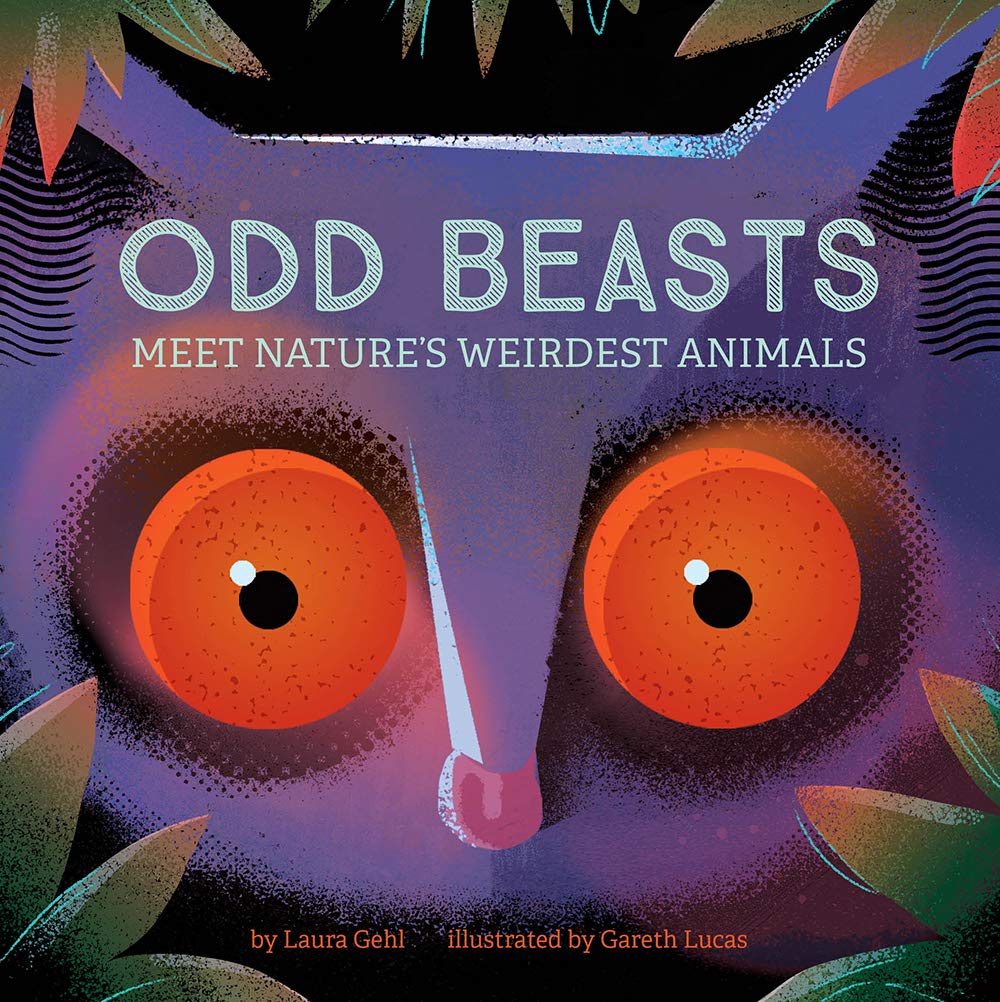
celebrate-picture-books-picture-book-review-odd-beasts-cover

About the Holiday

National Family Literacy Month was designed to encourage parents and other adults to read together with the children in their life. Studies show that children who are read to are better prepared to read on their own and do better in school. Cuddling together before bedtime or during special story times with favorite books instills a love of reading that can last a lifetime. To celebrate, plan some special reading-related activities: take a trip to a local bookstore and let your child pick a book; if your child is old enough, visit the library to sign up for a library card; and schedule extra reading time, especially with grandparents or other family members who may be visiting for the holidays. A fun and educational board book like today’s book is a perfect way to get little ones enthusiastic about reading as they grow older!

Thank you to Abrams Appleseed and Barbara Fisch at Blue Slip Media for sharing Odd Beasts: Meet Nature’s Weirdest Animals with me for review consideration. All opinions about the book are my own.

Odd Beasts: Meet Nature’s Weirdest Animals

Written by Laura Gehl | Illustrated by Gareth Lucas


From their earliest years, kids are attracted to animals, whether for their fluffy coats, enthusiastic “kisses,” or silly antics. They love visiting the zoo and the aquarium to see – and maybe even touch – animals and sea creatures from around the world. And they’re always excited to meet new animals through the books they read. Through an age-appropriate short, charming poem played out over eight boldly illustrated pages, Laura Gehl does just that, introducing kids to a few of the earth’s most unusual animals. 

celebrate-picture-books-picture-book-review-odd-beasts-sunfish

Image copyright Gareth Lucas, 2021, text copyright Laura Gehl, 2021. Courtesy of Abrams Appleseed.

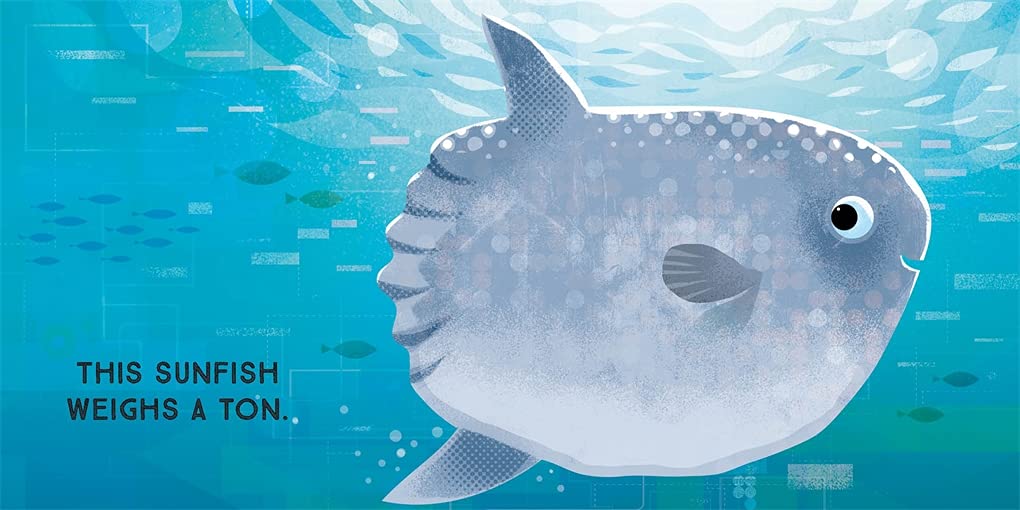
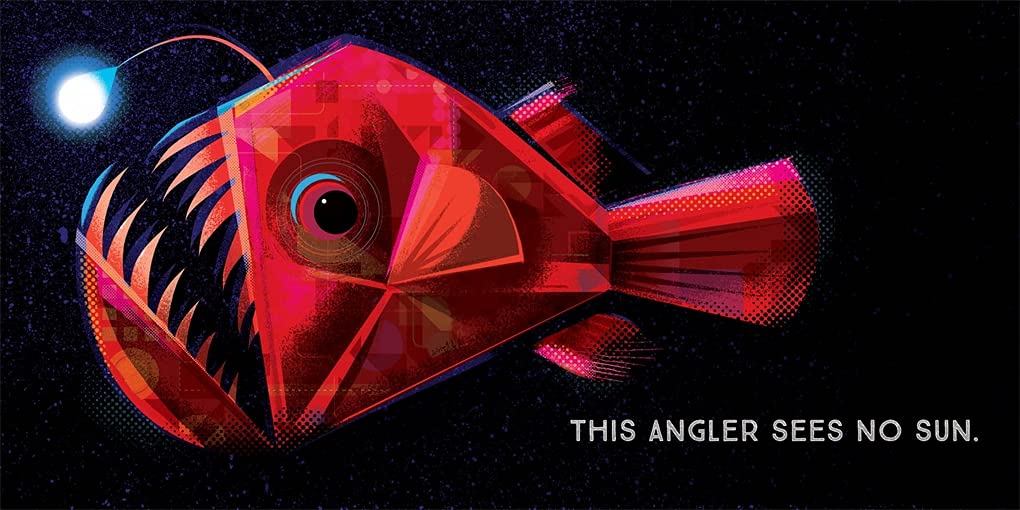
Gehl begins with an animal from Asia and Africa that at first glance might appear like an unlikely combination of an anteater and a fish – the pangolin! Turning the page, readers do meet a fish – and what a fish! “This sunfish weighs a ton.” Another ocean dweller is introduced two pages later: “This angler sees no sun.” Readers will be equally charmed by a turtle whose “neck is long,” and a clever camouflaged insect whose “jumps are strong.”

celebrate-picture-books-picture-book-review-odd-beasts-angler

Image copyright Gareth Lucas, 2021, text copyright Laura Gehl, 2021. Courtesy of Abrams Appleseed.

In addition to these three quirky creatures, kids get to know a glass frog, a long-horned orb-weaver spider, and a bush baby. Then Gehl tickles kids’ funny bone with a surprising perspective about how beauty really is in the eye of the beholder. Following her lyrical pages, Gehl presents readers with a factual paragraph about each critter that reveals more about the trait that makes them so unusual and where they live. These descriptions are accompanied by a full-color photograph of the animal so kids can get a close-up view of nature’s amazing adaptations.

For young nature-lovers in the making, Odd Beasts: Meet Nature’s Weirdest Animals is an engaging way to introduce them to a few creatures from around the world that will whet their appetite for more discovery. The book would be a much-read addition to home, classroom, and school and public library bookshelves.

Ages 2 – 4

Abrams Appleseed, 2021 | ISBN 978-1419742224

Discover more about Laura Gehl and her books on her website.

You can connect with Gareth Lucas on Instagram and Twitter

Family Literacy Day Activity

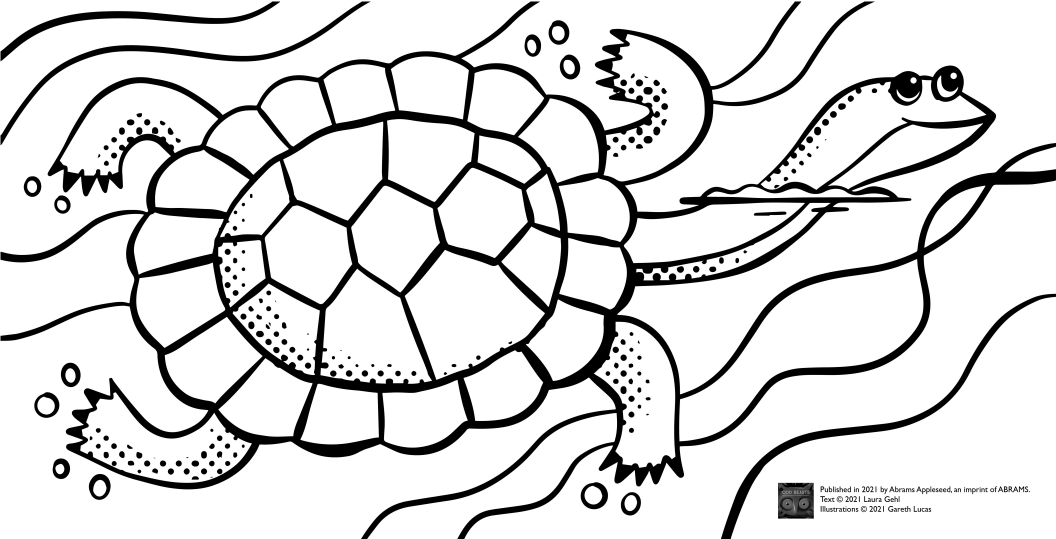
celebrate-picture-books-picture-book-review-odd-beasts-laura-gehl-coloring-pages-turtle

Odd Beasts Coloring Pages


These odd beasts could use some color! Download and print these three coloring sheets from Laura Gehl’s website!

celebrate-picture-books-picture-book-review-odd-beasts-cover

You can find Odd Beasts: Meet Nature’s Weirdest Animals at these booksellers

Amazon | Barnes & Noble | Books-a-Million

To support your local independent bookstore, order from

Bookshop | IndieBound

Picture Book Review


October 26 – It’s National Popcorn Poppin’ Month

celebrate-picture-books-picture-book-review-let's-pop-pop-popcorn-cover

About the Holiday

National Popcorn Poppin’ Month has been celebrated in October for more than 30 years and was made official in 1999 by then Secretary of Agriculture Dan Glickman. With its salty crunchiness and that enticing Pop Pop Pop rhythm, this snack is a favorite the world over. Its history goes back to the Aztecs and beyond. Early explorers of the 1500s wrote about native peoples roasting corn until it popped and described it as looking like a “white flower.” It was eaten and also strung for decoration.

Most people now eat popcorn with salt and butter, but can you imagine having it with milk? Way before Corn Flakes and Cheerios came on the scene, people ate popcorn as cereal! Popcorn’s popularity, well, popped during the Great Depression, when it was one of the only treats people could afford. Why not pop up a batch today! For more interesting popcorn facts and recipes visit www.popcorn.org.

Let’s Pop Pop Popcorn!

Written by Cynthia Schumerth | Illustrated by Mary Reaves Uhles


A group of kids plants rows of seeds, which with rain and sun grow unseen until “Surprise! Like magic sprouts appear! / Green and tender, finally here.” The kids help their plants grow by pulling weeds and watching out for pests. The seeds grow and grow until they are taller—much taller—than the children. What are the kids growing? Corn, but not just any corn…. Can you guess?

celebrate-picture-books-picture-book-review-let's-pop-pop-popcorn-sprouts

Image copyright Mary Reaves Uhles, 2021, text copyright Cynthia Schumerth, 2021. Courtesy of Sleeping Bear Press.

When the ears are picked, shucked, and dried, the kernels are ready to be tossed “Plink, plunk, plink” into a pot and heated up. Do you know what kind of corn it is now, or do you need another hint? Okay… “Steam builds around each kernel’s germ, / puffs the starch called endosperm.” A bit of science brings about explosive results then “first one pop! Then pops galore!” You know now! The kids grew their own popcorn! When the pot is overflowing it’s time for “butter, salt, then give a swish. / Lick our fingers—Mmm! Delish!”

celebrate-picture-books-picture-book-review-let's-pop-pop-popcorn-stovetop

Image copyright Mary Reaves Uhles, 2021, text copyright Cynthia Schumerth, 2021. Courtesy of Sleeping Bear Press.

Fascinating back matter reveals the science behind this favorite treat. Diagrams and photographs let kids see inside a popcorn kernel and view the progression of a kernel as it is heated. They also learn about the two different shapes of popcorn and how they are used. A science activity gives readers the steps for growing their own popcorn from seed to sprout and reveals what transformations take place inside the kernel as the little plant grows. A popcorn art project fills out this STEAM lesson that’s sure to be a favorite.

celebrate-picture-books-picture-book-review-let's-pop-pop-popcorn-party

Image copyright Mary Reaves Uhles, 2021, text copyright Cynthia Schumerth, 2021. Courtesy of Sleeping Bear Press.

There may be no more universally loved snack than popcorn, and Cynthia Schumerth makes learning about the science of growing the plants, preparing the ears for popping, and what happens when the kernels are heated lots of fun. Her bouncy rhyming storytelling will engage kids and get them excited about all the lessons these tiny kernels have to teach. Schumerth’s storytelling builds to its “kaboom” moment, mirroring the suspense popcorn lovers listening for that first Pop. Teachers and homeschoolers will love the resources following the story, which provide for a full lesson appropriate for science, nature, or cross-curricular lessons.

Mary Reaves Uhles’s action-packed illustrations will enthrall kids with their close-up perspectives and relatable details, like the little girl who’s wearing a cat’s ears headband as she digs up the ground for planting. Readers go underground to get a worm’s eye view of the kernels sprouting roots, get down in the dirt to pull weeds, and peek into the pot to make sure there’s going to be enough popcorn for the whole crowd. Images of the kernels pop, pop, popping show the process and will make kids plenty hungry. The final spread of all of the kids enjoying their harvest together is a celebration of popcorn and friendship.

An exuberant story that will spark enthusiasm for science learning and gardening, Let’s Pop Pop Popcorn! will be a quick favorite and is highly recommended for home, classroom, and public libraries.

Ages 5 – 8

Sleeping Bear Press, 2021 | ISBN 978-1534110427

Discover more about Cynthia Schumerth and her books on her website.

To learn more about Mary Reaves Uhles, her books, and her art, visit her website.

Want to know more about Let’s Pop Pop Popcorn!? You can read my interview with Cynthia Schumerth and Mary Reaves Uhles here!

National Popcorn Poppin’ Month Activity

CPB - popcorn1

Popcorn Blast-Off Game


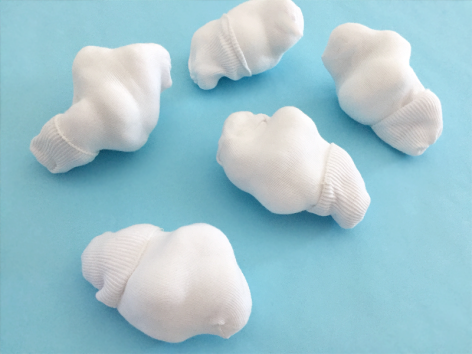
The popcorn is flying! Can you catch it? This is a fun game to celebrate this most delicious month! And if you keep the popcorn socks, it will make a great quick activity for those times when you want to get up and move but just don’t know what to do.

Supplies

  • 6 pairs of girls socks – white
  • A large bag of cotton balls
  • Towel or small blanket

Directions

  1. Stuff the socks with a large handful of cotton balls (about 25)
  2. Knot the sock as you would a balloon and fold down the remaining ankle cuff
  3. Squish the sock to move the cotton balls until your sock looks like a piece of popcorn
  4. Players hold each end of the towel or side of the blanket so it sags
  5. Place popcorn in the middle of the towel or blanket
  6. On the count of 3, players pull tight on the towel or blanket
  7. Try to catch as many flying popcorn pieces in the towel or blanket as you can

celebrate-picture-books-picture-book-review-let's-pop-pop-popcorn-cover

You can find Let’s Pop, Pop, Popcorn! at these booksellers

Amazon | Barnes & Noble | Books-a-Million

To support your local independent bookstore, order from

Bookshop | IndieBound

Picture Book Review

October 13 – National Fossil Day

celebrate-picture-books-picture-book-review-chicken-frank-dinosaur-cover

About the Holiday

Did you know that some fossils date back to 4.1 BILLION years ago? Just think of that the next time you’re feeling a little bit old (or so recommends the website National Today). Today we celebrate National Fossil Day to recognize the importance (and, well, awesomeness) of paleontologists, geologists, and fossils in providing us with information on the history of our earth and those who have inhabited it before us. ​National Today provides some further information, with a timeline of fossil history, and fun facts like this one: The highest amount ever paid for a dinosaur fossil was $8.3 million (they named it “Sue”).

To celebrate National Fossil Day, check out National parks near you, learn more about fossils, do something to help protect the earth, read some books about evolution—like Chicken Frank, Dinosaur!—or visit the National Parks page for more information and resources on how to celebrate our geologic heritage.

Thanks to Albert Whitman & Company for sharing a copy of Chicken Frank, Dinosaur! with me for review consideration. All opinions on the book are my own.

Review by Dorothy Levine

Chicken Frank, Dinosaur!

Written by S.K. Wenger | Illustrated by Jojo Ensslin


If you ask Chicken Frank he’ll tell you, “I’m a dinosaur! Cluckity-roar!” But the other barnyard animals aren’t so sure. Everyone is puzzled by this evolution thing Frank keeps talking about (“Evo-what?”). Chicken Frank tries to explain, “Evolution! Change! Change happens over time so we can survive.” He takes a stick and draws lines of lineage, connecting crocodiles to plant-eating dinosaurs and eventually birds. “From a dinosaur. See?” But the other animals don’t see it: “I see a chicken who was a chicken five minutes ago,” a sheep says. “I see a chicken who’s been a chicken since he hatched,” a pig chimes in.

celebrate-picture-books-picture-book-review-chicken-frank-dinosaur-evolution

Image copyright Jojo Ensslin, 2021, text copyright S. K. Wenger, 2021. Courtesy of Albert Whitman & Company.

Chicken Frank then presents different types of evidence to try to convince the farm that birds evolved from dinosaurs. He points out his feet look like those of T. rexes, to which another chicken looks at the readers and says, “More like T. crazy.” Frank explains that feathers evolved from dinosaur scales, and that both dinos and chickens had little tails when they were embryos. Other animals start wondering if they come from dinosaurs, since they have tails too. So, in a last straw attempt, Chicken Frank returns to his mud lineage map once more.

He shows how fish, amphibians, reptiles and mammals come from different branches in the evolutionary tree. Birds, however, branch off from reptiles. Nobody is convinced, and pig, sheep, and horse turn their attention to pretending to be unicorns with carrot horns instead. But then, the results from Frank’s DNA test arrive. The data shows Chicken Frank has a reptilian cousin: Crocodile Ike.

celebrate-picture-books-picture-book-review-chicken-frank-dinosaur-timeline

Image copyright Jojo Ensslin, 2021, text copyright S. K. Wenger, 2021. Courtesy of Albert Whitman & Company.

Chicken Frank decides to send a post card to his cousin Ike inviting him to come for a family reunion, much to the dismay of everyone. A crocodile and a chicken in the same place? Seems like a recipe for disaster…and maybe some chicken franks too. And while Crocodile Ike and his mom are first tempted to gobble Frank up, they take some time and study his charts. And, to everyone’s surprise, they get it! “One of us isn’t a dinosaur… But we’re both Archosaurs! KINGS of the dinosaurs! Roar!” Ike tells Frank. Ike’s mom wonders who else they may be related to, so Frank starts a letter to an even further distant cousin—the sharks!

celebrate-picture-books-picture-book-review-chicken-frank-dinosaur-ike

Image copyright Jojo Ensslin, 2021, text copyright S. K. Wenger, 2021. Courtesy of Albert Whitman & Company.

They all decide to take a trip to the aquarium, where the pig, sheep, and horse are delighted to find “a swimming unicorn!” (a narwhal), and Crocodile Ike exclaims, “family!” Chicken Frank happily agrees and adds, “Ours is the very best.”

The story is followed by five informational sections: “What Is DNA?”, “What Is Evolution?”, “Is Chicken Frank Really Related to T. rex?” “Similarities Between Dinosaurs, Chickens, and Alligators”, and “Frank’s Glossary of Favorite Animal Groups” Each of these sections provide in-depth scientific explanations for those who want to know a bit more about how it all works. S. K. Wenger masterfully explains each of these concepts at an advanced level that is clear to read and understand for readers of a wide range of age and abilities.

celebrate-picture-books-picture-book-review-chicken-frank-dinosaur-archosaurs

Image copyright Jojo Ensslin, 2021, text copyright S. K. Wenger, 2021. Courtesy of Albert Whitman & Company.

A joyous read, with important concepts about evolution scattered in with the fun. This comic-style picture book will have kids laughing out loud at the farm animals’ speech bubble puns and jokes. S. K. Wenger (and Chicken Frank) explain concepts of evolution in easily digestible terms for readers of all ages. The story is quick-paced and intriguing, with distinct characters and a quirky humor. A must-read for all kids, especially those with a fondness for dinosaurs.

The story would not be nearly as fun or educational without Jojo Ensslin’s colorful, cartoon-like drawings. As Chicken Frank explains his evolutionary reasoning, Ensslin depicts the ideas clearly and closely juxtaposed. For example, when Frank talks about how his feet match those of a T. rex, kids see both feet on the same page. Likewise, a scaled dinosaur and an ancient bird are portrayed on the same blackboard.

Later, when Ike receives the postcard from Frank in a muddy swamp, swarming with crocodiles, and calls out, “Does anyone know a cousin named Frank?” little speech bubbles with “Nope!” scatter the swamp, prompting kids to join in. In a carved-out corner, a close-up view of Ike and his mom show their evil plans to crash the reunion with some chompers. The facial expressions of each of the animals add to their characters and the humor of the story. Many carefully placed illustrative details add to the plot in meaningful and silly ways, such as, the DNA Test Kit shown the page before the story begins and the large bone Chicken Frank stores in his coop; the illustrations and text come together to create a read-aloud that is enjoyable to all.

Creative nonfiction at its best, Chicken Frank, Dinosaur! is both a hilarious story and a highly engaging way to explain evolutionary science in a way kids will respond to and remember. Sure to spark an interest in further science learning, the book is highly recommended for home bookshelves and a must for school and public library collections.

Ages 4 – 7

Albert Whitman & Company, 2021 | ISBN 978-0807511411

Discover more about S. K. Wenger and her books on her website.

To learn more about Jojo Ensslin and view a portfolio of his illustration, animation, and woodcout work, visit his website.

National Fossil Day Activitycelebrate-picture-books-picture-book-review-chicken-frank-dinosaur-national-park-service-dinosaur-coloring-pageDinosaur Coloring Pages


Enjoy these four dinosaur coloring pages from the National Park Service’s free prehistoric coloring book in honor of National Fossil Day!

Dinosaur Coloring Pages

For more, you can download the whole coloring book from the National Park Service here.

celebrate-picture-books-picture-book-review-chicken-frank-dinosaur-cover

You can find Chicken Frank, Dinosaur! at these booksellers

Amazon | Barnes & Noble | Books-a-Million

To support your local independent bookstore, order from

Bookshop | IndieBound

Picture Book Review
October 4 – World Habitat Day

celebrate-picture-books-picture-book-review-shipwreck-reefs-cover

About the Holiday

Today we have two special holidays to share: World Habitat Day and National Ship in a Bottle Day! World Habitat Day was created by the United Nations to emphasize the right for all to have access to a home, or a habitat. It is meant to teach more about both humanitarian and environmental issues, as well as their many intersections. This year’s theme is Accelerating Urban Action for a Carbon-free World. To learn more about World Habitat Day and the various activities happening this year to honor it, check out the United Nations World Habitat Day Page.

Today also marks National Ship in a Bottle Day, a holiday founded in 2013 on the birthday of Jack Hinkley, the founder of the Ship in Bottle Association of America. This holiday is meant to celebrate the magical craft of placing a tiny model ship within a glass bottle with a narrow opening. It is a tricky feat that takes a lot of preparation, skill, and careful execution.

You are probably now wondering what book could possibly bridge these two seemingly divergent holidays. The answer is Shipwreck Reefs— a nonfiction picture book from the Imagine This! series published by Albert Whitman & Company.

Thanks to Albert Whitman & Company for sharing a copy of Shipwreck Reefs for review consideration. All opinions are my own.

Review by Dorothy Levine

Shipwreck Reefs

Written by Aimée M. Bissonette | Illustrated by Adèle Leyris


“Splash! Kick! Swim down into the deep.” Readers join scuba divers in learning about coral and reefs. However, not all of these reefs discussed are typical. They are sometimes born from sunken shipwrecks or other non-living, human-placed materials. The book begins with some background on coral reefs, and then readers flip the page to a sunken ship, inhabited by seagrass, algae, barnacles and colorful fish. “But is this a coral reef? Yes…and no.”

celebrate-picture-books-picture-book-review-shipwreck-reefs-coast-guard

Image copyright Adèle Leyris, 2021, text copyright Aimée M. Bissonette, 2021. Courtesy of Albert Whitman & Company.

Shipwrecks provide hard surfaces for small animals like baby corals and barnacles to attach onto and grow into colonies. Over time, sunken ships can become entire ecosystems as the corals grow, providing shelter and food for other animals. More specifically, readers will learn about silver bellied yellow jack, long spine squirrelfish, plankton, rainbow parrot fish, loggerhead sea turtles and more.

celebrate-picture-books-picture-book-review-shipwreck-reefs-turtle

Image copyright Adèle Leyris, 2021, text copyright Aimée M. Bissonette, 2021. Courtesy of Albert Whitman & Company.

Artificial reefs have been around for ages. “In the 1830’s, ocean fishermen in South Carolina constructed artificial reefs out of logs.” Reefs can be constructed from many different materials, from wooden plants to scrap metal, old tanks to sunken ships. “Whether a subway car or oil rig, army tank or shipwreck, artificial reefs do many jobs.” Around the world, there are many reefs that function as both art installations and tourist attractions for deep-sea divers.

celebrate-picture-books-picture-book-review-shipwreck-reefs-oil-rig

Image copyright Adèle Leyris, 2021, text copyright Aimée M. Bissonette, 2021. Courtesy of Albert Whitman & Company.

The book also discusses how human-caused climate change, pollution from a wide range of contaminates, and the burning of carbon dioxide-producing fuels has caused changes to our oceans that have harmed coral and the other marine life that relies on them. Readers also learn how artificial reefs are beneficial to the ocean habitat. The story reveals: “Artificial reefs help ease the human activity at natural reefs by offering other locations for research, fishing, and diving. Artificial reefs can give natural reefs time to heal, which helps our ocean stay healthy.”

celebrate-picture-books-picture-book-review-shipwreck-reefs-tank

Image copyright Adèle Leyris, 2021, text copyright Aimée M. Bissonette, 2021. Courtesy of Albert Whitman & Company.

Aimée M. Bissonette follows the story with a page of further information on “Remarkable Resourceful Artificial Reefs,” specifically discussing the experimentation done with artificial reefs and the different creative types that exist. The storyline is interspersed with text in smaller print explaining terms such as ecosystems, scuttling, coral polyps, moray eels, and more for extra-curious readers. Bissonette’s writing is straightforward, and neatly compacts complex terms into simple explanations. The author explains climate change, CO2, and coral bleaching in comprehendible terms to teach young audiences to care about these pressing issues.

Adèle Leyris’s mesmerizing illustrations immerse readers in a deep-sea ecosystem with flashy colored fish, detailed coral, and water-colored blues. The scenes feel authentically underwater, exciting, and full of enticements for the audience to take an extra-long look. The scuba divers are depicted in darker shadows, with spots of light that radiate from the page. One page stands on its own with no text: a murky underwater subway car inhabited by a school of fish, with colorful corals wrapped around the pole. The beautiful illustrations will get readers inspired to learn more about reefs, marine life, and how they can help protect them.

Visually striking and loaded with information that will spur kids to learn more about both artificial and natural coral reefs as well as the sea creatures that rely on them, Shipwreck Reefs is a must for any budding naturalist, classroom science collection, or public library.

Ages 5 – 9 

Albert Whitman & Company, 2021 | ISBN 978-0807512876

Discover more about Aimée M. Bissonette and her books on her website.

To learn more about Adèle Leyris, her books, and her art, visit her website.

World Habitat Day and National Ship in a Bottle Day Activities


Exploring the Coral Reef Video


Watch this educational video to see some real-life coral reef ecosystems! 

Scout Life Ship in a Bottle Craft

Image courtesy of Scout Life (scoutlife.com)

Make Your Own Ship in a Bottle


To make your own ship (or artificial reef!) in a bottle, visit Scout Life for detailed instructions.

celebrate-picture-books-picture-book-review-shipwreck-reefs-cover

You can find Shipwreck Reefs at these booksellers

Amazon | Barnes & Noble | Books-a-Million

To support your local independent bookstore, order from

Bookshop | IndieBound

Picture Book Review
September 22 – It’s the Autumn Equinox

celebrate-picture-books-picture-book-review-before-we-sleep-cover

About the Holiday

If you live in the Northern Hemisphere, fall has arrived! If you live in the Southern Hemisphere, welcome to spring! Today, daytime and nighttime will be equal, ushering in a changing of the seasons. For some that means cooler weather, shorter days, and a slowing down in nature which leads to our being able to see the brilliant reds, yellows, and oranges in the leaves of certain trees. The phenomenon featured in today’s book. For others nature is just awakening, with all the beauty warm weather and new growth bring. Wherever you live, enjoy the activities and events the change in season brings!

Before We Sleep

Written by Giorgio Volpe | Illustrated by Paolo Proietti


“As the season turned, the forest was dressed in new colors of rich amber, burned orange, and chestnut brown.” Little Red, the fox couldn’t wait to play hide-and-seek with his friend Hazel the dormouse because he would be so much harder to find. Little Red and Hazel also enjoyed jumping in the crisp, rustling leaves. “‘The leaves are laughing with us,’ said Hazel joyfully.” But there was one thing about autumn that Little Red did not like. He knew that soon winter would come and he would be lonely.
celebrate-picture-books-picture-book-review-before-we-sleep-berries

Image copyright Paolo Proietti, 2021, text copyright Giorgio Volpe, 2021. Courtesy of Red Comet Press.

Hazel was already getting ready to hibernate in her warm burrow. Little Red thought maybe this year Hazel would take a shorter sleep, but Hazel reminded her friend that, although she would like to keep him company, she couldn’t. Little Red thought of ways the earth could stay warm and nurturing, but his ideas, he knew, were just wishes. In fact, Hazel was already growing tired. She promised Little Red that come spring she would be back to play with him again.

Little Red wanted just a few more minutes with his friend and asked if he could tell her a story. Little Red curled up next to her cozy burrow, and Hazel nestled into his soft tail to listen. “But before a word of the story was spoken . . . the two friends had fallen fast asleep, together.”

Note: Only first-person pronouns are used in this story, making the characters gender-neutral.

celebrate-picture-books-picture-book-review-before-we-sleep-asleep

Image copyright Paolo Proietti, 2021, text copyright Giorgio Volpe, 2021. Courtesy of Red Comet Press.

Tranquil and soothing, Giorgio Volpe’s autumn friendship story floats on beautiful, evocative language that stirs memories of the fun fall offers while also reassuring readers that no matter what changes take place, love between friends always remains. Volpe’s story also touches on how friendships are built despite—or because of—individual differences. The sweet and comforting ending makes Before We Sleep not only a perfect fall read but a cozy bedtime story as well.

Paolo Proietti’s lush illustrations of a woodland dressed for autumn fuse realistic images of nature with delightful whimsy that mirrors the wistful tone of Volpe’s story and will charm readers. Proietti’s rich illustrations of fiery Little Red, adorable Hazel, and the plants, berries, nuts, and wildlife of the forest are set against lovely muted gray, blue, and sage backgrounds and invite readers to visit again and again.

A quiet and enchanting story for cozy fall days and dozy nights, Before We Sleep is highly recommended as a gift for family or friends and as an addition to home, school, and public library collections.

Ages 3 – 7

Red Comet Press, 2021 | ISBN 978-1636550046

To download a Before We Sleep Activity Kit and find video resources, visit Red Comet Press.

You can connect with Giorgio Volpe on Facebook.

You can connect with Paolo Proietti on Instagram.

Autumn Equinox Activity

celebrate-pciture-books-picture-book-review-fall-leaves-matching-puzzle

Falling for Fall Matching Puzzle


These kids are having fun in the leaves. Can you find the matching leaves in this printable puzzle?

Falling for Fall Puzzle

celebrate-picture-books-picture-book-review-before-we-sleep-cover

You can find Before We Sleep at these booksellers

Amazon | Barnes & Noble | Books-a-Million

To support your local independent bookstore, order from

Bookshop | IndieBound

Picture Book Review