January 12 – Poetry at Work Day

celebrate-picture-books-picture-book-review-this-poem-is-a-nest-cover

About the Holiday

Today’s holiday encourages people to consider their jobs, their office environment, their coworkers, and maybe even that snack in the desk drawer through the lens of poetry. This year, if you’re working from home, your sphere of inspiration is nearly limitless. Whether your thoughts on what you see and hear tend toward poignancy, inspiration, or humor, take a moment to jot them down. Then share your poem or poems with your family or friends!  

This Poem is a Nest

Written by Irene Latham | Illustrated by Johanna Wright


In the introduction to her astonishing poems, Irene Latham explains the concept of “nestling poems,” which provides the structure to her collection. Similar to “found” poems, that can use the words from any source text to create other poems, nestling poems use words discovered within another poem. In the case of This Poem is a Nest, Latham first penned four poems about a single nest surviving through a year of season and then found 161 other poems inside them. These other poems—some small, even tiny snippets—pack a powerful ability to wow, just like a single candy in a large assorted box.

First, readers are introduced to the nest in Spring, where “safe in its crook, it’s a cradle that sways across day and dark.” There are “fragile eggs,” but soon “the happy nest overflows with flap-flapping and endless feast.” In Summer after the robins have flown away, the “empty nest becomes nothing more than a morning house of light.” Below, the tree hosts other creatures who call it home or use it as a resting place.

celebrate-picture-books-picture-book-review-this-poem-is-a-nest-time

Image copyright Johanna Wright, 2020, text copyright Irene Latham, 2020. Courtesy of Wordsong.

In Autumn, readers are invited to climb the “branches like a ladder— / up and up—where the crispcool world turns both smaller and bigger.” From here one can see “distant woodsmoke” and quiet creatures going about their day. Winter brings a new resident to the nest, a tiny mouse who “makes needed repairs” and lays in stores of food for the snowy days ahead.

After reading these four three-stanza poems, readers enter Part II, where Latham’s nestling poems are divided into seven categories. The first explores the idea of time, and Latham begins by marking the passing of a day. With Dawn, “day rustles open / overflows / morning boat” while at Dusk “sky weaves / gold-dust / world / turns.” But Latham knows there are those other hours, the hours when a profound Middle-of-the-Night Question may come: “wing away, / or take / the stage?” Latham next reveals truths about the months of the year, the seasons, and—in clever “Before & After Poems”—the emotions that lead up to and follow an announcement, a storm, and a game (one that is won and one that is lost).

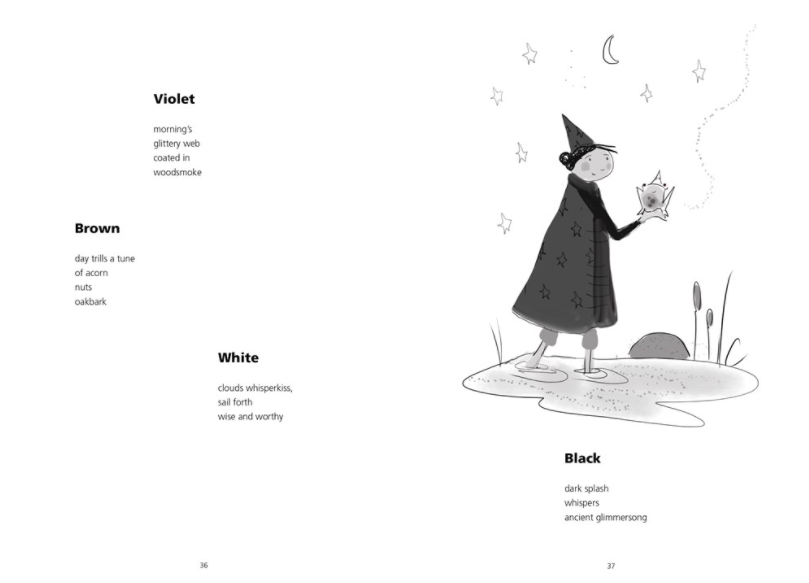
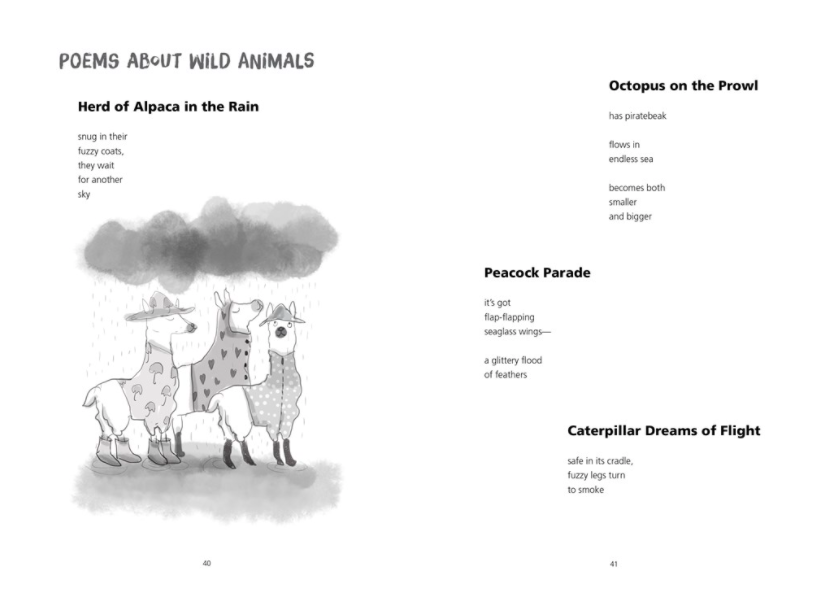
The next chapter titled “Color My World” gives physical shape to nature’s hues from Red (“autumn leaves / puddle / beneath roof / of sky”) to Black (“dark splash / whispers / ancient glimmersong”). In the following chapter—”Animals Among Us”—Latham describes a menagerie of animals, including the beauty of a Papa Emperor Penguin with Egg: “feet stitched / together, / both anchor / and dream.” She also shares lessons that wildlife can teach us about meeting life’s challenges, such as how to hang in there and how to combat boredom, how to find the power in imagination, and what to do if something is wrong or you’re feeling down.
celebrate-picture-books-picture-book-review-this-poem-is-a-nest-colors

Image copyright Johanna Wright, 2020, text copyright Irene Latham, 2020. Courtesy of Wordsong.

In Chapter Four—”Only Human”—Latham looks at our emotions with observations that are weighty, thrilling, hopeful, and joyous. Of course, we are not alone in life, and Latham finds poems within her nest to describe relationships with friends, parents, and teachers and others. As a poet Latham knows a thing or two about a Love of Words, and in a short chapter she has fun creating poems that will surprise and delight.

From their nest, birds look out on a vast landscape. Likewise Latham presents readers with poetic “Views and Vistas.” Children can roam from the Desert to a Meadow; and explore a Cave, a Fox Den, and an Iceberg. Expanding out into the world, kids visit the African Serengeti, the Australian Outback, Tahiti, and the Amazon River, among other spots. Pan out even farther and readers contemplate space, the sun, the constellations, and all of the planets—including Pluto, despite its demotion.

At last, Latham includes a few final verses about poems and poets themselves and leaves readers with My Wish for You: blue adventure / in seaglass morning— / green buzz, / gold thrumming— / life / a poem” Backmatter consists of detailed tips on how poets or would-be-poets can write their own nestling poems.
celebrate-picture-books-picture-book-review-this-poem-is-a-nest-animals

Image copyright Johanna Wright, 2020, text copyright Irene Latham, 2020. Courtesy of Wordsong.

Lovely, deep, and awe-inspiring, Irene Latham’s poems allow readers to discover the world with microscopic precision and a broad view from as far away as outer space. As you read the poems, it’s intriguing to go back to the first four poems and find the individual words in their original context. As meaningful is to let the small verses float in your mind and take root in your heart. Many will make you look at and consider objects, places, time periods, and emotions in ways that bring new insight and understanding, hope, joy and peace.

Johanna Wright’s lovely black-and-white line drawings, shaded with a gray scale offer whimsical interpretations of Latham’s poems and introduce each chapter with thoughtful, creative, and happy children interacting with each other and their world. A few sweet, individual drawings include a mother and child snuggling under a warm quilt for December; a snail whose shell contains true contentment in All You Need, According to a Snail; two children painting the sky with stars in Painting; and a little girl sleeping in the crook of a crescent moon while her dreams become poems in While You Sleep.

For any poetry lover—whether adult or child—or anyone looking to experience the world afresh, This Poem is a Nest is a must. Original, creative, and beautiful, the book would enhance any home, classroom, or public library collection.

Ages 7 – 14 and up

Wordsong, 2020 | ISBN 978-1684373635

Discover more about Irene Latham, her books, and her poetry on her website.

To learn more about Johanna Wright, her books, and her art, visit her website.

Poetry at Work Day Activity
celebrate-picture-books-picture-book-review-grow-a-poem-craft

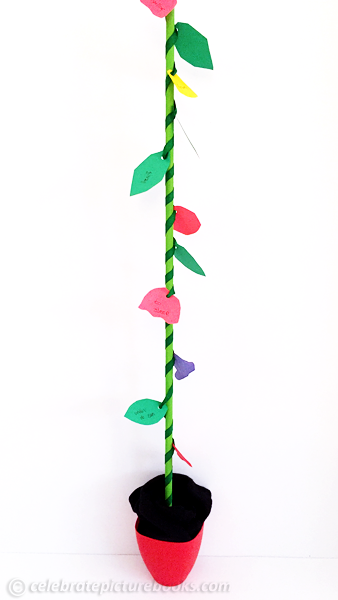
Grow Your Own Poem


A poem often grows in your imagination like a beautiful plant—starting from the seed of an idea, breaking through your consciousness, and growing and blooming into full form. With this craft you can create a unique poem that is also a piece of art!

Supplies

  • Printable Leaves Template
  • Printable Flower Template
  • Wooden dowel, 36-inch-long, ½-inch diameter, available in craft or hardware stores
  • Green ribbon, 48 inches long
  • Green craft paint
  • Green paper for printing leaves (white paper if children would like to color the leaves)
  • Colored paper for printing flowers (white paper if children would like to color the flowers)
  • Flower pot or box
  • Oasis, clay, or dirt
  • Hole punch
  • Glue
  • Markers or pens for writing words
  • Crayons or colored pencils if children are to color leaves and flowers

Directions

  1. Paint the dowel green, let dry
  2. Print the leaves and flower templates
  3. Cut out the leaves and flowers
  4. Punch a hole in the bottom of the leaves or flowers
  5. Write words, phrases, or full sentences of your poem on the leaf and flower templates
  6. String the leaves and flowers onto the green ribbon (if you want the poem to read from top to bottom string the words onto the ribbon in order from first to last)
  7. Attach the ribbon to the bottom of the pole with glue or tape
  8. Wrap the ribbon around the pole, leaving spaces between the ribbon
  9. Move the leaves and flowers so they stick out from the pole or look the way you want them to.
  10. Put oasis or clay in the flower pot or box
  11. Stick your poem pole in the pot
  12. Display your poem!

celebrate-picture-books-picture-book-review-this-poem-is-a-nest-cover

You can find This Poem is a Nest at these booksellers

Amazon | Barnes & Noble | Books-a-Million

To support your local independent bookstore, order from

Bookshop | IndieBound

Picture Book Review
January 4 – It’s National Hot Tea Month

celebrate-picture-books-picture-book-review-sun-and-moon-have-a-tea-party-cover

About the Holiday

There’s nothing cozier during the month of January than enjoying a steaming cup of your favorite, flavorful tea as the temperature dips and the snow swirls. To celebrate this month’s holiday, why not try a new kind of tea or throw a tea party? Many teas have health benefits and can help you relax and get a good night’s sleep. This drink has been around for thousands of years and is enjoyed the world over. So boil up some water, grab the honey or sugar, add a splash of milk if you like, and enjoy!

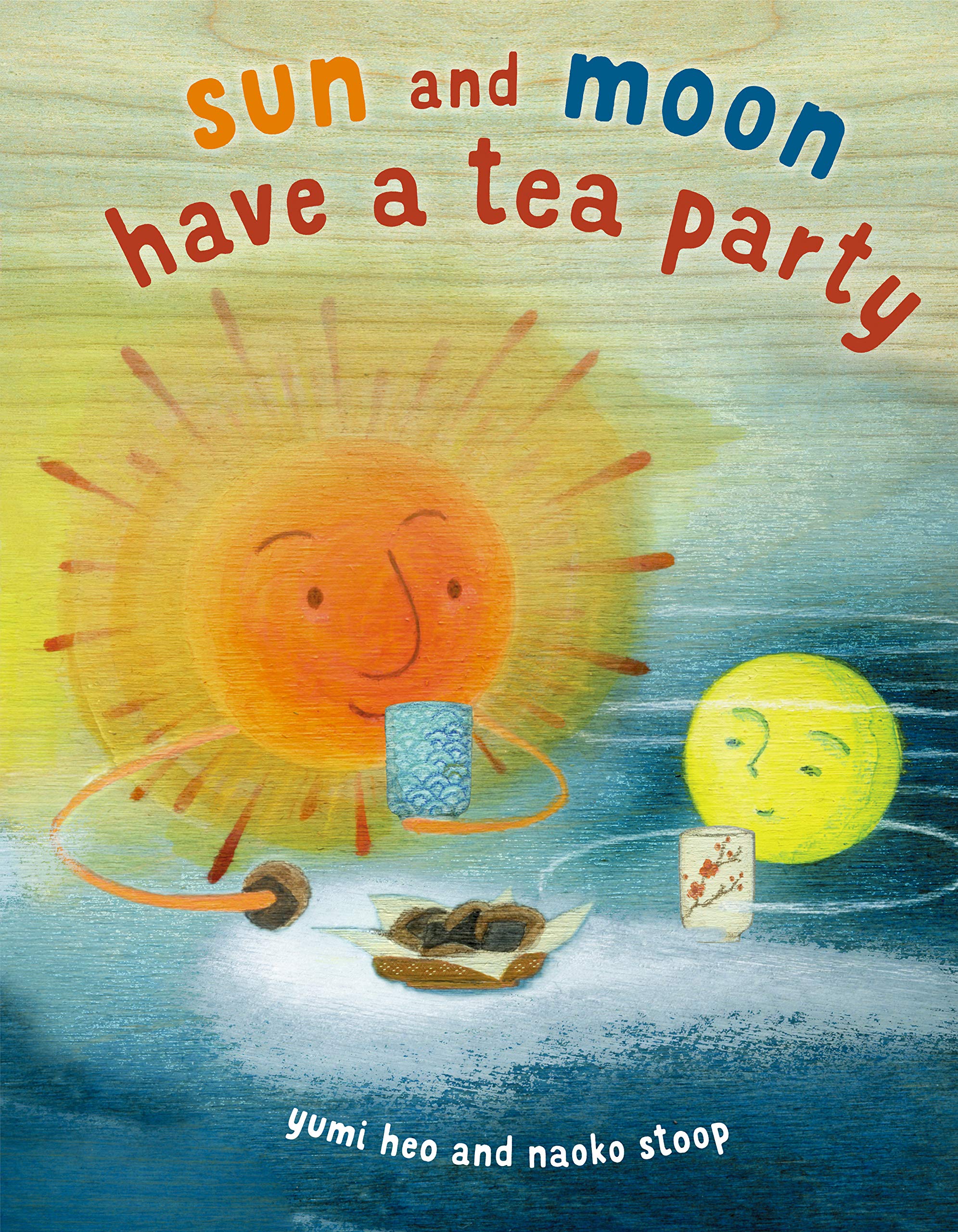
Sun and Moon Have a Tea Party

Written by Yumi Heo | Illustrated by Naoko Stoop


One day when the heat of the day had past, yet it wasn’t quite evening, “the moon and the sun had a tea party.” They got to talking, and Moon mentioned that moms and dads down below always got their kids ready for bed. Sun disagreed, telling Moon that they got “their children ready for school.” Moon countered that children needed to sleep. At this, Sun flared, saying they needed to go to school.

celebrate-picture-books-picture-book-review-sun-and-moon-have-a-tea-party-birds

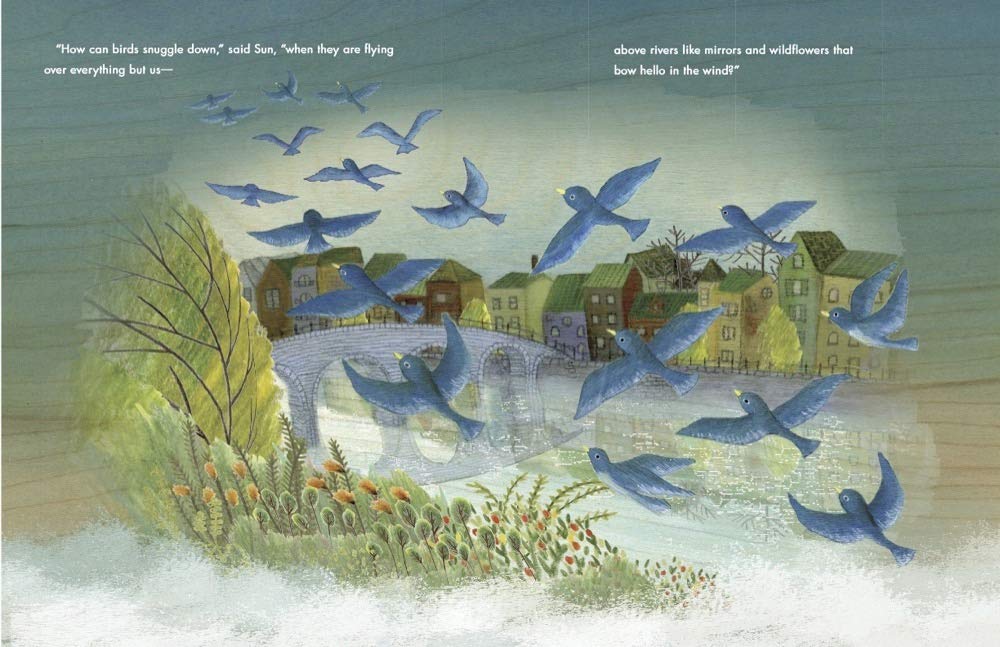
Image copyright Naoko Stoop, 2020, text copyright Yumi Heo, 2020. Courtesy of Schwartz & Wade.

They continued to argue over whether the streets of the world were busy or empty, whether birds flew in the sky or dozed in their nests, and even about their reflections in the river. The disagreements became so heated that Cloud heard them as he drifted along. Cloud asked what the matter was. When he heard, he told them they were both right said, “‘You must each stay up past your bedtime, and you will see.’”

celebrate-picture-books-picture-book-review-sun-and-moon-have-a-tea-party-city

Image copyright Naoko Stoop, 2020, text copyright Yumi Heo, 2020. Courtesy of Schwartz & Wade.

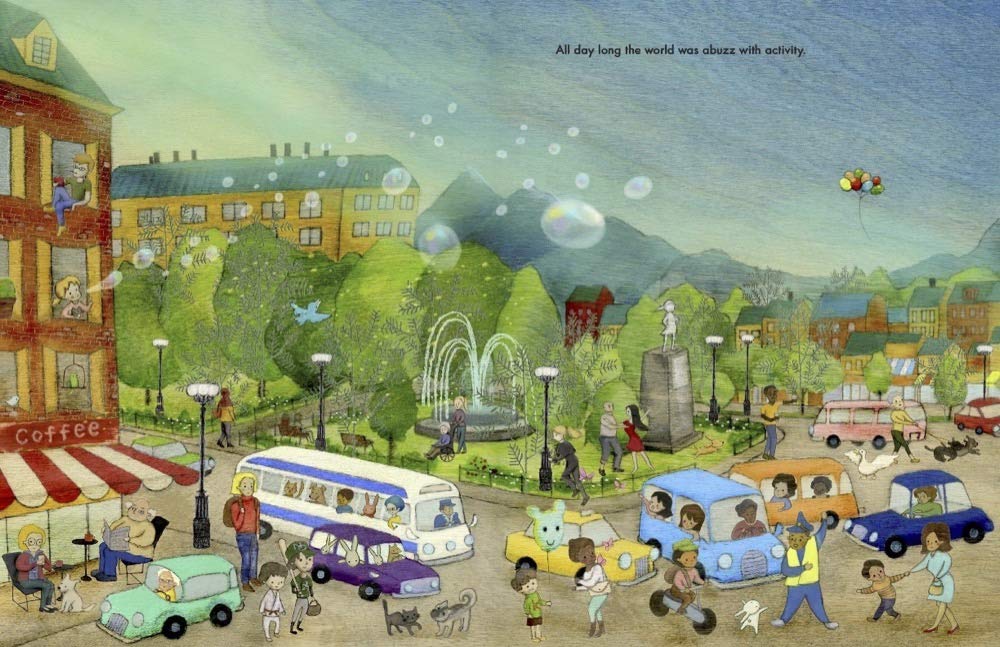
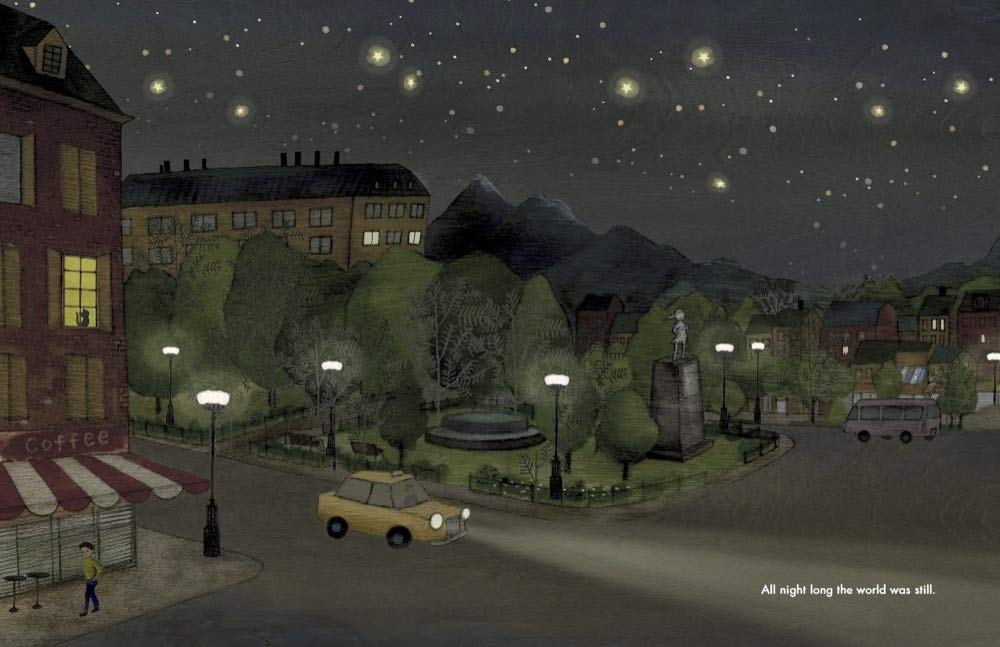
The next morning, Moon hid behind Cloud and peered out at a busy world. She discovered that Sun had been right. She saw “Moms and dads pouring cereal and putting on coats, dogs chasing their tails, and trees standing guard in green uniforms.” That evening instead of setting, Sun hid behind Cloud and discovered that Moon had been correct. Sun watched “Moms and dads tucking in blankets and reading stories, dogs sweetly dreaming, and trees standing guard in gray pajamas.” Sun was amazed. The next day, Sun and Moon reflected on what they had seen, “and in the world below, everything shone in their light.”

celebrate-picture-books-picture-book-review-sun-and-moon-have-a-tea-party-night

Image copyright Naoko Stoop, 2020, text copyright Yumi Heo, 2020. Courtesy of Schwartz & Wade.

Yumi Heo, who passed away in 2016, created the perfect pairing of characters and theme in her clever story as nothing, many would have you believe, is so assured as the dichotomy of Day and Night. As Moon and Sun argue over what people and nature do on earth, Heo invites readers—who already know that both Sun and Moon are right—to actively participate in their perspective-changing discoveries. By presenting, first, the compelling evidence that informs Sun and Moon’s opinions of the world and, second, the revelations Cloud makes possible, Heo gives kids insight into how understanding, empathy, and an appreciation for others develops. Enlightenment, however, doesn’t come without an openness to accepting alternate viewpoints, and here is where Heo’s multi-layered story shines. After Sun and Moon allow Cloud to show them the other side, they do not reject the truth of what they see, but find common ground. Heo ends her story with hope and growth as during their respective shifts the next day, Sun and Moon continue to contemplate each other’s perspective.

In her mixed-media illustrations, beautifully textured with a plywood base, Naoko Stoop brings to light Moon and Sun’s opposing views of the world and, in their facial expressions, demonstrates how quickly arguments and stalemates can occur. Stoop’s daytime scenes depict a diverse city community in spreads that readers will love to linger over to find kids and adults engaged in activities that reflect their own lives. As Sun and Moon describe their own mutually exclusive experiences, Stoop cleverly focuses on one busy corner where a bookshop and a bakery—two bastions of diversity—sit side-by-side. Stoop’s color palette is muted and lovely, with cheery views of daytime and cozy images of nighttime, making this a distinctive book to share at bedtime or for quiet, thoughtful daytime story times.

Thoughtful, contemplative, and comforting with a timely message of awareness, acceptance, and reconciliation, Sun and Moon Have a Tea Party is highly recommended for home bookshelves and is a must for classroom and public library collections.

Ages 3 – 7

Schwartz & Wade, 2020 | ISBN 978-0385390330

To learn more about Naoko Stoop, her books, and her art visit her website.

National Hot Tea Month Activity

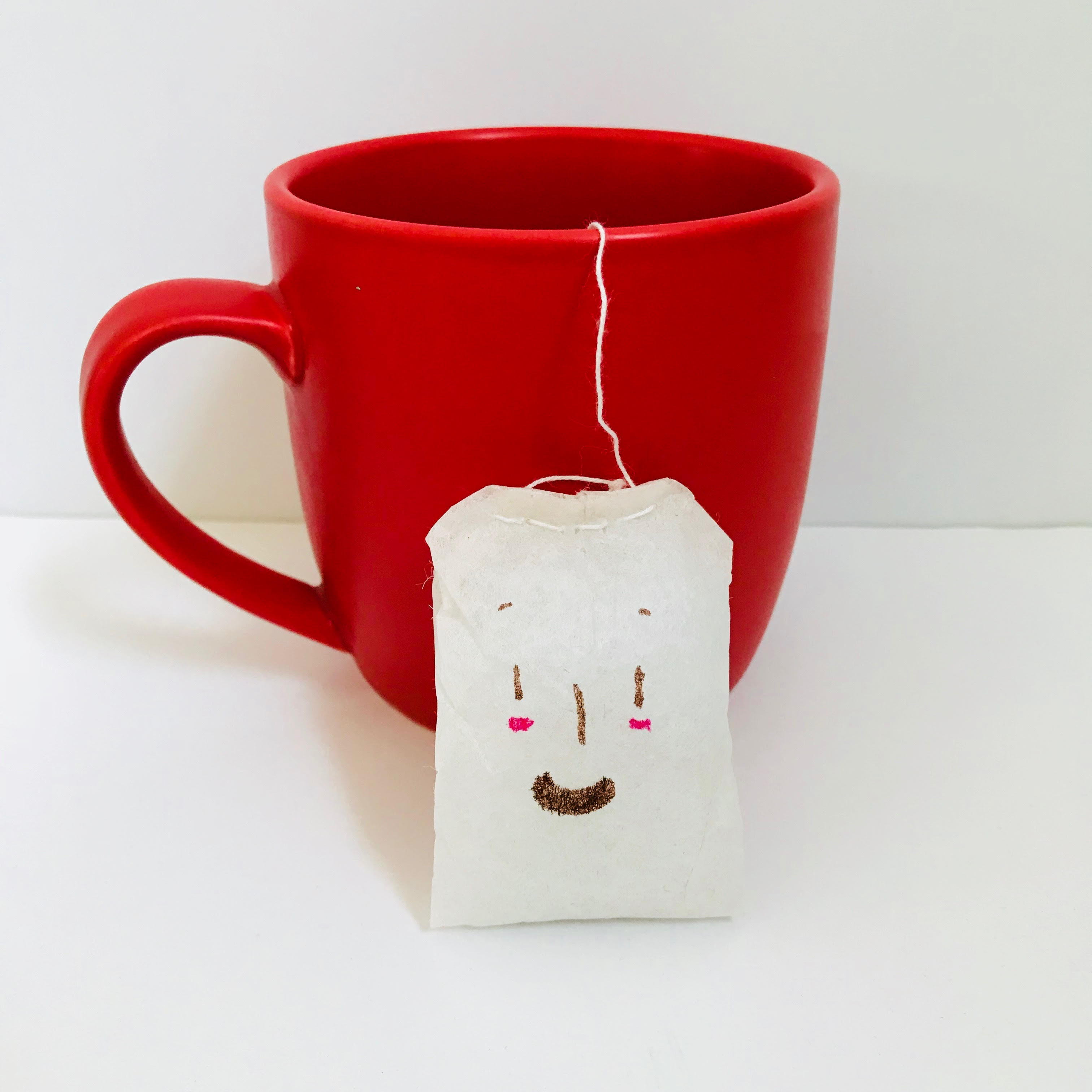
celebrate-picture-books-picture-book-review-tea-bag-buddy

Tea Bag Buddy


It’s fun to have a tea party with a friend, and this little tea bag buddy is ready to hang out with you!

Supplies

  • Tea bags
  • Poly-fill
  • Permanent markers
  • Needle

Directions

  1. Gently open a tea bag, unfold it, and discard the tea
  2. Remove the string with the tag and set aside
  3. Fill the tea bag with a bit of poly-fill
  4. Thread the string of the tag through the needle
  5. Fold the tea bag back up
  6. Fold the ends of the bag under and sew them closed with the tag string, leaving the tag dangling
  7. With the permanent markers, draw a face on the front of the tea bag

celebrate-picture-books-picture-book-review-sun-and-moon-have-a-tea-party-cover

You can find Sun and Moon Have a Tea Party at these booksellers

Amazon | Barnes & Noble | Bookshop 

Picture Book Review
December 16 – It’s Time for the Christmas Bird Count

celebrate-picture-books-picture-book-review-the-atlas-of-amazing-birds-cover

About the Holiday

Concerned with declining bird populations, ornithologist Frank M. Chapman suggested a new holiday tradition—a Christmas Bird Census that would count birds instead of hunting them. The first census took place on December 25, 1900. On that day, twenty-seven birders, centered mostly in northeastern North America, counted 90 species of birds. The tradition has grown tremendously from those humble beginnings. Today, tens of thousands of volunteers throughout the Americas brave all types of weather to conduct the count, which helps conservationists and scientific organizations create strategies for protecting the health and habitats of bird populations. The Christmas Bird Count is now held from December 14 through January 5. To learn more or to get involved yourself, visit the Audubon website.

The Atlas of Amazing Birds

By Matt Sewell

If you have a budding ornithologist in the family, they will be awed by Matt Sewell’s gorgeous compendium of more than 150 birds from around the world. Organized by continent—Europe, North and Central America, South America, Antarctica, Oceana, Asia, and Africa—each chapter begins with a green watercolor map of the area delineated into the countries within its borders and includes a short introduction to the size, climate, surrounding oceans, and number of birds found there.

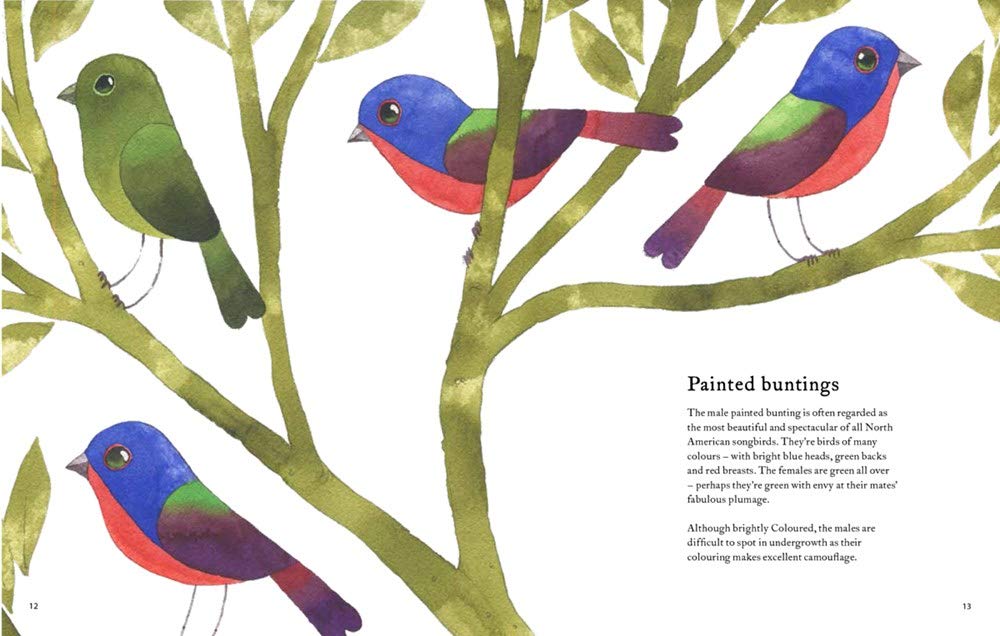
celebrate-picture-books-picture-book-review-the-atlas-of-amazing-birds-painted-buntings

Copyright Matt Sewell, 2019, courtesy of Princeton Architectural Press.

The first stop on this ornithological tour is Europe, where readers discover first the European roller, a lovely species with a cyan body and rust-and-blue-mottled wings that summers in Southern Europe and the Middle East and winters in Africa. This bird’s beauty belies the less-than-attractive way they have for protecting themselves as chicks in which “they can vomit a foul-smelling liquid over themselves to keep predators at bay.”

The European golden-plover chick—a little fluff of green and white that blends in with its mossy surroundings—takes a different tack: By looking like “a small clump of cotton balls flecked with gold leaf, it is possibly one of the cutest chicks out there.” With its speedy wingbeats, the European golden-plover also claims another mark of distinction as the “genesis for the idea for the book of Guinness World Records.”

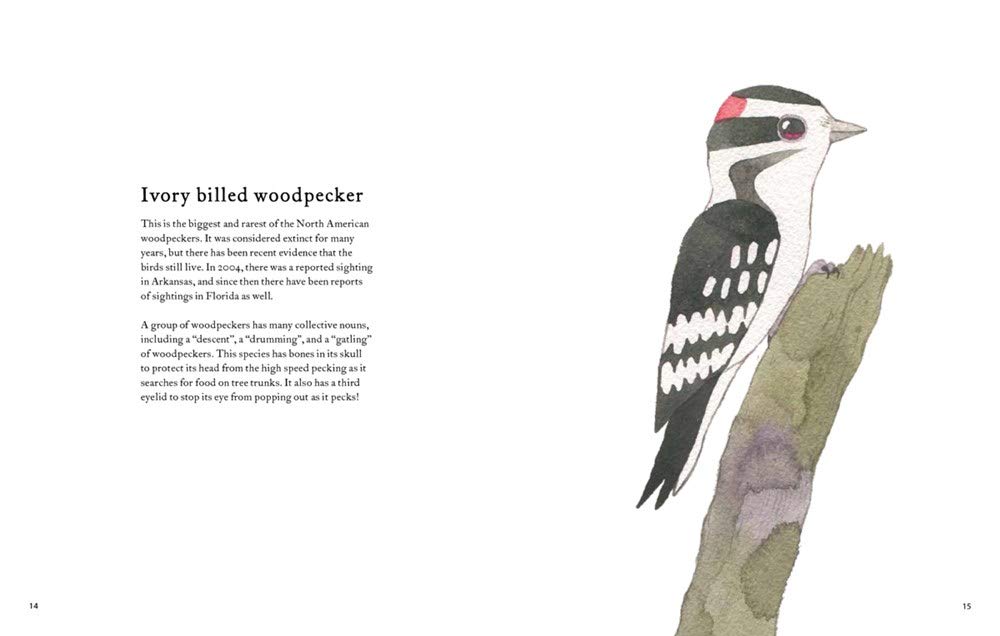
celebrate-picture-books-picture-book-review-the-atlas-of-amazing-birds-woodpecker

Copyright Matt Sewell, 2019, courtesy of Princeton Architectural Press.

North America and Central America are home to more than 900 species of birds. Many are as colorful as a child’s painting, including the Montezuma oropendola, painted bunting, indigo bunting, and the resplendent quetzal, which boasts an iridescent blue tail that can reach over 2 feet long. Unique among birds is the common poorwill, a North American nightjar, which besides being nocturnal, “is possibly the only bird that hibernates.” Mottled gray and brown, the common poorwill perfectly blends into rocky crevices. “It has a low odor so it cannot be detected by predators, and it can descend into a sleepy torpor for months.”

celebrate-picture-books-picture-book-review-the-atlas-of-amazing-birds-riflebird

Copyright Matt Sewell, 2019, courtesy of Princeton Architectural Press.

South America, with its vast expanse of land and variety of climates hosts “more than 3,400 known species of birds, more than any other continent.” With that many different types of birds, South America offers ornithologists a full range of species to study from familiar faces, such as the hyacinth macaw and the keel-billed toucan, to truly wondrous creatures, such as these: the sunbittern, which upon opening its wings presents a frightening “mask” of markings to scare away predators; the white bellbird, which has a single wattle above its beak that can be inflated to appear much like a unicorn’s horn; and the oilbird, which you cannot be faulted for mistaking for a bat as it “breeds and roosts in the totally dark interiors of caves,” uses echolocation to navigate here, and flies at night. Among the other weird and distinctive birds of this region is the hoatzin, “known as the reptile bird” because it “dates back 64 million years, which is roughly when all the big land-based dinosaurs disappeared.”

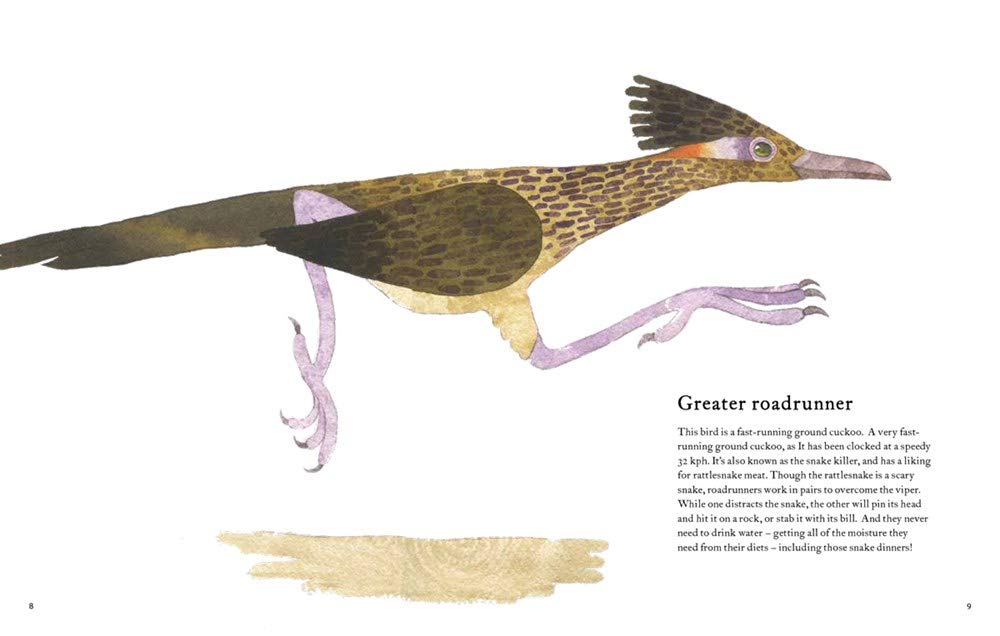
celebrate-picture-books-picture-book-review-the-atlas-of-amazing-birds-roadrunner

Copyright Matt Sewell, 2019, courtesy of Princeton Architectural Press.

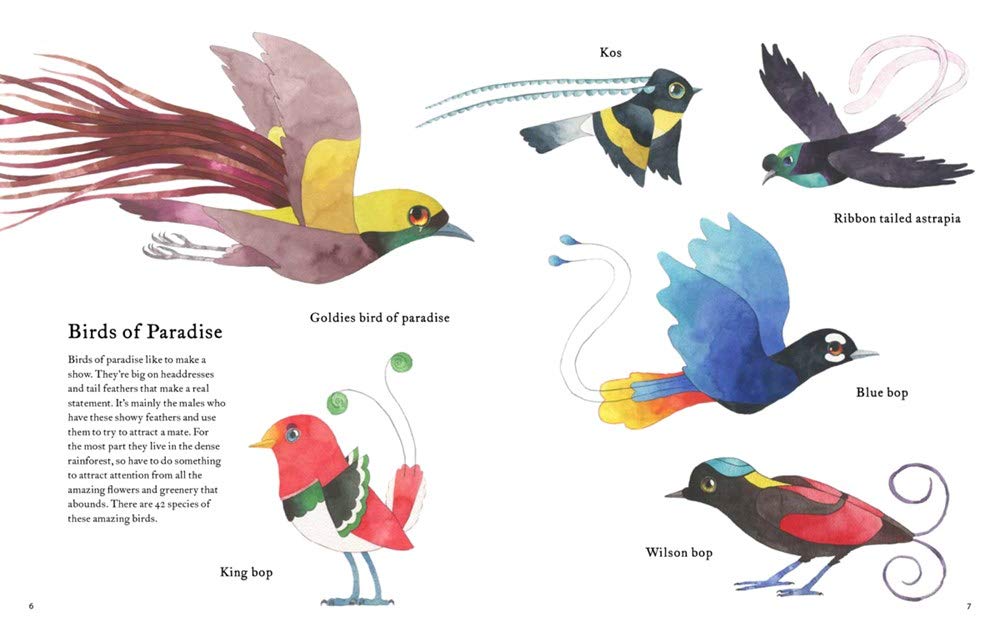
Oceania, comprising Australia, Papua New Guinea, the Solomon Islands, Vanuatu, Fiji, and New Zealand, provides shelter to “some of the most brilliant and flamboyant birds in the world….” These include a variety of birds-of-paradise, each of which sport colorful and intricate features that would look just as at home on ornaments and party favors. One of the most unusual birds may be the multi-talented superb lyrebird. Not only does the male possess fabulous peacock-like tail feathers that seem part quill-pen, part feather duster, it is a master mimic. “It can imitate just about any other bird it hears, as well as other sounds, such as chainsaws, telephones, barking dingoes, roaring cars, and crying babies—often repeated one after the next.”

celebrate-picture-books-picture-book-review-the-atlas-of-amazing-birds-birds-of-paradise

Copyright Matt Sewell, 2019, courtesy of Princeton Architectural Press.

Combined, Antarctica, Asia, and Africa also give homes to more than 6,000 species of some of the most adorable, beloved, brilliant, and extraordinary birds in the world. Readers will meet penguins and birds with vibrant blocks of color as sculpted as any stained-glass window—such as the Malabar trogon of India and Sri Lanka, the Himalayan monal, and Ruspoli’s turaco of southern Ethiopia.

They’ll also get to know towering birds, such as the secretarybird and the ostrich, and formidable-looking creatures, such as the marabou stork and the shoebill. To tie up this description that barely scratches the surface of all that bird-lovers will learn, I present the common tailorbird of tropical Asia—a clever and industrious little warbler that sews leaves together to create a cup of a nest that it lines with cobwebs to further confound predators.

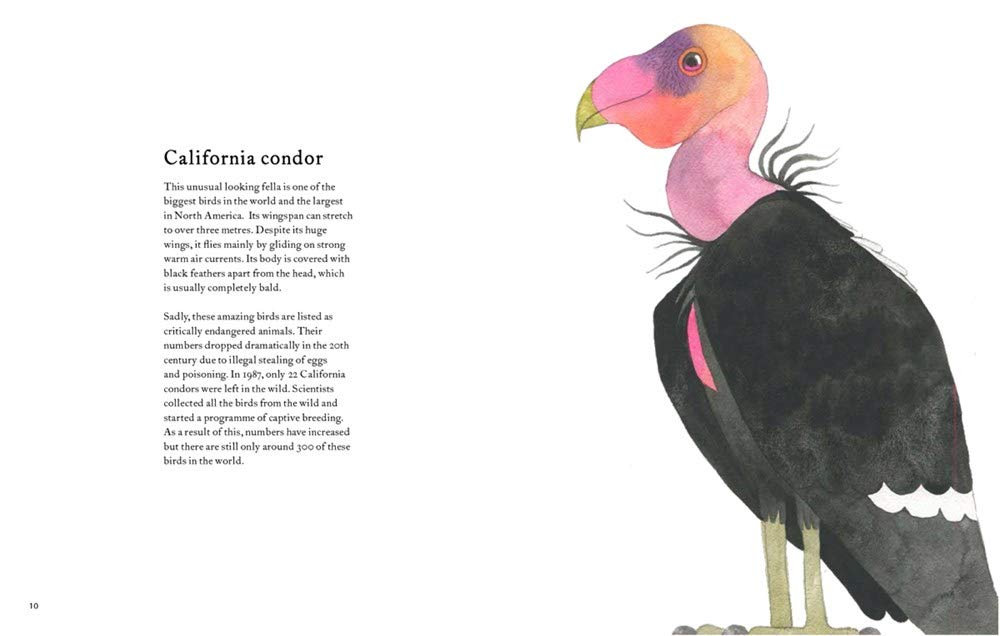
celebrate-picture-books-picture-book-review-the-atlas-of-amazing-birds-condor

Copyright Matt Sewell, 2019, courtesy of Princeton Architectural Press.

Matt Sewell knows just how to entice young readers with engaging, humorous, and insightful text that provides a robust and individual introduction to each bird as well as their status in the world. Every entry is accompanied by brilliant watercolors that highlight each species’ spectacular, surprising, and sometimes even seemingly Dr. Seussian plumage. Dipping in and out of the pages will inspire children and adults to learn more about birds, geography, and how they can become stewards for our feathered friends.

The Atlas of Amazing Birds is highly recommended for bird and nature lovers and would make an excellent addition to home, school, and public library collections.

Ages 5 – 10

Princeton Architectural Press, 2019 | ISBN 978-1616898571

To learn more about Matt Sewell, his books, and his art, visit his website.

Christmas Bird Count Activity

celebrate-picture-books-picture-book-review-beautiful-birds-word-search

Beautiful Birds Word Search Puzzle

It’s fun to watch for different kinds of birds when you take a walk or in your own backyard. Can you find the names of twenty types of birds in this printable Beautiful Birds Word Search Puzzle? Here’s the Solution!

celebrate-picture-books-picture-book-review-the-atlas-of-amazing-birds-cover

You can find The Atlas of Amazing Birds at these booksellers

Amazon | Barnes & Noble | Books-a-Million

To support your local independent bookstore, order from

Bookshop | Indiebound

Picture Book Review
December 14 – It’s Read a New Book Month

celebrate-picture-books-picture-book-review-eye-by-eye-comparing-how-animals-see-cover

About the Holiday

For kids who love nonfiction, this year has brought a bumper crop of creative, fascinating, and informative books on all topics from biographies to history to science and beyond. Innovative, interactive, and humorous, these books for all ages – even babies – open up the world for children in ways that resonate and make learning exciting and fun. Today’s book will have kids looking at the animals around them in a whole new way.

Eye by Eye: Comparing How Animals See

Written by Sara Levine | Illustrated by T.S Spookytooth


“Have you ever wondered what it would be like to see the world through someone else’s eyes?” Let’s make that musing even more intriguing—How would the world look if you gazed out at it through the eyes of an animal, insect, or bird (you know… a bird’s eye view)? Say, for instance, you had eight eyes dotting your face. “What kind of animal would you be, then?” Hmmm… With “four big eyes on the front of its face…” and “four smaller eyes on the top of its head,” the jumping spider can see what’s above and in front of it.

What if your eyes weren’t on your face at all, but on your arms instead? who would that be? Or how would you like it if your eyes were on “long stalks sticking out of the top of your head?” That might come in handy in a crowded movie theater or museum, but the animal with these eyes doesn’t really frequent those kinds of places. It’s more of an outdoorsman. Can you guess? While you’re contemplating that, you’re also going to want to learn about the animals whose eyes move to other parts of their face and the animals whose eyes are fixed in place.

Now, look deeeep into your eyes. What do you see? A pupil! What shape is it? Would it surprise you to learn that there are animals whose pupils are oval or even rectangular? Cat lovers know that their fav animals have oval pupils, but so do other “predators that hide and then ambush their prey.” Their unique eyes help them “judge distance and plan its attack without making any movements that might scare away its meal.” Animals with rectangular eyes use their peepers to stay safe. Which animals do you think those would be?

celebrate-picture-books-picture-book-review-eye-by-eye-comparing-how-animals-see-eight-eyes

Image copyright T.S Spookytooth, 2020, text copyright Sara Levine, 2020. Courtesy of Millbrook Press.

Some animals, including some humans, can’t see the colors red and green. You know this as color-blindness, but have you ever wondered exactly how color-blind people or animals view the world? Side-by-side pages show you! And that bird’s-eye-view? Because of the way birds’ eyes are constructed, their world is even more colorful than ours! How much more? “We have no idea… since our eyes can’t give us this information. But it’s pretty cool to know that there are things that exist out there that humans can’t see at all.”

One last question: What kind of animal could read the words in this book? If you know the answer, “you are a human who is using your eyes to read.” While other animals can’t read words, they can read the signs other animals and even plants provide. What are some of these? The answers plus even more fascinating information can be yours in the blink of an eye.

Back matter includes hands-on activities kids can do to “see” the way two animals do, a close-up examination of a human’s pupil, and a glossary as well as a list of books and websites for further research.

Sara Levine’s eye-opening guide to how a wide variety of creatures in the animal kingdom see will enthrall kids. In the fourth book of her Animal by Animal series, Levine continues her kid-enticing combination of humor and science to teach children about the specialized eyes that help animals navigate their particular environments. Her conversational storytelling, sprinkled with questions, will have kids engaged in the kind of predicting that reinforces learning. Levine’s detailed answers to the questions, including benefits of particular eye shapes or placement, physiological characteristics and adaptations, and the names of additional animals that share the same types of eyes, are enlightening will inspire young scientists to discover more about their world. 

A highlight of the Animal by Animal series is the artwork by T.S Spookytooth, who excels at translating Levine’s vision into illustrations that get kids giggling and learning. The first page starts off in familiar territory: a glasses-wearing girl stares eye-to-eye with the little wiener dog she’s holding in her hands. But turn the page and this same girl now sports eight eyes and two cleverly constructed pairs of glasses while other kids—and clues for discussions to come—stand by. On the next pages, eyeballs jut from the ends of six arms, peer out from long, wiggly stalks, and migrate across a girl’s face. These images will have kids laughing and riveted to the pages, while Spookytooth’s realistic depictions of the animals these eyes belong to will long remain in their memory. Insets of enlarged eyes allow kids to see the particular formation of eyes and pupils up close. The side-by-side page spread showing full-color human vision and the vision of someone who is color-blind is enlightening. Kids will enjoy following the pet crocodile from page to page and discussing all the reasons for its distinctive eyes. The diverse group of kids are charming companions on this educational journey.

An exciting and fascinating way to spur children to explore and learn about animals, nature, and themselves, Eye by Eye: Comparing How Animals See is a top pick for home, school and public library collections.

Ages 5 – 10

Millbrook Press, 2020 | ISBN 978-1541538382

Discover more about Sara Levine and her books on her website.

To learn more about T.S Spookytooth, his books, and his art, visit his website.

celebrate-picture-books-picture-book-review-eye-by-eye-comparing-how-animals-see-cover

You can find Eye by Eye: Comparing How Animals See at these booksellers

Amazon | Barnes & Noble | Books-a-Million

To support your local independent bookstore, order from

Bookshop | IndieBound

Picture Book Review

December 4 – Wildlife Conservation Day

celebrate-picture-books-picture-book-review-over-and-under-the-rainforest-cover

About the Holiday

Established in 2012 by former Secretary of State Hillary Clinton, Wildlife Conservation Day aims to raise awareness of the importance of preserving and protecting the natural world and its inhabitants. The day also brings attention to the disastrous effects of wildlife crime – including illegal poaching and smuggling of animals or animal parts, such as tusks or horns – on animal populations. People are also asked to support the Endangered Species Act, which was signed into law in 1973 by President Richard Nixon. In 2019 the Act was substantially weakened when President Trump reduced regulations, putting many more animals at risk. Today, Wildlife Conservation Day is celebrated around the world by organizations and individuals dedicated to protecting and preserving our natural inheritance – unique places and creatures like those explored in today’s book.

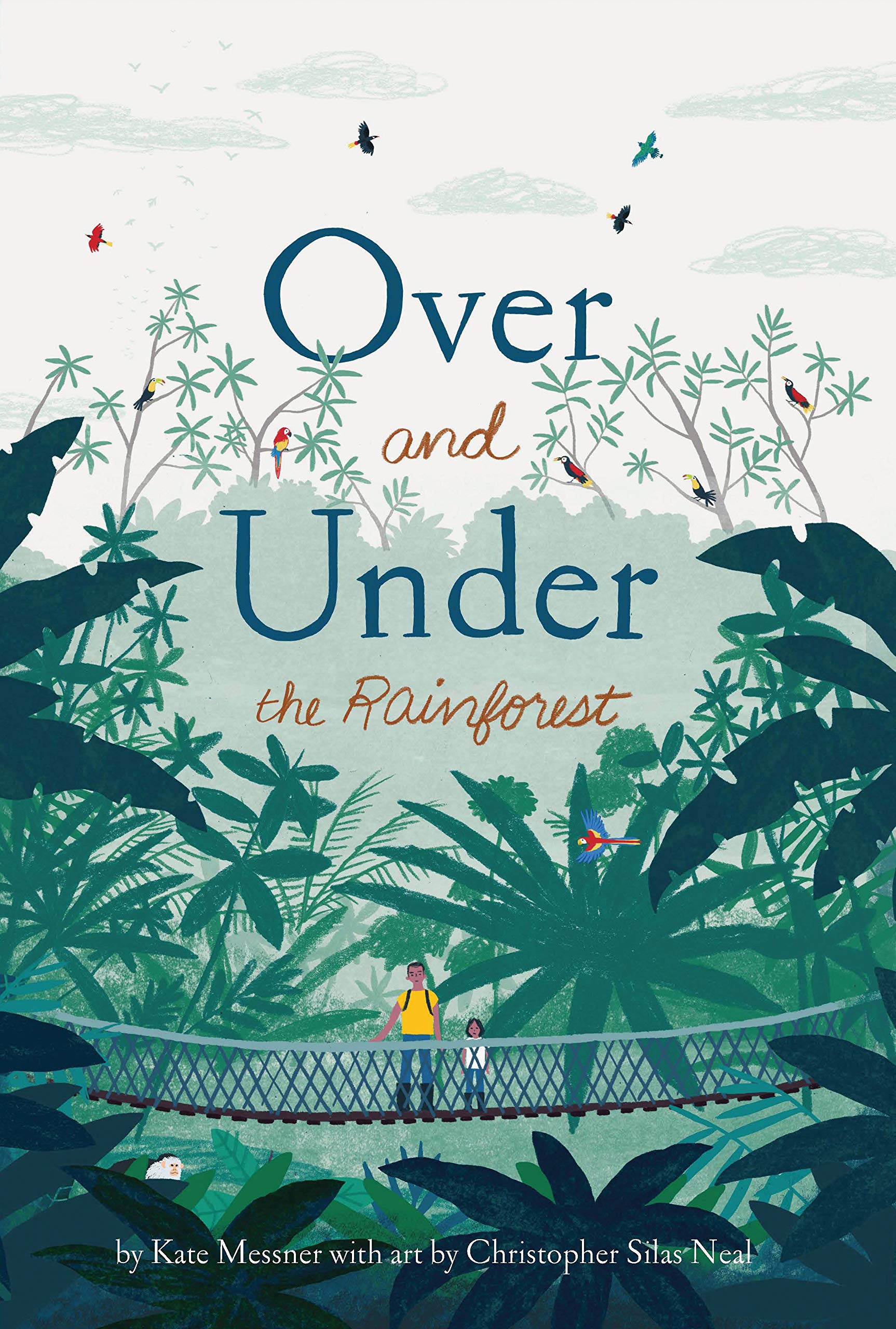
Over and Under the Rainforest

Written by Kate Messner | Illustrated by Christopher Silas Neal


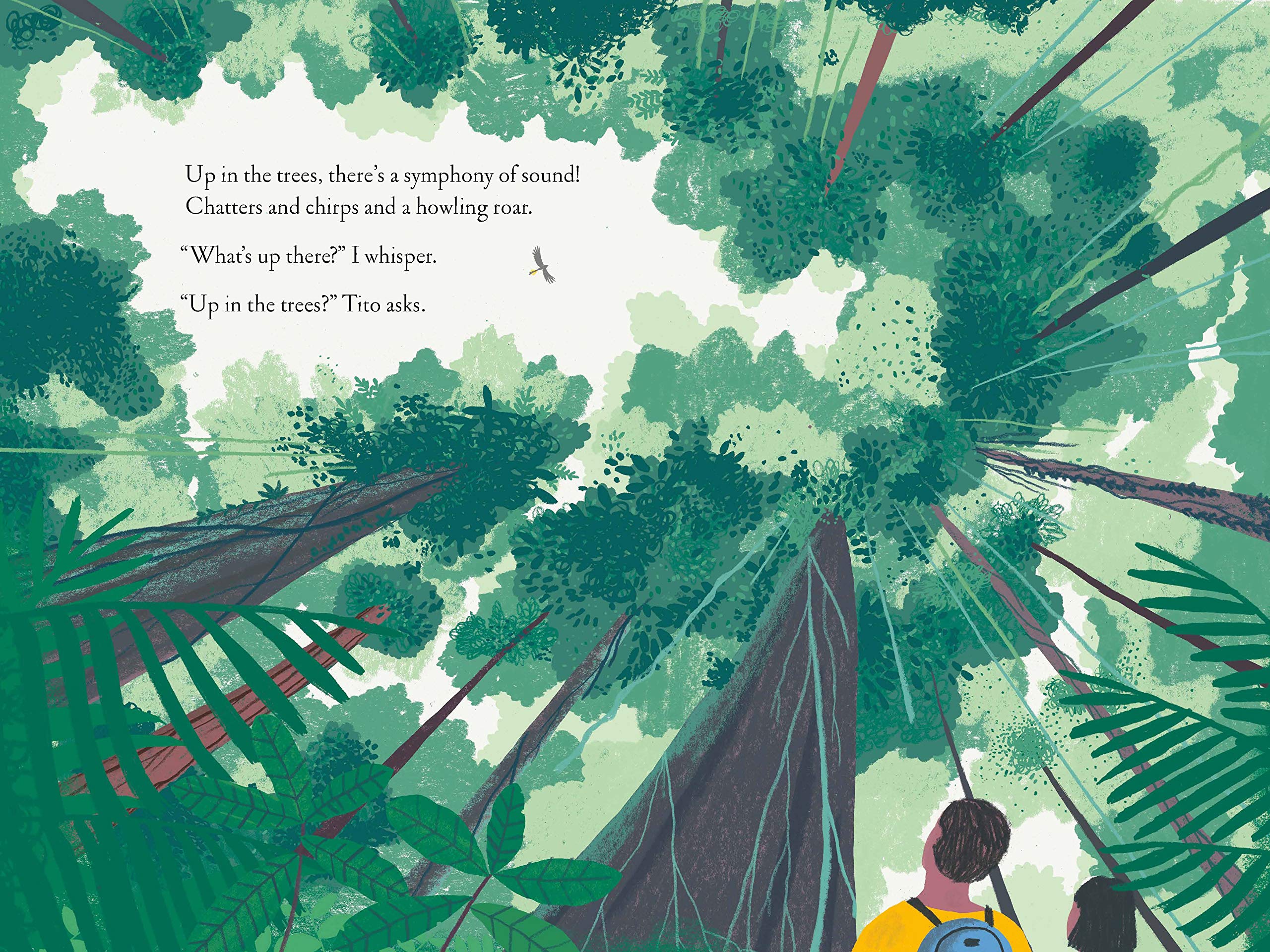
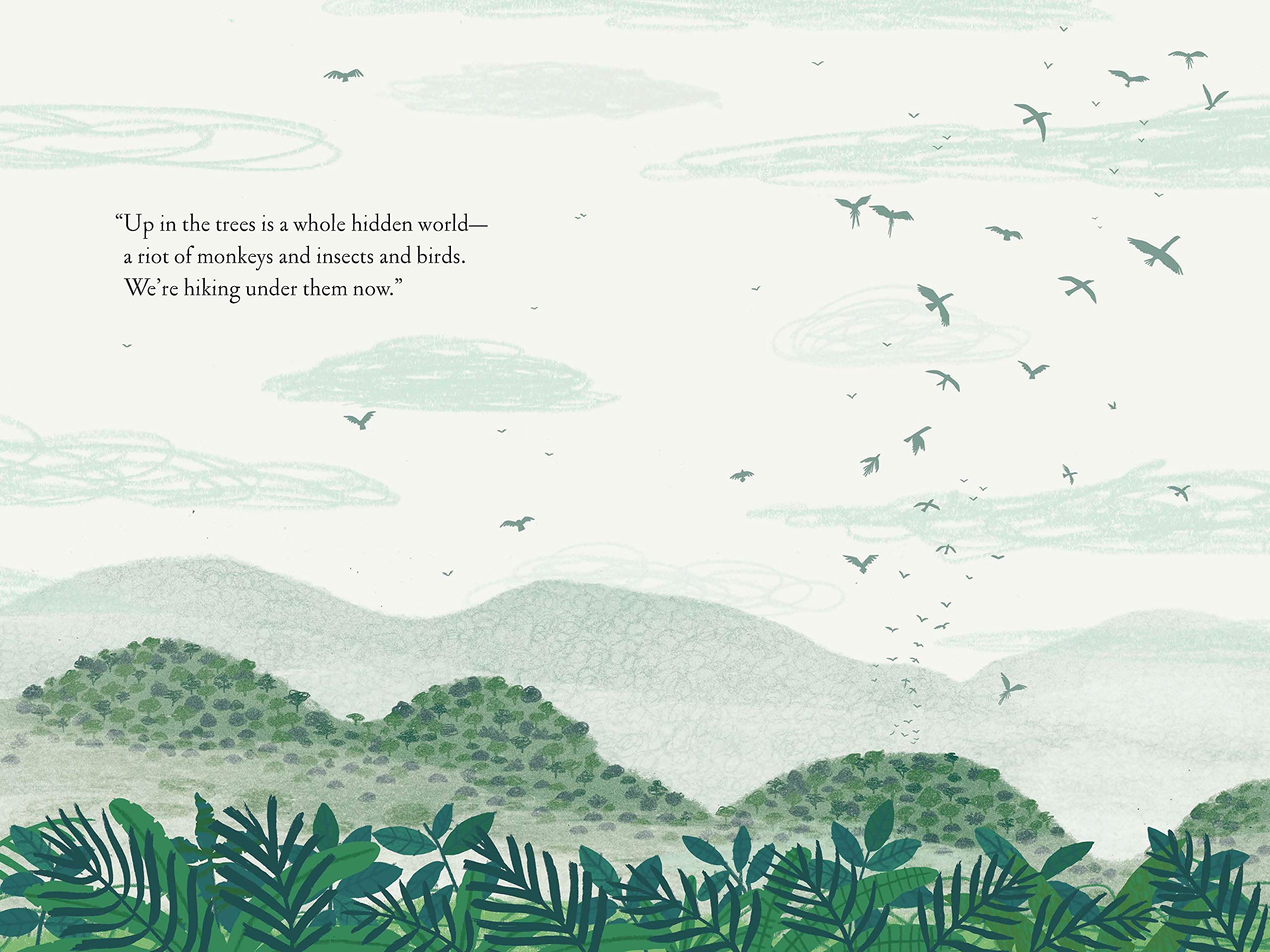
A child narrator enters the rainforest with Tito, who is, perhaps, an older brother, an uncle, or a cousin. The sun filters in, glistening on the raindrop-jeweled leaves. Looking up into the treetops and the clear sky from where “chatters and chirps and a howling roars.” The child wants to know what’s above them, and Tito answers that there is a “whole hidden world” that they are hiking under. They hear the “gurgle” of red, black, and yellow oropendolas in their bag-like nests and the “croak” of toucans.

celebrate-picture-books-picture-book-review-over-and-under-the-rainforest-treetops

Image copyright Christoper Silas Neal, 2020, text copyright Kate Messner, 2020. Courtesy of Chronicle Books.

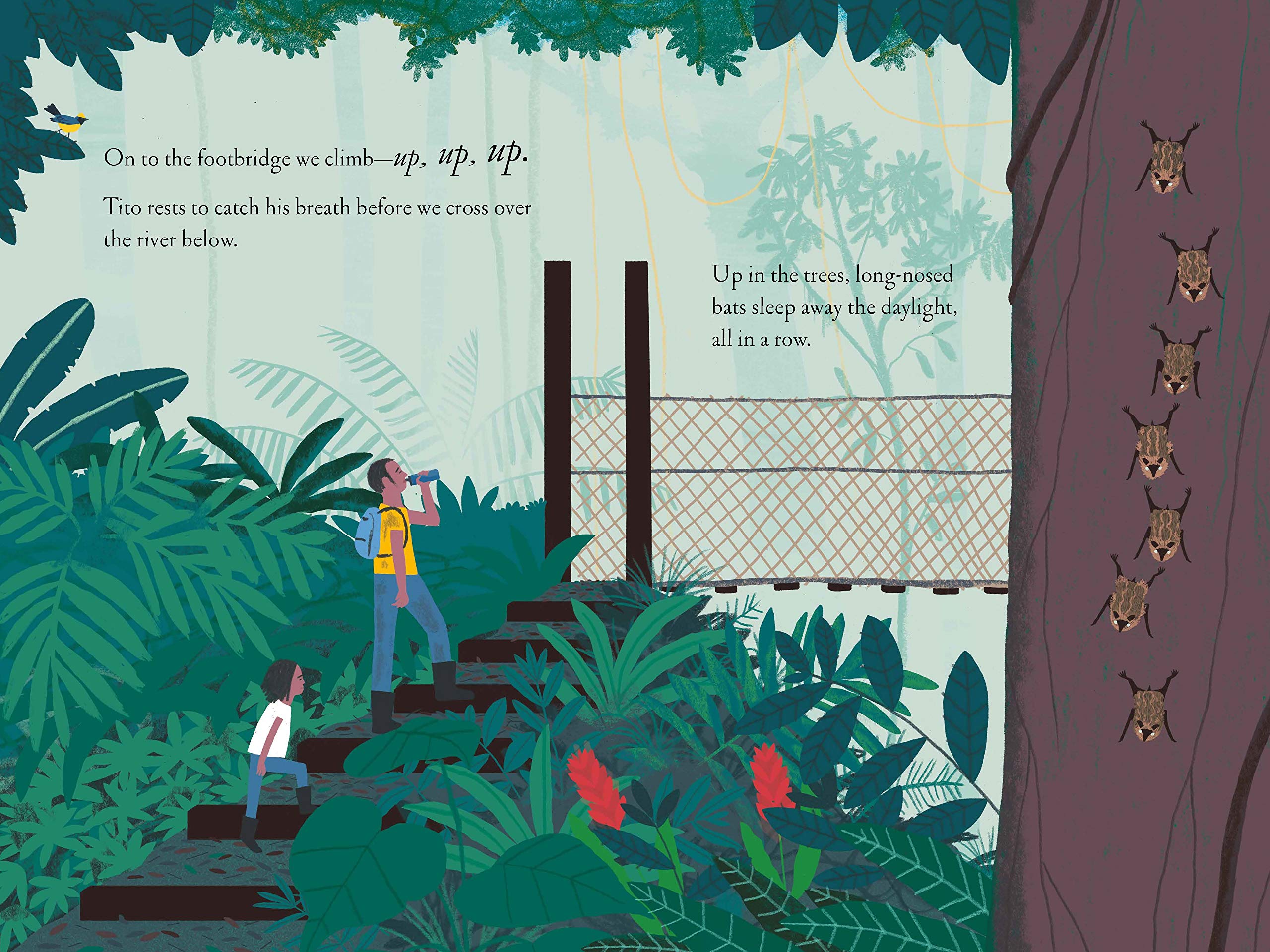
They stop on the bridge that crosses a river and look down at the crocodiles napping on the banks. An emerald basilisk has no time to rest, though, and runs across the river, his feet “barely skimming the river’s surface.” The bridge takes them up, into the trees, where capuchin monkeys swing from branch to branch. While having a snack, the child and Tito watch an anteater hunt for a snack of his own below among fallen leaves.

celebrate-picture-books-picture-book-review-over-and-under-the-rainforest-birds

Image copyright Christoper Silas Neal, 2020, text copyright Kate Messner, 2020. Courtesy of Chronicle Books.

The afternoon brings expected rain, which begins as a “pitter-soft drumming on the leaves up above” but “swells to a strong, rushing pour” that soaks a “soggy mother sloth and her baby” while a blue morpho butterfly “folds up her wings and tucks away on a tree trunk.” They walk deeper into the forest, where silent snakes slither and curl around branches. Spying a dark shape in a treetop, Tito, with a roar, unleashes “a thunder of howler monkeys” concealed from sight.

celebrate-picture-books-picture-book-review-over-and-under-the-rainforest-toucans

Image copyright Christoper Silas Neal, 2020, text copyright Kate Messner, 2020. Courtesy of Chronicle Books.

Dusk comes and then the curtain of night. Tito and the child head for home, spying animals and insects who are just beginning their day along the way. But suddenly a “sharp snap” in the undergrowth stops the child. Could it be a jaguar? They hurry across the last bridge and see the lights from Abuelita’s house. They know a dinner of arroz con pollo is waiting as the birds return to their homes too and another chorus begins—“a night song of darkness and water and life—over us, under us, and all around.”

Exciting back matter includes an Author’s Note about the inspiration for this book as well as illustrated paragraphs about the twenty birds, animals, and insects mentioned in the story.

celebrate-picture-books-picture-book-review-over-and-under-the-rainforest-bridge

Image copyright Christoper Silas Neal, 2020, text copyright Kate Messner, 2020. Courtesy of Chronicle Books.

Lyrical and evocative, Kate Messener’s hike through a Costa Rican rainforest envelopes readers in the sights, sounds, and atmosphere of this mysterious ecosystem. Her well-loved Over and Under series serves as a perfect guide to a place where life in all its forms teems in the lush landscape. Messner’s tranquil and graceful storytelling makes for a lovely read aloud that will captivate readers, and her first-person point of view invites each listener to imagine themselves taking this transformative walk.

Christopher Silas Neal’s soft-yet-vivid matte illustrations capture the mystery and wonder of the rainforest from the first page, where Tito and the narrator head into the forest through a dark entryway that seems to slowly reveal itself as a series of steps leading into the trees. Just as kids would be prone to do, upon entering the forest, the narrator and Tito look up into the towering treetops, focusing the readers’ eyes there too. Neal’s use of a variety of perspectives gives readers an experience similar to the book’s characters and allows them to feel the vastness of the environment. The number of unusual animals, birds, and insects they encounter in this forest will wow kids, and they’ll enjoy searching the leaves, branches, and undergrowth to find what is hidden there. This nighttime scene provides a thrill as bright eyes shine from the trees—the only evidence of the shadowy creatures lurking there.

A beautiful book for any nature lover or child fascinated by the wonders of the world, Over and Under the Rainforest is a must. The book would be a treasured addition to home, school, and public library collections.

Ages 5 – 8

Chronicle Books, 2020 | ISBN 978-1452169408

Discover more about Kate Messner and her books on her website.

To learn more about Christopher Silas Neal, his books, and his art, visit his website.

Wildlife Conservation Day Activity

celebrate-picture-books-picture-book-review-wonderful-wildlife-board-game

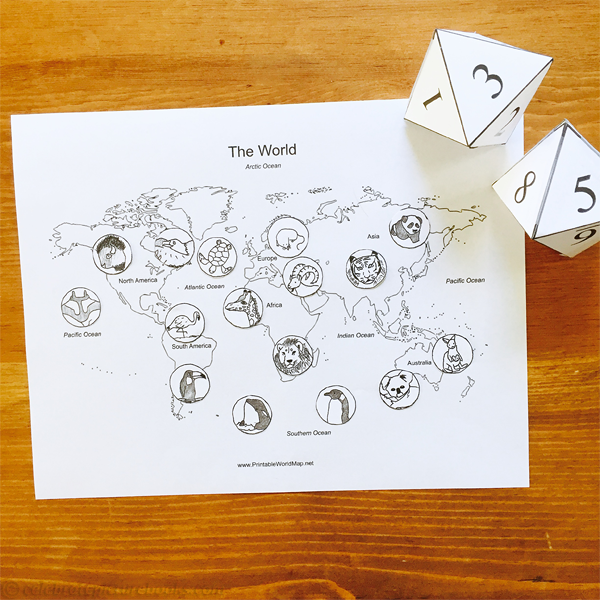
Fascinating animals are found in every part of the world. Play this fun printable Wonderful Wildlife Board Game to match each animal to the area where it lives.

Supplies

Directions

  1. Print a World Map for each player
  2. Print one set of 16 Wildlife Tokens for each player
  3. Print two copies of the 8-sided die, fold, and tape together
  4. If you would like, color the map and tokens
  5. Choose a player to go first
  6. Each player rolls both dice and places an animal on their map according to these corresponding sums of the dice as shown on printable guide
  7. The first player to fill their map is the winner!

celebrate-picture-books-picture-book-review-over-and-under-the-rainforest-cover

You can find Over and Under the Rainforest at these booksellers

Amazon | Barnes & Noble | Books-a-Million

To support your local independent bookstore, order from

Bookshop | IndieBound

Picture Book Review


November 18 – It’s Picture Book Month and Interview with Karen Rostoker-Gruber
celebrate-picture-books-picture-book-review-happy-birthday-trees-cover

About the Holiday

There’s still time to celebrate one of the best months of the year—Picture Book Month! If you’re in shopping mode, be sure to put plenty of picture books on your list for the kids in your life. And don’t forget the littlest readers in your life. Sharing board books, with their sturdy pages and just-right size, is the perfect way to get babies and preschoolers excited about books, reading, and the special times in their life – as you’ll see with today’s book.

Happy Birthday, Trees!

Written by Karen Rostoker-Gruber | Illustrated by Holly Sterling


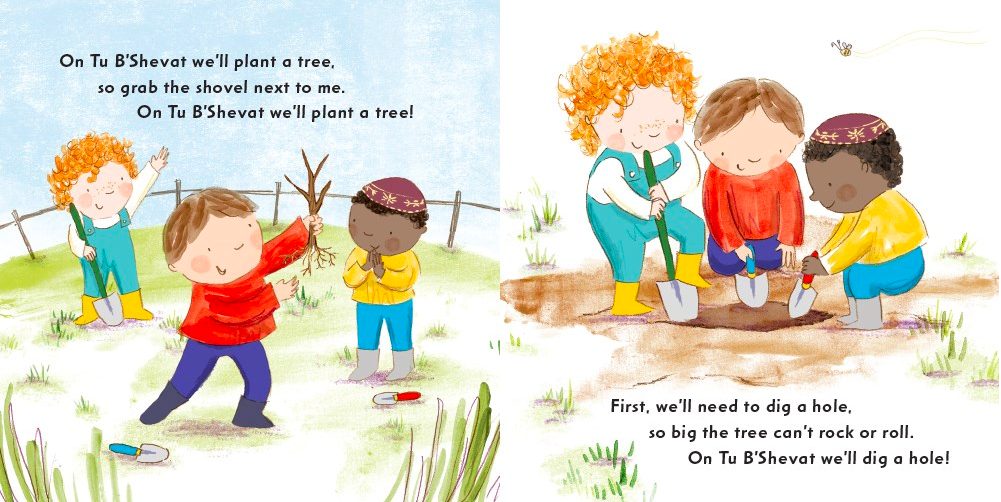
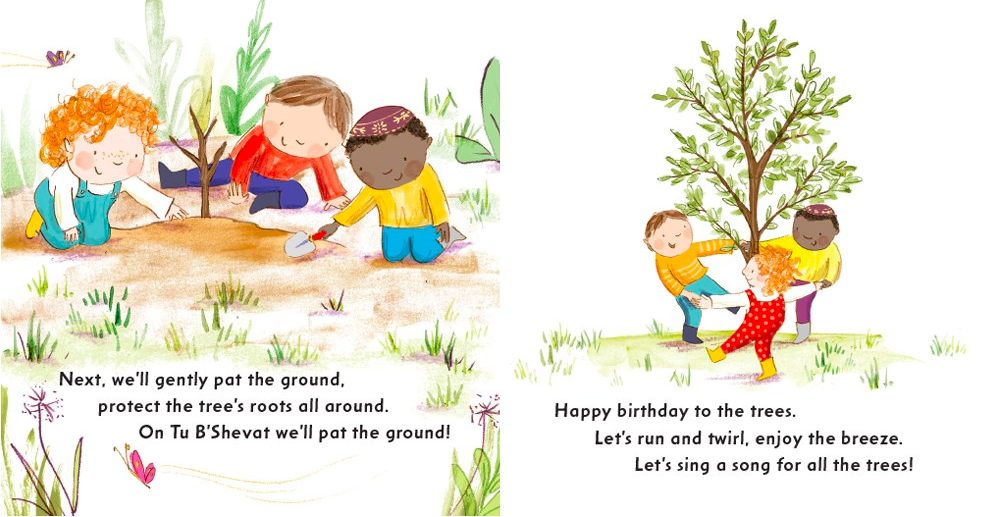
Three children are excited to be celebrating Tu B’Shevat together. One boy shows the others the little sapling they can plant then the three dig in with their shovels to create the perfect hole to nurture it. When the hole is just the right size, they carefully place the tree in it and tell readers, “then, we’ll fill the hole with dirt. / (An extra shovel doesn’t hurt.) / We’ll fill the hole with lots of dirt!”

celebrate-picture-books-picture-book-review-happy-birthday-trees-planting

Image copyright Holly Sterling, 2020, text copyright Karen Rostoker-Gruber, 2020. Courtesy of Kar-Ben Publishing.

When the tree is all snug in its new home, it’s time to feed it (and have some giggly fun). “Then, we’ll spray the garden hose, / and wet the tree (and soak our clothes). / On Tu B’Shevat we’ll spray the hose! Throughout the year, the kids watch as their tree grows taller and sturdier. When the weather turns warm, they play around the tree, singing “for all the trees” with delight as they await the day when Tu B’Shevat comes around again and the tree’s blossoms “fill the air with sweet perfume.”
celebrate-picture-books-picture-book-review-happy-birthday-trees-dancing

Image copyright Holly Sterling, 2020, text copyright Karen Rostoker-Gruber, 2020. Courtesy of Kar-Ben Publishing.

Karen Rostoker-Gruber’s celebration of Tu B’Shevat takes little ones step-by-step through the thrill of planting a tree and watching it grow. Her breezy, exuberant verses incorporate simple rhymes and repeated phrases that will allow even the youngest children to join in after a first reading. In her sweet board book Rostoker-Gruber captures the excitement kids feel for special holidays and the pride they feel when participating in their family’s or friends traditions. The cyclical nature of her story will also inspire children to want to plant and tend to their own tree for Tu B’Shevat (celebrated beginning at sundown on January 27, 2021 through nightfall on January 28) or when weather conditions permit.

Bright and filled with the high spirits of childhood, Holly Sterling’s illustrations of three adorable kids working together to plant a tree will captivate little readers. Decked out in their gardening clothes and each with a shovel, the three crouch and lie on the ground next to the hole to make sure the tree goes in straight and safely. Sterling has an eye for the kinds of realistic details that define children’s behavior: to make sure the hole is filled to the brim, one little boy pours on dirt from two shovels—one in each hand; and under the arched spray of the hose, the girl raises her arms to welcome the cool spray while a boy sticks out his tongue for a sip. Sterling’s lovely color palette and graceful lines create a cheerful, fresh story that adults will want to share with their children again and again.

A joyful and lively way to celebrate and/or introduce Tu B’Shevat to little ones as well as a charming story for young nature lovers any time of the year, Happy Birthday, Trees! would be an enchanting addition to home, school, and public library collections.

Ages 1 – 4

Kar-Ben Publishing, 2020 | ISBN 978-1541545649

You can download a teacher’s guide to Happy Birthday, Trees! from the Kar-Ben Publishing website here.

Discover more about Karen Rostoker-Gruber and her books on her website.

To learn more about Holly Sterling, her books, and her art, visit her website.

Meet Karen Rostoker-Gruber

celebrate-picture-books-picture-book-review-karen-rostoker-gruber-headshot

You have a very interesting and varied career! Before you wrote books for children, you published several humorous books for adults. Your children’s books also incorporate humor. Can you talk a little about your style of humor and how you’ve expressed it throughout your life?

I’ve been writing since I was 8 years old. I wanted to write for children, but the adult humor market was easier, at the time, to break into.  

I started writing humor when I began college. Things were so strange at Trenton State that I had to start writing things down. The first humor book I wrote was called The Unofficial College Survival Guide.  

I had worked in the kitchen as a waitress for the college serving alumni dinners—sometimes to 200 – 300 people. I needed the money and it was the only way to secure edible food. 

 
image.png
 

One night, while piling my tray with plates of food for the next alumni dinner, I noticed a sign on a barrel that said, “grade D,” but edible. I opened the barrel and there were thousands of hot dogs. I had no idea what “grade D, but edible” meant, but I no longer wanted to find out. After that day, I started eating cereal for breakfast, lunch and dinner.

I also kept finding humor on campus—mostly in the cafeteria; it wasn’t hard. There was literally humor everywhere I looked.  

When I got married, my humor book, Remote Controls Are Better Than Woman Because. . . became a HUGE hit.  I was on the Ricki Lake Show back then and over 60 live radio shows.  Then came my book, Telephones Are Better Than Men Because. . . I wrote both of those books on sticky notes in my car because I had a stop-and-go, 45-minute drive to work every day. I’d write new quotes down on a sticky note and fling them around in my car.  

celebrate-picture-books-picture-book-review-remote-controls-are-better-than-women-cover

My book, If Men Had Babies, (lullabies would be burped… Prenatal vitamins would taste like honey-roasted beer nuts…, Golf carts would come equipped with car seats…”) was hysterical to me as a first-time mom. I wrote in between my daughter’s nap time, doing the laundry, the dishwasher, cleaning the house, and making breakfast, lunch, and dinner.  

image.pngAs far as incorporating humor into my children’s books, sometimes I use puns, which is why my characters are mostly animals. Animal puns are fun. I would sit on my driveway for hours, while my daughter drove her Barbie car, looking at the dictionary to find good cow, sheep, goat, chicken, and cat puns.

celebrate-picture-books-picture-book-review-farmer-kobi's-hanukkah-match-cover

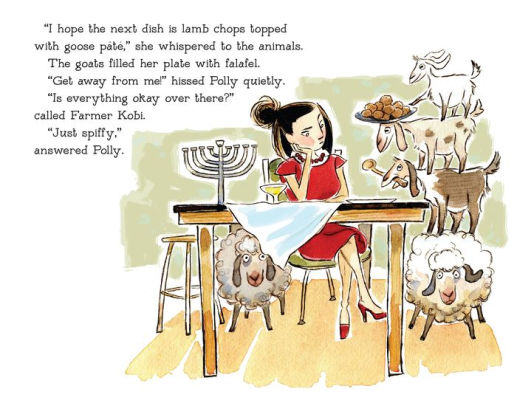
I also use a bit of adult humor in my books. There should be humor for the adult reading the book, too. In my book, Farmer Kobi’s Hanukkah Match my favorite line is when the sheep say, “Her name was Polly Ester, she was a faaake,” baaed the sheep.

(Get it?  Polyester is fake vs. wool from the sheep!)  

Here’s also a favorite page from my book:

celebrate-picture-books-picture-book-review-farmer-kobi's-hanukkah-match-lamb-chops-topped-with-goose-pate

You’ve had a long and steady career as a children’s author. What first inspired you to write for children? What’s one thing that has changed for writers since you began? What’s one thing that has stayed the same?

I’ve been writing for children since I was 8 years old. The only thing that really changed was that I actually started sending out my work in 1988-ish instead of just keeping manuscripts in my drawer. But from 1988 until 2000, I mostly received rejection letters—nice ones (that are now in my oxymoronic rejection letter binder), but rejection letters nevertheless.

My path to publication changed once I went to a conference and met with editors.  After attending the conference, each mentee was able to submit directly to their mentor and other editors that you met there. And, you were able to write “requested material” on the outside of the envelope. This was important back then because all “Requested Material” manuscripts passed the slush pile and went directly to the editor it was addressed to. (Back in 2000 you submitted via snail-mail and there really were slush piles.)  I saw them! For real!

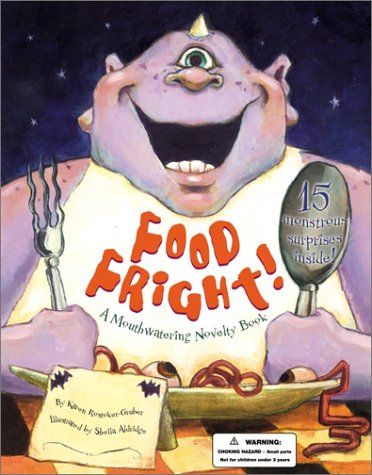
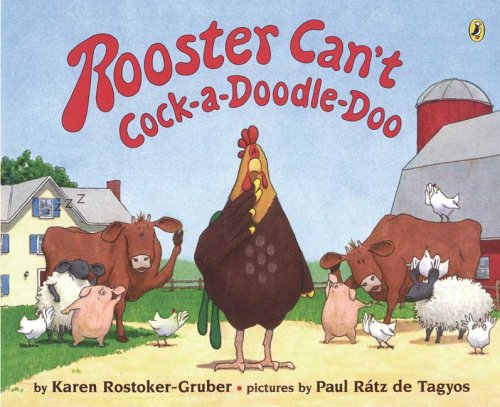
The conference that I went to was the Rutgers One-on-One Conference. At that conference my mentor (Karen Riskin from Dial Books for Young Readers) took two of my manuscripts back with her to Penguin Putnam (it’s called Penguin Random House now). Both manuscripts wound up getting published: Food Fright was published by Price Stern Sloan in 2003 and Rooster Can’t Cock-a-Doodle-Doo was published with Dial Books for Young Readers in 2004.  

celebrate-picture-books-picture-book-review-food-fright-cover

celebrate-picture-books-picture-book-review-rooster-can't-cockadoodledoo-cover

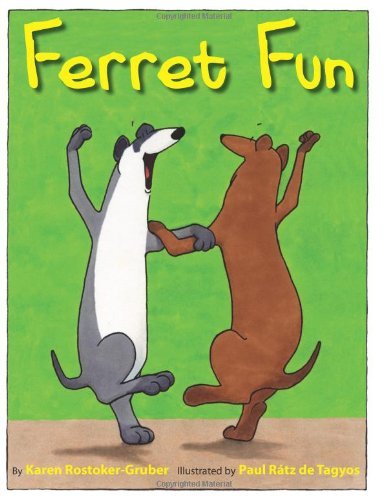
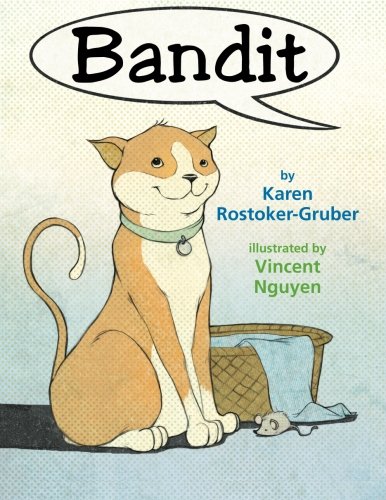
After the success of Rooster Can’t Cock-a-Doodle-Doo, (selling 250,000 copies) I met another editor (Margery Cuyer) at an informal conference.  She went on to acquire five of my books for Marshall Cavendish: Bandit, Bandit’s Surprise, Ferret Fun, Ferret Fun in the Sun, and Tea Time.

celebrate-picture-books-picture-book-review-bandit-cover

celebrate-picture-books-picture-book-review-ferret-fun-cover

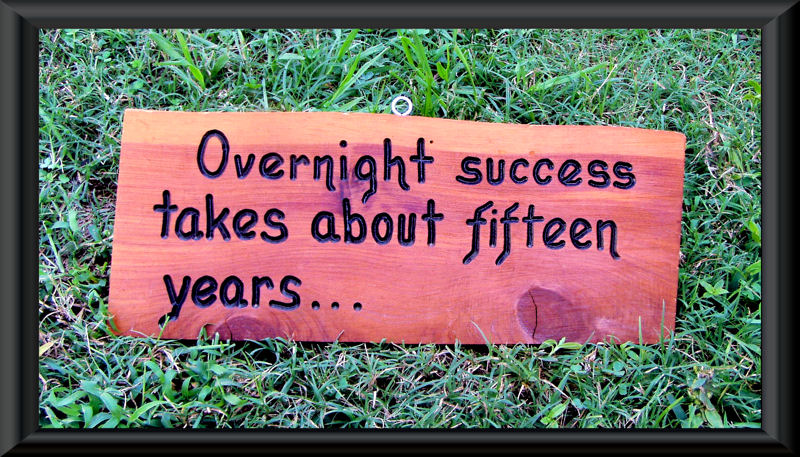
The difference from then to now is that these days you need to meet editors one-on-one or you need to have an agent. I can’t get into the big publishing houses that I used to submit to before because their policies have changed.  I had 14 traditionally-published books out there with great houses before I got an agent. I’m NOT an overnight success story—far from it. 

CPB - overnight success sign

The setting for Happy Birthday, Trees! is Tu B’Shevat or the Jewish Arbor Day. Can you talk a bit about this holiday, it’s meaning, and how it is traditionally celebrated?

Tu B’Shevat is basically Earth Day. I think the PJ Library says it best on my teacher’s guide:

“The Jewish holiday of Tu B’Shevat, also known as the Birthday of the Trees, celebrates the critical role that trees play in life.” Jewish concepts: “Trees and the environment have particular importance in Jewish thought. From the very beginning of the Torah (the first five books of the Bible) we are taught to respect all things that grow, as Adam is placed in the Garden of Eden to “keep it and watch over it” (Genesis 2:15). The value of bal tashchit, which translates from the Hebrew as “do not destroy,” has become the Jewish ecology mantra. Put into action, this concept means we are all partners in preserving the beauty and sustainability of our world.” “Traditionally, Jews eat the fruit of a tree only after it is three years old. The 15th day of the Hebrew month of Shevat, called Tu B’Shevat, became the trees’ birthday to help people determine when to first harvest their fruit. This holiday is gaining significance today as the Jewish Earth Day.”   

I love the structure of Happy Birthday, Trees!, especially the rhythmic repetition that’s so enticing for little ones to join in on. There’s also a playful humor that kids will love. What was your writing journey for this book?

I love bits of rhyme, repeated refrains, humor, and animal puns, so I always try to incorporate a few of these things in my books. I also know that kids love predictability. The journey for the book, “Happy Birthday, Trees”:  

I was invited to a luncheon in NY for the PJ Library.  About 20 other authors were there. At that time I had three published Jewish-themed  books, Farmer Kobi’s Hanukkah Match, Maddie the Mitzvah Clown, and The Family and Frog Haggadah, which is a real haggadah that was featured in the NY Times!  

CPB - maddie the mitzva clown
 
CPB - the family and frog haggadah


They told us that they were actively looking for board books and chapter books at the time. I had a lot of board books in my drawer already, so I sent them the one that I liked the best. At that time it was called, “Happy Birthday to the Trees.” 

celebrate-picture-books-picture-book-review-happy-birthday-trees-coverMonths later (I forgot all about sending that story into the PJ Library) I got a call from the PJ Library that I won the author incentive award—2,000 dollars. Then my agent (I now had an agent) Karen Grencik found a publisher for it.

Holly Sterling’s illustrations are adorable and really capture the delight of the children. What was your first impression when you saw Holly’s pages?

I was super-excited about Holly’s illustration sample that Joni Sussman from KarBen showed me, so I couldn’t wait to see what she would do with this very simple board book. I LOVE the illustrations. The children look like they are having a blast on the front cover.

A Crowded Farmhouse Folktale definitely combines humor with a heartfelt message. The story is a retelling of a traditional Yiddish tale. What about this tale really resonated with you for today’s kids? How did you make it your own?

celebrate-picture-books-picture-book-review-a-crowded-farmhouse-folktale-cover

I was reworking a folktale for one editor, but by the time I found a folktale that I liked and reworked that editor had already taken on a story too similar to it. I remembered this story as a child, but I wanted to make it a folktale for everyone, so I took out the Rabbi and added a wise woman instead.  Every story that I read had a wise man—times have changed.  

I also added a bit of rhyme and a repeated refrain.  The story is basically about being grateful for what you have, which is perfect for COVID times as everyone is feeling like Farmer Earl with family members working and learning in the house; it’s too crowded.

If you had to live with three groups of animals like the family in your book—small, medium, and large—what would they be?

I love hamsters (They’re sooo cute and fuzzy).

Goats crack me up; they always look like they’re up to something. 

As far as large animals go, there are too many that I’d like to have: elephants (I could teach them to paint), dolphins and gorillas (I could teach them to speak—I’m fascinated by Koko the gorilla), and pandas—just because they look so cuddly.

Oh, and unicorns (because they’re magical).

I love Kritina Swarner’s whimsical-yet-realistic illustrations, especially as the house becomes more and more crowded and chaotic. Do you have a favorite spread?

I love her work. There’s so much detail: in the wise woman’s dress, the fabric on her chair. Also, if you look closely, the plants are growing in her window from scene to scene, there’s a mouse under a bed, and my favorite spread is the toilet paper scene. However, I also like the expressions on the cat’s faces throughout the book. They are NOT amused at the amount of animals in the house.

FullSizeRender (43).jpg

You’re also an accomplished ventriloquist and have an adorable puppet named Maria who accompanies you on visits to schools and libraries. How did you get involved in ventriloquism and can you describe your program briefly? How do the kids respond to Maria?

I am a self-taught ventriloquist. I used to talk for my sister’s blanket, her food, and her dolls. She was 5 years younger than I was so she was the perfect audience.  

jpeg image from roland--USE THIS ONE for pr in papers.jpg

I take Maria to every school visit–even my virtual ones (I just did one with 600 children). In my program I talk to children about every step I take from sticky notes at 3 am, to revisions, to submitting a polished manuscript to an agent or an editor.  

Maria is my side-kick, because you had better be funny if you are in front of 350 – 600 children. Plus, kids LOVE Maria! Some don’t know how she talks; it’s magical to them and I don’t want to ruin that magic.  

If Maria and I are doing “high tea” at a tea house or a public show at a library, I have to bring Maria’s car seat, eye mask, and blanket. Children follow me out to my car to watch me buckle her in with a seat belt. 

maria at a tea party with friends.jpg
 
IMG-1260.JPG

One time, after a show, a boy came up to me and wanted to know how his parents could “buy” him a puppet like Maria. I told him that I got the last talking puppet on the internet. Enough said. 

Here’s Maria as Alice in Wonderland for another show that we did.  She likes to dress up. (It took me three hours to sew felt Mary Janes onto her white socks. Ugh!)

IMG-1417.JPG

One day I had to take Maria shopping to Walmart to get her PJs because we had a bedtime, bears, and books show. I didn’t know her size. I held Maria up in the seat of the cart with my right hand while pushing the cart with my left hand. We had quite the following that day up and down the aisles.  Kids just wanted to follow her around. 

What do you like best about being an author for children?

My favorite part is when I get to see the illustrations; to see if the illustrator took my words to a new level. And, I LOVE seeing children enjoying my books and laughing at the puns.  

What’s up next for you?

I’m always working on something, but it’s always a waiting game.  Anything can happen on any day. An editor can email me from a year ago to tell me that something that I sent them is now a go.  I’m not going to lie— 

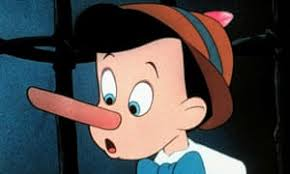
CPB - Pinochio

every day is full of surprises and disappointments.  Being an author is very emotional. You have to have thick skin.

Thanks so much, Karen, for this awesome discussion about your books and sharing so much about your life as an author! I wish you all the best with Happy Birthday, Trees!, A Crowded Farmhouse Folktale, and all of your books!

Picture Book Month Activity

celebrate-picture-books-picture-book-review-tu-b'shevat-coloring-page

Plant a Tree! Activity Pages


Whether you need to wait awhile before you can plant a tree or are in a warm-weather locale that allows for planting now, you can enjoy these two tree activity pages!

Plant a Tree Coloring Page | Stately Tree Dot-to-Dot

celebrate-picture-books-picture-book-review-happy-birthday-trees-cover

You can find Happy Birthday, Trees! at these booksellers

Amazon | Barnes & Noble | Books-a-Million

To support your local independent bookstore, order from

Bookshop | IndieBound


November 14 – It’s Geography Awareness Week

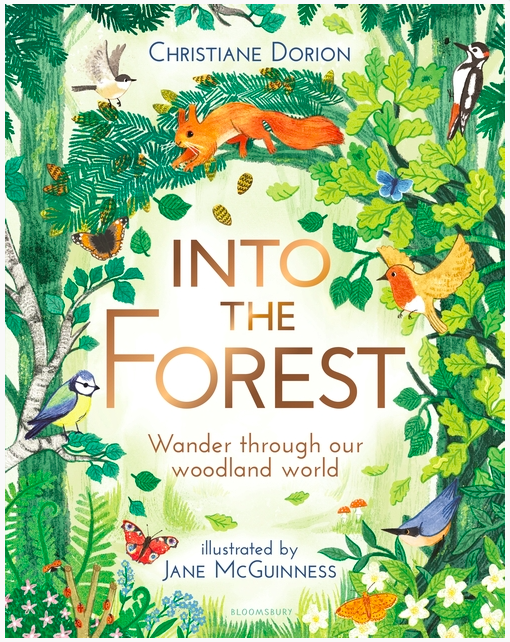
celebrate-picture-books-picture-book-review-into-the-forest-cover

About the Holiday

Today’s holiday was instituted in 1994 by National Geographic to get people excited about geography and its importance to education and everyday life. As defined by National Geographic, geography is “the study of places and the relationships between people and their environments.” This discipline includes how humans interact with the environment and the impact of location on people. These important questions affect a wide range of issues. More than 100,000 people across the country participate in Geography Awareness Week through special events, focused lessons and activities in classrooms, and attention by government and business policy-makers. To learn more about the week and discover resources for further education, visit the National Geographic website.

Into the Forest: Wander through Our Woodland World

Written by Christiane Dorion | Illustrated by Jane McGuinness


Forests, with their stands of ancient, towering trees capped with leafy canopies and thin saplings reaching for their bit of sun are mysterious, awe inspiring, and home to some of the world’s most fascinating creatures. In Into the Forest Christiane Dorion and Jane McGuinness take readers through coniferous forests, deciduous forests, and tropical rainforests around the world to introduce readers to the life found there.

Readers first learn how a single tree grows from a seed to a full-grown beauty and see how the tree is nurtured and how it nurtures insects and animals in return. But a single tree does not make a forest. Children discover the ways in which many trees work together to create a forest and how the creatures attracted to the forest interact as well.

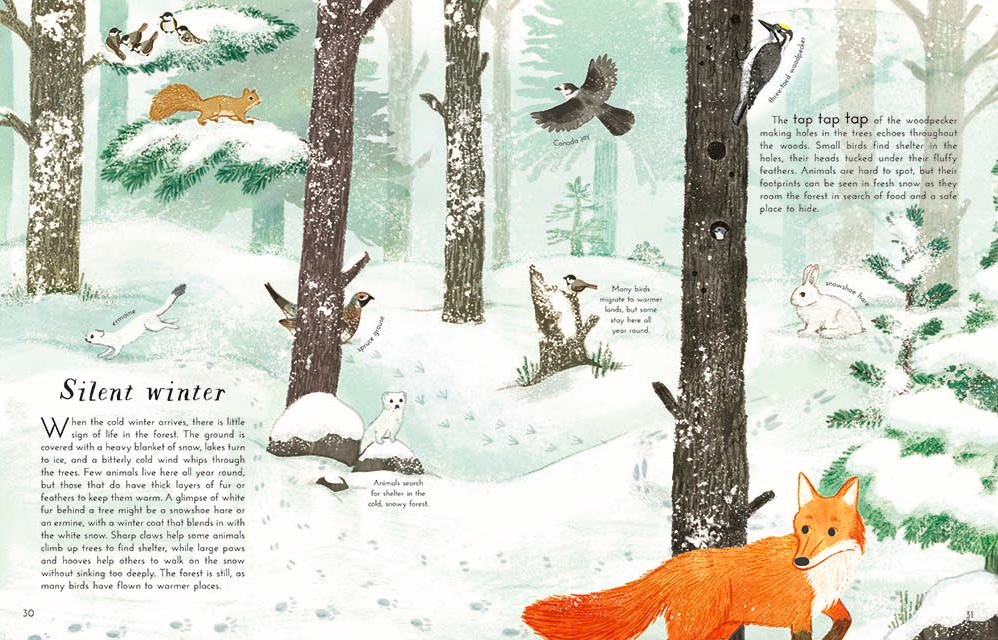
celebrate-picture-books-picture-book-review-into-the-forest-winter

Image copyright Jane McGuinness, 2020, text copyright Christiane Dorion, 2020. Courtesy of Bloomsbury Children’s Books.

“Deciduous forests are found in places where there is plenty of rain and four distinct seasons through the year.” Animals roost in the trees’ trunks, root systems, and branches. “On the forest floor, small creatures snuffle, crawl, or hop under the thick carpet of fallen leaves in search of food and a safe place to shelter.” These trees have distinctive leaves and undergo changes as the seasons change. Like the trees, the animals that live in a deciduous forest also adapt to the weather, the abundance or scarcity of food, and sheltering needs. Readers learn fascinating facts about the ingenuity of the forest’s insects and animals.

After learning about the deciduous forest, readers will want to discover them for themselves. Through lyrical descriptions and charming, realistic illustrations, Dorion and McGuinness show children and adults how and where to look and listen to find the treasures the forest holds. But there can be so many different trees in a forest—or even in a backyard or neighborhood. How do you know which is which? Dorion and McGuinness provide an illustrated guide to the names, shape, size, and type of leaf of twenty deciduous trees.

Across the northern hemisphere, coniferous forests stand tall and stalwart against bitterly cold winters while attracting some of the most majestic creatures in the animal kingdom. “Most trees in the coniferous forest are evergreens with needle-like leaves” that stay green and shed little-by-little all year round. Instead of flowers, coniferous trees produce their seeds in cones. Squirrels and birds, who can use their sharp beaks and acrobatic flying and hanging skills, find food in these cones during long winters.

celebrate-picture-books-picture-book-review-into-the-forest-redwoods

Image copyright Jane McGuinness, 2020, text copyright Christiane Dorion, 2020. Courtesy of Bloomsbury Children’s Books.

In coniferous forests, the floor is dark, wet, and can be rocky or even frozen year-round. Moss, fungi, lichen, and carnivorous plants are some of the vegetation found here. Readers learn how these plants grow, what they look like, and the animals that thrive on them. How do the forest animals survive the harsh winter conditions? Dorion and McGuinness follow ermine, grouse, a snowshoe hare, bats, chipmunks, bears, and other birds and animals as they navigate their cold home. They then take kids to the west coast to look up, up, up at the mammoth redwoods, some of which “have lived for more than two thousand years.”

There is a wide variety of coniferous trees, and again Dorion and McGuinness present a guide to the size, shape, and type of needles and cones of fourteen trees. And why are evergreens shaped like a triangle? The clever answer to that question is here too.

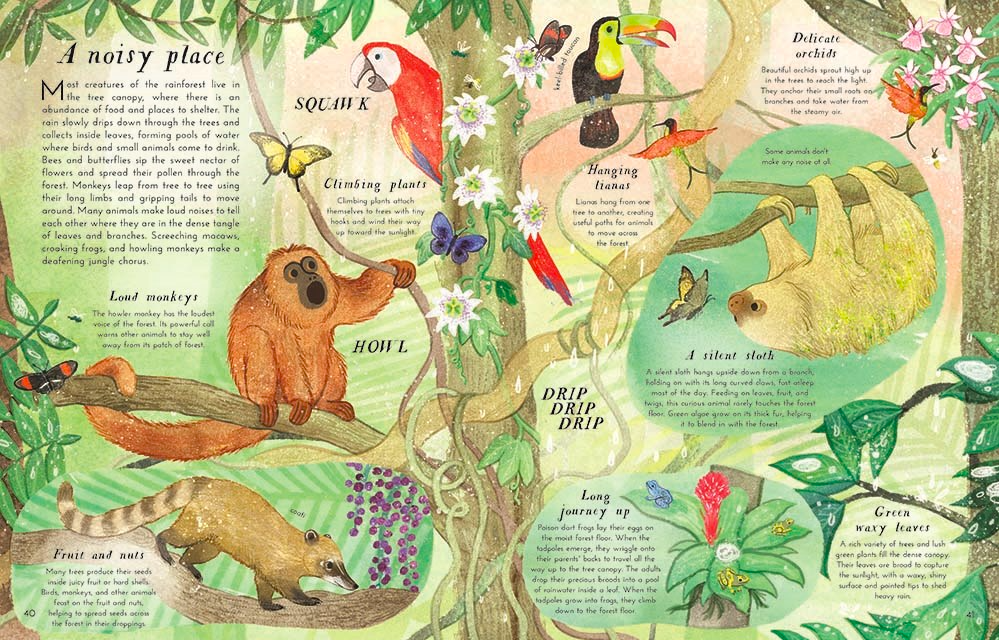
When you think of colorful birds and animals, you think about tropical rainforests. Dorion and McGuinness. Found near the equator, rainforests are home to “more than half of the know plants and animals in the world” and “more are yet to be discovered.” In a glorious riot of color, climbing vines, vibrant flowers and fruit, Dorion and McGuinness introduce readers to the denizens of these forests, where rain and warm weather provide plenty of food and water; “monkeys leap from tree to tree using their long limbs and gripping tails to move around;” and “screeching macaws, croaking frogs, and howling monkeys make a deafening jungle chorus” to “tell each other where they are in the dense tangle of leaves and branches.”

celebrate-picture-books-picture-book-review-into-the-forest-rainforest

Image copyright Jane McGuinness, 2020, text copyright Christiane Dorion, 2020. Courtesy of Bloomsbury Children’s Books.

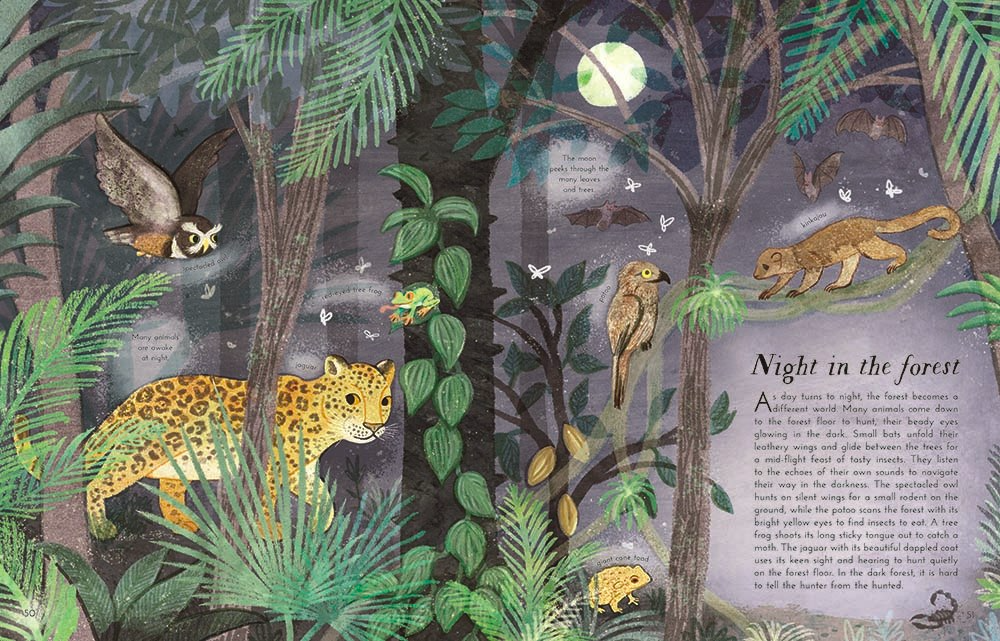
Readers will meet animals including the howler monkey, coati, toucan, parrot, poison dart frog, and sloth. Kids also learn about hanging lianas, orchids, and why plants have waxy leaves. All of that vegetation above means that the forest floor is dark and damp, making it the perfect place for some of the world’s most unusual—and feared—creatures, including snakes, spiders, jaguars, the giant centipede, and the Hercules beetle.

Frequent rain is the lifeblood of these tropical forests, and Dorion and McGuinness describe and depict their unique atmosphere as well as the ingenious adaptations some animals use to hide in plain sight and fool predators and the way nighttime transforms the forest into a feeding ground for nocturnal animals. The guide to fourteen tropical trees introduces readers to a wide variety from palm trees to fruit trees, like mango and avocado, to trees that produce nuts, cinnamon, cacao, and chicle for gum.

Dorion and McGuinness close out their book with discussions on how plants, insects, and animals work together to ensure the growth and heath of a forest; the ways in which a forest benefits the planet; and how to plant a tree so that it will thrive. Readers will love the illustrated prompt to find twenty-seven creatures within the pages of the book, giving them an exciting way to turn back to discover all the gems included in the text.

A glossary defines twenty-two terms found in the text, and a list of organizations and links to their websites complete the back matter.

celebrate-picture-books-picture-book-review-into-the-forest-night

Image copyright Jane McGuinness, 2020, text copyright Christiane Dorion, 2020. Courtesy of Bloomsbury Children’s Books.

Christiane Dorion’s beautiful language and richly detailed narration take children into the three types of forests to see and hear how these natural communities of trees, plants, animals, birds, insects, and even weather patterns work together to maintain what are indispensable parts of our earth. The facts Dorion chooses to present will captivate young learners, telling them enough about each subject to educate while sparking a desire to know more. Perfectly paced, her text creates a lovely flow and visual accompaniment to Jane McGuinness’s gorgeous illustrations.

McGuinness astounds on every page with lush images of the various types of forests in warm weather and the coldest of conditions, during daylight and nighttime, during quiet periods and busy times. Her realistically portrayed intense textures, vivid colors, unique shapes, and furtive or carefree movements of nature invite readers into the depths of the forests to truly see what is there.

Lingering over the pages rewards readers with hidden delights, such as tiny animals peeking from the knot hole of a tree, little caterpillars inching their way across leaves, a nest with three eggs secured within the branches of a spring-green tree, and masters of camouflage motionless and nearly undetectable. Spotlighted facts and the intermittent detailed guides to specific trees, creatures, and the science of forests not only teach readers about these particular features but reinforce how nature collaborates to survive and grow.

Superbly conceived, Into the Forest is a must for home, classroom, and public library collections for nature lovers, school and homeschool lessons, and anyone who would like to learn more about our planet.

Ages 7 – 15

Bloomsbury Children’s Books, 2020 | ISBN 978-1526600707

Discover more about Christiane Dorion and her books on her website.

To learn more about Jane McGuinness, her books, and her art, visit her website.

Geography Awareness Week Activity

celebrate-picture-books-picture-book-review-wonderful-wildlife-board-game

Wonderful Wildlife Board Game


Fascinating animals are found in every part of the world. Play this fun printable Wonderful Wildlife Board Game to match each animal to the area where it lives.

Supplies

Directions

  1. Print a World Map for each player
  2. Print one set of 16 Wildlife Tokens for each player
  3. Print two copies of the 8-sided die, fold, and tape together
  4. If you would like, color the map and tokens
  5. Choose a player to go first
  6. Each player rolls both dice and places an animal on their map according to these corresponding sums of the dice below
  7. The first player to fill their map is the winner!
  • 1 = Flamingo – South America
  • 2 = Emperor Penguin – Antarctica (Southern Ocean)
  • 3 = Giraffe – Africa
  • 4 = Bald Eagle – North America
  • 5 = Ibex – Europe
  • 6 = Kangaroo – Australia
  • 7 = Panda – Asia
  • 8 = Orca – Antarctica (Southern Ocean)
  • 9 = Toucan – South America
  • 10 = Buffalo – North America
  • 11 = Koala – Australia
  • 12 = Lion – Africa
  • 13 = Etruscan Shrew – Europe
  • 14 = Manta Ray – Pacific Ocean
  • 15 = Sea Turtle – Atlantic Ocean
  • 16 = Tiger – Asia

celebrate-picture-books-picture-book-review-into-the-forest-cover

You can find Into the Forest at these booksellers

Amazon | Barnes & Noble | Books-a-Million

To support your local independent bookstore, order from

Bookshop | IndieBound

Picture Book Review