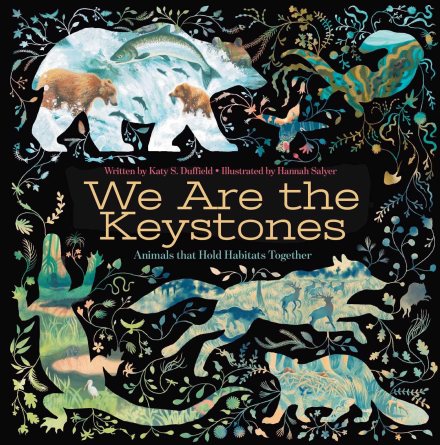
April 24 – Arbor Day

About the Holiday

Arbor Day, a national celebration of trees, began as a campaign by J. Morton Sterling and his wife after they moved from Michigan to Nebraska in 1854 and advocated for planting trees as windbreaks for crops, to keep soil from washing away, as building materials, and for shade. In 1872, Morton proposed that a tree-planting day be established in April. On the first Arbor Day nearly one million trees were planted in Nebraska. The idea was made official in 1874, and soon, other states joined in. In 1882 schools began taking part. Today, most states celebrate Arbor Day on the last Friday of April or day more suited for their growing season. To learn about events in your area, find activities to download, and more, visit the Arbor Day Foundation website.

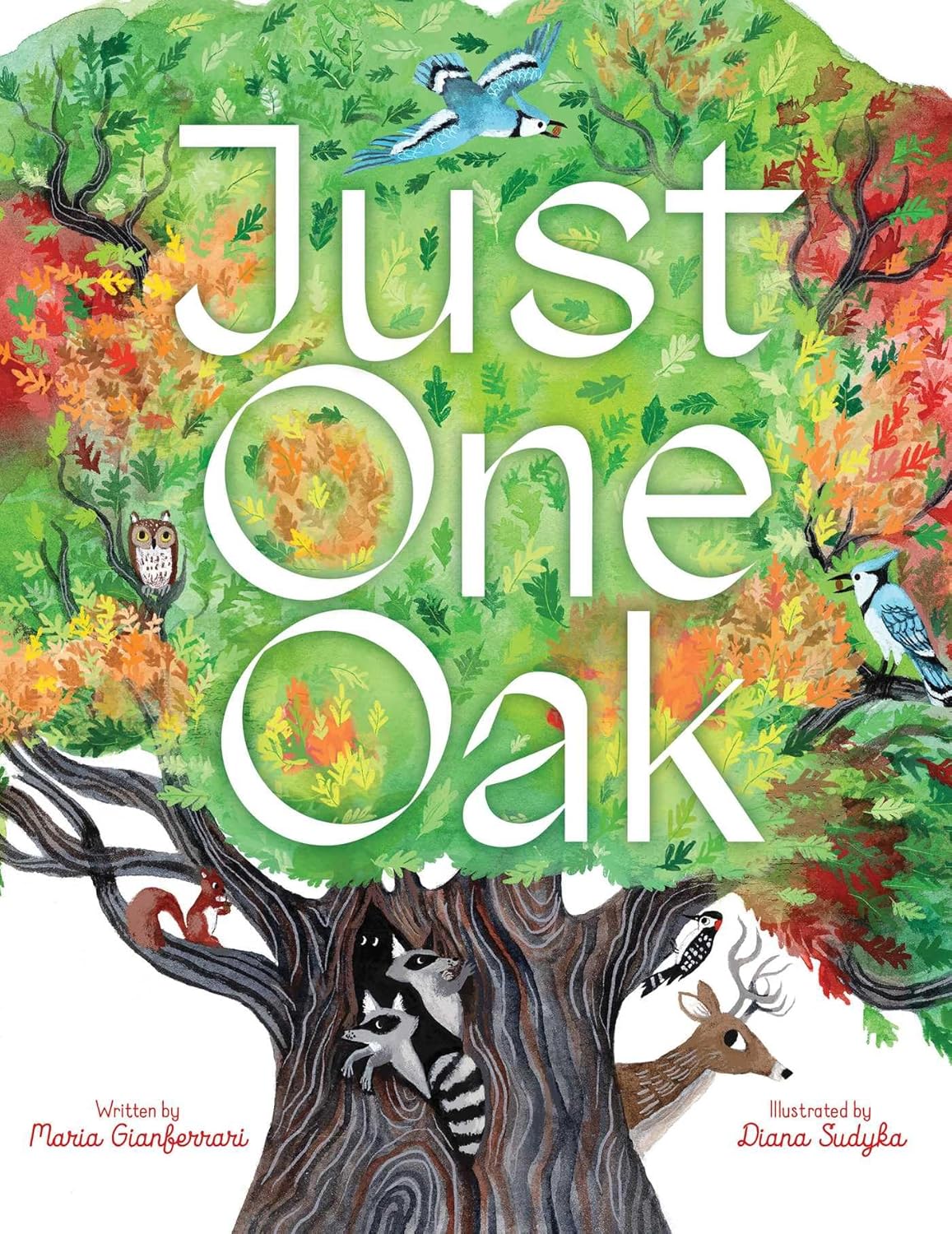
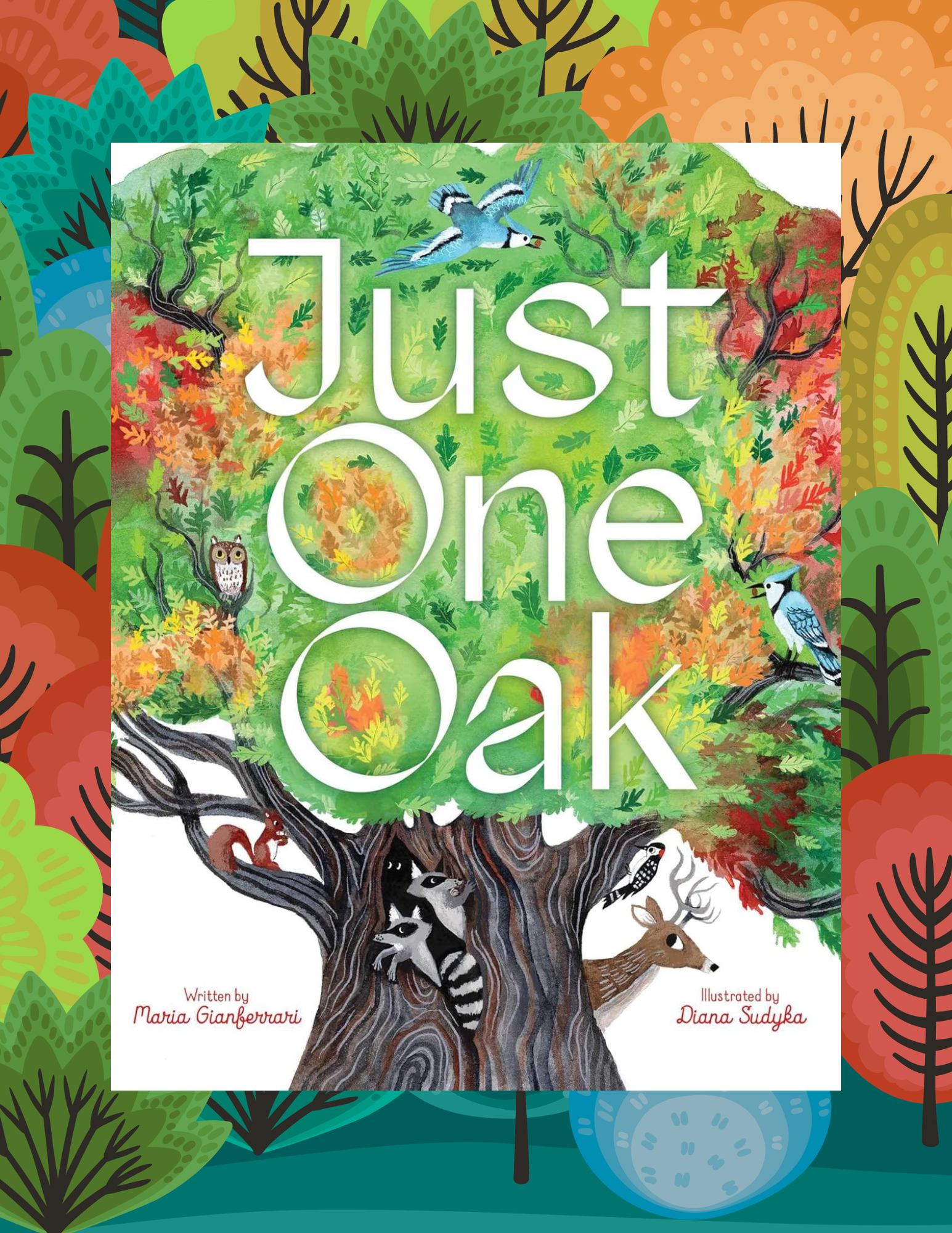
Just One Oak: What a Single Tree Can Be

Written by Maria Gianferrari | Illustrated by Diana Sudyka


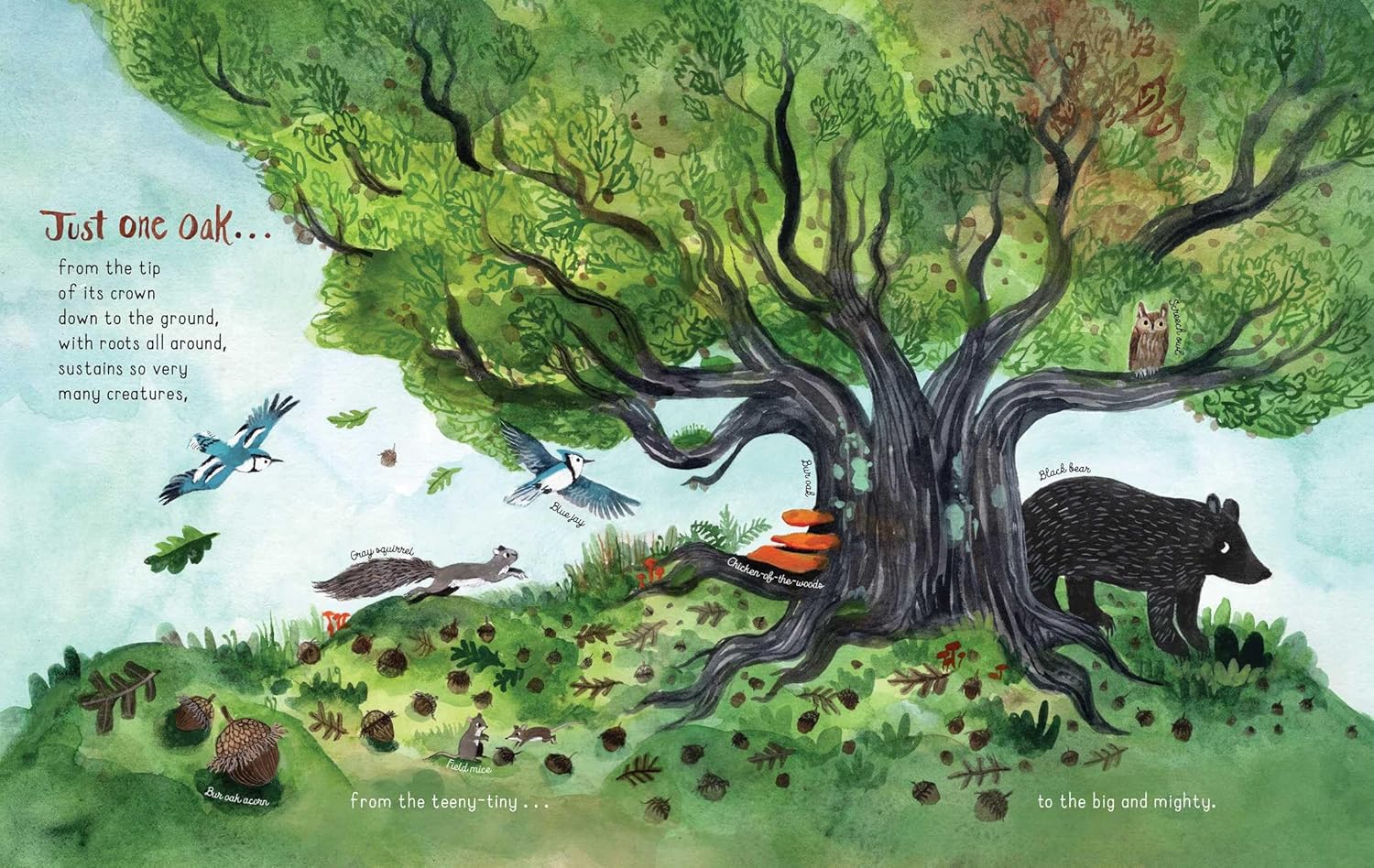
“Just one oak . . . from the tip of its crown down to the ground, with roots all around, sustains so very many creatures, from the teeny-tiny to the big and mighty.” So begins Maria Gianferrari’s fascinating exploration of all the ways oak trees contribute to and sustain the ecosystem where they live. From their distinctive leaves to their shaggy bark to their incredible acorns, oak trees are self-protecting while providing shelter and food for an amazing array of wildlife.

Illustration copyright © 2026 by Diana Sudyka. Text copyright © 2026 by Maria Gianferrari. Courtesy of Beach Lane Books.

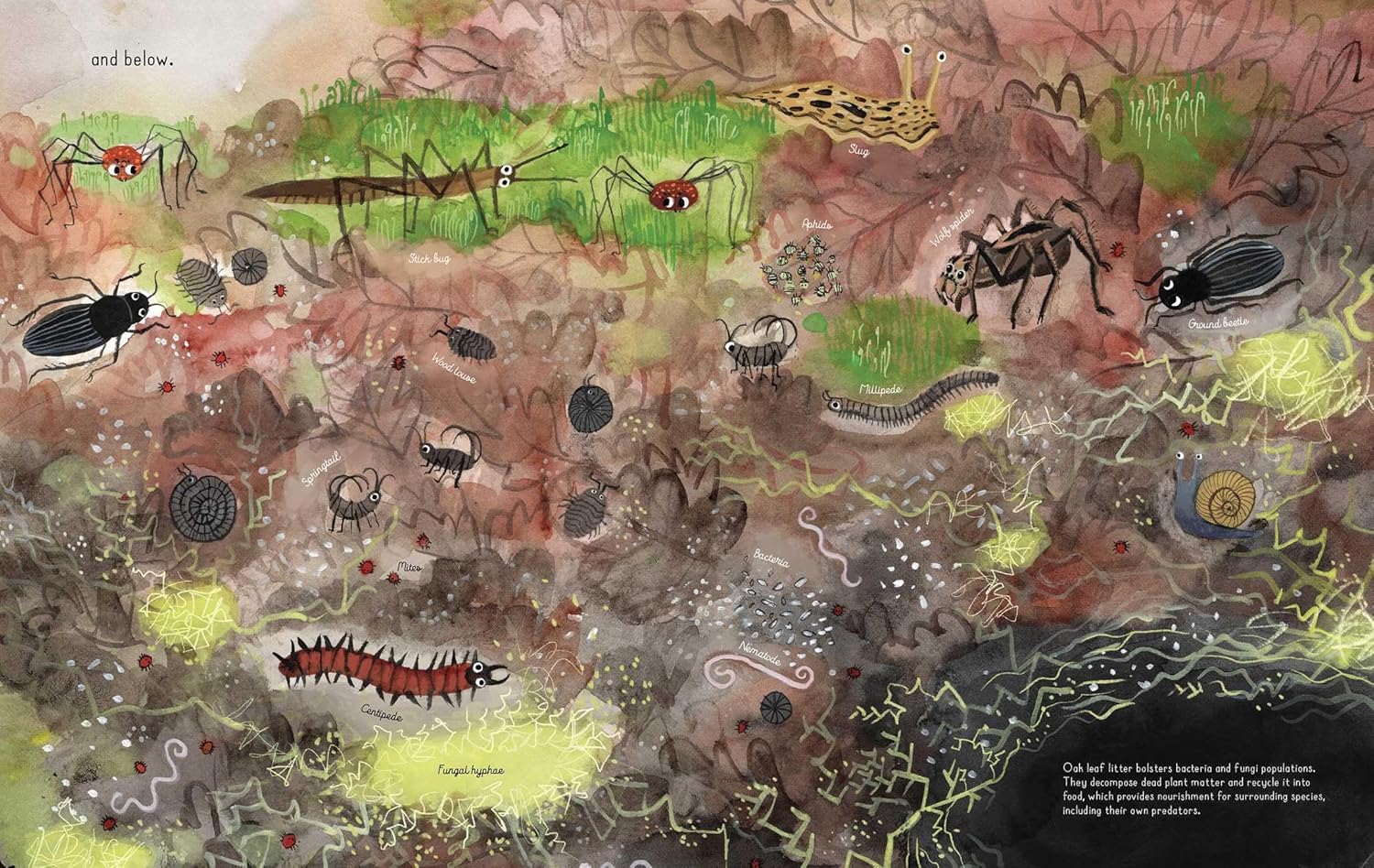
At ground level, Gianferrari shows how “leaf litter, the blanket beneath its boughs,” creates the perfect environment for snails, insects, amphibians, fungi, and more to hide, feed, and grow. And that little acorn nestled under the leaves? Gianferrari digs in to reveal how a mighty oak begins with just one taproot that branches and branches until its root system spreads “farther than the canopy is wide.”

Illustration copyright © 2026 by Diana Sudyka. Text copyright © 2026 by Maria Gianferrari. Courtesy of Beach Lane Books.

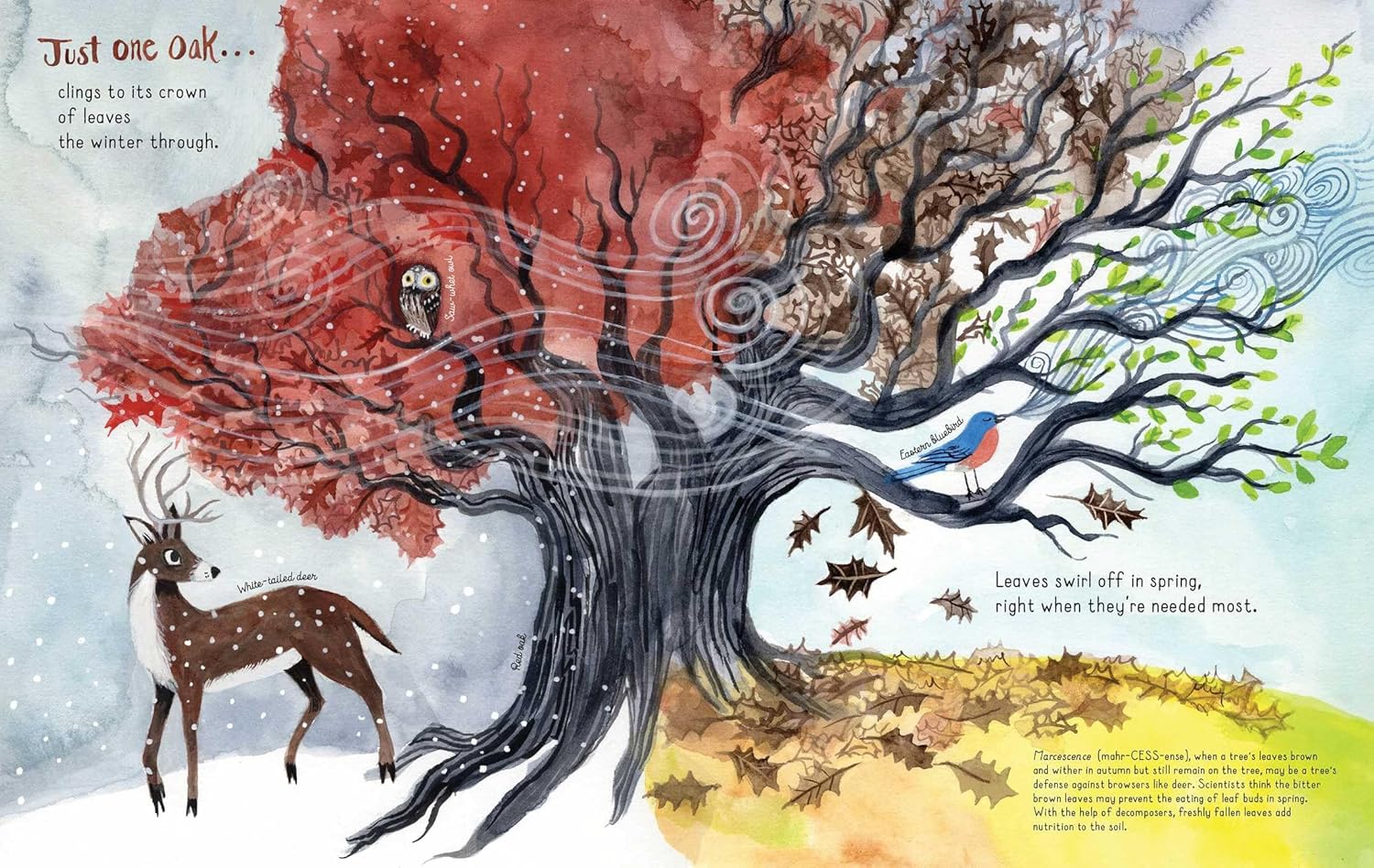
And oh those acorns! They’re so much more than their tiny size may lead you to believe. Just one acorn can house one creature or hundreds. They are a universal “superfood” as well as a tidy seed that can reproduce where it drops or be carried far afield. When it grows up, “just one oak creates a microclimate,” with its impressive canopy and prevents flooding, erosion, and drought with its far-reaching roots. Yes, “just one oak is beautiful and bountiful to all.”

Illustration copyright © 2026 by Diana Sudyka. Text copyright © 2026 by Maria Gianferrari. Courtesy of Beach Lane Books.

Maria Gianferrari takes readers outdoors to get a close-up view of one oak tree, and by extension an enlightened understanding of the reach of this keystone species. Her lyrical introductions, capped with a repeated “Just one oak . . .”—a phrase that reinforces the contributions of these trees, give way to paragraphs of factual information. Each of these paragraphs are packed with specific information about the types of creatures sustained by just one tree and the benefits they enjoy. The numbers here are simply astounding and could inspire many cross-curricular lessons in math, science, language arts, art, and more. 

Diana Sudyka’s nature illustrations are beautiful, exciting, and full of the kinds of small, impactful details readers love and that expand their understanding of the text (especially for visual learners). Animals scamper, birds feast, and an entire community of creepy-crawlies scurry through leaf litter and below in Sudyka’s action-filled pages. Each spread will have children lingering to discover all the wonders of an oak tree.

A glorious celebration of the oak tree and the species that rely on it, Just One Oak will spark curiosity and an appreciation for the interconnections among wildlife. The book will delight any nature lover and is a must for school and public libraries. 

 Ages 4 – 8+

Beach Lane Books, 2026 | ISBN 978-1665961042

About the Author

Maria Gianferrari is a picture book reader/writer, tea-drinker, dog-lover, and birdwatcher. Maria writes books that honor our bonds with creatures both domestic and wild and that celebrate the natural world around us, including Fungi Grow and Just One Oak, illustrated by Diana Sudyka; Ice Cycle: Poems about the Life of Ice, illustrated by Jieting Chen; Being a Dog: A Tail of Mindfulness, illustrated by Pete Oswald; Bobcat Prowling, illustrated by Bagram Ibatouilline; and Be a Tree!, illustrated by Felicita Sala. She lives with her family in Massachusetts in a house encircled by trees. To learn more about Maria, visit her website: MariaGianferrari.com.

About the Illustrator 

Diana Sudyka is a Chicago-based illustrator. Early on, she created screen-printed gig posters for musicians but currently her illustration work focuses on young adult, middle grade, and children’s books. She has illustrated several volumes of the award-winning book series, including The Mysterious Benedict Society by Trenton Lee Stewart and Circus Mirandus by Cassie Beasley, as well as the picture books Would You Come Too? by Liz Garton Scanlon, Sometimes Rain by Meg Fleming, What Miss Mitchell Saw by Hayley Barrett, How to Find a Bird by Jennifer Ward, and Fungi Grow and Just One Oak by Maria Gianferrari. Visit her at DianaSudyka.com.

Arbor Day Activities

celebrate-picture-books-picture-book-review-paper-plate-tree-craft-2


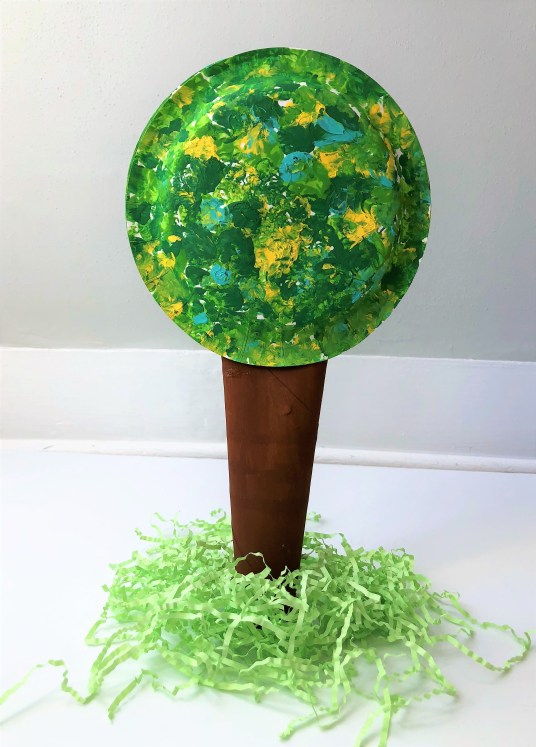
Paper Plate Tree


On Earth Day children love planting trees in their yard or as part of a community project. With this easy craft, they can also plant a tree on their wall or bulletin board.

Supplies

  • Two paper plates 
  • Paper towel tube
  • Brown craft paint
  • Green craft paint (using a variety of green paints adds interest)
  • Paintbrush, cork, or cut carrot can be used to apply paint
  • Glue or hot glue gun or stapler

Directions

  1. Paint the paper towel tube brown, let dry
  2. Paint the bottoms of the two paper plates with the green (or other color) paints, let dry
  3. Flatten about 4 inches of the paper towel tube 
  4. Glue or tape the flat part of the paper towel tube to the unpainted side of one paper plate
  5. Glue the edges of the two paper plates together, let dry.
  6. Straighten the tree so that it can stand up, or hang your tree on a wall, bulletin board, in a window

Just One Oak Activity Kit from Beach Lane Books


Teachers and other educators can find a comprehensive Activity Kit with discussion questions, hands-on activities, and more to accompany Just One Oak on Maria Gianferrari’s website.

You can purchase Just One Oak: What a Single Tree Can Be from these booksellers

Amazon | Barnes & Noble | Bookshop

Picture Book Review

April 23 – National Picnic Day

About the Holiday

It’s said that food always tastes better when eaten outdoors. If you’re having warm early spring weather today, why not test that theory, by packing a basket or cooler and heading out to your favorite outdoor spot! Whether simple or elegant, enjoyed alone or with family or friends, a picnic can be just the respite you need from the routine workweek. The word “picnic” probably gets its origins from the French language, specifically from the word pique-nique: (to pick) + (small thing or trifle). It’s thought that picnics became popular in France after the French Revolution in the mid 1800s and the idea then spread around the world. If you just can’t get away or the weather isn’t cooperating, International Picnic Day is celebrated on June 18, and the month of July hosts National Picnic Month.

Thank you to Tundra Books for sharing a copy of this book with me!

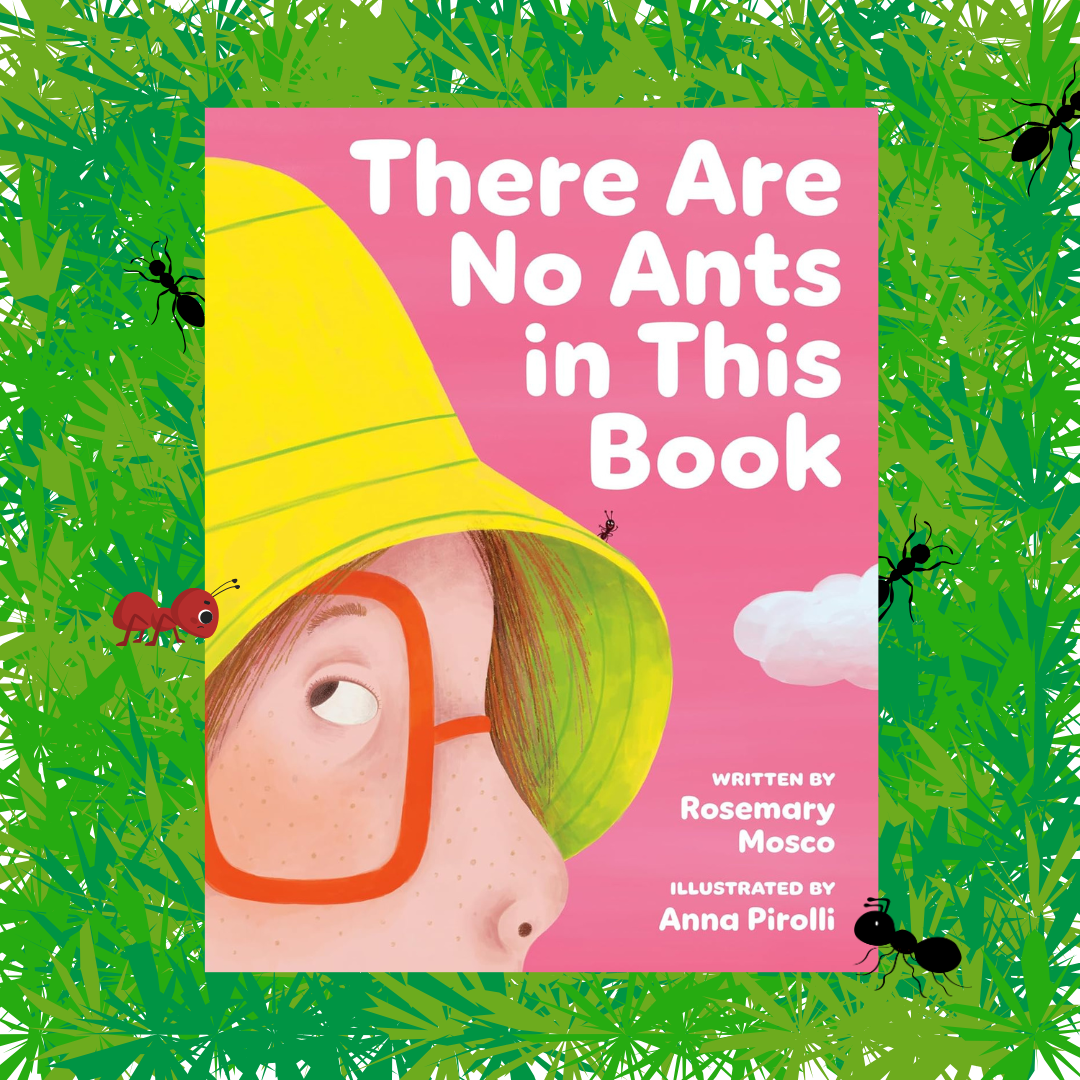
There Are No Ants in This Book

Written by Rosemary Mosco | Illustrated by Anna Pirolli


A child, picnic basket and tote in hand peeks in from the top-left corner of the first page to find a green field just perfect for a picnic. The child is pretty confident they won’t be disturbed by pesky pests purloining food because it says right on the cover that “there are no ants in this book.” But just as the cake is being placed on the blanket, word comes from nearby: “Wrong! There’s one!” Turns out that acorn lying only inches from the picnic cloth is actually the abode of an acorn ant.

Illustration © 2025 by Anna Pirolli, text © 2025 by Rosemary Mosco. Courtesy of Tundra Books.

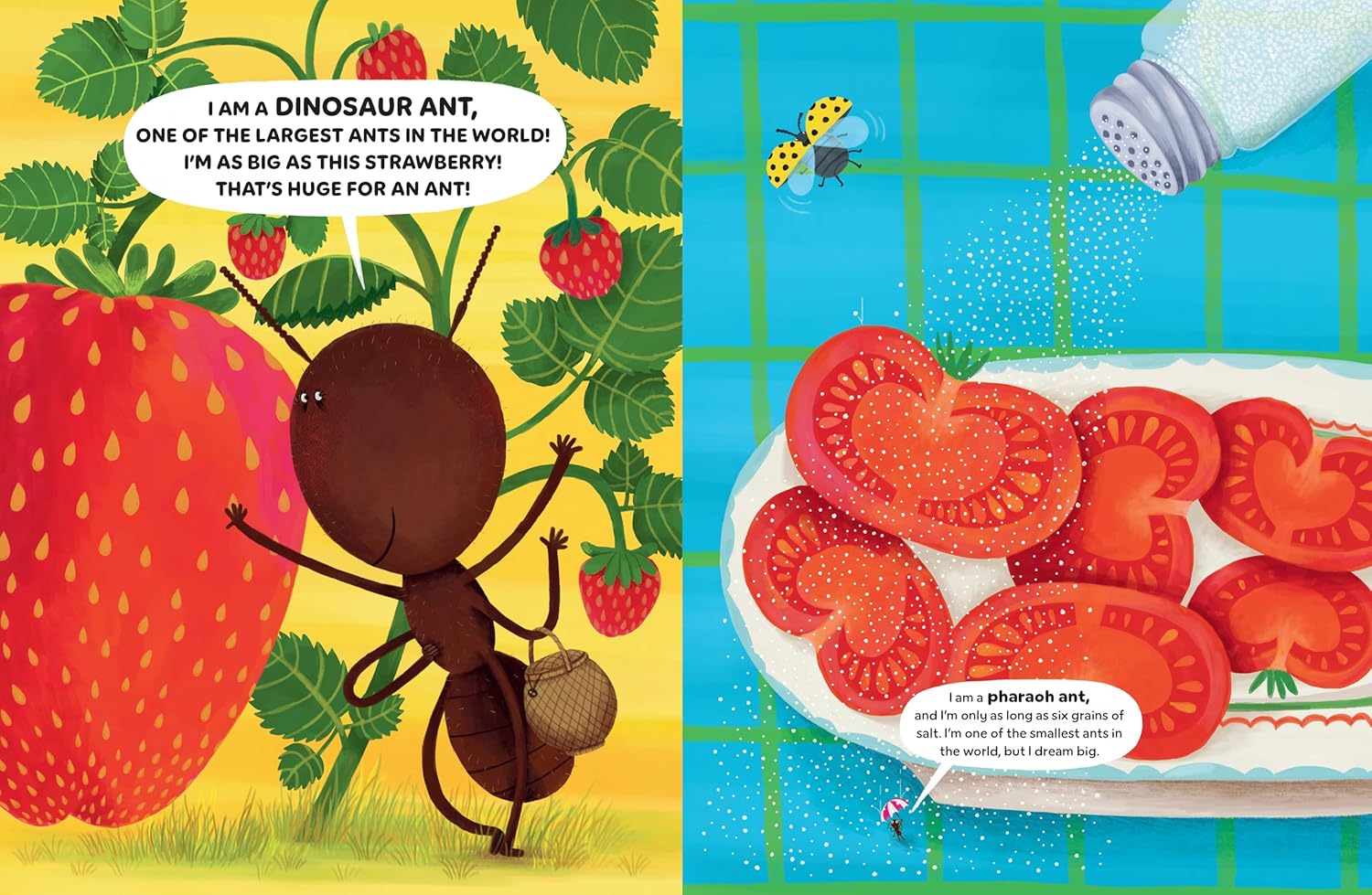
The child can make an exception for just one ant, but then, out of the clear blue sky, comes “Two!” and “Three!” These two reveal that they are opposites of a sort. Number “two” is “one of the largest ants in the world” and as big as a strawberry. Number “three” is the smallest—”as long as six grains of salt.”

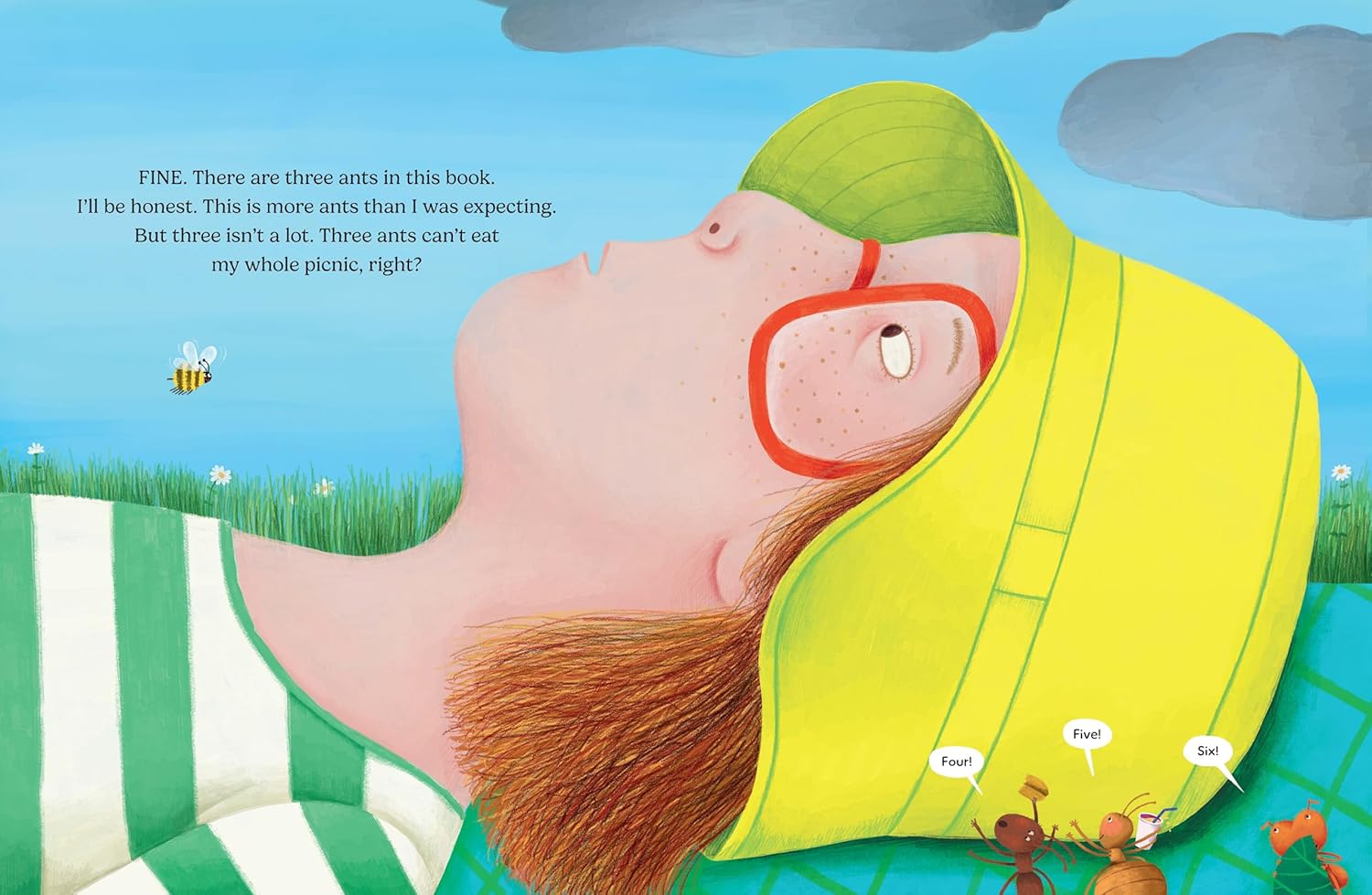
The child is just wrapping their head around this book having “. . . more ants than I was expecting” and figuring “three ants can’t eat my whole picnic, right?” when three more show up, including a honeypot ant that explains, “I fill my big round butt with sweet sugar water . . . in case my family gets hungry” then declares, “I am a walking refrigerator.

Illustration © 2025 by Anna Pirolli, text © 2025 by Rosemary Mosco. Courtesy of Tundra Books.

Kinda freaked out to meet these six interlopers, the child goes into full “ARRRGH!” mode when four more ants drop by. And who can blame them? The book had such promise at the beginning. But now . . . Yeah. Butt! Two of these new ants have positively particular posterior powers! One lives in trees and uses their butt as a kind of nature-made Siri to guide them home, and the other, an acrobat ant, explains “If someone scares me, I stick my butt high up in the air and wave it around.” The third is a clever crafter, and the fourth uses his head (literally) to defend his home.

The child is “shocked.” “Stunned.” Delighted! And invites these ants as well as their “humungous families” to the picnic. But all these tiny pounding feet attract the attention of an anteater. The child, though, does some quick thinking and then points out that the title of the book clearly states, “there are no ants in this book,” which sends the anteater packing. And now? It’s time for the perfect picnic!

Back matter presents realistic illustrations of each of the ten ants found in the book with a bite-sized paragraph revealing what part of the world the ant is native too as well as more about the feature that makes it unique.

Illustration © 2025 by Anna Pirolli, text © 2025 by Rosemary Mosco. Courtesy of Tundra Books.

In her funny and fast-paced tribute to ants, Rosemary Mosco proves that even the smallest creatures have enormous appeal. As each ant makes an appearance to proudly describe its distinct capability or feature, Mosco’s conversational, easy-to-digest writing style makes it simple for kids to remember the prominent details. Kids will also identify with the narrator, who humorously cycles from certainty in the promise of the title to disillusionment to acceptance to all-out appreciation for these tiny critters. 

Vibrant and loaded with personality, Anna Pirolli’s cartoon, graphic-style illustrations use perspective, natural surroundings, and emotive facial expressions to immerse kids in this rollicking educational experience.

If you like a dose of laughter with your science, There Are No Ants in This Book is the ant-idote you’ve been looking for. A perfect addition to any classroom, homeschool, or science educator’s collection, the book will also be an often-asked-for favorite for home story times.

Ages 4 – 8

Tundra Books, 2024 | ISBN 978-1774881163

About the Author

Rosemary Mosco makes books and cartoons that connect people with the natural world. Her nature comics won the National Cartoonist Society’s award for Best Online Short Form Comic and were the subject of an award-winning museum exhibit. She co-wrote the New York Times bestseller The Atlas Obscura Explorer’s Guide for the World’s Most Adventurous Kid, and is the author of the picture books Butterflies Are Pretty . . . Gross! and Flowers Are Pretty . . . Weird! illustrated by Jacob Souva, as well as five other science books. She speaks at birding festivals and looks for cool critters under every rock she can find. Rosemary lives in Massachusetts. Visit her at rosemarymosco.com.

About the Illustrator

Anna Pirolli was born in Genoa and moved to Milan to study illustration at the European Institute of Design. She has worked as a freelance illustrator and art director for companies such as Mondadori, Pearson, Vogue, MTV, Kinder Ferrero, Nickelodeon, Disney and others, following the creative process from concept to creation. She’s also a visiting professor at the Accademia di Brera, where she teaches design applied to the arts. Anna has illustrated the picture books I Hate My Cats: A Love Story by Davide Cali and Anonymouse by Vikki VanSickle, which won the Dilys Evans Founder’s Award at the 2021 Society of Illustrators Original Art Show. Follow her on Instagram.

National Picnic Day Activity

A Perfect Day for a Picnic! Maze


Can you lead the ants to the picnic in this printable A Perfect Day for a Picnic! maze?

You can purchase There Are No Ants in This Book from these booksellers

Amazon | Barnes & Noble | Bookshop (discounted books and support for your local independent bookstore)