September 4 – National Wildlife Day

In 2005 animal behaviorist and philanthropist Colleen Paige established National Wildlife Day to promote an awareness of the importance of conservation of animals, habitats, and the environment worldwide as well as to acknowledge the education and conservation work of zoos and animal sanctuaries. To honor the memory and birthday of Steve Irwin, National Wildlife Day is also celebrated on February 2. To celebrate today’s holiday, take time to learn about what you can do to help protect the environment. 

Thanks to Beach Lane Books for sending me this book for review!

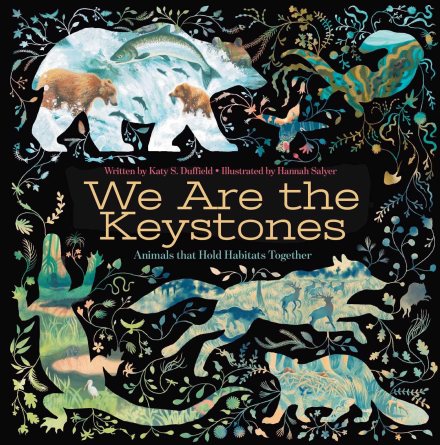
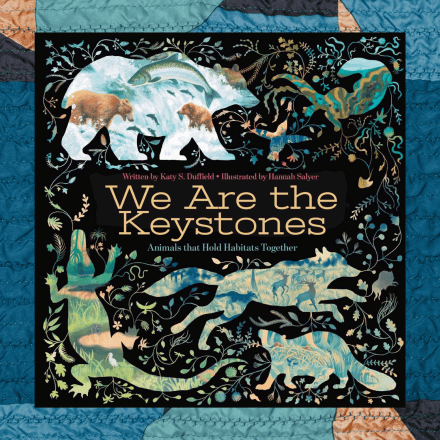
We Are the Keystones: Animals That Hold Habitats Together

Just as you and your family might be lost without your neighborhood grocery store, park, or library, Katy S. Duffield introduces eleven “nature-hoods” and a keystone species that keeps each thriving “. . . just by doing what they do. / They make a difference when they roam, / or when they eat or build a home.”

Duffield begins each scintillating profile with a factually descriptive, rhyming poem that describes the keystone species’ behavior and exactly how it affects the area in which it lives. On the opposite side of each two-page spread, Duffield expands on her informative verse with a short paragraph of clear and illuminating prose. Here, she calls out specific creatures who benefit from the keystone’s influence as well as how, for example, the keystone’s felling trees, culling herds, digging, and even pooping profoundly and positively impact ecosystems around the world.
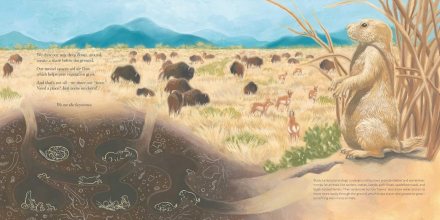
Illustration copyright © 2026 by Hannah Sayler. Text copyright © 2026 by Katy S. Duffield. Published by Beach Lane Books copyright © 2026.

Children meet the beaver, whose dams create pond and wetland homes for a multitude of living things and also “filter and clean the water, producing a healthy environment for all the creatures that live there.” The humble black-tailed prairie dog, likewise, is a hero of grasslands, whose tunneling provides crucial aeration that “helps new vegetation grow” while offering small reptiles and animals protective homes.
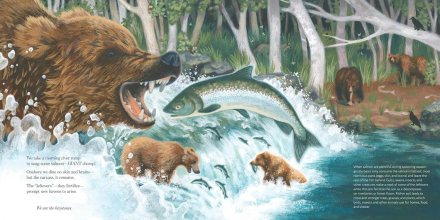
Illustration copyright © 2026 by Hannah Sayler. Text copyright © 2026 by Katy S. Duffield. Published by Beach Lane Books copyright © 2026.

Readers are also prompted to look to the sky to get to know a tiny South American bird that uses its unique features to ensure all flowers are pollinated. They are then plunged into the sea to meet a fish, a marine mammal, and a tiger shark, who unapologetically affirms: “With scanning eyes, we glide and seek. / We hunt the sick, the dead, the weak. / We’re scavengers—that’s what we do. / It sounds disgusting, yet it’s true.” And what does eating these tasty snacks accomplish? Duffield explains that “. . . [it] can keep disease from spreading to healthy marine life,” among other benefits. Duffield also highlights two other mammals, a fierce reptile, and an unusual bird before rounding out her book, Duffield with the gentle giants that help the savanna support its vegetation and wildlife with a simple (for them) act that lets the sun shine through.

Katy S. Duffield’s immersive storytelling will spark a fascination in children for these sometimes under-appreciated animals that are in fact critical to the world’s ecosystems. Her inclusion of poetic and prose descriptions of each creature will appeal to a wide range of readers and give educators an exciting resource for engaging all students.
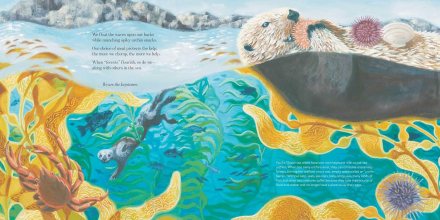
Illustration copyright © 2026 by Hannah Sayler. Text copyright © 2026 by Katy S. Duffield. Published by Beach Lane Books copyright © 2026.

In her arresting gouache paintings, Hannah Salyer transports readers to misty, sun-drenched, and mysterious “nature-hoods” to witness keystone species in action. A Black-tailed prairie dog surveys its terrain, teeming with buffalo and pronghorn deer as children spy the creatures taking advantage of the “hotel” below ground. A grizzly bear snaps its sharp teeth to catch a salmon in flight, and a southern cassowary stretches its beak to swallow whole a “tennis-ball-size seed.” Sayler unveils the colors, textures, and diversity of each ecosystem, giving readers much to digest and learn from. A final clever two-page spread presents a web of connected animal silhouettes that will send kids back through the pages to find them in their natural habitat.

A standout nature and science nonfiction picture book, both textually and visually, We Are the Keystones: Animals That Hold Habitats Together will appeal to children of varying learning styles. The book is a must for all library collections and would be a favorite for classroom and home bookshelves as well.

Ages 4 – 8

Beach Lane Books, 2026 | ISBN 978-1665946896

About the Author

Katy S. Duffield is the author of more than twenty-five books for children, including the celebrated Crossings: Extraordinary Structures for Extraordinary Animals, which was an ALA/ALSC Notable Book, a Bank Street Best Book of the Year, and the recipient of the Eureka! Excellence in Nonfiction Gold Award. She lives in Florida with her husband and her wild and crazy Australian Shepherd. For more information about Katy, please visit her website at KatyDuffield.com.

About the Illustrator

Hannah Salyer received her BFA in illustration and communication design, with a minor in environmental studies, from Pratt Institute. She resides in Brooklyn, New York, where she writes and illustrates picture books, including her own Packs: Strength in Numbers and Ancestory: The Mystery and Majesty of Ancient Cave Art, as well as This Wolf Was Different by Katie Slivensky. She also teaches art classes for young kids and illustration classes for undergrad students at Parsons School of Design. Visit her at HannahSalyer.com.

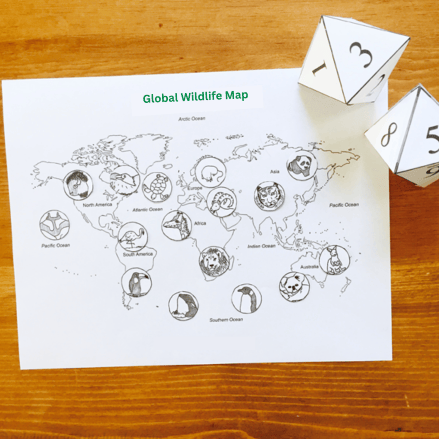
Fascinating animals are found in every part of the world. Play this fun printable Wonderful Wildlife Board Game to match each animal to the area where it lives.

Supplies

Directions

  1. Print a Global Wildlife Map for each player
  2. Print one set of 16 Wildlife Tokens for each player
  3. Print two copies of the 8-sided die, fold, and tape together
  4. If you would like, color the map and tokens
  5. Choose a player to go first
  6. Each player rolls both dice and places an animal on their map according to these corresponding sums of the dice below
  7. The first player to fill their map is the winner!
You can purchase We Are the Keystones: Animals That Hold Habitats Together from these booksellers

Amazon | Barnes & Noble | Bookshop

April 24 – Arbor Day

About the Holiday

Arbor Day, a national celebration of trees, began as a campaign by J. Morton Sterling and his wife after they moved from Michigan to Nebraska in 1854 and advocated for planting trees as windbreaks for crops, to keep soil from washing away, as building materials, and for shade. In 1872, Morton proposed that a tree-planting day be established in April. On the first Arbor Day nearly one million trees were planted in Nebraska. The idea was made official in 1874, and soon, other states joined in. In 1882 schools began taking part. Today, most states celebrate Arbor Day on the last Friday of April or day more suited for their growing season. To learn about events in your area, find activities to download, and more, visit the Arbor Day Foundation website.

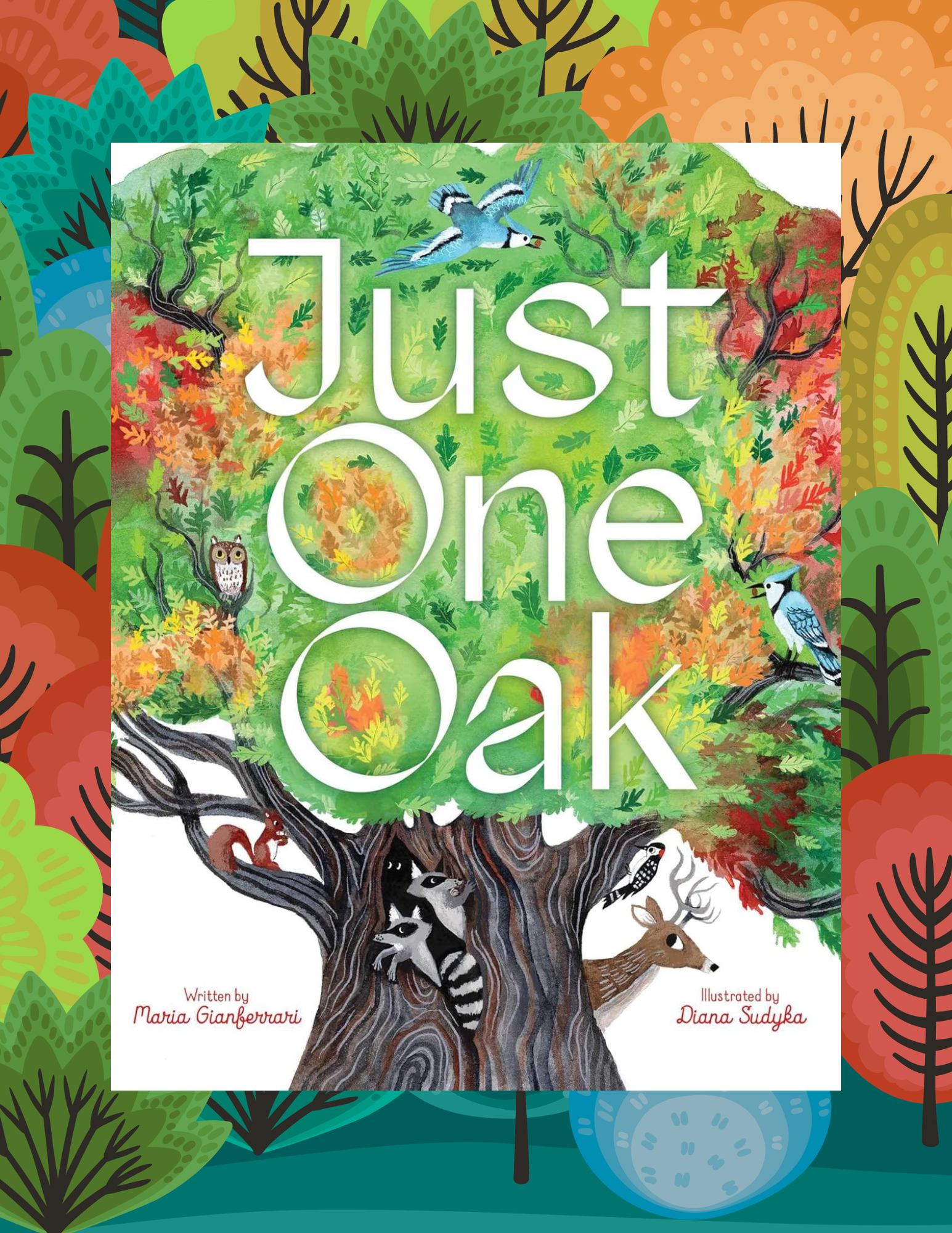
Just One Oak: What a Single Tree Can Be

Written by Maria Gianferrari | Illustrated by Diana Sudyka


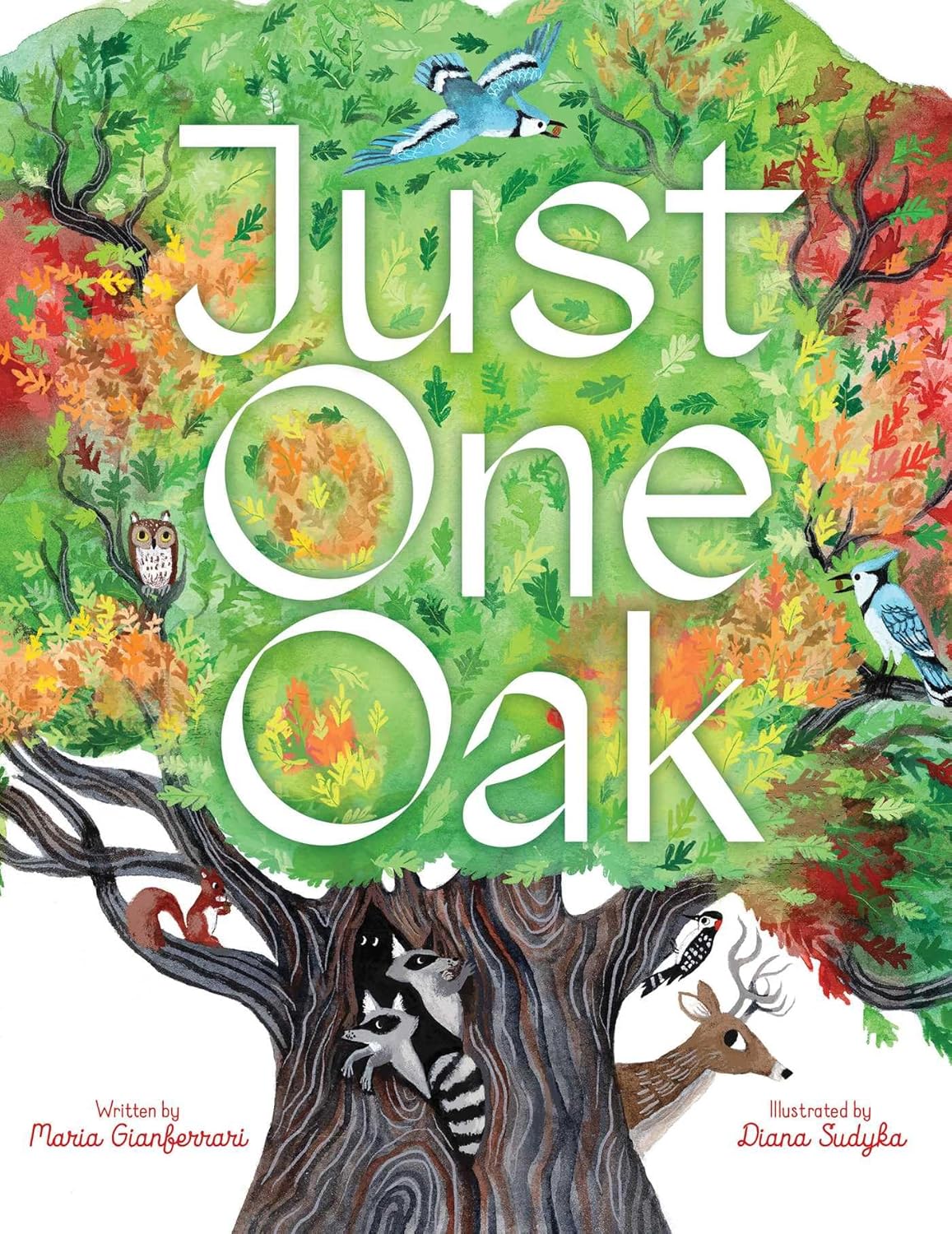
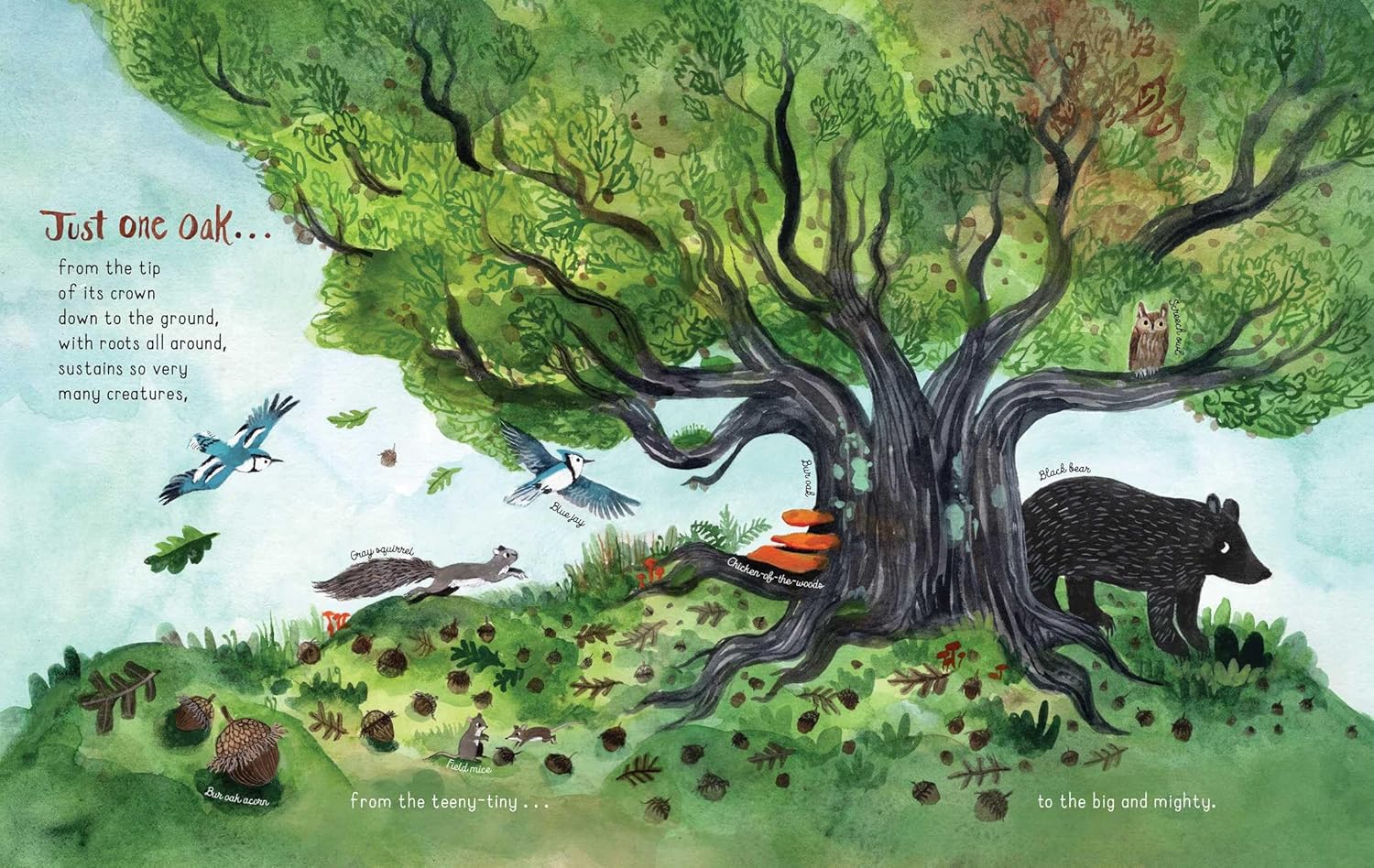
“Just one oak . . . from the tip of its crown down to the ground, with roots all around, sustains so very many creatures, from the teeny-tiny to the big and mighty.” So begins Maria Gianferrari’s fascinating exploration of all the ways oak trees contribute to and sustain the ecosystem where they live. From their distinctive leaves to their shaggy bark to their incredible acorns, oak trees are self-protecting while providing shelter and food for an amazing array of wildlife.

Illustration copyright © 2026 by Diana Sudyka. Text copyright © 2026 by Maria Gianferrari. Courtesy of Beach Lane Books.

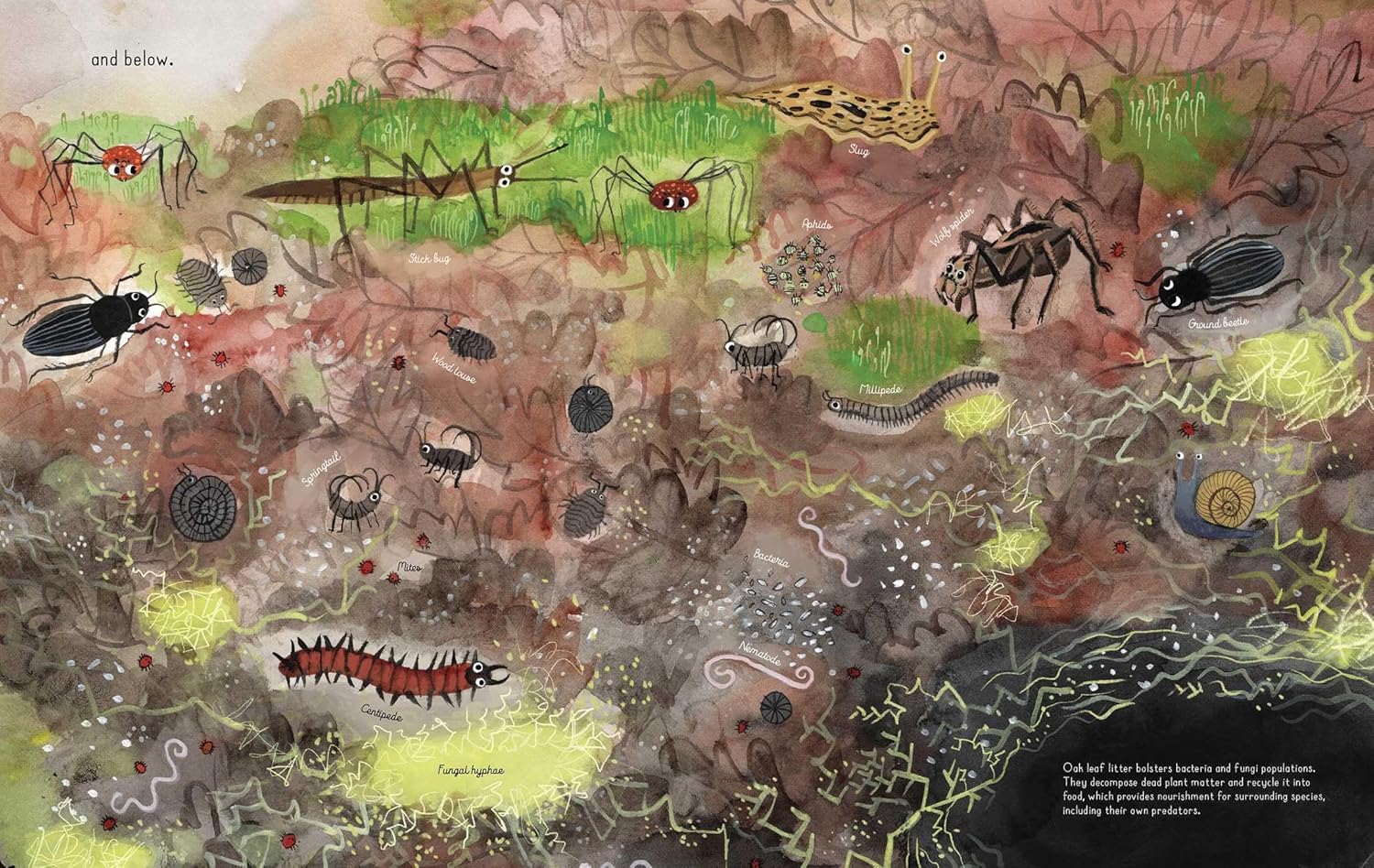
At ground level, Gianferrari shows how “leaf litter, the blanket beneath its boughs,” creates the perfect environment for snails, insects, amphibians, fungi, and more to hide, feed, and grow. And that little acorn nestled under the leaves? Gianferrari digs in to reveal how a mighty oak begins with just one taproot that branches and branches until its root system spreads “farther than the canopy is wide.”

Illustration copyright © 2026 by Diana Sudyka. Text copyright © 2026 by Maria Gianferrari. Courtesy of Beach Lane Books.

And oh those acorns! They’re so much more than their tiny size may lead you to believe. Just one acorn can house one creature or hundreds. They are a universal “superfood” as well as a tidy seed that can reproduce where it drops or be carried far afield. When it grows up, “just one oak creates a microclimate,” with its impressive canopy and prevents flooding, erosion, and drought with its far-reaching roots. Yes, “just one oak is beautiful and bountiful to all.”

Illustration copyright © 2026 by Diana Sudyka. Text copyright © 2026 by Maria Gianferrari. Courtesy of Beach Lane Books.

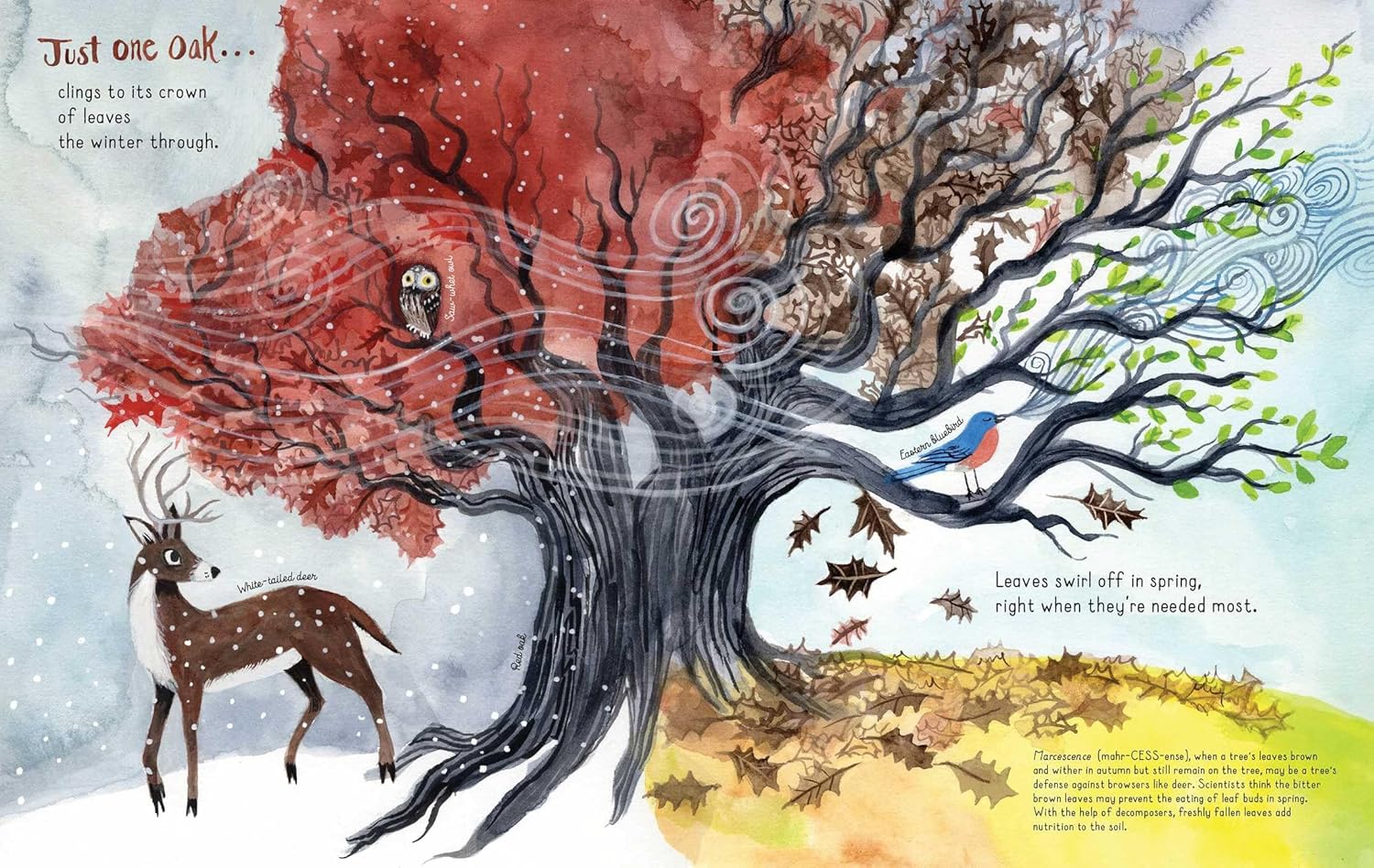
Maria Gianferrari takes readers outdoors to get a close-up view of one oak tree, and by extension an enlightened understanding of the reach of this keystone species. Her lyrical introductions, capped with a repeated “Just one oak . . .”—a phrase that reinforces the contributions of these trees, give way to paragraphs of factual information. Each of these paragraphs are packed with specific information about the types of creatures sustained by just one tree and the benefits they enjoy. The numbers here are simply astounding and could inspire many cross-curricular lessons in math, science, language arts, art, and more. 

Diana Sudyka’s nature illustrations are beautiful, exciting, and full of the kinds of small, impactful details readers love and that expand their understanding of the text (especially for visual learners). Animals scamper, birds feast, and an entire community of creepy-crawlies scurry through leaf litter and below in Sudyka’s action-filled pages. Each spread will have children lingering to discover all the wonders of an oak tree.

A glorious celebration of the oak tree and the species that rely on it, Just One Oak will spark curiosity and an appreciation for the interconnections among wildlife. The book will delight any nature lover and is a must for school and public libraries. 

 Ages 4 – 8+

Beach Lane Books, 2026 | ISBN 978-1665961042

About the Author

Maria Gianferrari is a picture book reader/writer, tea-drinker, dog-lover, and birdwatcher. Maria writes books that honor our bonds with creatures both domestic and wild and that celebrate the natural world around us, including Fungi Grow and Just One Oak, illustrated by Diana Sudyka; Ice Cycle: Poems about the Life of Ice, illustrated by Jieting Chen; Being a Dog: A Tail of Mindfulness, illustrated by Pete Oswald; Bobcat Prowling, illustrated by Bagram Ibatouilline; and Be a Tree!, illustrated by Felicita Sala. She lives with her family in Massachusetts in a house encircled by trees. To learn more about Maria, visit her website: MariaGianferrari.com.

About the Illustrator 

Diana Sudyka is a Chicago-based illustrator. Early on, she created screen-printed gig posters for musicians but currently her illustration work focuses on young adult, middle grade, and children’s books. She has illustrated several volumes of the award-winning book series, including The Mysterious Benedict Society by Trenton Lee Stewart and Circus Mirandus by Cassie Beasley, as well as the picture books Would You Come Too? by Liz Garton Scanlon, Sometimes Rain by Meg Fleming, What Miss Mitchell Saw by Hayley Barrett, How to Find a Bird by Jennifer Ward, and Fungi Grow and Just One Oak by Maria Gianferrari. Visit her at DianaSudyka.com.

Arbor Day Activities

celebrate-picture-books-picture-book-review-paper-plate-tree-craft-2


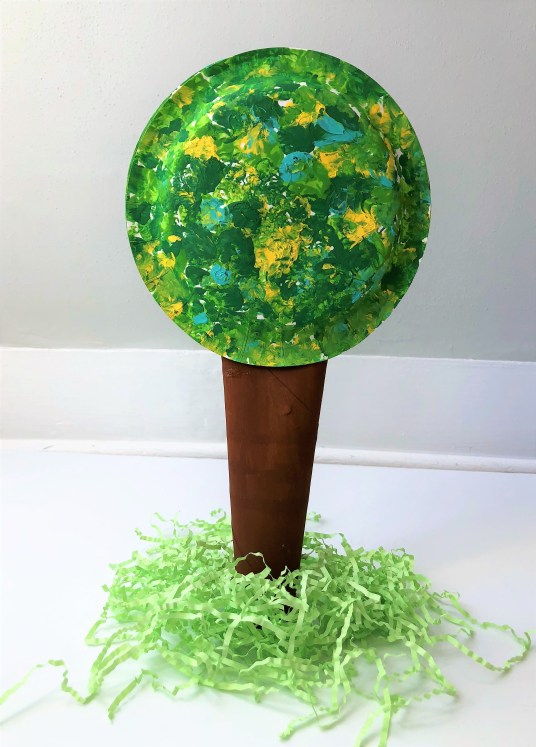
Paper Plate Tree


On Earth Day children love planting trees in their yard or as part of a community project. With this easy craft, they can also plant a tree on their wall or bulletin board.

Supplies

  • Two paper plates 
  • Paper towel tube
  • Brown craft paint
  • Green craft paint (using a variety of green paints adds interest)
  • Paintbrush, cork, or cut carrot can be used to apply paint
  • Glue or hot glue gun or stapler

Directions

  1. Paint the paper towel tube brown, let dry
  2. Paint the bottoms of the two paper plates with the green (or other color) paints, let dry
  3. Flatten about 4 inches of the paper towel tube 
  4. Glue or tape the flat part of the paper towel tube to the unpainted side of one paper plate
  5. Glue the edges of the two paper plates together, let dry.
  6. Straighten the tree so that it can stand up, or hang your tree on a wall, bulletin board, in a window

Just One Oak Activity Kit from Beach Lane Books


Teachers and other educators can find a comprehensive Activity Kit with discussion questions, hands-on activities, and more to accompany Just One Oak on Maria Gianferrari’s website.

You can purchase Just One Oak: What a Single Tree Can Be from these booksellers

Amazon | Barnes & Noble | Bookshop

Picture Book Review