August 11 – Happiness Happens Month

Happiness Happens Month reminds us that happiness can happen anywhere and at any time. In fact paying attention to all of the little moments during each day, going on spontaneous outings with friends or family, or taking time to do a favorite activity may be all you need to feel happier every day! Spending time reading with your kids is one of those activities that’s sure to bring a smile and comforting a sense of “ahhhh!” With school starting again soon, it’s a great time to reflect on the fun you’ve had over the past months and as well as the memories and learning to come. Today’s book combines fun and learning in a way that’s sure to make happiness happen every time you read it!

Thank you to Abrams Appleseed for sending me this book for review!

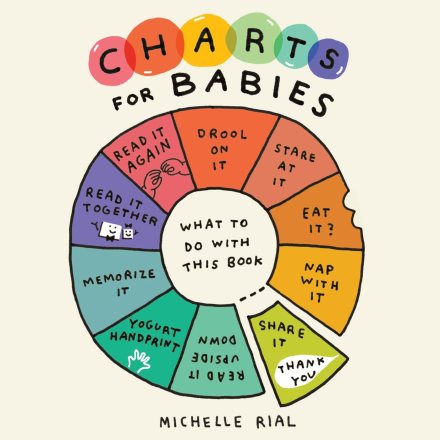
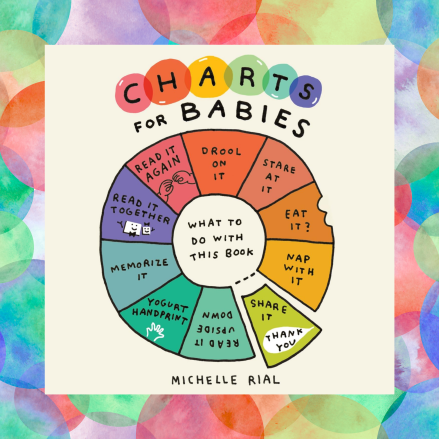
Charts for Babies

Little ones may not know about all the visual tools people use to corral the data that that keeps the world working and connected, but knowing how to read these helpful graphics is a crucial skill as children climb higher and higher in math and science classes at school. So, is there a way for even the youngest children to begin learning these important concepts? Michelle Rial says wholeheartedly, “Yes!” But is there a way to make it relatable and exciting and—dare I ask?—fun? Like really fun?
Text and illustration copyright © 2026 by Michelle Rial. Published by Abrams Appleseed, © 2026.

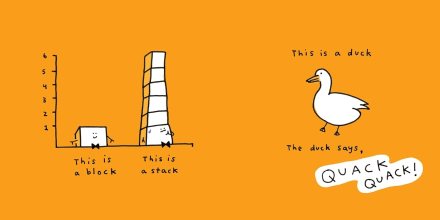
Michelle Rial has all that covered in Charts for Babies, a bright and bubbly jaunt through ideas big and small that encompass the building blocks of math and vocabulary (including visual representations of nouns, verbs, adjectives, those beguiling prepositions, and opposites) as well as cuddly emotions adults and kids love to share. And Rial does all of this with adorable graphics and rhymes that will make your heart sing.
Text and illustration copyright © 2026 by Michelle Rial. Published by Abrams Appleseed, © 2026.

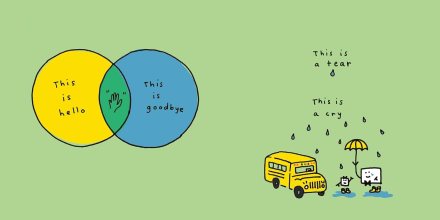
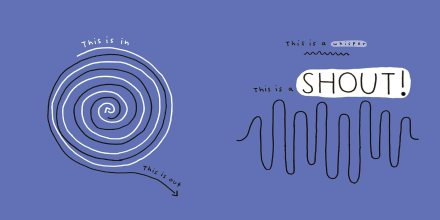
With her trademark wit, Rial presents 16 types of charts and graphs—including a Venn diagram, column chart, scatter plot, timelines, bar chart, and decision tree. She also introduces kids to concepts such as “snug” and “loose,” the difference between a circle and a dot, a single object and a pair, how manipulating shapes can create new shapes, and many others. A few random visitors, like a duck and a sneeze, pull double duty—making little ones giggle while completing a rhyme.

Along the way, Rial also invites kids to count, name colors, find components of five kinds of charts in the midst of a “mess,” and discover other ways to connect with and talk about the text. I can guarantee that both adults and kids will embrace the book’s sweet ending.
Text and illustration copyright © 2026 by Michelle Rial. Published by Abrams Appleseed, © 2026.

A book that will immediately bring smiles to every reader, Charts for Babies is really a love letter to, yes, mathematical and scientific organization but also to sharing concepts, ideas, and humor that unite us all in a way that will have kids and adults excited for repeat reading. Older children will also enjoy the cleverness and cadence of this story and will eagerly chime in on read alouds or read it independently themselves. Charts for Babies is a must for any library or home collection and makes a wonderful gift.

Ages 2 – 5+

Harry N. Abrams, 2026 | ISBN 978-1419785184

About the Author

Michelle Rial is a graphic designer who makes charts. Named by Vulture as one of “9 of the Funniest Cartoonists and Illustrators on Instagram,” she is the author and illustrator of the books Am I Overthinking This? and Maybe This Will Help. Her work has been featured by The New YorkerOprah Daily, USA TodayWired, and more. She lives in the redwoods of California with Lenny, Jude, and Einstein. You can visit her at michellerial.com. Follow her on Instagram.

CPB - Happiness typography

Happiness is all around you! Grab one or more friends to play this game that reveals what things make you happy. 

Similar to the “Geography” game, the first player names something that makes them happy. The second player must think of something that makes them happy and starts with the last letter of the word the previous player said. The game continues with each player continuing the pattern. To finish the game, set a time limit or have players drop out if they can’t think of a word. The last player left is the winner!
    You can purchase Charts for Babies from these booksellers

    Amazon | Barnes & Noble | Bookshop

    March 31 – Bunsen Burner Day

    celebrate-picture-books-picture-book-review-Marie-Curie-little-people-big-dreams-cover

    About the Holiday

    Today we celebrate the birthday of German chemist Robert Wilhelm Eberhard von Bunsen who in 1854 was instrumental in developing the Bunsen burner in 1854. At the time, burners used in chemistry labs were fueled with coal gas, which did not burn hot enough, was expensive, and left the beakers sooty. Bunsen and Peter Desaga devised a cleaner and hotter burner that was also easier to use. Now, the Bunsen burner is standard equipment in labs around the world.

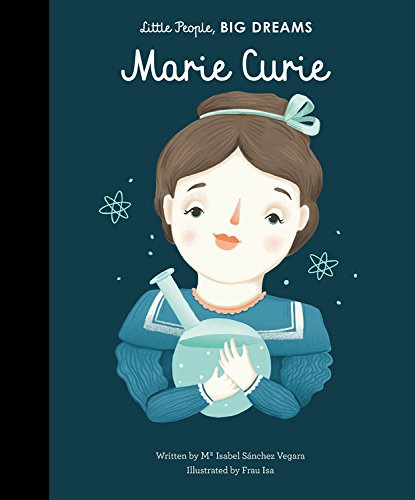
    Marie Curie (Little People, Big Dreams)

    Marie: My First Marie Curie Board Book

    Written by Isabel Sánchez Vegara | Illustrated by Frau Isa


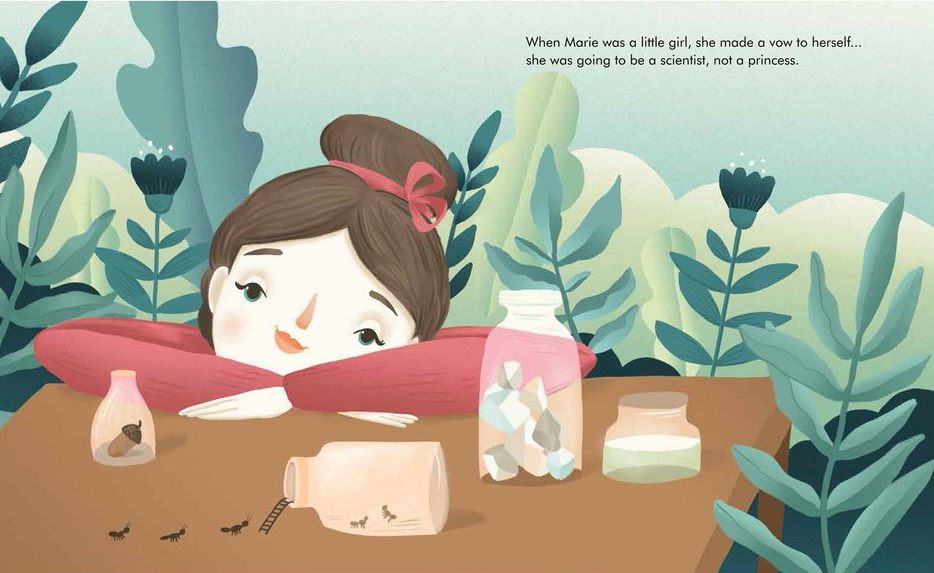
    From the time when Marie was a little girl, she knew she wanted to be a scientist. Marie was very smart. “At school, she won a gold medal for her studies, which she kept in her drawer like a treasure.” Because women were not allowed to go to college in her country, she moved to France to go to the university there. Even though French was not her first language, Marie was soon the top math and science student in Paris.

    celebrate-picture-books-picture-book-review-Marie-Curie-little-people-big-dreams-dreaming

    Copyright Frau Isa, 2018, courtesy of Frances Lincoln Children’s Books.

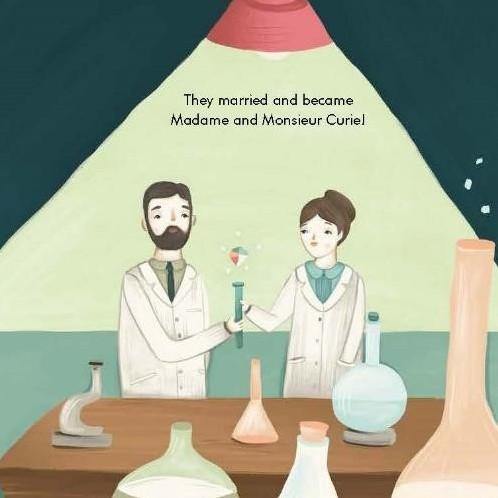
    One day Marie met Pierre, who loved science as much as she did. They got married and worked together in their own laboratory, where they discovered radium and polonium. “It was such a thrilling moment for science!” Marie and Pierre even won the Nobel Prize. Marie was the first woman ever to be awarded this honor. When Pierre later had an accident, Marie was left alone to continue their work.

    celebrate-picture-books-picture-book-review-Marie-Curie-little-people-big-dreams-marie-and-pierre

    Copyright Frau Isa, 2018, courtesy of Frances Lincoln Children’s Books.

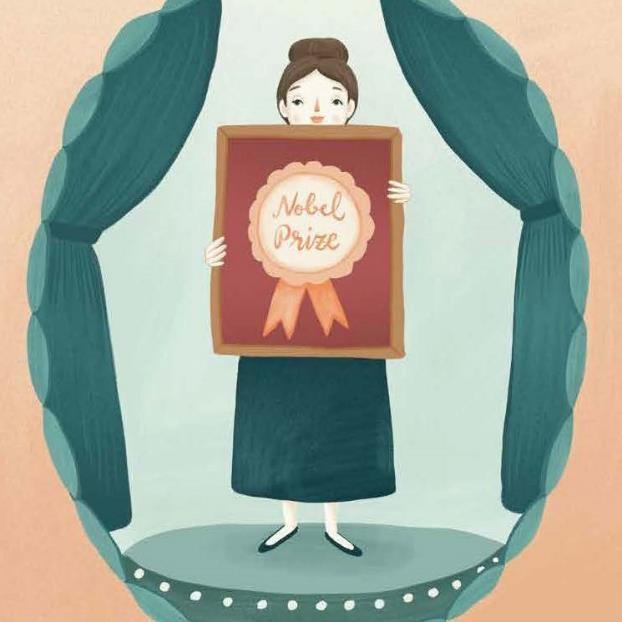
    All her research and experiments paid off when she was awarded her second Nobel Prize. When war broke out, “Marie’s discoveries were used by doctors to help injured soldiers.” Marie inspired many girls who studied science at her own institute in Paris. Besides science, Marie taught her students that there was nothing to fear, “many things to learn, and many ways to help those in need.”

    A timeline and brief yet detailed biography of her life follows the story.

    celebrate-picture-books-picture-book-review-Marie-Curie-little-people-big-dreams-marie-with-noble-prize

    Copyright Frau Isa, 2018, courtesy of Frances Lincoln Children’s Books.

    With thrilling recognition that even in the youngest hearts beat future writers, artists, adventurers, designers, and scientists, the Little People, Big Dreams series introduces preschoolers to inspiring women role models. In Marie Curie: Little People, Big Dreams, Isabel Sánchez Vegara reveals the life and work of Marie Curie with straightforward storytelling that illuminates while affirming the intelligence of her young audience. Uplifting, life-determining personality traits that carried Marie over obstacles and to the top of her profession—such as not taking no for an answer, treasuring your accomplishments, working hard, and helping others—are highlighted for little ones to learn from.

    Frau Isa’s stylish illustrations in a striking, subdued color palette will entice the youngest readers to listen and learn. While the spotlight is always on Marie, each page also focuses on one or two main images, such as Marie and Pierre’s lab table, a wounded soldier’s X-ray, and Marie holding her Nobel Prize, that help little ones see and understand the important aspects of the story.

    Encapsulating both history and the timeless persistence that drives people to achieve their full potential, Marie Curie—available in both picture book and board book editions—is a must for preschool classrooms and would be a rousing addition to home bookshelves.

    Ages 3 – 5

    Frances Lincoln Children’s Books, 2018 | ISBN 978-1847809629 (Picture Book); 978-1786032539 (Board Book)

    You can check out more about Isabel Sánchez Vegara on Instagram.

    Discover more about Frau Isa and her art on her website.

    Bunsen Burner Day Activity

    celebrate-picture-books-picture-book-review-green=pennies-experiment

    Green Pennies Chemistry Experiment


    You know what color pennies are! They’re those brownish coins amid all the silver. But what if you could turn those pennies green—like dollar bills? You can with this easy and way cool chemistry experiment!

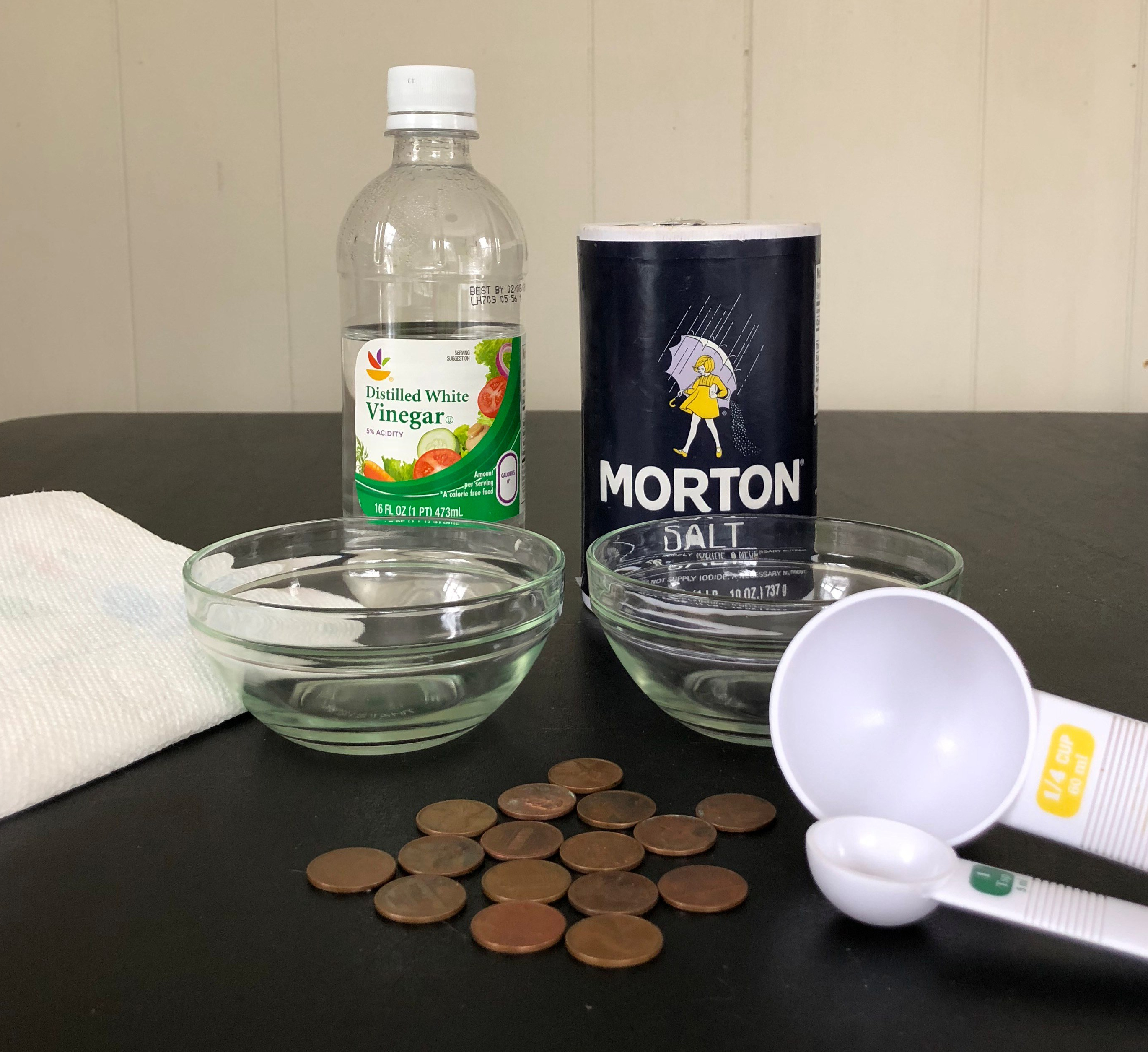
    Supplies

    • 10 – 12 dull pennies
    • Vinegar
    • Lemon juice
    • Salt
    • 2 small bowls
    • ¼ cup measuring cup
    • 1 teaspoon
    • Paper towels

    Directions

    IMG_6569

    Experiment 1

    1. Pour ¼ cup vinegar into a bowl
    2. Add 1 teaspoon salt
    3. Mix thoroughly until salt has dissolved
    4. Place a few pennies in the bowl and leave for five minutes.
    5. Take the pennies out and place them on the paper towel.
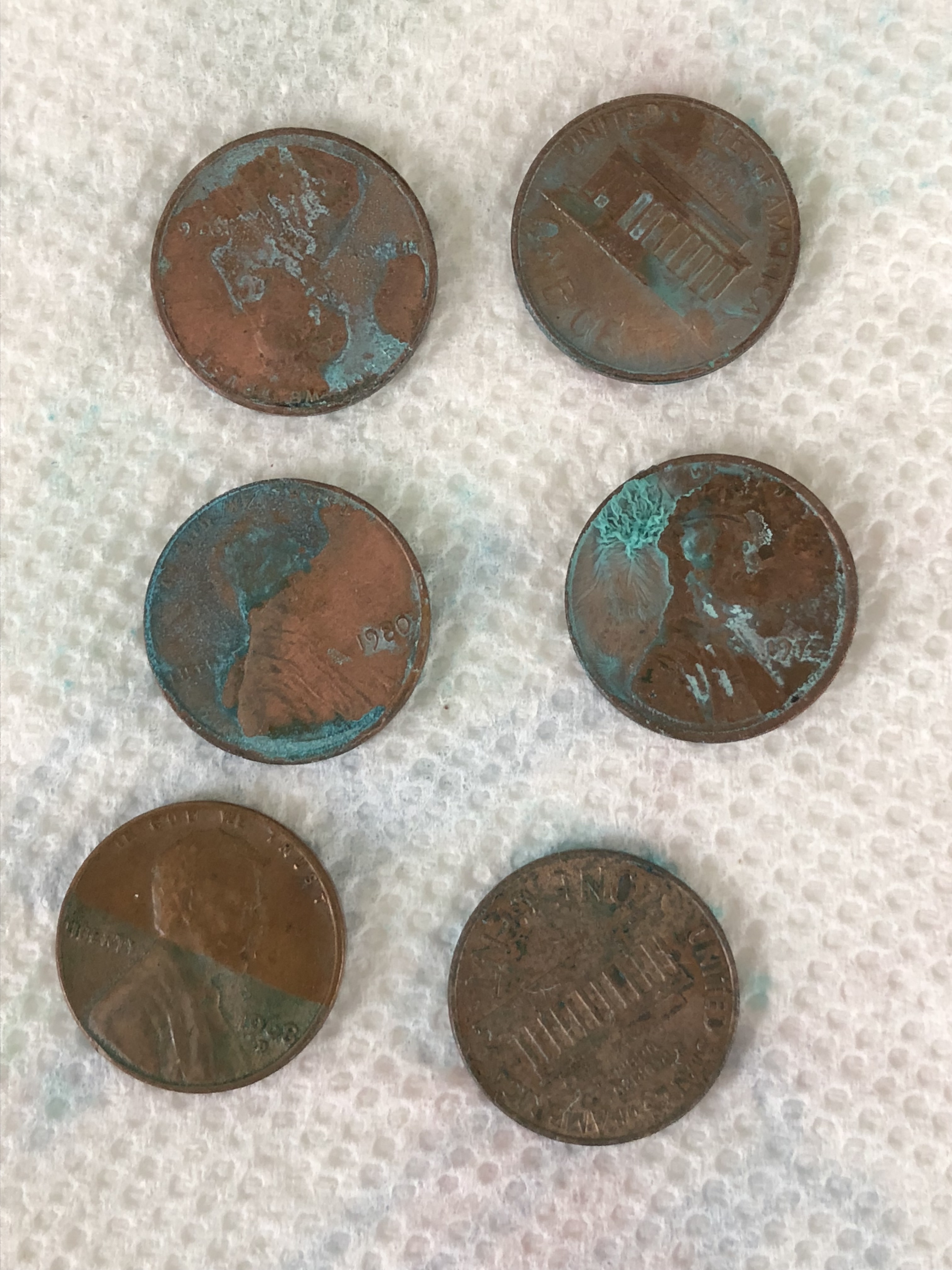
    6. Let the pennies dry and watch what happens. The reaction becomes more dramatic over time, so check on your pennies at different times throughout the day

    Extra Observation:

    1. To see the chemical reaction at work, dip one penny half way into the vinegar/salt solution and wait a minute
    2. Lift the penny out of the solution and see the result

    IMG_6588

    Experiment 2

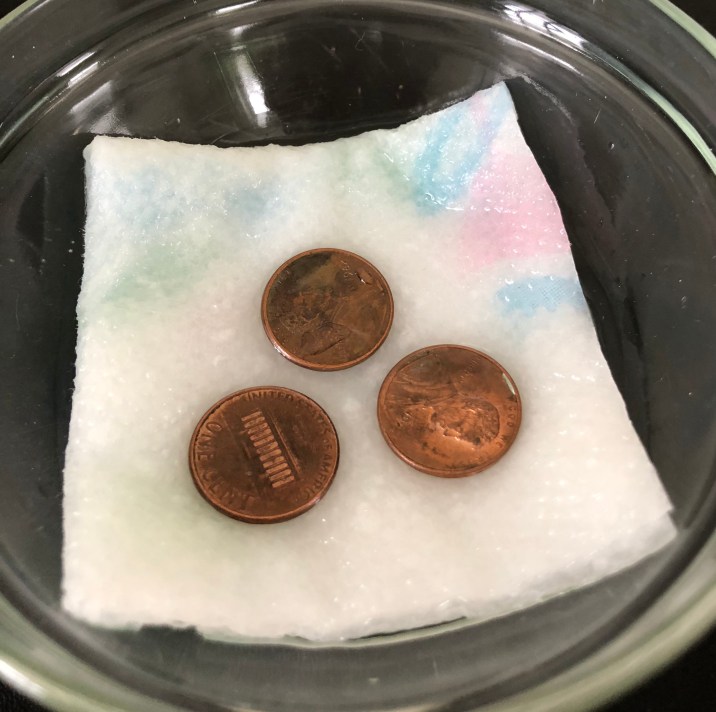
    1. Fold a paper towel to several thicknesses and place in bowl
    2. Place a few pennies on top of the paper towel
    3. Pour enough vinegar over the pennies to saturate the paper towel
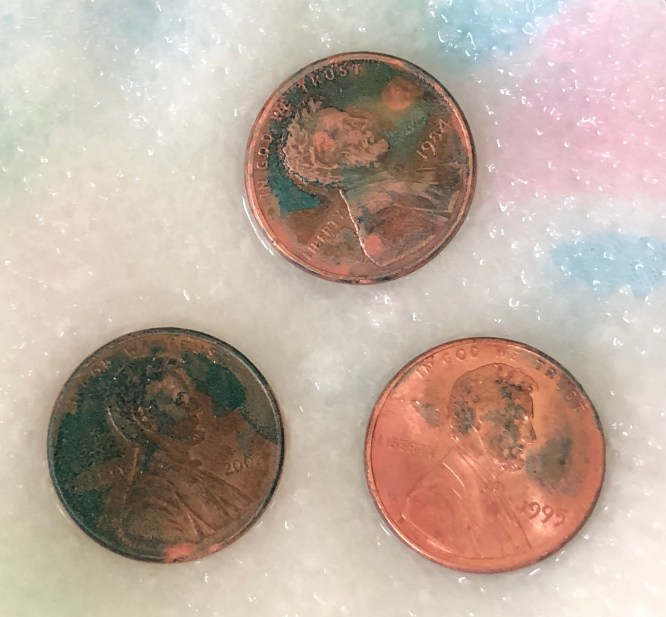
    4. Wait two to three hours and see what happens
    5. You can leave the pennies in the bowl and continue to add vinegar as the paper towel dries. Flip the pennies over to create a chemical reaction on both sides

    IMG_6590

    Experiment with other acids, such as the lemon juice.

    Why do the pennies turn green?

    Pennies are made of copper. The vinegar and salt solution helps the copper react with oxygen in the air to form the blue-green patina of malachite on the surface of the penny. This chemical reaction is called oxidation. You can see the same green color on other things made of copper like plumbing pipes and many statues—even the Statue of Liberty!

    If you’d like to record your observations of your pennies like a chemist does, download and print this lab sheet.

    Picture Book Review