April 1 – Reading Is Funny Day

About the Holiday

Funny stuff abounds on April 1st, so why not share funny books too? Books that elicit giggles are not only entertaining but contribute to a lifelong love of reading and help kids see the world in a new, positive, and even quirky way. To celebrate today, read some laugh-out-loud books with your kids and find new ones to add to your home, classroom, or library shelves. Today’s featured book is a perfect place to start!

Thank you to Bloomsbury Children’s Books for sending me a copy of We Are the Wibbly!: A Tadpole’s Tail for review.

We Are the Wibbly!: A Tadpole’s Tail

Written by Sarah Tagholm | Illustrated by Jane McGuinness


A sweet, pink-cheeked frog egg heartily addresses whoever is gazing down upon the frogspawn with a warm welcome: “We are eggs.” Then they add a little: “We are egg friends.”  They become loquacious: “We float and are all very relaxing. It is niceable.” You can feel it, right? Bobbing along within the pond grass? But suddenly confusion reigns. Our little egg watches the other eggs become “longish,” and then—”What! What! What!”—they become longish. And it’s not even a minute later that—”OH MY CRIKEYS!” everyone is “bursting out of the Wibbly” except them. 

Illustration © 2025 by Jane McGuinness, text © 2025 by Sarah Tagholm. Courtesy of Bloomsbury Children’s Books.

They try to call the others back, but it’s too late. Despite not wanting to, they break out of the wibbly too only to find that there’s so much more room now and, instead of relaxing, their friends are “water-flying.” They begin waggling their tale the same as everyone else and jet off too, only not as fast. Perhaps harkening back a moment or so to their younger self, they sharply regret the loss of doing relaxing: “We are too OLD for relaxing.” But they don’t have time for such reminiscences since a “hunger-muncher” is on the prowl. The extra impetus speeds up this little tadpole’s water-flying, and they’re happy to feel at last that “we are the same!” 

Always exceedingly alert if but a bit behind, the excitable tadpole suffers and then exults as the group and finally they themselves grow legs and arms. They become smug as they watch the others lose their tails “because now, I am the fasterest and my tail is not doing a shrinking!” They dart away, not realizing that they are also becoming a frog. 

Illustration © 2025 by Jane McGuinness, text © 2025 by Sarah Tagholm. Courtesy of Bloomsbury Children’s Books.

When a passing water beetle points the baby frog to “the Up” during their search for their friends, they break the surface of the water only to . . . “OH MY CRIKEYS! The Up is BAD!” . . . come face to face with a “furry danger-monster.” But this intrepid frog musters all their courage to “do a water-flying to get away” and discovers “air-swimming,” much to the astonishment of their friends who are watching nearby. The friends are all so impressed that they want to “do air-swimming” and beg to be taught. Leading the way, our newly minted, rosy-cheeked frog proudly proclaims, “Now we ARE the same! WE ARE FROGS!” 

A factual account of the four steps of the frog life cycle follows the story.

Illustration © 2025 by Jane McGuinness, text © 2025 by Sarah Tagholm. Courtesy of Bloomsbury Children’s Books.

Who knew kids and frogs have so much in common? Sarah Tagholm, that’s who! As Tagholm taps into the idiosyncrasies of a frog’s metamorphosis, she also reassures human youngsters that everyone grows and develops at their own pace while encouraging them to accept challenges and embrace new experiences. Tagholm’s quirky and playful language bounces and zips from one unexpected development to the next, compressing time into hilarious juxtapositions as the little egg/tadpole/frog tries to keep up. Both kids and adults will laugh out loud at this young hero’s endearing pronouncements and cheer their eventual full assimilation into the group.

Adorable, expressive, and comical, Jane McGuinness’s lovely mixed-media illustrations, punctuated by her dynamic typography, buoyantly captures all the silly fun of Sarah Tagholm’s story while also clearly and empathetically depicting the emotions of the lovable narrator. Readers will have a blast diving into each frothy page to witness the transformation of these little tadpoles along with the snails and other creatures that call the pond home.

A tremendously joyful and rewarding read aloud that will instantly become an often-requested favorite, We Are the Wibbly! A Tadpole’s Tail is combined entertainment and learning at its best and a must for all home, classroom, and library collections. 

Ages 2 – 6

Bloomsbury Children’s Books, 2025 | ISBN 978-1547615742

Reading is Funny Day Activity

Hop Along Matching Game


Hop along now and help these frogs! Each of these fantastic frogs has a twin, but they’ve gotten separated. Can you spot the identical pairs? Print out the Hop Along Matching Game and draw a line between the pairs.

You can purchase We Are the Wibbly!: A Tadpole’s Tail from these booksellers

Amazon | Barnes & Noble | Bookshop (discounted books and support for your local independent bookstore)

Picture Book Review

March 27 – It’s International Ideas Month

About the Holiday

This month we celebrate Ideas! Ideas are amazing things, appearing in your mind seemingly out of nowhere, but really, they’re often fueled by curiosity, by something you’ve seen, or by something you think could be better or done differently. Innovations in science, technology, engineering, art, and math are like that. Ideas can even transform home life too. The spark behind this month’s holiday is to encourage adults and kids alike to write down the ideas they have and explore making them work. You never know what a good idea might lead to! 

The Little Lab: Fantastic Science for Kids

Margie Markarian (Text and Editing) | Rachel Rothman (Editing) | Ashley Prine (Design)


Whether you have kids who can’t get enough of hands-on learning, are exploring science with your children or students, or looking ahead to all those summer days to fill, The Little Lab: Fantastic Science for Kids has you covered! Inside, this go-to resource, you’ll find 22 exciting experiments accompanied by

  • Informative photographs
  • Detailed supply lists of items you probably already have at home
  • A “Make a Prediction” prompt
  • Step-by-step instructions that are simple to follow
  • A “What Happened?” explanation of the science behind the results

Photo courtesy of Hearst Home Kids.

Chosen and tested by nine scientists, engineers, and other experts at the Good Housekeeping Institute, these fantastically fun experiments encourage kids to think like a scientist while following the scientific method of observing, asking questions, and making predictions before doing the experiment and then evaluating what they see happen. The experiments also address core scientific concepts, such as the states of matter, energy, motion and force, and simple machines.

If your kids are anything like mine were while growing up, your kitchen is their favorite room in the house. Why not transform this gathering space into a little laboratory where food chemistry and creativity really cook?! With ingredients from your fridge and cupboards, kids can make an abstract masterpiece while learning about liquids; test the pH scale of various foods; experiment with puffed up marshmallows; challenge their nose to a taste test; and explore more with a “gadgets and gizmos” matching puzzle.

Photo © 2023 Michael Sapryhin. Courtesy of Hearst Home Kids.

Curious kids will really make a splash with the experiments in Chapter 2: Water Works as they get in the swim of discovering why certain objects float while others sink; blow rainbow-colored bubbles; test the strength and absorbency of various paper products; and—get this!—create a drawing that floats in water, without any paper or other medium.

Powerful learning comes in Chapter 3, where young scientists work with energy to make their own rainbows; bake up solar s’mores—yummy!; light a florescent bulb just by rubbing a balloon on their hair; put Newton’s three Laws of Motion to the test by launching pom poms and/or marshmallows; and play around with sound. The Explore More! exercises in this chapter spark kids’ interest in listening for high and low pitches in their environment and investigating the force of friction.

Chapter 4 sends kids outside, where they’ll try balancing like a flamingo; discover what makes balls bounce high, higher, and highest; get the dirt on what’s in dirt; give white carnations a bit of color; and— in a creative way to bring weather science down to earth—get to make “rain clouds” from shaving cream. The Explore More! section teaches kids how to read clouds—from wispy Cirrus to cotton ball-like Stratus—as well as the favorite flower colors of bats, bees, butterflies, and hummingbirds.

Photo © 2023 Carol Yepes. Courtesy of Hearst Home Kids.

In Chapter 5, the scientists at Good Housekeeping present experiments that are not only hands-on, but hands-all-in! Here kids get to clean old pennies to try and reclaim their original shine; discover the most reliable way to un-stink smelly sneakers; make slime; find out how long it takes to really wash away germs on your hands; and learn about the viscosity of various liquids.

Throughout the book, experiments are also accompanied by quick “Fun Fact” and “Did You Know?” information related to each section’s topic, and here and there the Good Housekeeping scientists pop up to impart interesting tidbits that will get kids thinking. There are even funny puns to get them laughing. Each experiment also includes a Time, Difficulty, and Mess-o-meter indicator.

Following the chapters are a glossary, a STEAM index that ticks off which disciplines (science, technology, engineering, art, and math) each experiment embodies, and an in-depth index.

Photo © 2023 Jeffery Coolidge. Courtesy of Hearst Home Kids.

Good Housekeeping’s The Little Lab: Fantastic Science for Kids is a treasure trove of intrigue, excitement, and discovery. Offering so many opportunities for fun learning, the book would be a favorite addition to any home library for rainy days, empty weekends, science-themed parties, playdates, or any time you hear “There’s nothing to do!” Teachers, child-centered organizations, libraries, and anyone involved in elementary age science education will also find this book a valuable resource.

Ages 4 – 8

Hearst Home Kids, 2023 | ISBN 978-1950785926

International Ideas Month Activity

celebrate-picture-books-picture-book-review-kinetic-sand-craft

Kinetic Sand


Sand is so much fun to play with at the beach that you just wish you could bring it home. With this recipe for kinetic sand, you can use science to make dry sand just the right consistency to form and play with. Kinetic sand makes a great stress reliever too!

Supplies

  • 1 cup sand
  • ½ tablespoon cornstarch
  • 1 teaspoon dish soap
  • Water as needed – about ¾ cup
  • Bin or bowl for mixing dry ingredients
  • Bowl for mixing dish soap and water

Directions

  1. In the bin combine the sand and cornstarch and mix well
  2. In the bowl combine the dish soap and water until the water is bubbly
  3. Slowly add the water mixture to the dry ingredients, mixing and adding water little-by-little until the desired consistency is reached. The grain of the sand will determine how much water is needed.
  4. The sand can be formed with cookie cutters, molds, hands, etc. and is strong enough to stack. Or just let it drip and ooze through your fingers.

You can purchase Good Housekeeping’s The Little Lab: Fantastic Science for Kids from these booksellers

Amazon | Barnes & Noble | Bookshop (discounted books and support for your local independent bookstore)

Picture Book Review

March 25 – National Reading Month

About the Holiday

No matter whether you live in a city, a small town, or a farm, in a house or an apartment, you can travel anywhere through books. The magic of reading lies in its ability to transport readers through history, to far-away places and long-ago times, or perhaps to the future, where all it takes is one’s imagination to make it so. National Reading Month invites readers of all ages to experience the world in new and unfamiliar ways through amazing books like today’s that celebrates the hands-on, individual learning of homeschooling.

A Thank You Letter to My Homeschool

Written by Deb Adamson | Illustrated by Airin O’Callaghan


A boy and his little sister stand on their front porch, backpacks on, supplies at the ready, and big grins on their faces. “I’m thankful to my homeschool. Because with homeschool, I’m free to be me!” the boy says. He and his sister are off on an adventure with other kids to a nature preserve, where they learn about owls, pan in a river, and draw what they see.

Illustration © 2025, by Airin O’Callaghan, text © 2025 by Deb Adamson. Courtesy of Sourcebooks Explore.

Other road trips have taken them into the city to visit museums, with hands-on experiences; to a farm, where they feed a cow, play with bunnies, and learn about chickens. Remembering other adventures, the boy says he’s “thankful for . . . gazing out from the tip-top of a lighthouse. For standing at the feet of a giant T. Rex.” As much as this student loves his field trips, he also welcomes the days at home when he can read to his sister and study in the way that’s right for him. These days provide “extra time to figure out the tough stuff” and let ideas percolate.

Illustration © 2025, by Airin O’Callaghan, text © 2025 by Deb Adamson. Courtesy of Sourcebooks Explore.

The siblings appreciate how their classroom isn’t just one room but the community garden, where they learn to watch and wonder and wait. They visit the beach, where they collect, count, and sort shells while exploring and learning by seeing living sea creatures; and spend time in a makerspace, where they invent, build, ask questions, and learn new skills. In fact, his classroom can be anywhere he and his sister go.

“I’m thankful that every homeschool day is as different as each snowflake,” he says. “And that I am always free to be me!”

Illustration © 2025, by Airin O’Callaghan, text © 2025 by Deb Adamson. Courtesy of Sourcebooks Explore.

Through the voice of her protagonist, Deb Adamson writes lovingly and enthusiastically about homeschool and all of the benefits this educational model provides for students. She emphasizes the individualized and exploratory nature of homeschooling that takes children into their communities and beyond to learn in a wide range of settings and from a variety of educators and professionals. Adamson also highlights the social aspects of homeschooling and making new friends, be these with others in a network or met along the way.

Airin O’Callaghan’s cheerful, action-packed illustrations buzz with the excitement kids feel when learning in hands-on environments and shine with smiles and curiosity. Every page has so many details for readers to explore and these are sure to spark ideas for projects, field trips, and collaborations for any homeschool family.

A Thank You Letter to My Homeschool is a welcome and vibrant portrait of homeschooling that homeschool families will happily embrace as a favorite read aloud. Those unfamiliar with homeschooling or who may be interested in it will find much to recommend this learning method. The book is a must for public library collections to round out back-to-school and classroom-based offerings.

Ages 4 – 8

Sourcebooks Explore, 2025 | ISBN 978-1464216183

About the Author

Deb Adamson is a former broadcast news journalist, freelance essayist, and syndicated columnist for Gatehouse News Service. Her column about homeschooling her son was read in over 250 print newspapers nationally and online, where it is still available as a resource to homeschool families. Deb writes picture books, board books, chapter books, and middle grade novels in both fiction and nonfiction, and she’s a member of SCBWI. In addition to authoring children’s books, Deb writes for adults and hosts workshops on memoirs, humor, and revision. Deb currently lives on the Connecticut shoreline with her husband. You can follow her on Twitter and Instagram at @DebAdamsonBooks. To learn more, visit debadamson.com.

About the Illustrator

Airin O’Callaghan is an illustrator, muralist and educator who mainly draws for children. Her work includes Some Bodies and The Mermaid With No Tail. She is the founder of Mural Wish, a nonprofit that donates murals for critically ill children. Airin lives in the Bay Area, California, where she finds inspiration in her son and in the beauty nature never fails to show. You can learn more about Airin and her work by visiting airinocallaghan.com.

National Reading Month Activity

A Thank You Letter to My Homeschool Activity Kit


You can show how much you love your homeschool—and go on a scavenger hunt with these A Thank You Letter to My Homeschool Activity Pages!

You can purchase A Thank You Letter to My Homeschool from these booksellers

Amazon | Barnes & Noble | Bookshop (discounted books and support for your local independent bookstore)

Picture Book Review

March 19 – It’s National Let’s Laugh Day, National Poultry Day, and International Read to Me Day

celebrate-picture-books-picture-book-review-chickens-on-the-loose-cover

About the Holidays

It’s not often you get to celebrate three national holidays with one book, but Chickens on the Loose ticks all the boxes for National Let’s Laugh Day, National Poultry Day, and International Read to Me Day. So whether you just need a good laugh, love everything about our larger feathered friends, or always make time for joy in every day by reading to your children, today’s book is an eggs-ellent choice!

Thanks go to West Margin Press and Barbara Fisch at Blue Slip Media for sharing a copy of Chickens on the Loose for review.

Review by Dorothy Levine

Chickens on the Loose

By Jane Kurtz | Illustrated by John Joseph

Oh no! The backyard gate is open and there are “chickens breaking loose. / Chickens on the lam. / Zipping from the yard, / as quickly as they can.” It’s a wild chicken chase, with humans trailing behind, trying and failing to stop the loose chickens. The chickens zoom and do not stop; they peek in windows, take items from shops. They do some yoga at a local studio, before grabbing some snacks at an outdoor food court fest. What a crazy, hilarious, chicken-filled mess!

celebrate-picture-books-picture-book-review-chickens-on-the-loose-yoga-studio

Illustration © by John Joseph, 2021, text © by Jane Kurtz, 2021. Courtesy of West Margin Press.

As the chickens “hitch a ride on skateboards / to rest their aching feet,” paint walls, and take a trip through the pet store (where they share their love of freedom with the penned-up animals), an ever-growing crowd of people race behind to try and stop them in their tracks. Throughout the story, each new member of the crowd yells, “STOP!” but the chickens pay no heed. When the chickens reach the local pet store, “‘STOP!’ shouts everybody. But the chickens will not stop. / ‘No way!” they say, “We will not stay.” It sounds like BOC BOC BOC.” 

celebrate-picture-books-picture-book-review-chickens-on-the-loose-food-truck

Image © by John Joseph, 2021, text © by Jane Kurtz, 2021. Courtesy of West Margin Press.

When the chasers and escapees finally collide with a giant “SPLAAAT!!!,” the chickens know it’s time to head back home. They take their tired legs and waddle through raindrops and puddles with heads hung low. When they are back at the coop, they close their eyes and take a rest. One bathes their feet, another dozes under a snazzy polka dot eye mask. They take a snooze until, “Oops! Yikes! That old mood strikes…” and the chickens are on the loose once more! 

Backmatter includes information on keeping urban chickens and general chicken facts. 

celebrate-picture-books-picture-book-review-chickens-on-the-loose-pet-store

Image © by John Joseph, 2021, text © by Jane Kurtz, 2021. Courtesy of West Margin Press.

Author Jane Kurtz wows us again with another read-out-loud tale perfect for youngsters. Her infectious rhymes and zippy rhythm propel the story with wit as quick as those runaway chickens. Kurtz’s vivacious vocabulary adds to the fun, and her repeated phrasing will have kids vocally joining the chase. In her bio following the story, she explains that her inspiration for the book stemmed from childhood experiences raising chickens with her family while living in Ethiopia. She aims to engage readers in a fun tale while teaching that chickens can happily live in cities and urban areas too.

John Joseph’s colorful, comedic drawings feature a diverse cast of city residents of different races, religions, ethnicities, and abilities. The girl whose chickens got loose in the first place is seen throughout the pages, leading the crowd down the streets. Joseph illustrates the neighborhood with colorful storefronts, homes, bustling crowds, and the silliest of chickens. The exaggerated body language and expressiveness of the humans and chickens throughout the book tell a story in and of themselves—from happy chickens with sandwiches and pizzas in beak to people gleefully and nervously chasing after the flock, the facial expressions add a great deal of humor to the story. 

Chickens on the Loose is a perfect edition to home collections, classrooms, and libraries. One that is sure to make readers laugh out loud, and maybe even inspire a round of the Chicken Dance!

Ages 4 – 8

West Margin Press, 2021 | ISBN 978-1513267241

About the Author

Jane Kurtz is an award-winning children’s book author, speaker, educator, and she is on the faculty of the Vermont College of Fine Arts MFA in Children’s and YA Literature. She is a co-founder of the nonprofit Ethiopia Reads, an organization that brings books and literacy to the children in Ethiopia, where Jane grew up. She also heads the creative team of Ready Set Go Books, a project of Open Hearts Big Dreams to create fun, colorful, local language books for people in Ethiopia. She is the author of many books for children, including River Friendly River Wild, winner of the SCBWI Golden Kite award for picture book text, and What Do They Do With All That Poo?, a finalist to the AAAS/Subaru SB&F Excellence in Science Books list; it has also been named to several state reading lists, voted on by children. To learn more, visit Jane at janekurtz.com and on Instagram and Twitter.

About the Illustrator

John Joseph is an artist, illustrator, elementary school teacher, avid gardener, and community leader. He earned a degree in visual arts from Colorado State University and a Masters from Lesley University, and has won the ACP Excellence in Publishing Award for Best Picture Book. He lives in Colorado with his wife, two sons, and a German shepherd. You can visit John at johnjosephillustration and on Instagram.

National Let’s Laugh Day Activity

West-Margin-Press-chickens-on-the-loose-activity-kit

Chickens on the Loose Activity Kit

Download this Chickens on the Loose Story Time Kit to make chicken puppets, complete a chicken maze, do chicken yoga, and more!

You can purchase Chickens on the Loose at these booksellers

Amazon | Barnes & Noble | Bookshop (to support your local independent bookstore)

Picture Book Review

March 18 – National Awkward Moments Day

About the Holiday

If you have kids or have ever been a kid, you know that awkward moments abound, especially when you least expect—or want—them. Things like pratfalls, forgetting someone’s name, and falling for practical jokes may make us feel like sinking into the floor, but today’s holiday actually celebrates all of those moments. Why? Because cringe-worthy faux pas happen to everyone; they’re just part of being human. So today, celebrate and even share those small embarrassments—and enjoy a laugh. 

Thank you to Orchard Books for sharing a digital copy of this book with me!

That’s Not Funny, David!

By David Shannon 


David (and without even looking at the cover above, I bet you know who I’m talking about) is back! He may be 5 books older, but the years have not mellowed his rambunctious nature. Whether he’s blowing a volcano of bubbles in his drink at a restaurant or grocery cart surfing into the mountainous fruit display, David just can’t quell his mischievous impulses.

Illustration and text © 2025 by David Shannon. Courtesy of Orchard Books/Scholastic.

The adults aren’t laughing. In fact, they’re telling him, “Not funny, David,” and in response to a drawing on the classroom whiteboard: “We are not amused, David.” But the kids? They’re very amused. And even though he ends up in the principal’s office, at home he’s still got enough . . . shall we call it . . .spunk? . . . to be tip-toe tempted by the fully decorated birthday cake on the counter and to need a peanut extracted from his nose (“How on earth did this happen?”).

As the day progresses, his parents have to stay on their guard. But when one last silly bedtime antic finally brings a laugh instead of a scolding, hearts soften, and there’s just one thing left to say: “What am I going to do with you?”

Illustration and text © 2025 by David Shannon. Courtesy of Orchard Books/Scholastic.

Fans of young David’s hijinks will find lots to giggle at in David Shannon’s latest foray into David’s madcap misadventures. In his bright, rollicking illustrations, Shannon’s monster-toothed hero (except when he’s trying to look innocent) sends pool water splashing, fruit airborne, and popcorn flying. David’s expressive face tells readers all they need to know about David’s feelings and the impact he wants to make, even if it’s not the reaction he gets.

A worthy addition to a series that’s a proven winner for silly story times, when relaxing and laughing together are just what’s needed, That’s Not Funny, David! is sure to tickle funny bones of all ages.

Ages 4 – 8

Orchard Books/Scholastic, 2025 | ISBN 978-1546123187

About the Author/Illustrator

David Shannon is the internationally acclaimed creator of more than 40 picture books, including No, David!, a Caldecott Honor Book, and his second New York Times Best Illustrated Book of the Year, and four more David picture books. Shannon’s bestsellers include A Bad Case of StripesDuck on a Bike, and Too Many Toys. He lives in Southern California with his family and Roy, their West Highland white terrier.

National Awkward Moments Day Activity

Illustration and text © 2025 by David Shannon. Courtesy of Orchard Books/Scholastic.

That’s Not Funny, David! Activities


Go ahead and have some fun with David and these book-inspired That’s Not Funny David! Activities!

You can purchase That’s Not Funny, David! at these booksellers

Amazon | Barnes & Noble | Bookshop (to support your local independent bookstore)

Picture Book Review

March 14 – It’s Expanding Girls’ Horizons in Science and Engineering Month

About the Holiday

Expanding Girls’ Horizons in Science and Engineering Month was established in 2020 by the Expanding Your Horizons (EYH) Network. Founded in 1974 as a series of conferences aimed at promoting STEM careers to middle and high school girls, EYH provides hands-on activities, mentoring, and contact with role models as well as information about science and engineering fields.

Women still make up only 28% of the science and engineering workforce. With this month-long observance, the EYH Network hopes to make a significant impact on girls’ perceptions and career choices, encouraging them to explore and embrace STEM subjects​.

Thank you to Heyday and Barbara Fisch at Blue Slip Media for sharing a copy of I Love Salmon and Lampreys: A Native Story of Resilience with me!

I Love Salmon and Lampreys: A Native Story of Resilience

Written by Brook M. Thompson | Illustrated by Anastasia Khmelevska


In her powerful autobiographical story, Brook Thompson, a member of the Yurok and Karuk Tribes, warmly invites readers to join her on her journey from childhood to the present day to experience her intense love for her tribes’ traditions and the fish that sustain them. Readers are first taken out on Brook’s family’s fishing boat, where her father and her grandfather tell stories of their own childhoods as they check the nets in their designated fishing spots along the Klamath River in Northern California. Then it’s back home to learn how Brook helps cook the fish (lampreys in the winter and salmon the rest of the year) in a wide variety of delicious ways.

Illustration © 2025 by Anastasia Khmelevska, text © 2025 by Brook M. Thompson. Courtesy of Heyday.

Salmon and lampreys are more than just food to Brook, however. They are creatures of the earth to be admired and honored. She tells readers about their life and spawning cycles, how they predate the dinosaurs, and even about their fascinating symbiotic relationship. For Brook, this love she feels is shared. She says, “I feel loved by salmon because years ago my ancestors took care of the salmon for their future family” and reveals that the fish in the river now “are the great-great-great-great-great-great-grandkids of the salmon who had a relationship with my great-grandparents.”

Illustration © 2025 by Anastasia Khmelevska, text © 2025 by Brook M. Thompson. Courtesy of Heyday.

In 2002, when Brook was still young, over 60,000 salmon perished from a parasite which spread when the water level of the river became too low and the temperature too hot due to the six dams erected on the river. She explains how dams “block the salmon’s way home” and how the warming water promotes the growth of toxic green algae, which affects the fishes’ breathing and spreads disease. 

Brook joined protests by the tribal people and others, while scientists did research and local politicians lobbied for change. More than 20 years later agreements with the politicians and the companies that owned the dams were signed, and four of the six dams along the Klamath River were removed.

Illustration © 2025 by Anastasia Khmelevska, text © 2025 by Brook M. Thompson. Courtesy of Heyday.

As she grew into adulthood and inspired by her experiences, Brook set her eyes on higher education. She “went to college to learn about dams and about how to protect salmon in the future.” She became an engineer and a scientist who studies the interconnectedness of  “water, nature, people, animals, and buildings” and returned home to the Klamath River, where she continues the legacy of her ancestors in caring for the salmon, lampreys, and the environment.

Back matter includes Fun Facts about lampreys and salmon; photographs of Brook with salmon and at Iron Gate Dam, which was removed in 2024; a map of the Klamath River Watershed area; a note about the inspiration behind the book as well as the book’s font, OpenDyslexic, which makes it easier for those with dyslexia, like Brook, to read; and notes about the author and illustrator.

Illustration © 2025 by Anastasia Khmelevska, text © 2025 by Brook M. Thompson. Courtesy of Heyday.

Brook Thompson, in her compelling autobiographical story, will captivate children and touch their hearts. Thompson’s eloquent and straightforward storytelling immediately immerses readers in the Native relationship with nature and will inspire both young and adult readers to think deeply about how the earth sustains us and how we can show our appreciation in return. The theme of environmental justice and how citizens can and do make a difference is made personal through Thompson’s clear explanations of how the dams affected the salmon population and the long-term steps people took to reverse their damage. Thompson’s dedication—even from childhood—to her tribes, family, and future generations will impress readers. Children will also develop an understanding of how issues of interest to them now can inform their future endeavors.

Anastasia Khmelevska’s vibrant earth tone illustrations endear Brook to children through her evident passion for family, fishing, and the salmon and lampreys that have been a constant in her tribes’ lives. Her pacing and realistic depictions of people and events help children clearly understand the importance of each element of Thompson’s story from how the cyclical lives of salmon and lampreys are demonstrated in a swirling wave to the stunning landscapes highlight of the Pacific Northwest. These images make her depiction of the salmon die-off all the more impactful. Her final portrait of Brook Thompson coming home after earning her university degrees links her life to the salmon she loves so well. 

The combination of Native culture and environmental awareness makes I Love Salmon and Lampreys: A Native Story of Resilience a must addition to school and public libraries. The book offers extensive value and research opportunities for science and social studies classes. For families who care about the environment, sustainability, activism, and the future of our planet, I Love Salmon and Lampreys would be a much-loved choice.

Ages 4 – 8

Heyday, 2025 | ISBN 978-1597146685

About the Author

Brook M. Thompson is a part of the Yurok and Karuk Tribes. She is a neurodivergent and Two-Spirit author with dyslexia. She has a BS in civil engineering from Portland State University and an MS in environmental engineering from Stanford University, and she will soon have a PhD in environmental studies from University of California, Santa Cruz, where she studies water, politics, restoration, and salmon. You can find out more about her at brookmthompson.com.

About the Illustrator

Anastasia Khmelevska is an illustrator based in Lviv, Ukraine. She has illustrated several children’s books, including My Invisible Zoo, Marella the Mermaid, and Anything Helps. Follow her on Instagram @cute_miuu.

Expanding Girls’ Horizons in Science and Engineering Month Activities

Illustration © 2025 by Anastasia Khmelevska, text © 2025 by Brook M. Thompson. Courtesy of Heyday.

I Love Salmon and Lampreys Activity Pages

Play a printable board game, write about your dreams for the future, and learn fun facts about salmon and lampreys with these three I Love Salmon and Lampreys Activity Pages!

Chinook and Coho Salmon Coloring Pages

Coho and Chinook Salmon are vital to the Pacific Northwest. You can learn more about California salmon at caltrout.org. Enjoy these coloring pages of coho and chinook salmon. Colored images are included for your reference.

Chinook Salmon Coloring Page | Colored Image of Chinook Salmon

Coho Salmon Coloring Page | Colored Image of Coho Salmon

You can purchase I Love Salmon and Lampreys: A Native Story of Resilience at these bookstores

Amazon | Barnes & Noble | Bookshop

Picture Book Review

March 12 – Get Ready for Passover

About the Holiday

Passover, or Pesach in Hebrew, is one of the most sacred Jewish holidays and celebrates the Jews’ liberation from slavery in Egypt and their freedom as a nation under Moses. The holiday begins on the fourteenth day of the Hebrew month Nisan and continues for seven days in Israel or eight days outside of Israell. The holiday begins with a seder meal, for which family and friends gather to remember their history, have symbolic dishes, and celebrate the joy of freedom. Games for children, a reading of the Exodus story, and other meaningful traditions also mark the holiday.

Thank you to Random House Books for Children and Barbara Fisch at Blue Slip Media for gifting me a copy of Next Year in the White House for review.

Next Year in the White House: Barack Obama’s First Presidential Seder

By Richard Michelson | Illustrated by E.B. Lewis


Review by Dorothy Levine
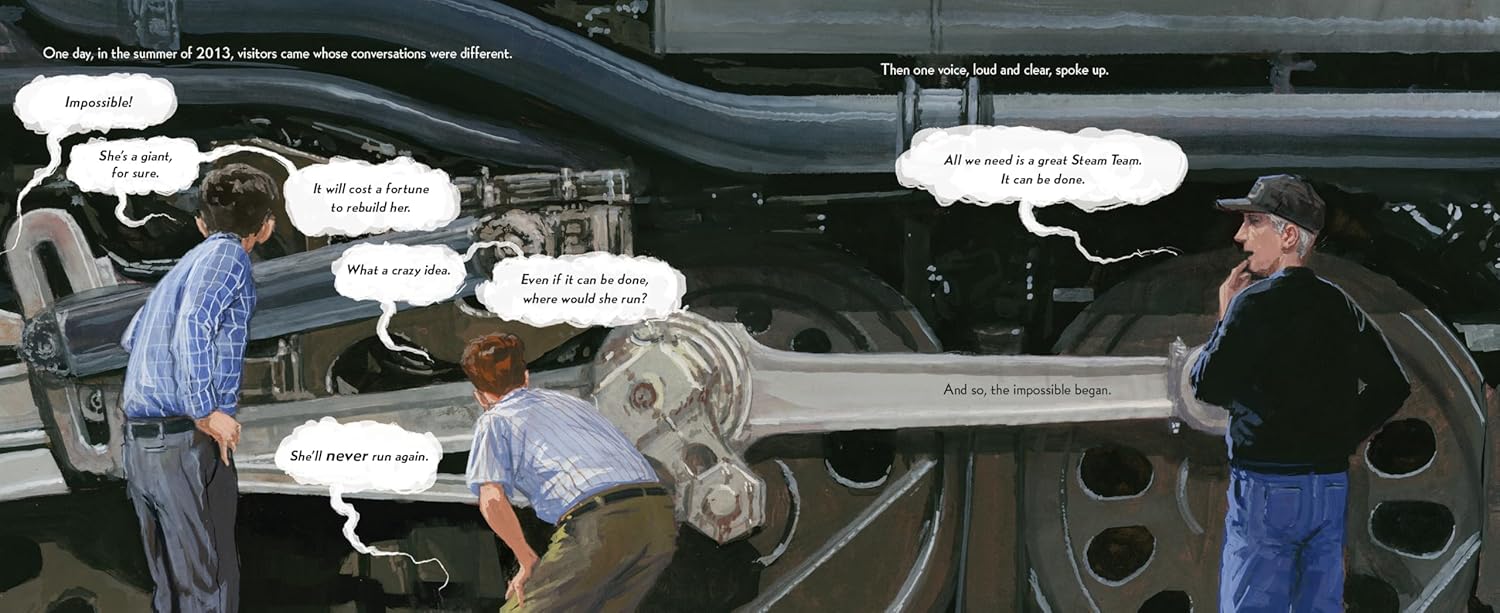
 

“Malia and Sasha watch White House chefs arrange gefilte fish on fine china. Matzoh ball soup simmers in a sterling silver tureen…Bo wags his tail and sniffs as new smells waft through the Old Family Dining Room.”

Michelson’s story begins right in the action, with everyone preparing for the White House Seder. Barack Obama’s daughter Sasha says, “I bet Bo is wondering why this night is different from all other nights.” She is jokingly referencing the four questions recited by the youngest child in a Passover seder. And why is this night different, you may be wondering? Read on to find out! 

Illustration © 2025 by E.B. Lewis, text © 2025 by Richard Michelson. Courtesy of Random House Children’s Books.

When Eric, Arun, and Herbie set out on the campaign trail with Senator Obama as he ran for president in 2008, they did not expect to find themselves seated in the White House celebrating Passover for the next eight years. These young men joined the campaign trail in hopes that “they could help [Obama] make America a place where all people—regardless of their race, gender or religion—would have an equal opportunity to succeed.” But, “helping others doesn’t mean you don’t get homesick, or hungry, or tired.”

Holidays are especially a time when homesickness can hit for folks far from home. And this was the case for Eric, Arun, and Herbie. When Passover came around, they decided to have their own Passover ceremony, or Seder, in the basement of the hotel where they were staying. The trio managed to snag some matzoh, macaroons and Manishewitz wine along with Haggadahs (booklets of the prayers, songs and story of Passover) to tell the story of Passover—the exodus of enslaved Jews in Egypt who escaped through a parting sea to freedom, one of many miracles that ensured their eventual getaway. “Tonight, they would celebrate the sweet taste of freedom and pledge not to rest until all people are free.”

Illustration © 2025 by E.B. Lewis, text © 2025 by Richard Michelson. Courtesy of Random House Children’s Books.

When the three young men rose for the tradition of letting the prophet, Elijah, in through the door they were surprised to find Barack Obama on the other side, requesting to join the gathering. Obama brought to the table connections between the Passover freedom tale and the civil rights movement—how activists throughout time have drawn from the Passover pilgrimage in their protests and speeches. He told of how enslaved Black laborers were the ones who carried the first building blocks for the White House, like how the ancient Pharaoh had made the enslaved Israelites build his stone cities. When Eric called out a traditional Passover expression “Next year in Jerusalem,” a phrase that has come to signify hope for a better tomorrow, Barack replied, “Next year in the White House!”
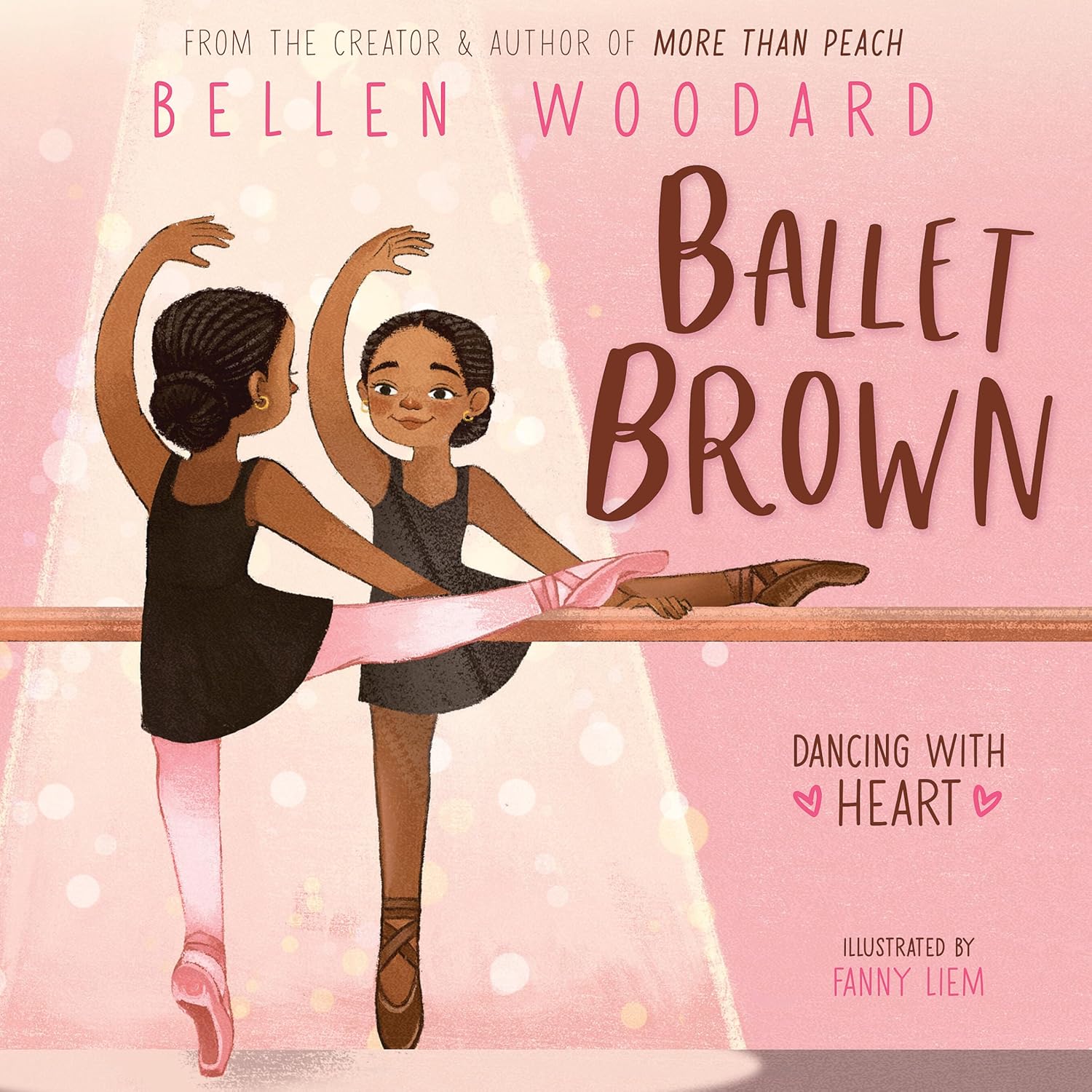
In the following pages, we return to the prologue scene of the book—a description of the first White House Seder, performed in 2009, hundreds of years after both the first White House Christmas and Easter ceremonies. We read of two previously enslaved peoples joining together in resistance and solidarity, to celebrate in the historic White House, where neither group would have been invited years ago. We learn about the traditional Passover foods and games for children—such as piping hot matzoh ball soup and the race to find the afikomen, a hidden piece of matzoh wrapped in a special cloth. And we’re invited in as dozens of people gather to celebrate and cherish the holiday’s call of freedom. When the prize for finding the hidden afikomen is a dog toy for Bo, Sasha remarks, “Now Bo definitely knows why this night is different from all other nights.”

Illustration © 2025 by E.B. Lewis, text © 2025 by Richard Michelson. Courtesy of Random House Children’s Books.

Richard Michelson’s writing is thought provoking, lively and packed with themes of hope and resilience interspersed with knowledge of the Passover traditions. The story contains many references to Passover phrases and themes, such as the call for the homesick, tired, and hungry to come eat and the four questions, which are both part of Passover prayers and motifs shared in Michelson’s story.

Michelson adds a prologue scene to draw readers in, as well as extensive back matter including: a note from Herbie Ziskend, Eric Lesser, and Arum Chaudhary; an annotated page of the Haggadah used at the first White House Seder; more information about the attendees and connections between Black History and Passover; a detailed explanation of Passover traditions; and a special Passover dessert recipe from Arun. His writing instills a sense of social justice, with undertones of the importance of intersectional empowerment and unity.

E.B. Lewis’s signature watercolor spreads bring the book to life with distinctly recognizable characters displaying detailed facial expressions and richly colored backgrounds. Readers will feel immersed in the comradery of the dinner table scenes and the crowds at protests and campaign speeches. The illustrative masterpiece depicting the parting of the sea in the background when Eric, Arun, and Herbie retell the Passover story will inspire awe and mystery. Close-ups of each of the characters also intersperse text and larger detailed scenes. When Arun, Herbie, and Eric are introduced, they each receive their own small illustrative snapshot, as these three unlikely characters become center stage for a Passover miracle story.

Next Year in the White House brings a unique and important historical moment to light and a new story to the table to re-read time and time again, as is tradition with the Passover tale. 

Ages 4 – 8+

Crown Books for Young Readers, 2025 | ISBN 978-0593711583

About the Author

Richard Michelson is a poet, children’s book author, and art dealer whose children’s books have been listed among the 10 Best Books of the Year by The New York Times, Publishers Weekly, and The New Yorker; and among the 12 Best Books of the Decade by Amazon.com. He has been a finalist for the Massachusetts Book Award, the Harlem Book Fest Wheatley Award, and the National Jewish Book Award, as well as receiving two Skipping Stones Multicultural Book Awards, a National Parenting Publication Gold Medal and an International Reading Association Teacher’s Choice Award. In 2009 Michelson received both a Sydney Taylor Gold and Silver Medal from the Association of Jewish Librarians, the only author so honored in AJL’s 50 year history. Michelson received his 2nd Silver Medal in 2017 and his 2nd Gold Medal in 2018. Additionally, Michelson won the 2017 National Jewish Book Award. Michelson is the owner of R. Michelson Galleries, the host of Northampton Poetry Radio, and the current Poet Laureate of Northampton. Massachusetts. You can learn more by visiting him at richardmichelson.com and on Facebook.

About the Illustrator

E.B. Lewis has illustrated over seventy books for children, including the New York Times Best Illustrated Book Award, Kirkus Best Illustrated Book Award, and the Golden Kite Honor Award winner Jabari Asim’s Preaching to the Chickens as well as the Caldecott Honor Award Winner, Jacqueline Woodson’s Coming on Home SoonHe is also a five-time Coretta Scott King winner.
Presently, Lewis teaches at the Pennsylvania Academy of Fine Arts. He is also a member of The Society of Illustrators in New York City, and an artist member of Salamagundi Art Club of New York. Learn more about E.B. Lewis and his work at eblewis.com.

Get Ready for Passover Activity

8 Days of Activity Plans from 18 Doors


Celebrate Passover with your family and these Activity Plan Ideas from 18 Doors! For each of the 8 Days you’ll find a song or video, a craft, and a recipe to help you have a fun Passover!

You can purchase Next Year at the White House from these booksellers

Amazon | Barnes & Noble | Bookshop (to support your local independent bookstore)

Picture Book Review