April 30 – National Honesty Day

celebrate-picture-books-picture-book-review-tell-the-truth-b.b.-wolf

About the Holiday

National Honesty Day encourages honesty and straightforward communication in politics, relationships, consumer relations and historical education. Some may find it interesting, appropriate, or (fill in your own adjective) that the holiday was established in 1990 by former press secretary of Maryland M. Hirsh Goldberg while writing a book about the frauds, scams, schemes and other such nonsense that have “changed the course of history and affect our daily lives.” To honor the day, it is suggested that people ask the hard questions—and also offer what can sometimes be the hard truth. Only then can we clear the air and build better relationships. As the wolf in today’s book discovers, honesty really is the best policy.

Tell the Truth, B. B. Wolf

Written by Judy Sierra | Illustrated by J. Otto Seibold


The Villain Villa Senior Center is getting a makeover. The Big Bad Wolf and his equally evil friends are doing the repairs. Suddenly, the air hums with the tune “Who’s Afraid of the Big Bad Wolf.” “‘Quiet!’” the wolf shouts, “‘I have to answer my phone.’” It turns out that Miss Wonderly at the library wants B. B. to come in and tell the story of how he met the Three Little Pigs. He’s excited to take part, but one thing worries him: He wasn’t a hero in the story.

Rumpelstiltskin tells B. B. Wolf to spin the story; the crocodile advises a happy ending. B. B. Wolf changes into his best clothing and, vowing to try these suggestions, hurries over to the library. Ensconced in a cozy chair, B. B. begins with a song: “Hard luck always follows me, and Trouble is my middle name.” But this ploy doesn’t fly with one little attendee (a pig with the number 1 on his hat) who reminds B. B. that his middle name is B-A-D.

celebrate-picture-books-picture-book-review-tell-the-truth-b.b.-wolf

Image copyright J. Otto Seibold, text copyright Judy Sierra. Courtesy of penguinrandomhouse.com

Undeterred, B. B. Wolf launches into his story after amending his song to include that he is always blamed for any crime that occurs. It seems that one day B. B. Wolf was out innocently picking dandelions. While blowing on the puff to make a wish, he inadvertently blew down the straw house of a little piggie. The poor wolf was on the run as the piggie chased him. This version of events brings an oinkburst from the back of the room: “‘Tell the truth, B. B. Wolf!’”

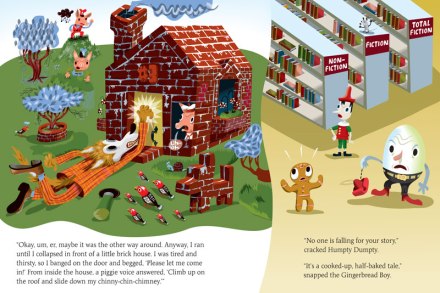
As he ran, B. B. Wolf continues, he suddenly smelled smoke and dashed over to help. He found a little piggie playing with matches next to a pile of sticks that were on fire! He only blew on the sticks to put out the fire. From his place on a shelf Pinocchio thinks he sees the wolf’s snout growing bigger. Charged by this second piggie, B. B. Wolf says, he kept running until he collapsed at the door of a little brick house. Tired and thirsty the wolf begged to be let in. But the mean porker merely said, “‘Climb up on the roof and slide down my chinny-chin-chimney.’”

That ridiculous fib causes an uproar in the children’s section. “‘No one is falling for your story,’ cracked Humpty Dumpty.” And the Gingerbread Boy added, “‘It’s a cooked-up, half-baked tale.’” “Tell the truth, B. B. Wolf,” orders Pig 3. Deflated, B. B. Wolf lets out “a dismal huff and a small, sad puff.” He admits that he hasn’t told the truth because the truth is so embarrassing. But “‘what’s important is that I’ve changed. Really I have,’” he says. The three pigs demand that he apologize, and B. B. stutters over the words. Try as he might, B. B. cannot say it. But he can sing it!
celebrate-picture-books-picture-book-review-tell-the-truth-b.b.-wolf

Image copyright J. Otto Seibold, text copyright Judy Sierra. Courtesy of penguinrandomhouse.com

Down on his knees, he sings a heartfelt and perfectly rhyming apology. The Three Little Pigs take pity on their former enemy and give him a second chance. “‘But your middle name is still Bad,’” the third pig reminds him. Taking advantage of where he is, B. B. grabs a dictionary from the shelf and flips through the B words. He finds many to his liking, and before he leaves the library with an armful of books, he’s changed his name and even added two Bs! “‘From this day forward, I am the one and only Big Bodacious Benevolent Bookish Wolf,’” B. B. B. B. Wolf announces on his way out the door.

The wolf was even better than his word. Once home he straightaway began designing a big, beautiful house for his new friends, and when it came time to build it, all the villains helped. The Three Little Pigs were so thrilled with their “piggyback mansion” that they composed a song to thank B. B. B. B. Wolf: “The wolf was mean and vicious. / He thought piggies were delicious. / Then he lied and told a story / that was wrong and he was sorry. / Now he’s changed. He’s not pretending. / That’s a very happy ending!”

Judy Sierra writes a hilarious and enchanting story of personal reinvention which reveals that while people may not be able to escape their past, they can make up for it. Through fast-paced, clever dialogue and characters with a compelling stake in the action, Sierra’s howler of a story will have kids wondering what excuse the wolf will devise next. The circular plot line ties up the beginning and ending neatly and is a satisfying resolution to this favorite fairy tale in fractured form.

J. Otto Seibold has drawn the Big Bad Wolf as he has never been seen before. Sporting a kitschy plaid suit and green top hat, B. B. Wolf grows more and more disheveled as his falsehoods fall flat. The wolf’s tall tales are vividly illustrated to comic effect, bridging the wolf’s attempt to refurbish his reputation and the absurdity of his invention. Kids will love to point out the many storybook characters that populate the pages and will giggle throughout at the wolf’s misadventures.

Ages 3 – 8

Knopf Books for Young Readers, 2010 | ISBN 978-0375856204

Learn more about Judy Sierra and her books and meet a very literary pup on her website!

National Honesty Day Activity

celebrate-picture-books-picture-book-review-pig-dot-to-dot

Dot-to-Dot Coloring Pages


After the Big Bad Wolf admitted the truth, he and the Three Little Pigs made up! Here are two printable dot-to-dot coloring pages that bring them together for fun!

Picture Book Review

April 13 – National Make Lunch Count Day

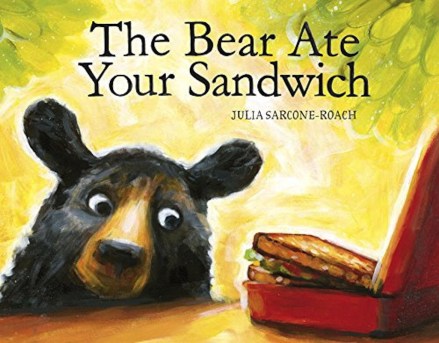
celebrate=picture-books=picture-book-review-the-bear-ate-your-sandwich-cover

About the Holiday

Today’s holiday was established to help trim the number of days you remain at your desk during lunchtime eating the same ol’ same ol’. Instead of staying in, why not get out of the office! Try eating outside in a nearby park or going to a favorite lunch spot to enjoy a hearty lunch. You could even invite some coworkers along and engage in some interesting, funny, or stimulating conversation. By getting away from your work for a bit, you’ll actually be more creative and efficient for the rest of the day!

The Bear Ate Your Sandwich

By Julia Sarcone-Roach


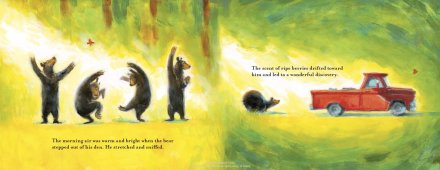
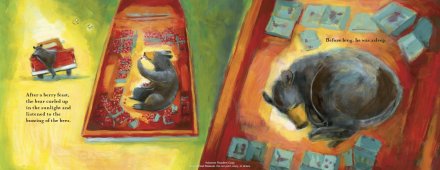
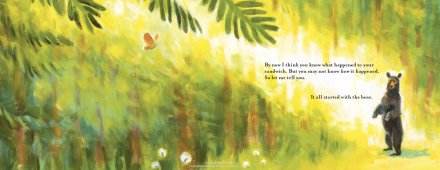
Oh dear… something happened to your sandwich? Well… “it all started with the bear. You see, when the bear woke up and left his den for his morning exercises, he caught a whiff of ripe berries in the back of a pickup truck. After eating his fill, he fell asleep in the bed of the truck. He woke once again to find himself “being quickly swept along like a leaf in a great river. The forest disappeared in the distance and high cliffs rose up around him.” Soon he found himself in a city—a forest like he had never seen before.

celebrate=picture-books=picture-book-review-the-bear-ate-your-sandwich-morning-exercises

Copyright Julia Sarcone-Roach, courtesy of jsarconeroach.com

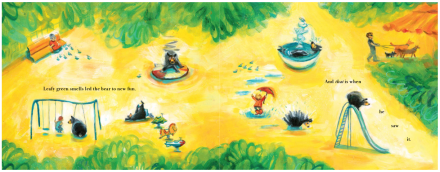
Still, he found many similarities to home. The fire escapes, clothes lines, and rooftops offered challenging places to climb, the lamp posts scratched his back just fine, and there was a new sidewalk that was just as squishy as the mud in the forest. This forest also had many intriguing smells, but each time the bear explored one he found someone else had gotten there first. He continued to follow his nose and discovered a playground full of fun things to do. He was at the top of the slide “when he saw it.”

celebrate=picture-books=picture-book-review-the-bear-ate-your-sandwich-eating-berries

Copyright Julia Sarcone-Roach, courtesy of jsarconeroach.com

“There it was. Your beautiful and delicious sandwich. All alone.” The bear was wily, though. “He waited to make sure no one saw him (not even the sandwich) before he made his move.” Feeling safe, the bear grabbed that sandwich and gobbled it all up. He was just licking his lips when he heard a “sniff, snuffle, slobber, snort behind him.” He turned around to find four canine witnesses to his misdeed.

He fled the scene, loping down the street to the nearest tall tree and escape. From the top of this telephone pole, he could see way down the river to his own forest. He stowed away on a boat and fell asleep to its gentle rocking. “When he opened his eyes, he heard the breeze in familiar branches and the birds’ and bugs’ evening song.” He was home.

celebrate=picture-books=picture-book-review-the-bear-ate-your-sandwich-at-the-playground

Copyright Julia Sarcone-Roach, courtesy of jsarconeroach.com

“So. That’s what happened to your sandwich.” Really! I was there—“I saw it all.” I even tried to save your sandwich, but all I could retrieve was this tiny piece of lettuce. I know you’re disappointed, and “I’m sorry to have to tell you about your sandwich this way, but now you know….” Would your own puppy pal lie to you?

Julia Sarcone-Roach knows how to spin a yarn. Her clever and funny confessional story will have kids’ glued to the eye-witness testimony about a bear who, according to the report, seems to be both sympathetic and a scoundrel. The surprise ending will make readers laugh—especially if they have mischievous siblings, friends, or pets. Sarcone-Roach’s vibrant, gauzy illustrations echo the fantastical imagination of the sly Scottie while giving vibrant life to the forest and city. Her depictions of the bear performing his morning exercise ritual, clambering across apartment buildings, encountering his competition for scraps, and attempting the playground equipment are endearing, and his utter astonishment at being caught is a comical joy.

celebrate=picture-books=picture-book-review-the-bear-ate-your-sandwich-beginning

Copyright Julia Sarcone-Roach, courtesy of jsarconeroach.com

Ingenious clues sprinkled throughout the pages may lead some skeptical readers to doubt the veracity of the story, but the ending is delightfully satisfying and unexpected to all—except, perhaps, for the pup’s owner.

The Bear Ate Your Sandwich is a fun, charming, (mis?)adventure that kids will giggle through and ask for over and over. It would make a favorite addition to home libraries.

Ages 3 – 8

Knopf Book for Young Readers, 2015 | ISBN 978-0375858604

Discover so much more by Julia Sarcone-Roach on her website—including books, illustration, film, and more!

National Make Lunch Count Day Activity

 celebrate-picture-books-picture-book-review-chew-on-this-lunch-words-word-scramble

Chew on This! Word Scramble


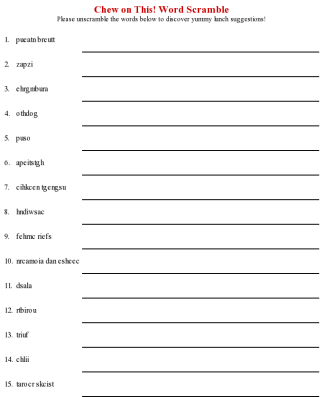
Oh dear! The lunch menu has gotten completely mixed up! Can you unscramble the words on this Chew on This! Word Scramble so everyone can enjoy a tasty lunch? Here’s the Solution.

Picture Book Review

November 21 – False Confession Day

celebrate=picture-books=picture-book-review-the-bear-ate-your-sandwich-cover

About the Holiday

I have to confess that the origins of this holiday are unknown, but the purpose is just to have a little fun. Sure, for 24 hours confusion may reign supreme, but today can give you good practice in learning not to believe everything you hear. If you’re going to participate, keep your confessions light and “jokey.”  Maybe play the game Three Truths and a Lie with friends or coworkers. Just remember there are certain things you should never falsely confess—a crime, something that may result in injury, or false claims that hurt feelings. It may also be a day to help someone out. Instead of playing the “blame game,” accept a little responsibility—even if it’s not yours. But making a false confession for someone else? Hmmm…let’s see what happens in today’s book!

The Bear Ate Your Sandwich

By Julia Sarcone-Roach


So, something happened to your sandwich? Well… “it all started with the bear. When the bear woke up and left his den for his morning exercises, he caught a whiff of ripe berries in the back of a pickup truck. After eating his fill, he fell asleep in the bed of the truck. He woke once again to find himself “being quickly swept along like a leaf in a great river. The forest disappeared in the distance and high cliffs rose up around him.” The city was a forest like he had never seen before.

celebrate=picture-books=picture-book-review-the-bear-ate-your-sandwich-morning-exercises

Copyright Julia Sarcone-Roach, courtesy of jsarconeroach.com

Still, he found many similarities to home. The fire escapes, clothes lines, and roofs offered challenging places to climb, the lamp posts scratched his back just fine, and there was a new sidewalk that was just as squishy as the mud in the forest. This forest also had many intriguing smells, but each time the bear explored one he found someone else had gotten there first. He continued to follow his nose and discovered a playground full of fun things to do. He was at the top of the slide “when he saw it.”

celebrate=picture-books=picture-book-review-the-bear-ate-your-sandwich-eating-berries

Copyright Julia Sarcone-Roach, courtesy of jsarconeroach.com

“There it was. Your beautiful and delicious sandwich. All alone.” The bear was wily, though. “He waited to make sure no one saw him (not even the sandwich) before he made his move.” Feeling safe the bear grabbed that sandwich and gobbled it all up. But he was just licking his lips when he heard a “sniff, snuffle, slobber, snort behind him.” He turned around to find four canine witnesses to his misdeed.

He fled the scene, loping down the street to the nearest tall tree and escape. From the top of this telephone pole, he could see way down the river to his own forest. He stowed away on a boat and fell asleep to its gentle rocking. “When he opened his eyes, he heard the breeze in familiar branches and the birds’ and bugs’ evening song.” He was home.

celebrate=picture-books=picture-book-review-the-bear-ate-your-sandwich-at-the-playground

Copyright Julia Sarcone-Roach, courtesy of jsarconeroach.com

“So. That’s what happened to your sandwich.” Really! I was there—“I saw it all.” I even tried to save your sandwich, but all I could retrieve was this tiny piece of lettuce. I know you’re disappointed, and “I’m sorry to have to tell you about your sandwich this way, but now you know….” Would your own puppy pal lie to you?

Julia Sarcone-Roach knows how to spin a yarn. Her clever and funny confessional story will have kids’ glued to the eye-witness testimony of a bear who is both sympathetic and a scoundrel according to the report. The surprise ending will make readers laugh—especially if they have mischievous siblings, friends, or pets. Sarcone-Roach’s vibrant, gauzy illustrations echo the fantastical imagination of the sly Scottie while giving vibrant life to the forest and city. Her depictions of the bear performing his morning exercise ritual, clambering across apartment buildings, encountering his competition for scraps, and attempting the playground equipment are endearing, and his utter astonishment at being caught is a comical joy.

celebrate=picture-books=picture-book-review-the-bear-ate-your-sandwich-beginning

Copyright Julia Sarcone-Roach, courtesy of jsarconeroach.com

Ingenious clues sprinkled throughout the pages may lead some skeptical readers to doubt the veracity of the story, but the ending is delightfully satisfying and unexpected to all—except, perhaps, for the pup’s owner.

The Bear Ate Your Sandwich is a fun, charming, (mis?)adventure that kids will giggle through and ask for over and over. It would make a favorite addition to home libraries.

Ages 3 – 8

Knopf Book for Young Readers, 2015 | ISBN 978-0375858604

Discover so much more by Julia Sarcone-Roach on her website—including books, illustration, film, and more!

False Confession Day Activity

celebrate-picture-books-picture-book-review-find-the-truth-maze

Find the Truth Maze


A false confession can lead you to a maze of fun—or trouble! Can you make your way through this printable Find the Truth Maze?

Picture Book Review

July 19 – It’s National Zookeepers Week

celebrate-picture-books-picture-book-review-the-opposite-zoo-cover

About the Holiday

Every year more than 180 million people visit zoos and aquariums in the United States. Caring for the animals that live in these zoological parks, maintaining the facilities, and educating guests about the scientific facts and personal stories of the animals under their care is more than just a profession for zoo keepers—it’s a passion! Today’s holiday raises awareness of the day-to-day work of zoo keepers who protect and preserve the world’s species.

The Opposite Zoo

By Il Sung Na


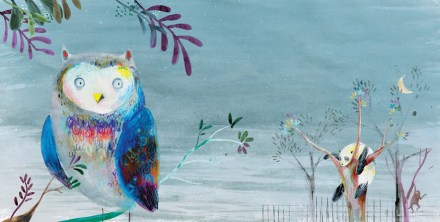
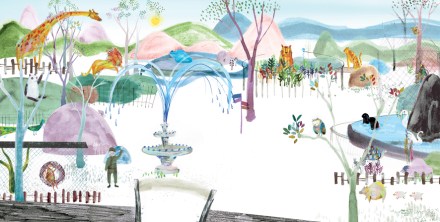
The Dark of twilight has descended on the Opposite Zoo and all the visitors are gone. But the clever monkey finds his door Open! He creeps out to explore the zoo by night. Two animals sit amid the tree tops. The owl is Awake, while the panda hangs suspended in the branches, Asleep. The lion, having a final stretch before snoozing, is Hairy, but the hippo taking a late dip is Bald.

celebrate-picture-books-picture-book-review-the-opposite-zoo-interior-art-owl

Image copyright Il Sung Na, courtesy of ilsungna.com

The Tall giraffe, munching leaves, towers over the trees as well as the Short pig who is feeding her piglets. The monkey plays peek-a-boo with a Shy iguana as it climbs a rock to watch the Bold peacock fan his beautiful tail feathers.

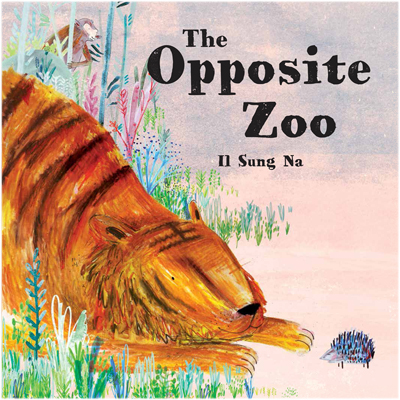
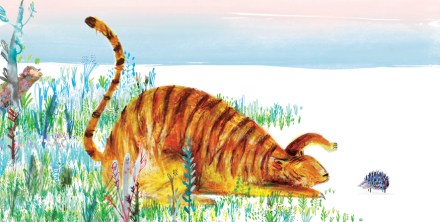
The tiger, with his Soft fur, is intrigued by the Prickly hedgehog, and the Black seals frolic in the pond while the White swans float majestically above. The monkey then hitches a ride on the tail of a Fast cheetah, leaving the Slow sloth to meander on its way. Oh those Noisy monkeys! Are they bothering the Quiet turtle?

celebrate-picture-books-picture-book-review-the-opposite-zoo-interior-art-tiger

Image copyright Il Sung Na, courtesy of ilsungna.com

The prowling monkey has had a long night of fun, but now the sun is Bright. He hurries back to his tree just in time for his door to Close—because now the Opposite Zoo is Open!

The Opposite Zoo combines several concepts—opposites, animals, and a search-and-find element—into a fun romp for young readers. The story is appropriately simple and serves as the frame for Il Sung Na’s stunning paintings: The fiery lion, tiger, and cheetah crackle with orange energy. The owl is a midnight blue tapestry, and the peacock’s tail is as graceful and intricate as a fine Asian fan. Na’s vibrant colors are set against delicate, softly hued backgrounds. Readers will love following the silly monkey through each picture and pointing out his shenanigans.

The Opposite Zoo is a wonderful choice as a new baby gift or for youngest children’s libraries.

Ages birth – 5

celebrate-picture-books-picture-book-review-the-opposite-zoo-interior-art-zoo

Image copyright Il Sung Na, courtesy of ilsungna.com

Knopf Books for Young Readers, 2016 | ISBN 978-0553511277

View more artwork and books by Il Sung Na on his website!

National Zoo Keepers Week Activity

celebrate-picture-books-picture-book-review-opposites-crossword-puzzle

Opposites Attract Crossword Puzzle


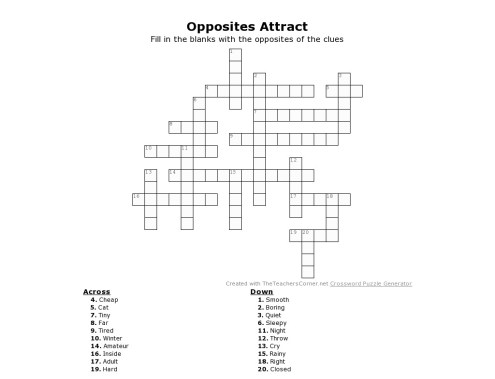
Some words go hand in hand even though they’re different. Find the words that make pairs fill in the blanks of this printable Opposites Attract Crossword Puzzle

June 10 – It’s Pet Appreciation Week

celebrate-picture-books-picture-book-review-excellent-ed

About the Holiday

Pets give us so much love and joy that we often want to do something special for our furry friends in return. The first full week of June gives us just that opportunity! Why not spend a little extra time walking or cuddling with your pet? Or maybe make them a favorite treat or get them a new toy. However you celebrate, you know your pet will appreciate it!

Excellent Ed

Written by Stacy McAnulty | Illustrated by Julia Sarcone-Roach


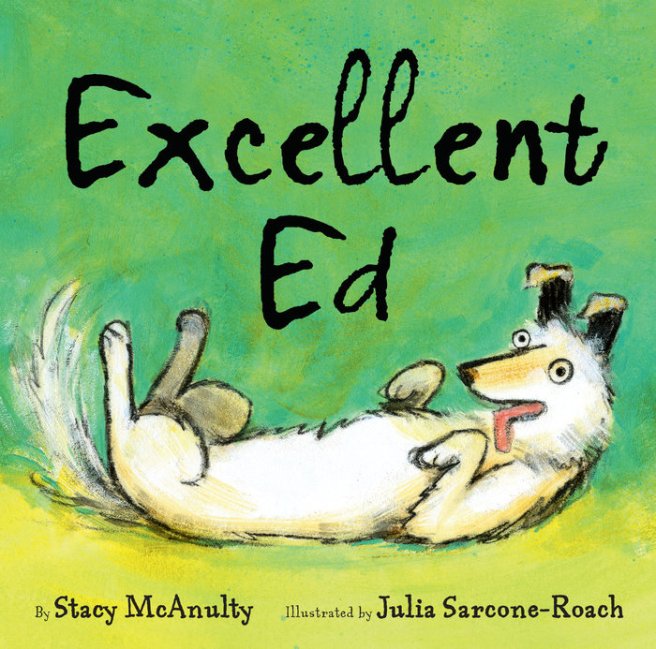
Ed, the Ellis family dog, is feeling a little left out. All five of the children are excellent at something, but not Ed. All the Ellis kids can eat at the table, ride in the car, sit on the couch, and use the indoor bathroom, but not Ed. Each kid has his or her own talent—playing soccer, calculating math, dancing, and baking cupcakes—and while Ed can carry a ball in his mouth, count to 4, spin after his tail, and eat cupcakes, it’s just not the same.

One day Ed wonders—if he was excellent at something could he have the same perks as the kids? He considers his talents and comes up with something. He knows he’s great at breaking stuff! Surely this will earn him a place at the dinner table. But even before he gets going, Elaine runs in with the news that she’s broken the record for most soccer goals in a season. Ed realizes that Elaine is better at breaking stuff than he is.

Again Ed thinks. Suddenly it dawns on him that he’s excellent at losing things—he even lost himself last week! This kind of ability was surely worth a ride in the van. But just as he’s about to jump in, the twins shout, “I’ve lost a tooth!” Foiled in this attempt, Ed goes back to the drawing board. Hmmm…it was just there…oh, yeah! Ed is fantastic at forgetting stuff! After proving to Dad that he doesn’t remember he ate a minute ago and ready to take his place on the couch, Ed is thwarted again by Edith, who forgot to be nervous during an audition and is now the lead ballerina.

Ed whimpers. Is there nothing he’s most excellent at? Maybe he doesn’t even belong in the Ellis family. Just then Ernie drops his sandwich and Ed gobbles it up, leaving no crumbs on the floor. “‘Wow, Ed! You are excellent at cleaning the floor,’” Earnie says. When Emily and Elmer come home, Ed runs to meet them and covers them in kisses. “‘Ed! You’re excellent at welcoming us home,’” the twins exclaim. Later, with the couch stuffed with Ellises, Ed lays across Edith’s and Elaine’s feet. “‘Ed is excellent at warming feet,’” Elaine and Edith agree.

Ed wags his tail—he is an excellent floor cleaner, welcomer, and feet warmer! Now he knows why he doesn’t sit at the table, stays home instead of riding in the van, and doesn’t join the family on the couch. He realizes that he is an important part of the Ellis family, and that he’s always loved and appreciated. Now, if only he could figure out that indoor bathroom thing….

There comes a time in everyone’s life when they doubt their place in the world. Stacy McAnulty explores that feeling through Ed, who worries, works the problem, and discovers that he is without a doubt excellent just the way he is. Giving the Ellis kids a variety of ages and talents makes this a great universal book for readers. McAnulty’s twist which turns “negative” gifts for breaking, losing, and forgetting things into triumphs for the Ellis kids is ingenious, adding humor, depth, and “ah-ha! moments” to the story. The mystery of Ed’s abilities is well-kept until the end, and the solution comes as a happy surprise.

Readers will wish they were part of the Ellis family, with their exuberant smiles, supportive cheers, snuggly, crowded couch, and, of course, adorable Ed. Julia Sarcone-Roach’s vivid illustrations are infectious as Ed perks up his ears, rolls his eyes skyward and with tongue out thinks about his situation. Scenes of his shenanigans will elicit giggles, and Ed’s sweet looks and wagging tale will win readers’ hearts.

Ages 4 – 8

Alfred A. Knopf Books for Young Readers, 2016 | ISBN 978-0553510232

Pet Appreciation Week Activity

celebrate-picture-books-picture-book-review-dog-maze

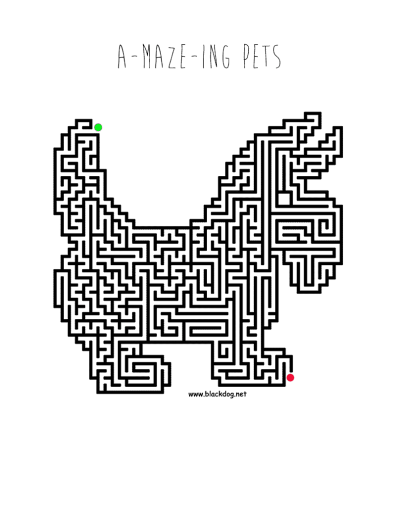
A-maze-ing Pets Maze


Dogs love to take circuitous routes as they pick up scents that are too enticing not to follow! Can you find your way through this printable A-maze-ing Pets Maze

Picture Book Review

May 16 -National Biographer’s Day

celebrate-picture-books-picture-book-review-the-noisy-paint-box

About the Holiday

On this day in 1763 James Boswell walked into a London bookshop and met Samuel Johnson—poet, critic, journalist, and writer of the first dictionary. They became friends, and 30 years later Boswell wrote a spirited biography of his companion that fully described Johnson’s feelings, quirks, opinions, and details of his life in a warm, conversational, unstinting way. The Life of Samuel Johnson changed forever the way biographies were written and is still popularly read today. Why not spend some time today with that fascinating biography or one on a favorite personality—or start writing the story of your own life!

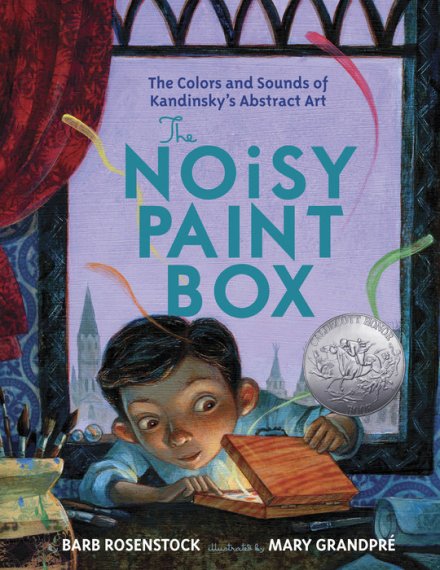
The Noisy Paint Box: The Colors and Sounds of Kandinsky’s Abstract Art

Written by Barb Rosenstock | Illustrated by Mary Grandpré


As a Russian child Vasya Kandinsky spends his days absorbed in learning math, science, and history. He takes piano lessons and attends formal dinners where the adults drone on and on. His life is polite, stiff, and colorless until the day his aunt gives him a small wooden paint box. “Every proper Russian boy should appreciate art,” Vasya’s aunt tells him while explaining how to mix colors.

Vasya takes up the brush and combines red with yellow then red with blue. As the colors change to orange and purple, Vasya hears a whisper that grows into a noisy hiss. “‘What is that sound?’” he asks, but no one else hears anything. “The swirling colors trilled like an orchestra tuning up for a magical symphony,” and “Vasya painted the sound of the colors.” A lemon yellow “clinked like the highest notes on the keyboard; a navy blue “vibrated deeply like the lowest cello strings.” Crimsons “blared” and greens “burbled.”

Vasya runs downstairs to show his family what he has created. His mother, father, and Auntie look at the canvas with its swoops, shapes, and angles. “What is it supposed to be?” they ask, and send him off to art school to learn how “to draw houses and flowers—just like everyone else.” Vasya finishes school and becomes a lawyer. He leaves his paint box untouched and lives the way he is expected, but the sounds of the colors are always with him.

One evening as he listens to an opera, the music surrounds him with color—“stomping lines of vermilion and coral; caroling triangles in pistachio and garnet; thundering arches of aqua and ebony…” Vasya can hear the colors and see the music. He knows then what he must do. He quits his job teaching law and moves to Germany to be a painter. He surrounds himself with artists and takes classes with famous teachers, and yet people still look at his canvases and asked, “What is it supposed to be?”

Once again he paints what is expected. His teachers love his houses and flowers, but Vasya does not. His friends understand. They too want to expand the meaning of art. They agree with Vasya when he says, “‘Art should make you feel.’” In his studio Vasya continues to paint the sounds he hears, to give music color and color sound. Bravely, he invites the public to view his paintings, which are named after musical terms—Composition, Accompaniment, Fugue, and more.

This is a new kind of art—abstract art—and it takes a long time before people understand. They look and still ask, “What is it supposed to be?” “It is my art,” Kandinsky replies “How does it make you feel?” 

An author’s note telling more about Kandinsky’s life and synesthesia, a genetic condition in which one sense triggers another, follows the story.

In the spirit of full disclosure, Kandinsky is one of my favorite artists, so I was excited to read this biography—I was not disappointed! With so many great artists, their work speaks for itself, but viewers wonder, “How did it come about?” “What influenced the artist?” Barb Rosenstock, with lyrical language and beautifully chosen descriptions, reveals the emotions and passion that fueled Kandinsky’s art from his earliest ages: as he walks through Moscow he can’t ignore “the canary-colored mailbox whistling as he rode to work. The scarlet sunset haze ringing above the ancient Kremlin walls.” Rosenstock’s inclusion of the conflicts and opposition Kandinsky faced and overcame will inspire children to listen to their inner voice and makes readers and lovers of his abstract art glad he never gave up.

Mary Grandpré’s unique style brilliantly depicts Kandinsky’s singular vision, allowing readers to experience the way he wielded his paint brush like a conductor’s baton. Vasya’s early life is painted in muted blues and grays, and the boredom on his face as he studies his schoolwork is obvious. Kids will appreciate his one-finger plinking at the piano and the rolled-eyed drowsiness of the formal dinner. Once Vasya is introduced to the paint box, however, Grandpré’s illustrations become vibrant, with swirling colors overlaid with the musical notes that Kandinsky associated with them. His uninhibited painting is gloriously shown as the young boy’s shirt comes untucked and the colors burst from the canvas upon his first painting.

As the adults look at his work, the room is again swathed in somber colors. The text revealing that Vasya attended regular art classes to learn to draw houses and flowers is set above a single wilting flower in a vase. The personal tug-of-war Kandinsky experienced even into adulthood is wonderfully rendered: Colors flow into his ears at the opera; he studies his own landscape and still life paintings with misgiving in a hazy studio, and the joy and freedom of his abstract art is demonstrated with wild abandon while a dove escapes its cage. The final image of a child sitting in front of a Kandinsky painting reinforces the idea that his art lives for all and for all time.

Ages 4 – 9

Alfred Knopf, Random House Children’s Books, 2014 | ISBN 978-0307978486

National Biographer’s Day Activity

celebrate-picture-books-picture-book-review-recipe-box-label

Recipe Box Label and Recipe Cards


People’s stories are written in all different ways: in the objects they surround themselves with, their activities, and the talents they exhibit. Today’s activity will help you tell your stories in the foods you bake! Or try this Recipe Card Writing Idea: Create a very short story and write it on one of the recipe cards! Read it to your family or teacher.

Supplies

celebrate-picture-books-picture-book-review-recipe-cards

Directions

  1. Glue the My Family’s Recipes label to the box you made
  2. Print out the recipe cards. Use them for your favorite dish and prepare for tomorrow’s treat to bake!

Picture Book Review

April 7 – International Beaver Day

The Flying Beaver Brothers and the Crazy Critter Race by Maxwell Eaton III

About the Holiday

Beavers are pretty amazing creatures. With their prominent teeth these largest members of the rodent family cut down large trees. They use the bark, buds, and small twigs for food then gnaw the trunk and branches into smaller parts and build dams that are just about as strong as anything people can construct. These dams can help prevent floods, clean the water supply, and restore wetlands. The largest beaver dam is in Wood Buffalo National Park in Alberta, Canada.

Beaver Day is celebrated to bring awareness to the declining beaver population and to promote their protection.

The Flying Beaver Brothers and the Crazy Critter Race

By Maxwell Eaton III


The flying Beaver brothers are back in a vine-popping, lasso-swirling adventure! Bub is reading Penguin Giant to Bob and Bob when Ace comes home with an intriguing ad for The Crazy Critter Race. The winner will receive—not pancakes as the penguins hope—but a free houseboat. The house Bob and Bob built for the Beaver brothers is a little less than desirable, so Ace and Bub swim over to Critter Houseboat Sales and Service to sign up.

There they meet the yeehawin’ cowboy hat-wearin’ crazy critter who has organized this unusual event. They also encounter the rope-snapping Raccoon sisters, and the competition is on! Crazy Critter explains the rules of the race: It seems the islands’ trees have been destroyed by ornery baboons, so the object of the race is to replant trees from a jar of seeds Crazy Critter gives them. The first team to reach the top of each mountain must plant one seed. The team who completes the race and rings the bell at the finish line will win a houseboat.

The racers take off, but the Beaver brothers and Raccoon sisters soon leave the rest of the competition in their wake. They both run to the top of the first mountain and plant their seeds. With a Rugga Rugga and a loud Brorg! two enormous vines break the earth and thunder toward the sky! In all the mayhem Ace and Bub’s jar of seeds opens and spills its contents on the beach.

In the blink of an eye, vines are shooting out of the ground and grabbing everything in sight. In fact, “Everything Vine” is the name of this Kudzu cousin because it covers everything. Ace and Bub go to work with their gnawing teeth, but even they are no match for the vine. Unaware of the disastrous consequences, the Beaver sisters use some pretty impressive moves to get ahead even as they continue planting seeds.

Now vines are erupting willy-nilly, threatening every land mass and even Beaver Island. Crazy Critter denies all knowledge of the fatal seeds, but has a solution of his own—if the islands are uninhabitable, he will sell houseboats to all the ex-habitants. Crazy Critter finally fesses up to his evil plan, but what can anyone do now? The vines are taking over!

The Beaver brothers look at the Raccoon sisters and the Raccoon sisters look at the Beaver brothers. They know that by working together they can save the islands. The Raccoon sisters use their awesome roping skills to gather the vines while the Beaver brothers chomp them in half, destroying them. Beaver Island is saved!

But who wins the houseboat? Let’s just say Crazy Critter isn’t so crazy after all.

This graphic novel-style book—the 6th in the series—will appeal to reluctant readers as  well as kids who enjoy a wild, humorous adventure. The quick pace of the story, teamed with action-packed drawings, will keep fans of the series cheering for their familiar friends in this race that just doesn’t seem right. Kids will laugh out loud at the funny asides and sound effects. A light-hearted lesson on competition and cooperation ties the story together in a satisfying finish.

Ages 6 – 9

Knopf Books for Young Readers, 2015 | ISBN 978-0385754699

International Beaver Day Activity

CPB - Beaver craft picture (2)

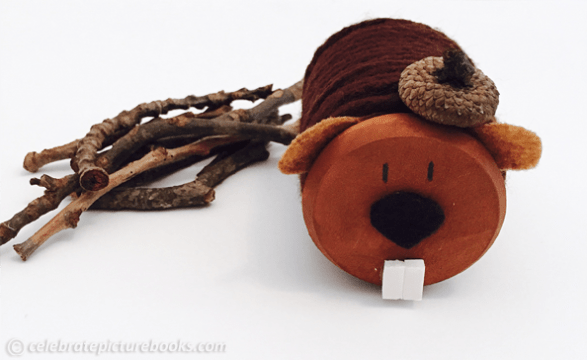
Make a Spool Beaver


Do you have a gnawing need to have a beaver of your own? Make one with this Spool Beaver craft!

Supplies

  • Printable Ears and Nose Template
  • 2-inch wooden spool, available at craft stores
  • 1 6-inch long x ¾ inch wide craft stick
  • Small piece of foam board
  • Brown “chunky” yarn
  • Brown felt, small piece for ears and tail
  • Black felt, small piece for nose
  • Acorn top for hat (optional)
  • Brown craft paint
  • Black craft paint
  • Black marker
  • Strong glue
  • Paint brush
  • Scissors

CPB - Beaver craft picture with tail

Directions

  1. Print the Ears and Nose template
  2. Paint the spool with the brown paint, let dry
  3. Cut the ears from the brown felt
  4. Cut the nose from the black felt
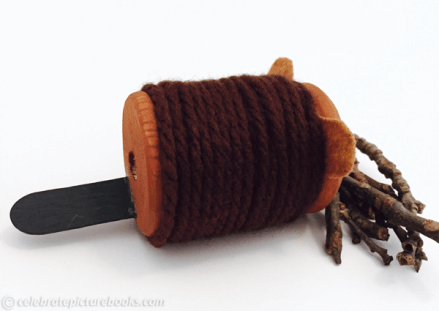
  5. Cut a piece from the end of the craft stick
  6. Paint the craft stick brown or black, let dry
  7. Cut two small pieces from the foam board, ½-inch long x 3/8 inch wide
  8. When the spool is dry, glue the ears to the spool, leaving the ears sticking up over the rim of the spool
  9. Glue one end of the yarn to the spool
  10. Holding the spool horizontally, wind the rest of the yarn around the spool back and forth from front to back. Glue the end to the body of yarn. This will be the bottom of the beaver.
  11. Glue the nose over the hole in the spool
  12. Glue the teeth below the nose
  13. Glue the flat edge of the craft stick to the back of the spool to make the tail