July 26 – It’s Park and Recreation Month

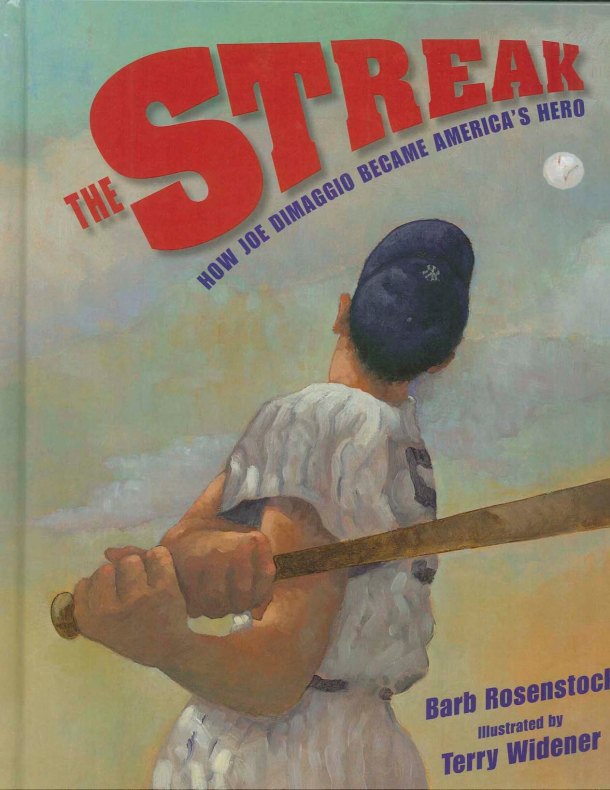
celebrate-picture-books-picture-book-review-the-streak-how-joe-dimaggio-became-america's-hero-cover

About the Holiday

This month we recognize all the parks—national, state, local, and more—that provide fun and recreation for those who love the great outdoors. There is perhaps no sport that combines the physical aspects of “park” with the spirit of “recreation” quite like baseball. The crack of the bat connecting with the ball for a home run, the thwack of an outfield catch, the collective cheers, and the aroma of ballpark snacks all mix to create a perfect outing—whether your team wins or not!

The Streak: How Joe DiMaggio Became America’s Hero

Written by Barb Rosenstock | Illustrated by Terry Widener


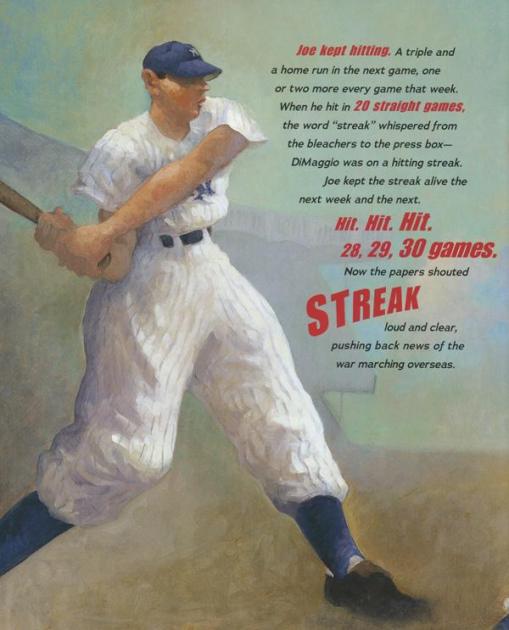
With a single hit to left field, Joe DiMaggio turned a pre-World War II summer into something that cheered and united all Americans. It was May 15, 1941 when the New York Yankees sent Joe to the plate. He hit a single—not much to help them overcome their 13 to 1 loss, but it was in the next game and the next and the next…that people started to take notice. In every game Joe made a hit. Some were home runs, some triples or doubles, and when “he hit in 20 straight games, the word ‘streak’ whispered from the bleachers to the press box—DiMaggio was on a hitting streak.”When Joe reached 30 straight games with a hit, the newspapers printed bold headlines and articles that temporarily pushed “back news of the war marching overseas.”

Joe DiMaggio wasn’t like other well-known players. He was the son of immigrants and grew up in San Francisco with eight brothers and sisters, working in the family fishing business and selling newspapers to make extra money. He was used to hard work, and this ethic served him well as a baseball player.

Everyone knew about Joe’s bat “Betsy Ann” and the care he gave her. He had treated her wood and sanded her handle, shaving off “fractions of an ounce until she fit his hands alone. Betsy Ann was his treasured ‘ball bat,’ used for games only.” When Joe faced the pitcher at the plate, he didn’t go through an elaborate routine. His wide-legged stance was well recognized by fans who knew he would get the job done. And that summer in 1941 he did.

celebrate-picture-books-picture-book-review-the-streak-how-joe-dimaggio-became-america's-hero-joe-hitting

Image copyright Terry Widener, courtesy of terrywidenerart.com

He and Betsy Ann “whipped around, smashing fastballs, knuckleballs, screwballs, and curves. DiMaggio could hit off anyone, any pitch, anywhere.” Soon he was in sight of the record—41 games. Every pitcher wanted to be the one to end Joe’s streak, and with each game America was on the edge of its seat. Joe felt the responsibility. He didn’t show it on the field, but in his off time he hardly slept, his stomach hurt, and he couldn’t eat.

The streak continued—38…39…40. Tying the record at 41 and breaking it would come in a doubleheader against the Washington Senators. The bleachers were packed that hot 29th of June. In the first game Joe tied the record. The second game would test Joe’s mettle. When his turn at bat came, he reached for Betsy Ann. She wasn’t in the dugout. He saw right fielder Tommy Henrich taking practice swings and yelled to him that he had Betsy Ann. But he didn’t. All the Yankees players searched the dugout for Joe’s bat, but Betsy Ann was nowhere to be seen. Someone has stolen her.

Joe grabbed another bat, but with three times up and three times out, it looked as if Joe’s streak was over. Then Tommy held out his own bat with the reassurance that “there’s some hits in here.” Joe took Tommy’s bat and went to the mound. He took his wide-legged stance and went to work. On the second pitch “Joe whacked a line drive past the left fielder’s glove. Stomping screams shook the stands. No one could stop DiMaggio. No one.”
celebrate-picture-books-picture-book-review-the-streak-how-joe-dimaggio-became-america's-hero-joe-hitting

Image copyright Terry Widener

Joe focused on the game, rounding first on his way to second base. But suddenly with the cheers of the fans ringing in his ears, his accomplishment settled in. “He tipped his cap, flickered a smile, and trotted weak-kneed back to first.” He got a pat on the back from the first base coach, a handshake from the Senators’ first baseman, and adoration from the kids and adults in the stands. With one hit—and 41 more—Joe was America’s hero.

A week later Betsy Ann was found in New Jersey and given back to Joe. His streak continued to 56 games, and he helped the Yankees win the 1941 World Series. When America became involved in World War II, people could remember “watching sureness and strength win against impossible odds. The country learned to pull together and celebrate together. It was ready to go to work” the way Joe DiMaggio had.

Barb Rosenstock sets this poignant biography of one of baseball’s greats firmly within the atmosphere that made Joe DiMaggio’s achievement about much more than baseball. With prose that echoes DiMaggio’s gentle strength, Rosenstock recreates the excitement, growing suspense, and mystery surrounding his phenomenal streak. With lovely, flowing description Rosenstock deftly sprinkles in DiMaggio’s working-class immigrant background, his emotions, and historical events, giving The Streak depth and resonance for today’s readers.

Accompanying the text are Terry Widener’s dramatic paintings. Opening the pages is akin to strolling through an art gallery exhibition. The depictions of the players swing, twist, slide, and throw with realistic action. As an infielder fumbles DiMaggio’s hit in one foreground illustration, Joe can be seen in the background dropping Betsy Ann and taking off for first base. DiMaggio’s signature stance, the frantic search for Betsy Ann, DiMaggio’s weariness, and the press that followed his every swing are all gorgeously rendered in muted tones of green, gold, and brown. Sports fans will love the pictures of the baseball stadiums and the close-up view of Betsy Ann.

An extensive Author’s Note, DiMaggio’s career statistics, and resources follow the text.

The Streak: How Joe DiMaggio Became America’s Hero would be a welcome addition to any library.

Ages 6 and up

Calkins Creek Books, Boyds Mills Press, 2014 | ISBN 978-1590789926

To see more books by Barb Rosenstock as well as extensive educational guides for The Streak and other books, visit her website!

Learn more about Terry Widener, his books, and his art on his website!

Take a look at the trailer for The Streak—it’s a home run!

Park and Recreation Day Activity

celebrate-picture-books-picture-book-review-baseball-word-search

Take Me Out to the Ballgame Word Search


Diamonds aren’t just for playing baseball—they make great word search puzzles too! Take a run at this printable Take Me Out to the Ball Game word search! 

July 9 – National Sugar Cookie Day

celebrate-picture-books-picture-book-review-cookies:-bite-size-life-lessons

About the Holiday

Sugar Cookie Day may be one of the sweetest holidays on the calendar! With a few simple ingredients you can bake up delicious, melt-in-your-mouth confections that are perfect by themselves, with a cup of tea or milk, or served with fruit. The basic recipe can also be dressed up with all kinds of flavors and chips. Whether you slice the dough in circles or roll it thin and use cookie cutters, making sugar cookies is a fun way to spend time together!

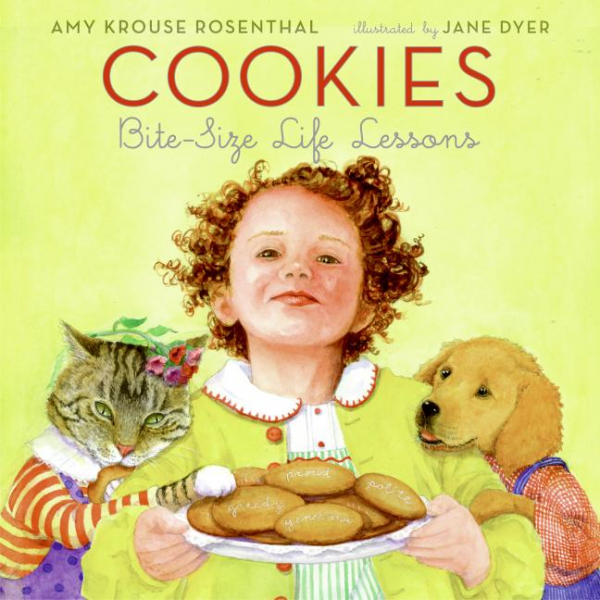
Cookies: Bite-Size Life Lessons

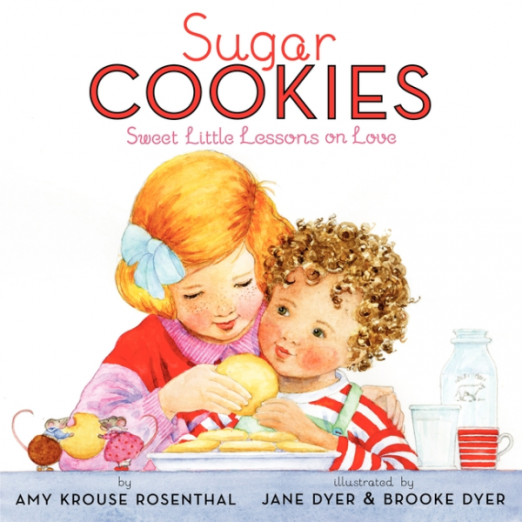
Sugar Cookies: Sweet Little Lessons on Love

One Smart Cookie: Bite-Sized Lessons for the School Years and Beyond

Written by Amy Krouse Rosenthal | Illustrated by Jane Dyer


Baking is such an ideal metaphor for life and one that children can understand and appreciate from a very early age. A child’s familiarity with and love of cookies make Cookies, Sugar Cookies, and One Smart Cookie perfect ways to teach children the lessons of good manners and social skills. Newly released in board book form, Cookies: Bite-Size Life Lessons opens to a curly-haired girl and her rabbit and Boston Terrier friends gathered around a mixing bowl. They are cooperating as the animals pour in the chocolate chips while the little girl stirs.

Having patience is often hard for young children. A girl and her sailor-suited Scotty dog stare into the glowing door of the oven, reminding kids that they are often already successful at this much-needed skill.  Once the cookies are baked, kids learn how to be proud of their accomplishment while also showing modesty, and they see compassion at work as a little boy reaches across the table to share his cookie with a cat whose cookie has fallen to the floor.

Two rabbits see the same half cookie on a plate very differently: One, trim in her blue bow, is pessimistic, while the other, rakish in his backward baseball cap, is optimistic. Honesty and courageousness are both learned when a contrite sheep tells the truth about taking a cookie: “I have to tell you something. The butterfly did not take the cookie—I took the cookie.” And “It was not easy for me to tell you that I took the cookie, but I took a deep breath…and made the words come out.”

Loyalty means sticking by a friend even if other kids have bigger cookies, and being open-minded is demonstrated when you try your friend’s new recipe even if the result looks a little odd. Contentment is found “sitting on the steps—just you and me, and a couple of cookies.” New insight closes the book with “I used to think I knew everything about cookies, but now I realize I know about one teeny chip’s worth.” After digesting these and other etiquettes, including respect, trustworthiness, fairness and unfairness, generosity, greediness, politeness, envy, and regret, children will be well on their way to life’s wisdom.

celebrate-picture-books-picture-book-review-sugar -cookies:-sweet-little-lessons-on-love

Sugar Cookies offers equally perceptive notions on love, defining such words as endearment, considerate, heartfelt, compassionate (“when you burn the cookies to a crisp, I’ll be there to give you a hug.”), selfless, tenderness, adore, cherish, protect, supportive, admire, requited and unrequited, forgive, unconditionally, and more.

One Smart Cookie gives kids direction as they navigate the social constructs of school and activities, defining terms such as prompt, organized and unorganized, prepared and unprepared, compromise, curious, ponder, empathy, integrity, contribute, and more with the same astute and homey ingredients as the previous books.

Amy Krouse Rosenthal’s Cookies series offers life lessons with gentle encouragement in a loving, conversational tone as well as comforting advice for those times when situations and emotions can be difficult. The beautifully written text does not simplify the terms or talk down to children, but treats them with the respect, intelligence, and maturity that they will learn when applying these concepts.

With just the right combination of old-fashioned and modern charm, Jane Dyer (and Brooke Dyer as co-illustrator of One Smart Cookie) infuses each concept with enchanting depth. Gorgeous full-page paintings of children and animals dressed in comfortable sweaters, homespun dresses, overalls, and rolled up pants, paired with fine typography create pages worthy of framing. The children and their rabbit, cat, sheep, frog, horse, and dog friends display pride, happiness, patience, sadness, indignation, and love through facial expressions and body language that kids will recognize and respond to.

Cookies: Bite-Size Life Lessons, Sugar Cookies: Sweet Little Lessons on Love, and One Smart Cookie: Bite-Size Lessons for the School Years and Beyond should find a place on every child’s bookshelf.

Ages 4 – 8

HarperCollins Publisher:

  1. Cookies: Bite-Size Life Lessons, Board Book Edition, 2016 | ISBN 978-0062427397; Hardcover 978-0060580810
  2. Sugar Cookies: Sweet Little Lessons on Love, 2009 | ISBN 978-006174072
  3. One Smart Cookie: Bite-Size Lessons for the School Years and Beyond, 2010 | ISBN 978-0061429705

To explore Amy Krouse Rosenthal’s books for children and adults, her short films, and much, much more, visit her website!

Visit Jane Dyer’s website to learn more about her and view a gallery of her books for children!

National Sugar Cookie Day Activity

celebrate-picture-books-picture-book-review-catch-the-cookie-maze

Catch the Cookie! Maze


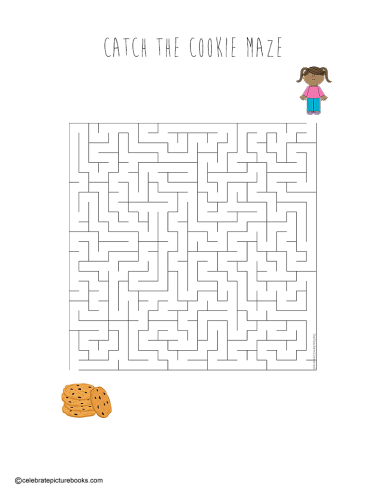
Sometimes you just need a cookie! Help the little girl find her way to her favorite cookies with this printable Catch the Cookie! Maze and Solution.

July 8 – Cow Appreciation Day

celebrate-picture-books-picture-book-review-the-cow-who-climbed-a-tree

About the Holiday

The cow is a moo-st amazing animal! Its importance to the world cannot be overstated. It has sustained humankind throughout history and even played an integral part in the defeat of small pox. It was discovered that most milk maids did not get small pox because they regularly contracted cow pox (a less virulent cousin of small pox) and built an immunity to the more serious disease. From this revelation, a vaccine for small pox was developed, saving thousands of lives every year.

Cows, with their gentle demeanor and soft, brown eyes, have always been beloved picture book characters. My own early favorite was the classic The Story of Ferdinand written by Munro Leaf and illustrated by Robert Lawson. The author/illustrator of today’s book carries on that cherished tradition.

The Cow Who Climbed a Tree

By Gemma Merino


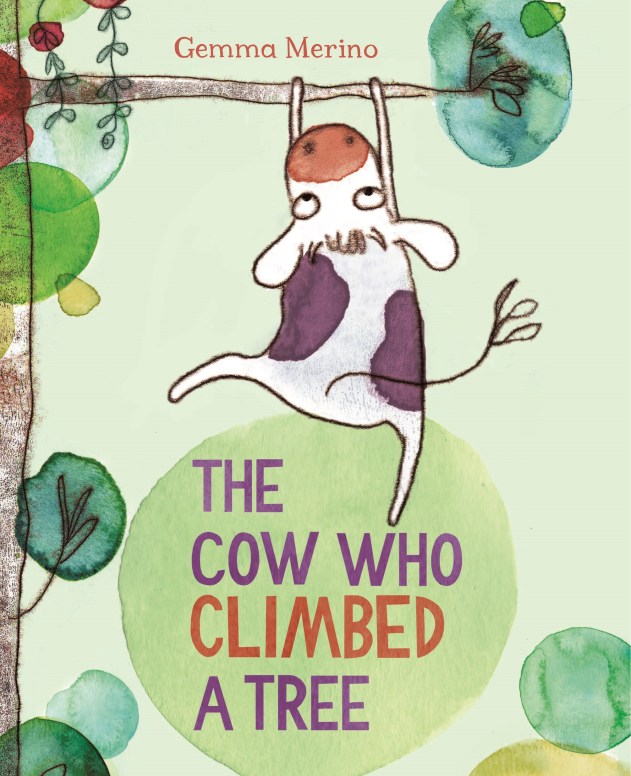
Tina is a very unique cow. Unlike her sisters who are only interested in “fresh and juicy grass,” Tina is very curious and always inventing new ideas. Her sisters proclaim her notions “‘Impossible! Ridiculous! And Nonsense!’” One day while exploring the woods, Tina decides to climb a tree. Branch by branch she swings herself to the top. Up there among the owls and squirrels Tina discovers a dragon—a friendly one, and a vegetarian to boot!

“All afternoon they talked about wonderful dreams and incredible stories.” Tina is excited to tell her sisters, but when she gets home they aren’t impressed. The whole idea of cows climbing trees and dragons is “‘Impossible! Ridiculous! And Nonsense!’” The next morning Tina never shows up for breakfast. Her sisters find a note that reads “Gone flying with the Dragon of the Woods.”

celebrate-picture-books-picture-book-review-the-cow-who-climbed-a-tree

Image copyright Gemma Merino, courtesy of gemmamerino.blogspot.com

Her sisters decided this nonsense has to stop, so they head out to find her. As they leave behind their familiar farmland and enter the forest, they can’t believe how beautiful it is. Suddenly a pig wearing a backpack dashes past them and shimmies up a tree. Even though they consider this “impossible,” one sister follows the pig. The others join her. From a treetop branch they three find that “the world beyond the fields was extraordinary.”

Still, Tina is nowhere to be found. The sisters look left, right, down, and up. Up! “It was impossible. It was ridiculous. It was nonsense. But it was true! Tina was flying!” She and other animals are taking flying lessons from the dragon, and while they don’t have wings, they soar just fine with a little help. From her lofty place, Tina asks her sisters to join her, and they say something she has never heard before: “Yes, why not?” They float, drift, and glide in the sunlit sky, and ever afterward find that nothing is “impossible, ridiculous, or nonsense.” Now all four sisters can’t wait to see what else is possible.

Gemma Merino’s mooving tribute to people who live and dream large will inspire young children to reach for the treetops and beyond. The plucky heroine who doesn’t cower under her sisters’ reproach is a confident and likable role model, happy to include her sisters when they finally see the light. Merino’s sweet, soft-hued illustrations humorously depict the dichotomy between the sisters’ grass-focused existence and Tina’s vivid imagination. The cows’ home has sage green walls, furniture, and floors. The pictures on the walls, the flowerpot on the windowsill, and the planter are all full of various types of vegetation, and the jars in the pantry contain such ingredients as Pickled Leaves, Meadow Mix, Dried Petals, and Herbal Tea. But Tina’s imagination and the forest she loves to visit are infused with reds, ambers, blues, and teals; even the greens are more brilliant. For anyone contemplating the unknown, The Cow Who Climbed a Tree is rousing fun!

Ages 4 – 7

Albert Whitman & Company, 2016 | ISBN 978-0807512982

To learn more about Gemma Merino and her books visit her website!

Cow Appreciation Day Activity

celebrate-picture-books-picture-book-review-cow-find-the-differences-puzzle

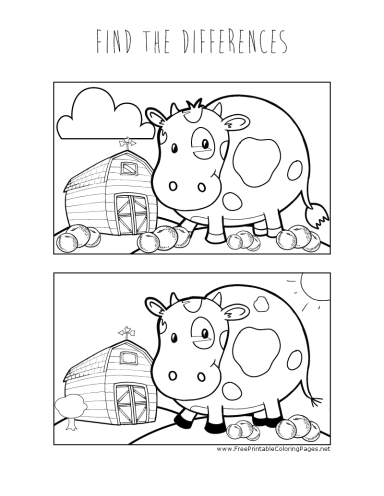
Cud-dly Cows Find the Differences Puzzle


These two farms may seem identical, but if you look closely, you’ll find eleven differences that make them unique. Print your Cud-dly Cows Puzzle here!

June 23 – Let It Go Day

celebrate-picture-books-picture-book-review-it's-tough-to-lose-your-balloon

About the Holiday

No, this isn’t a day dedicated to re- re- re- re- re-watching that movie. It’s a day to take a step back and take stock of the feelings you’re keeping inside or the little irksome quirks that drive you crazy. Are they really worth all the stress? Today’s a day to find inner peace, make amends, or turn disadvantage into advantage.

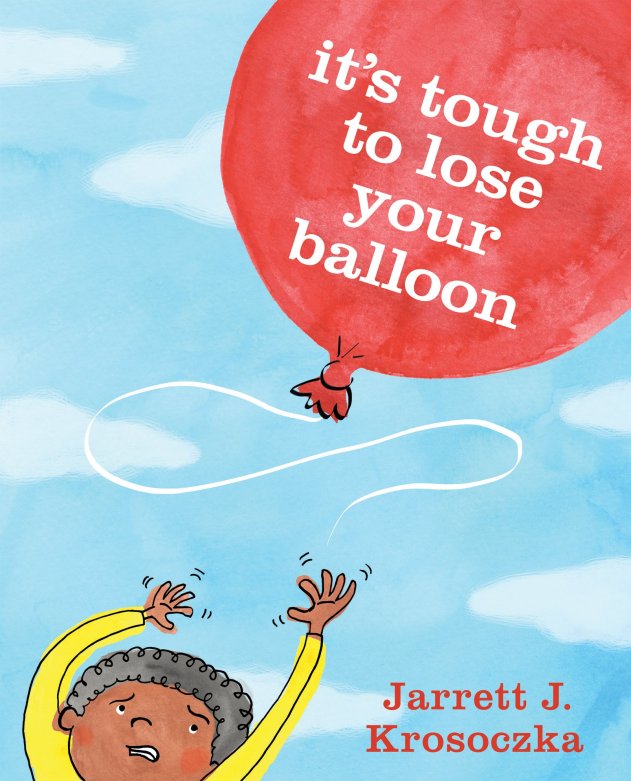
It’s Tough to Lose Your Balloon

By Jarrett J. Krosoczka


Most people wake up each morning with great ideas for a having good day, but sometimes things don’t work out the way they’re planned. For kids, small mistakes, accidental mishaps, and unexpected disappointments can loom large. Frustrations and perceived unfairness can elicit tears or anger, and it’s sometimes hard to know how to comfort an unhappy or upset child.

In It’s Tough to Lose Your Balloon Jarrett Krosoczka acknowledges that sometimes bad or sad things happen, but he reveals to kids how looking at the event from a different perspective or through someone else’s eyes can bring consolation and even happiness. As the title states, it’s hard for kids to watch a balloon suddenly slip through their fingers and float away, but imagining all the other people who will see it and smile can help. Having a picnic on the beach when the unthinkable happens? “It’s sad to drop your sandwich in the sand…but it’ll make some seagulls very happy.” And you know it will make you laugh to watch those crazy guys swooping, diving, and squawking over that now-crunchy snack.

The idea of sharing hurts with others to create a new scenario or a different kind of enjoyment while forming closer bonds is another positive way to turn disappointments into teachable moments that benefit all. As most kids know “it’s never fun when you break a toy…” but with a upbeat attitude they can have “fun fixing it with Grandpa.”

Wet shoes? Melting Ice-cream cone? Scraped knee or new baby sitter? In Jarrett Krosoczka’s hands these letdowns can lead to new freedom, innovation, distinction, and joyful experiences. It’s Tough to Lose Your Balloon can help anyone see “disaster” in a whole new light!

Krosoczka’s illustrations ingeniously depict the way an unexpected mishap or disappointing moment can make someone feel—alone, exposed, and vulnerable. Left-hand pages present the problem while the right-hand page shows the crestfallen child in full color on a black-and-white sketched background. The positive transformation becomes a two-spread, full-color of happy pride and fun abandon. Life can be full of little bumps in the road, keeping a copy of It’s Tough to Lose Your Balloon on the shelf can help smooth the way.

Ages 3 – 7

Knopf Books for Young Readers, 2015 | ISBN 978-0385754798

Visit Jarrett J. Krosoczka’s Website to see more of his books and discover fun activities!

Let It Go Day Activity

celebrate-picture-books-picture-book-review-worry-buddy-craft

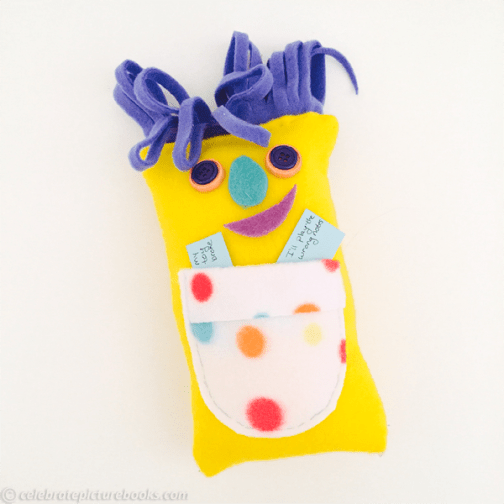
Worry Buddy


Sometimes worries don’t seem as bad when they are shared with someone else or to at least set aside for awhile. With this craft you can make a friend to help lesson worries, disappointments, fears, and anxieties. And it’s pretty good at hugs too. Older children may like to create this as a sewing project, while younger kids can make it easily with fabric glue. Make your Worry Buddy as unique as you are!

Supplies

  • Fleece or felt in different colors
  • Buttons, two larger in the same color and two smaller in a different color
  • Fiber fill
  • Fabric glue or thread
  • Paper
  • Pen or pencil

Directions

To Make the Body

  1. Cut a 16-inch piece of fleece
  2. Fold the fleece in half
  3. Glue the sides together (older children may enjoy sewing the sides together with simple straight stitches)
  4. Leave the top open
  5. Turn the body inside out
  6. Fill the body with fiber fill

To Make the Hair

  1. Cut a 5-inch piece of fleece or felt
  2. Fold the fleece or felt in half
  3. Glue or sew the folded fleece into the opening in the body
  4. Cut the fleece or felt in ¼-inch strips across the top

To Make the Face

  1. Glue one set of larger and smaller buttons together, repeat with the other set
  2. Glue or sew the buttons to the top part of the body
  3. Cut a nose and mouth out of fleece or felt
  4. Glue or sew the nose and mouth to the face

To make the pocket

  1. Cut a 5-inch piece of felt in the shape of a square-bottom or rounded bottom pocket
  2. Fold down an inch of the top
  3. Glue or sew the pocket to the middle of the body

To share problems with the Worry Buddy, write worries or fears on a slip of paper and put them in the Worry Buddy’s pocket. Your Buddy will keep those problems so you don’t have to.

June 15 – Smile Power Day

celebrate-picture-books-picture-book-review-happy-emma-dodd

About the Holiday

Where do you find enough smiles to fill twenty-four hours? Come on, you know! Friends, loved ones, books, movies, videos, jokes, and more funny stuff can instantly elicit that bright, shiny facial expression! Today is a day to share smiles with people you know and those you don’t. So get out there and be happy!

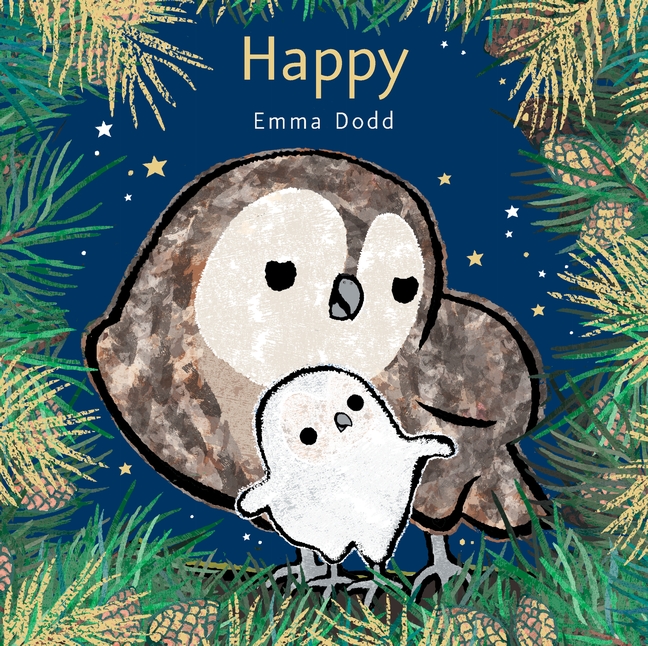
Happy

By Emma Dodd


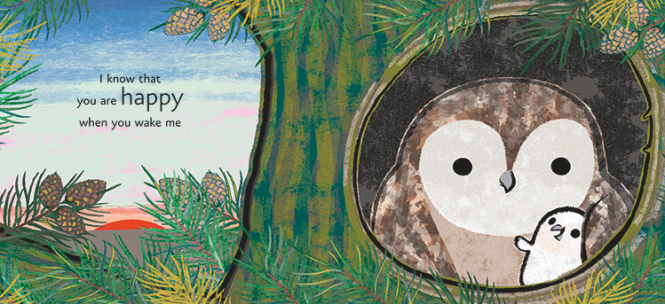
Nestled in a hole in a pine tree, an owl—who could be a mom, a dad, or any caregiver—cradles an adorable tiny owlet under its wing. “I know that / you are happy / when you wake me / with a song,” the owl says. As they venture out onto a limb, the owl adds, “I know that / you are happy / when you hop / and skip along.” With the repeated “I know that you are happy” the owl describes other ways the owlet shows her joy: giggling, rambling conversation, playing loudly, acting proud, and trying “something new…and / if you don’t succeed at first, I’ll help until you do,” the owl reassures the child.

celebrate-picture-books-picture-book-review-happy-emma-dodd

But every day cannot be happy, the owl concedes, and when “things are looking gray, / I’ll do my best to chase / the gloomy clouds away.” As the sun sets on the secluded home and the owl and owlet drift into sleep, the owl reveals: “I love it when you cuddle close / and whisper, ‘I love you.’ / And I am happiest / of all… / when you are happy too.”

Perfect for all parents and caregivers, Emma Dodd’s celebration of how a child’s joy resonates in others’ hearts makes shared reading time special. The lyrical rhythm of the repeated lines accompanied by the sentiments of encouragement and the transposition of point of view give this book impact and poignancy.

Dodd’s gorgeous illustrations of the endearing owl and owlet pair perfectly express the type of discovery that leads to joy on both a child’s and an adult’s part. With its little raised foot, extended tiny wings, and jubilant, smiling beak, the young owlet is both lovable and loved. Dodd’s beautiful muted, blue, green, brown and orange settings shimmer with gilded accents: delicate gold pine needles frame the owls’ home, the baby owl splashes in a glistening puddle under a gleaming moon, sparkling stars light the midnight blue sky, and rain showers fall in glinting streaks as the owls look on.

Simply put Happy will put a smile on your face and bring a tear to your eye. This lovely lullaby will quickly become a favorite for bedtime or cuddle time and is a must for young children’s bookshelves. Happy also makes a perfect gift for new parents or other caregivers. 

Take a peek:

Ages Birth – 5

Nosy Crow, Candlewick Press, 2015 | ISBN 978-0763680084

Smile Power Day Activity

celebrate-picture-books-picture-book-review-smile-cards

Make Someone Smile Cards


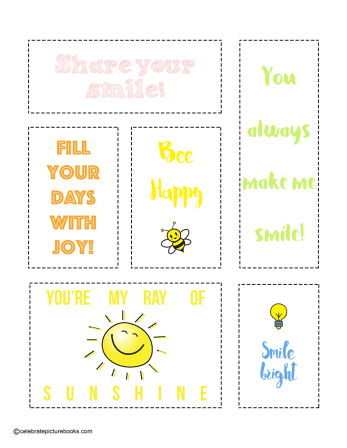
Sharing a smile can make someone’s day! With these printable Make Someone Smile Cards you can spread joy to people you know—and even to those you don’t! Give one to a family member, coworker, or friend. You can surprise your favorite barista, hair stylist, librarian, or shop owner by handing them a card or leaving it where they’ll find it. It’s even fun to tuck a card among the items on a shelf or in a book for someone to find later. Remember, the power of a smile is awesome!

June 10 – It’s Pet Appreciation Week

celebrate-picture-books-picture-book-review-excellent-ed

About the Holiday

Pets give us so much love and joy that we often want to do something special for our furry friends in return. The first full week of June gives us just that opportunity! Why not spend a little extra time walking or cuddling with your pet? Or maybe make them a favorite treat or get them a new toy. However you celebrate, you know your pet will appreciate it!

Excellent Ed

Written by Stacy McAnulty | Illustrated by Julia Sarcone-Roach


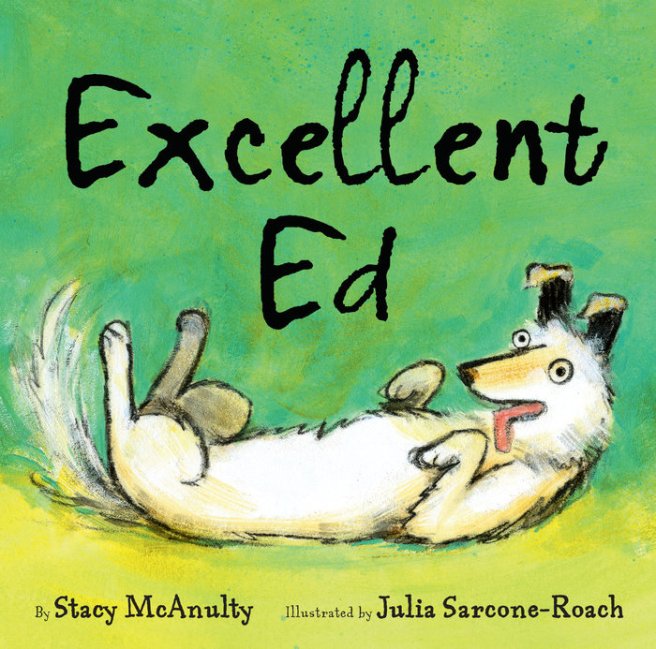
Ed, the Ellis family dog, is feeling a little left out. All five of the children are excellent at something, but not Ed. All the Ellis kids can eat at the table, ride in the car, sit on the couch, and use the indoor bathroom, but not Ed. Each kid has his or her own talent—playing soccer, calculating math, dancing, and baking cupcakes—and while Ed can carry a ball in his mouth, count to 4, spin after his tail, and eat cupcakes, it’s just not the same.

One day Ed wonders—if he was excellent at something could he have the same perks as the kids? He considers his talents and comes up with something. He knows he’s great at breaking stuff! Surely this will earn him a place at the dinner table. But even before he gets going, Elaine runs in with the news that she’s broken the record for most soccer goals in a season. Ed realizes that Elaine is better at breaking stuff than he is.

Again Ed thinks. Suddenly it dawns on him that he’s excellent at losing things—he even lost himself last week! This kind of ability was surely worth a ride in the van. But just as he’s about to jump in, the twins shout, “I’ve lost a tooth!” Foiled in this attempt, Ed goes back to the drawing board. Hmmm…it was just there…oh, yeah! Ed is fantastic at forgetting stuff! After proving to Dad that he doesn’t remember he ate a minute ago and ready to take his place on the couch, Ed is thwarted again by Edith, who forgot to be nervous during an audition and is now the lead ballerina.

Ed whimpers. Is there nothing he’s most excellent at? Maybe he doesn’t even belong in the Ellis family. Just then Ernie drops his sandwich and Ed gobbles it up, leaving no crumbs on the floor. “‘Wow, Ed! You are excellent at cleaning the floor,’” Earnie says. When Emily and Elmer come home, Ed runs to meet them and covers them in kisses. “‘Ed! You’re excellent at welcoming us home,’” the twins exclaim. Later, with the couch stuffed with Ellises, Ed lays across Edith’s and Elaine’s feet. “‘Ed is excellent at warming feet,’” Elaine and Edith agree.

Ed wags his tail—he is an excellent floor cleaner, welcomer, and feet warmer! Now he knows why he doesn’t sit at the table, stays home instead of riding in the van, and doesn’t join the family on the couch. He realizes that he is an important part of the Ellis family, and that he’s always loved and appreciated. Now, if only he could figure out that indoor bathroom thing….

There comes a time in everyone’s life when they doubt their place in the world. Stacy McAnulty explores that feeling through Ed, who worries, works the problem, and discovers that he is without a doubt excellent just the way he is. Giving the Ellis kids a variety of ages and talents makes this a great universal book for readers. McAnulty’s twist which turns “negative” gifts for breaking, losing, and forgetting things into triumphs for the Ellis kids is ingenious, adding humor, depth, and “ah-ha! moments” to the story. The mystery of Ed’s abilities is well-kept until the end, and the solution comes as a happy surprise.

Readers will wish they were part of the Ellis family, with their exuberant smiles, supportive cheers, snuggly, crowded couch, and, of course, adorable Ed. Julia Sarcone-Roach’s vivid illustrations are infectious as Ed perks up his ears, rolls his eyes skyward and with tongue out thinks about his situation. Scenes of his shenanigans will elicit giggles, and Ed’s sweet looks and wagging tale will win readers’ hearts.

Ages 4 – 8

Alfred A. Knopf Books for Young Readers, 2016 | ISBN 978-0553510232

Pet Appreciation Week Activity

celebrate-picture-books-picture-book-review-dog-maze

A-maze-ing Pets Maze


Dogs love to take circuitous routes as they pick up scents that are too enticing not to follow! Can you find your way through this printable A-maze-ing Pets Maze

Picture Book Review

June 4 – Hug Your Cat Day

celebrate-picture-books-picture-book-review-the-white-cat-and-the-monk

About the Holiday

Just as it sounds, this holiday celebrates all the benefits of snuggling with your cat. While some cats may be cuddlier than others, today gives cat owners the opportunity to show just how much they love their feline friends. If you don’t happen to have a cat, why not consider visiting an animal shelter and showing some love to homeless kittens—you may even want to bring one home!

The White Cat and the Monk

Retold by Jo Ellen Bogart | Illustrated by Sydney Smith


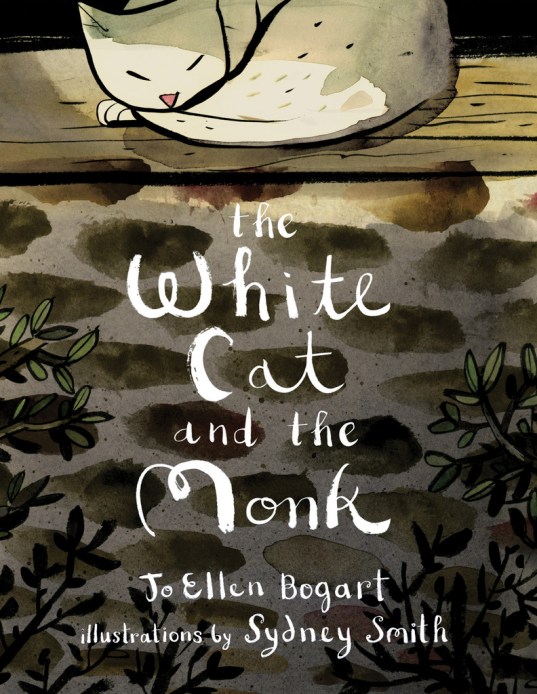
In the nighttime a white cat approaches a monastery. He slips through a window and pads along a darkened corridor and down stone steps. He creeps behind a barrel, vase, and pitcher standing in a row and adds his shadow to the black mosaic on the floor. He leaps the last few steps and hurries along to the doorway, leaking light.

His secret signal alerts the occupant of the room, who opens the door to this playful feline. “I, monk and scholar, share my room with my white cat, Pangur,” the old man explains. He lifts Pangur into his arms and strokes him then releases him to pursue his “special trade.” The monk also returns to his trade—studying ancient manuscripts to understand their meaning.

A dedicated scholar, the monk reveals, “Far more than any fame, I enjoy the peaceful pursuit of knowledge. I treasure the wealth to be found in my books.” Pangur is a dedicated scholar of another kind, studying “the hole that leads to the mouse’s home.” In that moment both man and cat become hunters—one for meaning and the other for prey.

The two do not disturb each other for each is content in his pursuit. Pangur at last “finds his mouse” as the monk finds “light in the darkness.”

Jo Ellen Bogart’s quiet and graceful retelling of Pangur Bán, a beloved Irish poem from the 9th century is a welcome respite in this age of multitasking and mega-activity. With sparse, but compelling and lyrical language, Bogart uncovers the companionable relationship between the monk and his cat as each follows their heart together.

The fine textured pages of Sydney Smith’s illustrations recall the beauty of parchment as the smooth gray and gold line drawings of the monastery’s architecture and characters give way to the vibrant colors of ancient manuscripts and the natural environment. The contentment and friendship of the monk and the cat are sweetly drawn in the characters’ mirrored actions as well as the depictions of a long-held affection between man and beast in the panels of the manuscript the monk studies. As the monk states, “Ours is a happy tale.”

Reassuring and reaffirming, The White Cat and the Monk honors the individual challenges and quests that make us who we are, and would be a wonderful addition to regular quiet-time reading.

Ages 4 and up (this book will be enjoyed by both children and adults)

Groundwood Books, House of Anansi Press, 2016 | ISBN 978-1554987801

Hug Your Cat Activity

celebrate-picture-books-picture-book-review-cat-toy

Fishing for Playtime Cat Toy


Cats love to chase after bouncing, sliding objects, and they love fish. While this toy may not taste as good as fish, it sure smells better and doesn’t require worms or hooks to attain!

Supplies

  • Old or new child’s sock
  • Fiber Fill
  • Yarn or string
  • Fabric paint or markers
  • Small bell (optional)
  • Catnip (optional)

Directions

  1. Paint or draw fins and eyes on the sock
  2. Fill the sock with fiber fill
  3. Add a teaspoon of catnip (optional)
  4. Add a small bell (optional)
  5. Use the yarn or string to close the opening with a strong knot
  6. Leave a long section of yarn or string to pull or dangle the toy