March 7 – National Cereal Day

About the Holiday

Did you know that breakfast in a bowl actually began with an experiment that went wrong? Or just maybe it was right! John Harvey Kellogg and his brother Will Keith Kellogg were experimenting with boiled wheat in 1877 when they left some out overnight. In the morning the wheat was stale. The brothers decided to roll it out instead of throwing it away, and they found that each wheat berry created a flake. Boiled corn worked the same way, and from this process the Kellogg brothers invented Corn Flakes, the first dry cereal!

Today’s holiday celebrates all the varieties of your favorite cereal—whether it’s made of corn, wheat, bran, rice, or a mixture of flakes, fruit, and nuts. So pour yourself a big bowlful and enjoy!

There’s a Lion in my Cornflakes

Written by Michelle Robinson | Illustrated by Jim Field

Who could resist clipping coupons to receive a free lion? Nobody, that’s who! I mean, it would be so cool, right? A lion to take on walks, ride to school, and open tin cans—awesome! So a little boy and his brother Dan take a year’s worth of their allowance, make “a million” trips to the grocery store, and start cutting.

But all those boxes of cereal squeeze out the other food on the pantry shelves, so Mom says the boys have to eat cornflakes for breakfast, lunch, and dinner until it’s gone—and, oh yeah, they don’t get an allowance until then either. It’s all worth it, though, because they’re going to get a real live lion.
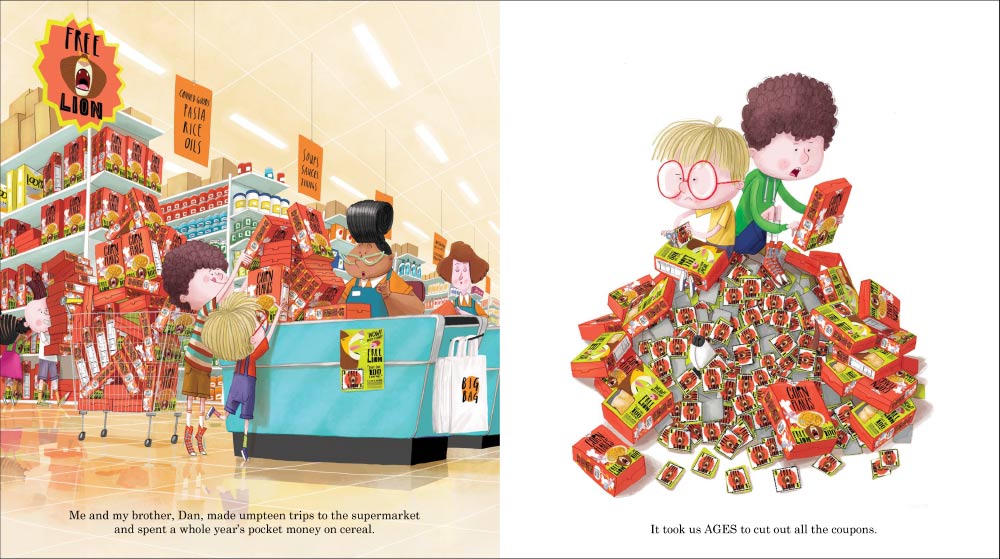
Illustration © 2015 Jim Field, text © 2015 Michelle Robinson. Courtesy of Jim Field and Bloomsbury Children’s Books.

There’s just one hitch—every other kid in town has the same idea, and while the brothers wait for their lion to arrive, everyone else is out playing with their new pet. Finally, the delivery truck pulls up in front of the house, and out walks . . . a grizzly bear?! That’s not right, and it’s even delivered to the wrong house. Well, the bear’s not too crazy about the situation either. 

A letter of complaint to the cereal company brings resolution in the form of . . . a crocodile?! The crocodile spends all its time in the bathroom, and the grizzly bear is still causing havoc. Dad calls the cereal company and to make up for their mistake they send . . . a gorilla?! The gorilla stomps on Dad’s car and rips the door off. Still, the whole crew piles in so Dad can “give those cereal people a piece of my mind.”
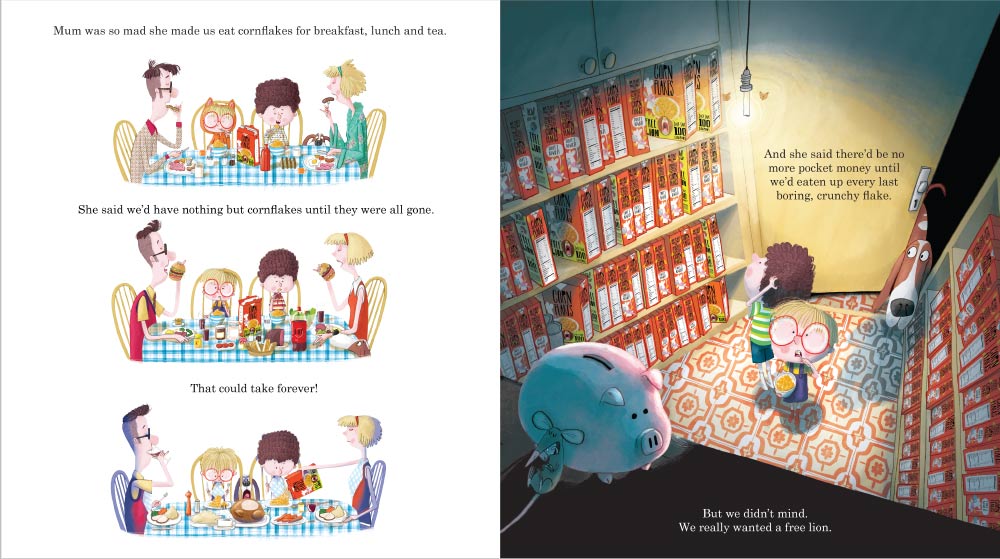
Illustration © 2015 Jim Field, text © 2015 Michelle Robinson. Courtesy of Jim Field and Bloomsbury Children’s Books.

The cereal people sure are sorry for the mix-up. They make amends by letting the family keep the grizzly bear, the crocodile, and the gorilla, AND the company gives them…a lifetime’s supply of cornflakes! But really, what good are cornflakes? The boys can’t walk them or ride them or even open cans with them.

You know what, though? Mom’s discovered the crocodile has some pretty sharp, can-opening chompers. The grizzly bear can walk forever and even wear a fanny pack. And the gorilla makes a very cool chauffeur. Why bother having a lion when everyone else has one?

But what are those cereal people offering now—a free tiger?! Hmmm . . . .
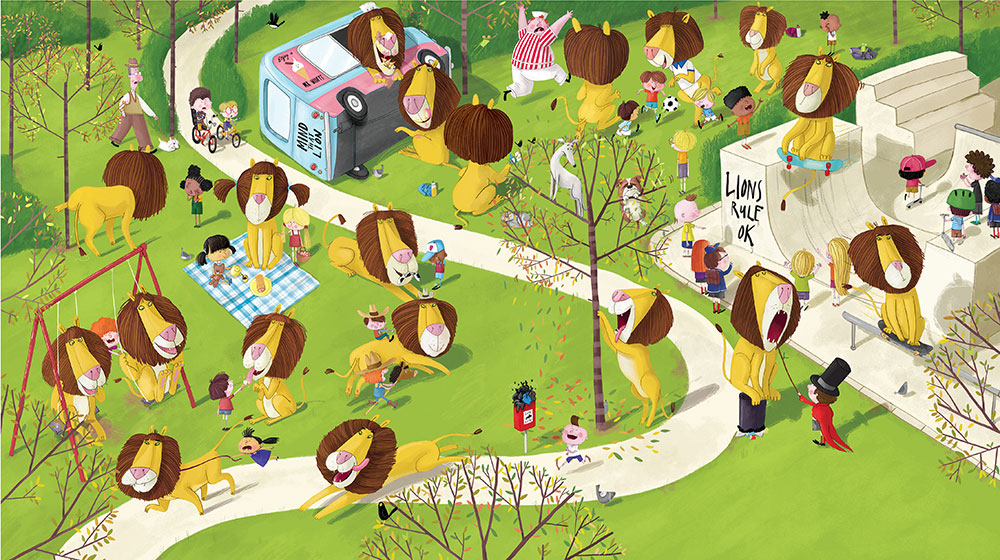
Illustration © 2015 Jim Field, text © 2015 Michelle Robinson. Courtesy of Jim Field and Bloomsbury Children’s Books.

Michelle Robinson has taken the lure of free stuff to its ridiculous best. With comical flair she aptly portrays the consternation on all sides, from the earnest kids to the flummoxed parents, that grounds this story in the recognizable while also providing hilarious suspense. The silly, over-the-top scenario of There’s a Lion in My Cornflakes serves up the benefits of individuality and drawbacks of consumerism that will have kids laughing at every page and escalation of the brothers’ problem.

Jim Field’s bold, vibrant illustrations are the perfect accompaniment to this boisterous tale. The boxes of cornflakes and clipped coupons are piled high, the boys are excited, nonplussed, shocked, and finally accepting as day after day brings new and unexpected results of their actions, and the parents are perfectly perplexed. Kids will love the funny details on every page that highlight the story.

Ages 3 – 7

Bloomsbury Children’s, 2015 | ISBN 978-0802738363

About the Author

Michelle Robinson’s many picture books include bestsellers, The World Made a Rainbow and the Goodnight Tractor series. Her books are popular in homes and classrooms all over the world, and include Ten Fat Sausages, winner of the Laugh Out Loud Book Awards, and There’s a Lion in my Cornflakes, winner of the Sainsbury’s Children’s Book Award.

Her YouTube channel, MICHELLE ROBINSON – CHILDREN’S AUTHOR, is full of ideas to encourage young children to read, write and have fun. You can also download free teacher’s notes and activity sheets at: www.michellerobinson.co.uk.

About the Illustrator

Jim Field is an illustrator, character designer and animation director. He has won multiple awards for the children’s books he has illustrated; including the Lollies, The Roald Dahl Funny Prize, The Evening Standards Oscars Prize and The Sainsbury’s Award. He was the 4th bestselling children’s book illustrator of 2021. Jim now lives in Paris with his wife, daughter and a small grumpy cat. Visit him at jimfield.me.

There’s a Book Trailer in this Review!

National Cereal Day Activity
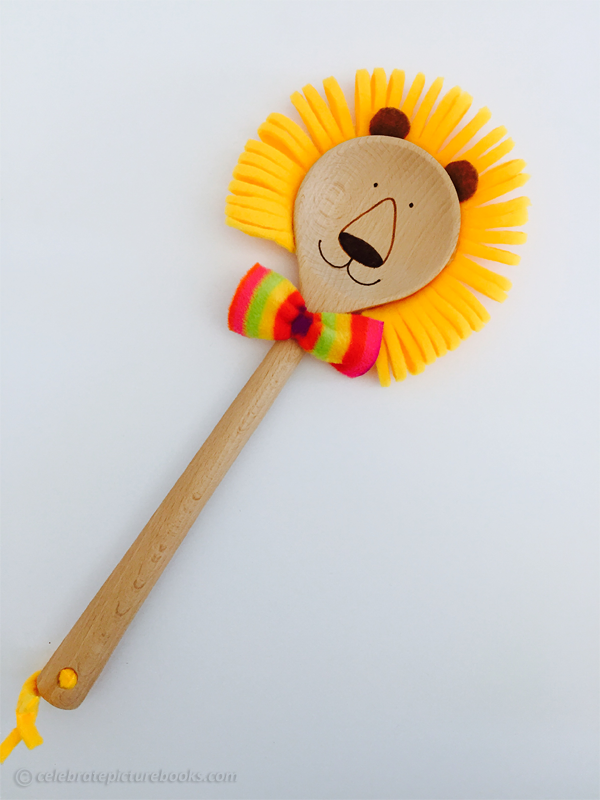
celebrate-picture-books-picture-book-review-wooden-spoon-lion-craft

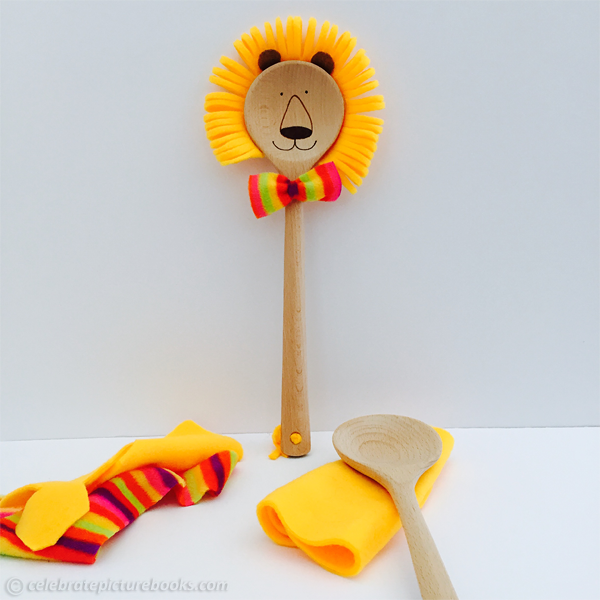
Spoon Lion Puppet

Spoons are just the thing for eating cereal! But with this craft you can make a ROARingly cute lion puppet!

Supplies

  • Wooden mixing spoon
  • Yellow Fleece
  • Brown felt
  • Colorful Fleece or felt
  • Fabric glue
  • Light brown marker
  • Dark brown marker
  • Hot glue gun or super glue

CPB - Spoon Lion with stuff

Directions

To make the lion’s face

  1. Draw a nose, mouth, and eyes on the front/bowl of the spoon

To make the mane

  1. Measure the rim of the spoon from one side of the handle to the other
  2. Cut a strip of yellow fleece as long as rim measurement and 4 inches wide
  3. Fold the piece of fleece in half long-ways
  4. Glue the open edges of the fleece together
  5. Along the folded side cut a fringe, leaving the loops intact

To make the ears

  1. Cut round ears from the brown felt.

Assembling the lion

  1. Glue the ears to the back of the spoon
  2. Glue the mane to the back of the spoon

To make the bow

  1. Cut a 3-inch x 1 ½-inch piece of colorful fleece or felt
  2. Cut a long thin strip of fleece or felt
  3. Pinch the bow in the middle and tie with the longer piece of cloth. Trim as necessary
  4. Glue the bow to the handle

To make the tail

  1. Cut three thin 4-inch-long strips of yellow fleece
  2. With fabric glue, glue the tops of the strips together
  3. Braid the strips
  4. At the bottom, glue the strips together, leaving the ends free
  5. Fold the top of the tail and push it into the hole in the handle of the spoon
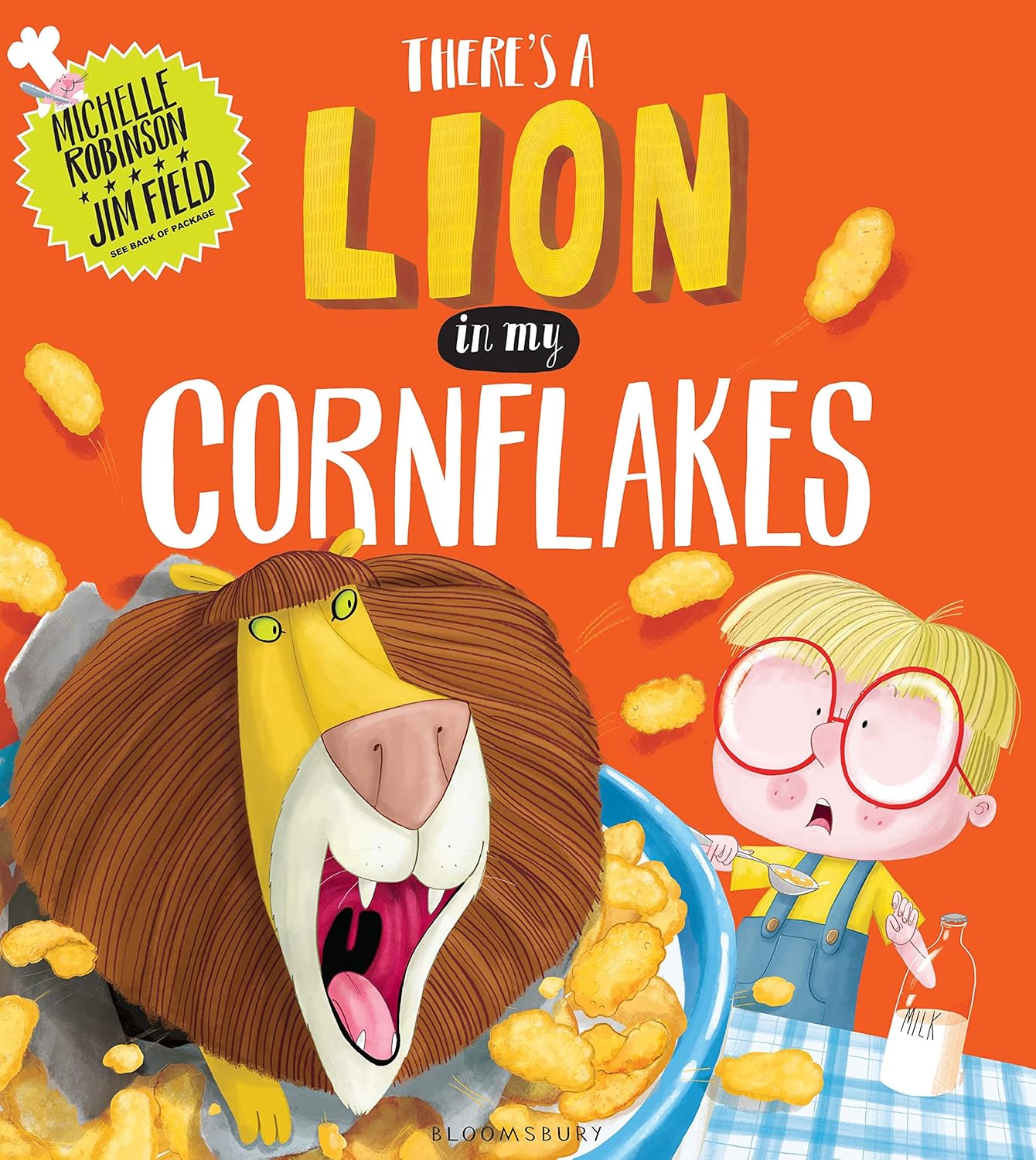
You can purchase There’s a Lion in My Cornflakes at Amazon Picture Book ReviewPicture Book Review

March 6 – It’s Read Across America Week

About the Holiday

Today’s holiday, established by the National Education Association in 1997, encourages children across the country to celebrate reading and all of its joys and benefits. A love of reading is one of life’s greatest pleasures and begun early can be a powerful force for future success. Celebrate today by reading with a child or on your own. There are fabulous worlds and stories waiting to be discovered!

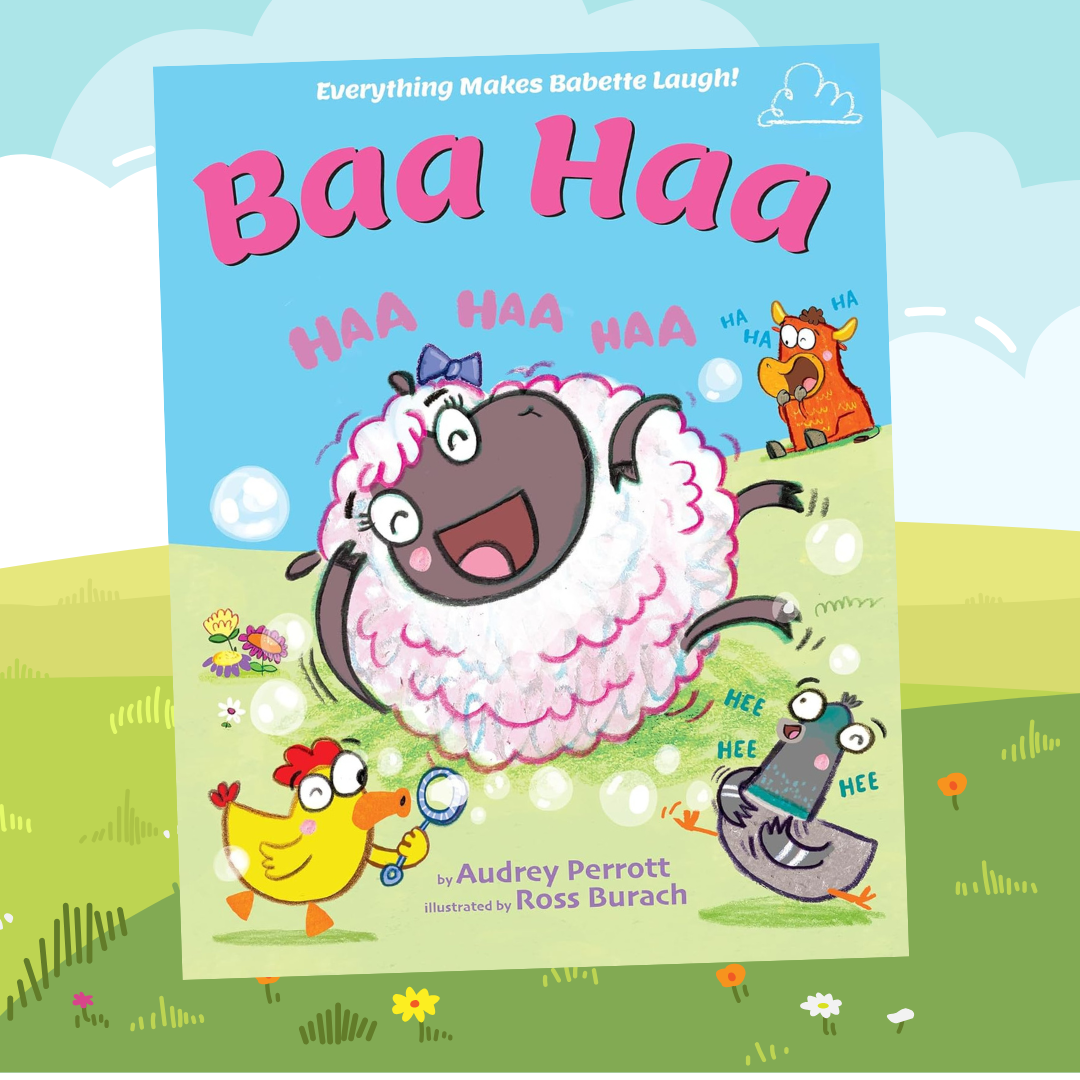
Baa Haa

Written by Audrey Perrott | Illustrated by Ross Burach

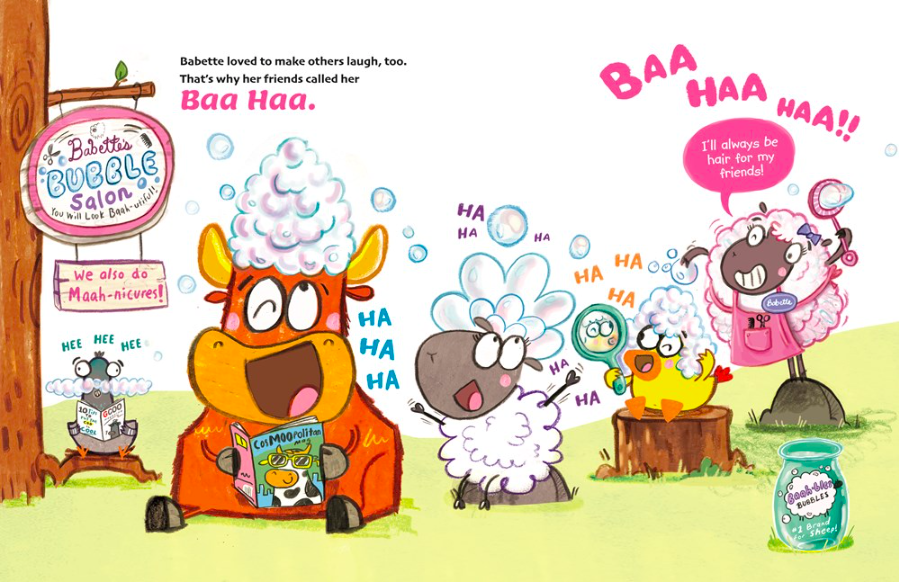
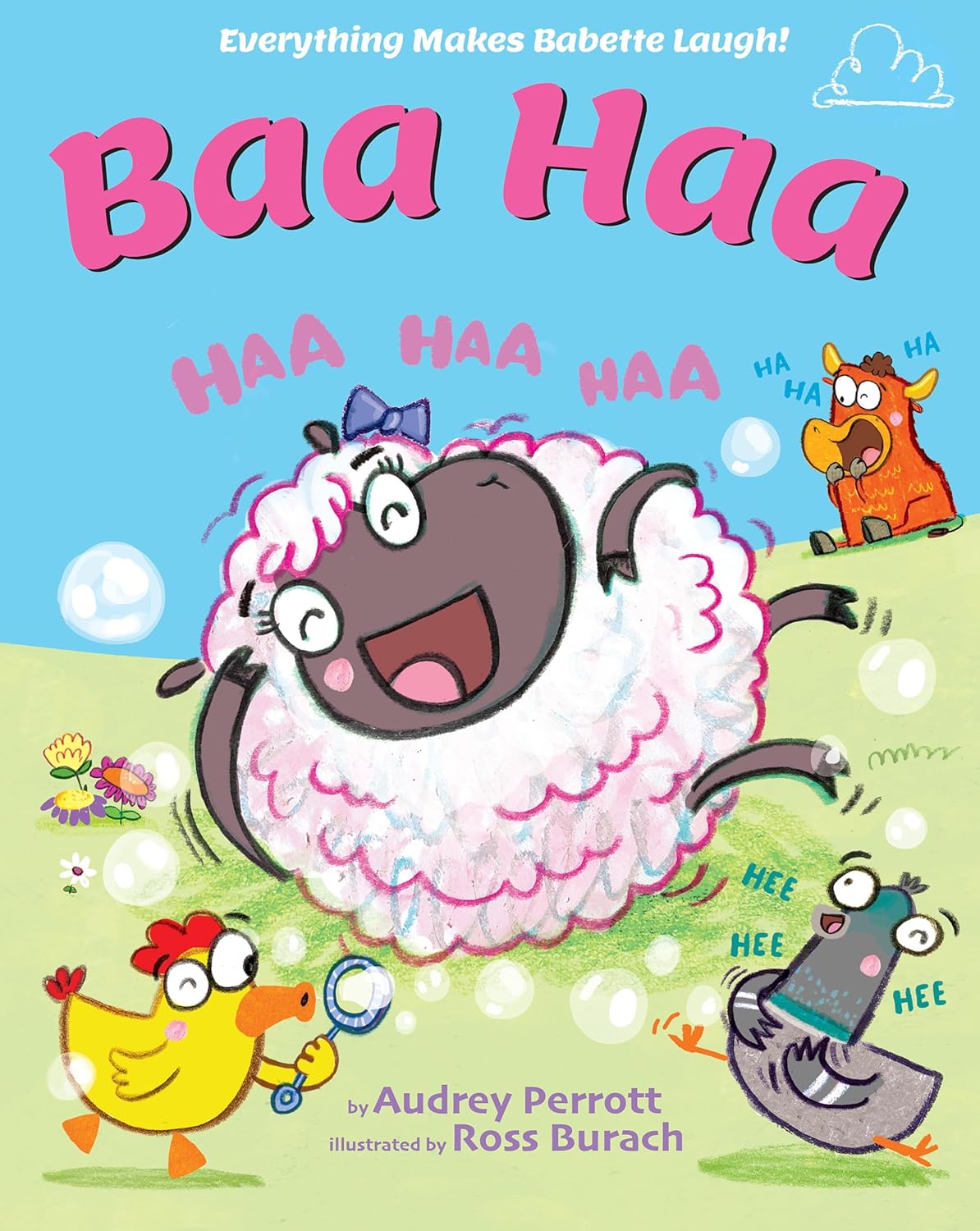
Babette was a happy sheep. Anyone on the farm and beyond could tell you, since “her laughter could be heard across the pasture for miles.” In fact, Babette’s friends all called her “Baa Haa” because she made them hee hee and ha ha, and even guffaw with all of her jokes and antics.

Yes, Babette loved to laugh, and her bubbly personality burst out no matter what she was doing or feeling. When she was surprised, she laughed. When she was “glaaaaad,” she laughed. She even laughed when things didn’t quite go her way. Wait a minute . . . really?

Illustration © 2025 Ross Burach, text © 2025 Audrey Perrott. Courtesy of Scholastic Press.

Really. Babette didn’t like feeling nervous or scared or disappointed, so whenever she felt “baaaaad,” the giggles let her escape. But all this laughter and hiding her real feelings was “tangling her insides into a knot,” and the problem was getting worse. Nothing she tried helped her to feel better. Then one day she couldn’t keep her tears from welling up and spilling out. She tried putting “on a big fake smile” for her friends, but she couldn’t keep the tears from falling.

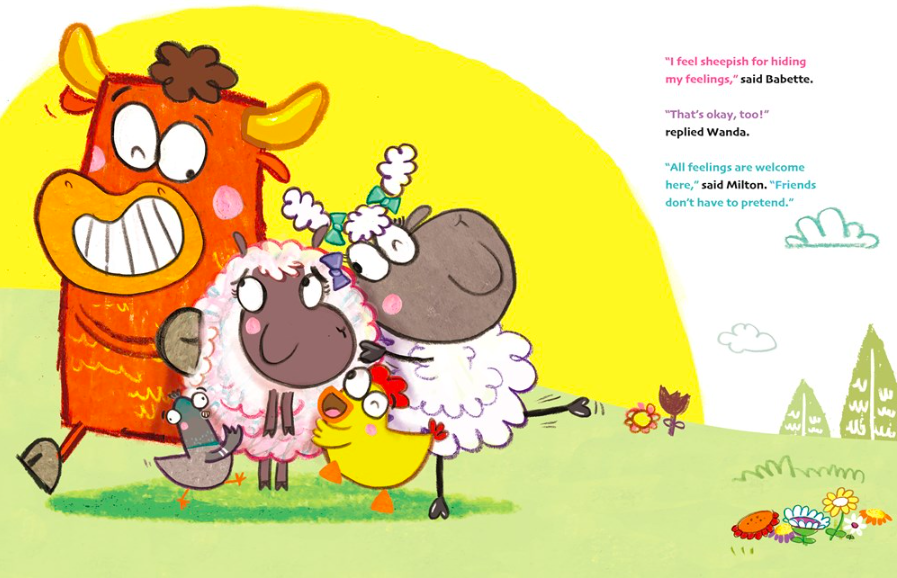
The other animals assured her that “It’s okay if you’re not okay,” and that she should feel free to show her real feelings. “‘We love ewe for ewe,'” her friend Wanda said. Babette began to feel better and was even able to acknowledge that sometimes she did feel sad or mad or nervous. From then on, Babette “let all her feelings show” and shared them with her friends. “Because that’s what true friends do.”

Illustration © 2025 Ross Burach, text © 2025 Audrey Perrott. Courtesy of Scholastic Press.

Audrey Perrott’s follow up to Moo Hoo gently and with plenty of humor reassures children that they don’t have to be happy all the time, and that expressing their true emotions is better than bottling them up. Filled with puns, jokes, and word play, Perrott’s story will have kids giggling as they embrace her message that everyone shares the same feelings and that showing them can bring support, understanding, and quicker recovery.  

Kids will love Ross Burach’s goofy and kind-hearted farmyard animals. His animated illustrations effectively demonstrate the disconnect between Babette’s mirthful reactions and disappointing or nerve-wracking events. As Babette’s true emotions begin to emerge, Burach’s characters clearly show their empathy and understanding. Throughout the story, readers will have fun finding all of the visual puns Burach has added to his illustrations.

An engaging read aloud with an essential, heartening message, Baa Haa is highly recommended for home and library collections.

Ages 4 – 8

Scholastic Press, 2025 | ISBN 978-1546134039

About the Author

Audrey Perrott is the author of Moo Hoo, her debut picture book, as well as nine nonfiction and board book projects with Tangerine Press/Scholastic, including her most recent, Five Buzzy Bees, and A Hat for House with Putnam. An SCBWI Rising Kite Honorable Mention recipient, she lives with her family in North Carolina. You can visit her online at audreyperrott.com.

About the Illustrator

Ross Burach is the creator of the riotously funny Very Impatient Caterpillar series that includes The Very Impatient Caterpillar; The Little Butterfly That Could; Goodnight, Butterfly; and Make Way for Butterfly. All the books combine humor with curriculum-friendly science topics and relatable social-emotional themes. Ross’s other acclaimed books include the picture book Truck Full of Ducksthe board books I Love My Tutu Too!, Potty All-Star, Hi-Five Farm!, and Hi-Five Animals!—named the best board book of the year by Parents Magazine—and the Acorn early reader series Bumble and Bee. He also illustrated Audrey Perrott’s Moo Hoo and Baa Haa. Ross lives with his family in Brooklyn, New York. You can visit him online at rossburach.com.

Read Across America Week Activity

Baa Haa Fun Sheets

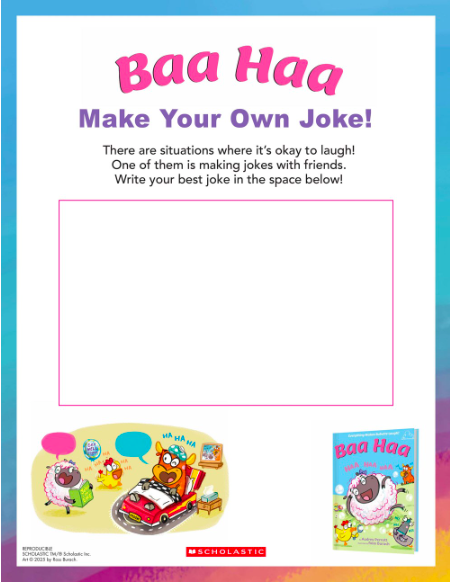
Kids will have fun giggling through these Baa Haa Make a Joke and Word Search Activity Sheets!

You can purchase Baa Haa at these booksellers

Amazon | Barnes & Noble | Bookshop (to support your local independent bookseller)

Picture Book Review
March 5 – It’s International Ideas Month

About the Holiday

This month we celebrate something that you can’t see or hold but which is real all the same. What is it? An idea! Ideas are amazing things. Sometimes seemingly conjured up out of thin air; sometimes borne out of necessity; and sometimes the “Eureka!” result of long, hard work, ideas fuel our arts, sciences, education, and home life. So today, write down those ideas you have while driving or commuting to work, while in the shower, when you’re daydreaming, or just as you turn off the light to go to sleep. You never know what they might become!

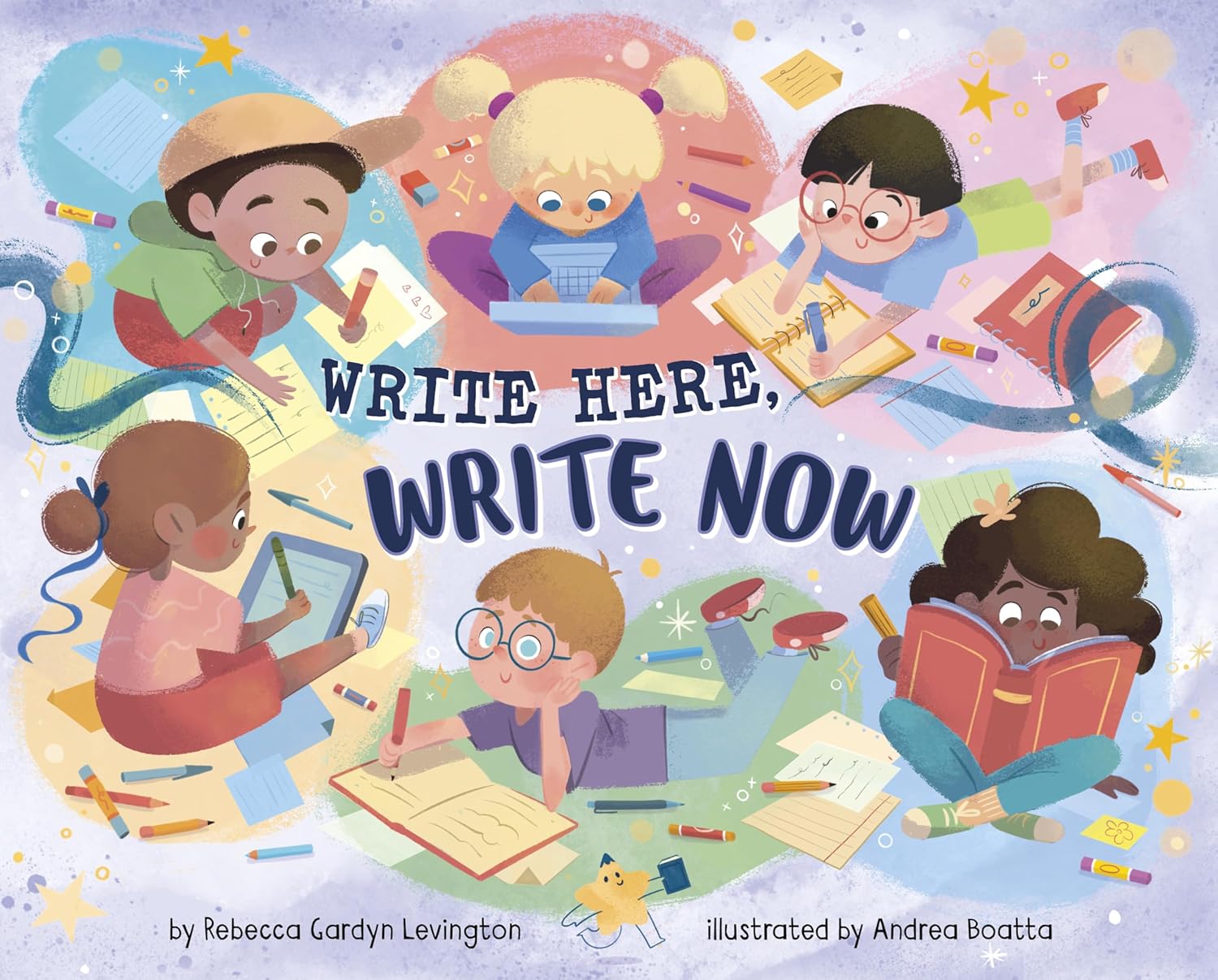
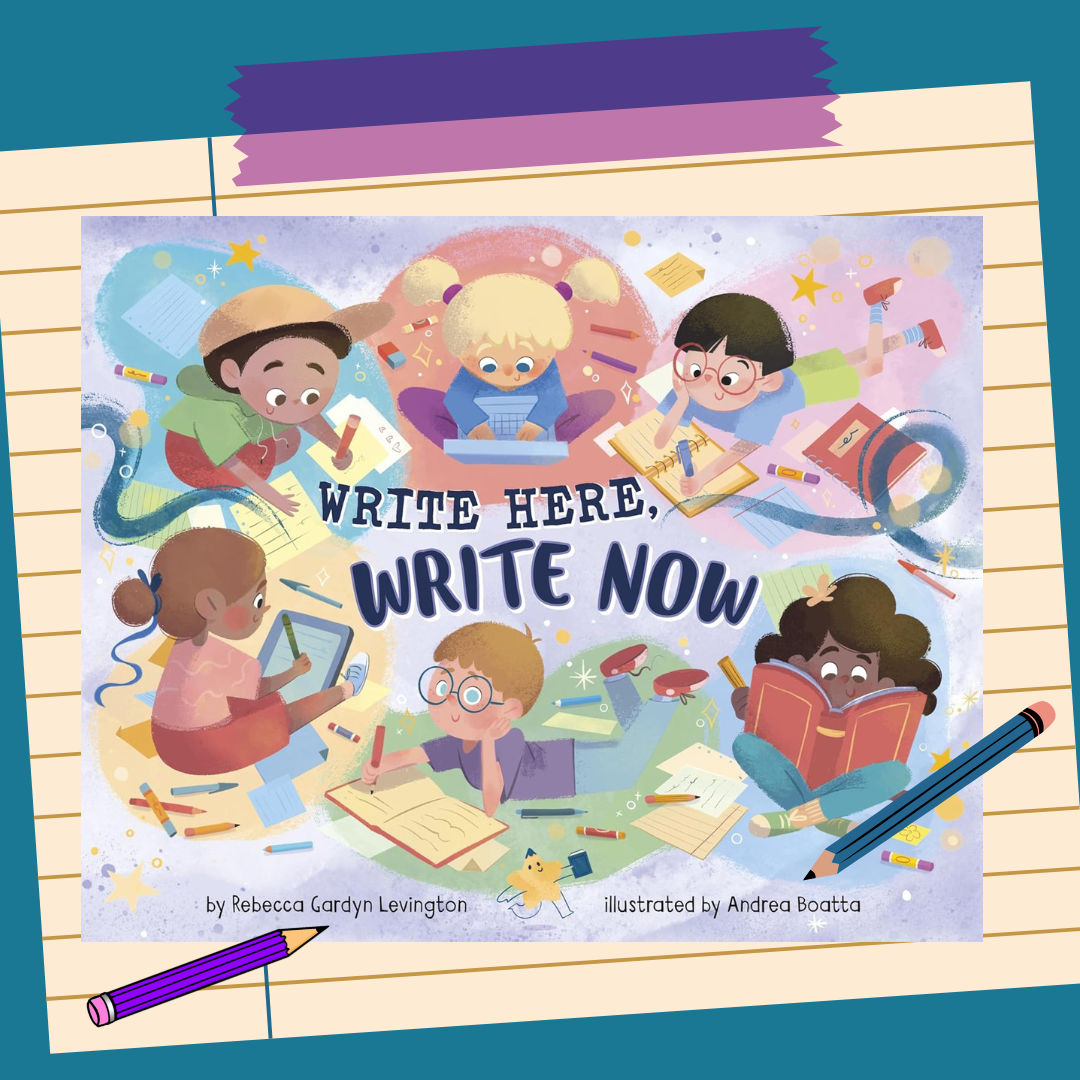
Write Here, Write Now

Written by Rebecca Gardyn Levington | Illustrated by Andrea Boatta

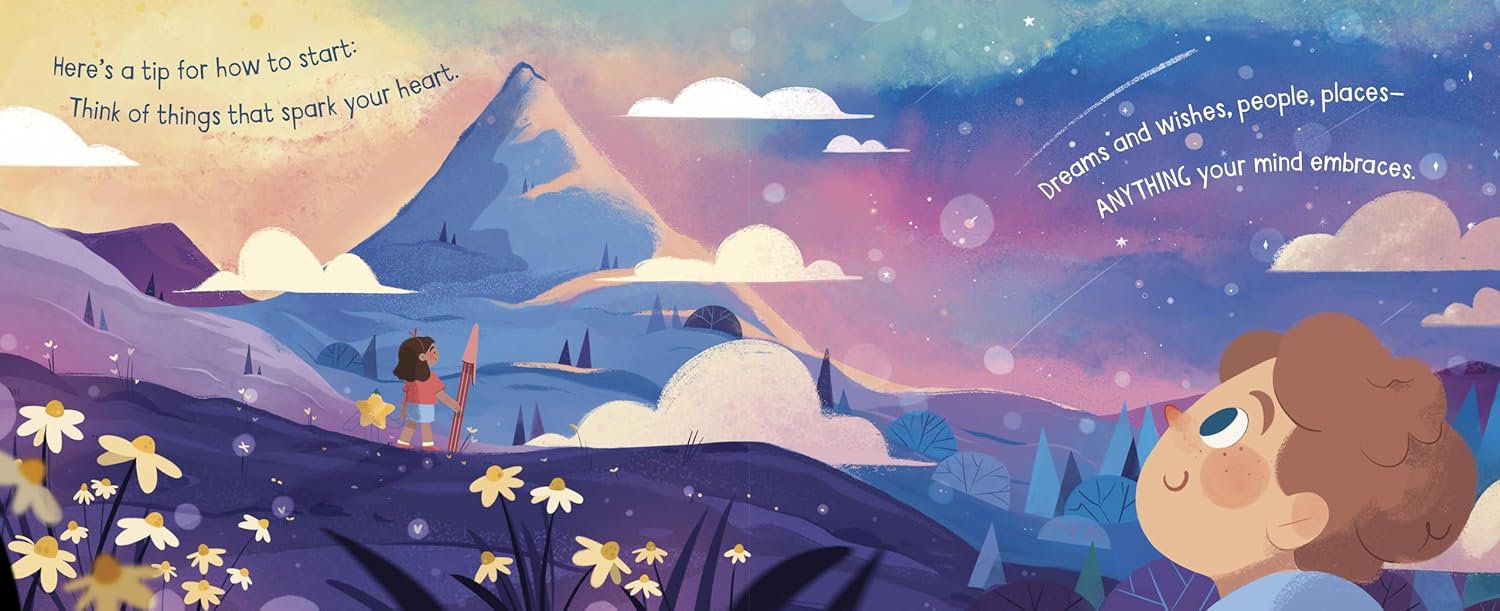
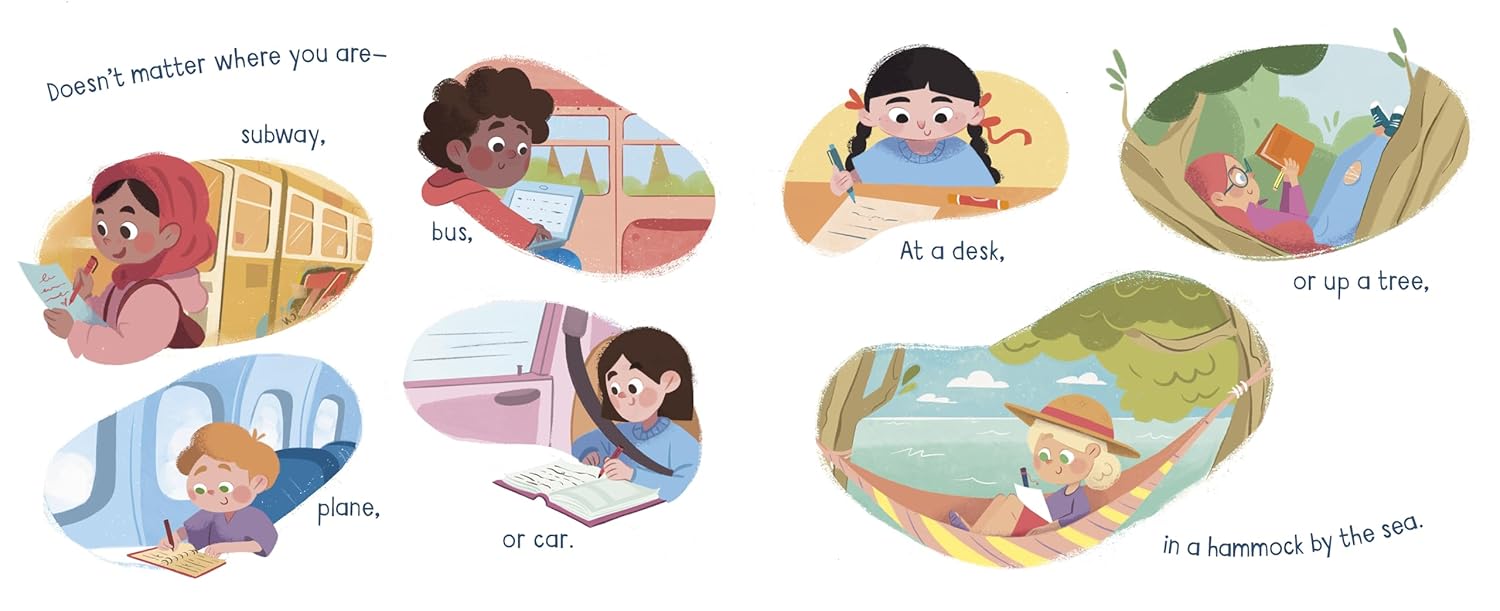
Opening the book, readers are met by a child who looks right at them and makes a very astute observation: “You’re a writer. Did you know?” And before the reader can think “Who, me? nah!” the boy has whisked them off for a trip through the amazing world of writing, offering “Here’s a tip for how to start. / Think of things that spark your heart. / Dreams and wishes, people, places—ANYTHING your mind embraces.”

Illustration © 2025 Andrea Boatta, text © 2025 Rebecca Gardyn Levington. Courtesy of Capstone Editions.

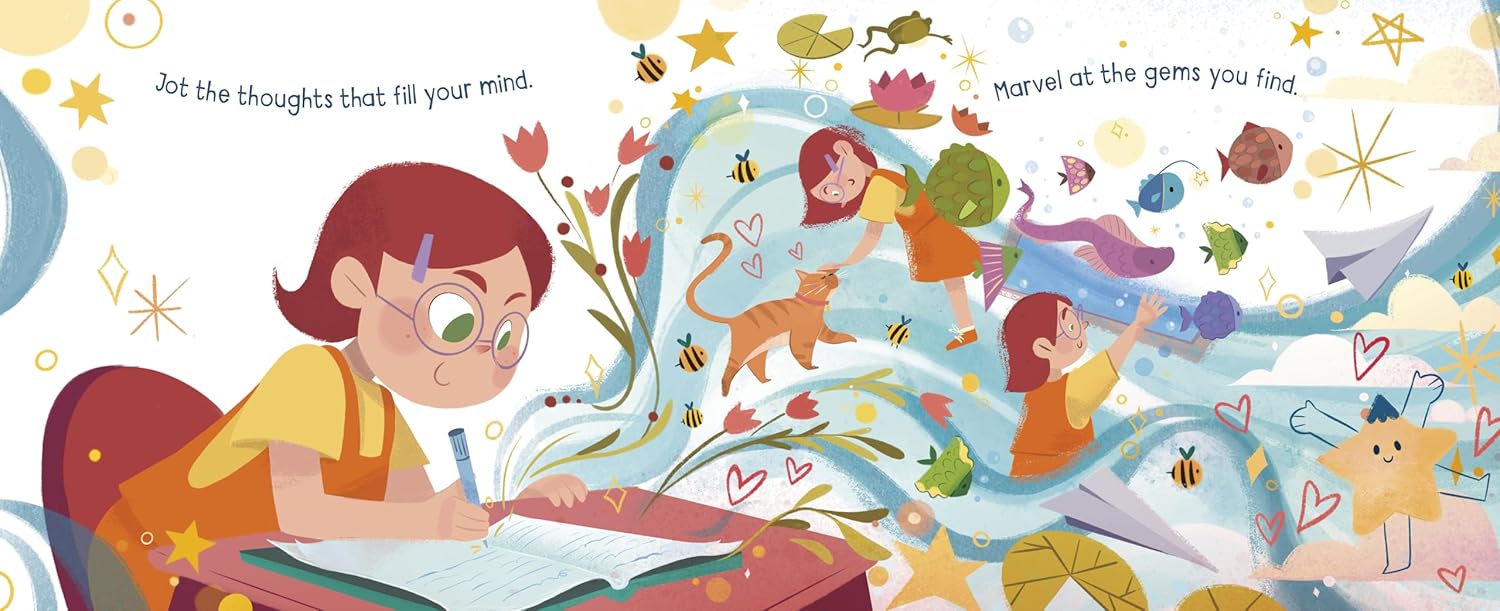
But there can be so many niggling questions that can make the idea of writing intimidating! Like where should I write? What should I write with? What if I like to draw or just tell my stories? The narrator puts all these doubts to rest with the simplest of answers: write wherever and however is best for you! The narrator even addresses the fear that what you write has to be perfect with the encouraging advice to “Scribble fast, or take it slow. / Play with words and let them flow.”

But, a would-be writer might think, is there a type of writing that’s better than others? Nope, the narrator assures. All writing is good writing. “Write a poem, play, or song / Write a note to right a wrong. / Write a joke, a script, a speech. Can’t decide? Write one of each.”

Illustration © 2025 Andrea Boatta, text © 2025 Rebecca Gardyn Levington. Courtesy of Capstone Editions.

So are there any rules to writing? Maybe just this one: to “let imagination lead!” The narrator leaves young writers with one more note of encouragement, reminding them that their writing is as unique as they are, and that their words or pictures or voice will find a place to flourish.

Following her story, Rebecca Gardyn Levington offers advice and encouragement to young writers in answers to those six proverbial writerly questions: Who? What? Where? Why? When? and How? 

Illustration © 2025 Andrea Boatta, text © 2025 Rebecca Gardyn Levington. Courtesy of Capstone Editions.

Rebecca Gardyn Levington’s enthusiastic ode to the wonders of writing is sure to spark any child to embrace their own personal method of creative expression. Her perfectly flowing, uplifting verses melt away any doubt or hesitance about putting pencil to paper or fingers to keyboard. Levington gives children freedom, inspiration, and encouragment. In short, she makes writing fun!

Andrea Boatta’s vivid, soft-hued illustrations sparkle with imagination and the flow of ideas as diverse children happily engage in writing wherever they are and whenever inspiration strikes. Children, whether new to writing or more experienced will find themselves right at home in Boatta’s dynamic imagery. Readers will also like following the little golden star that eagerly guides them from spread to spread. 

Write Here, Write Now is a joyful celebration of imagination and writing as well as a lively read aloud that kids will want to hear again and again. The book is highly recommended for classrooms, homeschoolers, school and public libraries, and family bookshelves. 

Ages 5 – 8

Capstone Publishing, 2025 | ISBN 978-1684469611

About the Author

Rebecca Gardyn Levington is a children’s book author, poet, and journalist with a particular penchant for penning both playful and poignant picture books and poems—primarily in rhyme. She is the author of BRAINSTORM!, WHATEVER COMES TOMORROW, and many other incredible picture books. Rebecca’s award-winning poems and articles have appeared in numerous anthologies, newspapers, and magazines. She lives in New Jersey with her family. Visit her at rebeccagardynlevington.com.

About the Illustrator

Andrea Boatta was born in a seaside town in southern Italy and grew up around vibrant colors and nature. After graduating from the Academy of Fine Arts, she came to love illustration and animation and continued her post-graduate studies at the National School of Cinema. Today she works in Naples, Italy, as a freelance illustrator and concept and background artist in the world of animation. You can follow Andrea on Instagram.

International Ideas Month Activity

CPB - Fairy Tale box

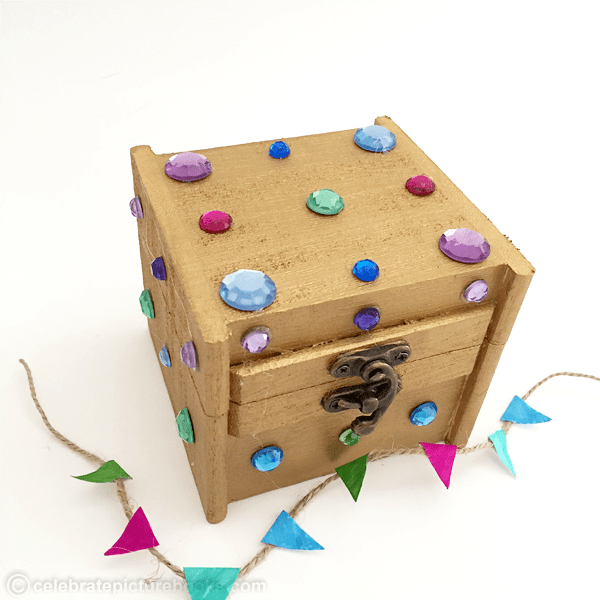
Treasure Box of Imagination

Writers often collect bits of imagination, wisps of dreams, snatches of memory, and treasures found along the way to use in their writing. With this craft, kids can make a treasure box to jot down and save ideas and tidbits to spark their own writing, drawing, and other creative endeavors.

Supplies

  • 1 small wooden box, available at craft stores
  • Acrylic craft paint – I used gold
  • Craft gems
  • Paint brush
  • Hot glue gun or strong glue

Directions

  1. Paint your wooden box 
  2. After the paint dries, decorate your Treasure Box of Imagination with gems

You can purchase Write Here, Write Now at these booksellers

Amazon | Barnes & Noble | Bookshop (to support your local independent bookstore.

Picture Book Review
March 4 – It’s National Reading Month

About the Holiday

National Reading Month was designed to  encourage children and adults to read every day and celebrates the joys and benefits that reading together can bring. Reading with your child can be fun and frivolous, but it can also offer ways for children to share their feelings about serious or poignant topics and begin discussions that can lead to understanding or healing.  As the month progresses, look for books to share for all the aspects of your life. 

I’d like to thank Kokila Books/Penguin Random House for sharing a digital copy of Our Lake with me to review. 

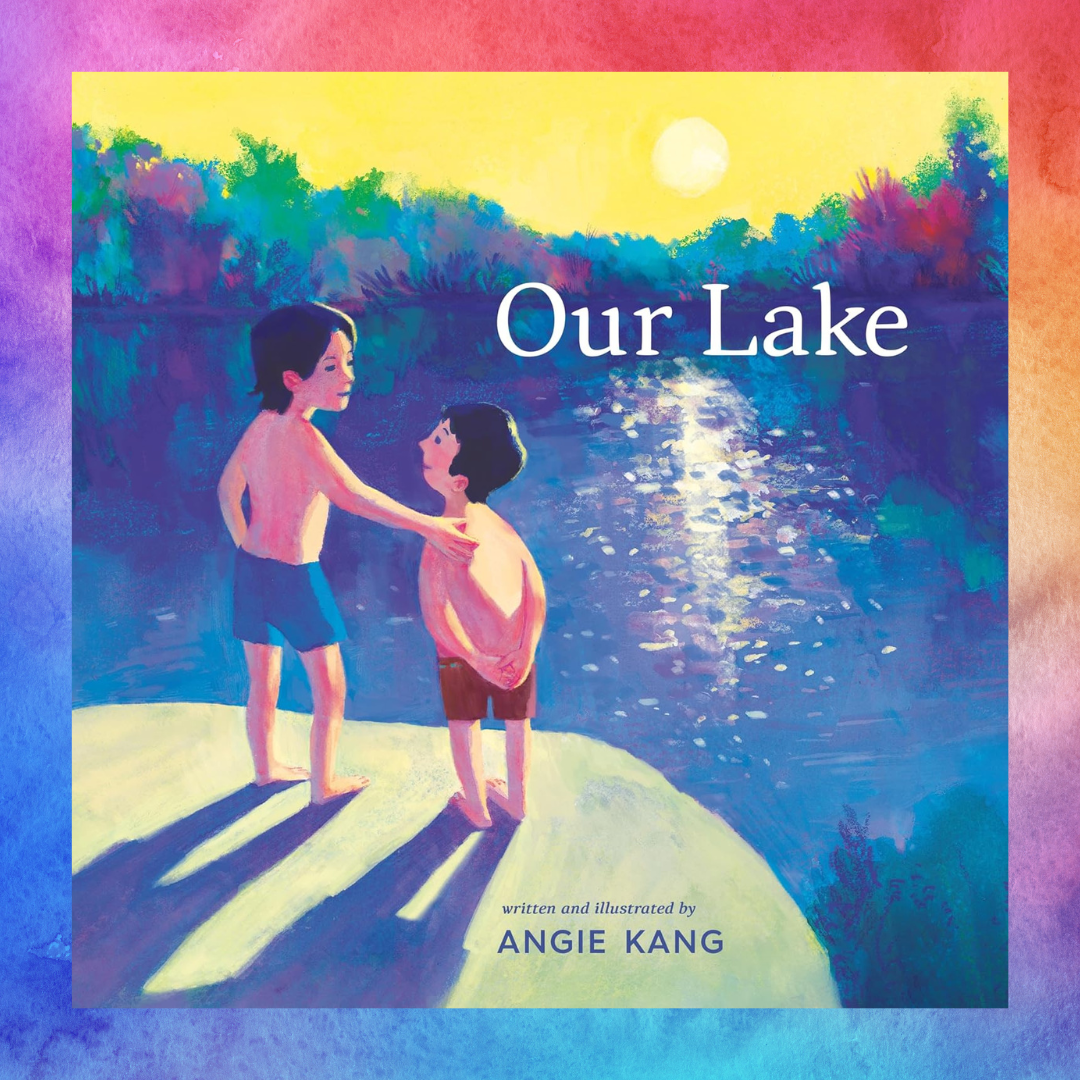
Our Lake

By Angie Kang


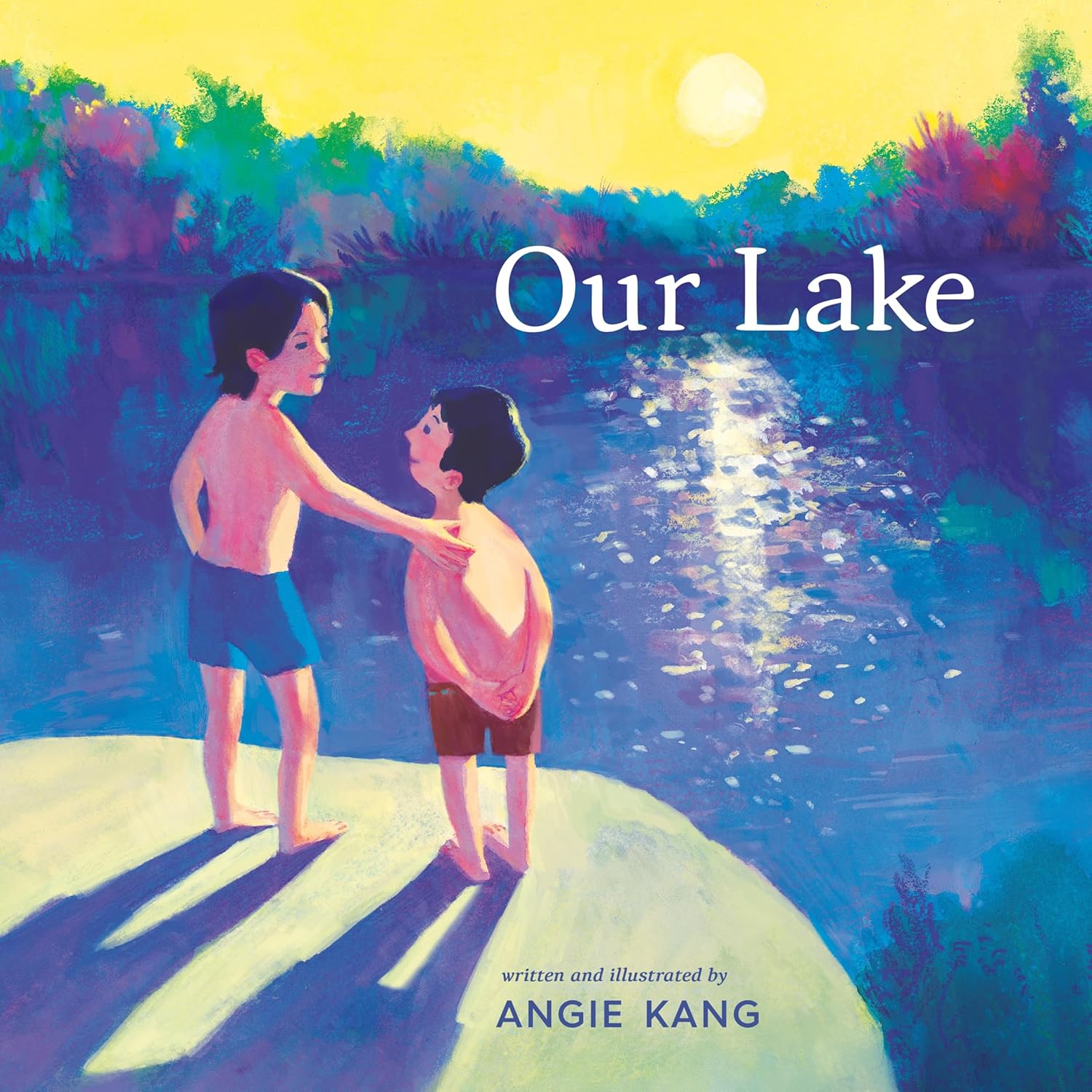
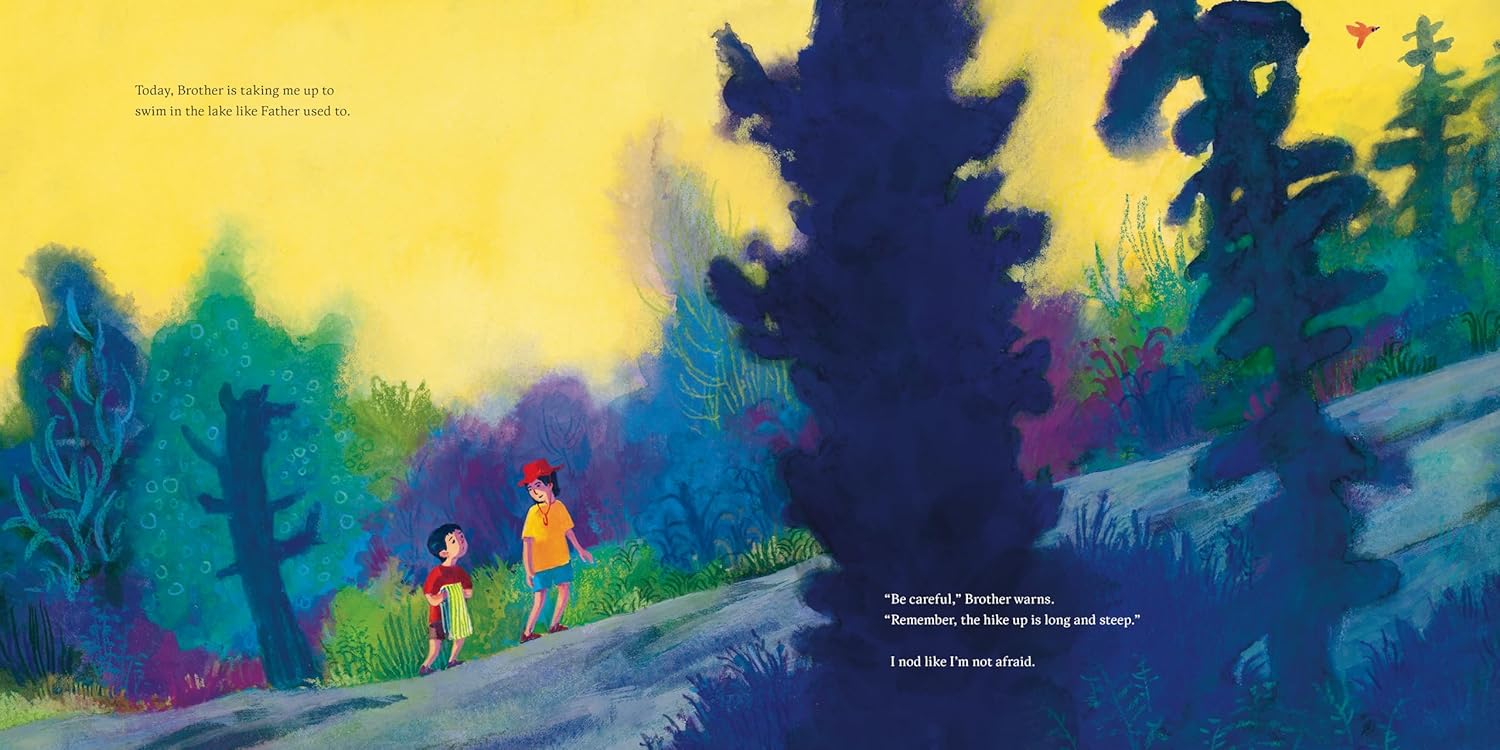
A young boy follows his older brother up a “long and steep” hill to the tip of a boulder overlooking a glistening lake, where their father, now gone, used to take them swimming. He mimics his brother, who has taken on the mantel of responsibility, in their old traditions—taking off his shirt, stretching. But while his brother approaches the lip of the rock, he hangs back, watching him “press his arms tight to his head and slip neatly into the lake.” The water ripples, and then his brother shoots upward, “triumphant.”

Illustration and text © 2025 by Angie Kang. Courtesy of Kokila/Penguin Random House.

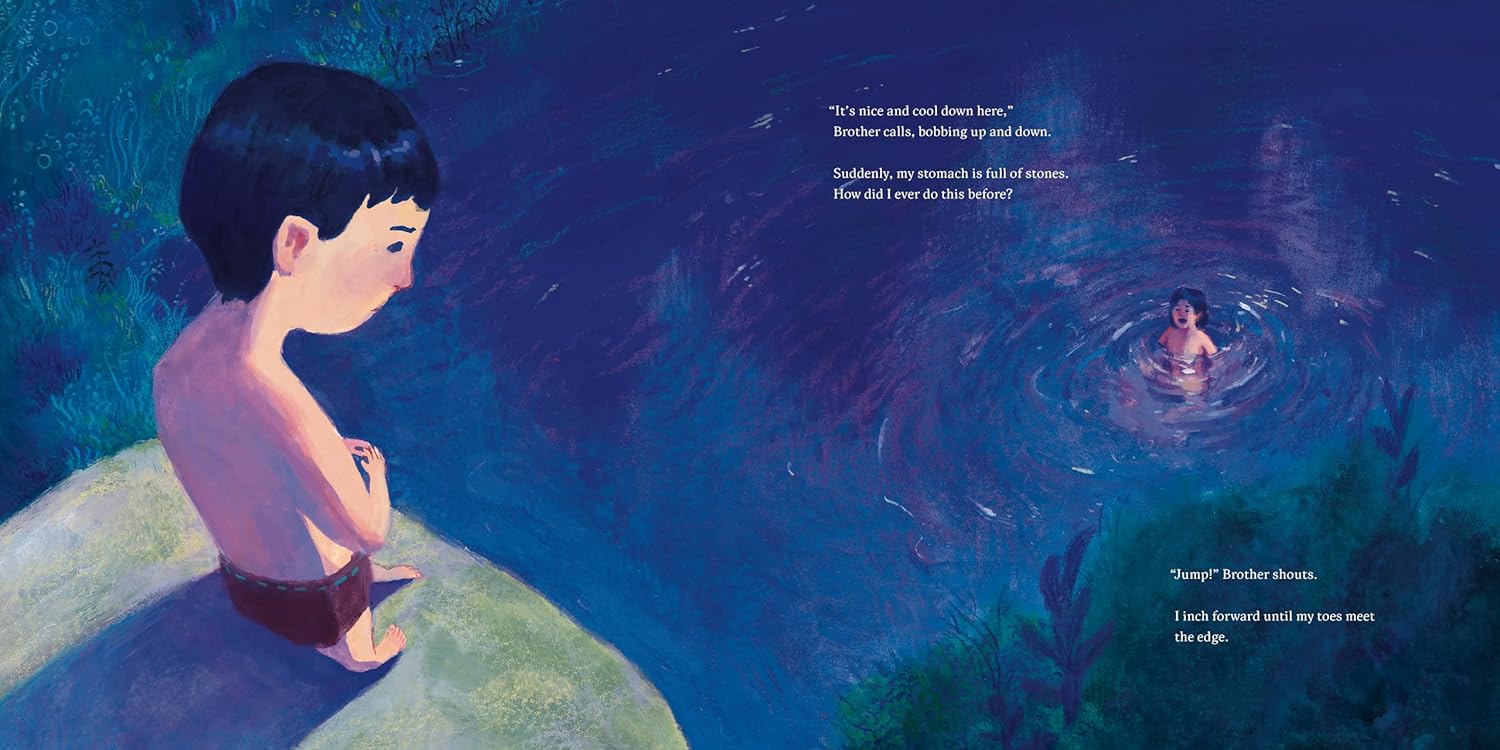
His brother calls for him to jump, but his nerves overtake him and he closes his eyes. “On the insides of my eyelids,” he says, “I see Father.” He recalls their routine, the way his father soared before splashing down, and the sound of his laugh as he beckoned his sons to follow.

“When I open my eyes, he joy is still there, humming in my limbs,” the boy says. He hears his brother call to him again and shakes off his fear. As he nears the water, he sees his father meet him, arms outstretched. His brother cheers as he splashes in. They embrace, both feeling the presence of the father they miss.

Illustration and text © 2025 by Angie Kang. Courtesy of Kokila/Penguin Random House.

Angie Kang’s lyrical storytelling soars on the openhearted voice of her young narrator and the caring guidance of his big brother. The boys’ uplifting memories of their father and their joyful embrace of returning to one of their favorite places are moving and comforting, and ultimately inspire reassurance that the spirit of loved ones lives on within the heart. 

Kang’s gloriously rich gouache, crayon, and colored pencil illustrations illuminate the close relationship between the brothers and, individually, with their father, as exemplified by a red hat the older brother is wearing as the story begins. Later, readers learn—in a symbolic image—that this hat belonged to the boys’ father. Each boy’s facial expressions and stances also carry the story forward. Kang’s saturated paintings also offer metaphorical undertones that resonate with the truth of life’s sometimes difficult climbs as well as the wonders of shaking off fear and diving into it headfirst.

A beautiful and poignant story to help any child affected by grief or loss to find peace and joy again, Our Lake is highly recommended for families and is a must for school and public library collections.

Ages 4 – 8

Kokila/Penguin Random House, 2025 | ISBN 978-0593698235

About the Author/Illustrator

Angie Kang is a Chinese American writer and illustrator living in LA. Her work has appeared in The New YorkerNarrativeThe Believer, and elsewhere, and has been generously supported by MacDowell and other organizations. Angie graduated from the Brown-RISD Dual Degree Program with a BFA in Illustration from the Rhode Island School of Design and a BA in Literary Arts from Brown University. She enjoys painting places she remembers and places she would like to go. Learn more about Angie’s writing and art at AngieKang.net and @anqiekanq on Instagram.

You can purchase Our Lake at these booksellers

Amazon | Barnes & Noble | Bookshop (to support your local independent bookstore)

Picture Book Review
March 3 – World Wildlife Day

About the Holiday

In December of 2013 the United Nations General Assembly proclaimed March 3rd as World Wildlife Day to promote awareness of our environment and the dangers to it. Every year a different theme is chosen to spotlight an area of the world, a particular species, or a group of activists. This year’s theme is “Wildlife Conservation Finance: Investing in People and Planet” and focuses on innovative ideas for financing can contribute to halting biodiversity loss, raising the interest of private sector stakeholders to invest in wildlife conservation, and creating a sustainable future. The day also celebrates successful conservation and sustainability initiatives. To learn more about the day, special events, and how you and your kids can get involved today and throughout the year, visit the World Wildlife Day website.

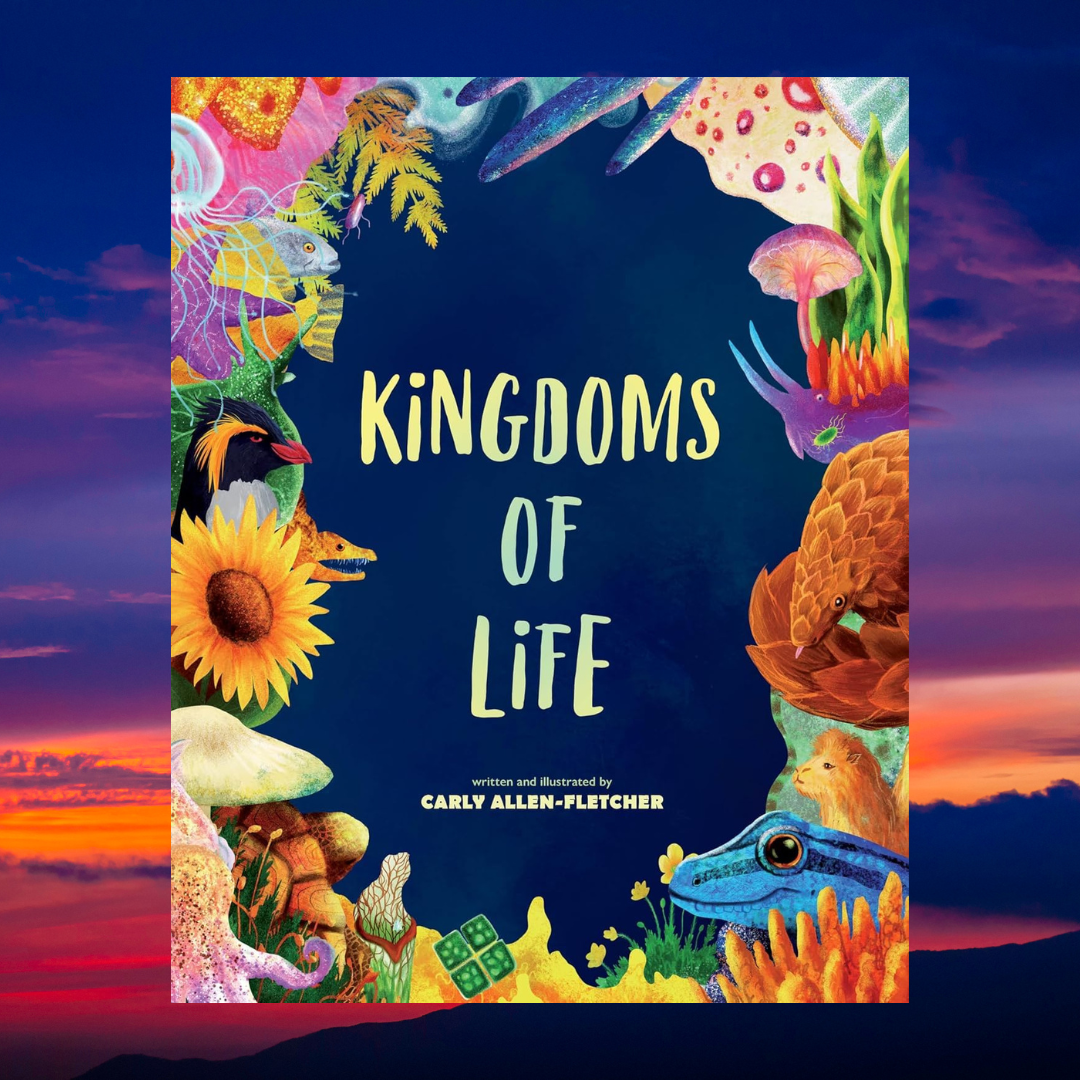
Thanks to Eerdman’s Books for Young Readers for gifting us a copy of Kingdoms of Life for review.

Reviewed by Dorothy Levine

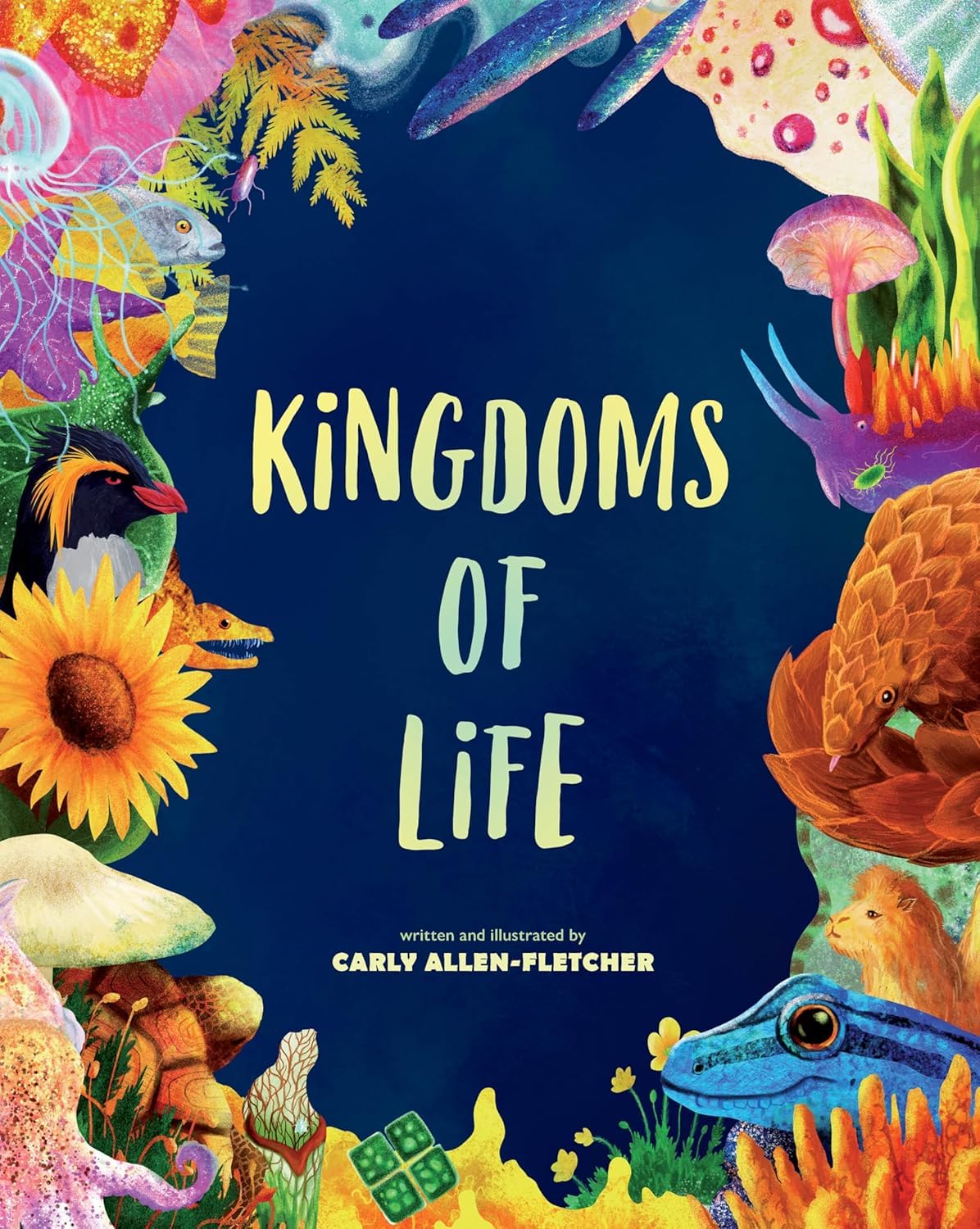
Kingdoms of Life

By Carly Allen-Fletcher


“Life is all around us…In the sky, the sea, and the soil, life exists in millions of different incredible ways.” 

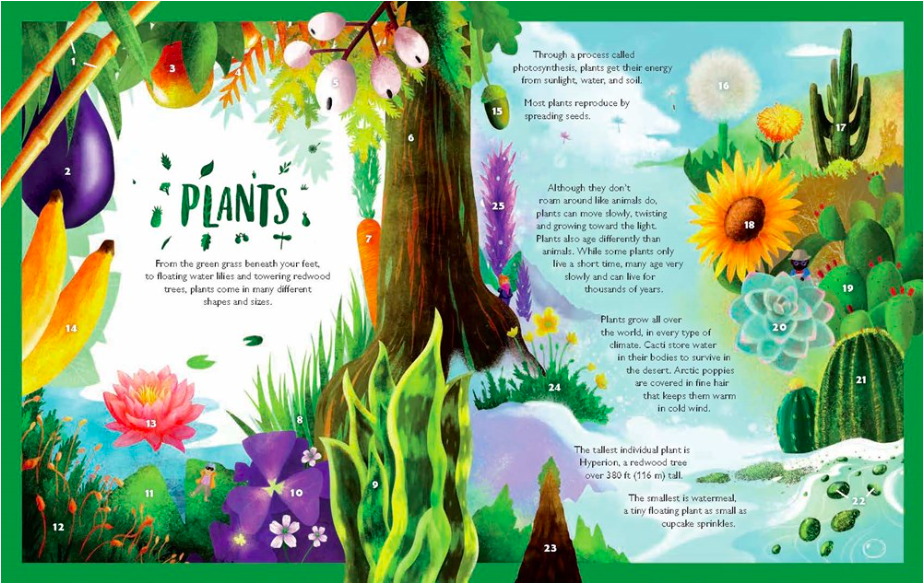
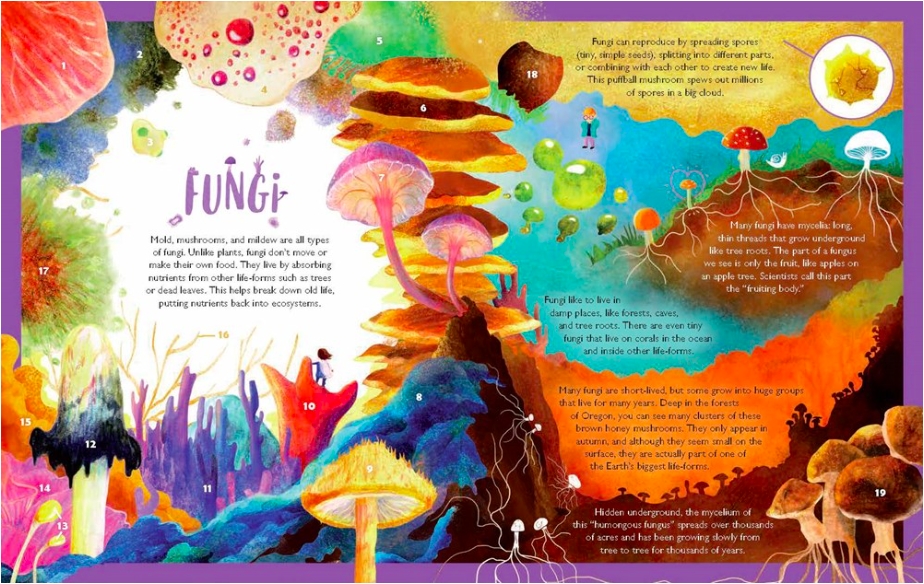
Jump into Carly Allen-Fletcher’s vibrant fact-filled guidebook for kids for a deep-dive exploration of the kingdoms of life. Each Kingdom rules over its own color-coded section, jam-packed with information on how the classified organisms feed, grow, and reproduce. Information also includes the ways in which the organisms across Kingdoms are related or work together with other lifeforms. The pages are royally packed with vibrant illustrations that appear to burst out from the very edges of the book. 

Allen-Fletcher begins with an explanation of how all life is formed—from tiny building blocks called cells. These cells can join to create complex multicellular life forms or just exist on their own as unicellular forms of life. She then zooms out to examine the six biggest categories of life. Allen-Fletcher makes sure to note that these categories are not fixed; they change as scientists learn more and arrange beings in different ways. 

Illustration and text © 2025 Carly Allen-Fletcher. Courtesy of Eerdmans Books for Young Readers.

The first category investigated in depth is the most complex of the life-form groups—animals. The animal pages are filled with a diverse range of species, each numerated to a corresponding key at the back. Allen-Fletcher shows the wide range of animals by comparing the smallest species (fairy wasps) to the largest (blue whales), while also explaining how even within one species (dogs) there can be glorious variety. Examples of animals that don’t quite fit in the animal category, such as a sea slug that can make energy from the sun, as well as animals that can survive extreme conditions or are thought to be practically immortal, are also discussed.

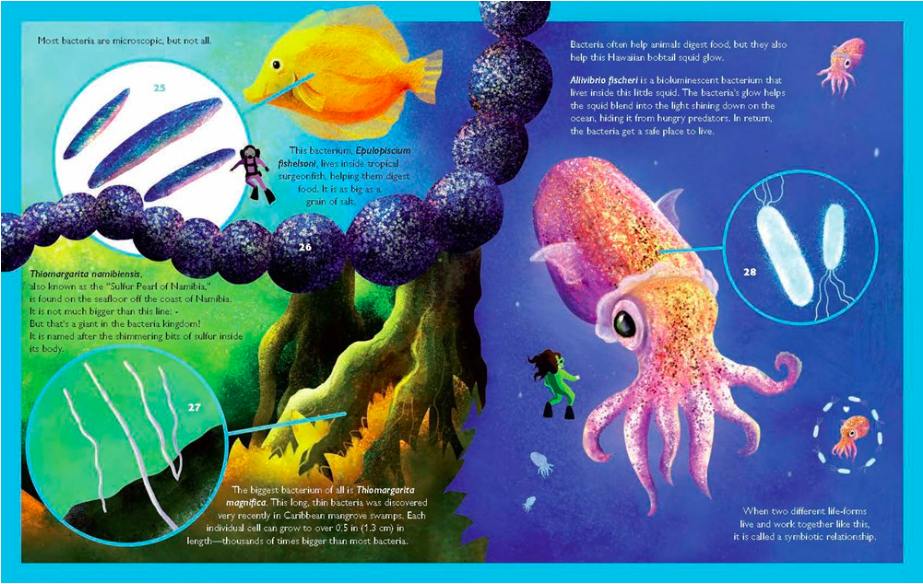
In addition to the animals, plants, fungi, protists, bacteria, and archaea are each given equal attention in their respective kingdom sections. From protists like giant kelp and slime mold to bacteria in our gut and bioluminescent bacteria found in squid, each kingdom is filled with fascinating examples of life and interesting facts on specific organisms. 

Illustration and text © 2025 Carly Allen-Fletcher. Courtesy of Eerdmans Books for Young Readers.

Kingdoms, Allen-Fletcher explains, can also be broken down further, into smaller and smaller groups such as family, genus, and species. A few taxonomists (scientists who study and sort lifeforms into categories) from around the world and throughout many different centuries are highlighted for their contributions to the field.

The book ends with a last dose of wonder: “We know more about the moon than we do about the deepest parts of our oceans. / Every year, we learn more about our home and the incredible life-forms we share it with. / What will we discover next?” The inclusion of “we” in this ending invites readers to feel welcome in this process of study and discovery. Taxonomy need not be only for adult scientists, but anyone who shares a passion for nature and careful observation. 

Back matter features each of the categories taxonomists use to sort life into groups as well as all the names of the featured life-forms throughout the book. The science is detailed while also distributed into easy-to-read bite-sized chunks.

Illustration and text © 2025 Carly Allen-Fletcher. Courtesy of Eerdmans Books for Young Readers.

Carly Allen-Fletcher illuminates a topic that is usually reserved for upper-level biology courses making it accessible and intriguing for young learners. The facts from her book will inspire a passion for all species—large or small, animal or bacteria—and help children to understand where in this big wide world we as humans stand and the symbiotic relationships that exist between creatures. Mini scientists dot the lusciously illustrated pages, comically examining life-forms in all the kingdoms up close.

Kingdoms of Life would make a valuable addition to home, school and library collections.

Ages 6 – 10

Eerdmans Books for Young Readers, 2025 | ISBN 978-0802855916

About the Author/Illustrator

Carly Allen-Fletcher is a British illustrator and author whose books include Goodnight Forest (Muddy Boots), Beastly Biomes (Creston), and Animal Antipodes (Creston). Inspired by nature and science, she creates her art by combining hand-drawn elements, painted textures, and graphic shapes. Carly loves reading about the latest biological discoveries, and if she hadn’t become a professional illustrator, she would have become a scientist instead. Follow Carly on Instagram or visit her website at carlydraws.com.

World Wildlife Day Activity

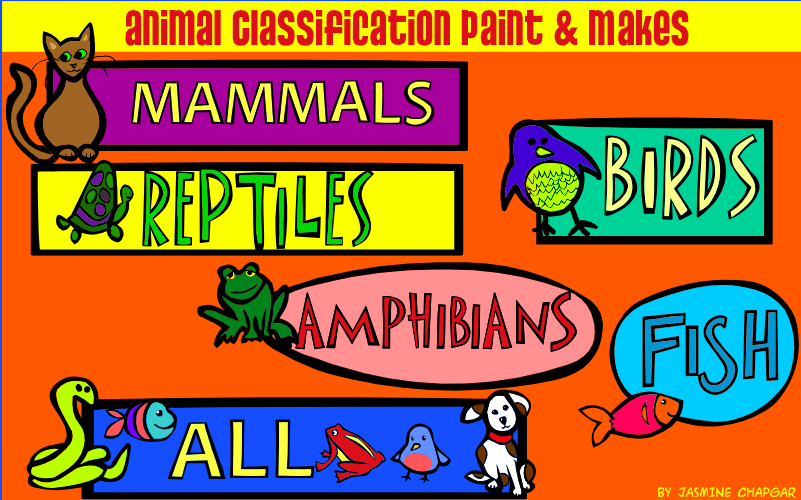
It Takes All Kinds game illustration courtesy of Science Trek.


Kingdoms of Life Fun


Watch a Kingdoms of Life Classification Video with Science Trek

  • As Allen-Fletcher notes in Kingdoms of Life, scientists are constantly evolving the categories for living organisms as they learn more. Do you notice any differences between the book and video kingdom categories? Since this video was published, scientists have started using the kingdom names bacteria and archaea instead of the previously used term, monera!

You can also explore their Online Games on kingdoms of life and animal classification, and practice sorting with Generation Genius’s Candy Classification Activity

You can purchase Kingdoms of Life at these booksellers

Amazon | Barnes & Noble | Bookshop (to support your local independent bookstore)

Picture Book Revie

February 27 – It’s National Laugh-Friendly Month

About the Holiday

National Laugh-Friendly Month began in 2008 as a way to focus on friendly, positive humor that lifts your spirit and brings smiles. Humor is a universal language that helps people connect, understand each other, and improve our daily life. To celebrate this month and all year round share friendly jokes, watch funny movies and comedy shows , and read hilarious stories like today’s featured book!

Thanks to Orchard Books/Scholastic for sharing a digital copy of Duckie & Snaps: We Cannot Be Friends with me!

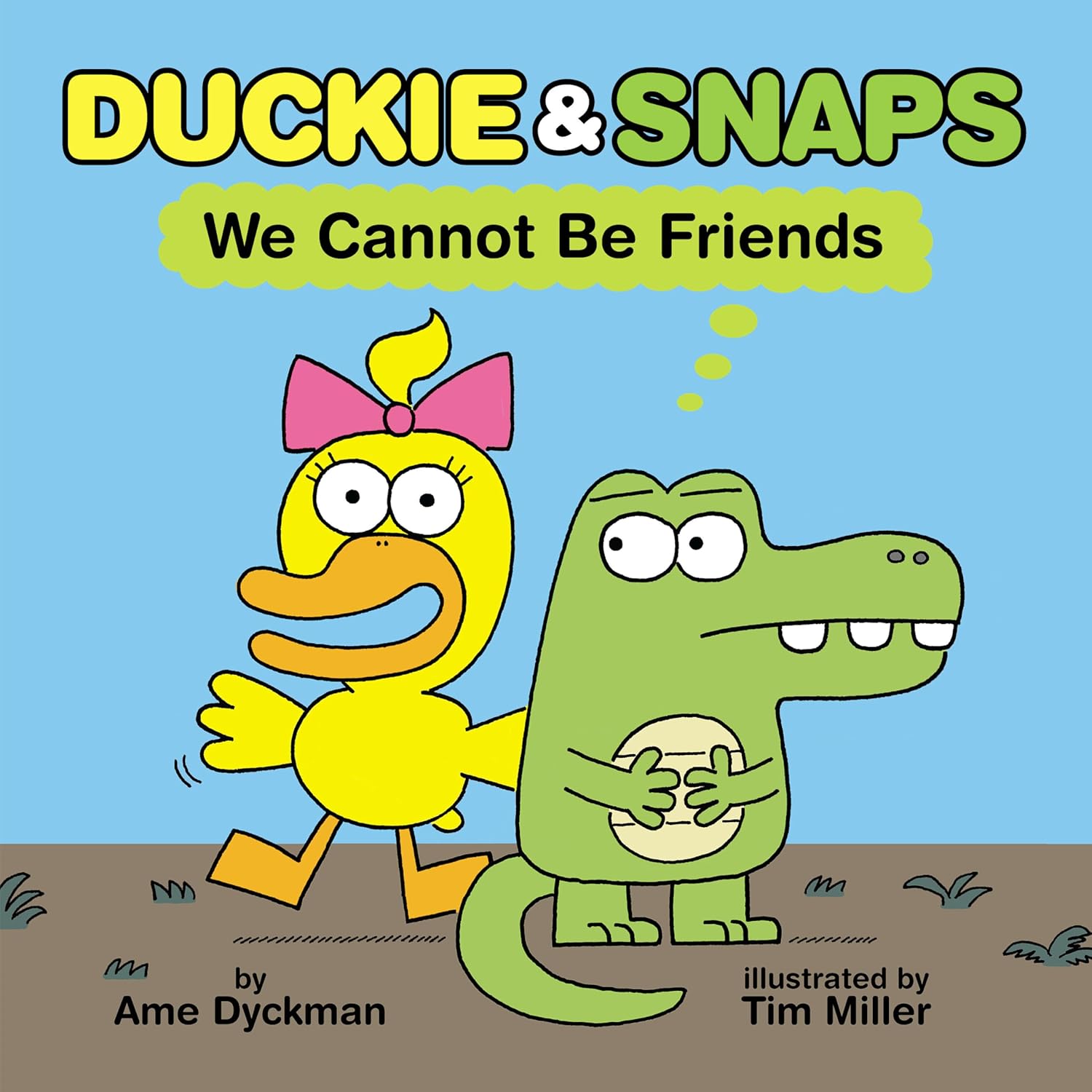
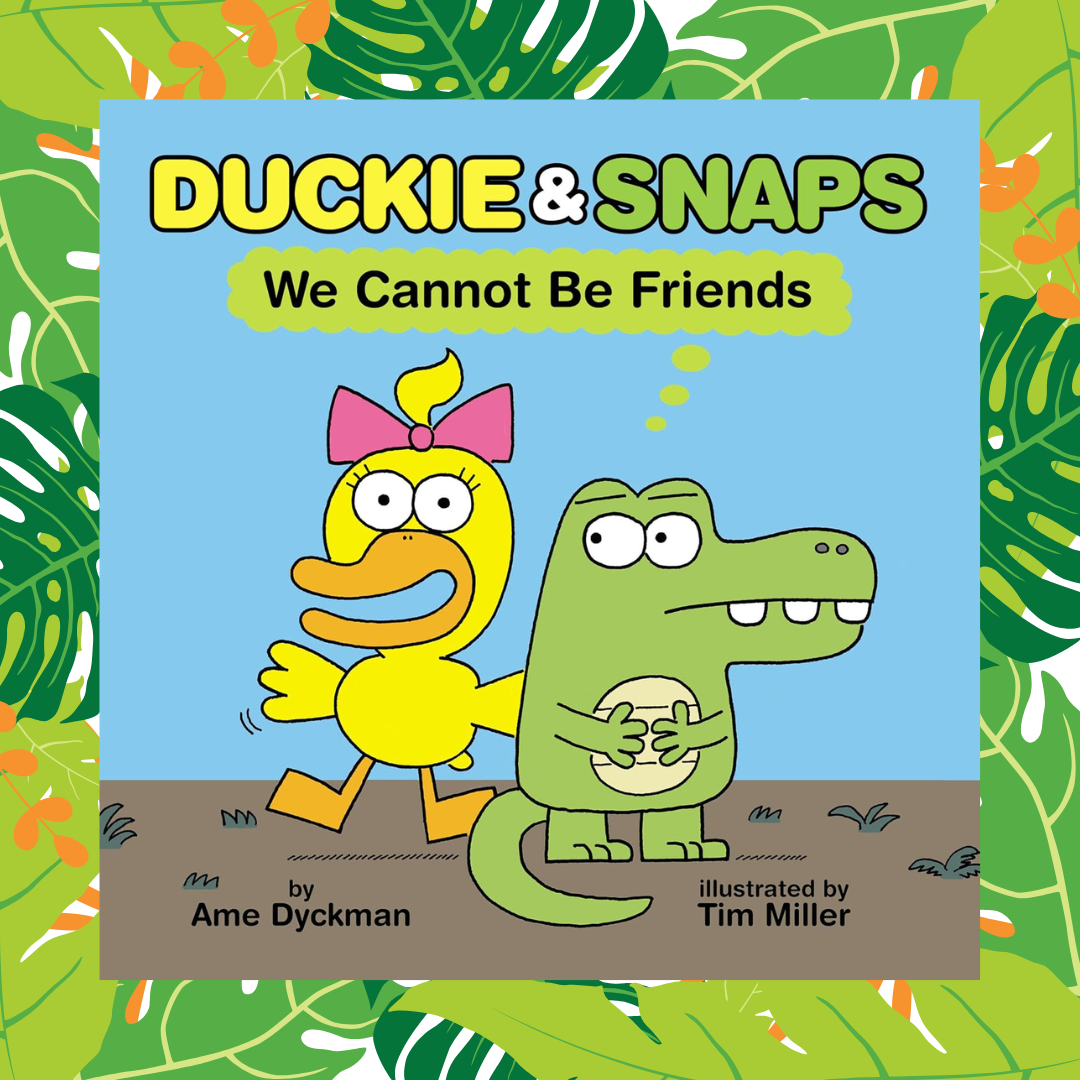
Duckie & Snaps: We Cannot Be Friends

Written by Ame Dyckman | Illustrated by Tim Miller


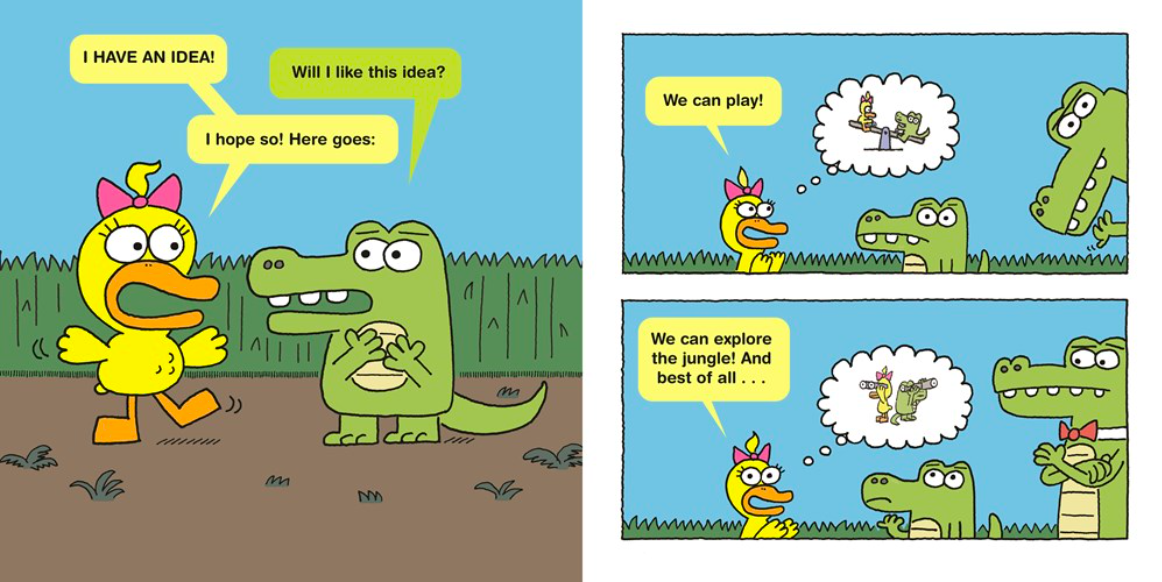
Even before kids get into the story, from somewhere over the mountains, an egg bounces boing-boing-boing from banana treetop to banana treetop and lands on a boulder where another egg is just cracking open. Out of the newcomer egg pops a duck, fully coifed with a pink bow, and a decisive “I’m HERE!” The other egg shakes a bit before a crocodile pops out. “And YOU’RE here!” Duckie exclaims. It’s all coming together for Duckie that the two are “here TOGETHER!”

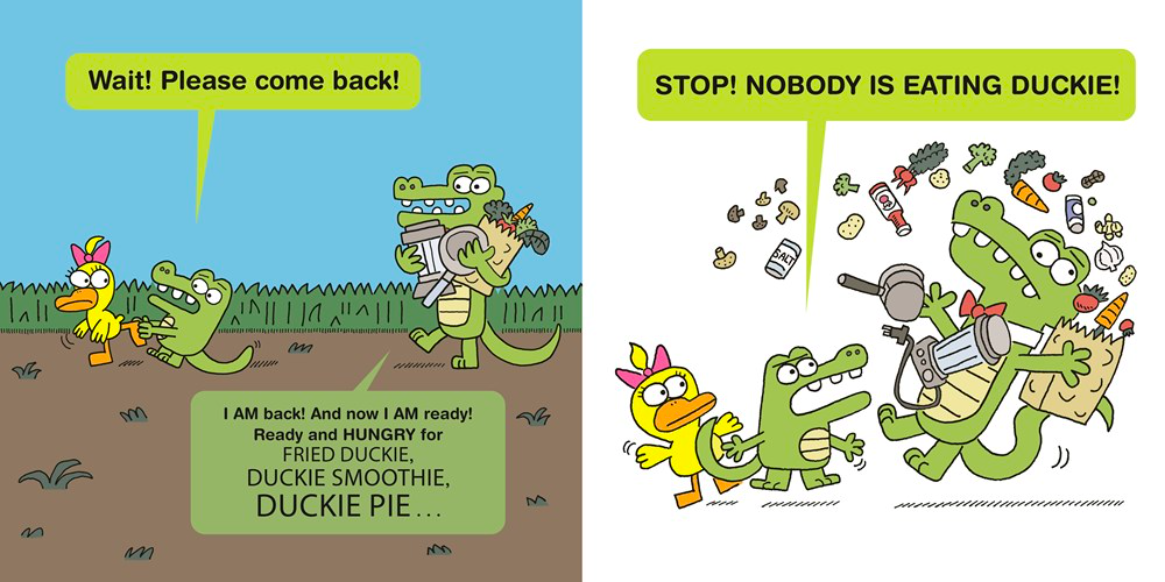
Brushing off remnant eggshells, the crocodile is ready to say goodbye, but Duckie pulls him back, calls him Snaps, and imagines all the fun they’re going to have being friends. Snaps’ dad, however, has a bold truth to deliver, one that dissolves Duckie into a puddle of tears. Snaps can’t believe crocodiles eat duckies. Duckie can’t believe she is a duckie. “Nobody told me!” she says. But Snaps’ dad lists off a menu: Fried duckie, duckie smoothy, duckie pie. Fortunately, Snaps’ dad isn’t ready to eat just then.

Illustration © 2025 Tim Miller, text © 2025 Ame Dyckman. Courtesy of Orchard Books/Scholastic.

Unfortunately, Duckie has to put a big NO on all her imagined fun, and she flounces off only to be caught up by Snaps, who declares he doesn’t want to eat her and never will. In fact, when his dad returns with all the supplies for a duckie roast, Snaps lets him and a couple of innocent bystanders know that “nobody is eating Duckie!”

At last, Duckie and Snaps CAN be friends. “We ARE friends!” Snaps assures her. But what is that growl? Snaps is hungry! And suddenly little-yellow-TASTY Duckie sounds pretty enticing. Just then Duckie has an idea, but will Snaps accept her appealing alternative to Duckie Pie?

Illustration © 2025 Tim Miller, text © 2025 Ame Dyckman. Courtesy of Orchard Books/Scholastic.

Loaded with laugh-out-loud dialogue and turn-the-tables antics, Duckie & Snaps: We Cannot Be Friends will have kids giggling and in suspense with every page turn. Ame Dyckman’s natural talent for humor and acceptance infuses her story with sweetness and gentle lessons in getting along with others and sticking up for friends. Her dialogue-driven storytelling dishes up a perfect read aloud that adults and kids will have a blast sharing as well as a rewarding experience for beginning and independent readers.

Tim Miller’s goofy cartoon illustrations are equal parts droll and action-packed. His minimalist backgrounds paired with slapstick-type zaniness amplifies the humor, and strategically placed details may allow alert readers to be in on the final, funny resolution.

Featuring good-natured hijinks and embraceable characters, Duckie & Snaps: We Cannot Be Friends is a vivacious early reader book with plenty of read-again appeal and is a top choice for family, school, and library story times.

Ages 4 – 8

Orchard Books, 2025 | ISBN 978-1338837872

About the Author

Ame Dyckman is an award-winning author of many bestselling picture books, including Duckie & Snaps: We Cannot Be Friends, illustrated by Tim Miller; Don’t Blow Your Top!, illustrated by Abhi Alwar; Wolfie the Bunny, illustrated by Zachariah OHora; and the Misunderstood Shark series, illustrated by Scott Magoon. Ame lives in beautiful central New Jersey with her husband and daughter. For book news and fun, follow Ame on Twitter: @AmeDyckman.

About the Illustrator

Tim Miller is the author-illustrator of Moo Moo in a TutuWhat’s Cooking, Moo Moo?, and Izzy Paints. He is also the illustrator of The Chronicles of Lizard Nobody by Patrick Ness, Horse Meets Dog by Elliott Kalan, and other books including the middle-grade series Hamstersaurus Rex by Tom O’Donnell. Tim lives in New Jersey with his wife and three rescue cats. Visit Tim at timmillerillustration.com.

National Laugh Friendly Month Activity

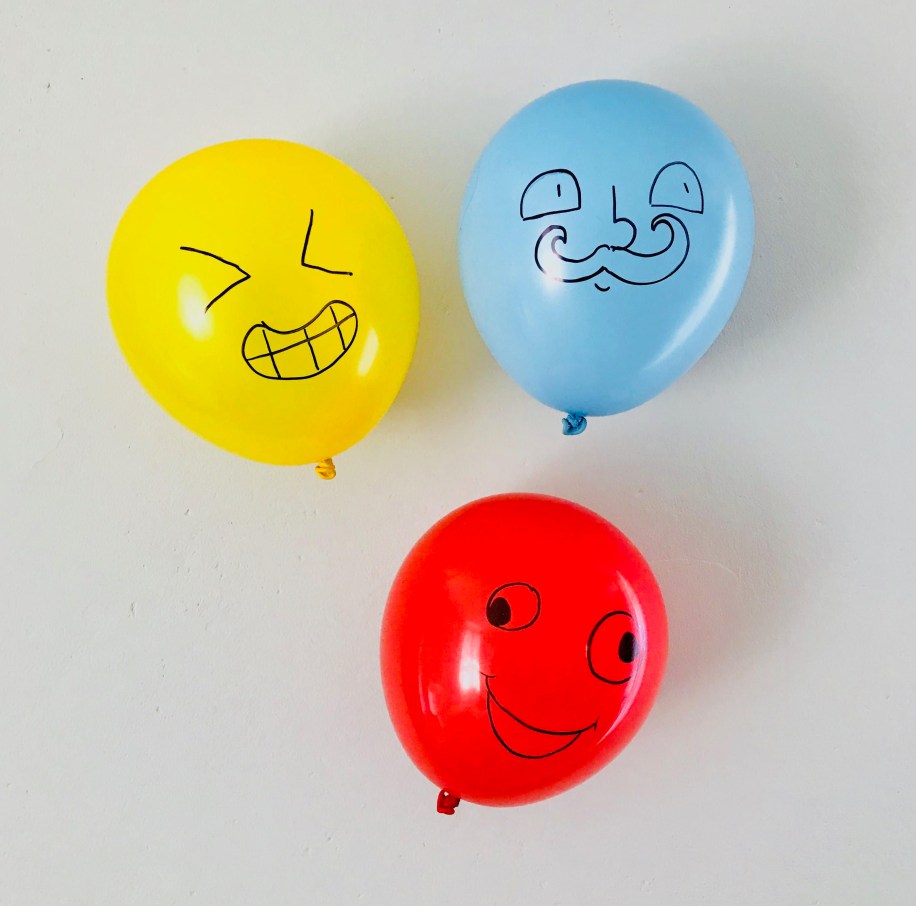
celebrate-picture-books-picture-book-review-silly-balloons

Silly Balloons

You can have lots of silly fun with balloons! Try some of these ideas—they’re sure to make you laugh!

Goofy Faces

Blow up a balloon and draw a funny face on it. Rub the balloon on your shirt or a blanket and stick it to the wall, your shirt, or even your mom or dad!

Crazy Hair

Rub a blown-up balloon on your shirt or a blanket (fleece works well) then hold it near your hair and watch it go a little crazy!

Bend Water

This bit of balloon magic will amaze you! Rub a blown-up balloon on a blanket (fleece works well). Turn on a faucet to a thin stream of water. Hold the balloon near the stream of water and watch it bend toward the balloon. 

Volleyballoon

This is a fun game for two or more people played like volleyball—but with balloons! All you need is a balloon and a line on the floor. Players form teams and bat the balloon back and forth over the line, keeping it in the air.as long as possible. A team wins a point when the opposing team can’t return the balloon.

You can purchase Duckie & Snaps: We Cannot Be Friends at these booksellers

Amazon | Barnes & Noble | Bookshop (to support your local independent bookstore)

Picture Book Review
February 25 – Get Ready for Passover

About the Holiday

Passover is the Jewish spring festival that celebrates the Jews’ liberation from slavery in Egypt. The holiday begins on the fourteenth day of the Hebrew month Nisan, which is the first ecclesiastical month and occurs in March or April. Passover is observed for seven days in Israel and for eight days for Jewish people living outside of Israel. The holiday begins with a seder meal, at which family and friends gather to remember their history, eat symbolic dishes, and celebrate the joy of freedom. This year Passover is celebrated from April 12 – 20.
Thank you to Kar-Ben Publishing for sharing a digital copy of Zayde Babysits before Passover with me.

Zayde Babysits before Passover

Written by Jane Sutton | Illustrated by Kate Chappell


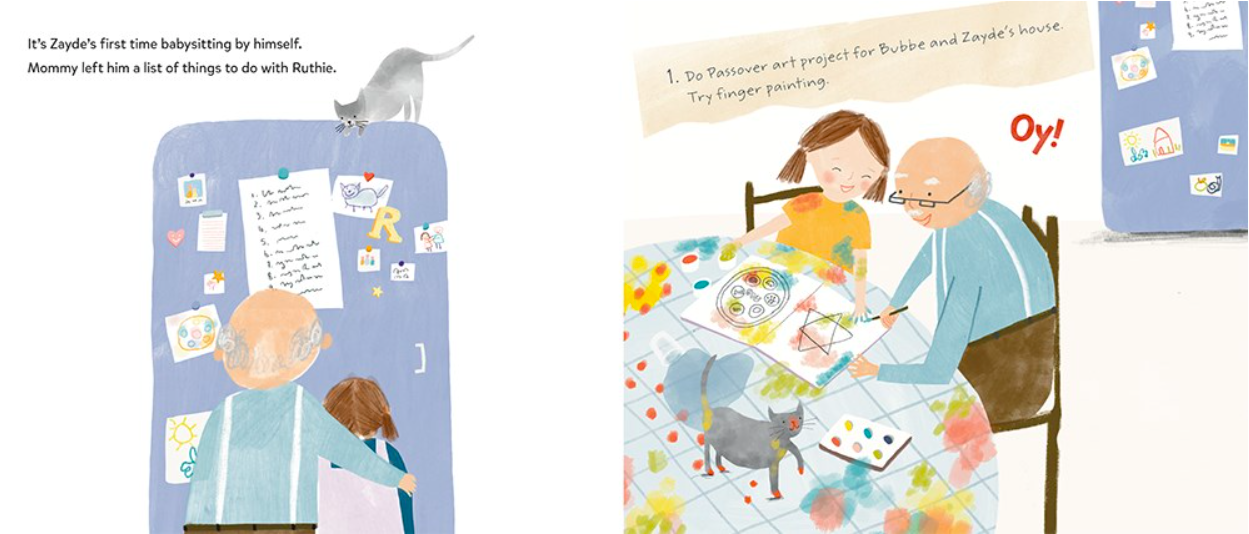
While Ruthie’s mommy and daddy go to Bubbe’s house to prepare for Passover, Zayde is staying with Ruthie at her house. It’s the first time Zayde has ever babysat Ruthie, but he doesn’t have to devise fun activities, or think up places to take her because there’s a long list of tasks to be accomplished stuck to the refrigerator.

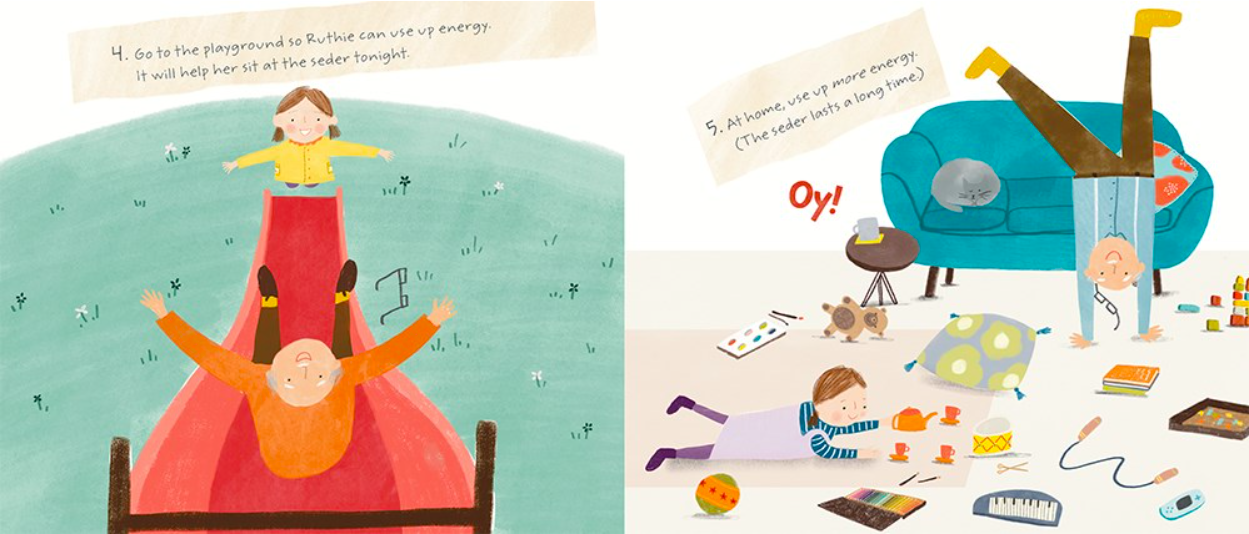
First on the list is to make a few Passover decorations for Zayde and Bubbe’s house. Ruthie’s mommy has suggested finger painting. “Oy!” exclaims Zayde, as the paint escapes the paper onto the tablecloth and Ruthie’s shirt, and even the cat, who joins the fun with some paw painting. The next chores on the list take Ruthie and Zayde into town—to the grocery store for parsley and to the playground “so Ruthie can use up energy” and sit still at the seder later that night. But who’s riding in the cart and who’s slipping down the slide?
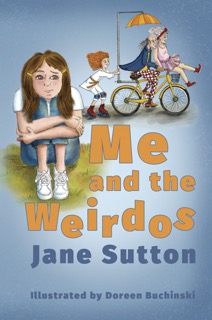
Illustration © 2025 Kate Chappell, text © 2025 Jane Sutton. Courtesy of Kar-Ben Publishing.

Back home, Zayde’s been instructed to use up more of Ruthie’s energy, but here, too, who’s doing what is topsy-turvy. Even sweeping up any missed breadcrumbs in the kitchen finds Ruthie pulling Zayde out from under the cupboard. And when Mommy said they should eat a big lunch because dinner will be late, did she really mean that mountain of food? 

Following nap time and bath time, Ruthie and Zayde leave to meet up with the rest of the family. With Zayde leading the seder, it comes off without a hitch. “Ruthie asks the Four Questions. She sings ‘Dayenu’ and hums along with the other songs.” Bubbe’s matzah ball soup is yummy, and Ruthie even “finds the afikomen. Yay!” After everyone leaves, Ruthie tells Zayde she had fun that day and asks if he’ll babysit again. Of course Zayde’s answer is “‘I can’t wait!'”

Illustration © 2025 Kate Chappell, text © 2025 Jane Sutton. Courtesy of Kar-Ben Publishing.

Jane Sutton’s endearing, family Passover story is riotous fun as first-time babysitter Zayde goes all in while fulfilling his pre-Passover seder chores. Kids will enjoy chiming in with Zayde’s exclamations of “Oy!” as things go amiss and will love learning Passover traditions as they spend time with Ruthie and Zayde around town and at home. The burgeoning relationship between Zayde and Ruthie warms the heart.

Kate Chappell’s charming illustrations, juxtaposed with Sutton’s straightforward storytelling, bring to life Zayde and Ruthie’s playful antics and will have kids giggling from page to page. Images of the family’s Passover celebration are uplifting and tender.

A madcap and joyful story for families to share at Passover and whenever grandparents and grandkids get together, Zayde Babysits before Passover would make a wonderful gift and addition to home bookshelves as well as a delightful choice for school and public libraries.

Ages 4 – 9

Kar-Ben Publishing, 2025 | ISBN 979-8765619889

A Chat with Jane Sutton

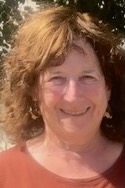
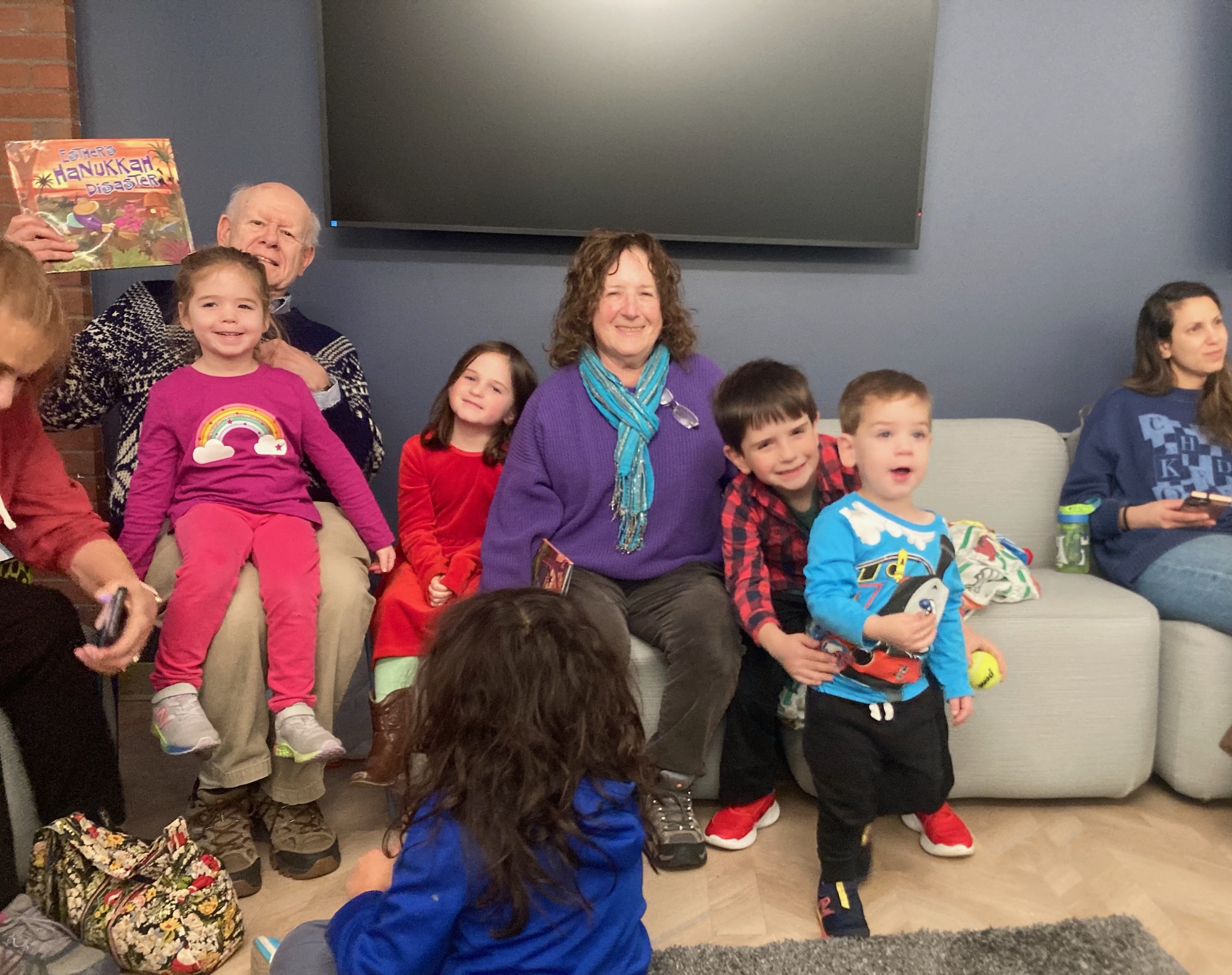
Jane Sutton is an award-winning author of picture books, including Gracie Brings Back Bubbe’s Smile, Paulie’s Passover Predicament, and Esther’s Hanukkah Disaster as well as novels for children. She grew up on Long Island and attended Brandeis University. Jane lives with her husband in the Boston area, as do their grown children and families. She is grateful to get lots of chances to babysit her grandchildren and hopes she makes fewer mistakes than Ruthie’s Zayde. You can visit Jane at jane-sutton.com.

I’m so excited to be chatting with you again about a new book, Jane! The last time we did an interview, it was for What’s Up with this Chicken? and you were a new grandmother to Caleb. So much has happened in the years since! You and your husband are grandparents to four grandchildren now who all live close to you. Has becoming a grandmother influenced the way you write or the subjects you write about?

Come to think of it, my last 2 books have been about a grandparent and a grandchild. And my next book was inspired by a grandchild. I guess it’s natural that I would write about my favorite subject, my grandchildren!

Kate Chappell’s illustrations are so whimsical and really highlight the humor in the story. Kate lives in London. Did you have much interaction with her during the publishing process? Do you have a favorite spread? Which one and what do you like best about it?

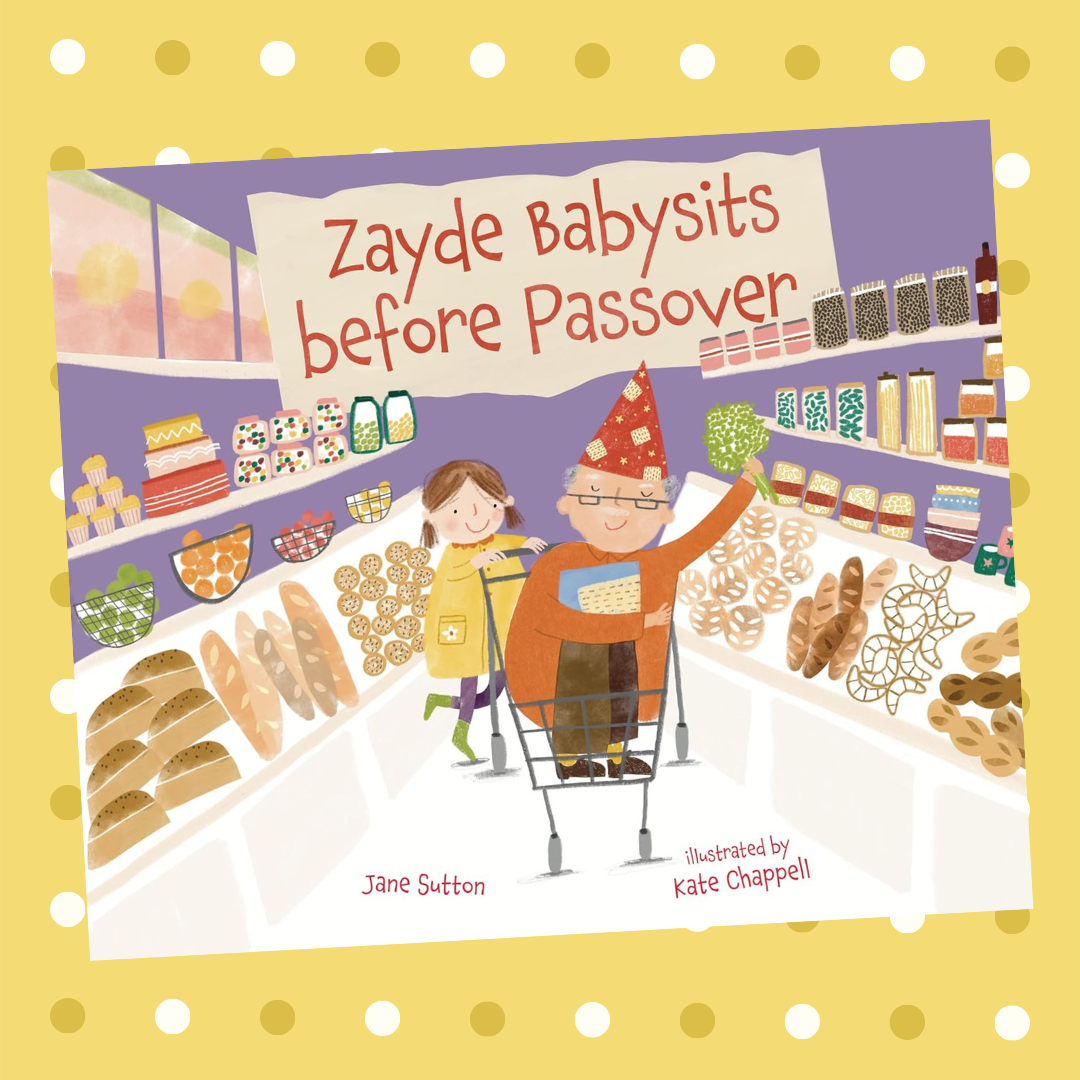
I agree. Her whimsical illustrations do just what you said! We didn’t interact directly. My suggestions for art went through the publisher. My favorite spread is also the cover, with Zayde sitting in the shopping cart as Ruthie pushes. It’s so silly and funny, and I love the details Kate includes. It’s my grandchildren’s favorite too!

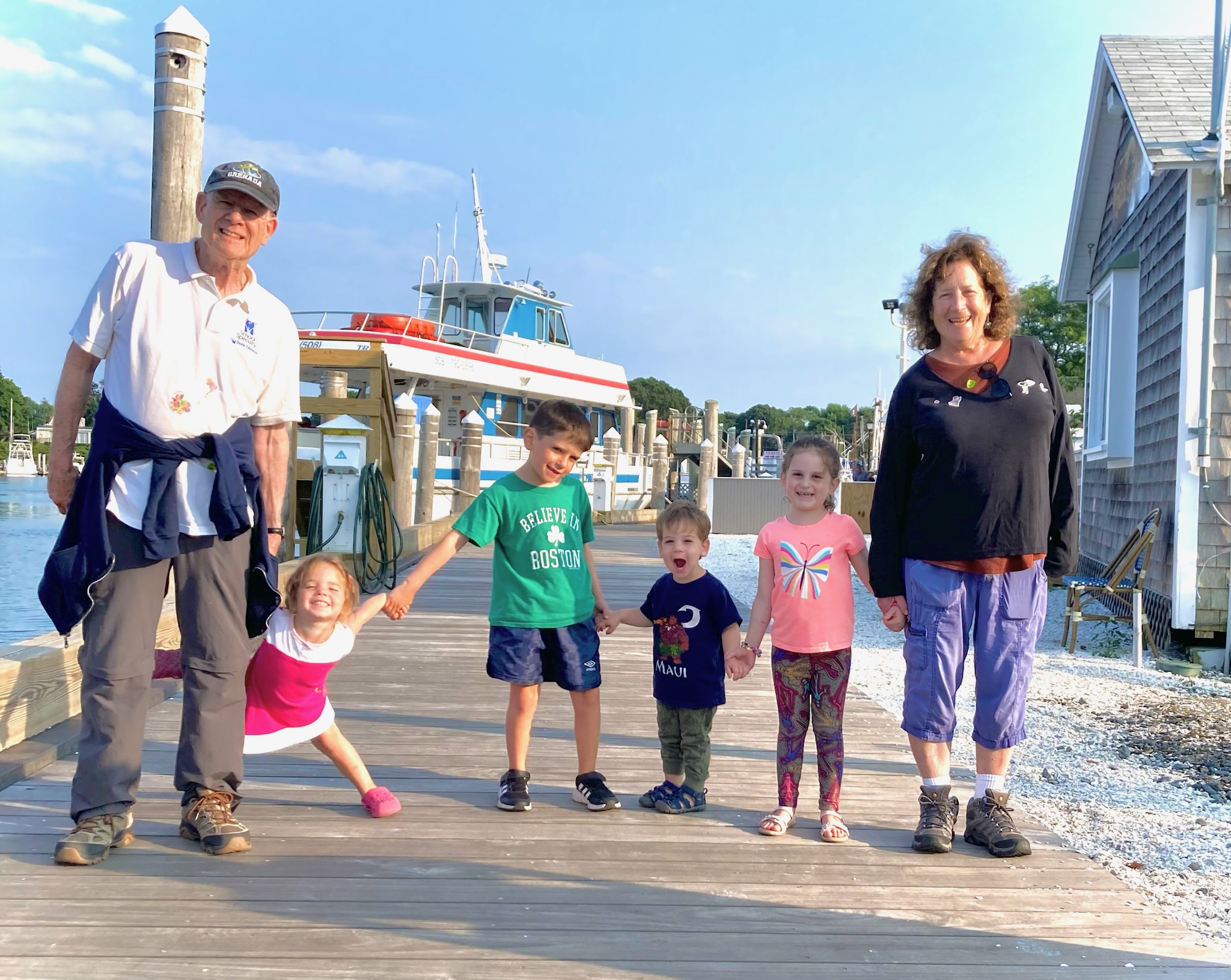
The images on your blog from your family vacations and other fun times you have together are so infused with love and joy and really make me smile. They made me wonder—does it appear that any of your grandkids have inherited your sense of humor? If so can you share a story?

They’re all funny and witty in their individual ways. One joke that the oldest three grandchildren and I share started on a week-long family vacation. Each morning, we’d greet each other with big smiles while saying, “Not you again!”

How did you get started writing for children? When did you know that this is what you wanted to pursue?

In college I had an assignment in a sociology class to do something we’d always wanted to do and keep a journal about our experience as we did it. I chose to write a series of children’s stories and found that I enjoyed the writing immensely.

Not only do you write picture books, but you’ve written three middle-grade novels and a young-adult novel. You’ve recently revised and published a new edition of your popular middle grade novel, Me and the Weirdos, after it was turned into a musical by two high school seniors in Utah. I understand you attended the premiere of the play. Tell me more about this book and the experience of seeing it transformed into a musical.

In Me and the Weirdos, Cindy Krinkle feels like the only normal person in her family. She kind of has a point. Some examples: Her father rides a bike with an umbrella on it as he sings opera loudly and off-key. Her mother gargles with orange juice, and her sister has a pet sea urchin. Cindy’s plans to “un-weird” the rest of her family all backfire in amusing ways, and she eventually comes to appreciate them the way they are. Attending the musical was amazing. The lovely students who created it were so talented. They wrote the script and lyrics, composed the music, and directed the play with a middle school cast. The show was both entertaining and true to the book’s humor and message that it’s OK to be different.

It’s clear that you love sharing your love of writing and your books with kids through programs at schools and libraries. Can you give us a peek at what one of your presentations is like? Do you have an anecdote from any program that you’d like to share?

I share my writing process, including more or fewer details depending on the age group. I emphasize the importance of revision, something I strongly believe in and which makes teachers nod and smile. And lest writing seem like too much work, I make sure I express my joy in writing.

I believe young readers have another book to look forward to in 2026! Would you like to give them a little glimpse of what’s to come?

It will be my first board book, one I hope that will make people of all ages smile.

Thanks so much, Jane for this wonderful chat! It’s been terrific catching up! I wish you all the best with Zayde Babysits before Passover and can’t wait to see your board book. I’m sure it will bring a smile!

You can purchase Zayde Babysits before Passover at these booksellers

Amazon | Barnes & Noble | Bookshop (to support your local independent bookstore)

Picture Book Review