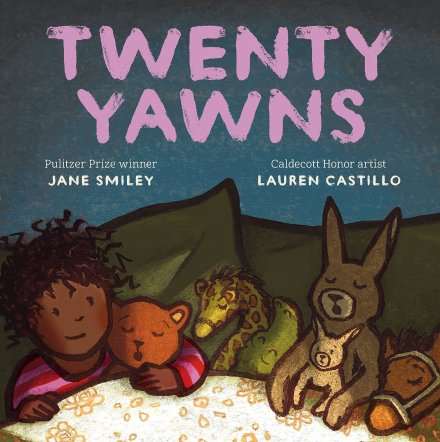
March 13 – National Napping Day

celebrate-picture-books-picture-book-review-twenty-yawns-cover

About the Holiday

If there’s one day a year when you should be easy on yourself and take a nap when the feeling strikes, today is it! Held annually on the Monday after the spring time change, National Napping Day allows us to recapture that lost hour of sleep and reset our body clocks. So if you start feeling that can’t-keep-my-eyes-open  weariness, go ahead and kick off your shoes, get comfy, and….

Twenty Yawns

Written by Jane Smiley | Illustrated by Lauren Castillo


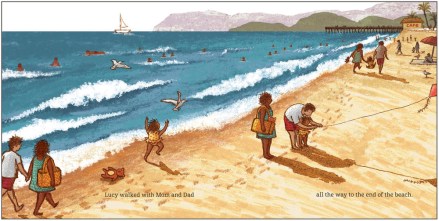
A little girl and her mom and dad are out for a day at the beach. Along the curving coastline they found the perfect spot to plant their umbrella and unfold their chairs. While Lucy dug a hole near the foaming waves, her mom and dad read in the shade of the umbrella. When the hole was big enough to hold her dad, Lucy “covered him up and they laughed and laughed.” Later, Lucy’s dad took her hand and swung “her into the sky” just as a wave crashed onto the shore.
celebrate-picture-books-picture-book-review-twenty-yawns-lucy-running-on-beach

Image copyright Lauren Castillo, text copyright Jane Smiley. Courtesy of laurencastillo.com

In the afternoon Lucy, Mom, and Dad walked “all the way to the end of the beach,” stopping here and there to chase seagulls, fly a kite, and play. Coming back, Lucy rolled “down the soft warm dunes,” never wanting the day to end. Returning to their umbrella, the three built a sandcastle and headed for home only when the sun began to set. “Lucy yawned. Mom yawned. Dad yawned.” Everyone was ready to go to bed early.

When they reached home, “Lucy put on her pajamas inside out, climbed into bed, and yawned a big YAWN.” Lucy’s mom began to read her a story about a little boy named Fred. Lucy yawned and began to doze, but soon she no longer heard her mom’s voice. She peeked at her mom. “She was asleep!” Lucy stared out into her room. “The moon shone through the window, a silver veil that fell across the floor. Everything looked mysterious, even Lucy’s own hands on the bedspread.”
celebrate-picture-books-picture-book-review-twenty-yawns-lucy-looking-at-toys

Image copyright Lauren Castillo, text copyright Jane Smiley. Courtesy of laurencastillo.com

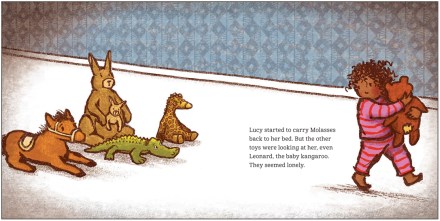
Suddenly, all the people in her pictures—Grandma, Grandpa, Aunt Elizabeth, Mom, Dad, and even Fred in the book on the floor—seemed to be looking at her. Lucy wanted her teddy bear, Molasses. She crept out of her room, past her dad sleeping in a living room chair, and over to the bookcase, where Molasses hid under a pile of toys. As Lucy pulled at Molasses, Hornet the giraffe, Juno the horse, Mathilda the alligator, Frank the kangaroo, and his baby, Leonard all tumbled to the floor.

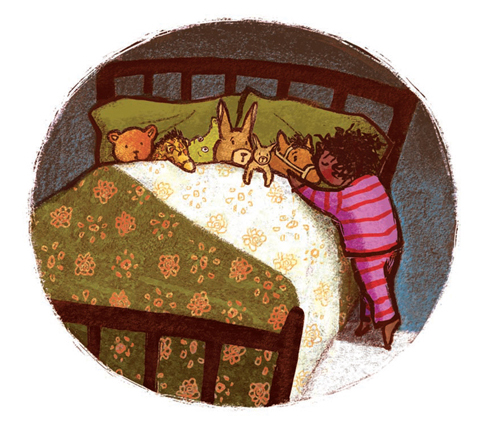
As Lucy started back to her room, she saw her toys watching her. They looked so lonely. One by one she carried them to her bed and “dropped them in a patch of moonlight.” She tucked them in and gave each a kiss. She thought they all “looked sleepy and happy.” Lucy cuddled up next to her toys and yawned. They in turn yawned too. So did Grandma, Grandpa, Aunt Elizabeth, Mom, Dad, and even Fred. Lucy hugged Molasses tight, “gave one last YAWN…and fell asleep.”
celebrate-picture-books-picture-book-review-twenty-yawns-lucy-kissing-toys-goodnight

Image copyright Lauren Castillo, text copyright Jane Smiley. Courtesy of laurencastillo.com

Jane Smiley’s Twenty Yawns perfectly captures the deep-down happy tiredness after a day in the sun. While Mom and Dad surrender to sleep, Lucy’s awareness is heightened in the strangely quiet house and can only be alleviated by sharing her bedtime routine with her stuffed animal friends. Beautiful lyrical passages paint word pictures of the tropical setting and Lucy’s imagination, while Lucy’s tender care for her toys replicates the love her parents show her.

Lauren Castillo’s blue sea and golden beach glows with the warmth of the sun and a family’s togetherness. Lucy and her dad play in the surf, Lucy’s parents walk hand-in-hand as Lucy runs after seagulls on their walk, and they all help build a sandcastle. Back home in their cozy house, Lucy and her mom gaze out a window as their house is cast in shadow by the setting sun. Tall palm trees wave against a blue, purple, pink, peach, and yellow sky. Little Lucy is adorable as she plays in the dunes, creeps through her sleeping house, and kisses her toys goodnight. Young readers will contentedly join Lucy and her family in their fun day as well as their yawny snoozing. 

Little ones who wonder if there are indeed 20 yawns in the book will be rewarded by counting each sigh.

Twenty Yawns is a sweet, quiet book for naptimes, bedtimes, indoor days, and any time when a little relaxation is just what’s needed.

Ages 2 – 7

Two Lions, 2016 | ISBN 978-1477826355

You can connect with Jane Smiley on Facebook.

Learn more about Lauren Castillo, her books, and her art on her website.

Napping Day Activity

celebrate-picture-books-picture-book-review-snuggle-buddy-craft

Sleepy Buddy Craft


It’s easy to make a one-of-a-kind sleepy buddy for naptime or any time. With just a few materials and your own creativity, you’ll soon have a new friend to snuggle with!

Supplies

  • 1 8-inch by 11-inch piece of fleece in the color or your choice for the body (or scraps if you have some from an earlier project). A larger piece of fleece can be used to make a larger buddy
  • 1 5-inch by 8-inch piece of fleece in the color or your choice for the hair (or scraps if you have some from an earlier project)
  • 1 small piece of fleece or other material for a pocket, clothes, or blanket
  • Small scraps of fleece or other material for the face
  • Fiber Fill
  • Thread and sewing needle OR fabric glue
  • Scissors

Directions

To Make the Body

  1. Fold the large piece of fleece in half lengthwise and sew along the open side and along the bottom. Alternatively, if using a larger size piece of fleece, fold upward and sew or glue the two sides closed.
  2. Turn the form inside out

To Make the Hair

  1. Cut a piece of fleece as wide as your buddy and about 7 – 8 inches long
  2. Fold the fleece lengthwise
  3. Insert both ends of the fleece into the opening at the top of the body
  4. Sew or glue the opening shut, securing the hair
  5. Cut strips about ¼-inch wide from the top of the hair to close to where the hair is sown into the body

To Make a Pocket or Clothes

  1. Cut a piece of fleece in the shape of a pocket, shirt, pants, diaper, or blanket
  2. Sew or glue the pocket or clothes to the buddy

To Make the Face

  1. Cut eyes, a nose, and a mouth in whatever way you would like your buddy to look. (My buddy is sleeping.)
  2. Sew or glue the face to the buddy
  3. Snuggle up!

Picture Book Review
 

March 10 – International Day of Awesomeness

celebrate-picture-books-picture-book-review-i-want-that-love-cover

About the Holiday

Okay, so it’s Friday and the end of a long work and school week. Maybe everything didn’t go as planned this week—maybe not even close. But who cares. Why? Because you are still awesome! Begun as a kind of inside joke among coworkers, International Day of Awesomeness continues to grow, attracting more and more awesome individuals around the world. To celebrate get creative and perform feats of awesomeness—whatever that might mean to you. Sometimes that just means having and showing an awesome amount of love—as you’ll soon see!

I Want That Love

By Tatsuya Miyanishi


Long ago Tyrannosaurus ruled the earth. His philosophy was “In this world, strength means everything. The strongest wins. The strongest rules. And I am the strongest!” Tyrannosaurus stomped across the landscape crushing and eating the “worthless weaklings” in his path. The other dinosaurs quaked whenever they heard him roar. They hid and were quiet, and never opposed him. Soon this led to some skewed thinking—they also began to believe that “Tyrannosaurus could do anything he wanted to because he was the strongest.”

celebrate-picture-books-picture-book-review-i-want-that-love-sleeping

Text and image copyright Tatsuya Miyanishi, courtesy of museyon.com

As time passed, however, the Tyrannosaurus grew old and feeble. One day he happened upon a Masiakasaurus who mocked him for moving so slowly. The Tyrannosaurus threatened him, but could do little else. Another Masiakasaurus bit the Tyrannosaurus’s tail. “‘Ouch…stop,’ the Tyrannosaurus cried.” But it did no good; no one was afraid of him anymore.

The Tyrannosaurus just wanted to be alone. He traveled for days, and when he was exhausted he lay down and went to sleep. Now that he was no longer strong, he felt he was worthless and wondered how he was “going to live from now on.” He was awakened by a voice. “He opened his eyes and saw a yummy-looking baby Triceratops right in front of him.” He had every intention of eating this little snack, but his tail was so sore he couldn’t move.

celebrate-picture-books-picture-book-review-i-want-that-love-hugging-triceratops

Text and image copyright Tatsuya Miyanishi, courtesy of museyon.com

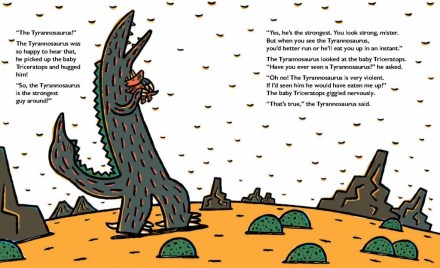
The little Triceratops noticed his swollen tail and stroked the injury to help it feel better. He also warned the Tyrannosaurus that sleeping in the open was dangerous because the “strong, scary Tarbosaurus” would eat him. The Tyrannosaurus scoffed, saying that there was someone much stronger than the Tarbosaurus. The Triceratops suggested the Gorgosaurus, but Tyrannosaurus disagreed. “‘I’m thinking of someone who is much, much stronger,’” he said. Oh, yes! The Triceratops remembered. “‘The Tyrannosaurus!’” Tyrannosaurus was so happy to hear his name that “he picked up the baby Triceratops and hugged him.” The baby warned the dinosaur to run away if he saw Tyrannosaurus because he would surely be eaten.

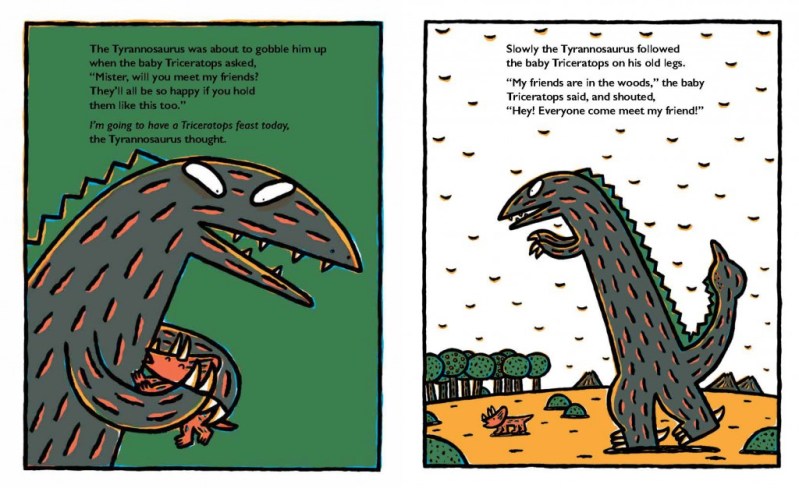
The giant dinosaur was surprised that the baby had never seen Tyrannosaurus before, and was just about to gobble him up when the little one asked if he would meet his friends and hug them too. The Tyrannosaurus eagerly followed the Triceratops, imagining the feast he was about to have. When they reached the woods all the little Triceratops came out to play and begged to be picked up and hugged.  “‘No, no, guys!’ said one little Triceratops. ‘Even a mighty man like Mr. Rhabdodon can get tired.’”

celebrate-picture-books-picture-book-review-i-want-that-love-following-triceratops

Text and image copyright Tatsuya Miyanishi, courtesy of museyon.com

The Tyrannosaurus was insulted. Rhabdodon was stupid, a weakling, and an herbivore. But before he could protest, the other little Triceratops discovered his wound. They all began tending carefully to his injury and gathered red berries to help him heal even though it hurt their horns to ram the tree and dislodge the berries. Suddenly, Tyrannosaurus understood their sacrifice on his behalf. Tears sprang to his eyes, and he grabbed a trunk in his teeth and shook it. The youngsters were amazed as red berries rained down on them.

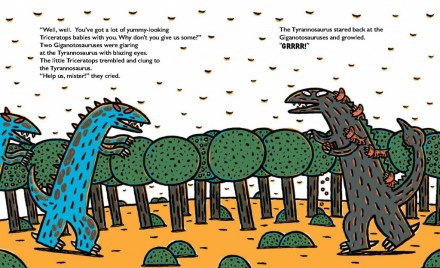
They cheered and said they wanted to be just like Mr. Rhabdodon. They bet that he could even beat mean Tyrannosaurus. The Tyrannosaurus mumbled his old slogan, and began to tell the little ones that strength wasn’t so important when they were interrupted by two Giganotosauruses who wanted a Triceratops snack. The Tyrannosaurus growled at the newcomers. But the Giganotosauruses attacked, biting the Tyrannosaurus to get at the babies in his arms. The Tyrannosaurus curled his body around them and promised to protect them.

celebrate-picture-books-picture-book-review-i-want-that-love-playing-with-triceratops

Text and image copyright Tatsuya Miyanishi, courtesy of museyon.com

As the Giganotosauruses continued to bite him, the Tyrannosaurus “murmured, ‘I finally understand…Remember this, kids. It’s not being strong that is important. What’s most important is…’” At last, unsuccessful in their quest, the Giganotosaurus went away, and the Tyrannosaurus fell over. The little Triceratops crawled safely away and headed home when the Tyrannosaurus told them  he was tired. Before he left, the first Triceratops asked what the most important thing was, but the Tyrannosaurus didn’t reply.

Many years later a father Triceratops and his babies were spotted by two Giganotosauruses looking for food in the woods. They jumped on the family, but the father hid his children under his body and endured the attack. “He remembered how the Tyrannosaurus had protected him and his friends.” Finally, the Giganotosauruses gave up and went away. His little ones were impressed but asked why he hadn’t beaten up the Giganotosauruses.

celebrate-picture-books-picture-book-review-i-want-that-love-giganotosaurus

Text and image copyright Tatsuya Miyanishi, courtesy of museyon.com

With tears in his eyes, the father said, “‘Violence isn’t the answer. There is something more powerful than strength, and more precious too. That is love…A truly strong guy who broke this tree once gave me that love….’ One baby looked at his father and said, “‘Will you give me that love? I want that love.’”

Originally published in Japan, Tatsuya Miyanishi’s story of what constitutes true strength and how love can transform even the most hardened heart will resonate with kids and adults on many levels. Children’s familiarity with and love of dinosaurs allows them to easily understand the complexities of the actions and emotions revealed in the story. Ambiguity in the wording after the Tyrannosaurus defeats the Giganotosauruses allows for various interpretations of his fate depending on the age and sensitivity of the child, and a bit of humor when the Triceratops does not recognize Tyrannosaurus adds levity to the plot. The innocence and generosity of the Triceratops babies as an agent of change within the Tyrannosaurus is poignant and realistic. Likewise, the long-term effects of experiencing awesome love when young is well demonstrated as the father Triceratops later gives back to his own family.

The harsh dinosaur-eat-dinosaur landscape is effectively portrayed in Miyanishi’s bold green, gold, and orange illustrations in which the stylized Tyrannosaurus towers over trees, angular rock formations, and especially the tiny, unsuspecting Triceratops. Images of the Tryannosaurus and Triceratops father guarding the babies are touching and demonstrate a parent’s or caregivers love.

I Want That Love is the third book in the Tyrannosaurus series, along with You Look Yummy and You Are My Best Friend, and will reward readers who love dinosaurs as well as those looking for books on kindness and acceptance.

Ages 5 – 7

Museyon, 2016 | ISBN 978-1940842141

Day of Awesomeness Activity

celebrate-picture-books-picture-book-review-awesomeness-cards

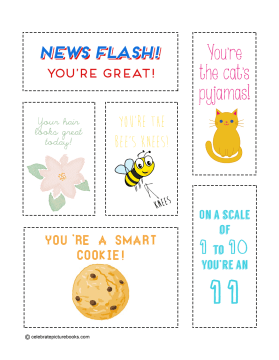
Awesomeness Cards


Do you have some awesome people in your life? Give them one of these printable Awesomeness Cards and watch them smile!

Picture Book Review
March 9 – It’s Read Aloud Month

celebrate-picture-books-picture-book-review-rosa's-very-big-job-cover

About the Holiday

From the moment babies are born, they are learning. Talking and reading aloud to babies from the very beginning are crucial parts of helping their developing brain learn language and improves literacy in the years to come. Reading aloud to babies and older children for only 15 minutes a day makes a tremendous and beneficial difference to their future. Make reading time a special time with your kids, and with so many wonderful books available—like today’s book—you’ll have as much fun as they do!

Rosa’s Very Big Job

Written by Ellen Mayer | Illustrated by Sarah Vonthron-Laver

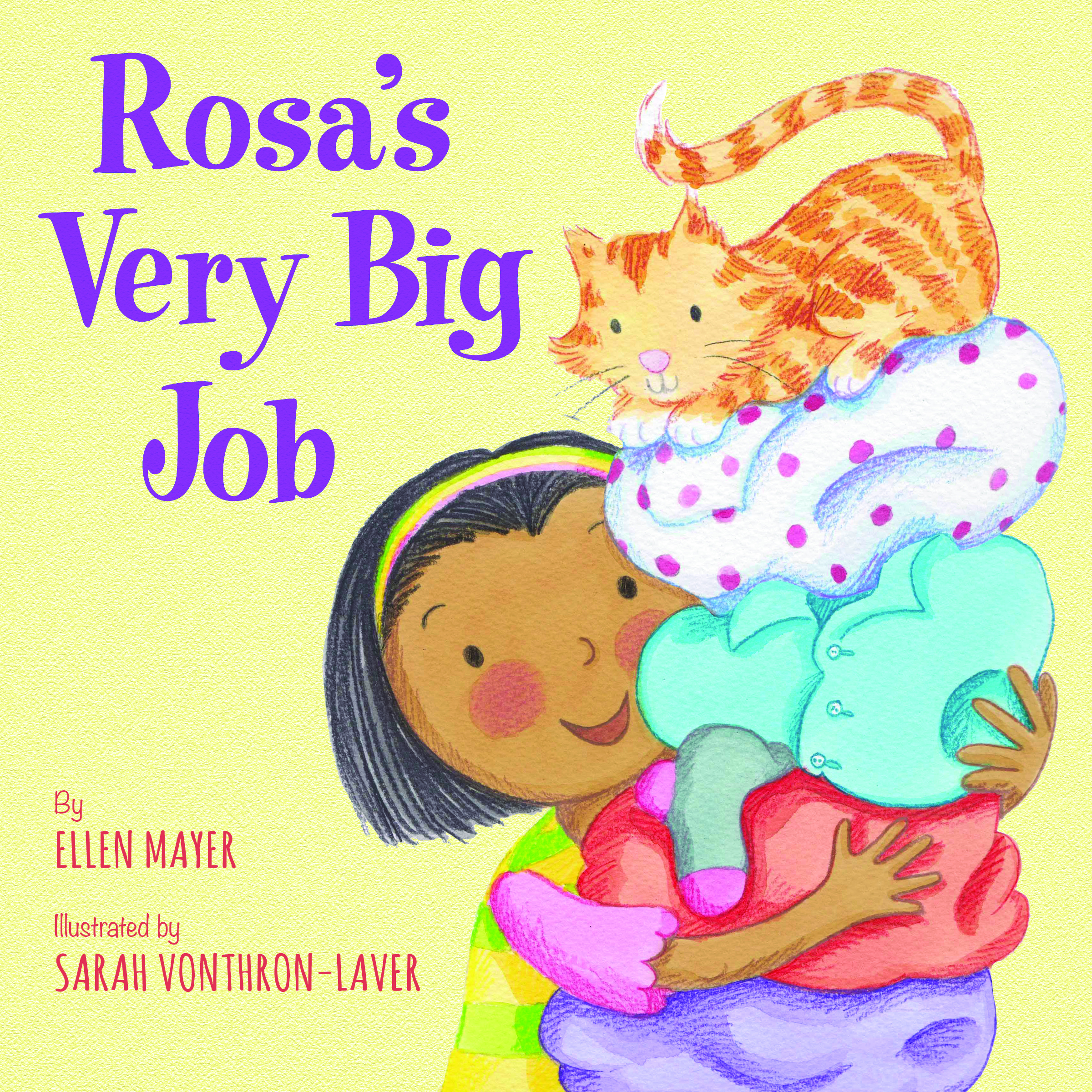
Rosa may be little, but she has big ideas about how to help. While Mama is out shopping for groceries for that night’s dinner, Rosa decides to surprise her by folding and putting away the laundry. The basket is piled high with fluffy dry clothes, sheets, and towels. Rosa watches her grandpa reading the newspaper. “‘Please help me, Grandpa!’” she says. She tugs on her grandpa’s hands, trying to pull him out of his chair. “‘Come on, Grandpa! Get up.”

celebrate-picture-books-picture-book-review-rosa's-very-big-job-rosa-likes-to-help

Image copyright Sarah Vonthron-Laver, text copyright Ellen Mayer, courtesy of Star Bright Books, starbrightbooks.com

Grandpa seems to have a little trouble managing: “‘It’s difficult to carry these enormous piles,’” he sighs. But Rosa knows that smaller armloads work better. Grandpa’s clothes come unfolded as he puts them in the drawer. “‘Be neat. Like me,” Rosa says, showing him her tidy stack. Poor Grandpa! He has to keep hanging up the same jacket over and over. “‘It’s difficult to keep this jacket from sliding off the hanger,” he says. Rosa has the answer: “‘Zip it up,’” she explains. “‘Then it stays on.’”

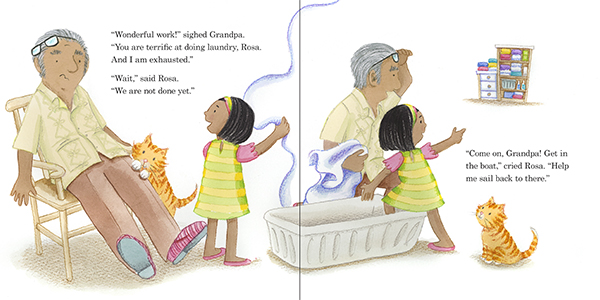
Grandpa sinks back into his chair. “‘You are terrific at doing laundry, Rosa. And I am exhausted,’” he says. But this is no time to quit—Rosa has big plans. As she steps into the now empty laundry basket, she exclaims, “‘Come on, Grandpa! Get in the boat. Help me sail back to there.’” Rosa points to the linen closet.

celebrate-picture-books-picture-book-review-rosa's-very-big-job-rosa-uses-basket-as-boat

Image copyright Sarah Vonthron-Laver, text copyright Ellen Mayer, courtesy of Star Bright Books, starbrightbooks.com

Suddenly, the floor swells with ocean waves teeming with fish. Grandpa channels his inner sailor as he holds aloft a sheet as a sail. As the wind billows and they come perilously close to the kitchen table, he says, “‘It’s difficult to sail around this enormous rock!’” Contemplating the rising sea, he exclaims, “‘It’s difficult to sail over this enormous wave!’”

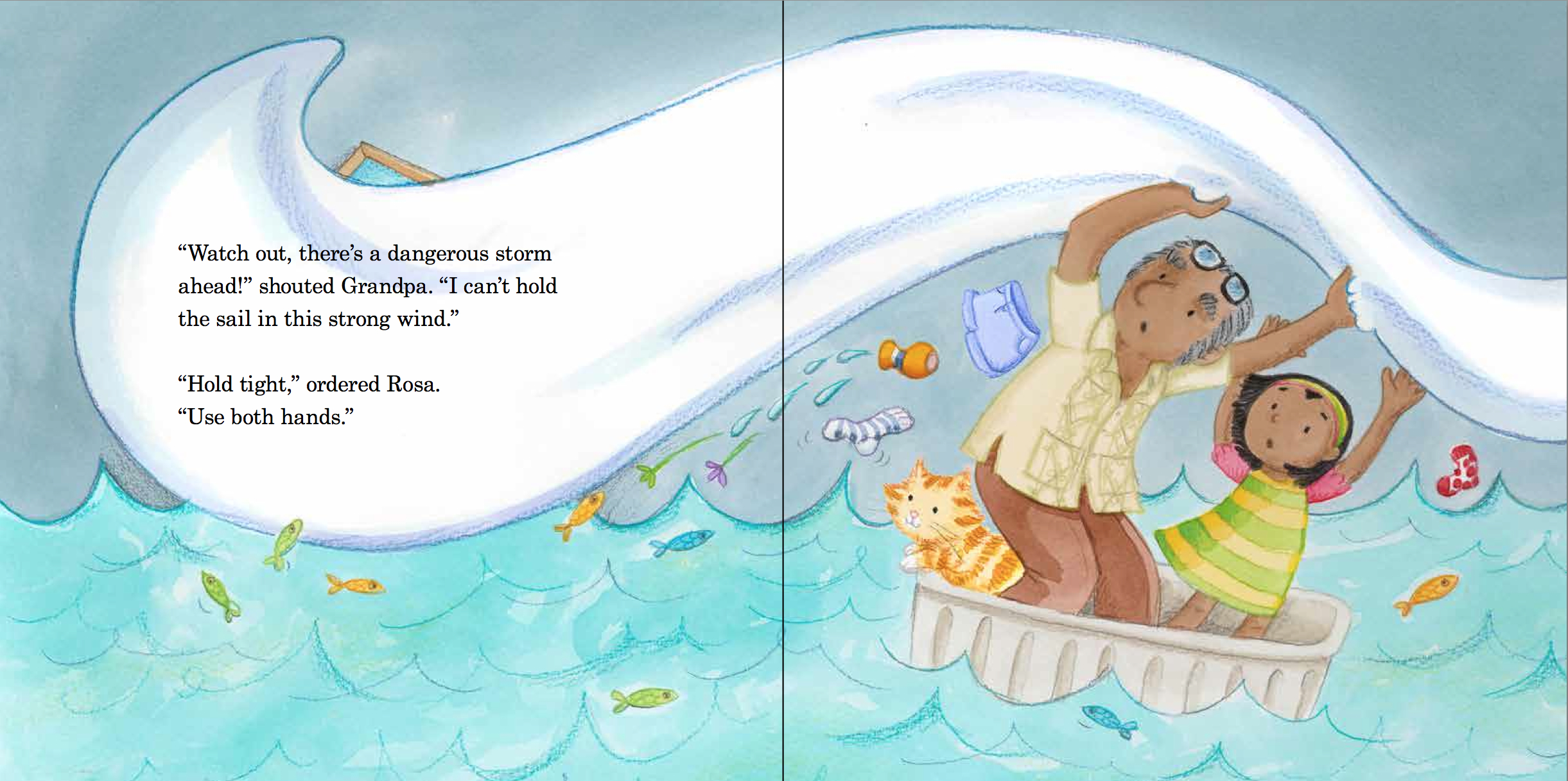
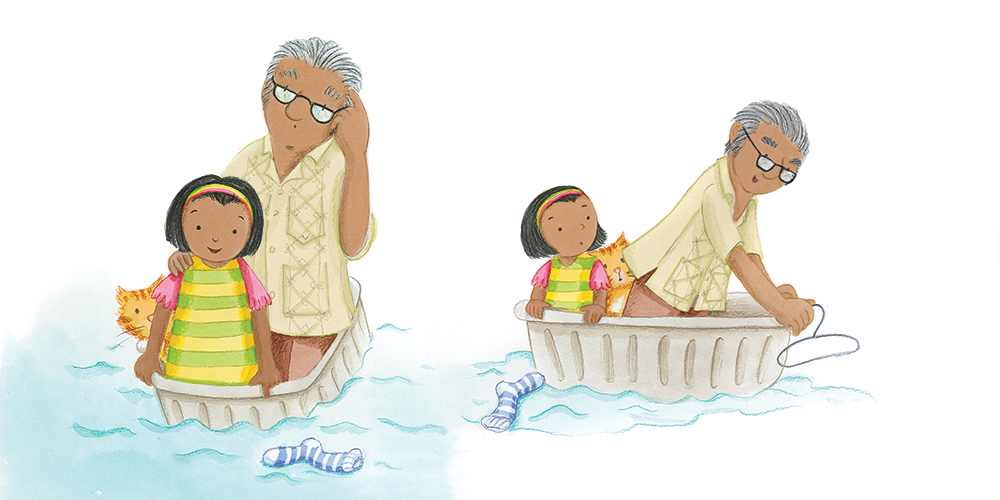
There’s a dangerous storm ahead, warns Grandpa, “‘I can’t hold the sail in this strong wind.’” Rosa is there to help and grabs one side of the sheet. “‘Hold tight,’” she orders. “‘Use both hands.’” At last the seas die down and Grandpa is ready to steer the laundry basket back to port, but Rosa has a more entertaining thought. Spying a sock on the floor, Rosa wants to catch the “enormous fish.” Grandpa obliges and picks up a hangar for a fishing pole. He holds Rosa as she stretches out over the edge of the laundry basket to land her fish.

celebrate-picture-books-picture-book-review-rosa's-very-big-job-sailing-with-sheet

Image copyright Sarah Vonthron-Laver, text copyright Ellen Mayer, courtesy of Star Bright Books, starbrightbooks.com

Just as Rosa nabs the fish, Mama comes home with her bags of groceries. She’s surprised to see that the laundry is not in the basket. Rosa runs to her and proudly explains, “‘We put all the laundry away. It was a very big job. We carried enormous piles. Grandpa dropped things. And I picked them up. It was very difficult for Grandpa. He got exhausted. But not me. I am terrific at laundry!’” Mama agrees that Rosa is a terrific helper. Then Rosa leads her mother to see the most surprising thing of all—the fish she has caught for dinner!

celebrate-picture-books-picture-book-review-rosas-very-big-job-rosa-and-grandpa-fishing

In her series of Small Talk Books® Ellen Mayer presents exciting stories for preschoolers full of imagination and rich language learning. Rosa’s Very Big Job introduces Rosa, a sweet girl bubbling with enthusiasm and the desire to help. The close relationships between Rosa, her mother, and her grandpa promote cooperation as well as effective modeling of speech patterns and a way to introduce larger words in an organic manner through play and common chores. Rosa’s inventive idea to turn the laundry basket into a boat is delightfully enhanced by her grandpa’s willingness to share in the story and expand on it. Humor, cheerful banter, and the easy camaraderie between Rosa and Grandpa invite young readers to join in the fun as they build confidence in their language learning.

Sarah Vonthron-Laver depicts Rosa’s afternoon with her Grandpa with joy and the spirited energy young children bring to everything they do. Grandpa is happy to spend time with his granddaughter, yet shows honest feelings of tiredness and frustration that spur on the plot. The transition from doing laundry to using the basket as a boat is as seamless as a child’s imagination, and the way Rosa and her grandpa use household items to create “sails,” “rocks,” “fish,” and “fishing poles” will give readers great ideas for post-reading play. Bright colors, an adorable kitten, and familiar surroundings welcome young children into the world of reading and expanded vocabulary.

Rosa’s Very Big Job would be a welcome addition to a young child’s bookshelf, not only for its fun story that kids will want to hear again and again, but for its leap into imagination that kids will want to replicate.

Dr. Betty Bardige, an expert on young children’s language and literacy development, provides tips for parents, grandparents, and caregivers following the text.

celebrate-picture-books-picture-book-review-rosa's-very-big-job-spanish-cover

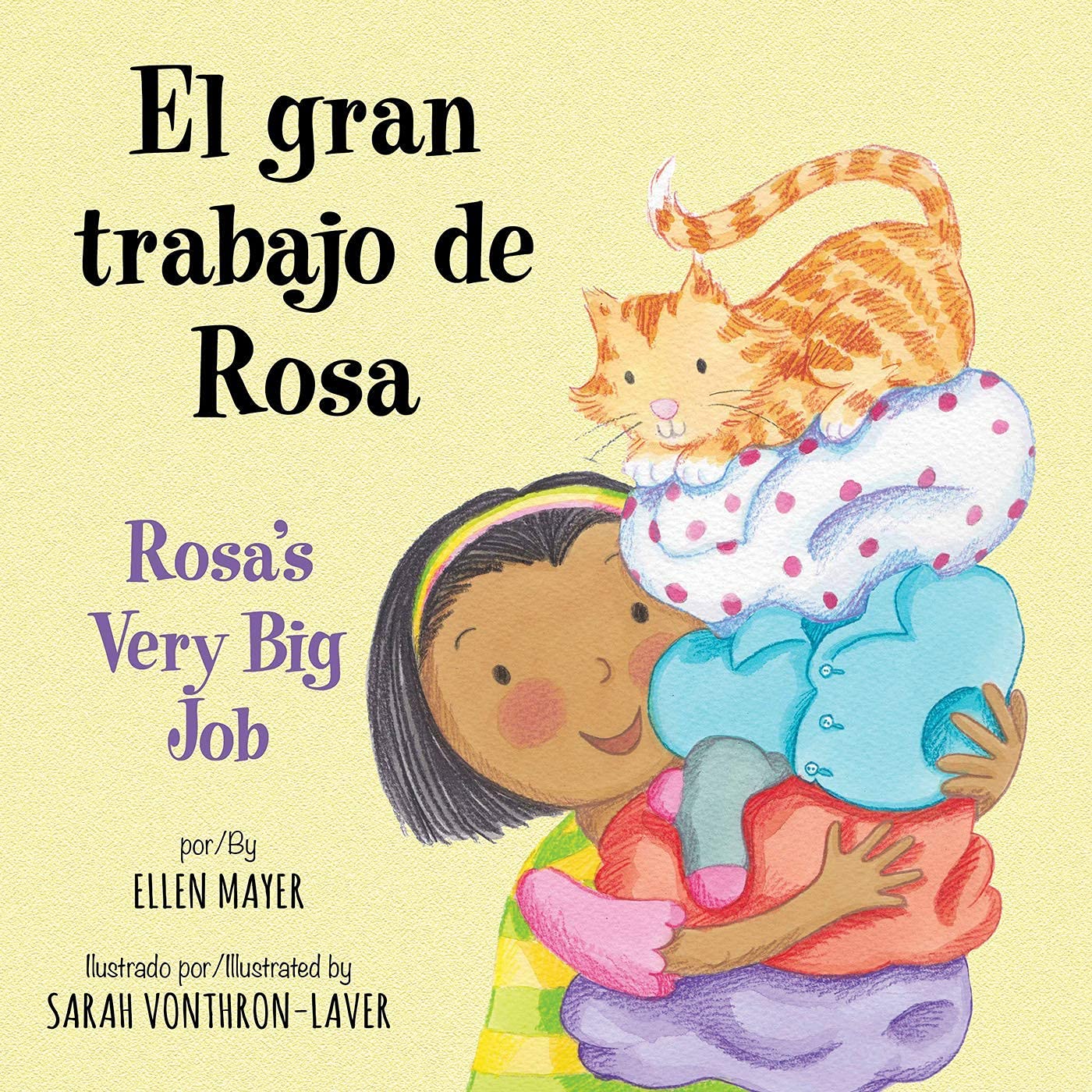
A bilingual Spanish/English edition is also available from Star Bright Books!

Ages 2 – 6

Star Bright Books, 2016 | ISBN 978-1595727497 (English edition) | ISBN 978-1595728500 (Spanish/English bilingual edition)

Discover more about Ellen Mayer and her books as well as book-related activities and literacy initiatives she’s involved with on her website!

To read an interview with Ellen Mayer about her books and her work, click here!

Find Sarah Vonthron-Laver on Facebook!

Read Aloud Month Activity

celebrate-picture-books-picture-book-review-rosa's-big-job-paper-dolls-made

Original illustrations by Saran Vonthron-Laver, Copyrights © 2016 Star Bright Books. Paper dolls created by AislingArt and Celebrate Picture Books, copyrights © 2016

Rosa’s Very Big Job Paper Dolls

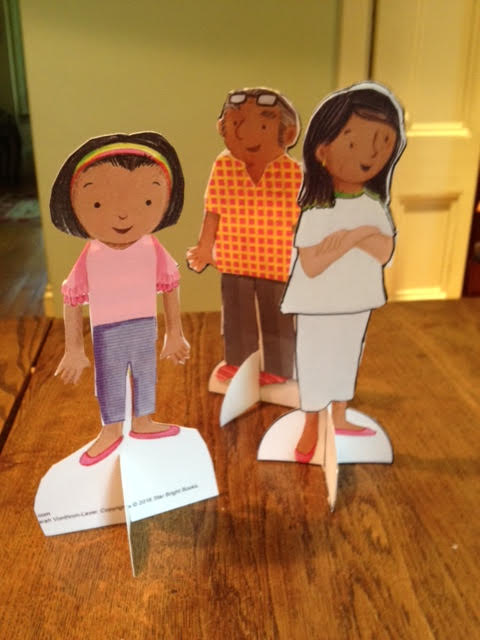
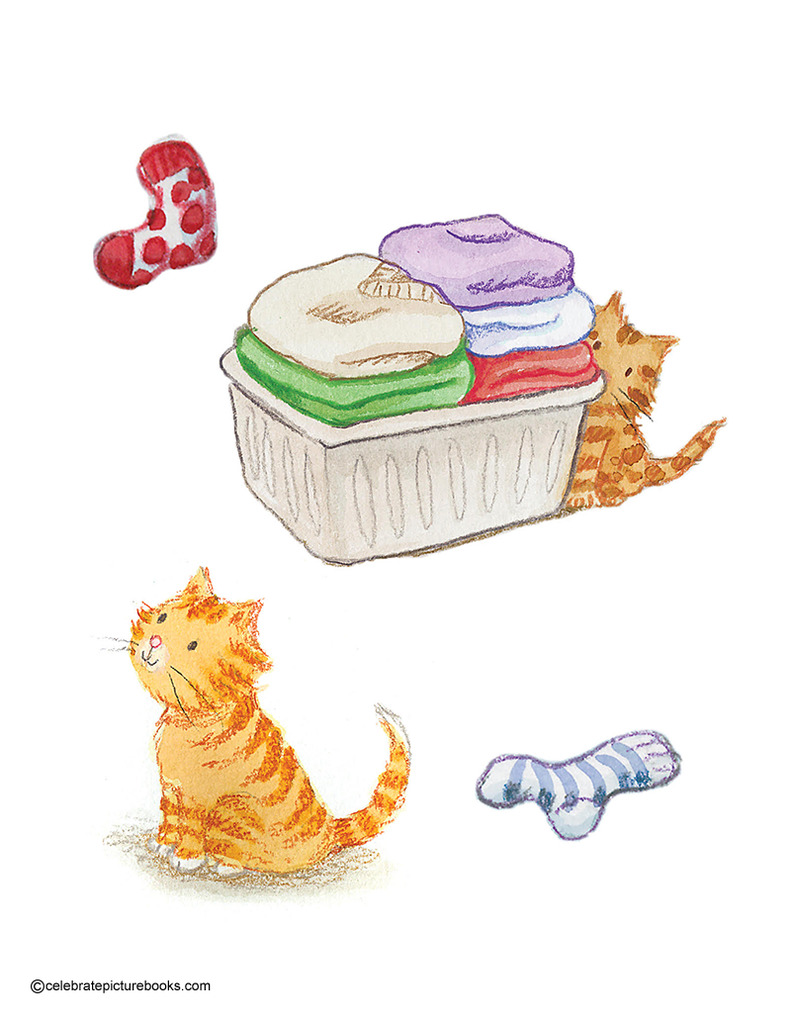
After you read the story, you can continue the fun with these Rosa and family paper dolls! Rosa loves helping out at home. She’s terrific at doing laundry – folding and putting away the family’s clothes, socks, and linens. You are terrific at helping too! Can you help Rosa, Mama, and Grandpa get dressed and ready for the day with these printable paper dolls? You’ll even find a laundry basket, socks, and Rosa’s sweet kitty to play with! 

Supplies

Printable Paper Dolls, Clothes, and Extras

  • Card stock paper and/or poster board
  • Scissors
  • Glue

Directions

  1. Print dolls on regular paper or card stock paper. Dolls printed on card stock paper may stand on their own with the supplied stand cross piece. For dolls printed on regular paper, you can cut the supplied stand templates from poster board or card stock and glue the dolls to the backing.
  2. Rosa’s kitty and the laundry basket can also be attached to the supplied template if needed
  3. Print clothes for each figure
  4. Color the blank clothes templates any way you’d like
  5. Cut out clothes and extra items
  6. Fit outfits onto dolls
  7. Make up your own stories about Rosa, Mama, and Grandpa!

celebrate-picture-books-picture-book-review-rosa's-very-big-job-cover

YOU CAN FIND ROSA’S VERY BIG JOB AT THESE BOOKSELLERS

Amazon | Barnes & Noble | Books-a-Million

To support your local independent bookstore, order from

Bookshop | IndieBound

celebrate-picture-books-picture-book-review-rosa's-very-big-job-spanish-cover

You can find El gran trabajo de Rosa at Amazon 

Picture Book Review
March 7 – Unique Names Day

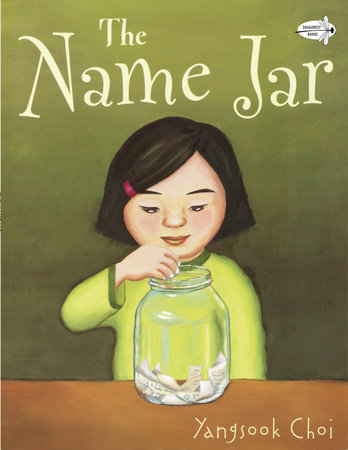
The Name Jar by Yangsook Choi Picture Book Review
About the Holiday

Established in 1997 as part of Celebrate Your Name Week, Unique Names Day celebrates uncommon or uncommonly spelled names and encourages those with unique names to always take pride in their name. One way to celebrate is to find out more about your name and how or why your parents chose it.

The Name Jar

By Yangsook Choi


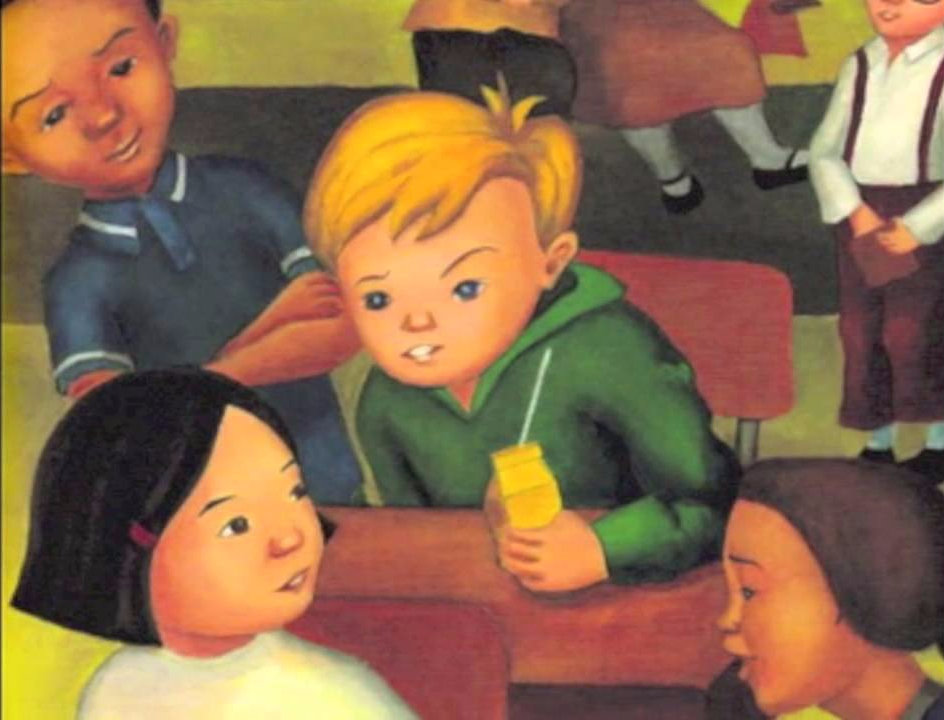
Unhei has recently moved to the United States from Korea. Although Unhei is excited about the first day of school, on the bus ride she misses her former home and looks at the wooden name stamp her grandmother gave her. A boy sitting behind Unhei notices the unfamiliar object and asks about it. Then other kids notice Unhei. They ask what her name is and when she answers, they mispronounce it, laughing and making jokes.

celebrate-picture-books-picture-book-review-the-name-jar-on-the-bus

Image copyright Yangsook Choi, courtesy of Random House

Unhei is embarrassed and glad that when the bus drops them off that those kids head to a different classroom than hers. As Unhei enters her own room, her classmates smile and greet her—it is obvious that their teacher has prepared them for a new student, and they are excited.

Of course, they first question her about her name, and remembering the experience on the bus, Unhei is reluctant to answer. She quickly says that she hasn’t picked a name yet, but will tell them next week. When she gets home, Unhei tells her mother that she wants an American name, a name that is easy to pronounce.

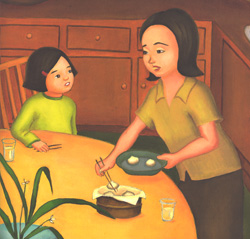
Her mother is dismayed; Unhei’s name was chosen by a master so that it would describe her uniqueness. But Unhei doesn’t want to be different, she just wants to fit in. Later while she and her mother are at a Korean grocery store, she introduces herself to the owner, who exclaims that her name is beautiful and means “grace” in English. 

celebrate-picture-books-picture-book-review-the-name-jar-mom

Image copyright Yangsook Choi, courtesy of Random House

That evening Unhei tries out American names in front of the mirror—Amanda, Laura, Susie—but they don’t feel or sound right. The next day at school Unhei finds a jar on her desk with pieces of paper in it. On each piece of paper is a name—suggestions from each of her classmates. Her new friends have chosen these names thoughtfully. Daisy is the nickname of one girl’s baby sister; Tamela is a smart and brave heroine from a story; and Wensday is the day Unhei joined their class.

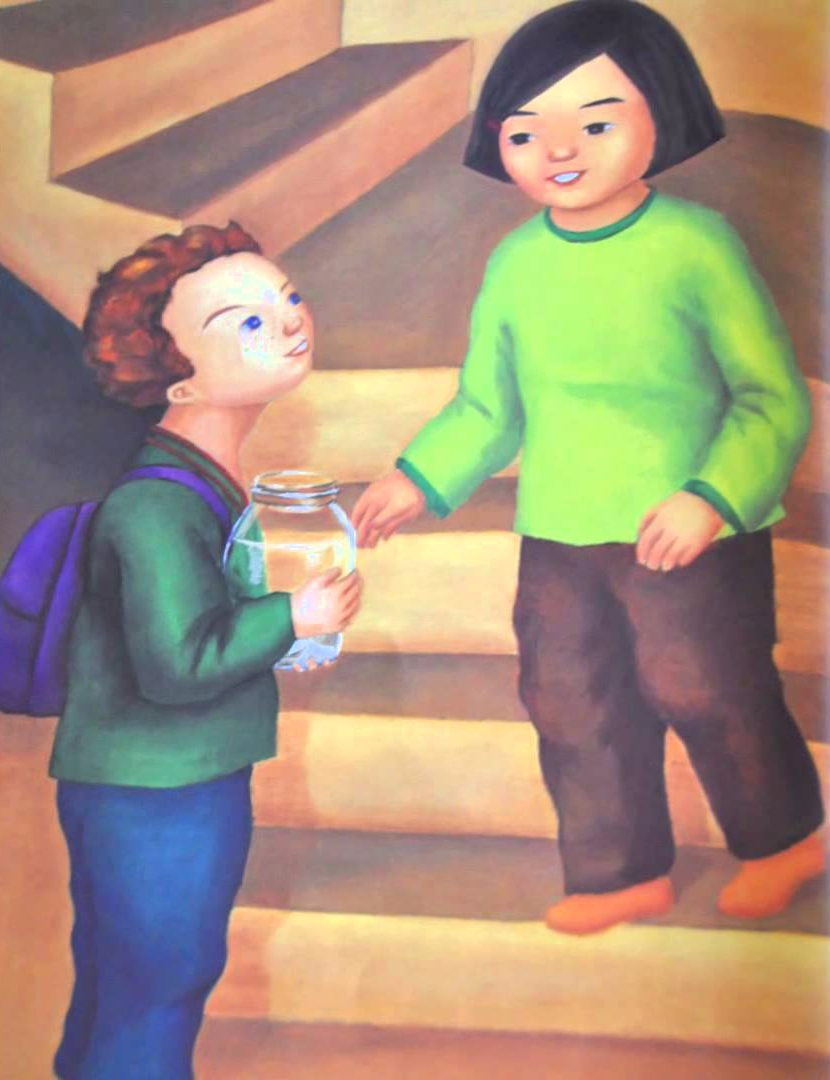
At the end of the school day, a classmate named Joey comes to her. He knows she actually does have a name, and Unhei, while not wanting to say it out loud, shows him the characters on her wooden stamp. Joey thinks it is beautiful and asks to keep the paper. Day by day the glass jar fills up with names. Unhei will have to choose soon.

One Saturday Unhei returns to the Korean grocery store. When Mr. Kim calls her by name, the one other customer turns around. It’s Joey! Carefully and slowly he says Unheis name until he gets it right. On Monday when Unhei enters the classroom, she discovers that the jar is missing. It’s all right, though, Unhei has chosen her name.

celebrate-picture-books-picture-book-review-the-name-jar-friend

Image copyright Yangsook Choi, courtesy of Random House

She walks to the chalkboard and writes her real name in English and Korean. She tells the class that her name means “grace.” Other kids reveal the meaning of their names, and they all practice saying Unhei’s name. That evening Joey comes to visit. He explains that he took the jar because he wanted Unhei to keep her original name. He suggests putting Korean nicknames into the jar for their classmates to pick. He has already chosen his Korean name with the help of Mr. Kim. It is the prefect nickname: Chinku, which means “friend.”

Ages 3 – 8

Random House, Dragonfly Books, 2003 | ISBN  978-0440417996

Discover more about Yangsook Choi, her books, and her art on her website!

Yangsook Choi’s The Name Jar is as timely now as when it was first written. Through compelling and detailed storytelling, Choi explores the themes of identity, empathy, family, friendship, and more  with sometimes heartbreaking honesty. Unhei’s varied experiences at school, at home, and at the market provide an opportunity for adults and children to discuss and embrace the diversity of our multicultural world. Choi’s warm-toned illustrations reveal the conflicts that Unhei encounters and her growing confidence as she makes friends with Mr. Kim and Joey who accepts her as she is. 

Unique Names Day Activity

CPB - Name Jars standing

Love Your Name Organizer Jar


Everyone needs a place to store their special stuff! Here’s a way to recycle a plastic jar and make a cool organizer jar with your name on it. This organizer jar also makes a great gift for your friends!

Supplies

  • A large plastic jar, such as a peanut butter jar or mayonnaise jar, cleaned out and with the label removed
  • Acrylic multi-surface paint or markers
  • Chalkboard paint
  • Paint brush
  • Chalk

CPB - Name Jars on sides

Directions

  1. Paint a rectangle on the front of the jar with chalkboard paint
  2. Decorate the rest of the jar with paint, markers, or paper just the way you want! My green jar sports a friendly dinosaur!

Picture Book Review

February 21 – It’s Love the Bus Month

celebrate-picture-books-picture-book-review-last-stop-on-market-street-cover

About the Holiday

Love the Bus Month, sponsored  by the American School Bus Council, promotes awareness of and offers appreciation to the thousands of school bus drivers across the country who safely transport students every day to and from school, to field trips and to sporting events. To join the celebration, write a note to your bus driver and thank them for all they do for you!

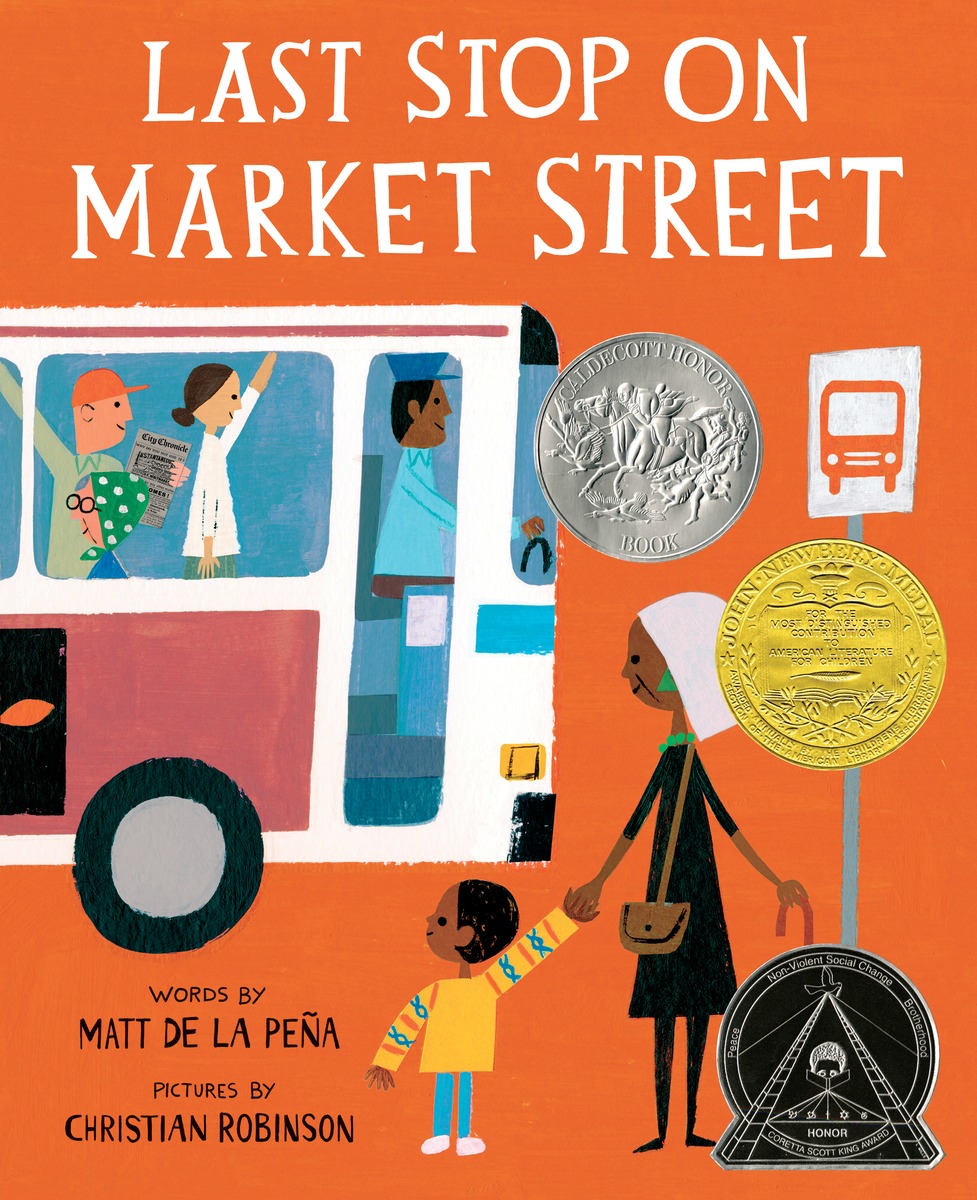
Last Stop on Market Street

Written by Matt de la Peña | Illustrated by Christian Robinson


CJ, fresh from church, skips out into the sprinkling rain. He and his nana wait for the bus under her umbrella. From the bus stop CJ watches as his friend climbs into a warm, dry car and asks, “‘Nana, how come we don’t got a car?’” Nana was just telling CJ that they didn’t need a car when “the bus creaked to a stop in front of them. It sighed and sagged and the doors swung open.’”  As they stepped aboard, Mr. Dennis, the bus driver, pulled a quarter from behind CJ’s ear, making him giggle.

celebrate-picture-books-picture-book-review-last-stop-on-market-street-at-bus-stop

Image copyright Christian Robinson, text copyright Matt de da Peña, 2015. Courtesy of G. P. Putnam and Sons Books for Young Readers.

CJ and Nana found seats up front across from a man with a guitar and an old woman with a jar of butterflies on her lap. Nana said hello to everyone and “made sure CJ did the same.” As the bus pulled away from the curb, Nana began to knit and CJ looked out the window feeling sorry that he couldn’t just go home after church like his friends. Nana said she felt “‘sorry for those boys….They’ll never get a chance to meet Bobo or the Sunglass Man.’”

celebrate-picture-books-picture-book-review-last-stop-on-market-street-getting-on-bus

Image copyright Christian Robinson, text copyright Matt de da Peña, 2015. Courtesy of G. P. Putnam and Sons Books for Young Readers.

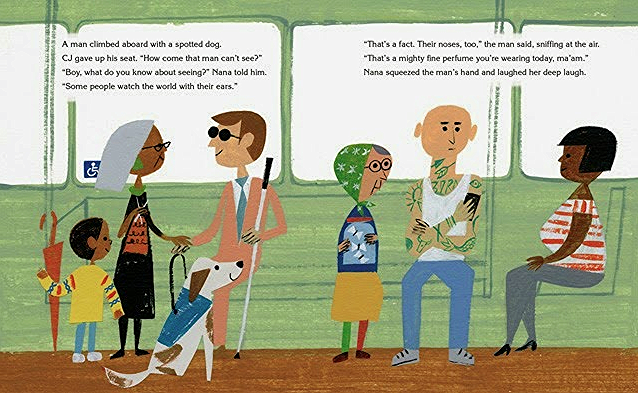
At the next stop a blind man and his dog got on. CJ gave him his seat, but asked Nana why he couldn’t see. “‘Some people watch the world with their ears.’” Nana told him. When the bus stopped again, two older boys stepped on. CJ wished he could listen to music on a phone like they were, but Nana pointed to the man with the guitar, who began to pluck the strings and sing. CJ closed his eyes and let the music transport him out of the city. In his mind he saw waves and colors, hawks and butterflies. “CJ’s chest grew full and he was lost in the sound and the sound gave him the feeling of magic.”

celebrate-picture-books-picture-book-review-last-stop-on-market-street-blind-man

Image copyright Christian Robinson, text copyright Matt de da Peña, 2015. Courtesy of G. P. Putnam and Sons Books for Young Readers.

When the man finished his song everyone clapped, and CJ dropped his quarter into the man’s hat. Finally, the bus came to the last stop on Market Street. CJ and his nana stepped off into a neighborhood of “crumbling sidewalks and broken-down doors, graffiti-tagged windows and boarded-up stores.” CJ wondered why it was always so dirty there, but Nana pointed to the beauty of the sky above them. CJ looked up and saw a rainbow arching over the soup kitchen. Then CJ saw familiar faces at the window and felt glad they had come. “‘Me too,’” Nana agreed as she and CJ took up their posts and began ladling soup into bowls.

celebrate-picture-books-picture-book-review-last-stop-on-market-street-soup-kitchen

Image copyright Christian Robinson, text copyright Matt de da Peña, 2015. Courtesy of G. P. Putnam and Sons Books for Young Readers.

Matt de da Peña’s gentle nudging to look on the bright side and appreciate the beauty and wonder around you is made all the more poignant for readers by the story’s young protagonist. Through realistic dialogue and honestly expressed feelings, CJ and Nana engage in one of life’s most important lessons—connecting empathetically with others. CJ’s rich experiences on the bus and at the soup kitchen—microcosms of our larger world—broadens his view and enlivens his imagination. Last Stop on Market Street reminds readers that to truly enjoy a meaningful life they must be aware of and appreciate the diversity of people and events around them.

Christian Robinson’s acrylic and collage illustrations are smart, captivating snapshots of CJ’s day as he watches and interacts with a variety of people on the bus and at the soup kitchen. The visual camaraderie of the passengers—old and young, tattooed, talented, and disabled—as they talk together and smile at one another will cheer readers. The color scheme of bright and pastel colors shared from page to page enhances the book’s themes of interconnectedness and cohesion, and the clean, unadorned images reflect the idea that often the simple things in life really are the best.

Last Stop of Market Street, winner of the 2016 Newberry award and a Caldecott Honor book as well as the winner of many other awards, is a superb book to add to any child’s home library.

Ages 3 – 6

G. P. Putnam Suns Books for Young Readers, 2015 | ISBN 978-0399257742

Learn more about Matt De La Peña, his books, and more on his website!

Discover more about Christian Robinson and view a gallery of his work on his website!

Get on board this Last Stop on Market Street book trailer!

Love the Bus Month Activity

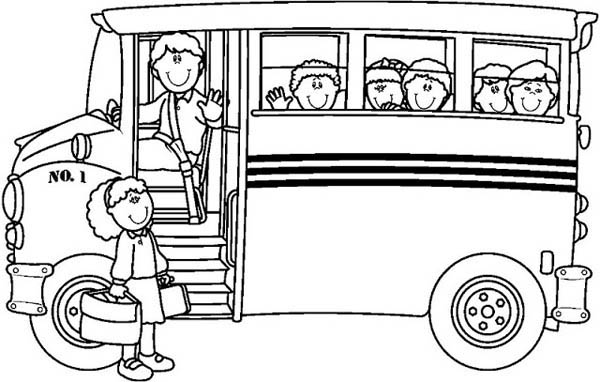
celebrate-picture-books-picture-book-review-school-bus-coloring-page

Where Are You Going? Coloring Page


Do you love riding the bus? It’s a great way to sightsee while getting where you want to go. Grab your colored pencils, markers, or crayons and enjoy this Where Are You Going? Coloring Page!

Picture Book Review

February 13 – World Radio Day

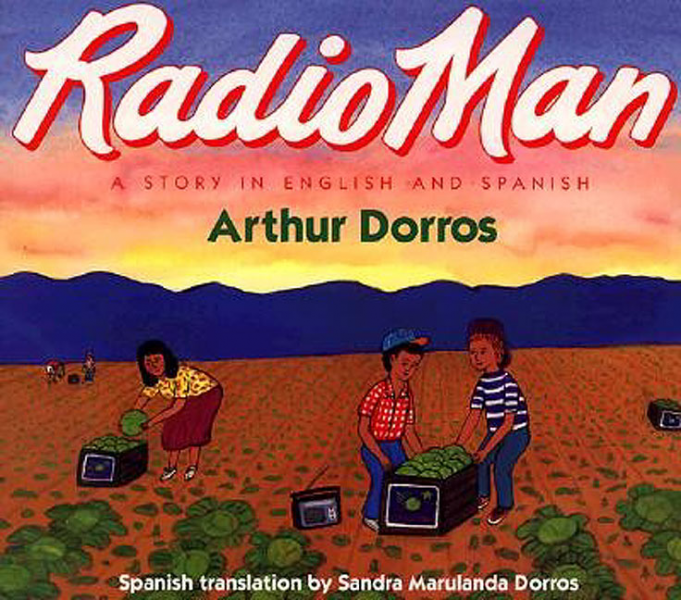
celebrate-picture-books-picture-book-review-radio-man-arthur-dorros-cover

About the Holiday

The radio has provided entertainment, news, comfort, and information and has united people both near and far ever since Guglielmo Marconi invented  it in 1895. Today, radio continues to be an important part of people’s lives around the world. The United Nations Educational, Scientific, and Cultural Organization established February 13 as World Radio Day “to celebrate radio as a medium, to improve international cooperation among broadcasters, and to encourage both major networks and community radio to promote access to information, freedom of expression and gender equality across the airwaves.” This year’s UNESCO theme is “Radio is You” and focuses on ensuring that all radio stations from personal to commercial have the tools they need to provide the best service they can.

Radio Man/Don Radio

By Arthur Dorros | Translated by Sandra Marulanda Dorros


“Radio man” is Diego, a boy in a family of migrant workers who pick fruit and vegetables from the Southwest to as far north as Washington state. Although his family moves frequently, Diego has close relationships with his parents, sister, grandparents, cousins, and especially a friend named David.

As his family moves from town to town searching for work, Diego listens to the radio. Stations broadcasting in both English and Spanish keep the family company, and Diego measures the distance of upcoming towns along their route by the clarity of the DJs’ voices. The radio also provides entertainment for end-of-picking season parties among the workers and serves as a catalyst for the grandfather’s stories of growing up in Mexico.

celebrate-picture-books-picture-book-review-radio-man-arthur-dorros-cover

Image copyright Arthur Dorros, courtesy of Penguin Books

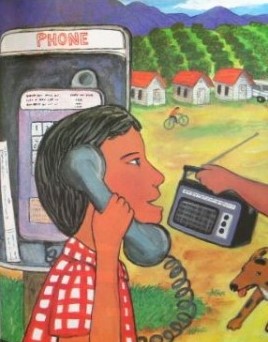
While Diego’s family is close-knit, their nomadic lifestyle separates Diego from his best friend, David, who is also the son of migrant workers. As the story begins Diego and David are leaving Texas and know they won’t see each other for a while. Traveling north, Diego’s family stops in different towns. In each Diego goes to school during the day and picks crops in the afternoon. He meets up with his cousins and other friends, along the way, but never finds David. When the family reaches Sunnyside, Washington, Diego discovers that radio station KMPO allows people to send messages to others. Diego calls the station and sends a message: “Hello, David! This is Diego. Are you here?”

David, missing Diego and listening to his own radio, is there! David smiles, happy to be reconnected with his best friend.

Arthur Dorros’s story reflects not only the life of migrant workers but also the universal feelings of children separated from friends. Through Dorros’s honest and moving descriptions, readers discover the importance of communication, whether it be through shared history and stories or through technology, in keeping relationships strong. When Diego and David finally find each other again, children will identify with their happiness.

Through vivid illustrations, Dorros depicts the landscape and farms of the American southwest, the festive celebrations held by workers at the end of picking seasons, the reality of driving from town to town, and the tight relationships among family members, giving children a glimpse into the life of migrant workers as well as the heart of friendship.

Each page of Radio Man is presented in English and Spanish, with translation by Sandra Marulanda Dorros. It has become a classic multicultural story, and one that is a wonderful read for all kids.

Ages 4 – 8

Trophy Picture Books, HarperCollins, 1997 | ISBN 978-0064434829

Discover more about Arthur Dorros and his books as well as fun activities on his website!

World Radio Day Activity

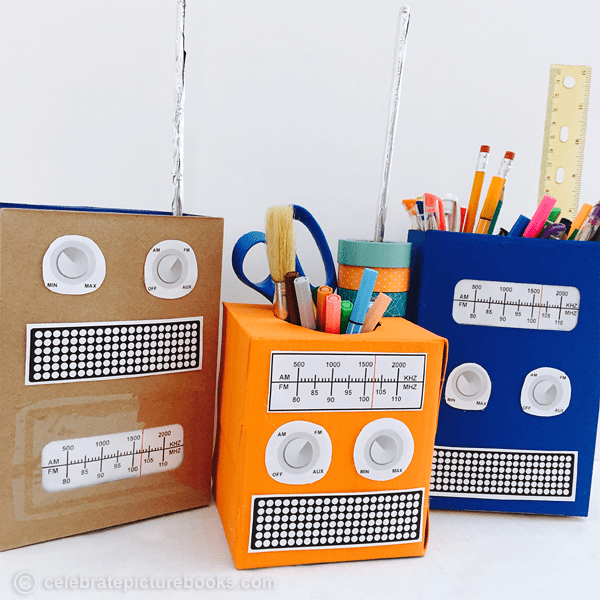
CPB - Radio Man box radios from side

Box Radio Desk OrganizerMau


With a recycled box and the provided printable templates  you can make a desk organizer that looks like a radio with this fun craft!

Supplies

  • Cardboard box – Use an empty cube-shaped tissue box, pasta box, or any small box
  • Wooden chopstick
  • Printable Radio Face Template
  • Aluminum foil
  • Glue – a hot-glue gun works well on the cardboard; regular glue for the buttons and tape for the station tuner window
  • Paint – any color you like
  • Paint brush
  • Scissors

Directions

1. Prepare the box:

  • Choose a box to be your radio. In the pictures I used a cube-shaped tissue box and a penne pasta box with a cellophane window in it.
  • If you are using a box without an opening in the top, cut the top or bottom flaps off of one end of the box, depending on where you want the station tuner window to go.

2. Paint the box:

  • You can paint the printed front, back and sides of the box.
  • OR if you want a plain box to use “as-is” or to paint: take the recycled box apart at the seams and turn it “inside out.”
  • If you are using a pasta box with a window in it, tape the stations tuner template to the cellophane window before gluing the seams
  • Glue the original seam and flaps (a hot-glue gun works well). Let the glue dry. Then paint.

3. Let the box dry

4. Cut out the radio dials, speaker, and stations tuner window

5. Glue the parts of the radio to the box 

6. To make the antenna, wrap the wooden chopstick in a strip of aluminum foil: lay the stick on the foil and fold a foil flap (about 1 inch long) over each end of the stick. Roll the foil around the stick and press gently to close seam.

7. Attach the antenna to your box:

  • For pasta boxes tape the antenna to the inside corner of the box
  • For cube tissue boxes, make a hole in the right hand corner and push antenna in

8. Use your Radio Desk Organizer to hold pencils, rulers, bookmarks, anything!

Picture Book Review


February 11 – It’s Bake for Family Fun Month

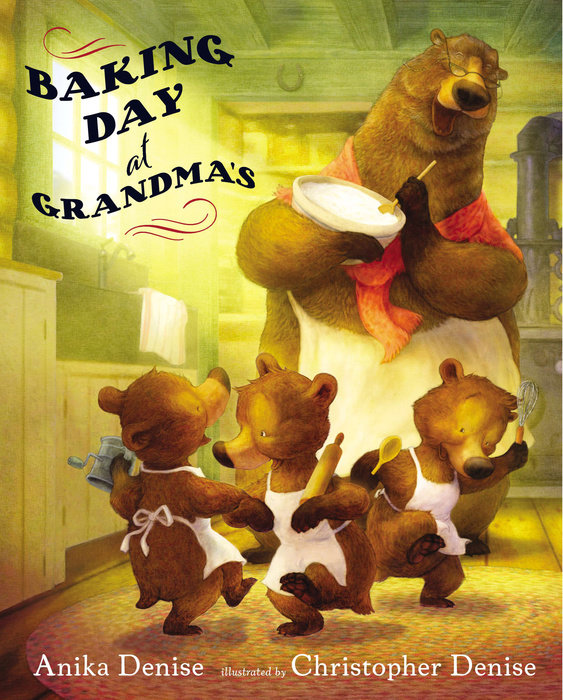
celebrate-picture-book-picture-book-review-baking-day-at-grandma's-cover

About the Holiday

Mid-winter is a perfect time to get out your favorite recipes, gather yummy ingredients, and bake with your kids! Not only does baking together teach valuable cooking skills, but it can bring a family closer. Talk about old family recipes and find new favorites. Of course the best part of baking together is eating the delicious treats afterward!
Baking Day at Grandma’s

Written by Anika Denise | Illustrated by Christopher Denise


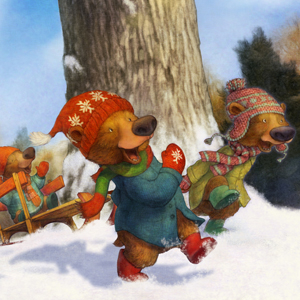
Three little cubs bundle up in their winter coats, hats, scarves, and mittens and head out over the snowy hills to Grandma’s for baking day. Soon they see “past the pond so smooth and clear / little cottage drawing near.” A knock on Grandma’s door brings her closer, and when she opens the door the trio give her a kiss before entering the snug home.

celebrate-picture-book-picture-book-review-baking-day-at-grandma's-in-the-snow
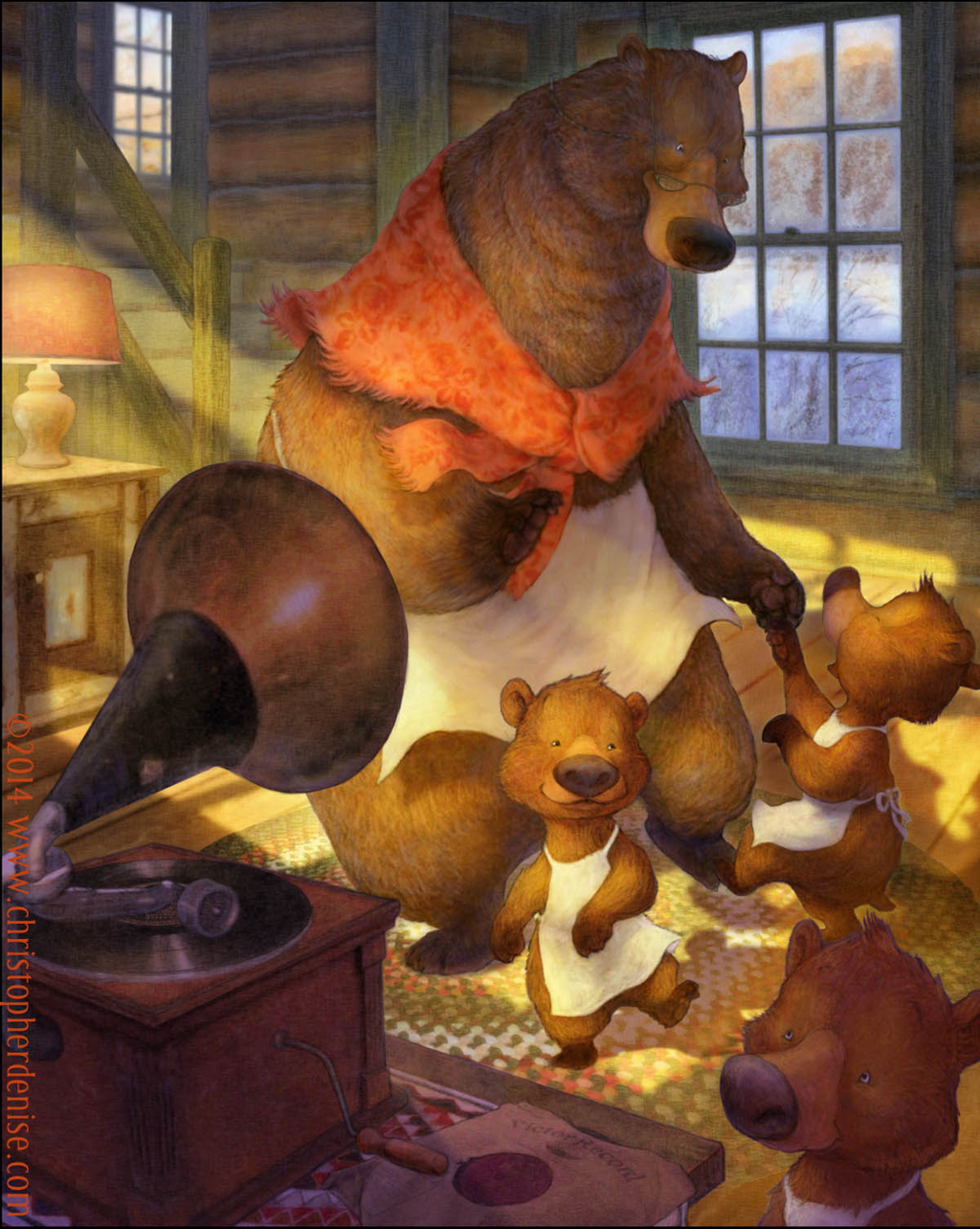
Image copyright Christopher Denise, courtesy of Philomel Books

After warming their toes by the fire, the young bears grab the cookbook, a mixing bowl, a spoon, and a whisk because “It’s baking day! / It’s baking day! / It’s baking day! / at Grandma’s!” As her little bakers stand on chairs to reach the table, Grandma passes out aprons and reads the recipe. Happily crowded around the bowl, the cubs with “wooden spoon and measuring cup, / mix the batter; stir it up. / Fold it gently in the pan, / lick the spoon because we can.”

celebrate-picture-book-picture-book-review-baking-day-at-grandma's-marching-around

Image copyright Christopher Denise, courtesy of Philomel Books

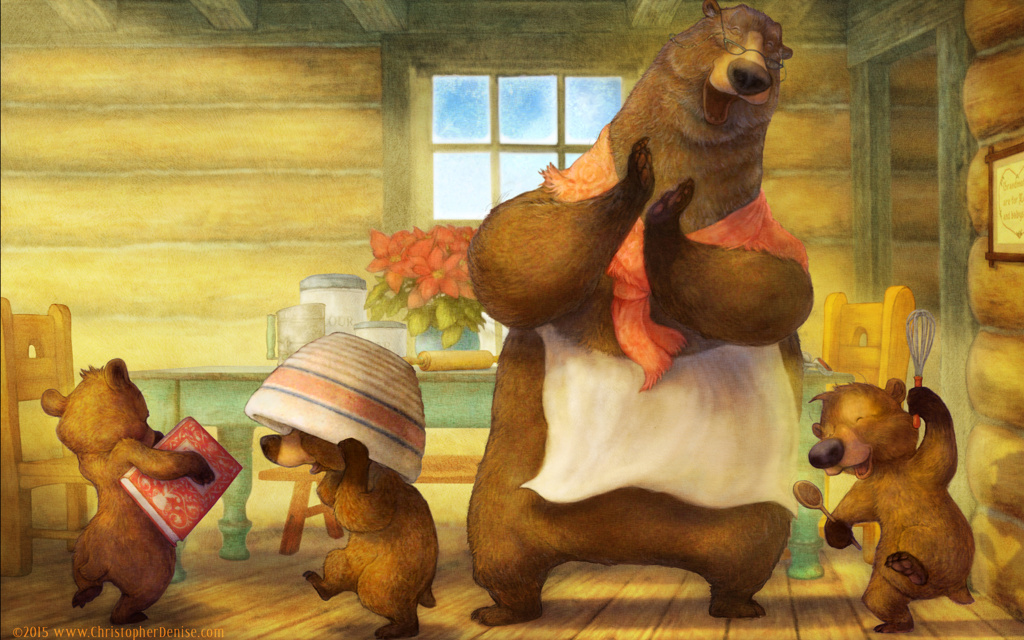
While they wait for their treats to bake, Grandma pours tummy-warming mugs of hot chocolate and one little bear draws a smiley face on the frosty window for a little chickadee to see. Grandma puts a record on her old Victrola, and as she sings the “soft and sweet skippy notes,” the cubs tap their feet. At last the kitchen timer rings, and the little bears dance arm in arm because “It’s baking day! / It’s baking day! / It’s baking day! / at Grandma’s!”

The chocolate goodies pop from the pan, and with icing and sprinkles are ready to be wrapped and tied with a red ribbon. Other treats get pretty bags, “each one marked with little tags.” The cubs are also bundled nice and warm, and with final hugs for Grandma, they are soon “Walking home under the moon. / Back to visit Grandma soon.”

celebrate-picture-book-picture-book-review-baking-day-at-grandma's-music

Image copyright Christopher Denise, courtesy of Philomel Books

Anika Denise’s sweet, rhyming story is as heartwarming as a cozy kitchen on a cold day. The buoyant rhythm is a joy to read, and Denise’s infectious repeated verse, “It’s baking day! / It’s baking day! / It’s baking day! / at Grandma’s!” invites little ones to join in the story. The bond between the three cubs and their grandma is full of love and hugs, and just like the young bears, readers will want to return again and again to Grandma’s house.

Christopher Denise infuses his winter landscapes and Grandma’s house with rich, warm colors that welcome readers into this special family baking day. The three cubs, wrapped in green coats and red knit caps, march with their sled over brilliant white snowy hills between their house and Grandma’s tidy log cabin. Inside, the rooms glow with golden sunshine, and it’s easy to see why the cubs love their attentive grandma so as she gently guides them in baking.

Newly available as a board book, Baking Day at Grandma’s is a book that young children will love to hear over and over at story time, naptime, or bedtime. It would also make an appreciated gift to or from a grandmother.

Ages 2 – 5

Philomel Books, 2016 | ISBN 978-0399171574 (board book) / 978-0399242441 (hardcover)

Learn more about Anika Denise and her books and find Reader Engagement and Activity Kits on her website!

Discover the illustrated world of Christopher Denise on his website!

Spend time baking with Grandma with this sweet book trailer!

Bake for Family Fun Month Activity

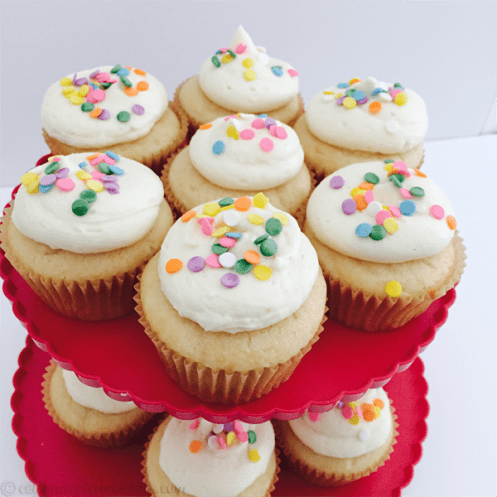
celebrate-picture-books-picture-book-review-cupcakes

Very Vanilla Cupcakes


This delicious vanilla cupcake recipe from Sally’s Baking Addiction would definitely please Grandma—and they’ll become your favorite confection too!

Vanilla Cupcakes

  • 1 and 2/3 cup (210g) all-purpose flour (spoon & leveled)
  • 1/2 teaspoon baking powder
  • 1/4 teaspoon baking soda
  • 1/2 teaspoon salt
  • 1 cup (200g) granulated sugar
  • 1/2 cup (115g) unsalted butter, melted and slightly cooled
  • 2 large egg whites
  • 1/4 cup (60g) vanilla Greek yogurt (or plain; or regular yogurt; or even sour cream)
  • 3/4 cup (180ml) vanilla almond milk (or cow’s milk; or soy milk; or plain almond milk)
  • 2 teaspoons pure vanilla extract seeds scraped from 1/2 split vanilla bean1

Vanilla Bean Frosting

  • 1 cup (230g) unsalted butter, softened to room temperature
  • 4-5 cups (480-600g) confectioners’ sugar
  • 1/4 cup (60ml) heavy cream2
  • 1 teaspoon vanilla extract seeds scraped from 1/2 split vanilla bean1
  • Salt, to taste

Directions

  1. Preheat oven to 350F degrees. Line muffin tin with 12 cupcake liners. Set aside.
  2. In a medium bowl, mix together flour, baking powder, baking soda, and salt. Set aside. In a large microwave-safe bowl, melt butter in the microwave. Whisk in sugar – mixture will be gritty. Whisk in egg whites, yogurt, milk, and vanilla extract until combined. Split 1 vanilla bean down the middle lengthwise. Scrape seeds from half of the vanilla bean into batter. Reserve other half.
  3. Slowly mix dry ingredients into the wet ingredients until no lumps remain. Batter will be thick.
  4. Divide batter among 12 cupcake liners (or 24 mini) and bake for 20 minutes or until a toothpick inserted in the center comes out clean. Bake for 8-9 minutes if making mini cupcakes. Allow to cool.
  5. To make the frosting, beat softened butter on medium speed with an electric or stand mixer. Beat for about 3 minutes until smooth and creamy. Add confectioners’ sugar, cream, vanilla extract, and vanilla bean seeds with the mixer running. Increase to high speed and beat for 3 minutes. Add more powdered sugar if frosting is too thin or more cream if mixture is too thick. Add salt if frosting is too sweet (1/4 teaspoon). Frost cooled cupcakes (I used Wilton 1M piping tip). There may be leftover frosting depending how much you use on each cupcake.
  6. Store cupcakes in an airtight container at room temperature for up to 3 days and in the refrigerator up to 7.

Additional Notes

  1. If you can’t get your hands on vanilla beans, add an extra ½ teaspoon of pure vanilla extract instead.
  2. Strongly urged to use heavy cream. You may use milk or half-and-half, but heavy cream will give the frosting a thicker texture. I recommend it!

For ways to adapt this recipe and more scrumptious recipes, visit Sally’s Baking Addiction. I guarantee you’ll go back again and again!

Picture Book Review