February 21 – It’s Love the Bus Month

celebrate-picture-books-picture-book-review-last-stop-on-market-street-cover

About the Holiday

Love the Bus Month, sponsored  by the American School Bus Council, promotes awareness of and offers appreciation to the thousands of school bus drivers across the country who safely transport students every day to and from school, to field trips and to sporting events. To join the celebration, write a note to your bus driver and thank them for all they do for you!

Last Stop on Market Street

Written by Matt de la Peña | Illustrated by Christian Robinson


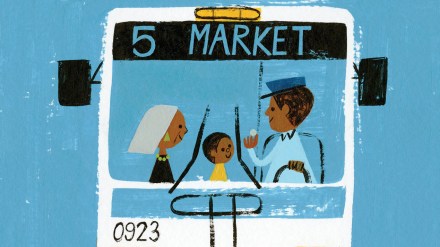
CJ, fresh from church, skips out into the sprinkling rain. He and his nana wait for the bus under her umbrella. From the bus stop CJ watches as his friend climbs into a warm, dry car and asks, “‘Nana, how come we don’t got a car?’” Nana was just telling CJ that they didn’t need a car when “the bus creaked to a stop in front of them. It sighed and sagged and the doors swung open.’”  As they stepped aboard, Mr. Dennis, the bus driver, pulled a quarter from behind CJ’s ear, making him giggle.

celebrate-picture-books-picture-book-review-last-stop-on-market-street-at-bus-stop

Image copyright Christian Robinson, text copyright Matt de da Peña, 2015. Courtesy of G. P. Putnam and Sons Books for Young Readers.

CJ and Nana found seats up front across from a man with a guitar and an old woman with a jar of butterflies on her lap. Nana said hello to everyone and “made sure CJ did the same.” As the bus pulled away from the curb, Nana began to knit and CJ looked out the window feeling sorry that he couldn’t just go home after church like his friends. Nana said she felt “‘sorry for those boys….They’ll never get a chance to meet Bobo or the Sunglass Man.’”
celebrate-picture-books-picture-book-review-last-stop-on-market-street-getting-on-bus

Image copyright Christian Robinson, text copyright Matt de da Peña, 2015. Courtesy of G. P. Putnam and Sons Books for Young Readers.

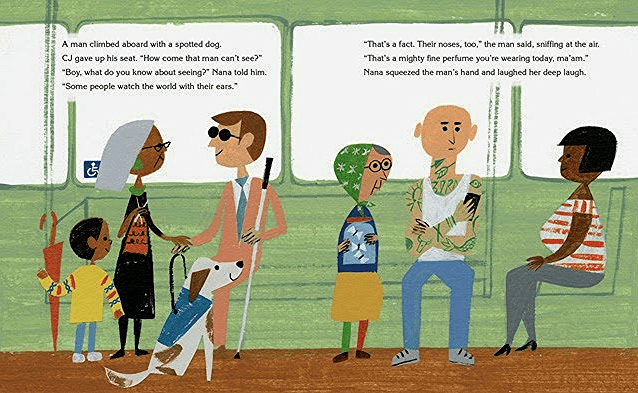
At the next stop a blind man and his dog got on. CJ gave him his seat, but asked Nana why he couldn’t see. “‘Some people watch the world with their ears.’” Nana told him. When the bus stopped again, two older boys stepped on. CJ wished he could listen to music on a phone like they were, but Nana pointed to the man with the guitar, who began to pluck the strings and sing. CJ closed his eyes and let the music transport him out of the city. In his mind he saw waves and colors, hawks and butterflies. “CJ’s chest grew full and he was lost in the sound and the sound gave him the feeling of magic.”
celebrate-picture-books-picture-book-review-last-stop-on-market-street-blind-man

Image copyright Christian Robinson, text copyright Matt de da Peña, 2015. Courtesy of G. P. Putnam and Sons Books for Young Readers.

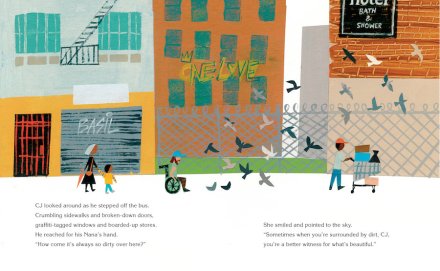
When the man finished his song everyone clapped, and CJ dropped his quarter into the man’s hat. Finally, the bus came to the last stop on Market Street. CJ and his nana stepped off into a neighborhood of “crumbling sidewalks and broken-down doors, graffiti-tagged windows and boarded-up stores.” CJ wondered why it was always so dirty there, but Nana pointed to the beauty of the sky above them. CJ looked up and saw a rainbow arching over the soup kitchen. Then CJ saw familiar faces at the window and felt glad they had come. “‘Me too,’” Nana agreed as she and CJ took up their posts and began ladling soup into bowls.
celebrate-picture-books-picture-book-review-last-stop-on-market-street-soup-kitchen

Image copyright Christian Robinson, text copyright Matt de da Peña, 2015. Courtesy of G. P. Putnam and Sons Books for Young Readers.

Matt de da Peña’s gentle nudging to look on the bright side and appreciate the beauty and wonder around you is made all the more poignant for readers by the story’s young protagonist. Through realistic dialogue and honestly expressed feelings, CJ and Nana engage in one of life’s most important lessons—connecting empathetically with others. CJ’s rich experiences on the bus and at the soup kitchen—microcosms of our larger world—broadens his view and enlivens his imagination. Last Stop on Market Street reminds readers that to truly enjoy a meaningful life they must be aware of and appreciate the diversity of people and events around them.

Christian Robinson’s acrylic and collage illustrations are smart, captivating snapshots of CJ’s day as he watches and interacts with a variety of people on the bus and at the soup kitchen. The visual camaraderie of the passengers—old and young, tattooed, talented, and disabled—as they talk together and smile at one another will cheer readers. The color scheme of bright and pastel colors shared from page to page enhances the book’s themes of interconnectedness and cohesion, and the clean, unadorned images reflect the idea that often the simple things in life really are the best.

Last Stop of Market Street, winner of the 2016 Newberry award and a Caldecott Honor book as well as the winner of many other awards, is a superb book to add to any child’s home library.

Ages 3 – 6

G. P. Putnam Suns Books for Young Readers, 2015 | ISBN 978-0399257742

Learn more about Matt De La Peña, his books, and more on his website!

Discover more about Christian Robinson and view a gallery of his work on his website!

Get on board this Last Stop on Market Street book trailer!

Love the Bus Month Activity

celebrate-picture-books-picture-book-review-school-bus-coloring-page

Where Are You Going? Coloring Page


Do you love riding the bus? It’s a great way to sightsee while getting where you want to go. Grab your colored pencils, markers, or crayons and enjoy this Where Are You Going? Coloring Page!

Picture Book Review

February 18 – Pluto Day

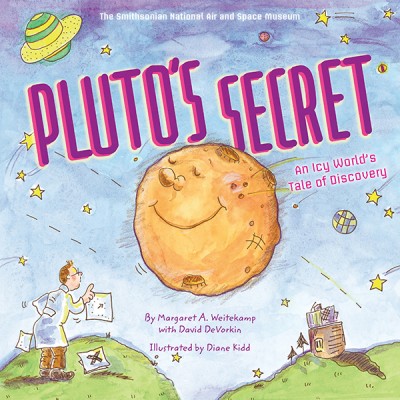
celebrate-picture-books-picture-book-review-pluto's-secret-cover

About the Holiday

Whether you believe Pluto should be considered a planet or not, it’s hard not to love that little celestial body. Today’s holiday celebrates the discovery of Pluto in 1930 and our continued fascination with this outlying neighbor.

Pluto’s Secret: An Icy World’s Tale of Discovery

Written by Margaret A. Weitekamp with David DeVorkin | Illustrated by Diane Kidd


From the beginning of the solar system, a little icy world circled the sun, far away from the other planets, and held “a secret—a clue about something that exists in the solar system and the universe.” It was a long time before science was able to see this little world, and so it’s secret remained…well…secret. That was okay with the celestial body because “it was busy dancing with its moons.” In the early 1900’s, though, Percival Lowell, thought that there must be another body pulling on the orbits of Uranus and Neptune. Astronomers used the Lowell Observatory that he had built in Arizona to search for a new planet.

celebrate-picture-books-picture-book-review-pluto's-secret-big-planet

Image copyright Diane Kidd, text copyright Margaret A. Weitekamp with David DeVorkin. Courtesy of Abrams Books for Young Readers

Lowell believed that scientists would find a giant planet disrupting the paths of the two planets. He decided to call it Planet X. But the icy world thought, “‘That’s not right. Wait until they see how lightly I dance with my moon Charon, the tiny tots Nix and Hydra, and the other little ones! Besides, I’m not bothering anyone!’” Astronomers looked and looked for Planet X. Even after Percival Lowell died in 1916, they kept on searching. Finally, in 1930 Clyde Tombaugh discovered what they had all been looking for with a powerful telescopic camera.

celebrate-picture-books-picture-book-review-pluto's-secret-names

Image copyright Diane Kidd, text copyright Margaret A. Weitekamp with David DeVorkin. Courtesy of Abrams Books for Young Readers

People from all over the world offered names to replace Planet X. Someone thought Minerva would be good. Others came up with Cronus, Zeus, Atlas, even Lowell. “‘Yuck, thought the little world.’” Yuck, thought the astronomers. Finally, an 11-year-old girl from England suggested the planet be named Pluto after the Roman god of the dark underworld because it was so far away from the sun. Everyone liked that idea.

But right from the start, Pluto was different from the other planets. As more powerful telescopes were invented, scientists could see that Pluto had friends that were more like it than were the other 8 planets. What’s more, these icy-world friends occupied the same area, which came to be called the Kuiper belt. Many astronomers began to talk among themselves and even wondered if Pluto “should even be called a planet.”

celebrate-picture-books-picture-book-review-pluto's-secret-pluto-demoted

Image copyright Diane Kidd, text copyright Margaret A. Weitekamp with David DeVorkin. Courtesy of Abrams Books for Young Readers

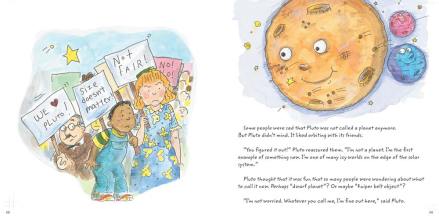
But what was a planet, really? “Amazingly, no one had ever set up rules about what a planet was—or was not.” The astronomers then decided on several criteria. Pluto met most of them—but it did not meet a very important one. Since Pluto did not fulfill all the requirements, the astronomers proclaimed that it was not a planet after all. Kids and people who had grown up thinking of Pluto as a planet were sad and protested this change. But Pluto didn’t mind. It thought, “‘I’m not a planet. I’m the first example of something new. I’m one of many icy worlds on the edge of the solar system.’”

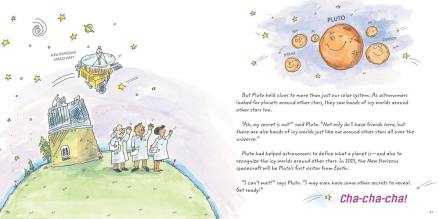
Now that astronomers have gotten to know Pluto in a new way, they’ve found that other icy worlds exist around other stars. The discovery has opened up new possibilities for the future of space exploration.

celebrate-picture-books-picture-book-review-pluto's-secret-future

Image copyright Diane Kidd, text copyright Margaret A. Weitekamp with David DeVorkin. Courtesy of Abrams Books for Young Readers

Extensive back matter includes a discussion of the people and telescopes behind the discovery of Pluto, a who’s who of planets and astronomers, a glossary of terms, suggested resources for readers, and a note from the Smithsonian Museum.

Pluto, it seems, is a very garrulous little planet, and Margaret A. Weitekamp and David DeVorkin are privy to its thoughts, much to the benefit of young readers. In this delightful, conversational history of Pluto, kids learn about the people, ideas, and facts surrounding the icy world in language they understand peppered with humor and suspense. Pluto’s reactions to what it “sees” going on down on Earth is sure to make little scientists giggle and pique their interest in future space discoveries.

Diane Kidd’s bright, cartoon-inspired illustrations immediately form a bond with the book’s young audience. Little Pluto, dancing with its moons, giving raspberries to names it doesn’t like, and playing along a different orbit, is just one of the kids—happy to hang out with its other icy worlds instead of being a full-grown planet. Lots of action, clear portrayals of scientific concepts, and accessible layouts and typography, make this a book kids will love to learn from.

Ages 6 – 10

Harry N. Abrams, 2013 | ISBN 978-1419704239

Learn more about Margaret A. Weitekamp, her work for the Smithsonian’s National Air and Space Museum, and her books here!

Find out more about David DeVorkin and his work at the Smithsonian’s National Air and Space Museum here!

Discover more about Diane Kidd, her books, and her illustration work on her website!

Pluto Day Activity

celebrate-picture-books-picture-book-review-space-coloring-page

Out of This World Spaceship Coloring Page


Zoom across this printable Out of This World Spaceship Coloring Page and create the colors of space as you imagine them.

Picture Book Review

February 15 -National Flag Day of Canada

celebrate-picture-books-picture-book-review-c-is-for-canada-cover

About the Holiday

2017 is a big year for the nation of Canada! Not only are this country’s people celebrating the 150th anniversary of its confederation, but today marks the 52nd anniversary of the raising of the Canadian flag. On February 15, 1965, the familiar red-and-white Canadian flag, with its central maple leaf, flew over Parliament Hill for the first time. National Flag of Canada Day was officially proclaimed in 1996. The distinctive design of the flag is often cited by Vexillologists, or flag experts, as one of the world’s most beautiful.

C is for Canada

Written by Mike Ulmer | Illustrated by Sylvie Daigneault


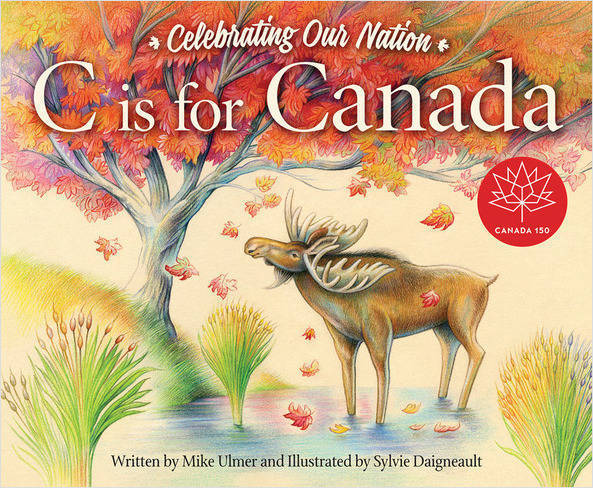
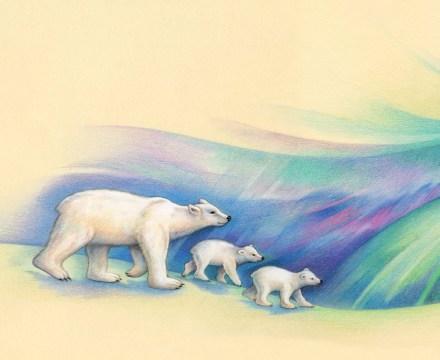
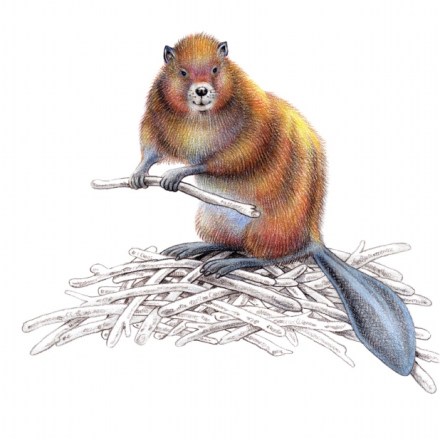
What would you see if you decided to take an alphabet-inspired trip across the vast expanse that is the gorgeous country of Canada? Dip into this special ABC travel guide and find out! A great place to start is with the letter A, which stands for Aurora Borealis: “Look up into the nighttime sky / and see the colours dance on by. / The show takes place on cloudless nights; / Aurora Borealis means Northern Lights.” B happens to be for Beaver, Canada’s national symbol. This little animal is a perfect match for the country’s people because “…his heart is big; he’s always eager— / Canada is like that busy beaver.”

celebrate-picture-books-picture-book-review-c-is-for-canada-aurora-borealis

Image copyright Sylvie Daigneault, courtesy of sleepingbearpress.com

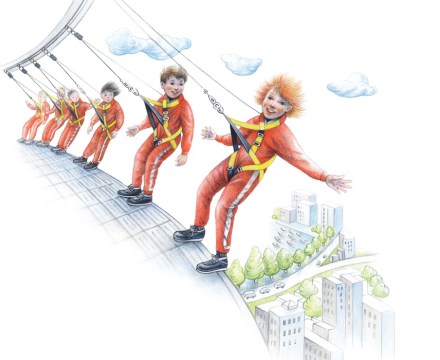
Dino lovers (and, really, who isn’t?) will want to head for the Badlands of Alberta, where the letter D awaits in Drumheller, the Dinosaur capital of the world and home to the biggest dinosaur skeleton. If those beasts are too tame for you, you might like to try the open-air thrill of E at Edgewalk at the CN Tower. Can’t get enough of the outside? Then take in K for Klondike Days, a 10-day festival commemorating Edmonton’s role in the Klondike Gold Rush with food, music, rides, and booths.

celebrate-picture-books-picture-book-review-c-is-for-canada-edgewalk

Image copyright Sylvie Daigneault, courtesy of sleepingbearpress.com

While you’re here, you’ll use Canada’s beautifully designed money engraved with polar bears and the loons that give the coins their L nickname, Loonies: “The sound of it gives me a smile / when I add a coin every once in a while. / A loonie makes a lovely ‘clank’ / when dropped inside my piggy bank.” Of course no Canadian excursion is complete without M for Maple Leaf: “Our country’s like a maple tree— / we know the strongest limbs / are those with roots that reach around / the world and back again.”

If winter sports are your thing, then you’ll love N, which is for the National Hockey League. As hockey players well know, “To play in the NHL would be a thrill / but first I have to learn one skill. / I can skate very fast, I’m off like a shot— / I just need to learn the best way to stop.” Maybe you like to spend more time outdoors than at the rink. If so you might just see R for Rock Rabbits on a hike: “When a rock rabbit lets out a squeak, / it means it’s playing hide-and-seek. / And when it gives another cry, / it means it’s safe to go outside.”

celebrate-picture-books-picture-book-review-c-is-for-canada-beaver

Image copyright Sylvie Daigneault, courtesy of sleepingbearpress.com

Two distinct areas are worth a peek at U and V. U is for Underwear—the special warm kind made in Truro: “We treasure pretty Truro, / I think we always will. / That’s where they make the long johns / that protect us from the chill.” V is for Victoria and all its grandeur: “There’s an ocean complete with oceanside / and carousels for kids to ride. / And a great hotel for weeklong stays / and bike trails you can ride for days.” And now we’ve come to the end of our alphabetic tour where Z is for Zero—or is it? “Zero isn’t zero; it tells you quite a lot. / Below is fairly chilly, above is really not. / Zero isn’t zero; it’s more vital than you think. / You need less than zero degrees to have yourself a rink.”

celebrate-picture-books-picture-book-review-c-is-for-canada-loon

Image copyright Sylvie Daigneault, courtesy of sleepingbearpress.com

These are just a few of the highlights among the 26 letters and bright spots C is for Canada has to offer. Mike Ulmer’s verses provide tantalizing tidbits of descriptive and action-packed information for readers who want to learn more about this fascinating northern country. A glossary following the text gives more intriguing details about each letter’s subject.

Sylvie Daigneault’s vibrant illustrations are lovely companions for Ulmer’s verses and give young readers clear, up-close views of the people, places, animals, and history of Canada. Huskies frolic in the snow, caribou trot along a rocky lakeside while majestic mountains rise behind them, two science centre visitors have a hair-raising experience, and an old prospector pans for gold in the Yukon. Each snapshot will engage little armchair travelers and make their imaginations roam far from home.

Ages 6 – 8

Sleeping Bear Press, 2017 | ISBN 978-1585369737

You can connect with Mike Ulmer on his blog!

View a gallery of illustration work by Sylvie Daigneault on her website!

National Flag of Canada Day Activity

celebrate-picture-books-picture-book-review-canada-coloring-page-canadian-flag

Canada Coloring Pages


From its vivid red-and-white flag to its purple mountains, Canada is a colorful country! Here are three printable Canada Coloring Pages for you to enjoy!

Canadian Flag | Canadian Animals Coloring Page | Beaver Carrying Canadian Flag

Picture Book Review

February 4 – Take Your Child to the Library Day

celebrate=picture-books-picture-book-review-the-librarian-of-basra-cover

About the Holiday

What better way to spend a Saturday than by stopping by your local library and picking up a few books to while away the hours on a cold winter day? While you’re there thank the librarians for all they do to keep libraries open and books accessible to all. Consider donating to your local library today!

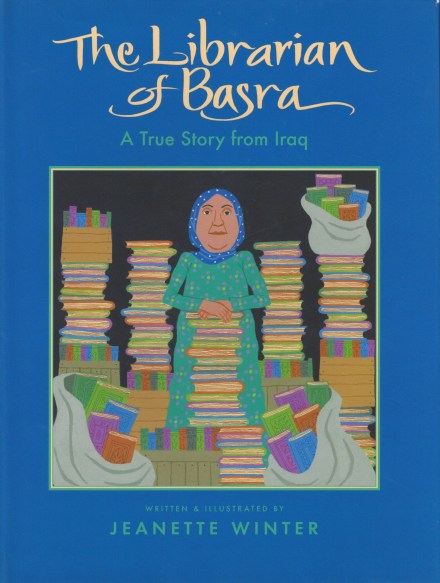
The Librarian of Basra: A True Story from Iraq

By Jeanette Winter


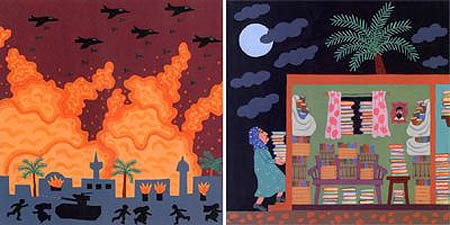
Alia Muhammad Baker, oversees the library of Basra in Iraq, where all those who love books and learning come to “discuss matters of the world and matters of the spirit.” Now, though, their talk is full of the war around them. Alia is afraid for her books, worried that the fires of war will destroy them, so she petitions the government for permission to move them to a safe place. Her request is denied, so Alia secretly fills her car each night with as many books as it can carry and takes them home.

celebrate=picture-books-picture-book-review-the-librarian-of-basra-war

Image copyright Jeanette Winter, courtesy of post-gazette.com

As rumors of war continue to swirl, the library becomes a shelter for government offices. When the battles reach Basra, “the city is lit with a firestorm of bombs and gunfire.” The government officials, soldiers, and library workers abandon the library, leaving Alia alone to protect the books. She summons help from Anis Muhammad, the restaurant owner on the other side of the library wall, and together they remove the rest of the books in crates and sacks and wrapped in curtains. Other shopkeepers and neighbors join in, removing the books and hiding them in Anis’s restaurant.

The war rages, but the books’ whereabouts remain a secret. “Then, nine days later, a fire burns the library to the ground.” “At last, the beast of war moves on,” but the books are still in danger. While the city is quiet, Alia “hires a truck to bring all thirty thousand books to her house and to the houses of friends.” Alia’s house is stacked floor to ceiling with the books she loves. They fill every cabinet, teeter on every shelf, and sit in piles under tables, chairs, and Alia’s bed. There’s hardly room for Alia herself.

But Alia is patient. She waits and “dreams of peace” and a time when a new library will be built to replace what has been lost.

celebrate=picture-books-picture-book-review-the-librarian-of-basra-alia

Image copyright Jeanette Winter, courtesy of Houghton Mifflin Harcourt Books for Young Readers

Jeanette Winter’s story of one woman who risked her own safety to protect the books she loved, including an ancient biography of Muhammad, reminds all readers of the importance of these storehouses of our collective history, culture, imagination, and knowledge. The gripping true-life story abounds with suspense as war grows closer but also with hope as friends and neighbors make Alia’s mission theirs too. In these days when so many libraries are threatened with closure, The Librarian of Basra, asks the question: what would we do to protect our books?

In square framed acrylic paintings on solid colored backgrounds, Winter reveals the day-to-day wartime events and the actions Alia takes to save the library’s collection. She is seen visiting a government official, sneaking books into her car by night, and watching as soldiers are stationed on the library roof. When the battle comes to Basra, silhouetted jets fly in a rust-colored sky as orange flames dwarf the buildings and people below. Under the threat of bombs, Alia and her neighbors are portrayed packing up the books and carrying them over the wall to safety. Readers will marvel at the image of Alia’s house stacked with books and may wonder how many their own homes could hold.

Ages 4 – 8

Houghton Mifflin Harcourt Books for Young Readers, 2005 | ISBN 978-0152054458

Take Your Child to the Library Day Activity

celebrate-picture-books-picture-book-review-library-coloring-page

I Love the Library! Coloring Page


If the library is one of your favorite places, print out this I Love the Library! Coloring Page and enjoy!

Picture Book Review

February 2 – Hedgehog Day

celebrate-picture-books-picture-book-review-the-friend-ship-cover

About the Holiday

Sure, sure…I know it’s that other –hog day, but did you know that Hedgehog day was a Roman holiday that preceded Groundhog Day? For you Marmot lovers out there, this is also that little guy’s day. But getting back to our animal of honor, here are a few hedgehog-related trivia facts for you to enjoy:

  • Hedgehog’s spines are actually hollow hairs stiffened with keratin
  • Hedgehogs hunt at night and can smell food an inch below the ground
  • When hedgehogs smell or taste something icky they give themselves a cleansing saliva shower

And one more:

  • Hedgehogs are irresistibly cute!

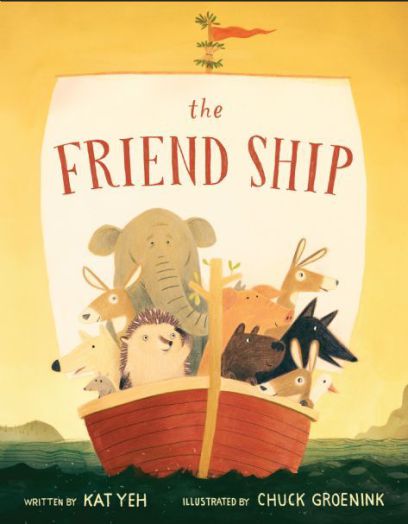
The Friend Ship

Written by Kat Yeh | Illustrated by Chuck Groenink


Little Hedgehog was curled up in a ball of loneliness when she heard someone say that “friendship is out there” if only she would look for it. Hedgehog jumped up ready to search for the Friend Ship that she imagines is full of future buddies. Just as she pounded the last nail into the boat she built to sail the seas, a beaver approached and asked what she is doing. When he found out, he asked to come along because he, too, wants a friend.

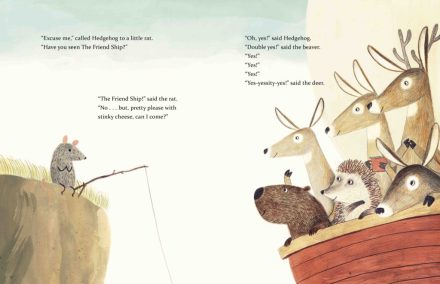
Soon they spied a herd of migrating deer atop a cliff and inquired if they had seen the Friend Ship. The deer looked at one another and suddenly missed their pal Irving, so they climbed on board to look for him. Their boat sailed past a little rat fishing all alone. The rat had not seen the Friend Ship either, but asked, “‘pretty please with stinky cheese, can I come?’” “‘Oh, yes!’ said Hedgehog. ‘Double yes!’ said the beaver. ‘Yes!’ ‘Yes!’ ‘Yes!’ ‘Yes-yessity-yes!’ said the deer.”

celebrate-picture-books-picture-book-review-the-friend-ship-rat-fishing

Image copyright Chuck Groenink, text copyright Kat Yeh. Courtesy of Disney-Hyperion

They sailed into frigid northern seas, into turbulent southern seas, and “East straight into the sunrise,” but while the intrepid explorers never found the Friend Ship, they discovered plenty of extra travelers who wanted to come along. After a few days, Hedgehog despaired of ever finding what she was looking for. She once more felt like curling up into a prickly ball. “Everyone gathered around her. ‘Don’t give up!’ said the beaver.’” And the others agreed, telling Hedgehog that they would stick with her and that she could count on them.

Cheered by these good wishes, Hedgehog resolved to go on. Within view was a tiny island where a single elephant lived. Hedgehog swam closer and called out, “‘Excuse me. Have you seen the Friend Ship?’” The elephant looked a little confused. “‘The Friend Ship!’” she said. “‘Isn’t that it—right over there?’” Hedgehog turned excitedly to see, but “then sighed. ‘Oh, no. That’s just my…’” Suddenly, in the glow of the sunset she realized… “‘We haven’t tried sailing WEST yet!’” Everyone cheered, knowing that there was still hope. “West! West! West!” they chanted as elephant joined them, and they set sail once again on their journey that in the end brought each and every one of them new friends.

Kat Yeh’s sweet story will cheer kids who feel at sea when looking for new friends. Through Yeh’s multi-layered tale, readers will see that there are many kids “in the same boat,” and that inviting them along on adventures big and small will forge the friendships they are searching for. As Hedgehog’s ship begins to fill with passengers, kids will realize what Hedgehog and her travelers fail to notice and enjoy the suspense that leads up to the final giggle-inducing misunderstanding.

The adorable animals in Chuck Groenink’s beautiful illustrations give The Friend Ship an immediately joyful and upbeat tone that is carried out through the glowing colors, the celebratory welcome each new passenger receives, and the empathy and camaraderie the travelers show Hedgehog when she begins to lose hope. As The Friend Ship sails off into the sunset, readers will happily know that the characters have all found what they were searching for.

The message that children have the power to initiate changes in their life instead of relying on someone else makes The Friend Ship a great book for classroom libraries and home bookshelves.

Ages 4 – 10

Disney-Hyperion, 2016 | ISBN 978-1484707265

Discover more books by Kat Yeh as well as videos and other extras on her website!

You’ll find a gallery of books and illustration work by Chuck Groenink on his website!

Hedgehog Day Activity

celebrate-picture-books-picture-book-review-hedgehog-coloring-page

Hedgie and Buddy Coloring Page


These two pals have found a new friend! Grab your colored pencils or crayons and give their world some color! You can download the printable Hedgie and Buddy Coloring Page here!

Picture Book Review
January 30 – Chinese New Year

celebrate-picture-books-picture-book-review-a-new-year's-reunion-cover

About the Holiday

Chinese New Year celebrations began on the eve of January 28, ushering in the Year of the Rooster. Also known as the Spring Festival, the New Year is a time for festivities including lion and dragon dances, fireworks, visiting friends and relatives, family meals, and special decorations.The New Year is the busiest travel season of the year as family members return home to spend the holiday with loved ones. The Chinese New Year celebrations  end on the 15th day of the new year with the Lantern Festival.  People born in the Year of the Rooster are said to be honest, energetic, intelligent, flexible, and confident.

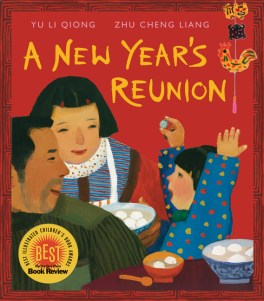
A New Year’s Reunion

Written by Yu Li-Qiong | Illustrated by Zhu Cheng-Liang


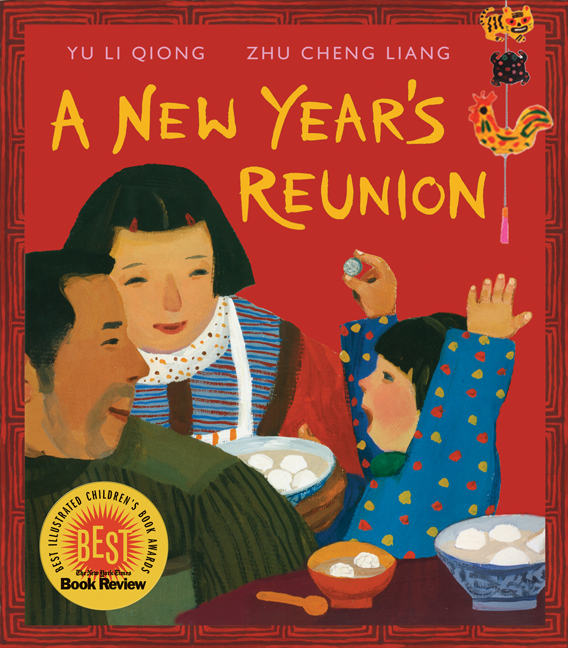
Maomao’s papa works far away as a house builder and can only return home once a year—during Chinese New Year. Today, Maomao and her mother wake up early and get ready because “Papa is coming home.” When Papa arrives, Maomao peers at her father from a distance. He seems unfamiliar, and when he picks her up in his arms she calls for her mama in alarm. But Papa has come with gifts—a hat for Maomao and a coat for Mama.

celebrate-picture-books-picture-book-review-a-new-year's-reunion-papa-decorating-house

Image copyright Yu Li-Qiong, 2011, courtesy of Candlewick Press

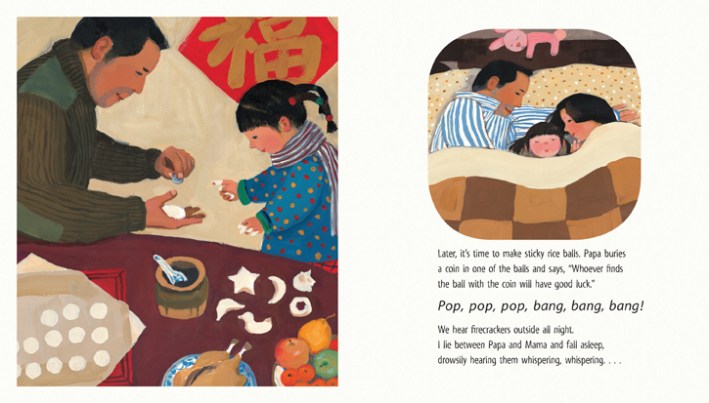
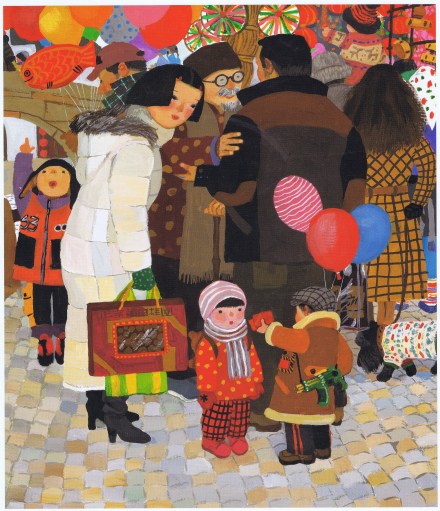
After catching up and eating lunch, Papa takes Maomao with him to the barber shop, where he gets a haircut and a shave. As Maomao watches, the Papa in the mirror is getting more like Papa the way he used to be.” Back home, Papa helps the family decorate their house and later they make sticky rice balls for the next day. “Papa buries a coin in one of the balls and says, ‘Whoever finds the ball with the coin will have good luck.’” As she falls asleep to the whispers of her parents, Maomao hears firecrackers snapping in the night air.

celebrate-picture-books-picture-book-review-a-new-year's-reunion-making-sticky-rice-balls

Image copyright Yu Li-Qiong, 2011, text copyright Zhu Cheng-Liang, 2013. Courtesy of Candlewick Press.

In the morning while eating the sticky rice balls, Maomao bites down on something hard. “‘The fortune coin! It’s the fortune coin!’” she exclaims. Her papa tells her to put it in her pocket so that the good luck will not escape. She places it in her coat pocket and then they all join the crowd in the square going on holiday visits. On the way she meets her friend Dachun, who shows her the red envelope he has gotten. Maomao proudly shows Dachun her lucky coin.

On the second day of New Year’s while Papa is doing chores around the house, he takes his little daughter to the roof. From here she can see Dachun’s house and hear the dragon dance over on Main Street. Maomao stands on tiptoe as tall as she can, but she can’t see the parade. Papa swings her onto his shoulders. “‘Now can you see it?’ he asks. ‘Yes, I can. They’re coming!’” she answers with excitement.

celebrate-picture-books-picture-book-review-a-new-year's-reunion-visiting-in-square

Image copyright Yu Li-Qiong, 2011, courtesy of Candlewick Press

The third day of New Year’s brings snow, and Maomao, Dachun, and the other neighborhood children build a tall snowman and have a snowball fight in the courtyard. When Maomao comes in at the end of the day, she reaches into her coat pocket, but her fortune coin is gone! She runs outside, but the courtyard is covered in snow, and she can’t find it anywhere. Papa tries to give her another coin, but it isn’t the same.

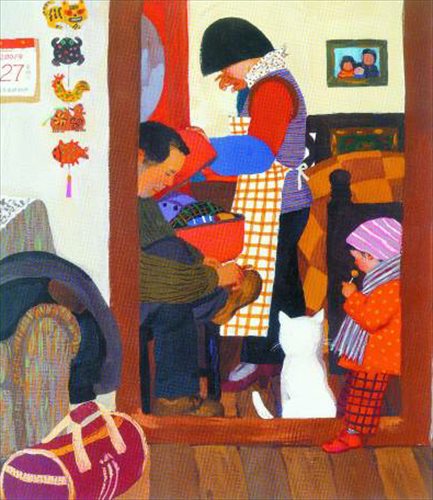
Later, feeling miserable, Maomao climbs into bed and takes off her jacket. Suddenly, she hears a clink as something falls to the floor. “‘It’s the coin! My fortune coin!’” she cries. ‘‘Papa come quick—come and see! I haven’t lost the fortune coin. It’s been with me all the time.’” Maomao falls asleep happy. The next morning, she wakes to see Mama packing Papa’s things. Soon, he will return to work. He crouches down and with a promise to bring Maomao a doll hugs her tight. But Maomao shakes her head. “‘I want to give you something…,’” she says. She puts the coin in Papa’s hand and tells him, “‘Here, take this. Next time you’re back, we can bury it in the sticky rice ball again!’” Papa is silent and gives Maomao another hug before they say goodbye for another year.

celebrate-picture-books-picture-book-review-a-new-year's-reunion-papa-packing

Image copyright Yu Li-Qiong, 2011, courtesy of Candlewick Press

Yu Li-Qiong’s touching story of a little girl’s reunion with the father she rarely sees is a heartfelt reminder that love continues over miles and days or months. Just as the fortune coin was with Maomao all the time, Maomao’s papa is always in her heart and she in his. Little ones, especially, will be captivated by the day-to-day activities of Maomao’s New Year festivities and appreciate the importance of her coin. Li-Qiong’s sweet story, filled with homey details of child and parent interactions, resonates beyond the holiday theme of the story and is a beautiful book for the many children who have parents who travel frequently with their jobs.

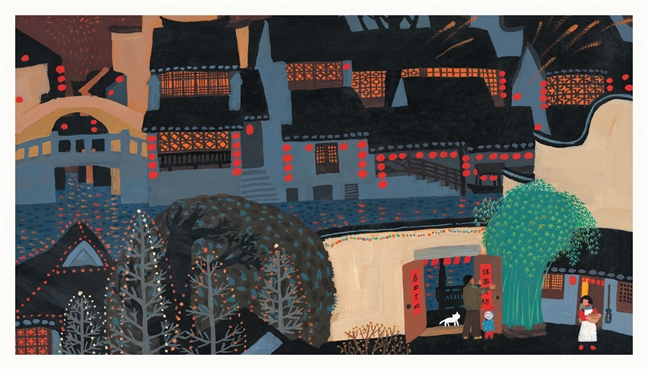
The quiet grace and wonder of Zhu Cheng-Liang’s gouache illustrations perfectly convey the loving relationship between father and daughter and the excitement of a family being together after a long absence. Although the Chinese New Year provides a frame for the story, Cheng-Liang’s paintings predominately focus on the day-to-day activities Maomao and her papa share—getting a haircut, fixing the house, cooking, meeting and playing with friends, and special hugs—emphasizing the universal scope of the story. The enchantment of the New Year’s festivities shines in a two-page spread where a fiery red-and-orange dragon puppet cavorts over the village bridge followed by a throng of people as others watch from homes and windows. Adorable Maomao may raise a lump in readers throats as she hugs her papa and gives him her treasured fortune coin.

A brief Author’s Note following the text pays tribute to the millions of migrant workers in China who often do not see their families except once each year.

A New Year’s Reunion would be a welcome book on any child’s bookshelf as a reminder that love overcomes any absence, long or short.

Ages 3 – 7

Candlewick Press, 2011 | ISBN 978-076366748

Chinese New Year Activity

celebrate-picture-books-picture-book-review-chinese-new-year-lantern-festival-coloring-page

Lantern Festival Coloring Page


Chinese New Year festivities end with a brilliant festival of lights. Enjoy this printable Lantern Festival Coloring Page to celebrate the Chinese New Year.

celebrate-picture-books-picture-book-review-a-new-year's-reunion-cover

You can find A New Year’s Reunion at these booksellers

Amazon | Barnes & Noble | Books-a-Million | IndieBound

Picture Book Review


January 27 – It’s Creativity Month

celebrate-picture-books-picture-book-review-stitchin'-and-pullin'-a-gee's-bend-quilt-cover

About the Holiday

January is a time for reflection and new beginnings. What better time to start thinking creatively and finding your inner artist, scientist, inventor, thinker? Go ahead and do the thing you’ve always wanted to do!

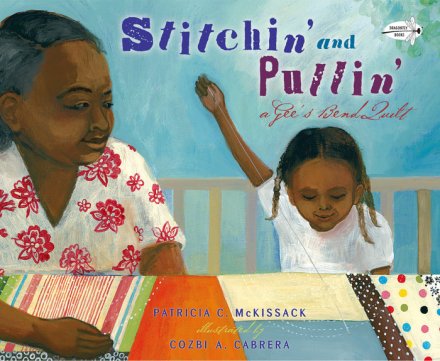
Stitchin’ and Pullin’: A Gee’s Bend Quilt

Written by Patricia C. McKissack | Illustrated by Cozbi A. Cabrera

In this story told through poems, a little girl begins telling of her life, starting with a recitation on Gee’s Bend Women: “Gee’s Bend women are / Mothers and Grandmothers / Wives / Sisters and Daughters / Widows.” They are every kind of woman you know, doing every type of work and activity. “Gee’s Bend women are / Talented and Creative / Capable / Makers of artful quilts / Unmatched. / Gee’s Bend women are / Relatives / Neighbors / Friends— / Same as me.”

In Who Would Have Thought, the girl muses on how perceptions change. “For as long as anyone can remember,” she says, the women of Gee’s Bend, Alabama have created quilts that were slept under, sat on, and wrapped around the sick or cold. But now those same quilts are “…hanging on museum walls, / their makers famous….”

When she was just a tot “Baby Girl” reveals in Beneath the Quilting Frame, she played under the quilting frame, listening to her “mama, grandma, and great-gran / as they sewed, talked, sang, and laughed / above my tented playground.” She remembers the “steady fingers  /[that] pieced together colorful scraps of familiar cloth / into something / more lovely / than anything they had been before” as her mother sang her a lullaby.

celebrate-picture-books-picture-book-review-stitchin'-and-pullin'-a-gee's-bend-quilt-puzzling-the-pieces

Image copyright Cozbi A. Cabrera, courtesy of Random House Books for Young Readers

In Something Else, “Baby Girl” is growing too big to play beneath the frame. Her legs becoming longer and her mind full of “recipes for eleven kinds of jelly…how to get rid of mold…and the words to a hundred hymns and gospel songs” while she waits her turn at the frame. Finally, in Where to Start? her time comes. The girl asks her mama how to begin and she answers, “‘Look for the heart. / When you find the heart, / your work will leap to life… / strong, beautiful, and… / independent.’”

In Remembering, the girl thinks about how her mama has told her that “cloth has a memory.” As she chooses the cloth that will become her quilt she sees the life and the history in each. 

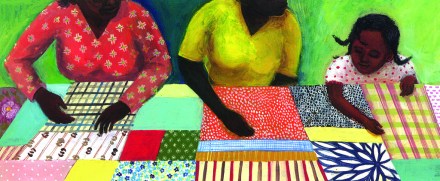
Nothing Wasted sees Grandma pulling apart a red-and-white gingham dress stitch by stitch to become a quilting square that the girl suddenly knows “will be the heart of my quilt.” In Puzzling the Pieces the girl and her grandma stand over the quilting frame fitting the squares together in the perfect way to tell the girl’s story. Her quilt comes together piece by piece to tell the history of Gee’s Bend in The River Island. The brown strips along three sides mirror the muddy waters surrounding her town. The fourth side is a green strip—“a symbol of the fields where my ancestors / worked cotton from can to can’t— / can see in the morning until / can’t see at night.” Lined up next to the green strip are six squares representing the small communities “where families with / the same name / are not kin by blood / but by plantation.”

Being Discovered is portrayed with “a large smoke-gray square”—the color of the Great Depression and the 15 minutes of fame Gee’s Bend garnered when discovered “by sociologists, historians, / educators, and journalists” who came and went, leaving Gee’s Bend “the way it had been / before being discovered.”

celebrate-picture-books-picture-book-review-stitchin'-and-pullin'-a-gee's-bend-quilt-understanding-comes-later

Image copyright Cozbi A. Cabrera, courtesy of Random House Books for Young Readers

In Colors, the girl’s grandma explains the meanings and feelings behind each colored cloth. “Blue cools. / Red is loud and hard to control, / like fire and a gossiping tongue.” Green, orange, yellow, white, pink, and all the others have their own personalities. “Grandma says, / ‘Colors show how you / feel deep down inside.’”

In Pinky, the harrowing facts of the march from Selma to Montgomery, Alabama frame the story of one marcher, Mr. Willie Quill who broke horses for the Alabama State Mounted Patrol and was saved from the Police attacks when one of the horses he’d trained knew his voice. In Dr. King Brings Hope, the little girl adds a “Patch of bright pink / to remember Pinky’s story. / Next to it I sew / a spotless white patch for the hope Dr. Martin Luther King / brought to the Bend” and goes on to tell how her grandma saw Dr. King at Pleasant Grove Baptist Church and what it meant to her.

By and By follows the girl as she adds “golden thank-yous, for James Reeb,” a “bright blue piece of velvet for Viola Liuzzo,” and a “big plaid people circle of white, black, brown, yellow, and red for Reverend Dr. King, all “killed for believing in justice.”

In the 1960s, The Sewing Bee tells, Gee’s Bend quilters were once again discovered. There were buyers for the handmade quilts, but stipulations. The girl asks her grandma if she was part of the Bee, to which she replies, “‘Yes, / more money. Less freedom. I chose to stay free.’”

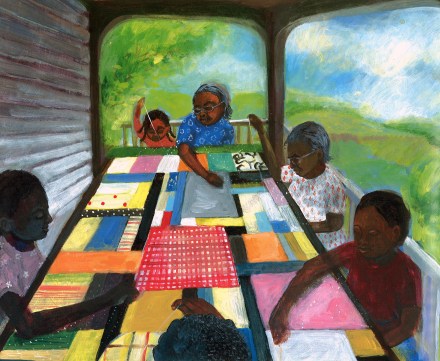
At last all of the patches are laid out and the time comes to stitch the girl’s quilt. Five women stand at the frame “all stitchin’ and pullin.’” They work “in a slow and steady rhythm” relaxing and enjoying being together until the quilt is finished. In Finished, the last stitch is sewn, and the thread bitten and knotted. The girl has hundreds of ideas for future quilts. “Quilts that are about me, / the place where I live, / and the people / who have been here for generations.”

Further poems unite the history of “Baby Girl,” her family, and neighbors, and an Author’s Note about quilting and the women of Gee’s Bend follow the text.

Patricia McKessack’s free verse poems capture the close relationships and camaraderie of the generations of women who join around the quilting frame to share and pass down their art and their heart. McKessack’s conversational verses, on page after page like the patches of a quilt, reveal the complexity of this handmade art form in the way intimate talks between friends unveil a life. Readers learn not only about the little girl and her own thoughts, but the history and influence of her immediate family, world events, inspirational figures, and deeply held beliefs that make her who she is and ties her to the other Gee’s Bend women.

Cozbi A. Cabrera’s stunning acrylic paintings take readers inside the heart of the Gee’s Bend women, depicting the girl’s home, the table-sized quilting frame where the women collectively work, the plantations, the protests, and the changes that came but did not unravel the convictions, values, and love of the little girl’s family. Readers can almost hear the talking and singing of the Gee’s Bend women as they stitch their quilts, and the comforting, embracing environment is evident on every page. Cabrera’s portraits of the little girl, her mama, and her grandma are particularly moving. For What Changed, Cabrera depicts a yellow school bus appearing on the dirt road from the right hand corner of the page. In the side mirror a dot of a house comes into view, reminding readers that no matter how far these women are from home, Gee’s Bend is always with them.

Children—and adults—will find Stitchin’ and Pullin’: A Gee’s Bend Quilt inspirational and uplifting. This volume of poetry can be read at one sitting and delved into again and again, making it a wonderful choice for home libraries and a must for school, public, and other libraries.

Ages 5 – 12

Dragonfly Books, Random House, 2016 (paperback edition) | ISBN 978-0399549502

View a gallery  of fashion designs, dolls, and other handmade art work by Cozbi A. Cabrera on her website!

Creativity Month Activity

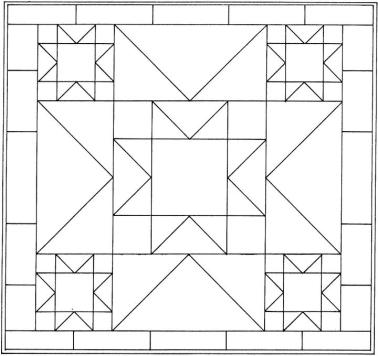
celebrate-picture-books-picture-book-review-stars-quilt-coloring-page

Design a Quilt Coloring Pages

Quilts are so much more than pieces of material sewn together—they’re life stories! Here are two quilt coloring pages for you to design and color. What does each piece mean to you? As you color each section, write a sentence about an event or thought that is important to you.

Quilt Template 1 | Quilt Template 2

Picture Book Review