January 30 – Chinese New Year

celebrate-picture-books-picture-book-review-a-new-year's-reunion-cover

About the Holiday

Chinese New Year celebrations began on the eve of January 28, ushering in the Year of the Rooster. Also known as the Spring Festival, the New Year is a time for festivities including lion and dragon dances, fireworks, visiting friends and relatives, family meals, and special decorations.The New Year is the busiest travel season of the year as family members return home to spend the holiday with loved ones. The Chinese New Year celebrations  end on the 15th day of the new year with the Lantern Festival.  People born in the Year of the Rooster are said to be honest, energetic, intelligent, flexible, and confident.

A New Year’s Reunion

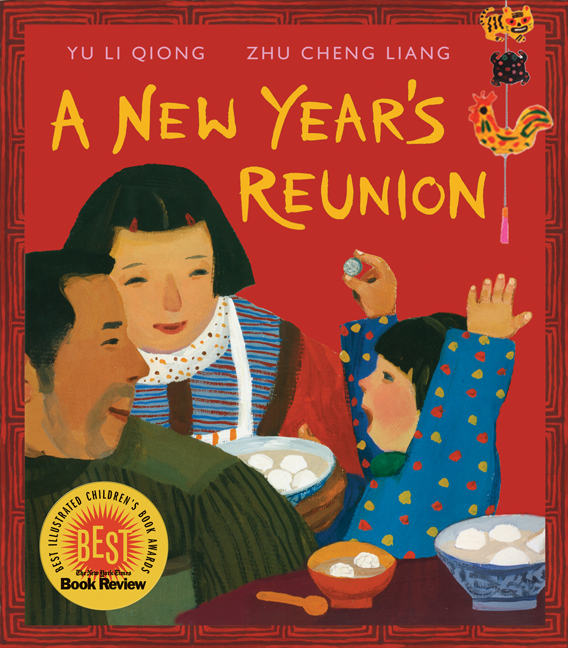
Written by Yu Li-Qiong | Illustrated by Zhu Cheng-Liang


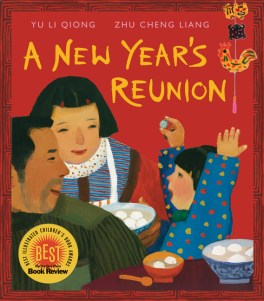
Maomao’s papa works far away as a house builder and can only return home once a year—during Chinese New Year. Today, Maomao and her mother wake up early and get ready because “Papa is coming home.” When Papa arrives, Maomao peers at her father from a distance. He seems unfamiliar, and when he picks her up in his arms she calls for her mama in alarm. But Papa has come with gifts—a hat for Maomao and a coat for Mama.
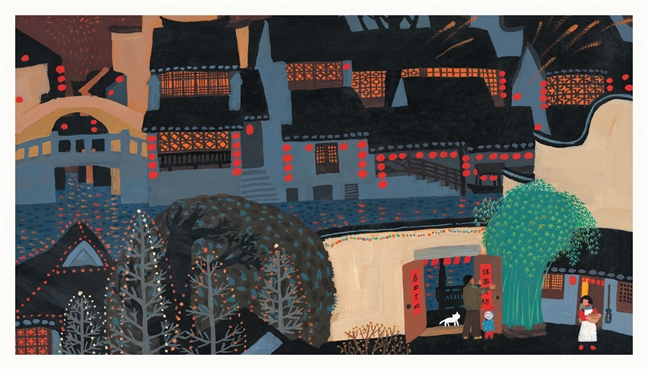
celebrate-picture-books-picture-book-review-a-new-year's-reunion-papa-decorating-house

Image copyright Yu Li-Qiong, 2011, courtesy of Candlewick Press

After catching up and eating lunch, Papa takes Maomao with him to the barber shop, where he gets a haircut and a shave. As Maomao watches, the Papa in the mirror is getting more like Papa the way he used to be.” Back home, Papa helps the family decorate their house and later they make sticky rice balls for the next day. “Papa buries a coin in one of the balls and says, ‘Whoever finds the ball with the coin will have good luck.’” As she falls asleep to the whispers of her parents, Maomao hears firecrackers snapping in the night air.
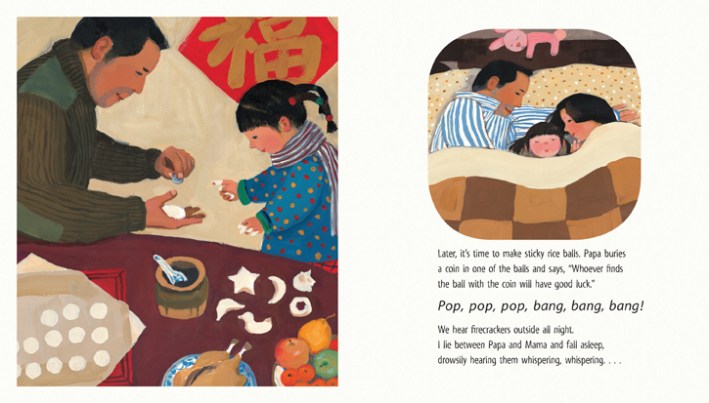
celebrate-picture-books-picture-book-review-a-new-year's-reunion-making-sticky-rice-balls

Image copyright Yu Li-Qiong, 2011, text copyright Zhu Cheng-Liang, 2013. Courtesy of Candlewick Press.

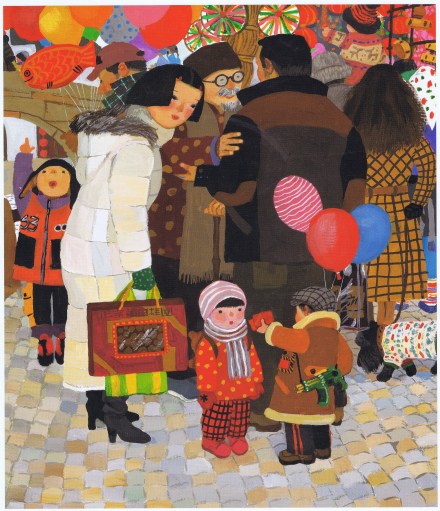
In the morning while eating the sticky rice balls, Maomao bites down on something hard. “‘The fortune coin! It’s the fortune coin!’” she exclaims. Her papa tells her to put it in her pocket so that the good luck will not escape. She places it in her coat pocket and then they all join the crowd in the square going on holiday visits. On the way she meets her friend Dachun, who shows her the red envelope he has gotten. Maomao proudly shows Dachun her lucky coin.

On the second day of New Year’s while Papa is doing chores around the house, he takes his little daughter to the roof. From here she can see Dachun’s house and hear the dragon dance over on Main Street. Maomao stands on tiptoe as tall as she can, but she can’t see the parade. Papa swings her onto his shoulders. “‘Now can you see it?’ he asks. ‘Yes, I can. They’re coming!’” she answers with excitement.
celebrate-picture-books-picture-book-review-a-new-year's-reunion-visiting-in-square

Image copyright Yu Li-Qiong, 2011, courtesy of Candlewick Press

The third day of New Year’s brings snow, and Maomao, Dachun, and the other neighborhood children build a tall snowman and have a snowball fight in the courtyard. When Maomao comes in at the end of the day, she reaches into her coat pocket, but her fortune coin is gone! She runs outside, but the courtyard is covered in snow, and she can’t find it anywhere. Papa tries to give her another coin, but it isn’t the same.

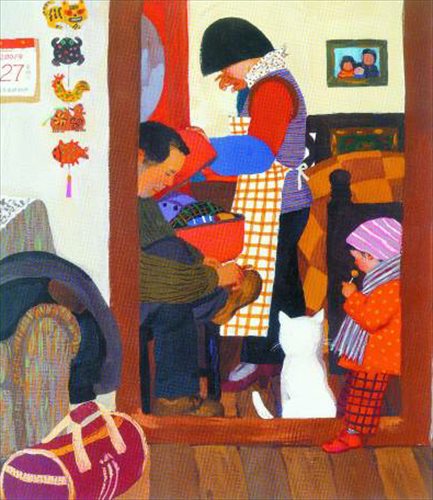
Later, feeling miserable, Maomao climbs into bed and takes off her jacket. Suddenly, she hears a clink as something falls to the floor. “‘It’s the coin! My fortune coin!’” she cries. ‘‘Papa come quick—come and see! I haven’t lost the fortune coin. It’s been with me all the time.’” Maomao falls asleep happy. The next morning, she wakes to see Mama packing Papa’s things. Soon, he will return to work. He crouches down and with a promise to bring Maomao a doll hugs her tight. But Maomao shakes her head. “‘I want to give you something…,’” she says. She puts the coin in Papa’s hand and tells him, “‘Here, take this. Next time you’re back, we can bury it in the sticky rice ball again!’” Papa is silent and gives Maomao another hug before they say goodbye for another year.
celebrate-picture-books-picture-book-review-a-new-year's-reunion-papa-packing

Image copyright Yu Li-Qiong, 2011, courtesy of Candlewick Press

Yu Li-Qiong’s touching story of a little girl’s reunion with the father she rarely sees is a heartfelt reminder that love continues over miles and days or months. Just as the fortune coin was with Maomao all the time, Maomao’s papa is always in her heart and she in his. Little ones, especially, will be captivated by the day-to-day activities of Maomao’s New Year festivities and appreciate the importance of her coin. Li-Qiong’s sweet story, filled with homey details of child and parent interactions, resonates beyond the holiday theme of the story and is a beautiful book for the many children who have parents who travel frequently with their jobs.

The quiet grace and wonder of Zhu Cheng-Liang’s gouache illustrations perfectly convey the loving relationship between father and daughter and the excitement of a family being together after a long absence. Although the Chinese New Year provides a frame for the story, Cheng-Liang’s paintings predominately focus on the day-to-day activities Maomao and her papa share—getting a haircut, fixing the house, cooking, meeting and playing with friends, and special hugs—emphasizing the universal scope of the story. The enchantment of the New Year’s festivities shines in a two-page spread where a fiery red-and-orange dragon puppet cavorts over the village bridge followed by a throng of people as others watch from homes and windows. Adorable Maomao may raise a lump in readers throats as she hugs her papa and gives him her treasured fortune coin.

A brief Author’s Note following the text pays tribute to the millions of migrant workers in China who often do not see their families except once each year.

A New Year’s Reunion would be a welcome book on any child’s bookshelf as a reminder that love overcomes any absence, long or short.

Ages 3 – 7

Candlewick Press, 2011 | ISBN 978-076366748

Chinese New Year Activity

celebrate-picture-books-picture-book-review-chinese-new-year-lantern-festival-coloring-page

Lantern Festival Coloring Page


Chinese New Year festivities end with a brilliant festival of lights. Enjoy this printable Lantern Festival Coloring Page to celebrate the Chinese New Year.
celebrate-picture-books-picture-book-review-a-new-year's-reunion-cover

You can find A New Year’s Reunion at these booksellers

Amazon | Barnes & Noble | Books-a-Million | IndieBound

Picture Book Review


January 27 – It’s Creativity Month

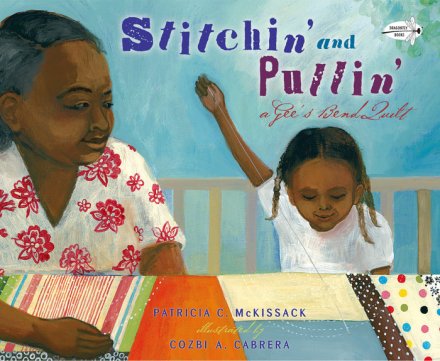
celebrate-picture-books-picture-book-review-stitchin'-and-pullin'-a-gee's-bend-quilt-cover

About the Holiday

January is a time for reflection and new beginnings. What better time to start thinking creatively and finding your inner artist, scientist, inventor, thinker? Go ahead and do the thing you’ve always wanted to do!

Stitchin’ and Pullin’: A Gee’s Bend Quilt

Written by Patricia C. McKissack | Illustrated by Cozbi A. Cabrera

In this story told through poems, a little girl begins telling of her life, starting with a recitation on Gee’s Bend Women: “Gee’s Bend women are / Mothers and Grandmothers / Wives / Sisters and Daughters / Widows.” They are every kind of woman you know, doing every type of work and activity. “Gee’s Bend women are / Talented and Creative / Capable / Makers of artful quilts / Unmatched. / Gee’s Bend women are / Relatives / Neighbors / Friends— / Same as me.”

In Who Would Have Thought, the girl muses on how perceptions change. “For as long as anyone can remember,” she says, the women of Gee’s Bend, Alabama have created quilts that were slept under, sat on, and wrapped around the sick or cold. But now those same quilts are “…hanging on museum walls, / their makers famous….”

When she was just a tot “Baby Girl” reveals in Beneath the Quilting Frame, she played under the quilting frame, listening to her “mama, grandma, and great-gran / as they sewed, talked, sang, and laughed / above my tented playground.” She remembers the “steady fingers  /[that] pieced together colorful scraps of familiar cloth / into something / more lovely / than anything they had been before” as her mother sang her a lullaby.

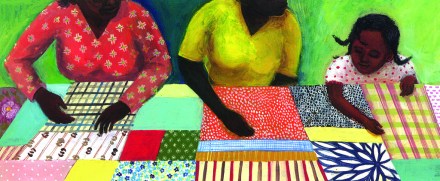
celebrate-picture-books-picture-book-review-stitchin'-and-pullin'-a-gee's-bend-quilt-puzzling-the-pieces

Image copyright Cozbi A. Cabrera, courtesy of Random House Books for Young Readers

In Something Else, “Baby Girl” is growing too big to play beneath the frame. Her legs becoming longer and her mind full of “recipes for eleven kinds of jelly…how to get rid of mold…and the words to a hundred hymns and gospel songs” while she waits her turn at the frame. Finally, in Where to Start? her time comes. The girl asks her mama how to begin and she answers, “‘Look for the heart. / When you find the heart, / your work will leap to life… / strong, beautiful, and… / independent.’”

In Remembering, the girl thinks about how her mama has told her that “cloth has a memory.” As she chooses the cloth that will become her quilt she sees the life and the history in each. 

Nothing Wasted sees Grandma pulling apart a red-and-white gingham dress stitch by stitch to become a quilting square that the girl suddenly knows “will be the heart of my quilt.” In Puzzling the Pieces the girl and her grandma stand over the quilting frame fitting the squares together in the perfect way to tell the girl’s story. Her quilt comes together piece by piece to tell the history of Gee’s Bend in The River Island. The brown strips along three sides mirror the muddy waters surrounding her town. The fourth side is a green strip—“a symbol of the fields where my ancestors / worked cotton from can to can’t— / can see in the morning until / can’t see at night.” Lined up next to the green strip are six squares representing the small communities “where families with / the same name / are not kin by blood / but by plantation.”

Being Discovered is portrayed with “a large smoke-gray square”—the color of the Great Depression and the 15 minutes of fame Gee’s Bend garnered when discovered “by sociologists, historians, / educators, and journalists” who came and went, leaving Gee’s Bend “the way it had been / before being discovered.”

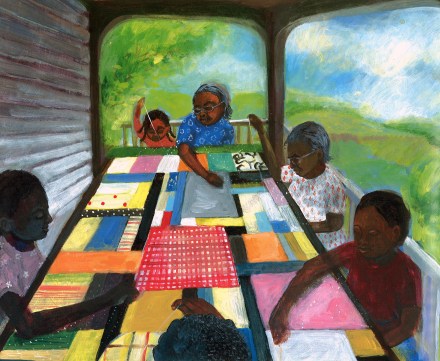
celebrate-picture-books-picture-book-review-stitchin'-and-pullin'-a-gee's-bend-quilt-understanding-comes-later

Image copyright Cozbi A. Cabrera, courtesy of Random House Books for Young Readers

In Colors, the girl’s grandma explains the meanings and feelings behind each colored cloth. “Blue cools. / Red is loud and hard to control, / like fire and a gossiping tongue.” Green, orange, yellow, white, pink, and all the others have their own personalities. “Grandma says, / ‘Colors show how you / feel deep down inside.’”

In Pinky, the harrowing facts of the march from Selma to Montgomery, Alabama frame the story of one marcher, Mr. Willie Quill who broke horses for the Alabama State Mounted Patrol and was saved from the Police attacks when one of the horses he’d trained knew his voice. In Dr. King Brings Hope, the little girl adds a “Patch of bright pink / to remember Pinky’s story. / Next to it I sew / a spotless white patch for the hope Dr. Martin Luther King / brought to the Bend” and goes on to tell how her grandma saw Dr. King at Pleasant Grove Baptist Church and what it meant to her.

By and By follows the girl as she adds “golden thank-yous, for James Reeb,” a “bright blue piece of velvet for Viola Liuzzo,” and a “big plaid people circle of white, black, brown, yellow, and red for Reverend Dr. King, all “killed for believing in justice.”

In the 1960s, The Sewing Bee tells, Gee’s Bend quilters were once again discovered. There were buyers for the handmade quilts, but stipulations. The girl asks her grandma if she was part of the Bee, to which she replies, “‘Yes, / more money. Less freedom. I chose to stay free.’”

At last all of the patches are laid out and the time comes to stitch the girl’s quilt. Five women stand at the frame “all stitchin’ and pullin.’” They work “in a slow and steady rhythm” relaxing and enjoying being together until the quilt is finished. In Finished, the last stitch is sewn, and the thread bitten and knotted. The girl has hundreds of ideas for future quilts. “Quilts that are about me, / the place where I live, / and the people / who have been here for generations.”

Further poems unite the history of “Baby Girl,” her family, and neighbors, and an Author’s Note about quilting and the women of Gee’s Bend follow the text.

Patricia McKessack’s free verse poems capture the close relationships and camaraderie of the generations of women who join around the quilting frame to share and pass down their art and their heart. McKessack’s conversational verses, on page after page like the patches of a quilt, reveal the complexity of this handmade art form in the way intimate talks between friends unveil a life. Readers learn not only about the little girl and her own thoughts, but the history and influence of her immediate family, world events, inspirational figures, and deeply held beliefs that make her who she is and ties her to the other Gee’s Bend women.

Cozbi A. Cabrera’s stunning acrylic paintings take readers inside the heart of the Gee’s Bend women, depicting the girl’s home, the table-sized quilting frame where the women collectively work, the plantations, the protests, and the changes that came but did not unravel the convictions, values, and love of the little girl’s family. Readers can almost hear the talking and singing of the Gee’s Bend women as they stitch their quilts, and the comforting, embracing environment is evident on every page. Cabrera’s portraits of the little girl, her mama, and her grandma are particularly moving. For What Changed, Cabrera depicts a yellow school bus appearing on the dirt road from the right hand corner of the page. In the side mirror a dot of a house comes into view, reminding readers that no matter how far these women are from home, Gee’s Bend is always with them.

Children—and adults—will find Stitchin’ and Pullin’: A Gee’s Bend Quilt inspirational and uplifting. This volume of poetry can be read at one sitting and delved into again and again, making it a wonderful choice for home libraries and a must for school, public, and other libraries.

Ages 5 – 12

Dragonfly Books, Random House, 2016 (paperback edition) | ISBN 978-0399549502

View a gallery  of fashion designs, dolls, and other handmade art work by Cozbi A. Cabrera on her website!

Creativity Month Activity

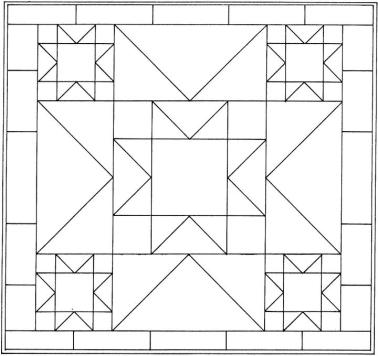
celebrate-picture-books-picture-book-review-stars-quilt-coloring-page

Design a Quilt Coloring Pages

Quilts are so much more than pieces of material sewn together—they’re life stories! Here are two quilt coloring pages for you to design and color. What does each piece mean to you? As you color each section, write a sentence about an event or thought that is important to you.

Quilt Template 1 | Quilt Template 2

Picture Book Review
December 19 – Look for an Evergreen Day

celebrate-picture-books-picture-book-review-arturo-and-the-navidad-birds-cover

About the Holiday

Today’s holiday was established by the National Arborist Association to remind people to appreciate the beauty of evergreens that got that name because they stay green year round, These majestic trees add color to the doldrums of winter and remind us that summer will come again. To celebrate, why not take a walk and rediscover the evergreens in your neighborhood!

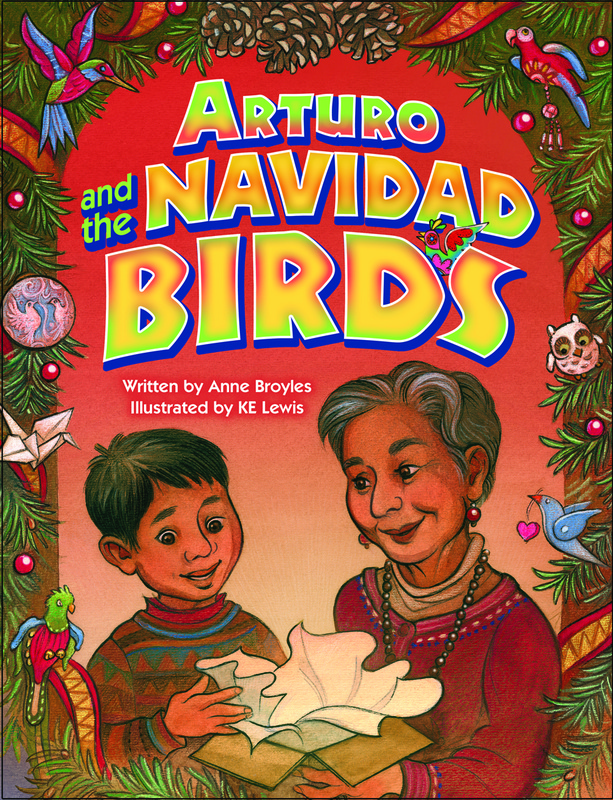
Arturo and the Navidad Birds / Arturo y los Pájaros de Navidad

Written by Anne Broyles | Illustrated by KE Lewis

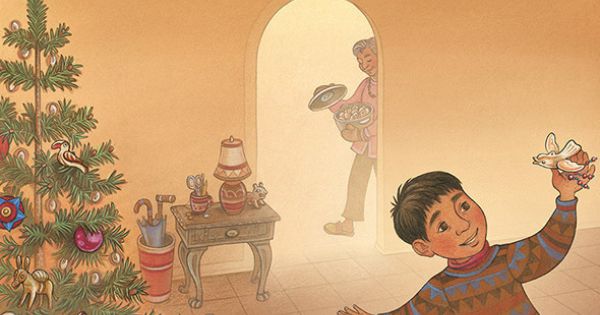
The day for decorating the Christmas tree had arrived, and Arturo “bounced up and down in front of the pine tree. ‘Hurry, Abue!’” he exclaimed. The tree looked so empty, but Arturo’s grandmother brought out the box of ornaments, and soon the two were admiring the little treasures. A tiny mouse nestled into a walnut shell bed had been made by Abue Rosa’s mother when she was a little girl. Although it was hard for Arturo to imagine his grandmother as a little girl, he loved hearing the story of how she carried the mouse in her pocket. “‘I called him Hermanito—my little brother! Find a good home on our tree!’” Abue Rosa said. Arturo placed the ornament on a low branch.

celebrate-picture-books-picture-book-review-arturo-and-the-navidad-birds-flying-bird-ornament

Image copyright Karen Lewis, courtesy of karenlewis.com

The next ornament out of the box was a square piece of “cardboard decorated with mahogany-colored beans.” This had been made by his mother. Arturo hung it in the middle of the tree because his mother “was the middle child between Tío Hernan and Tía Ines.” A donkey ornament that Arturo’s abuelo bought when he and Rosa were first married went high up on the árbol de Navidad. The pair added ornament after ornament on the tree and it “began to shine with Abue Rosa’s stories.” Then Abue Rosa went into the kitchen to fix dinner. While she was gone Arturo rummaged through the box and found a “tiny, blown-glass bird. ‘Fly, bird. Like a plane. Vroom, vroom!’”

The little bird hit the wall and fell to the floor, its wings broken. “Horrified, Arturo covered the pieces with newspaper just before Abue came back.” As they finished decorating the tree, Abue Rosa looked through the box and asked Arturo, “Have you seen the glass pajarito that my dearest friend, Sofie, game me? It’s all I have left from her.” Arturo couldn’t look at his grandmother, instead asking to take a break.

celebrate-picture-books-picture-book-review-arturo-and-the-navidad-hug

Image copyright Karen Lewis, courtesy of karenlewis.com

Arturo ran to his room and grabbed the glue, but he couldn’t make the wings stick. As he looked at the broken bird, tears filled his eyes. He wondered if his grandmother could forgive him. Then he had an idea. In the basement he found a pinecone and some craft materials. When he finished making his pinecone bird, he gazed at it in disappointment. It didn’t look like any bird he had ever seen and certainly not like the glass bird.

“‘Donde estas, mi’jo?’” Grandma Rosa called from the top of the stairs. Arturo slowly climbed the stairs, carrying both birds. “Arturo took a deep breath. He held out the homemade bird. ‘I made this for our tree.’” “‘Qué bonita!’” How beautiful, Abue Rosa exclaimed. Arturo continued to tell his grandmother that he made it because….He held out his other hand with the broken bird inside. Abue Rosa gasped, and Arturo felt a sob filling him. “‘I didn’t mean to,’” he said.

celebrate-picture-books-picture-book-review-arturo-and-the-navidad-hot-chocolate

Image copyright Karen Lewis, courtesy of karenlewis.com

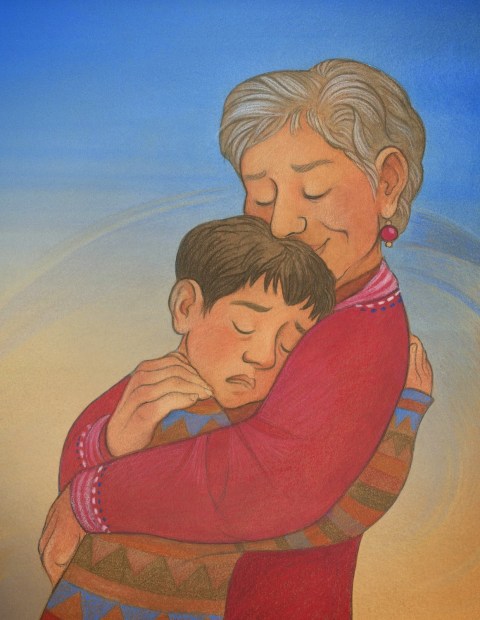
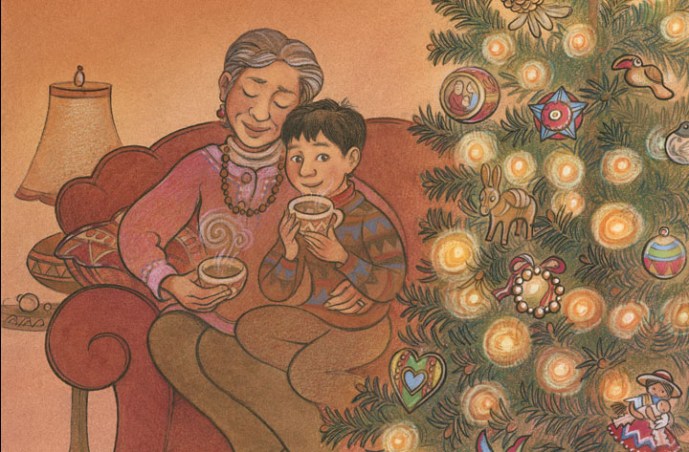
Abue Rosa hugged Arturo and told him that even without the bird she still remembered Sofia. “‘Now when I look at this bird you made, I will think of you and Sofia.’” Together they placed the pinecone ornament on the tree and turned on the lights. Afterward, they enjoyed cups of hot chocolate together. “‘The tree is full now,’ Abue said as Arturo snuggled against her, ‘of memories.’ He nodded. ‘And love.’”

Anne Broyles’ story of a boy and his grandmother who share the true meaning of love and memories is a touching holiday read. Through an incident which many children experience in one way or another, Broyles reassures young readers that—as Arturo’s grandmother states—people are more important than things. Her realistic portrayal of Arturo’s and his grandmother’s actions and emotions will resonate with readers, and the close bond between the two is a highlight of the story. Kids will enjoy the details in the stories of the ornaments as well as in Abue Rosa’s home.

Karen Lewis enhances the cozy tone of the story with her sepia-toned illustrations of Abue Rosa’s home and the personal memories surrounding her Christmas tree ornaments. Kids will recognize and empathize with Arturo’s and his grandmother’s feelings, which are genuine and clearly depicted. Kids will also like seeing the homemade and favorite ornaments that Arturo hangs on the tree as well as the loving relationship between Arturo and his Abue Rosa, which is beautifully revealed throughout the story.

Each page is told in both English and Spanish, making Arturo and the Navidad Birds a wonderful holiday choice for English-speaking, Spanish-speaking, and bilingual families.

Ages 4 – 8

Pelican Publishing, 2013 | ISBN 978-1455618019

To learn more about Anne Broyles and her books, as well as to find book-related activities, visit her website!

Discover a portfolio of illustration work, animation, and picture books on Karen Lewis’s website!

Enjoy this Arturo and the Navidad Birds book trailer!

Look for an Evergreen Day Activity

celebrate-picture-books-picture-book-review-evergreen-tree-maze

Puzzling Pine Tree Maze

The branches of a tall evergreen tree can form a kind of maze for the birds and squirrels who call them home. Can you find your way through this printable Puzzling Pine Tree Maze?

Picture Book Review
December 14 – It’s Human Rights Month

celebrate-picture-books-picture-book-review-emmanuel's-dream

About the Holiday

December is Human Rights Month, an observance established by the United Nations in order to raise awareness of, promote, and protect the equality of the world’s citizens. It takes vigilence, compassion, dedication, and determination, but achieving the goal of equal human rights is a responsibility we all share.

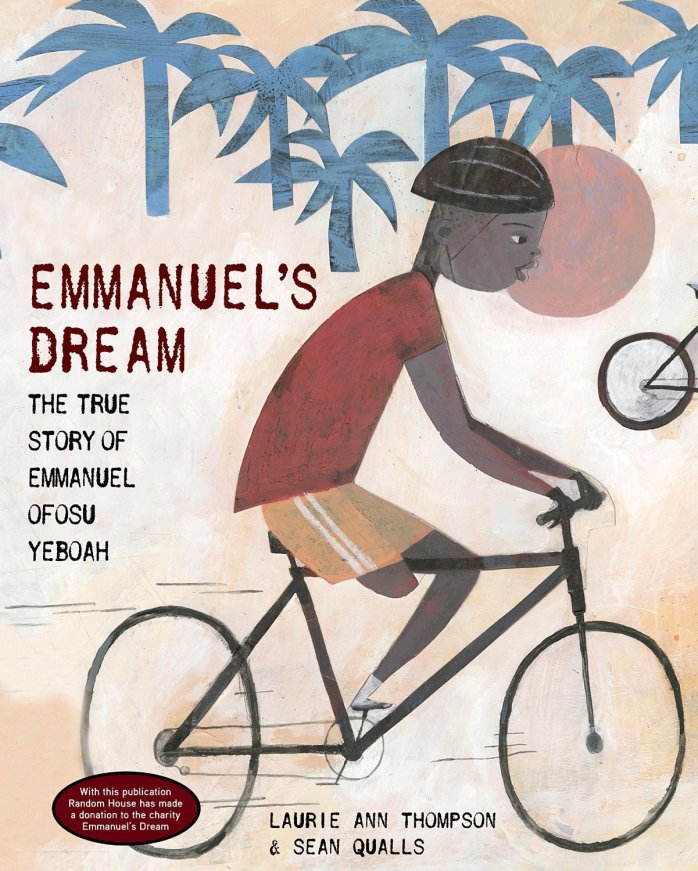
Emmanuel’s Dream: The True Story of Emmanuel Ofosu Yeboah

Written by Laurie Ann Thompson | Illustrated by Sean Qualls


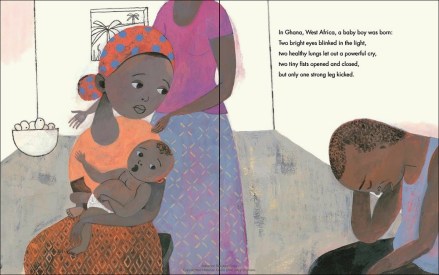
A baby is born in Ghana, West Africa with bright eyes, healthy lungs, and tiny, clasping fingers—but with only one strong leg. Most people think the baby will grow up to be a burden or worse—a curse. His father leaves the family, but his mother keeps the faith. Her name is Comfort and she names her child Emmanuel, which means “God is with us.”

celebrate-picture-books-picture-book-review-emmanuel's-dream-baby

Image copyright Sean Qualls, text copyright Laurie Ann Thompson. Courtesy of Schwartz & Wade

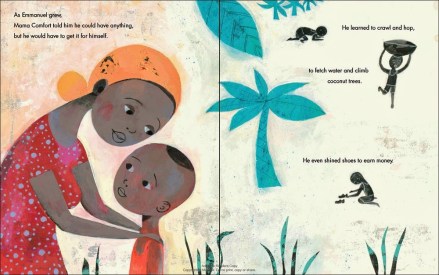
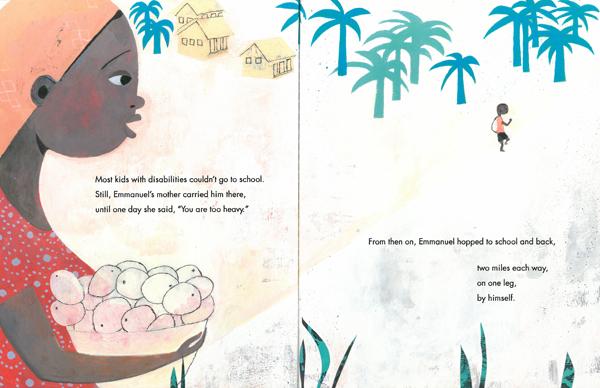
As Emmanuel grows, his mother encourages his independence. He learns how to crawl and hop to complete his daily work all with one leg. Most kids with disabilities don’t go to school, but Comfort carries her son back and forth until he becomes too heavy. From then on Emmanuel hops the two miles each way all by himself. At first the other kids won’t play with him, but Emmanuel is clever. He buys a soccer ball with the money he earns shining shoes and when he offers to share it, the kids include him. On crutches he is a fierce competitor and earns his classmates’ respect. Riding bikes is another favorite activity. Can Emmanuel pump those pedals with only one leg? He practices and falls, practices and falls some more until he masters the technique.

celebrate-picture-books-picture-book-review-emmanuel's-dream-growing-up

Image copyright Sean Qualls, text copyright Laurie Ann Thompson. Courtesy of Schwartz & Wade

When Emmanuel is 13 years old, his mother becomes ill. As the only family member capable of working, Emmanuel takes a train to a city 150 miles away to find a job. He doesn’t see his family again for two years. Because of his disability it is hard for him to find work. Finally, a food stand owner hires him and gives him a place to live. Over time Comfort grows sicker. When Emmanuel goes to be with her, she tells him to never beg and never give up. He takes these words to heart.

Emmanuel has an idea to show the world that “disabled does not mean unable”—all he needs is a bike. When the Challenged Athletes Foundation learns of his plan to bike around Ghana, they give him a bike, a helmet, and clothing. He trains and receives a blessing from the king of his region. Then accompanied by people who will document his trip, he takes off. “He pedaled through rain forests, over rolling hills, and across wide, muddy rivers….He pedaled as trucks roared past on the narrow highways and wild animals stalked his thoughts….He rode up, down, across, and around his country, proudly wearing the colors of its flag on a shirt printed with the words “The Pozo” or “the disabled person.”

celebrate-picture-books-picture-book-review-emmanuel's-dream-going-to-school

Image copyright Sean Qualls, text copyright Laurie Ann Thompson. Courtesy of Schwartz & Wade

Emmanuel talks to others with physical challenges and to those without. He meets farmers, landowners, government officials, and reporters. He wants everyone to learn of his message. People begin to pay attention—they ride and run alongside him; people with disabilities come out of their houses to see him (some leaving home for the first time ever). Emmanuel is becoming a national hero! Emmanuel completes his journey—nearly 400 miles—in only 10 days. In that short amount of time he proves that anyone can do great things and that one person is enough to change the world.

An Author’s Note expanding on Emmanuel Ofosu Yeboah’s life since his bike ride follows the text.

Laurie Ann Thompson tells this story of courage and achievement in straightforward language that highlights the difficulties and prejudices Emmanuel overcame to live the full life his mother envisioned for him. The details Thompson reveals—both within the school setting and in the world beyond—will inspire anyone who reads this special and moving true story.

Sean Qualls renders the story of Emmanuel Ofosu Yeboah in the vibrant colors and patterns of his native West Africa, giving energy and spirit to the fire that burned inside the young boy who rose above his disability and the expectations of his community. His relationship with his strong, supportive mother is drawn with obvious love and compassion. The use of a folk-art style combined with scenes of African markets, landscapes, and traditional tableaus, effectively sets the story for children. One particularly touching illustration shows a tiny Emmanuel hopping off to school as his mother, shown larger in the foreground, watches.

Ages 4 – 9

Schwartz & Wade, Random House, 2015 | ISBN 978-0449817445

Discover more about Laurie Ann Thompson and her books on her website!

To view a gallery of picture book illustration by Sean Qualls, visit his website!

Human Rights Month Activity

celebrate-picture-books-picture-book-review-change-your-world-coloring-page

Change Your World Coloring Page


You can make a difference in your school, your town, and the world around you. Here’s a printable Change Your World message that you can color and hang in your room or locker to remember how much power you have.

Picture Book Review
November 6 – Marooned without a Compass Day

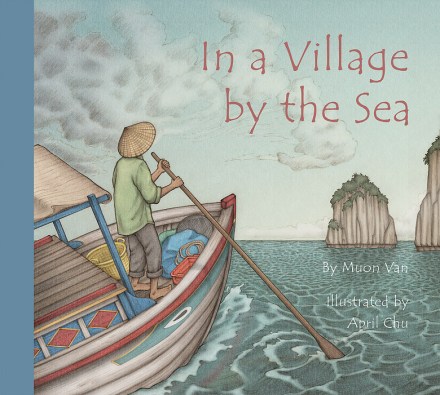
celebrate-picture-books-picture-book-review-in-a-village-by-the-sea-cover

About the Holiday

It may seem appropriate that the origins of this holiday are lost to history, like someone left to languish on a deserted island. But it’s true that—at some time or another—most of us feel marooned without a compass, flailing with decisions about what to do, who to confide in, even who we are. Today is an opportunity to reflect on the direction you are going in life and, if you find you are off course, to steer once more down the right path. It’s comforting to know that someone will be waiting for you when you reach home—wherever that may be.

In a Village by the Sea

Written by Muon Van | Illustrated by April Chu


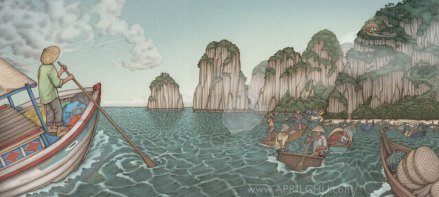
High on a cliff a small house looks out over the sea, where fishermen are poling their craft and setting their nets. “In that house, high above the waves, is a kitchen.” In the kitchen a warm fire blazes under “a pot of steaming noodle soup.” A woman, preparing ingredients for dinner, watches, mixes, and stirs while the pot simmers.

celebrate-picture-books-picture-book-review-in-a-village-by-the-sea-small-house-on-the-cliff

Image copyright April Chu, courtesy of aprilchu.com

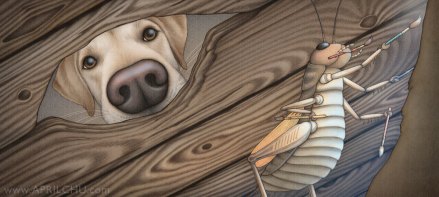
“By that woman is a sleepy child, yawning and turning. By that child, tucked in the shadows, is a dusty hole.” If you peer into that hole, you will see something astounding—a brown cricket is “humming and painting.” The cricket, brushes in four hands is surrounded by paints contained in seashells. It is painting a “sudden storm, roaring and flashing.”

celebrate-picture-books-picture-book-review-in-a-village-by-the-sea-small-house-dog-finds-cricket

Image copyright April Chu, courtesy of aprilchu.com

A white boat rides this roiling sea, rising and dipping with the crashing waves as lightning flashes ahead. Under the cover of the boat’s canvas roof a fisherman eyes the threatening sky and waits for the storm to end. In his hand he opens a precious box. Inside are two pictures: one of a small house high on a hill; the other of a smiling woman holding a little child while their dog looks on. Next to these sits a special cricket.

In the painting there is also a small house, and “in that house is a family waiting for [the fisherman] to come home.”

celebrate-picture-books-picture-book-review-in-a-village-by-the-sea-looking-out-the-door

Image copyright April Chu, courtesy of aprilchu.com

Muon Van’s lyrical tale expands and contracts through the eyes of family members to reveal not only the actions and emotions of one afternoon but those that eternally exist in each character’s heart. In the opening page readers view the small house from afar as the husband and father fisherman casts off on his journey. Children are then invited into the kitchen and finally into a small crevice.

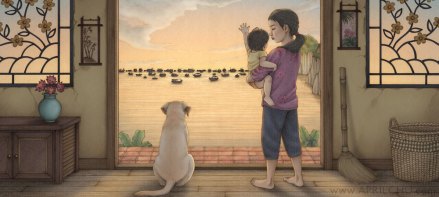
Through the cricket’s tiny painting, readers once again see the wider world with its storms and worries. Narrowing the perspective to the fisherman’s view as he looks at his photo box, however, they understand that comfort and reassurance are always close at hand. As the next page zooms out, children are again invited into the little home to join the woman, baby, and vigilant dog as they gaze out into the bay, watching and waiting for one particular boat.

Van’s quiet and simple story holds much universal feeling as it traverses both homey and unpredictable landscapes. As each page depends on the previous one, a gentle suspense builds, enticing readers to follow wherever the story takes them. The inclusion of the “dusty hole,” where a cricket—a symbol of good luck—paints the rest of the story, is irresistible and lends the tale a mystical quality.

celebrate-picture-books-picture-book-review-in-a-village-by-the-sea-on the shore

Image copyright April Chu, courtesy of aprilchu.com

April Chu’s gorgeous paintings transport readers to a Vietnamese fishing village with their delicate and colorful details. The small home glows with the light of paper lanterns and the fire in the stove. As the perspective of the text changes, so does the perspective of Chu’s paintings. When readers peer into the soup pot, bubbling with delicious vegetables, the family’s Labrador gazes up at them, almost begging to know what smells so good. Another bird’s eye view lets kids watch as the dog discovers the hole under the rug, a beautiful device to increase their enjoyment of and wonderment at the story.

Kids will marvel at the cricket’s artistic talent, as the stormy sea churns with whitecaps and lightning flashes from the tip of the small creator’s paintbrush. But it is Chu’s mastery that makes each page so meaningful.

Ages 3 – 10

Creston Books, 2015 | ISBN 978-1939547156

View a porfolio of picture books and other artwork by April Chu on her website!

Marooned without a Compass Day Activity

celebrate-picture-books-picture-book-review-sail-boat-maze

Sailboat Maze


Sometimes getting through a maze is as smooth as sailing on a calm sea—and sometimes the path is a little choppy. Get your pencil ready and chart a path through this printable Sailboat Maze!

Picture Book Review

November 1 – Dia de los Muertos (Day of the Dead)

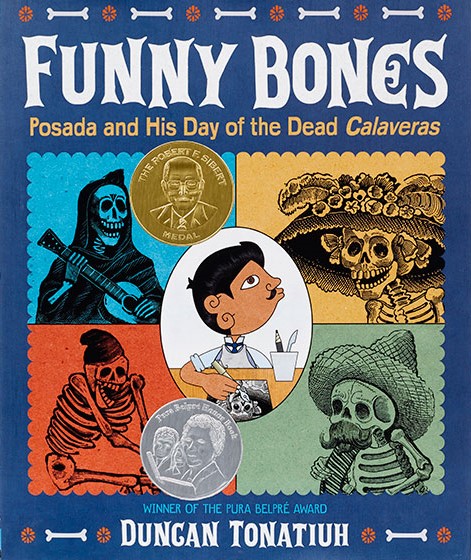
celebrate-picture-books-picture-book-review-funny-bones-posada-and-his-day-of-the-dead-calaveras-cover

About the Holiday

Originating in Mexico, but celebrated throughout Latin America, Dia de los Muertos commemorates the lives of deceased loved ones with music, food, parties, and activities the person enjoyed in life. Dia de los Muertos revolves around the belief that death is just a natural part of the life cycle, and the dead are awakened from their eternal rest to once more join their community for this special day.

Funny Bones: Posada and His Day of the Dead Calaveras

By Duncan Tonatiuh


José Guadalupe Posada was born in 1852 in the Mexican city of Aguascalientes. His older brother, a teacher, taught Lupe how to read and write, and seeing how well he drew, helped him enroll in art classes. When Lupe was 18, he went to work in a print shop where he learned lithography and engraving. During working hours Lupe created labels, invitations, flyers, and other documents.

celebrate-picture-books-picture-book-review-funny-bones-posada-and-his-day-of-the-dead-calaveras-introduction

Copyright Duncan Tonatiuh, courtesy of abramsbooks.com

After work, he gathered with other artists and talked about the government. They didn’t like how their government officials ran things. Lupe’s boss, Don Trinidad Pedroza, at the print shop also published a newspaper, and he invited Lupe to create editorial drawings to be included in the paper. Lupe’s drawings were humorous, but also highlighted the officials’ bad traits. After the elections some of these politicians remained in power and were angry with Lupe and his boss. Lupe and Don Trinidad decided to move to the city of León.

In León Lupe opened his own print shop, he got married, and had a son. He became well known not only for his printing work but also for book and pamphlet illustrations. People began to call him Don Lupe as a sign of respect. “But in 1888 a terrible flood destroyed a large part of the city, including Don Lupe’s shop.” He and his family moved to Mexico City, where in time he was able to open another print shop.

celebrate-picture-books-picture-book-review-funny-bones-posada-and-his-day-of-the-dead-calaveras-calavera-love

Copyright Duncan Tonatiuh, courtesy of abramsbooks.com

He worked with Antonio Vanegas, a writer, who published his stories on large sheets of paper called ‘broadsides.’ “The tales were about a wide range of topics, including scary creatures, fires, miracles, violent crimes, heroes, bandits, cockfights, and bullfights.” Don Lupe drew illustrations for many of these stories. Even people who couldn’t read began buying the broadsides because they were fascinated by Don Lupe’s art.

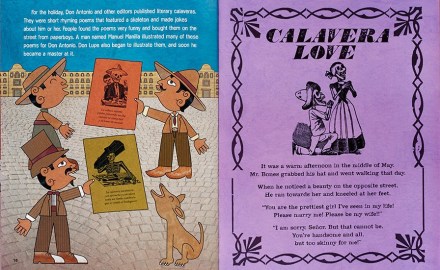
Every November first and second, during the Dia de Muertos celebrations venders sold special “pan de muerto (bread), cempasúchil (marigold flowers), alfeñiques (sugar skulls), and papel picado (paper cutouts). People bought these and other items to decorate the ofrendas (offerings) they made for their loved ones who had died.” Don Antonio and other editors published “literary Calaveras, which were “short rhyming poems that featured a skeleton and made jokes about him or her. People thought they were very funny. Soon Don Lupe began drawing illustrations for these poems.

celebrate-picture-books-picture-book-review-funny-bones-posada-and-his-day-of-the-dead-calaveras-fancy-hat

Copyright Duncan Tonatiuh, courtesy of abramsbooks.com

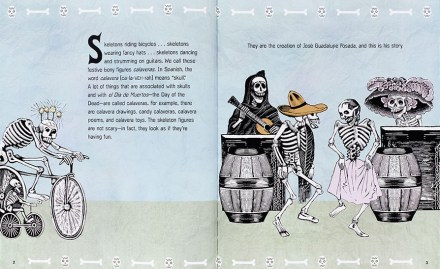
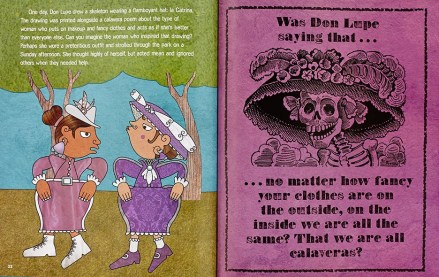
Over time Don Lupe began using the technique of etching, and his illustrations grew more complex. In his calaveras drawings Don Lupe interpreted and commented on what he saw not only on Dia de Muertos, but every day. For example, he watched families gather at loved ones’ graves with food, stories, and music then “drew skeletons dancing and partying. Was he saying that…El Dia de Muertos is not only a celebration of death but also a celebration of life? A day when the dead become alive?”

In another drawing a skeleton wears a large hat covered with lace, feathers, and flowers. This illustration accompanied a poem about a woman who wore expensive clothes and thought she was better than others and ignored them when they needed help. “Was Don Lupe saying that…no matter how fancy your clothes are on the outside, on the inside we are all the same? That we are all calaveras?

Don Lupe also commented on the ever increasing hustle and bustle of society, the Mexican Revolution of 1910, revolutionary leaders and government officials, and just common people and events. Perhaps the main idea Don Lupe was trying to communicate was that “calaveras are all around us. That we are all calaveras, whether we are rich or poor, famous or not.”

celebrate-picture-books-picture-book-review-funny-bones-posada-and-his-day-of-the-dead-calaveras-today

Copyright Duncan Tonatiuh, courtesy of abramsbooks.com

While many people loved and looked forward to Don Lupe’s artwork, they did not know the artist who drew them. It wasn’t until many years after his death in 1913 that “historians and artists such as Jean Charlot and Diego Rivera began to wonder who had drawn such wonderful images.” Today, we know Don Lupe by his last name—Posada—which is how he signed his work, and he and his work is still beloved around the world.

An extensive Author’s Note about El Dia de Muertos and Posada’s influence on other artists. A glossary, bibliography, art credits, and places where Posada’s work is displayed follow the text.

celebrate-picture-books-picture-book-review-funny-bones-posada-and-his-day-of-the-dead-calaveras-etching

Copyright Duncan Tonatiuh, courtesy of abramsbooks.com

In Funny Bones Posada and His Day of the Dead Calaveras, Duncan Tonatiuh accomplishes many things. First, his book is a fascinating look at the life of the man who entertained and enlightened the world with his distinctive talent and ideas. Tonatiuh’s straightforward storytelling reveals the personal and historical events that influenced Posada from childhood through adulthood, clearly explaining and highlighting each concept for his young audience. Second, Tonatiuh provides readers with brief primers on the printing processes of lithography, engraving, and etching with step-by-step descriptions of these interesting art forms.

Third, his own vibrant and expressive stylized illustrations both contrast with and complement the depictions of Posada’s life and his calaveras drawings. On nearly every two-page spread readers experience this biography through Tonatiuh’s portrayals of Don Lupe, the townspeople, and others as well as through Posada’s actual broadsides and editorial drawings. The juxtapositions allow children to fully appreciate the meaning and humor behind these famous drawings that are still so popular and resonant today.

Ages 6 – 10

Harry N. Abrams, 2015 | ISBN 978-1419716478

View a gallery of Duncan Tonatiuh‘s artwork for children and adults on his website!

Dia de los Muertas (Day of the Dead) Activity

celebrate-picture-books-picture-book-review-day-of-dead-coloring-page

Calaveras Coloring Page


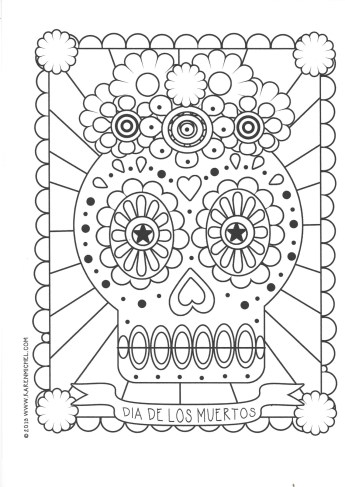
With their intricate designs and vibrant hues, calaveras are a joy to color. Grab your entire set of markers, pencils, or crayons and design a masterpiece with this printable Calaveras Coloring Page.

Picture Book Review

August 14 – It’s Family Fun Month

celebrate-picture-books-picture-book-review-rosie-the-raven-cover

About the Holiday

August is a perfect time to have fun with the family! The days are long and warm, and there are so many activities to discover. Get away from the heat at a pool, the beach, or on the cool shade of a forest path. Explore your adventurous side while camping or traveling to an unfamiliar town, or increase your knowledge by visiting a science, art, history, or other museum. Before school starts up for another year, get out there and have fun!

Rosie the Raven

By Helga Bansch | Translated by Shelley Tanaka


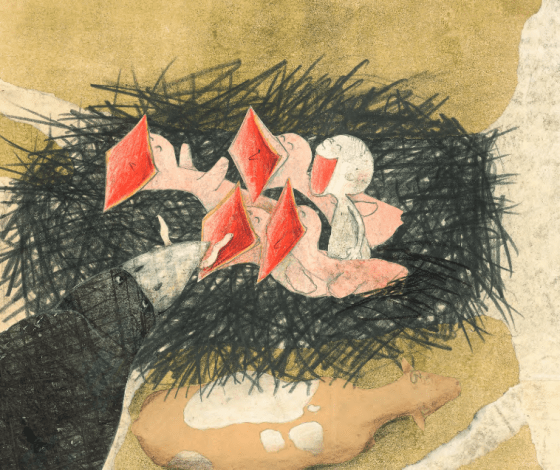
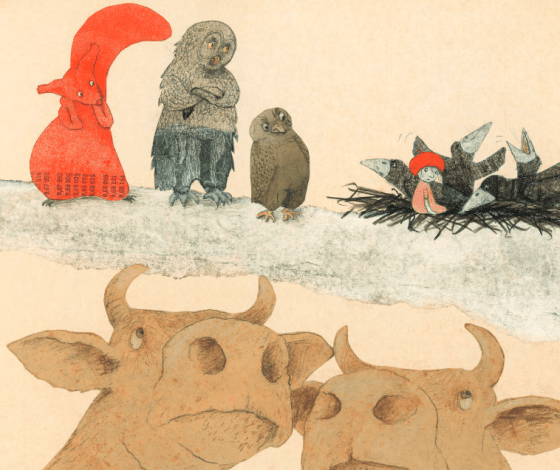
In a nest high in a tree, a little pink egg among the blue speckled ones hatches a little girl. As soon as all five babies are out of their shells, the hatchling says “Mama and Papa took us under their wings. It was nice and warm there.” The babies are hungry and the little girl, following the example of her brothers and sisters, opens her mouth wide to enjoy the “worms, flies, maggots, and snails.”

celebrate-picture-books-picture-book-review-rosie-the-raven-babies-eating

Image copyright Helga Bansch, courtesy of annickpress.com

As they grow, the little ones “slept, had cawing contests and goofed around.” Because the little girl is always cold, her papa got her a red dress and hat. “‘Our little Rosie,’” Mama called me,” the girl says. Although Rosie and her nest mates are a happy family, Rosie says that “every day others would come and stare at us” as well as offer unsolicited advice: “‘It needs to exercise its wings” or, because they considered Rosie ugly without feathers, “Rub it with birch leaves. That will make its feathers grow.”

Under the critical gaze of these outsiders, Rosie looks at herself and notices for the first time that she is different than her Mama and Papa, her brothers and sisters. Her siblings are already learning how to fly, their caws are wild and resonant, and their feathers are fluffy and soft. In comparison, when Rosie flaps nothing happens, her voice sounds “pitiful,” and she has no fluff.

celebrate-picture-books-picture-book-review-rosie-the-raven-other-animals-judge

Image copyright Helga Bansch, courtesy of annickpress.com

Rosie “so wanted to be like them” that she beats her “wings over and over.” She caws until she is hoarse and rubs herself with birch leaves until her skin glows green. Soon she decides that “all this was just silly.” “‘I’m just different. And if the others talk about me, what do I care,’” she thinks. Besides, she learns that her “kind of wings are quite useful for other things.”

When Rosie’s siblings fly away from the nest after several weeks, the nest seems quiet. As the weeks progress and “the air began to smell like autumn, it was time to set out for the south.” Rosie’s parents practice flying with Rosie on their back until she can ride safely. Finally the day comes when they make the trip, and they find a new home in a tree that is perfect for Rosie to climb. Now it is her job to gather food for the family—which will soon include four new babies.

In her new home Rosie meets a frog who is going to teach her to swim. After their first meeting, the frog asks, “‘So, what are you really?’” “‘I am Rosie the Raven!’” Rosie squawks loudly. Then she goes home and climbs up to her nest in the tree, looking forward to tomorrow.

celebrate-picture-books-picture-book-review-rosie-the-raven-rosie-realizes

Image copyright Helga Bansch, courtesy of annickpress.com

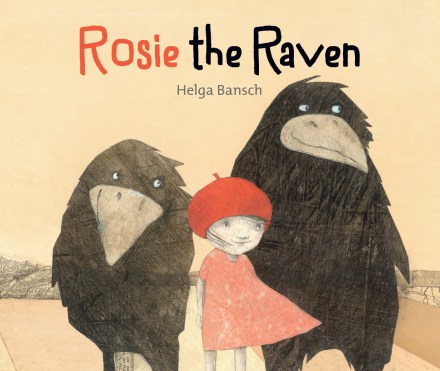
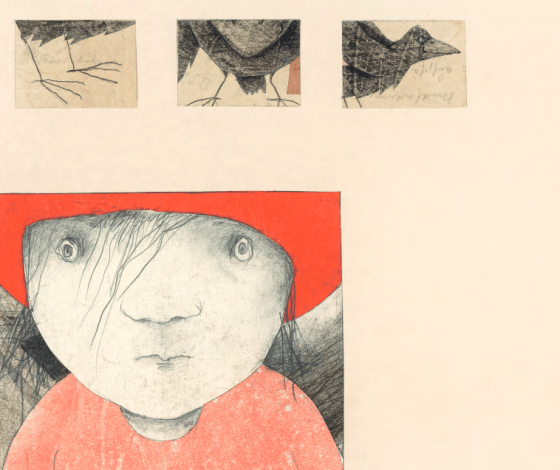
Helga Bansch’s Rosie the Raven, bathed in tones of beige and black and punctuated with the red of Rosie’s cap and dress, is a quiet, but powerful book of what it means to be different and who defines that difference. The story of the Raven family is all the more eloquent and compelling for its being told through straight narration and not as a fairy tale or fable. The moment when Rosie looks at herself through others’ eyes, but quickly rejects the notion that her identity as a Raven is based on her having wings or feathers as well as her decision to stay with Mama and Papa affirms the idea that the true self is found within.

Bansch’s little Ravens are endearing as they frolic in the nest under the watchful and loving eyes of Mama and Papa. Rosie exudes a strong sense of confidence and happiness that readers will respond to. Bansch’s pages are a mix of panels, collages, and beautiful two-page spreads that give the book a distinctive look and feel. Fields and mountains are created from maps and bits of printed material in a variety of languages that emphasizes the book’s theme. Rosie the Raven could easily become a child’s favorite for bedtime or quiet story time and would be a wonderful addition to home as well as school libraries.

Ages 4 – 8

annick press, 2016 | ISBN 978-1554518340 (Austrian edition Die Rabenrosa: 978-3702658748)

To view more books and artwork by Helga Bansch, visit her website!
Check out more books for children and young adults at annick press!

Family Fun Day Activity

celebrate-picture-books-picture-book-review-bungalow-house-coloring-page

Home is Where Your Heart Is Coloring Pages

Apartments Coloring Page

Bungalow Coloring Page