July 24 – Amelia Earhart Day

celebrate-picture-books-picture-book-review-i-am-amelia-earhart-cover

About the Holiday

On July 24, 1897 Amelia Mary Earhart was born. With astounding bravery and perseverance, Earhart became the first woman to fly solo across the Atlantic Ocean. She was an author; a founder of the Ninety-Nines, an organization for women pilots; an instructor and career counselor; and she broke many aviation records. Her disappearance over the Pacific Ocean in 1937 remains one of the most baffling historical mysteries.

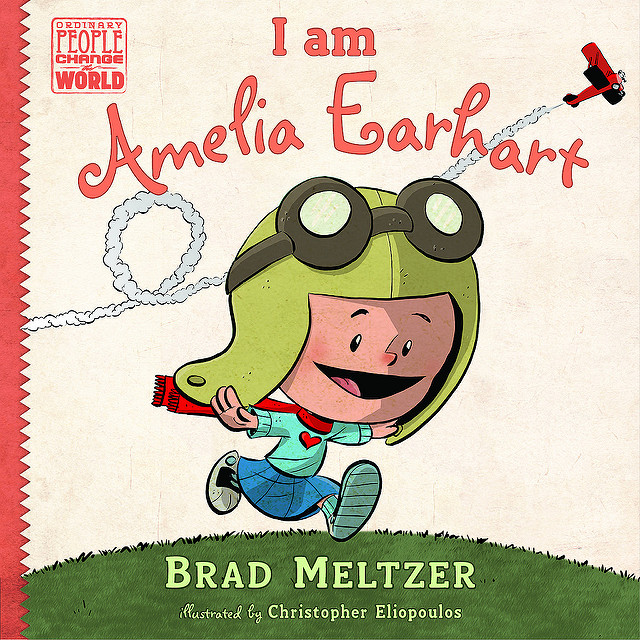
I am Amelia Earhart

Written by Brad Meltzer | Illustrated by Christopher Eliopoulos


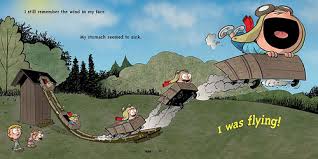
Even as a child Amelia Earhart chafed at the idea that girls could only wear dresses, play with dolls, and have “unladylike” adventures. At the age of seven Amelia and her sister built a roller coaster in their backyard by placing two planks against a shed and making a car from a packing crate with roller skate wheels on the bottom. They even greased the wood to make it “super-fast.”

Amelia took the first ride. With the wind in her face she launched off the end of the ramp, catching air and her first feeling of flight. She crash landed a minute later, but declared the experience, “awesome!”

celebrate-picture-books-picture-book-review-i-am-amelia-earhart-interior-art-no-girl-stuff

Image copyright Christopher Eliopoulos

When Amelia was 23 she met Frank Hawks, who took her on her very first flight for ten dollars. It only took her ten minutes to realize that “she had to fly.” To save money for flying lessons Amelia took on many jobs. She worked as a truck driver, a stenographer, and a photographer. In time she learned to fly and within six months of becoming a pilot, she bought a bright yellow biplane that she named Canary.

Amelia admitted that she wasn’t a natural or even the best pilot, but she worked hard to learn the skills she needed. She also bravely dared to do what others wouldn’t or couldn’t. Because of her determination she became the first woman to fly across the Atlantic and then the first woman to fly solo across the Atlantic. At a time when people still traveled from America to Europe by boat, no one thought a woman would be able to fly that far.

To make the flight required the kind of grit that Amelia possessed. The trip took 14 hours and 56 minutes with no stops and no breaks, and when Amelia landed she broke the record for the fastest Atlantic flight ever. She broke other records too, including the woman’s altitude record and a speed record. Despite her success, whenever she set a new goal there were always people who told her she couldn’t do it. But she never let that stop her.
celebrate-picture-books-picture-book-review-i-am-amelia-earhart-interior-art-roller-coaster

Image copyright Christopher Eliopoulos

Her life and achievements serve as inspiration to all who aspire to great heights. Amelia’s advice? “Whatever your dream is, chase it. Work hard for it. You will find it. It is the best lesson I can give you.” And she added this reminder: “I hope you’ll remember that the greatest flight you’ll ever take, is the one no one has tried before.”

Part of Brad Meltzer’s I am… series of biographies, this portrait of Amelia Earhart highlights the traits of bravery and individualism—evident from her youngest years—that fueled her passion for adventure and breaking barriers. Perfectly suited for its audience, the text is conversational and includes funny asides from young Amelia to her readers. The repeated repartee between those who doubted her and Amelia (“you sure this is a good idea?” and “This isn’t a good idea. It’s the best idea!”) emphasizes Amelia’s determination and self-belief that will inspire kids to think likewise about their own dreams. The book follows Amelia from her childhood through her young adulthood and into her record-breaking years with well-chosen facts that illuminate but do not overwhelm. As this is a book to inspire children to reach for their dreams, the book makes no mention of Amelia’s eventual disappearance over the Pacific Ocean, instead leaving kids with wise words from this most iconic and fascinating adventurer.

Children love the accessibility of Christopher Eliopoulos’ I am… series illustrations! Enthusiasm and joy radiate from Amelia Earhart’s face as she races to meet the world head-on. Her dismay with typical “girl stuff” as well as her excitement when flying is evident in her very kid-like expressions. The scenes of Amelia building and riding her homemade roller coaster will make kids’ eyes widen in delight. Amelia’s various flights and planes are beautifully rendered in both up-close views of her aircraft as well as panoramic spreads showing her flying through clouds, over fields, and across the ocean. The full-bleed, vibrant and action-packed pictures will rivet kids’ attention to Amelia’s life and her inspiring message

Ages 5 – 9

Dial Books for Young Readers, 2014 | ISBN 978-0803740822

Keep up with what Brad Meltzer is writing and doing next by visiting his website!

Discover the cartoon world of Christopher Eliopoulos on his website!

Amelia Earhart Day Activity

celebrate-picture-books-picture-book-review-biplane-craft

Soar Toward Your Dreams Box Biplane


If you love airplanes and flying—or if you just have sky-high aspirations—you’ll have fun making your own plane from recycled materials! You can use your own creativity to decorate it or make Amelia Earhart’s Canary while you imagine yourself flying through the clouds on a beautiful day. This is a fun activity to share with an adult or older sibling too!

Supplies

  • Travel-size toothpaste box
  • 3 Long, wide craft sticks
  • 2 Short “popsicle” sticks
  • 5 Round toothpicks, with points cut off
  • Paint in whatever colors you like for your design
  • 4 small buttons or flat beads
  • Paint brushes
  • Strong glue or glue gun

Directions

  1. Empty toothpaste box
  2. Paint toothpaste box and decorate it
  3. Paint the craft sticks and 5 toothpicks
  4. Paint one small craft stick to be the propeller
  5. Let all objects dry

To assemble the biplane

  1. For the Bottom Wing – Glue one long, wide craft stick to the bottom of the plane about 1 inch from the end of the box that will be the front of the plane
  2. For the Top Wing – Glue the other long, wide craft stick to the top of the plane about 1 inch from the front of the plane
  3. For the Tail – Glue one short craft stick to the bottom of the box about ¾ inches from the end that is the back of the plane
  4. For the Vertical Rudder – Cut the end from one of the painted wide craft sticks, glue this to the back of the box, placing it half-way between each side

To assemble the wheels

  1. Cut 4 painted toothpicks ¾-inches long
  2. Cut one painted toothpick 1-inch long
  3. Glue 2 of the short toothpicks to the back of 1 button, the ends of the toothpicks on the button should be touching and the other end apart so the toothpicks form a V
  4. Repeat the above step for the other wheel
  5. Let the glue dry
  6. Glue the 1-inch long toothpick to the center of each wheel to keep them together and give them stability. Let dry

To make the back wheel

  1. Cut two ¼-inch lengths of painted toothpick and glue them together. Let dry
  2. Glue two mini buttons together to form the back wheel. Let dry
  3. Glue the ¼-inch toothpicks to the mini buttons. Let dry
  4. Glue these to the bottom of the plane in the center of the box directly in front of and touching the tail

July 20 – National Moon Day

celebrate-picture-books-picture-book-review-to-the-stars-cover

About the Holiday

Today’s holiday celebrates the astounding technological achievement that saw men land—and walk—on the moon. On July 20, 1969 Apollo 11 with astronauts Neil Armstrong, Buzz Aldrin, and Michael Collins touched down on the moon. Six hours after landing, Armstrong made the first “small step for man, one giant leap for mankind” when he descended the ladder of the space craft to the moon’s surface. He spent two and a half hours exploring our nearest neighbor. Aldrin also made a lunar walk. Between them, the two astronauts brought 47.5 pounds of material back to Earth. Millions of people watched live coverage of the moon landing on television, cheering along with NASA at this amazing feat.

To the Stars! The First American Woman to Walk in Space

Written by Carmella Van Vleet and Dr. Kathy Sullivan | Illustrated by Nicole Wong


As a child Kathy Sullivan loved to explore. Her father designed airplanes, and when he brought home blueprints, she carefully studied every line and curve. When she saw airplanes in the sky she wished she were on them, flying to exciting locations all over the world. Maps and foreign languages fascinated her. “Their strange symbols, exotic tales, and musical sounds made her feel like the world was waiting for her.” Kathy wanted to see that whole world and thought maybe she’d like to be a spy or a diplomat, but her friends and other adults told her those weren’t jobs for women.

celebrate-picture-books-picture-book-review-to-the-stars-blueprints

Image copyright Nicole Wong, courtesy of nicole-wong.com

But Kathy always followed her heart. She loved going fishing with her dad and brother, finishing the day with a swim. She “delighted in how her arms and legs moved in slow motion underwater.” Kathy was still a teenager when she learned how to pilot a plane. At first the busy instrument panel made her nervous, but she quickly learned how to manage all the “dials, buttons, and numbers.”

Kathy got a taste for the thrill of space when she bravely jumped at the opportunity to ride in a Breezy—an open air framework plane. Sitting at the very tip of the airplane, in front of the pilot, Kathy had a bird’s eye view. “The wind rushed past her face so fast it pushed her cheeks back. Higher! Faster! Young Kathy looked at the ground below her feet. She felt like she could see the whole world.”

Later, as the first American woman to walk in space, she did!

celebrate-picture-books-picture-book-review-to-the-stars-spacewalk

Image copyright Nicole Wong, courtesy of charlesbridge.com

Carmella Van Vleet and Dr. Kathy Sullivan, have written a compelling biography of Dr. Sullivan that not only tells the story of her adult achievements, but also reveals the childhood and teenage motivations and influences that fostered her journey to the stars. As each event in Kathy’s young life is introduced, it is followed by an adult accomplishment: Kathy’s poring over her father’s aircraft blueprints leads to a spread of college-age Kathy studying charts in textbooks. Her enjoyment of swimming underwater is followed by an illustration showing her NASA training underwater. Her initial introduction to a plane’s instrument panel informs her later responsibilities inside the spacecraft. And the question she once asked herself as a child—what kind of job would allow her to see the whole world—is answered as the astronaut Kathy gazes down at Earth from space.

celebrate-picture-books-picture-book-review-to-the-stars-breezy

Image copyright Nicole Wong, courtesy of charlesbridge.com

Nicole Wong’s lovely, realistic watercolor and ink paintings clearly show readers Kathy Sullivan’s trajectory from curious girl to accomplished astronaut. The blueprints that Kathy studies are filled with schematics. The aqua water she swims in swirls and bubbles in the wake of her cannonball dive, the crisscrossing fields lay like a mottled green quilt under the Breezy. Especially stunning and effective are the illustrations of Dr. Sullivan’s work with NASA. Kids will love the up-close view of the spacecraft’s instrument panel with its myriad buttons and dials, and find the gorgeous two-page spreads of the space shuttle’s launch, the view from the cockpit, and Kathy’s spacewalk particularly thrilling.

Following the text are a personal note from Kathy Sullivan to her young readers, as well as more extensive biographical notes on how Dr. Sullivan discovered her love of science and the NASA missions she supported. Two more pages highlight the women of the first space-shuttle class, which included Kathy Sullivan, and other firsts by eight other women in space.

To the Stars is a wonderful book to teach children that following their own heart is the best path to future happiness and personal accomplishment. It’s a nice addition to any budding scientist’s or adventurer’s library!

Ages 5 – 9

Charlesbridge, 2016 | ISBN 978-1580896443

To find fun activities for To the Stars—including how to make space play dough—as well as other books by Carmella Van Vleet, visit her website!

To learn more about Nicole Wong and view a portfolio of her artwork, visit her website!

National Moon Day Activity

celebrate-picture-books-picture-book-review-moon-and-earth-coloring-page

Out of this World Coloring Page


The view of the Moon from Earth or of Earth from the Moon is spectacular! Have fun coloring this printable Out of this World Coloring Page!

Picture Book Review

July 13 – National Culinary Arts Month

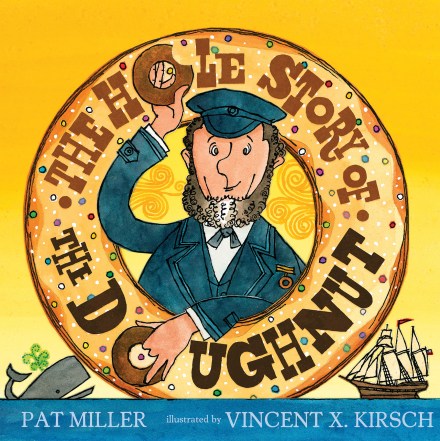
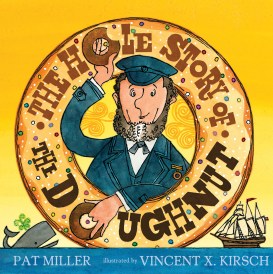
celebrate-picture-books-picture-book-review-the-hole-story-of-the-doughnut-cover

About the Holiday

July is a great month for celebrating culinary arts. With kids home from school it’s fun to spend time together in the kitchen learning new skills and making experimental or favorite recipes. On-the-go meals or vacations can also take you to new and enticing restaurants, where you may try regional cuisine and discover exciting flavors.

The Hole Story of the Doughnut

Written by Pat Miller | Illustrated by Vincent X. Kirsch


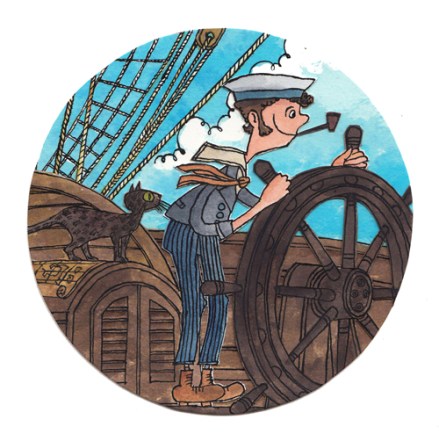
In 1844 at the tender age of 13, Hanson Gregory left the family farm and went to sea as a cabin boy on the schooner Isaac Achorn. He quickly became the cook’s assistant and also learned how to rig the sails and “steer a ship over trackless waves by sun and stars.” By the age of 19 Gregory had become the captain of the schooner Hardscrabble, and within a few more years was racing “his cargo from Maine to California as commander of a clipper, the fastest ship on any ocean.”

celebrate-picture-books-picture-book-review-hole-story-of-the-doughnut

Image copyright Vincent X. Kirsch, courtesy of vincentxkirsch.com

Hanson Gregory may have been one of the best captains to sail the seas—once awarded a medal for heroism for rescuing seven shipwrecked Spanish sailors even though his own ship and crew were endangered. But his greatest achievement was not attained because of his seafaring skills—it was his ingenuity in the galley that people remember.

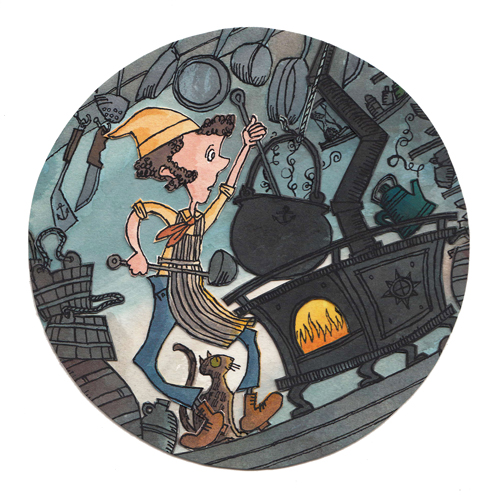
On June 22, 1847 as a 16-year-old cook’s assistant, Hanson was rustling up the crew’s breakfast—coffee and fried cakes, the same as every morning. While the pot of lard bubbled on the stove, Gregory formed balls of sweetened dough and dropped them in. They sizzled and crisped—at least around the edges. The centers were raw, heavy with grease, and they dropped like cannonballs in the stomach. “Sailors called them Sinkers.” But this morning Gregory had an idea. He removed the lid from the pepper can and cut out the center of the balls. “Then he tossed the rings into the bubbling lard.”

celebrate-picture-books-picture-book-review-hole-story-of-the-doughnut

Image copyright Vincent X. Kirsch, courtesy of vincentxkirsch.com

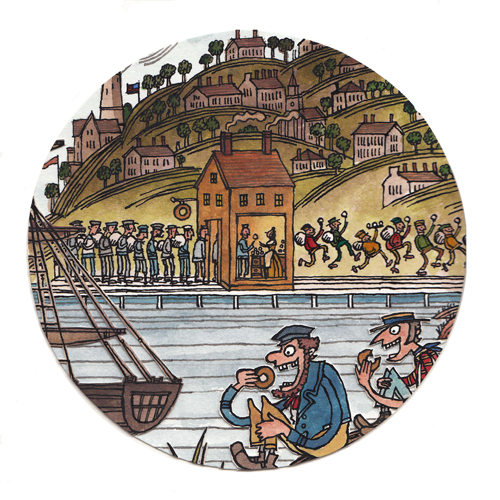
The cook and the sailors took one look at this odd concoction and…ate them up! “The cakes were brown, and sweet, and fully cooked. Sighs of delight rose above the noisy sea. A new breakfast tradition was born.” Gregory told his mom about his invention, and she fried up large batches of these ‘holey cakes’ that were a sensation at a friend’s store and on the docks.

You might think this is a pretty interesting tale in itself, “but sailors like their stories bold” and so they “spun legends worthy of such a delicious treat.” One tale had Captain Gregory inventing the doughnut while he saved his ship from disaster. Another told how Gregory, distraught over the drowning of five sailors pulled to the ocean floor by of their “sinker” breakfast, punched holes in every cake to make them look like life rings and vowed, “‘Never again!’”

Captain Gregory had a sense of humor about his accomplishment. During an interview he once stated that “he had invented ‘the first hole ever seen by mortal eyes.’” Gregory lived to be 89 and is buried “overlooking the sea where stormy weather can be spotted as readily as it once was from the quarterdeck of the Hardscrabble.”

An author’s note expanding on the story of Captain Gregory, the doughnut, doughnut shops, a timeline, and a selected bibliography follow the text.

celebrate-picture-books-picture-book-review-hole-story-of-the-doughnut

Image copyright Vincent X. Kirsch, courtesy of vincentxkirsch.com

Doughnuts have never been so evocative! In Pat Miller’s humorous, informative history of this favorite pastry treat, readers can smell the salt air, feel the ocean swell and roll under their feet, and even ache a little for those poor sailors forced to eat “sinkers.” Seamlessly interwoven into this foodography is a fascinating look at the early days of sail. Miller’s language is immediately stirring: the Ivanhoe bucks and plunges, the sea becomes a monster, and Captain Gregory spears a sinker on the wheel spoke. Kids will marvel at a 13-year-old going off to sea and becoming an inventor at 16.

Vincent X. Kirsch provides just the right touch to this captivating true story with his cartoon-inspired watercolor and cut paper artwork. Ingeniously incorporating Hanson Gregory’s innovation of removing the center of the fried cakes, Kirsch’s illustrations are “cored” to allow for text, while the extracted section appears on the facing page as a glimpse through a porthole. The maritime atmosphere—from ship to shore—of the mid-1800s is beautifully represented in the folk-style sketches, and the humor that is so intrinsic to this story is wonderfully embraced.

The Hole Story of the Doughnut will delight foodies and history buffs alike and would make a fun gift and a delectable addition to personal libraries for all ages.

Ages 5 – 12

Houghton Mifflin Harcourt, 2016 | ISBN 978-0544319615

Vincent X. Kirsch’s website is full of illustrations from his books for children—take a look at his portfolio!

Spend some time with Pat Miller on her website that offers activities, tips, resources and many more books!

Culinary Arts Month Activity

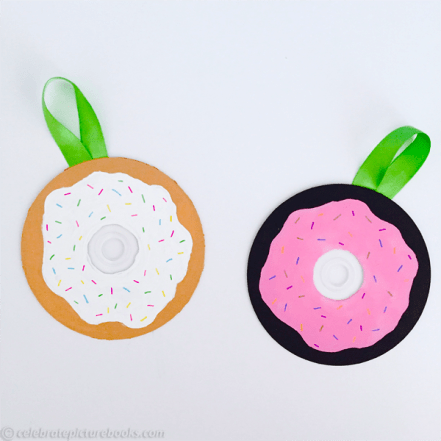
celebrate-picture-books-picture-book-review-cd-doughnut-craft

CD (Compact Doughnuts) Decoration


Are some of  your CDs a little passé? Not if you can turn them into cute décor like this doughnut hanging.

Supplies

  • Unused CDs
  • Craft paint in tan, black, pink, yellow, white (or any colors you want for the doughnut and the icing)
  • Ribbon, any color and length you want
  • Fine-tip markers in bright colors
  • Glue
  • Glue dots (optional)
  • Paint brush

Directions

  1. Paint a wavy edge around the CD, let dry
  2. Paint the center of the CD, leaving the clear circle unpainted
  3. When the icing paint is dry, draw sprinkles on the icing with the markers
  4. With the ribbon make a loop hanger and attach it to the back of the CD with glue or glue dots
  5. Hang your decoration

celebrate-picture-books-picture-book-review-the-hole-story-of-the-doughnut-cover

You can find The Hole Story of the Doughnut at these booksellers

Amazon | Barnes & Noble | Books-a-Million | IndieBound


June 21 – World Music Day

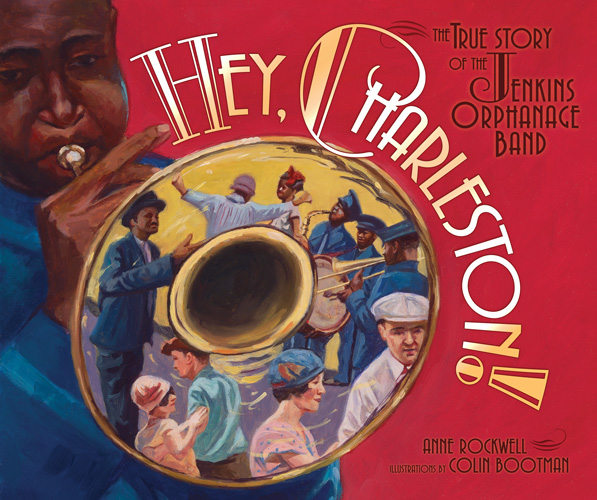
celebrate-picture-books-picture-book-review-hey-charleston

About the Holiday

Celebrated every year on the summer solstice, World Music Day, also known as the Fête de la Musique, brings together professional and amateur musicians to ply their trade and entertain audiences for a day full of sound. The day was first conceived in 1982 by French Minister of Culture Jack Lang, who elicited the help of Maurice Fleuret, the Director of Music and Dance. When Fleuret discovered that half of the nation’s children played a musical instrument, he devised a way to bring people out into the streets for a music festival. Since then, the event has become an international phenomenon, celebrated in more than 700 cities in 120 countries worldwide. To participate consider organizing or attending a  free concert or enjoying music in your favorite way.

Hey, Charleston! The True Story of the Jenkins Orphanage Band

Written by Anne Rockwell | Illustrated by Colin Bootman


“Have you ever known someone who was always trying to turn bad into good, always seeing hope where others saw despair?” This question, which begins the biography of Reverend Daniel Joseph Jenkins and the orphans he loved is as relevant today as it was in the early 1900s, when this story takes place. Reverend Jenkins was the pastor of a small church in Charleston, South Carolina. One night while collecting scrap wood at a railroad yard, he discovered a group of boys huddled and sobbing inside a freight car. Reverend Jenkins took them to his church, fed them, and gave them a warm place to sleep. He knew what it was like to be an orphan because he had been one too.

Soon more orphans showed up at the church door, and Reverend Jenkins accepted them all. Room grew tight so he convinced the city officials to give him an abandoned warehouse for his orphanage. There was just one drawback: the warehouse was next to a prison, where less-than-desirable sounds emanated from the walls. Reverend Jenkins figured out a way to drown out the noise, however. He gathered the orphans and led them in song outside the orphanage door. The kids were good singers, and that gave the reverend an idea.

He had grown up during the Civil War and remembered the marching bands that led the soldiers into battle. He remembered the instruments these musicians carried and asked for any that were now unused to be donated to the children. Instruments poured in! They were polished and tuned and the children learned to play under the direction of the best teachers in Charleston. With the money Reverend Jenkins thought they could make entertaining people, he planned to buy a farm for the orphans.

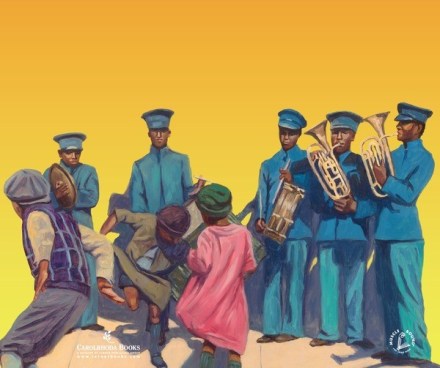
Soon the Jenkins Orphanage Band was playing on street corners and in other venues. Many of the kids were descended from the Geechee or Gullah people who lived on islands off the coast of South Carolina, and they played the old band music with their own special rhythm, called “rag.” “A couple of Geechee boys would lead the band by doing a dance—twisting and twirling and tapping their toes, knocking their knees, and flapping their arms.” People loved the music, but most South Carolinians were poor and couldn’t donate much to the orphans. Reverend Jenkins decided to take his band to New York City. The band took the city by storm! People loved when the kids played their raggedy music and soon were imitating the Geechee boys’ dance. “Hey, Charleston,” they’d shout, “Give us some rag!” They called the dance “the Charleston,” and soon everyone was doing it.

celebrate-picture-books-picture-book-review-hey-charleston-interior-art

The orphans made so much money they were able to buy a new house, and the music instruction became so renowned that families began paying to have their children taught along with the orphans. The band continued to travel around the United States, and they were even invited to perform in the inaugural parade for President Theodore Roosevelt. Finally, they were able to buy the farm Reverend Jenkins had dreamed of.

In 1914 the Jenkins Orphanage Band was even invited to play for Britain’s King George V at the Anglo-American Exposition in London. While they were there, however, Britain entered World War I. The British government ensured that the band had safe passage back home, but many other Americans were stranded in England. Reverend Jenkins offered to lend these citizens the money needed for them to return home as well.

The ship sailed silently through the dangerous Atlantic Ocean until it reached an American port. Once safe the passengers shouted, “‘Hey, Charleston! Give us some rag!’” Happy to be home, the band tuned up their instruments and played loudly and enthusiastically for the shipboard audience. As the passengers disembarked in New York Harbor, crowds greeted them with a hearty welcome. Back home “as they lay down to sleep that night, those band players knew they had done what Reverend Jenkins always taught them. They had turned bad into good.”

Anne Rockwell succinctly and clearly relays the story of the Jenkins Orphanage Band while also retaining all the heart and soul of this fascinating group of children and their dedicated caregiver. The true-life tale is mesmerizing, not only for the historical details of the growth of ragtime music and the Charleston dance but for the accomplishments of the orphans once given love, acceptance, and education. Rockwell’s conversational tone contributes to the story’s smooth, flowing pace, which will keep listeners or readers rapt from beginning to end.

Colin Bootman’s bold two-page spreads illuminate the sights and sounds of the early 1900s for readers. Emphasizing the personal connections between Reverend Jenkins and the orphans as well as the band and their audiences, Bootman’s vibrant paintings are full of people watching, dancing, marching, and celebrating these boys’ awesome gifts.

Ages 6 – 10

Carolrhoda Books, 2013 | ISBN 978-0761355656

World Music Day Activity

celebrate-picture-books-picture-book-review-musical-instruments-word-search


It’s Instrumental Word Search


Triangles may not get a lot of play in an orchestra, but there’s plenty of play in this printable It’s Instrumental Word Search that contains the names of 20 instruments! 

June 6 – Russian Language Day

celebrate-picture-books-picture-book-review-mussorgsky's-pictures-at-an-exhibition

About the Holiday

Established in 2010 by the United Nations Educational, Scientific, and Cultural Organization, Russian Language Day honors the music, art, and other unique aspects of this intriguing country. The observance coincides with the 1799 birthday of Alexander Pushkin, a Russian poet who is considered the father of Russian literature. Celebrations include concerts, readings, and other cultural events. Today, listen to the music of a Russian composer, read a novel or short story, or learn a few Russian words!

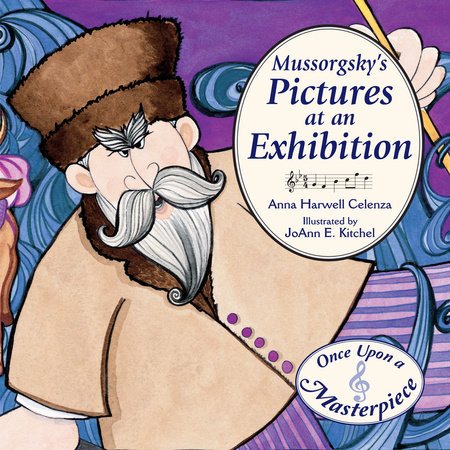
Mussorgsky’s Pictures at an Exhibition (Once Upon a Masterpiece Series)

Written by Anna Harwell Celenza | Illustrated by JoAnn E. Kitchel


It’s the 1870s and Russian culture is enjoying a resurgence. Young musicians and artists are excited to be recognized by the world. Three friends—Modest Mussorgsky, a musician; Victor Hartmann, an artist and architect; and Vladimir Stasov, an art critic—have big plans for their work. Victor, especially, has dreams of designing the new City Gate in Kiev. But on July 23, 1873 Victor suffers an aneurysm and dies. Modest is devastated. He feels that Victor’s death is his fault because he had dismissed Victor’s complaints about a headache only days before. Although Vladimir tries to comfort his friend, Modest pushes him away.

Modest stops going out, he stops being happy, and he stops writing music. Meanwhile Vladimir organizes an exhibition of Victor’s art so everyone will remember him. Vladimir and other friends think that seeing Victor’s work displayed will help Modest come to terms with his friend’s death. When the exhibit is ready, Vladimir visits Modest to invite him to come. When Modest refuses, Vladimir locks the door, puts the key in his pocket, and tells Modest he had two choices: either go to the exhibition or have a new roommate in Vladimir. Modest reluctantly agrees to go.

When they reach the gallery, Modest reluctantly enters. He is awestruck. “Every inch was filled with Victor’s hopes and dreams, his fears, and his greatest triumphs.” Slowly Modest wanders through each room, gazing at the paintings that bring back such vivid memories. He sees familiar faces, costume designs, children, couples, peasants, even Baba-Yaga, a witch from Victor’s favorite fairy tale.

Modest stops in front of Victor’s picture “The Great Gate of Kiev.” Tears fill his eyes and he thinks, “This was to be your greatest achievement…now it will never be more than a dream. If only I could build it for you.” He studies the picture for a long time, and suddenly an idea comes to him—“Maybe I can build it for you!” He dashes from the gallery straight to his piano.

As Modest thinks about Victor’s art, “one by one the spirit of each picture filled the room.” The images rise from the piano and Modest follows them from one theme to another, note by note. Some passages he plays are slow and sad, others clear and quick, while still others flutter or whisper. Even Baba-Yaga makes an appearance. With each chord special parts of Victor came to life until the last majestic strains built the Great Gate of Kiev in music. Modest calls his composition Pictures at an Exhibition.

With the spirit of his friend Victor in his heart. Modest Mussorgsky goes on to compose operas and visit with friends. Vladimir Stasov also follows his dreams to travel far and wide, and wherever he goes he tells people about Victor and Modest’s Pictures at an Exhibition

Anna Harmann Celenza relates the heartfelt story of the origins of Modest Mussorgsky’s great work with sensitivity and honors the emotional origins and effect of his Pictures at an Exhibition. The hopes of the three friends as well as the details of Victor’s artwork are evocatively described, allowing children to easily picture the feelings and objects that influenced Mussorgsky’s music.

Both the colorful architecture of Russia and the soaring notes of Mussorgsky’s music are beautifully depicted in JoAnn E Kitchel’s illustrations. Each one-and-a-half-page spread depicting scenes of St. Petersburg, Modest’s apartment, the art gallery, musical imagery, and the theater is framed in lovely floral borders, tying together the themes of art and music. Rich purples, regal blues, fiery reds, and glowing yellows makes this book a feast for the eye as well as the mind.

The book is accompanied by a CD of Mussorgsky’s work, making Pictures at an Exhibition a must have for music lovers of all ages.

Ages 6 – 10 and up

Charlesbridge, 2016 | ISBN 978-1580895286

Russian Language Day Activity

celebrate-picture-books-picture-book-review-russia-word-search

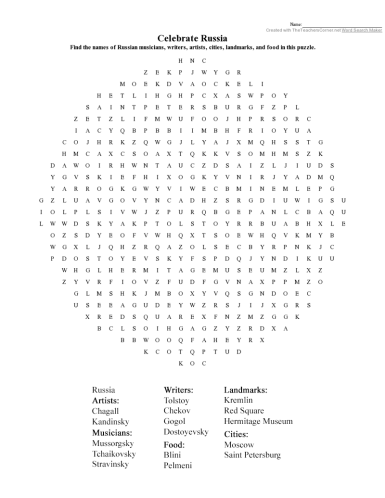
Celebrate Russia Word Search


Find the names of Russian musicians, artists, writers, cities, and more in this circular word search. Print your Celebrate Russia Word Search here! And here’s the Solution!

Picture Book Review

June 2 – Leave the Office Earlier Day

celebrate-picture-books-picture-book-review-the-secret-subway

About the Holiday

The brain child of Laura Stack, a specialist in employee motivation, Leave the Office Earlier Day urges a look at how employees and employers use the working hours of the day to best advantage. Today’s holiday motivates employees to finish their tasks before schedule by making a conscious effort to increase efficiency and productivity. Greater cooperation between workers and their bosses can lead to less downtime and more success. To celebrate today’s holiday, employees can ask their bosses if they can leave the office once their work is truly and well finished. Employers may want to allow their workers to leave as soon as they have completed all their tasks. Both sides may find this tactic improves productivity and creates a more positive work environment.

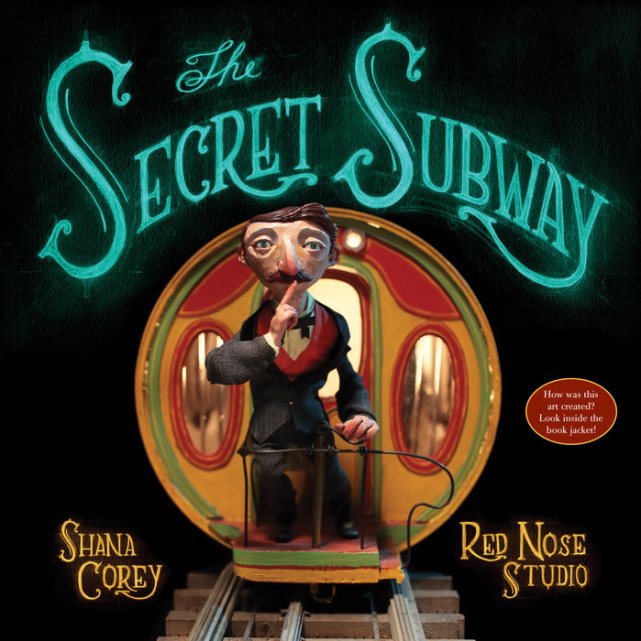
The Secret Subway

Written by Shana Corey | Illustrated by Red Nose Studio (Chris Sickels)


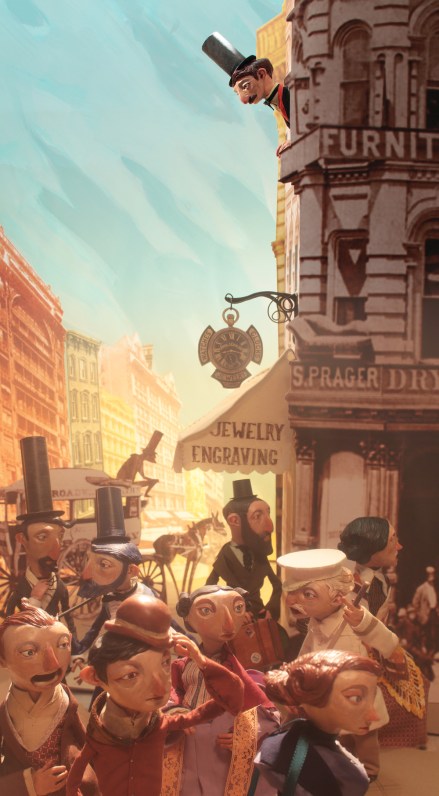
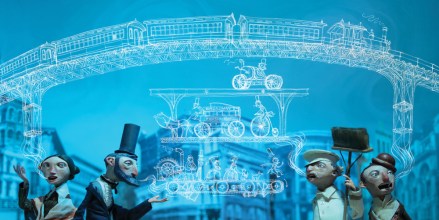
In the 1860s the streets of New York were…well, not to put too fine a point on it…disgusting. Cobblestone and filled with trash, waste, horse manure, dust, dirt, and throngs of people, the roads made for rough travel. Many people had ideas about what could be done to make the streets safer and cleaner. Some thought a moving sidewalk would work, others talked about double-decker roads or an elevated train system. But although there was a lot of talk, nothing ever got done.

celebrate-picture-books-picture-book-review-the-secret-subway-city

Image copyright Chris Sickles, courtesy of rednosestudio.com

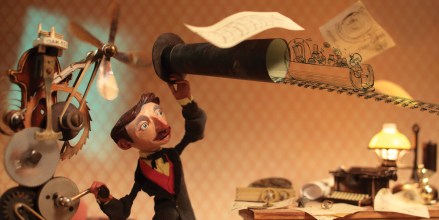
Alfred Ely Beach, however, peered down from his high office room and studied the street below him. Alfred Beach was a thinker, a publisher, and an inventor. He put his clever mind to work and came up with a solution. He envisioned a train powered by an enormous fan that would travel underground. “People would get where they needed to go as if by magic!” he thought. He couldn’t wait to start building. There was just one problem—he didn’t own the streets. And getting permission to dig them up would be hard. “So Beach hatched a sneaky plan. He would propose building an underground tube to carry mail instead.” As he had imagined, no one objected to this project when he proposed it—not even Boss Tweed, who unofficially ran the city.

celebrate-picture-books-picture-book-review-the-secret-subway-designing

Image copyright Chris Sickles, courtesy of rednosestudio.com

Given the okay, Beach rented the basement of Devlin’s Clothing Store. Every day he sent in workers to dig and every night wagons took away the debris. For 58 days and nights Beach’s men tunneled under the city, moving forward 8 feet each day. At last the tunnel was finished. It was 8 feet across and 294 feet long—large enough to hold a train full of people.

Beach then decorated the basement to be a beautiful, welcoming waiting room. Gaslight lamps and paintings dotted the walls, flowers added color, and a grandfather clock rang out the time. There was even a fountain with goldfish, a man playing a grand piano, and a delicious lunch. When everything was ready, Beach invited reporters, government officials, and distinguished citizens to join him on February 26, 1876 at the “Beach Pneumatic Transit Company.”

celebrate-picture-books-picture-book-review-the-secret-subway-designing

Image copyright Chris Sickles, courtesy of rednosestudio.com

That first day Alfred Beach’s guests only admired the train, but they gave it glowing praise. Soon Beach opened his train to the public. With a WHOOSH of a gigantic fan, the train zipped down the track and then back again. “Beach’s train was a SENSATION! All winter while wagons slipped and slid on the slushy streets above, people poured into Devlin’s for the twenty-five-cent ride.”

While riders loved it, some people objected. Shop keepers didn’t want potential buyers underground. Property owners were afraid the digging would hurt their buildings, and some felt Beach wanted too much power. Even Boss Tweed no longer supported it since some of his friends had their own ideas on building a subway. When the governor of New York refused to let Beach expand his train, the project came to a halt.

celebrate-picture-books-picture-book-review-the-secret-subway-invites-riders

Image copyright Chris Sickles, courtesy of rednosestudio.com

The idea didn’t die, however, and “many years later drilling could be heard once again under the streets of New York City” as a train system powered with electricity was being built. Diggers discovered many unusual things buried under the city. Perhaps the most surprising was a brick wall behind which stood a little railroad car rusting in its tracks, a memorial to innovation and the future.

Alfred Ely Beach was one clever man, and Shana Corey tells his story with historical perspective, wit, and suspense. Corey’s language crackles with evocative alliteration, stealth, and action. Kids will be excited to learn of the intrigue and imagination that led to this remarkable snippet of America’s history.

Fans of Claymation will love Chris Sickels’ multimedia artwork that combines sculpted characters, specially built props, photographs, and illustration. Sickels’ characters are nothing short of astounding. Their period clothing, hairstyles, and expressive faces lend an engaging and realistic dimension to the vintage scenes. Sickels cleverly depicts early New York City and people’s alternative ideas to the traffic problem. His use of color and lighting sets the perfect tone for this highly entertaining and educational picture book. Kids will want to linger over each page to catch all the details of The Secret Subway.

Ages 4 – 10

Schwartz & Wade, Random House Kids, 2016 | ISBN 978-0375870712

Leave the Office Early Day Activity


celebrate-picture-books-picture-book-review-the-secret-subway-chris-sickels-craft

Chris Sickels’ Secret Subway


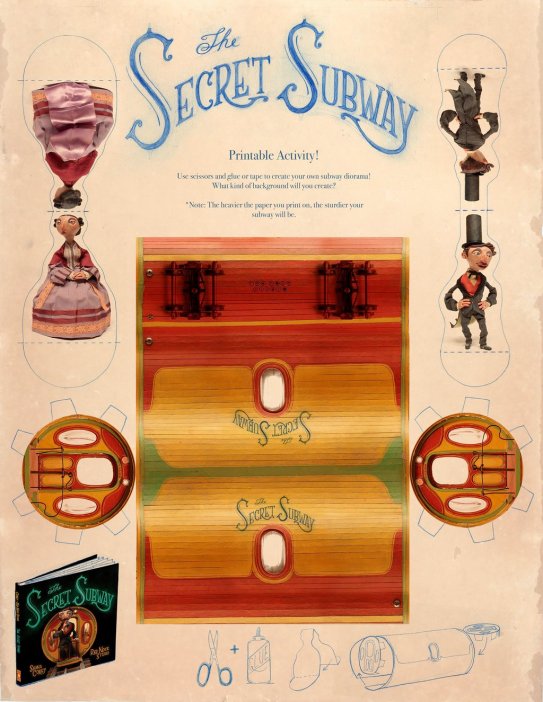
Chris Sickels of Red Nose Studio invites you to build your own Secret Subway with this printable play set, complete with Alfred Ely Beach and a passenger! Click here to download your printable Secret Subway Activity!

Build a Super Subway Car

celebrate-picture-books-picture-book-review-subway-car

Every day, millions of people all over the world travel to work, school, and other activities by subway. Here’s an easy and fun way to build your own subway train from recycled materials. You can make just one car or make a few and connect them to create a long train worthy of any big city!

Supplies

  • Printable Subway Car Template
  • Medium or long toothpaste box
  • Silver paint
  • Glue
  • Paintbrush
  • Scissors

Directions

  1. Paint the toothpaste box with the silver paint, let dry
  2. Cut out the windows, doors, and stripe templates
  3. Trim the stripes to fit your box
  4. To make the little sign near the door, trim a small aquare from one of the stripes
  5. Glue the templates to the box

Picture Book Review

May 30 – Memorial Day

celebrate-picture-books-picture-book-review-the-poppy-lady

About the Holiday

Memorial Day, originally called Decoration Day to commemorate the laying of wreaths and flowers on soldiers’ gravesites, was first celebrated on May 30, 1868. In 1971 Congress passed the Uniform Monday Holiday Act and established the last Monday in May as Memorial Day. The day is honored with parades and special commemorative events. At Arlington National Cemetery in Washington DC, the President or Vice President lays a wreath at the Tomb of the Unknown Soldier

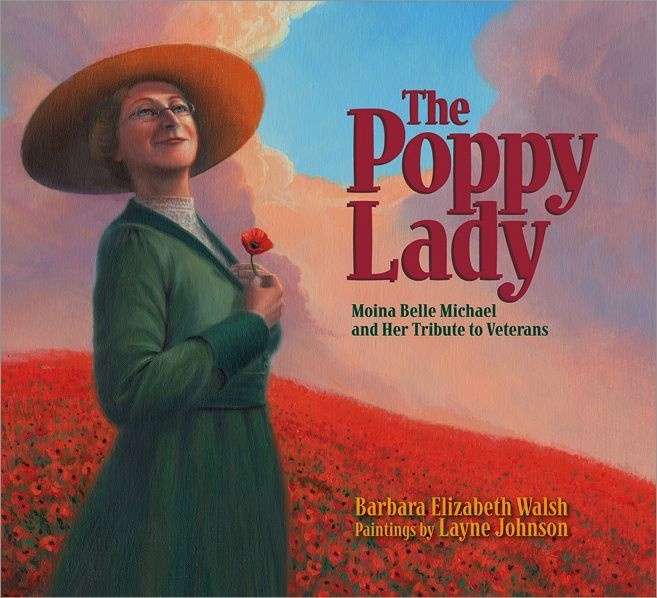
The Poppy Lady: Moina Belle Michael and Her Tribute to Veterans

Written by Barbara Elizabeth Walsh | Illustrated by Layne Johnson


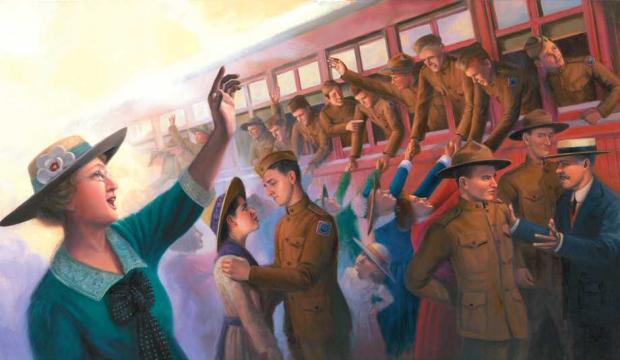
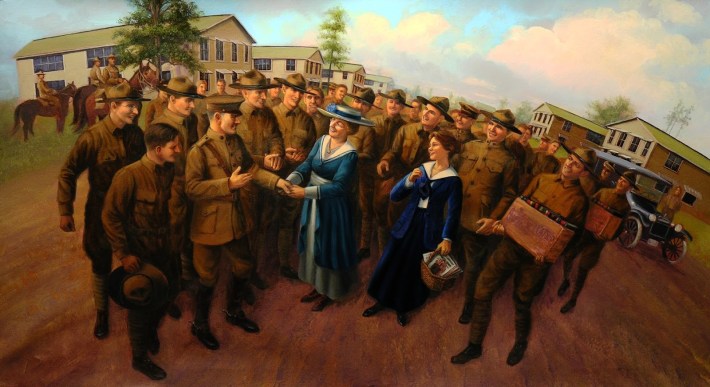
In April of 1917 President Woodrow Wilson declared that America was going to war in Europe. As a teacher and foster mother to girls at the University of Georgia’s Normal School, Moina Belle Michael wanted to do something to honor the boys going off to fight—boys who were the brothers, sweethearts, even fathers of her students. Moina did what the other women were doing to help—knitting socks and sweaters and rolling bandages—but she wanted to do more. She went to the soldiers’ camps nearby to deliver books, magazines, and candy, and she waved goodbye to them at the train station. But she still wanted to do more.

celebrate-picture-books-picture-book-review-the-poppy-lady-waving-goodbye

Image copyright Layne Johnson, 2012, text copyright Barbara Elizabeth Walsh, 2012. Courtesy of Boyds Mills Press.

Moina wanted to go overseas to help the young men with the Y.M.C.A, but after she finished her training at New York’s Columbia University, she was told she was too old to go. She then set up a desk in the basement of Hamilton Hall on the Columbia University campus where she assisted soldiers before they deployed, but the room was dark and dreary. Moina wanted them to have a more cheerful meeting place.

celebrate-picture-books-picture-book-review-the-poppy-lady-poppy-camp

Image copyright Layne Johnson, 2012, text copyright Barbara Elizabeth Walsh, 2012. Courtesy of Boyds Mills Press.

Moina brightened the room with fresh flowers she bought with her small salary. More soldiers came to spend time with her, to share their pictures, letters, and hometown news. But Moina wanted to do even more. One day she rediscovered a poem she had read many times. Titled We Shall Not Sleep, it was written by Lieutenant Colonel John McCrae and was a tribute to soldiers who had died on the battlefields of Flanders. The poem was illustrated with a field of nameless crosses and bright red poppies. The last verse of the poem urged others to take up the torch of the noble fight. Suddenly, Moina knew what she had to do.

celebrate-picture-books-picture-book-review-the-poppy-lady-war

Image copyright Layne Johnson, 2012, text copyright Barbara Elizabeth Walsh, 2012. Courtesy of Boyds Mills Press.

She wrote a poem of her own, giving poppies a special meaning: “And now the Torch and Poppy red / We wear in honor of our dead. / Fear not that ye have died for naught; / We’ll teach the lesson that ye wrought / In Flanders Field.” Moina shared her poem with soldiers at the Y. Many wanted to wear red poppies on their uniforms to honor their fallen friends. With a ten dollar donation, Moina went shopping to find artificial red poppies that she and the soldiers could wear.

celebrate-picture-books-picture-book-review-the-poppy-lady-poppy-on-coat

Image copyright Layne Johnson, 2012, text copyright Barbara Elizabeth Walsh, 2012. Courtesy of Boyds Mills Press.

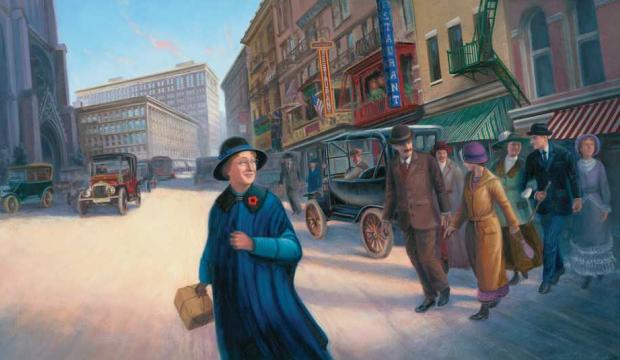
But finding these flowers was difficult. She finally found one large poppy and 24 smaller ones. She pinned the large one to her coat and with the others wrapped, hurried back to the Y. There she gave the small flowers to some of the men and women leaving for the war in France. But there were so few flowers to share. Moina wanted every American to wear a poppy to remember the soldiers. Always.

The epilogue goes on to reveal that two days after Moina bought those 24 poppies, World War I ended.  While everyone was happy to see the soldiers coming home, people wanted to move on, to forget the horrors of the war. But for veterans it wasn’t easy. Jobs were scarce, some veterans were disabled or suffered lingering effects of war.

Moina wanted to help. She wondered if the poppy could benefit returning veterans. After much work she convinced local and international veterans’ groups to adopt the poppy as their memorial flower. People began donating to veterans’ causes, and in return they received a red poppy. Millions of dollars were raised to help the soldiers. Even today, Moina’s red poppies benefit veterans and remind us of their sacrifices and service.

celebrate-picture-books-picture-book-review-the-poppy-lady-moina

Image copyright Layne Johnson, 2012, text copyright Barbara Elizabeth Walsh, 2012. Courtesy of Boyds Mills Press.

Through her detailed telling of how Moina Belle Michael discovered her life’s work, Barbara Elizabeth Walsh provides a realistic view of the World War I era and the desire of most citizens to do something to help the soldiers fighting the war. The sense of suspense, comaraderie, fear, and disappointment that fueled Moina Michael’s heart and actions are beautifully and straightforwardly presented and give children true knowledge of this time period.

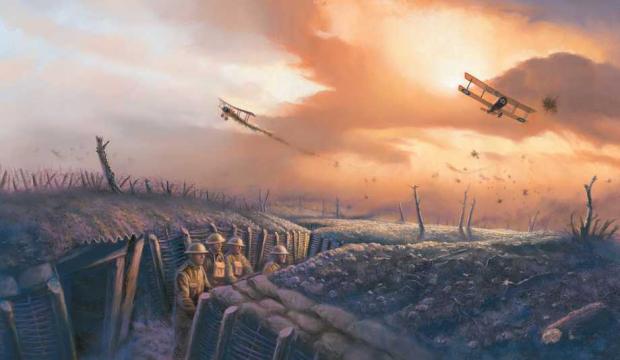
Accompanying the text to maximum effect are Layne Johnson’s inspiring, realistic paintings of the scars of war on both the landscape and the human heart. In close-up portraits, Johnson captures the emotions of the women learning that their brothers, boyfriends, and fathers will be joining the war effort as well as scenes of soldiers training, deploying, and returning to tell their stories. Turning the pages is like stepping onto the university campus, visiting the basement gathering space, and walking the city streets. Especially evocative are the two battle scenes and the view of the Flanders Fields with their endless carpet of poppies and straight rows of white cross markers.

For anyone wanting to teach or learn about the origins and meaning of Memorial Day and the significance of the red poppy, The Poppy Lady: Moina Belle Michael and Her Tribute to Veterans is a must read.

Ages 7 – 12 and up

Calkins Creek, Boyds Mills Press, 2012 | ISBN 978-1590787540

Memorial Day Activity

celebrate-picture-books-picture-book-review-memorial-day-word-scramble

Memorial Day Word Scramble


Unscramble the words associated with today’s holiday and discover a secret message! Print your Memorial Day Word Scramble here!

Picture Book Review