June 25 – National Day of Joy

About the Holiday

Established by Comfort Keepers, who offer uplifting in-home care for seniors, The National Day of Joy encourages everyone to look for simple moments and expressions of happiness in daily life. Cheerful smiles and greetings, random acts of kindness, upbeat moods, and general positivity can affect not only immediate interactions but can change our moods and improve our health. To honor the day and the idea, find ways to start each morning with a positive attitude for the day to come. Need ideas for how to get started? Say “Hello” to those you meet, listen to and encourage others, happily help out where needed, send a surprise letter, card, or text to a friend or family member far away. And, of course, doing something fun with your kids always makes the day better. Oh! And don’t forget to treat yourself too! When you feel good, those around you will respond in kind!  

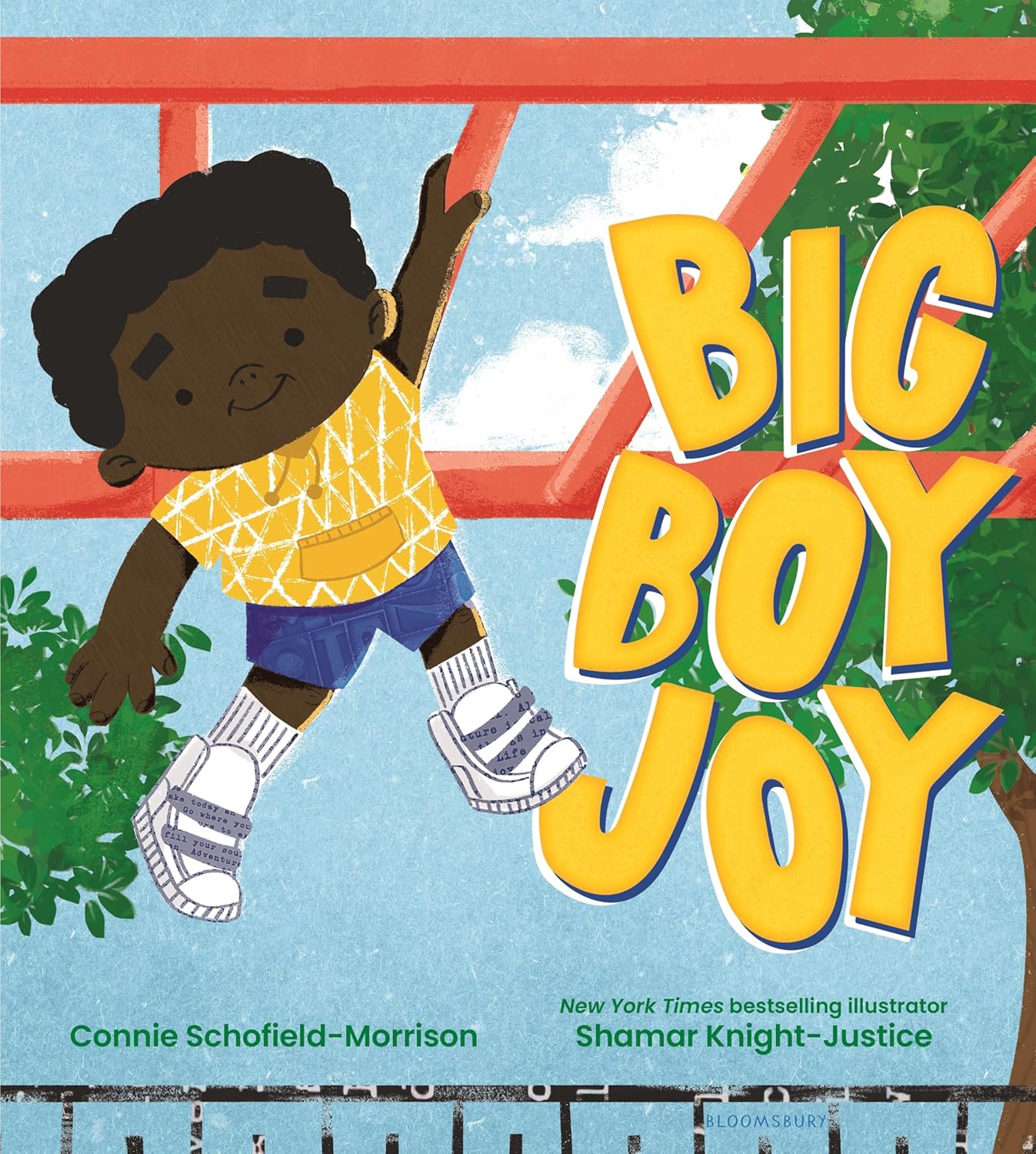
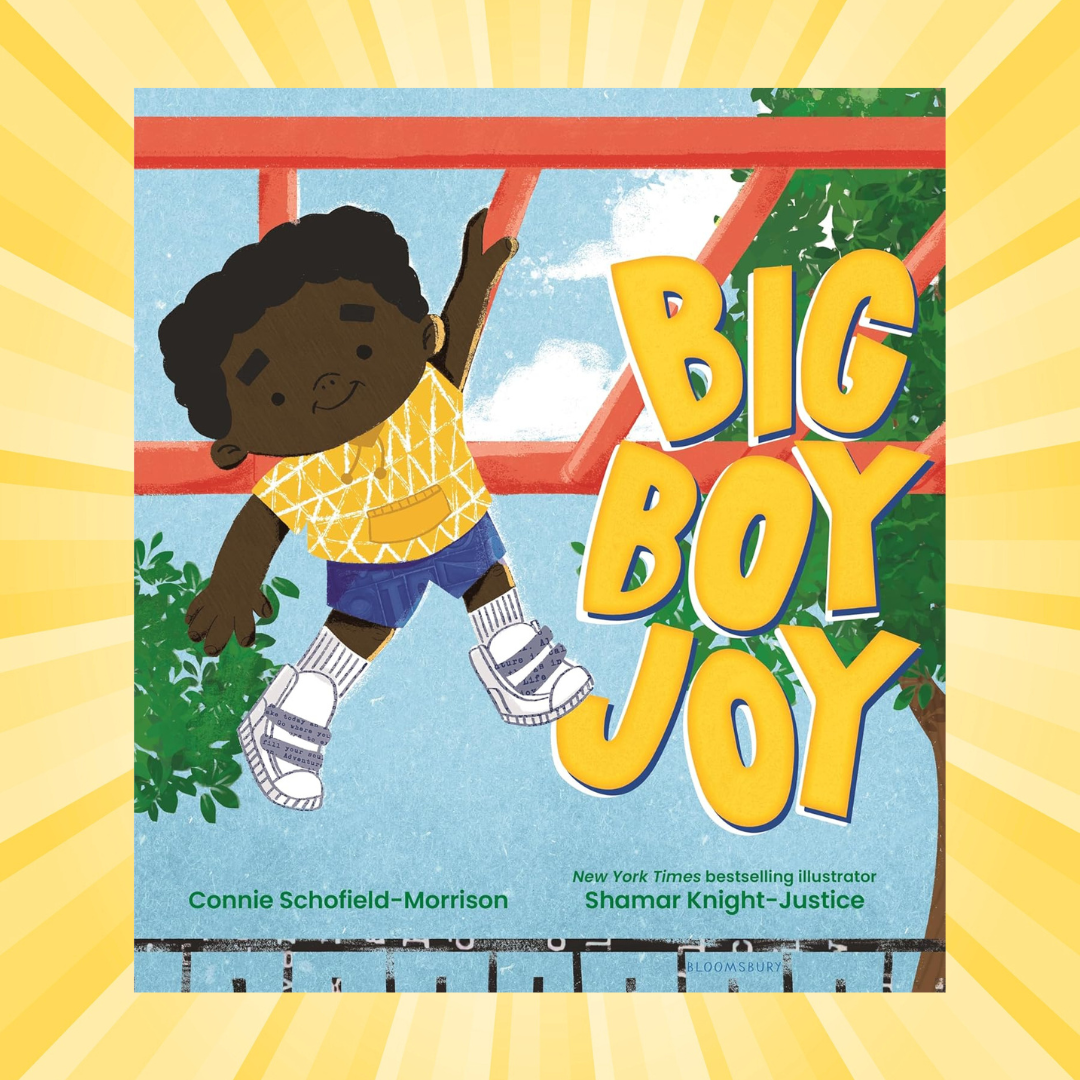
Big Boy Joy

Written by Connie Schofield-Morrison | Illustrated by Shamar Knight-Justice


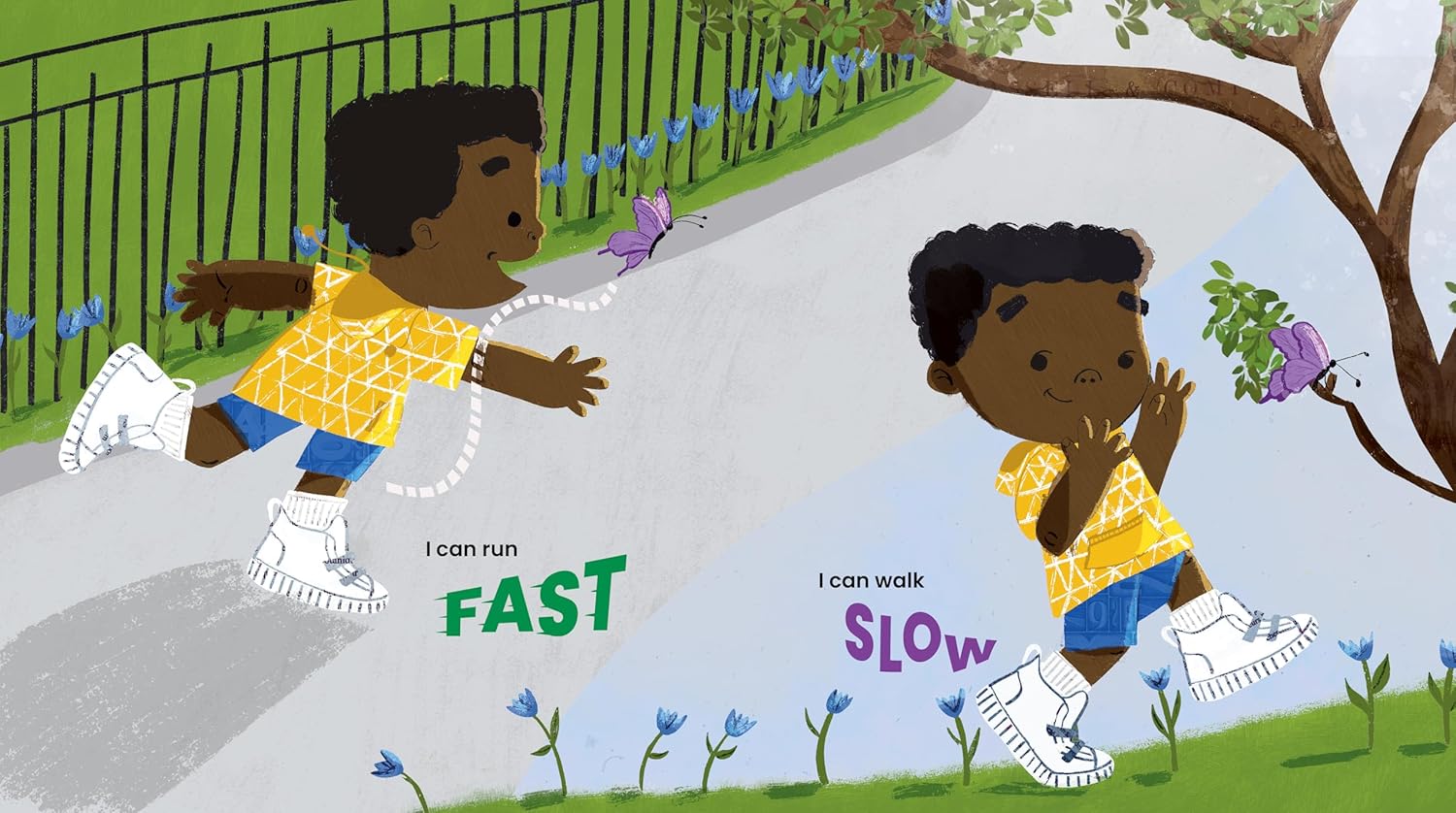
It’s playground time, and the little boy who’s about to conquer the slide and the swings, unexpectedly make a new friend, and use his skills introduces himself: “I am a BIG boy.” As he tears down the sidewalk, he demonstrates—”I can run FAST. I can walk SLOW. I can climb HIGH! I can Go! Go! GO!”  Slipping down the slide, too fast to stop, he crashes into another boy walking by with a basket of dinosaurs. They both go tumbling, the dinos spilling out. 

Illustration © 2025 by Shamar Knight-Justice, text © 2025 by Connie Schofield-Morrison. Courtesy of Bloomsbury Children’s Books.

The boy cries, but he’s also a big-enough boy to apologize and turn the accident into an opportunity to make a new friend. The two play—”RAWR, RAWR”—with the toys, they “STOMP and CLOMP.” The two move to the sandbox for a “CRASH and SMASH” demolition derby with their trucks, and when a wheel comes off: “I can fix. TWIST and TURN TA-DA!”

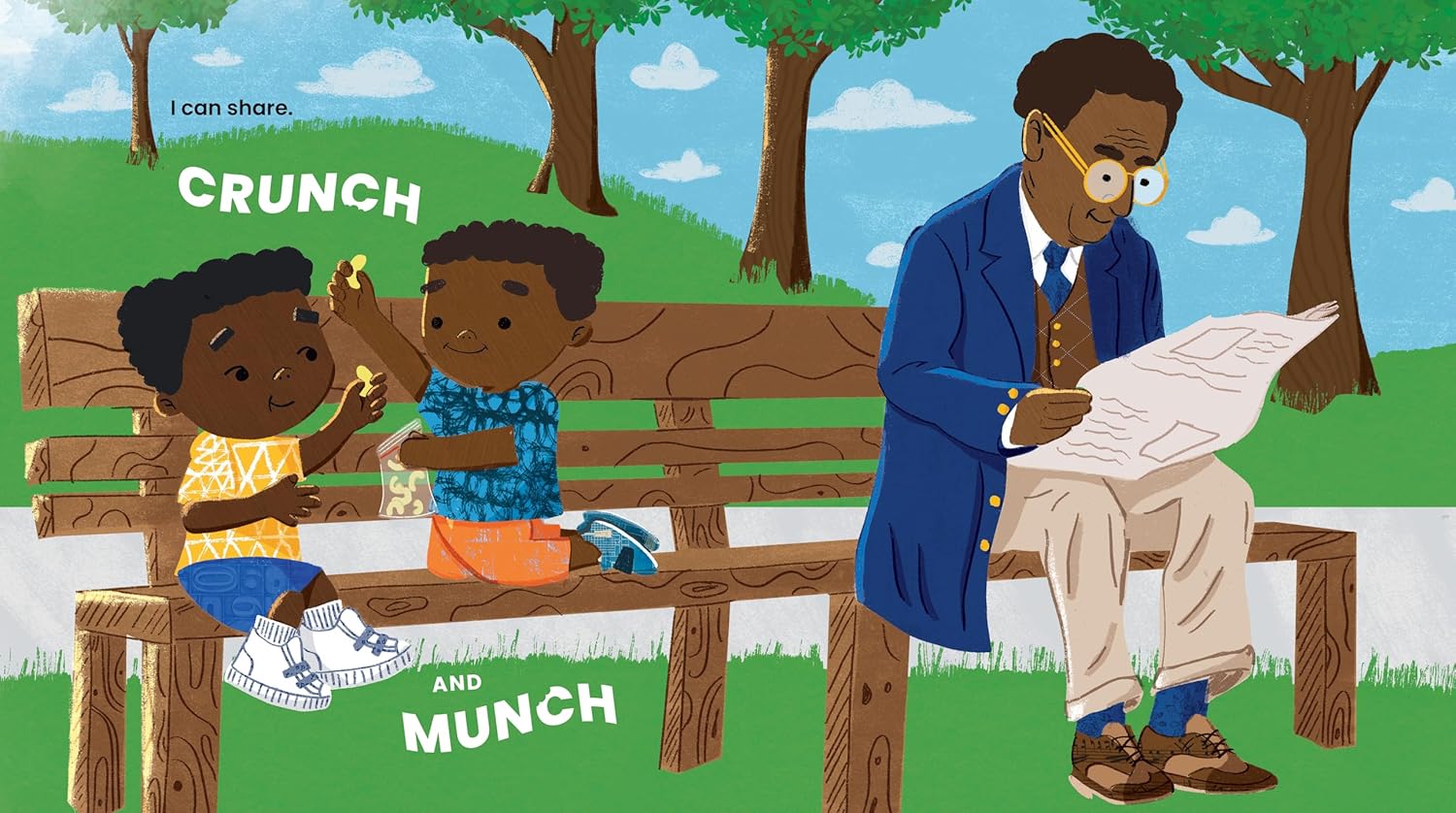
But the day’s not over, these fast friends share snacks, play chase, and swing “right into space!” Dad waves. It’s time to leave, with a high five between the boys and a promise to play again. 

Illustration © 2025 by Shamar Knight-Justice, text © 2025 by Connie Schofield-Morrison. Courtesy of Bloomsbury Children’s Books.

Connie Schofield-Morrison infectious ode to boyhood and unfettered play is a joyous read aloud, with vivacious rhymes full of personality and pride in what the narrator can do. From releasing all that big-boy energy to turning a crash-bang mishap into friendship to exhibiting ingenuity and manners, Schofield-Morrison’s young child shows just what it means to be a “big boy.”

Emerging and new readers will love being able to read the story on their own, and younger children will quickly catch on to chiming in on all of the high-spirited onomatopoeic words. The story is also perfect for acting out for rambunctious story times.

Shamar Knight-Justice’s young child brims with happiness and excitement as he tackles the playground; shows an awareness of others and their feelings; and races, chases, tumbles, and climbs a slide ladder so tall you have to turn the book sideways! Vivid primary colors, dynamic typefaces, all the big-kid equipment that makes a playground so enticing, and two boys who know how to roar, stomp, kerplunk, share, and have fun together shine from the pages.

Big Boy Joy is a lively read aloud that will capture the hearts of kids and adults alike and will quickly become a much-asked-for favorite for home bookshelves and library collections. 

Ages 3 – 5 (and up for newly independent and emerging readers)

Bloomsbury Children’s Books, 2025 | ISBN 978-1547611515

About the Author

Connie Schofield-Morrison captured the rhythm of the neighborhood in her first picture book, I Got the Rhythm, and again in I Got the Christmas Spirit and I Got the School Spirit. She is also the author of the picture book biography Stitch by Stitch: Elizabeth Hobbs Keckly Sews Her Way to Freedom. Connie has been writing since she was a young girl and is inspired every day by the big sounds and bright colors of the world around her. She lives in Atlanta, Georgia. Visit her on Instagram.

About the Illustrator

Shamar Knight-Justice is an illustrator based in Atlanta, Georgia. He grew up with a crayon in his hand and a love for patterns. He currently serves as the principal of an elementary school in Southwest Atlanta, where his scholars’ stories and personalities inspire him to create illustrations that honor their identities. When not drawing, Shamar loves to spend time hoarding collage materials, going on long walks with his family, and devouring the nearest pancake. Visit him at shamarknightjustice.com.

National Day of Joy Activity

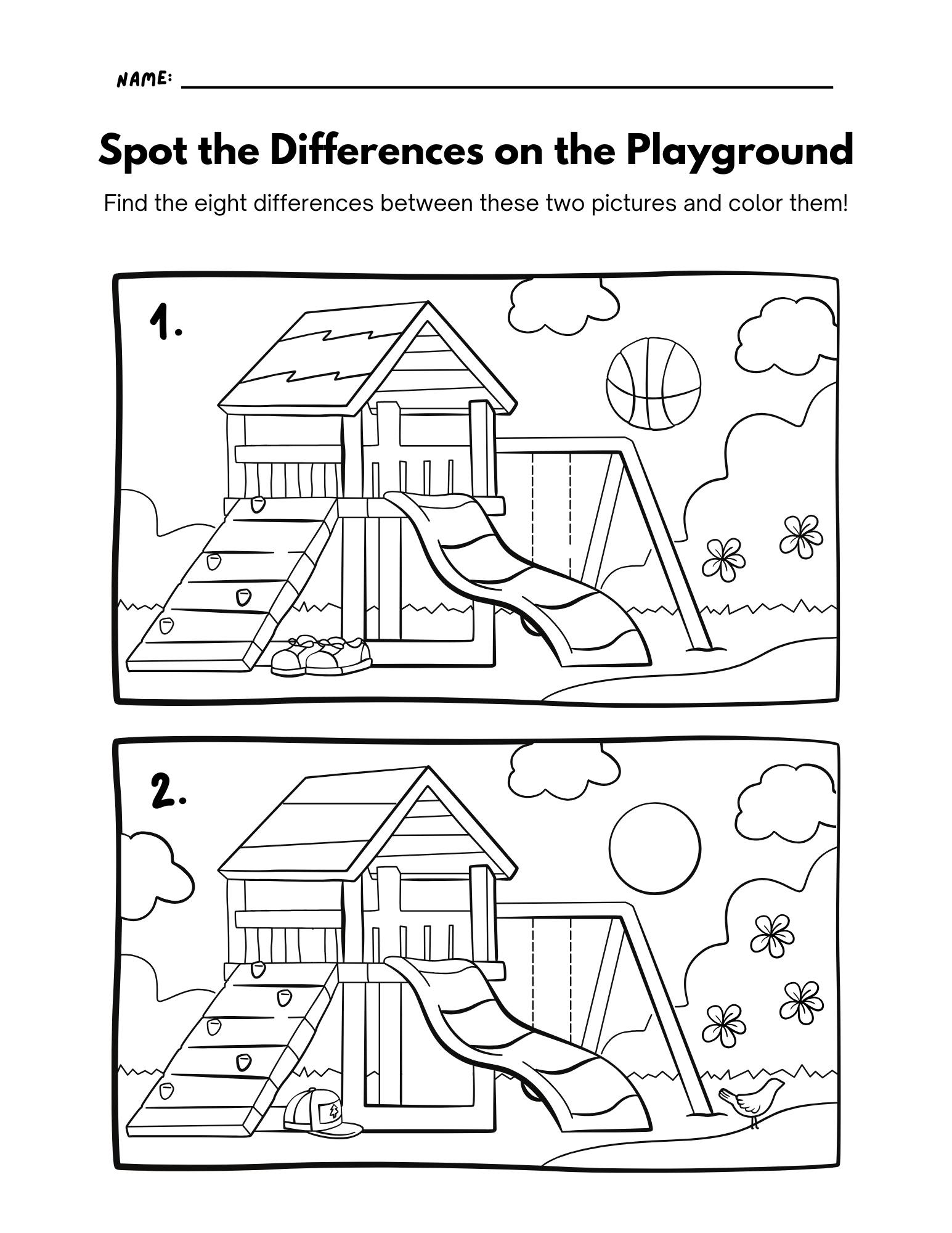
Playground Spot-the-Differences Coloring Page


Search for all of the differences between these two pictures then color the scenes!

Playground Spot-the-Differences Coloring Page

You can purchase Big Boy Joy from these booksellers

Amazon | Barnes & Noble | Bookshop (discounted books and support for your local independent bookstore)

Picture Book Review

June 20 – Universal Father’s Week

About the Holiday

Universal Father’s Week is celebrated during the third week of June each year. All week long we give a special tribute to all the fathers (and father figures) who work hard, are caring, lovable, and funny, keep us on our toes as well as the right path, and are just awesome dads. To celebrate, make sure the dads in your life know how much they’re loved and needed!

Thank you to Orchard Books for sharing a digital copy of this book with me for review!

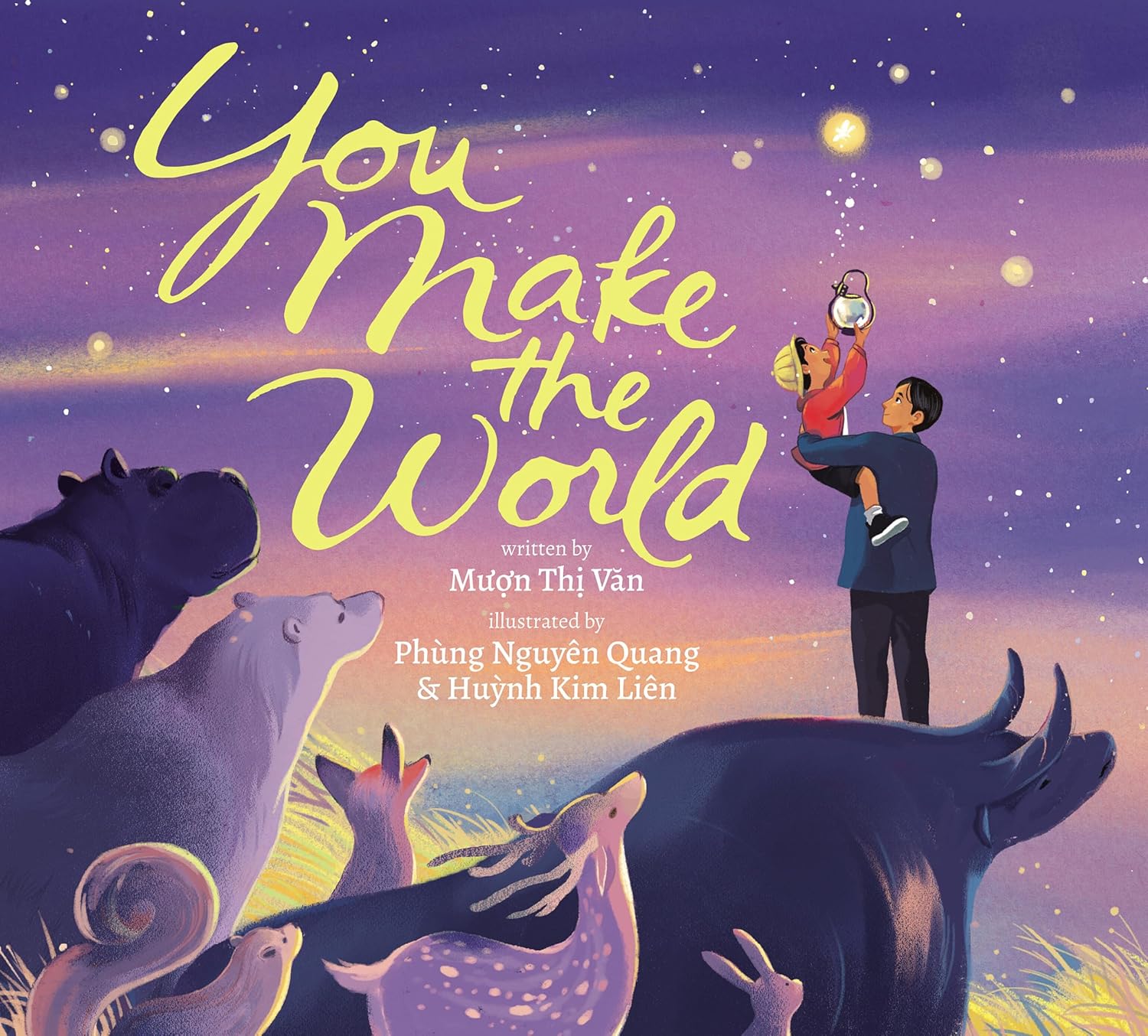
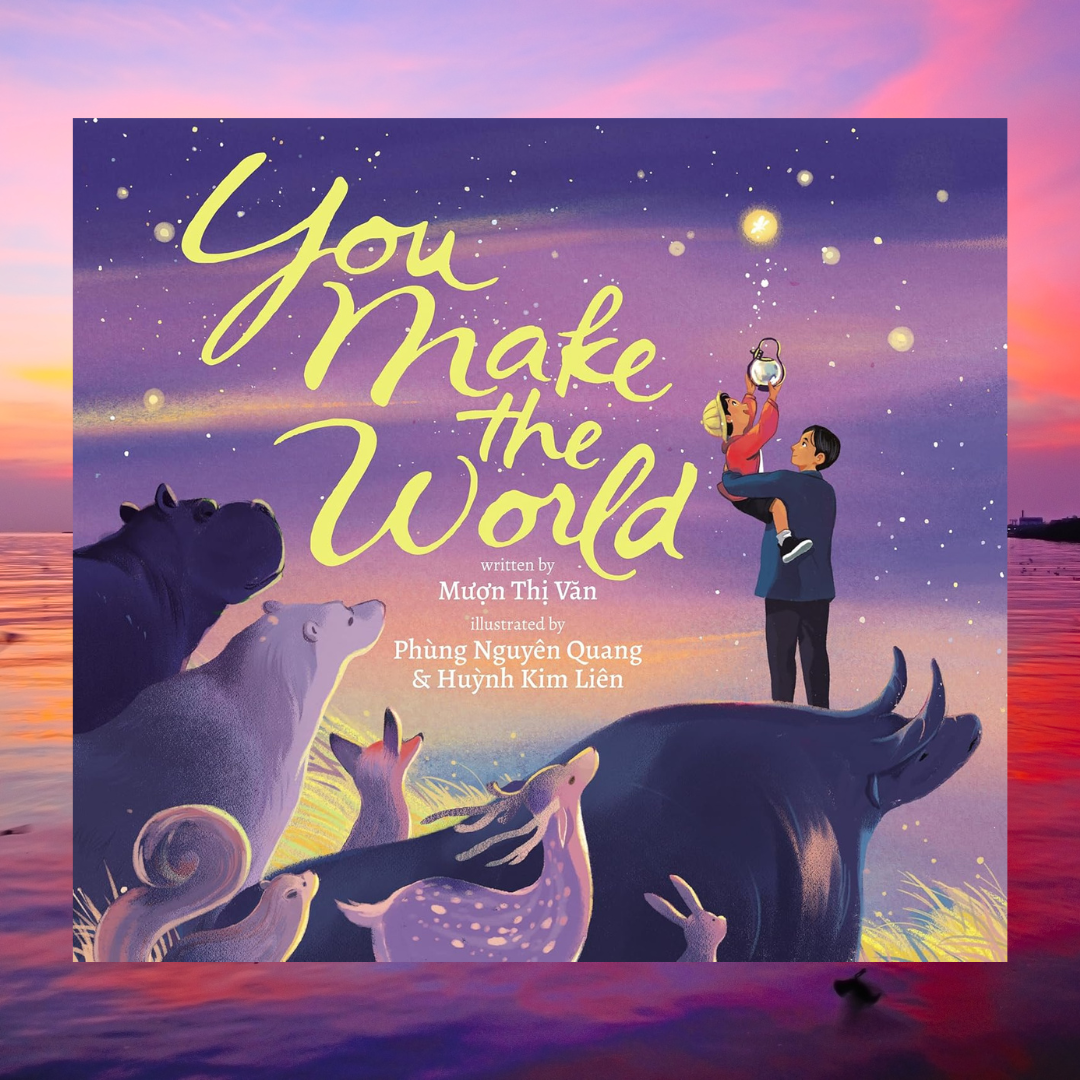
You Make the World

Written by Mượn Thị Văn | Illustrated by Phùng Nguyên Quang and Huỳnh Kim Liên


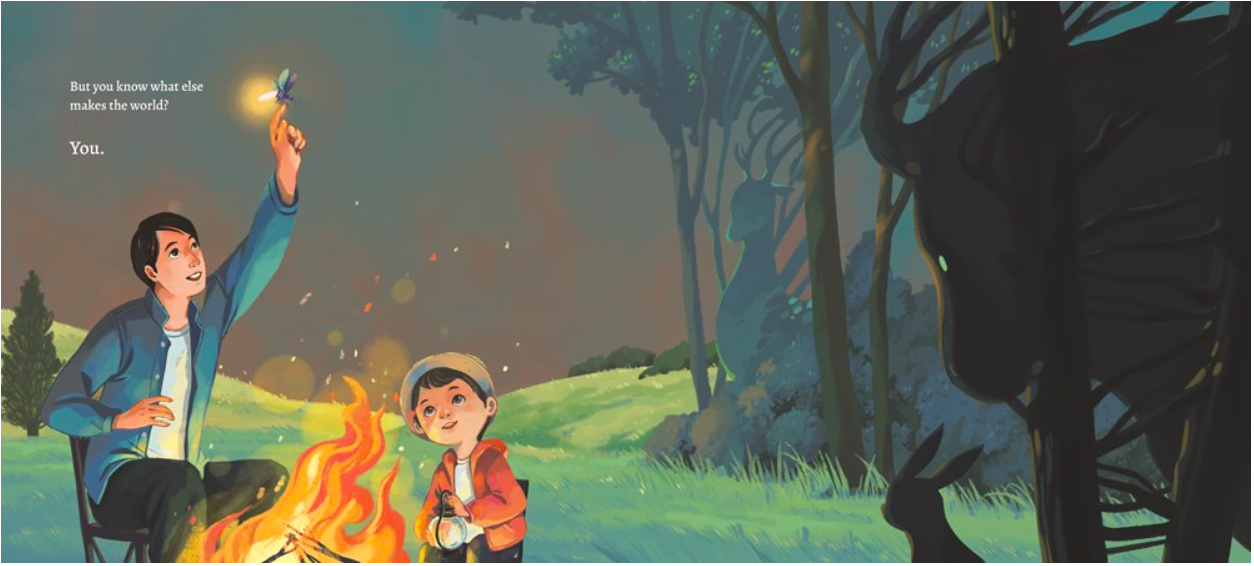
As the story begins, a father and his young child share a drink from a single mug outside their simple campsite—a small tent and a lantern, but a roaring campfire ringed by stones. The child’s father reveals the poetry of nature, how “the sun makes the world hum. / The clouds make the world blue. / The wind makes the world wild. / The rain makes the world new.” He then tells his child a secret—“But you know what else makes the world? You.”

Illustration © 2025 by Phùng Nguyên Quang and Huỳnh Kim Liên, text © 2025 by Mượn Thị Văn. Courtesy of Orchard Books/Scholastic.

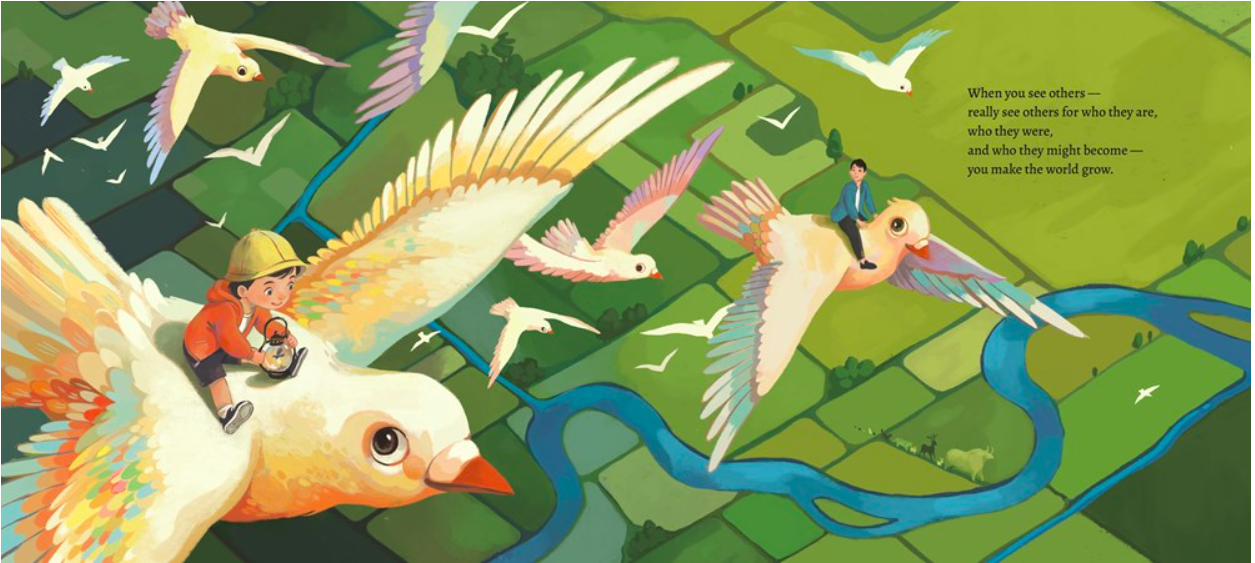
The child takes this in, a bit surprised. Dad explains how every “hello,” “smile,” or “hug” creates a ripple effect of joy and love and how acceptance will “make the world grow.” In fact, the child, the world, the entire universe are so entwined that the child’s emotions are felt by all. Not only their feelings, but their actions have consequence. “When you forgive, you make the world kind,” the father says. “When you try, you make the world brave.” But even deeper than these single actions or feelings, the father imparts, the child’s very presence “. . . here where you belong . . . make(s) the world whole.”

Mượn Thị Văn introduces her story with a letter to her readers, revealing that You Make the World was inspired by one of her previous books, Wishes.

Illustration © 2025 by Phùng Nguyên Quang and Huỳnh Kim Liên, text © 2025 by Mượn Thị Văn. Courtesy of Orchard Books/Scholastic.

Phùng Nguyên Quang and Huỳnh Kim Liên’s stunning, color-saturated illustrations carry the father and child as they leave their campsite on a transformative adventure with familiar animals and fantastical beasts. An enormous yak kneels to accept kindness from the child before rainbow-winged birds transport father and child on a flight over fields and streams. Hippos ride the waves with them as they kayak on a raging sea, and the father and child soar into the twilight sky holding the tip of a breaching blue whale’s fin. Along the way, readers will see the growing gathering of shadowed animals keeping watch. As the sun finally sets, the child fills a lantern with starlight before falling to sleep in their father’s arms.

You Make the World is a book that parents, grandparents, teachers, and other caregivers will want to share again and again and one that children will ask for often. The book is a must addition to any home or library collection. It would make a much-loved gift for any occasion, especially for babies and new siblings.

Ages 4 – 8

Orchard Books, 2025 | ISBN 978-1338822045

About the Author

Mượn Thị Văn is the author of many acclaimed picture books. From her debut, In a Village by the Sea (2015), to her latest, If You Want to Be a Butterfly (2023), her books have earned many distinctions, including a California Book Award, an Irma Black Honor, and a Junior Library Guild Gold Standard Selection. Her recent book Wishes, with Victo Ngai, won the Margaret Wise Brown Prize and was named the #1 Best Picture Book of 2021 by BookPage. Her books have been translated into multiple languages, including Vietnamese, Nepali, Sepedi, and Tamil. Mượn Thị Văn lives and works in California. Visit her at muonthivan.com.

About the Illustrators

Phùng Nguyên Quang and Huỳnh Kim Liên are book creators who live and work together in Ho Chi Minh City, Vietnam. Quang and Liên are currently working on illustrations for a number of children’s titles to be published in Vietnam and Europe. Some of their acclaimed picture book projects include Hundred Years of Happiness and The First Journey. Visit them at kaaillustration.com. You’ll also find Huỳnh Kim Liên at kimlienhuynh.com and Phùng Nguyên Quang at phungnguyenquang.com.

Universal Father’s Day Activity

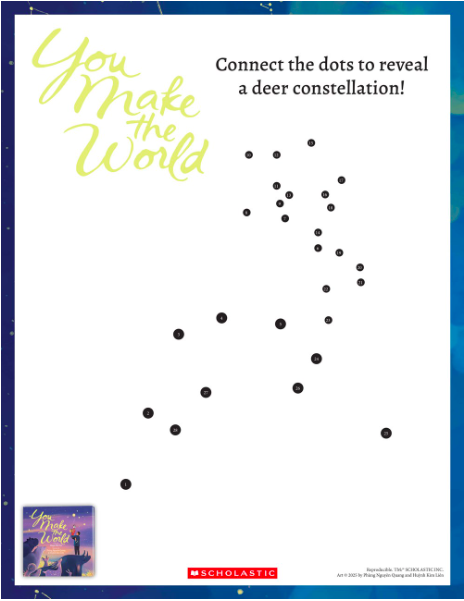
You Make the World Activity Sheets


Interact with the world around you with these fun activity sheets proved by Scholastic!

You Make the World Dot-to-Dot and Word Search Pages

You can purchase You Make the World from these booksellers

Amazon | Barnes & Noble | Bookshop (discounted books and support for your local independent bookstore)

Picture Book Review

June 13 – National Pigeon Day

About the Holiday

When you see pigeons gathering around park benches or scuttling along urban outdoor areas looking for crumbs or lining up on electrical wires, you may not think much about them. They just seem part of the landscape. Learning more about National Pigeon Day, however, may change your ideas about these unassuming birds forever. The holiday was established by President Woodrow Wilson in acknowledgement of the historical and cultural significance of pigeons, particularly their contributions during World War I. Today, the holiday celebrates the important role they played in both world wars.

As the website BirdTipper explains, pigeons were used during both World Wars as “reliable and efficient messengers, providing a vital link between troops on the front lines and command centers. Their speed and homing ability made them indispensable for conveying important messages, often flying through dangerous conditions to deliver vital information. Numerous pigeons were awarded medals and honors for their service, highlighting their bravery and significance in wartime efforts.”

Today’s date was selected as National Pigeon Day to commemorate the death of one of the most famous World War I pigeons, Cher Ami. To read more about this incredible bird, including its role in saving nearly 200 soldiers despite being grievously injured, and more about how pigeons helped the war efforts, visit BirdTipper.

Thanks to Candlewick and Barbara Fisch at Blue Slip Media for sending me a copy of Seven: A Most Remarkable Pigeon!

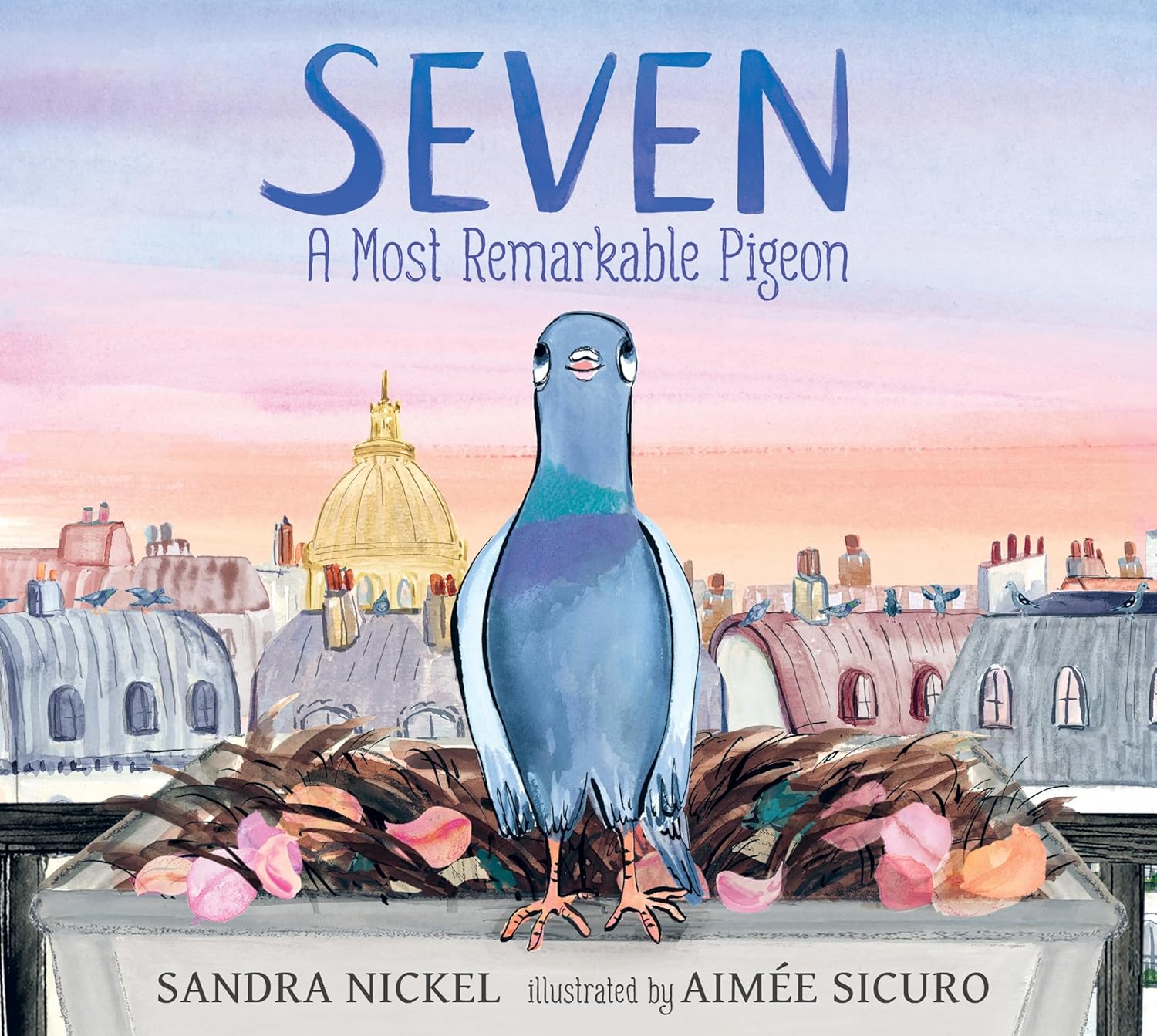
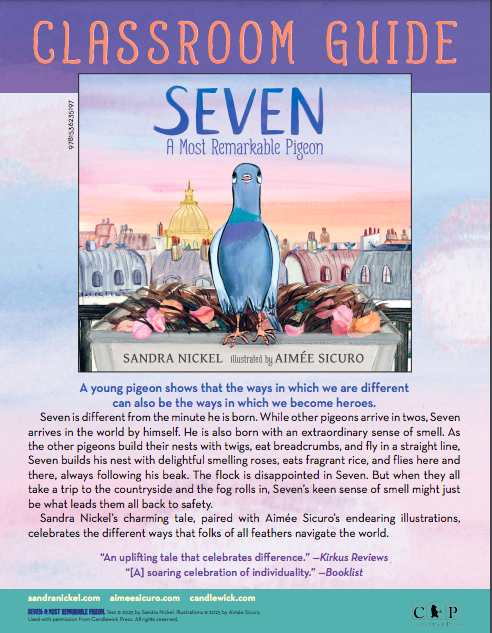
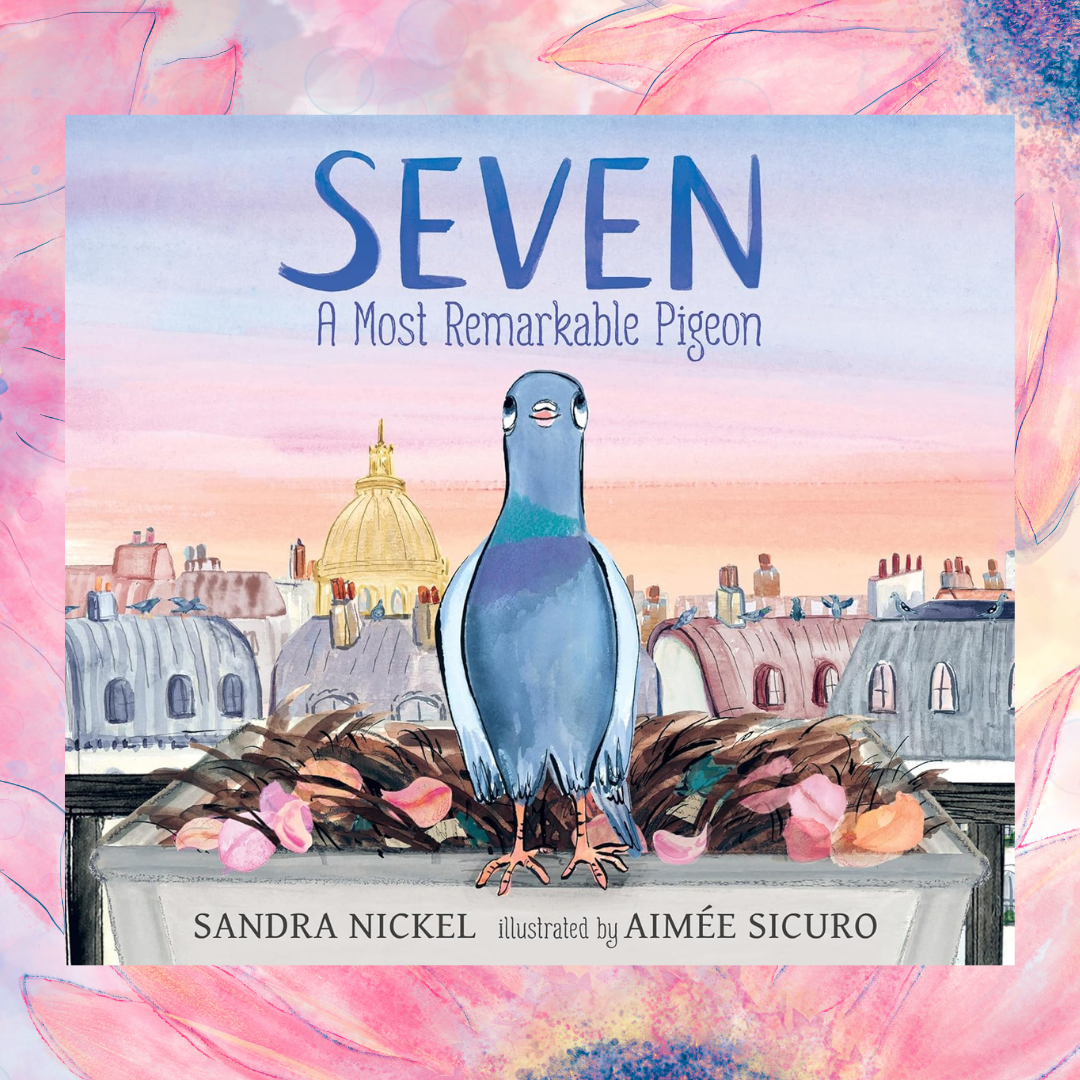
Seven: A Most Remarkable Pigeon

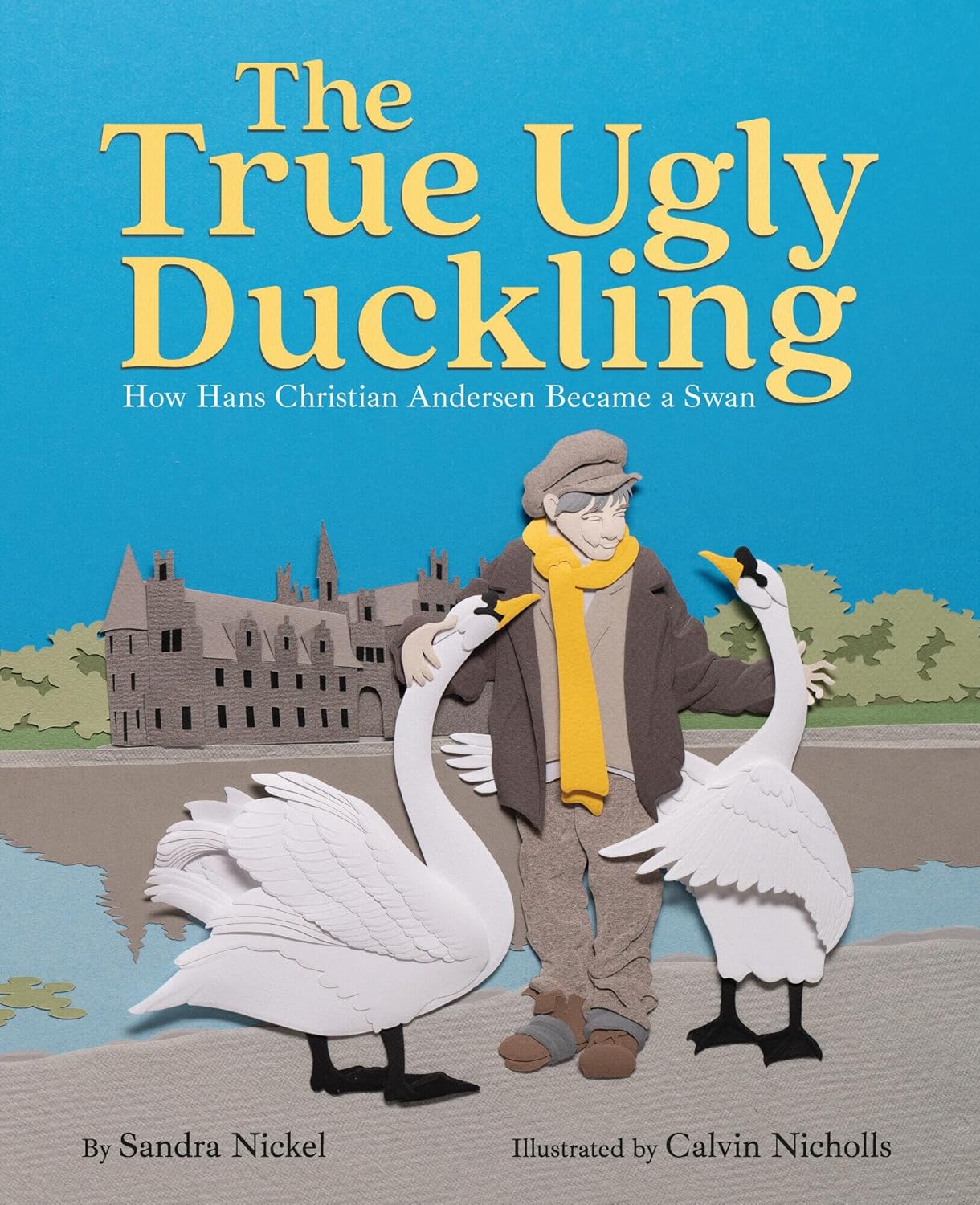
Written by Sandra Nickel | Illustrated by Aimée Sicuro


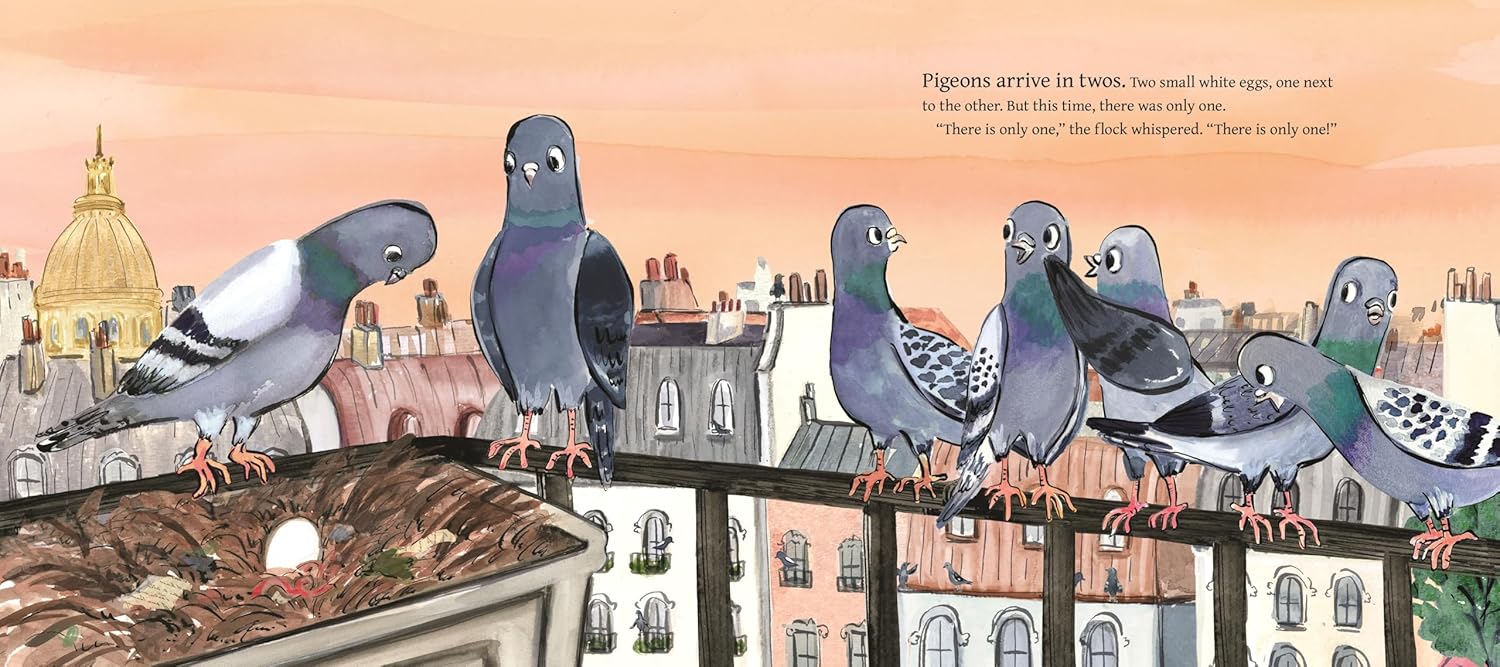
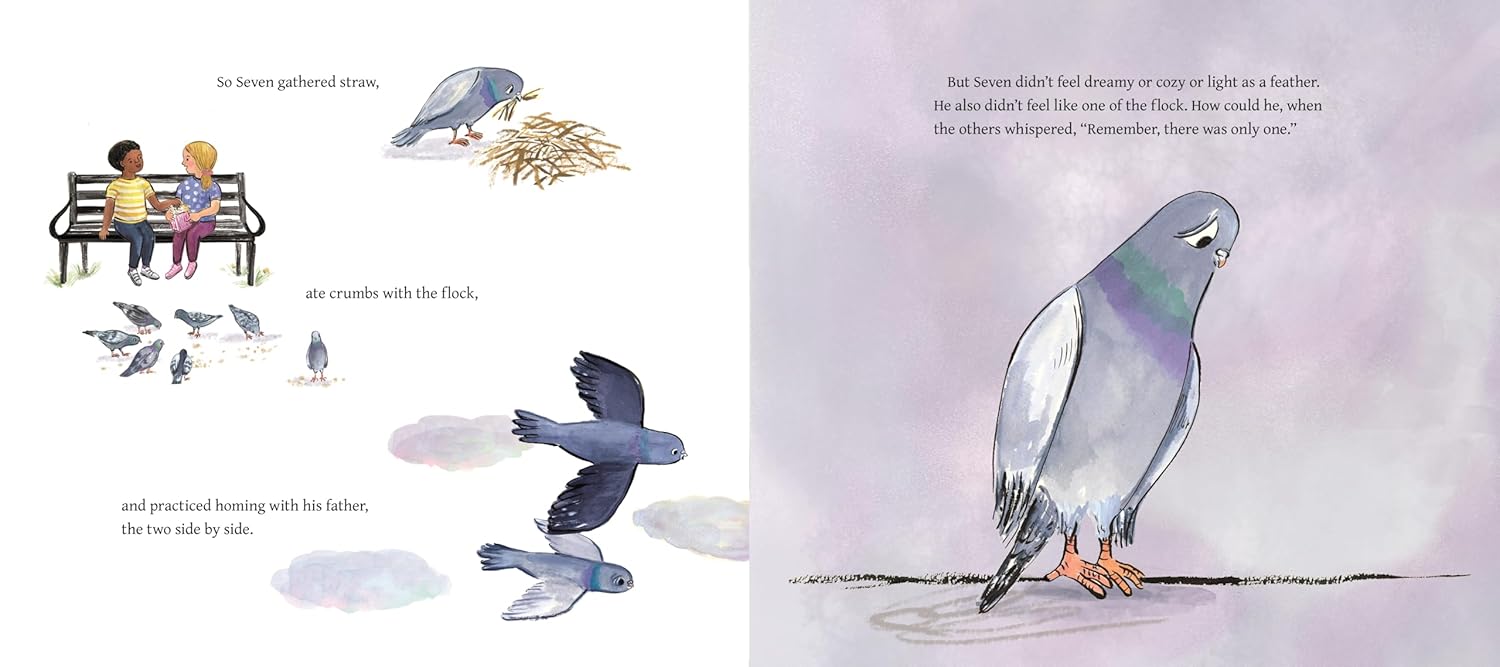
The little pigeon was different right from the start—when he was still in the egg, even. Usually “pigeons arrive in twos . . . . But this time, there was only one.” The flock whispered and whispered. When the tiny bird hatched, his parents named him Seven in honor of “seven thousand miles . . . the farthest any pigeon has flown to get back home.” It “is considered a very lucky name.”

Illustration © 2025 by Aimée Sicuro, text © 2025 by Sandra Nickel. Used with permission of Candlewick Press. All rights reserved.

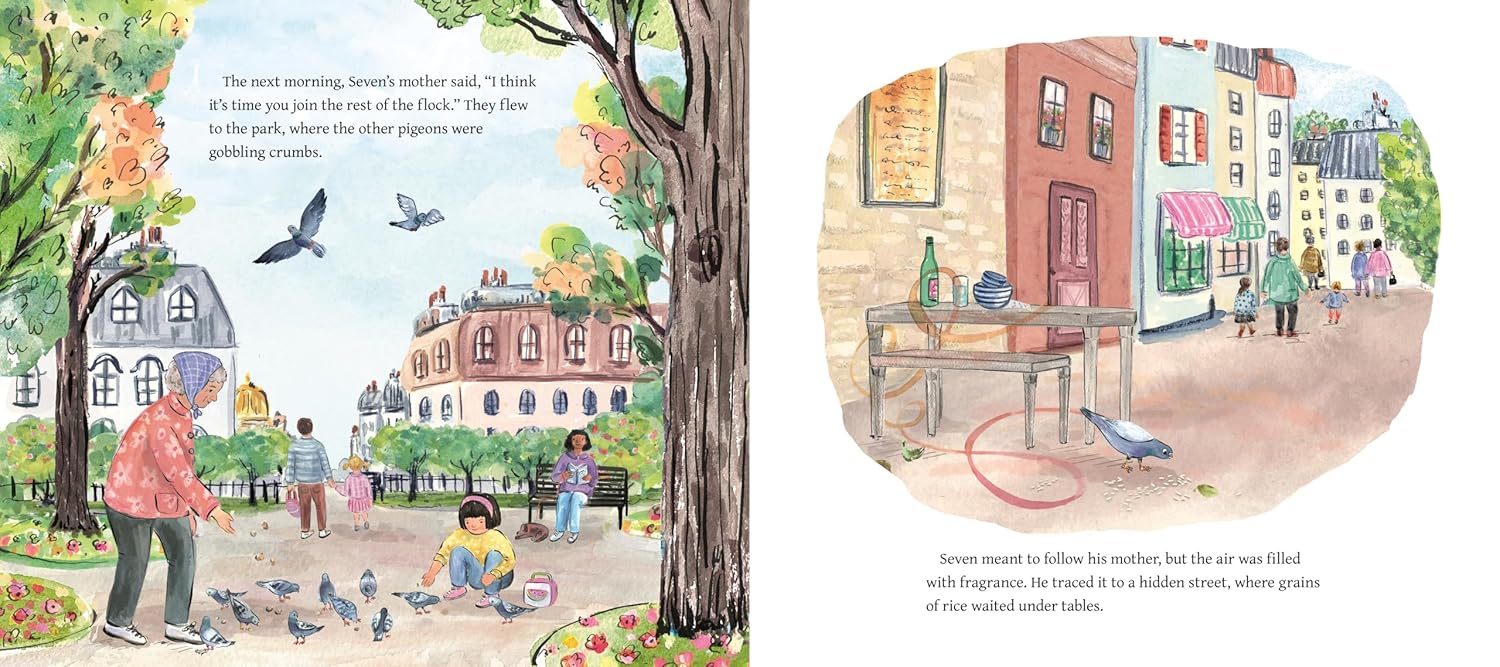
As Seven waited for his eyes to open and his feathers to sprout, he relished all the lovely scents that wafted to his nest. When he could finally fly, Seven soared to the flower shop to enjoy the aromas, and he picked up petals to fill his nest instead of twigs. On the way to the park with the flock, he veered off, distracted by the fragrant smell of rice. His mother scolded: “‘We stay with the flock. We stay with the flock.'” The flock whispered.

Seven’s father decided it was time to teach his son how to “home.” They left the city and headed into the country. Here, Seven was so captivated by all of the new scents that he didn’t listen to his father’s lesson to memorize the roads below. The flock was scandalized; his mother gave him another scolding. So Seven began toeing the line, but now he “didn’t feel dreamy or cozy or light as a feather.” And the flock? They continued to whisper.

Illustration © 2025 by Aimée Sicuro, text © 2025 by Sandra Nickel. Used with permission of Candlewick Press. All rights reserved.

Finally, it came time for The Big Flight, the annual commemoration of the famous 7,000-mile journey. Instead of 7,000 miles, though, the flock rode the train 700 miles away and would fly home. But soon the fog rolled in, thick and impenetrable. Without being able to see the road map below, the pigeons all flew in different directions. How would they find their way home?

But Seven knew just where to go, led on by the scents he loved so well. The flock fell into formation behind him and followed him home. There “Seven’s parents puffed out their feathers and added rose petals to their nest.” The rest of the flock added 700 more in celebration, and Seven’s parents wrapped their wings around him and held him close.

A discussion about pigeons, their behaviors, the different (and similar) ways the mother and father care for their young, and various theories on how pigeons home follows the story.

Illustration © 2025 by Aimée Sicuro, text © 2025 by Sandra Nickel. Used with permission of Candlewick Press. All rights reserved.

You will absolutely fall in love with Seven as he stays true to his distinct and savvy preference for scents despite the speculations of his flock in Sandra Nickel’s heartwarming tale. Nickel blends her talent for fiction and nonfiction in her depiction of pigeons’ nesting, flocking, and homing behaviors as well as highlighting the 7,000-mile flight undertaken by one adventurous pigeon. Nickel’s story is built on deeper underpinnings that these, however, as she spotlights the joy and comfort to be found in celebrating individual differences that make each person’s unique contributions to their family, friends, and community invaluable. Kids will cheer Seven on as he forges his own way.

Aimée Sicuro’s watercolor, gouache, and ink illustrations transport readers to lovely French cityscapes and countryside while embedding them with a lively flock of pigeons all aflutter over their newest member. Amplifying Nickel’s focus on individuality, Sicuro has given each pigeon its own markings and coloring, and their facial expressions leave no doubt about their feelings. Seven is especially expressive, from basking in delectable scents to dejectedly enduring scoldings and doubtful glances to leading the flock home with happy certainty and finally soaking up cozy hugs from his parents. 

Seven: A Remarkable Pigeon is a gently told story full of love that celebrates individuality and builds self-esteem. The book is one that kids will want to hear again and again and is a must for home, classroom, and all library collections. 

Ages 4 – 8

Candlewick, 2025 | ISBN 978-1536235197

Connect with Candlewick on Facebook | Instagram | Twitter/X

About the Author

Sandra Nickel is a former lawyer who is now a dedicated children’s book author with many picture books under her belt, including The Stuff Between the Stars, Nacho’s Nachos, Big Bear and Little Fish, and Making Light Bloom. She is honored to be the winner of a Christopher Award, the winner of the Society of Children’s Book Writers & Illustrators Crystal Kite Award, a finalist for the Golden Kite Award for Nonfiction for Younger Readers, a Junior Library Guild Gold Selection honoree, and a Charlotte Huck Award Recommended author. She has presented workshops on writing for children and young adults throughout Europe and the United States. She lives with her family in Switzerland. Visit her at sandranickel.com and on Bluesky | Facebook | Instagram | Twitter/X.

About the Illustrator

Aimée Sicuro is a creator of many picture books for kids. She is the author and illustrator of If You Spot a Shell, and If You Find a Leaf, which was nominated for the Ezra Jacks Keats Award.. Her work has appeared in the New York TimesParents magazine, and many other publications. She lives in Brooklyn with her husband and two children. Visit her at aimeesicuro.com and on Instagram.

You can learn more about Blue Slip Media on Bluesky | Facebook | Instagram  and on Twitter/X here and here.

National Pigeon Day Activity

Illustration © 2025 by Aimée Sicuro, text © 2025 by Sandra Nickel. Used with permission of Candlewick Press. All rights reserved.


Seven: A Most Remarkable Pigeon Activity Pages


Download a fun and thoughtful Seven: A Most Remarkable Pigeon Classroom Guide with discussion questions and activities for use by educators as well as readers at home.

You can purchase Seven: A Most Remarkable Pigeon from these booksellers

Amazon | Barnes & Noble | Bookshop

Picture Book Review

May 16 – National Share a Story Month

About the Holiday

This month is all about sharing stories! Whether you’re regaling listeners with an anecdote from your life or reading a picture book to kids, sharing stories is one of the best ways to connect with others, pass down experiences, and spark imaginations. The emotions shared while laughing or commiserating together while telling or listening, create bonds that uplift, teach, and lead to unforgettable memories. Today’s book is an effervescent celebration of all the stories that make up a life.

Thanks go to Bloomsbury Children’s Books for sending me a copy of Yay! for review.

Yay!

Written by Jessica Kulekjian | Illustrated by Zara González Hoang


In childhood there’s so much to celebrate! From a child’s first steps to their first day of school to the first time they perfect a skill they’ve been “practicing again and again, they deserve a “Yay!” “Yays” also buoy kids who continue to strive and overcome even when every step is hard. Of course, no one can win them all, but so what. “Yay anyway!” 

Illustration © 2025 by Zara González Hoang, text © 2025 by Jessica Kulekjian. Courtesy of Bloomsbury Children’s Books.

“Sometimes, others will cheer you on no matter what. Yay, You did it! Other times, your voice is the only cheer you hear.” Give yourself a “Yay, Me!” And why all these “Yays?” Because so much is waiting for every child and they have so much in their mind and their heart. So much to be celebrated!

Illustration © 2025 by Zara González Hoang, text © 2025 by Jessica Kulekjian. Courtesy of Bloomsbury Children’s Books.

Jessica Kulekjian’s rousing acknowledgement that all of life’s accomplishments—big, small, and even simply attempted—deserve praise and celebration offers the kind of uplifting encouragement that fosters pride and confidence in children learning to navigate their world as individuals with unique viewpoints and talents. Her flexible text allows adults and children to talk about “firsts” to come, reminisce about achievements in the past, and celebrate, over and over, life’s events, whether they’re easy, hard-earned, funny, or surprising. 

You can almost hear the children in Zara González Hoang’s illustrations cheering for themselves and others as they enter a classroom for the first time, perfect ballet moves, complete an uphill hike using forearm crutches, and win a board game. From a track meet to the playground, from a kitchen to a classroom lab, these joyful kids will inspire your kids to find all the “Yay!”-worthy moments in their day, every day.

Illustration © 2025 by Zara González Hoang, text © 2025 by Jessica Kulekjian. Courtesy of Bloomsbury Children’s Books.

Yay! would be a much-loved and inspirational addition to home, classroom, and library picture book collections. The book would make an especially meaningful gift for the end of the school year to celebrate graduations, recitals, ceremonies, and other occasions. 

Ages 3 – 6

Bloomsbury Children’s Books, 2025 | ISBN 978-1547609215

Jessica Kulekjian first discovered her love for storytelling during a young author’s contest in elementary school. Even though she lost (three times!), she didn’t give up writing. After years of practice, and with lots of encouragement from family, friends, teachers, and other storytellers, Jessica became the author of picture books, including First Notes of Spring and Before We Stood Tall: From Small Seed to Mighty Tree. Jessica has an MA in teaching and works at a public charter school, supporting homeschooling families. She lives with her husband and three kids in Central California. Connect with her at jessicakulekjian.com, on Instagram @jessicakulekjian, and Twitter @jesskulekjian.

Zara González Hoang is a picture book author and illustrator. She grew up in a little bungalow in the frozen tundra of Minnesota. Surrounded by snow she spent her days dreaming, doodling and listening to the colorful stories of her Dad’s life growing up in Puerto Rico while trying to figure out where she fit in as a mixed-race Latina Jew in a sea of Scandinavians. These days, she lives outside of DC in a magical suburban forest with her Mad Man husband, human-shaped demons and curly-coated corgi. She still spends her days dreaming and doodling, but now instead of listening to stories, she’s starting to tell some of her own. Connect with her at zaralikestodraw.com and @zarprey on Instagram and Twitter.

National Share a Story Month Activity

I’m a Superstar! Award Certificate


Kids can celebrate their super accomplishments with this I’m a Superstar! Award Certificate!

You can purchase Yay! from these booksellers

Amazon | Barnes & Noble | Bookshop

Picture Book Review
April 1 – Reading Is Funny Day

About the Holiday

Funny stuff abounds on April 1st, so why not share funny books too? Books that elicit giggles are not only entertaining but contribute to a lifelong love of reading and help kids see the world in a new, positive, and even quirky way. To celebrate today, read some laugh-out-loud books with your kids and find new ones to add to your home, classroom, or library shelves. Today’s featured book is a perfect place to start!

Thank you to Bloomsbury Children’s Books for sending me a copy of We Are the Wibbly!: A Tadpole’s Tail for review.

We Are the Wibbly!: A Tadpole’s Tail

Written by Sarah Tagholm | Illustrated by Jane McGuinness


A sweet, pink-cheeked frog egg heartily addresses whoever is gazing down upon the frogspawn with a warm welcome: “We are eggs.” Then they add a little: “We are egg friends.”  They become loquacious: “We float and are all very relaxing. It is niceable.” You can feel it, right? Bobbing along within the pond grass? But suddenly confusion reigns. Our little egg watches the other eggs become “longish,” and then—”What! What! What!”—they become longish. And it’s not even a minute later that—”OH MY CRIKEYS!” everyone is “bursting out of the Wibbly” except them. 

Illustration © 2025 by Jane McGuinness, text © 2025 by Sarah Tagholm. Courtesy of Bloomsbury Children’s Books.

They try to call the others back, but it’s too late. Despite not wanting to, they break out of the wibbly too only to find that there’s so much more room now and, instead of relaxing, their friends are “water-flying.” They begin waggling their tale the same as everyone else and jet off too, only not as fast. Perhaps harkening back a moment or so to their younger self, they sharply regret the loss of doing relaxing: “We are too OLD for relaxing.” But they don’t have time for such reminiscences since a “hunger-muncher” is on the prowl. The extra impetus speeds up this little tadpole’s water-flying, and they’re happy to feel at last that “we are the same!” 

Always exceedingly alert if but a bit behind, the excitable tadpole suffers and then exults as the group and finally they themselves grow legs and arms. They become smug as they watch the others lose their tails “because now, I am the fasterest and my tail is not doing a shrinking!” They dart away, not realizing that they are also becoming a frog. 

Illustration © 2025 by Jane McGuinness, text © 2025 by Sarah Tagholm. Courtesy of Bloomsbury Children’s Books.

When a passing water beetle points the baby frog to “the Up” during their search for their friends, they break the surface of the water only to . . . “OH MY CRIKEYS! The Up is BAD!” . . . come face to face with a “furry danger-monster.” But this intrepid frog musters all their courage to “do a water-flying to get away” and discovers “air-swimming,” much to the astonishment of their friends who are watching nearby. The friends are all so impressed that they want to “do air-swimming” and beg to be taught. Leading the way, our newly minted, rosy-cheeked frog proudly proclaims, “Now we ARE the same! WE ARE FROGS!” 

A factual account of the four steps of the frog life cycle follows the story.

Illustration © 2025 by Jane McGuinness, text © 2025 by Sarah Tagholm. Courtesy of Bloomsbury Children’s Books.

Who knew kids and frogs have so much in common? Sarah Tagholm, that’s who! As Tagholm taps into the idiosyncrasies of a frog’s metamorphosis, she also reassures human youngsters that everyone grows and develops at their own pace while encouraging them to accept challenges and embrace new experiences. Tagholm’s quirky and playful language bounces and zips from one unexpected development to the next, compressing time into hilarious juxtapositions as the little egg/tadpole/frog tries to keep up. Both kids and adults will laugh out loud at this young hero’s endearing pronouncements and cheer their eventual full assimilation into the group.

Adorable, expressive, and comical, Jane McGuinness’s lovely mixed-media illustrations, punctuated by her dynamic typography, buoyantly captures all the silly fun of Sarah Tagholm’s story while also clearly and empathetically depicting the emotions of the lovable narrator. Readers will have a blast diving into each frothy page to witness the transformation of these little tadpoles along with the snails and other creatures that call the pond home.

A tremendously joyful and rewarding read aloud that will instantly become an often-requested favorite, We Are the Wibbly! A Tadpole’s Tail is combined entertainment and learning at its best and a must for all home, classroom, and library collections. 

Ages 2 – 6

Bloomsbury Children’s Books, 2025 | ISBN 978-1547615742

Reading is Funny Day Activity

Hop Along Matching Game


Hop along now and help these frogs! Each of these fantastic frogs has a twin, but they’ve gotten separated. Can you spot the identical pairs? Print out the Hop Along Matching Game and draw a line between the pairs.

You can purchase We Are the Wibbly!: A Tadpole’s Tail from these booksellers

Amazon | Barnes & Noble | Bookshop (discounted books and support for your local independent bookstore)

Picture Book Review
March 24 – Cover Reveal for ARLO

ARLO

Written by Sophia Gholz | Illustrated by MacKenzie Haley


ARLO works on the assembly line like the rest of the robots. But unlike the others, ARLO longs for something different. Then one day, a surprise changes everything. Follow this exciting adventure as ARLO discovers the unknown, learns home is where the metal heart is, and that “something different” can be created in many ways.

Meet Sophia Gholz

Sophia Gholz is an award-winning children’s book author, poet, magic seeker, and avid reader. Sophia enjoys writing fiction with humor and heart. When writing nonfiction, she pulls on her love of science and her strong family background in ecology. Since 2017, Sophia has helped oversee the Henry L. Gholz SEEDS National Field Trip Endowment for The Ecological Society of America, funding ecological field experiences for students. Sophia is the author of The Boy Who Grew a Forest: The True Story of Jadav PayengThis is Your World: The Story of Bob Ross, Bug on the RugA History of Toilet Paper (And Other Potty Tools), Bear at the Fair, and more. When she’s not writing from her home base in Florida, you can find Sophia reading, visiting schools, or exploring the great outdoors with her family. For more, visit Sophia at: www.sophiagholz.com.

Hi Sophia, I’m so excited to be sharing the cover for your adorable book! Just look at that face! ARLO melts your heart! I’m also happy to be talking to you about how ARLO came to be and so much more. I can’t wait to get started!

Robots are both timeless and timely—and, of course, always kid-favorites!  What was the inspiration behind ARLO?

ARLO actually began as a writing exercise a decade ago, in May of 2014. At the time, the buzzword in the picture book world was “character,” and agents and editors were hungry for “character-driven pictures books.”

Now, I know authors aren’t supposed to write for the market. Instead, you write the story that suits you and hope it fits into the market. However, at that time I was still fresh to the world of picture book writing. I wasn’t agented or published. I was still learning how to craft a story and hadn’t studied much on character building. So, I took the buzzword of the day and decided I wanted to explore that idea. In doing so, I created a metal bot that longed to swim, but couldn’t because—as the line when in my original manuscript said—“His boots sink like bricks, his gears rust, and oil and water don’t mix.”

Similar to the ARLO of today, this original bot worked on a factory assembly line and longed for something different. But unlike ARLO, that original bot had eight arms (like an octopus) and because he loved water, I called him Robotopus. It took me over a decade, 60+ drafts, and so many different variations to finally find ARLO at the heart of this story. And that is exactly why you don’t write for the market and instead write for yourself. It wasn’t until I let go of what I thought this story needed to be and allowed it to become what it was naturally that it clicked.

Growing up, did you have a favorite robot character in books, TV, or movies? What was it about that robot that you liked best?

I’ve always been a huge techy/sci-fi and fantasy fan! One of my favorite childhood movies was called Flight of the Navigator. I loved that film as a kid and it definitely sparked my interest in out-of-this-world robots at a young age. Flash forward, my daughter was on a competitive robotics team in school and that continued to fuel my love. But I’d be remiss if I didn’t shout out Disney’s WALL-E here. That little bot stole my heart from the get-go! In fact, I pitched ARLO’s story as “WALL-E meets The Wizard of Oz.”

Can you talk a little about the journey of this book from idea to publication?

Some books pour out in final form within a matter of hours. Other books take years. ARLO was one of the latter. The first draft was written in May of 2014. I’m one of those writers who likes to save all of their drafts as I revise in case I need to pull something from or revert back to a previous version of a story. So, it’s pretty easy for me to look back now and see exactly how this story changed and shifted over the years.

From the first draft, I fell in love with my little robot. I knew from the start he worked in an industrial factory, but needed nature and longed for something different. In those first drafts, my robot wanted to swim and he used his factory skills for building a suit to help him achieve that goal. That original story actually won an SCBWI Rising Kite Award in 2017. Still, I knew it was missing something. Like my little bot, the story longed for something more. I just couldn’t figure out what that was.

I eventually shelved this manuscript as I focused on other projects. But my bot lived on in my mind. Over the course of ten years, while I was in between other projects, I’d pull this manuscript out of the drawer and completely rework it again and again. Robotopus became Robbie, then Robotika, who morphed into Zigbee, then Ozzy, and ARO, who finally led me to ARLO.

It wasn’t until I let go of the idea of swimming (which I held onto for SOOOO long) and allowed ARLO to tell me what he wanted instead of me telling him, that his story finally poured out in late 2019. But in 2019, two things happened simultaneously: 1) my first book (a nonfiction book titled The Boy Who Grew a Forest) was released and 2) the pandemic struck. As a result, ARLO was shelved again, and it would be another two years before his story would be sent to editors for consideration.

When Sarah Rockett at Sleeping Bear Press made an offer, I jumped on it. I didn’t want the manuscript going anywhere else. Sleeping Bear makes such beautiful books and I knew Sarah really understood this character and the heart of ARLO’s journey.

Tell me about the first time you saw MacKenzie’s cover for ARLO.

I have loved MacKenzie’s art since I first saw it in The Scariest Kitten in the World. I was ecstatic when my editor, suggested MacKenzie as the artist to bring ARLO’s story to life. As soon as her name was floated, I couldn’t think of a better artist for this book.

When I first saw her cover sketch, I squealed in delight. I had no idea what to expect and Mackenzie completely nailed it. I mean, she really knew how to bring ARLO’s personality out and how to capture our little bot’s heart. I cannot wait for readers to immerse themselves in MacKezie’s art and ARLO’s world!

Since your first book The Boy Who Grew a Forest: The True Story of Jadev Payeng was published in 2019, you’ve written about a beloved artist, a famous paleontologist, a bug in a rug, a hangry bear, and even the evolution of toilet paper. These books have been recognized with multiple state and national awards. What do these honors mean to you?

When I began writing, I set out to complete one book. That was my only goal. I was a hopeful writer who wanted to know if I was even capable of crafting or sharing a story I loved. The fact that some of those stories actually became books that have been received in the way they have, is far beyond my wildest dreams. To say I am incredibly grateful, would be a vast understatement.

To this day, each time I sit at my desk, I question again if I’m capable. As an artist, you hope other people will love your art the way you do but that is far from guaranteed. I completely panic every time I release a new book. No matter how much time passes from that first story, I’m still just that girl, sitting behind a keyboard, hoping to complete a manuscript and praying someone out there might like it.

The last time we chatted, you were just getting started as a published author. Your career has really taken off since then. What do like best about being a children’s author? What have you found to be the most surprising?

I’m thankful you’ve been on this journey with me since the start! It feels so good to be back on the blog with you now.

As an author, there is nothing more gratifying than having a reader connect with your story or your character in some way. I absolutely love hearing from readers or seeing the spark in their eyes when I visit them in schools or events. Honestly, there’s nothing better than that.

The most surprising has been navigating book bans and political controversy. When I heard A History of Toilet Paper had been banned in some circles or when I got word from PEN America that Bug on the Rug had been flagged in Florida a while back, I was floored. I’m over here just trying to share stories I love. Call me naïve, but I had no idea how much people might pick them apart in search of negativity.

From the pictures of school, bookstores, and workshop appearances on your website, it’s clear you and the kids have a blast when you visit. Can you talk a little about what you do during a school visit? 

I love visiting schools and hosting author events. This past year, unfortunately, I had to cancel most of my appearances as my daughter went through some very scary health issues. Thankfully, we are on the other side of that now and I’m looking forward to reconnecting with everyone!

I’m not an educator by nature (shout out to all the amazing teachers out there!!!) and don’t know much about school curriculums. So, for me, I love to talk with people about the art of storytelling and finding inspiration in everyday life. One of my favorite things to do is work with an audience to create a story in real time during a visit.

What are you hoping kids will take away from this book?

ARLO is ultimately about finding yourself, learning to embrace differences, and stepping outside of your comfort zone. I hope readers of all ages will find inspiration in ARLO’s adventure.

When can readers look forward to seeing ARLO on bookstore shelves? Do you have tour or other plans you’d like to share?

 ARLO will be released August 1st, 2025 and is available now for preorder anywhere books are sold! Keep an eye out on my website for upcoming events and signings: sophiagholz.com.

Thanks, Sophia, for sharing so much about your journey with ARLO and your inspirations! It’s obvious that ARLO is very well loved!

Meet MacKenzie Haley

MacKenzie Haley is an award-winning illustrator born, raised, and living in Louisville, Kentucky with her two cats, Booger and Abby. She is the illustrator of Dolly Parton’s Billy the Kid series, as well as A Book for Bear, and The Scariest Kitten in the World. When she’s not drawing or playing with her cats, she can be found spending time with her friends and family, and learning what’s currently “cool” from her twelve-year-old niece, and eight-year-old nephew. To learn more about MacKenzie and view adorable “bits and bobs,” comics, and more, visit her at mackenziehaley.com

Hi Haley! I just fell in love with ARLO the moment I saw him, so I’m thrilled to get to talk to you about how you brought ARLO to life and all the considerations that go into creating illustrations for a picture book. I’ve also gotta know about the kitties you’ve fostered, but let’s start with ARLO.

What drew you to this project?

When I first got the ARLO manuscript, I immediately appreciated the idea of this little robot having the very human experience of daily mundanity. No matter how much we love our day job, our family, our friends, sometimes the day-to-day gets hard and we lose ourselves in that daily grind. The fact that ARLO is literally swept away into a whole new world, specifically into nature, was a reminder that as humans we can get stuck in our day-to-day existence, and begin to take things for granted, to let ourselves get run down. It reminded me that we need to go outside and appreciate the natural world around us. Take time to breathe and experience nature. When we do that, we bring some of that back into our daily lives, and it can change our daily experiences for the better, just like it does for ARLO.

Can you describe your process in creating and choosing this endearing cover image?

To start with, I’ve had good and not-so-good experiences in the past creating covers. I guess every illustrator has! In my earlier years I had publishers shut down my ideas for the cover and want me to just create their vision. When that would happen, the end result was usually not something I was happy with, or that I felt served the book very well. In more recent years I’ve been fortunate enough to work with some wonderful publishers and art directors who value my input and let me explore ideas and take the lead.

Creating the cover for ARLO was a really great example of the collaboration between myself and the publisher/art director/editor. Looking back, I can see I started the cover a bit more guarded than I realized. I can get too attached to my ideas, and sometimes feel like I’m losing my voice in how an image turns out when someone asks me to make certain changes that I’m not sure about at first.

Working with Sleeping Bear Press taught me that there is a good balance to be struck between having an idea you really like, and leaving room for creative feedback and space for positive changes. Not to be so precious with my ideas or images, so that when suggestions are made with a good team, I can step back and really hear what they are saying and work that into the cover vision. For example, I initially kept making ARLO too small in the cover sketches I was creating. So Jennifer took the time to talk with me on the phone and explain what they were looking for, and we were able to come up with an image that really showcases the main character, while hinting at the world he discovers in the story. I learned a lot throughout this process, and I’m really grateful for their endless patience with me.

Did you always want to be a children’s illustrator? How did your career begin?

Growing up, money was really tight. There was a time when my mom and dad didn’t buy themselves any new clothes for two years, but they made sure that I always had a full bookcase and a constantly growing little library of my own. I treasured those books and carry that love of books with me today. Each book was a little world I could explore and get lost in.

That being said, growing up I never realized you could make a living creating art. There was no one in my family’s sphere who did that, and I just didn’t know it was a possibility. I kept making art as I grew up though, and learned that there were jobs as artists. I got my BFA with an emphasis in illustration from The University of Dayton in 2002. While I always loved children’s books, I had no idea how to get into that field, so I cast my net wide and tried to get any and all illustration freelance jobs I could. I had a day job this whole time because my freelance income wasn’t paying my bills.

Around 2005 or 2006 I realized I needed to focus on one aspect of illustration. I had no idea how difficult the children’s book market was to break into, so I naively chose that, haha! I’ve heard it said that you don’t know what you can’t do if no one ever tells you. So I worked on my portfolio, submitted to agents, got rejected, worked on my portfolio some more, submitted again, and got rejected. I kept doing this, improving each round, until I finally got an agent in 2017. I was able to quit my day job in 2018 and have been illustrating children’s books full time ever since then!

What have you found to be the most rewarding aspect of being a children’s illustrator?

Seeing a book completed at the very end is such an incredible feeling and makes all the hard work worth every minute. To know that the author and I created this brand new thing where nothing existed before is an amazing feeling. The other most rewarding thing is hearing from parents or kids themselves about how much a book means to them, how much they like a book or what kind of impact it’s had on them. I remember being little and how important books were to me, how much I cherished them. I feel honored that I am able to be a part of children’s lives like that.

When you are given a manuscript for a picture book, what are your first considerations and how do you go about creating a detailed world for the story?

When I first get a manuscript, I read through it a number of times without trying to make any decisions, to just absorb the story. When I first started illustrating books, I didn’t really know what I was doing or have any kind of plan. That’s changed throughout the years, learning what works best for me and seeing what helps me create the best books I can.

For ARLO, I took a more holistic approach, considering characters, color palettes, emotional tones and shifts. The first thing a publisher usually wants are sketches for the main characters. This was the case with ARLO, but for this story I took it further. I listed all of the characters, distilled the main message of the story, and noted what the characters were feeling and when, along with the major emotional shifts in the book. The robots are characters in this story, but I also considered the two worlds or environments as characters as well—the factory and nature. I wanted a color shift to occur throughout the book. The factory was created using almost exclusively neutral colors, with a pop of bright blue here and there, hinting at the natural world ARLO would explore later (the bird he follows in the story is bright blue).

Illustration © 2025 by MacKenzie Haley, text © 2025 by Sophia Gholz. Courtesy of Sleeping Bear Press.

The shift from neutrals in the factory to an explosion of bright, bold colors in nature was really important. The neutrals portray the mundanity of ARLO’s daily life in the beginning of the story, and at the end when he has learned from his adventure, he brings the brightness from nature into the factory, and we see neutrals and bright colors together, indicating in a visual way how ARLO’s and the robots’ daily lives are more fulfilling and happy now. Colors carry such emotional weight, and my hope is that the reader feels this as they progress through the story.

Illustration © 2025 by MacKenzie Haley, text © 2025 by Sophia Gholz. Courtesy of Sleeping Bear Press.

What was your favorite part of creating ARLO’s world?

My favorite part was creating ARLO himself. I had so much fun playing with basic shapes and forms and fun little details, such as the little compartments he has and what tools would pop out of them. But I also loved creating the outside world almost as much as ARLO. To make the flowers, I scanned in hand-painted swatches of watercolor, collaged shapes from them digitally in photoshop, and then drew on top of those shapes. I got to explore a lot and try several different things to see what worked best and what I was happiest with. It was a really fun process! I think the watercolor texture is a good contrast to the sleek metallics of the factory world.

Your bio on your website reveals that you’ve fostered around twelve cats and are a cat mom to two. How did you begin fostering cats? Your illustrations of cats are so adorable and true to cats’ goofy and sweet personalities. Do you use your own cats as inspiration? Will readers be meeting any kitties in ARLO?

I fostered my first kitties 13 or 14 years ago. At the time Louisville Metro’s animal shelter system had a really high kill rate. I didn’t have much money to donate, and they said the next best thing was to foster. They have food banks to cover that cost, and local vets who spay/neuter the cats for free, and take care of deworming, fleas, etc. I walked into the shelter that first day, having one cat at home, thinking to myself “okay, you get to foster one cat.” I ended up walking out of there with a huge crate holding a mom cat and her five one-day-old kittens. I obviously didn’t stick to my plan! I had asked them what their most immediate or urgent case was, expecting maybe a difficult or older cat. When they introduced me to mom cat and her kittens though, I couldn’t say no. I’m a sucker for kitties!

I definitely use my own cats for inspiration. The kitten in The Scariest Kitten in the World is basically my white cat, Booger. She’s so goofy and playful. She was one of the kittens in that first foster group I had, so I’ve known her since she was one day old. She would crawl up on my lap while I was working on an illustration and fall asleep, while the other kittens were playing with each other. I fell in love immediately. I think the situation is more that I’m her human, rather than that she is my cat. I adore her. There aren’t any kitties in ARLO. I should have tried to sneak one in! But there are some woodland creatures the readers will see along the way!

What would you like readers to take with them from your illustrations for ARLO?

I think I would like them to take away the idea of what an amazing wonder nature is, what a gift we have right in front of us, and what it can add to all of our lives. Just being outside for even five minutes a day, breathing in fresh air, feeling the sun on your skin, it all makes such a huge difference. I think it’s something humans crave and need to be whole and happy.

Thank you so much, MacKenzie, for this wonderful, in-depth look at your career in illustration and your process in creating ARLO’s world! I’m so looking forward to August 1, when readers everywhere will be able to bring ARLO home with them.

If you’re as eager to read ARLO as I am, you can preorder the book at these booksellers and from Sleeping Bear Press. ARLO will be released on August 1.

Sleeping Bear Press | Amazon | Barnes & Noble | Bookshop (to support your local independent bookstore)

Picture Book Review

February 21 – It’s National Nest Box Week

About the Holiday

National Nest Box Week was established in the United Kingdom in 1997 to highlight how birds are often displaced from their natural nesting places with the destruction of the woodlands and fields birds call home. The holiday encourages people to pay attention to their local nesting birds and put up nest boxes to support the conservation of breeding birds. No matter where you live, birds’ ecosystems are fragile. You can make a big difference in the survival of your local bird population by building and maintaining nesting boxes for the spring and summer months. To learn how more about the holiday and how you can help, visit nestboxweek.com.

A Terrible Place for a Nest

Written by Sara Levine | Illustrated by Erika Meza


Displaced from their home, a mother and her son, Juno, move to a new place in a new neighborhood. Juno’s mother takes solace in the mourning doves that greet them, but Juno hears sadness and fear in their whistling coos. Nothing about the move feels right to Juno. He can’t get his favorite cereal at the grocery store, and he tells his mama that he’s “‘never going to fall asleep'” in his new room. 
At school he sits alone with no one to talk to. When he gets home he yells, “‘This is a terrible place!,'” frightening the mourning doves from their nest on the gate. The next day, when the movers come, they knock the nest from its perch, breaking the eggs and confirming to Juno his feelings about their new home.

Illustration © 2024, Erika Meza; text © 2024 Sara Levine. Courtesy of Roaring Brook Press.

Later, Juno tries to rebuild the nest, and he and his mom buy millet seed to feed them. They’re happy to see the birds return to the yard—although the nest sits empty for days and weeks. Meanwhile, at school, Juno makes a friend of the girl who sits in front of him, talking and drawing and making paper birds together.

Still, no birds occupy the nest. At night in his unfamiliar room, where unpacked boxes of books and art supplies stand stacked against the wall, Juno thinks “maybe it didn’t feel safe to them.” But then one day, Juno notices with excitement that, just as he and his mom are settling into their new home, a dove is snugged into the nest. “Mama said this meant there were eggs.”

Illustration © 2024, Erika Meza; text © 2024 Sara Levine. Courtesy of Roaring Brook Press.

Juno and his new friend go to the school library to learn everything they can about mourning doves. On colored paper they write facts and draw pictures of adult and baby birds. And most importantly they make signs for the fence and gate, alerting people to the fragile nest and baby doves.

Then one bright, sunny morning, Juno looks out his window and sees babies! In their protected nest, the small mourning doves grow until one afternoon as Juno, his friend, and his mom enjoy a picnic in the yard, he watches as the fledglings fly from their nest. “‘I told them it wasn’t a great place for a nest,'” Juno says, but later that night, happily cuddled up with his mom, they agree, “But we made it work.”

Illustration © 2024, Erika Meza; text © 2024 Sara Levine. Courtesy of Roaring Brook Press.

In her honest and poignant story, Sara Levine allows her young protagonist to give vent to his true feelings. While he first reproaches the mourning doves for their poor choice of nesting place, his own deep disappointment, sorrow, and loneliness spill out when the eggs break. As weeks pass, however, Levine shows that just as Juno repairs the nest and makes his yard inviting for the doves again, he also makes a new friend, assimilates into school, and finds comfort in books and creating once more. Levine’s child-centered story is all the stronger for the quiet support Juno’s mother gives him, allowing him the space, time, and freedom to feel his emotions and work them out in his own way. Her final line, “‘But we made it work,'” offers optimism, camaraderie, and confidence in the face of change—the type of powerful spirit that can sustain us all.

In her affecting illustrations, Erika Meza uses color, facial expressions, and visual metaphors to compellingly show readers Juno’s transition as he navigates his way to acceptance of his new home. As the story begins, Meza uses darker and muted colors on the house and gate. As the doves accept Juno’s help, the colors brighten. Likewise, in the beginning, Juno and his mother appear sad and at a loss. Meza portrays Juno’s brown-painted room from above, as if readers are peering into a cardboard moving box. But as Juno makes friends, regains his love of learning, and the doves return, Meza’s color palette turns vivid, smiles return to Juno’s and Mama’s faces, and even the dark of night is dispelled by the dazzling light of the bedroom lamp as Juno and his mom snuggle together.

A candid story about moving away from home that is also applicable for other types of unexpected changes, A Terrible Place for a Nest validates the emotions children can experience when adjusting to new surroundings. For children struggling with change, especially, the story’s focus on taking time to adapt offers comfort and reassurance.

A Terrible Place for a Nest is highly recommended for families with a child or children who have difficulty with change and a must for school and public library collections.

Ages 4 – 8

Roaring Brook Press, 2024 | ISBN 978-1250861221

About the Author

Sara Levine is an award-winning picture book author, veterinarian and science educator. Her books, which include Bone by BoneTooth by ToothFlower TalkSensitive, and The Animals Would Not Sleep!, have received the AAAS/Subaru SB&F Prize, Bank Street College Best Book of the Year, Beehive Book Award, Cook Prize and the Mathical Book Prize. She loves doing school and library programs. Visit Sara at saralevinebooks.com.

About the Illustrator

Erika Meza grew up in Mexico and moved houses more often than she had birthdays. Having studied illustration in Paris, she now lives in London―her thirty-sixth address―where she paints, writes her own stories, and practices her uncanny ability to pack efficiently. Erika loves exploring, learning about many different places and cultures, and finding joy in the people who allow you to be yourself. Visit Erica at ericameza.com.

National Nest Box Week Activity

Watch a pair of mourning doves raise their nestlings from hatching to leaving the nest in this sweet video from Gary’s Backyard.

You can purchase A Terrible Place for a Nest at these booksellers

Amazon | Barnes & Noble | Bookshop (to support your local independent bookstore)