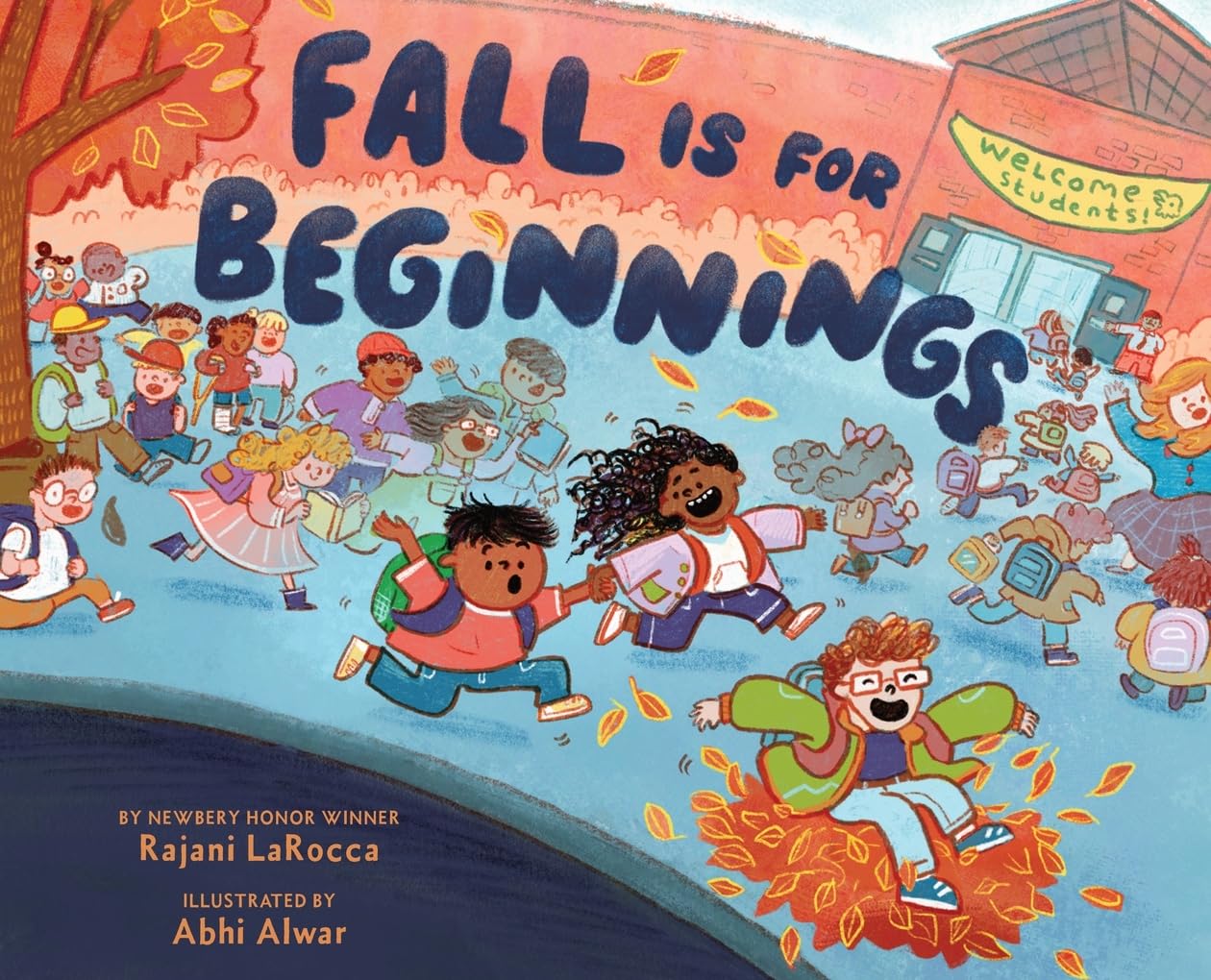
February 21 – It’s National Nest Box Week

About the Holiday

National Nest Box Week was established in the United Kingdom in 1997 to highlight how birds are often displaced from their natural nesting places with the destruction of the woodlands and fields birds call home. The holiday encourages people to pay attention to their local nesting birds and put up nest boxes to support the conservation of breeding birds. No matter where you live, birds’ ecosystems are fragile. You can make a big difference in the survival of your local bird population by building and maintaining nesting boxes for the spring and summer months. To learn how more about the holiday and how you can help, visit nestboxweek.com.

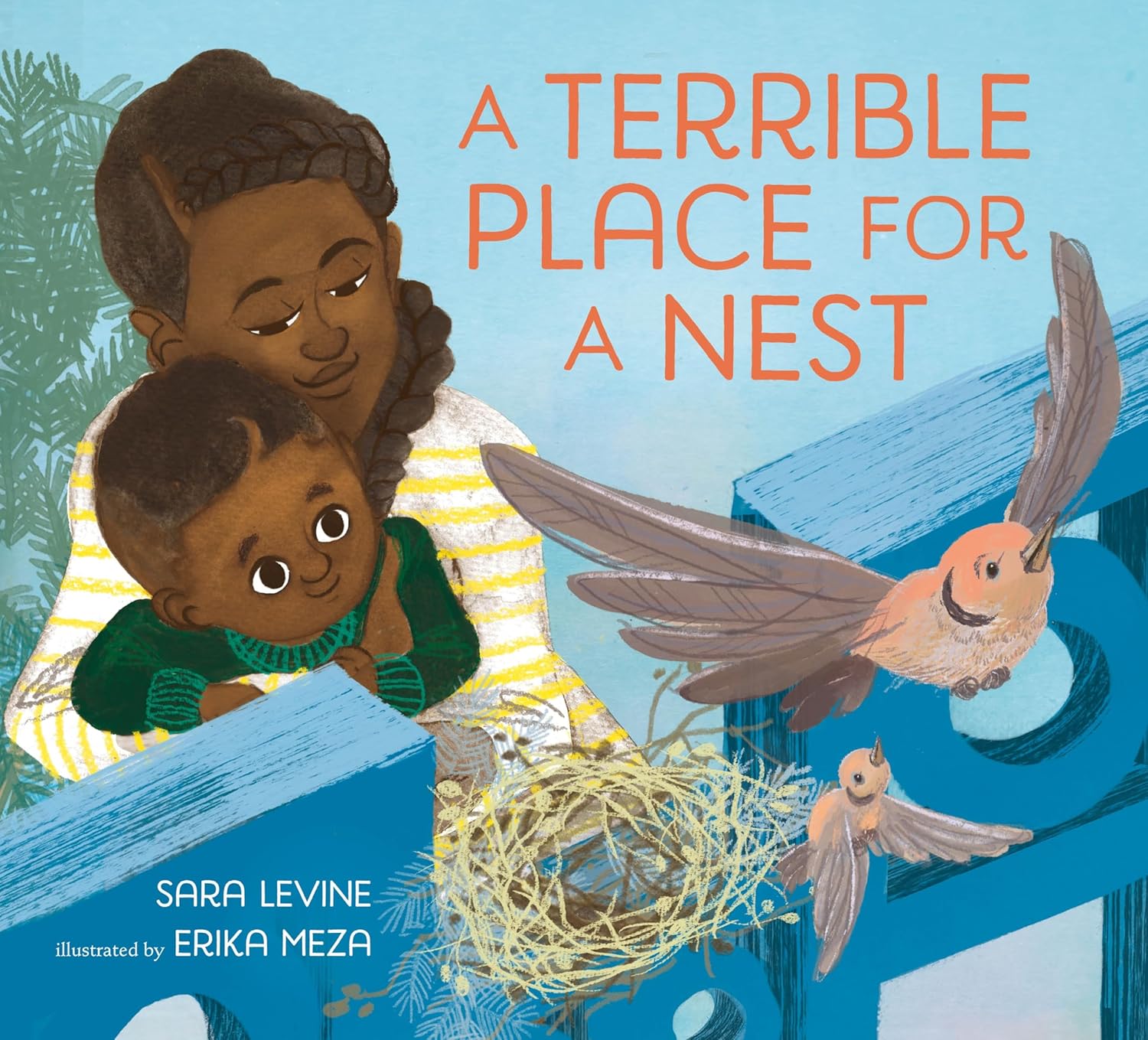
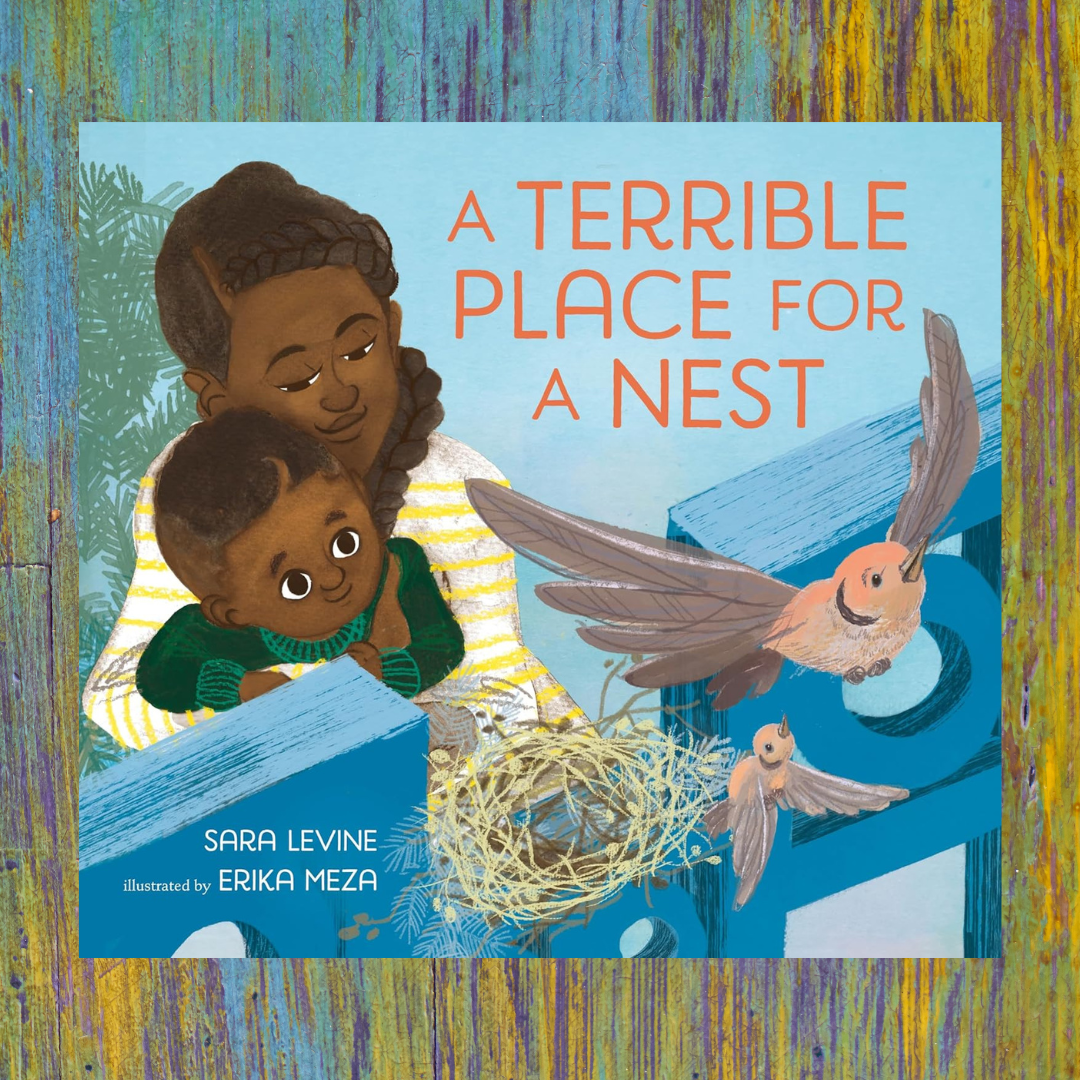
A Terrible Place for a Nest

Written by Sara Levine | Illustrated by Erika Meza


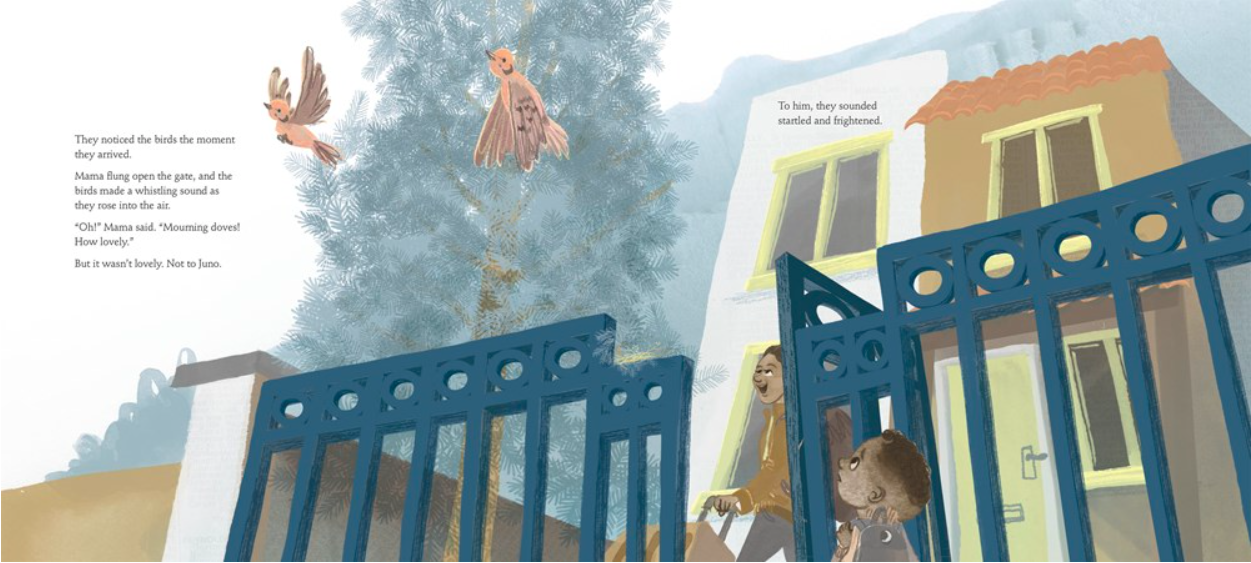
Displaced from their home, a mother and her son, Juno, move to a new place in a new neighborhood. Juno’s mother takes solace in the mourning doves that greet them, but Juno hears sadness and fear in their whistling coos. Nothing about the move feels right to Juno. He can’t get his favorite cereal at the grocery store, and he tells his mama that he’s “‘never going to fall asleep'” in his new room. 

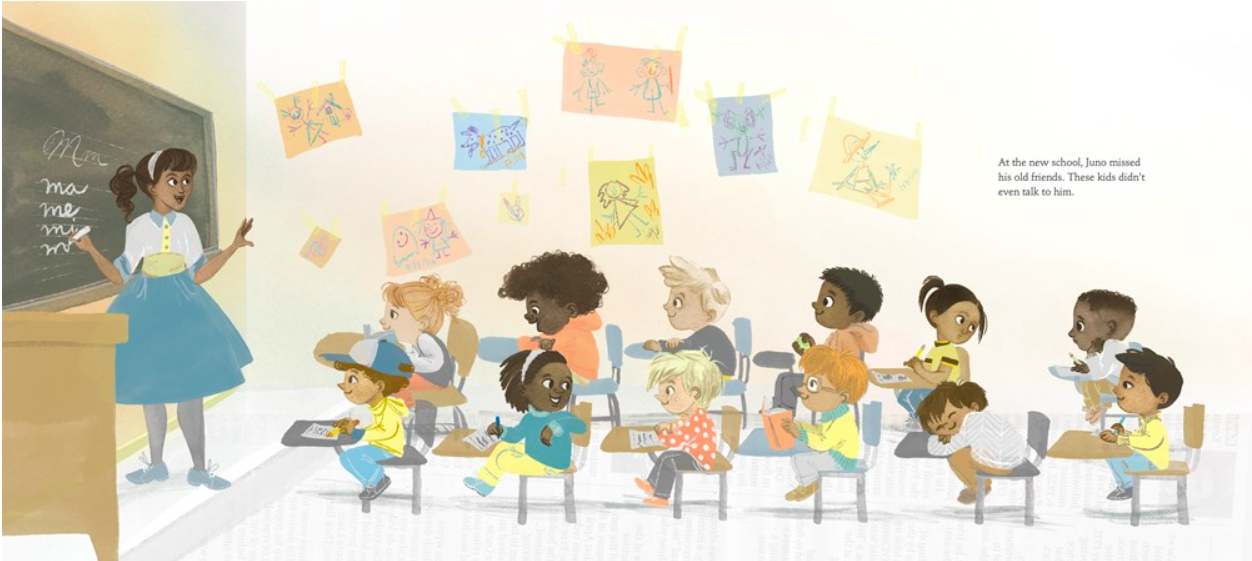
At school he sits alone with no one to talk to. When he gets home he yells, “‘This is a terrible place!,'” frightening the mourning doves from their nest on the gate. The next day, when the movers come, they knock the nest from its perch, breaking the eggs and confirming to Juno his feelings about their new home.

Illustration © 2024, Erika Meza; text © 2024 Sara Levine. Courtesy of Roaring Brook Press.

Later, Juno tries to rebuild the nest, and he and his mom buy millet seed to feed them. They’re happy to see the birds return to the yard—although the nest sits empty for days and weeks. Meanwhile, at school, Juno makes a friend of the girl who sits in front of him, talking and drawing and making paper birds together.

Still, no birds occupy the nest. At night in his unfamiliar room, where unpacked boxes of books and art supplies stand stacked against the wall, Juno thinks “maybe it didn’t feel safe to them.” But then one day, Juno notices with excitement that, just as he and his mom are settling into their new home, a dove is snugged into the nest. “Mama said this meant there were eggs.”

Illustration © 2024, Erika Meza; text © 2024 Sara Levine. Courtesy of Roaring Brook Press.

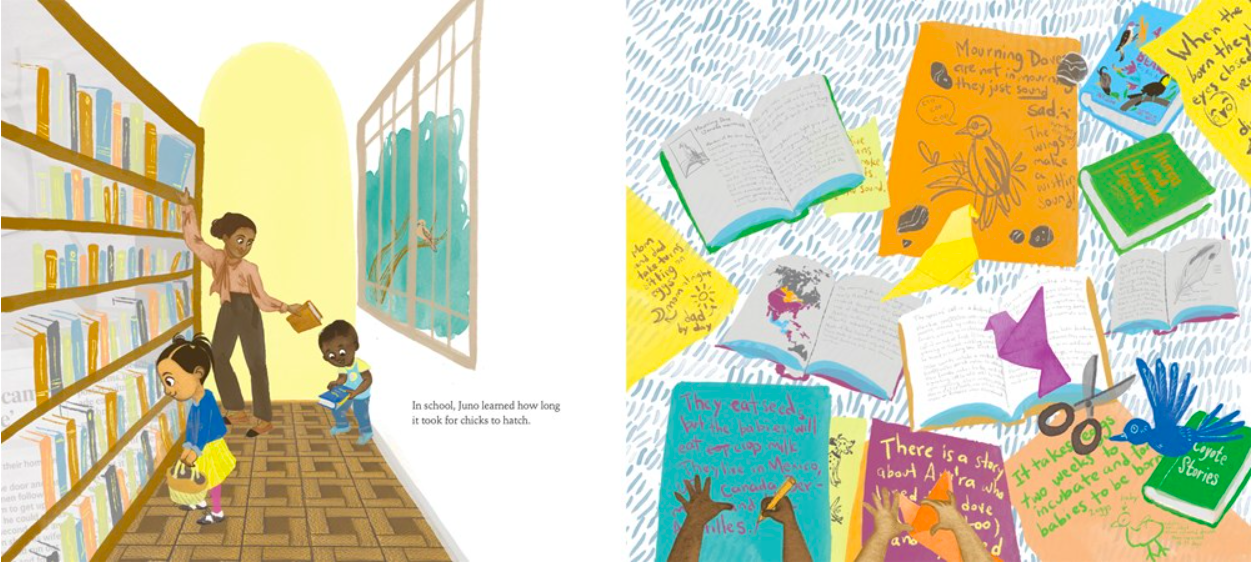
Juno and his new friend go to the school library to learn everything they can about mourning doves. On colored paper they write facts and draw pictures of adult and baby birds. And most importantly they make signs for the fence and gate, alerting people to the fragile nest and baby doves.

Then one bright, sunny morning, Juno looks out his window and sees babies! In their protected nest, the small mourning doves grow until one afternoon as Juno, his friend, and his mom enjoy a picnic in the yard, he watches as the fledglings fly from their nest. “‘I told them it wasn’t a great place for a nest,'” Juno says, but later that night, happily cuddled up with his mom, they agree, “But we made it work.”

Illustration © 2024, Erika Meza; text © 2024 Sara Levine. Courtesy of Roaring Brook Press.

In her honest and poignant story, Sara Levine allows her young protagonist to give vent to his true feelings. While he first reproaches the mourning doves for their poor choice of nesting place, his own deep disappointment, sorrow, and loneliness spill out when the eggs break. As weeks pass, however, Levine shows that just as Juno repairs the nest and makes his yard inviting for the doves again, he also makes a new friend, assimilates into school, and finds comfort in books and creating once more. Levine’s child-centered story is all the stronger for the quiet support Juno’s mother gives him, allowing him the space, time, and freedom to feel his emotions and work them out in his own way. Her final line, “‘But we made it work,'” offers optimism, camaraderie, and confidence in the face of change—the type of powerful spirit that can sustain us all.

In her affecting illustrations, Erika Meza uses color, facial expressions, and visual metaphors to compellingly show readers Juno’s transition as he navigates his way to acceptance of his new home. As the story begins, Meza uses darker and muted colors on the house and gate. As the doves accept Juno’s help, the colors brighten. Likewise, in the beginning, Juno and his mother appear sad and at a loss. Meza portrays Juno’s brown-painted room from above, as if readers are peering into a cardboard moving box. But as Juno makes friends, regains his love of learning, and the doves return, Meza’s color palette turns vivid, smiles return to Juno’s and Mama’s faces, and even the dark of night is dispelled by the dazzling light of the bedroom lamp as Juno and his mom snuggle together.

A candid story about moving away from home that is also applicable for other types of unexpected changes, A Terrible Place for a Nest validates the emotions children can experience when adjusting to new surroundings. For children struggling with change, especially, the story’s focus on taking time to adapt offers comfort and reassurance.

A Terrible Place for a Nest is highly recommended for families with a child or children who have difficulty with change and a must for school and public library collections.

Ages 4 – 8

Roaring Brook Press, 2024 | ISBN 978-1250861221

About the Author

Sara Levine is an award-winning picture book author, veterinarian and science educator. Her books, which include Bone by BoneTooth by ToothFlower TalkSensitive, and The Animals Would Not Sleep!, have received the AAAS/Subaru SB&F Prize, Bank Street College Best Book of the Year, Beehive Book Award, Cook Prize and the Mathical Book Prize. She loves doing school and library programs. Visit Sara at saralevinebooks.com.

About the Illustrator

Erika Meza grew up in Mexico and moved houses more often than she had birthdays. Having studied illustration in Paris, she now lives in London―her thirty-sixth address―where she paints, writes her own stories, and practices her uncanny ability to pack efficiently. Erika loves exploring, learning about many different places and cultures, and finding joy in the people who allow you to be yourself. Visit Erica at ericameza.com.

National Nest Box Week Activity

Watch a pair of mourning doves raise their nestlings from hatching to leaving the nest in this sweet video from Gary’s Backyard.

You can purchase A Terrible Place for a Nest at these booksellers

Amazon | Barnes & Noble | Bookshop (to support your local independent bookstore)

February 7 – National Send a Card to a Friend Day

About the Holiday

Today’s holiday is all about reaching out to a friend or family member with cheerful wishes or a reminder about how much they mean to you. Sure, texting is more immediate, but the sentiments get lost amid long scrolls of typed conversations, shared pictures, and links sent. A card or a letter is more permanent and easy to enjoy again and again without all the dizzying swiping, swiping, swiping to retrieve the message that meant so much to you. Sending cards is such a wonderful way for kids, especially, to keep in touch with friends, cousins, aunts and uncles, and grandparents. Today, encourage your children to share their feelings in a card or letter and get today’s book to read and inspire creative communication whenever your kids are missing a loved one.

Thanks to Tara Knudson for sharing a copy of Paper Wishes with me!

Paper Wishes

Written by Tara Knudson | Illustrated by Kirsti Beautyman

A child wistfully flies a paper airplane through their room, wishing they could fly, sail, take a train or drive to visit their grandparents and “bring a gift by hand.” Spying a piece of red paper on their desk, the child has an idea: Even though you’re far away, there’s one thing I can do. / Fold and crease . . . and fold again. / I made my gift for you!” With a few deft folds and tucks, the child creates an origami heart for their grandmother and grandfather.

Image copyright Kirstie Beautyman, 2024, text copyright Tara Knudson, 2024. Courtesy of Picture Window Books.

The child places the heart in an envelope and places it in the corner mailbox, sending “it on its way.” And then the waiting begins. Each day, they wonder “Is it on a truck? / Is it on a plane? / Is it on a boat? / Is it on a train?” and hope that their gift arrives safely. The child wishes they could see their grandparents’ reactions when they open the gift, and . . . through technology, the child and their grandparents get to share their smiles.

Easy-to-follow, illustrated instructions on how to make an origami heart follow the story.

Image copyright Kirstie Beautyman, 2024, text copyright Tara Knudson, 2024. Courtesy of Picture Window Books.

Tara Knudson’s touching and uplifting story will be treasured by children who miss seeing family members or friends and want to share stories, smiles, and love with them. Knudson’s lively rhymes and easy-flowing rhythms will captivate even the youngest children. Kids will enjoy reading along with the recurring phrasing and evocative vocabulary. Children who are eager gift-makers will love the inspiration in both the story and the included origami craft.

Kirsti Beautyman takes readers over a towering city, across choppy seas, winding past cacti in a sandy desert all the way to colorful townhouses on a shady street in a plane, boat, train, and truck cleverly drawn to mimic origami creations. Readers will immediately empathize with the child, whose expressions show a yearning to see grandparents again, happiness when close to them, pride in the gift they’ve made, and hopeful waiting to hear from family. Young readers are also reassured that family members or friends who are far away are thinking about and missing them too.

A tender, heartfelt, and inspiring read aloud that children will want to hear again and again, Paper Wishes would be an exceptional addition to home, library, and classroom collections.

Ages 4 – 8

Picture Window Books, Capstone Press, 2024 | ISBN 978-1684466184

About the Author

Tara Knudson is the author of multiple picture books, including Christmas Cookie Day, Fun Fall Day, and Valentine’s Day Treats. Tara is a former teacher who has been writing poetry since she was a young girl growing up in Chicago.

About the Illustrator

Kirsti Beautyman is an author and illustrator from the North East of England. After studying at Edinburgh College of Art and graduating in 2016, Kirsti turned her hand to illustrating children’s books and partook in the Picture Hooks Mentorship scheme in 2017. At the end of the scheme, Kirsti exhibited alongside her Mentor in the National Gallery of Scotland and was named “Picture Hooks Illustrator Of The Year”. Since then, she has continued to build on her career as a children’s book illustrator, and works from her studio, nestled away on the outskirts of Newcastle. Kirsti predominantly uses a culmination of digital, dry and wet media to create her illustrations… and is prone to leaving a vibrant jumbled mess in her wake.

National Send a Card to a Friend Day Activity

Paper Wishes Craft

Kids can make their own origami heart to give with the instructions in this Paper Wishes Instruction Sheet.

You can purchase Paper Wishes at these booksellers

Amazon | Barnes & Noble | Bookshop (to support your local independent bookstore)

Picture Book Review

February 6 – Children’s Mental Health Week

About the Holiday


February 3rd-9th marks the United Kingdom’s 11th National Children’s Mental Health week, sponsored by the children’s mental health charity Place2Be. While the US has its own Children’s Mental Health Awareness week in May, it’s always good to share resources and support around mental health for children. This February’s theme is Know Yourself Grow Yourself, with an emphasis on building resilience and coping skills through self-understanding. To honor Children’s Mental Health week, adults and kids alike can engage in mood journaling, verbal processing of emotions, and reading books that explore just what to do to get through hard times.

Review by Dorothy Levine

Just What to Do

By Kyle Lukoff | Illustrated by Hala Tahboub


When a loved one is experiencing a loss, it can be hard to know how best to help. Just What to Do is a gentle story that walks readers through exactly that—just what to do. The key? Figuring out how each person best likes to be comforted.

The book begins with a narrator confidently clutching a handmade condolence card with a smiling cactus angel featured on the front. “When my brother’s cactus died,” they say, “I knew just what to do.” As the narrator discovers, however, a card is not how the brother would like to receive support. “Could you tell me a joke instead? I really want to laugh.” he says.

Image copyright Hala Tahboub, 2024, text copyright Kyle Lukoff, 2024. Courtesy of Dial Books.

So, naturally, when the protagonist’s cousin’s goldfish dies, they know exactly what to do; at the library they nab a book of jokes in preparation for a visit. But instead, the cousin asks for a hug.

The pattern continues with the narrator learning a new method of supporting a loved one with each instance of grief. And learning that the same technique does not feel good to the next person in need of their comfort.

Image copyright Hala Tahboub, 2024, text copyright Kyle Lukoff, 2024. Courtesy of Dial Books.

When the narrator’s best friend’s grandmother dies, they are unsure what to do. Would she want a card, a snack, a hug? How could they know? Finally, they decide the best way to find out is simply to ask: “Can you tell me what to do? I don’t know how to help.” While the friend is at first unsure how to answer this question, the narrator and friend find ways to seek out comfort and connection by spending time together. The story ends with a wordless spread of them swinging, talking, picking flowers and a spread with the word “together” in which they share a flower crown.

Image copyright Hala Tahboub, 2024, text copyright Kyle Lukoff, 2024. Courtesy of Dial Books.

Just What to Do tackles a tough but topical topic for children, what to do with grief and how to support others through it, something that even adults struggle with. Oftentimes, people make the mistake of thinking there is a cookie cutter “one size fits all” fix for working through grief, but, as Lukoff poignantly shows, this simply is not the case. Readers will learn and grow with the protagonist as they explore new ways of helping and providing care for a diverse cast of family and friends.

Hala Tahboub creates simple sketches featuring an androgynous-appearing elementary-school-aged narrator. Wordless spreads of characters connecting are interspersed in the story and are contrasted with more bare pages focused solely on the narrator when they reach emotionally salient moments. There is a clarity in the images and an intricacy in the facial expressions that allows the audience to focus on the main character’s internal struggles. The words of the story are expanded on in the images, with different characters expressing their grief in unique ways (a babysitter commemorating her dog with dog toys, the cousin holding her goldfish’s tank under a large shady tree with a bouquet of flowers, etc.)

Just What to Do is an essential addition to library and home collections, as well as counseling centers. The book lovingly guides readers through a difficult subject with an appropriate amount of levity and learning to make for a perfect read aloud.

Ages 3 – 7

Dial Books for Young Readers, 2024 | ISBN 978-0593462942

About the Author

Kyle Lukoff is the author of many books for young readers. His debut middle-grade novel, Too Bright To See, received a Newbery honor, the Stonewall award, and was a National Book Award finalist. His picture book When Aidan Became A Brother also won the Stonewall. He has forthcoming books about mermaids, babies, apologies, and lots of other topics. While becoming a writer he worked as a bookseller for ten years, and then nine more years as a school librarian. Visit him at kylelukoff.com.

About the Illustrator

Hala Tahboub is a children’s book writer and illustrator. She started her creative journey as an architect and interior designer. She won the SCBWI Canada East chapter’s Storyteller Award for Illustration in 2019, and she was the SCBWI’s December Featured Illustrator in 2020. Hala believes in kindness, coffee, chocolate, and in the immense power of stories. She lives in Montreal. Visit her at halatahboub.com.

National Children’s Mental Health Week Activities

Place2be Activity with Ricky Martin


Art Room Activity

Watch the Art Room’s video on this self-awareness art activity and create your own identity plant.

Exploring Emotions Tip Sheet for Families

Download this Exploring Emotions Tip Sheet for families on how to encourage children to explore and express their emotions.

You can purchase Just What to Do at these booksellers

Amazon | Barnes & Noble | Bookshop (to support your local independent bookstore)

Picture Book Review
January 15 – It’s International Creativity Month


celebrate-picture-books-picture-book-review-bear's-big-idea-cover

About the Holiday

Are you an artist, a writer, a decorator, a chef? How about a floral arranger, a woodworker, a fashion designer, or a gardener? Inside almost every heart lies a desire to create. Whether you use your ingenuity in your job or as an escape from the routine, this month celebrates all that is innovative. Sometimes this comes not in something you can see or touch but in a new thought or novel way of solving a problem—as seen in today’s book!

Thanks to Carolrhoda Books and Barb Fisch at Blue Slip Media for sharing a copy of Bear’s Big Idea with me! All opinions on the book are my own.

Bear’s Big Idea

Written by Sandra Nickel | Illustrated by Il Sung Na


Fish and Bear were best friends. They did everything together, and usually—well, always—Fish was the one with the ideas. “Every morning, Fish would wake up, put on her glasses, and just like that, she would know the perfect thing to do.” Every day of the week, Fish found something—a rope, a sled, an umbrella, and a blanket—and dreamed up an innovative way to have fun with it.

celebrate-picture-books-picture-book-review-bear's-big-idea-Monday

Image copyright Il Sung Na, 2024, text copyright Sandra Nickel, 2024. Courtesy of Carolrhoda Books.

But Fish didn’t want Bear to feel left out, so on Thursday she said that the next day they could do Bear’s idea, “‘Of course, said Bear. ‘My brand-new big idea.'” But Bear was worried. She “didn’t have an idea, not even an old and small idea.” Bear tried to sleep that night, but she was afraid that not having an idea meant she wasn’t a good friend. Would Fish take her bowl and leave? Anxiety muddled Bear’s brain, and all she could think of were now-old ideas.

celebrate-picture-books-picture-book-review-bear's-big-idea-Wednesday

Image copyright Il Sung Na, 2024, text copyright Sandra Nickel, 2024. Courtesy of Carolrhoda Books.

The next morning it was the same. Bear looked everywhere for a brand-new big idea but found nothing. She kept checking in with Fish, asking if she was still there. “‘Always and forever,’ said Fish” with added reassurance. At last, Bear confessed that she couldn’t see an idea anywhere. “‘Don’t worry,’ Fish said. ‘Just because you can’t see something, doesn’t mean it’s not there.'”

celebrate-picture-books-picture-book-review-bear's-big-idea-no-idea

Image copyright Il Sung Na, 2024, text copyright Sandra Nickel, 2024. Courtesy of Carolrhoda Books.

So Bear thought some more, she listened, and she felt the wind whipping up. Suddenly, the air was filled with all of the old things from the past week. As Bear watched the things flying by, she saw it! Her brand-new big idea! She quickly gathered the items together and grabbed Fish’s bowl then rode the sled down to the beach, where she turned those individual items into an ingenious brand-new big idea that even impressed Fish! As pleased as Bear was with her idea, though, she was even happier to discover that good friends were “always and forever there.”

celebrate-picture-books-picture-book-review-bear's-big-idea-sleepless-night

Image copyright Il Sung Na, 2024, text copyright Sandra Nickel, 2024. Courtesy of Carolrhoda Books.

The second book in Sandra Nickel’s Bear and Fish series is a charming story that gently addresses children’s common fears about performance and pressure as well as the nature of friendship itself. Throughout the story, Nickel presents Bear’s conundrum realistically as she first alludes to having a big idea and then worries through the night and part of the next day that she will let down and maybe even lose her bestie because she has no idea at all.

Nickel—through Fish’s encouraging comments and confidence in Bear’s abilities—is always right there, though, with reassurance that children will find comforting in their own life. Nickel’s excellent pacing as well as her metaphorical dark and fog that stymies Bear until her approaching idea clears it away adds depth to the story and shows kids that things such as ideas, learning, self-confidence, and growth come to each person in their own time.

Children will be happy to see Il Sung Na’s fast friends back again in a new adventure. Il Sung’s soft-hued illustrations place Bear and Fish in a whimsically surreal mashup of vegetation from Bear’s forest and Fish’s underwater worlds. Bespectacled, ever-faithful Fish regales Bear with reassuring philosophy from her bowl, but also enjoys a madcap experience of her own thanks to Bear’s big idea. Through Il Sung’s clear depictions of Bear’s emotions, children can empathize with and cheer on Bear while gaining their own sense of self-confidence.

An uplifting, reassuring, and confidence boosting story, Bear’s Big Idea is sure to prompt requests for multiple readings and can spark discussions about feelings of fear, external and internal pressure, true friendship, and using one’s imagination. Bear’s Big Idea would make a valuable addition to home, library, and classroom collections.

Ages 4 – 8

Carolrhoda Books, 2024 | ISBN 979-8765610176

About the Author

Sandra Nickel is a writer of nonfiction picture books for children. Her work includes The Stuff Between Stars, Nacho’s Nachos, and Breaking Through the Clouds. She is the winner of a Christopher Award and holds an MFA in Writing for Children and Young Adults from Vermont College of Fine Arts. When at home in Switzerland, Sandra loves ambling and rambling and eating carrot muffins just as much as Bear and Fish do.

About the Illustrator

Il Sung Na was born in Seoul, South Korea. In 2001, he moved to London to pursue a BFA in Illustration and Animation at Kingston University, where he discovered a passion for children’s books. He completed his MFA Illustration Practice at MICA (Maryland Institute College of Art) in 2015. Il Sung has illustrated several books including Wild Peace, My Tree, and ZZZZ: A Book of Sleep. Currently based in Kansas City, Il Sung teaches illustration courses at KCAI (Kansas City Art Institute) and works on new books.

International Creativity Month Activity

celebrate-picture-books-picture-book-review-bear-craft

Expressive Bear


You can talk about different emotions and feelings or make up your own stories with this Expressive Bear Craft! Use the templates and/or make your own expressive eyes, eyebrows, and nose and mouths. You can also play a game in which the first person to collect all the parts of the bear’s face is the winner.

Supplies

  • Printable Bear Head Template
  • Printable Eyes and Noses Template
  • Printable Eyebrows  and Ears Template
  • Light brown felt or fleece (or color of your choice), 8 ½ x 11 inch piece
  • Dark brown felt or fleece(or color of your choice), 8 ½ x 11 inch piece
  • White felt or fleece, 8 ½ x 11 inch piece
  • Black felt or fleece, for pupils
  • Scissors
  • Glue
  • 1 playing die (optional)

Directions

  1. Print templates
  2. Cut bear head from light felt or fleece
  3. Cut eyes from white felt or fleece
  4. Cut nose and inner ears from dark brown felt or fleece
  5. Cut pupils from black felt or fleece
  6. Glue pupils onto white eyes

Alternatively: Color and play with the paper set

For a Fun Story Time

Give the bear different faces and make up stories of why he looks that way!

To Play a Game

Supplies

  • 1 plastic playing die. Or print this playing die template and draw one of the six facial features on each side.
  • Pencil, pen, or markers (if using printed die template)
  • Cut out, fold, and tape the die together

Directions

  1. Roll the die and follow the instructions below to collect parts of the bear’s face.
  2. The first player to create a full face is the winner.
  • Die dots correspond to:
  • 1—one eyebrow
  • 2—second eyebrow
  • 3—one eye
  • 4—second eye
  • 5—nose
  • 6—inner ears

celebrate-picture-books-picture-book-review-bear's-big-idea-cover

You can purchase Bear’s Big Idea from these booksellers

Amazon | Barnes & Noble | Bookshop (to support your local independent bookstore)

Picture Book Review
January 8 – National JoyGerm Day

celebrate-picture-books-picture-book-review-how-to-cheer-up-a-friend-cover

About the Holiday

Believing that joy can spread from person to person on the strength of simple smiles and greetings, acts of kindness, upbeat moods, and general positivity, Joan E. White of Syracuse, New York, founded JoyGerm Day in 1981. The day officially became a national holiday in 1985, and is now celebrated around the world. The holiday inspires people to find ways today and every day to positively impact the lives around us at home, work, school, or even while shopping or going about one’s daily business.

To honor the day and the idea, find ways to start each morning with a positive attitude for the day to come. Need ideas for how to get started? Say “Hello” to those you meet, listen to and encourage others, happily help out where needed, share a special moment with your kids at home, or send a surprise letter, card, or text to a friend or family member far away. And, of course, don’t forget to treat yourself too! When you feel good, those around you will respond in kind. Happiness really is contagious!  

Thanks so much to Beach Lane Books for sharing a copy of How to Cheer Up a Friend with me for review consideration!

How to Cheer Up a Friend

Written by Stephanie Calmenson | Illustrated by Shannon McNeill


Little ones have big feelings and even bigger hearts. When they see a friend or family member feeling down, they want to help. But “What do you do / when your friend feels blue?” In her sweet book in which the protagonist attempts to cheer up their elephant friend, Stephanie Calmenson offers refreshingly practical advice on how a child (or an adult) can really approach someone experiencing sadness or anger and help them find happiness again. 

Screen Shot 2024-12-31 at 4.50.06 PM

Image copyright Shannon McNeill, 2024, text copyright Stephanie Calmenson, 2024. Courtesy of Beach Lane Books.

Writing in rhyming couplets, Calmenson starts out by suggesting a few ideas that will get readers giggling and invested in the story, such as “Do you tickle his trunk / to get him out of his funk?” and “Do something silly to make him laugh? / Give him a scented bubble bath?” Soon, the child opens his arms wide, offering a hug—but ready to happily accept either a “yes” or “no” answer.

Quieter ideas follow, including taking a walk or simply listening if he wants to “talk . . . and talk . . . and talk.” Then—only after all his feelings have been vented does the protagonist offer treats—or that hug, which now feels juuust right.

Screen Shot 2024-12-31 at 4.51.18 PM

Image copyright Shannon McNeill, 2024, text copyright Stephanie Calmenson, 2024. Courtesy of Beach Lane Books.

Stephanie Calmenson’s thoughtful look at the underpinnings of sadness or other strong emotions and how friends or family members can best help a loved one shines for its brevity and straightforward take on the issue. This approach will appeal to kids while giving them concrete examples of what to do and say (or not say) to elicit healing time or talk from friends, siblings, or others.

How to Cheer Up a Friend would be equally effective for adults looking for a book to help their own child through periods of sadness or anger as the story validates these emotions and provides a constructive solution for expressing them. The length of the story and its bookended format makes the book a perfect choice for parents, teachers, or other adults to reach for during those times when emotions may be running high or attention spans are short.

Screen Shot 2024-12-31 at 4.51.51 PM

Image copyright Shannon McNeill, 2024, text copyright Stephanie Calmenson, 2024. Courtesy of Beach Lane Books.

Shannon McNeill’s adorable elephant and empathetic child immediately win over readers’ hearts with their connection that is clearly based on mutual love and trust. In her soft-hued gouache, pencil, and cut paper illustrations, McNeill’s droopy, sad-eyed elephant is the picture of sadness, stubbornness, and even laugh-inducing perseverance as his friend tries various silly solutions to restore happiness. The image of the elephant hunkered down in its wash tub as it hides from a hug is an effective portrayal for children who prefer body autonomy or for the barrier some people present when experiencing strong emotions.

As the elephant begins to talk, his words and feelings fill the page as colorful shapes, and he begins to gesticulate, He cries, stomps, and flops down in a tirade to demonstrate those emotions he may not have words for. But as the storm abates, he feels better and can happily accept that big hug in a two-page spread that will delight young readers.

An endearing story that provides satisfying help with an emotion we all experience, How to Cheer Up a Friend is a valuable book for families and teachers to have on hand for those times when feelings are strong. The book is highly recommended for home, library, and classroom collections.

Ages 4 – 8

Beach Lane Books, 2024 | ISBN 978-1665910248

About the Author

Stephanie Calmenson is the acclaimed author of many popular books for young readers including Dinner at the Panda Palace; May I Pet Your Dog?; and the Ready, Set, Dogs! and Allie and Amy series written with Magic School Bus author Joanna Cole. A former early childhood teacher and children’s book editor, Stephanie feels fortunate to be able to teach, entertain, and encourage kids through her books. To read more, please visit StephanieCalmenson.com.

About the Illustrator

Shannon McNeill is a Canadian-born, San Diego-based illustrator whose books include Are We There Yet? by Dandi Daley Mackall, Wild & Wooly by Mary Jessie Parker, How to Cheer Up a Friend by Stephanie Calmenson, and her own Wheels, No Wheels. Her work is influenced by local nature, loitering in coffee shops, old books, child art, and long walks around the block. Learn more at LittleDrawings.com.

National JoyGerm Day Activity

celebrate-picture-books-picture-book-review-you're-groovy-happiness-card

Spread Happiness Cards

Kids can spread happiness to their friends, family, teachers, and other people in their lives with these cute Happiness Cards! Just print, cut, and give!

Spread Happiness Cards

celebrate-picture-books-picture-book-review-how-to-cheer-up-a-friend-cover

You can purchase How to Cheer Up a Friend at these booksellers

Amazon | Barnes & Noble | Bookshop

Picture Book Review
December 17 – National Say It Now Day

celebrate-picture-books-picture-book-review-I'm-always-loving-you-cover

About the Holiday

This brand new holiday, established by National Day Calendar and Legacy+, a branding company, in honor of Walter Green, who was born on December 17 and on his 70th birthday decided to travel for a year to visit those who had been important to him and express his gratitude. For Walter, the result was a book—This is the Moment. For the rest of us, this holiday can inspire us to tell friends and loved ones how important they are and thanking them for all the ways they’ve impacted our lives.

Thank you to Bloomsbury Children’s Books for sharing a copy of I’m Always Loving You with me for review consideration. All opinions on the book are my own.

I’m Always Loving You

Written by Kathy Wolff | Illustrated by Acamy Schleikorn


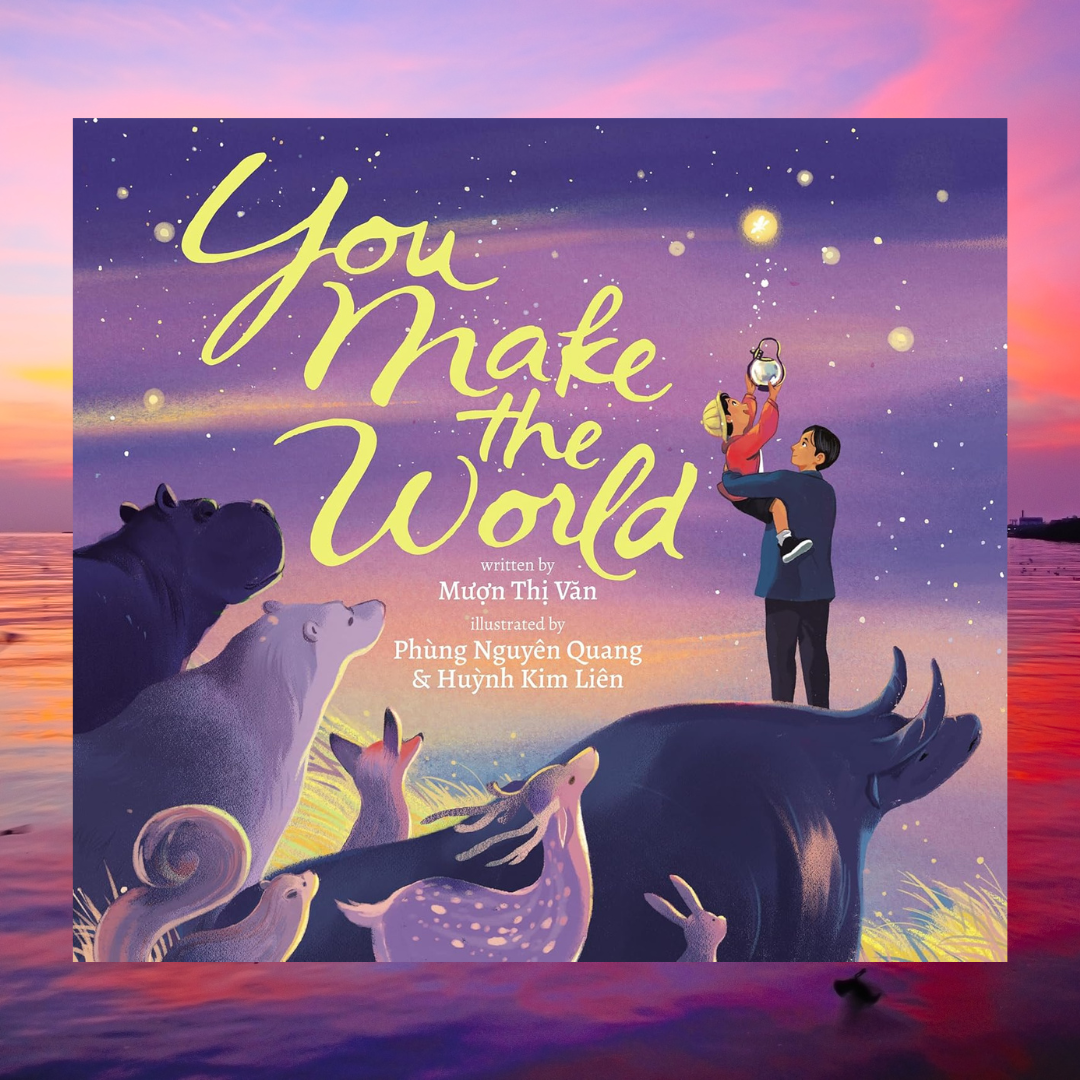
When you tell your child “I love you,” tousle their hair and say, “love ya, kiddo,” or kiss them on the forehead and whisper, “Goodnight, sweet love,” the “always” of that feeling is understood. But there are times when—struck by a memory, catching sight of a flash of playfulness, or even sharing a struggle over a task or disappointment—you feel an extra squeeze of love come over your heart.

Often these moments go unexpressed; but they shouldn’t! Inherent in times like these is spontaneity, shared experiences, and the details of life. Kids love details, and in I’m Always Loving You Kathy Wolff gives parents and other adults a heartwarming way to share the particulars of those times when their heart bursts with love—from the seemingly mundane to the extra-special. 

celebrate-picture-books-picture-book-review-I'm-always-loving-you-rise-and-shine

Image copyright Acamy Schleikorn, 2024, text copyright Kathy Wolff, 2024. Courtesy of Bloomsbury Children’s Books.

Wolff begins as the day starts: “I love you when you rise and shine—awake as you can get!” but includes a bit of humor with the adult’s perspective on morning—”I love you when I haven’t even had my coffee yet!” She highlights times of frivolity at home while also reassuring kids that parents, grandparents, and other caregivers are always thinking about and loving them when they’re out in the world—in the car, at the park, at the store, and even “in the longest line we’ve ever seen before!”

celebrate-picture-books-picture-book-review-I'm-always-loving-you-when-helping

Image copyright Acamy Schleikorn, 2024, text copyright Kathy Wolff, 2024. Courtesy of Bloomsbury Children’s Books.

Children who are apprehensive about separation will find comfort in the words “I love you when you’re close to me, and also when you’re not, / and no matter what I’m doing, I sure think of you a lot!” Importantly, kids also hear that adults’ love extend to those times when their child is helping out around the house or doing chores, and—maybe more surprising—when the adult must tell them “no.”

Just as adults love their kids at the beginning of the day, as the day wanes a dad reveals, “I love you when we’re snuggled up all cozy with a book, / when you’re feeling kinda yawn-y and you’ve got that droopy look.” Through changing into pajamas, goodnight kisses, and turning out the light, love prevails, allowing children to sleep soundly and awake to another day full of love.

celebrate-picture-books-picture-book-review-I'm-always-loving-you-snuggling-wth-book

Image copyright Acamy Schleikorn, 2024, text copyright Kathy Wolff, 2024. Courtesy of Bloomsbury Children’s Books.

Kathy Wolff’s jaunty rhymes that encapsulate so many parts of a child’s and parents’ or caregivers’ day are a joy to read aloud and are sure to lead to fun discussions about specifics in the readers’ lives. Many of the examples Wolff includes are equally applicable for children to say to the adults or siblings in their lives, from getting up in the morning to sharing silly, busy, or quiet moments to when they are near or far away.

Acamy Schleikorn’s bright, active illustrations allow kids to clearly see and recognize experiences and places as well as emotions, such as happy, silly, and serious, that are part of their everyday lives, reinforcing the idea that no matter where, when, or what’s happening they are always loved.

A perfect and reassuring book to snuggle up with, bring out when times are a little more challenging, and talk about all the times your family feels that glow of love, I’m Always Loving You would be an often-asked-for book on home bookshelves and a meaningful addition to school and library collections.

Ages 3 – 6

Bloomsbury Children’s Books, 2024 | ISBN 978-1547614202

About the Author

Kathy Wolff lives in Overland Park, Kansas with her husband and her two funny kids. She attempts to balance writing, mom-ing, and greeting-card making . . . all while trying to remember not to forget anything. Visit Kathy at kathywolffbooks.com.

About the Illustrator

Acamy Schleikorn is an illustrator from Las Vegas. She began drawing at a very young age and was encouraged by her grandma to keep going. As an adult, she discovered the magical world of children’s books, and became passionate about creating stories that make a difference in a child’s life and reflect the diverse world that we live in. Anytime she creates art, she wants it to bring some kind of good into a world filled with a lot of hurt. She is inspired by her two children to create work that they will love, enjoy, and see themselves in. Visit Acamy at acamydesigns.com.

National Say It Now Day Activity

CPB - Heart Jar

Jar of Love


With this craft, kids can say “I love you” to parents, siblings, family members, friends, and anyone who fills their heart with joy by giving them a felt heart to express their feelings.

Supplies

  • A clear jar with a lid—you can up a jar from home, buy a mason jar, or find a decorative jar at a craft store
  • Red felt
  • Scissors

Directions

1. Cut red hearts from the felt and add them to the jar.

2. Whenever you feel that special burst of love toward someone, give them a heart to show it!

celebrate-picture-books-picture-book-review-I'm-always-loving-you-cover

You can purchase I’m Always Loving You at these booksellers

Amazon | Barnes & Noble | Bookshop

Picture Book Review

November 7 – It’s Picture Book Month

celebrate-picture-books-picture-book-review-when-you-find-a-rock-cover

About the Holiday

November is Picture Book Month, a month to remind us of the importance of picture books as a source of learning, growing and connecting for adults and children alike. While every day is a day to remember and celebrate our love for picture books, we challenge you this November to check out a few new titles, to share a book with a loved one, and keep on reading! To celebrate this month, we highlight a story that draws children and adults together in a meditation on the importance of connection, exploration, play and time for contemplation—all tied together by rocks!

I’m thrilled to welcome back Dorothy Levine, who has recently graduated from college and always lends a fresh, astute, and thoughtful perspective to her reviews. To learn more about Dorothy see our Welcome page.

Review by Dorothy Levine
When You Find the Right Rock 

Written by Mary Lyn Ray | Illustrated by Felicita Sala


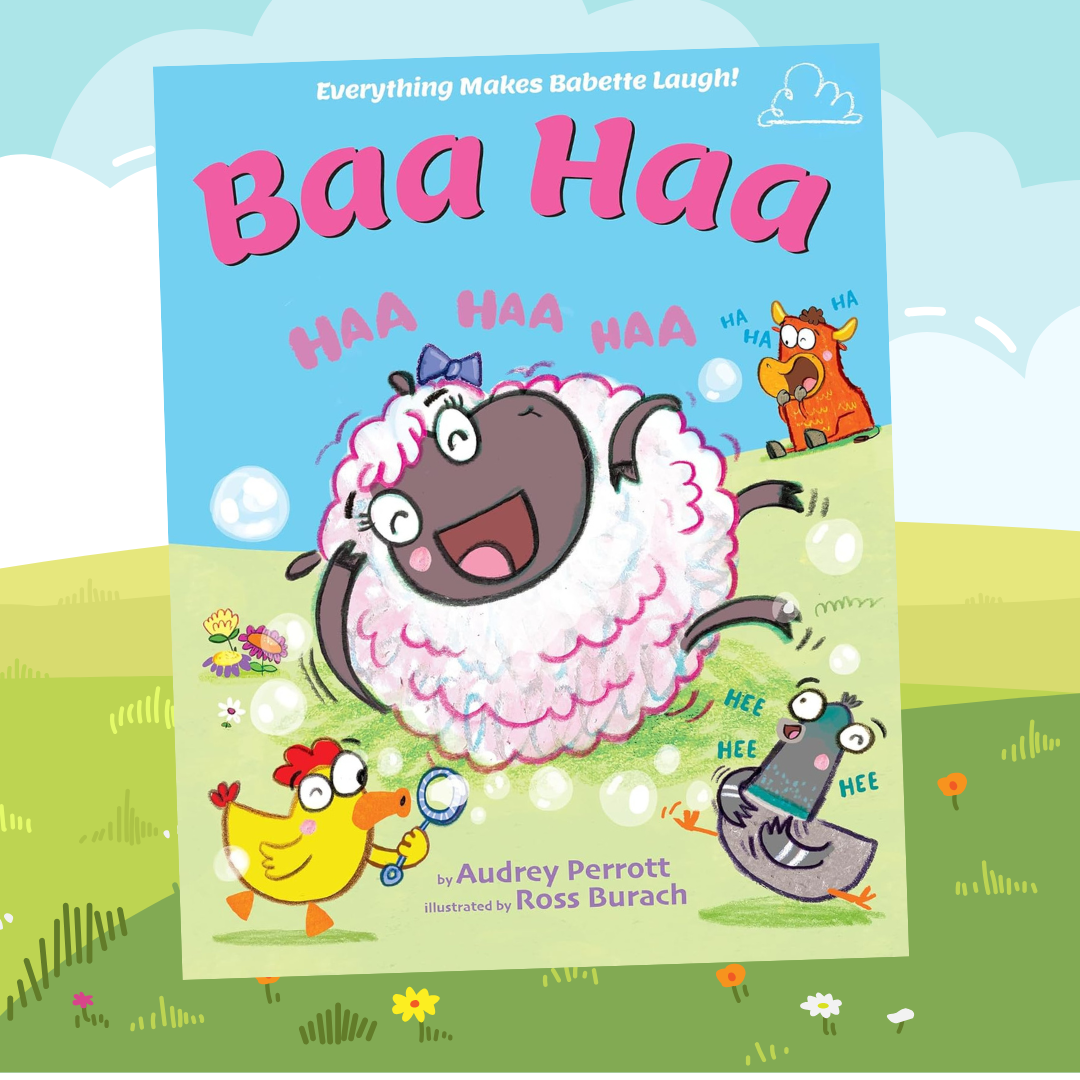
Calling all collectors, connectors, climbers, and thinkers. Find a seat to get cozy in as we mosey our way through the narrative of When You Find the Right Rock. Some of us tend to walk with our eyes cued into the scenery around us. Perhaps you are one to scan the ground for treasures as you walk or skim the skyline for birds. In a world of go-go-go, children and adults alike are often discouraged from taking the time to pause and ground themselves in place, to notice the details of the wide world that connect us all.

One of these connectors is rocks, particularly the biggest rock of all, the one that lives “far under grass and trees / and houses and schools,” the rock that Lyn Ray describes as “one big enough for / everyone to stand on.”

celebrate-picture-books-picture-book-review-when-you-find-a-rock-bolders

Image copyright Felicita Sala, 2024, text copyright Mary Lyn Ray, 2024. Courtesy of Chronicle Books.

The story begins as a continuation of the title sentence: “You may try to go around it, / Or to just keep thinking whatever / you were thinking.” Told from the second person “you” view, readers are immediately able to place themselves in this story. Artist Felicita Sala depicts a young child staring out at us, grasping hands with an adult and, facing forward, in a rush toward their destination.

“But it’s hard to ignore a rock. You can tell, right off, that big ones are to climb on. That’s their way of inviting you to know them—and to see where you are.” When the child gestures to a large group of boulders, her adult puts a hand on her hip. Regardless, the child begins to climb and is met by others halfway up the rock. As the children climb, readers are lifted onwards and outwards from the original illustrated narrative, as Lyn Ray takes us through different sizes of rocks and some of the many fun and creative possibilities of what a rock can be and do.

celebrate-picture-books-picture-book-review-when-you-find-a-rock-climbing

Image copyright Felicita Sala, 2024, text copyright Mary Lyn Ray, 2024. Courtesy of Chronicle Books.

The purposes range from playful (to build a room of a pretend house on the beach) to explorative (“to show you / what heavy feels like”) and even philosophical (medium rocks are for perching on to see how your view of the world can change). Each spread shows a diverse cast of children. All these options hold equal weight. Lyn Ray writes: “Sometimes people might think you’re doing nothing, / same as they might think the rock is doing nothing. / But you and the rock know they’d be wrong.”
celebrate-picture-books-picture-book-review-when-you-find-a-rock-pocket

Image copyright Felicita Sala, 2024, text copyright Mary Lyn Ray, 2024. Courtesy of Chronicle Books.

The story then zooms out to a greater metaphorical sense of finding and grounding oneself in a world of shifting social relations and chaos. Lyn Ray compares finding something special or surprising within yourself (“just when you were maybe feeling sort of ordinary”) to finding a surprising rock in a less exciting bunch of pebbles. Readers are encouraged to reflect and hold on to these moments of inner finding: “You’ll want to keep that discovery in the place inside you where you remember certain things—Same as, maybe, you keep your special rocks somewhere.”

Readers are advised to take the time to “say hi to each rock you meet.” Because maybe if you find a rock that feels right in your hand, “you can feel like you’re holding hands with all the wide world.” On the final spread, we return to the scene of the child with the adult. This time, the child holds a small rock in one hand and rushes to hold the hand of her adult with her other. The two smile at each other, caught in a moment of connection.

celebrate-picture-books-picture-book-review-when-you-find-a-rock-stacked

Image copyright Felicita Sala, 2024, text copyright Mary Lyn Ray, 2024. Courtesy of Chronicle Books.

Illustrator Felicita Sala draws readers into the magic of rocks and relationships with others with detailed watercolor and colored pencil spreads that draw our focus from tiny to large scale as the words follow suit. Brightly colored pages are contrasted with darker-toned images where a rock or the child protagonist are the only ones highlighted. The illustrations masterfully weave in an under-narrative of the child and adult not told in the words, but on an emotional journey of their own, even in the singular one walk depicted.

The simplicity of the cover text, with the title displayed in the middle of a jumble of colorful textured rocks of different shapes and sizes—they even bump out of the cover in a glossed shine!—and the small choice to simplify the language to “text by” and “art by” rather than written and illustrated reflects the intentionality behind the beautiful simplicity of Mary Lyn Ray’s story as a whole; you don’t need to be a fancy geologist to admire rocks; you don’t need a reason beyond joy and admiration to stop and look at the world around you. Just like you don’t need to be a child to enjoy a picture book or a rock-lover to enjoy the story of When You Find the Right Rock.

Ages 3 – 8

Chronicle Books, 2024 | ISBN 978-1797214580

About the Author

Mary Lyn Ray has written many acclaimed books for children, including StarsPumpkinsMudThe Thank You Bookand Go to Sleep, Little Farm. She lives in South Danbury, New Hampshire, on an old farm where there are big rocks and pocket rocks, medium-sized and big, big rocks—all just right for saying hello to. Visit Mary at marylynray.com.
About the Illustrator

Felicita Sala is a self-taught illustrator. She studied philosophy and languages in Australia but then decided she wanted to create pictures. Since moving to Italy, she has worked on a few stop-motion animation projects along with her husband, Gianluca, but her passion lies in making picture books. She gets inspired by nature, children, mid-century illustration, folk art, and architecture. She lives in Rome with Gianluca and their daughter, Nina. Visit Felicita at felicitasala.com.
Picture Book Month Activity

celebrate-picture-books-picture-book-review-rock-collection-activity

Rock Exploration and Collection Ideas


On her website Early Learning Ideas, Jennifer Hier offers kids and adults a variety of ideas for ways to explore and collect rocks with children. Check out her post: 20 Easy Activities with Rocks that Will Make Learning Fun.

celebrate-picture-books-picture-book-review-when-you-find-a-rock-cover

You can purchase When You Find the Right Rock at these booksellers

Amazon | Barnes & Noble | Bookshop (to support your local independent bookstore)

Picture Book Review