December 7 – National Letter Writing Day

celebrate-picture-books-picture-book-review-dear-mr-dickens-cover

About the Holiday

Many young wishers know all about writing letters in December, so it should come as no surprise that a letter-writing day be included in this month’s calendar. Today’s holiday celebrates all forms of personal communication written by hand and remembers correspondences from the past that have given us such insight into our favorite poets, novelists, historical figures, and more. Sure, email might be faster, but there’s a certain luxury in taking the time to write your thoughts on paper as well as an palpable excitement in holding a heartfelt letter in your hands. Today’s book also reminds us that letters can often change minds, hearts, and actions.

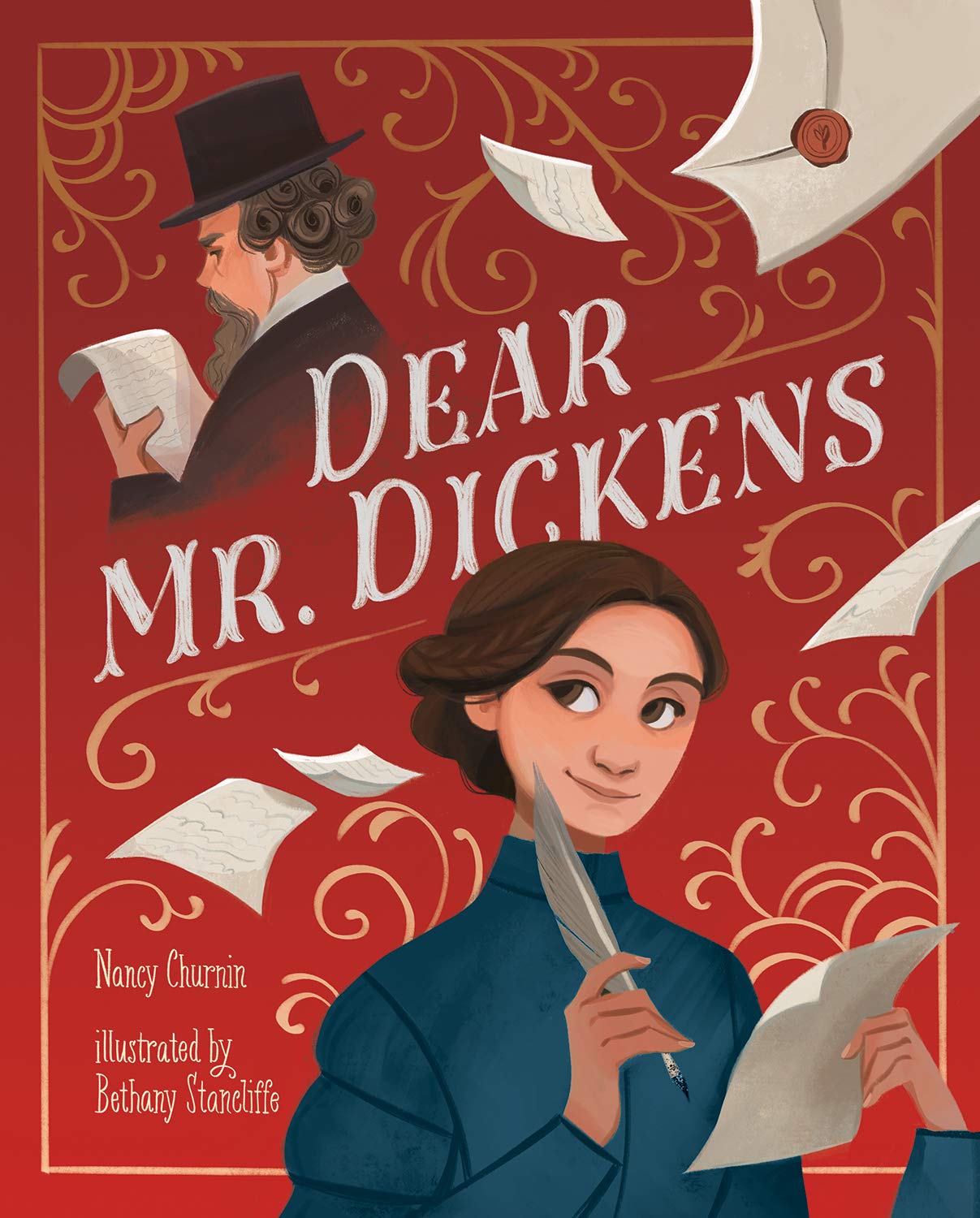
Dear Mr. Dickens

Written by Nancy Churnin | Illustrated by Bethany Stancliffe


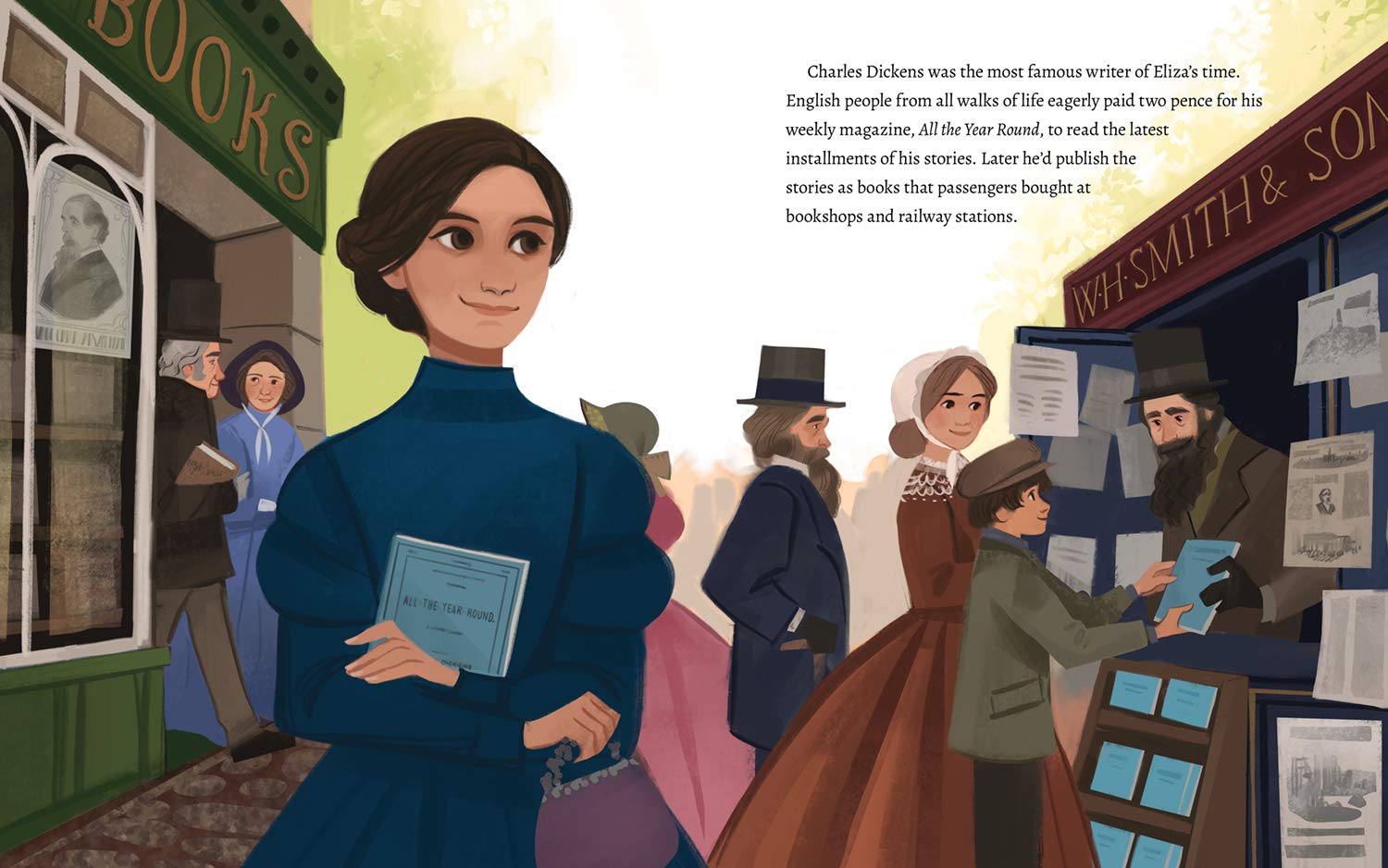
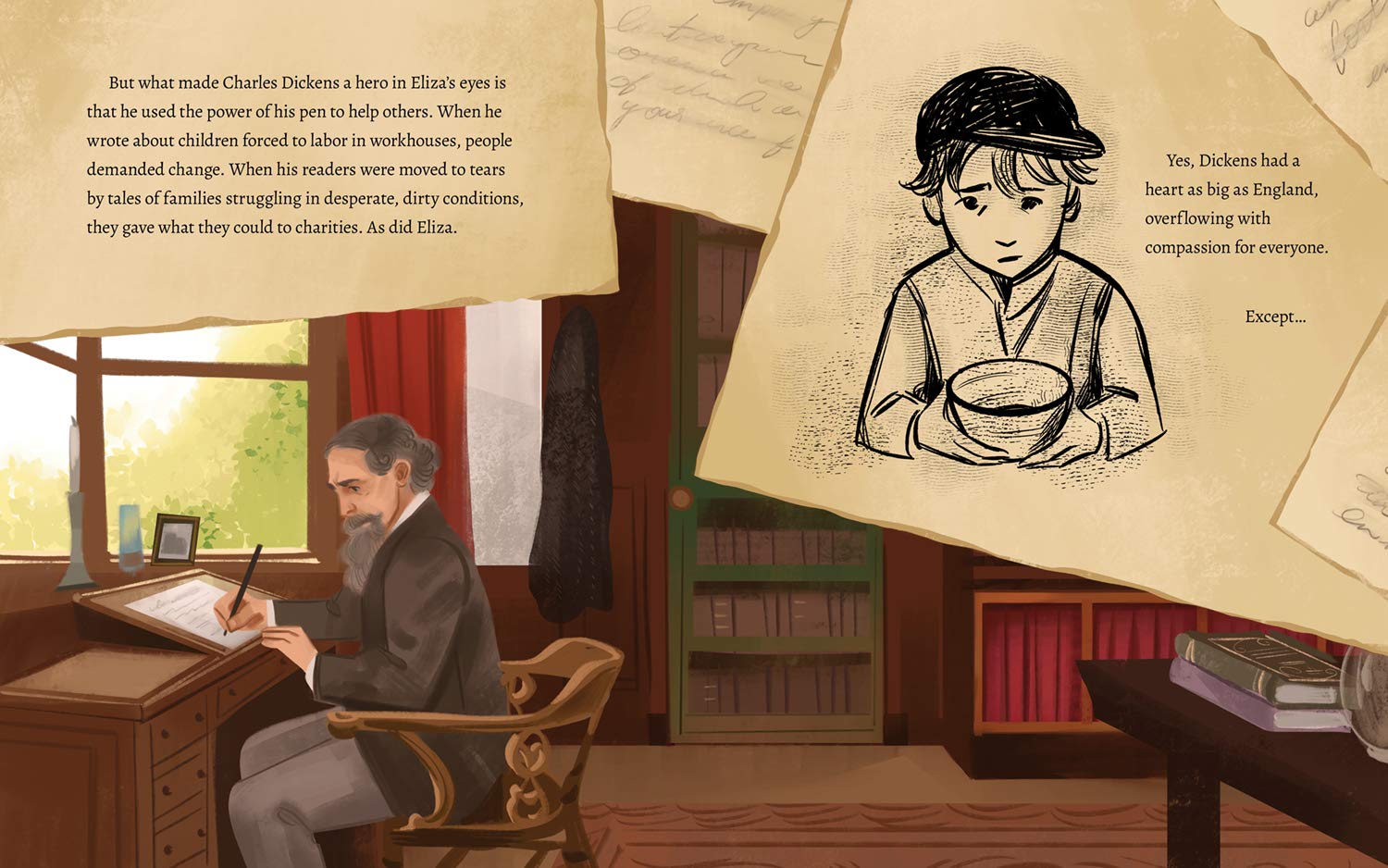
Like most people at the time, Eliza Davis looked forward to every new story Charles Dickens published in his weekly magazine, All the Year Round. And when he began publishing books, she eagerly read those too. “What made Charles Dickens a hero in Eliza’s eyes is that he used the power of his pen to help others.” After people read about the harsh conditions children faced at workhouses, they demanded change. And when they “were moved to tears by tales of families struggling in desperate, dirty conditions, they gave what they could to charities. As did Eliza.” 

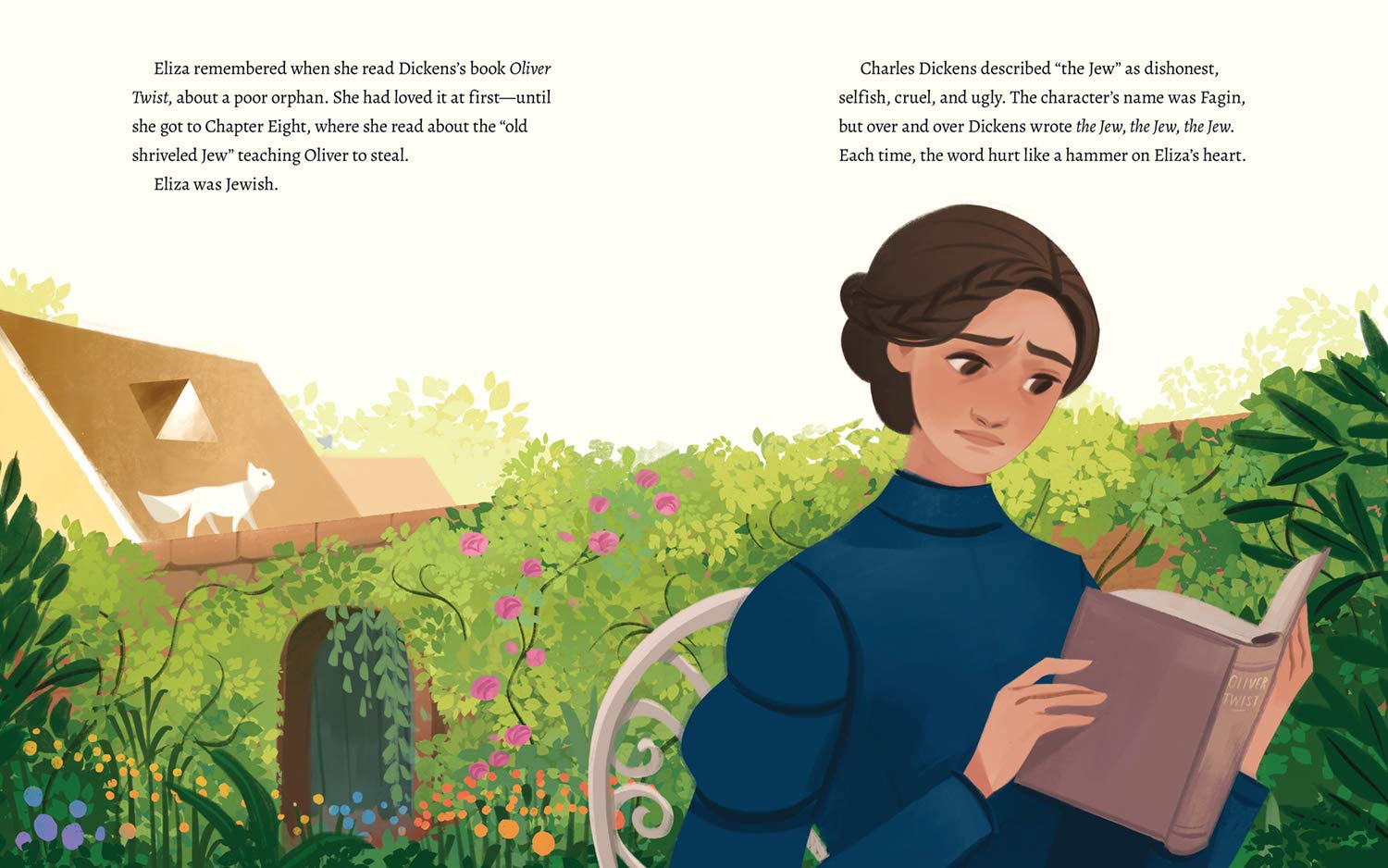
But while reading Oliver Twist, there was one aspect of the story that distressed Eliza. As a follower of the Jewish faith, she was disturbed by Dickens’ portrayal of Fagin as an “‘old shriveled Jew'” who taught Oliver how to steal. Fagin was “described…as dishonest, selfish, cruel, and ugly.” And each time she read “the Jew,…the word hurt like a hammer on Eliza’s heart.” Prejudice against Jews in England was already bad, and Eliza felt Dickens’ stories would made conditions worse.

celebrate-picture-books-picture-book-review-dear-mr-dickens-stories

Image copyright Bethany Stancliffe, 2021, text copyright Nancy Churnin, 2021. Courtesy of Albert Whitman & Company.

She decided to write a letter to Charles Dickens, but she worried about his reaction. In her letter she said that his “portrayal of Fagin encouraged ‘a vile prejudice.’ She asked him to ‘atone for a great wrong.'” As she posted her letter, she wondered if she would get a response. About two weeks later, Eliza did receive an answer to her letter. In it Dickens replied that Fagin was based on real criminals and that there there were “other bad people in the book who are not Jewish.” He took exception to her request to atone by saying that “any Jewish people who thought him unfair or unkind…were not ‘sensible’ or ‘just’ or ‘good tempered.'”

Eliza was disheartened as she read the letter, and she sat down and composed another letter in response. Thinking of Dickens’ story A Christmas Carol, Eliza reminded him of his past love for the novel Ivanhoe, which included positive, noble Jewish characters. She mentioned his present novel, in which while “some of his non-Jewish characters were criminals, all his Jewish characters were criminals.” Then she stated that future readers would “judge him by how he judged others.”

This time Eliza did not receive an answer. She knew that Dickens was working on a new novel, and when it began to appear serialized in monthly installments, she hurried to buy them, wondering if there would be other Jewish characters and how they would be depicted. When, as she read Our Mutual Friend, she realized Dickens had included another Jewish character, she trembled, wondering what they would be like. 

celebrate-picture-books-picture-book-review-dear-mr-dickens-change

Image copyright Bethany Stancliffe, 2021, text copyright Nancy Churnin, 2021. Courtesy of Albert Whitman & Company.

Eliza was elated to see that Mr. Riah – named after the Hebrew word for friend, re’a – was “generous and loyal” and that a young girl he helps remarks about the Jews, “‘I think there cannot be kinder people in the world.'” She immediately sat down to pen another letter to Charles Dickens. This one thanking him for his great compliment to her and the Jewish people. He wrote back with much pleasure and revealed that in the future he wanted his work to reflect his true friendship with Jewish people.

To show his sincerity, he published essays condemning prejudice and in the reprint of Oliver Twist, he replaced mentions of “the Jew” with Fagin’s name so as to “make it clear that Fagin didn’t represent all Jewish people.” Eliza sent Charles Dickens one more letter – this time with the gift of an English-Hebrew Bible – praising his ability to right a wrong, and Dickens responded with one more letter thanking Eliza for speaking up.

An extensive Author’s Note reveals more about the history of prejudice against Jewish people in England from the 1200s until 1846, when attitudes began to change and a repressive law was repealed. Nancy Churnin also includes more details about Eliza Davis the communications between her and Charles Dickens, and Dickens’ daughter upon his death. Source Notes and acknowledgments are also included.

celebrate-picture-books-picture-book-review-dear-mr-dickens-jewish-characters

Image copyright Bethany Stancliffe, 2021, text copyright Nancy Churnin, 2021. Courtesy of Albert Whitman & Company.

Nancy Churnin’s compelling story about the facts surrounding the correspondence between Eliza Davis and Charles Dickens shines a spotlight on a little-known, but important series of events in the life and inspiration behind Dickens’ growth and responsiveness as a writer. Eliza Davis, who acted on her convictions with confidence and courage, makes an inspiring role model for children who may want to voice their opinions on wrongs they see, read, or hear about.

Churnin’s introduction of A Christmas Carol, a novel that most children and adults know, allows readers to understand the important and influential connection between a person’s thoughts, words, and writing and their actions. It also provides a deeper resonance to Eliza Davis’s reminder to Dickens of his past, present, and future and to Dickens own change of heart from his first reply to Eliza to his portrayal of the Jewish character in Our Mutual Friend and his other actions.

Bethany Stancliffe takes readers back to the the 1800s in her rich illustrations full of details of the period. Kids will be interested to see how authors published their work at the time. Her faithful depictions of Eliza Davis and Charles Dickens informs readers on the influence that a young person had on such an established and lauded author. Eliza’s pleasure in Dickens’ stories and her pain on encountering the prejudicial portrayal of Jewish characters is clear, which makes her dilemma all the more meaningful. The final spread, in which Eliza Davis and Charles Dickens, facing each other, are connected by the letters they exchanged.

An important story about a beloved author and the woman who influenced his work and life, Dear Mr. Dickens will spark conversations on issues of prejudice, standing up for ones beliefs, personal change, courage to address wrongs, and many other topics. The book is highly recommended for home bookshelves and a must for school and public libraries.

Ages 4 – 8

Albert Whitman & Company, 2021 | ISBN 978-0807515303

Discover more about Nancy Churnin and her books on her website.

To learn more about Bethany Stancliffe, her books, and her art, visit her website.

National Letter Writing Day Activity

picture-book-reviews-quill-pen-craft

Fashion a Quill Pen


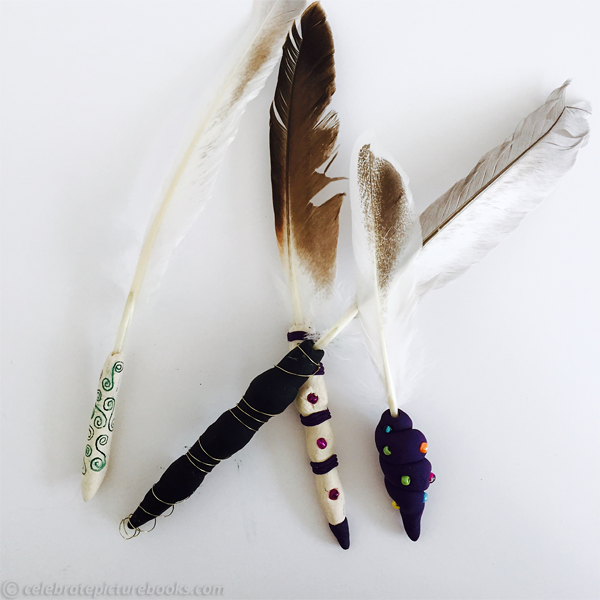
Writing a proper letter is more fun with a fancy pen! you can fashion your own quill pen or liven up a ballpoint pen or a marker with this craft!

Supplies

  • Medium to large size feather with quill, available at craft stores (optional)
  • Ballpoint pen or marker (optional)
  • Clay, oven-bake or air-dry, in various colors if desired
  • Wire, beads, paint, and/or markers for decorating     
  • Scissors
  • Baking pan for oven-bake clay

Directions

  1. Roll clay 2 ½ inches to 4 inches long 
  2. Push the quill end of the feather into the clay OR cover the ballpoint pen or marker in clay
  3. Add bits of clay or roll sections of the clay between your fingers to give the clay shape
  4. To make the twisted shape pen, twist the length of clay around itself before adding the feather
  5. Shape the end or cut it with scissors to make the pointed writing nib
  6. If using air-dry clay: Add beads and/or wire and let clay dry around feather
  7. If using oven-bake clay: Add beads and other layers of clay before baking then carefully remove feather. Bake clay according to package directions
  8. Add wire and other decorations after clay has baked and cooled
  9. Reinsert feather into clay

celebrate-picture-books-picture-book-review-dear-mr-dickens-cover

You can find Dear Mr. Dickens at these booksellers

Amazon | Barnes & Noble | Books-a-Million

To support your local independent bookstore, order from

Bookshop | IndieBound

Picture Book Review
February 23 – International Dog Biscuit Appreciation Day

celebrate-picture-books-picture-book-review-madeline-finn-and-the-therapy-dog-cover

About the Holiday

People have holidays celebrating their favorite treats—like Popcorn Day, Cherry Pie Day, and Chocolate Chip Cookie Day—so dogs should have a food holiday of their own, right? Well, today is it! Today we remember that our best furry friends like to be rewarded with a special treat or just shown a little extra love with a tasty morsel. Before anyone thought about what dogs ate, dog “treats” included some pretty awful stuff—moldy bread and rotten leftovers included—but an American manufacturer named James Spratt was struck by an idea when he saw stray, hungry dogs gobbling up ship’s biscuits on one of his travels in Liverpool, England in the 1800s. While in London, he created the first dog biscuit, which was soft and made of fresh ingredients like meat and vegetables. The first commercial dog biscuit was developed in 1908 by the F. H. Bennett Biscuit Co. It was hard and made with meat products, milk, and important minerals.

Madeline Finn and the Therapy Dog

By Lisa Papp


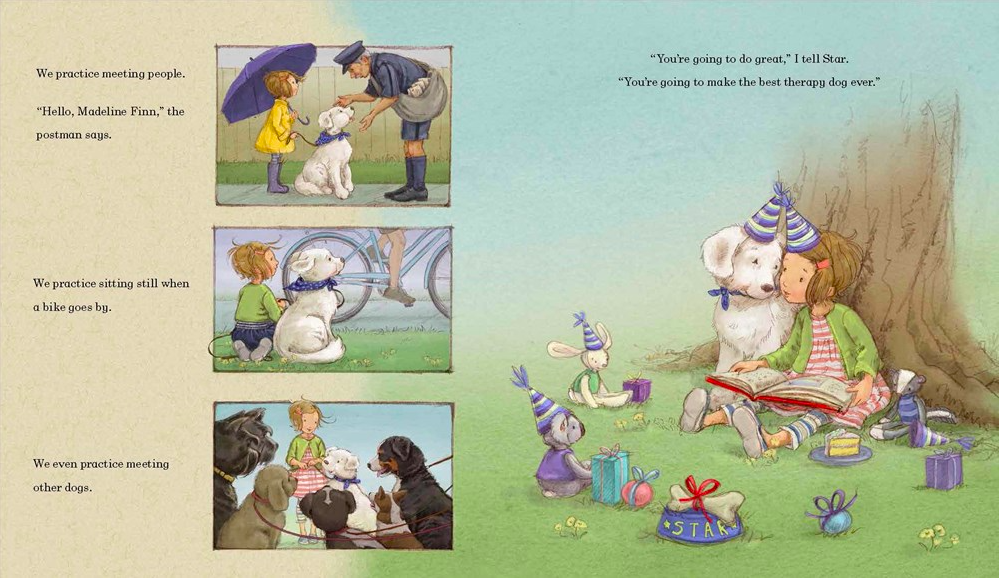
Madeline gives her dog, Star, a hug at his first birthday party. While they have cake, Madeline’s mom asks if Star is ready for his test the next day. Madeline assures her he is because they have been practicing meeting people, like the postman, “sitting still when a bike goes by,” and even “meeting other dogs.” Madeline tells Star that he’s “going to make the best therapy dog ever.” The next day Madeline takes Star to the Walker Oaks Retirement Village, where he’ll meet three people. Mrs. Dimple greets them with her therapy dog, Bonnie, who helped Madeline when she was learning to read.

celebrate-picture-books-picture-book-review-madeline-finn-and-the-therapy-dog-practicing

Copyright Lisa Papp, 2020, courtesy of Peachtree Publishing.

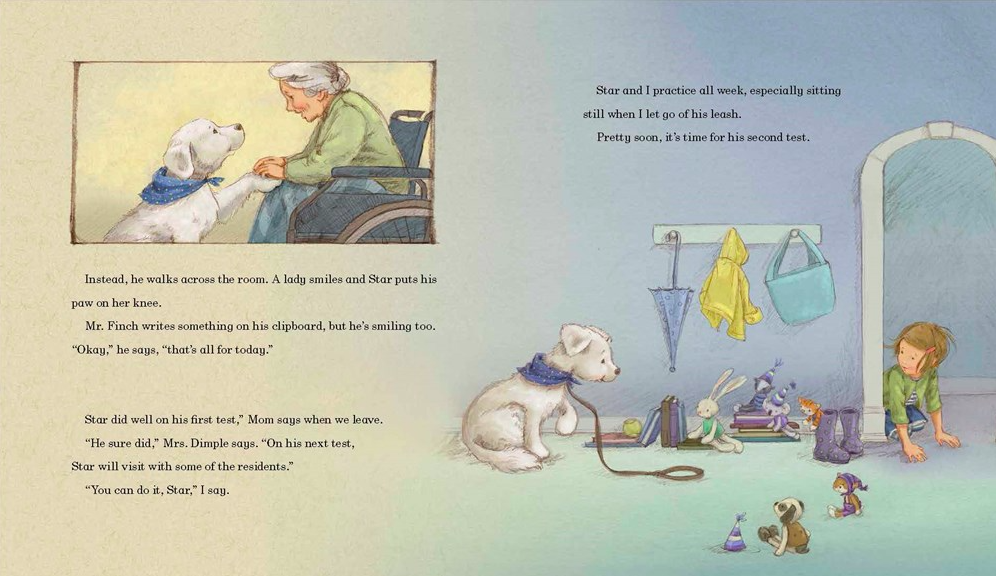
Inside, Mr. Finch tells Madeline that he’ll be grading Star on his visits. First, Mr. Finch watches Star walk around the room, stop, and begin walking again on command. Even when Star sees other therapy dogs, he doesn’t stop to play. “Next, Mr. Finch pets Star, especially touching his ears and tail. Star doesn’t mind.” Star also sits still when a wheelchair rolls by. Finally, Star is supposed to stay where he is when Madeline and her mom walk away, but instead he walks across the room to a woman in a wheelchair and lays his paw on her knee. Mr. Finch writes something down, but he is smiling.

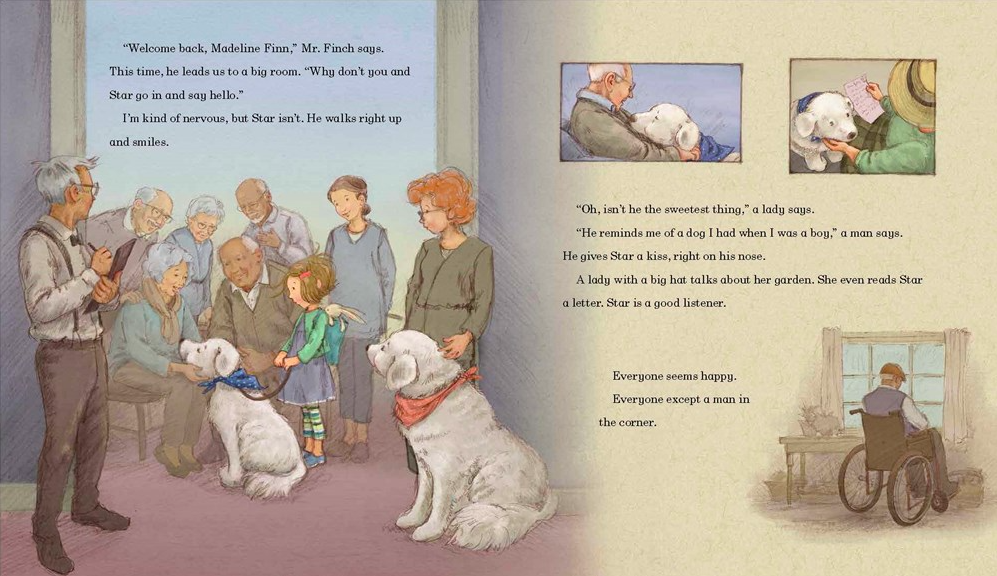
For Star’s next test, he’s taken into a room with a group of people. While Madeline is nervous, Star “walks right up and smiles.” One woman calls Star sweet, a man kisses Star right on his nose because he reminds the man of a dog he had when he was young, and another woman tells Star about her garden and reads him a letter. “Everyone seems happy,” but there’s one man sitting alone near the window.

celebrate-picture-books-picture-book-review-madeline-finn-and-the-therapy-dog-first-test

Copyright Lisa Papp, 2020, courtesy of Peachtree Publishing

A nurse introduces him as Mr. Humphrey, and Madeline asks him if he’d like to pet Star. Mr. Humphrey says nothing. Mr. Finch writes something down. Then Madeline, her mom, and Star leave. Madeline’s mom says that Star did well on his second test, but Madeline wonders about Mr. Humphrey. “‘Some people need time,’ Mom says” and reminds Madeline of how patient Bonnie was with her. At home, Madeline thinks about things that Mr. Humphrey might like. That night, Madeline practiced reading with Star before bedtime.

The next time they visit Walker Oaks, they have to ride the elevator. At first Star doesn’t want to get in, but Bonnie nudges him and they walk in. When they get out, they see that someone has dropped a plate of cookies, but Star doesn’t react. Mr. Finch takes notes. When they see Mr. Humphrey, Madeline approaches him and introduces Star and asks if he’d like to pet him, but he stays silent. A little later Madeline asks if he’d like to look at her magic cards, but he still says nothing. Then Mrs. Dimple called her over and talked to her.

celebrate-picture-books-picture-book-review-madeline-finn-and-the-therapy-dog-mr-finch

Copyright Lisa Papp, 2020, courtesy of Peachtree Publishing

 Afterward, Madeline thought that maybe Mr. Humphrey wasn’t ready to smile. She asked Mr. Finch if she and Star could see Mr. Humphrey again. This time, Madeline sat in a chair next to Mr. Humphrey with Star close by. In a little while, she took a book from her bag and whispers to Mr. Humphrey that she didn’t always like to read. Seeing Madeline with a book, Bonnie loped over and sat next to Star. Madeline began to softly read her book out loud.

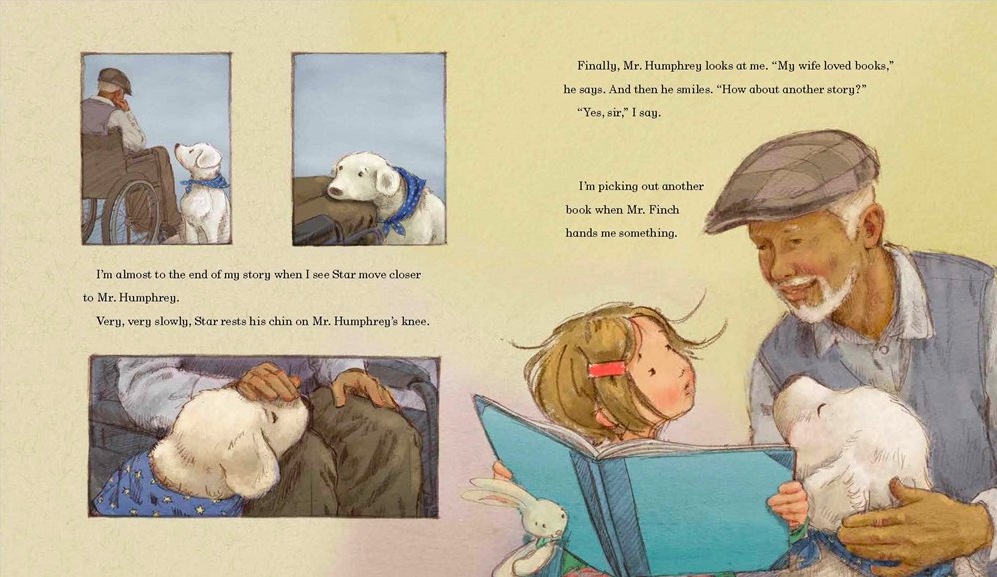
Near the end of the story, Madeline saw Star move close to Mr. Humphrey and rest his chin on his knee. Mr. Humphrey put his hand on Star’s nose. Finally, Mr. Humphrey looked at Madeline. “‘My wife loved books,’” he said. “‘How about another story?’” While Madeline was choosing another book, Mr. Finch came over and handed her “a tag for Star. I AM A THERAPY DOG, it says.” Madeline “fastened his new tag onto his collar, right above his heart.”

celebrate-picture-books-picture-book-review-madeline-finn-and-the-therapy-dog-mr-humphrey

Copyright Lisa Papp, 2020, courtesy of Peachtree Publishing

Lisa Papp’s immersive storytelling will delight children as they follow Madeline through her practice sessions with Star and see her grow in confidence as she visits the retirement home and devises her own solution to engaging Mr. Humphrey. Kids will empathize with Madeline’s kindness as well as her nervousness over Star’s performance and will cheer each time he does well. Young readers will be fascinated to learn about all of the practice and testing a dog undergoes to become a recognized therapy dog.

Papp’s beautiful pencil, watercolor, and digital illustrations, rendered in soft hues invite kids to Star’s first birthday party and into the Walker Oaks Retirement Village, where the surroundings, the residents, and the staff are depicted in sensitive and realistic scenes. Madeline’s thoughtfulness and consideration for Star and the residents—and especially her concern for Mr. Humphrey—are clearly visible and mirror the natural empathy of children. 

Infused with love, empathy, and heart, Madeline Finn and the Therapy Dog will charm readers as a stand-alone story or to spark additional research into therapy dogs and other animals. The book will quickly become a favorite read aloud and is highly recommended for home, school, and public library collections.

Ages 4 – 8

Peachtree Publishing, 2020 | ISBN 978-1682631492

Discover more about Lisa Papp, her books, and her art on her website.

You can find an extensive Activity Kit to download on the Peachtree Publishing website.

International Dog Biscuit Appreciation Day Activity

CPB - Dog Biscuits

Homemade Dog Biscuits


These homemade dog biscuits are fun to make and a special treat for your dog at home, a neighbor’s pet, or dogs waiting for forever homes at your local shelter. 

*Children should have adult supervision when using the oven.

Supplies

  • 1 large bowl
  • Large spoon or whisk
  • Cookie cutters – shaped like traditional dog bones or any favorite shape

Ingredients

  • 3 cups Buckwheat flour
  • ½ cup powdered milk
  • 1 teaspoon salt
  • ¾ cup water
  • 1/3 cup margarine or butter, melted
  • 1 egg beaten

Directions

  1. Preheat oven to 325 degrees
  2. Add buckwheat flour to bowl
  3. Add powdered milk to bowl
  4. Add salt to bowl
  5. Stir to mix dry ingredients
  6. Add water
  7. Add melted margarine or butter
  8. Add egg
  9. Stir until liquid is absorbed
  10. Knead for a few minutes to form a dough
  11. If the dough is too dry, add a little more water, one Tablespoon at a time
  12. Place the dough on a board
  13. Roll dough to ½ inch thickness
  14. Cut into shapes with cookie cutters
  15. Bake at 325 degrees for 35 minutes
  16. Biscuits will be hard when cool.

Makes about 40 biscuits.

celebrate-picture-books-picture-book-review-madeline-finn-and-the-therapy-dog-cover

You can find Madeline Finn and the Therapy Dog at these booksellers

Amazon | Barnes & Noble | Books-a-Million

To support your local independent bookstore, order from

Bookshop | IndieBound

Picture Book Review
 

December 31 – Universal Hour of Peace Day

celebrate-picture-books-picture-book-review-peace-is-an-offering-cover

About the Holiday

Created by Dr. Barbara Condron at the School of Metaphysics, the Universal Hour of Peace encourages people worldwide to live conflict free for one hour – from 11:30 p.m. December 31 to 12:30 January 1 – and enter the new year in a spirit of love and hope. The holiday was first celebrated on October 24, 1995 to coincide with the 50th anniversary of the United Nations and the autumnal equinox. In 1996 the holiday was moved to January 1st and took place at noon GMT. It now spans the transition from the outgoing year to the new year. Where can you find peace? You’ll find many ideas in today’s book.

Peace is an Offering

Written by Annette LeBox | Illustrated by Stephanie Graegin

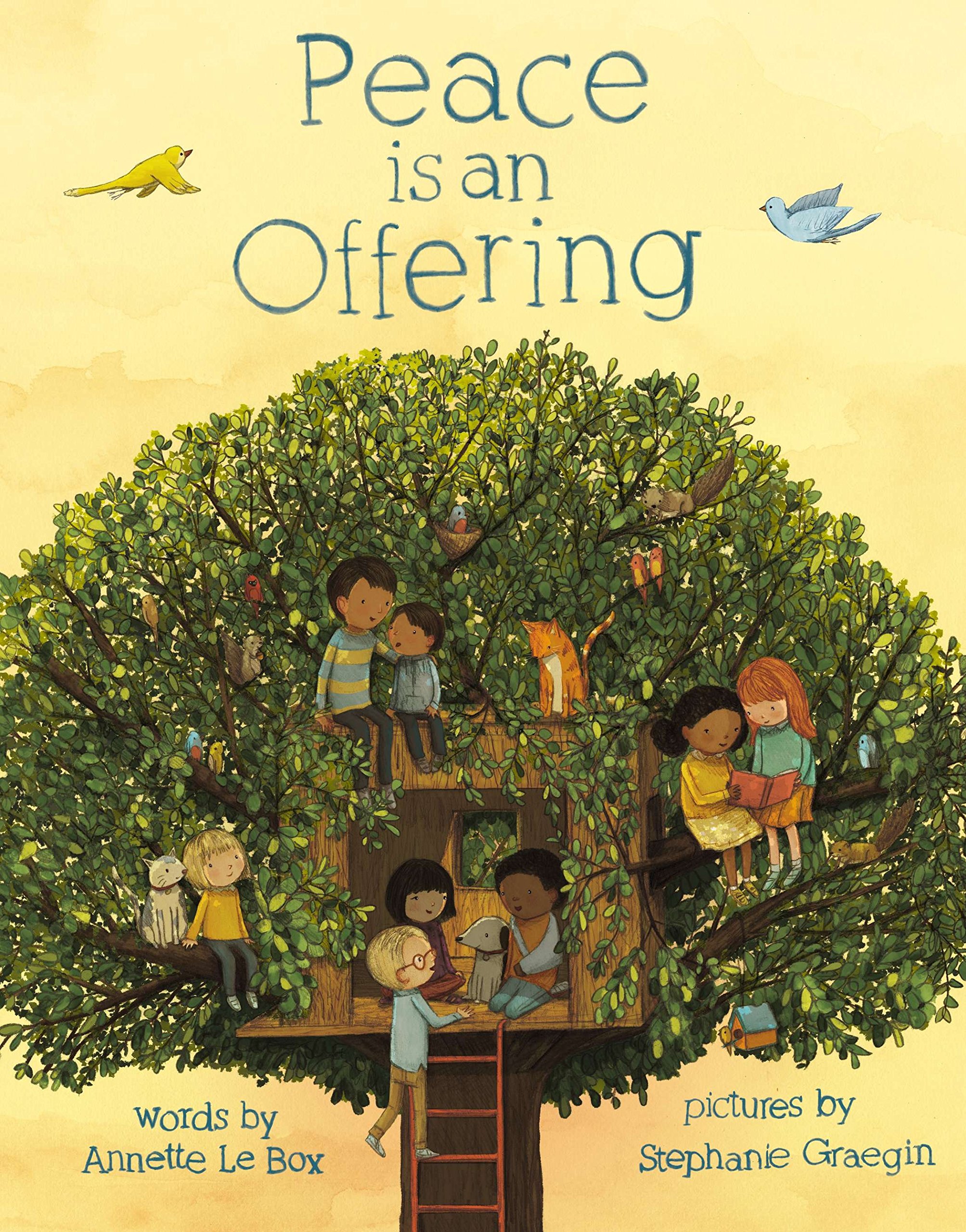
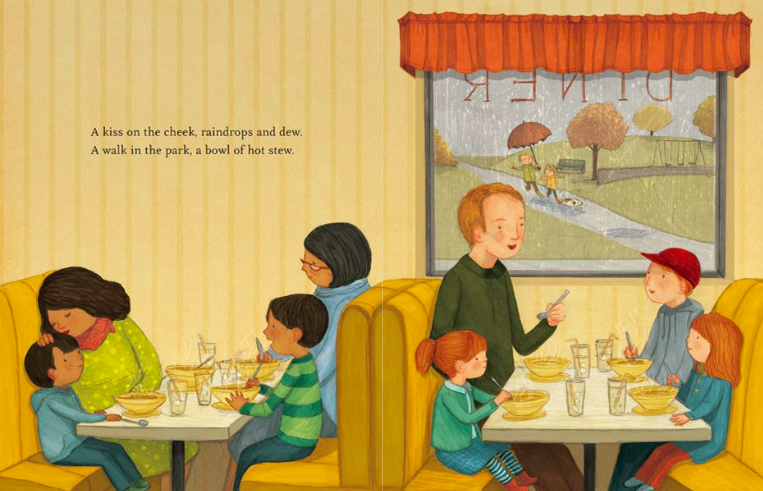
Peace comes in many forms, as simple as “an offering” of “a muffin or a peach. / A birthday invitation. / A trip to the beach.” Peace is being thankful for the wonders of nature, a parent’s love, the coolness of rain or morning dew, even a steaming “bowl of hot stew.” Peace is those times when we are together, in a hug, with sweet words, or cuddling to hear a story. Peace comes in reassurance to the questions that might worry: “Will you wait when I’m slow? / Will you calm by fears? / Will you sing to the sun / to dry my tears?”

celebrate-picture-books-picture-book-review-peace-is-an-offering-stew

Image copyright Stephanie Graegin, 2015, text copyright Annette LeBox. Courtesy of Dial Books for Young Readers.

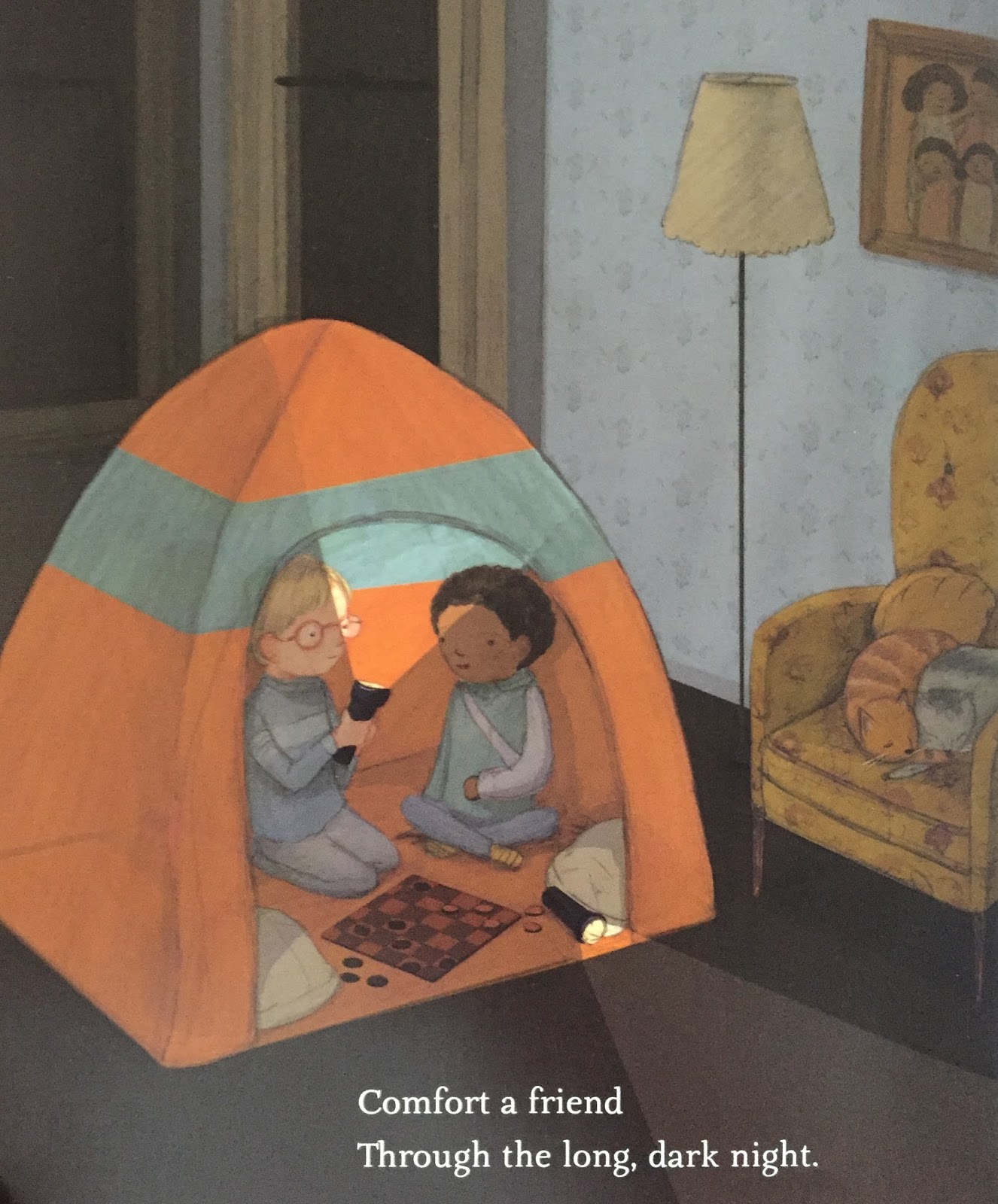
Where is peace found? In so many places! In a picture or a “belly laugh.” And even when tragedy strikes or “in your darkest hour,” peace can be found, for “peace is a joining, not a pulling apart. It’s the courage to bear a wounded heart.” Peace is finding safety and a “freedom from fear.” It’s found when you “offer a cookie…comfort a friend…sing a quiet song.” When you’re open to catching “a falling star” then peace will “walk beside you / wherever you are.”

celebrate-picture-books-picture-book-review-peace-is-an-offering-tent

Image copyright Stephanie Graegin, 2015, text copyright Annette LeBox. Courtesy of Dial Books for Young Readers.

Annette LeBox builds beautiful phrase upon beautiful phrase until midway through her inspiring story when she takes readers gently by the heart and shows them the way forward through any event that disrupts inner peace. LeBox reveals that capturing or recapturing those simple joys that make up a fulfilling life—and more importantly offering that kindness, help, and inclusion to others—brings hope, healing, and happiness not only to others but to yourself as well.

Stephanie Graegin excels in pairing text with quietly powerful images of togetherness and the tranquility such closeness brings. As diverse groups of friends, siblings, and families go about their day at school, eat out, navigate puddles and long walks, and enjoy time playing and laughing with each other, readers will be moved by Graegin’s tender details and will enjoy following and pointing out the characters who return from page to page. Images of loss (a mother hugs her two children close as they sit on a park bench overlooking a cityscape and little boy gazes at a picture of his dog) offer poignant opportunities for adult and kids to discuss life changes and events in the news that affect us all. Illustrations of uplifting ideas and gestures that children can use to express their vision of kindness and peace will inspire young readers.

A stirring and heartfelt look at the ways children and adults can share peace, comfort, and encouragement, Peace is an Offering is superb book to add to home, school, and public libraries.

Ages 3 – 8

Dial Books for Young Readers, 2015 | ISBN 978-0803740914

Discover more about Annette LeBox and her books on her website.

To learn more about Stephanie Graegin, her books, and her art on her website.

Universal Hour of Power Day Activity

celebrate-picture-books-picture-book-review-Peace-Coloring-Page-balloons

Soaring with Peace Coloring Page

A peaceful feeling inside can make your spirits soar like balloons in the air. Decorate the balloons in this printable page in your favorite colors (maybe even add a bit of glitter!) and hang it where seeing it will make you happy.

Soaring with Peace Coloring Page

celebrate-picture-books-picture-book-review-peace-is-an-offering-cover

You can find Peace is an Offering at these booksellers

Amazon | Barnes & Noble | Books-a-Million | IndieBound

Picture Book Review

September 19 – It’s Read a New Book Month

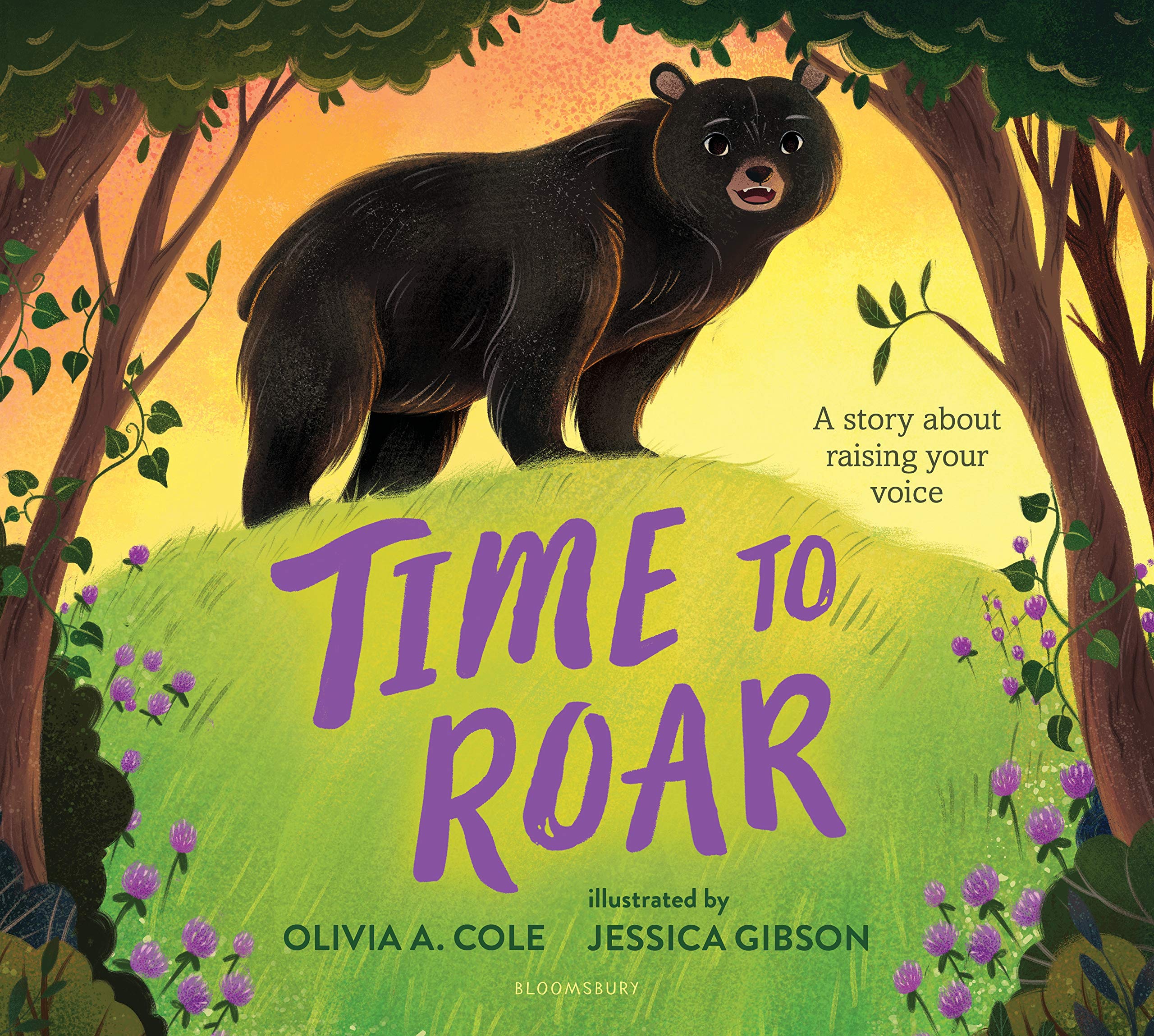
celebrate-picture-books-picture-book-review-time-to-roar-cover

About the Holiday

As September winds down, I’m happy to feature another new book for this month’s special holiday. Searching for and sharing new books—whether they are recently published or just new to you—is not only a fun way to spend a day together with kids, but an experience that pays big benefits now and in the future. Make a plan to add a few new books to your home library or visit your local library today!

Thanks go to Bloomsbury Children’s Book for sending me a copy of Time to Roar for review consideration. All opinion on the book are mine.

Time to Roar: A Story about Raising Your Voice

Written by Olivia A. Cole | Illustrated by Jessica Gibson

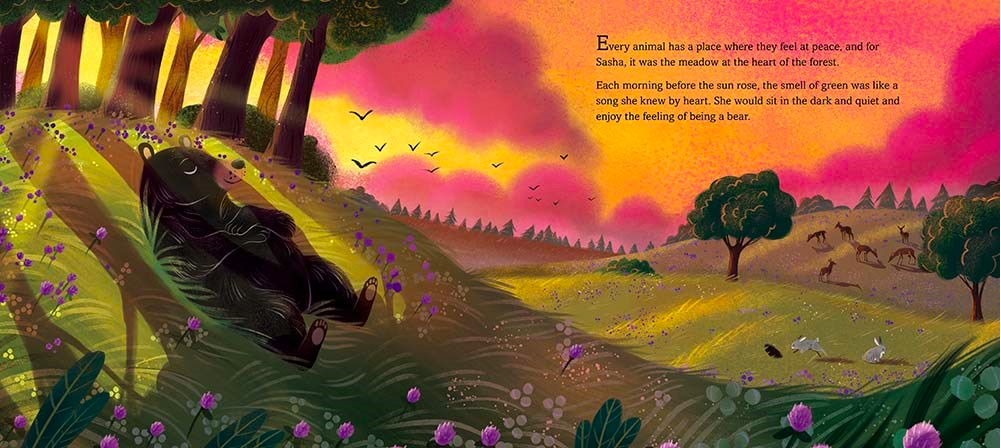
For Sasha, the meadow in the middle of the forest was where she felt most at peace, where she could “enjoy the feeling of being a bear.” Before dawn, she would lie in the meadow, where “…the smell of green was like a song she knew by heart.” But one morning, Sasha watched as noisy “yellow beasts” began tearing up the meadow with their silver teeth. A squirrel predicted that soon nothing would be left of their home.

celebrate-picture-books-picture-book-review-time-to-roar-morning

Image copyright Jessica Gibson, 2020, text copyright Olivia A. Cole, 2020. Courtesy of Bloomsbury Children’s Books.

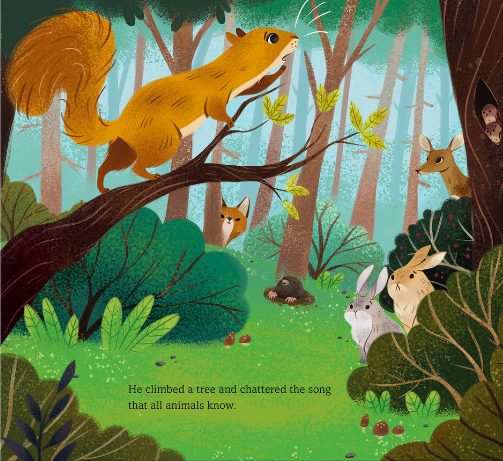
Sasha was ready to charge down the hill and confront the machines. But the squirrel advised caution and suggested all the animals have a meeting. Sasha relented. As the squirrel called the animals, they came out of hiding and listed to the squirrel talk about the danger that had come. Sasha was again ready to stop them with her mighty roar, but the bluebird thought she could persuade them with her song. As he flew over the machines, however their noise drowned out his song’s sweetness.

celebrate-picture-books-picture-book-review-time-to-roar-meeting

Image copyright Jessica Gibson, 2020, text copyright Olivia A. Cole, 2020. Courtesy of Bloomsbury Children’s Books.

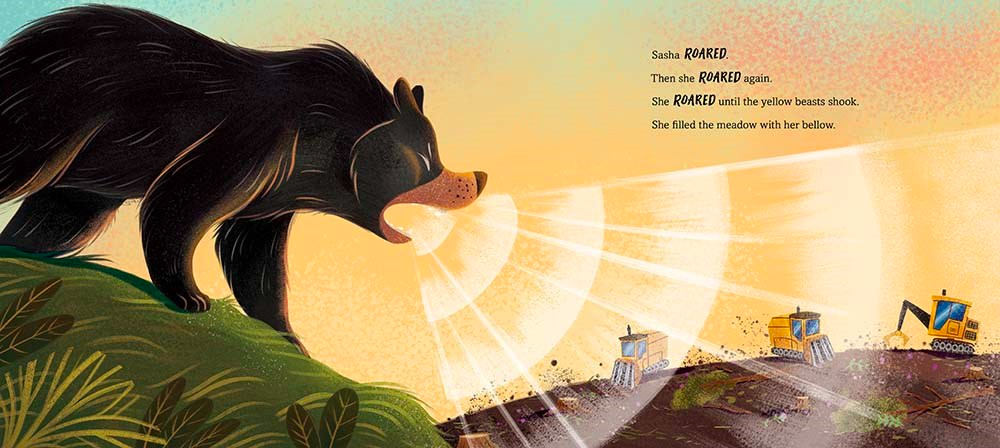
Rabbit had another idea of how he could distract them, but her attempt went unnoticed too. The deer thought he could lead the machines away from their home, but his appearance made no difference either. In fear, all the animals rushed to hide. “‘It’s the only way we will survive!’” they exclaimed. But Sasha did not hide. “Inside her, anger welled up, sparkling. Maybe it was stronger than yellow beasts.” She thought about all the tactics the other animals had taken. “She knew what had to be done…. Sometimes a bear had to raise her voice.” She ran to the edge of the meadow and ROARED until the echo of her roars shook the yellow machines. This time when the ground shook it was with the rumble of the machines fleeing the meadow.

When the meadow was quiet again, the other animals came out of hiding. They sadly acknowledged that their attempts had not worked, but Sasha consoled them, telling them that there were times when quieter approaches to a problem were needed. But there were also times that required a “ROAR.”

celebrate-picture-books-picture-book-review-time-to-roar-sasha

Image copyright Jessica Gibson, 2020, text copyright Olivia A. Cole, 2020. Courtesy of Bloomsbury Children’s Books.

Olivia A. Cole’s straightforward and powerful story about directly speaking up to oppose dangerous events or people is a very welcome book not only for this time, but for all times and all ages. In an age where young people and even children are leading the charge to procure a peaceful, fair, and unpolluted future, Time to Roar offers encouragement and support for those who courageously “see something and say something,” a lesson they have grown up hearing. A striking feature of Cole’s story is her inclusion of the alternate philosophies and tactics many people advocate to combat threats and her forthright depiction of how and why these approaches often don’t work. Children struggling with bullies or what to do about issues they disagree with at school or in other groups as well as those who want to make a difference in their town, their country, or for the world at large will find much to inspire and empower them in Cole’s well-paced and well-told story.

celebrate-picture-books-picture-book-review-time-to-roar-squirrel

Jessica Gibson’s compelling digital illustrations pack persuasive power as Sasha determines to rid the meadow of the bulldozers sent to destroy it. With the turn of one page, the soft colors of an idyllic dawn meadow give way to a harsh glare further spoiled with plumes of smoke and blinding headlights. Black silhouettes of squirrels, rabbits, birds, and dear dash out of the way, visual metaphors for the loss the construction will wreck on the forest. Sasha’s anger and the concern of the other animals shows clearly on their faces, and while the bluebird, rabbit, and deer are well-intentioned, Gibson’s depictions of their attempts to turn back the bulldozers shows the futility of these responses against the enormity of their foe. Gibson’s portrayal of Sasha roaring to shake the earth and the status quo will spur confidence and buoy readers’ hearts.

An empowering story to inspire children to raise their voice, Time to Roar would be an excellent addition to home libraries. The book would also pair well with social studies and history lessons about appeasement and the effects of protest—or the lack of it, making it a must for school and public library collections.

Ages 3 – 6

Bloomsbury Children’s Books, 2020 | ISBN 978-1547603701

Discover more about Olivia A. Cole and her books on her website.

To learn more about Jessica Gibson, her books, and her art, visit her website.

Read a New Book Month Activity

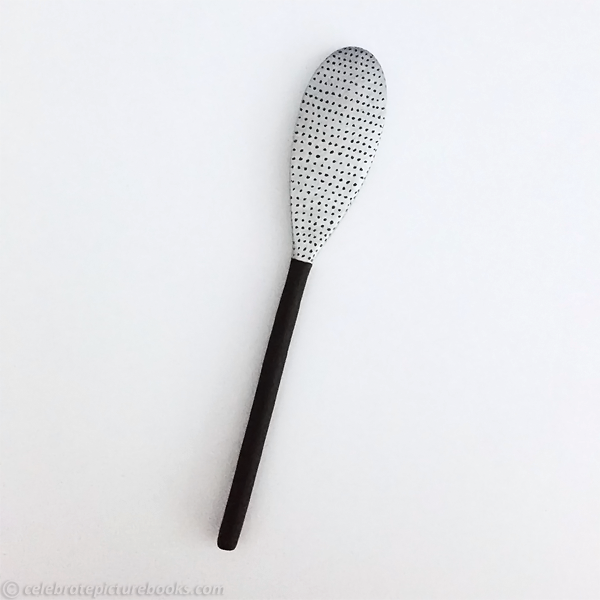
celebrate-picture-books-picture-book-review-wooden-spoon-microphone-craft

Wooden Spoon Microphone

A microphone can help anyone be heard. With this easy craft your child can turn a wooden cooking spoon into a fun microphone for all those times when they have something important to say.

Supplies

  • Long-handled wooden spoon
  • Black craft paint
  • Silver craft paint
  • Black permanent marker

Directions

  1. Paint the handle of the spoon black, let dry
  2. Paint the head of the spoon silver, let dry
  3. After the paint is dry, make rows of small dots on the head of the spoon

celebrate-picture-books-picture-book-review-time-to-roar-cover

You can find Time to Roar at these booksellers

Amazon | Barnes & Noble | Books-a-Million

To support your local bookstore, order from

Bookshop | IndieBound

Picture Book Review