September 4 – National Wildlife Day

celebrate-picture-books-picture-book-review-finding-wild-cover

About the Holiday

Founded in 2005 National Wildlife Day was established to celebrate the diversity of nature and promote the awareness of endangered species worldwide. To celebrate visit an animal sanctuary, zoo, or aquarium—or think about donating your time to a worthy animal cause.

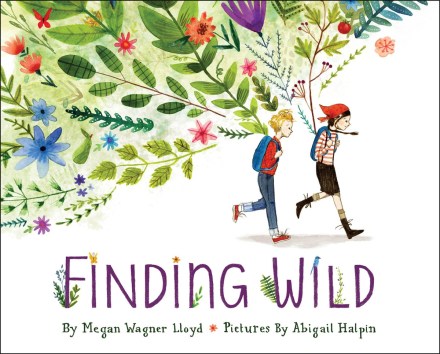
Finding Wild

Written by Megan Wagner Lloyd | Illustrated by Abigail Halpin

A girl and a boy stand with their backs to the stairs leading to the subway contemplating the jungle of growth in front of them. A single floating leaf seems to lead the way. They follow along the path, leaving the city behind and enter the wild. Here “Wild is tiny and fragile and sweet-baby new. It pushes through cracks and crannies and steals back forgotten places.” Wild comes in many guises—some obvious, some not.

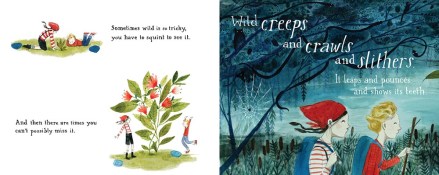
Wild also moves in various ways. As the boy and girl continue on the path passing a spider’s web and shadowy shapes with glowing eyes, wild “creeps and crawls and slithers. It leaps and pounces and shows its teeth.” Everywhere the pair ventures, wild has a distinct smell—fresh or musty, sharp or sweet, tangy or arid. They discover wild can be as hot as a forest fire or as cold as an icicle. Running through a field of flowers and climbing a rocky cliff the two find that wild is “as smooth as the petals of poppies, and as rough as the fierce face of a mountain.” They also find that wild can hurt in so many ways.
celebrate-picture-books-picture-book-review-finding-wild-creepy

Image copyright Abigail Halpin, courtesy of Alfred A. Knopf

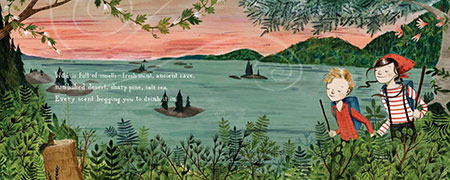
Plunging deeper into the wild the boy and girl uncover more secrets—delicious and quenching. The sounds of wild chill and soothe them. Suddenly, though, the girl and the boy find themselves outside of the wild, back in front of a subway entrance. The wild, now seems far away, invisible and unknown, as if “the whole world is clean and paved, ordered and tidy.” As the pair gaze upward the tall buildings and skyscrapers block the sky. But the girl points to a leaf swirling through the air. They follow it through an open door that leads to a most surprising discovery.  
celebrate-picture-books-picture-book-review-finding-wild-water

Image copyright Abigail Halpin, courtesy of Alfred A. Knopf

Megan Wagner Lloyd entreats readers to rediscover the wild no matter where they live. Her lyrical descriptions of the splendor of nature in all its incarnations—from gentle to intense, quiet to loud, mysterious to open—delightfully capture the way children interact with the environment. Lloyd reminds readers that tasting a single juicy blackberry, thrilling to a coyote’s howl on a dark night, even feeling the prick of a cactus needle connect them to the greater world and that searching for and finding the wild—especially in the midst of an “ordered and tidy” world—brings peace and happiness.

Abigail Halpin’s lush illustrations of the wild environment gorgeously depict the vibrant colors, sometimes chilling shadows, and refreshing water the two children discover in the middle of their city. The thick vegetation rendered in a palette of greens is a riot of ferns, pines, flowering trees, and vines that hide small birds and animals. As the children huddle in a tent, the indigo night crackles with lightning and the songs of coyotes. A two-page scrapbook-type spread displays various plants and insects that sting, burn, or cause itching. When the boy and girl reenter the city, buildings—old and new—billboards, and traffic meet their eyes, but they keep their gaze on the leaf leading them on. That leaf invites readers, also, to get outside and explore the wild.

Ages 3 – 8

Alfred A. Knopf, Random House Books for Young Readers, 2016 | ISBN 978-1101932810

Discover more about Megan Wagner Lloyd, the world of Finding Wild, and news on her upcoming book on her website!

View a gallery of artwork by Abigail Halpin on her website!

Wildlife Day Activity
celebrate-picture-books-picture-book-review-forest-coloring-page

Explore the Forest Coloring Page

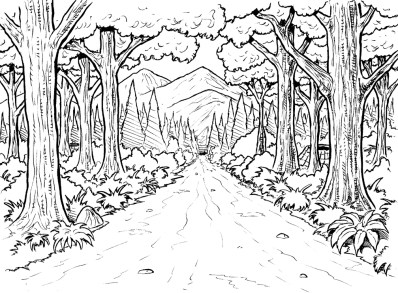
Take the path on this printable Forest Coloring Page to explore all nature has to offer. Add your own animals or birds to the picture—and maybe even yourself!

Picture Book Review

September 3 – International Vulture Awareness Day

celebrate-picture-books-picture-book-review-vulture-view-cover

About the Holiday

With their bald pink heads and dusty brown feathers vultures and turkey vultures may not be the peacocks of the bird kingdom, but they play a crucial role in the environmental cycle. These scavengers live on carrion, clearing away and “recycling” the carcasses of dead animals. Because of the vulture’s appearance and stereotypical depictions, their plight as an endangered species goes largely unnoticed. Environmental groups in South Africa and England established today’s holiday (also known as International Turkey Vulture Day) to promote awareness f the declining number of vultures, a cause that has been picked up by zoos and other conservation groups around the world.

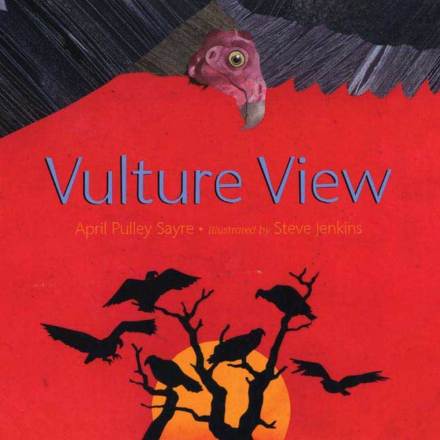
Vulture View

Written by April Pulley Sayre | Illustrated by Steve Jenkins


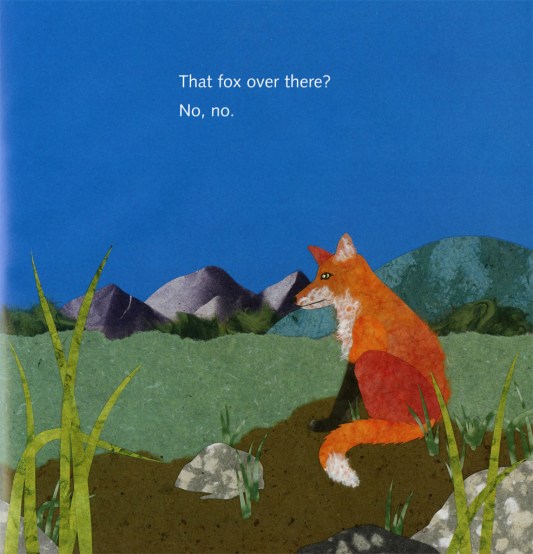
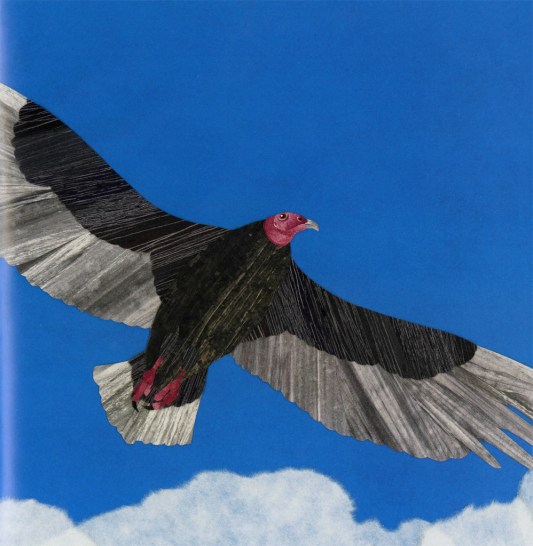
In the clear blue morning sky the vultures soar. “Wings stretch wide / to catch a ride / on warming air / Going where?” One turkey vulture scans the ground, dipping and tilting as it searches for its breakfast. A snake rattles and hisses in the rocks. The vulture passes it by. A golden fox gazes silently into the distance, but the vulture flies away. A bear half-way up a tree would be easy prey, but the vulture lets him continue his climb.

celebrate-picture-books-picture-book-review-vulture-view-fox

Image copyright Steve Jenkins, courtesy of us.macmillan.com

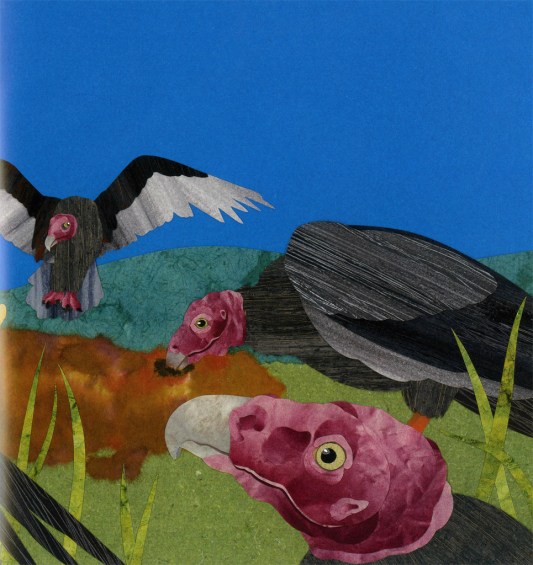
The turkey vultures are searching for a particular meal. They “smell the air. / They sniff, search, seek / for foods that… / REEK! The aromas of the landscape rise to the vultures. Are they attracted by the “fragrant flowers? / No, no.” “That spicy smoke? No, no.” Maybe “that stinky dead deer? Yes, yes!”

The vultures descend to dine on their “rotten” meal. Afterward they clean themselves in the nearby water and preen their feathers. Still hungry, “they hop, flap, soar / to look for more.” As the sun sets the vultures’ “wings glide, wings ride / through cooling air.” They come from all over to vulture trees—beautiful, bare silhouettes on the sky—to “settle and sleep, like families.”

celebrate-picture-books-picture-book-review-vulture-view-vultures-eating

Image copyright Steve Jenkins, courtesy of us.macmillan.com

With the rising sun and the warmer air, the vultures take to the sky again in search of their singular meal.

Intriguing facts about how vultures fly, the seven species of vultures, why and how vultures feed on carrion, nesting behaviors, and vulture festivals around the United States follow the text.

In this Theodor Seuss Geisel Honor Book, April Pulley Sayre brings a poet’s sensibility to the misunderstood vulture. In her lyrical lines the sights and smells of the vulture’s terrain and the vulture’s flight patterns are elevated to educate young readers of the actual beauty of this distinctive species. The benefits vultures provide to the environment as well as their familial attachments make these birds some of the most fascinating animals in the wild kingdom. Who among us doesn’t look up at the circling majesty of birds of prey? Sayre’s text gives readers the bird’s eye Vulture View.

celebrate-picture-books-picture-book-review-vulture-view-soaring-vulture

Image copyright Steve Jenkins, courtesy of us.macmillan.com

With his signature cut-paper collage illustrations, Steve Jenkins gives shape to the vulture’s world. The mottled dark body and the wings and tail fringed with white meet layers of pink that form the vulture’s wrinkled head. The rattlesnake is a smooth combination of greens and browns while the fox is brilliantly orange and soft. Hills and mountains jut from the bottom of pages, and a bony carcass lays amid tall grass, decaying and attracting a vulture. As the birds streak through wispy fiber clouds to descend upon the vulture tree in the shadowy evening, readers will come to appreciate the life and role of the vulture.

Ages 4 – 8

Henry Holt and Company, 2007 | ISBN 978-0805075571

Wow! You will find a wealth of information on April Pulley Sayre‘s website which includes her many books, educators’ resources, and much more information on natural history topics.

Even just hovering over the icon links on Steve Jenkins‘ website is fun—and there’s so much more to discover once you click on them!

International Vulture Awareness Day Activity

celebrate-picture-books-picture-book-review-vultures-coloring-page

Valuable Vultures Coloring Page


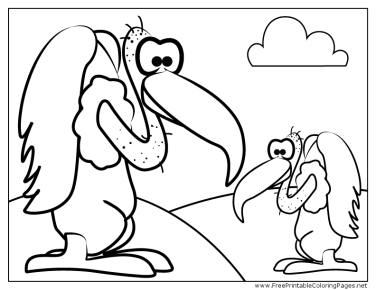
Vultures are a valuable part of our ecosystem. Here’s a printable Valuable Vultures Coloring Page for you to enjoy. Why not try your hand at using cut or torn paper like Steve Jenkins does in Vulture View to fill in the design?

Picture Book Review

August 20 -World Honey Bee Day

celebrate-picture-books-picture-book-review-the-honeybee-man-cover

About the Holiday

In 2009 beekeepers in the United States petitioned the United States Department of Agriculture to establish an official day to commemorate honey bees and beekeeping. Since then the holiday has expanded world wide, and the plight of the bee population has become a global concern. Bees are a crucial component in sustainable farming, and even home gardeners know their harvest will be successful when they see bees hovering nearby. Bee enthusiasts commemorate the day by planting flowers that will attract these tiny dynamos, such as lavender, marjoram, and borage. To celebrate, why not try some local honey—you might fall in love with the taste, like Fred in today’s book!

The Honeybee Man

Written by Lela Nargi | Illustrated by Kyrsten Brooker


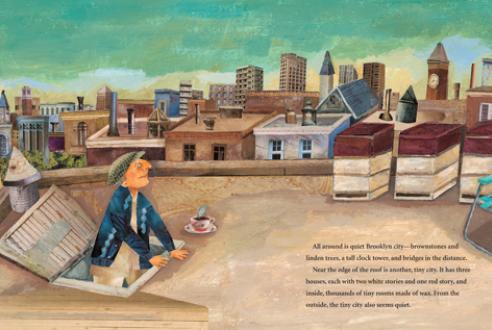
At dawn on a July morning, Fred awakes to begin his day with his “enormous” family. His morning routine consists of a cup of tea and a climb back upstairs and through a hatch in the ceiling that takes him to the roof. “All around is quiet Brooklyn city—brownstones and linden trees, a tall clock tower, and bridges in the distance.” But nearby is another, tiny city. It consists of only three houses, but inside are “thousands of tiny rooms made of wax.”

The summer morning smells of “maple leave and gasoline and the river and dust. He turns to the tiny city and inhales its smaller, sweeter smell—a little like caramel, a little like ripe peaches.” He bends down to the three houses to wake their residents. “‘Good morning, Queen Mab. Good morning, Queen Nefertiti. Good morning, Queen Boadicea,’” he calls before greeting the rest of his family: “‘Good morning, my bees, my darlings!’”

Inside the houses the bees are busy. The queens are laying eggs while the workers build wax rooms, nurse bees feed the babies, and others are getting ready to find fields of flowers for nectar. Fred dreams of the marvelous flowers the bees may find to flavor their honey. He imagines the bees flying low over the flowers moving among them and wishes he could soar with them too.

celebrate-picture-books-picture-book-review-the-honeybee-man-on-the-roof

Image copyright Kyrsten Brooker, courtesy of Schwartz & Wade

Fred watches the young bees uncertainly leave the hive and swirl off into the air. The older bees “zip out of the hives and throw themselves at the air, embracing it with their wings.” When a few land on Fred’s arm, he gently flicks them on their way. He spies on them from his rooftop as they disperse into his backyard garden, other neighborhood gardens, and perhaps, if Fred is lucky, to “blueberry bushes somewhere across town.” He sees the bees “dive into sweet pea and squash flowers. If he were closer, he could see them using their tubelike tongues to drink in flower nectar, which they store in honey sacs inside their bellies.”

The bees fly slowly home weighted down with their treasure. Fred knows that inside the hive the bees will go to work, some will do the waggle dance that tells other bees where the flowers are, some will take the nectar and store it in the wax rooms, and others will fan “their wings to evaporate the water from the nectar so it will turn to honey.”

At the end of August Fred knows it’s time to collect the honey. He carefully enters the tiny houses, removing the honeycomb from the top. In his own home he cuts the wax caps of the comb and the honey begins to flow. A special spinning machine squeezes every drop from the honeycomb. He pours the honey into jars and labels them “Fred’s Brooklyn Honey, Made by Tireless Brooklyn Bees.” In the evening Fred sits on his stoop chatting with the neighbors. He gives each a jar of golden honey.

As night falls Fred opens a jar of honey as the bees huddle “back in their own city, waiting for the rays of tomorrow’s sun to call them up and away over Brooklyn.” Fred dips a finger into the honey and tastes. “It is sweet, like linden flowers. It is sharp, like rosemary. It is ever-so-slightly sour. “‘Ah,’ says Fred, absorbing these happy flavors. ‘Blueberries!’”

celebrate-picture-books-picture-book-review-the-honeybee-man-in-the-garden

Image copyright Kyrsten Brooker, courtesy of Schwartz & Wade

Lela Nargi’s lovely city-based nature book brilliantly likens the tightly packed, exhilarating environs of Brooklyn to the stirring realm of the beehive. Through Fred’s love of his bee family, Nargi lyrically and with marvelous metaphors and verbs reveals the fascinating world of bees as well as the rich and satisfying life of one particular beekeeper. Readers organically learn fascinating facts about the ways bees collect nectar and transform it into delicious honey as well as why honey can have so many flavors.

In her gorgeous illustrations, Kyrsten Brooker uses the golden hues of honey to paint not only the beehive but Brooklyn as well, giving the two “cities” a sense of cohesiveness and equality. Fred, older, with his cup of tea and blue slippers is shown gently and lovingly taking care of his bees, even as he still has their spirit of adventure. Brooker’s combination of oils and collage fuse the dreamy quality of the text with the concreteness of its facts to create a unique book that would be perfect for quiet story times, rainy afternoons, or bedtime.

If there is such a thing as a child’s nature cozy, The Honeybee Man is it, and it would make a wonderful gift and a delightful addition to anyone’s library.

The endpapers provide detailed diagrams of the various types of bees, beehives, flowers, the waggle dance, and even a bee’s stinger. Nature lovers will relish the two pages of “amazing facts about honey, honeybees, and beekeepers” that follow the story.

Ages 5 – 10

Schwartz & Wade, Penguin Random House | ISBN 978-0375849800

You can find books for children, articles for adults, and so much more on Lela Nargi’s website!

World Honey Bee Day Activity

celebrate-picture-books-picture-book-review-bees-and-hive-coloring-page

Bees and Hive Coloring Page


The world of the honeybee is mysterious and marvelous! Here’s a printable Bees and Hive Coloring Page for you to enjoy!

Picture Book Review
August 2 – It’s Water Quality Month

celebrate-picture-books-picture-book-review-water-can-be-cover

About the Holiday

Water Quality is a crucial world-wide issue. In fact, 2015 closed out a decade-long United Nations initiative “Water for Life” to promote awareness of the importance of water quality as it relates to sanitation, geography, human rights, urbanization, and sustainability. The Audobon Society emphasizes the interconnectedness of all water systems and urges people to be mindful of the dangers that can lurk in runoff from construction, forestry, factories, agriculture, and personal yards as it combines in rivers, lakes, or the ocean. To observe this month be conscious of what is in your water. Limit the use of anti-bacterial soaps that contain a certain pesticide harmful to marine life, don’t flush unused medications, choose nontoxic household cleaners, avoid using fertilizers and pesticides, and clean up leaks from cars and other machinery. Protecting our water sources protects us.

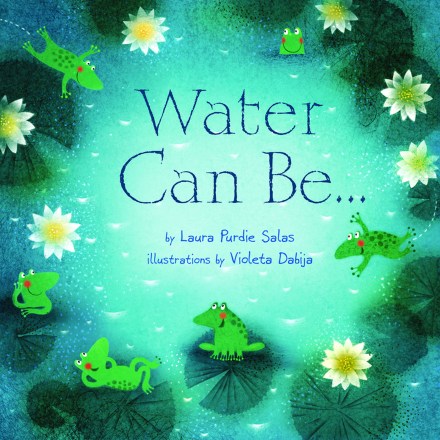
Water Can Be…

Written by Laura Purdie Salas | Illustrated by Violeta Dabija


“Water is water— / it’s puddle, pond, sea. / When springtime comes splashing, / the water flows free.” So begins an inventive journey through the ways that water enriches our lives. With four-word rhyming couplets Laura Purdie Salas illuminates specific moments or circumstances to reveal water’s important role from season to season. From filling ponds, lakes, oceans, and even puddles to roaring down hillsides to floating in misty fogs and forming snowflakes, water sustains us and makes the world a more beautiful place.

During spring and summer when ponds nurture new life and rain puddles reflect, “Water can be…a tadpole hatcher / Picture catcher.” In hot weather water refreshes as a “Thirst quencher / Kid drencher.” And the seas, at times calm and at others roiling, can be both “Home maker / Ship breaker.”

As the air cools in autumn, water can be found in alternate forms. It squirts from fountains for the “school drink-er” and hardens to ice for a “Bruise shrinker.” A river’s winding trail becomes a “Salmon highway / Eagle flyway.” Winter brings water in a more solid form. Whipped by wind snow swirls as a “Storm creator” or gently sticks to surfaces as a “Decorator.” Outside, both animals and people enjoy the frozen precipitation. Snow serves as a “Woodchuck warmer / Snowman former.”

On the final pages as ice sculptors carve castles and dragons, moon beams and rabbits, Laura Purdie Salas encourages readers: “Water is water— / it’s ice, snow, and sea. / Now go and discover / what else it can be.”

Fascinating facts concerning the subject of each rhyme, a glossary, and a bibliography for further reading follow the text. Laura Purdie Salas donates a portion of the royalties from Water Can Be… to WaterAid, an international non-profit organization that transforms lives by improving and providing access to safe water, hygiene, and sanitation.

Laura Purdie Salas always surprises with her selection of examples and clever rhymes leading readers to more fully appreciate the world around them. Water doesn’t just flow, it feeds, speeds, cloaks and soaks, it decorates and bejewels, fluffs and snuffs. After reading Sala’s poetic tribute, readers will never experience water the same way and will be on the lookout for how they can interpret water’s gifts.

Violeta Dabija has created gorgeous, ethereal interpretations of each two-word rhyme. The nourishing blues and aquas of the sea, gauzy whites of fog and clouds, and brilliant whites of snow and ice are subtly crosshatched giving each illustration depth and movement. While the words on each page are short, kids will want to spend a long time taking in the beauty of Dabija’s paintings.

Ages 3 – 8

Millbrook Press, Lerner Books, 2014 | ISBN 978-1467705912

Check out the book trailer for Water Can Be…. It really makes a splash!

There’s so much to see and do on Laura Purdie Salas’s website!

View more beautiful art by Violeta Dabija on her website!

Water Quality Month Activity

celebrate-picture-books-picture-book-review-angel-fish-coloring-page

Angel Fish Coloring Page


Clean water is important for all fish to survive! You can make the ocean sparkling clear by adding a bit of glitter to your printable Angel Fish Coloring Page!

July 19 – It’s National Zookeepers Week

celebrate-picture-books-picture-book-review-the-opposite-zoo-cover

About the Holiday

Every year more than 180 million people visit zoos and aquariums in the United States. Caring for the animals that live in these zoological parks, maintaining the facilities, and educating guests about the scientific facts and personal stories of the animals under their care is more than just a profession for zoo keepers—it’s a passion! Today’s holiday raises awareness of the day-to-day work of zoo keepers who protect and preserve the world’s species.

The Opposite Zoo

By Il Sung Na


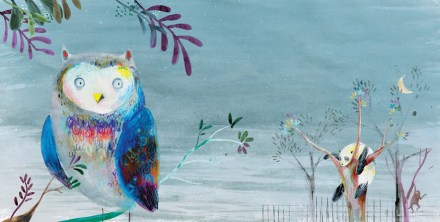
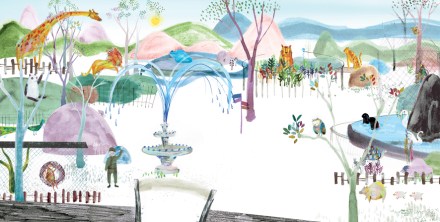
The Dark of twilight has descended on the Opposite Zoo and all the visitors are gone. But the clever monkey finds his door Open! He creeps out to explore the zoo by night. Two animals sit amid the tree tops. The owl is Awake, while the panda hangs suspended in the branches, Asleep. The lion, having a final stretch before snoozing, is Hairy, but the hippo taking a late dip is Bald.

celebrate-picture-books-picture-book-review-the-opposite-zoo-interior-art-owl

Image copyright Il Sung Na, courtesy of ilsungna.com

The Tall giraffe, munching leaves, towers over the trees as well as the Short pig who is feeding her piglets. The monkey plays peek-a-boo with a Shy iguana as it climbs a rock to watch the Bold peacock fan his beautiful tail feathers.

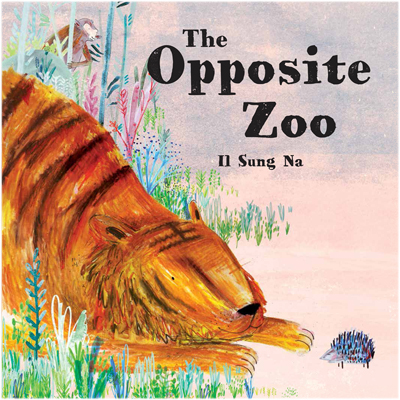
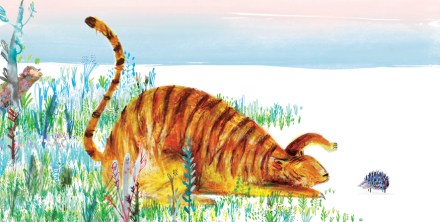
The tiger, with his Soft fur, is intrigued by the Prickly hedgehog, and the Black seals frolic in the pond while the White swans float majestically above. The monkey then hitches a ride on the tail of a Fast cheetah, leaving the Slow sloth to meander on its way. Oh those Noisy monkeys! Are they bothering the Quiet turtle?

celebrate-picture-books-picture-book-review-the-opposite-zoo-interior-art-tiger

Image copyright Il Sung Na, courtesy of ilsungna.com

The prowling monkey has had a long night of fun, but now the sun is Bright. He hurries back to his tree just in time for his door to Close—because now the Opposite Zoo is Open!

The Opposite Zoo combines several concepts—opposites, animals, and a search-and-find element—into a fun romp for young readers. The story is appropriately simple and serves as the frame for Il Sung Na’s stunning paintings: The fiery lion, tiger, and cheetah crackle with orange energy. The owl is a midnight blue tapestry, and the peacock’s tail is as graceful and intricate as a fine Asian fan. Na’s vibrant colors are set against delicate, softly hued backgrounds. Readers will love following the silly monkey through each picture and pointing out his shenanigans.

The Opposite Zoo is a wonderful choice as a new baby gift or for youngest children’s libraries.

Ages birth – 5

celebrate-picture-books-picture-book-review-the-opposite-zoo-interior-art-zoo

Image copyright Il Sung Na, courtesy of ilsungna.com

Knopf Books for Young Readers, 2016 | ISBN 978-0553511277

View more artwork and books by Il Sung Na on his website!

National Zoo Keepers Week Activity

celebrate-picture-books-picture-book-review-opposites-crossword-puzzle

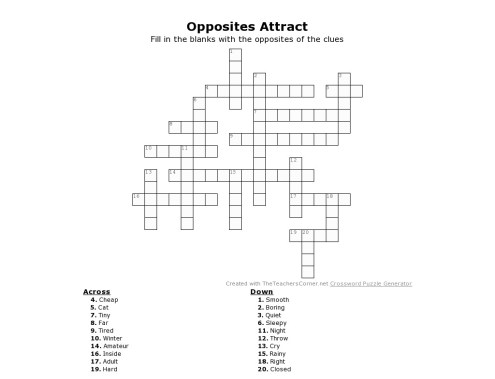
Opposites Attract Crossword Puzzle


Some words go hand in hand even though they’re different. Find the words that make pairs fill in the blanks of this printable Opposites Attract Crossword Puzzle

July 10 – Don’t Step on a Bee Day

celebrate-picture-books-picture-book-review-bee-dance-cover

About the Holiday

With the bee population declining, today is a reminder to protect bees and preserve their habitats. Without bees and the pollination they provide, the world’s food supply is threatened. Pollution, pesticides, and colony collapse all endanger the health of bee colonies around the globe.

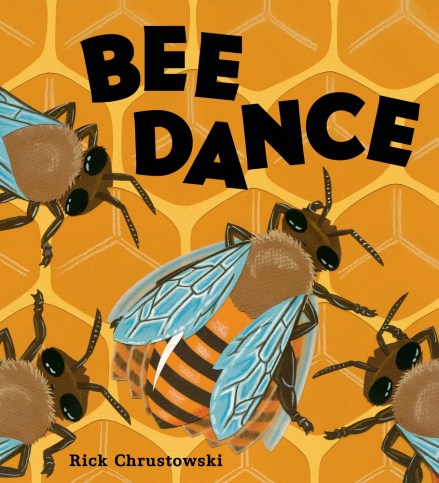
Bee Dance

By Rick Chrustowski


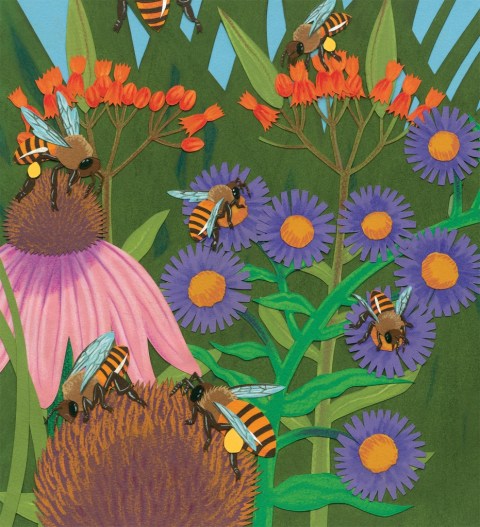
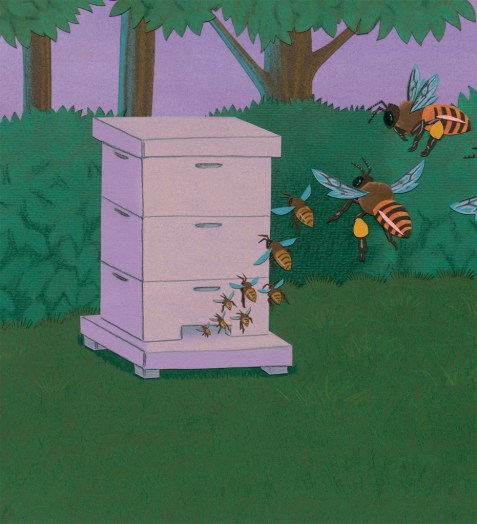
In the warm sunlight a honey bee leaves the hive in search of nectar. A sweet scent in the pleasant air entices the bee toward a prairie in bloom, where tasty wildflowers await. With its “bendy-straw tongue” the bee sips the delicious food. The bee races back to the hive and as the other bees welcome it home with a buzz of excitement, the Scout climbs the honey comb to deliver its news.

celebrate-picture-books-picture-book-review-bee-dance-interior-art-wildflowers

Image copyright Rick Chrustowski, courtesy of us.macmillian.com

The bee communicates its story through a “waggle dance.” It forms a figure 8, twirling one way, running up the middle, and then twirling around the other side. To indicate direction and distance, the Scout bee waggles faster and for a longer period of time. When the dance is completed, the other bees know exactly where to go. They swarm out of the hive and easily find the wildflower prairie.

Forager bees collect nectar from the tall flowers and fill pouches on their legs with pollen. They zip from flower to flower until daylight fades. In the growing twilight the bees head for  home once more. Back in the hive they unload their cargo in the combs and rest for the night. With dawn the cycle and the dance will begin again.

celebrate-picture-books-picture-book-review-bee-dance-interior-art-coming home

Image copyright Rick Chrustowski, courtesy of us.macmillian.com

Rick Chrustowski’s Bee Dance is a lyrical introduction to the fascinating and mysterious world of bees. Focusing on the communicating dance Scout bees perform to relay information is a familiar and excellent choice for young children used to following and inventing meaningful motions. The boldly colored illustrations give children an up-close view of the flying, sipping, and pollen gathering behavior of bees. The Scout bee’s dance is depicted clearly, and kids may love to replicate it. Further details of the life and work of honeybees at the end of the book add compelling information that kids will want to explore further.

Ages 4 – 8

Henry Holt and Co., 2015 | ISBN 978-0805099195

Visit Rick Crustowski’s webste to discover more about his books and how to make a Bee Kite!

Don’t Step on a Bee Day Activity

celebrate-picture-books-picture-book-review-bee-coloring-page

Honeybee Coloring Page


Honeybees and wildflowers go hand-in-hand or is it wing-in-petal? Either way they go together and make a beautiful, natural sight! Decorate this printable Honeybee Coloring Page with pencils, crayons, or markers—or make a collage using cut or torn tissue or craft paper!

June 26 – National Canoe Day

celebrate-picture-books-picture-book-review-can-you-canoe?

About the Holiday

June is the perfect month to explore the great outdoors up close through camping. Whether you enjoy pitching a tent or renting a cabin, all the enjoyment of hiking, fishing, swimming, and of course toasting marshmallows and singing around the campfire await!

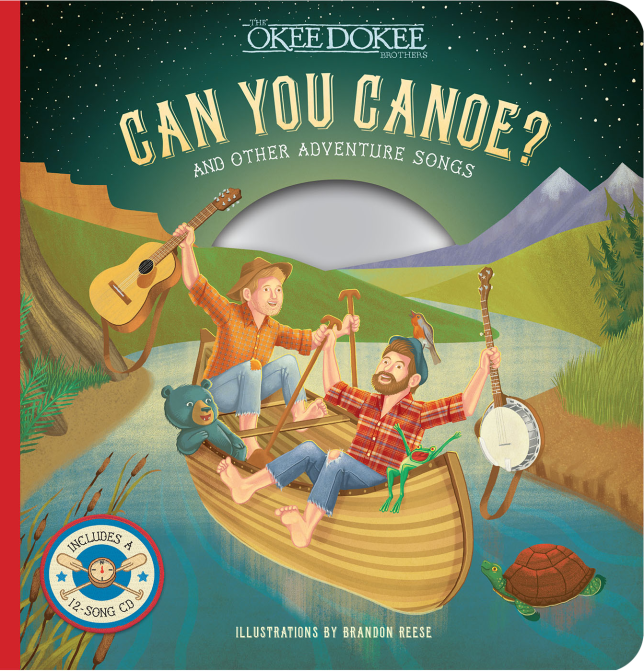
Can You Canoe? And Other Adventure Songs

Written by The Okee Dokee Brothers—Joe Mailander and Justin Lansing Illustrated by Brandon Reese


Is it possible to sing a picture book? It is when the book is Can You Canoe?! These twelve humorous, rip-roaring tunes take readers and singers deep into the fun of what it means to spend time enjoying nature. Wild animals, tall tales, legendary characters, and all the sounds and flavors of country livin’ are represented in these catchy original songs that will have you singing and laughing along in no time.

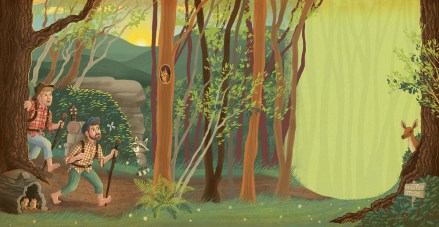
Through the Woods introduces the line-up with an apt question: “I’m wondering if you’d go wandering with me / Through the wilderness and woods / To where the winds are blowin’ free…” But even the speaker realizes there might be doubts—“You’re wondering if I go wandering with you / what kind of trouble we’ll get ourselves into. / Would it be wrong to tag along / With a band of vagabonds?”—and assuages them in the end.

celebrate-picture-books-picture-book-review-can-you-canoe?

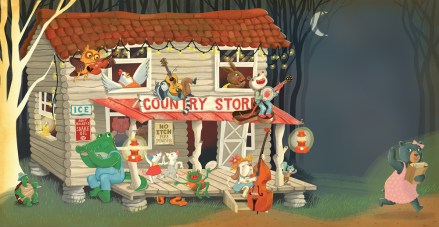
Jamboree takes readers to a country store where there’s dancing every Friday night to a song called “Jamboree” that’s played with abandon and just a little off key. But all you need is to “grab you a partner / And hold on tight / ‘Cause we ain’t stoppin’ / Until we see the light.”

In Black Bear Mama a couple learns there’s no arguing with a mother bear on the lookout for food for her cubs, and Echo Echoooo reassures that nothing, not even the widest valley, can keep true love apart. Can You Canoe? is a celebration of the simple life out on the water without distractions: “Can you canoe on a little boat built for two? Can You Canoe?…I wanna float down a river with you.”

Mr. & Mrs. Sippy can take you by surprise as this isn’t a tune about straws or baby cups. Instead, this is a rambling life story that starts like this: “Mr. and Mrs. Sippy / Got married in the fall. / They left the church that very same day / For their honeymoon in St. Paul, / Singin’ M-I-double-S-double-S-I-P-P-I / M-I-double-S-double-S-I-P-P-I. The couple roams on down to St. Louis to make themselves a home, then raises children in ‘good old Memphis Town.” When they have no place left to go, “they drift down past New Orleans / To the Gulf of Mexico.” Then you’re invited to sing the chorus backwards and forwards once again!

The Legend of Tall Talkin’ Sam echoes some of the great legends of the American West, such as Paul Bunyan and Babe the Blue Ox. Samantha Rosie-Anna, aka Sam, was “born to a pioneer woman and a Rocky Mountain mountain man” and “come out ridin’ a panther and ropin’ a twister outta the sky.” Sam’s so big that when she sleeps under a blanket of snow, she lays her “hat down in Montana and my boots in Colorado.” But even though this girl is “half horse, half mountain lion and half grizzly bear,” she admits there are things she doesn’t know—“like how some little stream / Carved out one big ol’ canyon, / Or how a fire’s angry flame / Can be your best companion.”

celebrate-picture-books-picture-book-review-can-you-canoe?

Can You Canoe? images courtesy of Brandon Reese (www.brandonreese.com)

Jackalope addresses one of the greatest American myths—that of a creature of mixed jack rabbit and antelope blood that roams the plains of the West. With tongue in cheek, the mysterious whereabouts of the Jackalope is exposed in the chorus: “Well I’ve seen ‘em in books and in taxidermy shops. / I’ve seen ‘em hangin’ on the wall. / But I ain’t never seen one in the livin’ light of day— / It’s almost like they don’t exist at all.” But the last verse reveals that perhaps this odd apparition has a purpose after all: “So when you’re searchin’ for the truth / And you’re at the end of your rope, / You might find you don’t need no proof / To believe in the thing that gives you hope— / And for me that’s the jackalope.”

These and a few other rollicking, gold-nugget songs will make any camp out—or even camp in—a knee-slappin’ good time. Can You Canoe comes with a CD so you can sing along to all your favorites—and I have no doubt each song will become a favorite in no time!

Joe Mailander and Justin Lansing have known each other all their lives and know a thing or two about adventures and how to make them more fun for friends and families. This Grammy-winning duo conjure up catchy tunes and compelling stories to make their songs unforgettable. These poems/songs have as much heart and wonder as a new frontier and invite readers and singers to explore!

Brandon Reese lends his distinctive talent to each song, creating animated scenes loaded with the kinds of details and drama kids love. Barefoot travelers with their packs on their backs and strong walking sticks in hand pad through woods populated with friendly wildlife. The country store is alive with animal musicians and dancers on the porch, on the roof, and hanging out every window while broadsides for Aunt Malady’s Snake Oil and No Itch Flea Powder hang on the walls. A cozier camping tent you’ll never find, and canoe paddlers are accompanied by a raccoon poling a crocodile boat while a rabbit floats along on the belly of a turtle. Each picture invokes the great outdoors in all its glory.

Can You Canoe is a must for any trip, whether you’re traveling far or just down the road!

Ages 4 and up

Sterling Children’s Books, 2016 | ISBN 978-1454918035

National Canoe Day Activity

celebrate-picture-books-picture-book-review-canoe-maze

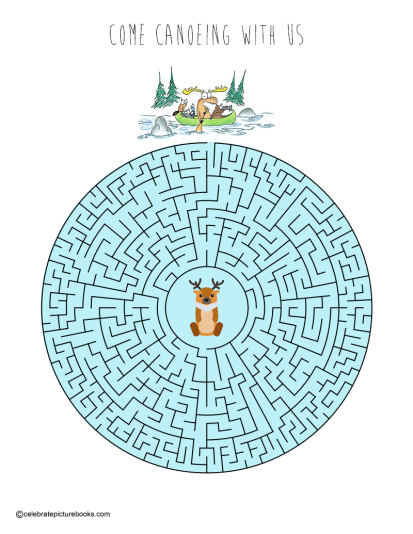
Come Canoeing With Us Maze


These friends want to canoe together but first they must pick up little deer at the center of the lake. They need your help navigating their way in this printable Come Canoeing With Us maze! Here’s the Solution!