May 20 – Learn to Swim Day

celebrate-picture-books-picture-book-review-splatypus-coverAbout the Holiday

Established by Swimways in 2012, today’s holiday is dedicated to educating parents, caregivers, and children about water safety and the importance of learning to swim. With summer officially beginning this weekend, kids will be soon be cooling off at beaches, lakes, rivers, and pools. Knowing how to swim and learning to recognize dangers and water hazards are crucial skills for swimmers of all ages. To learn more about education programs and fun ways to celebrate Learn to Swim Day, visit the Swimways website!

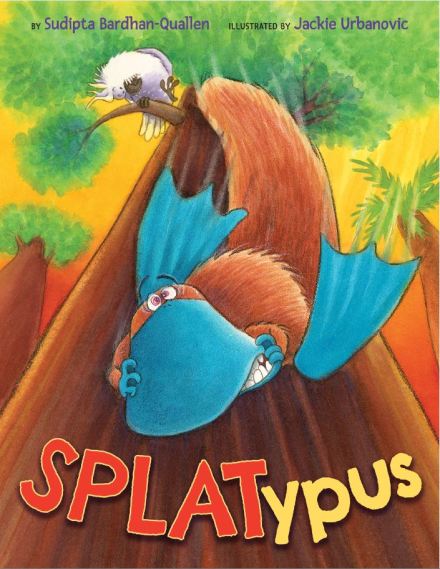
SPLATypus

Written by Sudipta Bardhan-Quallen | Illustrated by Jackie Urbanovic


Platypus is feeling lonely as he walks along the shore looking for someone to play with. When a couple of kangaroos hop by, Platypus is happy to see them. “‘I’ll jump too!’” he shouts. He takes off on his blue, webbed feet “skipping, hopping, dipping, dropping.” But he loses control and falls flat on his bill—“Splatypus!” Platypus waves goodbye to the kangaroos, sure that he’ll soon find his place.

Next, two dingoes chase / and run with grace. / Platypus says, ‘I’ll go race!’” But where the dogs leap easily over a fallen log, Platypus struggles and strains to pull himself on top. Then—whoa!—he wobbles and teeters and tumbles and rolls—“Splatypus!” Although trying to be as agile as a dingo didn’t work out, Playpus isn’t giving up on finding where he belongs.
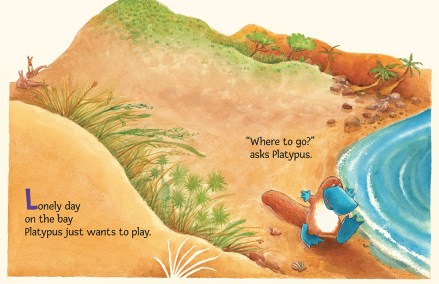
celebrate-picture-books-picture-book-review-splatypus-by-the-bay

Image copyright Jackie Urbanovic, text copyright Sudipta Bardhan-Quallen. Courtesy of Two Lions

Up in a tree, Platypus watches a group of possums playing in the branches. He scrambles to join them, but his hands and feet slip and slide on the smooth trunk and he lands bonk on his head. Suddenly, he sees “fruit bats fly / across the sky. / Platypus says, / ‘I’ll soar high!’” He runs up a cliff to launch himself into the air, but the rocky path trips him up. When he finally reaches the edge, he leaps, flapping his arms and legs. But instead of soaring he goes “Splatypus!”

Poor Platypus! “Nothing’s easy. / Tummy’s queasy. / So discouraged, / lost his courage.” He decides to give up on flying, climbing, and jumping. The day is almost over and still Platypus hasn’t found any friends. He goes to sleep in the shade of a palm tree. The next morning, still feeling dejected, Platypus worries that the day will be no fun. As he strolls near the edge of the bay, however, he spots some swans swimming by and then two “penguins cry / a soggy ‘Hi!’”
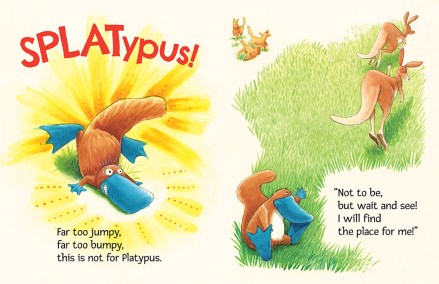
celebrate-picture-books-picture-book-review-splatypus-kangaroos

Image copyright Jackie Urbanovic, text copyright Sudipta Bardhan-Quallen. Courtesy of Two Lions

They look as if they are having so much fun that Platypus decides to try one more time to join in. He wades into the water and dives in. With a “ker-sploosh, ker-splash!” Platypus finds that he’s a natural! Now, “water wiggling, all are giggling.” As he floats and paddles with the penguins, swans, fish, and turtles, he “looks around, / at last he’s found / the perfect place for Splatypus.”

Little ones will giggle from beginning to end of this funny story that shows that sometimes you have to try a lot of different things before you find your perfect niche. Platypus’s can-do attitude and perseverance are great lessons for children beginning to navigate school, activities, and friendships. Sudipta Bardhan-Quallen’s rollicking rhythm and easy-to-repeat rhymes will have kids reading—and most likely moving—along with the story.

Jackie Urbanovic takes kids to the coast of Australia to meet kangaroos, dingoes, possums, fruit bats, and even a sea dragon in her sunny illustrations. Little Platypus, with his blue feet, hands, and bill, is adorable as he tries activity after activity with little success. When he finally finds some swimming buddies, kids will cheer to see the satisfied smile on his face.  The large type face will invite beginning readers to try reading for themselves—and persistent Platypus is a good role model along the journey.

Ages 3 – 7

Two Lions, 2017 | ISBN 978-1503939202

Discover more about Sudipta Bardhan-Quallen and her books as well as downloadable teacher’s guides on her website!

You’ll find books, a portfolio of art, coloring pages and more by Jackie Urbanovic on her website!

Learn to Swim Day Activity
celebrate-picture-books-picture-book-review-in-the-swim-maze

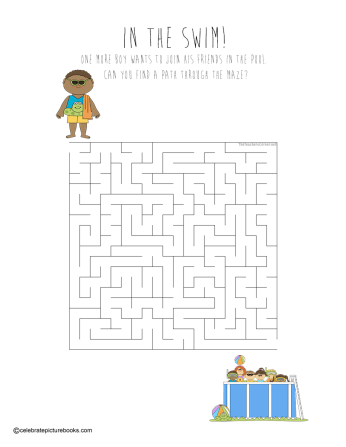
In the Swim! Maze


One little boy would like to join his friends in the pool. Can you help him by finding a path through this printable In the Swim maze? Here’s the Solution!

Picture Book Review

April 24 – It’s Car Care Month

celebrate-picture-books-picture-book-review-car-cowboy-hay-bales

About the Holiday

So, after a long winter of standing around in freezing temperatures, slipping on icy pavement, and not getting quite as much exercise as usual, your car could use some tender loving care. April is the perfect time to schedule a maintenance checkup, give your auto a bath, and take ‘er out on the open road for a nice, long run. You never know, your car may have dreams too—just like the cute coupe in today’s story.

Mosey on down below to find an chance to win a copy of Cowboy Car!

Cowboy Car

Written by Jeanie Franz Ransom | Illustrated by Ovi Nedelcu


“Ever since he was knee-high to his daddy’s hubcaps, Little Car wanted to be a cowboy.” He watched cowboy movies on the TV in his city garage and loved everything about cowboy life. Little Car lived in the city, squeezed in between lanes and lanes of cars and unable to see the sky for the soaring skyscrapers. He dreamed of sleeping under the stars and roaming the wide open plains. But everyone told Little Car, “‘Cars Can’t Be Cowboys.’”

Little Car’s dad wanted him to be a city taxi, like him; his mom hoped he’d be “a family car and settle down in a garage close to home.” Neither of those futures, however, offered the excitement of “herding cattle by day” and the camaraderie of “circling up around the campfire at night,” so when Little Car grew up he headed out West. First, he needed to look the part, but where would he find a hat big enough? He pulled up at a cowboy supply depot, and there on the roof sat the perfect 50-gallon hat!

celebrate-picture-books-picture-book-review-car-cowboy-hay-bales

Image copyright Ovi Nedelcu, text copyright Jeanie Franz Ransom. Courtesy of Two Lions.

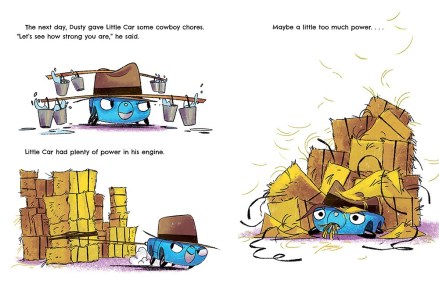
With the hat settled firmly on his roof, Little Car drove on to the Circle R. Ranch. There he met Dusty, who listened to Little Car’s dream of being a cowboy and gave him a bit of bad news: “‘Cars can’t be cowboys. They can’t ride horses!’” Little Car was disappointed, and so was Dusty—the ranch really needed extra help. Little Car wanted to prove his mettle, so Dusty agreed to let him try a few cowboy tests. The next morning, Little Car “zoomed around the barrels in no time. He was used to making quick turns around tight corners in the city.” He was also strong enough to carry heavy loads and move bales of hay. He could even round up li’l doggies in the dark in the beam of his headlights.

The next day Dusty promised to take Little Car to the rodeo. When they got there, though, Little Car was told he couldn’t participate because he didn’t ride a horse. Still, he was excited to watch Dusty ride Double Trouble, the biggest, meanest bull on the circuit. With Dusty hanging on tight, Double Trouble bucked and snorted and leaped. In a minute Dusty was thrown to the ground, and Double Trouble was headed straight toward him.

“With tires squealing, horn honking, and the radio blasting, Little Car got everyone’s attention—including the bulls.” He zipped right and left, “swerved, stopped, backed up, and drove around and around until the bull’s snorts turned into snores.” Afterward, a news reporter wanted to know if he was a cowboy at the Circle R. Ranch. “‘He sure is,’ Dusty said. ‘In fact, he’s my pardner!’”

Watching the report on the garage TV, Little Car’s mom and dad proudly exclaimed, “‘That’s our cowboy!’” And “Little Car drove off into the sunset, home on the range at last.”

celebrate-picture-books-picture-book-review-car-cowboy-hay-bales

Image copyright Ovi Nedelcu, text copyright Jeanie Franz Ransom. Courtesy of Two Lions.

Li’l pardners enamored of the cowboy life will be charmed by Little Car and his dreams to leave the big city for the freedom of cowboy life. With clever turns of phrase and a sprinkling of puns, Jeanie Franz Ransom takes readers on an endearing ride through the ups and downs, disappointments and successes of navigating life on one’s own. When Little Car uses his city experience, smarts, and courage to save Dusty and earn a spot at the ranch, despite not being able to ride a horse, kids will see that they too can overcome obstacles and accomplish their goals.

Children will love adorable Little Car as he snuggles next to his mom and taxicab dad in the garage. With wide headlight eyes and a grill with an ever-present grin, Little Car makes his way out West, where kids will giggle at the 50-gallon hat atop an old general store, whoop as Little Car completes his cowboy tests, and cheer when he outwits Double Trouble to save the day. As Little Car drives off into the sunset, readers will know that he—and they—have a bright future ahead.

Car and cowboy or cowgirl enthusiasts, as well as kids new to school and other activities will find a friend in Little Car and ask to hear his story again and again. Cowboy Car would make a sweet addition to story time and bedtime reading.

Ages 3 – 7

Two Lions, 2017 | ISBN 978-1503950979

Discover more about Jeanie Franz Ransom and her books on her website!

You’ll find a portfolio of books and illustration work by Ovi Nedelcu on his website!

Car Care Month Activity

celebrate -picture -books-picture-book-review-follow-the-open-road-maze


Follow the Open Road Maze


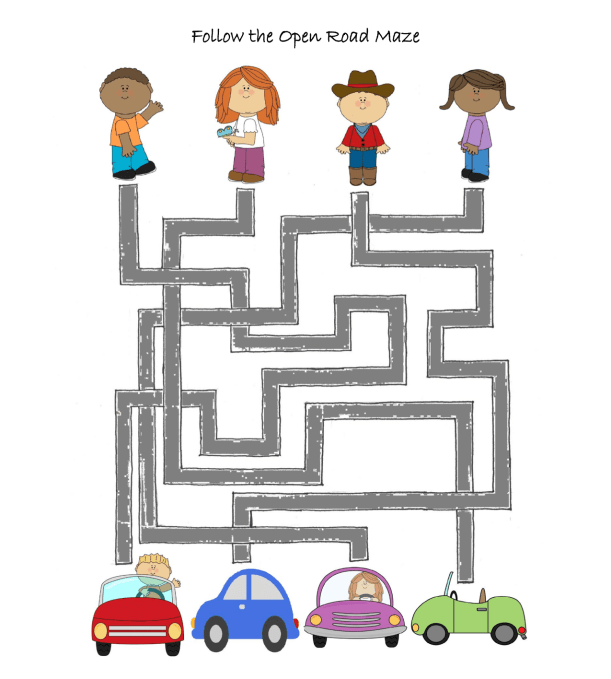
These four kids are ready to head out and enjoy the day! Match each child to the right car in this printable Follow the Open Road Maze to get them on their way!

Picture Book Review

April 9 – National Inventor’s Month

celebrate-picture-books-picture-book-review-whoosh!-lonnie-johnson's-super-soaking-stream-of-inventions-cover

About the Holiday

Today’s holiday was established by the United Inventors Association of the USA, the Academy of Applied Science, and Inventor’s Digest Magazine to promote awareness of and celebrate the achievements of those creative individuals who make our lives better—or, in some cases, at least interesting. Every day there are kids and adults, professionals and amateurs pondering solutions to problems and just “what ifs?” Would you like to join them? You can celebrate this month by acting on one of your great ideas and by learning more about inventors like the subject of today’s book!

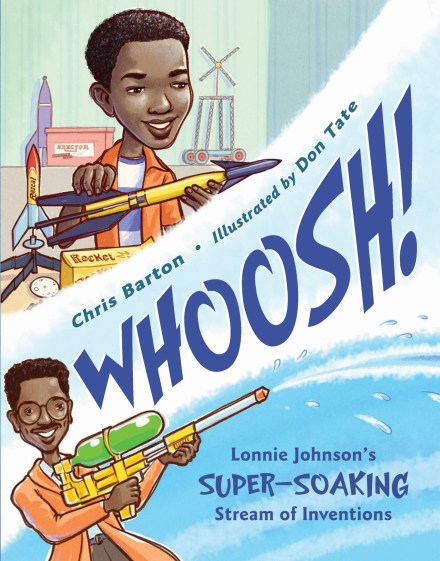
WHOOSH! Lonnie Johnson’s Super-Soaking Stream of Inventions

Written by Chris Barton | Illustrated by Don Tate


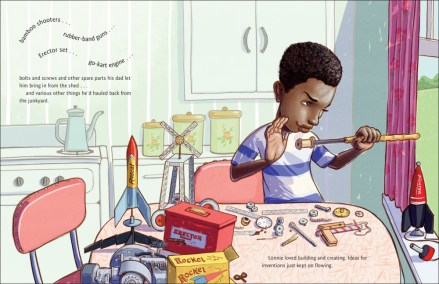
Lonnie Johnson had a way with stuff. In his hands bolts and screws, gears and springs, spools, clothespins, “spare parts his dad let him bring in from the shed, and various other things he’d hauled back from the junkyard” fueled Lonnie’s ideas for inventions and rocket ships. The kids at school loved to watch him launch the rockets he’d devised on the playground. Lonnie wanted to have a career as an engineer. Getting there took a lot of determination and courage. Once, the results of a standardized test said that he would not make a good engineer. Lonnie felt discouraged, but he knew that the person who had graded his test didn’t know him—or Linex.

celebrate-picture-books-picture-book-review-whoosh!-lonnie-johnson's-super-soaking-stream-of-inventions-young-lonnie-inventing

Image copyright Don Tate, courtesy of charlesbridge.com

Linex was the robot Lonnie had built from scrap metal. “Compressed–air cylinders and valves allowed Linex’s body to turn and its arms to move. The switches came from an old, broken jukebox. Lonnie used a tape recorder to program Linex, and as a bonus the reels looked like eyes.” Lonnie’s goal was to enter Linex in a science fair, but first he wanted to be able to program it. It took several years before he discovered how. Using his little sister’s walkie-talkie, Lonnie solved the problem and took Linex to the “1968 science fair at the University of Alabama—where only five years earlier, African American students hadn’t even been allowed.” Lonnie’s team won first place.

Lonnie went to college at Tuskegee Institute, where he realized his dream of becoming an engineer. His career “took him beyond Alabama—way beyond.”  He went to work for NASA. Before the orbiter Galileo could be sent to Jupiter, Lonnie developed a system that would ensure the craft would have a constant supply of power for its computer memory in case the main power was lost. Some fellow scientists doubted his idea would work, but it did. “As it photographed Jupiter and its moons, Galileo was supported by the power package that Lonnie designed.”

celebrate-picture-books-picture-book-review-whoosh!-lonnie-johnson's-super-soaking-stream-of-inventions-linex

Image copyright Don Tate, courtesy of charlesbridge.com

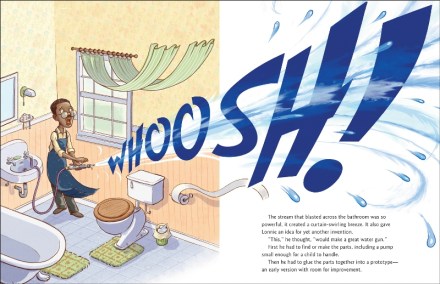
Even though Lonnie worked for NASA, he continued tinkering with his own ideas—in his own workshop. One problem he was trying to solve involved the need for the world’s refrigerators and air conditioners to have a cooling system that didn’t use the damaging chemical R-12. “He had an idea for using water and air pressure instead.” He built a prototype and experimented with it in his bathroom sink. When he turned his pump and nozzle on, though, he got a surprise as a stream of water blasted across the room.

Suddenly, Lonnie saw another use for his invention—as a water gun. He created a design small enough for children’s hands, and tested it at a picnic, where it was a hit. Lonnie took his idea to a toy company…and another…and another. Finally one company agreed to make his water gun. Spurred on by this success, Lonnie found investors to help him build other original inventions: “a water-propelled toy airplane, two kinds of engines, and his cooling system” that had led to the water gun. He even quit his day job to devote his time to inventing.

But things don’t always work out. Each project fell through—even the water gun. It was a scary time as he and his family had to move out of their house and into an apartment. But Lonnie believed in himself. He took his water gun to another toy company. In 1989 he found a toy company willing to take a look. Lonnie made the trip to Philadelphia and wowed the executives with his invention.

celebrate-picture-books-picture-book-review-whoosh!-lonnie-johnson's-super-soaking-stream-of-inventions-water-powered-nozzle

Image copyright Don Tate, courtesy of charlesbridge.com

Now kids everywhere enjoy the fun of the Super Soaker. Today, Lonnie can be found in his workshop doing what he loves: “facing challenges, solving problems and building things” because “his ideas just keep on flowing.”

Chris Barton’s biography of Lonnie Johnson is a fascinating look at a man who succeeds in turning “No” into “Yes” by the power of his intelligence, ideas, and determination. Kids will love hearing about how one of their favorite toys came to be and will be inspired to chase their own dreams despite challenges and setbacks. Barton’s detailed narration provides a full picture of Lonnie Johnson and his times, specifics that attract and inform like-minded kids. Including the results of Lonnie’s exam should encourage kids who think differently. The story is enhanced by the conversational tone that makes it accessible to kids of all ages.

Don Tate illuminates Lonnie Johnson’s life story with his bold, full-bleed paintings that follow Lonnie from his being a child with big ideas to becoming a man who has seen these ideas through to success. With an eyebrow raised in concentration, young Lonnie demonstrates confidence and skill as he works on an invention, and kids will love seeing the tools of his trade laid out on the kitchen table. With his eyes narrowed in frustration and disappointment, Lonnie reads the results of his childhood exam. As Lonnie grows older and designs systems for NASA, the illustrations depict the schematics of the Galileo power package and Lonnie’s surprise at the strength of the water stream in his prototype cooling design. As all kids know, the spurt of a Super Soaker is awesome, and this fact is demonstrated in a “Wowing” fold-out page.

WHOOSH! Lonnie Johnson’s Super-Soaking Stream of Inventions is a welcome biography of the man who designs systems for the greater world but has never lost his youthful enthusiasm to invent.

Ages 5 – 10

Charlesbridge, 2016 | ISBN 978-1580892971

Check out more fiction and nonfiction books by Chris Barton on his website!

Discover more books written and illustrated by Don Tate as well as a portfolio of his work and book-related activity guides on his website!

National Inventor’s Month Activity

celebrate-picture-books-picture-book-review-movie-computer-dot-to-dot

Invention Dot-to-Dot Puzzles


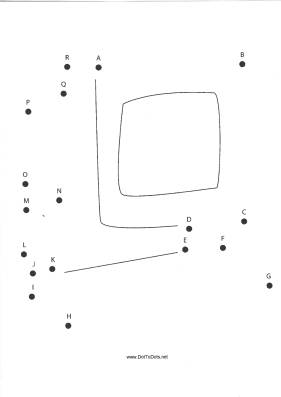
Many inventions have changed the world and continue to be used long after they were first created. Connect the dots on these printable puzzles to discover three remarkable inventions!

Invention Dot-to-Dot 1 | Invention Dot-to-Dot 2 | Invention Dot-to-Dot 3

Picture Book Review

April 6 – It’s National Poetry Month

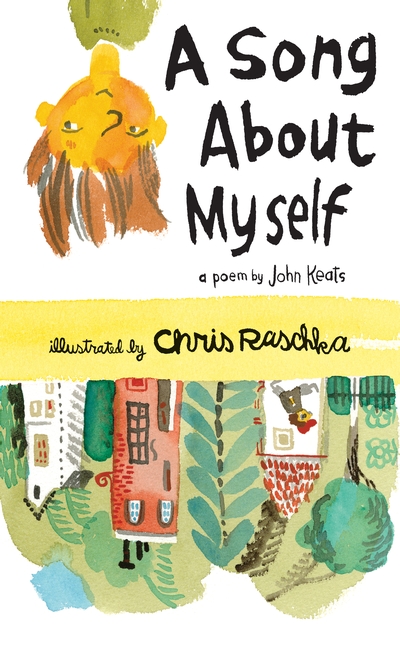
celebrate-picture-books-picture-book-review-a-song-about-myself-cover

About the Holiday

National Poetry Month was established in 1996 by the Academy of American Poets to highlight the achievements of poets, past and present; to promote the reading and writing of poetry in schools and by individuals; and to encourage people to discover the joys poetry can bring all year round. Poetry Month is now celebrated in April in the United States, Canada, and Great Britain, with other countries holding their own events during other times of the year.

A Song About Myself: A Poem by John Keats

Written by John Keats | Illustrated by Chris Raschka


1

“There was a naughty Boy, / A naughty boy was he, / He would not stop at home, / He could  not quiet be—” So this adventurous boy packed his knapsack with “a Book / Full of vowels / And a shirt / With some towels—” He added a comb and a brush, a cap to protect himself both day and night, and an extra pair of stockings for when the old ones got threadbare. With his knapsack buckled on tight, the little boy headed North

2

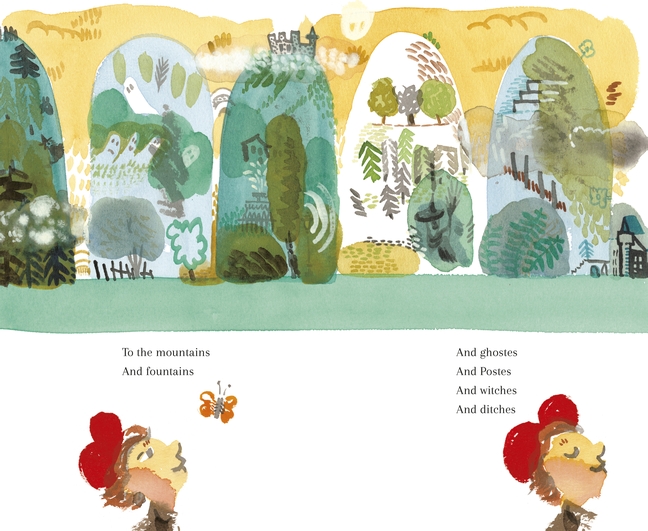
“There was a naughty Boy, / A naughty boy was he, / For nothing would he do / But scribble poetry—” With ink stand and pen he ran away “to the mountains / And fountains / And ghostes / And Postes / And witches / And ditches.” In the winter he wrote with his coat on, not fearing contracting gout; and when the weather was warm, he abandoned his coat while he captured the charm of the North.

3

“There was a naughty Boy, / A naughty boy was he, / He kept little fishes / In washing tubs three.” Not fearing the maid’s or his granny’s displeasure, this mischievous boy would rise with the sun “And go / By hook or crook / To the brook” to catch minnows “The size / of a nice / Little Baby’s / Little fingers—” These tiny darters swam in his bucket—“A Kettle / Of Fish a pretty Kettle / A Kettle!”

celebrate-picture-books-picture-book-review-a-song-about-myself-to-the-mountains

Copyright Chris Raschka, courtesy of Candlewick, 2017

4

“There was a naughty Boy, / A naughty boy was he, / He ran away to Scotland / The people for to see— / Then he found / That the ground / Was as hard, / That a yard / Was as long, / That a song / Was as merry,… /…That a door / Was as wooden / As in England—” Which made him think. “So he stood in his shoes / And he wonder’d, / He wonder’d / He stood in his shoes / And he wonder’d.”

In an Illustrator’s Note, Chris Raschka reveals that John Keats—one of the greatest romantic poets—wrote this poem in a letter to his sister, Fanny, while he was walking through Scotland on a tour that he imagined would inspire “the grand poetry that he knew was inside him.”

This quirky poem that follows the travails and travels of a little boy filled with wanderlust, a gift for writing, and insight beyond his years is a perfect match for Chris Raschka’s art. Topsy-turvy perspectives, vivid colors, and evocative and action-packed vignettes beautifully represent the boy’s “naughtiness” and precocious imagination. As he dashes across the yard, his house—red capped and with a mustache-shaped lintel over the door—seems to watch through window eyes; the boy’s mighty pen stands taller than he is; and ghosts, witches, castles, and fountains are framed in the hills that he passes on his journey. Bold swatches of yellow, green, and red that split the pages in half serve as directional arrows, roads, and verse dividers while also leading readers to the book’s final wisdom.

Kids will find it fun to explore the endpapers that present a bird’s-eye-view of the expanse from Scotland to New York over “Much Water.”

A Song About Myself: A Poem by John Keats is a joyous treat that celebrates the whimsy of childhood and the wonders of the imagination. For poetry lovers or those who enjoy a good story, this book would make a charming gift or addition to home bookshelves.

Ages 6 – 10

Candlewick, 2017 | ISBN 978-0763650902

You can view a gallery of artwork by Chris Raschka on tumblr!

National Poetry Month Activity

celebrate-picture-books-picture-book-review-reading-bug-bookmark

I Have the Reading Bug Bookmark


If you love reading, then print out this I Have the Reading Bug Bookmark that can mark your page with style! For a sturdier bookmark, print on card stock or heavy paper.

Picture Book Review

March 31—Eiffel Tower Day

celebrate-picture-books-picture-book-review-antoinette-cover

About the Holiday

Today we say Ooh-La-La for one of the world’s most striking and recognizable monuments—the Eiffel Tower. The tower was erected in 1889 for the International Exhibition of Paris, which celebrated the 100th anniversary of the French Revolution. Construction took 2 years, 2 months, and 5 days. This iconic landmark was named for the chief engineer, Gustave Eiffel, and has inspired generations of locals and visitors alike.

Antoinette

Written by Kelly DiPucchio | Illustrated by Christian Robinson


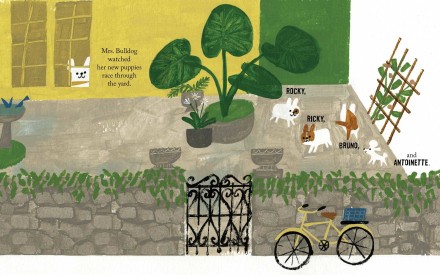
On a day which seemed like most others, Mrs. Bulldog spied out the window at her puppies playing in the yard. Rocky, Ricky, Bruno, and Antoinette scrambled around, chasing each other back and forth. They darted through the door and dashed around the kitchen. They are always so energetic “and ridiculously cute, but please don’t tell them that.”

celebrate-picture-books-picture-book-review-antoinette-in-the-yard

Image copyright Christian Robinson, text copyright Kelly DiPucchio. Courtesy of simonandschuster.com.

When Mrs. Bulldog looked at her children, she knew that each was special. The boys had already demonstrated some of their talents. “Bruno was strong, Rocky was clever, and Ricky was fast.” Antoinette was still pondering her unique talent, but her mother was not worried. “‘You have something extra special. I can feel it in my bones!’” she told her daughter, but Antoinette had some doubts.

“Every day the family went to the park to play with their doggy friends,” and this day was no different. When they got there, Antoinette was happy to see Fi-Fi, Foo-Foo, Ooh-La-La, and especially Gaston. The puppies frolicked on the lawn, racing around after balls and butterflies and enjoying tasty biscuits. Suddenly, though, everyone noticed a problem. One of the puppies seemed to be missing!

celebrate-picture-books-picture-book-review-antoinette-puppies-playing

Image copyright Christian Robinson, text copyright Kelly DiPucchio. Courtesy of simonandschuster.com.

The little ones lined up to be counted. There were Rocky, Ricky, Antoinette, Fi-Fi, Foo-Foo, and Gaston—but no Ooh-La-La! Mrs. Poodle was frantic, but Mrs. Bulldog reassured her. “‘We will find her!’ she insisted.” Clever Rocky followed some footprints he found in the mud, but they did not lead to Ooh-La-La. Ricky ran around the lake, but only found a family of ducks. With his super strength, Bruno checked under boulders, but Ooh-La-La was not hiding under any of them.

“In that moment Antoinette felt a tug in her heart and a twitch in her nose.” She followed the scent from sidewalk cafes to street vendors to sign posts. She hurried past “buggies and bicycles and broomsticks.” Nothing could deter her. Her nose led her to the Louvre, where Antoinette barked excitedly, but the guard would not let her through the door. In a dizzying dash, she wound round and around the guard, skirted past him, and sprinted into the museum.

celebrate-picture-books-picture-book-review-antoinette-woman-feeding-birds

Image copyright Christian Robinson, text copyright Kelly DiPucchio. Courtesy of simonandschuster.com.

Antoinette scurried passed the crowds admiring the art and leaped to the top of a tall sculpture just in time “to save Ooh-La-La from a perilous fall” as she chased a butterfly. Mrs. Poodle was overwhelmed with gratitude. Mrs. Bulldog beamed with pride at her brave daughter, and the two shared a knowing look. Gaston looked on with a special smile of his own.

That is a story from long ago. Today, Antoinette and Gaston are raising a family of their own, and Antoinette is “one of the most famous police dogs ever to patrol the streets of Paris.” If you’d like, you can visit her statue in the park!

celebrate-picture-books-picture-book-review-antoinette-artist

Image copyright Christian Robinson, text copyright Kelly DiPucchio. Courtesy of simonandschuster.com.

Antoinette gets her own adventure and discovers her special talent in Kelly DiPucchio’s sequel to Gaston. With three bounding brothers, Antoinette feels a little lost in the shuffle, wondering when she’ll discover what she’s good at. Young readers with precocious siblings or friends will empathize with Antoinette’s feelings and be bolstered by her shining moment, which demonstrates that abilities often appear at the most unexpected—and crucial—times. The delightful ending provides a clever and satisfying answer to the story’s main question.

Christian Robinson’s jaunty illustrations of Antoinette and her brothers and friends will cheer fans of Gaston and enchant new readers. Kids will love following the bouncy puppies through the park, where an artist paints the fountain, a woman feeds the pigeons, and a man creates enormous bubbles to float in the air. As Antoinette races through Paris to find Ooh-La-La, readers can track her from page to page through the charming streets and finally to the Louve. Robinson’s soothing, muted blues, greens, and browns lend sophistication to this sweet blended family tale.

Antoinette is an adorable story that is sure to become a favorite of little ones. On its own or paired with Gaston, Antoinette would make a wonderful addition to home bookshelves.

Ages 4 – 8

Atheneum Books for Young Readers, Simon & Schuster, 2017 | ISBN 978-1481457835

Discover more about Kelly DiPucchio and her books on her website!

Check out Christian Robinson’s books and learn more about him and his artwork on his website!

Eiffel Tower Day Activity

celebrate-picture-books-picture-book-review-eiffel-tower-coloring-page

Eiffel Tower Over Paris Coloring Page


Paris is a gorgeous city, full of color and light. Grab your pencils, markers, or crayons and enjoy this printable Eiffel Tower Over Paris Coloring Page.

Picture Book Review

March 30 – It’s Music in Our Schools Month

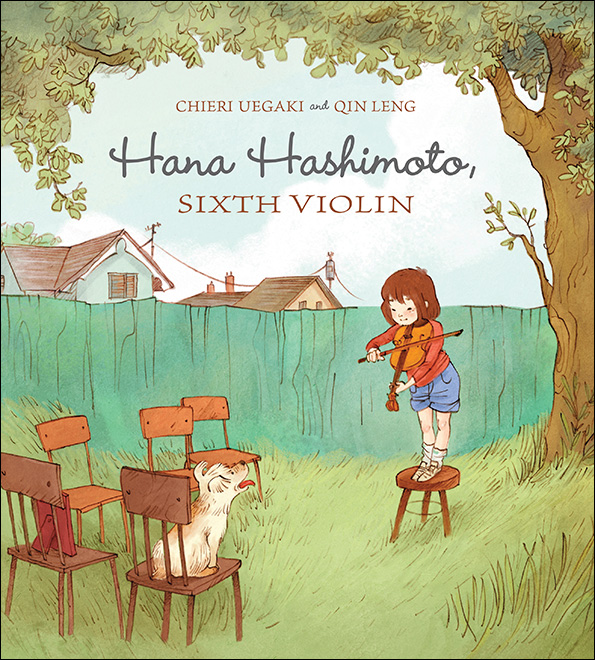
celebrate-picture-books-picture-book-review-hana-hashimoto-sixth-violin-cover

About the Holiday

This annual holiday celebrates the benefits of music education in schools. With budget cuts looming in nearly every school district, the arts are often the first to go. But music inspires creativity and critical thinking and contributes to a better understanding of math and other subjects. School music programs also offer opportunities to children who may otherwise not be able to take lessons and explore their talent. To help out, contact your local school and see what you can do!

Hana Hashimoto, Sixth Violin

Written by Chieri Uegaki | Illustrated by Qin Leng


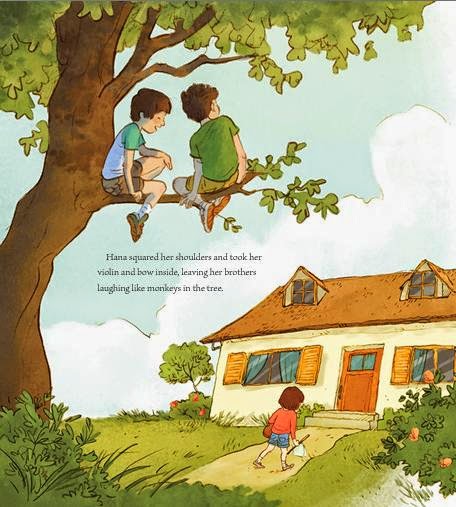
When Hana Hashimoto told her brothers that she had signed up to play her violin in the talent show, they laughed.  “‘That’s just loopy,’” Kenji said, and Koji added ‘‘You can barely play a note.’” They reminded her that it was a talent show and that she was just a beginner. But Hana didn’t listen. “It was true that she was still a beginner. She had only been to three lessons.” But playing the violin was in her blood. Her grandfather, Ojiichan, had once been Second Violin in a symphony orchestra in Kyoto, Japan and had even played for the Imperial Family.

celebrate-picture-books-picture-book-review-hana-hashimoto-sixth-violin-brothers-in-tree

Image copyright Qin Leng, text copyright Chieri Uegaki. Courtesy of Kids Can Press.

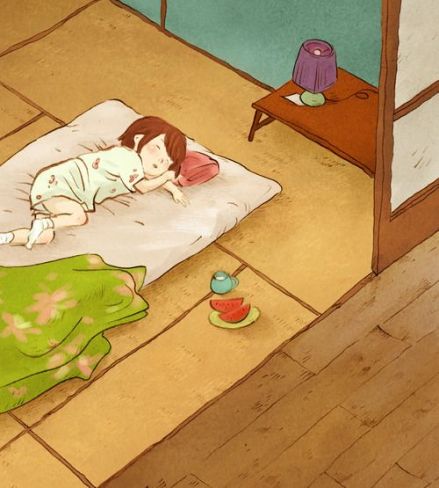
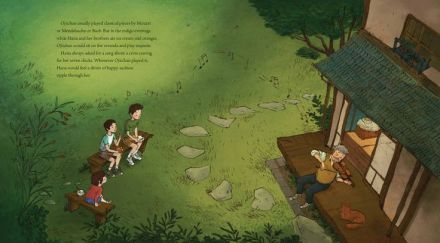
Hana had visited her grandfather that summer, and the sweet notes of his playing had coaxed “her awake as gently as sunshine” every morning. In the evenings her grandfather would take requests from Hana and her brothers. “Hana always asked for a song about a crow cawing for her seven chicks. Whenever Ojiichan played it, Hana would feel a shiver of happy-sadness ripple through her.”

celebrate-picture-books-picture-book-review-hana-hashimoto-sixth-violin-hana-sleeping

Image copyright Qin Leng, text copyright Chieri Uegaki. Courtesy of Kids Can Press.

Ojiichan’s playing was like magic. He could make the violin chirp like crickets, plink like falling raindrops, and send fireflies dancing. At the end of the summer, Hana had decided she also wanted to play the violin and her parents agreed. Hana practiced every day even though her brothers ran away with their hands over their ears. She played for her parents, for her dog, JoJo, and for a photograph of Ojiichan. Sometimes she pretended to play for “an audience so appreciative they called for encore after encore.”

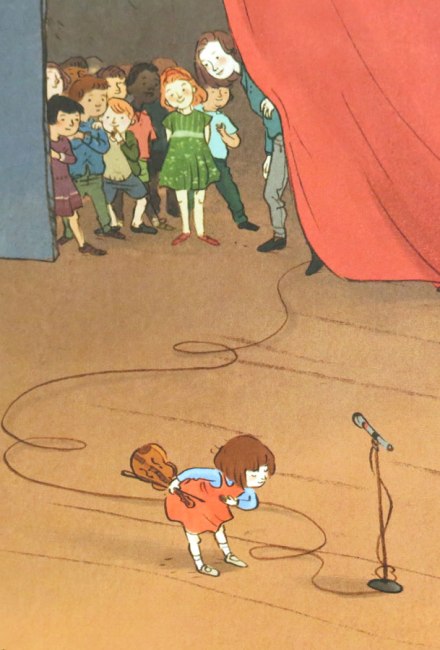
On the night of the talent show, Hana waited backstage for her turn “with a walloping heart.” Five other violinists had already gone before her. Finally, she heard her name. As she strode across the stage as wide as a desert, she had a fleeting feeling that her brothers had been right—that her performance was going to be a disaster. But when she reached her spot near the microphone and gazed out at the audience, she saw her best friend and her parents smiling at her.

celebrate-picture-books-picture-book-review-hana-hashimoto-sixth-violin-listening-to-grandfather

Image copyright Qin Leng, text copyright Chieri Uegaki. Courtesy of Kids Can Press.

Hana took a deep breath and let it out. Suddenly, “everyone seemed to disappear beyond the light shining down on her like a moonbeam” and she remembered her grandfather’s words: “‘Gambarunoyo, Hana-chan.’ Do your best.” Hana told the audience, “‘This is the sound of a mother crow calling her chicks.’” She “played three raw, squawky notes.” Then she played the yowl of her neighbor’s cat at night and the plucky droplets of rain on a paper umbrella. Hana played a world of special sounds, from buzzing bees to squeaking mice to croaking frogs. When she had finished, she said, “‘And that is how I play the violin.’” Then she took a bow.

Later that night Kenji asked Hana for an encore, and she happily played her piece again. Next year, Hana thought, she might be able to play one of her grandfather’s melodies. Before she went to sleep, Hana played another piece she had been practicing. “She imagined that the notes would drift out through the window, past the bright rabbit moon and beyond, and Ojiichan would hear them and smile.”

celebrate-picture-books-picture-book-review-hana-hashimoto-sixth-violin-hana-bows

Image copyright Qin Leng, text copyright Chieri Uegaki. Courtesy of Kids Can Press.

Chieri Uegaki’s gorgeously told story of a little girl’s first performance with her new violin rings true on every page, from her being inspired by her grandfather to her own inspirational performance. Uegaki’s descriptions of the melodies that capture Hana’s heart are as beautiful as the music itself and are a joy to read. Hana’s continued self-confidence in the face of her brothers’ teasing and her own fear is a wonderful lesson for all children. The brothers’ support of Hana after the talent show is a welcome show of familial love, and the touching ending offers encouragement and happiness.

Young readers will love Qin Leng’s evocative illustrations that follow Hana on her musical journey. Notes from the violin pieces Hana admires float from page to page—from her grandfather’s home in Japan to her own room—tying together not only Hana’s fondness for the violin, but her love for her grandfather. Beautiful touches, such as an image of Hana reflected in a pastel blue rain puddle and a night sky twinkling with fireflies, mirror the wonder of childhood, when everything is new and possible.

Hana Hashimoto, Sixth Violin is refreshing encouragement for any child engaging in new experiences or activities. The book’s warmth and inventiveness make it a wonderful gift or addition to home libraries.

Ages 4 – 8

Kids Can Press, 2014 | ISBN 978-1894786331

Enjoy this Hana Hashimoto, Sixth Violin book trailer!

Music in Our Schools Month Activity

celebrate-picture-books-picture-book-review-kids-playing-music-find-the-differences

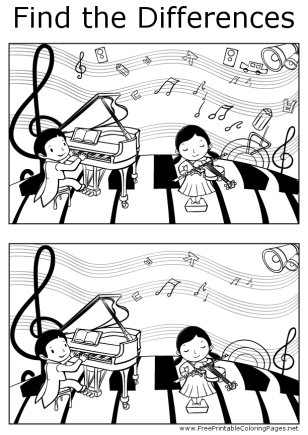
Musical Kids Find the Differences


These two kids are performing a duet! Can you find all of the differences in the second picture on this printable Musical Kids Find the Differences?

Picture Book Review

March 27 – Quirky Country Music Song Titles Day

celebrate-picture-books-picture-book-review-talkin-guitar-cover

About the Holiday

Song titles can be evocative of so many emotions, and country song titles seem to take this fact to a whole nuther level. Sure, the travails of heartbreak may cause misery and despair, but I bet you can’t help smiling—just a little—when you read titles like this: I Would Have Writ You A Letter, But I Couldn’t Spell Yuck!, You Were Only A Splinter As I Slid Down The Bannister Of Life, and Did I Shave My Legs for This? So, today, celebrate by finding and listening to some quirky country songs that tickle your fancy.

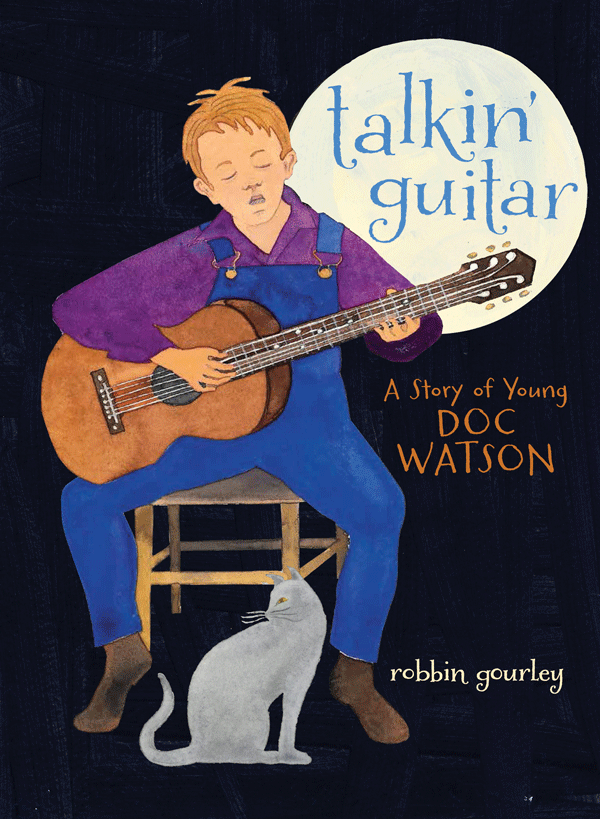
Talkin’ Guitar: A Story of Young Doc Watson

By Robin Gourley

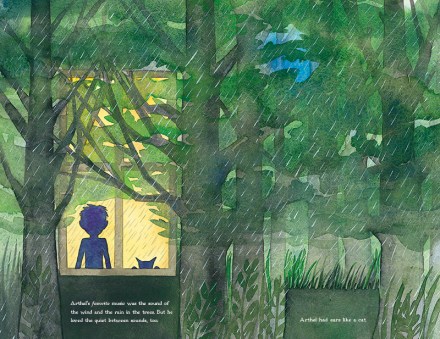
“Yonder, where blue mountains meet the sky, Arthel Watson was born into a world of music.” Music, for Arthel, was much more than his mama’s singing at the end of the day. It was the calls of animals and birds, the burbling river, the whistles of trains, and the clatter of farm machinery. He loved to listen to the rain and the wind and the silence between sounds too. “Arthel had ears like a cat. Maybe it was because he was blind.”

celebrate-picture-books-picture-book-review-talkin-guitar-rain

Image and text copyright Robbin Gourley, courtesy of robbingourley.com

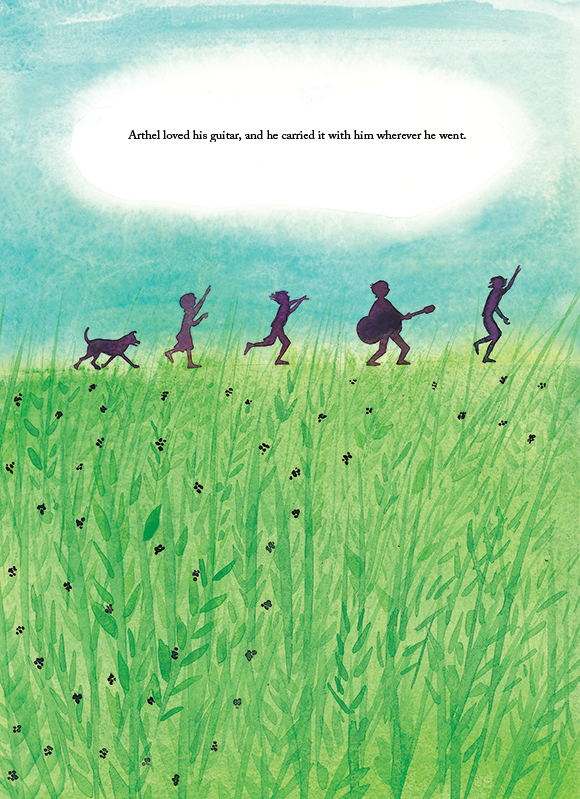
Arthel just couldn’t help but make music whenever and wherever he could. Pots became drums, and cowbells rang like cymbals. Arthel even strung a steel wire across the barn door to strum. When Pappy gave him a harmonica, Arthel practiced until the screechy notes settled into a purr. When Pappy made him a banjo, he practiced until the “rusty door hinge” creak was replaced by spritely melody. One day when Arthel plinked out a few notes on his cousin’s guitar, his father made him a promise. “‘Son, if you can play a song by the time I git home from work, we’ll go into town and buy you your own guitar.’”

celebrate-picture-books-picture-book-review-talkin-guitar-played-guitar-everywhere

Image and text copyright Robbin Gourley, courtesy of robbingourley.com

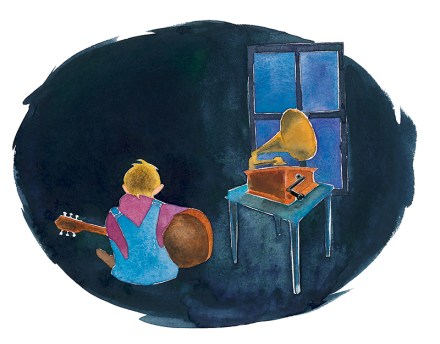
By the end of the day, Arthel had composed a “sweet, simple song” from the few chords he had learned. With a “belly full of butterflies,” he played it for his family and earned himself a guitar. From then on Arthel carried his guitar everywhere, learning from records at home and from songs on the radio. He memorized the rhythms of farm work and the songs of various animals, and between chores he practiced, practiced, practiced. “All those chores and all that practice made him sharp as a whittling knife and tough as a hickory.”

celebrate-picture-books-picture-book-review-talkin-guitar-listening-to-victrola

Image and text copyright Robbin Gourley, courtesy of robbingourley.com

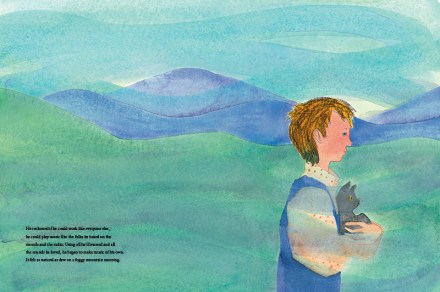
Arthel decided that if he could work just like everyone else, he could probably play music as well as the artists he listened to on records and on the radio. He began to compose his own music. “It felt as natural as dew on a foggy mountain morning.” Arthel played “what he couldn’t see. He could make his guitar sound like a muskrat or a groundhog or a ‘wooly boogie bee’” and sing the stories of the countryside he loved.

An Author’s Note following the text reveals more about Arthel’s life, the influences on his music, and how he earned the nickname “Doc.”

celebrate-picture-books-picture-book-review-talkin-guitar-inspired

Image and text copyright Robbin Gourley, courtesy of robbingourley.com

Robin Gourley’s heartening biography of Doc Watson is perfectly attuned to her young audience. Readers are introduced to Arthel as he soaks in the sounds of life around him and only learn several pages into the story that he was blind. His blindness is not mentioned again except for the subtle acknowledgement that “he reckoned if he could work like everyone else, he could play music like the folks he heard on the records and the radio”—which becomes universal inspiration for all. The emphasis that practice develops natural talent and pays off is also a great lesson for readers who may just be discovering their own talents.

Gourley’s soothing watercolors are suffused with the beautiful pastels of Appalachia, which was both home and muse to Anthel. Vignettes take readers inside Anthel’s home to discover the Victrola and the old radio that were his early teachers and introduce his family, who surrounded him with encouragement as he grew from a child to a young man—always with a guitar in his hands.

Ages 4 – 7

Clarion Books, 2015 | ISBN 978-0544129887

To discover more about Robbin Gourley, her books, and her art, visit her website!

Quirky Country Music Song Titles Day

celebrate-picture-books-picture-book-review-guitar-dot-to-dot

Musical Dot-to-Dot

When a musician follows notes, they create a song. What will you find when you follow the numbers on this printable Musical Dot-to-Dot?

Picture Book Review