June 20 – American Eagle Day

celebrate-picture-books-picture-book-review-is-a-bald-eagle-really-bald

About the Holiday

The first American Eagle Day was proclaimed by President Bill Clinton and Tennessee Governor Don Sundquist in 1995 to commemorate and bring awareness to this most enduring American symbol. Chosen as the United States’ National Emblem by our Founding Fathers on June 20, 1782, the Bald Eagle represents the best of America: freedom, courage, strength, spirit, and excellence. Once threatened with extinction—only 400 nesting pairs existed in the early 1960s—the American Eagle has made a comeback, with 15,000 nesting pairs living in the lower 48 states. Besides celebrating what the American Eagle symbolizes, today’s holiday is used to raise awareness of conservation efforts for this most majestic bird.

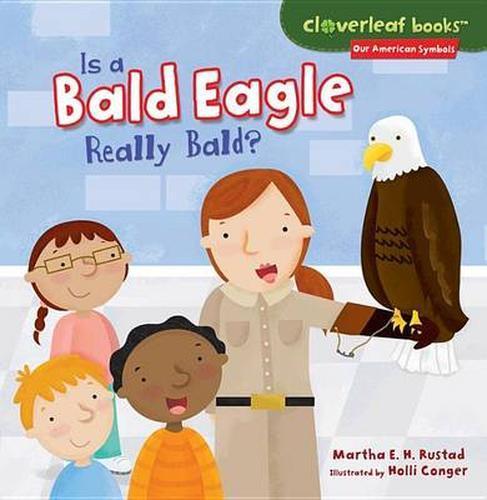
Is a Bald Eagle Really Bald?

Written by Martha E. H. Rustad  | Illustrated by Holli Conger


“Our class is having a visitor today,” Ms. Patel tells her class. “Guess who it is,” she urges after giving the kids a hint that the visitor eats fish. Anabelle thinks it might be her dad, but Ms. Patel adds that the visitor has a sharp beak and feathers. Joshua guesses that it’s a duck. The kids are getting closer, and with one more hint—Ms. Patel holds up a one-dollar bill—Rose correctly shouts, “‘a bald eagle!’”

Natalie wants to know why there’s a bald eagle on the dollar, and Ms. Patel tells her that the eagle is a symbol of our country. When John asks what a symbol is, she compares the eagle to the school’s bear mascot and goes on to say that the eagle can also be found on the Great Seal. Luke is momentarily excited about the prospect of a seal also visiting the class, but Ms. Patel shows the class that the Great Seal is actually an image. This image demonstrates that something is officially American and appears on stamps, government buildings, important papers, and even the buttons on military uniforms.

The class takes a closer look at the Great Seal, with its eagle in the center. In one foot the eagle is holding a plant, says Karen. Right, Ms. Patel says. “‘It’s an olive branch. It stands for peace.’” Noah notices that in the other foot the eagle carries arrows. The arrows represent strength, Ms. Patel explains. The banner in the eagle’s beak reads E. Pluribus Unum, which is Latin for “one from many” and describes how the single country of America is made of many states. The thirteen stars above the eagle’s head reminds us of the 13 original colonies and states.

Dr. Kelly from the raptor center soon arrives with a bald eagle named Sam. Dr. Kelly puts on a protective glove and carefully takes Sam out of his carrier. Sam is huge! Kyra exclaims, and Jackson wants to know why he’s called “bald.” Dr. Kelly explains that the word bald actually comes from piebald, which means “‘having white marks.’” The class learns many facts about bald eagles, including that they have keen eyesight, can see their prey from high overhead, and can swallow a meal in mid-air.

Then the class talks about how the bald eagle became America’s mascot. Lily raises her hand and suggests it’s because eagles fly free and Americans are free. “‘Good answer,’” Ms. Patel says. She adds that bald eagles are native to North America, and shows the class a map of their summer and winter habitats.

All too soon class is over and it’s time for lunch. “Fish is on today’s menu,” Ms. Patel tells the kids, and they feel just like bald eagles. The children say “thank you” and “goodbye” to Dr. Kelly and Sam, and after lunch they draw their own mascots. You can do that too with the activity at the back of the book!

Scattered throughout the pages, sidebars expand on the facts delivered in the story. Readers learn that the Great Seal has been used since 1782, what raptors and raptor centers are, the weight and wingspan of an adult bald eagle, incredible statistics on eagle’s nests, and about conservation efforts to protect bald eagles.

A Draw-Your-Own Mascot activity follows the text along with a glossary and resources for further study, including free downloadable educational resources.

In her Our American Symbols books Martha E. H. Rustad does a wonderful job of explaining the importance of America’s emblems to children. Through classroom discussions between a teacher and her students, Is a Bald Eagle Really Bald? answers readers’ questions about how and why the bald eagle became a United States symbol. The natural give-and-take will resonated with kids, and Rustad’s clear and kid-friendly definitions of concepts will make an impact. The inclusion of a representative from a raptor center will also feel familiar to children experienced with these types of classroom visitors as well as similar field trips. Sidebars provide more scientific and historical facts.

Holli Conger’s bright, bold illustrations distinctly depict the concepts in the text through large, colorful, and easily understood images. A bulletin board holds pictures of a bald eagle and the American flag, while the teacher holds up a school mascot t-shirt to help relay the idea of a symbol; the Great Seal is shown with well-defined details as the teacher uses a pointer to indicate its various parts; and pages portraying the visit by the raptor center representative give kids a good idea of the size and grandeur of the bald eagle. The children portrayed in the classroom are enthusiastic and welcoming, and readers will feel right at home in their midst.

Ages 5 – 9

Millbrook Press, 2014 | ISBN 978-1467744669

American Eagle Day Activity

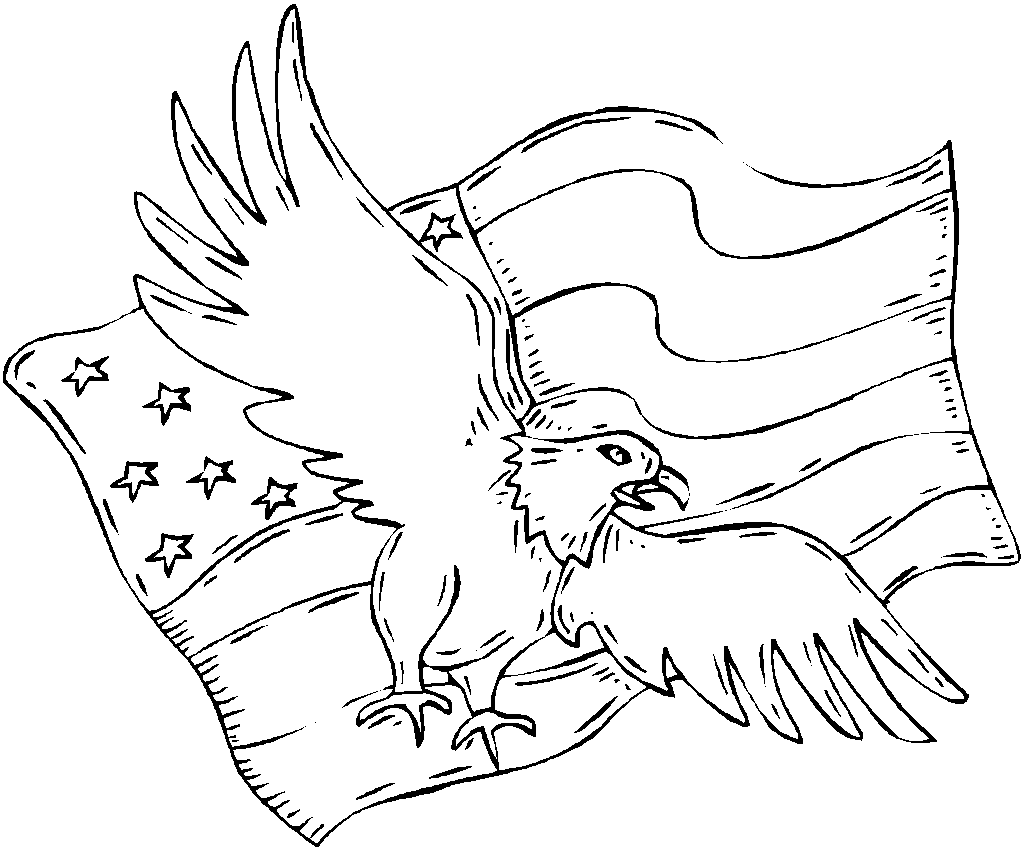
celebrate-picture-books-picture-book-review-american-eagle-coloring-page

American Eagle and Flag Coloring Page


The majestic American Bald Eagle is a perfect symbol to represent the courage, freedom, and spirit of the USA. Here’s a printable American Eagle and Flag Coloring Page for you to enjoy!

June 15 – Smile Power Day

celebrate-picture-books-picture-book-review-happy-emma-dodd

About the Holiday

Where do you find enough smiles to fill twenty-four hours? Come on, you know! Friends, loved ones, books, movies, videos, jokes, and more funny stuff can instantly elicit that bright, shiny facial expression! Today is a day to share smiles with people you know and those you don’t. So get out there and be happy!

Happy

By Emma Dodd


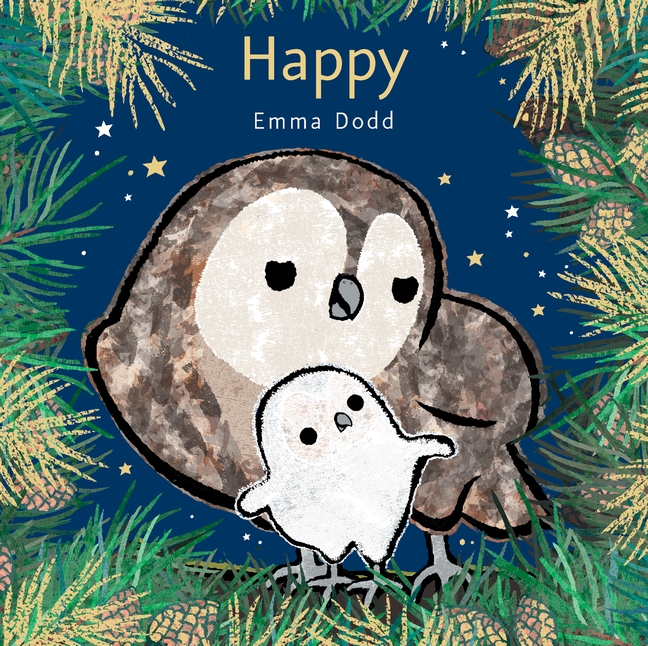
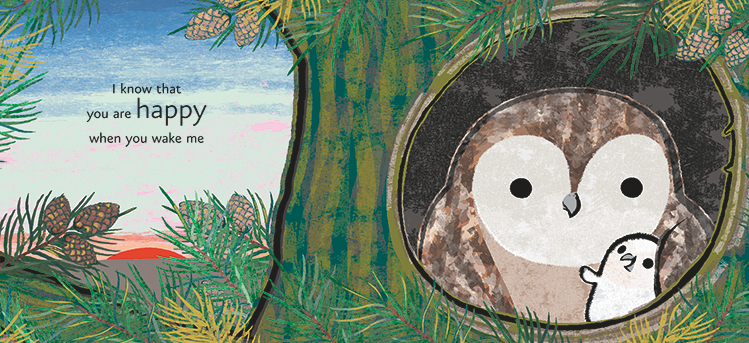
Nestled in a hole in a pine tree, an owl—who could be a mom, a dad, or any caregiver—cradles an adorable tiny owlet under its wing. “I know that / you are happy / when you wake me / with a song,” the owl says. As they venture out onto a limb, the owl adds, “I know that / you are happy / when you hop / and skip along.” With the repeated “I know that you are happy” the owl describes other ways the owlet shows her joy: giggling, rambling conversation, playing loudly, acting proud, and trying “something new…and / if you don’t succeed at first, I’ll help until you do,” the owl reassures the child.

celebrate-picture-books-picture-book-review-happy-emma-dodd

But every day cannot be happy, the owl concedes, and when “things are looking gray, / I’ll do my best to chase / the gloomy clouds away.” As the sun sets on the secluded home and the owl and owlet drift into sleep, the owl reveals: “I love it when you cuddle close / and whisper, ‘I love you.’ / And I am happiest / of all… / when you are happy too.”

Perfect for all parents and caregivers, Emma Dodd’s celebration of how a child’s joy resonates in others’ hearts makes shared reading time special. The lyrical rhythm of the repeated lines accompanied by the sentiments of encouragement and the transposition of point of view give this book impact and poignancy.

Dodd’s gorgeous illustrations of the endearing owl and owlet pair perfectly express the type of discovery that leads to joy on both a child’s and an adult’s part. With its little raised foot, extended tiny wings, and jubilant, smiling beak, the young owlet is both lovable and loved. Dodd’s beautiful muted, blue, green, brown and orange settings shimmer with gilded accents: delicate gold pine needles frame the owls’ home, the baby owl splashes in a glistening puddle under a gleaming moon, sparkling stars light the midnight blue sky, and rain showers fall in glinting streaks as the owls look on.

Simply put Happy will put a smile on your face and bring a tear to your eye. This lovely lullaby will quickly become a favorite for bedtime or cuddle time and is a must for young children’s bookshelves. Happy also makes a perfect gift for new parents or other caregivers. 

Take a peek:

Ages Birth – 5

Nosy Crow, Candlewick Press, 2015 | ISBN 978-0763680084

Smile Power Day Activity

celebrate-picture-books-picture-book-review-smile-cards

Make Someone Smile Cards


Sharing a smile can make someone’s day! With these printable Make Someone Smile Cards you can spread joy to people you know—and even to those you don’t! Give one to a family member, coworker, or friend. You can surprise your favorite barista, hair stylist, librarian, or shop owner by handing them a card or leaving it where they’ll find it. It’s even fun to tuck a card among the items on a shelf or in a book for someone to find later. Remember, the power of a smile is awesome!

May 28 – It’s Get Caught Reading Month

celebrate-picture-books-picture-book-review-baby-wren-and-the-great-gift

About the Holiday

You can never read too many books! This idea is definitely supported by the Get Caught Reading campaign that makes people aware of all the benefits of sitting down with a fantastic book—whether it’s fiction, non-fiction, drama, or poetry. To celebrate this holiday, get involved with a literacy program, a book drive, or thank a teacher or librarian for always supplying you with great reads!

Baby Wren and the Great Gift

Written by Sally Lloyd-Jones | Illustrated by Jen Corace


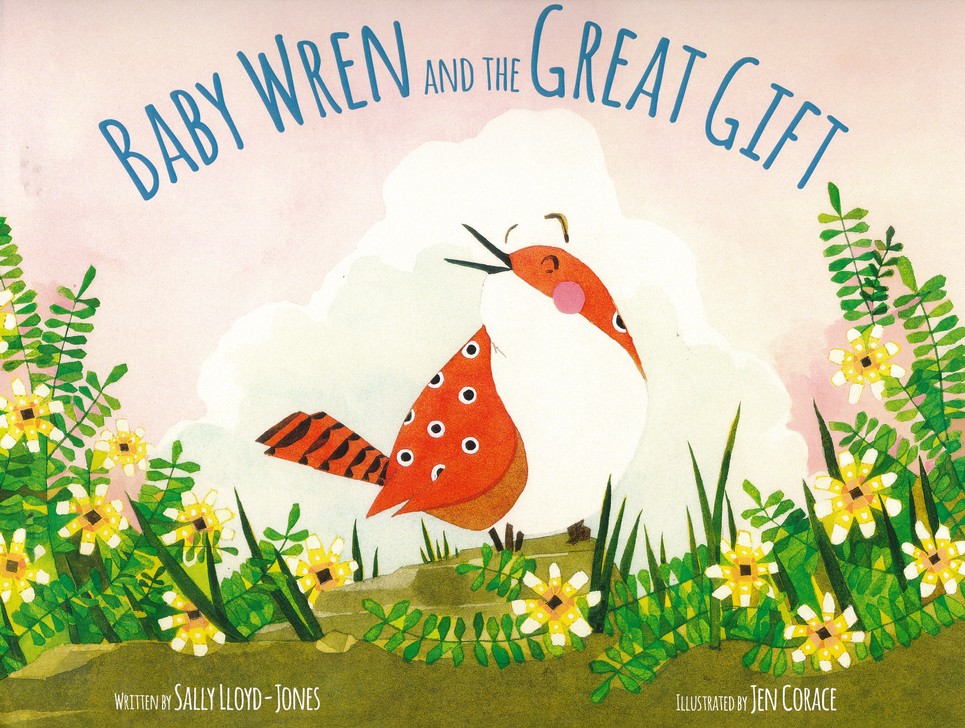
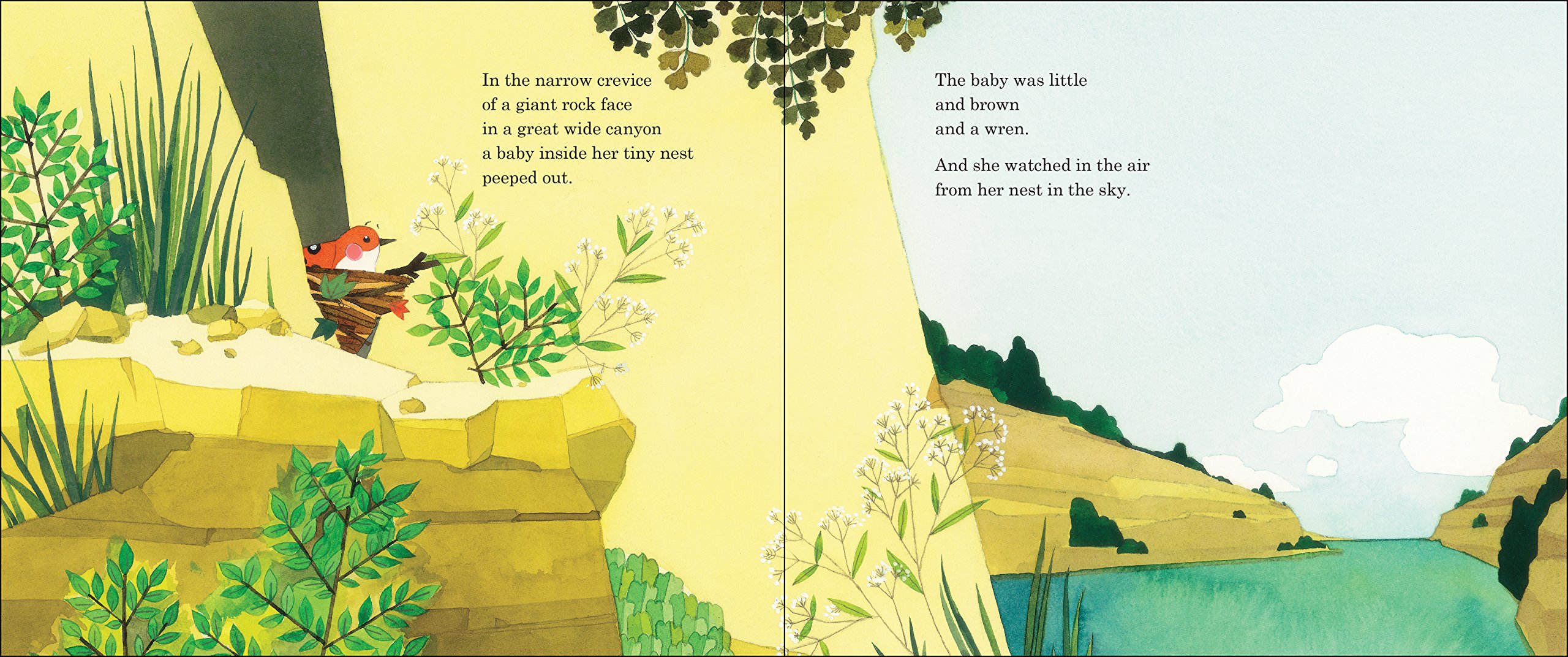
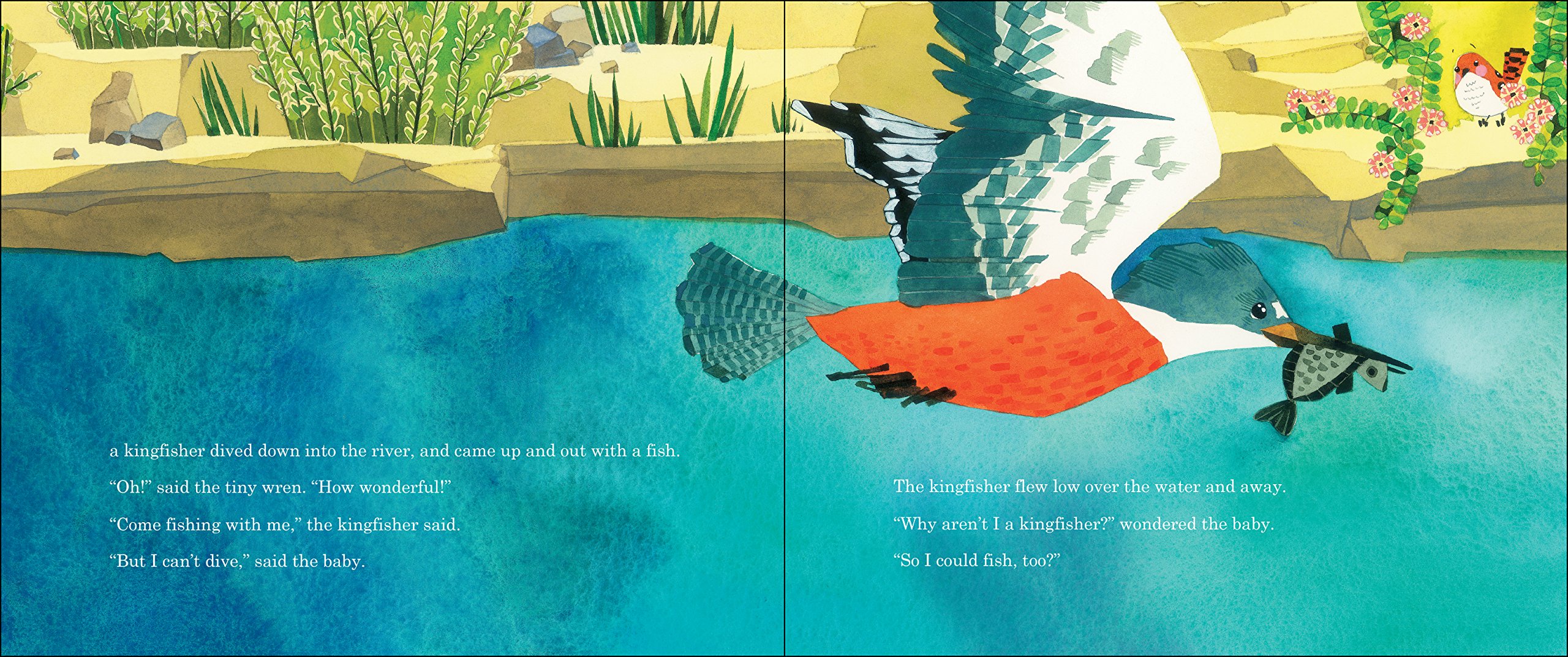
From a narrow crevice a little brown wren peeks out of her nest. Her vantage point gives her a view of all the wonderfulness around her. Monarchs flutter in the Milkweed, breezes whisper in the switch grass, and the glittering river flows along. Emboldened, the baby wren hops onto the canon ledge just as a kingfisher dives down to the river and captures a fish.

celebrate-picture-books-picture-book-review-baby-wren-and-the-great-gift-in-the-nest

Image copyright Jen Corace, text copyright Sally Lloyd Jones. Courtesy of Zonderkidz

“Oh! How wonderful!” the little wren exclaims. The kingfisher invites her to come along, but the wren tells the bigger bird that she can’t dive. As the kingfisher flies away, the wren wonders why she can’t fish too.

Next, two frisky ring-tailed cats cartwheel by. “Oh, how wonderful!” little wren says. The ring-tails want her to play with them, but the wren says that she doesn’t have a ring tail, so the cats cartwheel away leaving the baby wren wondering why she isn’t a ring-tail cat who can cartwheel.

celebrate-picture-books-picture-book-review-baby-wren-and-the-great-gift-kingfisher

Image copyright Jen Corace, text copyright Sally Lloyd Jones. Courtesy of Zonderkidz

Just then some sunfish splash in the water nearby. The little wren also declines their invitation to play, saying that she can’t swim. As the sunfish hurry down the river, the wren wonders why she isn’t a sunfish who can swim. Overhead two eagles glide on the winds of a gusty storm. “Oh, how wonderful,” the wren says. “Come and see the thunderclouds,” the eagles tell her. But the baby is afraid of the big storm, and the eagles soar higher and higher and away. Watching them, the wren regrets that she isn’t brave and wonders what she can do that is wonderful.

celebrate-picture-books-picture-book-review-baby-wren-and-the-great-gift-sunset

Image copyright Jen Corace, text copyright Sally Lloyd Jones. Courtesy of Zonderkidz

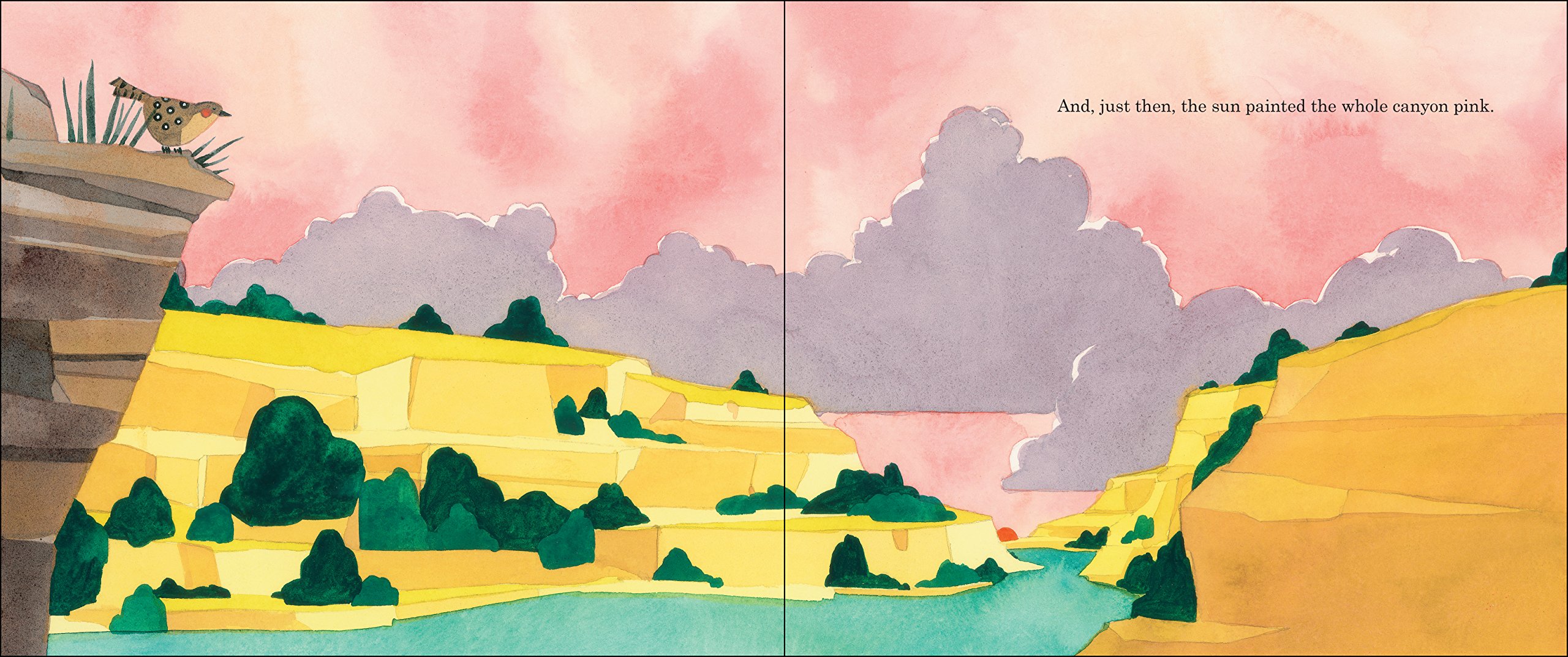
Suddenly, the sun paints the canyon pink. The baby wren looks and looks and looks. The beauty of the sky and the canyon “bumped into her heart, it dazzled in her eyes, it pushed on her throat until the tiny trembling bird with all her tiny might sang by herself a song.”  Her glorious carol echoes through the canyon, and the eagles soaring overhead call to her: “‘You are only little, but your song fills the whole canyon.’” And as the kingfisher, the ring-tailed cats, the sunfish, and the eagles listen, the little wren fills the air with singing.

Sally Lloyd-Jones’ inspirational story is perfect for this time of year when baby birds are just leaving the nest and children are moving on to new grades or new experiences. Jones’ lyrical and gentle tale offers comfort to those wondering just where they fit into the world. As baby wren discovered, everyone has innate talents that shine when the time is right.

Jen Corace’s vibrant illustrations of the baby wren’s canyon home employ bright yellows and vivid contrasting greens and blues to evoke the “wonderfulness” that so captivates the little wren. In each spread the baby bird is depicted as the tiny creature it is surrounded by vast mountains and other, larger animals, but as her song flows out of her in a soaring collage of all the colors and silhouettes of her new-found friends her stature grows. She is happy with her place in the world.

Ages 4 – 8

Zonderkidz, 2016 | ISBN 978-0310733898

Discover more about Sally Lloyd-Jones and her books on her website!

View a portfolio of illustration work by Jen Corace on her website!

View the Baby Wren and the Great Gift book trailer!


Get Caught Reading Month Activity

celebrate-picture-books-picture-book-bird-in-nest-coloring-page

Baby Bird Coloring Page


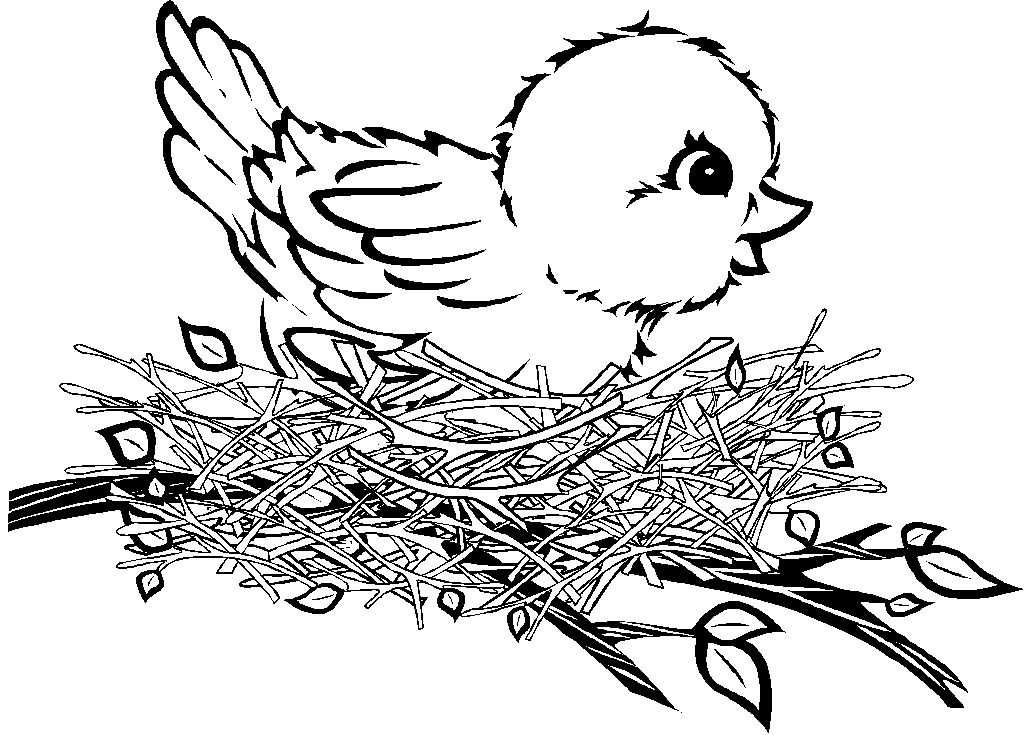
Baby birds love the cozy safety of their nests as much as you like snuggling under the blankets with a good book. Print the Baby Bird Coloring Page and have fun with it—instead of just coloring it, how about making a collage? You can attach different colors of torn paper to decorate the bird and use grasses or twigs for the nest! Use your unique creative talents to make a one-of-a-kind picture!

Picture Book Review

May 5 – Cinco de Mayo

celebrate-picture-books-picture-book-review-mango-abuela-and-me

About the Holiday

Cinco de Mayo has its origins in a victorious battle for Mexico during the Franco-Mexican War in 1862. In the United States this day is a celebration of the rich culture and heritage of Mexico that includes parades, mariachi music performances, Mexican food, and street festivals. If you can, attend a cultural event, listen to Mexican music, or prepare a special Mexican dinner.

Mango, Abuela, and Me

Written by Meg Medina | Illustrated by Angel Dominguez


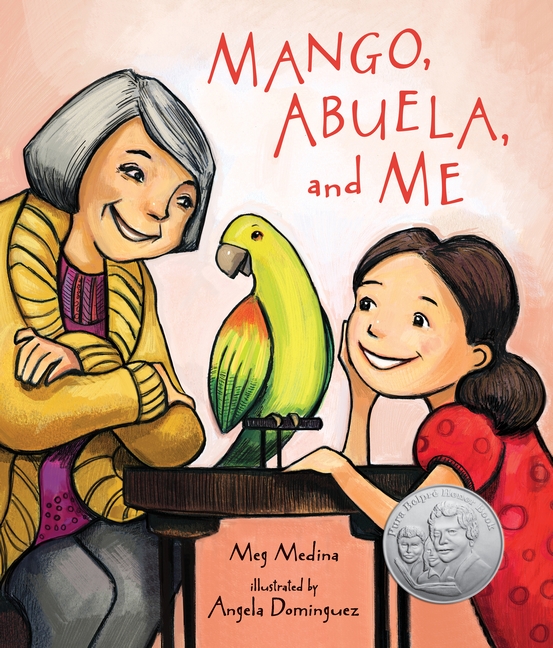
During the winter Mia’s Abuela moves from her house far away to live with her  family. Mia feels shy around her unfamiliar grandmother, but quickly adapts, sharing her room and her drawer space. The one thing they cannot share is language. Abuela “can’t unlock the English words” in Mia’s book, and Mia knows only a little Spanish.

On the first night Abuela shows Mia two things she has carefully brought with her—a feather from a wild parrot that roosted in her mango trees and a photograph of her late husband. “Tu Abuelo,” she explains to Mia.

For the rest of the winter, Mia spends time with her grandmother, but regrets that she can never tell her important things about her life. Abuela does’t know that Mia’s good at art or can beat the boys in a race. Likewise, Abuela can’t tell Mia about her life or answer Mia’s many questions. 

When Mia confides in her mother, her mom reminds her of how she helped her best friend, Kim, learn English when she was new at school. One day while Mia and her grandma bake meat pies, Mia pretends to be her teacher, naming each ingredient in English. Abuela reciprocates with the Spanish word. Mia suddenly has an idea. Shetags everything in the house with its English name and the pair practices.

The next day on a trip to the pet shop to buy hamster food, Mia sees something in the window that gives her another exciting idea. Right in the middle of the display sits a colorful parrot. “Let’s buy him,” Mia exclaims. “For Abuela.” The parrot can keep Abuela company while she is in school, Mia thinks.

Abuela is thrilled with the gift, and they name the parrot Mango because he is the color of the tropical fruit. Abuela teaches him to say Buenos tardes. Good afternoon, Mia teaches him. “Buenos tardes, good afternoon,” Mango repeats. Abuela, Mia, and Mango spend the days practicing new English and Spanish words, learning the days of the week, the months, and the names of coins. Encouraged by her success, Abuela asks to learn more and harder words so she can meet people in the neighborhood.

Best of all, Mia and Abuela can now talk about everything. Their “mouths are full of things to say,” and they tell each other about their day and their lives. From his perch Mango watches and listens. Night falls and as the light is turned off, Mia says “Hasta mañana, Abuela.” “Good night, Mia,” Abuela whispers.

Meg Medina beautifully represents the relationship between a little girl and her grandmother who are unfamiliar with each other but bound by familial love. The little girl’s acceptance of her grandmother and desire to communicate is strongly depicted in the activities they do together. Mia’s clever ideas to promote the mutual learning of each other’s language shows the kind of inclusiveness that builds friendships. 

Angela Dominguez depicts the developing friendship between Mia and her Abuela in bright paintings that mirror the reds, blues, greens, and yellows of the tropics. The pair’s closeness grows organically from page to page as Mia first shies away from the grandmother who is a stranger to her to attempts at communication to deep feelings of love as they bridge the language barrier through dedication, hard work, and the help of a unique friend.

Ages 5 – 8

Candlewick Press, 2015 | ISBN 978-0763669003                    

Cinco de Mayo Activity

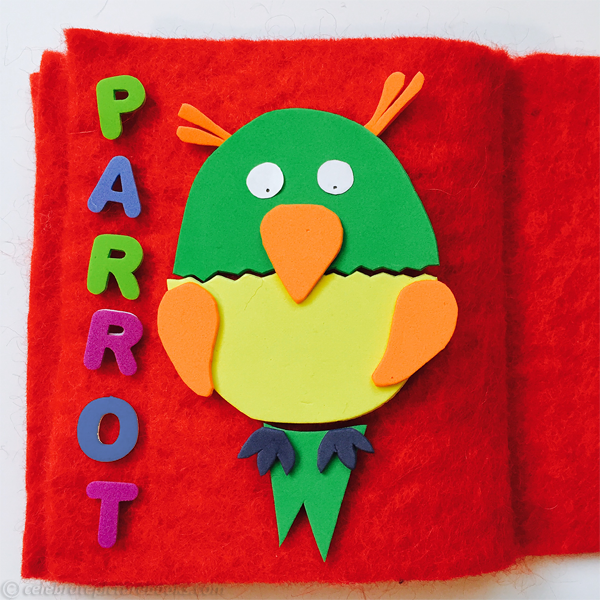
celebrate-picture-books-picture-book-review-parrot

Create a Soft Book, Page 5—Parrot


Parrots are beautiful and exotic birds with a talent for language! Add this colorful tropical parrot to your soft book with the printable template provided.

Supplies

  • Printable Parrot Template
  • Yellow, green, orange, white, and black or brown felt, fleece, or foam
  • Adhesive felt or foam letters
  • Fabric glue
  • Scissors

Directions

  1. Cut out the head and tail from the green felt, fleece, or foam
  2. Cut out the body from the yellow felt, fleece, or foam
  3. Cut out the beak, wings, and feather tufts from the orange felt, fleece, or foam
  4. Cut out the feet from the brown or black felt, fleece, or foam
  5. Assemble the parrot and glue in place
  6. Attach the adhesive letters, making sure they stick firmly. If they don’t use fabric glue

See you tomorrow!

February 19 – Bird Feeding Day

National Geographic Kids Bird Guide of North America picture book review

About the Holiday

Today we take time to remember our feathered friends who may have a difficult time finding food during the winter months. Hanging a bird feeder in your yard can bring many hours of entertainment and enjoyment as you get to know the birds in your area and see many of the same birds come back again and again—often with their little ones during the spring!

National Geographic Kids Bird Guide of North America

By Jonathan Alderfer


If you’re looking for a book to learn about the birds in your own backyard or across the country, it’s hard to beat the National Geographic Kids Bird Guide! The prominent birds from 10 habitats in North America are discussed in detail, with amazing close-up action photographs from some of the top nature photographers in the country. Major profiles of the most common birds in a region include information on basic facts, a map and the environment in which they’re found, the sounds they make, food they eat, body parts and what they are used for, nesting behavior, and fun trivia. Mini profiles highlight other birds seen in each area.

The Guide also includes instructions on many how-tos, such as making a bird feeder, making a bird bath, bird watching, building a nest, drawing birds, protecting birds and their environment, and more. There is also a glossary and a list of print and website resources for budding birders.

Ages 7 – 10

National Geographic Kids Books, 2013 | ISBN 978-1426310942

Bird Feeding Day Activity

CPB - Bird Feeder I (2)

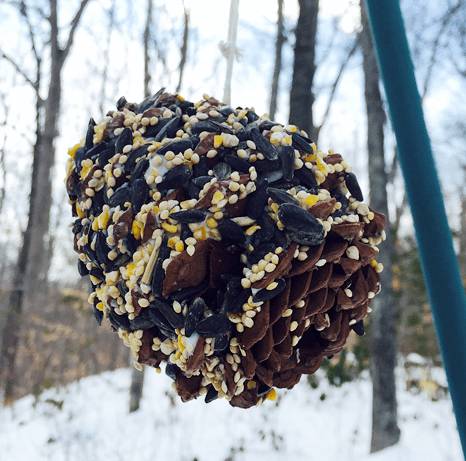
Pinecone Birdfeeder


Making a pinecone bird feeder is a quick, fun way to nourish your backyard friends! Here are some simple directions for making your own!

Supplies

  • Large pinecone
  • Vegetable shortening
  • Birdseed
  • String
  • Knife or popsicle stick
  • Spoon
  • 2 Bowls

Directions

  1. Tie a length of string around one of the top layers of pinecone leaves and knot it to make a loop for hanging.
  2. Spoon about 1/3 cup of vegetable shorting into a bowl
  3. With the knife spread the shortening over the leaves of the pinecone, covering it completely.
  4. Pour birdseed into a bowl
  5. Roll the pinecone in the bowl of birdseed, patting seed into the crevices and around the sides.
  6. Hang your pinecone birdfeeder on a branch or pole and watch the birds enjoy it!