May 15 – International Day of Families

celebrate-picture-books-picture-book-review-families-families-families

About the Holiday

This United Nations sponsored observance was initiated in 1993 to reflect the importance of families worldwide. The day provides an opportunity to promote issues affecting families, including social, economic, educational and demographic topics. This year’s theme is Families, Healthy Lives and Sustainable Futures and focuses on ending poverty, promoting shared economic prosperity, social development, and health while protecting the environment. The holiday is marked with workshops, educational opportunities, publications, and special community events.

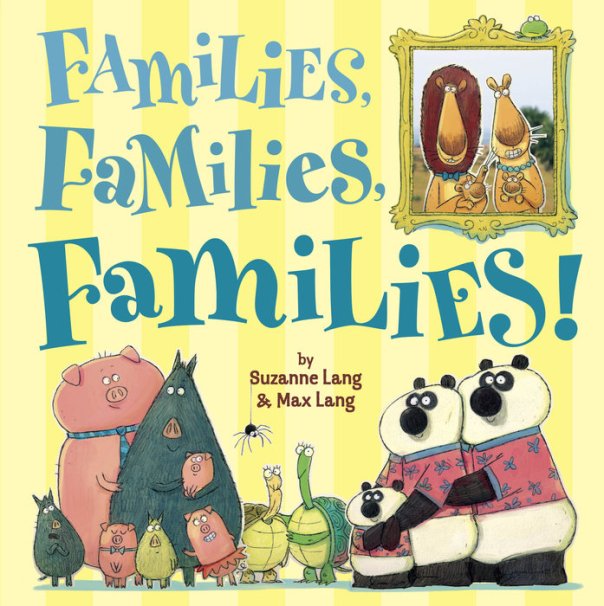
Families, Families, Families

Written by Suzanne Lang | Illustrated by Max Lang


Families—haven’t they always come in all shapes and sizes? With all different customs and traditions? Families, Families, Families delves into this most enduring—and endearing—structure of life in a way that makes sense to kids in a funny and honest way. “Some children have lots of siblings. Some children have none” the book starts. “Some children have two dads. Some have one mom. Some children live with their grandparents…and some live with an aunt.”

Lang does an excellent job of presenting all types of familial arrangements within the pages of the book. Nearly every child will happily find themselves here. Interspersed among the varieties of households, humorous comparisons and rhymes (“some children have many pets…and some just have a plant!”) elevate this book to a tribute to understanding, acceptance, and inclusion. After all…“if you love each other, then you are a family.”

Max Lang hit on an inspired way—during this era of selfies, snapchat, and the like—to illustrate the concepts of family. More than 17 animal families pose for portraits in which comic drawings of smiling moms, dads, kids, and relatives are superimposed onto photographed backgrounds. The portraits are framed with another touch of humor: A chicken family photo sits in a frame made of hay, an octopus and her four children smile from a frame made of seashells, and the Tigers are displayed in a frame of bones. The photos hang on wallpapered, barn, and underwater cave walls; sit on fireplace mantels; are pinned to bulletin boards; and fill scrapbook pages.

Families, Families, Families brilliantly demonstrates how every child takes pride in his or her family—just as the readers take pride in theirs.

Ages 3 – 7

Random House Books for Young Readers, 2015 | ISBN 978-0553499384

International Day of Families Activity

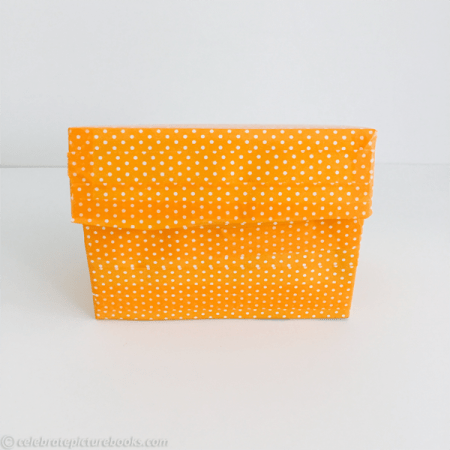
celebrate-picture-books-picture-book-review-recipe-box

Make Your Own Recipe Box


One of the best ways to spend time together is to bake up a favorite recipe and enjoy the results! World Baking Day is celebrated this week, so for the next few days, I’ll be offering baking-related activities for you to have fun with! With a small box you can make your own recipe organizer to keep tasty recipes close at hand!

Supplies

  • A small box with a hinged lid or separate lid, at least 5 inches by 3 1/3 inches (fits a small index card). A Twinings Tea Box works well as does a small wooden box available from craft stores
  • Washi tape or paint
  • Paint brush

Directions

  1. Cover your box with washi tape or paint your box
  2. Decorate your box with your unique style

Picture Book Reviews

May 13 – Fintastic Friday: Giving Sharks, Skates, and Rays a Voice

celebrate-picture-books-picture-book-review-discovering-sharks

About the Holiday

Fintastic Friday was established by Whale Times to bring awareness to and promote advocacy about conservation efforts to save some of the ocean’s most magnificent creatures. Whale Times, Inc. was created in 1995 to provide kids with easy access to marine science information. Their mission is to create a connections between the ocean, ocean research, researchers, and students through formal and informal educational programs. Respected by educators, marine scientists, and other scientific organizations, Whale Times inspires students to consider careers in marine science and work toward solutions for protecting our ocean environments. Whale Times invites kids all over the world to get involved to save sharks through three activities:

  • Zone It! Help make the entire ocean a shark conservation zone by making others aware of the dangers to shark populations and printing out the special poster found at whaletimes.org.
  • Thank Them in a Big Way! Through letters or personal conversations, thank the scientists and conservationists working to protect sharks
  • Sharks in the Park Rally! Consider holding a shark rally or party to make others aware of shark and ocean related conservation issues

Discovering Sharks

Written by Donna Parham | Illustrated by Julius T Csotonyi


When you pick up Discovering Sharks, you’ll immediately know you’re reading a unique book. The cover, with the texture and heft of shark skin, features a great white, teeth bared, eye glinting, bearing down on you, the reader! But don’t be afraid—open this book to pages filled with incredible illustrations and information on one of the most fascinating species to swim the seas. Here are just a few:

Carcharocles Megalodon: living during the Miocene and Pliocene Periods, this mammoth shark grew to 50 feet in length and had serrated teeth, some of which were 7 inches tall! These sharks dwarfed the whales, sea turtles, other sea creatures that made up its meals. Even land animals that were unfortunate enough to swim into it’s path were gobbled up.

Cladoselache: This smaller shark grew to a length of 4 to 6 feet and lived during the Devonian Period. It’s a good thing dentists weren’t around back then because this shark would have been their worst nightmare! With a mouth at the tip of its snout and ragged, jagged teeth, this shark was great at grabbing food, but not so good at chewing it.

Whorl-Tooth Shark: With a tooth shaped like the blade of a circular saw growing vertically from the shark’s lower jaw, the Whorl-tooth is perhaps one of the oddest sea creatures to ever live. No amount of orthodontia could ever fix those teeth!

A section on Fearsome Sharks comes next. While you may think that all sharks look scary, very few actually pose danger to people. If you see any of these, however, you better get out of the way!

Tiger Shark: Sporting dark vertical stripes along its back and sides, this 20-foot long monster doesn’t talk trash—he eats it! Scarfing up ocean waste such as “plastic bags, barrels, cans, and pieces of coal,” they are not adverse to snacking on “chickens, pigs, donkeys, and monkeys that fall off boats or go for a swim.” It actually seems there is nothing these sharks won’t eat!

The Great Hammerhead: With its distinctive hammer-shaped snout, this shark hunts prey in a most unusual fashion. Along its wide head are tiny sensors that pick up the small electrical pulses emitted by every kind of creature—even you! Once the shark senses the electrical field, it’s probably too late!

Blacktip Shark: If this whole shark gig doesn’t work out, this unusual giant may find a place in a ballet troupe. While feeding, this quick swimmer “sometimes…leaps free of the water and spins in the air—once, twice, or three times—before falling back into the sea.” Quite a performance!

A chapter on Endangered Sharks are up next. Nearly one-third of shark species are considered endangered or threatened due to environmental and human causes. Sharks are captured for food, for their tough skin, and for the oils and vitamins in their liver. In some places shark fin soup is a delicacy, served for special occasions. Huge trawlers also catch sharks in their fishing nets and on lines. This “bycatching” is a major reason behind the decline of shark populations. Here are two of the species on that list:

Daggernose Shark: With its flat, razor-sharp nose this sleek, 5-foot-long beauty cuts through the shallow waters off the Northern South African coast. It is currently on the Critically Endangered list, which means it will likely become extinct in your lifetime.

Whitespotted Izak: Tiny by the standards of fiercer sharks, this Izak is only 12 inches long. Its name comes from the white spots on its body whose only purpose seem to be breaking up its brown spots. Now on the Endangered list, this striking species has nearly vanished.

Deepwater Sharks may be some of the most unusual sharks of all. Sporting eye-popping adaptations to their forbidding environments, these sharks are like nothing you’ve ever seen before! Here are a couple:

Bahamas Sawshark: Carrying its own double-edged saw in front of it, this shark found in the waters near Cuba, Florida, and the Bahamas strikes with stunning force.

Viper Dogfish: You might wonder where this shark’s fins went! The stubby body on this shark makes it look more like a torpedo than a shark. Only recently discovered in 1990, the Dogfish swims the depths off the coasts of Japan and Hawaii

The last section is reserved for “Superlatives”—sharks that demonstrate unique qualities: most warm-blooded, biggest, most likely to get stepped on, most unusual feeding method, most mysterious, and more.

This is just a small sampling of the absorbing facts and species found in Discovering Sharks. Donna Parham offers statistics, scientific data, and trivia about each shark in a conversational, riveting way that will keep kids glued to this book and wanting to return again and again.

The incredible work of natural history illustrator Julius T Csotonyi will take your breath away anew with each page. The vivid colors and textures of the sharks reefs, sea plants, and other fish are so intricately mastered that you will feel as if you’re snorkeling in the depths as well. Lit with the sun, the clear ocean waters show off the beautiful markings of each species, and the murky sea bottom holds unfathomable mystery.

Shark lovers, dinosaur aficionados, monster mavens, and more creature enthusiasts will want Discovering Sharks in their library.

Ages 5 and up

Cider Mill Press, 2016 | ISBN 978-1604336047

Gardening for Wildlife Activity
celebrate-picture-books-picture-book-review-find-differences-puzzle

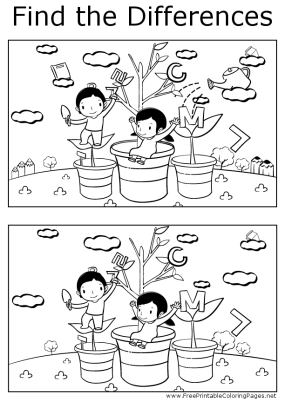
Guess the Garden Differences


No two gardens are exactly alike. Can you find the differences in the two pictures of kids having fun in their gardens? Print out the Guess the Garden Differences puzzle and have fun!

May 12 – National Odometer Day

celebrate-picture-books-picture-book-review-are-we-there-yet

About the Holiday

In 1847 William Clayton invented a little add-on to the automobile that provides perspective, history, and interesting information on our beloved cars—the odometer! Whether you like to keep track of how many miles you travel on a trip, how economical your gas mileage is, when your next tune-up is due, or just marvel at how long your car has lasted, the numbers on the odometer tell the story. Today, take your car out for a spin—perhaps to the car wash or out to the open road!

Are We There Yet?

By Dan Santat


When you’re invited to a very special birthday party and it’s far away, what do you do? Pack up the car, of course, and head out on an adventure! Going to Grandma’s house is always exciting—at least for the first hour, but after that each minute seems to take for- ev-er. You might even think “Are we there yet?” or “This is taking forever.” Wait! Did you say that out loud? The look on your parents’ faces tell you you did!

You can only stare out the window at the landscape for so long. “But what happens when your brain becomes too bored? That’s when your whole world can turn upside down. Minutes feel like hours. Hours turn to days. Days seem like months and then years. Pretty soon that “quick trip” feels like a million years.

As you ride in the car, tucked in the back seat, feeling a little sick, needing to use the bathroom, your butt growing numb—and bored, bored, bored—could time actually be going backward? While you’re zipping down the highway suddenly a steam train is chugging past, trying to outrun a team of bandits. Now pirates have captured your car and sent it down the plank toward the briny deep! I hope you’re good with a lance because somehow your family’s the main attraction at the royal jousting tournament. And there’s no stopping for the bathroom in Ancient Egypt, or you’ll be put to work building a pyramid.

You think you’ve reached the end of your patience? You’ve actually reached the beginning of time. You may love dinosaurs, but you don’t belong in the Cretaceous Period. So play fetch with T-Rex one time and then climb aboard his back for a wild ride back.

But as quickly as you turned back time you can find yourself in the future—a future you don’t even recognize, where everything you love is gone. So take time now—yes, while you’re bored, bored, bored—to really look around you and see what’s going on. After all, you don’t want to miss this party—it’s the one you’ve been invited to.

Dan Santat’s Are We There Yet? is a rambunctious reminder to enjoy the moment you’re in, because Time is a wily beast that creeps up on you when you’re not paying attention. The art in this book is the star, with its full, two-page vibrant spreads and topsy-turvy format. An old steam train is chased by bandits in the western heat. A rag-tag crew of scallywag pirates menace the family at sword point. Crowds roar at a medieval jousting tournament. Ancient Egyptians toil in the golden sun overshadowed by the Sphynx and pyramids. And it’s love at first sight when the boy comes eye to eye with T-rex in the lush jungles of early Earth.

The scenes of the future, complete with flying cars, neon colors, and helpful robots make clever use of QR codes, and kids will relate to the funny twist ending.

Ages 4 – 8

Little Brown and Company, 2016 | ISBN 978-0316199995

Gardening for Wildlife Activity

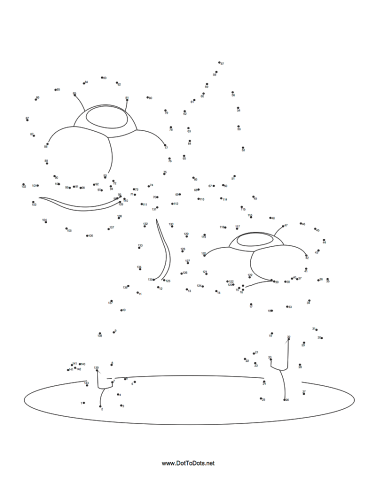
celebrate-picture-books-picture-book-review-flower-dot-to-dot

Who’s in the Garden Dot-to-Dots


Completing a dot-to-dot puzzle can be a little like taking a trip—you go from stop to stop, not knowing exactly what you’ll find at the end. In these dot-to-dots, you’ll discover who’s hiding in the garden.

Printable dot-to-dot, page 1

Printable  dot-to-dot, page 2

May 11 – National Night Shift Workers Day

celebrate-picture-books-picture-book-review-frankie-works-the-night-shift

About the Holiday

Today’s holiday honors all the people—medical personnel, firefighters, police officers, bakers, maintenance workers, and others who work the 3rd or night shift. These night owls work to keep us safe and protected, prepare treats for our morning repast, and maintain our living and work spaces for the next day. Take some time to thank a night shift worker and ask them about their perspective on the world.

Frankie Works the Night Shift

By Lisa Westberg Peters | Illustrated by Jennifer Taylor


In a quiet town after most people have gone to bed, Frankie the cat begins his work. He keeps busy emptying a wastebasket and cleaning two counters. From his doorway he calls other night workers to three meetings.

When the geraniums need watering, he sees that they are fed. It’s also his job to inspect the tool shelves, and tonight he discovers a stray intruder among the hammers. He chases it as it makes for the ladders—up and down, up and down—between the nail bins, ad up the stairs, causing a mess where there had just been order.

Frankie’s bosses wouldn’t approve, but he can’t worry about that now. He has his important job to attend to. But tonight is a wild night, and Frankie has awakened the management. “Be quiet, Frankie,” they shout. From their comfortable beds they ask, “What’s going on? Some of us have to work in the morning!”

And then the day workers see it—“Agh! A mouse!” They give him a task: “Go get it, Frankie!” and try to help by pointing out its whereabouts here and there. But Frankie is good at his job and pursues it through the cat door and into the backyard. It’s a night’s work well done! Frankie yawns and stretches. As he looks back at his domain, he’s glad he doesn’t work the day shift—there’s so much to clean up!

Frankie goes to bed in his red paint bucket in the hardware store window and dreams of relaxing at the beach on his well-deserved vacation.

Kids will love Lisa Westberg Peters’ frisky Frankie who is only doing his job but ends up creating chaos. Sometimes when you’re all in and concentrating on the work at hand, it’s like that, as kids and adults involved in play or projects well know. Peters’ clever story builds from Frankie’s playful antics in the hardware store to his necessary role of family protector and mouse dispatcher. The story contains an element of counting (Frankie empties one trash can, cleans two counters, calls three meetings…) which serves to enhance the humor.

Jennifer Taylor’s stunning mixed media illustrations make excellent use of digital photography. You almost want to reach out and pet Frankie or catch the objects flying in his wake. And when the little mouse peeks out from the broom or scampers across the floor, kids will say “aww!” or “eek!” depending on their courage. The first page of the streetscape at night is arresting for its uniquely designed old buildings. When I opened to this page, my graphics-loving daughter exclaimed, “Oh! What’s this book?!” and settled in to read it with me. Definitely a great beginning to an enjoyable read!

Ages 4 – 8

Greenwillow Books, Harper Collins Publishers, 2010 | ISBN 978-0060090951

Gardening for Wildlife Activity

celebrate-picture-books-picture-book-review-cattails

Creative Cattails


Cattails are so cool, just like their namesake felines. They’re sleek and sophisticated and inside holds mystery that bursts out when you least expect it! Here’s a simple craft for making cattails that will enhance any bouquet or décor.

Supplies

  • 6-inch by 5/8-inch craft stick
  • 3/16–inch by 12-inch dowel
  • Chunky brown yarn,  
  • Green origami paper, 8-inch square
  • Green craft paint
  • Paint brush
  • Glue gun

Directions

To make the cattail:

  1. Paint the dowel green, let dry
  2. Glue 1 inch of the dowel to one end of the craft stick with the glue gun
  3. Starting at the bottom of the craft stick, glue an end of the brown yarn to the end of the craft stick meets the dowel
  4. Wind the yarn upward around the dowel and craft stick to the top. You will leave the 1/2 –inch curved part of the craft stick open.  Then reverse.
  5. Wind the yarn downward, going past the end of the craft stick about ½ inch to make the end of the cattail
  6. Wind the yarn upward once more to the top
  7. When you reach the top, put glue on either side of the curved top of the craft stick and pull a little of existing yarn into the glued area, pinching it closed.
  8. Cut the end of the yarn from the skein and tuck the end into the glued top.

To add the leaf:

  1. Cut a thin triangle from one side of the origami paper, starting with a 1-inch base and angling to the top of the paper
  2. Glue the base to the dowel about 1 ½ inches from the bottom
  3. Wind the paper upward around the dowel, leaving 5 inches unwound
  4. Glue the paper to the dowel, letting the 5-inch section stick up

If you’d like to make another craft using chunky brown yarn, see my April 7 post on The Flying Beaver Brothers and the Crazy Critter Race by Maxwell Eaton III to create a cute spool beaver.

May 10 – Mother Ocean Day

celebrate-picture-books-picture-book-review-at-the-sea-floor-cafe

About the Holiday

The brain child of the South Florida Kayak Fishing Club and enacted in 2013, Mother Ocean Day promotes awareness of the beauty and wonder of the world’s oceans. Teeming with rare and surprising creatures and plants, the ocean remains one of Earth’s most amazing mysteries. Today, take time to enjoy all the ocean has to offer—go to the beach and walk, snorkel, swim, or fish—or if you’re more of a landlubber read a book about our Mother Ocean.

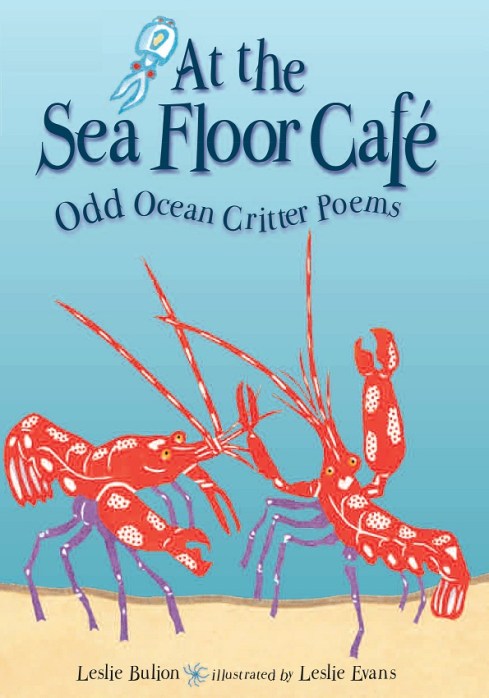
At the Sea Floor Café: Odd Ocean Critter Poems

Written by Leslie Bulion | Illustrated by Leslie Evans


With a jaunty exhortation to “Dive In!” Leslie Bulion invites readers to “…visit a habitat shallow and deep. / and boiling hot, where acids seep, / and frigid and pressured and mountainy-steep, / Come explore the sea! Seventeen species of “odd critters, enormous and tiny…hunters and foragers, hiders and peekers” are described in clever, informative verse.

The Coconut Octopus is a wily creature: “This octopus walks backwards on two arms, / And wraps the other six around its top. / It ambles free of predatory harms, / And thus avoids becoming shark-chewed slop.” The symbiotic relationship between the Leopard Sea Cucumber and the Emperor Shrimp is told in alternating lines of blue and red.

“I inch along.”

“We hitch a ride. / We tour the seafloor country side.”

“I’m ship,”

We’re crew. / We swab the decks / By eating scummy algae specks.”

I’m camouflaged / in leopard spots.

While not the swiftest / Of the yachts, / A top-notch spot to meet a mate.”

When threatened I eviscerate.

To spew my guts / Is quite a chore, / And it takes weeks / To grow some more. / But I keep predators away.

We live to crew / Another day.

The unexplained habit of the convict fish, which “eats” its young every night just to spit them out again, is described in “Fish Food,” and readers can dig their teeth into another meal-related relationship between the reef shark and the cleaner wrasse in “Healthy Eating.” In “Dental Health” readers learn that narwhal’s tusks are much more than defense mechanisms. Instead, each tooth “contains ten million nerves to sense / environmental evidence.” And what’s more—“…when we see them crossing spars / and jousting underneath the stars, / one’s tusk above and one’s beneath, / it’s not a fight; their brushing teeth.”

“Crabby Camouflage” has never been so elaborate or decorative as that concocted by the jeweled anemone crab, and “Dolphin Fashion” reveals an ingenious way to protect a tender snout: “A bottlenose counseled her daughter: / Put this sponge on your beak underwater. / You can scare out more fish, / Poke sharp stones as you wish, / And your skin’ll stay smooth like it oughter.”

Snapping shrimp, epaulette sharks, the violet snail, sea spiders, krill, the broody squid, sipohonophores, erenna, larvaceans, osedax, and the remotely operated vehicles that give us a view of the ocean floor are also celebrated in this fun poetry collection.

Each poem is followed by scientific information about the subject of the verse.

Leslie Bulion piques readers’ interest in these fascinating ocean creatures with her smart, witty rhymes that reveal little-known facts.

Leslie Evans, with her printmaker’s eye, illustrates the deep blue pages with stylized depictions of the fish and animals that populate the sea, allowing readers to visualize the quirks and adaptations written about.

Ages 6 and up

Peachtree Publishers, 2011 | ISBN 978-1561455652

Gardening for Wildlife Month Activity

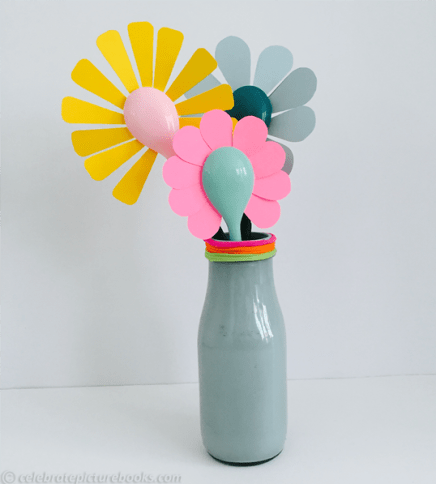
celebrate-picture-books-picture-book-review-flower-vase

Spoon Flowers

The rounded scoop and long “stem” of plastic ice-cream spoons make a perfect base for pretty wildflowers. You can use the printable petal template or make petals of your own design to fill your vase with color

Supplies

  • Printable Petal Template
  • 3 – 4 plastic ice-cream spoons, these are available in different colors at party supply stores or you can paint them the color you’d like
  • Multi-purpose paint in colors of your choice, if you are painting the spoons
  • Heavy craft paper in your favorite flower colors
  • Green ribbon
  • Ribbon, hairbands, weaving loom bands, or colored wire
  • Glue gun or strong glue
  • Paintbrush 
  • Scissors
  • Beans, sand, pebbles, or glass or plastic beads to fill the vase

Directions

  1. Print or trace the petals onto colored paper. The number of petals you need for each flower will depend on the size of the spoon
  2. Cut out the petals
  3. With the glue gun or strong glue, attach the petals to the spoon, gluing the end of the petals around the inside edge of the spoon, Let dry
  4. Wrap the handle of the spoon with the green ribbon and glue in place
  5. Fill the vase ¾ full with beans, sand, pebbles, or beads
  6. Decorate the rim of the bottle with the ribbon, bands, or wire
  7. Push the flower stems into the vase and arrange

May 9 – It’s Get Caught Reading Month

celebrate-picture-books-picture-book-review-the-whisper

About the Holiday

Supported by the Association of American Publishers (AAP), Get Caught Reading Month promotes literacy and reminds people of all ages how much fun reading is. Begun in 1999 by former Congresswoman Pat Schroeder, President and CEO of AAP, the initiative brings together publishing industry executives, authors, illustrators, teachers, librarians, politicians, celebrities, and readers to spread the word about the joys of books. To join the celebration, take a picture of yourself or a friend reading, hold a book drive, challenge yourself to a reading goal, and/or read to someone else.

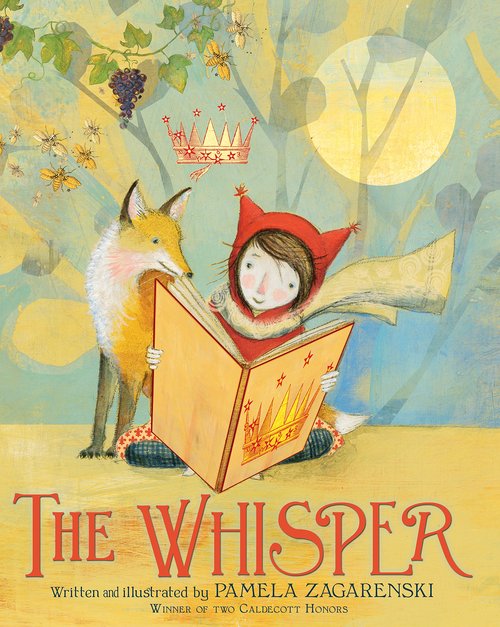
The Whisper

By Pamela Zagarenski


A little girl loves stories and the magical realms they can take her to. One day while waiting for school to be dismissed, she spies a book on a shelf. Her teacher allows her to take it home with her, and the little girl happily runs off with it when the clock strikes 3:00. On the way home, she doesn’t notice that all the letters are escaping from the book or that a wily fox is catching them in a net.

At home she secludes herself in her room, excited to read the mysterious book. She turns the pages, awed by the beautiful pictures. But by the time she has finished, she has tears in her eyes. “Where were the words? Where were the stories?” The girl flips through the book again, but this time she hears a small whisper: “Dear little girl, don’t be disappointed. You can imagine the words. You can imagine the stories.”

The whisper seems so knowing that the girl does at it suggests. She turns to the first page where a blue bear followed by a beekeeper walks under a honeycomb sun toward a brown bear. The girl stares at the picture and thinks of a title: Blue Bear’s Visit. Her story begins: “Blue Bear arrived on the first day of spring. He promised…”

Warming to the idea of creating stories, the girl examines the second picture. She notices the same white rabbit that was in the first picture. In the foreground a “magnificent ox” is listening to a man whispering into its large, soft ear. The Secret, the little girl titles this story, which starts: “Mr. Ox, you must please promise not to tell anyone, but we need your help. Last week…”

With the third picture the words tumble out more easily, forming sentences that give life to the massive white elephant, regal lion, and that rabbit again who are traveling the sea in a long, open boat. The Quest, she calls it. In Tigers Prayer, preparations are being made: tea is brewing, a clown with a pointed hat plays his accordion, a windhorse jumps through hoops, and the rabbit rides a golden ring as a lion hears what Tiger has to say. A Birthday Party comes next, and it seems Pan has planned a very secret party. An owl perches in the crook of a tree asking for the password with a “Hoo, Who?” which is answered quickly because the vanilla cake with raspberry filling and vanilla cream frosting holding 6 candles must be delivered.

The Magical Cloak sees the little girl’s imagination truly take flight as she decides the man in the “elaborate coat” is a wizard or magician whose bubbles come to life once released from the blower. Enormous whales now fill the harbor. They are beautiful, but something must be done….Next, hurry to meet the owl! He is picking up passengers at midnight. But what does the golden key in his beak open? Only the story The Golden Key locked in the little girl’s mind will tell.

Hours go by as the little girl creates tales for each picture in the book. As the night grows late, she sleeps, carried into slumber on dreams woven from the pictures and stories she imagined. When she wakes up, the girl wishes to spend more time with her new friends, but it’s time for school so she gathers up the book and hurries away.

On the path to school she meets a fox who is carrying a bag. “Excuse me, little girl,” says the fox. “I believe I have the words to your book.” The fox then explains how he caught the words as they spilled from the pages the day before. The fox gives her his parcel, but asks for a favor. The girl is happy to oblige and lets the fox stand on her shoulders to reach a bunch of grapes dangling from a nearby vine.

The girl rushes into school and apologizes for being late. She relates the story of the fox and the words and the magical night she has spent making up tales for the pictures in the book. “I have so many stories to tell you,” says the girl to her teacher. “‘I can’t want to hear,’” the teacher replies with a smile.”

Opening a book by Pamela Zagarenski is to fall into an alternate realm of such beauty and imagination that you forget the real world exists.  Her paintings are composed of rich, regal hues swirling with images and designs that overlap and float to create the kind of experience only the deepest, most complex dreams allow. The characters and details follow page to page uniting the pictures and, subtly, the stories the little girl discovers in them: The teapot, once introduced, waits under a tree on the next page and rides the waves of the whale-filled sea in the next. The bees and the rabbit are constant companions on each spread, and the animals will fill the reader with awe.

The little girl’s imagined stories are tantalizing with just the right mix of the mysterious and the tangible to entice readers to add more. The frame of the Aesop Fable The Fox and the Grapes is inspired and could lead to a conversation about how “life is what you make it.”

The Whisper is a book readers will want to linger over and dip into again and again, and would be especially fun on those days when there’s “nothing” to do. It makes a beautiful gift for any occasion.

Ages 4 – 9 (this book would also appeal to adults)

Houghton Mifflin Harcourt, 2015 | ISBN 978-0544416864

Gardening for Wildlife Month Activity

In addition to Get Caught Reading Month, May is Gardening for Wildlife Month. It’s the perfect time to celebrate the joys and colors of spring and enjoy the many plants, flowers, and wildlife nature provides. Whether your garden is small or large, just being planted or already blooming, you can be mindful to make yours wildlife friendly to help and protect the environment.

This week’s crafts and activities will revolve around gardens and plants of all types. I hope you enjoy them!

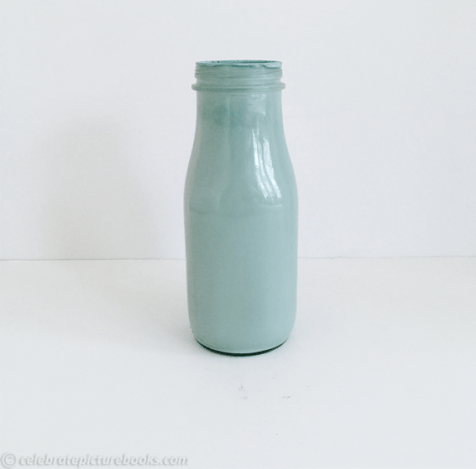
celebrate-picture-books-picture-book-review-vase

Painted Bottle Vase

Do you often pick up a smoothie or other drink at the grocery store and then just throw away the glass or plastic bottle? Those containers, with their elegant shapes, make beautiful vases with just a little paint!

Supplies

  • Plastic or glass bottle
  • Multi-surface craft paint in your favorite color
  • Paint brush
  • Wax paper

celebrate-picture-books-picture-book-review-vase-top

Directions

  1. Wash and thoroughly dry your bottle.
  2. Pour 3 to 5 tablespoons of craft paint into the bottle
  3. Invert the bottle on the wax paper
  4. Let the paint drip down the sides of the bottle, this may take several hours to overnight
  5. When the paint reaches half-way down the sides of the bottle, you can “help it along” with the paintbrush, filling in any empty spaces
  6. Let the bottle sit, inverted, until the paint dries. This can take one to several days, depending on the atmosphere.
  7. When the paint is dry, use the vase for artificial flowers.

Join me tomorrow to see how to make flowers to go in your vase!

Picture Book Review

May 8 – Mother’s Day

celebrate-picture-books-picture-book-review-cuddles-for-mommy

About the Holiday

Celebrating mothers dates back to the ancient Greeks and their annual spring festival honoring maternal goddesses. In the 1600s a Mothering Sunday was enacted in England, and employers encouraged their servants, apprentices, and any other employees who lived away from their families to visit their mother and bring her gifts. This tradition died out by the 19th century, but gained popularity again after World War II when it merged with the American holiday.

The first modern notion of Mother’s Day came in 1872 and belongs to Juliet Ward Howe. It wasn’t until 1912, however, after Anna Jarvis promoted the holiday through a letter-writing campaign to politicians and newspapers across the country that Mother’s Day was celebrated in every state. President Woodrow Wilson made it a national holiday in 1914. Now Mother’s Day is celebrated around the world. Today, let your mom know how much she means to you!

Cuddles for Mommy

Written by Ruby Brown | Illustrated by Tina Macnaughton


While Little Owl sits on the tree branch reading her book and watching her Mommy knit, she feels like giving her a cuddle. But what kind of cuddle should it be? There is the kind of cuddle that’s just right to say good morning. But it’s afternoon and Little Owl and Mommy have already had their good-morning cuddle.

celebrate-picture-books-picture-book-review-cuddles-for-mommy-book

Image copyright Tina Macnaughton, 2016, text copyright Ruby Brown, 2016. Courtesy of Little Bee Books.

Perhaps a goodbye cuddle then. Those always feel good when Mommy drops Little Owl off at school in the morning. But Little Owl isn’t going anywhere. Little Owl thinks and thinks. “What about the cuddle I give you when I’m sorry?” asks Little Owl. But Mommy reminds her that she hasn’t done anything wrong.

Then Little Owl has another idea: there’s a special cuddle Mommy gives when Little Owl is scared. That might work—except that Little Owl isn’t afraid now. After a while Little Owl says, “’I always give you a cuddle to say thank you. Like when you’ve brought me a new book.’” Mommy Owl tells her to hold on to that cuddle because they are going to the bookstore later.

celebrate-picture-books-picture-book-review-cuddles-for-mommy-cooking

Image copyright Tina Macnaughton, 2016, text copyright Ruby Brown, 2016. Courtesy of Little Bee Books.

Little Owl thinks and thinks. What other reasons are there to give a cuddle? There’s the excited happy cuddle, but while Little Owl is happy, she’s not excited. And cuddles come when Mommy is proud of her, Little Owl decides, remembering her trumpet performance last week. And when Little Owl is sick; Mommy always cuddles her then, but she’s not sick today. The good-night cuddle is always a favorite, but it’s far from bedtime now.

Suddenly, Little Owl has a fantastic idea. “I know what kind of cuddle I can give you RIGHT NOW, Mommy!” exclaims Little Owl. “She wrapped her wings tight around Mommy Owl and squeezed tight. The Mommy Cuddle! Just because I love you!”

celebrate-picture-books-picture-book-review-cuddles-for-mommy-goodbye

Image copyright Tina Macnaughton, 2016, text copyright Ruby Brown, 2016. Courtesy of Little Bee Books.

Ruby Brown’s sweet dilemma makes for cuddle-perfect reading. The gentile and loving dialogue between Little Owl and her Mommy is a reminder for children that their mom is always there to make any day or event better with a hug and endless love. Kids will recognize and respond to all the different hugs and the nuances behind those squeezes.

Tina Macnaughton’s soft paintings of the adorable Little Owl and her Mommy are lit with glowing golds, greens, pinks and violets that reflect the love between them. Little Owl’s memories of all the different life events that elicit the cuddles she gives Mommy and gets in return are depicted with homey details that reinforce the closeness between mother and child. The special relationship between mother and child is evident on every page, where cuddles and hugs abound.

Little Owl is endearing in her earnest quest to find just the right hug for the feelings inside her, making Cuddles for Mommy an excellent book for bedtime or naptime—or for any time that a hug would feel just right. Cuddles for Mommy is a nice addition to a child’s bookshelf.

Ages 3 – 8

Little Bee Books, 2016 | ISBN 978-1499802030

Mother’s Day Activity

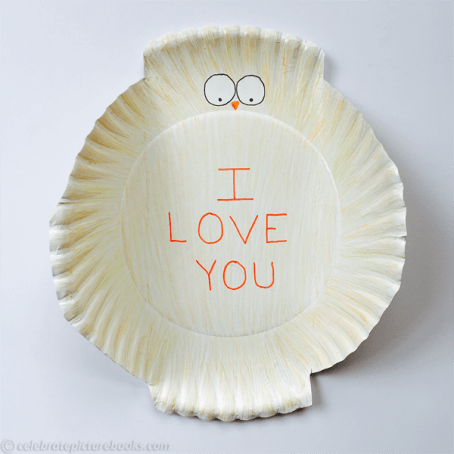
celebrate-picture-books-picture-book-review-paper-plate-owl

Make a Mother’s Day Hug Card


Moms love hugs on Mother’s Day—and any day! Make this Mother’s Day card that says “Owl always love you!”

Supplies

  • Paper plate
  • Brown, yellow, and orange colored pencils or crayons
  • Black, orange, and red markers

celebrate-picture-books-picture-book-review-paper-plate-owl-open

Directions

  1. Fold the sides of the plate in toward the center, overlapping one on the other a little
  2. Trim the top and bottom of each folded half-circle to make room for a head and tail
  3. Draw eyes and a beak just above the round center of the plate
  4. Outline the eyes in back marker and add pupils
  5. Draw and color a beak with the orange marker
  6. Color the back and front of the plate with brown, yellow, and orange colored pencils or crayons
  7. Write “I Love You” or whatever you would like to say to your mom in the center of the plate
  8. Fold the wings closed

Give  your mom your card along with a hug!

Picture Book Review