June 4 – Hug Your Cat Day

celebrate-picture-books-picture-book-review-the-white-cat-and-the-monk

About the Holiday

Just as it sounds, this holiday celebrates all the benefits of snuggling with your cat. While some cats may be cuddlier than others, today gives cat owners the opportunity to show just how much they love their feline friends. If you don’t happen to have a cat, why not consider visiting an animal shelter and showing some love to homeless kittens—you may even want to bring one home!

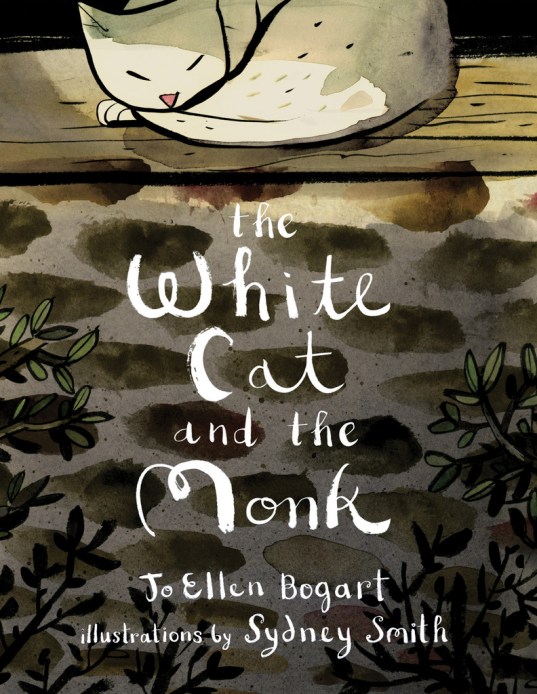
The White Cat and the Monk

Retold by Jo Ellen Bogart | Illustrated by Sydney Smith


In the nighttime a white cat approaches a monastery. He slips through a window and pads along a darkened corridor and down stone steps. He creeps behind a barrel, vase, and pitcher standing in a row and adds his shadow to the black mosaic on the floor. He leaps the last few steps and hurries along to the doorway, leaking light.

His secret signal alerts the occupant of the room, who opens the door to this playful feline. “I, monk and scholar, share my room with my white cat, Pangur,” the old man explains. He lifts Pangur into his arms and strokes him then releases him to pursue his “special trade.” The monk also returns to his trade—studying ancient manuscripts to understand their meaning.

A dedicated scholar, the monk reveals, “Far more than any fame, I enjoy the peaceful pursuit of knowledge. I treasure the wealth to be found in my books.” Pangur is a dedicated scholar of another kind, studying “the hole that leads to the mouse’s home.” In that moment both man and cat become hunters—one for meaning and the other for prey.

The two do not disturb each other for each is content in his pursuit. Pangur at last “finds his mouse” as the monk finds “light in the darkness.”

Jo Ellen Bogart’s quiet and graceful retelling of Pangur Bán, a beloved Irish poem from the 9th century is a welcome respite in this age of multitasking and mega-activity. With sparse, but compelling and lyrical language, Bogart uncovers the companionable relationship between the monk and his cat as each follows their heart together.

The fine textured pages of Sydney Smith’s illustrations recall the beauty of parchment as the smooth gray and gold line drawings of the monastery’s architecture and characters give way to the vibrant colors of ancient manuscripts and the natural environment. The contentment and friendship of the monk and the cat are sweetly drawn in the characters’ mirrored actions as well as the depictions of a long-held affection between man and beast in the panels of the manuscript the monk studies. As the monk states, “Ours is a happy tale.”

Reassuring and reaffirming, The White Cat and the Monk honors the individual challenges and quests that make us who we are, and would be a wonderful addition to regular quiet-time reading.

Ages 4 and up (this book will be enjoyed by both children and adults)

Groundwood Books, House of Anansi Press, 2016 | ISBN 978-1554987801

Hug Your Cat Activity

celebrate-picture-books-picture-book-review-cat-toy

Fishing for Playtime Cat Toy


Cats love to chase after bouncing, sliding objects, and they love fish. While this toy may not taste as good as fish, it sure smells better and doesn’t require worms or hooks to attain!

Supplies

  • Old or new child’s sock
  • Fiber Fill
  • Yarn or string
  • Fabric paint or markers
  • Small bell (optional)
  • Catnip (optional)

Directions

  1. Paint or draw fins and eyes on the sock
  2. Fill the sock with fiber fill
  3. Add a teaspoon of catnip (optional)
  4. Add a small bell (optional)
  5. Use the yarn or string to close the opening with a strong knot
  6. Leave a long section of yarn or string to pull or dangle the toy

May 26 – It’s Mystery Month

celebrate-picture-books-picture-book-review-it's-only-stanley

About the Holiday

There’s nothing like a mystery to rivet your attention. Odd sounds, sudden darkness, unusual circumstances, eerie apparitions, and other unexplained phenomena have beguiled people since the beginning of time. We can’t help investigating to find out who, what, why, or how? Today read  great mystery—or solve one!

It’s Only Stanley

By Jon Agee


“The Wimbledons were sleeping / It was very, very late, / When Wilma heard a spooky sound, / Which made her sit up straight.” Walter goes out into the yard to investigate.  He finds their dog Stanley howling at the moon. A little later that night their daughter Wendy is wakened by a clanking sound below her floor. Walter goes down into the basement to investigate. There’s Stanley fixing the oil tank.

Next comes young Willie: “it was even later still, / When Willie smelled a funky smell / That made him kind of ill.” So Walter goes to the kitchen to investigate. He finds Stanley has constructed a homemade lab and is cooking up a bubbling catfish stew on the stove. At half past three Wanda hears a buzzing noise and Walter finds Stanley fixing the old TV.

Tiny Wylie comes in next, having heard a splashy sound, but Walter discovers it’s only Stanley clearing the bathtub drain. “Now Wilma wasn’t happy. / And the children threw a fit. / ‘We’ll never get to sleep tonight if Stanley doesn’t quit!’” So Walter says he’ll talk to Stanley but before he can leave the room a huge KAPOW! sends the family flying.

“‘I’ll go and look,’ said Walter, / ‘And I’ll be back very soon.’ / ‘It’s only Stanley.” Walter said. / ‘We’re going to the—’” Perhaps the biggest mystery isn’t how Stanley does all this…but why!

We know dogs are smart, but who can account for Stanley!? Jon Agee’s loveable, incredibly adept family pet is laugh-out-loud precocious as his nighttime exploits expand to out-of-this-world proportions. The clever word play, alliteration, and rhyming scheme of the text adds to the humor.

Kids will love Agee’s illustrations of the serious, self-assured Stanley as he goes about his tinkering all to the nonplused consternation of his family and the detriment of his nemesis—the household cat. As in many homes with pets, readers will rightly wonder—who’s in charge here? Kids will want to hear It’s Only Stanley over and over.

Ages 4 – 8

Dial Books for Young Readers, Penguin Group, 2015 | ISBN 978-0803739079

Mystery Day Activity

celebrate-picture-books-picture-book-review-what's-missing-game

What Went Missing In the Dark? Game


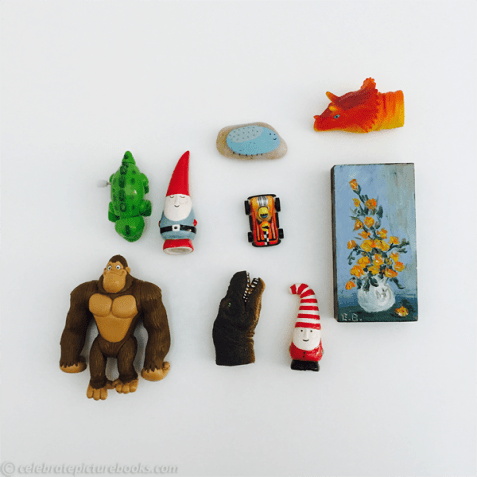
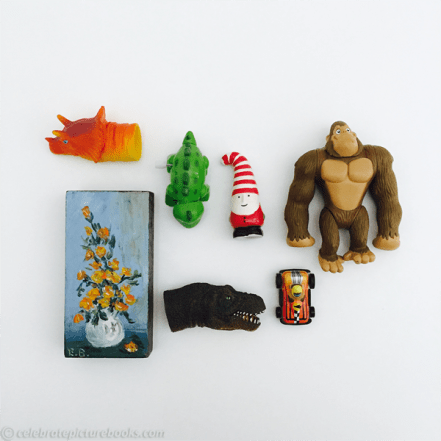
This fun and fabulous game combines memory building with just the right amount of suspense and spookiness. The game is best played at night or in a room that can become totally black when the lights are turned off. If you play in the daytime, just have the players leave the room while you take away objects.

celebrate-picture-books-picture-book-review-what's-missing-game

Rules

  1. Gather a number of small objects (the number will depend on the ages of the players. For younger players, gather 5 – 7 objects. For older players try 12 or more)
  2. Lay the objects on the ground or a blanket
  3. Tell the players to look at the objects for a certain amount of time. The time will depend on the ages of the players—a longer time for younger children, shorter for older kids (or to make the game more exciting)
  4. When the time is up, turn out the lights or send players out of the room.
  5. Remove 1 – 3 objects. To make the game more difficult rearrange the remaining objects
  6. Turn the lights back on.
  7. Let children guess which objects have been removed.
  8. Repeat until all the objects are gone
  9. For an alternate game, instead of removing objects, add one or two

Picture Book Review

May 23 – World Turtle Day

celebrate-picture-books-picture-book-review-turtle-and-me

About the Holiday

American Tortoise Rescue founded World Turtle Day in 2000 to raise awareness and respect for turtles and tortoises and to promote conservation to help them survive. Celebrations take many forms, from fun activities where participants dress as turtles to educational programs that teach about this fascinating creature and how people can help turtles in danger.

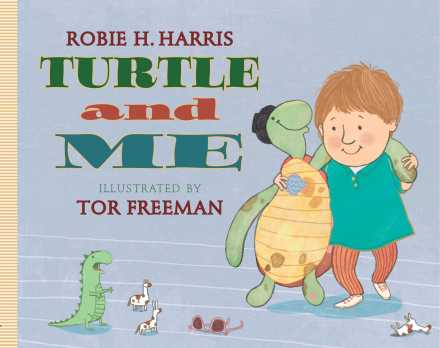
Turtle and Me

Written by Robie H. Harris | Illustrated by Tor Freeman


The little boy narrator of this story tells readers he met Turtle on the day he was born. Turtle was “way bigger” than he was. Now, the little boy is bigger than Turtle, but they are still best friends. When the boy was a baby he smiled and laughed every time he played with Turtle. As he grew he needed Turtle around to comfort him.

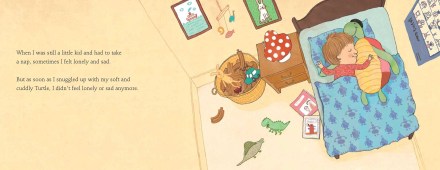
At naptime Turtle made him feel less sad and lonely and allowed him to sleep. Even now, when the boy is older, he still likes to play with Turtle even though his colors have faded, he’s ripped and raggedy, and some bad things have happened to him.

celebrate-picture-books-picture-book-review-turtle-and-me-sleeping

Image copyright Tor Freeman, 2015, text copyright Robie H. Harris, 2015. Courtesy of simonandschuster.com.

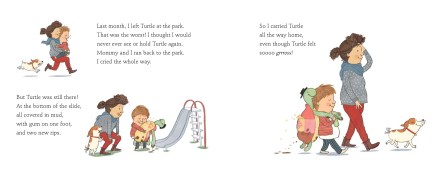
When bad things happened to Turtle the little boy felt terrible; sometimes he even cried and knew Turtle was sad too. But the boy always made sure that Turtle “gets sewn up, washed up, fixed up—and is okay again.” Once Turtle was left at the park. The little boy and his mom raced back and found Turtle covered in mud, sticky with gum, and with two new rips.  Even though Turtle felt gross the boy held him tight all the way home. At home Turtle received a very thorough wash and dry and an extra big hug. The little boy promised Turtle he would never let anything happen to him again.

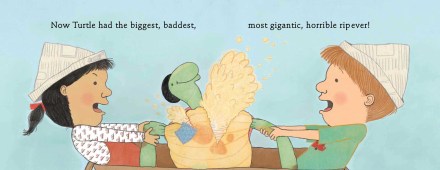
But then last Friday “the worst thing of all happened.” The boy and his friend were sailing around the world in a cardboard box. Turtle was the Captain. But the boy’s friend wanted to be Captain and steer the ship. She grabbed Turtle away, and the boy grabbed Turtle back. In the ensuing tug-of-war, Turtle suffered “the biggest, baddest, most gigantic, horrible rip ever!”

celebrate-picture-books-picture-book-review-turtle-and-me-playground

Image copyright Tor Freeman, 2015, text copyright Robie H. Harris, 2015. Courtesy of simonandschuster.com.

The boy shouted at his friend: “You ripped my Turtle!” Before leaving, the boy’s friend yelled back: “Having Turtle’s a BABY thing!” The little boy hugged Turtle tight and then looked at him. Turtle had lost almost all his stuffing. The boy quickly pushed the fluff back in and taped Turtle’s tummy back up.

But the boy had a change of heart. Suddenly Turtle looked ugly, and the little boy left him on the floor alone. At bedtime, when Daddy brought Turtle to his son, he said he didn’t want Turtle anymore, but sleep without Turtle was elusive. Finally, the boy shouted, “I can’t sleep!” and his dad asked, “Do you want Turtle?” “‘NO’”, the boy said. “‘Having Turtle’s a baby thing! And I’m BIG! And I’m getting bigger! So I don’t need Turtle ever again!’”

His dad thought about this and agreed. His son was getting bigger, but he’s not all big. Daddy picked up Turtle and played with him, making the little boy laugh. Then the boy copied his dad, making his dad laugh. The little boy realized that holding Turtle still felt good. He hugged him close and in no time was fast asleep.

celebrate-picture-books-picture-book-review-turtle-and-me-torn

Image copyright Tor Freeman, 2015, text copyright Robie H. Harris, 2015. Courtesy of simonandschuster.com.

Robie Harris’s sweet story of a little boy and his best friend Turtle reminds kids that no matter how big they get, it’s okay to find comfort in a favorite toy. The story has a deeper meaning for kids as well: things happen; sometimes bad things. But with love mistakes can be cleaned up, scrapes will heal, and scary situations will turn out all right. And when you need them, those who love you are there to help and help make you feel better.

The mishaps Turtle experiences are instantly recognizable and related in a gentile, honest way that will draw kids in. Near the end of the book, kids will root for the little boy and Turtle to patch things up and be best friends again.

Everyone wants a best friend as cool as Turtle! Tor Freeman’s vivid illustrations of the little boy and his plucky stuffed companion are adorable and full of emotion. The close family bonds are well depicted, and the images of the boy hugging Turtle will melt your heart. The looks of anguish on the little boy’s face as Turtle suffers stains and rips elicit sympathy and understanding and are followed up by comforting smiles when Turtle is fixed up.

Turtle and Me would be a terrific addition to home and classroom bookshelves for sweet story times and  when reassurance and a little extra love and comfort are needed.

Ages 3 – 8

little bee books, 2015 | ISBN 978-1499800463

World Turtle Day Activity

celebrate-picture-books-picture-book-turtle-shell-game

Follow the Turtles! Game


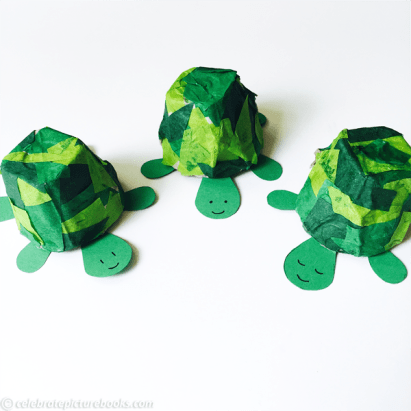
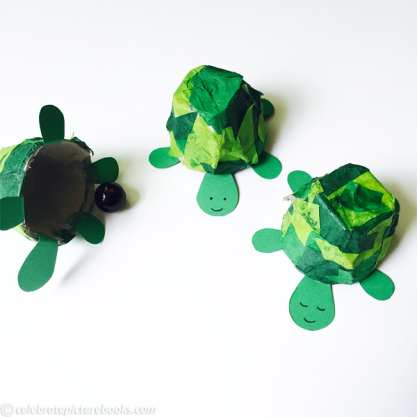
You can make this fun game from recycled materials and a little creativity! When you’re finished making the turtle shells, have fun guessing where the marble, bead or bean is hiding!

Supplies

  • Cardboard egg carton
  • Green tissue paper in different hues
  • Green construction or craft paper
  • A marble, bead, or bean
  • Glue
  • Scissors

celebrate-picture-books-picture-book-turtle-game

Directions

  1. Cut the egg carton apart into individual cups. You will need 3 cups for each game made.
  2. Cut the rims of the cups so they sit flat on a table.
  3. If the cups have open sides, fit two cups inside one another to fill the gaps
  4. Cut the tissue paper into small shapes
  5. Brush glue on a cup (I used a paper towel to apply glue)
  6. Cover the egg cup with pieces of tissue paper. Repeat with other cups.
  7. Let dry
  8. Cut a head and feet from the green craft paper
  9. Tape or glue the edges of head and feet to the inside of the cups
  10. Add a face to the head

To play the game:

  1. Line up the cups on a table
  2. Put a bead, bean, or marble under one of the cups
  3. Show the other player which cup the object is under
  4. Quickly move the cups around each other several times
  5. Ask the other player which cup they think the object is under
  6. Take turns playing

Extra Game: Make three more and play turtle tic-tac-toe! 

May 21 – It’s Get Caught Reading Month

celebrate-picture-books-picture-book-review-whoops

About the Holiday

Created by former Congresswoman Pat Schroeder, now president of the Association of American Publishers, Get Caught Reading Month promotes good reading habits and encourages people of all ages to take part in the fun of reading. Reading to young children is especially important as research indicates that early language experience stimulates a child’s brain to grow and gives kids a huge advantage when they start school. Whether you like fiction, non-fiction, poetry, graphic novels, or comics, there is an amazing book just waiting on a shelf for you!

Whoops!

Written by Suzi Moore | Illustrated by Russell Ayto


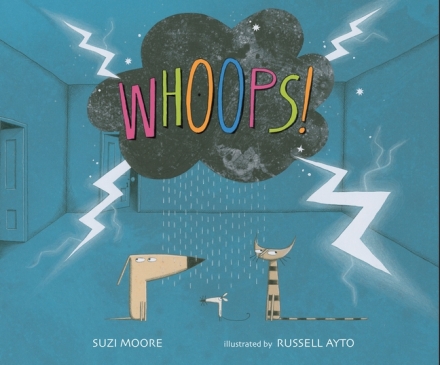
This is the cat that can’t meow. And here’s the dog that can’t bowwow. And the little mouse when she tries to squeak? She opens her mouth but she just can’t squeak.

But the owl says to the three “‘Find the old lady in the tumbledown house. She’ll have a spell to make you all well.” So they go in search of the tumbledown house and find it in the middle of the woods. When they go inside, the little old lady doesn’t seem surprised to see them. In fact she’s heard of their problem and consults her spell book. She casts a spell “and the whole house shook, the wind blew in and the rain came down. Then the tumbledown house turned around and around.”

Now the cat says, “Cluck!” And the dog says, “Quack!” And the mouse says, “Cock-a-doodle-doo!” And the little old lady? She says, “Whoops!” Maybe the right spell is on page three. She casts a new spell and there’s a flash and a crash and the tumbledown house turns around and around. This time the cat says, “Baa!” and the dog says, “Neigh!” and the mouse says, “Moo!” And the little old lady? She says, “Whoops!”

The spell on page seven brings the three closer: the cat says, “Woof!” and the dog says, “Squeak!” and the mouse says, “Meow!” And the little old lady? She says, “Whoops!” That special spell to make them all well must be on page ten. The old lady waves her wand and the storm rages and the tumbledown house turns around and around. Finally, the cat says, “Meow!” and the dog says, “Woof!” and the mouse says, “Squeak!”” And the little old lady? She says, “CROAK!”

Whoops!

Suzi Moore’s laugh-out-loud, shout-out-loud tale of mistaken identity will have kids reading along during the first go-round. The catchy, repeated rhymes, cadence of the words and sentences, errant spells, and building storm create infectious silliness at its best. Kids will eagerly await what comes next for the dog and the cat and the mouse who have trouble speaking.

Russell Ayto accompanies this fun story with a crazy assortment of creatures drawn with maximum comic effect. The thin, angled shapes of the cat, dog, and mouse make for heroes kids will root for, and the little old lady with a cloud of blue hair sitting in the taaall-backed chair will make kids giggle. Who is she knitting three-legged stockings for? And what magic does her knitting-needle wand and maniacal grin possess in that narrow tumbledown house in the middle of the woods?

Ages 3 – 7

Templar Books, Candlewick Press, 2016 | ISBN 978-0763681807

Get Caught Reading Month Activity

celebrate-picture-books-picture-book-review-wand

Reading is Magic! Wand


When you read you are transported into another world—it’s like being under a magic spell! Make your own magic wand and conjure up spells to take you wherever you want to go!

Supplies

  • Wooden dowel
  • Wooden ball with a hole to match the size of the dowel
  • Paint in your favorite colors
  • Ribbon, jewels, or other material to decorate your wand
  • Glue gun or strong glue
  • Paintbrush

celebrate-picture-books-picture-book-review-wand

Directions

  1. Paint the dowel however you would like—one color, with dots or stripes, or multicolored
  2. Paint the wooden ball—you can even give it a mystical look with glow-in-the-dark paint or glitter
  3. Glue the wooden ball to the dowel with the hot glue gun or strong glue
  4. Decorate your wand with jewels, ribbon, or other material

May 15 – International Day of Families

celebrate-picture-books-picture-book-review-families-families-families

About the Holiday

This United Nations sponsored observance was initiated in 1993 to reflect the importance of families worldwide. The day provides an opportunity to promote issues affecting families, including social, economic, educational and demographic topics. This year’s theme is Families, Healthy Lives and Sustainable Futures and focuses on ending poverty, promoting shared economic prosperity, social development, and health while protecting the environment. The holiday is marked with workshops, educational opportunities, publications, and special community events.

Families, Families, Families

Written by Suzanne Lang | Illustrated by Max Lang


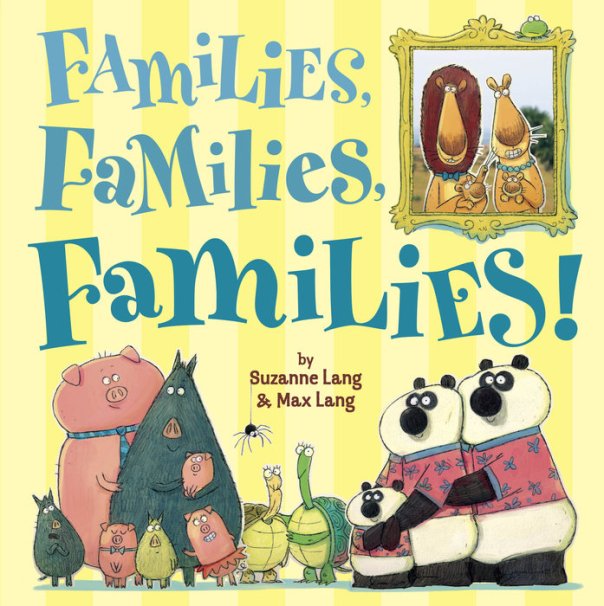
Families—haven’t they always come in all shapes and sizes? With all different customs and traditions? Families, Families, Families delves into this most enduring—and endearing—structure of life in a way that makes sense to kids in a funny and honest way. “Some children have lots of siblings. Some children have none” the book starts. “Some children have two dads. Some have one mom. Some children live with their grandparents…and some live with an aunt.”

Lang does an excellent job of presenting all types of familial arrangements within the pages of the book. Nearly every child will happily find themselves here. Interspersed among the varieties of households, humorous comparisons and rhymes (“some children have many pets…and some just have a plant!”) elevate this book to a tribute to understanding, acceptance, and inclusion. After all…“if you love each other, then you are a family.”

Max Lang hit on an inspired way—during this era of selfies, snapchat, and the like—to illustrate the concepts of family. More than 17 animal families pose for portraits in which comic drawings of smiling moms, dads, kids, and relatives are superimposed onto photographed backgrounds. The portraits are framed with another touch of humor: A chicken family photo sits in a frame made of hay, an octopus and her four children smile from a frame made of seashells, and the Tigers are displayed in a frame of bones. The photos hang on wallpapered, barn, and underwater cave walls; sit on fireplace mantels; are pinned to bulletin boards; and fill scrapbook pages.

Families, Families, Families brilliantly demonstrates how every child takes pride in his or her family—just as the readers take pride in theirs.

Ages 3 – 7

Random House Books for Young Readers, 2015 | ISBN 978-0553499384

International Day of Families Activity

celebrate-picture-books-picture-book-review-recipe-box

Make Your Own Recipe Box


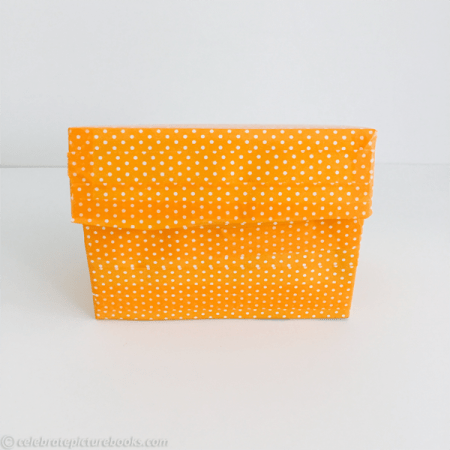
One of the best ways to spend time together is to bake up a favorite recipe and enjoy the results! World Baking Day is celebrated this week, so for the next few days, I’ll be offering baking-related activities for you to have fun with! With a small box you can make your own recipe organizer to keep tasty recipes close at hand!

Supplies

  • A small box with a hinged lid or separate lid, at least 5 inches by 3 1/3 inches (fits a small index card). A Twinings Tea Box works well as does a small wooden box available from craft stores
  • Washi tape or paint
  • Paint brush

Directions

  1. Cover your box with washi tape or paint your box
  2. Decorate your box with your unique style

Picture Book Reviews

May 13 – Fintastic Friday: Giving Sharks, Skates, and Rays a Voice

celebrate-picture-books-picture-book-review-discovering-sharks

About the Holiday

Fintastic Friday was established by Whale Times to bring awareness to and promote advocacy about conservation efforts to save some of the ocean’s most magnificent creatures. Whale Times, Inc. was created in 1995 to provide kids with easy access to marine science information. Their mission is to create a connections between the ocean, ocean research, researchers, and students through formal and informal educational programs. Respected by educators, marine scientists, and other scientific organizations, Whale Times inspires students to consider careers in marine science and work toward solutions for protecting our ocean environments. Whale Times invites kids all over the world to get involved to save sharks through three activities:

  • Zone It! Help make the entire ocean a shark conservation zone by making others aware of the dangers to shark populations and printing out the special poster found at whaletimes.org.
  • Thank Them in a Big Way! Through letters or personal conversations, thank the scientists and conservationists working to protect sharks
  • Sharks in the Park Rally! Consider holding a shark rally or party to make others aware of shark and ocean related conservation issues

Discovering Sharks

Written by Donna Parham | Illustrated by Julius T Csotonyi


When you pick up Discovering Sharks, you’ll immediately know you’re reading a unique book. The cover, with the texture and heft of shark skin, features a great white, teeth bared, eye glinting, bearing down on you, the reader! But don’t be afraid—open this book to pages filled with incredible illustrations and information on one of the most fascinating species to swim the seas. Here are just a few:

Carcharocles Megalodon: living during the Miocene and Pliocene Periods, this mammoth shark grew to 50 feet in length and had serrated teeth, some of which were 7 inches tall! These sharks dwarfed the whales, sea turtles, other sea creatures that made up its meals. Even land animals that were unfortunate enough to swim into it’s path were gobbled up.

Cladoselache: This smaller shark grew to a length of 4 to 6 feet and lived during the Devonian Period. It’s a good thing dentists weren’t around back then because this shark would have been their worst nightmare! With a mouth at the tip of its snout and ragged, jagged teeth, this shark was great at grabbing food, but not so good at chewing it.

Whorl-Tooth Shark: With a tooth shaped like the blade of a circular saw growing vertically from the shark’s lower jaw, the Whorl-tooth is perhaps one of the oddest sea creatures to ever live. No amount of orthodontia could ever fix those teeth!

A section on Fearsome Sharks comes next. While you may think that all sharks look scary, very few actually pose danger to people. If you see any of these, however, you better get out of the way!

Tiger Shark: Sporting dark vertical stripes along its back and sides, this 20-foot long monster doesn’t talk trash—he eats it! Scarfing up ocean waste such as “plastic bags, barrels, cans, and pieces of coal,” they are not adverse to snacking on “chickens, pigs, donkeys, and monkeys that fall off boats or go for a swim.” It actually seems there is nothing these sharks won’t eat!

The Great Hammerhead: With its distinctive hammer-shaped snout, this shark hunts prey in a most unusual fashion. Along its wide head are tiny sensors that pick up the small electrical pulses emitted by every kind of creature—even you! Once the shark senses the electrical field, it’s probably too late!

Blacktip Shark: If this whole shark gig doesn’t work out, this unusual giant may find a place in a ballet troupe. While feeding, this quick swimmer “sometimes…leaps free of the water and spins in the air—once, twice, or three times—before falling back into the sea.” Quite a performance!

A chapter on Endangered Sharks are up next. Nearly one-third of shark species are considered endangered or threatened due to environmental and human causes. Sharks are captured for food, for their tough skin, and for the oils and vitamins in their liver. In some places shark fin soup is a delicacy, served for special occasions. Huge trawlers also catch sharks in their fishing nets and on lines. This “bycatching” is a major reason behind the decline of shark populations. Here are two of the species on that list:

Daggernose Shark: With its flat, razor-sharp nose this sleek, 5-foot-long beauty cuts through the shallow waters off the Northern South African coast. It is currently on the Critically Endangered list, which means it will likely become extinct in your lifetime.

Whitespotted Izak: Tiny by the standards of fiercer sharks, this Izak is only 12 inches long. Its name comes from the white spots on its body whose only purpose seem to be breaking up its brown spots. Now on the Endangered list, this striking species has nearly vanished.

Deepwater Sharks may be some of the most unusual sharks of all. Sporting eye-popping adaptations to their forbidding environments, these sharks are like nothing you’ve ever seen before! Here are a couple:

Bahamas Sawshark: Carrying its own double-edged saw in front of it, this shark found in the waters near Cuba, Florida, and the Bahamas strikes with stunning force.

Viper Dogfish: You might wonder where this shark’s fins went! The stubby body on this shark makes it look more like a torpedo than a shark. Only recently discovered in 1990, the Dogfish swims the depths off the coasts of Japan and Hawaii

The last section is reserved for “Superlatives”—sharks that demonstrate unique qualities: most warm-blooded, biggest, most likely to get stepped on, most unusual feeding method, most mysterious, and more.

This is just a small sampling of the absorbing facts and species found in Discovering Sharks. Donna Parham offers statistics, scientific data, and trivia about each shark in a conversational, riveting way that will keep kids glued to this book and wanting to return again and again.

The incredible work of natural history illustrator Julius T Csotonyi will take your breath away anew with each page. The vivid colors and textures of the sharks reefs, sea plants, and other fish are so intricately mastered that you will feel as if you’re snorkeling in the depths as well. Lit with the sun, the clear ocean waters show off the beautiful markings of each species, and the murky sea bottom holds unfathomable mystery.

Shark lovers, dinosaur aficionados, monster mavens, and more creature enthusiasts will want Discovering Sharks in their library.

Ages 5 and up

Cider Mill Press, 2016 | ISBN 978-1604336047

Gardening for Wildlife Activity

celebrate-picture-books-picture-book-review-find-differences-puzzle

Guess the Garden Differences


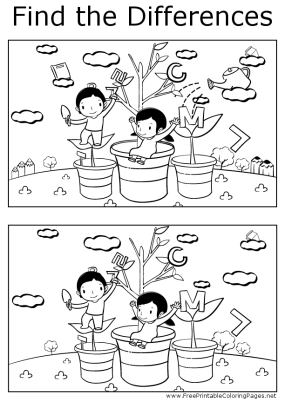
No two gardens are exactly alike. Can you find the differences in the two pictures of kids having fun in their gardens? Print out the Guess the Garden Differences puzzle and have fun!

May 12 – National Odometer Day

celebrate-picture-books-picture-book-review-are-we-there-yet

About the Holiday

In 1847 William Clayton invented a little add-on to the automobile that provides perspective, history, and interesting information on our beloved cars—the odometer! Whether you like to keep track of how many miles you travel on a trip, how economical your gas mileage is, when your next tune-up is due, or just marvel at how long your car has lasted, the numbers on the odometer tell the story. Today, take your car out for a spin—perhaps to the car wash or out to the open road!

Are We There Yet?

By Dan Santat


When you’re invited to a very special birthday party and it’s far away, what do you do? Pack up the car, of course, and head out on an adventure! Going to Grandma’s house is always exciting—at least for the first hour, but after that each minute seems to take for- ev-er. You might even think “Are we there yet?” or “This is taking forever.” Wait! Did you say that out loud? The look on your parents’ faces tell you you did!

You can only stare out the window at the landscape for so long. “But what happens when your brain becomes too bored? That’s when your whole world can turn upside down. Minutes feel like hours. Hours turn to days. Days seem like months and then years. Pretty soon that “quick trip” feels like a million years.

As you ride in the car, tucked in the back seat, feeling a little sick, needing to use the bathroom, your butt growing numb—and bored, bored, bored—could time actually be going backward? While you’re zipping down the highway suddenly a steam train is chugging past, trying to outrun a team of bandits. Now pirates have captured your car and sent it down the plank toward the briny deep! I hope you’re good with a lance because somehow your family’s the main attraction at the royal jousting tournament. And there’s no stopping for the bathroom in Ancient Egypt, or you’ll be put to work building a pyramid.

You think you’ve reached the end of your patience? You’ve actually reached the beginning of time. You may love dinosaurs, but you don’t belong in the Cretaceous Period. So play fetch with T-Rex one time and then climb aboard his back for a wild ride back.

But as quickly as you turned back time you can find yourself in the future—a future you don’t even recognize, where everything you love is gone. So take time now—yes, while you’re bored, bored, bored—to really look around you and see what’s going on. After all, you don’t want to miss this party—it’s the one you’ve been invited to.

Dan Santat’s Are We There Yet? is a rambunctious reminder to enjoy the moment you’re in, because Time is a wily beast that creeps up on you when you’re not paying attention. The art in this book is the star, with its full, two-page vibrant spreads and topsy-turvy format. An old steam train is chased by bandits in the western heat. A rag-tag crew of scallywag pirates menace the family at sword point. Crowds roar at a medieval jousting tournament. Ancient Egyptians toil in the golden sun overshadowed by the Sphynx and pyramids. And it’s love at first sight when the boy comes eye to eye with T-rex in the lush jungles of early Earth.

The scenes of the future, complete with flying cars, neon colors, and helpful robots make clever use of QR codes, and kids will relate to the funny twist ending.

Ages 4 – 8

Little Brown and Company, 2016 | ISBN 978-0316199995

Gardening for Wildlife Activity

celebrate-picture-books-picture-book-review-flower-dot-to-dot

Who’s in the Garden Dot-to-Dots


Completing a dot-to-dot puzzle can be a little like taking a trip—you go from stop to stop, not knowing exactly what you’ll find at the end. In these dot-to-dots, you’ll discover who’s hiding in the garden.

Printable dot-to-dot, page 1

Printable  dot-to-dot, page 2