July 16 – World Snake Day

celebrate-picture-books-picture-book-review-i-don't-like-snakes-cover

About the Holiday

Snakes are beautiful and fascinating creatures, but they often get a bad rap due to their mysterious nature and their portrayals in literature and throughout history. Today’s holiday promotes awareness of dangers to the snake population through habitat destruction, climate change, disease, and other threats. The wide variety of snakes provide many benefits to their natural environments and deserve protection.

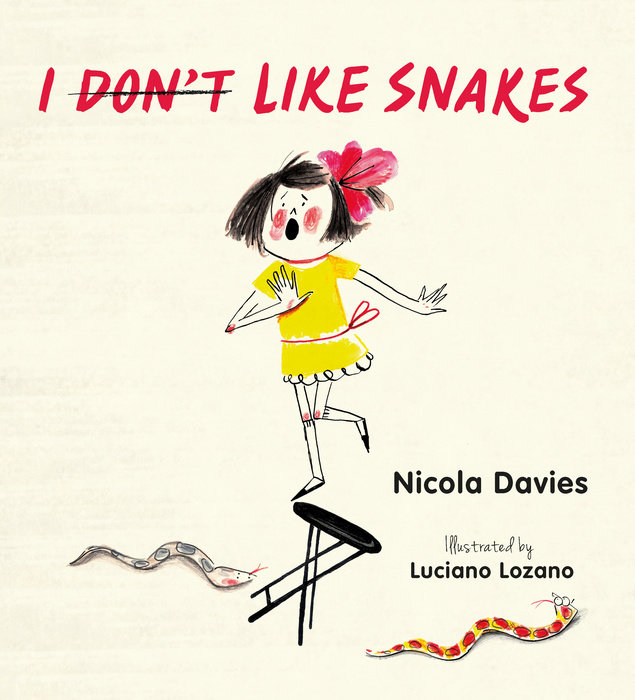
I Don’t Like Snakes

Written by Nicola Davies | Illustrated by Luciano Lozano


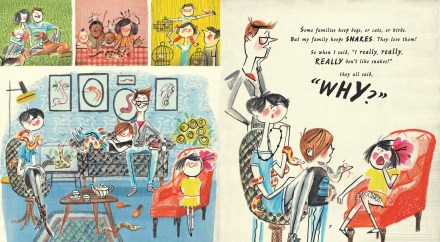
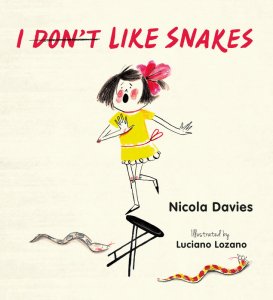
Can you imagine a family who has nothing but snakes for pets? Well, that’s the way it is for the little girl in I Don’t Like Snakes. Sitting in her red chair surrounded by her mother, father, brother and four snakes, she finally pipes up and tells her family that she “‘really, really, REALLY doesn’t like snakes!’” And they ask, “‘Why?’”

“‘Because they slither,’” she answers. Her mom has a ready answer that leads into a scientific discussion of why and how different kinds of snakes move. The mechanics of concertina and serpentine slithering as well as caterpillar crawling are clearly described in both easy-to-understand text and accompanying illustrations. Her father adds more transportation methods, including side-winding, twining, climbing, swimming, and even flying.
celebrate-picture-books-picture-book-review-i-don't-like-snakes-interior-art-why

Image copyright Luciano Lozano, courtesy of walker.co.uk

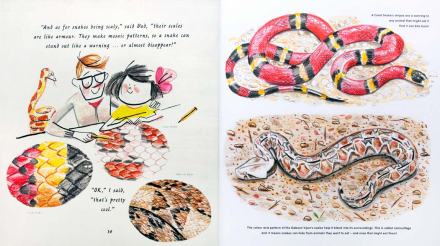
The little girl has to admit these sound pretty smart. “‘But what about their slimy, scaly skin?’” She asks. After all it’s so icky! Well, her mom reveals, snakes aren’t actually slimy, but dry. Following this readers learn why snakes look wet and how they shed their skin. Her dad goes on to explain that a snake’s scales are used for protection and as camouflage or as a warning to other creatures. Ok, the little girl agrees, “‘That’s pretty cool.’”

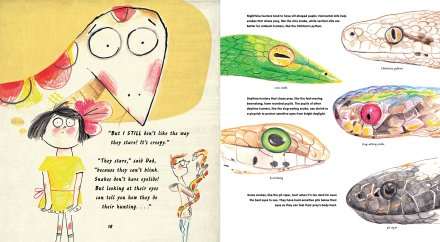
Still, the girl doesn’t like their flicking tongues. Her mom reassures her that snakes only use their tongues to smell with. Readers then see how a snake picks up the scent of a mouse or other prey and how it is transferred to the Jacobsen’s organ that helps it detect even faint odor trails. “‘That IS interesting,’” the girl tells her mom. “‘But I STILL don’t like the way they stare! It’s creepy.’”
celebrate-picture-books-picture-book-review-i-don't-like-snakes-interior-art-eyes

Image copyright Luciano Lozano, courtesy of walker.co.uk

Dad has the answer to that one. They stare because they have no other choice. Without eyelids, it’s impossible for them to blink. But if you look closely at a snake’s eyes, you can tell if they are a night or day hunter or whether they are chasers or ambushers.

All this information is starting to change the little girl’s mind about snakes. “‘Maybe now that I know something about them, I do like snakes—just a little bit!’” she tells her brother. And just like brothers everywhere, he ups the ante by revealing how snakes kill. He revels in explaining about how some snakes have hollow fangs that inject poison into their victims and how others strangle their prey until there’s no life left. And without proper teeth, snakes have to swallow their dinner whole!

The boy’s sister is braver than he thinks, and now she wants to get in the game. She says that she has discovered something about snakes herself. She knows how snakes have babies. Some give birth to live babies but most lay leathery eggs. Either way, the babies are on their own soon after hatching. The little girl has had a complete change of heart. She now thinks snakes are beautiful. “‘And do you know what?’” she says. “‘I really, really, REEEEEALLLLY LIKE THEM!’”
celebrate-picture-books-picture-book-review-i-don't-like-snakes-interior-art-skin

Image copyright Luciano Lozano, courtesy of walker.co.uk

Whether you like snakes, don’t like snakes, or are somewhere in between, Nicola Davies’ engaging tribute to this interesting and often misunderstood species will delight. Cleverly written to include commonly held opinions and provide compelling facts, I Don’t Like Snakes is part story, part nature encyclopedia seamlessly woven together to create a fascinating and funny read. Kids and adults will respond to the conversational tone, and, like the little girl in the story, be open to a change in attitude toward this intriguing reptile.

Luciano Luzano bridges the world of the fictional story and the nonfiction facts in I Don’t Like Snakes with charming sketches of the family and realistic depictions of the snakes they discuss. The little girl with her oversized hair bow and astonished expressions is a disarming guide to discovery. The family’s reptilian obsession is everywhere, from the snakes that twine around the mother, father, and brother’s arms and shoulders to the snakeskin upholstery. The factual information about snakes is accompanied by accurate drawings and representations of the traits portrayed.

I Don’t Like Snakes is a wonderful book for those who already love snakes as well as for those who want to learn more! It’s a great addition to anyone’s nonfiction collection.

Ages 5 – 10

Candlewick Press, 2015| ISBN 978-0763678319

Learn more about Nicola Davies and her books on her website!

To view more art and books by Luciano Luzano visit his website!

World Snake Day Activity
celebrate-picture-books-picture-book-review-snake-word-search

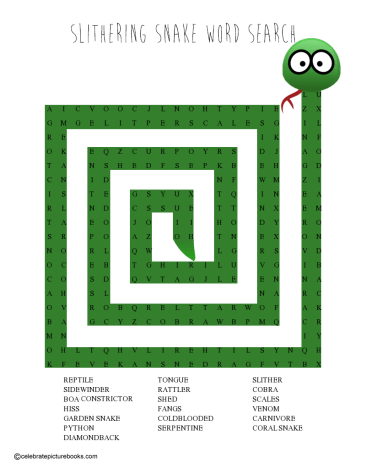
Slithering Snake Word Search


Snakes wind their way along wherever they want to go. Follow the twists and turns in this printable Slithering Snake Word Search to find the reptile-inspired words! 
celebrate-picture-books-picture-book-review-i-don't-like-snakes-cover

You can find I Don’t Like Snakes at these booksellers

Amazon | Barnes & Noble | Books-a-Million | IndieBound

Picture Book Review

July 11 – World Population Day

celebrate-picture-books-picture-book-review-p-is-for-passport

About the Holiday

In 1989 the Governing Council of the United Nations Development Program established this date as a time to focus on urgent population and humanitarian issues. Each year revolves around a different theme. This year the theme is “Investing in teenage girls.” Education, health, and safety issues for girls around the world is an emerging issue that demands serious attention.

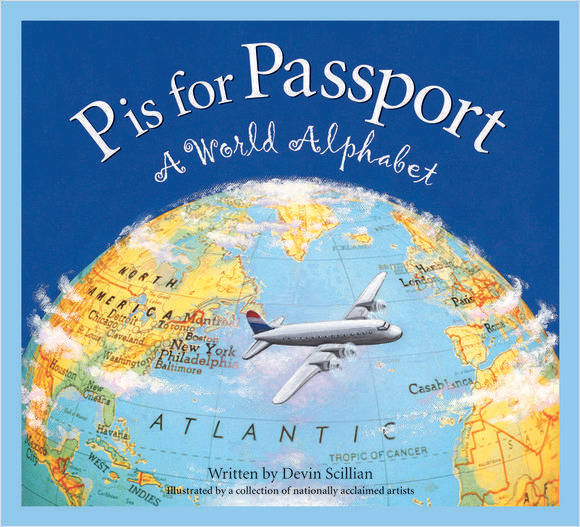
P is for Passport: A World Alphabet

Written by Devin Scillian | Illustrated by nationally acclaimed artists


One of the best ways to learn about the world’s diverse population is to travel—either in person or through a great book. P is for Passport is your own personal guide to the myriad people, landmarks, animals, natural resources, modes of transportation, and other things that make up our world. Each letter of the alphabet introduces readers to a concept that begins with that letter (A for animals, B for breads, etc.). A short definition of the place, event, object, or idea is given on one page, and the facing page contains a poem that cleverly and lyrically describes it with examples from around the globe.

celebrate-picture-books-picture-book-review-p-is-for-passport-currency

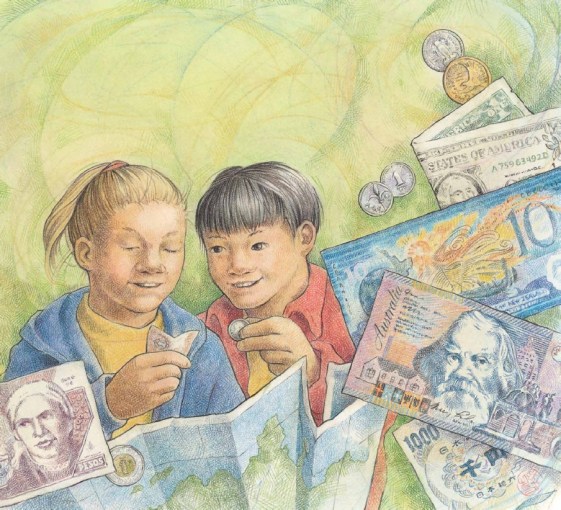
Image copyright K.L. Darnell, courtesy of Sleeping Bear Press

After getting the right Currency with the letter C and filling K’s Knapsack, armchair travelers will traverse the world’s varied terrain. E takes them to the “epic elevation” of “mighty Mount Everest”; for the letter I they will sail to the Emerald Isle of Ireland, the Isles of Greece, and the Isle of Skye as well as to chilly Greenland, warm Tahiti, and green Iceland; J will find them in the densest jungles; of course, “O is for Oceans that “roll and roar and sway”; and D is for deserts:

“We’re in Dakar and it’s dreadfully dry, whipped by the sand in the breeze. / Or it’s a day in Death Valley, dangerously hot at 120 degrees. / A dazzling sun dries out the Gobi, a harsh and punishing land. / The largest on earth is called the Sahara, nine million miles of sand….”

celebrate-picture-books-picture-book-review-p-is-for-passport-bread

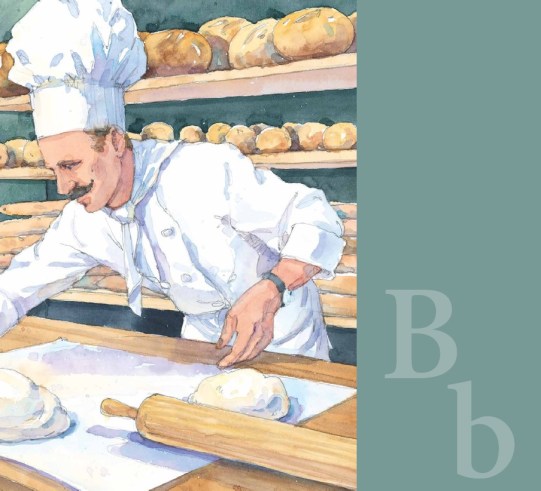
Image copyright Gary Palmer, courtesy of Sleeping Bear Press

By now readers will be hungry, so B provides buttery buns, bagels, baguettes, biscuits, and more. Feel like something else? Then flip to G for Grain found in pasta, porridge, dumplings, ramen, couscous, wheat, and rice. While travelers eat they can peruse the languages at L:

“Polish is spoken in Poland. In Japan, it’s Japanese. / In Brazil they don’t speak Brazilian, but rather Portuguese. / L is the list of Languages, so many ways to speak. / Like English and Spanish, Italian and Hebrew, Arabic and Greek. / So pack a handy phrase book and learn a few things to say. / A friendly ‘Bonjour!’ or ‘Buenos dias!’ can go a very long way.”

Q is your Quest “…both large and small, from climbing Kilimanjaro to seeing Niagara Falls.” You’ll cross countries by R—Railway and “…rise right through the Rockies , or across the French Riviera, / or rumble across the Australian outback making your way to Canberra.” Along the way you’ll be entertained by M—Music from mandolins, marimbas, maracas, and many different musicians—and S for Sports, such as soccer, surfing, sailing, skiing, and so many more.

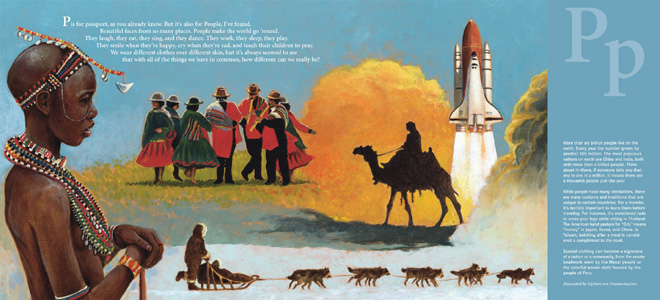
Lastly, T stands for Travel as “you see, each trip a traveler takes is a moment that you spend / getting to know a whole new world. And that world becomes your friend.” And from your travels you’ll remember P, the People:

“They laugh, they eat, they sing, and they dance. They work, they sleep, they play. / They smile when they’re happy, cry when they’re sad, and teach their children to pray. / We wear different clothes over different skin, but it’s always seemed to me / that with all of the things we have in common, how different can we really be?”

celebrate-picture-books-picture-book-review-p-is-for-passport-people

Image copyright Gijsbert van Frankenhuyzen

As today’s date also hosts the holiday International Town Criers Day, honoring those early “news reporters,” it’s appropriate that Devin Scillian is our featured author. Besides authoring this and other books, he is a television journalist. His childhood spent living in cities across the globe and his work make him a perfect traveling companion for P is for Passport and its introduction to the marvels of the world around us. Delivering the sights, sounds, aromas, play, and people of foreign lands through fascinating rhymes and facts is a wonderful way to get kids excited about travel and geography.

Twenty-four artists from around the United States and Canada lend their unique talents to depicting each letter. Beautiful two-page spreads burst with color and bold, up-close views of representatives for each letter-inspired text. Brilliant red and blue parrots share space with violet orchids, blue poison dart frogs, a coiled green snake, and a stealthily creeping jaguar in Karen Latham and Rebecca Latham’s painting for the letter J. Susan Guy’s soft watercolor of a frozen landscape cut only by a sleek train and its glowing headlamp transports readers to cold northern regions for the letter N. Volcanoes steam and spout while hot, golden lava burns a path through forestland in Ross Young’s vivid painting for the letter V.

Each illustration is equally compelling. Children and adults will want to linger over each page and will find P is for Passport just the beginning of their world exploration. The book would be a welcome home library addition for geography enthusiasts of all ages.

Ages 7 – 12

Sleeping Bear Press

Hardcover, 2003 ISBN 9781585361571 | ebook, 2013 ISBN 9781627533577

World Population Day Activity

celebrate-picture-books-picture-book-review-train-shaped-word-search

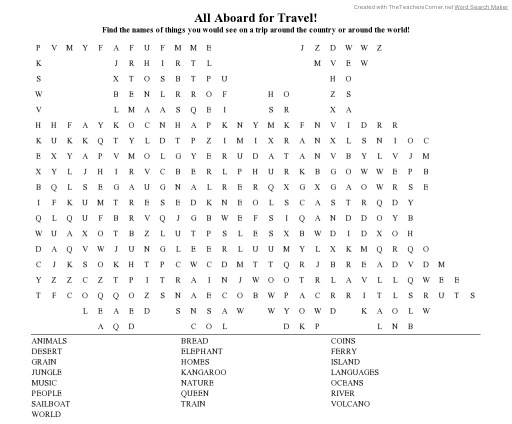
All Aboard for Travel! Word Search


The best way to meet your fellow citizens of the world is to travel! Today’s word search is shaped like a train—one of the best ways to see the countryside. So hop on board and start exploring! Get your printable All Aboard for Travel! puzzle.

July 4 – Independence Day

celebrate-picture-books-picture-book-review-lady-liberty's-holiday

About the Holiday

On July 4, 1776, the thirteen colonies that then made up America claimed their independence from England. After much debate and with a majority—but not unanimous—vote, delegates to the Continental Congress adopted the Declaration of Independence. While the vote may not have been unanimous, delegates from all 13 colonies signed the document penned by Thomas Jefferson. John Hancock, who was President of the Continental Congress, signed his name “‘with a great flourish’ so England’s ‘King George can read that without spectacles!’” The action led to the Revolutionary War and ultimately to a break with England.

On this United States national holiday most cities host parades, fireworks displays, and other special events.

Lady Liberty’s Holiday

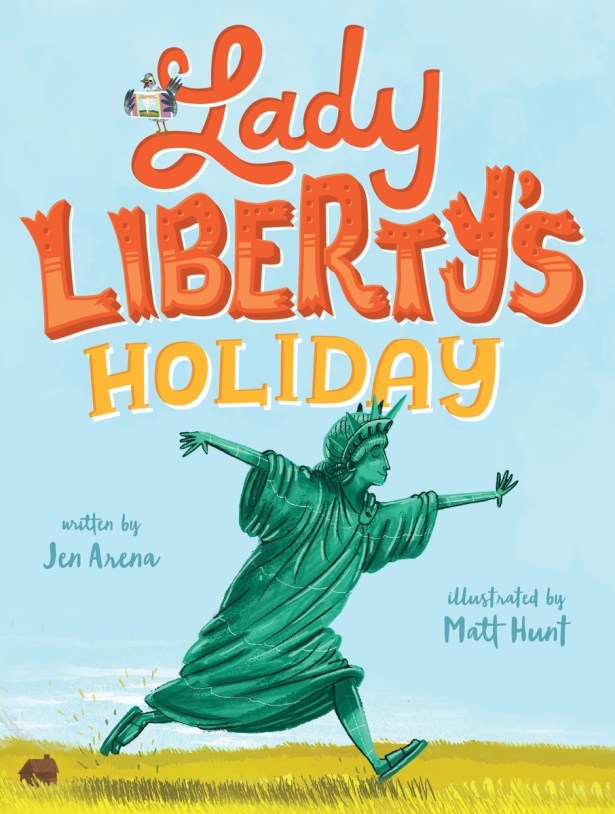
Written by Jen Arena | Illustrated by Matt Hunt


Shortly before the Fourth of July Lady Liberty is feeling down. Year after year she has stood in the same place holding aloft a torch in one hand and cradling a tablet in the other. She turns to her friend Moe, the pigeon on her shoulder, and expresses her dissatisfaction. Moe has a suggestion: “‘Lady, you need a getaway!’” Lady Liberty thinks about it and about the vastness of America. She has only seen a small corner of it. That night Lady Liberty pries herself from her pedestal and sneaks away.

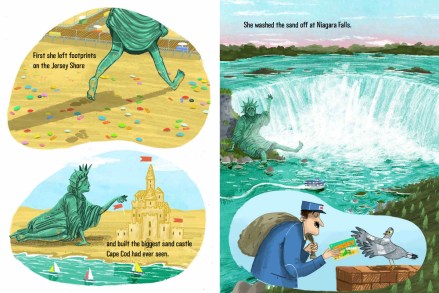
She walks the wide beaches of New Jersey, builds a huge sandcastle on Massachusetts’ Cape Cod, and dips her feet in Niagara Falls. With her long strides it doesn’t take her long to reach the Mississippi River. She finds a seat atop the Gateway Arch in St. Louis, Missouri and watches the Ol’ Man river slip past. In Kansas she plays in wheat fields that “tickle her feet” and are as good for making angels as snow. In South Dakota she photo bombs at Mount Rushmore, and she takes a quick hike over the Rocky Mountains. After all this fun Lady Liberty needs a rest, so she takes a nap on San Francisco’s Golden Gate Bridge.

But the people in New York have noticed the Lady’s absence. The Fourth of July is only three days away and no one is in the mood to celebrate without her. “Tourists were gloomy. Cops were cross. Even the stock market was down.” The mayor is even considering cancelling the holiday! Moe is worried Liberty might not come back.

celebrate-picture-books-picture-book-review-lady-liberty's-holiday

Image copyright Matt Hunt, courtesy of Jen Arena (jenarenabooks.com)

And Moe is right! Lady Liberty is enjoying herself too much to think about returning. The grandeur of the Grand Canyon makes her feel small—it’s a nice change, she thinks. She drinks water from a geyser in Yellowstone Park and sleeps under the stars in Texas. With a hop and a skip she’s dancing in New Orleans, and the Florida Keys make excellent “stepping stones” to her next adventure. She doesn’t even mind schlepping through swamps in the deep south, and an alligator that latches onto her toe is dispatched with a shake.

Lady Liberty suddenly hears the familiar flap of Moe’s wings. Moe tells Liberty how things are in New York. When she hears that they are thinking of cancelling the Fourth of July, she “bolts up as if she’d been struck by lightning.” Yes, says, Moe. “‘Nobody feels like celebrating without you.’” But after her cross-country tour, Lady Liberty knows that “‘the Fourth of July isn’t about me. It’s about America!’” Without another thought Liberty is racing north.

As New Yorkers wake at dawn, they see Lady Liberty happy to be back overlooking the Harbor, “where she had stood for over a hundred years.” Her copper dress shines in the early morning sun. Later that night she glows again in the colors of fireworks and enjoys a very Happy Fourth of July!

The final two pages tell the story of Lady Liberty’s creation, installation, and meaning. Tantalizing tidbits about the statue of Liberty are also revealed.

Jen Arena’s Lady Liberty’s Holiday is an engaging introduction to the story of the Statue of Liberty and American geography. A road trip across America was once a staple of childhood, and Arena replicates the excitement and wonder of viewing the country’s monuments and splendor through Lady Liberty’s walking tour. As each page brings readers to another awe-inspiring landmark, kids will want to learn more about the parks, states, and history of America.

Matt Hunt’s vibrant, full-bleed spreads are as expansive as the American landscape. The blue waters of Niagara Falls roar over the edge, creating white mist; the rock-hewn faces of George Washington, Thomas Jefferson, Teddy Roosevelt, and Abraham Lincoln gaze out from the peak of Mount Rushmore; and the spume of water from a Yellowstone geyser dwarfs the tourists below. As Liberty towers over cruise boats and trees, lounges across the Golden Gate Bridge, and flicks away a pesky alligator, kids gain an excellent perspective on the size of the Statue of Liberty as well as the monuments and natural landmarks she visits.

Like the postcards that Liberty sends to her friend Moe from stops on her journey, Lady Liberty’s Holiday is a welcome snapshot of America any time of year.

Ages 4 – 8

Knopf Books for Young People, Random House Kids, 2016 | ISBN 978-0553520675

To learn more about Jen Arena and view the books she’s written , visit her website!

A gallery of Matt Hunt‘s work can be seen on his website!

Independence Day Activity

celebrate-picture-books-picture-book-review-fourth-of-july-coloring-page

Fourth of July Coloring Page


The 4th of July celebrations mean flags, fireworks, and fun! Here’s a printable Fourth of July Coloring Page for you to make your own holiday festivities. You can even make it sparkle with a dash of glitter!

July 3 – Compliment Your Mirror Day

celebrate-picture-books-picture-book-review-why'd-they-wear-that

About the Holiday

Take a peek in the mirror and who do you see? That’s right—a fantastic person with inner and outer beauty! Today is dedicated to recognizing and appreciating that person in the mirror!

Why’d They Wear That? Fashion as the Mirror of History

By Sarah Albee


Whether you’re a fashionista or an “any ol’ thing will do” kind of person, there’s no denying that clothes make a statement. Sarah Albee’s fascinating look at human wraps spans history from 10,000 BC to the modern era. Along the way she exposes both historical facts as well as the often repugnant, laughable, and can’t-look-away fashion fads and disasters that have brought us to “wear” we are today. 

In Chapter 1: That’s a Wrap, Albee reveals facts about the first needles and thread, silk production, the Mayan tradition of forced elongation of skulls (this was considered attractive, denoted social status, and was intimidating), the first pants, warrior wear, and much more.

Chapter 2: Keeping the Faith exposes the influence religion had on clothing in the Middle Ages. White or russet colored robes were worn by men traveling on pilgrimages while penitents could wear a hair shirt made of itchy, bristly horsehair as punishment. Medieval armor, Samurai dress, why modern men’s loafers are decorated with little holes, and more are also discussed here as is the job of Wool Fuller – in which the Fuller soaked wool in urine to degrease it and improve its texture.

celebrate-picture-books-picture-book-review-why'd-they-wear-that

Image courtesy of National Geographic

Chapter 3: Going Global covers the Age of Exploration, which changed fashion as explorers from Europe came in contact with Native peoples in the New World. Red dye, rubber shoes, and the leather Moccasins were all adopted by Europeans. And if you think the search for remedies for wrinkles and other vestiges of older age is a modern pursuit, you’ll learn about Ponce de Leon and his quest for the fountain of youth.

Chapter 4: Ruff & Ready takes a look at the Renaissance. You may have seen fur stoles with the head of the animal still attached and wondered, Why? This fashion statement goes back to “Flea Furs” which were dead, stuffed animals that people draped over their shoulders in the belief that the fleas that were munching on their skin would transfer to the animal instead. Unfortunately, people discovered that fleas prefer warm bodies. Another curious fad was the ruff collar. While people may have thought they looked swell, these collars hindered physical movement and even led to the invention of the long-handled spoon because people could not get food to their mouths any other way. One “benefit” perhaps: when the first American settlers ran out of all other food options, they ate their collars, which were stiffened with wheat paste. And there’s so much more!

In Chapter 5: Lighten Up! readers will discover facts about the dour dress of the Puritans and the ostentatious dress of the French court. The tradition of men’s wigs is explained, and today’s face-painting has nothing on the unusual solution for facial blemishes—black velvet, leather, or silk patches in various shapes.

celebrate-picture-books-picture-book-review-why'd-they-wear-that

Image courtesy of National Geographic

Revolutionary Times take center stage in Chapter 6: Hats (and Heads) Off. During this time clothes began to fit the task. There were clothing items to protect (walking canes became popular as a way to ward off marauding wild dogs), uniforms to highlight the good looks of running footmen, elaborate costumes for Venetian parties, and homespun clothes that became a sign of protest from the American colonists. And if you think “bumpits” and hair extensions are new, women trying to keep up with Marie-Antoinette wore their hair (real and artificial) “cemented upward over wire armatures into two-foot (0.6-m)-high coiffures that made the wearer stand 7 ½ feet tall!”

Chapters 7 through 9 bring readers into the modern age, taking them from a time when children were dressed as young adults and boys wore elaborate gowns until the age of 7 to the textile innovations of the Industrial Revolution and the popularity of bustles that put fanny packs to shame to the fads of the 1960s and today.

celebrate-picture-books-picture-book-review-why'd-they-wear-that

Image courtesy of National Geographic

Albee’s Why’d They Wear That? is much more than a book about fashion. It’s a humorous, fabulously entertaining way to learn about so many aspects of history, from social revolution to inventions to cultural differences. Enlightening side bars, especially the fascinating “Tough Job” entries, and full-color illustrations, paintings, and photographs depicting every concept make Why’d They Wear That? an essential book for school libraries as well as for home bookshelves. Readers of all ages will want to dip into it again and again…and will “Oh!” “Ah!” and “Ewww!” over every page.

Ages 7 and up (children on the younger end of the range will enjoy the facts and pictures during a read-along session) 

National Geographic Children’s Books, 2015 | ISBN 978-1426319198

Learn more about Sarah Albee and her books on her website!

Watch the trailer for Why’d They Wear That? Fashion never looked so…good? unsettling? hilarious? You decide!

Compliment Your Mirror Day Activity

celebrate-picture-books-picture-book-review-mirror-word-search

Mirror, Mirror, What Shall I Wear?


In this magic mirror word search are 20 fashion-related terms from history. Find them all! Here’s the printable Mirror, Mirror, What Shall I Wear puzzle and the Solution.

June 20 – American Eagle Day

celebrate-picture-books-picture-book-review-is-a-bald-eagle-really-bald

About the Holiday

The first American Eagle Day was proclaimed by President Bill Clinton and Tennessee Governor Don Sundquist in 1995 to commemorate and bring awareness to this most enduring American symbol. Chosen as the United States’ National Emblem by our Founding Fathers on June 20, 1782, the Bald Eagle represents the best of America: freedom, courage, strength, spirit, and excellence. Once threatened with extinction—only 400 nesting pairs existed in the early 1960s—the American Eagle has made a comeback, with 15,000 nesting pairs living in the lower 48 states. Besides celebrating what the American Eagle symbolizes, today’s holiday is used to raise awareness of conservation efforts for this most majestic bird.

Is a Bald Eagle Really Bald?

Written by Martha E. H. Rustad  | Illustrated by Holli Conger


“Our class is having a visitor today,” Ms. Patel tells her class. “Guess who it is,” she urges after giving the kids a hint that the visitor eats fish. Anabelle thinks it might be her dad, but Ms. Patel adds that the visitor has a sharp beak and feathers. Joshua guesses that it’s a duck. The kids are getting closer, and with one more hint—Ms. Patel holds up a one-dollar bill—Rose correctly shouts, “‘a bald eagle!’”

Natalie wants to know why there’s a bald eagle on the dollar, and Ms. Patel tells her that the eagle is a symbol of our country. When John asks what a symbol is, she compares the eagle to the school’s bear mascot and goes on to say that the eagle can also be found on the Great Seal. Luke is momentarily excited about the prospect of a seal also visiting the class, but Ms. Patel shows the class that the Great Seal is actually an image. This image demonstrates that something is officially American and appears on stamps, government buildings, important papers, and even the buttons on military uniforms.

The class takes a closer look at the Great Seal, with its eagle in the center. In one foot the eagle is holding a plant, says Karen. Right, Ms. Patel says. “‘It’s an olive branch. It stands for peace.’” Noah notices that in the other foot the eagle carries arrows. The arrows represent strength, Ms. Patel explains. The banner in the eagle’s beak reads E. Pluribus Unum, which is Latin for “one from many” and describes how the single country of America is made of many states. The thirteen stars above the eagle’s head reminds us of the 13 original colonies and states.

Dr. Kelly from the raptor center soon arrives with a bald eagle named Sam. Dr. Kelly puts on a protective glove and carefully takes Sam out of his carrier. Sam is huge! Kyra exclaims, and Jackson wants to know why he’s called “bald.” Dr. Kelly explains that the word bald actually comes from piebald, which means “‘having white marks.’” The class learns many facts about bald eagles, including that they have keen eyesight, can see their prey from high overhead, and can swallow a meal in mid-air.

Then the class talks about how the bald eagle became America’s mascot. Lily raises her hand and suggests it’s because eagles fly free and Americans are free. “‘Good answer,’” Ms. Patel says. She adds that bald eagles are native to North America, and shows the class a map of their summer and winter habitats.

All too soon class is over and it’s time for lunch. “Fish is on today’s menu,” Ms. Patel tells the kids, and they feel just like bald eagles. The children say “thank you” and “goodbye” to Dr. Kelly and Sam, and after lunch they draw their own mascots. You can do that too with the activity at the back of the book!

Scattered throughout the pages, sidebars expand on the facts delivered in the story. Readers learn that the Great Seal has been used since 1782, what raptors and raptor centers are, the weight and wingspan of an adult bald eagle, incredible statistics on eagle’s nests, and about conservation efforts to protect bald eagles.

A Draw-Your-Own Mascot activity follows the text along with a glossary and resources for further study, including free downloadable educational resources.

In her Our American Symbols books Martha E. H. Rustad does a wonderful job of explaining the importance of America’s emblems to children. Through classroom discussions between a teacher and her students, Is a Bald Eagle Really Bald? answers readers’ questions about how and why the bald eagle became a United States symbol. The natural give-and-take will resonated with kids, and Rustad’s clear and kid-friendly definitions of concepts will make an impact. The inclusion of a representative from a raptor center will also feel familiar to children experienced with these types of classroom visitors as well as similar field trips. Sidebars provide more scientific and historical facts.

Holli Conger’s bright, bold illustrations distinctly depict the concepts in the text through large, colorful, and easily understood images. A bulletin board holds pictures of a bald eagle and the American flag, while the teacher holds up a school mascot t-shirt to help relay the idea of a symbol; the Great Seal is shown with well-defined details as the teacher uses a pointer to indicate its various parts; and pages portraying the visit by the raptor center representative give kids a good idea of the size and grandeur of the bald eagle. The children portrayed in the classroom are enthusiastic and welcoming, and readers will feel right at home in their midst.

Ages 5 – 9

Millbrook Press, 2014 | ISBN 978-1467744669

American Eagle Day Activity

celebrate-picture-books-picture-book-review-american-eagle-coloring-page

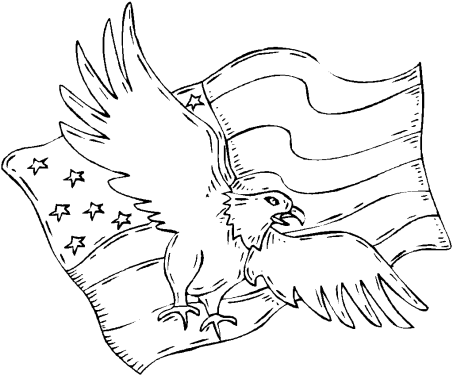
American Eagle and Flag Coloring Page


The majestic American Bald Eagle is a perfect symbol to represent the courage, freedom, and spirit of the USA. Here’s a printable American Eagle and Flag Coloring Page for you to enjoy!

June 8 – National Best Friends Day

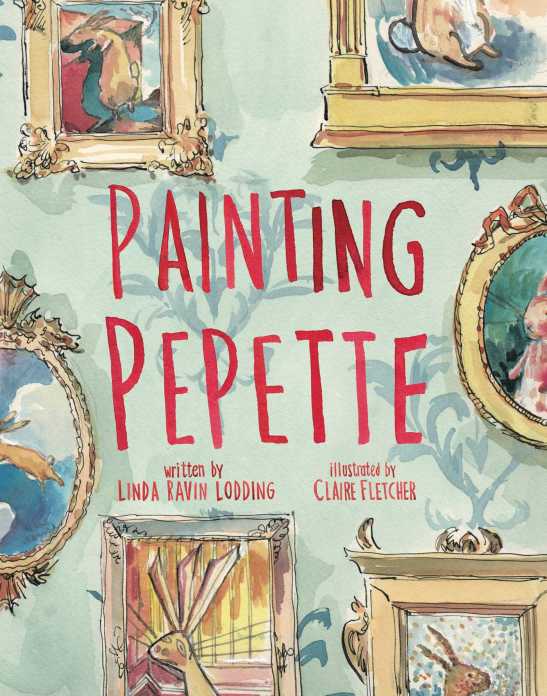
celebrate-picture-books-picture-book-review-painting-pepette

About the Holiday

What would we do without our best friends? They’re the ones we go on adventures with, laugh with, commiserate with, even cry with. And no matter what, we know they’ll always be there for us. Best friends can be people we’ve known all our lives or ones we’ve just met; they can live far away or in our own home. Best friends don’t even have to be people—beloved pets or favorite toys are sometimes just what we need. Today is the perfect time to celebrate your best buddy. Get together with them, call, or text. Relive some favorite memories or make some new ones!

Painting Pepette

Written by Linda Ravin Lodding | Illustrated by Claire Fletcher


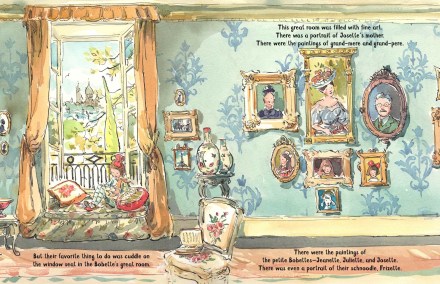
If you peek in the great room window of the grand yellow house at #9 Rue Laffette in Paris, you will most likely see cuddled on the comfortable seat Josette Bobette and her beloved stuffed rabbit Pepette. It’s their favorite place. Looking past them you will see that the great room is filled with fine art. On the walls hang portraits of the family—Josette’s mother is there as well as grand-mère and grand-père, the three Bobette sisters, and even their schnoodle Frizette.

celebrate-picture-books-picture-book-review-painting-pepette-great-room

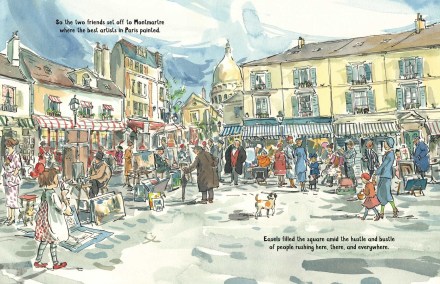
“One day Josette noticed something strange. There was no portrait of Pepette!” Josette determines to find an artist to paint a special portrait of her best friend. The pair heads out to Montmartre, where the all the best artists set up their easels to paint and sell their work. It doesn’t take long for a man in a striped shirt to stop them.

“‘Those ears!’” he cries. “‘Never have I seen such majestic ears. I must paint this rabbit’s portrait!’” Pepette blushes at such an effusive compliment, and Josette exclaims, “‘Magnifique!’” It appears Josette has found just the artist to create Pepette’s portrait. The painter waves his brush with a flourish, declares his painting a “masterpiece,” and holds it up for inspection. Josette gazes at a Pepette with two noses and three ears. Diplomatically, she proclaims the picture “nice” but not quite Pepette. Her best friend agrees.

Just then a man with a thin, curved handlebar mustache spies the pair. Admiring Pepette’s whiskers, the artist begs to capture “the very essence of her rabbitness!” He immediately sets to work, and in no time a most unusual portrait emerges. Pepette seems to melt from a tall red wall. Josette considers it and her reaction carefully. “‘It’s imaginative,’” she says. “‘But you’ve painted Pepette quite, well, droopy.’” Pepette agrees.

As Josette and Pepette enjoy a Parisian snack on the curb of Montmartre, a rakish young man happens along. He is arrested by Pepette’s nose, which he likens “‘a faint star twinkling in a misty, velvet night.’” Josette has a good feeling about this artist and follows him across the square to his easel. Pepette poses on a red tufted stool as the artist paints a rabbit soaring through the clouds. He proclaims the finished portrait “‘one of my best works’” as he displays it to the crowd. Josette likes the clouds but tells the painter that Pepette is afraid of heights and not fond of flying. Pepette agrees.

By now Pepette is the most sought-after model in Paris, and another artist rushes up, captivated by her beauty. The balding man in a dapper suit and round spectacles peers at Pepette. “‘What a colorful lady—balloon blue, pansy pink, and radish red!’” A little suspicious of his vision, Josette allows him to paint Pepette. “‘Ta da!’” the man exclaims, revealing the magic of his brush. Josette studies the canvas with its vibrant dots, dashes, and splashes. While she admires the colors, she reminds the artist that Pepette isn’t pink.

“‘Ah, yes,’” nods the painter. “‘But through art we can see the world any way we want.’”

celebrate-picture-books-picture-book-review-painting-pepette-montmartre

With the sun setting low in the sky, Josette politely says thank-you and goodbye to the artists. She and Pepette have enjoyed their day, but it’s time to go home. Curled up once more on the window seat, Josette sighs. She had so hoped to have the perfect portrait of Pepette—one that showed her velvety grey listening ears, her heart-shaped nose, and her soft arms that give tight hugs. Suddenly, Josette has an idea! Gathering all her art supplies, she creates the perfect likeness—as special as Pepette herself!

An author’s note on the last page describes the creative atmosphere of 1920s Paris, home to writers, artists, musicians, and fashion designers, that gives a frame to her story. The artists that Josette meets are inspired by Pablo Picasso, Salvador Dalí, Marc Chagall, and Henri Matisse.

In Painting Pepette Linda Ravin Lodding has written a multi-layered story of love, friendship, and unique vision. Through the sweet relationship between Josette and Pepette and with a sprinkling of humorous self-congratulation on the part of the artists, Lodding nudges readers to appreciate that while art can reveal and obscure, reflect and transcend reality, ultimately the success of a piece—complex or simple—lies within the viewer’s heart. Lodding’s lyrical language trips off the tongue and is a joy to read—it’s like following Josette as she skips happily through Paris.

Claire Fletcher’s striking pen and ink illustrations pay delicate homage to cityscapes of a bygone Paris. Adorable Josette in her white pinafore over red-dotted dress, red shoes, and big red bow along with her enchanting rabbit are the perfect tour guides through crowded Montmartre and an introduction of art history. Soft tones of yellow, rose, and green illuminate the apartments and cafes of the square where colorful shoppers and artists mingle. Fletcher’s renderings of Pepette’s various portraits will not only make kids giggle, but entice them to learn more about each artistic style. The final endpapers reveal that the four fine-art portraits now hang in the Muse of Paris, while readers already know that Josette’s perfectly perfect portrait of her well-loved friend has taken its rightful place on the wall in the Bobette great room!

Painting Pepette is a beautiful addition to any child’s bookshelf and a lovely way for teachers to initiate a discussion of art history and get kids excited about artists and different art styles.

Ages 4 – 9

little bee books, 2016 | ISBN 978-1499801361

Follow Josette through Paris as she searches for just the right artist to paint a portrait of her best friend Pepette and comes to a surprising discovery in this beautiful trailer:

Discover more books by author Linda Ravin Lodding on her website.

Illustrator Clair Fletcher invites you to find more of her artwork by visiting her online gallery.

Best Friends Day Activities

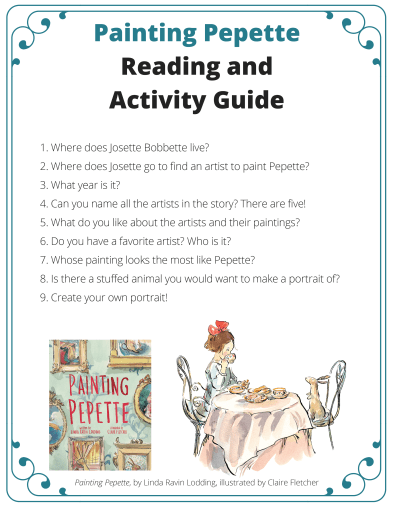
celebrate-picture-books-picture-book-review-painting-pepette-activity-guide

Painting Pepette Reading and Activity Guide


little bee books has created an interactive activity so you can continue exploring Josette’s world and your own artistic talent! Just click here—Painting Pepette Reading and Activity Guide—to start having fun!

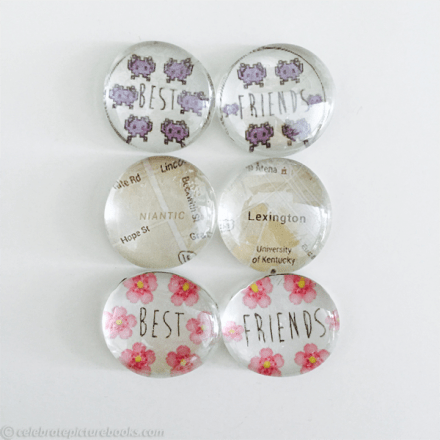
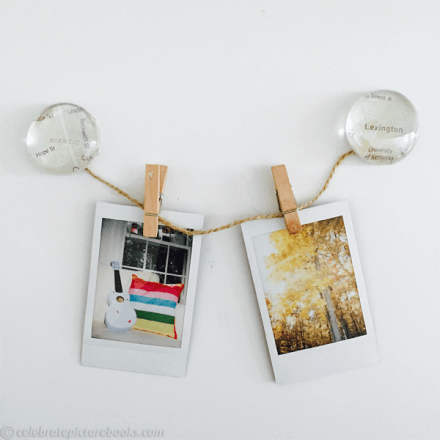
Stuck on You Magnets or Picture Hanger


Best friends stick together whether they’re near or far, right? Here’s a fun craft that you and your friends can make to show how magnetic personalities attract each other! If your best friend or friends are far away, why not make them one too? Or make the alternate picture hanger! Be creative—use inside jokes, favorite characters, or shared experiences to make these  crafts personal!

celebrate-picture-books-picture-book-review-friends-magnets-craft

For Magnets

Supplies

  • To get you started, here are two printable Best Friends Templates! Template 1 Template 2
  • Poster board
  • Large, 1 ½-inch clear glass stones (decorative fillers), available in craft stores
  • Markers or colored pencils OR find images online to print out
  • Medium to large flexible magnets, available in craft stores
  • Super glue
  • Toothpicks
  • Scissors

Directions

  • Place the glass stone on the poster board and trace around it
  • Draw your design in the circle on the poster board
  • Cut out the circle
  • With the toothpick, apply glue around the very edge of the design side of the circle
  • Attach the circle to the flat side of the stone, let dry
  • Trim the cardboard circle if needed
  • Attach the magnet to the back of the cardboard with glue

celebrate-picture-books-picture-book-review-friends-picture-hanger-craft

For Map Picture Holder

Supplies

  • Use a mapping program to find a map of your town and your friend’s town
  • Poster board
  • Large, 1 ½-inch clear glass stones (decorative fillers), available in craft stores
  • Twine
  • Super Glue
  • Toothpicks
  • Scissors
  • Heavy duty mounting squares

Directions

  1. Find maps of your and your friend’s towns
  2. Zoom in so the name of your and your friend’s towns are displayed well. You will be using about a 1-inch area around the towns’ names.
  3. Take a screen shot of the maps
  4. Print the maps
  5. Place the glass stone on the map and trace around it
  6. Place the glass stone on the poster board and trace around it
  7. Cut out the circles on the map and poster board
  8. With the toothpick, glue the map to the poster board, let dry
  9. With the toothpick, apply glue around the very edge of the map side of the circle
  10. Attach the circle to the flat side of the glass stone, let dry
  11. Trim the cardboard circle if needed
  12. Repeat with the other map
  13. Attach a length of twine to the back of each glass stone
  14. Attach heavy duty mounting squares to the back of each glass stone
  15. Attach stones to the wall and hang pictures on the twine

June 5 – Hot Air Balloon Day

celebrate-picture-books-picture-book-review-because-you-are-my-teacher

About the Holiday

People have always endeavored to create flying machines that give them a bird’s eye view, speed travel, and take them higher and farther from Earth. One of the earliest innovations was the hot air balloon, which offered the first manned flight in 1783. Today’s holiday celebrates the ingenuity and beauty of hot air balloons. Now that summer is here, taking in a balloon festival and going for a ride are fun ways to spend a day.

Because You Are My Teacher

Written by Sherry North | Illustrated by Marcellus Hall


Now that the school year is winding down, it’s a good time to remember everything teachers do inside and outside of the classroom to get kids excited about the world and its wonders. In Because You Are My Teacher a child narrator presents various scenarios and alternatives to the usual classroom: “If we had a schooner, we would have our class at sea / And study the Atlantic, where the great blue whales roam free.”

Other appealing rhymes follow the intrepid class as the kids try out different modes of transportation. They could study from camelback, traversing deserts and exploring the pyramids; peer from a whirling helicopter as it hovers over an erupting volcano; and ski past baby penguins gobbling down their first fish. From their river raft on the Amazon, the children could listen to howler monkeys “growl their spooky song.”

A submarine would be the perfect place to learn about the ocean depths and its unique creatures, while from an off-road truck the class “would ride savanna trails, / Where Africa’s young elephants hold on to mothers’ tails.” These adventurous kids would love having school in a kayak on a Grand Canyon river, soaring with hang gliders over the Australian outback, afloat on an airboat in the Everglades, polling through Venice on a gondola, and in a rocket ship for an out-of-this-world experience.

What about a hot-air balloon, you ask? It is hot-air balloon day, after all. That’s here too: “If we had hot-air balloons, we would set out on a quest / To study China’s Great Wall from the east end to the west.”

But the child narrator and the class are happy right where they are: “Our classroom is our vessel, / always headed someplace new. / Because you are our teacher, / We’ll explore the world with you.

Sherry North’s exuberant ride of discovery honors all teachers and their students who daily adventure into new worlds together. North’s clever rhymes and superb turns of phrase combine with uncommon experiences to entice readers to join these exciting field trips. The last pages are a nice reminder that teachers bring the universe into their classrooms no matter where they are.

Marcellus Hall brings readers up close to the world of the sea, the vast sands of the desert, a slippery ice floe, the lush rainforest, and more exotic environments with his bold, vibrant artwork. The denizens of these world landmarks nearly walk off the page into a child’s reading area, and kids will love searching for the little mouse that is the class’s constant companion on their journey.

This book would make a perfect gift for a teacher or education student.

Ages 5 – 8

Scholastic, 2014 | ISBN 978-0545768887

Hot Air Balloon Day Activity

celebrate-picture-books-picture-book-review-hot-air-balloon-planter-craft

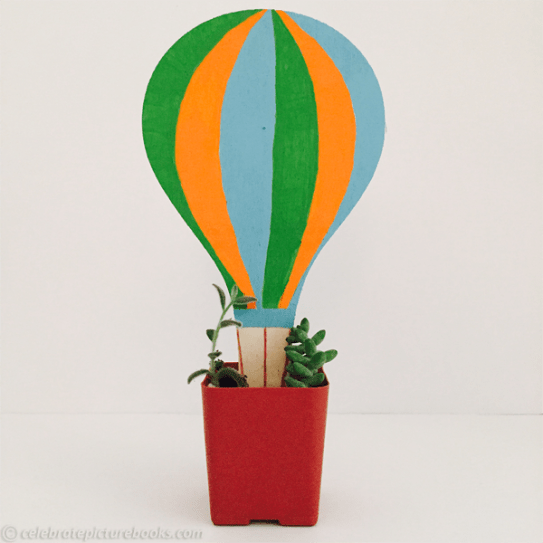
Hot Air Balloon Planter


Hot air balloons love to reach for the sky just as plant do! With this activity you can make a unique pot for your favorite plant.

Supplies

  • Plastic or terra cotta pot
  • Wooden paddle ball paddle, available at toy or craft stores
  • Paint or markers
  • Paint brush
  • Dirt
  • Clay (optional)
  • Plant or seeds

Directions

  1. Draw six crescent shapes on the globe part of the paddle
  2. Paint the crescent shapes in alternating colors, let dry
  3. Draw lines for the cables on the handle of the paddle
  4. Fill the pot with dirt (or if you don’t want to use this craft as a planter, you can add clay to the pot to hold the paddle upright)
  5. Add your plant or seeds
  6. Carefully push the paddle into the dirt or clay