March 24 – Cover Reveal for ARLO

ARLO

Written by Sophia Gholz | Illustrated by MacKenzie Haley


ARLO works on the assembly line like the rest of the robots. But unlike the others, ARLO longs for something different. Then one day, a surprise changes everything. Follow this exciting adventure as ARLO discovers the unknown, learns home is where the metal heart is, and that “something different” can be created in many ways.

Meet Sophia Gholz
Sophia Gholz is an award-winning children’s book author, poet, magic seeker, and avid reader. Sophia enjoys writing fiction with humor and heart. When writing nonfiction, she pulls on her love of science and her strong family background in ecology. Since 2017, Sophia has helped oversee the Henry L. Gholz SEEDS National Field Trip Endowment for The Ecological Society of America, funding ecological field experiences for students. Sophia is the author of The Boy Who Grew a Forest: The True Story of Jadav PayengThis is Your World: The Story of Bob Ross, Bug on the RugA History of Toilet Paper (And Other Potty Tools), Bear at the Fair, and more. When she’s not writing from her home base in Florida, you can find Sophia reading, visiting schools, or exploring the great outdoors with her family. For more, visit Sophia at: www.sophiagholz.com.

Hi Sophia, I’m so excited to be sharing the cover for your adorable book! Just look at that face! ARLO melts your heart! I’m also happy to be talking to you about how ARLO came to be and so much more. I can’t wait to get started!

Robots are both timeless and timely—and, of course, always kid-favorites!  What was the inspiration behind ARLO?

ARLO actually began as a writing exercise a decade ago, in May of 2014. At the time, the buzzword in the picture book world was “character,” and agents and editors were hungry for “character-driven pictures books.”

Now, I know authors aren’t supposed to write for the market. Instead, you write the story that suits you and hope it fits into the market. However, at that time I was still fresh to the world of picture book writing. I wasn’t agented or published. I was still learning how to craft a story and hadn’t studied much on character building. So, I took the buzzword of the day and decided I wanted to explore that idea. In doing so, I created a metal bot that longed to swim, but couldn’t because—as the line when in my original manuscript said—“His boots sink like bricks, his gears rust, and oil and water don’t mix.”

Similar to the ARLO of today, this original bot worked on a factory assembly line and longed for something different. But unlike ARLO, that original bot had eight arms (like an octopus) and because he loved water, I called him Robotopus. It took me over a decade, 60+ drafts, and so many different variations to finally find ARLO at the heart of this story. And that is exactly why you don’t write for the market and instead write for yourself. It wasn’t until I let go of what I thought this story needed to be and allowed it to become what it was naturally that it clicked.

Growing up, did you have a favorite robot character in books, TV, or movies? What was it about that robot that you liked best?

I’ve always been a huge techy/sci-fi and fantasy fan! One of my favorite childhood movies was called Flight of the Navigator. I loved that film as a kid and it definitely sparked my interest in out-of-this-world robots at a young age. Flash forward, my daughter was on a competitive robotics team in school and that continued to fuel my love. But I’d be remiss if I didn’t shout out Disney’s WALL-E here. That little bot stole my heart from the get-go! In fact, I pitched ARLO’s story as “WALL-E meets The Wizard of Oz.”

Can you talk a little about the journey of this book from idea to publication?

Some books pour out in final form within a matter of hours. Other books take years. ARLO was one of the latter. The first draft was written in May of 2014. I’m one of those writers who likes to save all of their drafts as I revise in case I need to pull something from or revert back to a previous version of a story. So, it’s pretty easy for me to look back now and see exactly how this story changed and shifted over the years.

From the first draft, I fell in love with my little robot. I knew from the start he worked in an industrial factory, but needed nature and longed for something different. In those first drafts, my robot wanted to swim and he used his factory skills for building a suit to help him achieve that goal. That original story actually won an SCBWI Rising Kite Award in 2017. Still, I knew it was missing something. Like my little bot, the story longed for something more. I just couldn’t figure out what that was.

I eventually shelved this manuscript as I focused on other projects. But my bot lived on in my mind. Over the course of ten years, while I was in between other projects, I’d pull this manuscript out of the drawer and completely rework it again and again. Robotopus became Robbie, then Robotika, who morphed into Zigbee, then Ozzy, and ARO, who finally led me to ARLO.

It wasn’t until I let go of the idea of swimming (which I held onto for SOOOO long) and allowed ARLO to tell me what he wanted instead of me telling him, that his story finally poured out in late 2019. But in 2019, two things happened simultaneously: 1) my first book (a nonfiction book titled The Boy Who Grew a Forest) was released and 2) the pandemic struck. As a result, ARLO was shelved again, and it would be another two years before his story would be sent to editors for consideration.

When Sarah Rockett at Sleeping Bear Press made an offer, I jumped on it. I didn’t want the manuscript going anywhere else. Sleeping Bear makes such beautiful books and I knew Sarah really understood this character and the heart of ARLO’s journey.

Tell me about the first time you saw MacKenzie’s cover for ARLO.

I have loved MacKenzie’s art since I first saw it in The Scariest Kitten in the World. I was ecstatic when my editor, suggested MacKenzie as the artist to bring ARLO’s story to life. As soon as her name was floated, I couldn’t think of a better artist for this book.

When I first saw her cover sketch, I squealed in delight. I had no idea what to expect and Mackenzie completely nailed it. I mean, she really knew how to bring ARLO’s personality out and how to capture our little bot’s heart. I cannot wait for readers to immerse themselves in MacKezie’s art and ARLO’s world!

Since your first book The Boy Who Grew a Forest: The True Story of Jadev Payeng was published in 2019, you’ve written about a beloved artist, a famous paleontologist, a bug in a rug, a hangry bear, and even the evolution of toilet paper. These books have been recognized with multiple state and national awards. What do these honors mean to you?

When I began writing, I set out to complete one book. That was my only goal. I was a hopeful writer who wanted to know if I was even capable of crafting or sharing a story I loved. The fact that some of those stories actually became books that have been received in the way they have, is far beyond my wildest dreams. To say I am incredibly grateful, would be a vast understatement.

To this day, each time I sit at my desk, I question again if I’m capable. As an artist, you hope other people will love your art the way you do but that is far from guaranteed. I completely panic every time I release a new book. No matter how much time passes from that first story, I’m still just that girl, sitting behind a keyboard, hoping to complete a manuscript and praying someone out there might like it.

The last time we chatted, you were just getting started as a published author. Your career has really taken off since then. What do like best about being a children’s author? What have you found to be the most surprising?

I’m thankful you’ve been on this journey with me since the start! It feels so good to be back on the blog with you now.

As an author, there is nothing more gratifying than having a reader connect with your story or your character in some way. I absolutely love hearing from readers or seeing the spark in their eyes when I visit them in schools or events. Honestly, there’s nothing better than that.

The most surprising has been navigating book bans and political controversy. When I heard A History of Toilet Paper had been banned in some circles or when I got word from PEN America that Bug on the Rug had been flagged in Florida a while back, I was floored. I’m over here just trying to share stories I love. Call me naïve, but I had no idea how much people might pick them apart in search of negativity.

From the pictures of school, bookstores, and workshop appearances on your website, it’s clear you and the kids have a blast when you visit. Can you talk a little about what you do during a school visit? 

I love visiting schools and hosting author events. This past year, unfortunately, I had to cancel most of my appearances as my daughter went through some very scary health issues. Thankfully, we are on the other side of that now and I’m looking forward to reconnecting with everyone!

I’m not an educator by nature (shout out to all the amazing teachers out there!!!) and don’t know much about school curriculums. So, for me, I love to talk with people about the art of storytelling and finding inspiration in everyday life. One of my favorite things to do is work with an audience to create a story in real time during a visit.

What are you hoping kids will take away from this book?

ARLO is ultimately about finding yourself, learning to embrace differences, and stepping outside of your comfort zone. I hope readers of all ages will find inspiration in ARLO’s adventure.

When can readers look forward to seeing ARLO on bookstore shelves? Do you have tour or other plans you’d like to share?

 ARLO will be released August 1st, 2025 and is available now for preorder anywhere books are sold! Keep an eye out on my website for upcoming events and signings: sophiagholz.com.

Thanks, Sophia, for sharing so much about your journey with ARLO and your inspirations! It’s obvious that ARLO is very well loved!

Meet MacKenzie Haley
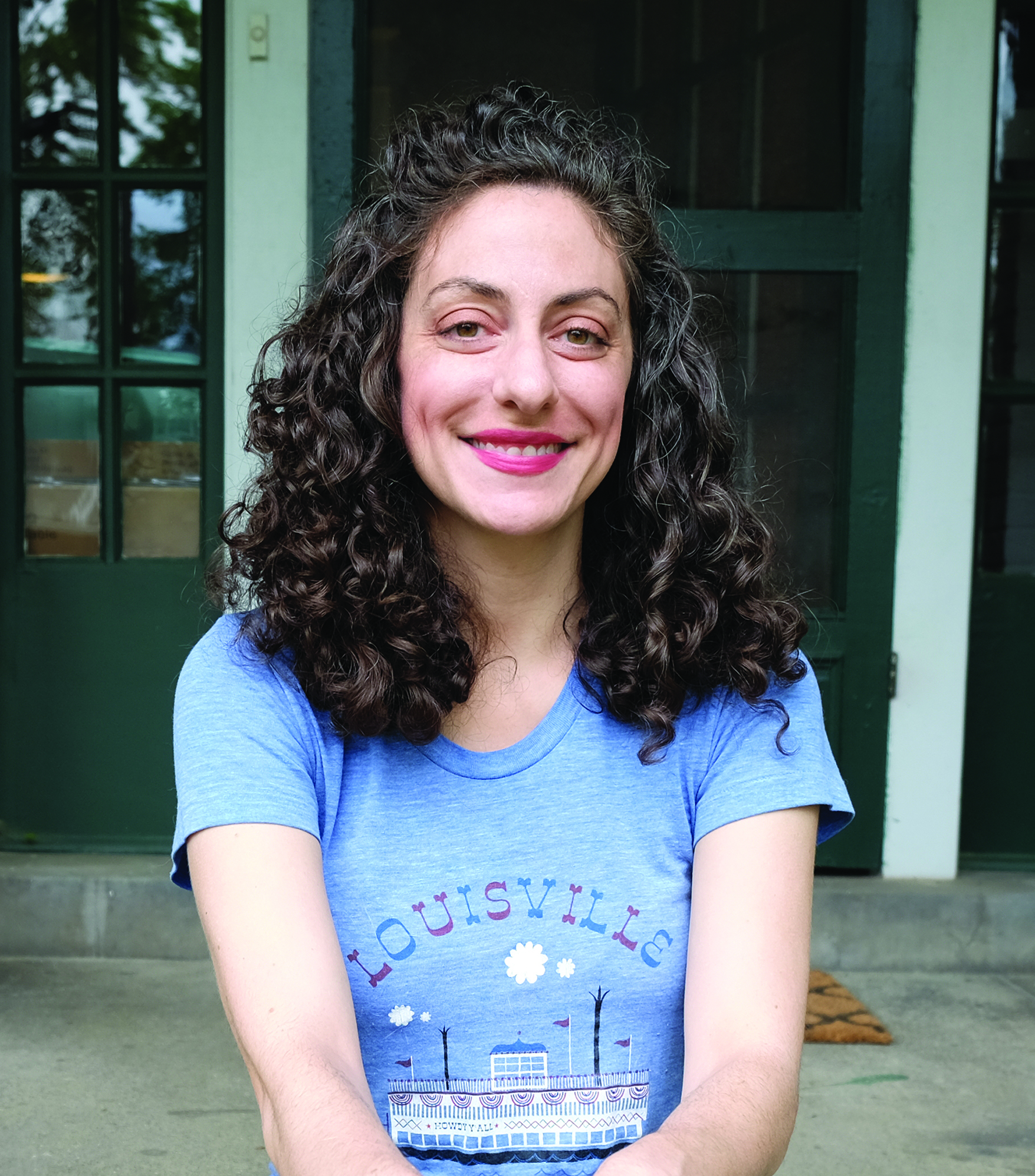
MacKenzie Haley is an award-winning illustrator born, raised, and living in Louisville, Kentucky with her two cats, Booger and Abby. She is the illustrator of Dolly Parton’s Billy the Kid series, as well as A Book for Bear, and The Scariest Kitten in the World. When she’s not drawing or playing with her cats, she can be found spending time with her friends and family, and learning what’s currently “cool” from her twelve-year-old niece, and eight-year-old nephew. To learn more about MacKenzie and view adorable “bits and bobs,” comics, and more, visit her at mackenziehaley.com

Hi Haley! I just fell in love with ARLO the moment I saw him, so I’m thrilled to get to talk to you about how you brought ARLO to life and all the considerations that go into creating illustrations for a picture book. I’ve also gotta know about the kitties you’ve fostered, but let’s start with ARLO.

What drew you to this project?

When I first got the ARLO manuscript, I immediately appreciated the idea of this little robot having the very human experience of daily mundanity. No matter how much we love our day job, our family, our friends, sometimes the day-to-day gets hard and we lose ourselves in that daily grind. The fact that ARLO is literally swept away into a whole new world, specifically into nature, was a reminder that as humans we can get stuck in our day-to-day existence, and begin to take things for granted, to let ourselves get run down. It reminded me that we need to go outside and appreciate the natural world around us. Take time to breathe and experience nature. When we do that, we bring some of that back into our daily lives, and it can change our daily experiences for the better, just like it does for ARLO.

Can you describe your process in creating and choosing this endearing cover image?

To start with, I’ve had good and not-so-good experiences in the past creating covers. I guess every illustrator has! In my earlier years I had publishers shut down my ideas for the cover and want me to just create their vision. When that would happen, the end result was usually not something I was happy with, or that I felt served the book very well. In more recent years I’ve been fortunate enough to work with some wonderful publishers and art directors who value my input and let me explore ideas and take the lead.

Creating the cover for ARLO was a really great example of the collaboration between myself and the publisher/art director/editor. Looking back, I can see I started the cover a bit more guarded than I realized. I can get too attached to my ideas, and sometimes feel like I’m losing my voice in how an image turns out when someone asks me to make certain changes that I’m not sure about at first.

Working with Sleeping Bear Press taught me that there is a good balance to be struck between having an idea you really like, and leaving room for creative feedback and space for positive changes. Not to be so precious with my ideas or images, so that when suggestions are made with a good team, I can step back and really hear what they are saying and work that into the cover vision. For example, I initially kept making ARLO too small in the cover sketches I was creating. So Jennifer took the time to talk with me on the phone and explain what they were looking for, and we were able to come up with an image that really showcases the main character, while hinting at the world he discovers in the story. I learned a lot throughout this process, and I’m really grateful for their endless patience with me.

Did you always want to be a children’s illustrator? How did your career begin?

Growing up, money was really tight. There was a time when my mom and dad didn’t buy themselves any new clothes for two years, but they made sure that I always had a full bookcase and a constantly growing little library of my own. I treasured those books and carry that love of books with me today. Each book was a little world I could explore and get lost in.

That being said, growing up I never realized you could make a living creating art. There was no one in my family’s sphere who did that, and I just didn’t know it was a possibility. I kept making art as I grew up though, and learned that there were jobs as artists. I got my BFA with an emphasis in illustration from The University of Dayton in 2002. While I always loved children’s books, I had no idea how to get into that field, so I cast my net wide and tried to get any and all illustration freelance jobs I could. I had a day job this whole time because my freelance income wasn’t paying my bills.

Around 2005 or 2006 I realized I needed to focus on one aspect of illustration. I had no idea how difficult the children’s book market was to break into, so I naively chose that, haha! I’ve heard it said that you don’t know what you can’t do if no one ever tells you. So I worked on my portfolio, submitted to agents, got rejected, worked on my portfolio some more, submitted again, and got rejected. I kept doing this, improving each round, until I finally got an agent in 2017. I was able to quit my day job in 2018 and have been illustrating children’s books full time ever since then!

What have you found to be the most rewarding aspect of being a children’s illustrator?

Seeing a book completed at the very end is such an incredible feeling and makes all the hard work worth every minute. To know that the author and I created this brand new thing where nothing existed before is an amazing feeling. The other most rewarding thing is hearing from parents or kids themselves about how much a book means to them, how much they like a book or what kind of impact it’s had on them. I remember being little and how important books were to me, how much I cherished them. I feel honored that I am able to be a part of children’s lives like that.

When you are given a manuscript for a picture book, what are your first considerations and how do you go about creating a detailed world for the story?

When I first get a manuscript, I read through it a number of times without trying to make any decisions, to just absorb the story. When I first started illustrating books, I didn’t really know what I was doing or have any kind of plan. That’s changed throughout the years, learning what works best for me and seeing what helps me create the best books I can.

For ARLO, I took a more holistic approach, considering characters, color palettes, emotional tones and shifts. The first thing a publisher usually wants are sketches for the main characters. This was the case with ARLO, but for this story I took it further. I listed all of the characters, distilled the main message of the story, and noted what the characters were feeling and when, along with the major emotional shifts in the book. The robots are characters in this story, but I also considered the two worlds or environments as characters as well—the factory and nature. I wanted a color shift to occur throughout the book. The factory was created using almost exclusively neutral colors, with a pop of bright blue here and there, hinting at the natural world ARLO would explore later (the bird he follows in the story is bright blue).

Illustration © 2025 by MacKenzie Haley, text © 2025 by Sophia Gholz. Courtesy of Sleeping Bear Press.

The shift from neutrals in the factory to an explosion of bright, bold colors in nature was really important. The neutrals portray the mundanity of ARLO’s daily life in the beginning of the story, and at the end when he has learned from his adventure, he brings the brightness from nature into the factory, and we see neutrals and bright colors together, indicating in a visual way how ARLO’s and the robots’ daily lives are more fulfilling and happy now. Colors carry such emotional weight, and my hope is that the reader feels this as they progress through the story.
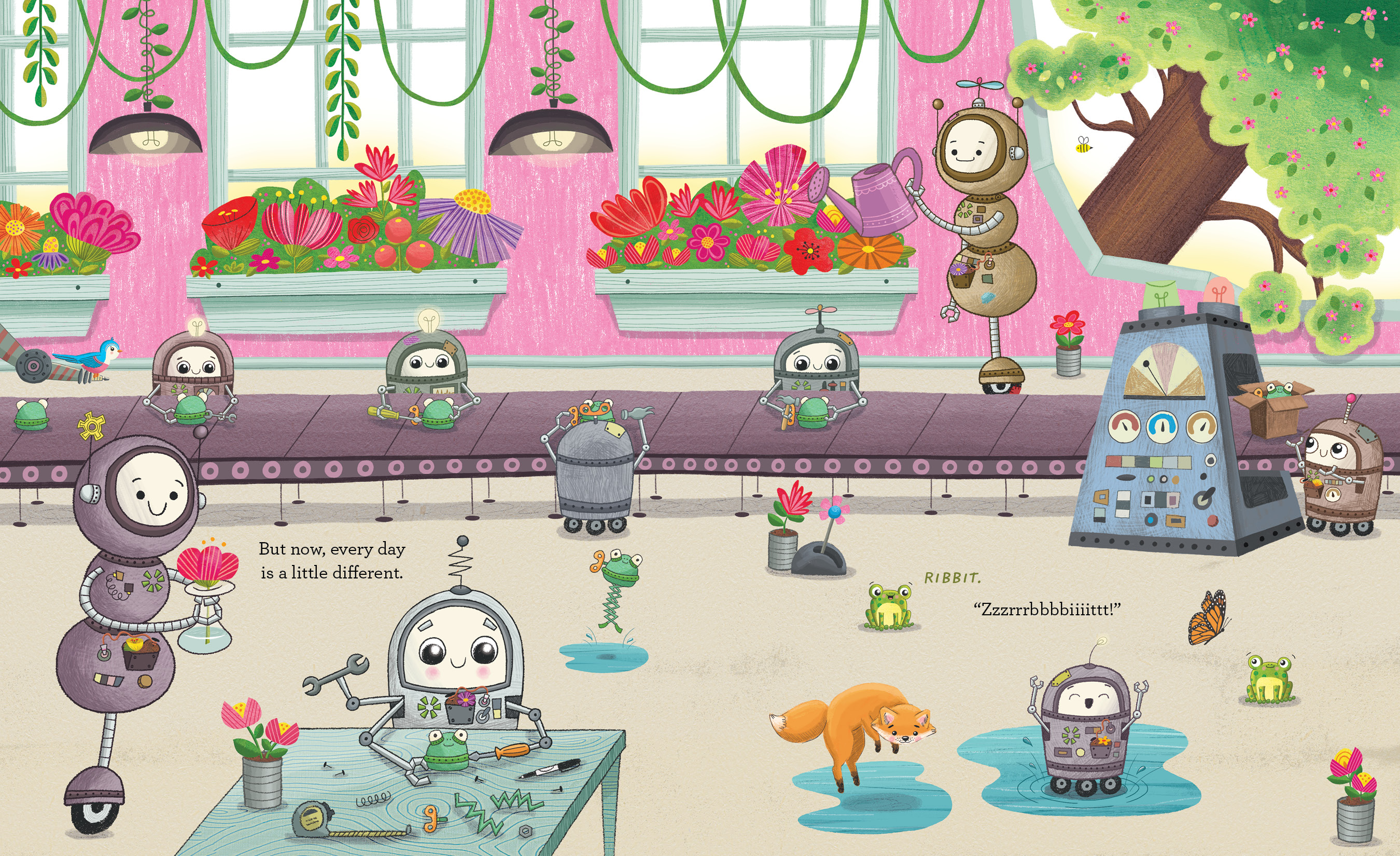
Illustration © 2025 by MacKenzie Haley, text © 2025 by Sophia Gholz. Courtesy of Sleeping Bear Press.

What was your favorite part of creating ARLO’s world?

My favorite part was creating ARLO himself. I had so much fun playing with basic shapes and forms and fun little details, such as the little compartments he has and what tools would pop out of them. But I also loved creating the outside world almost as much as ARLO. To make the flowers, I scanned in hand-painted swatches of watercolor, collaged shapes from them digitally in photoshop, and then drew on top of those shapes. I got to explore a lot and try several different things to see what worked best and what I was happiest with. It was a really fun process! I think the watercolor texture is a good contrast to the sleek metallics of the factory world.

Your bio on your website reveals that you’ve fostered around twelve cats and are a cat mom to two. How did you begin fostering cats? Your illustrations of cats are so adorable and true to cats’ goofy and sweet personalities. Do you use your own cats as inspiration? Will readers be meeting any kitties in ARLO?

I fostered my first kitties 13 or 14 years ago. At the time Louisville Metro’s animal shelter system had a really high kill rate. I didn’t have much money to donate, and they said the next best thing was to foster. They have food banks to cover that cost, and local vets who spay/neuter the cats for free, and take care of deworming, fleas, etc. I walked into the shelter that first day, having one cat at home, thinking to myself “okay, you get to foster one cat.” I ended up walking out of there with a huge crate holding a mom cat and her five one-day-old kittens. I obviously didn’t stick to my plan! I had asked them what their most immediate or urgent case was, expecting maybe a difficult or older cat. When they introduced me to mom cat and her kittens though, I couldn’t say no. I’m a sucker for kitties!

I definitely use my own cats for inspiration. The kitten in The Scariest Kitten in the World is basically my white cat, Booger. She’s so goofy and playful. She was one of the kittens in that first foster group I had, so I’ve known her since she was one day old. She would crawl up on my lap while I was working on an illustration and fall asleep, while the other kittens were playing with each other. I fell in love immediately. I think the situation is more that I’m her human, rather than that she is my cat. I adore her. There aren’t any kitties in ARLO. I should have tried to sneak one in! But there are some woodland creatures the readers will see along the way!

What would you like readers to take with them from your illustrations for ARLO?

I think I would like them to take away the idea of what an amazing wonder nature is, what a gift we have right in front of us, and what it can add to all of our lives. Just being outside for even five minutes a day, breathing in fresh air, feeling the sun on your skin, it all makes such a huge difference. I think it’s something humans crave and need to be whole and happy.

Thank you so much, MacKenzie, for this wonderful, in-depth look at your career in illustration and your process in creating ARLO’s world! I’m so looking forward to August 1, when readers everywhere will be able to bring ARLO home with them.

If you’re as eager to read ARLO as I am, you can preorder the book at these booksellers and from Sleeping Bear Press. ARLO will be released on August 1.

Sleeping Bear Press | Amazon | Barnes & Noble | Bookshop (to support your local independent bookstore)

Picture Book Review

March 11 – It’s Gardening, Nature, and Ecology Books Month

About the Holiday

Established in the early 2000s by the Children’s Book Council, this month-long holiday encourages people to read books about gardening, nature, and ecology to foster a deeper connection with the environment and appreciation for our planet, encouraging more people to adopt sustainable practices in their daily lives.

I’d like to thank G.P. Putnam’s Sons Books for Young Readers for sharing a digital copy of Hello, I’m an Axolotl with me for review.

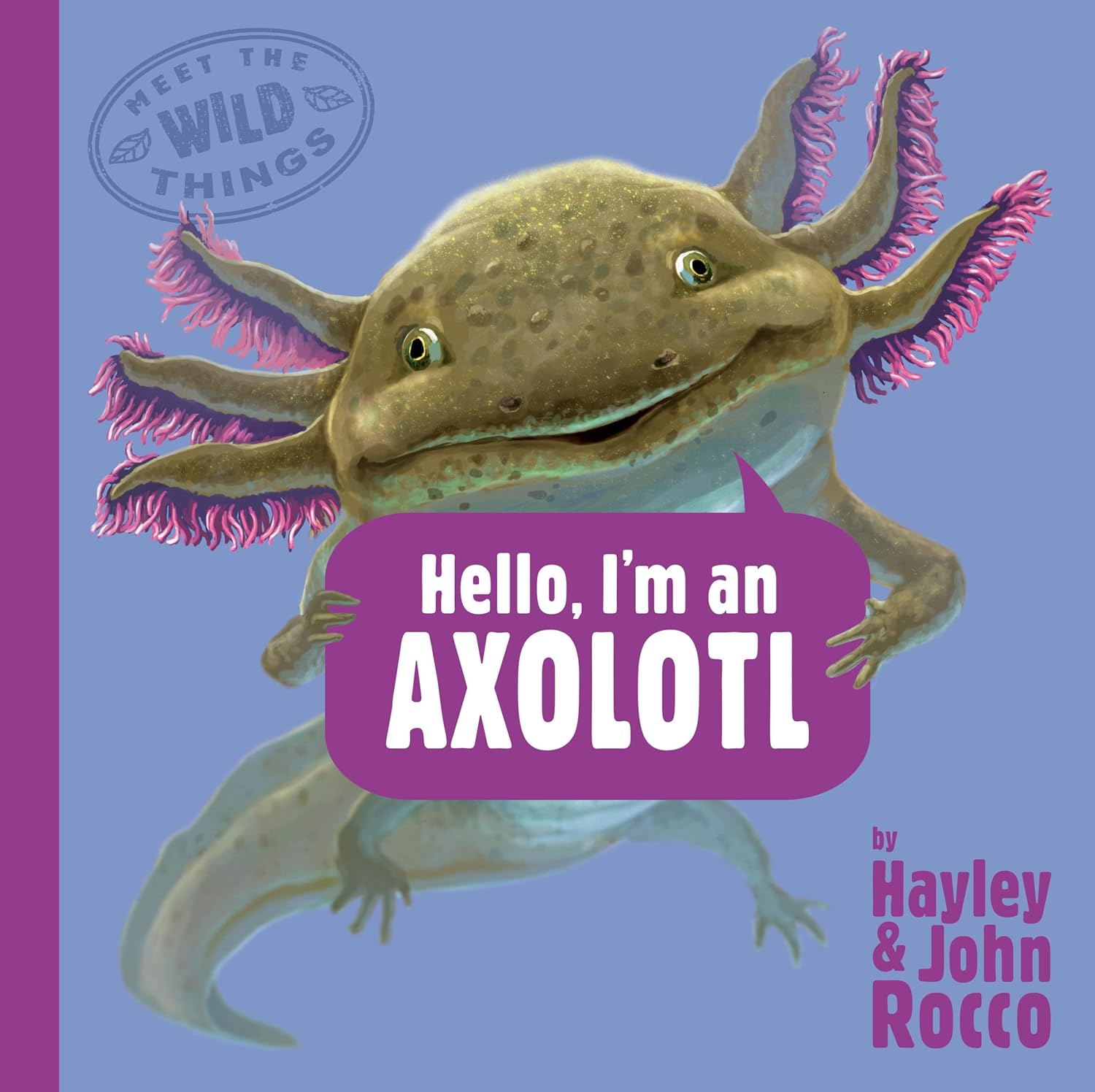
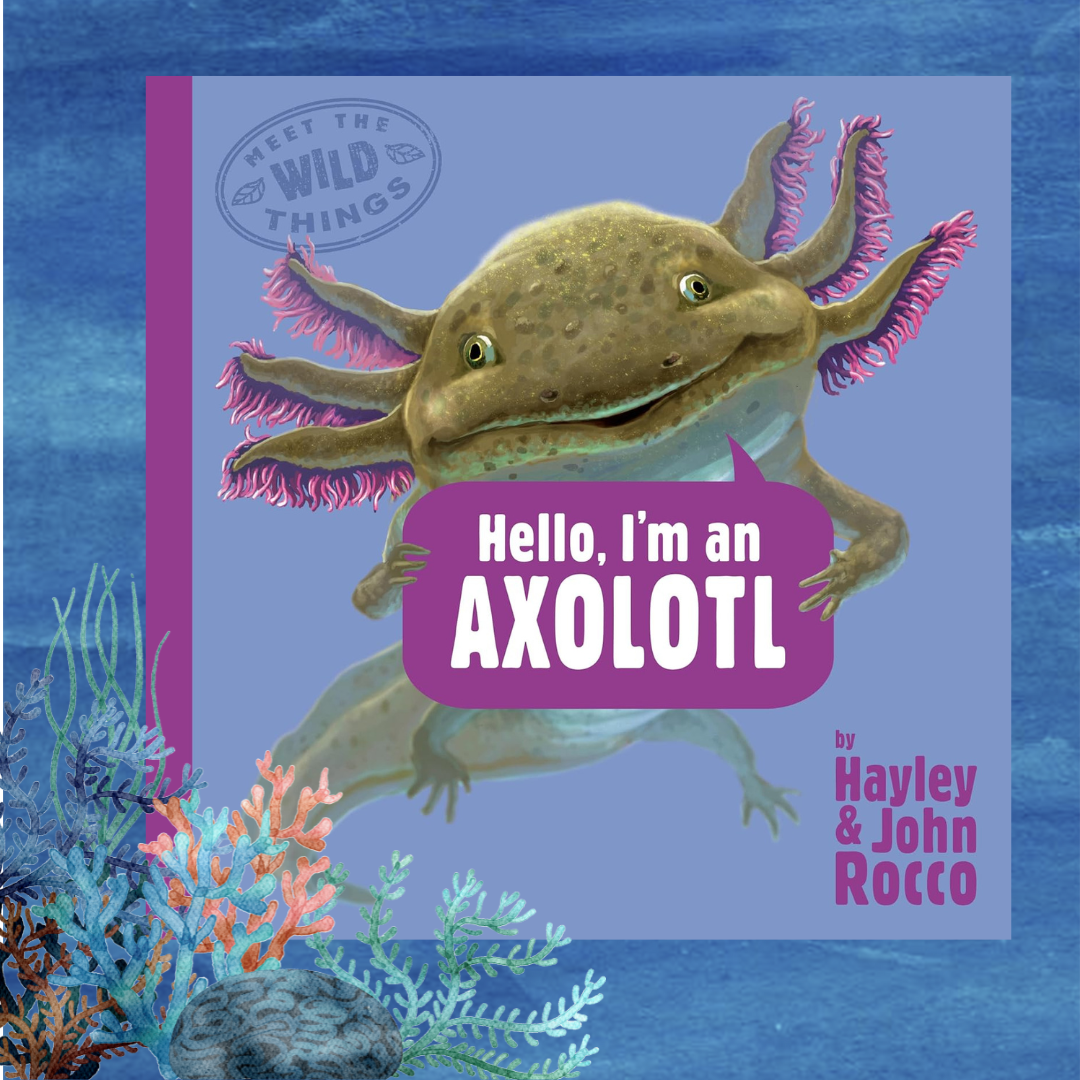
Hello, I’m an Axolotl

Written by Haley Rocco | Illustrated by John Rocco


Swimming into the popular Meet the Wild Things series that introduces kids to unusual and endangered animals is Hello, I’m an Axolotl and its spirited narrator who wastes no time in telling readers “I am A-M-A-Z-I-N-G!” And it’s not kidding!

First off, it’s named after a super hero-sounding Aztec god and then we learn that even though axolotl’s are related to salamanders, they’re a bit like an underwater Peter Pan because they “never really grow up,” which actually gives axolotls another superpower: the ability to breathe in two ways.

Illustration © 2025 by John Rocco, text © 2025 by Haley Rocco. Courtesy of G.P. Putnam’s Sons Books for Young Readers.

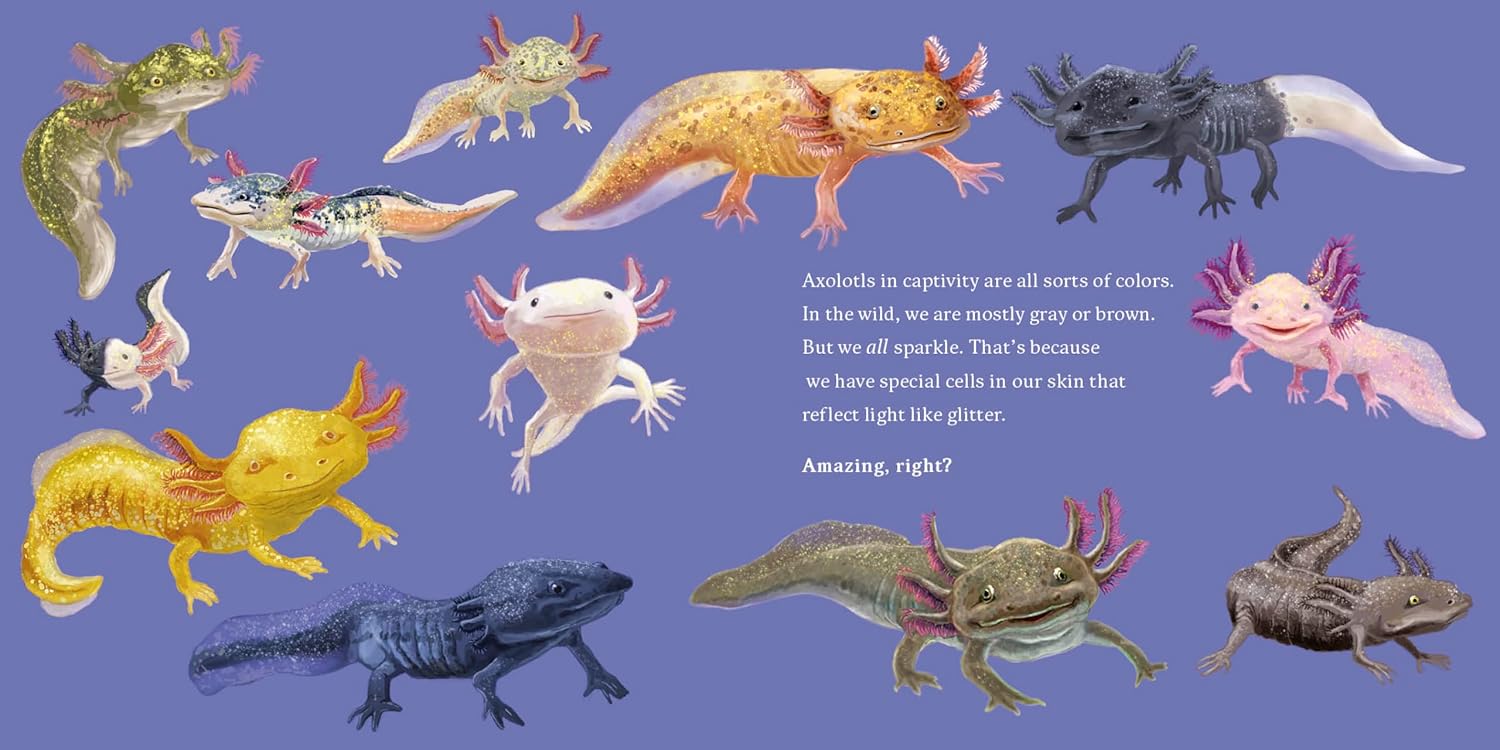
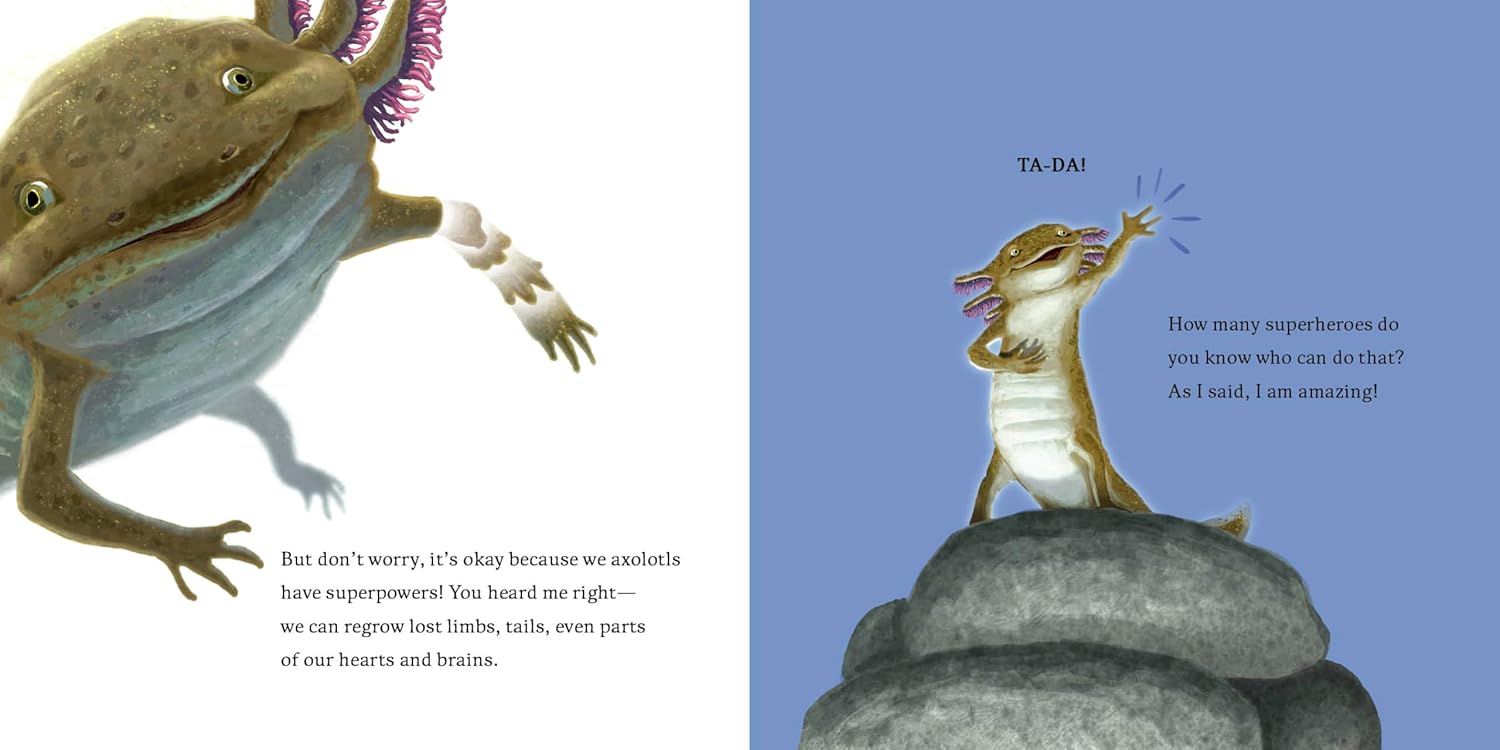
And if that doesn’t convince you that these little cuties are special, the fact that their skin sparkles like glitter certainly will! The book’s host then reveals how that’s possible. Pretty neat, huh? Still not convinced that the axolotl is one of the most fascinating animals on the planet? How about if you knew they can regrow “lost limbs, tails, even parts of [their] hearts and brains?!” This comes in handy, especially if one of their 1,000 siblings has mistaken them for a snack. Scientists are even studying how they do it with hopes of applying what they learn to humans one day.

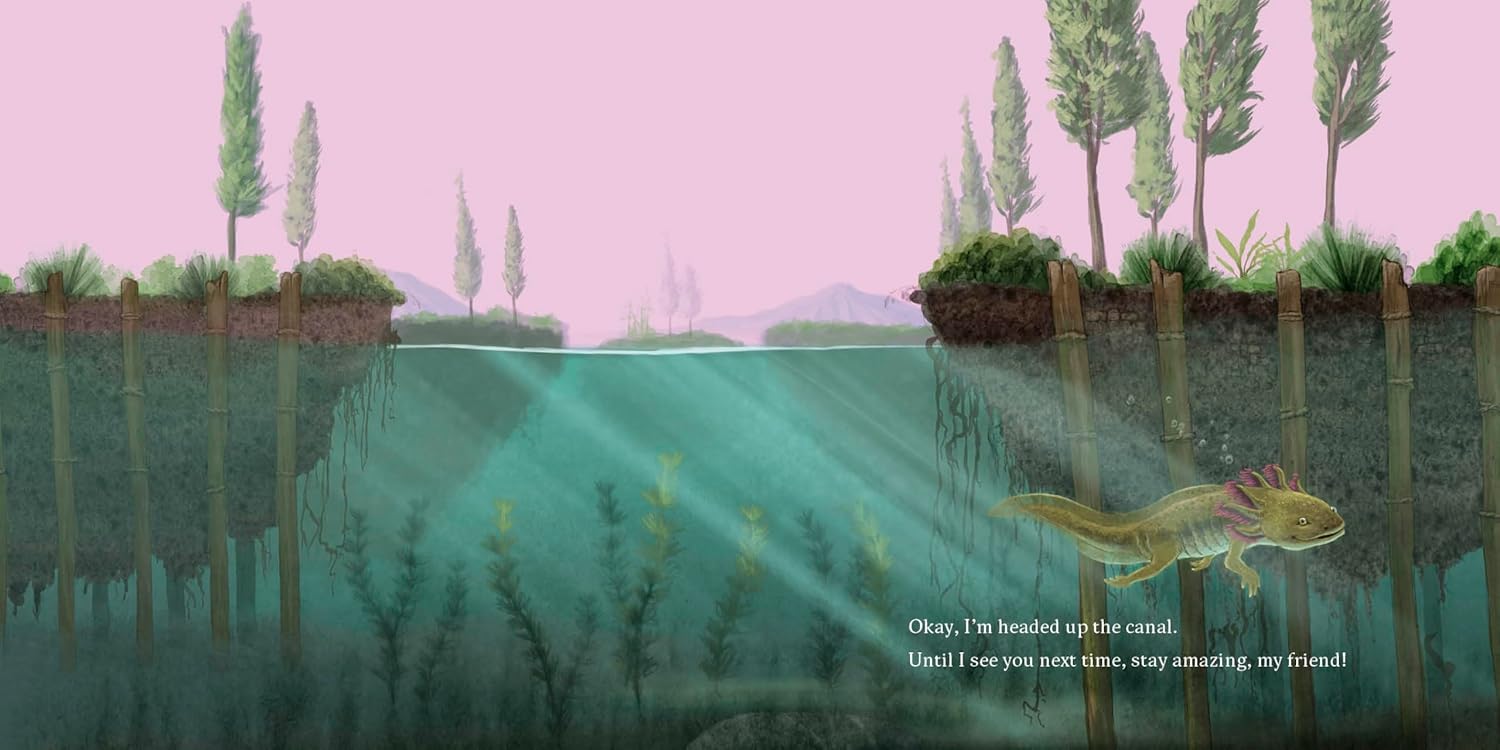
But everything isn’t rosy for axolotls. While “there about a million axolotls all over the world living in tanks and aquariums,” there are fewer than 500 living in the wild—and these are only found in one “lake and some canals outside Mexico City.” You’ll be able to see why when you compare an illustration of Lake Xochimilco from the 1500s to one from current times.

Illustration © 2025 by John Rocco, text © 2025 by Haley Rocco. Courtesy of G.P. Putnam’s Sons Books for Young Readers.

There is hope, however, as conservationists are reintroducing “an ancient Aztec farming method” that provides conditions axolotls need to survive. World-wide notoriety that shines a light on the plight of these A-M-A-Z-I-N-G creatures helps too.

Back matter expands on the facts presented in the text, including short paragraphs on the Aztec people, the origins of all axolotls in captivity today, the science behind their sparkly skin, why axolotls are endangered, and much more. 

Illustration © 2025 by John Rocco, text © 2025 by Haley Rocco. Courtesy of G.P. Putnam’s Sons Books for Young Readers.

Haley Rocco’s superpower is introducing incredible animals in a witty, personal voice that immediately endears them to kids. In Hello, I’m an Axalotl, her charming first-person narration rivets readers to the fascinating facts about axolotls, providing plenty of eye-opening and “awww”-inspiring moments as well as heartfelt concern about the future of these one-of-a-kind creatures and how they can help.

John Rocco’s stunning mixed media illustrations put kids eye-to-eye with the feisty and adorable axolotl narrator as it takes kids on a tour of its home, a lab where scientists are studying the regenerative abilities of axolotls, and to ancient and modern Lake Xochimilco. Readers of all ages will be intrigued by the image of the Aztec farming method making a comeback to protect axolotls. There’s even an “actual size” depiction of an axolotl that will captivate kids.

Unforgettable learning at its best, Hello, I’m an Axolotl is a must addition for school and public library collections and would make a perfect choice for families with children who love animals and care about the environment.

Ages 3 – 7

G.P. Putnam’s Sons Books for Young Readers, 2025 | ISBN 978-0593618219

Discover all the books in the “Meet the Wild Things” series!

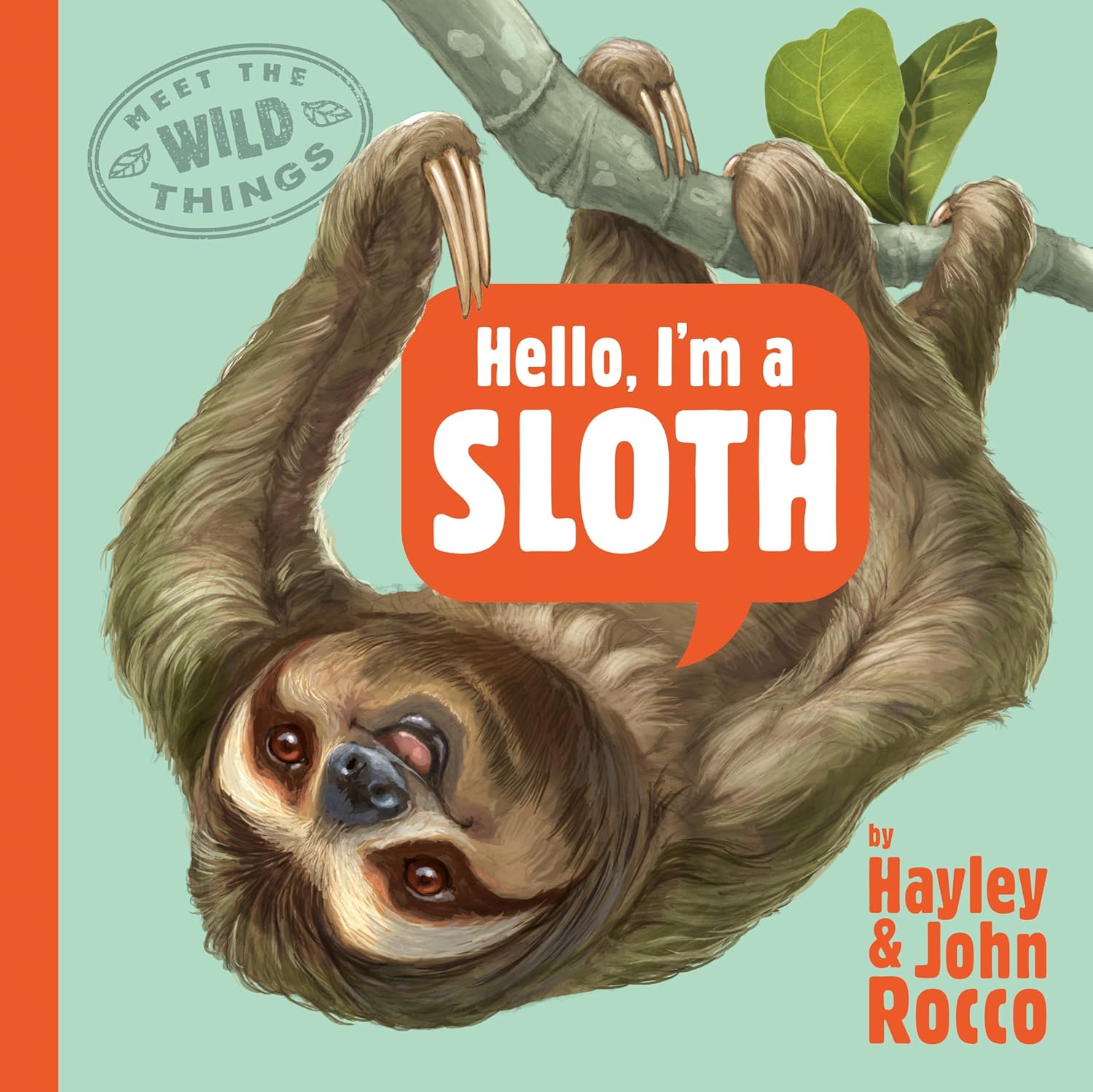
Hello, I’m a Sloth

Say hello to a sloth! Did you know sloths only poop once a week and can fall up to 100 feet without getting hurt? They also have hundreds of bugs living on them, including a species of moth that only lives on sloths! And they move so slowly that algae grows on their fur, which can actually help sloths camouflage!

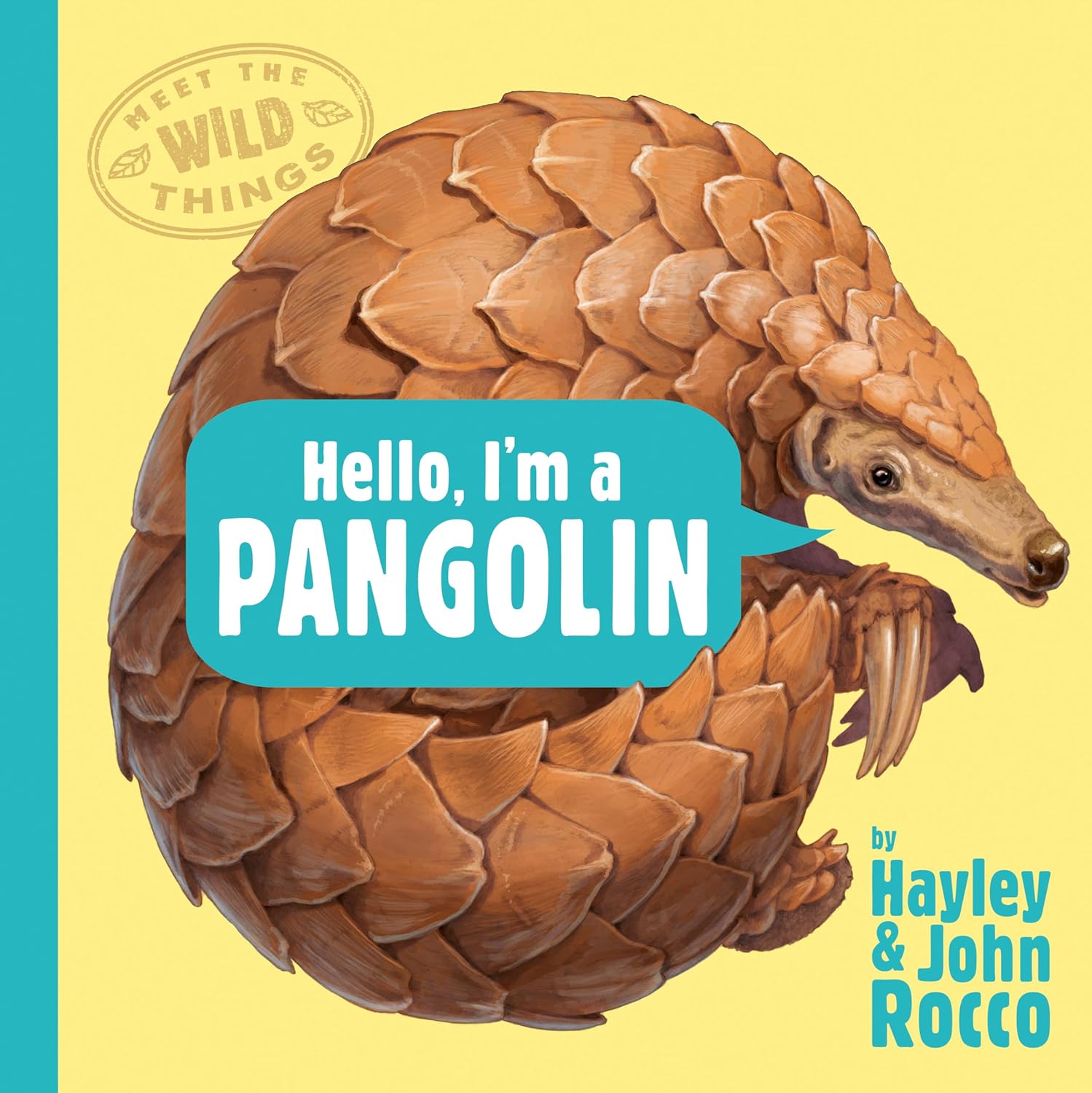
Hello, I’m a Pangolin

Say hello to a pangolin! Did you know pangolins are the only mammals with scales? And did you know pangolins have a super-sticky tongue as long as their entire body (the better to eat 20,000 bugs a day with!)?


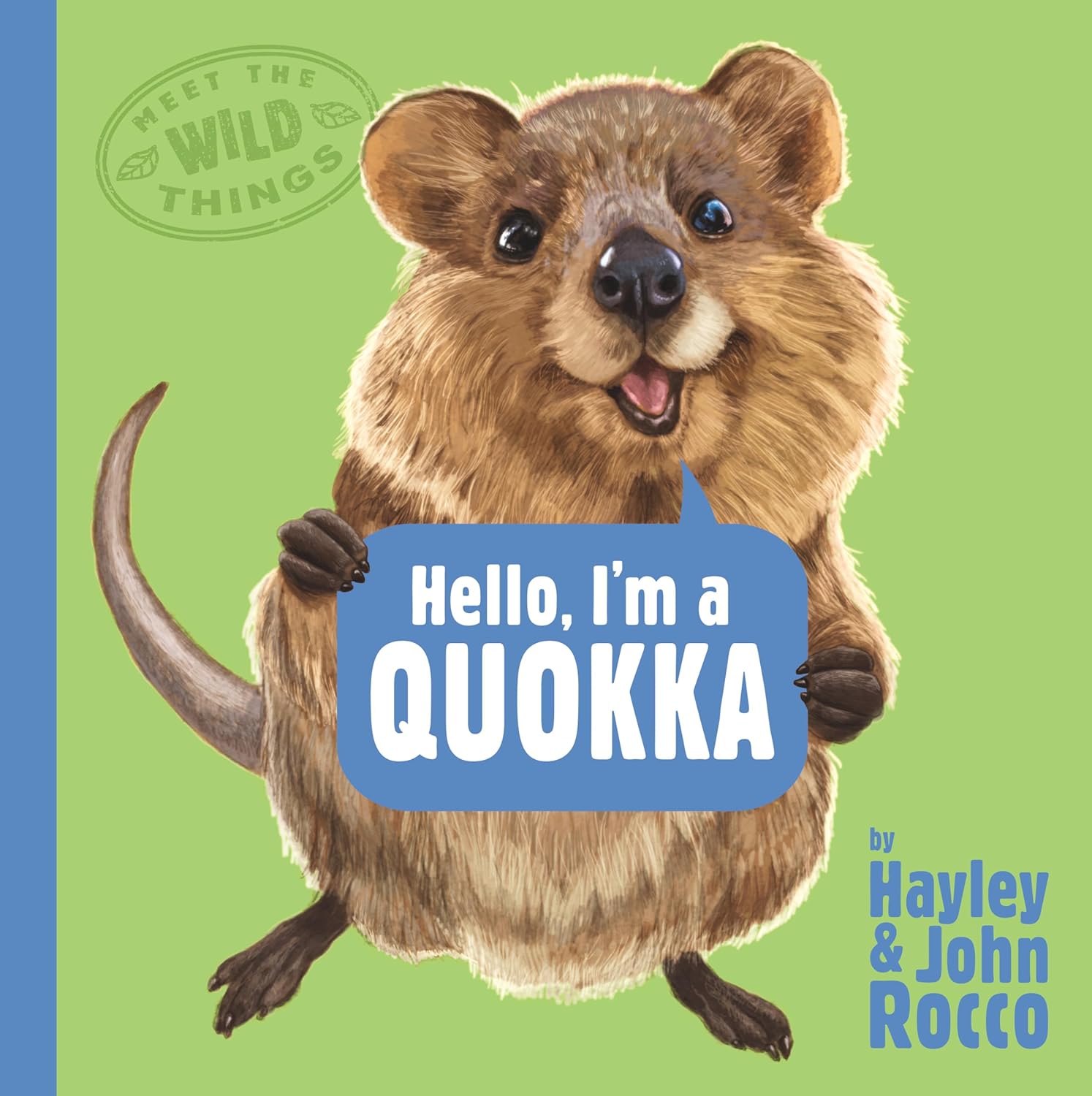
Hello, I’m a Quokka

Say hello to a quokka. Most of them live on a tiny island off of Western Australia. Like their relatives kangaroos and wallabies, they hop to get around and carry their babies in pouches. People say they are the happiest animal in the world. That’s because they’re very friendly, and their faces look like they are built for smiling—perfect for taking selfies with!

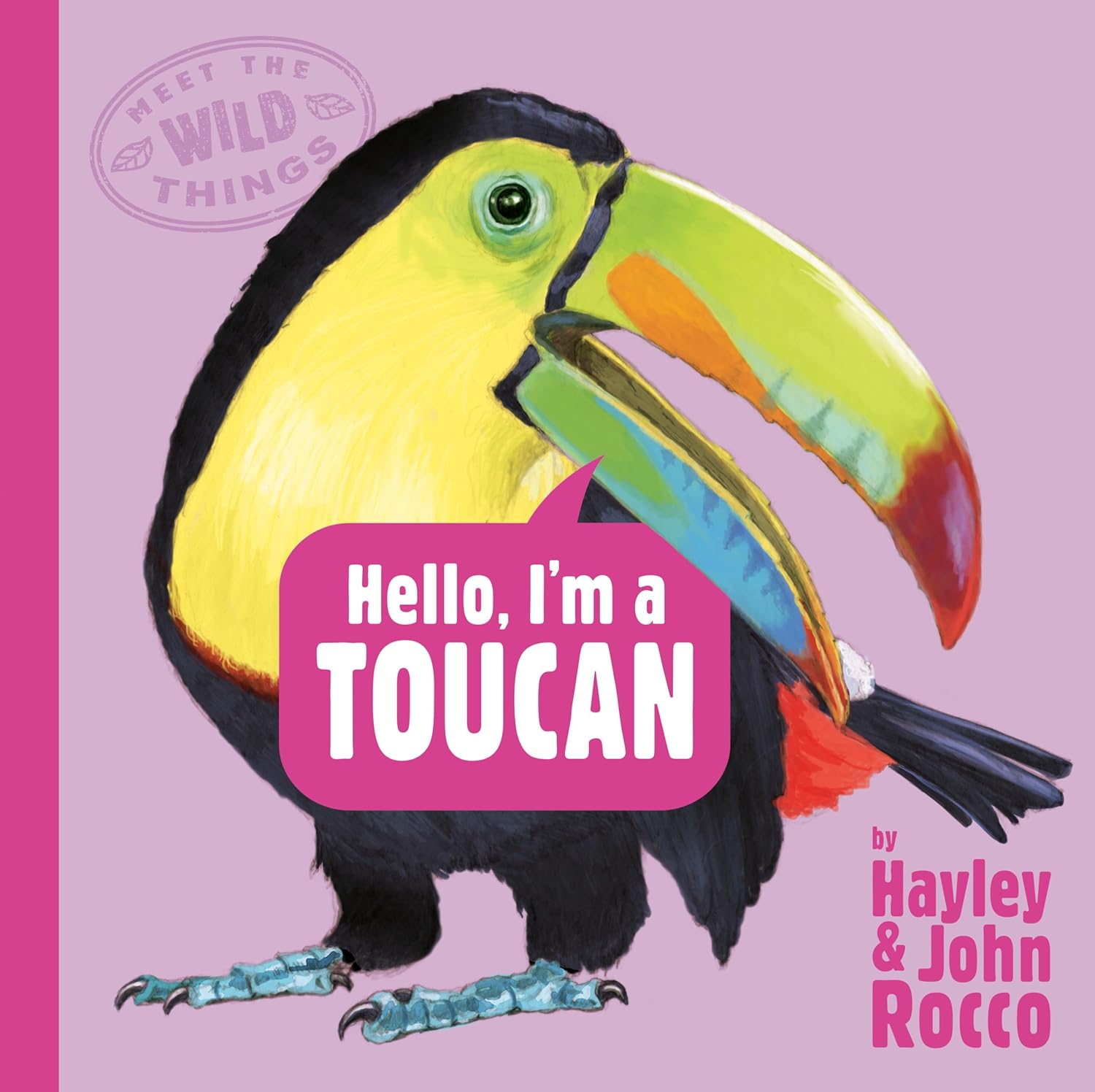
Hello, I’m a Toucan — Coming June 24!

Did you know a toucan’s bill is four times the size of its head? But you might be surprised by how lightweight and strong it is. And did you know that toucans use their bills to keep cool when it’s hot outside, by increasing blood flow from the rest of their body to maintain the perfect temperature? You can’t get much cooler than that.

About the Author

Hayley Rocco is the author of Wild Places: The Life of Naturalist David Attenborough, How to Send a Hug, and the Meet the Wild Things series, all in collaboration with her husband, John Rocco. Before dedicating herself to writing for children full-time, Hayley worked as a publicist at several major publishers. Visit Hayley at hayleyrocco.com and follow her on Instagram @hayleyroccobooks.

About the Illustrator

John Rocco is the #1 New York Times bestselling author and illustrator of many acclaimed books for children, including Blackout, the recipient of a Caldecott Honor, and How We Got to the Moon, which received a Sibert Honor and was longlisted for the National Book Award. John and Hayley live in Rhode Island in an old house tucked in the woods near the sea. Visit John at roccoart.com and follow him on Instagram @roccoart.

Hayley and John are also ambassadors for the nonprofit Wild Tomorrow and cofounders of Children’s Book Creators for Conservation.

You can purchase Hello, I’m an Axolotl at these booksellers

Amazon | Barnes & Noble | Bookshop (to support your local independent bookstore)

Picture Book Review
March 3 – World Wildlife Day

About the Holiday

In December of 2013 the United Nations General Assembly proclaimed March 3rd as World Wildlife Day to promote awareness of our environment and the dangers to it. Every year a different theme is chosen to spotlight an area of the world, a particular species, or a group of activists. This year’s theme is “Wildlife Conservation Finance: Investing in People and Planet” and focuses on innovative ideas for financing can contribute to halting biodiversity loss, raising the interest of private sector stakeholders to invest in wildlife conservation, and creating a sustainable future. The day also celebrates successful conservation and sustainability initiatives. To learn more about the day, special events, and how you and your kids can get involved today and throughout the year, visit the World Wildlife Day website.

Thanks to Eerdman’s Books for Young Readers for gifting us a copy of Kingdoms of Life for review.

Reviewed by Dorothy Levine

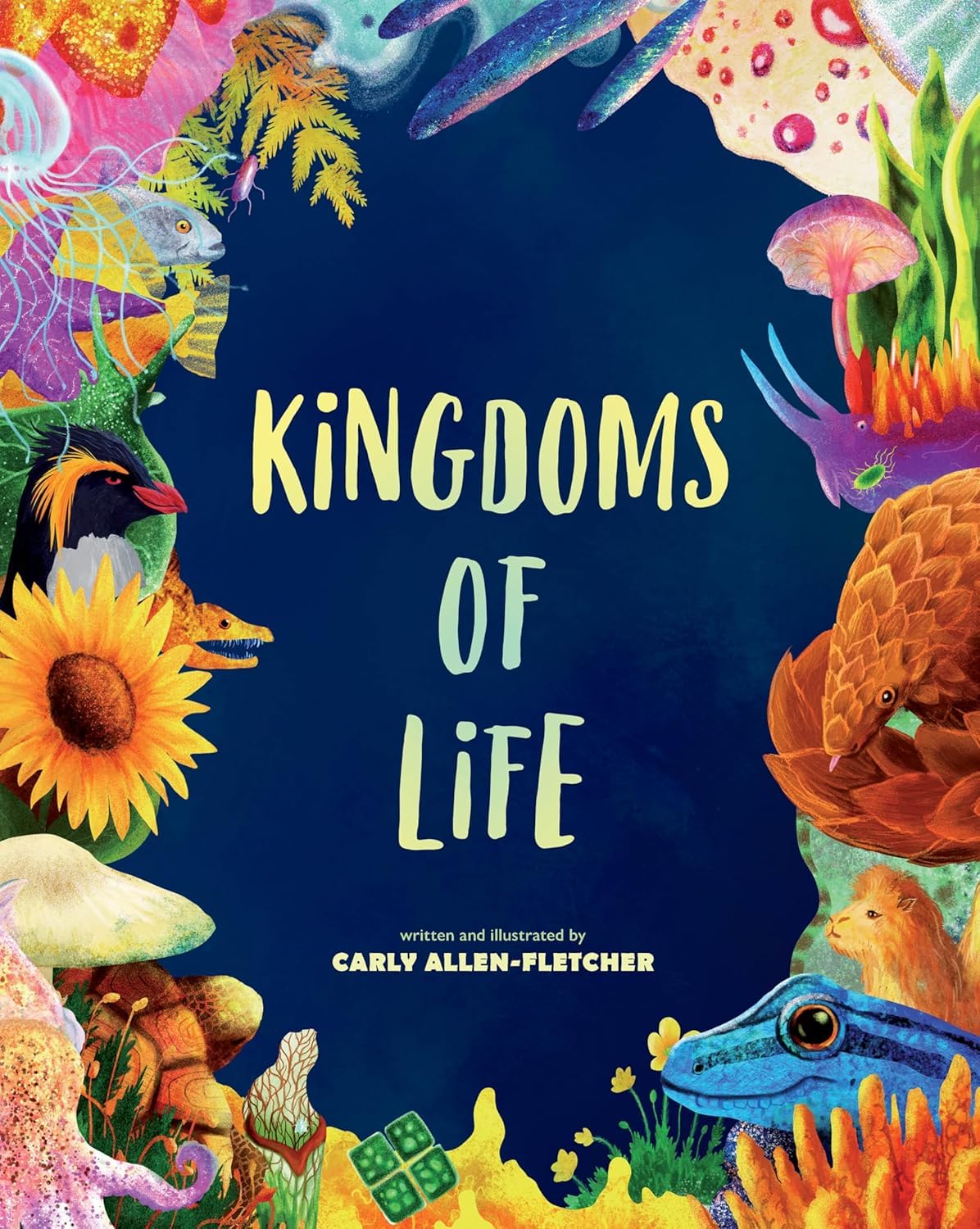
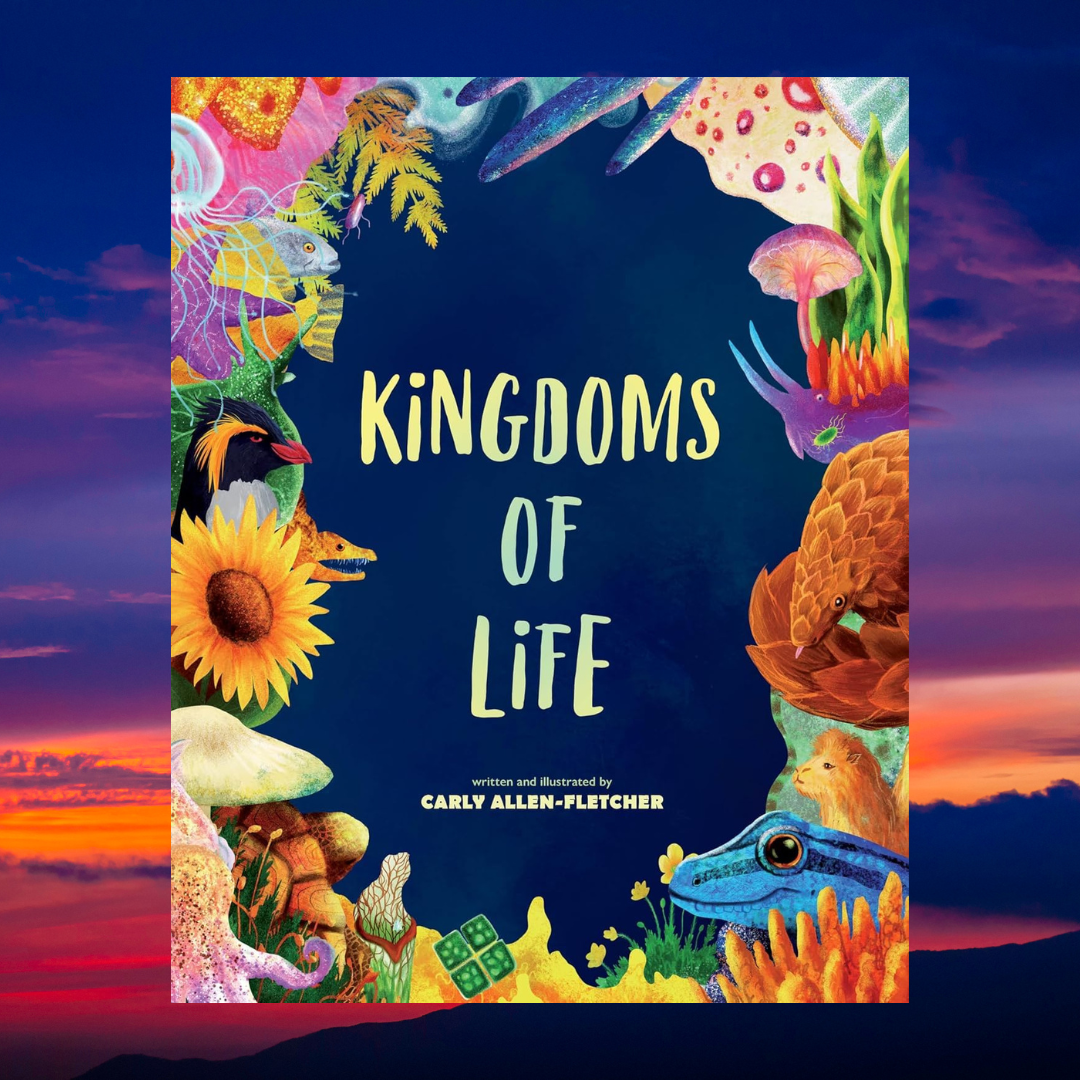
Kingdoms of Life

By Carly Allen-Fletcher


“Life is all around us…In the sky, the sea, and the soil, life exists in millions of different incredible ways.” 

Jump into Carly Allen-Fletcher’s vibrant fact-filled guidebook for kids for a deep-dive exploration of the kingdoms of life. Each Kingdom rules over its own color-coded section, jam-packed with information on how the classified organisms feed, grow, and reproduce. Information also includes the ways in which the organisms across Kingdoms are related or work together with other lifeforms. The pages are royally packed with vibrant illustrations that appear to burst out from the very edges of the book. 

Allen-Fletcher begins with an explanation of how all life is formed—from tiny building blocks called cells. These cells can join to create complex multicellular life forms or just exist on their own as unicellular forms of life. She then zooms out to examine the six biggest categories of life. Allen-Fletcher makes sure to note that these categories are not fixed; they change as scientists learn more and arrange beings in different ways. 

Illustration and text © 2025 Carly Allen-Fletcher. Courtesy of Eerdmans Books for Young Readers.

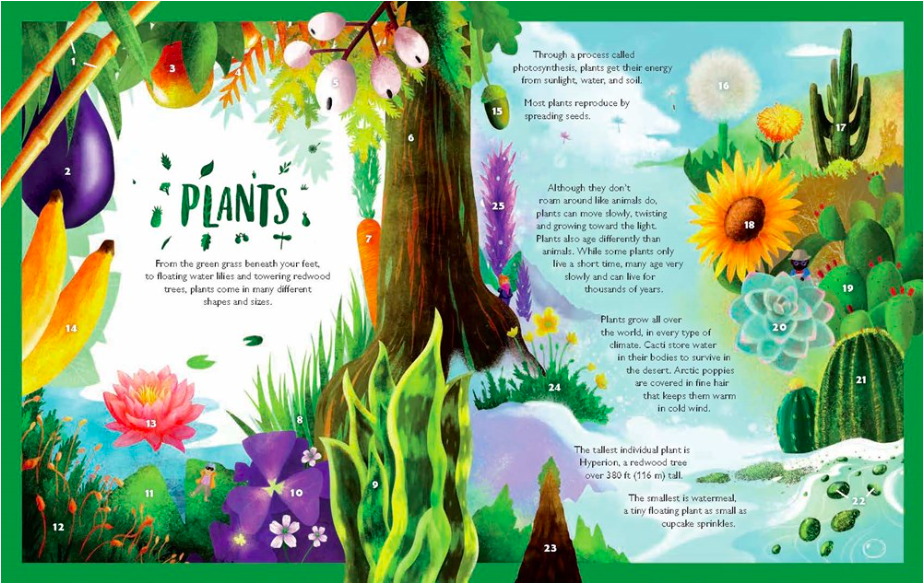
The first category investigated in depth is the most complex of the life-form groups—animals. The animal pages are filled with a diverse range of species, each numerated to a corresponding key at the back. Allen-Fletcher shows the wide range of animals by comparing the smallest species (fairy wasps) to the largest (blue whales), while also explaining how even within one species (dogs) there can be glorious variety. Examples of animals that don’t quite fit in the animal category, such as a sea slug that can make energy from the sun, as well as animals that can survive extreme conditions or are thought to be practically immortal, are also discussed.

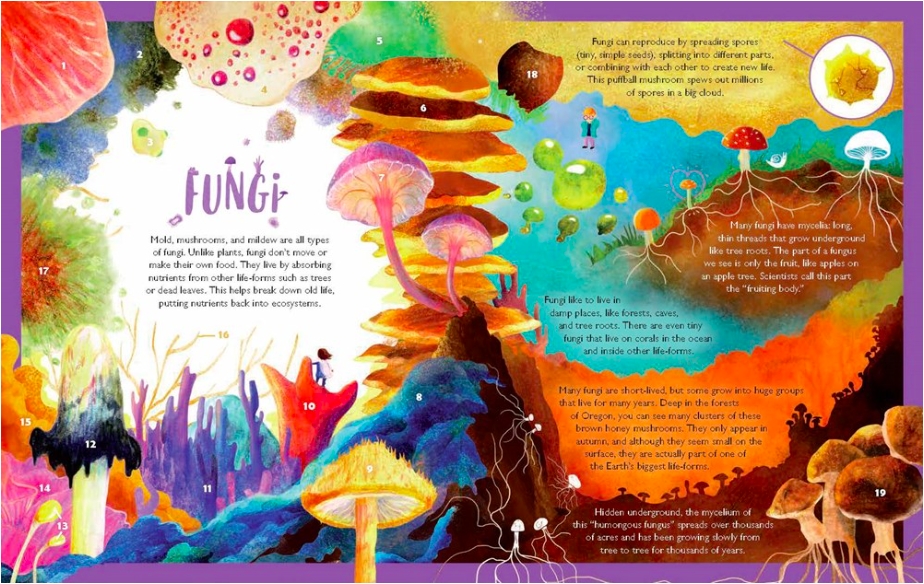
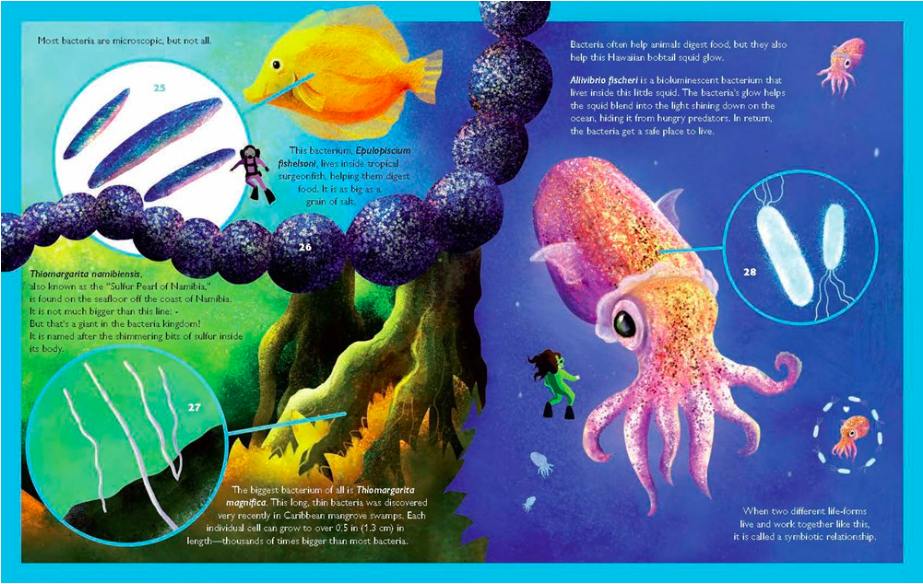
In addition to the animals, plants, fungi, protists, bacteria, and archaea are each given equal attention in their respective kingdom sections. From protists like giant kelp and slime mold to bacteria in our gut and bioluminescent bacteria found in squid, each kingdom is filled with fascinating examples of life and interesting facts on specific organisms. 

Illustration and text © 2025 Carly Allen-Fletcher. Courtesy of Eerdmans Books for Young Readers.

Kingdoms, Allen-Fletcher explains, can also be broken down further, into smaller and smaller groups such as family, genus, and species. A few taxonomists (scientists who study and sort lifeforms into categories) from around the world and throughout many different centuries are highlighted for their contributions to the field.

The book ends with a last dose of wonder: “We know more about the moon than we do about the deepest parts of our oceans. / Every year, we learn more about our home and the incredible life-forms we share it with. / What will we discover next?” The inclusion of “we” in this ending invites readers to feel welcome in this process of study and discovery. Taxonomy need not be only for adult scientists, but anyone who shares a passion for nature and careful observation. 

Back matter features each of the categories taxonomists use to sort life into groups as well as all the names of the featured life-forms throughout the book. The science is detailed while also distributed into easy-to-read bite-sized chunks.

Illustration and text © 2025 Carly Allen-Fletcher. Courtesy of Eerdmans Books for Young Readers.

Carly Allen-Fletcher illuminates a topic that is usually reserved for upper-level biology courses making it accessible and intriguing for young learners. The facts from her book will inspire a passion for all species—large or small, animal or bacteria—and help children to understand where in this big wide world we as humans stand and the symbiotic relationships that exist between creatures. Mini scientists dot the lusciously illustrated pages, comically examining life-forms in all the kingdoms up close.

Kingdoms of Life would make a valuable addition to home, school and library collections.

Ages 6 – 10

Eerdmans Books for Young Readers, 2025 | ISBN 978-0802855916

About the Author/Illustrator

Carly Allen-Fletcher is a British illustrator and author whose books include Goodnight Forest (Muddy Boots), Beastly Biomes (Creston), and Animal Antipodes (Creston). Inspired by nature and science, she creates her art by combining hand-drawn elements, painted textures, and graphic shapes. Carly loves reading about the latest biological discoveries, and if she hadn’t become a professional illustrator, she would have become a scientist instead. Follow Carly on Instagram or visit her website at carlydraws.com.

World Wildlife Day Activity

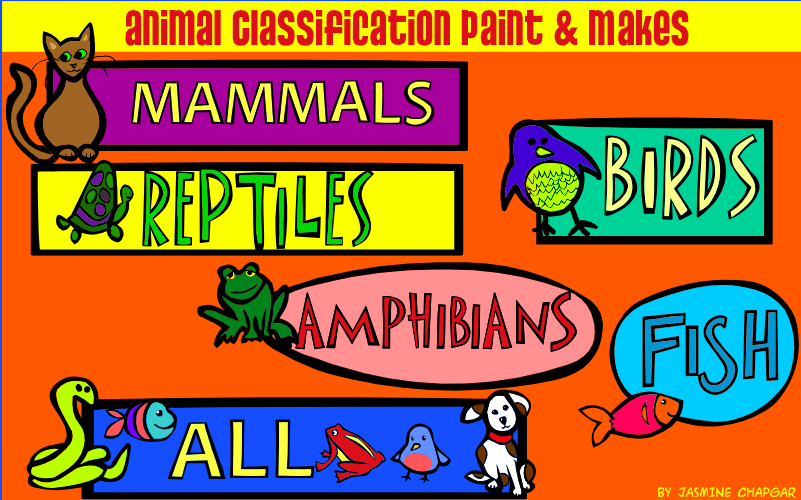
It Takes All Kinds game illustration courtesy of Science Trek.


Kingdoms of Life Fun


Watch a Kingdoms of Life Classification Video with Science Trek

  • As Allen-Fletcher notes in Kingdoms of Life, scientists are constantly evolving the categories for living organisms as they learn more. Do you notice any differences between the book and video kingdom categories? Since this video was published, scientists have started using the kingdom names bacteria and archaea instead of the previously used term, monera!

You can also explore their Online Games on kingdoms of life and animal classification, and practice sorting with Generation Genius’s Candy Classification Activity

You can purchase Kingdoms of Life at these booksellers

Amazon | Barnes & Noble | Bookshop (to support your local independent bookstore)

Picture Book Revie

January 17 – It’s National Book Blitz Month

About the Holiday

Whenever you and your family visit the bookstore or library, do you look around, and think “if only I had the time for them all . . .. ” Are you always looking for more shelves for your collection? Is your library card the first one on your ring? If so, you’ll love Book Blitz Month! During this month book lovers are given the green light to read, read, read as many books as possible! Or if there’s a tome you’ve always wanted to tackle, crack the cover and let yourself become immersed in someone else’s story. For kids, Book Blitz Month can be particularly exciting. Sit down with your child or students and make a stack of books they’d like to read. Find time every day to read one, two, or a few of the books in the pile. Seeing the stack shrink gives kids a sense of accomplishment, and they might even want to build it up again! Mix reading with fun activities to encourage a new generation of avid readers!

Thanks to Simon & Schuster/Paula Wiseman Books and Barb Fisch at Blue Slip Media for sharing a copy of Snow Is . . . with me. All opinions on the book are my own.

Snow Is . . .

Written by Laura Gehl | Illustrated by Sonia Sánchez


The very fact of snow is a wonder. While rain nourishes, snow transforms. The world looks, feels, sounds, and even smells different with the advent of snow, and a playful giddiness bubbles up in both young and old, pushing off the task of shoveling out. Laura Gehl’s lovely poetry expresses those moment-to-moment changes snow brings both outside the window and in our hearts. 

Image copyright Sonia Sánchez, 2024, text copyright Laura Gehl, 2024. Courtesy of Simon & Schuster/Paula Wiseman Books

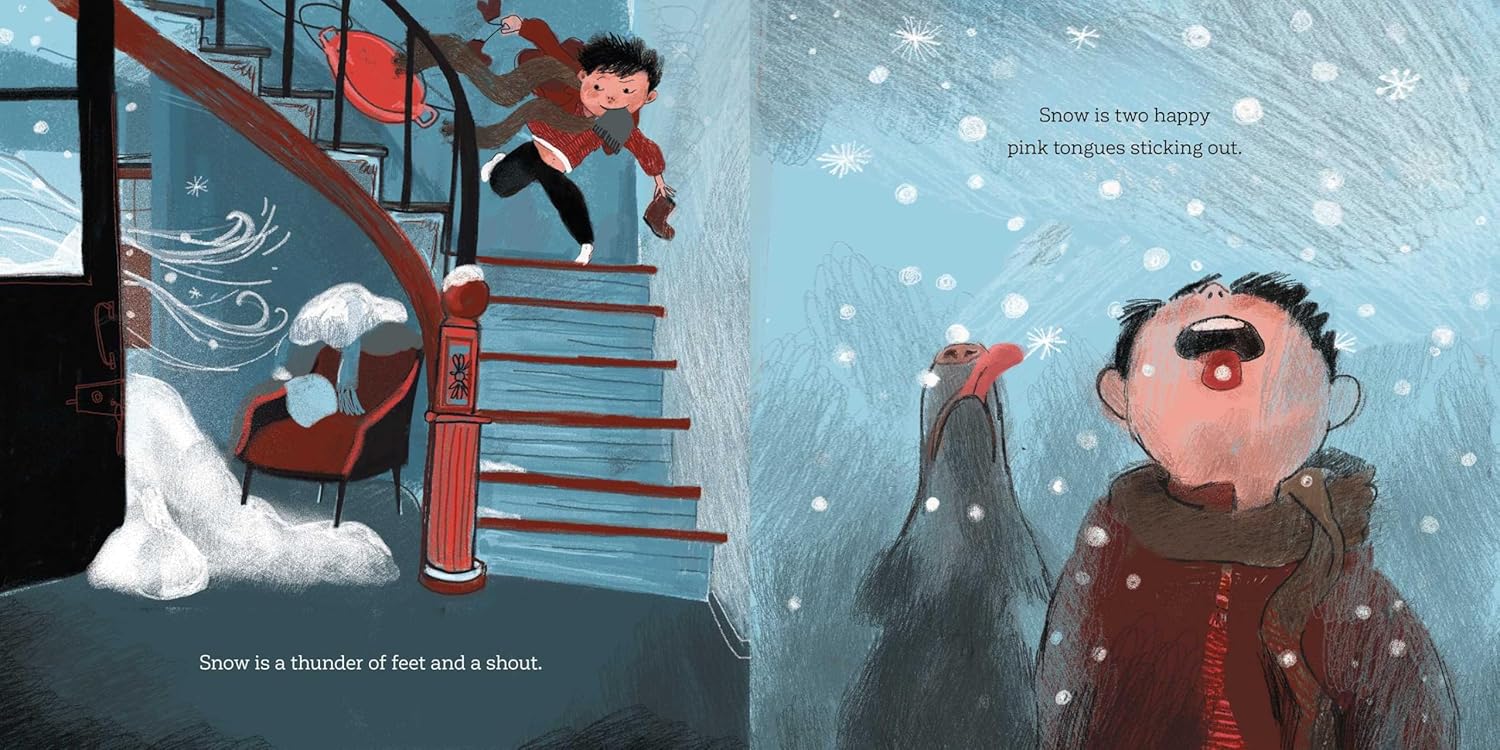
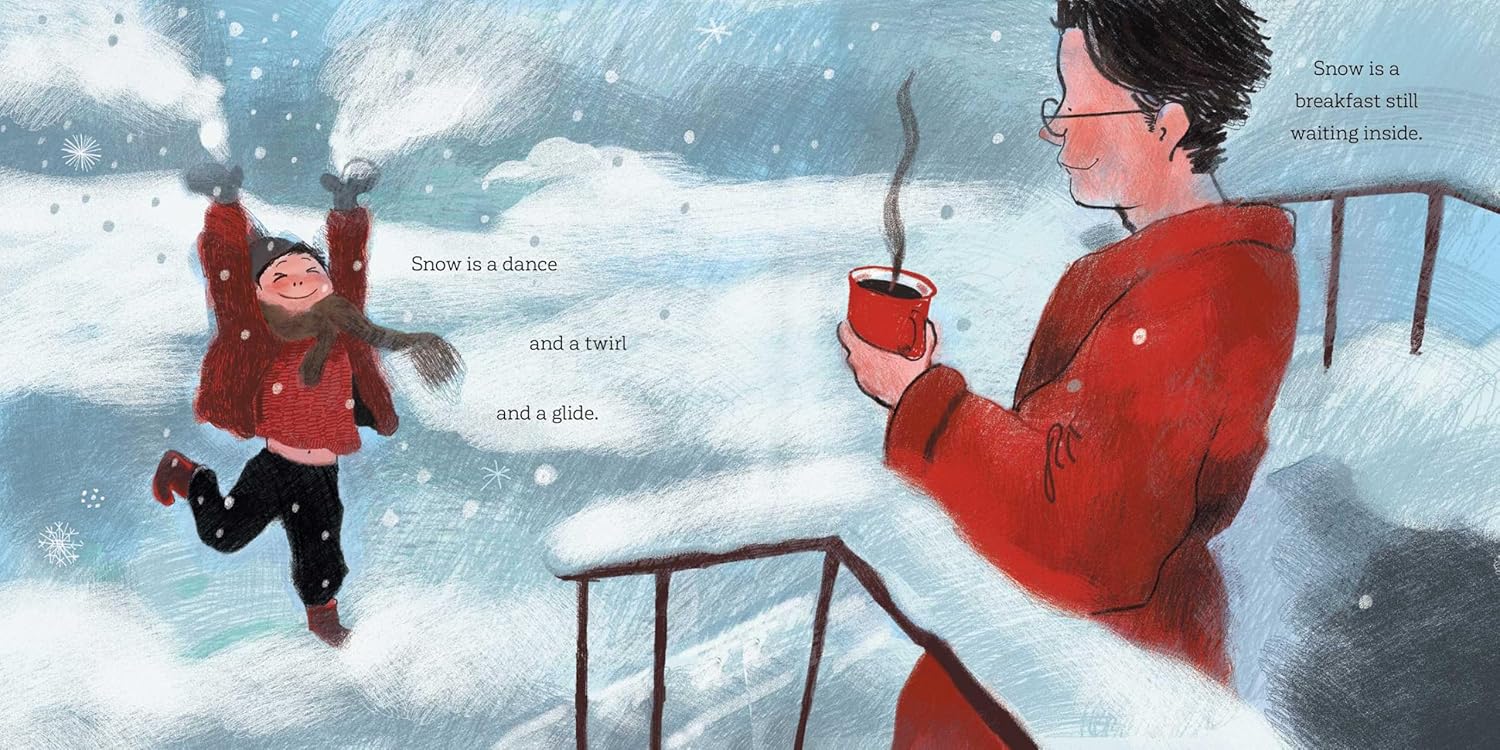
Gehl’s story begins as so often happens with a child waking to a surprise snow day. Drawn to the window, he gazes out, then suddenly “snow is a thunder of feet and a shout. / Snow is two happy pink tongues sticking out” as he grabs his scarf, boots, hat, mittens, and sled and tears downstairs, rushing outside with his dog. His dad, steaming coffee in hand, comes out to watch.

Image copyright Sonia Sánchez, 2024, text copyright Laura Gehl, 2024. Courtesy of Simon & Schuster/Paula Wiseman Books

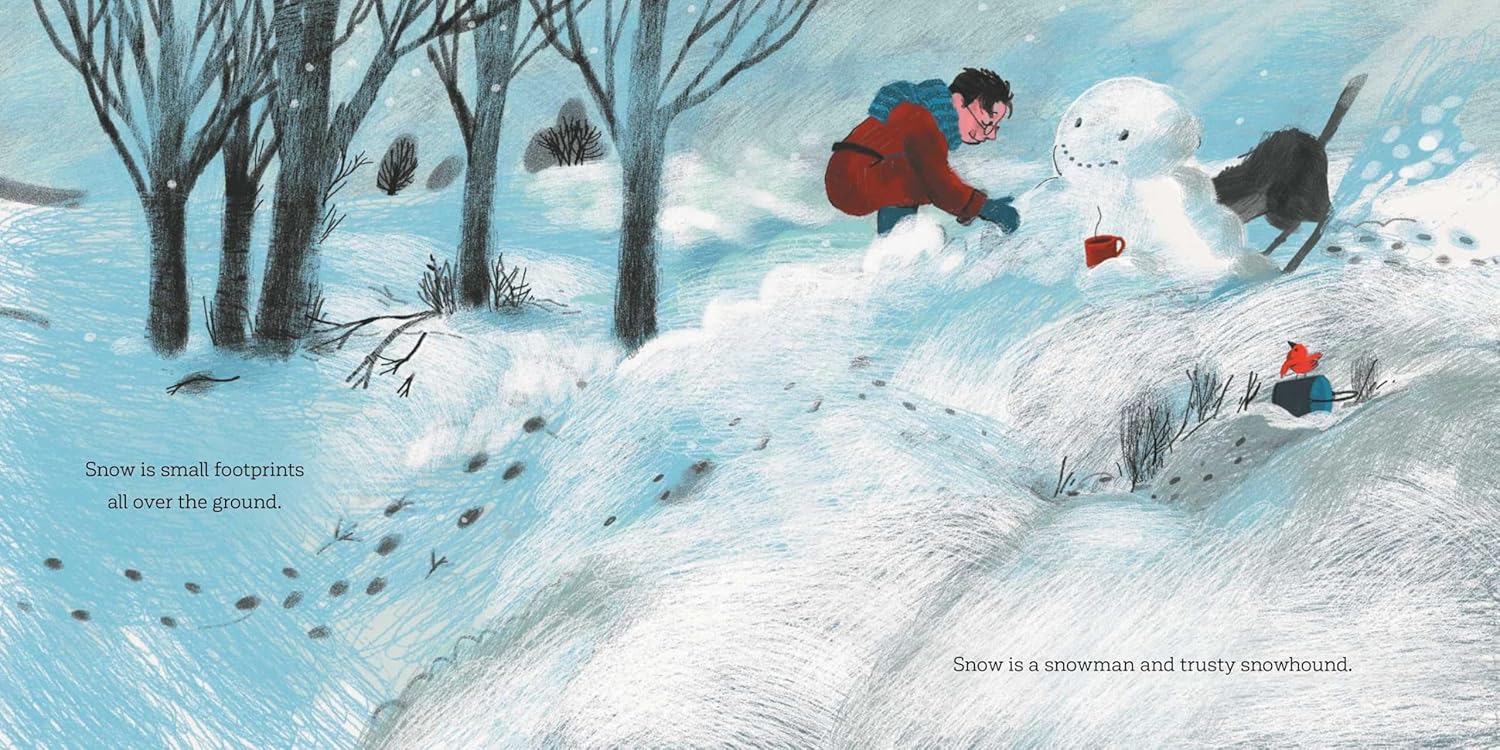
When the ground becomes blanketed and roofs frosted in white like a cake, for a mischievous child “snow is a hoard that is set for attack. / Snow is Dad’s face . . . when a snowball goes WHACK!” And when Mom brings the baby out, bundled up against the chill, “snow is bright eyes and small cheeks cold and rosy” while for big brother and Dad, who’ve been making snow bricks, “snow is a castle that’s roomy and cozy.”

But as the sun starts to set and it’s—so reluctantly—time to go inside, snow becomes “. . . warm cookies . . .” and “. . . a fire with snuggles and books.” And, at last, warm in pajamas and under “. . . blankets pulled tight,” snow is ‘I love you’ and snow is ‘Good night.'”

Image copyright Sonia Sánchez, 2024, text copyright Laura Gehl, 2024. Courtesy of Simon & Schuster/Paula Wiseman Books

Adults will adore sharing Snow Is . . . with their kids, and children will beg to hear the story again and again. In her smooth-as-a-sled-ride rhyming couplets, Laura Gehl captures not only the mercurial nature of snow itself but all the sights, sounds, and tiny details that make snow days so thrilling, cozy, and memory-making for kids and adults alike. Gehl’s descriptions and language are a delight and engage all the emotions with their humor, poignancy, sweetness, and awe.

Sonia Sánchez’s stunning illustrations take readers into the heart of a snowy day with action-filled scenes of swirling flakes, twirling feet, and packing of snow into a snowman, snowballs, and bricks. Readers can almost feel the pre-sliding suspense of the child standing at the edge of a long hill. As night falls and the family goes inside, Sánchez imbues her pages with quiet coziness, sibling and parental love, and that heartwarming tug of home.

Snow Is . . . will quickly become a family favorite read aloud for years to come. Teachers and librarians will find the book an exciting addition to their collections as well as for story times, with many applications for art, writing, and even science connections. 

Ages 4 – 8

Simon & Schuster/Paula Wiseman Books, 2024 | ISBN 978-1665915595

About the Author

Laura Gehl is the author of One Big Pair of Underwear, Cat Has a PlanGoat Wants to EatPig Makes ArtDog Can HideCat Sees SnowFrog Can HopSnow Is…You’re the Sprinkles on My Ice CreamYou’re the Pumpkin in My Pie, and The Elevator on 74th Street. She lives with her husband and their four kids in Chevy Chase, Maryland. Visit her online at LauraGehl.com.

About the Illustrator

Sonia Sánchez’s picture book, Here I Am, written by Patti Kim, received a starred review from Kirkus Reviews, who called her illustrations “beautiful, evocative” and raved, “Sánchez has captured a kaleidoscope of emotion and powerful sensations in a way children will grasp completely.” Her illustrations have been nominated for the prestigious Eisner Award in the category of Best Painter. Sonia lives with her husband and a cat in Barcelona, Spain.

National Book Blitz Month Activity

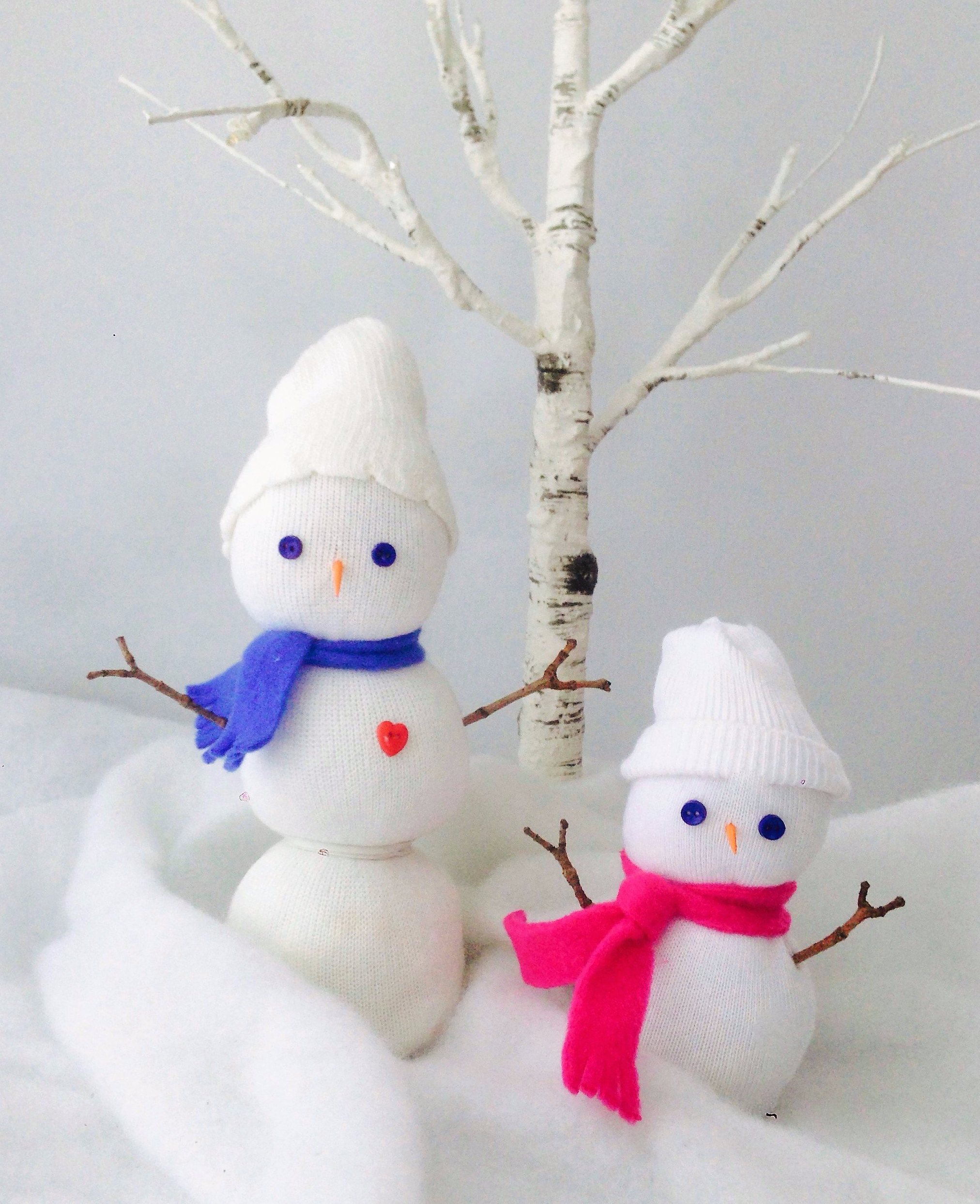
celebrate-picture-books-picture-book-review-sock-snowman-craft

Snow Buddies

This is a fun and easy craft for kids to make on a snowy day inside to share with a friend! 

Supplies

  • Child’s white dress ankle socks
  • Polyester Fiber Fill
  • Tiny buttons for eyes. I added a little heart button to the larger snowman too.
  • Fleece or ribbon, enough for a scarf
  • Toothpick
  • Twigs
  • Orange craft paint
  • Cardboard
  • String or white rubber bands
  • Fabric or craft glue

Directions

To Make the Snowman

  1. Cut a circle from the cardboard about 2 inches in diameter for the base
  2. Place the cardboard circle in the bottom of the sock
  3. Fill the sock with fiber fill about ¾ full or to where the ribbed ankle cuff begins. Pack tightly while making a sausage shape. 
  4. Stretch out the cuff of the sock and tie it off near the top of the fill with string.
  5. Fold the cuff down around the top of the filled sock to make the hat.
  6. Wrap a rubber band or string around the middle of the sock to make a two-snowball snowman. For a three-snowball snowman, use two rubber bands. Adjust the rubber bands to make the “snowballs” different sizes.

To Make the Scarf

  1. Cut a strip of fleece or ribbon 8 to 10 inches long by ½ inch wide
  2. Tie the fleece or ribbon around the neck of the snowman

To Make the Face

  1. Dip one end of the toothpick into orange paint, let dry
  2. Cut the toothpick in half
  3. Stick the toothpick into the head or top portion of the snowman
  4. Attach two mini-buttons to the face for eyes with the fabric or craft glue

To Make the Arms

  1. Insert small twigs into each side of the body of the snowman
  2. You can also use wire or cardboard to make the arms

You can purchase Snow Is . . . at these booksellers

Amazon | Barnes & Noble | Bookshop (to support your local independent bookstore)

Picture Book Review
January 6 – It’s National Be On-Purpose Month

celebrate-picture-books-picture-book-review-counting-winter-cover

About the Holiday

National Be On-Purpose Month emphasizes the importance of reflecting on whether your current actions are aligning with your actual personal and professional aspirations. In today’s busy and noisy world, it can be easy to veer from the real purpose for your life. Today’s holiday encourages those wanting to make a change or enhance their life to reflect on what they really want and begin planning how to make it happen. The beginning of the new year is a perfect time to take stock, put the breaks on autopilot living, and make your goals a reality. You might even want to look to the intentionality of nature as poetically revealed in today’s book for inspiration!  

Counting Winter

Written by Nancy White Carlstrom | Illustrated by Claudia McGehee


In very northernly climes—like Alaska, where this book is set—winter is serious business. It also can be mysterious, beautiful, graceful, noisy, quiet, and fun! Animals and people who make their home in such regions and bravely face the elements are captured in their own unique ways through Nancy White Carlstrom’s lovely poetic verses that also invite readers to count from one to twelve.

celebrate-picture-books-picture-book-review-counting-winter-squirrels

Image copyright Claudia McGehee, 2024, text copyright Nancy White Carlstrom, 2024. Courtesy of Eerdmans Children’s Books.

Through Carlstrom’s evocative language, kids meet red squirrels, tiny voles, freewheeling sled dogs, and a flurry of birds, among other animals, that “feast,” “skitter,” “rush through the trees / like wind whipping,” and “hoot,” “hammer,” and “flit” as they interact with Winter—a character in its own right that is tracked, named, tamed, and fed on its way to “meeting spring” as children “slip and slide / on melting ice.”

Carlstrom’s deftly formatted poems are riveting, too, for their portraits of these animals—sometimes majestic, sometimes stealthy, and sometimes seemingly too fragile to survive—that with heart and skill not only do survive, but thrive in this most distinctive season. Each lyrical verse flows with assonance and consonance and once or twice a clever rhyme, making them a joy to read aloud. Children will love Carlstrom’s vocabulary and the opportunity to learn here and there small facts, such as the idea of “forty below” temperatures, squirrels’ habit of building middens with pinecones, and how voles spend their winter. 

celebrate-picture-books-picture-book-review-counting-winter-voles

Image copyright Claudia McGehee, 2024, text copyright Nancy White Carlstrom, 2024. Courtesy of Eerdmans Children’s Books.

Claudia McGehee’s astounding scratchboard and watercolor illustrations bring these animals and the environment to life with their textured and intricate designs. Every page is a sensory-engaging showstopper. Readers can almost feel the cold, brittle air and sense the depth and weight of the snow as a fox stalks a well-hidden rabbit. Three snowshoe hares bound with unbridled energy as geometric and delicately floral snowflakes fall. Kids will be both awed and charmed by the seven musk oxen that greet them as a shaggy, sturdy wall and be nearly able to hear the clammer and feel the whoosh of the eight sled dogs racing by, their tongues out, tasting the stirred up snow.

McGehee’s stunning designs challenge kids to find the full number of animals on each spread, while making it neither too easy nor too hard for young readers of any age. In several spreads, McGehee offers the promise of the spring to come by including glimpses of what lies below the blanket of snow: seeds, grasses, and roots all await warmer weather, and by the time readers join the twelve children at the skating pond, tender green shoots appear on some trees and the crocus is blooming. 

celebrate-picture-books-picture-book-review-counting-winter-children

Image copyright Claudia McGehee, 2024, text copyright Nancy White Carlstrom, 2024. Courtesy of Eerdmans Children’s Books.

Back matter includes an illustrated Animal Profiles page that reveals interesting tidbits about the animals featured in the text and would be a terrific jumping off point for nature lovers, teachers, homeschoolers and other educators, and librarians looking for lesson or activity ideas. In an Author’s Note, Nancy White Carlstrom talks about her 19 years living in Alaska and the inspiration for this book. In her Illustrator’s Note, Claudia McGehee discusses the research she did as well as the intricate process of using a scratchboard and watercolors to create the art for Counting Winter.

Counting Winter is sure to be a repeat favorite the whole family will love cozying up with during winter—or even in the throes of summer when a little cool (or cold!) air sounds refreshing—and is highly recommended for home bookshelves. The book is a must for classrooms, school libraries

Ages 4 – 8

Eerdmans Books for Young Readers, 2024 | ISBN 978-0802855701

About the Author

Nancy White Carlstrom has written over sixty books for children, including Before You Were Born (Eerdmans), Mama, Will It Snow Tonight? (Boyds Mills Press), and the bestselling Jesse Bear series (Scholastic). Counting Winter was shaped by the nineteen years Nancy and her family called Alaska home. She currently lives in the Seattle area and enjoys seeing Alaskan wildlife—and her grandchildren—on trips back to the state. Visit her website at nancywhitecarlstrom.com.

About the Illustrator

Claudia McGehee is the illustrator and sometimes author of many picture books, including Begin with a Bee, Creekfinding (both University of Minnesota Press), and My Wilderness (Little Bigfoot). In starred reviews from Kirkus and School Library Journal, Claudia’s scratchboard illustrations have been praised as “meticulous” and “striking.” Raised in the Pacific Northwest, Claudia now lives in Iowa City, Iowa. Visit her website at claudia-mcgehee.com or follow her on Instagram @claudia.mcgehee.

National Be On-Purpose Month Activity

CPB - Polar Bear scarf

CPB - Polar Bear Banner

Polar Bear Scarf or Banner

Polar bears aren’t cold in the winter—and neither should you be! Here are directions and printable templates for making a cute scarf to keep you warm, or—if you’d rather—a banner to warm up your room.

Supplies

  • Printable Polar Bear and Igloo Template
  • 1 Strip of blue fleece 4 ½ feet long x 7 inches wide for the scarf
  • 1 Piece of blue scrapbooking paper for a banner
  • Pieces of white, black, blue, and purple (or other color) fleece or heavy stock paper to make the polar bear, igloo, snowflakes, and ice floes.
  • String or twine for banner
  • Scissors
  • Fabric or paper glue

Directions for Scarf

To make the fringe at each end of the scarf

  1. Make 7 cuts about 4 inches long
  2. Tie a knot at the top of each fringe section

To make the pieces for the scarf or banner

  1. Trace the polar bear and igloo sections onto white fleece and cut out
  2. Trace the two ice floes onto blue fleece and cut out
  3. Trace the door of the igloo onto blue fleece and cut out
  4. Trace the polar bear’s scarf onto purple (or other color) fleece and cut out
  5. Cut out circles for snowflakes
  6. Cut out a small circle from black fleece for the Polar Bear’s nose

On one end of the scarf

  1. Glue the smaller ice floe on one end of the scarf
  2. Tie the bear’s scarf around its neck before gluing the bear to the scarf
  3. Glue the polar bear onto the scarf with its feet on the ice floe
  4. Glue on the polar bear’s nose
  5. Make a small dot for the polar bear’s eye with a marker
  6. Glue snowflakes above polar bear

On the other end of the scarf

  1. Glue the bigger ice floe to the scarf
  2. Glue the three sections of the large igloo to the scarf, leaving a little space between sections
  3. Glue the small white door of the igloo on top of the last two igloo sections
  4. Glue the small blue door onto the white door
  5. Glue snowflakes above the igloo

Directions for Banner

  1. Cut a point at the bottom of your banner
  2. Trace the pieces of the polar bear and igloo from the printable template onto heavy stock paper
  3. Follow the directions above to glue the pieces of the polar bear and igloo to your banner
  4. Attach string or twine to back of banner to make a hanger

celebrate-picture-books-picture-book-review-counting-winter-cover

You can purchase Counting Winter at these booksellers

Amazon | Barnes & Noble | Bookshop (to support your local independent bookstore)

Picture Book Review
November 25 – It’s Sleep Comfort Month

celebrate-picture-books-picture-book-review-goodnight-sounds-cover

About the Holiday

As days grow shorter and nights longer, November calls on us to get snuggly and dedicate time to rest. It is aptly time for Sleep Comfort Month, a holiday designed to raise awareness of the importance of quality rest and sleep. In times of flux and chaos, focus on rest and relaxation is more crucial than ever. This month can serve as a reminder that everyone needs and deserves peaceful rest and recuperation time in order to face the ever-changing, curious planet that is our home.

Thanks to Bloomsbury Children’s Books for sharing a copy of Goodnight Sounds with me for review consideration. All opinions on the book are my own.

Review by Dorothy Levine

 Goodnight Sounds

Written by Debbie S Miller | Illustrated by Michelle Jing Chan


Goodnight Sounds is a lyrical bedtime story that invites readers to get cozy and listen closely. The story begins with a child whose home is tucked under the looming light of California’s Golden Gate Bridge. Illustrations depict the girl sitting up in bed, teddy bear in hand, observing the bridge and crashing waves beneath from her bedroom window.

The words of the first page set the scene: “In the cool, quiet, night / fingers of fog spill over the hills…I listen and wait for the sound…”. On the next page the “BAA…ROOOOOOM” of a foghorn stretches across the cozy bedroom, the ‘O’ sound flowing through her window like the wisps of fog to help lull her to sleep. The girl then invites readers into the story, asking “what sound helps you fall asleep?”

celebrate-picture-books-picture-book-review-goodnight-sounds-foghorn

Image copyright Michelle Jing Chan, 2024, text copyright Debbie S. Miller, 2024. Courtesy of Bloomsbury Children’s Books.

The rest of the story contains follow-up poetic questions, each paired with unique onomatopoeic interpretations of the nighttime sounds: “Is it the trilling of a thousand crickets / wings shivering in the moonlight?” In the corners of this spread, nestled by the crickets are iterations of: “Treeek-treeeek.”

The pages’ settings range from urban to suburban to wilderness, with their accompanying broad range of nighttime sounds—some as large as foghorns and others as tiny as crickets. At the end of the story, Miller returns readers to the first bedtime character, now asleep, with the words: “The sounds of the night are your lullaby.”

celebrate-picture-books-picture-book-review-goodnight-sounds-owl

Image copyright Michelle Jing Chan, 2024, text copyright Debbie S. Miller, 2024. Courtesy of Bloomsbury Children’s Books.

Illustrator Jing Chan depicts a series of serene landscapes, each containing a unique sleeping space (an apartment, a tent, and a camper van, for example). Every picturesque scene also features a unique source of light—a starry sky, a train window, a lamp, string lights, glow-in-the-dark stickers on a wall.

As the nighttime sounds change from outside sources to indoors, so do the illustrations, with a few of the panoramic scenes now taking readers inside a tent (where a grandmother makes a shadow puppet on the wall), a variety of bedrooms (where children fall asleep to the tick-tock of a grandfather clock, the chime of a music box, or the purr of a cat), and other cozy spaces. Along with the richly illustrated array of settings, Jing Chan also shows cultural, racial, and family-structural diversity among the page’s cast of happy sleepers. 

celebrate-picture-books-picture-book-review-goodnight-sounds-leaves

Image copyright Michelle Jing Chan, 2024, text copyright Debbie S. Miller, 2024. Courtesy of Bloomsbury Children’s Books.

Throughout Goodnight Sounds Debbie S. Miller includes onomatopoeia to her lines, offering opportunities for readers to lend their voices to the sounds and inviting them to listen closer to their own surroundings as they settle in for sleep. Her poetic language adds a peaceful rhythm to the book, almost echoing a lullaby. The illustrations and words of the story evoke a sense of both comfort and wonder for the nocturnal world around us.

A joyful addition to both home and library collections, Goodnight Sounds is sure to put young ones to sleep with new soundscapes and landscapes to dream of fondly.

Ages 2 – 5

Bloomsbury Children’s Books, 2024 | ISBN 978-168119199

About the Author

Debbie S. Miller is the author of Survival at 40 Below, an NTSA/CBC Outstanding Science Trade Book; Arctic Lights, Arctic NightsThe Great Serum Race; and Big Alaska. Visit Debbie at debbiemilleralaska.com.

About the Illustrator

Michelle Jing Chan is a queer Chinese American illustrator who grew up in Colorado and lives in the Pacific Northwest. Inspired by nature, cultural folklore, and fantasy, Michelle aspires to illustrate diverse, empowering stories her younger self would have loved. When she’s not drawing, she can be found attempting new recipes, reading, or watching spooky TV shows. Visit Michelle at michellejingchan.com.

Sleep Comfort Month Activities

Reading Goodnight Sounds before bed is a perfect way to celebrate sleep comfort month with children. Other activity ideas include crafting a DIY blanket or pillow together or making up a bedtime song and other creative ideas with the following instructions!

celebrate-picture-books-picture-book-review-sleep-buddy-craft

No-Sew Blanket and Pillow

With this craft you and your child can have fun making a kid-size blanket, a cozy cover for a favorite toy or a soft bed for a pet! Children from ages 5 or 6 and up will enjoy helping to tie the tabs. For younger children, using fabric glue to attach the two pieces of fleece or cutting just one piece of fleece allows them to join in the craft fun.

Supplies

  • 2 pieces of fleece cut to size for your project: a child’s blanket or pillow, a toy’s blanket, or a pet bed
  • Scissors
  • Measuring tape
  • Poly-fil, cushion insert, or pillow (for child’s pillow or pet bed)
  • Fabric glue (optional)

celebrate-picture-books-picture-book-review-sleep-buddy-craft

Directions

  1. Lay out fleece and measure a size that will make a comfortable blanket for your child, a favorite teddy bear or other sleep buddy, or your pet  
  2. Add 3 inches to that measurement on each side for the strips to tie together
  3. Cut 2 pieces of fleece
  4. With the pieces of fleece together, cut 3-inch long by ¾ -inch wide strips all along each side. 
  5. At the corners, cut four tabs (or a 3-inch square) off each side

To Make a Blanket

  • Tie the top and bottom strips together on all sides

To Make a Pillow

  • Measure two pieces of fleece to fit a pillow or fill with poly-fil
  • Add 3 inches to that measurement on each side for the strips to tie together
  • Follow main directions above

To Make a Bed for your Pet

celebrate-picture-books-picture-book-review-cat-bed-craft

  1. Measure two pieces of fleece to fit a pillow or fill with poly-fil
  2. Add 3 inches to that measurement on each side for the strips to tie together
  3. Follow main directions above
  4. Tie strips together on three sides
  5. Insert pillow, cushion insert, or poly-fil
  6. Tie the strips together on the final side

Fun Bedtime Ideas

Screen Shot 2024-11-24 at 7.02.35 PM

For more ideas on how to make bedtime an engaging and peaceful transition, here is a list of some fun and silly switch-ups to bedtime routines from Parents with Confidence, a website dedicated to helping parents raise emotionally healthy children.

50 Bedtime Activities to Calm and Connect

celebrate-picture-books-picture-book-review-goodnight-sounds-cover

You can purchase Goodnight Sounds at these booksellers

Amazon | Barnes & Noble | Bookshop (to support your local independent bookstore)

Picture Book Review
September 4 – National Wildlife Day


celebrate-pictrure-books-picture-book-review-like-no-other-cover

About the Holiday

National Wildlife Day was established in 2005 by author and pet lifestyle expert Colleen Paige in memory of conservationist Steve Irwin. The day promotes awareness of the importance of conservation of animals, habitats, and the environment worldwide and offers education on the number of endangered and threatened species across the globe. To honor today’s holiday, visit a local zoo, aquarium, or other nature preserve and take some time to learn about what you can do to help protect the environment. 

Thank you to Kane Press for sharing a copy of Like No Other with me for review consideration. All opinions on the book are my own.

Like No Other: Earth’s Coolest One-of-a-Kind Creatures

Written by Sneed B. Collard III | Illustrated by Christopher Silas Neal


There’s something captivating about the unique. Couple that feeling with the endless fascination of animals, and you have today’s book! Like No Other introduces readers to thirteen creatures of the air, land, and sea that have no close living relatives in the animal kingdom. Some never had close relatives, some evolved away from their kin, and others thrived while the rest of their lineage became extinct.

Inside Sneed B. Collard III’s and Christopher Silas Neal’s eye-catching book, readers meet, among other one-of-a-kind animals, a bird that uses echolocation and nests in caves, a sea turtle that “can grow more than six feet long and can weigh more than half a ton,” and my personal favorite—a frog that lives eleven months of each year underground.

celebrate-pictrure-books-picture-book-review-like-no-other-secretarybird

Illustration copyright Christopher Silas Neal, 2024. Text copyright Sneed B. Collard III. Courtesy of Kane Press.

To orient children on animal classification and how the subjects of his book are so different, Sneed B. Collard III uses the example of a red fox to explain the terms genus, family, and order. He relates how the red fox is closely related to other species of foxes, more distantly related to dogs and wolves, and also belongs in the order Carnivora with other meat eaters. Christopher Silas Neal provides a clear visual representation to further help readers understand these terms.

Some of the animals in Like No Other, such as the walrus and the platypus, may be familiar to young readers, while others will come as a surprising discovery. Each accessible and detailed entry begins with a bite-size description of the animal that will immediately pique a child’s attention. Collard then goes on to reveal each animal’s scientific family, how they were left alone in the world, where they live, what they eat, and other extraordinary facts. Information on the height, weight, and lifespan of each creature is also included.

Christopher Silas Neal’s superb mixed-media, full-spread illustrations depict beautiful, true-to-life images of each animal interacting with its typical environment. Among the pages, readers will view an aye-aye as it taps a tree branch, listening for any tasty insects inside; dive deep with a whale shark as it sucks a school of tiny fish into its tunnel-like mouth; and watch a secretarybird wrangle with a snake. The final entry leads readers to contemplate where we humans fit into the earth’s design.

celebrate-pictrure-books-picture-book-review-like-no-other-leatherback-sea-turtle

Illustration copyright Christopher Silas Neal, 2024. Text copyright Sneed B. Collard III. Courtesy of Kane Press.

Extensive backmatter includes “Saving One-of-a-Kind Creatures,” which discusses the impact of human population growth and industry on plants and animals and how we can help reverse adverse effects; “Be an Animal Scientist”—a fun, step-by-step activity in which readers can test their skills of taxonomy by identifying and categorizing the creatures and plants depicted in a provided illustration; and “Figuring Out Relatives—an interactive explanation of taxonomy—as well as a glossary of words in the book, a list of websites for continued learning, and a short discussion on how the author researched his book. Closing out the section is a world map dotted with eleven more one-of-a-kind animals—a perfect resource for educators to spark kids’ own research.

Like No Other: Earth’s Coolest One-of-a-Kind Creatures will captivate young readers from cover to cover. Together the text and illustrations create a well-conceived package for both casual readers and those interested in doing further research as well as teachers and other educators looking for a high-interest book to introduce or add to their lessons in nature science. The book is a top pick for home and classroom bookshelves as well as school and public library collections.

Ages 5 – 8

Kane Press, 2024 | ISBN 978-1662670077

About the Author

Sneed B. Collard III is the author of more than eighty-five books for children and young people. His Beaks! title (Charlesbridge, 2002) has sold more than 200,000 copies in paperback, and continues to sell. His work has received the Eureka! Nonfiction Silver Medal, the High Plains Books Award, made the Junior Library Guild Selection list, and received many starred reviews from BooklistSchool Library Journal, and others.

About the Illustrator

Christopher Silas Neal is an award-winning author and illustrator of picture books, including the acclaimed Over and Under series with author Kate Messner, which was praised for its “stunning retro-style illustrations” (New York Times). Neal’s author debut Everyone was praised by Publishers Weekly as  “simple, honest, lyrical.” His board books Animal Colors and Animal Shapes received starred reviews from Publishers Weekly and Kirkus. He speaks about his books, the art-making process, and his career at schools, conferences, libraries, and book festivals across the country. Neal is a Mexican/European-American artist who lives with his wife and two boys in Brooklyn, NY.

National Wildlife Day Activity

celebrate-picture-books-picture-book-review-duck-billed-platypus-coloring-page

Animal Coloring Pages


Enjoy these coloring pages of two of the world’s unique animals!

Platypus | Whale Shark

celebrate-pictrure-books-picture-book-review-like-no-other-cover

You can purchase Like No Other: Earth’s Coolest One-of-a-Kind Creatures at these booksellers

Amazon | Barnes & Noble | Bookshop (to support your local independent bookstore)

Picture Book Review