January 16 – Martin Luther King Jr. Day

celebrate-picture-books-picture-book-review-i-am-martin-luther-king-jr-cover.png

About the Holiday

Martin Luther King Jr. Day celebrates the life and legacy of the man who dedicated his life and work to teaching—as Coretta Scott King stated—“the values of courage, truth, justice, compassion, dignity, humility and service” and led a non-violent Civil Rights movement to enact racial equality and justice throughout state and federal law. President Ronald Reagan signed the holiday into law in 1983, setting it on the third Monday of January to coincide with Martin Luther King, Jr.’s birthday on January 15. The holiday was officially observed in all 50 states in 2000. Today, learn more about the life and work of Martin Luther King and how you can help promote justice and equality for all. Consider volunteering in your community where help is needed.

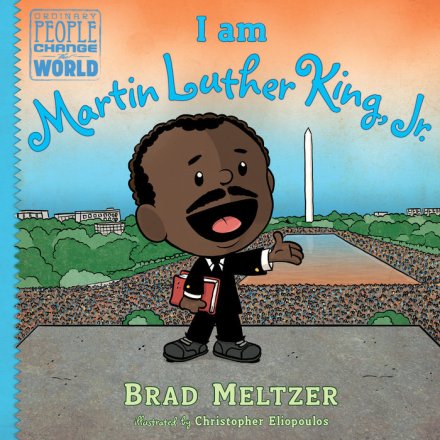
I am Martin Luther King, Jr.

Written by Brad Meltzer | Illustrated by Christopher Eliopoulos


Standing inside a church, Martin Luther King, Jr. introduces himself with two anecdotes from his childhood that demonstrate his world outlook. “When I was little,” he says, “I used to get into a lot of accidents.” He was hit in the head by a baseball bat, knocked down by cars and once even “tumbled over our banister, then bounced through an open door into the basement.” While these incidents could have made him cautious, Martin instead was determined to keep “getting back up.” His second influence were the books in which he could find “big words.” Even as a child Martin recognized that “there is power in words.”
celebrate-picture-books-picture-book-review-i-am-martin-luther-king-jr-as-a-child

Image copyright Christopher Eliopoulos, text copyright Brad Meltzer. Courtesty of Dial Books for Young Readers

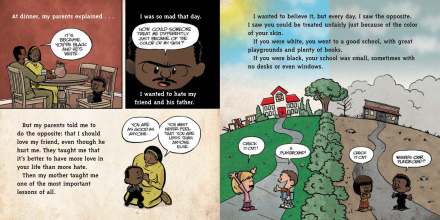
Before he went to school, Martin relates, his best friend was a white boy whose father owned a nearby store. They did everything together until school started. Then Martin went to a school with only black students while his friend went to a white-students-only school. Soon, Martin’s friend told him his father didn’t want them to play together anymore. Martin was confused. When his parents told him the reason was that they had different colored skin, Martin felt angry. He wanted to hate his friend and his father, but Martin’s parents taught him to love his friend, and his mother told him, “you must never feel that you are less than anyone else.”

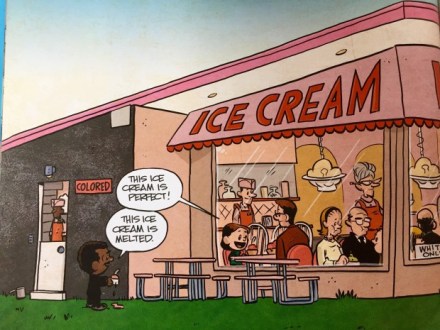
It was a difficult lesson when all around him he saw inequality. White schools had better equipment, there were different elevators, bathrooms, water fountains, and other facilities for black people and white people, on buses black riders had to give up their seats to white riders. Everywhere black people and white people were segregated.
celebrate-picture-books-picture-book-review-i-am-martin-luther-king-jr-ice-cream

Image copyright Christopher Eliopoulos, text copyright Brad Meltzer. Courtesty of Dial Books for Young Readers

When Martin was only 15 he was admitted to college. At 19 he entered the seminary where he learned about civil disobedience and nonviolent resistance—ways to use “love and peaceful methods to change unfair things in society.” These were lessons Martin wanted to share with others. His chance to put his thoughts into action came when Rosa Parks was arrested for refusing to relinquish her seat to a white man. Martin advocated a peaceful protest—a boycott of public buses. He reasoned that without the money from black riders, the bus companies would change their policies.

As the boycott began working, Martin gave a speech in Montgomery, Alabama, motivating people to continue their peaceful protest. Martin was put in jail and his house was bombed, but the boycott continued for more than a year. Eventually, the bus companies changed their rules. Other peaceful protests began to take place in restaurants and other public places.

One protest took place in Birmingham, Alabama.  Martin was again put in prison, where he wrote one of his most famous speeches. Children also took part in the Birmingham protest. The Children’s Crusade attracted more than 1,000 kids. On the first day 900 of them were arrested, but that only inspired the children more. On the second day 2,500 children showed up. They stood firm while they were sprayed with water hoses and attacked by police dogs. People—both black and white—watching the news reports were aghast. Three months later the rules began to change.
celebrate-picture-books-picture-book-review-i-am-martin-luther-king-jr-i-have-a-dream-speech

Image copyright Christopher Eliopoulos, text copyright Brad Meltzer. Courtesty of Dial Books for Young Readers

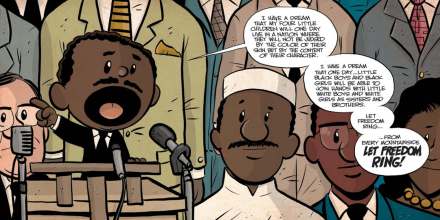
“By the summer of 1963, an estimated one million Americans held their own protests in cities across the country.” Then A. Philip Randolph suggested a single huge march to convince “Congress and the president to pass laws so that no one in America can treat people differently based on skin color.” On August 28, 1963 the March on Washington for Jobs and Freedom took place. Martin gave what may now be considered his most famous speech in which he talked about his dreams for the country, for the people, and for their children.

Although Congress began passing new laws, the ability and right to vote in elections still eluded black people. To change the voting rules another march was organized to walk 54 miles from Selma to Montgomery Alabama. The 600 walkers were met by police who stopped them. Two days later 2,500 activists tried again but could not get through. On the third try 8,000 marchers showed up. This time, with the world watching on television, the activists made it to Montgomery, protected by troops sent by President Johnson.

celebrate-picture-books-picture-book-review-i-am-martin-luther-king-jr-montgomery-march

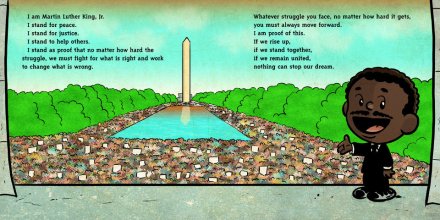
Martin continued to speak out, relating his philosophy and dreams for the nation. “To reach our goals, we must walk the path of peace,” he said. “We must lock arms with our brothers and sisters. We must march together. When we do…Our voices will be heard, and freedom will ring.” The lessons Martin Luther King taught still resonate today. He stands “as proof that no matter how hard the struggle, we must fight for what is right and work to change what is wrong.…if we stand together, if we remain united, nothing can stop our dream.”
celebrate-picture-books-picture-book-review-i-am-martin-luther-king-jr

Brad Meltzer’s Ordinary People Change the World: I am… series of biographies are well-known for showing young readers that they can achieve their dreams and make a difference no matter what those hopes may be. In his biography of Martin Luther King, Jr., Meltzer depicts several incidents from King’s childhood and early adulthood that influenced his future work. These help readers understand not only the types of prejudice King and other African Americans experienced, but also the people who inspired his philosophy of peace.

Meltzer’s inclusion of King’s imprisonments and the violence that met the peaceful protesters deepens the understanding of the dangers King and other protesters faced, and provides an opportunity to open a discussion between adults and children about those times and what they now see in the news. Meltzer’s description of the Children’s Crusade will inspire readers, making them proud of children in the past and stirring them to actions of their own. Sections from King’s Letter from Birmingham Jail and his most famous speeches are presented in speech bubbles. The text is followed by photographs of Martin Luther King, Jr. with his family and at the March on Washington as well as a timeline of his life. Sources and resources for further reading are also included.
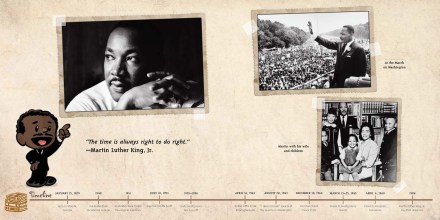
celebrate-picture-books-picture-book-review-i-am-martin-luther-king-jr-timeline

In keeping with the style of all of Meltzer’s and Christopher Eliopoulos’s Ordinary People Change the World: I am… biographies, the illustrations are vibrant and cartoon-inspired. Martin Luther King, Jr. is depicted with the size of a child but the features of an adult, reinforcing the idea contained in the text of the dual nature of the future adult residing in the child and the ideals of the child remaining in the adult that appeals to ambitious young readers. Speech bubbles highlight text that carry emotional dialogue. Settings, including churches, Birmingham jail, Washington DC, the Edmund Pettus Bridge in Alabama, and the Martin Luther King, Jr. monument give children a look at the cities and places described in the text.

For young readers, I am Martin Luther King, Jr. offers a comprehensive biography of the man who was a national and world leader in the fight for equal rights for all people and makes an excellent starting place for classroom lessons and personal discussions.

Ages 5 – 8

Dial Books for Young Readers, 2016 | ISBN 978-0525428527

Discover more about Brad Meltzer and his books for adults and children as well as other goodies on his website!

Learn more about Christopher Eliopoulos, his books, and his comics on his website!

Martin Luther King Jr. Day Activity

celebrate-picture-books-picture-book-review-martin-luther-king-jr-coloring-page

Martin Luther King, Jr. Portrait


Color this printable Martin Luther King, Jr. Portrait and then hang it in your room or locker to inspire you!

Picture Book Review

December 9 – Lost and Found Day

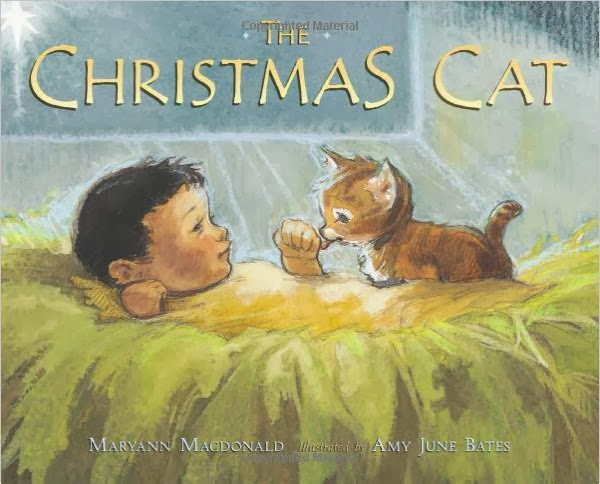
celebrate-picture-books-picture-book-review-the-christmas-cat-cover

About the Holiday

We all know that feeling of joy when something we love and think lost is found again. Today’s holiday commemorates that emotion and gives us a chance to reflect on the things that are most important to us. While Lost and Found Day was established in 2012, the first Lost and Found repository was opened by Napoleon Bonapart—who knew a thing or two about loss—in 1805. Today, take a moment to remember a time when you found something precious.

The Christmas Cat

Written by Maryann Macdonald | Illustrated by Amy June Bates


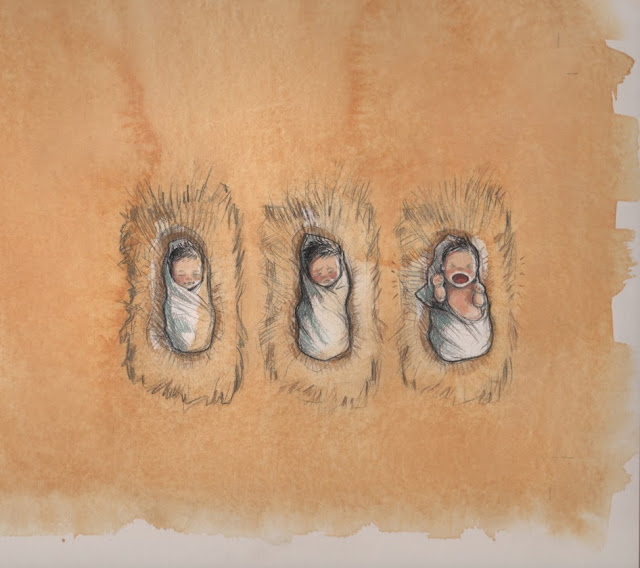
“Jesus was beautiful, like all babies,” but on the night he was born he cried and cried. Mary tried everything to comfort him—a warm blanket, feeding him, rocking him—but nothing soothed him. Looking on, the other animals longed to help. “Doves fluttered down from the rafters, settling on the creaky stable door.” Although their coos were soft and musical, the baby did not stop crying.

celebrate-picture-books-picture-book-review-the-christmas-cat-crying-jesus

Image copyright Amy June Bates, courtesy of amyjunebates.blogspot.com/

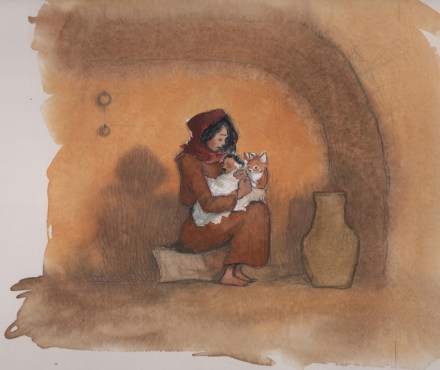
The gentle brown cow tried next, lowing the lullaby she used on her own calf, but Jesus cried louder. And even though the donkey meant well, her braying “made Jesus cry loudest of all.” Then from a hiding place a little kitten crept “step by careful step” toward Mary and Jesus. Leaping lightly onto Mary’s lap, the kitten “nuzzled Jesus’s neck. Then he began to purr, a calm, contented purr that came from deep inside.” Jesus gazed at the tiny kitten, and as he touched the soft fur his crying quieted. The barn grew silent and the new family and all the animals slept soundly.

celebrate-picture-books-picture-book-review-the-christmas-cat-mary-and-jesus

Image copyright Amy June Bates, courtesy of amyjunebates.blogspot.com/

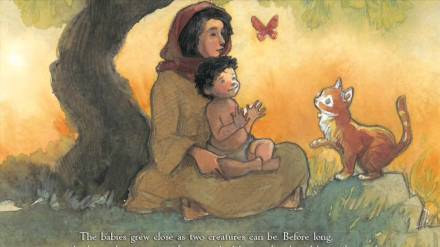
As time passed and the kitten grew into a cat, he and Jesus became close companions, playing together under the fig tree. When it was naptime, “it was the cat’s turn to watch over the baby and purr him to sleep.” But one day their peaceful life was shattered. Jesus’s father, Joseph, learned through an angel that King Herod was looking for Jesus. Harod had heard rumors that Jesus would grow up to be king one day. “Herod’s soldiers, the angel said, were racing toward Bethlehem, hoping to find the baby Jesus and destroy him.”

Joseph, Mary, and Jesus hurried to leave their home, packing everything they had to go now—in the middle of the night—to escape detection and flee to Egypt. With all their goods piled onto their donkey, Mary and Joseph were ready to leave. But where was Jesus’s cat? “Mary and Joseph combed through the tall grass, searched the shadows near the fire and looked high in the branches of the fig tree. But the cat was nowhere to be found.”

celebrate-picture-books-picture-book-review-the-christmas-cat-and-jesus-playing

Image copyright Amy June Bates, courtesy of Dial Books for Young Readers

It was much too dangerous to linger, and so, sadly, the family left Bethlehem without their beloved pet. In the chill night air, Jesus was uncomfortable; he missed his cat. “He clenched his tiny fists and screamed.” Joseph worried. Were the campfires on the horizon Herod’s soldiers? Could they hear Jesus crying? Both Mary and Joseph missed the calming influence of their cat. Suddenly, Jesus heard a familiar wail. Out of the basket tied to the donkey’s flank popped his companion. Jesus reached out for him, and the cat leaped into his arms.

After the two had greeted each other as long lost friends, they fell asleep to the cat’s tender purring as “the donkey carried them far away from Herod’s soldiers and their terrible swords, far away to the safe land of Egypt. Love had saved them.” As the two grew older together, they loved each other as only a pet and it’s child can. “They were meant for each other…from the very first Christmas night, in the bright starlight.”

celebrate-picture-books-picture-book-review-the-christmas-cat-bethlehem

Image copyright Amy June Bates, courtesy of amyjunebates.blogspot.com/

In her Author’s Note following the text, Maryann Macdonald reveals that her story is inspired by Leonardo da Vinci’s drawings of La Madonna del Gatto or the Madonna of the Cat, in which the baby Jesus is depicted holding and playing with a cat as he sits on his mother’s lap, as well as legends of a cat that lived in the stable where Jesus was born.

Maryann Macdonald’s gentle story of the baby Jesus soothed by a kitten on the night he was born and saved by this same pet on his flight to Egypt will captivate young children. The focus on the child-animal bond will delight little ones with pets of their own and makes the Christmas story immediately accessible. Macdonald’s lyrical language beautifully portrays the emotion and setting of the story, and she establishes the danger faced by the family with age-appropriate suspense.

Amy June Bates enhances the story with gorgeous traditional paintings of Mary, Joseph, and Jesus, the stable and its animals, and the nighttime journey to Egypt. Her watercolor, gauche, and pencil illustrations glow with warm ambers, greens, and midnight blues. The barn animals are sweetly gentle and earnest in their attempts to soothe the crying baby, and the realistic portraits of the family demonstrate their love for each other. Children will especially like the images of Jesus and his pet cat cuddling and playing together. The final illustration of Mary, Jesus, and their cat echoes the drawing by Leonardo da Vinci that accompanies the Author’s Note.

For pet owners and animal lovers, The Christmas Cat would make a meaningful addition to their holiday collection.

Ages 3 – 6

Dial Books for Young Readers, 2013 | ISBN 978-0803734982

To learn more about Maryann Macdonald and her books, visit her website!

To view a portfolio of artwork by Amy June Bates, visit her blog!

Lost and Found Day Activity

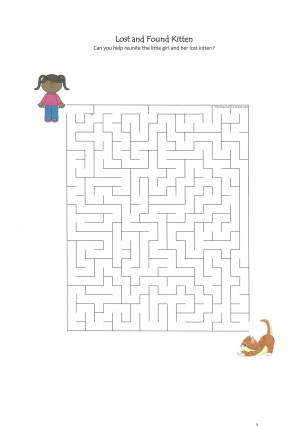
celebrate-picture-books-picture-book-review-lost-and-found-kitten-maze

Lost and Found Kitten Maze


A little girl has lost her kitten! Can you help her get through the printable Lost and Found Kitten Maze to find her pet?

Picture Book Review

October 20 – International Sloth Day

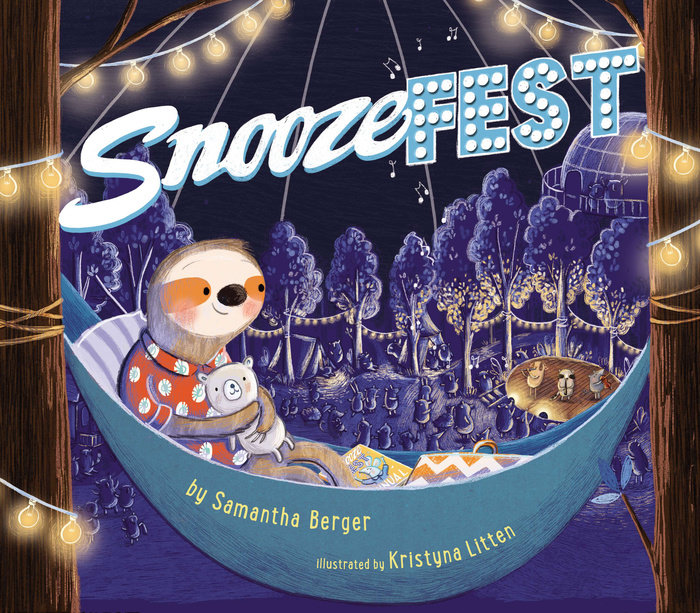
celebrate-picture-books-picture-book-review-snoozefest-cover-image

About the Holiday

The AIUNAU, a non-profit dedicated to protecting all wildlife, established International Sloth Day in 2010 to raise awareness of the dangers facing these seemingly always smiling, gentle animals. With three species already extinct, sloths need protection from power lines, cars, and those who would capture them as pets as well as from other environmental issues that decrease their habitats. While sloths may not be found in your neck of the woods, concern for all wildlife is an important part of being a global citizen.

SnoozeFest

Written by Samantha Berger | Illustrated by Kristyna Litten


Snuggleford Cuddlebun is the sleepiest sloth in Snoozeville. “Now that sloth can sleep, for a month at a go. / The few time she rises, she moves in slo-mo.” But there is one annual event that sets her heart—and her feet—racing enough to leave her cozy bed—SnoozeFest. “This is the place where the best sleepers go to snore their way through this naptacular show.” So Snuggleford packs up her her jammies and teddy, her pillow and book and joins the other great sleepers on the bus that will take them to the NuzzleDome.

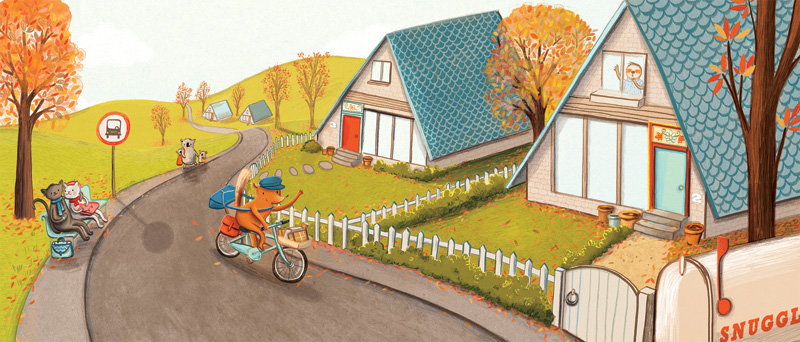
celebrate-picture-books-picture-book-review-snoozefest-snoozeville

Image copyright Kristyna Litten. courtesy of Dial Books for Young Readers, Penguin

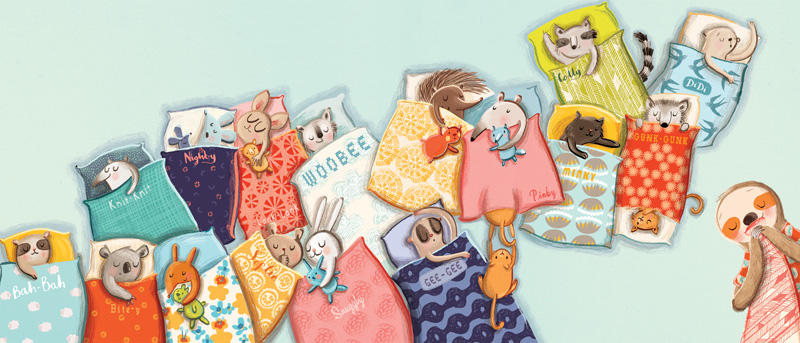
As Snuggleford looks for the best place to camp, she sees that she’s in good company. The wildcats, wombats, koala bears, brown bats, squirrels, and armadillos are also setting up tents, laying down sleeping bags, and lounging in hammocks—which is Snuggleford’s favorite too. After finding her spot “she strolls through the stands / for posters and T-shirts / and swag from the bands.” Soon it’s time for the show to begin with the P.J. Parade, where sleepwear from such designers as Diane von FirstInBed and Louis Futon are on full display.

celebrate-picture-books-picture-book-review-snoozefest-sleeping-bags

Image copyright Kristyna Litten. courtesy of Dial Books for Young Readers, Penguin

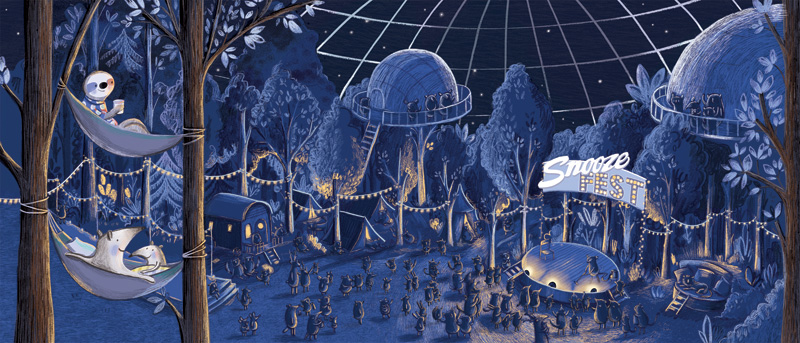
“Then all the big spotlights dim down in the Dome, / and everyone turns on their night-light from home.” The first band to perform is the “Chamomile Rage” and although the crowd is half asleep by the middle of the first song, “the snoozers yawn deeply, yet still clap for more. / The second act’s also a guaranteed snore.” Then “a poet named Burrows recites a haiku / and imitates rain with his didgeridoo.”  More acts take the stage—the Nocturnal Nesters and the Quiet Quartet, Tranquility Trio and the Drowsy Duet. Yes, “These are the best bands for deep relaxation, / followed by Sweet Dreams and Deep Hiber-Nation.”

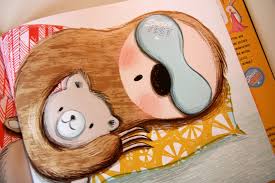
For Snuggleford Cuddlebun the concert is all she could want. In fact, “Several days later the SnoozeFest is done. / And who’s still asleep? Why it’s Miss Cuddlebun.” She folds up her things, tosses away her trash, and rides the bus back home. There she climbs into bed and shuts her eyes and dreams of next year’s SnoozeFest.

celebrate-picture-books-picture-book-review-snoozefest-nighttime

Image copyright Kristyna Litten. courtesy of Dial Books for Young Readers, Penguin

Samantha Berger’s SnoozeFest is one of the cutest, most original bedtime books around. With wit and charm Berger makes full use of the festival setting and experience. Her inspired rhymes, adorable band names, and atmosphere that combines just the right amount of excitement and slumber-inducing lilt, will delight kids of all ages and adults as well. From Snoozeville to the NuzzleDome to a full verse of blanket nicknames, Berger has come up with the “wumphiest, coziest, comfiest” words to send little ones off to dreamland.

celebrate-picture-books-picture-book-review-snoozefest-sleeping-suggleford

Image copyright Kristyna Litten. courtesy of Dial Books for Young Readers, Penguin

Krisyna Litten’s illustrations, designed with a vintage-yet-modern air and color palette, are the perfect accompaniment to Berger’s story. Anyone would love to join Litten’s sweet Snuggleford and the other “great sleepers” at SnoozeFest. Snuggleford’s endearing slothy smile as well as the joyful camaraderie of the other festival goers invite kids to explore every page. The crowd consists of loveable moles, koalas, raccoons, bears, foxes, porcupines, and more adult and baby animals enjoying the show.  Two-page spreads of the darkened festival grounds lit by nightlights and starlight are gorgeous, peaceful landscapes of blues and gold that set a sleepy tone for little readers.

SnoozeFest would be a very welcome addition to any child’s bookshelf for story times and bed times, and would make a perfect gift.

Ages 3 – 7

Dial Books for Young Readers, Penguin, 2015 | ISBN 978-0803740464

You’ll have plenty of fun discovering lots of books, videos, and more creative stuff by Samantha Berger on her website!

You can catch up with Krisyna Litten on her blog!

You won’t want to snooze through this book trailer!

International Sloth Day Activity

celebrate-picture-books-picture-book-review-sloth-coloring-page

Sweet Sloth Coloring Page


Sloths are sweet, gentle animals who love to hang out. Give the little one in this printable Sweet Sloth Activity Page a colorful world and put it up in your room!

You can find Snoozefest at these booksellers

Amazon | Barnes & Noble | IndieBound

Picture Book Review

August 10 – World Lion Day

celebrate-picture-books-picture-book-review-lion-lessons-jon-agee

About the Holiday

The organization Big Cat Rescue established today’s holiday to bring awareness to the declining lion population. Habitat depletion, climate change, poaching, and other dangers have taken their toll on these majestic animals, and they are now on the endangered list. Global organizations aim to reverse the trend through education, protection, and governmental policy.

Lion Lessons

By Jon Agee


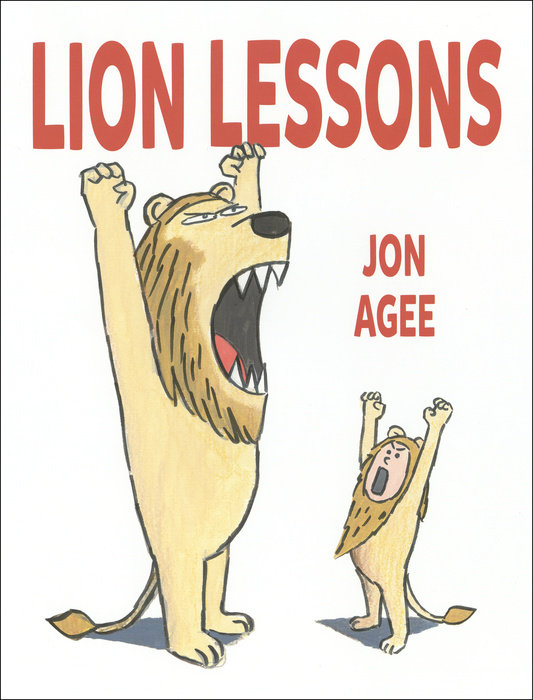
Passing signs for yoga lessons, violin lessons, Spanish classes, knitting classes, karate classes tutoring, a little boy turns into a shop advertising Lion Lessons in 7 Easy Steps. A closet to the right of a poster depicting “Great Lions in History” contains the appropriate garb—lion costumes. The boy steps into the body and attaches the mane. “It’s not easy getting your Lion Diploma,” the boy tells readers. “I know. I took lessons.”

His instructor, a lion himself, reveals that there are seven steps to becoming a lion. But first comes stretching. Converted yoga poses—“the Upward Lion, the Downward Lion, the Upside-Down Lion, the Rolling Lion, and the Flying Lion”—prepare them for the class to come. And, oh yes, they must shake their manes.

celebrate-picture-books-picture-book-review-lion-lessons-jon-agee-wearing-lion-costume

Image copyright Jon Agee, courtesy of Dial Books for Young Readers

Step One to becoming a lion is “Looking Fierce.” The instructor demonstrates how to do it, complete with bared claws, gnashing teeth, and glinting fangs. The boy attempts these poses, but his instructor isn’t impressed. Step Two is “Roaring.” The boy steps up to the microphone and gives it his loudest growl. The sound barely registers on the noise meter.

Step Three is “Choosing What to Eat.” The instructor folds out the menu, with its wide choice of meats: “free-range muskrat, wombats, organic iguana, grass-fed gnu, all-you-can-eat antelope, sloth, prairie-raised anteater, and wild warthog.” Where’s the spaghetti? the boy wonders, only to learn that lions don’t eat spaghetti. Next up is Step Four: “Prowling Around.” Practice takes place in the forest where the boy learns to hide in the bushes and behind trees without letting his tail show.

Step Five is “Sprinting” and requires meeting the instructor at a faraway tree in five minutes; it took the boy one hour. After Sprinting comes “Pouncing.” The lion maneuvers the boy behind a woman talking on her phone and says, “‘It’s simple. You get a running start and then you jump on that lady.’” The boy protests that he will scare her to death. “‘Uh,’” says the lion, “‘that’s the idea.’” So the boy gets a running start and leaps—right into the lady’s arms. “‘What a cute little kitty-cat!’” she says.

celebrate-picture-books-picture-book-review-lion-lessons-jon-agee-looking-fierce

Image copyright Jon Agee, courtesy of Dial Books for Young Readers

Step seven is “Looking Out for Your Friends.” The boy peers through the telescope and sees a kitten: friend. The dog chasing the kitten: not a friend. The boy lets out a “ferocious roar.” He bares his claws, gnashes his teeth, paws the ground, shakes his mane and sprints across the field. When he’s within striking distance, he pounces…and saves the kitten! “‘Bravo!!’” congratulates the lion.

And that is how the little boy earned his diploma and became a hero to all the neighborhood cats in the bargain!

What kid wouldn’t like to be a lion—if even for a day? To be king of the classroom, or king of the playground, or even king of the house would be awesome. Jon Agee taps into that childhood (and adulthood?) mind set with his story of the little boy who channels his inner big cat to save a little cat from the neighborhood bully dog. Agee’s droll allusions to other popular classes enhances the humor for both kid and adult readers. Instead of yoga pants or a karate gi, the boy dons a lion uniform and proceeds on to perform lion-inspired exercises. While seemingly simple give-and-take, the dialogue between the two characters contains more dry wit that will have kids agreeing with their picture book counterpart and giggling at his predicament.

The over-sized pages and full-bleed colorful spreads allow for king-sized laughs. This is one lion instructor who takes his job seriously no matter how unsavory the menu or pouncing practice may seem to humans. Jon Agee never fails to entertain, and Lion Lessons continues the fun.

Ages 4 – 8

Dial Books for Young Readers, 2016 | ISBN 978-0803739086

To learn more about Jon Agee and his books and view a gallery of his illustrations, visit his website!

World Lion Day Activity

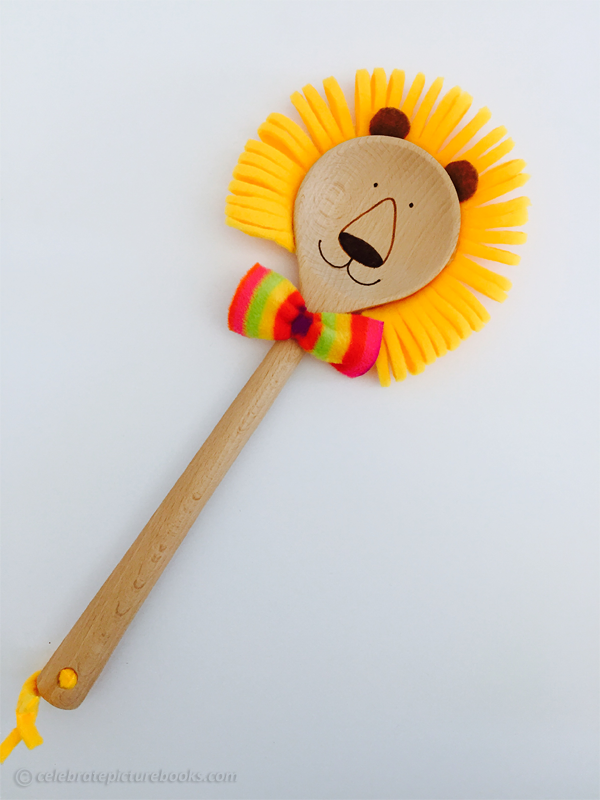
celebrate-picture-books-picture-book-review-wooden-spoon-lion-craft

Wooden Spoon Lion Puppet


Unleash your inner lion! With this craft you can make a ROARingly cute lion puppet!

Supplies

  • Wooden mixing spoon
  • Yellow Fleece
  • Brown felt
  • Colorful Fleece or felt
  • Fabric glue
  • Light brown marker
  • Dark brown marker
  • Hot glue gun or super glue

Directions

  1. To make the lion’s face
  2. Draw a nose, mouth, and eyes on the front/bowl of the spoon

To make the mane

  1. Measure the rim of the spoon from one side of the handle to the other
  2. Cut a strip of yellow fleece as long as rim measurement and 4 inches wide
  3. Fold the piece of fleece in half long-ways
  4. Glue the open edges of the fleece together
  5. Along the folded side cut a fringe, leaving the loops intact

To make the ears

  1. Cut round ears from the brown felt

To assemble the lion

  1. Glue the ears to the back of the spoon
  2. Glue the mane to the back of the spoon

To make the bow

  1. Cut a 3-inch x 1 ½-inch piece of colorful fleece or felt
  2. Cut a long thin strip of fleece or felt
  3. Pinch the bow in the middle and tie with the longer piece of cloth. Trim as necessary
  4. Glue the bow to the handle

To make the tail

  1. Cut three thin 4-inch-long strips of yellow fleece
  2. With fabric glue, glue the tops of the strips together
  3. Braid the strips
  4. At the bottom, glue the strips together, leaving the ends free
  5. Fold the top of the tail and push it into the hole in the handle of the spoon

July 24 – Amelia Earhart Day

celebrate-picture-books-picture-book-review-i-am-amelia-earhart-cover

About the Holiday

On July 24, 1897 Amelia Mary Earhart was born. With astounding bravery and perseverance, Earhart became the first woman to fly solo across the Atlantic Ocean. She was an author; a founder of the Ninety-Nines, an organization for women pilots; an instructor and career counselor; and she broke many aviation records. Her disappearance over the Pacific Ocean in 1937 remains one of the most baffling historical mysteries.

I am Amelia Earhart

Written by Brad Meltzer | Illustrated by Christopher Eliopoulos


Even as a child Amelia Earhart chafed at the idea that girls could only wear dresses, play with dolls, and have “unladylike” adventures. At the age of seven Amelia and her sister built a roller coaster in their backyard by placing two planks against a shed and making a car from a packing crate with roller skate wheels on the bottom. They even greased the wood to make it “super-fast.”

Amelia took the first ride. With the wind in her face she launched off the end of the ramp, catching air and her first feeling of flight. She crash landed a minute later, but declared the experience, “awesome!”

celebrate-picture-books-picture-book-review-i-am-amelia-earhart-interior-art-no-girl-stuff

Image copyright Christopher Eliopoulos

When Amelia was 23 she met Frank Hawks, who took her on her very first flight for ten dollars. It only took her ten minutes to realize that “she had to fly.” To save money for flying lessons Amelia took on many jobs. She worked as a truck driver, a stenographer, and a photographer. In time she learned to fly and within six months of becoming a pilot, she bought a bright yellow biplane that she named Canary.

Amelia admitted that she wasn’t a natural or even the best pilot, but she worked hard to learn the skills she needed. She also bravely dared to do what others wouldn’t or couldn’t. Because of her determination she became the first woman to fly across the Atlantic and then the first woman to fly solo across the Atlantic. At a time when people still traveled from America to Europe by boat, no one thought a woman would be able to fly that far.

To make the flight required the kind of grit that Amelia possessed. The trip took 14 hours and 56 minutes with no stops and no breaks, and when Amelia landed she broke the record for the fastest Atlantic flight ever. She broke other records too, including the woman’s altitude record and a speed record. Despite her success, whenever she set a new goal there were always people who told her she couldn’t do it. But she never let that stop her.

celebrate-picture-books-picture-book-review-i-am-amelia-earhart-interior-art-roller-coaster

Image copyright Christopher Eliopoulos

Her life and achievements serve as inspiration to all who aspire to great heights. Amelia’s advice? “Whatever your dream is, chase it. Work hard for it. You will find it. It is the best lesson I can give you.” And she added this reminder: “I hope you’ll remember that the greatest flight you’ll ever take, is the one no one has tried before.”

Part of Brad Meltzer’s I am… series of biographies, this portrait of Amelia Earhart highlights the traits of bravery and individualism—evident from her youngest years—that fueled her passion for adventure and breaking barriers. Perfectly suited for its audience, the text is conversational and includes funny asides from young Amelia to her readers. The repeated repartee between those who doubted her and Amelia (“you sure this is a good idea?” and “This isn’t a good idea. It’s the best idea!”) emphasizes Amelia’s determination and self-belief that will inspire kids to think likewise about their own dreams. The book follows Amelia from her childhood through her young adulthood and into her record-breaking years with well-chosen facts that illuminate but do not overwhelm. As this is a book to inspire children to reach for their dreams, the book makes no mention of Amelia’s eventual disappearance over the Pacific Ocean, instead leaving kids with wise words from this most iconic and fascinating adventurer.

Children love the accessibility of Christopher Eliopoulos’ I am… series illustrations! Enthusiasm and joy radiate from Amelia Earhart’s face as she races to meet the world head-on. Her dismay with typical “girl stuff” as well as her excitement when flying is evident in her very kid-like expressions. The scenes of Amelia building and riding her homemade roller coaster will make kids’ eyes widen in delight. Amelia’s various flights and planes are beautifully rendered in both up-close views of her aircraft as well as panoramic spreads showing her flying through clouds, over fields, and across the ocean. The full-bleed, vibrant and action-packed pictures will rivet kids’ attention to Amelia’s life and her inspiring message

Ages 5 – 9

Dial Books for Young Readers, 2014 | ISBN 978-0803740822

Keep up with what Brad Meltzer is writing and doing next by visiting his website!

Discover the cartoon world of Christopher Eliopoulos on his website!

Amelia Earhart Day Activity

celebrate-picture-books-picture-book-review-biplane-craft

Soar Toward Your Dreams Box Biplane


If you love airplanes and flying—or if you just have sky-high aspirations—you’ll have fun making your own plane from recycled materials! You can use your own creativity to decorate it or make Amelia Earhart’s Canary while you imagine yourself flying through the clouds on a beautiful day. This is a fun activity to share with an adult or older sibling too!

Supplies

  • Travel-size toothpaste box
  • 3 Long, wide craft sticks
  • 2 Short “popsicle” sticks
  • 5 Round toothpicks, with points cut off
  • Paint in whatever colors you like for your design
  • 4 small buttons or flat beads
  • Paint brushes
  • Strong glue or glue gun

Directions

  1. Empty toothpaste box
  2. Paint toothpaste box and decorate it
  3. Paint the craft sticks and 5 toothpicks
  4. Paint one small craft stick to be the propeller
  5. Let all objects dry

To assemble the biplane

  1. For the Bottom Wing – Glue one long, wide craft stick to the bottom of the plane about 1 inch from the end of the box that will be the front of the plane
  2. For the Top Wing – Glue the other long, wide craft stick to the top of the plane about 1 inch from the front of the plane
  3. For the Tail – Glue one short craft stick to the bottom of the box about ¾ inches from the end that is the back of the plane
  4. For the Vertical Rudder – Cut the end from one of the painted wide craft sticks, glue this to the back of the box, placing it half-way between each side

To assemble the wheels

  1. Cut 4 painted toothpicks ¾-inches long
  2. Cut one painted toothpick 1-inch long
  3. Glue 2 of the short toothpicks to the back of 1 button, the ends of the toothpicks on the button should be touching and the other end apart so the toothpicks form a V
  4. Repeat the above step for the other wheel
  5. Let the glue dry
  6. Glue the 1-inch long toothpick to the center of each wheel to keep them together and give them stability. Let dry

To make the back wheel

  1. Cut two ¼-inch lengths of painted toothpick and glue them together. Let dry
  2. Glue two mini buttons together to form the back wheel. Let dry
  3. Glue the ¼-inch toothpicks to the mini buttons. Let dry
  4. Glue these to the bottom of the plane in the center of the box directly in front of and touching the tail

May 26 – It’s Mystery Month

celebrate-picture-books-picture-book-review-it's-only-stanley

About the Holiday

There’s nothing like a mystery to rivet your attention. Odd sounds, sudden darkness, unusual circumstances, eerie apparitions, and other unexplained phenomena have beguiled people since the beginning of time. We can’t help investigating to find out who, what, why, or how? Today read  great mystery—or solve one!

It’s Only Stanley

By Jon Agee


“The Wimbledons were sleeping / It was very, very late, / When Wilma heard a spooky sound, / Which made her sit up straight.” Walter goes out into the yard to investigate.  He finds their dog Stanley howling at the moon. A little later that night their daughter Wendy is wakened by a clanking sound below her floor. Walter goes down into the basement to investigate. There’s Stanley fixing the oil tank.

Next comes young Willie: “it was even later still, / When Willie smelled a funky smell / That made him kind of ill.” So Walter goes to the kitchen to investigate. He finds Stanley has constructed a homemade lab and is cooking up a bubbling catfish stew on the stove. At half past three Wanda hears a buzzing noise and Walter finds Stanley fixing the old TV.

Tiny Wylie comes in next, having heard a splashy sound, but Walter discovers it’s only Stanley clearing the bathtub drain. “Now Wilma wasn’t happy. / And the children threw a fit. / ‘We’ll never get to sleep tonight if Stanley doesn’t quit!’” So Walter says he’ll talk to Stanley but before he can leave the room a huge KAPOW! sends the family flying.

“‘I’ll go and look,’ said Walter, / ‘And I’ll be back very soon.’ / ‘It’s only Stanley.” Walter said. / ‘We’re going to the—’” Perhaps the biggest mystery isn’t how Stanley does all this…but why!

We know dogs are smart, but who can account for Stanley!? Jon Agee’s loveable, incredibly adept family pet is laugh-out-loud precocious as his nighttime exploits expand to out-of-this-world proportions. The clever word play, alliteration, and rhyming scheme of the text adds to the humor.

Kids will love Agee’s illustrations of the serious, self-assured Stanley as he goes about his tinkering all to the nonplused consternation of his family and the detriment of his nemesis—the household cat. As in many homes with pets, readers will rightly wonder—who’s in charge here? Kids will want to hear It’s Only Stanley over and over.

Ages 4 – 8

Dial Books for Young Readers, Penguin Group, 2015 | ISBN 978-0803739079

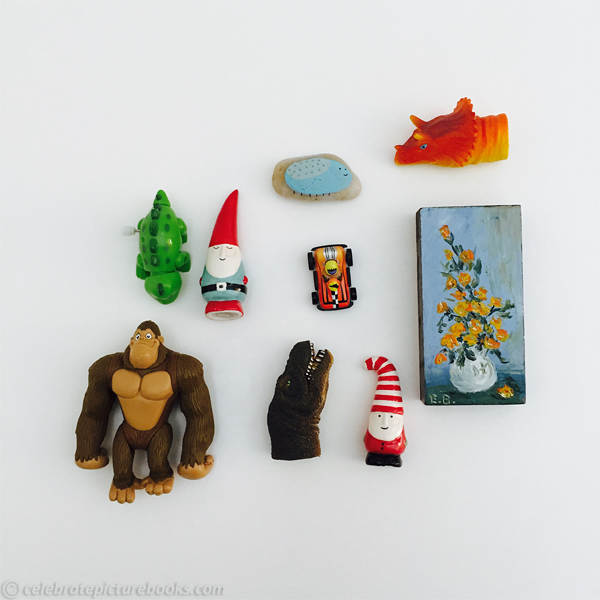
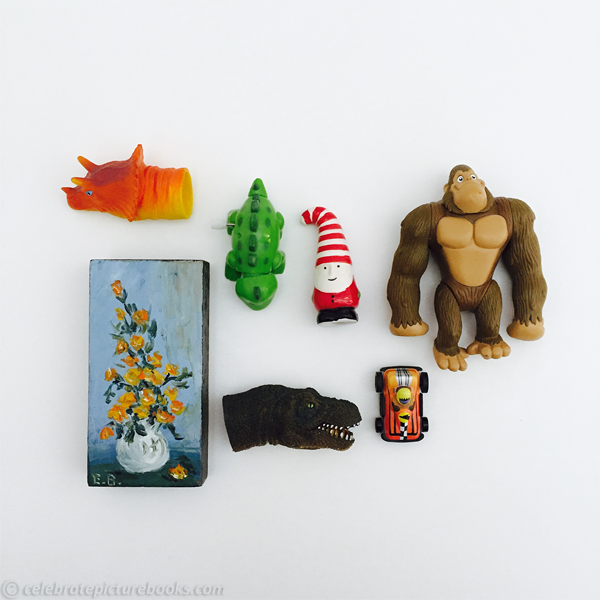
Mystery Day Activity

celebrate-picture-books-picture-book-review-what's-missing-game

What Went Missing In the Dark? Game


This fun and fabulous game combines memory building with just the right amount of suspense and spookiness. The game is best played at night or in a room that can become totally black when the lights are turned off. If you play in the daytime, just have the players leave the room while you take away objects.

celebrate-picture-books-picture-book-review-what's-missing-game

Rules

  1. Gather a number of small objects (the number will depend on the ages of the players. For younger players, gather 5 – 7 objects. For older players try 12 or more)
  2. Lay the objects on the ground or a blanket
  3. Tell the players to look at the objects for a certain amount of time. The time will depend on the ages of the players—a longer time for younger children, shorter for older kids (or to make the game more exciting)
  4. When the time is up, turn out the lights or send players out of the room.
  5. Remove 1 – 3 objects. To make the game more difficult rearrange the remaining objects
  6. Turn the lights back on.
  7. Let children guess which objects have been removed.
  8. Repeat until all the objects are gone
  9. For an alternate game, instead of removing objects, add one or two

Picture Book Review